Day 11-12: Jilin Province – Rime, Mountains, and Ancient Wonders in Northeast China Winter
My route then veered southeast into Jilin Province, a region often praised for its exceptional winter beauty, sometimes even preferred over the more famous (and crowded) Harbin ice spectacles. This was where my internal echo chamber, filled with whispers of “Jilin’s hidden beauty,” truly resonated. My first stop was Jilin City itself, specifically hoping to witness the legendary rime ice on Rime Island. The conditions for rime are specific – cold temperatures and open water vapor – and my luck held. The trees along the Songhua River were transformed into crystalline sculptures, glittering under the morning sun. It was an ethereal landscape, almost too beautiful to be real, a true winter magic. The wild ducks swimming in the unfrozen parts of the river added a lively contrast to the static, frozen beauty. I felt a profound sense of gratitude for being able to witness such a fleeting natural phenomenon, a true highlight of my Northeast China winter odyssey.
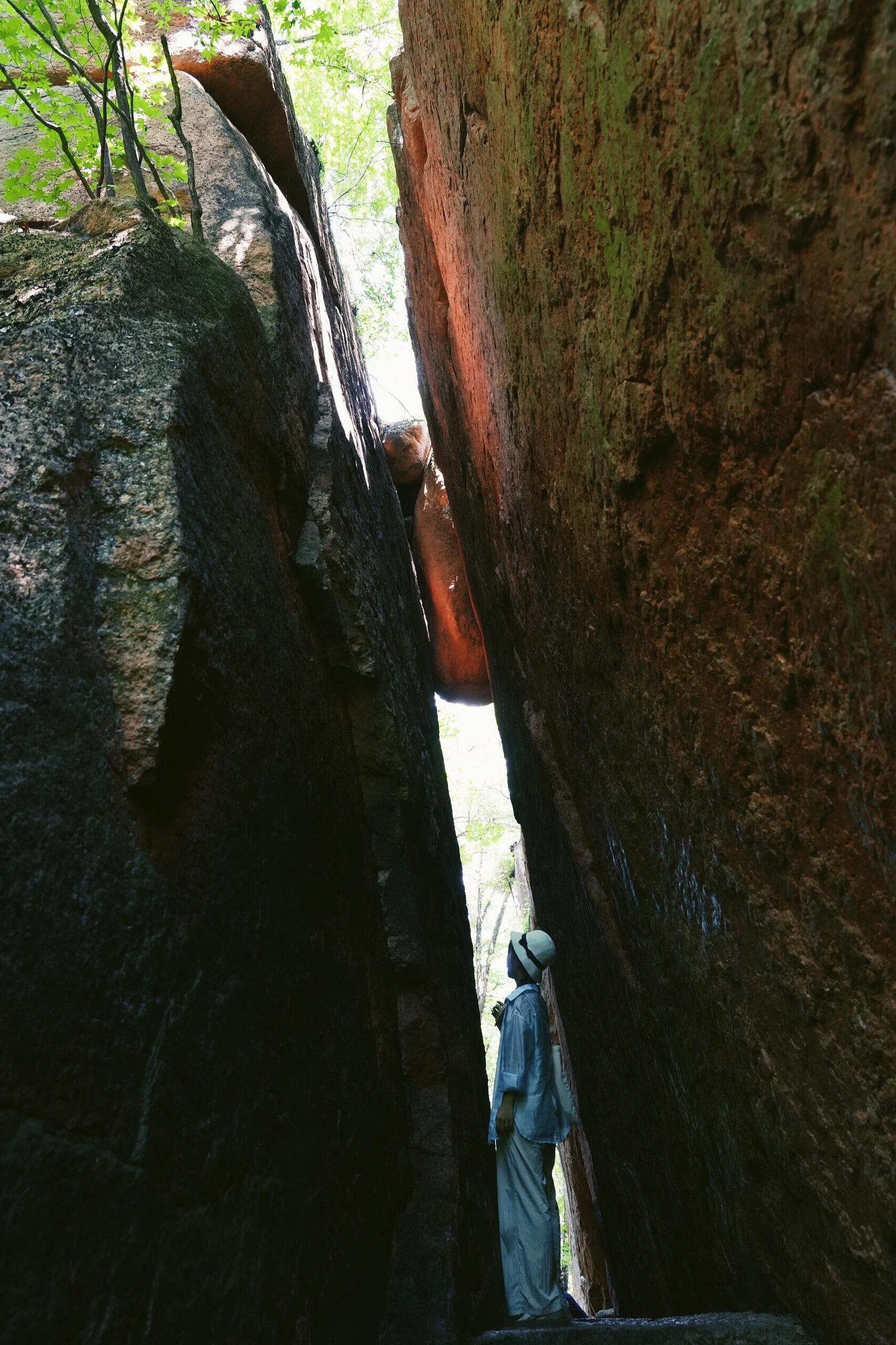
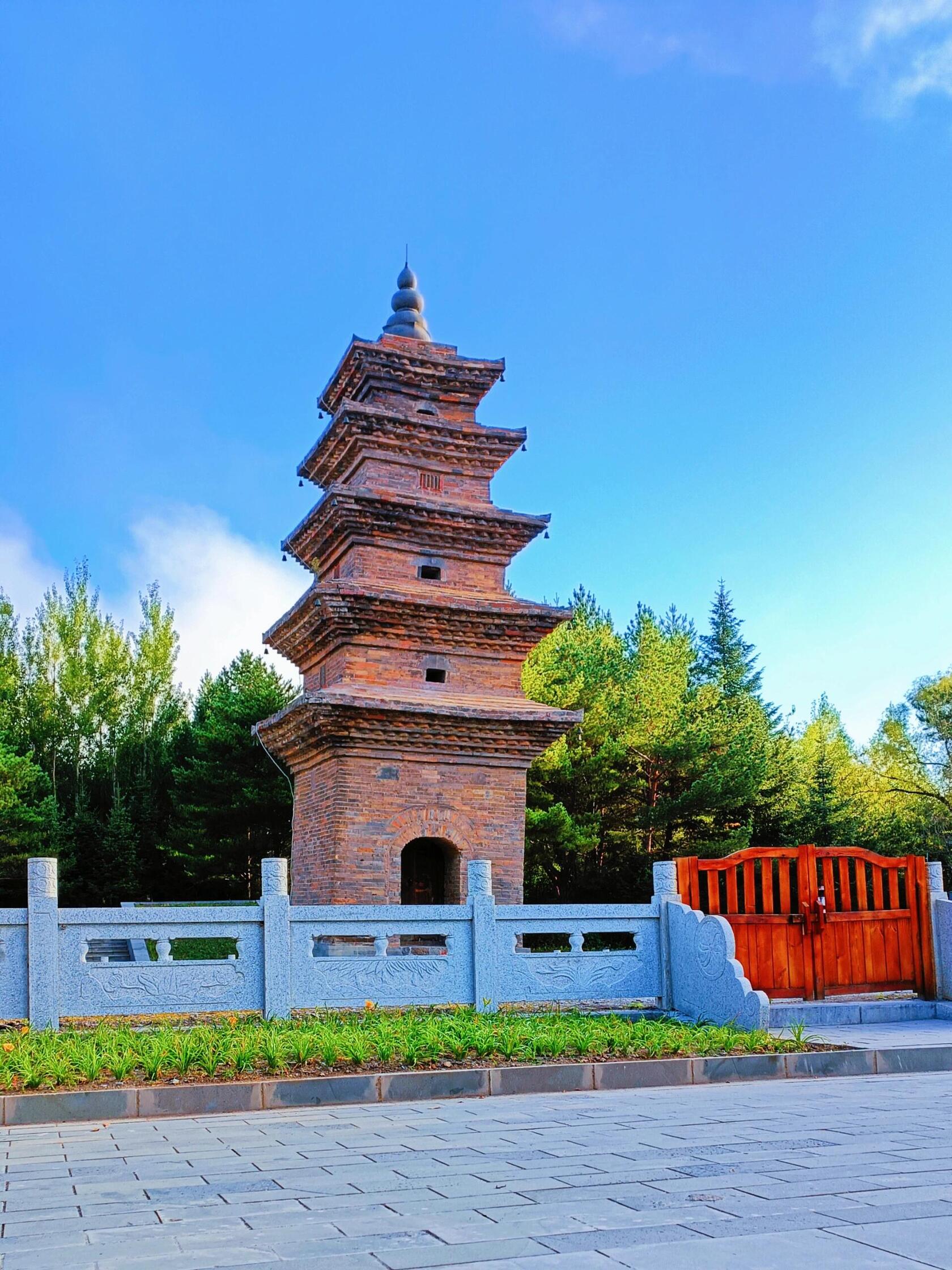
The next day was dedicated to Changbai Mountain, a majestic volcanic range that straddles the border with North Korea. The journey up the mountain was awe-inspiring, with snow-covered forests giving way to a stark, alpine landscape. Tianchi (Heaven Lake), nestled within the crater, was completely frozen, a vast expanse of white. Though the “water monster” legends were far from my mind, the sheer scale and profound silence of the place evoked a sense of ancient power. I was fortunate enough to spot a wild red fox near the thermal springs leading to the waterfall, a fleeting glimpse of wild beauty that felt like a special gift. It was a truly privileged moment, a testament to the untamed spirit of the Northeast China winter wilderness. I was mindful not to approach or feed it, respecting the delicate balance of its natural habitat. The philosophical insight here was the delicate balance between observer and observed, the importance of non-intervention.
A detour to Ji’an, a lesser-known city in Jilin, proved to be an unexpected treasure. It’s home to the ancient capital and tombs of the Goguryeo Kingdom, a UNESCO World Heritage site. Hiring a guide was essential here, as the history is rich and complex. The General’s Tomb, often called the “Oriental Pyramid,” was an imposing structure, prompting reflections on the impermanence of empires and the enduring legacy of human ambition. The Northeast China winter blanketed these ancient ruins, lending them an even more profound sense of history. The Haotaiwang Stele, a massive stone tablet, told tales of kings and conquests. It was a powerful counterpoint to the natural beauty I’d been experiencing, a reminder of the deep historical layers beneath the snow.
Eating “Goguryeo Fire Pot” in Ji’an was a delightful cultural immersion, a hearty and flavorful dish perfect for the cold weather. I also visited the Yalu River border, where I could see directly across to North Korea. The dual railway and highway national gates offered a stark visual of separation and connection. Taking a boat trip on the Yalu River, even in winter, offered a unique perspective on the two nations, with the boatman pointing out landmarks on the DPRK side. It was a moment that transcended typical tourism, sparking deeper thoughts on geopolitics and human connections.
Day 13-14: Shenyang – Imperial Echoes and Modern Vibrancy in Northeast China Winter
My final major stop was Shenyang, the capital of Liaoning Province, a city rich in history and bustling with modern life. The drive from Jilin to Shenyang was long, but offered diverse landscapes, from snow-dusted forests to more urbanized areas. My first immersion into Shenyang’s past was the Mukden Palace, the former imperial palace of the early Qing dynasty. It felt more intimate and “wilder” than Beijing’s Forbidden City, a powerful sense of history emanating from its red walls and green roofs, now softened by a fresh layer of snow. Walking through the courtyards, I could almost hear the echoes of imperial decrees and courtly intrigues. It was a profoundly moving experience, prompting me to contemplate the lives of those who once inhabited these grand halls.
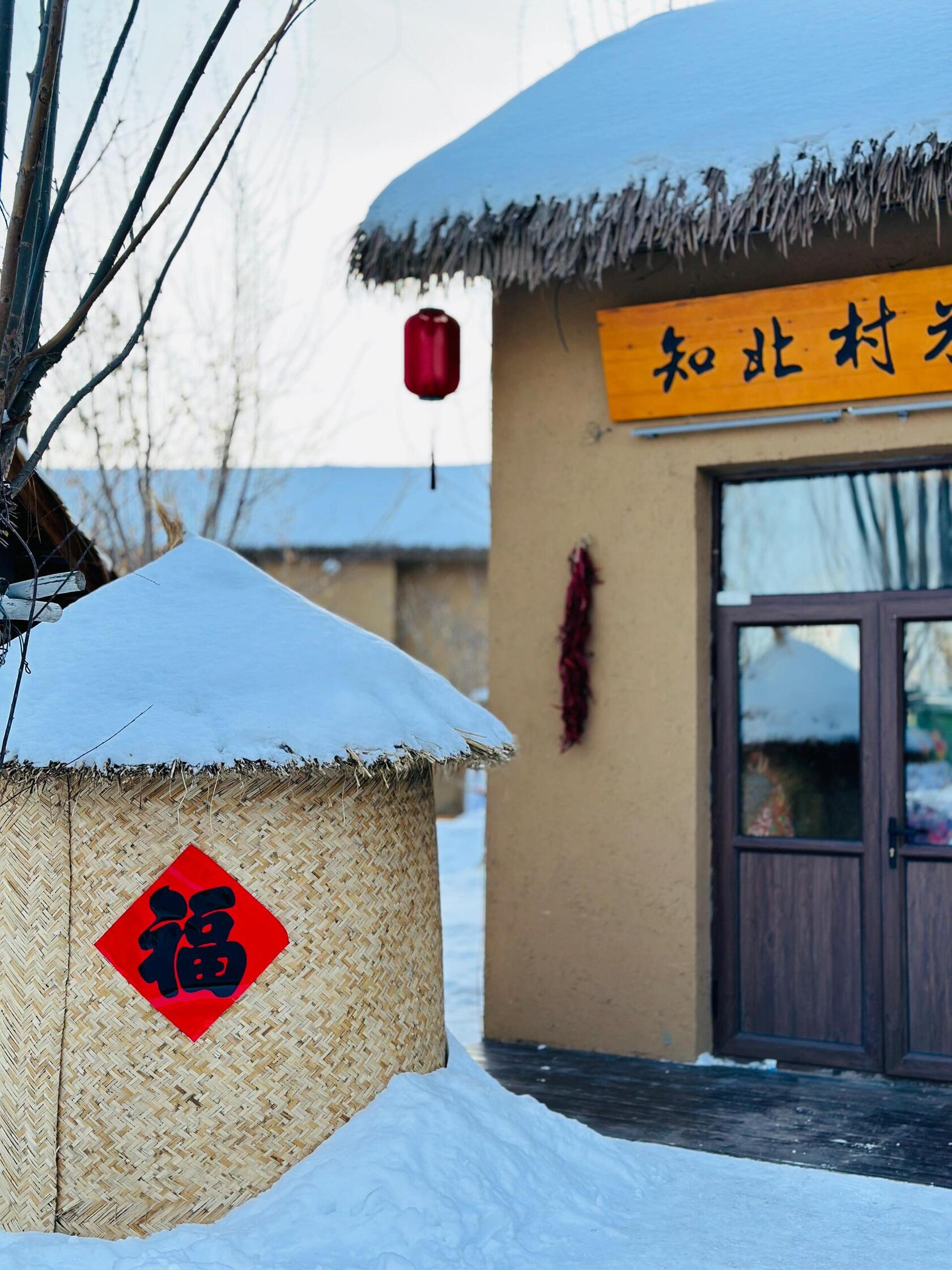
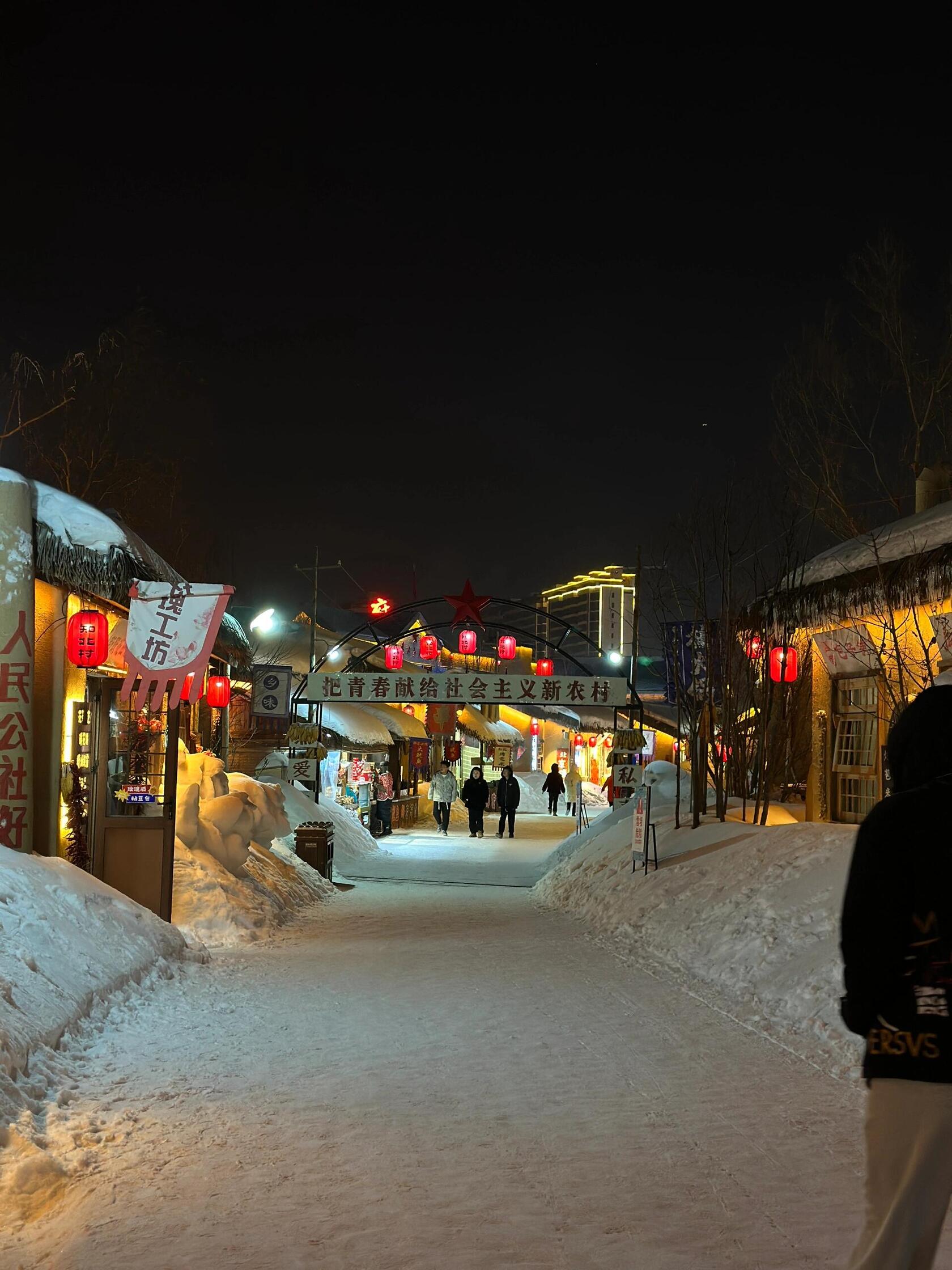
The Zhangshi Shuai Mansion, the former residence of warlord Zhang Zuolin and his son Zhang Xueliang, offered a glimpse into a more turbulent, modern era of Chinese history. The blend of traditional Chinese and Western architectural styles was intriguing, reflecting the transitional period it represented. I learned about Yu Fengzhi, Zhang Xueliang’s wife, and her poignant story, which added another layer of human drama to the historical narrative. These historical sites were not just buildings; they were vessels of stories, some grand, some heartbreaking, all integral to understanding the profound history of Northeast China winter and its people. For a budget-friendly guide to exploring this city, I’d highly recommend checking out Shenyang Budget Travel: A Comprehensive Guide, which provides excellent insights for independent travelers.
I also sought out the Dongsan Sheng Guanyin Hao, the former site of the Northeast Bank, a building that once monopolized the financial system of Northeast China. Its Western-style architecture stood out amidst the more traditional structures, a silent witness to the region’s economic power and subsequent struggles. Learning about its role, particularly during the Japanese occupation, was another sobering but crucial historical lesson. It was a stark reminder of how economic power, like political power, can be seized and reshaped by external forces.
Shenyang’s culinary scene was vibrant. I indulged in local barbecue and grilled meats, a perfect way to warm up after a day of exploration. The Korean-style cuisine, especially the marinated crabs, was a delightful surprise, showcasing the diverse cultural influences present in the region. The city felt alive, a dynamic blend of history and contemporary energy, a fitting conclusion to my extensive Northeast China winter adventure.
Reflections on a Northeast China Winter Journey: Beyond Expectations
As I prepared for my departure, a profound sense of gratitude and introspection filled me. This 14-day solo travel through Northeast China was far more than just a trip; it was a deep dive into a region that constantly challenged and expanded my perceptions. My initial confirmation bias, expecting only grandeur and spectacle, was gently corrected by moments of quiet authenticity and profound historical reflection. The “echo chamber” of online advice, while helpful for practicalities, couldn’t capture the true essence of the land or the warmth of its people.
The harshness of the Northeast China winter was not a barrier but an invitation to a deeper understanding. It forced me to slow down, to observe more keenly, and to appreciate the subtle nuances of a landscape transformed by snow and ice. From the glittering ice sculptures of Harbin to the serene rime of Jilin, from the ancient tombs of Ji’an to the imperial echoes of Shenyang, each destination offered a unique layer to this complex tapestry.
I learned that China, especially its less-traveled corners, holds a depth of experience that transcends superficial observations. It’s a land of contrasts: ancient history alongside modern development, extreme cold alongside profound warmth, bustling cities alongside vast, silent wilderness. The encounters with locals, though often brief due to language barriers, were always imbued with genuine kindness and curiosity. It taught me the universal language of a shared smile and a respectful gesture.
For any American, European, or Australian contemplating their first trip to China, especially if you’re drawn to unique, off-the-beaten-path experiences, I cannot recommend a Northeast China winter adventure enough. Be prepared for the cold, yes, but also be prepared for a journey that will warm your soul and challenge your preconceived notions. It’s an opportunity for personal growth, for mindful presence, and for connecting with the profound essence of a truly remarkable part of the world. The memories I forged, the lessons I learned, and the quiet moments of serenity I found will remain with me, long after the snow has melted and the journey has ended.
Key Takeaways and Final Thoughts for Your Northeast China Winter Trip
- Embrace the Cold: It’s an integral part of the experience. Invest in good quality winter gear.
- Flexibility is Key: While planning is good, be open to unexpected detours or changes due to weather.
- Historical Depth: Don’t shy away from the museums and historical sites. They offer crucial context.
- Local Cuisine: Be adventurous with food. It’s hearty, delicious, and a cultural experience in itself.
- Connectivity: A local SIM card and apps like Amap and WeChat are game-changers. For train bookings, 12306.cn is the official platform, though booking through third-party apps might be easier for non-Chinese speakers.
- Solo Travel: It’s entirely feasible and incredibly rewarding, offering unparalleled opportunities for introspection.
- Confirmation Bias: Be aware of your own preconceived notions and allow the place to surprise you. The reality of Northeast China winter is often richer and more nuanced than any online narrative.
This Northeast China winter expedition was an absolute triumph for the spirit of a mindful wanderer. It wasn’t just about seeing places; it was about feeling them, understanding them, and allowing them to change me. And for that, I am eternally grateful.
Day 9-10: Arxan and Ulagai – Nature’s Masterpiece in Northeast China Winter
The next leg of my journey took me to Arxan National Forest Park, a place of breathtaking natural beauty. In winter, it transforms into a pristine wonderland. The Northeast China winter here paints the landscape with an artist’s touch. I visited the frozen Tianchi Lake, a volcanic crater lake that, even under a thick sheet of ice and snow, exuded a profound sense of mystery. The Non-Freezing River, a geological anomaly, flowed defiantly through the icy landscape, its waters steaming in the sub-zero temperatures. It was a powerful reminder of nature’s resilience and its ability to surprise. I found myself standing by the river for a long time, simply observing the interplay of water, ice, and mist, a scene that unfolded with quiet dignity, revealing layers of untold stories.
The Du鹃 Lake, or Azalea Lake, also offered a serene vista, its frozen surface reflecting the pale winter sky. The park was surprisingly quiet, allowing for genuine moments of solitude and deep connection with nature. This was the authentic, unadulterated beauty I had sought, far from the madding crowds. My initial internal debate about whether to visit Arxan in winter, fearing it might be “too barren,” was completely dispelled. It was, in fact, gloriously stark and beautiful, a testament to the fact that beauty often lies in simplicity and the absence of verdant distractions. The small breakfast buns I had at a local eatery near the park were unexpectedly delicious, a simple pleasure amidst the grand landscapes.
Continuing my journey, I made a brief stop near Ulagai Grassland. While the reference materials suggested Ulagai was best in autumn with its “golden grasses,” I wanted to see it in winter’s embrace. The grasslands, covered in a blanket of snow, were vast and silent, a different kind of beauty. It was a landscape that invited deep contemplation, a canvas of white stretching to the horizon. Though the “Nine Bends” weren’t as visually striking as in other seasons, the sheer scale of the winter grassland offered a unique perspective on the profound emptiness and quietude of nature. It made me reflect on the cyclical nature of life, of dormancy and rebirth, a philosophical insight sparked by the tranquil Northeast China winter scene.
For those interested in exploring more of China’s diverse landscapes, beyond the well-trodden paths, I found some compelling reads. For example, the journey described in A Student’s Affordable Adventure Through Heilongjiang and Harbin offers a different perspective on navigating this northern region on a tighter budget. And if you’re keen on discovering more hidden gems, Discovering Hidden Gems: Lesser-Known Treasures of Liaoning might inspire future explorations in the neighboring province.
Day 11-12: Jilin Province – Rime, Mountains, and Ancient Wonders in Northeast China Winter
My route then veered southeast into Jilin Province, a region often praised for its exceptional winter beauty, sometimes even preferred over the more famous (and crowded) Harbin ice spectacles. This was where my internal echo chamber, filled with whispers of “Jilin’s hidden beauty,” truly resonated. My first stop was Jilin City itself, specifically hoping to witness the legendary rime ice on Rime Island. The conditions for rime are specific – cold temperatures and open water vapor – and my luck held. The trees along the Songhua River were transformed into crystalline sculptures, glittering under the morning sun. It was an ethereal landscape, almost too beautiful to be real, a true winter magic. The wild ducks swimming in the unfrozen parts of the river added a lively contrast to the static, frozen beauty. I felt a profound sense of gratitude for being able to witness such a fleeting natural phenomenon, a true highlight of my Northeast China winter odyssey.
The next day was dedicated to Changbai Mountain, a majestic volcanic range that straddles the border with North Korea. The journey up the mountain was awe-inspiring, with snow-covered forests giving way to a stark, alpine landscape. Tianchi (Heaven Lake), nestled within the crater, was completely frozen, a vast expanse of white. Though the “water monster” legends were far from my mind, the sheer scale and profound silence of the place evoked a sense of ancient power. I was fortunate enough to spot a wild red fox near the thermal springs leading to the waterfall, a fleeting glimpse of wild beauty that felt like a special gift. It was a truly privileged moment, a testament to the untamed spirit of the Northeast China winter wilderness. I was mindful not to approach or feed it, respecting the delicate balance of its natural habitat. The philosophical insight here was the delicate balance between observer and observed, the importance of non-intervention.
A detour to Ji’an, a lesser-known city in Jilin, proved to be an unexpected treasure. It’s home to the ancient capital and tombs of the Goguryeo Kingdom, a UNESCO World Heritage site. Hiring a guide was essential here, as the history is rich and complex. The General’s Tomb, often called the “Oriental Pyramid,” was an imposing structure, prompting reflections on the impermanence of empires and the enduring legacy of human ambition. The Northeast China winter blanketed these ancient ruins, lending them an even more profound sense of history. The Haotaiwang Stele, a massive stone tablet, told tales of kings and conquests. It was a powerful counterpoint to the natural beauty I’d been experiencing, a reminder of the deep historical layers beneath the snow.
Eating “Goguryeo Fire Pot” in Ji’an was a delightful cultural immersion, a hearty and flavorful dish perfect for the cold weather. I also visited the Yalu River border, where I could see directly across to North Korea. The dual railway and highway national gates offered a stark visual of separation and connection. Taking a boat trip on the Yalu River, even in winter, offered a unique perspective on the two nations, with the boatman pointing out landmarks on the DPRK side. It was a moment that transcended typical tourism, sparking deeper thoughts on geopolitics and human connections.
Day 13-14: Shenyang – Imperial Echoes and Modern Vibrancy in Northeast China Winter
My final major stop was Shenyang, the capital of Liaoning Province, a city rich in history and bustling with modern life. The drive from Jilin to Shenyang was long, but offered diverse landscapes, from snow-dusted forests to more urbanized areas. My first immersion into Shenyang’s past was the Mukden Palace, the former imperial palace of the early Qing dynasty. It felt more intimate and “wilder” than Beijing’s Forbidden City, a powerful sense of history emanating from its red walls and green roofs, now softened by a fresh layer of snow. Walking through the courtyards, I could almost hear the echoes of imperial decrees and courtly intrigues. It was a profoundly moving experience, prompting me to contemplate the lives of those who once inhabited these grand halls.
The Zhangshi Shuai Mansion, the former residence of warlord Zhang Zuolin and his son Zhang Xueliang, offered a glimpse into a more turbulent, modern era of Chinese history. The blend of traditional Chinese and Western architectural styles was intriguing, reflecting the transitional period it represented. I learned about Yu Fengzhi, Zhang Xueliang’s wife, and her poignant story, which added another layer of human drama to the historical narrative. These historical sites were not just buildings; they were vessels of stories, some grand, some heartbreaking, all integral to understanding the profound history of Northeast China winter and its people. For a budget-friendly guide to exploring this city, I’d highly recommend checking out Shenyang Budget Travel: A Comprehensive Guide, which provides excellent insights for independent travelers.
I also sought out the Dongsan Sheng Guanyin Hao, the former site of the Northeast Bank, a building that once monopolized the financial system of Northeast China. Its Western-style architecture stood out amidst the more traditional structures, a silent witness to the region’s economic power and subsequent struggles. Learning about its role, particularly during the Japanese occupation, was another sobering but crucial historical lesson. It was a stark reminder of how economic power, like political power, can be seized and reshaped by external forces.
Shenyang’s culinary scene was vibrant. I indulged in local barbecue and grilled meats, a perfect way to warm up after a day of exploration. The Korean-style cuisine, especially the marinated crabs, was a delightful surprise, showcasing the diverse cultural influences present in the region. The city felt alive, a dynamic blend of history and contemporary energy, a fitting conclusion to my extensive Northeast China winter adventure.
Reflections on a Northeast China Winter Journey: Beyond Expectations
As I prepared for my departure, a profound sense of gratitude and introspection filled me. This 14-day solo travel through Northeast China was far more than just a trip; it was a deep dive into a region that constantly challenged and expanded my perceptions. My initial confirmation bias, expecting only grandeur and spectacle, was gently corrected by moments of quiet authenticity and profound historical reflection. The “echo chamber” of online advice, while helpful for practicalities, couldn’t capture the true essence of the land or the warmth of its people.
The harshness of the Northeast China winter was not a barrier but an invitation to a deeper understanding. It forced me to slow down, to observe more keenly, and to appreciate the subtle nuances of a landscape transformed by snow and ice. From the glittering ice sculptures of Harbin to the serene rime of Jilin, from the ancient tombs of Ji’an to the imperial echoes of Shenyang, each destination offered a unique layer to this complex tapestry.
I learned that China, especially its less-traveled corners, holds a depth of experience that transcends superficial observations. It’s a land of contrasts: ancient history alongside modern development, extreme cold alongside profound warmth, bustling cities alongside vast, silent wilderness. The encounters with locals, though often brief due to language barriers, were always imbued with genuine kindness and curiosity. It taught me the universal language of a shared smile and a respectful gesture.
For any American, European, or Australian contemplating their first trip to China, especially if you’re drawn to unique, off-the-beaten-path experiences, I cannot recommend a Northeast China winter adventure enough. Be prepared for the cold, yes, but also be prepared for a journey that will warm your soul and challenge your preconceived notions. It’s an opportunity for personal growth, for mindful presence, and for connecting with the profound essence of a truly remarkable part of the world. The memories I forged, the lessons I learned, and the quiet moments of serenity I found will remain with me, long after the snow has melted and the journey has ended.
Key Takeaways and Final Thoughts for Your Northeast China Winter Trip
- Embrace the Cold: It’s an integral part of the experience. Invest in good quality winter gear.
- Flexibility is Key: While planning is good, be open to unexpected detours or changes due to weather.
- Historical Depth: Don’t shy away from the museums and historical sites. They offer crucial context.
- Local Cuisine: Be adventurous with food. It’s hearty, delicious, and a cultural experience in itself.
- Connectivity: A local SIM card and apps like Amap and WeChat are game-changers. For train bookings, 12306.cn is the official platform, though booking through third-party apps might be easier for non-Chinese speakers.
- Solo Travel: It’s entirely feasible and incredibly rewarding, offering unparalleled opportunities for introspection.
- Confirmation Bias: Be aware of your own preconceived notions and allow the place to surprise you. The reality of Northeast China winter is often richer and more nuanced than any online narrative.
This Northeast China winter expedition was an absolute triumph for the spirit of a mindful wanderer. It wasn’t just about seeing places; it was about feeling them, understanding them, and allowing them to change me. And for that, I am eternally grateful.
Reflections on a Northeast China Winter Journey: Beyond Expectations
As I prepared for my departure, a profound sense of gratitude and introspection filled me. This 14-day solo travel through Northeast China was far more than just a trip; it was a deep dive into a region that constantly challenged and expanded my perceptions. My initial confirmation bias, expecting only grandeur and spectacle, was gently corrected by moments of quiet authenticity and profound historical reflection. The “echo chamber” of online advice, while helpful for practicalities, couldn’t capture the true essence of the land or the warmth of its people.
The harshness of the Northeast China winter was not a barrier but an invitation to a deeper understanding. It forced me to slow down, to observe more keenly, and to appreciate the subtle nuances of a landscape transformed by snow and ice. From the glittering ice sculptures of Harbin to the serene rime of Jilin, from the ancient tombs of Ji’an to the imperial echoes of Shenyang, each destination offered a unique layer to this complex tapestry.
I learned that China, especially its less-traveled corners, holds a depth of experience that transcends superficial observations. It’s a land of contrasts: ancient history alongside modern development, extreme cold alongside profound warmth, bustling cities alongside vast, silent wilderness. The encounters with locals, though often brief due to language barriers, were always imbued with genuine kindness and curiosity. It taught me the universal language of a shared smile and a respectful gesture.
For any American, European, or Australian contemplating their first trip to China, especially if you’re drawn to unique, off-the-beaten-path experiences, I cannot recommend a Northeast China winter adventure enough. Be prepared for the cold, yes, but also be prepared for a journey that will warm your soul and challenge your preconceived notions. It’s an opportunity for personal growth, for mindful presence, and for connecting with the profound essence of a truly remarkable part of the world. The memories I forged, the lessons I learned, and the quiet moments of serenity I found will remain with me, long after the snow has melted and the journey has ended.
Key Takeaways and Final Thoughts for Your Northeast China Winter Trip
- Embrace the Cold: It’s an integral part of the experience. Invest in good quality winter gear.
- Flexibility is Key: While planning is good, be open to unexpected detours or changes due to weather.
- Historical Depth: Don’t shy away from the museums and historical sites. They offer crucial context.
- Local Cuisine: Be adventurous with food. It’s hearty, delicious, and a cultural experience in itself.
- Connectivity: A local SIM card and apps like Amap and WeChat are game-changers. For train bookings, 12306.cn is the official platform, though booking through third-party apps might be easier for non-Chinese speakers.
- Solo Travel: It’s entirely feasible and incredibly rewarding, offering unparalleled opportunities for introspection.
- Confirmation Bias: Be aware of your own preconceived notions and allow the place to surprise you. The reality of Northeast China winter is often richer and more nuanced than any online narrative.
This Northeast China winter expedition was an absolute triumph for the spirit of a mindful wanderer. It wasn’t just about seeing places; it was about feeling them, understanding them, and allowing them to change me. And for that, I am eternally grateful.
Day 9-10: Arxan and Ulagai – Nature’s Masterpiece in Northeast China Winter
The next leg of my journey took me to Arxan National Forest Park, a place of breathtaking natural beauty. In winter, it transforms into a pristine wonderland. The Northeast China winter here paints the landscape with an artist’s touch. I visited the frozen Tianchi Lake, a volcanic crater lake that, even under a thick sheet of ice and snow, exuded a profound sense of mystery. The Non-Freezing River, a geological anomaly, flowed defiantly through the icy landscape, its waters steaming in the sub-zero temperatures. It was a powerful reminder of nature’s resilience and its ability to surprise. I found myself standing by the river for a long time, simply observing the interplay of water, ice, and mist, a scene that unfolded with quiet dignity, revealing layers of untold stories.
The Du鹃 Lake, or Azalea Lake, also offered a serene vista, its frozen surface reflecting the pale winter sky. The park was surprisingly quiet, allowing for genuine moments of solitude and deep connection with nature. This was the authentic, unadulterated beauty I had sought, far from the madding crowds. My initial internal debate about whether to visit Arxan in winter, fearing it might be “too barren,” was completely dispelled. It was, in fact, gloriously stark and beautiful, a testament to the fact that beauty often lies in simplicity and the absence of verdant distractions. The small breakfast buns I had at a local eatery near the park were unexpectedly delicious, a simple pleasure amidst the grand landscapes.
Continuing my journey, I made a brief stop near Ulagai Grassland. While the reference materials suggested Ulagai was best in autumn with its “golden grasses,” I wanted to see it in winter’s embrace. The grasslands, covered in a blanket of snow, were vast and silent, a different kind of beauty. It was a landscape that invited deep contemplation, a canvas of white stretching to the horizon. Though the “Nine Bends” weren’t as visually striking as in other seasons, the sheer scale of the winter grassland offered a unique perspective on the profound emptiness and quietude of nature. It made me reflect on the cyclical nature of life, of dormancy and rebirth, a philosophical insight sparked by the tranquil Northeast China winter scene.
For those interested in exploring more of China’s diverse landscapes, beyond the well-trodden paths, I found some compelling reads. For example, the journey described in A Student’s Affordable Adventure Through Heilongjiang and Harbin offers a different perspective on navigating this northern region on a tighter budget. And if you’re keen on discovering more hidden gems, Discovering Hidden Gems: Lesser-Known Treasures of Liaoning might inspire future explorations in the neighboring province.
Day 11-12: Jilin Province – Rime, Mountains, and Ancient Wonders in Northeast China Winter
My route then veered southeast into Jilin Province, a region often praised for its exceptional winter beauty, sometimes even preferred over the more famous (and crowded) Harbin ice spectacles. This was where my internal echo chamber, filled with whispers of “Jilin’s hidden beauty,” truly resonated. My first stop was Jilin City itself, specifically hoping to witness the legendary rime ice on Rime Island. The conditions for rime are specific – cold temperatures and open water vapor – and my luck held. The trees along the Songhua River were transformed into crystalline sculptures, glittering under the morning sun. It was an ethereal landscape, almost too beautiful to be real, a true winter magic. The wild ducks swimming in the unfrozen parts of the river added a lively contrast to the static, frozen beauty. I felt a profound sense of gratitude for being able to witness such a fleeting natural phenomenon, a true highlight of my Northeast China winter odyssey.
The next day was dedicated to Changbai Mountain, a majestic volcanic range that straddles the border with North Korea. The journey up the mountain was awe-inspiring, with snow-covered forests giving way to a stark, alpine landscape. Tianchi (Heaven Lake), nestled within the crater, was completely frozen, a vast expanse of white. Though the “water monster” legends were far from my mind, the sheer scale and profound silence of the place evoked a sense of ancient power. I was fortunate enough to spot a wild red fox near the thermal springs leading to the waterfall, a fleeting glimpse of wild beauty that felt like a special gift. It was a truly privileged moment, a testament to the untamed spirit of the Northeast China winter wilderness. I was mindful not to approach or feed it, respecting the delicate balance of its natural habitat. The philosophical insight here was the delicate balance between observer and observed, the importance of non-intervention.
A detour to Ji’an, a lesser-known city in Jilin, proved to be an unexpected treasure. It’s home to the ancient capital and tombs of the Goguryeo Kingdom, a UNESCO World Heritage site. Hiring a guide was essential here, as the history is rich and complex. The General’s Tomb, often called the “Oriental Pyramid,” was an imposing structure, prompting reflections on the impermanence of empires and the enduring legacy of human ambition. The Northeast China winter blanketed these ancient ruins, lending them an even more profound sense of history. The Haotaiwang Stele, a massive stone tablet, told tales of kings and conquests. It was a powerful counterpoint to the natural beauty I’d been experiencing, a reminder of the deep historical layers beneath the snow.
Eating “Goguryeo Fire Pot” in Ji’an was a delightful cultural immersion, a hearty and flavorful dish perfect for the cold weather. I also visited the Yalu River border, where I could see directly across to North Korea. The dual railway and highway national gates offered a stark visual of separation and connection. Taking a boat trip on the Yalu River, even in winter, offered a unique perspective on the two nations, with the boatman pointing out landmarks on the DPRK side. It was a moment that transcended typical tourism, sparking deeper thoughts on geopolitics and human connections.
Day 13-14: Shenyang – Imperial Echoes and Modern Vibrancy in Northeast China Winter
My final major stop was Shenyang, the capital of Liaoning Province, a city rich in history and bustling with modern life. The drive from Jilin to Shenyang was long, but offered diverse landscapes, from snow-dusted forests to more urbanized areas. My first immersion into Shenyang’s past was the Mukden Palace, the former imperial palace of the early Qing dynasty. It felt more intimate and “wilder” than Beijing’s Forbidden City, a powerful sense of history emanating from its red walls and green roofs, now softened by a fresh layer of snow. Walking through the courtyards, I could almost hear the echoes of imperial decrees and courtly intrigues. It was a profoundly moving experience, prompting me to contemplate the lives of those who once inhabited these grand halls.
The Zhangshi Shuai Mansion, the former residence of warlord Zhang Zuolin and his son Zhang Xueliang, offered a glimpse into a more turbulent, modern era of Chinese history. The blend of traditional Chinese and Western architectural styles was intriguing, reflecting the transitional period it represented. I learned about Yu Fengzhi, Zhang Xueliang’s wife, and her poignant story, which added another layer of human drama to the historical narrative. These historical sites were not just buildings; they were vessels of stories, some grand, some heartbreaking, all integral to understanding the profound history of Northeast China winter and its people. For a budget-friendly guide to exploring this city, I’d highly recommend checking out Shenyang Budget Travel: A Comprehensive Guide, which provides excellent insights for independent travelers.
I also sought out the Dongsan Sheng Guanyin Hao, the former site of the Northeast Bank, a building that once monopolized the financial system of Northeast China. Its Western-style architecture stood out amidst the more traditional structures, a silent witness to the region’s economic power and subsequent struggles. Learning about its role, particularly during the Japanese occupation, was another sobering but crucial historical lesson. It was a stark reminder of how economic power, like political power, can be seized and reshaped by external forces.
Shenyang’s culinary scene was vibrant. I indulged in local barbecue and grilled meats, a perfect way to warm up after a day of exploration. The Korean-style cuisine, especially the marinated crabs, was a delightful surprise, showcasing the diverse cultural influences present in the region. The city felt alive, a dynamic blend of history and contemporary energy, a fitting conclusion to my extensive Northeast China winter adventure.
Reflections on a Northeast China Winter Journey: Beyond Expectations
As I prepared for my departure, a profound sense of gratitude and introspection filled me. This 14-day solo travel through Northeast China was far more than just a trip; it was a deep dive into a region that constantly challenged and expanded my perceptions. My initial confirmation bias, expecting only grandeur and spectacle, was gently corrected by moments of quiet authenticity and profound historical reflection. The “echo chamber” of online advice, while helpful for practicalities, couldn’t capture the true essence of the land or the warmth of its people.
The harshness of the Northeast China winter was not a barrier but an invitation to a deeper understanding. It forced me to slow down, to observe more keenly, and to appreciate the subtle nuances of a landscape transformed by snow and ice. From the glittering ice sculptures of Harbin to the serene rime of Jilin, from the ancient tombs of Ji’an to the imperial echoes of Shenyang, each destination offered a unique layer to this complex tapestry.
I learned that China, especially its less-traveled corners, holds a depth of experience that transcends superficial observations. It’s a land of contrasts: ancient history alongside modern development, extreme cold alongside profound warmth, bustling cities alongside vast, silent wilderness. The encounters with locals, though often brief due to language barriers, were always imbued with genuine kindness and curiosity. It taught me the universal language of a shared smile and a respectful gesture.
For any American, European, or Australian contemplating their first trip to China, especially if you’re drawn to unique, off-the-beaten-path experiences, I cannot recommend a Northeast China winter adventure enough. Be prepared for the cold, yes, but also be prepared for a journey that will warm your soul and challenge your preconceived notions. It’s an opportunity for personal growth, for mindful presence, and for connecting with the profound essence of a truly remarkable part of the world. The memories I forged, the lessons I learned, and the quiet moments of serenity I found will remain with me, long after the snow has melted and the journey has ended.
Key Takeaways and Final Thoughts for Your Northeast China Winter Trip
- Embrace the Cold: It’s an integral part of the experience. Invest in good quality winter gear.
- Flexibility is Key: While planning is good, be open to unexpected detours or changes due to weather.
- Historical Depth: Don’t shy away from the museums and historical sites. They offer crucial context.
- Local Cuisine: Be adventurous with food. It’s hearty, delicious, and a cultural experience in itself.
- Connectivity: A local SIM card and apps like Amap and WeChat are game-changers. For train bookings, 12306.cn is the official platform, though booking through third-party apps might be easier for non-Chinese speakers.
- Solo Travel: It’s entirely feasible and incredibly rewarding, offering unparalleled opportunities for introspection.
- Confirmation Bias: Be aware of your own preconceived notions and allow the place to surprise you. The reality of Northeast China winter is often richer and more nuanced than any online narrative.
This Northeast China winter expedition was an absolute triumph for the spirit of a mindful wanderer. It wasn’t just about seeing places; it was about feeling them, understanding them, and allowing them to change me. And for that, I am eternally grateful.
Day 13-14: Shenyang – Imperial Echoes and Modern Vibrancy in Northeast China Winter
My final major stop was Shenyang, the capital of Liaoning Province, a city rich in history and bustling with modern life. The drive from Jilin to Shenyang was long, but offered diverse landscapes, from snow-dusted forests to more urbanized areas. My first immersion into Shenyang’s past was the Mukden Palace, the former imperial palace of the early Qing dynasty. It felt more intimate and “wilder” than Beijing’s Forbidden City, a powerful sense of history emanating from its red walls and green roofs, now softened by a fresh layer of snow. Walking through the courtyards, I could almost hear the echoes of imperial decrees and courtly intrigues. It was a profoundly moving experience, prompting me to contemplate the lives of those who once inhabited these grand halls.
The Zhangshi Shuai Mansion, the former residence of warlord Zhang Zuolin and his son Zhang Xueliang, offered a glimpse into a more turbulent, modern era of Chinese history. The blend of traditional Chinese and Western architectural styles was intriguing, reflecting the transitional period it represented. I learned about Yu Fengzhi, Zhang Xueliang’s wife, and her poignant story, which added another layer of human drama to the historical narrative. These historical sites were not just buildings; they were vessels of stories, some grand, some heartbreaking, all integral to understanding the profound history of Northeast China winter and its people. For a budget-friendly guide to exploring this city, I’d highly recommend checking out Shenyang Budget Travel: A Comprehensive Guide, which provides excellent insights for independent travelers.
I also sought out the Dongsan Sheng Guanyin Hao, the former site of the Northeast Bank, a building that once monopolized the financial system of Northeast China. Its Western-style architecture stood out amidst the more traditional structures, a silent witness to the region’s economic power and subsequent struggles. Learning about its role, particularly during the Japanese occupation, was another sobering but crucial historical lesson. It was a stark reminder of how economic power, like political power, can be seized and reshaped by external forces.
Shenyang’s culinary scene was vibrant. I indulged in local barbecue and grilled meats, a perfect way to warm up after a day of exploration. The Korean-style cuisine, especially the marinated crabs, was a delightful surprise, showcasing the diverse cultural influences present in the region. The city felt alive, a dynamic blend of history and contemporary energy, a fitting conclusion to my extensive Northeast China winter adventure.
Reflections on a Northeast China Winter Journey: Beyond Expectations
As I prepared for my departure, a profound sense of gratitude and introspection filled me. This 14-day solo travel through Northeast China was far more than just a trip; it was a deep dive into a region that constantly challenged and expanded my perceptions. My initial confirmation bias, expecting only grandeur and spectacle, was gently corrected by moments of quiet authenticity and profound historical reflection. The “echo chamber” of online advice, while helpful for practicalities, couldn’t capture the true essence of the land or the warmth of its people.
The harshness of the Northeast China winter was not a barrier but an invitation to a deeper understanding. It forced me to slow down, to observe more keenly, and to appreciate the subtle nuances of a landscape transformed by snow and ice. From the glittering ice sculptures of Harbin to the serene rime of Jilin, from the ancient tombs of Ji’an to the imperial echoes of Shenyang, each destination offered a unique layer to this complex tapestry.
I learned that China, especially its less-traveled corners, holds a depth of experience that transcends superficial observations. It’s a land of contrasts: ancient history alongside modern development, extreme cold alongside profound warmth, bustling cities alongside vast, silent wilderness. The encounters with locals, though often brief due to language barriers, were always imbued with genuine kindness and curiosity. It taught me the universal language of a shared smile and a respectful gesture.
For any American, European, or Australian contemplating their first trip to China, especially if you’re drawn to unique, off-the-beaten-path experiences, I cannot recommend a Northeast China winter adventure enough. Be prepared for the cold, yes, but also be prepared for a journey that will warm your soul and challenge your preconceived notions. It’s an opportunity for personal growth, for mindful presence, and for connecting with the profound essence of a truly remarkable part of the world. The memories I forged, the lessons I learned, and the quiet moments of serenity I found will remain with me, long after the snow has melted and the journey has ended.
Key Takeaways and Final Thoughts for Your Northeast China Winter Trip
- Embrace the Cold: It’s an integral part of the experience. Invest in good quality winter gear.
- Flexibility is Key: While planning is good, be open to unexpected detours or changes due to weather.
- Historical Depth: Don’t shy away from the museums and historical sites. They offer crucial context.
- Local Cuisine: Be adventurous with food. It’s hearty, delicious, and a cultural experience in itself.
- Connectivity: A local SIM card and apps like Amap and WeChat are game-changers. For train bookings, 12306.cn is the official platform, though booking through third-party apps might be easier for non-Chinese speakers.
- Solo Travel: It’s entirely feasible and incredibly rewarding, offering unparalleled opportunities for introspection.
- Confirmation Bias: Be aware of your own preconceived notions and allow the place to surprise you. The reality of Northeast China winter is often richer and more nuanced than any online narrative.
This Northeast China winter expedition was an absolute triumph for the spirit of a mindful wanderer. It wasn’t just about seeing places; it was about feeling them, understanding them, and allowing them to change me. And for that, I am eternally grateful.
Day 9-10: Arxan and Ulagai – Nature’s Masterpiece in Northeast China Winter
The next leg of my journey took me to Arxan National Forest Park, a place of breathtaking natural beauty. In winter, it transforms into a pristine wonderland. The Northeast China winter here paints the landscape with an artist’s touch. I visited the frozen Tianchi Lake, a volcanic crater lake that, even under a thick sheet of ice and snow, exuded a profound sense of mystery. The Non-Freezing River, a geological anomaly, flowed defiantly through the icy landscape, its waters steaming in the sub-zero temperatures. It was a powerful reminder of nature’s resilience and its ability to surprise. I found myself standing by the river for a long time, simply observing the interplay of water, ice, and mist, a scene that unfolded with quiet dignity, revealing layers of untold stories.
The Du鹃 Lake, or Azalea Lake, also offered a serene vista, its frozen surface reflecting the pale winter sky. The park was surprisingly quiet, allowing for genuine moments of solitude and deep connection with nature. This was the authentic, unadulterated beauty I had sought, far from the madding crowds. My initial internal debate about whether to visit Arxan in winter, fearing it might be “too barren,” was completely dispelled. It was, in fact, gloriously stark and beautiful, a testament to the fact that beauty often lies in simplicity and the absence of verdant distractions. The small breakfast buns I had at a local eatery near the park were unexpectedly delicious, a simple pleasure amidst the grand landscapes.
Continuing my journey, I made a brief stop near Ulagai Grassland. While the reference materials suggested Ulagai was best in autumn with its “golden grasses,” I wanted to see it in winter’s embrace. The grasslands, covered in a blanket of snow, were vast and silent, a different kind of beauty. It was a landscape that invited deep contemplation, a canvas of white stretching to the horizon. Though the “Nine Bends” weren’t as visually striking as in other seasons, the sheer scale of the winter grassland offered a unique perspective on the profound emptiness and quietude of nature. It made me reflect on the cyclical nature of life, of dormancy and rebirth, a philosophical insight sparked by the tranquil Northeast China winter scene.
For those interested in exploring more of China’s diverse landscapes, beyond the well-trodden paths, I found some compelling reads. For example, the journey described in A Student’s Affordable Adventure Through Heilongjiang and Harbin offers a different perspective on navigating this northern region on a tighter budget. And if you’re keen on discovering more hidden gems, Discovering Hidden Gems: Lesser-Known Treasures of Liaoning might inspire future explorations in the neighboring province.
Day 11-12: Jilin Province – Rime, Mountains, and Ancient Wonders in Northeast China Winter
My route then veered southeast into Jilin Province, a region often praised for its exceptional winter beauty, sometimes even preferred over the more famous (and crowded) Harbin ice spectacles. This was where my internal echo chamber, filled with whispers of “Jilin’s hidden beauty,” truly resonated. My first stop was Jilin City itself, specifically hoping to witness the legendary rime ice on Rime Island. The conditions for rime are specific – cold temperatures and open water vapor – and my luck held. The trees along the Songhua River were transformed into crystalline sculptures, glittering under the morning sun. It was an ethereal landscape, almost too beautiful to be real, a true winter magic. The wild ducks swimming in the unfrozen parts of the river added a lively contrast to the static, frozen beauty. I felt a profound sense of gratitude for being able to witness such a fleeting natural phenomenon, a true highlight of my Northeast China winter odyssey.
The next day was dedicated to Changbai Mountain, a majestic volcanic range that straddles the border with North Korea. The journey up the mountain was awe-inspiring, with snow-covered forests giving way to a stark, alpine landscape. Tianchi (Heaven Lake), nestled within the crater, was completely frozen, a vast expanse of white. Though the “water monster” legends were far from my mind, the sheer scale and profound silence of the place evoked a sense of ancient power. I was fortunate enough to spot a wild red fox near the thermal springs leading to the waterfall, a fleeting glimpse of wild beauty that felt like a special gift. It was a truly privileged moment, a testament to the untamed spirit of the Northeast China winter wilderness. I was mindful not to approach or feed it, respecting the delicate balance of its natural habitat. The philosophical insight here was the delicate balance between observer and observed, the importance of non-intervention.
A detour to Ji’an, a lesser-known city in Jilin, proved to be an unexpected treasure. It’s home to the ancient capital and tombs of the Goguryeo Kingdom, a UNESCO World Heritage site. Hiring a guide was essential here, as the history is rich and complex. The General’s Tomb, often called the “Oriental Pyramid,” was an imposing structure, prompting reflections on the impermanence of empires and the enduring legacy of human ambition. The Northeast China winter blanketed these ancient ruins, lending them an even more profound sense of history. The Haotaiwang Stele, a massive stone tablet, told tales of kings and conquests. It was a powerful counterpoint to the natural beauty I’d been experiencing, a reminder of the deep historical layers beneath the snow.
Eating “Goguryeo Fire Pot” in Ji’an was a delightful cultural immersion, a hearty and flavorful dish perfect for the cold weather. I also visited the Yalu River border, where I could see directly across to North Korea. The dual railway and highway national gates offered a stark visual of separation and connection. Taking a boat trip on the Yalu River, even in winter, offered a unique perspective on the two nations, with the boatman pointing out landmarks on the DPRK side. It was a moment that transcended typical tourism, sparking deeper thoughts on geopolitics and human connections.
Day 13-14: Shenyang – Imperial Echoes and Modern Vibrancy in Northeast China Winter
My final major stop was Shenyang, the capital of Liaoning Province, a city rich in history and bustling with modern life. The drive from Jilin to Shenyang was long, but offered diverse landscapes, from snow-dusted forests to more urbanized areas. My first immersion into Shenyang’s past was the Mukden Palace, the former imperial palace of the early Qing dynasty. It felt more intimate and “wilder” than Beijing’s Forbidden City, a powerful sense of history emanating from its red walls and green roofs, now softened by a fresh layer of snow. Walking through the courtyards, I could almost hear the echoes of imperial decrees and courtly intrigues. It was a profoundly moving experience, prompting me to contemplate the lives of those who once inhabited these grand halls.
The Zhangshi Shuai Mansion, the former residence of warlord Zhang Zuolin and his son Zhang Xueliang, offered a glimpse into a more turbulent, modern era of Chinese history. The blend of traditional Chinese and Western architectural styles was intriguing, reflecting the transitional period it represented. I learned about Yu Fengzhi, Zhang Xueliang’s wife, and her poignant story, which added another layer of human drama to the historical narrative. These historical sites were not just buildings; they were vessels of stories, some grand, some heartbreaking, all integral to understanding the profound history of Northeast China winter and its people. For a budget-friendly guide to exploring this city, I’d highly recommend checking out Shenyang Budget Travel: A Comprehensive Guide, which provides excellent insights for independent travelers.
I also sought out the Dongsan Sheng Guanyin Hao, the former site of the Northeast Bank, a building that once monopolized the financial system of Northeast China. Its Western-style architecture stood out amidst the more traditional structures, a silent witness to the region’s economic power and subsequent struggles. Learning about its role, particularly during the Japanese occupation, was another sobering but crucial historical lesson. It was a stark reminder of how economic power, like political power, can be seized and reshaped by external forces.
Shenyang’s culinary scene was vibrant. I indulged in local barbecue and grilled meats, a perfect way to warm up after a day of exploration. The Korean-style cuisine, especially the marinated crabs, was a delightful surprise, showcasing the diverse cultural influences present in the region. The city felt alive, a dynamic blend of history and contemporary energy, a fitting conclusion to my extensive Northeast China winter adventure.
Reflections on a Northeast China Winter Journey: Beyond Expectations
As I prepared for my departure, a profound sense of gratitude and introspection filled me. This 14-day solo travel through Northeast China was far more than just a trip; it was a deep dive into a region that constantly challenged and expanded my perceptions. My initial confirmation bias, expecting only grandeur and spectacle, was gently corrected by moments of quiet authenticity and profound historical reflection. The “echo chamber” of online advice, while helpful for practicalities, couldn’t capture the true essence of the land or the warmth of its people.
The harshness of the Northeast China winter was not a barrier but an invitation to a deeper understanding. It forced me to slow down, to observe more keenly, and to appreciate the subtle nuances of a landscape transformed by snow and ice. From the glittering ice sculptures of Harbin to the serene rime of Jilin, from the ancient tombs of Ji’an to the imperial echoes of Shenyang, each destination offered a unique layer to this complex tapestry.
I learned that China, especially its less-traveled corners, holds a depth of experience that transcends superficial observations. It’s a land of contrasts: ancient history alongside modern development, extreme cold alongside profound warmth, bustling cities alongside vast, silent wilderness. The encounters with locals, though often brief due to language barriers, were always imbued with genuine kindness and curiosity. It taught me the universal language of a shared smile and a respectful gesture.
For any American, European, or Australian contemplating their first trip to China, especially if you’re drawn to unique, off-the-beaten-path experiences, I cannot recommend a Northeast China winter adventure enough. Be prepared for the cold, yes, but also be prepared for a journey that will warm your soul and challenge your preconceived notions. It’s an opportunity for personal growth, for mindful presence, and for connecting with the profound essence of a truly remarkable part of the world. The memories I forged, the lessons I learned, and the quiet moments of serenity I found will remain with me, long after the snow has melted and the journey has ended.
Key Takeaways and Final Thoughts for Your Northeast China Winter Trip
- Embrace the Cold: It’s an integral part of the experience. Invest in good quality winter gear.
- Flexibility is Key: While planning is good, be open to unexpected detours or changes due to weather.
- Historical Depth: Don’t shy away from the museums and historical sites. They offer crucial context.
- Local Cuisine: Be adventurous with food. It’s hearty, delicious, and a cultural experience in itself.
- Connectivity: A local SIM card and apps like Amap and WeChat are game-changers. For train bookings, 12306.cn is the official platform, though booking through third-party apps might be easier for non-Chinese speakers.
- Solo Travel: It’s entirely feasible and incredibly rewarding, offering unparalleled opportunities for introspection.
- Confirmation Bias: Be aware of your own preconceived notions and allow the place to surprise you. The reality of Northeast China winter is often richer and more nuanced than any online narrative.
This Northeast China winter expedition was an absolute triumph for the spirit of a mindful wanderer. It wasn’t just about seeing places; it was about feeling them, understanding them, and allowing them to change me. And for that, I am eternally grateful.
Day 11-12: Jilin Province – Rime, Mountains, and Ancient Wonders in Northeast China Winter
My route then veered southeast into Jilin Province, a region often praised for its exceptional winter beauty, sometimes even preferred over the more famous (and crowded) Harbin ice spectacles. This was where my internal echo chamber, filled with whispers of “Jilin’s hidden beauty,” truly resonated. My first stop was Jilin City itself, specifically hoping to witness the legendary rime ice on Rime Island. The conditions for rime are specific – cold temperatures and open water vapor – and my luck held. The trees along the Songhua River were transformed into crystalline sculptures, glittering under the morning sun. It was an ethereal landscape, almost too beautiful to be real, a true winter magic. The wild ducks swimming in the unfrozen parts of the river added a lively contrast to the static, frozen beauty. I felt a profound sense of gratitude for being able to witness such a fleeting natural phenomenon, a true highlight of my Northeast China winter odyssey.
The next day was dedicated to Changbai Mountain, a majestic volcanic range that straddles the border with North Korea. The journey up the mountain was awe-inspiring, with snow-covered forests giving way to a stark, alpine landscape. Tianchi (Heaven Lake), nestled within the crater, was completely frozen, a vast expanse of white. Though the “water monster” legends were far from my mind, the sheer scale and profound silence of the place evoked a sense of ancient power. I was fortunate enough to spot a wild red fox near the thermal springs leading to the waterfall, a fleeting glimpse of wild beauty that felt like a special gift. It was a truly privileged moment, a testament to the untamed spirit of the Northeast China winter wilderness. I was mindful not to approach or feed it, respecting the delicate balance of its natural habitat. The philosophical insight here was the delicate balance between observer and observed, the importance of non-intervention.
A detour to Ji’an, a lesser-known city in Jilin, proved to be an unexpected treasure. It’s home to the ancient capital and tombs of the Goguryeo Kingdom, a UNESCO World Heritage site. Hiring a guide was essential here, as the history is rich and complex. The General’s Tomb, often called the “Oriental Pyramid,” was an imposing structure, prompting reflections on the impermanence of empires and the enduring legacy of human ambition. The Northeast China winter blanketed these ancient ruins, lending them an even more profound sense of history. The Haotaiwang Stele, a massive stone tablet, told tales of kings and conquests. It was a powerful counterpoint to the natural beauty I’d been experiencing, a reminder of the deep historical layers beneath the snow.
Eating “Goguryeo Fire Pot” in Ji’an was a delightful cultural immersion, a hearty and flavorful dish perfect for the cold weather. I also visited the Yalu River border, where I could see directly across to North Korea. The dual railway and highway national gates offered a stark visual of separation and connection. Taking a boat trip on the Yalu River, even in winter, offered a unique perspective on the two nations, with the boatman pointing out landmarks on the DPRK side. It was a moment that transcended typical tourism, sparking deeper thoughts on geopolitics and human connections.
Day 13-14: Shenyang – Imperial Echoes and Modern Vibrancy in Northeast China Winter
My final major stop was Shenyang, the capital of Liaoning Province, a city rich in history and bustling with modern life. The drive from Jilin to Shenyang was long, but offered diverse landscapes, from snow-dusted forests to more urbanized areas. My first immersion into Shenyang’s past was the Mukden Palace, the former imperial palace of the early Qing dynasty. It felt more intimate and “wilder” than Beijing’s Forbidden City, a powerful sense of history emanating from its red walls and green roofs, now softened by a fresh layer of snow. Walking through the courtyards, I could almost hear the echoes of imperial decrees and courtly intrigues. It was a profoundly moving experience, prompting me to contemplate the lives of those who once inhabited these grand halls.
The Zhangshi Shuai Mansion, the former residence of warlord Zhang Zuolin and his son Zhang Xueliang, offered a glimpse into a more turbulent, modern era of Chinese history. The blend of traditional Chinese and Western architectural styles was intriguing, reflecting the transitional period it represented. I learned about Yu Fengzhi, Zhang Xueliang’s wife, and her poignant story, which added another layer of human drama to the historical narrative. These historical sites were not just buildings; they were vessels of stories, some grand, some heartbreaking, all integral to understanding the profound history of Northeast China winter and its people. For a budget-friendly guide to exploring this city, I’d highly recommend checking out Shenyang Budget Travel: A Comprehensive Guide, which provides excellent insights for independent travelers.
I also sought out the Dongsan Sheng Guanyin Hao, the former site of the Northeast Bank, a building that once monopolized the financial system of Northeast China. Its Western-style architecture stood out amidst the more traditional structures, a silent witness to the region’s economic power and subsequent struggles. Learning about its role, particularly during the Japanese occupation, was another sobering but crucial historical lesson. It was a stark reminder of how economic power, like political power, can be seized and reshaped by external forces.
Shenyang’s culinary scene was vibrant. I indulged in local barbecue and grilled meats, a perfect way to warm up after a day of exploration. The Korean-style cuisine, especially the marinated crabs, was a delightful surprise, showcasing the diverse cultural influences present in the region. The city felt alive, a dynamic blend of history and contemporary energy, a fitting conclusion to my extensive Northeast China winter adventure.
Reflections on a Northeast China Winter Journey: Beyond Expectations
As I prepared for my departure, a profound sense of gratitude and introspection filled me. This 14-day solo travel through Northeast China was far more than just a trip; it was a deep dive into a region that constantly challenged and expanded my perceptions. My initial confirmation bias, expecting only grandeur and spectacle, was gently corrected by moments of quiet authenticity and profound historical reflection. The “echo chamber” of online advice, while helpful for practicalities, couldn’t capture the true essence of the land or the warmth of its people.
The harshness of the Northeast China winter was not a barrier but an invitation to a deeper understanding. It forced me to slow down, to observe more keenly, and to appreciate the subtle nuances of a landscape transformed by snow and ice. From the glittering ice sculptures of Harbin to the serene rime of Jilin, from the ancient tombs of Ji’an to the imperial echoes of Shenyang, each destination offered a unique layer to this complex tapestry.
I learned that China, especially its less-traveled corners, holds a depth of experience that transcends superficial observations. It’s a land of contrasts: ancient history alongside modern development, extreme cold alongside profound warmth, bustling cities alongside vast, silent wilderness. The encounters with locals, though often brief due to language barriers, were always imbued with genuine kindness and curiosity. It taught me the universal language of a shared smile and a respectful gesture.
For any American, European, or Australian contemplating their first trip to China, especially if you’re drawn to unique, off-the-beaten-path experiences, I cannot recommend a Northeast China winter adventure enough. Be prepared for the cold, yes, but also be prepared for a journey that will warm your soul and challenge your preconceived notions. It’s an opportunity for personal growth, for mindful presence, and for connecting with the profound essence of a truly remarkable part of the world. The memories I forged, the lessons I learned, and the quiet moments of serenity I found will remain with me, long after the snow has melted and the journey has ended.
Key Takeaways and Final Thoughts for Your Northeast China Winter Trip
- Embrace the Cold: It’s an integral part of the experience. Invest in good quality winter gear.
- Flexibility is Key: While planning is good, be open to unexpected detours or changes due to weather.
- Historical Depth: Don’t shy away from the museums and historical sites. They offer crucial context.
- Local Cuisine: Be adventurous with food. It’s hearty, delicious, and a cultural experience in itself.
- Connectivity: A local SIM card and apps like Amap and WeChat are game-changers. For train bookings, 12306.cn is the official platform, though booking through third-party apps might be easier for non-Chinese speakers.
- Solo Travel: It’s entirely feasible and incredibly rewarding, offering unparalleled opportunities for introspection.
- Confirmation Bias: Be aware of your own preconceived notions and allow the place to surprise you. The reality of Northeast China winter is often richer and more nuanced than any online narrative.
This Northeast China winter expedition was an absolute triumph for the spirit of a mindful wanderer. It wasn’t just about seeing places; it was about feeling them, understanding them, and allowing them to change me. And for that, I am eternally grateful.
Day 9-10: Arxan and Ulagai – Nature’s Masterpiece in Northeast China Winter
The next leg of my journey took me to Arxan National Forest Park, a place of breathtaking natural beauty. In winter, it transforms into a pristine wonderland. The Northeast China winter here paints the landscape with an artist’s touch. I visited the frozen Tianchi Lake, a volcanic crater lake that, even under a thick sheet of ice and snow, exuded a profound sense of mystery. The Non-Freezing River, a geological anomaly, flowed defiantly through the icy landscape, its waters steaming in the sub-zero temperatures. It was a powerful reminder of nature’s resilience and its ability to surprise. I found myself standing by the river for a long time, simply observing the interplay of water, ice, and mist, a scene that unfolded with quiet dignity, revealing layers of untold stories.
The Du鹃 Lake, or Azalea Lake, also offered a serene vista, its frozen surface reflecting the pale winter sky. The park was surprisingly quiet, allowing for genuine moments of solitude and deep connection with nature. This was the authentic, unadulterated beauty I had sought, far from the madding crowds. My initial internal debate about whether to visit Arxan in winter, fearing it might be “too barren,” was completely dispelled. It was, in fact, gloriously stark and beautiful, a testament to the fact that beauty often lies in simplicity and the absence of verdant distractions. The small breakfast buns I had at a local eatery near the park were unexpectedly delicious, a simple pleasure amidst the grand landscapes.
Continuing my journey, I made a brief stop near Ulagai Grassland. While the reference materials suggested Ulagai was best in autumn with its “golden grasses,” I wanted to see it in winter’s embrace. The grasslands, covered in a blanket of snow, were vast and silent, a different kind of beauty. It was a landscape that invited deep contemplation, a canvas of white stretching to the horizon. Though the “Nine Bends” weren’t as visually striking as in other seasons, the sheer scale of the winter grassland offered a unique perspective on the profound emptiness and quietude of nature. It made me reflect on the cyclical nature of life, of dormancy and rebirth, a philosophical insight sparked by the tranquil Northeast China winter scene.
For those interested in exploring more of China’s diverse landscapes, beyond the well-trodden paths, I found some compelling reads. For example, the journey described in A Student’s Affordable Adventure Through Heilongjiang and Harbin offers a different perspective on navigating this northern region on a tighter budget. And if you’re keen on discovering more hidden gems, Discovering Hidden Gems: Lesser-Known Treasures of Liaoning might inspire future explorations in the neighboring province.
Day 11-12: Jilin Province – Rime, Mountains, and Ancient Wonders in Northeast China Winter
My route then veered southeast into Jilin Province, a region often praised for its exceptional winter beauty, sometimes even preferred over the more famous (and crowded) Harbin ice spectacles. This was where my internal echo chamber, filled with whispers of “Jilin’s hidden beauty,” truly resonated. My first stop was Jilin City itself, specifically hoping to witness the legendary rime ice on Rime Island. The conditions for rime are specific – cold temperatures and open water vapor – and my luck held. The trees along the Songhua River were transformed into crystalline sculptures, glittering under the morning sun. It was an ethereal landscape, almost too beautiful to be real, a true winter magic. The wild ducks swimming in the unfrozen parts of the river added a lively contrast to the static, frozen beauty. I felt a profound sense of gratitude for being able to witness such a fleeting natural phenomenon, a true highlight of my Northeast China winter odyssey.
The next day was dedicated to Changbai Mountain, a majestic volcanic range that straddles the border with North Korea. The journey up the mountain was awe-inspiring, with snow-covered forests giving way to a stark, alpine landscape. Tianchi (Heaven Lake), nestled within the crater, was completely frozen, a vast expanse of white. Though the “water monster” legends were far from my mind, the sheer scale and profound silence of the place evoked a sense of ancient power. I was fortunate enough to spot a wild red fox near the thermal springs leading to the waterfall, a fleeting glimpse of wild beauty that felt like a special gift. It was a truly privileged moment, a testament to the untamed spirit of the Northeast China winter wilderness. I was mindful not to approach or feed it, respecting the delicate balance of its natural habitat. The philosophical insight here was the delicate balance between observer and observed, the importance of non-intervention.
A detour to Ji’an, a lesser-known city in Jilin, proved to be an unexpected treasure. It’s home to the ancient capital and tombs of the Goguryeo Kingdom, a UNESCO World Heritage site. Hiring a guide was essential here, as the history is rich and complex. The General’s Tomb, often called the “Oriental Pyramid,” was an imposing structure, prompting reflections on the impermanence of empires and the enduring legacy of human ambition. The Northeast China winter blanketed these ancient ruins, lending them an even more profound sense of history. The Haotaiwang Stele, a massive stone tablet, told tales of kings and conquests. It was a powerful counterpoint to the natural beauty I’d been experiencing, a reminder of the deep historical layers beneath the snow.
Eating “Goguryeo Fire Pot” in Ji’an was a delightful cultural immersion, a hearty and flavorful dish perfect for the cold weather. I also visited the Yalu River border, where I could see directly across to North Korea. The dual railway and highway national gates offered a stark visual of separation and connection. Taking a boat trip on the Yalu River, even in winter, offered a unique perspective on the two nations, with the boatman pointing out landmarks on the DPRK side. It was a moment that transcended typical tourism, sparking deeper thoughts on geopolitics and human connections.
Day 13-14: Shenyang – Imperial Echoes and Modern Vibrancy in Northeast China Winter
My final major stop was Shenyang, the capital of Liaoning Province, a city rich in history and bustling with modern life. The drive from Jilin to Shenyang was long, but offered diverse landscapes, from snow-dusted forests to more urbanized areas. My first immersion into Shenyang’s past was the Mukden Palace, the former imperial palace of the early Qing dynasty. It felt more intimate and “wilder” than Beijing’s Forbidden City, a powerful sense of history emanating from its red walls and green roofs, now softened by a fresh layer of snow. Walking through the courtyards, I could almost hear the echoes of imperial decrees and courtly intrigues. It was a profoundly moving experience, prompting me to contemplate the lives of those who once inhabited these grand halls.
The Zhangshi Shuai Mansion, the former residence of warlord Zhang Zuolin and his son Zhang Xueliang, offered a glimpse into a more turbulent, modern era of Chinese history. The blend of traditional Chinese and Western architectural styles was intriguing, reflecting the transitional period it represented. I learned about Yu Fengzhi, Zhang Xueliang’s wife, and her poignant story, which added another layer of human drama to the historical narrative. These historical sites were not just buildings; they were vessels of stories, some grand, some heartbreaking, all integral to understanding the profound history of Northeast China winter and its people. For a budget-friendly guide to exploring this city, I’d highly recommend checking out Shenyang Budget Travel: A Comprehensive Guide, which provides excellent insights for independent travelers.
I also sought out the Dongsan Sheng Guanyin Hao, the former site of the Northeast Bank, a building that once monopolized the financial system of Northeast China. Its Western-style architecture stood out amidst the more traditional structures, a silent witness to the region’s economic power and subsequent struggles. Learning about its role, particularly during the Japanese occupation, was another sobering but crucial historical lesson. It was a stark reminder of how economic power, like political power, can be seized and reshaped by external forces.
Shenyang’s culinary scene was vibrant. I indulged in local barbecue and grilled meats, a perfect way to warm up after a day of exploration. The Korean-style cuisine, especially the marinated crabs, was a delightful surprise, showcasing the diverse cultural influences present in the region. The city felt alive, a dynamic blend of history and contemporary energy, a fitting conclusion to my extensive Northeast China winter adventure.
Reflections on a Northeast China Winter Journey: Beyond Expectations
As I prepared for my departure, a profound sense of gratitude and introspection filled me. This 14-day solo travel through Northeast China was far more than just a trip; it was a deep dive into a region that constantly challenged and expanded my perceptions. My initial confirmation bias, expecting only grandeur and spectacle, was gently corrected by moments of quiet authenticity and profound historical reflection. The “echo chamber” of online advice, while helpful for practicalities, couldn’t capture the true essence of the land or the warmth of its people.
The harshness of the Northeast China winter was not a barrier but an invitation to a deeper understanding. It forced me to slow down, to observe more keenly, and to appreciate the subtle nuances of a landscape transformed by snow and ice. From the glittering ice sculptures of Harbin to the serene rime of Jilin, from the ancient tombs of Ji’an to the imperial echoes of Shenyang, each destination offered a unique layer to this complex tapestry.
I learned that China, especially its less-traveled corners, holds a depth of experience that transcends superficial observations. It’s a land of contrasts: ancient history alongside modern development, extreme cold alongside profound warmth, bustling cities alongside vast, silent wilderness. The encounters with locals, though often brief due to language barriers, were always imbued with genuine kindness and curiosity. It taught me the universal language of a shared smile and a respectful gesture.
For any American, European, or Australian contemplating their first trip to China, especially if you’re drawn to unique, off-the-beaten-path experiences, I cannot recommend a Northeast China winter adventure enough. Be prepared for the cold, yes, but also be prepared for a journey that will warm your soul and challenge your preconceived notions. It’s an opportunity for personal growth, for mindful presence, and for connecting with the profound essence of a truly remarkable part of the world. The memories I forged, the lessons I learned, and the quiet moments of serenity I found will remain with me, long after the snow has melted and the journey has ended.
Key Takeaways and Final Thoughts for Your Northeast China Winter Trip
- Embrace the Cold: It’s an integral part of the experience. Invest in good quality winter gear.
- Flexibility is Key: While planning is good, be open to unexpected detours or changes due to weather.
- Historical Depth: Don’t shy away from the museums and historical sites. They offer crucial context.
- Local Cuisine: Be adventurous with food. It’s hearty, delicious, and a cultural experience in itself.
- Connectivity: A local SIM card and apps like Amap and WeChat are game-changers. For train bookings, 12306.cn is the official platform, though booking through third-party apps might be easier for non-Chinese speakers.
- Solo Travel: It’s entirely feasible and incredibly rewarding, offering unparalleled opportunities for introspection.
- Confirmation Bias: Be aware of your own preconceived notions and allow the place to surprise you. The reality of Northeast China winter is often richer and more nuanced than any online narrative.
This Northeast China winter expedition was an absolute triumph for the spirit of a mindful wanderer. It wasn’t just about seeing places; it was about feeling them, understanding them, and allowing them to change me. And for that, I am eternally grateful.
Reflections on a Northeast China Winter Journey: Beyond Expectations
As I prepared for my departure, a profound sense of gratitude and introspection filled me. This 14-day solo travel through Northeast China was far more than just a trip; it was a deep dive into a region that constantly challenged and expanded my perceptions. My initial confirmation bias, expecting only grandeur and spectacle, was gently corrected by moments of quiet authenticity and profound historical reflection. The “echo chamber” of online advice, while helpful for practicalities, couldn’t capture the true essence of the land or the warmth of its people.
The harshness of the Northeast China winter was not a barrier but an invitation to a deeper understanding. It forced me to slow down, to observe more keenly, and to appreciate the subtle nuances of a landscape transformed by snow and ice. From the glittering ice sculptures of Harbin to the serene rime of Jilin, from the ancient tombs of Ji’an to the imperial echoes of Shenyang, each destination offered a unique layer to this complex tapestry.
I learned that China, especially its less-traveled corners, holds a depth of experience that transcends superficial observations. It’s a land of contrasts: ancient history alongside modern development, extreme cold alongside profound warmth, bustling cities alongside vast, silent wilderness. The encounters with locals, though often brief due to language barriers, were always imbued with genuine kindness and curiosity. It taught me the universal language of a shared smile and a respectful gesture.
For any American, European, or Australian contemplating their first trip to China, especially if you’re drawn to unique, off-the-beaten-path experiences, I cannot recommend a Northeast China winter adventure enough. Be prepared for the cold, yes, but also be prepared for a journey that will warm your soul and challenge your preconceived notions. It’s an opportunity for personal growth, for mindful presence, and for connecting with the profound essence of a truly remarkable part of the world. The memories I forged, the lessons I learned, and the quiet moments of serenity I found will remain with me, long after the snow has melted and the journey has ended.
Key Takeaways and Final Thoughts for Your Northeast China Winter Trip
- Embrace the Cold: It’s an integral part of the experience. Invest in good quality winter gear.
- Flexibility is Key: While planning is good, be open to unexpected detours or changes due to weather.
- Historical Depth: Don’t shy away from the museums and historical sites. They offer crucial context.
- Local Cuisine: Be adventurous with food. It’s hearty, delicious, and a cultural experience in itself.
- Connectivity: A local SIM card and apps like Amap and WeChat are game-changers. For train bookings, 12306.cn is the official platform, though booking through third-party apps might be easier for non-Chinese speakers.
- Solo Travel: It’s entirely feasible and incredibly rewarding, offering unparalleled opportunities for introspection.
- Confirmation Bias: Be aware of your own preconceived notions and allow the place to surprise you. The reality of Northeast China winter is often richer and more nuanced than any online narrative.
This Northeast China winter expedition was an absolute triumph for the spirit of a mindful wanderer. It wasn’t just about seeing places; it was about feeling them, understanding them, and allowing them to change me. And for that, I am eternally grateful.
Day 11-12: Jilin Province – Rime, Mountains, and Ancient Wonders in Northeast China Winter
My route then veered southeast into Jilin Province, a region often praised for its exceptional winter beauty, sometimes even preferred over the more famous (and crowded) Harbin ice spectacles. This was where my internal echo chamber, filled with whispers of “Jilin’s hidden beauty,” truly resonated. My first stop was Jilin City itself, specifically hoping to witness the legendary rime ice on Rime Island. The conditions for rime are specific – cold temperatures and open water vapor – and my luck held. The trees along the Songhua River were transformed into crystalline sculptures, glittering under the morning sun. It was an ethereal landscape, almost too beautiful to be real, a true winter magic. The wild ducks swimming in the unfrozen parts of the river added a lively contrast to the static, frozen beauty. I felt a profound sense of gratitude for being able to witness such a fleeting natural phenomenon, a true highlight of my Northeast China winter odyssey.
The next day was dedicated to Changbai Mountain, a majestic volcanic range that straddles the border with North Korea. The journey up the mountain was awe-inspiring, with snow-covered forests giving way to a stark, alpine landscape. Tianchi (Heaven Lake), nestled within the crater, was completely frozen, a vast expanse of white. Though the “water monster” legends were far from my mind, the sheer scale and profound silence of the place evoked a sense of ancient power. I was fortunate enough to spot a wild red fox near the thermal springs leading to the waterfall, a fleeting glimpse of wild beauty that felt like a special gift. It was a truly privileged moment, a testament to the untamed spirit of the Northeast China winter wilderness. I was mindful not to approach or feed it, respecting the delicate balance of its natural habitat. The philosophical insight here was the delicate balance between observer and observed, the importance of non-intervention.
A detour to Ji’an, a lesser-known city in Jilin, proved to be an unexpected treasure. It’s home to the ancient capital and tombs of the Goguryeo Kingdom, a UNESCO World Heritage site. Hiring a guide was essential here, as the history is rich and complex. The General’s Tomb, often called the “Oriental Pyramid,” was an imposing structure, prompting reflections on the impermanence of empires and the enduring legacy of human ambition. The Northeast China winter blanketed these ancient ruins, lending them an even more profound sense of history. The Haotaiwang Stele, a massive stone tablet, told tales of kings and conquests. It was a powerful counterpoint to the natural beauty I’d been experiencing, a reminder of the deep historical layers beneath the snow.
Eating “Goguryeo Fire Pot” in Ji’an was a delightful cultural immersion, a hearty and flavorful dish perfect for the cold weather. I also visited the Yalu River border, where I could see directly across to North Korea. The dual railway and highway national gates offered a stark visual of separation and connection. Taking a boat trip on the Yalu River, even in winter, offered a unique perspective on the two nations, with the boatman pointing out landmarks on the DPRK side. It was a moment that transcended typical tourism, sparking deeper thoughts on geopolitics and human connections.
Day 13-14: Shenyang – Imperial Echoes and Modern Vibrancy in Northeast China Winter
My final major stop was Shenyang, the capital of Liaoning Province, a city rich in history and bustling with modern life. The drive from Jilin to Shenyang was long, but offered diverse landscapes, from snow-dusted forests to more urbanized areas. My first immersion into Shenyang’s past was the Mukden Palace, the former imperial palace of the early Qing dynasty. It felt more intimate and “wilder” than Beijing’s Forbidden City, a powerful sense of history emanating from its red walls and green roofs, now softened by a fresh layer of snow. Walking through the courtyards, I could almost hear the echoes of imperial decrees and courtly intrigues. It was a profoundly moving experience, prompting me to contemplate the lives of those who once inhabited these grand halls.
The Zhangshi Shuai Mansion, the former residence of warlord Zhang Zuolin and his son Zhang Xueliang, offered a glimpse into a more turbulent, modern era of Chinese history. The blend of traditional Chinese and Western architectural styles was intriguing, reflecting the transitional period it represented. I learned about Yu Fengzhi, Zhang Xueliang’s wife, and her poignant story, which added another layer of human drama to the historical narrative. These historical sites were not just buildings; they were vessels of stories, some grand, some heartbreaking, all integral to understanding the profound history of Northeast China winter and its people. For a budget-friendly guide to exploring this city, I’d highly recommend checking out Shenyang Budget Travel: A Comprehensive Guide, which provides excellent insights for independent travelers.
I also sought out the Dongsan Sheng Guanyin Hao, the former site of the Northeast Bank, a building that once monopolized the financial system of Northeast China. Its Western-style architecture stood out amidst the more traditional structures, a silent witness to the region’s economic power and subsequent struggles. Learning about its role, particularly during the Japanese occupation, was another sobering but crucial historical lesson. It was a stark reminder of how economic power, like political power, can be seized and reshaped by external forces.
Shenyang’s culinary scene was vibrant. I indulged in local barbecue and grilled meats, a perfect way to warm up after a day of exploration. The Korean-style cuisine, especially the marinated crabs, was a delightful surprise, showcasing the diverse cultural influences present in the region. The city felt alive, a dynamic blend of history and contemporary energy, a fitting conclusion to my extensive Northeast China winter adventure.
Reflections on a Northeast China Winter Journey: Beyond Expectations
As I prepared for my departure, a profound sense of gratitude and introspection filled me. This 14-day solo travel through Northeast China was far more than just a trip; it was a deep dive into a region that constantly challenged and expanded my perceptions. My initial confirmation bias, expecting only grandeur and spectacle, was gently corrected by moments of quiet authenticity and profound historical reflection. The “echo chamber” of online advice, while helpful for practicalities, couldn’t capture the true essence of the land or the warmth of its people.
The harshness of the Northeast China winter was not a barrier but an invitation to a deeper understanding. It forced me to slow down, to observe more keenly, and to appreciate the subtle nuances of a landscape transformed by snow and ice. From the glittering ice sculptures of Harbin to the serene rime of Jilin, from the ancient tombs of Ji’an to the imperial echoes of Shenyang, each destination offered a unique layer to this complex tapestry.
I learned that China, especially its less-traveled corners, holds a depth of experience that transcends superficial observations. It’s a land of contrasts: ancient history alongside modern development, extreme cold alongside profound warmth, bustling cities alongside vast, silent wilderness. The encounters with locals, though often brief due to language barriers, were always imbued with genuine kindness and curiosity. It taught me the universal language of a shared smile and a respectful gesture.
For any American, European, or Australian contemplating their first trip to China, especially if you’re drawn to unique, off-the-beaten-path experiences, I cannot recommend a Northeast China winter adventure enough. Be prepared for the cold, yes, but also be prepared for a journey that will warm your soul and challenge your preconceived notions. It’s an opportunity for personal growth, for mindful presence, and for connecting with the profound essence of a truly remarkable part of the world. The memories I forged, the lessons I learned, and the quiet moments of serenity I found will remain with me, long after the snow has melted and the journey has ended.
Key Takeaways and Final Thoughts for Your Northeast China Winter Trip
- Embrace the Cold: It’s an integral part of the experience. Invest in good quality winter gear.
- Flexibility is Key: While planning is good, be open to unexpected detours or changes due to weather.
- Historical Depth: Don’t shy away from the museums and historical sites. They offer crucial context.
- Local Cuisine: Be adventurous with food. It’s hearty, delicious, and a cultural experience in itself.
- Connectivity: A local SIM card and apps like Amap and WeChat are game-changers. For train bookings, 12306.cn is the official platform, though booking through third-party apps might be easier for non-Chinese speakers.
- Solo Travel: It’s entirely feasible and incredibly rewarding, offering unparalleled opportunities for introspection.
- Confirmation Bias: Be aware of your own preconceived notions and allow the place to surprise you. The reality of Northeast China winter is often richer and more nuanced than any online narrative.
This Northeast China winter expedition was an absolute triumph for the spirit of a mindful wanderer. It wasn’t just about seeing places; it was about feeling them, understanding them, and allowing them to change me. And for that, I am eternally grateful.
Day 9-10: Arxan and Ulagai – Nature’s Masterpiece in Northeast China Winter
The next leg of my journey took me to Arxan National Forest Park, a place of breathtaking natural beauty. In winter, it transforms into a pristine wonderland. The Northeast China winter here paints the landscape with an artist’s touch. I visited the frozen Tianchi Lake, a volcanic crater lake that, even under a thick sheet of ice and snow, exuded a profound sense of mystery. The Non-Freezing River, a geological anomaly, flowed defiantly through the icy landscape, its waters steaming in the sub-zero temperatures. It was a powerful reminder of nature’s resilience and its ability to surprise. I found myself standing by the river for a long time, simply observing the interplay of water, ice, and mist, a scene that unfolded with quiet dignity, revealing layers of untold stories.
The Du鹃 Lake, or Azalea Lake, also offered a serene vista, its frozen surface reflecting the pale winter sky. The park was surprisingly quiet, allowing for genuine moments of solitude and deep connection with nature. This was the authentic, unadulterated beauty I had sought, far from the madding crowds. My initial internal debate about whether to visit Arxan in winter, fearing it might be “too barren,” was completely dispelled. It was, in fact, gloriously stark and beautiful, a testament to the fact that beauty often lies in simplicity and the absence of verdant distractions. The small breakfast buns I had at a local eatery near the park were unexpectedly delicious, a simple pleasure amidst the grand landscapes.
Continuing my journey, I made a brief stop near Ulagai Grassland. While the reference materials suggested Ulagai was best in autumn with its “golden grasses,” I wanted to see it in winter’s embrace. The grasslands, covered in a blanket of snow, were vast and silent, a different kind of beauty. It was a landscape that invited deep contemplation, a canvas of white stretching to the horizon. Though the “Nine Bends” weren’t as visually striking as in other seasons, the sheer scale of the winter grassland offered a unique perspective on the profound emptiness and quietude of nature. It made me reflect on the cyclical nature of life, of dormancy and rebirth, a philosophical insight sparked by the tranquil Northeast China winter scene.
For those interested in exploring more of China’s diverse landscapes, beyond the well-trodden paths, I found some compelling reads. For example, the journey described in A Student’s Affordable Adventure Through Heilongjiang and Harbin offers a different perspective on navigating this northern region on a tighter budget. And if you’re keen on discovering more hidden gems, Discovering Hidden Gems: Lesser-Known Treasures of Liaoning might inspire future explorations in the neighboring province.
Day 11-12: Jilin Province – Rime, Mountains, and Ancient Wonders in Northeast China Winter
My route then veered southeast into Jilin Province, a region often praised for its exceptional winter beauty, sometimes even preferred over the more famous (and crowded) Harbin ice spectacles. This was where my internal echo chamber, filled with whispers of “Jilin’s hidden beauty,” truly resonated. My first stop was Jilin City itself, specifically hoping to witness the legendary rime ice on Rime Island. The conditions for rime are specific – cold temperatures and open water vapor – and my luck held. The trees along the Songhua River were transformed into crystalline sculptures, glittering under the morning sun. It was an ethereal landscape, almost too beautiful to be real, a true winter magic. The wild ducks swimming in the unfrozen parts of the river added a lively contrast to the static, frozen beauty. I felt a profound sense of gratitude for being able to witness such a fleeting natural phenomenon, a true highlight of my Northeast China winter odyssey.
The next day was dedicated to Changbai Mountain, a majestic volcanic range that straddles the border with North Korea. The journey up the mountain was awe-inspiring, with snow-covered forests giving way to a stark, alpine landscape. Tianchi (Heaven Lake), nestled within the crater, was completely frozen, a vast expanse of white. Though the “water monster” legends were far from my mind, the sheer scale and profound silence of the place evoked a sense of ancient power. I was fortunate enough to spot a wild red fox near the thermal springs leading to the waterfall, a fleeting glimpse of wild beauty that felt like a special gift. It was a truly privileged moment, a testament to the untamed spirit of the Northeast China winter wilderness. I was mindful not to approach or feed it, respecting the delicate balance of its natural habitat. The philosophical insight here was the delicate balance between observer and observed, the importance of non-intervention.
A detour to Ji’an, a lesser-known city in Jilin, proved to be an unexpected treasure. It’s home to the ancient capital and tombs of the Goguryeo Kingdom, a UNESCO World Heritage site. Hiring a guide was essential here, as the history is rich and complex. The General’s Tomb, often called the “Oriental Pyramid,” was an imposing structure, prompting reflections on the impermanence of empires and the enduring legacy of human ambition. The Northeast China winter blanketed these ancient ruins, lending them an even more profound sense of history. The Haotaiwang Stele, a massive stone tablet, told tales of kings and conquests. It was a powerful counterpoint to the natural beauty I’d been experiencing, a reminder of the deep historical layers beneath the snow.
Eating “Goguryeo Fire Pot” in Ji’an was a delightful cultural immersion, a hearty and flavorful dish perfect for the cold weather. I also visited the Yalu River border, where I could see directly across to North Korea. The dual railway and highway national gates offered a stark visual of separation and connection. Taking a boat trip on the Yalu River, even in winter, offered a unique perspective on the two nations, with the boatman pointing out landmarks on the DPRK side. It was a moment that transcended typical tourism, sparking deeper thoughts on geopolitics and human connections.
Day 13-14: Shenyang – Imperial Echoes and Modern Vibrancy in Northeast China Winter
My final major stop was Shenyang, the capital of Liaoning Province, a city rich in history and bustling with modern life. The drive from Jilin to Shenyang was long, but offered diverse landscapes, from snow-dusted forests to more urbanized areas. My first immersion into Shenyang’s past was the Mukden Palace, the former imperial palace of the early Qing dynasty. It felt more intimate and “wilder” than Beijing’s Forbidden City, a powerful sense of history emanating from its red walls and green roofs, now softened by a fresh layer of snow. Walking through the courtyards, I could almost hear the echoes of imperial decrees and courtly intrigues. It was a profoundly moving experience, prompting me to contemplate the lives of those who once inhabited these grand halls.
The Zhangshi Shuai Mansion, the former residence of warlord Zhang Zuolin and his son Zhang Xueliang, offered a glimpse into a more turbulent, modern era of Chinese history. The blend of traditional Chinese and Western architectural styles was intriguing, reflecting the transitional period it represented. I learned about Yu Fengzhi, Zhang Xueliang’s wife, and her poignant story, which added another layer of human drama to the historical narrative. These historical sites were not just buildings; they were vessels of stories, some grand, some heartbreaking, all integral to understanding the profound history of Northeast China winter and its people. For a budget-friendly guide to exploring this city, I’d highly recommend checking out Shenyang Budget Travel: A Comprehensive Guide, which provides excellent insights for independent travelers.
I also sought out the Dongsan Sheng Guanyin Hao, the former site of the Northeast Bank, a building that once monopolized the financial system of Northeast China. Its Western-style architecture stood out amidst the more traditional structures, a silent witness to the region’s economic power and subsequent struggles. Learning about its role, particularly during the Japanese occupation, was another sobering but crucial historical lesson. It was a stark reminder of how economic power, like political power, can be seized and reshaped by external forces.
Shenyang’s culinary scene was vibrant. I indulged in local barbecue and grilled meats, a perfect way to warm up after a day of exploration. The Korean-style cuisine, especially the marinated crabs, was a delightful surprise, showcasing the diverse cultural influences present in the region. The city felt alive, a dynamic blend of history and contemporary energy, a fitting conclusion to my extensive Northeast China winter adventure.
Reflections on a Northeast China Winter Journey: Beyond Expectations
As I prepared for my departure, a profound sense of gratitude and introspection filled me. This 14-day solo travel through Northeast China was far more than just a trip; it was a deep dive into a region that constantly challenged and expanded my perceptions. My initial confirmation bias, expecting only grandeur and spectacle, was gently corrected by moments of quiet authenticity and profound historical reflection. The “echo chamber” of online advice, while helpful for practicalities, couldn’t capture the true essence of the land or the warmth of its people.
The harshness of the Northeast China winter was not a barrier but an invitation to a deeper understanding. It forced me to slow down, to observe more keenly, and to appreciate the subtle nuances of a landscape transformed by snow and ice. From the glittering ice sculptures of Harbin to the serene rime of Jilin, from the ancient tombs of Ji’an to the imperial echoes of Shenyang, each destination offered a unique layer to this complex tapestry.
I learned that China, especially its less-traveled corners, holds a depth of experience that transcends superficial observations. It’s a land of contrasts: ancient history alongside modern development, extreme cold alongside profound warmth, bustling cities alongside vast, silent wilderness. The encounters with locals, though often brief due to language barriers, were always imbued with genuine kindness and curiosity. It taught me the universal language of a shared smile and a respectful gesture.
For any American, European, or Australian contemplating their first trip to China, especially if you’re drawn to unique, off-the-beaten-path experiences, I cannot recommend a Northeast China winter adventure enough. Be prepared for the cold, yes, but also be prepared for a journey that will warm your soul and challenge your preconceived notions. It’s an opportunity for personal growth, for mindful presence, and for connecting with the profound essence of a truly remarkable part of the world. The memories I forged, the lessons I learned, and the quiet moments of serenity I found will remain with me, long after the snow has melted and the journey has ended.
Key Takeaways and Final Thoughts for Your Northeast China Winter Trip
- Embrace the Cold: It’s an integral part of the experience. Invest in good quality winter gear.
- Flexibility is Key: While planning is good, be open to unexpected detours or changes due to weather.
- Historical Depth: Don’t shy away from the museums and historical sites. They offer crucial context.
- Local Cuisine: Be adventurous with food. It’s hearty, delicious, and a cultural experience in itself.
- Connectivity: A local SIM card and apps like Amap and WeChat are game-changers. For train bookings, 12306.cn is the official platform, though booking through third-party apps might be easier for non-Chinese speakers.
- Solo Travel: It’s entirely feasible and incredibly rewarding, offering unparalleled opportunities for introspection.
- Confirmation Bias: Be aware of your own preconceived notions and allow the place to surprise you. The reality of Northeast China winter is often richer and more nuanced than any online narrative.
This Northeast China winter expedition was an absolute triumph for the spirit of a mindful wanderer. It wasn’t just about seeing places; it was about feeling them, understanding them, and allowing them to change me. And for that, I am eternally grateful.
Day 13-14: Shenyang – Imperial Echoes and Modern Vibrancy in Northeast China Winter
My final major stop was Shenyang, the capital of Liaoning Province, a city rich in history and bustling with modern life. The drive from Jilin to Shenyang was long, but offered diverse landscapes, from snow-dusted forests to more urbanized areas. My first immersion into Shenyang’s past was the Mukden Palace, the former imperial palace of the early Qing dynasty. It felt more intimate and “wilder” than Beijing’s Forbidden City, a powerful sense of history emanating from its red walls and green roofs, now softened by a fresh layer of snow. Walking through the courtyards, I could almost hear the echoes of imperial decrees and courtly intrigues. It was a profoundly moving experience, prompting me to contemplate the lives of those who once inhabited these grand halls.
The Zhangshi Shuai Mansion, the former residence of warlord Zhang Zuolin and his son Zhang Xueliang, offered a glimpse into a more turbulent, modern era of Chinese history. The blend of traditional Chinese and Western architectural styles was intriguing, reflecting the transitional period it represented. I learned about Yu Fengzhi, Zhang Xueliang’s wife, and her poignant story, which added another layer of human drama to the historical narrative. These historical sites were not just buildings; they were vessels of stories, some grand, some heartbreaking, all integral to understanding the profound history of Northeast China winter and its people. For a budget-friendly guide to exploring this city, I’d highly recommend checking out Shenyang Budget Travel: A Comprehensive Guide, which provides excellent insights for independent travelers.
I also sought out the Dongsan Sheng Guanyin Hao, the former site of the Northeast Bank, a building that once monopolized the financial system of Northeast China. Its Western-style architecture stood out amidst the more traditional structures, a silent witness to the region’s economic power and subsequent struggles. Learning about its role, particularly during the Japanese occupation, was another sobering but crucial historical lesson. It was a stark reminder of how economic power, like political power, can be seized and reshaped by external forces.
Shenyang’s culinary scene was vibrant. I indulged in local barbecue and grilled meats, a perfect way to warm up after a day of exploration. The Korean-style cuisine, especially the marinated crabs, was a delightful surprise, showcasing the diverse cultural influences present in the region. The city felt alive, a dynamic blend of history and contemporary energy, a fitting conclusion to my extensive Northeast China winter adventure.
Reflections on a Northeast China Winter Journey: Beyond Expectations
As I prepared for my departure, a profound sense of gratitude and introspection filled me. This 14-day solo travel through Northeast China was far more than just a trip; it was a deep dive into a region that constantly challenged and expanded my perceptions. My initial confirmation bias, expecting only grandeur and spectacle, was gently corrected by moments of quiet authenticity and profound historical reflection. The “echo chamber” of online advice, while helpful for practicalities, couldn’t capture the true essence of the land or the warmth of its people.
The harshness of the Northeast China winter was not a barrier but an invitation to a deeper understanding. It forced me to slow down, to observe more keenly, and to appreciate the subtle nuances of a landscape transformed by snow and ice. From the glittering ice sculptures of Harbin to the serene rime of Jilin, from the ancient tombs of Ji’an to the imperial echoes of Shenyang, each destination offered a unique layer to this complex tapestry.
I learned that China, especially its less-traveled corners, holds a depth of experience that transcends superficial observations. It’s a land of contrasts: ancient history alongside modern development, extreme cold alongside profound warmth, bustling cities alongside vast, silent wilderness. The encounters with locals, though often brief due to language barriers, were always imbued with genuine kindness and curiosity. It taught me the universal language of a shared smile and a respectful gesture.
For any American, European, or Australian contemplating their first trip to China, especially if you’re drawn to unique, off-the-beaten-path experiences, I cannot recommend a Northeast China winter adventure enough. Be prepared for the cold, yes, but also be prepared for a journey that will warm your soul and challenge your preconceived notions. It’s an opportunity for personal growth, for mindful presence, and for connecting with the profound essence of a truly remarkable part of the world. The memories I forged, the lessons I learned, and the quiet moments of serenity I found will remain with me, long after the snow has melted and the journey has ended.
Key Takeaways and Final Thoughts for Your Northeast China Winter Trip
- Embrace the Cold: It’s an integral part of the experience. Invest in good quality winter gear.
- Flexibility is Key: While planning is good, be open to unexpected detours or changes due to weather.
- Historical Depth: Don’t shy away from the museums and historical sites. They offer crucial context.
- Local Cuisine: Be adventurous with food. It’s hearty, delicious, and a cultural experience in itself.
- Connectivity: A local SIM card and apps like Amap and WeChat are game-changers. For train bookings, 12306.cn is the official platform, though booking through third-party apps might be easier for non-Chinese speakers.
- Solo Travel: It’s entirely feasible and incredibly rewarding, offering unparalleled opportunities for introspection.
- Confirmation Bias: Be aware of your own preconceived notions and allow the place to surprise you. The reality of Northeast China winter is often richer and more nuanced than any online narrative.
This Northeast China winter expedition was an absolute triumph for the spirit of a mindful wanderer. It wasn’t just about seeing places; it was about feeling them, understanding them, and allowing them to change me. And for that, I am eternally grateful.
Day 11-12: Jilin Province – Rime, Mountains, and Ancient Wonders in Northeast China Winter
My route then veered southeast into Jilin Province, a region often praised for its exceptional winter beauty, sometimes even preferred over the more famous (and crowded) Harbin ice spectacles. This was where my internal echo chamber, filled with whispers of “Jilin’s hidden beauty,” truly resonated. My first stop was Jilin City itself, specifically hoping to witness the legendary rime ice on Rime Island. The conditions for rime are specific – cold temperatures and open water vapor – and my luck held. The trees along the Songhua River were transformed into crystalline sculptures, glittering under the morning sun. It was an ethereal landscape, almost too beautiful to be real, a true winter magic. The wild ducks swimming in the unfrozen parts of the river added a lively contrast to the static, frozen beauty. I felt a profound sense of gratitude for being able to witness such a fleeting natural phenomenon, a true highlight of my Northeast China winter odyssey.
The next day was dedicated to Changbai Mountain, a majestic volcanic range that straddles the border with North Korea. The journey up the mountain was awe-inspiring, with snow-covered forests giving way to a stark, alpine landscape. Tianchi (Heaven Lake), nestled within the crater, was completely frozen, a vast expanse of white. Though the “water monster” legends were far from my mind, the sheer scale and profound silence of the place evoked a sense of ancient power. I was fortunate enough to spot a wild red fox near the thermal springs leading to the waterfall, a fleeting glimpse of wild beauty that felt like a special gift. It was a truly privileged moment, a testament to the untamed spirit of the Northeast China winter wilderness. I was mindful not to approach or feed it, respecting the delicate balance of its natural habitat. The philosophical insight here was the delicate balance between observer and observed, the importance of non-intervention.
A detour to Ji’an, a lesser-known city in Jilin, proved to be an unexpected treasure. It’s home to the ancient capital and tombs of the Goguryeo Kingdom, a UNESCO World Heritage site. Hiring a guide was essential here, as the history is rich and complex. The General’s Tomb, often called the “Oriental Pyramid,” was an imposing structure, prompting reflections on the impermanence of empires and the enduring legacy of human ambition. The Northeast China winter blanketed these ancient ruins, lending them an even more profound sense of history. The Haotaiwang Stele, a massive stone tablet, told tales of kings and conquests. It was a powerful counterpoint to the natural beauty I’d been experiencing, a reminder of the deep historical layers beneath the snow.
Eating “Goguryeo Fire Pot” in Ji’an was a delightful cultural immersion, a hearty and flavorful dish perfect for the cold weather. I also visited the Yalu River border, where I could see directly across to North Korea. The dual railway and highway national gates offered a stark visual of separation and connection. Taking a boat trip on the Yalu River, even in winter, offered a unique perspective on the two nations, with the boatman pointing out landmarks on the DPRK side. It was a moment that transcended typical tourism, sparking deeper thoughts on geopolitics and human connections.
Day 13-14: Shenyang – Imperial Echoes and Modern Vibrancy in Northeast China Winter
My final major stop was Shenyang, the capital of Liaoning Province, a city rich in history and bustling with modern life. The drive from Jilin to Shenyang was long, but offered diverse landscapes, from snow-dusted forests to more urbanized areas. My first immersion into Shenyang’s past was the Mukden Palace, the former imperial palace of the early Qing dynasty. It felt more intimate and “wilder” than Beijing’s Forbidden City, a powerful sense of history emanating from its red walls and green roofs, now softened by a fresh layer of snow. Walking through the courtyards, I could almost hear the echoes of imperial decrees and courtly intrigues. It was a profoundly moving experience, prompting me to contemplate the lives of those who once inhabited these grand halls.
The Zhangshi Shuai Mansion, the former residence of warlord Zhang Zuolin and his son Zhang Xueliang, offered a glimpse into a more turbulent, modern era of Chinese history. The blend of traditional Chinese and Western architectural styles was intriguing, reflecting the transitional period it represented. I learned about Yu Fengzhi, Zhang Xueliang’s wife, and her poignant story, which added another layer of human drama to the historical narrative. These historical sites were not just buildings; they were vessels of stories, some grand, some heartbreaking, all integral to understanding the profound history of Northeast China winter and its people. For a budget-friendly guide to exploring this city, I’d highly recommend checking out Shenyang Budget Travel: A Comprehensive Guide, which provides excellent insights for independent travelers.
I also sought out the Dongsan Sheng Guanyin Hao, the former site of the Northeast Bank, a building that once monopolized the financial system of Northeast China. Its Western-style architecture stood out amidst the more traditional structures, a silent witness to the region’s economic power and subsequent struggles. Learning about its role, particularly during the Japanese occupation, was another sobering but crucial historical lesson. It was a stark reminder of how economic power, like political power, can be seized and reshaped by external forces.
Shenyang’s culinary scene was vibrant. I indulged in local barbecue and grilled meats, a perfect way to warm up after a day of exploration. The Korean-style cuisine, especially the marinated crabs, was a delightful surprise, showcasing the diverse cultural influences present in the region. The city felt alive, a dynamic blend of history and contemporary energy, a fitting conclusion to my extensive Northeast China winter adventure.
Reflections on a Northeast China Winter Journey: Beyond Expectations
As I prepared for my departure, a profound sense of gratitude and introspection filled me. This 14-day solo travel through Northeast China was far more than just a trip; it was a deep dive into a region that constantly challenged and expanded my perceptions. My initial confirmation bias, expecting only grandeur and spectacle, was gently corrected by moments of quiet authenticity and profound historical reflection. The “echo chamber” of online advice, while helpful for practicalities, couldn’t capture the true essence of the land or the warmth of its people.
The harshness of the Northeast China winter was not a barrier but an invitation to a deeper understanding. It forced me to slow down, to observe more keenly, and to appreciate the subtle nuances of a landscape transformed by snow and ice. From the glittering ice sculptures of Harbin to the serene rime of Jilin, from the ancient tombs of Ji’an to the imperial echoes of Shenyang, each destination offered a unique layer to this complex tapestry.
I learned that China, especially its less-traveled corners, holds a depth of experience that transcends superficial observations. It’s a land of contrasts: ancient history alongside modern development, extreme cold alongside profound warmth, bustling cities alongside vast, silent wilderness. The encounters with locals, though often brief due to language barriers, were always imbued with genuine kindness and curiosity. It taught me the universal language of a shared smile and a respectful gesture.
For any American, European, or Australian contemplating their first trip to China, especially if you’re drawn to unique, off-the-beaten-path experiences, I cannot recommend a Northeast China winter adventure enough. Be prepared for the cold, yes, but also be prepared for a journey that will warm your soul and challenge your preconceived notions. It’s an opportunity for personal growth, for mindful presence, and for connecting with the profound essence of a truly remarkable part of the world. The memories I forged, the lessons I learned, and the quiet moments of serenity I found will remain with me, long after the snow has melted and the journey has ended.
Key Takeaways and Final Thoughts for Your Northeast China Winter Trip
- Embrace the Cold: It’s an integral part of the experience. Invest in good quality winter gear.
- Flexibility is Key: While planning is good, be open to unexpected detours or changes due to weather.
- Historical Depth: Don’t shy away from the museums and historical sites. They offer crucial context.
- Local Cuisine: Be adventurous with food. It’s hearty, delicious, and a cultural experience in itself.
- Connectivity: A local SIM card and apps like Amap and WeChat are game-changers. For train bookings, 12306.cn is the official platform, though booking through third-party apps might be easier for non-Chinese speakers.
- Solo Travel: It’s entirely feasible and incredibly rewarding, offering unparalleled opportunities for introspection.
- Confirmation Bias: Be aware of your own preconceived notions and allow the place to surprise you. The reality of Northeast China winter is often richer and more nuanced than any online narrative.
This Northeast China winter expedition was an absolute triumph for the spirit of a mindful wanderer. It wasn’t just about seeing places; it was about feeling them, understanding them, and allowing them to change me. And for that, I am eternally grateful.
Day 9-10: Arxan and Ulagai – Nature’s Masterpiece in Northeast China Winter
The next leg of my journey took me to Arxan National Forest Park, a place of breathtaking natural beauty. In winter, it transforms into a pristine wonderland. The Northeast China winter here paints the landscape with an artist’s touch. I visited the frozen Tianchi Lake, a volcanic crater lake that, even under a thick sheet of ice and snow, exuded a profound sense of mystery. The Non-Freezing River, a geological anomaly, flowed defiantly through the icy landscape, its waters steaming in the sub-zero temperatures. It was a powerful reminder of nature’s resilience and its ability to surprise. I found myself standing by the river for a long time, simply observing the interplay of water, ice, and mist, a scene that unfolded with quiet dignity, revealing layers of untold stories.
The Du鹃 Lake, or Azalea Lake, also offered a serene vista, its frozen surface reflecting the pale winter sky. The park was surprisingly quiet, allowing for genuine moments of solitude and deep connection with nature. This was the authentic, unadulterated beauty I had sought, far from the madding crowds. My initial internal debate about whether to visit Arxan in winter, fearing it might be “too barren,” was completely dispelled. It was, in fact, gloriously stark and beautiful, a testament to the fact that beauty often lies in simplicity and the absence of verdant distractions. The small breakfast buns I had at a local eatery near the park were unexpectedly delicious, a simple pleasure amidst the grand landscapes.
Continuing my journey, I made a brief stop near Ulagai Grassland. While the reference materials suggested Ulagai was best in autumn with its “golden grasses,” I wanted to see it in winter’s embrace. The grasslands, covered in a blanket of snow, were vast and silent, a different kind of beauty. It was a landscape that invited deep contemplation, a canvas of white stretching to the horizon. Though the “Nine Bends” weren’t as visually striking as in other seasons, the sheer scale of the winter grassland offered a unique perspective on the profound emptiness and quietude of nature. It made me reflect on the cyclical nature of life, of dormancy and rebirth, a philosophical insight sparked by the tranquil Northeast China winter scene.
For those interested in exploring more of China’s diverse landscapes, beyond the well-trodden paths, I found some compelling reads. For example, the journey described in A Student’s Affordable Adventure Through Heilongjiang and Harbin offers a different perspective on navigating this northern region on a tighter budget. And if you’re keen on discovering more hidden gems, Discovering Hidden Gems: Lesser-Known Treasures of Liaoning might inspire future explorations in the neighboring province.
Day 11-12: Jilin Province – Rime, Mountains, and Ancient Wonders in Northeast China Winter
My route then veered southeast into Jilin Province, a region often praised for its exceptional winter beauty, sometimes even preferred over the more famous (and crowded) Harbin ice spectacles. This was where my internal echo chamber, filled with whispers of “Jilin’s hidden beauty,” truly resonated. My first stop was Jilin City itself, specifically hoping to witness the legendary rime ice on Rime Island. The conditions for rime are specific – cold temperatures and open water vapor – and my luck held. The trees along the Songhua River were transformed into crystalline sculptures, glittering under the morning sun. It was an ethereal landscape, almost too beautiful to be real, a true winter magic. The wild ducks swimming in the unfrozen parts of the river added a lively contrast to the static, frozen beauty. I felt a profound sense of gratitude for being able to witness such a fleeting natural phenomenon, a true highlight of my Northeast China winter odyssey.
The next day was dedicated to Changbai Mountain, a majestic volcanic range that straddles the border with North Korea. The journey up the mountain was awe-inspiring, with snow-covered forests giving way to a stark, alpine landscape. Tianchi (Heaven Lake), nestled within the crater, was completely frozen, a vast expanse of white. Though the “water monster” legends were far from my mind, the sheer scale and profound silence of the place evoked a sense of ancient power. I was fortunate enough to spot a wild red fox near the thermal springs leading to the waterfall, a fleeting glimpse of wild beauty that felt like a special gift. It was a truly privileged moment, a testament to the untamed spirit of the Northeast China winter wilderness. I was mindful not to approach or feed it, respecting the delicate balance of its natural habitat. The philosophical insight here was the delicate balance between observer and observed, the importance of non-intervention.
A detour to Ji’an, a lesser-known city in Jilin, proved to be an unexpected treasure. It’s home to the ancient capital and tombs of the Goguryeo Kingdom, a UNESCO World Heritage site. Hiring a guide was essential here, as the history is rich and complex. The General’s Tomb, often called the “Oriental Pyramid,” was an imposing structure, prompting reflections on the impermanence of empires and the enduring legacy of human ambition. The Northeast China winter blanketed these ancient ruins, lending them an even more profound sense of history. The Haotaiwang Stele, a massive stone tablet, told tales of kings and conquests. It was a powerful counterpoint to the natural beauty I’d been experiencing, a reminder of the deep historical layers beneath the snow.
Eating “Goguryeo Fire Pot” in Ji’an was a delightful cultural immersion, a hearty and flavorful dish perfect for the cold weather. I also visited the Yalu River border, where I could see directly across to North Korea. The dual railway and highway national gates offered a stark visual of separation and connection. Taking a boat trip on the Yalu River, even in winter, offered a unique perspective on the two nations, with the boatman pointing out landmarks on the DPRK side. It was a moment that transcended typical tourism, sparking deeper thoughts on geopolitics and human connections.
Day 13-14: Shenyang – Imperial Echoes and Modern Vibrancy in Northeast China Winter
My final major stop was Shenyang, the capital of Liaoning Province, a city rich in history and bustling with modern life. The drive from Jilin to Shenyang was long, but offered diverse landscapes, from snow-dusted forests to more urbanized areas. My first immersion into Shenyang’s past was the Mukden Palace, the former imperial palace of the early Qing dynasty. It felt more intimate and “wilder” than Beijing’s Forbidden City, a powerful sense of history emanating from its red walls and green roofs, now softened by a fresh layer of snow. Walking through the courtyards, I could almost hear the echoes of imperial decrees and courtly intrigues. It was a profoundly moving experience, prompting me to contemplate the lives of those who once inhabited these grand halls.
The Zhangshi Shuai Mansion, the former residence of warlord Zhang Zuolin and his son Zhang Xueliang, offered a glimpse into a more turbulent, modern era of Chinese history. The blend of traditional Chinese and Western architectural styles was intriguing, reflecting the transitional period it represented. I learned about Yu Fengzhi, Zhang Xueliang’s wife, and her poignant story, which added another layer of human drama to the historical narrative. These historical sites were not just buildings; they were vessels of stories, some grand, some heartbreaking, all integral to understanding the profound history of Northeast China winter and its people. For a budget-friendly guide to exploring this city, I’d highly recommend checking out Shenyang Budget Travel: A Comprehensive Guide, which provides excellent insights for independent travelers.
I also sought out the Dongsan Sheng Guanyin Hao, the former site of the Northeast Bank, a building that once monopolized the financial system of Northeast China. Its Western-style architecture stood out amidst the more traditional structures, a silent witness to the region’s economic power and subsequent struggles. Learning about its role, particularly during the Japanese occupation, was another sobering but crucial historical lesson. It was a stark reminder of how economic power, like political power, can be seized and reshaped by external forces.
Shenyang’s culinary scene was vibrant. I indulged in local barbecue and grilled meats, a perfect way to warm up after a day of exploration. The Korean-style cuisine, especially the marinated crabs, was a delightful surprise, showcasing the diverse cultural influences present in the region. The city felt alive, a dynamic blend of history and contemporary energy, a fitting conclusion to my extensive Northeast China winter adventure.
Reflections on a Northeast China Winter Journey: Beyond Expectations
As I prepared for my departure, a profound sense of gratitude and introspection filled me. This 14-day solo travel through Northeast China was far more than just a trip; it was a deep dive into a region that constantly challenged and expanded my perceptions. My initial confirmation bias, expecting only grandeur and spectacle, was gently corrected by moments of quiet authenticity and profound historical reflection. The “echo chamber” of online advice, while helpful for practicalities, couldn’t capture the true essence of the land or the warmth of its people.
The harshness of the Northeast China winter was not a barrier but an invitation to a deeper understanding. It forced me to slow down, to observe more keenly, and to appreciate the subtle nuances of a landscape transformed by snow and ice. From the glittering ice sculptures of Harbin to the serene rime of Jilin, from the ancient tombs of Ji’an to the imperial echoes of Shenyang, each destination offered a unique layer to this complex tapestry.
I learned that China, especially its less-traveled corners, holds a depth of experience that transcends superficial observations. It’s a land of contrasts: ancient history alongside modern development, extreme cold alongside profound warmth, bustling cities alongside vast, silent wilderness. The encounters with locals, though often brief due to language barriers, were always imbued with genuine kindness and curiosity. It taught me the universal language of a shared smile and a respectful gesture.
For any American, European, or Australian contemplating their first trip to China, especially if you’re drawn to unique, off-the-beaten-path experiences, I cannot recommend a Northeast China winter adventure enough. Be prepared for the cold, yes, but also be prepared for a journey that will warm your soul and challenge your preconceived notions. It’s an opportunity for personal growth, for mindful presence, and for connecting with the profound essence of a truly remarkable part of the world. The memories I forged, the lessons I learned, and the quiet moments of serenity I found will remain with me, long after the snow has melted and the journey has ended.
Key Takeaways and Final Thoughts for Your Northeast China Winter Trip
- Embrace the Cold: It’s an integral part of the experience. Invest in good quality winter gear.
- Flexibility is Key: While planning is good, be open to unexpected detours or changes due to weather.
- Historical Depth: Don’t shy away from the museums and historical sites. They offer crucial context.
- Local Cuisine: Be adventurous with food. It’s hearty, delicious, and a cultural experience in itself.
- Connectivity: A local SIM card and apps like Amap and WeChat are game-changers. For train bookings, 12306.cn is the official platform, though booking through third-party apps might be easier for non-Chinese speakers.
- Solo Travel: It’s entirely feasible and incredibly rewarding, offering unparalleled opportunities for introspection.
- Confirmation Bias: Be aware of your own preconceived notions and allow the place to surprise you. The reality of Northeast China winter is often richer and more nuanced than any online narrative.
This Northeast China winter expedition was an absolute triumph for the spirit of a mindful wanderer. It wasn’t just about seeing places; it was about feeling them, understanding them, and allowing them to change me. And for that, I am eternally grateful.
Reflections on a Northeast China Winter Journey: Beyond Expectations
As I prepared for my departure, a profound sense of gratitude and introspection filled me. This 14-day solo travel through Northeast China was far more than just a trip; it was a deep dive into a region that constantly challenged and expanded my perceptions. My initial confirmation bias, expecting only grandeur and spectacle, was gently corrected by moments of quiet authenticity and profound historical reflection. The “echo chamber” of online advice, while helpful for practicalities, couldn’t capture the true essence of the land or the warmth of its people.
The harshness of the Northeast China winter was not a barrier but an invitation to a deeper understanding. It forced me to slow down, to observe more keenly, and to appreciate the subtle nuances of a landscape transformed by snow and ice. From the glittering ice sculptures of Harbin to the serene rime of Jilin, from the ancient tombs of Ji’an to the imperial echoes of Shenyang, each destination offered a unique layer to this complex tapestry.
I learned that China, especially its less-traveled corners, holds a depth of experience that transcends superficial observations. It’s a land of contrasts: ancient history alongside modern development, extreme cold alongside profound warmth, bustling cities alongside vast, silent wilderness. The encounters with locals, though often brief due to language barriers, were always imbued with genuine kindness and curiosity. It taught me the universal language of a shared smile and a respectful gesture.
For any American, European, or Australian contemplating their first trip to China, especially if you’re drawn to unique, off-the-beaten-path experiences, I cannot recommend a Northeast China winter adventure enough. Be prepared for the cold, yes, but also be prepared for a journey that will warm your soul and challenge your preconceived notions. It’s an opportunity for personal growth, for mindful presence, and for connecting with the profound essence of a truly remarkable part of the world. The memories I forged, the lessons I learned, and the quiet moments of serenity I found will remain with me, long after the snow has melted and the journey has ended.
Key Takeaways and Final Thoughts for Your Northeast China Winter Trip
- Embrace the Cold: It’s an integral part of the experience. Invest in good quality winter gear.
- Flexibility is Key: While planning is good, be open to unexpected detours or changes due to weather.
- Historical Depth: Don’t shy away from the museums and historical sites. They offer crucial context.
- Local Cuisine: Be adventurous with food. It’s hearty, delicious, and a cultural experience in itself.
- Connectivity: A local SIM card and apps like Amap and WeChat are game-changers. For train bookings, 12306.cn is the official platform, though booking through third-party apps might be easier for non-Chinese speakers.
- Solo Travel: It’s entirely feasible and incredibly rewarding, offering unparalleled opportunities for introspection.
- Confirmation Bias: Be aware of your own preconceived notions and allow the place to surprise you. The reality of Northeast China winter is often richer and more nuanced than any online narrative.
This Northeast China winter expedition was an absolute triumph for the spirit of a mindful wanderer. It wasn’t just about seeing places; it was about feeling them, understanding them, and allowing them to change me. And for that, I am eternally grateful.
Day 13-14: Shenyang – Imperial Echoes and Modern Vibrancy in Northeast China Winter
My final major stop was Shenyang, the capital of Liaoning Province, a city rich in history and bustling with modern life. The drive from Jilin to Shenyang was long, but offered diverse landscapes, from snow-dusted forests to more urbanized areas. My first immersion into Shenyang’s past was the Mukden Palace, the former imperial palace of the early Qing dynasty. It felt more intimate and “wilder” than Beijing’s Forbidden City, a powerful sense of history emanating from its red walls and green roofs, now softened by a fresh layer of snow. Walking through the courtyards, I could almost hear the echoes of imperial decrees and courtly intrigues. It was a profoundly moving experience, prompting me to contemplate the lives of those who once inhabited these grand halls.
The Zhangshi Shuai Mansion, the former residence of warlord Zhang Zuolin and his son Zhang Xueliang, offered a glimpse into a more turbulent, modern era of Chinese history. The blend of traditional Chinese and Western architectural styles was intriguing, reflecting the transitional period it represented. I learned about Yu Fengzhi, Zhang Xueliang’s wife, and her poignant story, which added another layer of human drama to the historical narrative. These historical sites were not just buildings; they were vessels of stories, some grand, some heartbreaking, all integral to understanding the profound history of Northeast China winter and its people. For a budget-friendly guide to exploring this city, I’d highly recommend checking out Shenyang Budget Travel: A Comprehensive Guide, which provides excellent insights for independent travelers.
I also sought out the Dongsan Sheng Guanyin Hao, the former site of the Northeast Bank, a building that once monopolized the financial system of Northeast China. Its Western-style architecture stood out amidst the more traditional structures, a silent witness to the region’s economic power and subsequent struggles. Learning about its role, particularly during the Japanese occupation, was another sobering but crucial historical lesson. It was a stark reminder of how economic power, like political power, can be seized and reshaped by external forces.
Shenyang’s culinary scene was vibrant. I indulged in local barbecue and grilled meats, a perfect way to warm up after a day of exploration. The Korean-style cuisine, especially the marinated crabs, was a delightful surprise, showcasing the diverse cultural influences present in the region. The city felt alive, a dynamic blend of history and contemporary energy, a fitting conclusion to my extensive Northeast China winter adventure.
Reflections on a Northeast China Winter Journey: Beyond Expectations
As I prepared for my departure, a profound sense of gratitude and introspection filled me. This 14-day solo travel through Northeast China was far more than just a trip; it was a deep dive into a region that constantly challenged and expanded my perceptions. My initial confirmation bias, expecting only grandeur and spectacle, was gently corrected by moments of quiet authenticity and profound historical reflection. The “echo chamber” of online advice, while helpful for practicalities, couldn’t capture the true essence of the land or the warmth of its people.
The harshness of the Northeast China winter was not a barrier but an invitation to a deeper understanding. It forced me to slow down, to observe more keenly, and to appreciate the subtle nuances of a landscape transformed by snow and ice. From the glittering ice sculptures of Harbin to the serene rime of Jilin, from the ancient tombs of Ji’an to the imperial echoes of Shenyang, each destination offered a unique layer to this complex tapestry.
I learned that China, especially its less-traveled corners, holds a depth of experience that transcends superficial observations. It’s a land of contrasts: ancient history alongside modern development, extreme cold alongside profound warmth, bustling cities alongside vast, silent wilderness. The encounters with locals, though often brief due to language barriers, were always imbued with genuine kindness and curiosity. It taught me the universal language of a shared smile and a respectful gesture.
For any American, European, or Australian contemplating their first trip to China, especially if you’re drawn to unique, off-the-beaten-path experiences, I cannot recommend a Northeast China winter adventure enough. Be prepared for the cold, yes, but also be prepared for a journey that will warm your soul and challenge your preconceived notions. It’s an opportunity for personal growth, for mindful presence, and for connecting with the profound essence of a truly remarkable part of the world. The memories I forged, the lessons I learned, and the quiet moments of serenity I found will remain with me, long after the snow has melted and the journey has ended.
Key Takeaways and Final Thoughts for Your Northeast China Winter Trip
- Embrace the Cold: It’s an integral part of the experience. Invest in good quality winter gear.
- Flexibility is Key: While planning is good, be open to unexpected detours or changes due to weather.
- Historical Depth: Don’t shy away from the museums and historical sites. They offer crucial context.
- Local Cuisine: Be adventurous with food. It’s hearty, delicious, and a cultural experience in itself.
- Connectivity: A local SIM card and apps like Amap and WeChat are game-changers. For train bookings, 12306.cn is the official platform, though booking through third-party apps might be easier for non-Chinese speakers.
- Solo Travel: It’s entirely feasible and incredibly rewarding, offering unparalleled opportunities for introspection.
- Confirmation Bias: Be aware of your own preconceived notions and allow the place to surprise you. The reality of Northeast China winter is often richer and more nuanced than any online narrative.
This Northeast China winter expedition was an absolute triumph for the spirit of a mindful wanderer. It wasn’t just about seeing places; it was about feeling them, understanding them, and allowing them to change me. And for that, I am eternally grateful.
Day 11-12: Jilin Province – Rime, Mountains, and Ancient Wonders in Northeast China Winter
My route then veered southeast into Jilin Province, a region often praised for its exceptional winter beauty, sometimes even preferred over the more famous (and crowded) Harbin ice spectacles. This was where my internal echo chamber, filled with whispers of “Jilin’s hidden beauty,” truly resonated. My first stop was Jilin City itself, specifically hoping to witness the legendary rime ice on Rime Island. The conditions for rime are specific – cold temperatures and open water vapor – and my luck held. The trees along the Songhua River were transformed into crystalline sculptures, glittering under the morning sun. It was an ethereal landscape, almost too beautiful to be real, a true winter magic. The wild ducks swimming in the unfrozen parts of the river added a lively contrast to the static, frozen beauty. I felt a profound sense of gratitude for being able to witness such a fleeting natural phenomenon, a true highlight of my Northeast China winter odyssey.
The next day was dedicated to Changbai Mountain, a majestic volcanic range that straddles the border with North Korea. The journey up the mountain was awe-inspiring, with snow-covered forests giving way to a stark, alpine landscape. Tianchi (Heaven Lake), nestled within the crater, was completely frozen, a vast expanse of white. Though the “water monster” legends were far from my mind, the sheer scale and profound silence of the place evoked a sense of ancient power. I was fortunate enough to spot a wild red fox near the thermal springs leading to the waterfall, a fleeting glimpse of wild beauty that felt like a special gift. It was a truly privileged moment, a testament to the untamed spirit of the Northeast China winter wilderness. I was mindful not to approach or feed it, respecting the delicate balance of its natural habitat. The philosophical insight here was the delicate balance between observer and observed, the importance of non-intervention.
A detour to Ji’an, a lesser-known city in Jilin, proved to be an unexpected treasure. It’s home to the ancient capital and tombs of the Goguryeo Kingdom, a UNESCO World Heritage site. Hiring a guide was essential here, as the history is rich and complex. The General’s Tomb, often called the “Oriental Pyramid,” was an imposing structure, prompting reflections on the impermanence of empires and the enduring legacy of human ambition. The Northeast China winter blanketed these ancient ruins, lending them an even more profound sense of history. The Haotaiwang Stele, a massive stone tablet, told tales of kings and conquests. It was a powerful counterpoint to the natural beauty I’d been experiencing, a reminder of the deep historical layers beneath the snow.
Eating “Goguryeo Fire Pot” in Ji’an was a delightful cultural immersion, a hearty and flavorful dish perfect for the cold weather. I also visited the Yalu River border, where I could see directly across to North Korea. The dual railway and highway national gates offered a stark visual of separation and connection. Taking a boat trip on the Yalu River, even in winter, offered a unique perspective on the two nations, with the boatman pointing out landmarks on the DPRK side. It was a moment that transcended typical tourism, sparking deeper thoughts on geopolitics and human connections.
Day 13-14: Shenyang – Imperial Echoes and Modern Vibrancy in Northeast China Winter
My final major stop was Shenyang, the capital of Liaoning Province, a city rich in history and bustling with modern life. The drive from Jilin to Shenyang was long, but offered diverse landscapes, from snow-dusted forests to more urbanized areas. My first immersion into Shenyang’s past was the Mukden Palace, the former imperial palace of the early Qing dynasty. It felt more intimate and “wilder” than Beijing’s Forbidden City, a powerful sense of history emanating from its red walls and green roofs, now softened by a fresh layer of snow. Walking through the courtyards, I could almost hear the echoes of imperial decrees and courtly intrigues. It was a profoundly moving experience, prompting me to contemplate the lives of those who once inhabited these grand halls.
The Zhangshi Shuai Mansion, the former residence of warlord Zhang Zuolin and his son Zhang Xueliang, offered a glimpse into a more turbulent, modern era of Chinese history. The blend of traditional Chinese and Western architectural styles was intriguing, reflecting the transitional period it represented. I learned about Yu Fengzhi, Zhang Xueliang’s wife, and her poignant story, which added another layer of human drama to the historical narrative. These historical sites were not just buildings; they were vessels of stories, some grand, some heartbreaking, all integral to understanding the profound history of Northeast China winter and its people. For a budget-friendly guide to exploring this city, I’d highly recommend checking out Shenyang Budget Travel: A Comprehensive Guide, which provides excellent insights for independent travelers.
I also sought out the Dongsan Sheng Guanyin Hao, the former site of the Northeast Bank, a building that once monopolized the financial system of Northeast China. Its Western-style architecture stood out amidst the more traditional structures, a silent witness to the region’s economic power and subsequent struggles. Learning about its role, particularly during the Japanese occupation, was another sobering but crucial historical lesson. It was a stark reminder of how economic power, like political power, can be seized and reshaped by external forces.
Shenyang’s culinary scene was vibrant. I indulged in local barbecue and grilled meats, a perfect way to warm up after a day of exploration. The Korean-style cuisine, especially the marinated crabs, was a delightful surprise, showcasing the diverse cultural influences present in the region. The city felt alive, a dynamic blend of history and contemporary energy, a fitting conclusion to my extensive Northeast China winter adventure.
Reflections on a Northeast China Winter Journey: Beyond Expectations
As I prepared for my departure, a profound sense of gratitude and introspection filled me. This 14-day solo travel through Northeast China was far more than just a trip; it was a deep dive into a region that constantly challenged and expanded my perceptions. My initial confirmation bias, expecting only grandeur and spectacle, was gently corrected by moments of quiet authenticity and profound historical reflection. The “echo chamber” of online advice, while helpful for practicalities, couldn’t capture the true essence of the land or the warmth of its people.
The harshness of the Northeast China winter was not a barrier but an invitation to a deeper understanding. It forced me to slow down, to observe more keenly, and to appreciate the subtle nuances of a landscape transformed by snow and ice. From the glittering ice sculptures of Harbin to the serene rime of Jilin, from the ancient tombs of Ji’an to the imperial echoes of Shenyang, each destination offered a unique layer to this complex tapestry.
I learned that China, especially its less-traveled corners, holds a depth of experience that transcends superficial observations. It’s a land of contrasts: ancient history alongside modern development, extreme cold alongside profound warmth, bustling cities alongside vast, silent wilderness. The encounters with locals, though often brief due to language barriers, were always imbued with genuine kindness and curiosity. It taught me the universal language of a shared smile and a respectful gesture.
For any American, European, or Australian contemplating their first trip to China, especially if you’re drawn to unique, off-the-beaten-path experiences, I cannot recommend a Northeast China winter adventure enough. Be prepared for the cold, yes, but also be prepared for a journey that will warm your soul and challenge your preconceived notions. It’s an opportunity for personal growth, for mindful presence, and for connecting with the profound essence of a truly remarkable part of the world. The memories I forged, the lessons I learned, and the quiet moments of serenity I found will remain with me, long after the snow has melted and the journey has ended.
Key Takeaways and Final Thoughts for Your Northeast China Winter Trip
- Embrace the Cold: It’s an integral part of the experience. Invest in good quality winter gear.
- Flexibility is Key: While planning is good, be open to unexpected detours or changes due to weather.
- Historical Depth: Don’t shy away from the museums and historical sites. They offer crucial context.
- Local Cuisine: Be adventurous with food. It’s hearty, delicious, and a cultural experience in itself.
- Connectivity: A local SIM card and apps like Amap and WeChat are game-changers. For train bookings, 12306.cn is the official platform, though booking through third-party apps might be easier for non-Chinese speakers.
- Solo Travel: It’s entirely feasible and incredibly rewarding, offering unparalleled opportunities for introspection.
- Confirmation Bias: Be aware of your own preconceived notions and allow the place to surprise you. The reality of Northeast China winter is often richer and more nuanced than any online narrative.
This Northeast China winter expedition was an absolute triumph for the spirit of a mindful wanderer. It wasn’t just about seeing places; it was about feeling them, understanding them, and allowing them to change me. And for that, I am eternally grateful.
Day 9-10: Arxan and Ulagai – Nature’s Masterpiece in Northeast China Winter
The next leg of my journey took me to Arxan National Forest Park, a place of breathtaking natural beauty. In winter, it transforms into a pristine wonderland. The Northeast China winter here paints the landscape with an artist’s touch. I visited the frozen Tianchi Lake, a volcanic crater lake that, even under a thick sheet of ice and snow, exuded a profound sense of mystery. The Non-Freezing River, a geological anomaly, flowed defiantly through the icy landscape, its waters steaming in the sub-zero temperatures. It was a powerful reminder of nature’s resilience and its ability to surprise. I found myself standing by the river for a long time, simply observing the interplay of water, ice, and mist, a scene that unfolded with quiet dignity, revealing layers of untold stories.
The Du鹃 Lake, or Azalea Lake, also offered a serene vista, its frozen surface reflecting the pale winter sky. The park was surprisingly quiet, allowing for genuine moments of solitude and deep connection with nature. This was the authentic, unadulterated beauty I had sought, far from the madding crowds. My initial internal debate about whether to visit Arxan in winter, fearing it might be “too barren,” was completely dispelled. It was, in fact, gloriously stark and beautiful, a testament to the fact that beauty often lies in simplicity and the absence of verdant distractions. The small breakfast buns I had at a local eatery near the park were unexpectedly delicious, a simple pleasure amidst the grand landscapes.
Continuing my journey, I made a brief stop near Ulagai Grassland. While the reference materials suggested Ulagai was best in autumn with its “golden grasses,” I wanted to see it in winter’s embrace. The grasslands, covered in a blanket of snow, were vast and silent, a different kind of beauty. It was a landscape that invited deep contemplation, a canvas of white stretching to the horizon. Though the “Nine Bends” weren’t as visually striking as in other seasons, the sheer scale of the winter grassland offered a unique perspective on the profound emptiness and quietude of nature. It made me reflect on the cyclical nature of life, of dormancy and rebirth, a philosophical insight sparked by the tranquil Northeast China winter scene.
For those interested in exploring more of China’s diverse landscapes, beyond the well-trodden paths, I found some compelling reads. For example, the journey described in A Student’s Affordable Adventure Through Heilongjiang and Harbin offers a different perspective on navigating this northern region on a tighter budget. And if you’re keen on discovering more hidden gems, Discovering Hidden Gems: Lesser-Known Treasures of Liaoning might inspire future explorations in the neighboring province.
Day 11-12: Jilin Province – Rime, Mountains, and Ancient Wonders in Northeast China Winter
My route then veered southeast into Jilin Province, a region often praised for its exceptional winter beauty, sometimes even preferred over the more famous (and crowded) Harbin ice spectacles. This was where my internal echo chamber, filled with whispers of “Jilin’s hidden beauty,” truly resonated. My first stop was Jilin City itself, specifically hoping to witness the legendary rime ice on Rime Island. The conditions for rime are specific – cold temperatures and open water vapor – and my luck held. The trees along the Songhua River were transformed into crystalline sculptures, glittering under the morning sun. It was an ethereal landscape, almost too beautiful to be real, a true winter magic. The wild ducks swimming in the unfrozen parts of the river added a lively contrast to the static, frozen beauty. I felt a profound sense of gratitude for being able to witness such a fleeting natural phenomenon, a true highlight of my Northeast China winter odyssey.
The next day was dedicated to Changbai Mountain, a majestic volcanic range that straddles the border with North Korea. The journey up the mountain was awe-inspiring, with snow-covered forests giving way to a stark, alpine landscape. Tianchi (Heaven Lake), nestled within the crater, was completely frozen, a vast expanse of white. Though the “water monster” legends were far from my mind, the sheer scale and profound silence of the place evoked a sense of ancient power. I was fortunate enough to spot a wild red fox near the thermal springs leading to the waterfall, a fleeting glimpse of wild beauty that felt like a special gift. It was a truly privileged moment, a testament to the untamed spirit of the Northeast China winter wilderness. I was mindful not to approach or feed it, respecting the delicate balance of its natural habitat. The philosophical insight here was the delicate balance between observer and observed, the importance of non-intervention.
A detour to Ji’an, a lesser-known city in Jilin, proved to be an unexpected treasure. It’s home to the ancient capital and tombs of the Goguryeo Kingdom, a UNESCO World Heritage site. Hiring a guide was essential here, as the history is rich and complex. The General’s Tomb, often called the “Oriental Pyramid,” was an imposing structure, prompting reflections on the impermanence of empires and the enduring legacy of human ambition. The Northeast China winter blanketed these ancient ruins, lending them an even more profound sense of history. The Haotaiwang Stele, a massive stone tablet, told tales of kings and conquests. It was a powerful counterpoint to the natural beauty I’d been experiencing, a reminder of the deep historical layers beneath the snow.
Eating “Goguryeo Fire Pot” in Ji’an was a delightful cultural immersion, a hearty and flavorful dish perfect for the cold weather. I also visited the Yalu River border, where I could see directly across to North Korea. The dual railway and highway national gates offered a stark visual of separation and connection. Taking a boat trip on the Yalu River, even in winter, offered a unique perspective on the two nations, with the boatman pointing out landmarks on the DPRK side. It was a moment that transcended typical tourism, sparking deeper thoughts on geopolitics and human connections.
Day 13-14: Shenyang – Imperial Echoes and Modern Vibrancy in Northeast China Winter
My final major stop was Shenyang, the capital of Liaoning Province, a city rich in history and bustling with modern life. The drive from Jilin to Shenyang was long, but offered diverse landscapes, from snow-dusted forests to more urbanized areas. My first immersion into Shenyang’s past was the Mukden Palace, the former imperial palace of the early Qing dynasty. It felt more intimate and “wilder” than Beijing’s Forbidden City, a powerful sense of history emanating from its red walls and green roofs, now softened by a fresh layer of snow. Walking through the courtyards, I could almost hear the echoes of imperial decrees and courtly intrigues. It was a profoundly moving experience, prompting me to contemplate the lives of those who once inhabited these grand halls.
The Zhangshi Shuai Mansion, the former residence of warlord Zhang Zuolin and his son Zhang Xueliang, offered a glimpse into a more turbulent, modern era of Chinese history. The blend of traditional Chinese and Western architectural styles was intriguing, reflecting the transitional period it represented. I learned about Yu Fengzhi, Zhang Xueliang’s wife, and her poignant story, which added another layer of human drama to the historical narrative. These historical sites were not just buildings; they were vessels of stories, some grand, some heartbreaking, all integral to understanding the profound history of Northeast China winter and its people. For a budget-friendly guide to exploring this city, I’d highly recommend checking out Shenyang Budget Travel: A Comprehensive Guide, which provides excellent insights for independent travelers.
I also sought out the Dongsan Sheng Guanyin Hao, the former site of the Northeast Bank, a building that once monopolized the financial system of Northeast China. Its Western-style architecture stood out amidst the more traditional structures, a silent witness to the region’s economic power and subsequent struggles. Learning about its role, particularly during the Japanese occupation, was another sobering but crucial historical lesson. It was a stark reminder of how economic power, like political power, can be seized and reshaped by external forces.
Shenyang’s culinary scene was vibrant. I indulged in local barbecue and grilled meats, a perfect way to warm up after a day of exploration. The Korean-style cuisine, especially the marinated crabs, was a delightful surprise, showcasing the diverse cultural influences present in the region. The city felt alive, a dynamic blend of history and contemporary energy, a fitting conclusion to my extensive Northeast China winter adventure.
Reflections on a Northeast China Winter Journey: Beyond Expectations
As I prepared for my departure, a profound sense of gratitude and introspection filled me. This 14-day solo travel through Northeast China was far more than just a trip; it was a deep dive into a region that constantly challenged and expanded my perceptions. My initial confirmation bias, expecting only grandeur and spectacle, was gently corrected by moments of quiet authenticity and profound historical reflection. The “echo chamber” of online advice, while helpful for practicalities, couldn’t capture the true essence of the land or the warmth of its people.
The harshness of the Northeast China winter was not a barrier but an invitation to a deeper understanding. It forced me to slow down, to observe more keenly, and to appreciate the subtle nuances of a landscape transformed by snow and ice. From the glittering ice sculptures of Harbin to the serene rime of Jilin, from the ancient tombs of Ji’an to the imperial echoes of Shenyang, each destination offered a unique layer to this complex tapestry.
I learned that China, especially its less-traveled corners, holds a depth of experience that transcends superficial observations. It’s a land of contrasts: ancient history alongside modern development, extreme cold alongside profound warmth, bustling cities alongside vast, silent wilderness. The encounters with locals, though often brief due to language barriers, were always imbued with genuine kindness and curiosity. It taught me the universal language of a shared smile and a respectful gesture.
For any American, European, or Australian contemplating their first trip to China, especially if you’re drawn to unique, off-the-beaten-path experiences, I cannot recommend a Northeast China winter adventure enough. Be prepared for the cold, yes, but also be prepared for a journey that will warm your soul and challenge your preconceived notions. It’s an opportunity for personal growth, for mindful presence, and for connecting with the profound essence of a truly remarkable part of the world. The memories I forged, the lessons I learned, and the quiet moments of serenity I found will remain with me, long after the snow has melted and the journey has ended.
Key Takeaways and Final Thoughts for Your Northeast China Winter Trip
- Embrace the Cold: It’s an integral part of the experience. Invest in good quality winter gear.
- Flexibility is Key: While planning is good, be open to unexpected detours or changes due to weather.
- Historical Depth: Don’t shy away from the museums and historical sites. They offer crucial context.
- Local Cuisine: Be adventurous with food. It’s hearty, delicious, and a cultural experience in itself.
- Connectivity: A local SIM card and apps like Amap and WeChat are game-changers. For train bookings, 12306.cn is the official platform, though booking through third-party apps might be easier for non-Chinese speakers.
- Solo Travel: It’s entirely feasible and incredibly rewarding, offering unparalleled opportunities for introspection.
- Confirmation Bias: Be aware of your own preconceived notions and allow the place to surprise you. The reality of Northeast China winter is often richer and more nuanced than any online narrative.
This Northeast China winter expedition was an absolute triumph for the spirit of a mindful wanderer. It wasn’t just about seeing places; it was about feeling them, understanding them, and allowing them to change me. And for that, I am eternally grateful.
Day 13-14: Shenyang – Imperial Echoes and Modern Vibrancy in Northeast China Winter
My final major stop was Shenyang, the capital of Liaoning Province, a city rich in history and bustling with modern life. The drive from Jilin to Shenyang was long, but offered diverse landscapes, from snow-dusted forests to more urbanized areas. My first immersion into Shenyang’s past was the Mukden Palace, the former imperial palace of the early Qing dynasty. It felt more intimate and “wilder” than Beijing’s Forbidden City, a powerful sense of history emanating from its red walls and green roofs, now softened by a fresh layer of snow. Walking through the courtyards, I could almost hear the echoes of imperial decrees and courtly intrigues. It was a profoundly moving experience, prompting me to contemplate the lives of those who once inhabited these grand halls.
The Zhangshi Shuai Mansion, the former residence of warlord Zhang Zuolin and his son Zhang Xueliang, offered a glimpse into a more turbulent, modern era of Chinese history. The blend of traditional Chinese and Western architectural styles was intriguing, reflecting the transitional period it represented. I learned about Yu Fengzhi, Zhang Xueliang’s wife, and her poignant story, which added another layer of human drama to the historical narrative. These historical sites were not just buildings; they were vessels of stories, some grand, some heartbreaking, all integral to understanding the profound history of Northeast China winter and its people. For a budget-friendly guide to exploring this city, I’d highly recommend checking out Shenyang Budget Travel: A Comprehensive Guide, which provides excellent insights for independent travelers.
I also sought out the Dongsan Sheng Guanyin Hao, the former site of the Northeast Bank, a building that once monopolized the financial system of Northeast China. Its Western-style architecture stood out amidst the more traditional structures, a silent witness to the region’s economic power and subsequent struggles. Learning about its role, particularly during the Japanese occupation, was another sobering but crucial historical lesson. It was a stark reminder of how economic power, like political power, can be seized and reshaped by external forces.
Shenyang’s culinary scene was vibrant. I indulged in local barbecue and grilled meats, a perfect way to warm up after a day of exploration. The Korean-style cuisine, especially the marinated crabs, was a delightful surprise, showcasing the diverse cultural influences present in the region. The city felt alive, a dynamic blend of history and contemporary energy, a fitting conclusion to my extensive Northeast China winter adventure.
Reflections on a Northeast China Winter Journey: Beyond Expectations
As I prepared for my departure, a profound sense of gratitude and introspection filled me. This 14-day solo travel through Northeast China was far more than just a trip; it was a deep dive into a region that constantly challenged and expanded my perceptions. My initial confirmation bias, expecting only grandeur and spectacle, was gently corrected by moments of quiet authenticity and profound historical reflection. The “echo chamber” of online advice, while helpful for practicalities, couldn’t capture the true essence of the land or the warmth of its people.
The harshness of the Northeast China winter was not a barrier but an invitation to a deeper understanding. It forced me to slow down, to observe more keenly, and to appreciate the subtle nuances of a landscape transformed by snow and ice. From the glittering ice sculptures of Harbin to the serene rime of Jilin, from the ancient tombs of Ji’an to the imperial echoes of Shenyang, each destination offered a unique layer to this complex tapestry.
I learned that China, especially its less-traveled corners, holds a depth of experience that transcends superficial observations. It’s a land of contrasts: ancient history alongside modern development, extreme cold alongside profound warmth, bustling cities alongside vast, silent wilderness. The encounters with locals, though often brief due to language barriers, were always imbued with genuine kindness and curiosity. It taught me the universal language of a shared smile and a respectful gesture.
For any American, European, or Australian contemplating their first trip to China, especially if you’re drawn to unique, off-the-beaten-path experiences, I cannot recommend a Northeast China winter adventure enough. Be prepared for the cold, yes, but also be prepared for a journey that will warm your soul and challenge your preconceived notions. It’s an opportunity for personal growth, for mindful presence, and for connecting with the profound essence of a truly remarkable part of the world. The memories I forged, the lessons I learned, and the quiet moments of serenity I found will remain with me, long after the snow has melted and the journey has ended.
Key Takeaways and Final Thoughts for Your Northeast China Winter Trip
- Embrace the Cold: It’s an integral part of the experience. Invest in good quality winter gear.
- Flexibility is Key: While planning is good, be open to unexpected detours or changes due to weather.
- Historical Depth: Don’t shy away from the museums and historical sites. They offer crucial context.
- Local Cuisine: Be adventurous with food. It’s hearty, delicious, and a cultural experience in itself.
- Connectivity: A local SIM card and apps like Amap and WeChat are game-changers. For train bookings, 12306.cn is the official platform, though booking through third-party apps might be easier for non-Chinese speakers.
- Solo Travel: It’s entirely feasible and incredibly rewarding, offering unparalleled opportunities for introspection.
- Confirmation Bias: Be aware of your own preconceived notions and allow the place to surprise you. The reality of Northeast China winter is often richer and more nuanced than any online narrative.
This Northeast China winter expedition was an absolute triumph for the spirit of a mindful wanderer. It wasn’t just about seeing places; it was about feeling them, understanding them, and allowing them to change me. And for that, I am eternally grateful.
Reflections on a Northeast China Winter Journey: Beyond Expectations
As I prepared for my departure, a profound sense of gratitude and introspection filled me. This 14-day solo travel through Northeast China was far more than just a trip; it was a deep dive into a region that constantly challenged and expanded my perceptions. My initial confirmation bias, expecting only grandeur and spectacle, was gently corrected by moments of quiet authenticity and profound historical reflection. The “echo chamber” of online advice, while helpful for practicalities, couldn’t capture the true essence of the land or the warmth of its people.
The harshness of the Northeast China winter was not a barrier but an invitation to a deeper understanding. It forced me to slow down, to observe more keenly, and to appreciate the subtle nuances of a landscape transformed by snow and ice. From the glittering ice sculptures of Harbin to the serene rime of Jilin, from the ancient tombs of Ji’an to the imperial echoes of Shenyang, each destination offered a unique layer to this complex tapestry.
I learned that China, especially its less-traveled corners, holds a depth of experience that transcends superficial observations. It’s a land of contrasts: ancient history alongside modern development, extreme cold alongside profound warmth, bustling cities alongside vast, silent wilderness. The encounters with locals, though often brief due to language barriers, were always imbued with genuine kindness and curiosity. It taught me the universal language of a shared smile and a respectful gesture.
For any American, European, or Australian contemplating their first trip to China, especially if you’re drawn to unique, off-the-beaten-path experiences, I cannot recommend a Northeast China winter adventure enough. Be prepared for the cold, yes, but also be prepared for a journey that will warm your soul and challenge your preconceived notions. It’s an opportunity for personal growth, for mindful presence, and for connecting with the profound essence of a truly remarkable part of the world. The memories I forged, the lessons I learned, and the quiet moments of serenity I found will remain with me, long after the snow has melted and the journey has ended.
Key Takeaways and Final Thoughts for Your Northeast China Winter Trip
- Embrace the Cold: It’s an integral part of the experience. Invest in good quality winter gear.
- Flexibility is Key: While planning is good, be open to unexpected detours or changes due to weather.
- Historical Depth: Don’t shy away from the museums and historical sites. They offer crucial context.
- Local Cuisine: Be adventurous with food. It’s hearty, delicious, and a cultural experience in itself.
- Connectivity: A local SIM card and apps like Amap and WeChat are game-changers. For train bookings, 12306.cn is the official platform, though booking through third-party apps might be easier for non-Chinese speakers.
- Solo Travel: It’s entirely feasible and incredibly rewarding, offering unparalleled opportunities for introspection.
- Confirmation Bias: Be aware of your own preconceived notions and allow the place to surprise you. The reality of Northeast China winter is often richer and more nuanced than any online narrative.
This Northeast China winter expedition was an absolute triumph for the spirit of a mindful wanderer. It wasn’t just about seeing places; it was about feeling them, understanding them, and allowing them to change me. And for that, I am eternally grateful.
Day 13-14: Shenyang – Imperial Echoes and Modern Vibrancy in Northeast China Winter
My final major stop was Shenyang, the capital of Liaoning Province, a city rich in history and bustling with modern life. The drive from Jilin to Shenyang was long, but offered diverse landscapes, from snow-dusted forests to more urbanized areas. My first immersion into Shenyang’s past was the Mukden Palace, the former imperial palace of the early Qing dynasty. It felt more intimate and “wilder” than Beijing’s Forbidden City, a powerful sense of history emanating from its red walls and green roofs, now softened by a fresh layer of snow. Walking through the courtyards, I could almost hear the echoes of imperial decrees and courtly intrigues. It was a profoundly moving experience, prompting me to contemplate the lives of those who once inhabited these grand halls.
The Zhangshi Shuai Mansion, the former residence of warlord Zhang Zuolin and his son Zhang Xueliang, offered a glimpse into a more turbulent, modern era of Chinese history. The blend of traditional Chinese and Western architectural styles was intriguing, reflecting the transitional period it represented. I learned about Yu Fengzhi, Zhang Xueliang’s wife, and her poignant story, which added another layer of human drama to the historical narrative. These historical sites were not just buildings; they were vessels of stories, some grand, some heartbreaking, all integral to understanding the profound history of Northeast China winter and its people. For a budget-friendly guide to exploring this city, I’d highly recommend checking out Shenyang Budget Travel: A Comprehensive Guide, which provides excellent insights for independent travelers.
I also sought out the Dongsan Sheng Guanyin Hao, the former site of the Northeast Bank, a building that once monopolized the financial system of Northeast China. Its Western-style architecture stood out amidst the more traditional structures, a silent witness to the region’s economic power and subsequent struggles. Learning about its role, particularly during the Japanese occupation, was another sobering but crucial historical lesson. It was a stark reminder of how economic power, like political power, can be seized and reshaped by external forces.
Shenyang’s culinary scene was vibrant. I indulged in local barbecue and grilled meats, a perfect way to warm up after a day of exploration. The Korean-style cuisine, especially the marinated crabs, was a delightful surprise, showcasing the diverse cultural influences present in the region. The city felt alive, a dynamic blend of history and contemporary energy, a fitting conclusion to my extensive Northeast China winter adventure.
Reflections on a Northeast China Winter Journey: Beyond Expectations
As I prepared for my departure, a profound sense of gratitude and introspection filled me. This 14-day solo travel through Northeast China was far more than just a trip; it was a deep dive into a region that constantly challenged and expanded my perceptions. My initial confirmation bias, expecting only grandeur and spectacle, was gently corrected by moments of quiet authenticity and profound historical reflection. The “echo chamber” of online advice, while helpful for practicalities, couldn’t capture the true essence of the land or the warmth of its people.
The harshness of the Northeast China winter was not a barrier but an invitation to a deeper understanding. It forced me to slow down, to observe more keenly, and to appreciate the subtle nuances of a landscape transformed by snow and ice. From the glittering ice sculptures of Harbin to the serene rime of Jilin, from the ancient tombs of Ji’an to the imperial echoes of Shenyang, each destination offered a unique layer to this complex tapestry.
I learned that China, especially its less-traveled corners, holds a depth of experience that transcends superficial observations. It’s a land of contrasts: ancient history alongside modern development, extreme cold alongside profound warmth, bustling cities alongside vast, silent wilderness. The encounters with locals, though often brief due to language barriers, were always imbued with genuine kindness and curiosity. It taught me the universal language of a shared smile and a respectful gesture.
For any American, European, or Australian contemplating their first trip to China, especially if you’re drawn to unique, off-the-beaten-path experiences, I cannot recommend a Northeast China winter adventure enough. Be prepared for the cold, yes, but also be prepared for a journey that will warm your soul and challenge your preconceived notions. It’s an opportunity for personal growth, for mindful presence, and for connecting with the profound essence of a truly remarkable part of the world. The memories I forged, the lessons I learned, and the quiet moments of serenity I found will remain with me, long after the snow has melted and the journey has ended.
Key Takeaways and Final Thoughts for Your Northeast China Winter Trip
- Embrace the Cold: It’s an integral part of the experience. Invest in good quality winter gear.
- Flexibility is Key: While planning is good, be open to unexpected detours or changes due to weather.
- Historical Depth: Don’t shy away from the museums and historical sites. They offer crucial context.
- Local Cuisine: Be adventurous with food. It’s hearty, delicious, and a cultural experience in itself.
- Connectivity: A local SIM card and apps like Amap and WeChat are game-changers. For train bookings, 12306.cn is the official platform, though booking through third-party apps might be easier for non-Chinese speakers.
- Solo Travel: It’s entirely feasible and incredibly rewarding, offering unparalleled opportunities for introspection.
- Confirmation Bias: Be aware of your own preconceived notions and allow the place to surprise you. The reality of Northeast China winter is often richer and more nuanced than any online narrative.
This Northeast China winter expedition was an absolute triumph for the spirit of a mindful wanderer. It wasn’t just about seeing places; it was about feeling them, understanding them, and allowing them to change me. And for that, I am eternally grateful.
Day 11-12: Jilin Province – Rime, Mountains, and Ancient Wonders in Northeast China Winter
My route then veered southeast into Jilin Province, a region often praised for its exceptional winter beauty, sometimes even preferred over the more famous (and crowded) Harbin ice spectacles. This was where my internal echo chamber, filled with whispers of “Jilin’s hidden beauty,” truly resonated. My first stop was Jilin City itself, specifically hoping to witness the legendary rime ice on Rime Island. The conditions for rime are specific – cold temperatures and open water vapor – and my luck held. The trees along the Songhua River were transformed into crystalline sculptures, glittering under the morning sun. It was an ethereal landscape, almost too beautiful to be real, a true winter magic. The wild ducks swimming in the unfrozen parts of the river added a lively contrast to the static, frozen beauty. I felt a profound sense of gratitude for being able to witness such a fleeting natural phenomenon, a true highlight of my Northeast China winter odyssey.
The next day was dedicated to Changbai Mountain, a majestic volcanic range that straddles the border with North Korea. The journey up the mountain was awe-inspiring, with snow-covered forests giving way to a stark, alpine landscape. Tianchi (Heaven Lake), nestled within the crater, was completely frozen, a vast expanse of white. Though the “water monster” legends were far from my mind, the sheer scale and profound silence of the place evoked a sense of ancient power. I was fortunate enough to spot a wild red fox near the thermal springs leading to the waterfall, a fleeting glimpse of wild beauty that felt like a special gift. It was a truly privileged moment, a testament to the untamed spirit of the Northeast China winter wilderness. I was mindful not to approach or feed it, respecting the delicate balance of its natural habitat. The philosophical insight here was the delicate balance between observer and observed, the importance of non-intervention.
A detour to Ji’an, a lesser-known city in Jilin, proved to be an unexpected treasure. It’s home to the ancient capital and tombs of the Goguryeo Kingdom, a UNESCO World Heritage site. Hiring a guide was essential here, as the history is rich and complex. The General’s Tomb, often called the “Oriental Pyramid,” was an imposing structure, prompting reflections on the impermanence of empires and the enduring legacy of human ambition. The Northeast China winter blanketed these ancient ruins, lending them an even more profound sense of history. The Haotaiwang Stele, a massive stone tablet, told tales of kings and conquests. It was a powerful counterpoint to the natural beauty I’d been experiencing, a reminder of the deep historical layers beneath the snow.
Eating “Goguryeo Fire Pot” in Ji’an was a delightful cultural immersion, a hearty and flavorful dish perfect for the cold weather. I also visited the Yalu River border, where I could see directly across to North Korea. The dual railway and highway national gates offered a stark visual of separation and connection. Taking a boat trip on the Yalu River, even in winter, offered a unique perspective on the two nations, with the boatman pointing out landmarks on the DPRK side. It was a moment that transcended typical tourism, sparking deeper thoughts on geopolitics and human connections.
Day 13-14: Shenyang – Imperial Echoes and Modern Vibrancy in Northeast China Winter
My final major stop was Shenyang, the capital of Liaoning Province, a city rich in history and bustling with modern life. The drive from Jilin to Shenyang was long, but offered diverse landscapes, from snow-dusted forests to more urbanized areas. My first immersion into Shenyang’s past was the Mukden Palace, the former imperial palace of the early Qing dynasty. It felt more intimate and “wilder” than Beijing’s Forbidden City, a powerful sense of history emanating from its red walls and green roofs, now softened by a fresh layer of snow. Walking through the courtyards, I could almost hear the echoes of imperial decrees and courtly intrigues. It was a profoundly moving experience, prompting me to contemplate the lives of those who once inhabited these grand halls.
The Zhangshi Shuai Mansion, the former residence of warlord Zhang Zuolin and his son Zhang Xueliang, offered a glimpse into a more turbulent, modern era of Chinese history. The blend of traditional Chinese and Western architectural styles was intriguing, reflecting the transitional period it represented. I learned about Yu Fengzhi, Zhang Xueliang’s wife, and her poignant story, which added another layer of human drama to the historical narrative. These historical sites were not just buildings; they were vessels of stories, some grand, some heartbreaking, all integral to understanding the profound history of Northeast China winter and its people. For a budget-friendly guide to exploring this city, I’d highly recommend checking out Shenyang Budget Travel: A Comprehensive Guide, which provides excellent insights for independent travelers.
I also sought out the Dongsan Sheng Guanyin Hao, the former site of the Northeast Bank, a building that once monopolized the financial system of Northeast China. Its Western-style architecture stood out amidst the more traditional structures, a silent witness to the region’s economic power and subsequent struggles. Learning about its role, particularly during the Japanese occupation, was another sobering but crucial historical lesson. It was a stark reminder of how economic power, like political power, can be seized and reshaped by external forces.
Shenyang’s culinary scene was vibrant. I indulged in local barbecue and grilled meats, a perfect way to warm up after a day of exploration. The Korean-style cuisine, especially the marinated crabs, was a delightful surprise, showcasing the diverse cultural influences present in the region. The city felt alive, a dynamic blend of history and contemporary energy, a fitting conclusion to my extensive Northeast China winter adventure.
Reflections on a Northeast China Winter Journey: Beyond Expectations
As I prepared for my departure, a profound sense of gratitude and introspection filled me. This 14-day solo travel through Northeast China was far more than just a trip; it was a deep dive into a region that constantly challenged and expanded my perceptions. My initial confirmation bias, expecting only grandeur and spectacle, was gently corrected by moments of quiet authenticity and profound historical reflection. The “echo chamber” of online advice, while helpful for practicalities, couldn’t capture the true essence of the land or the warmth of its people.
The harshness of the Northeast China winter was not a barrier but an invitation to a deeper understanding. It forced me to slow down, to observe more keenly, and to appreciate the subtle nuances of a landscape transformed by snow and ice. From the glittering ice sculptures of Harbin to the serene rime of Jilin, from the ancient tombs of Ji’an to the imperial echoes of Shenyang, each destination offered a unique layer to this complex tapestry.
I learned that China, especially its less-traveled corners, holds a depth of experience that transcends superficial observations. It’s a land of contrasts: ancient history alongside modern development, extreme cold alongside profound warmth, bustling cities alongside vast, silent wilderness. The encounters with locals, though often brief due to language barriers, were always imbued with genuine kindness and curiosity. It taught me the universal language of a shared smile and a respectful gesture.
For any American, European, or Australian contemplating their first trip to China, especially if you’re drawn to unique, off-the-beaten-path experiences, I cannot recommend a Northeast China winter adventure enough. Be prepared for the cold, yes, but also be prepared for a journey that will warm your soul and challenge your preconceived notions. It’s an opportunity for personal growth, for mindful presence, and for connecting with the profound essence of a truly remarkable part of the world. The memories I forged, the lessons I learned, and the quiet moments of serenity I found will remain with me, long after the snow has melted and the journey has ended.
Key Takeaways and Final Thoughts for Your Northeast China Winter Trip
- Embrace the Cold: It’s an integral part of the experience. Invest in good quality winter gear.
- Flexibility is Key: While planning is good, be open to unexpected detours or changes due to weather.
- Historical Depth: Don’t shy away from the museums and historical sites. They offer crucial context.
- Local Cuisine: Be adventurous with food. It’s hearty, delicious, and a cultural experience in itself.
- Connectivity: A local SIM card and apps like Amap and WeChat are game-changers. For train bookings, 12306.cn is the official platform, though booking through third-party apps might be easier for non-Chinese speakers.
- Solo Travel: It’s entirely feasible and incredibly rewarding, offering unparalleled opportunities for introspection.
- Confirmation Bias: Be aware of your own preconceived notions and allow the place to surprise you. The reality of Northeast China winter is often richer and more nuanced than any online narrative.
This Northeast China winter expedition was an absolute triumph for the spirit of a mindful wanderer. It wasn’t just about seeing places; it was about feeling them, understanding them, and allowing them to change me. And for that, I am eternally grateful.
Day 9-10: Arxan and Ulagai – Nature’s Masterpiece in Northeast China Winter
The next leg of my journey took me to Arxan National Forest Park, a place of breathtaking natural beauty. In winter, it transforms into a pristine wonderland. The Northeast China winter here paints the landscape with an artist’s touch. I visited the frozen Tianchi Lake, a volcanic crater lake that, even under a thick sheet of ice and snow, exuded a profound sense of mystery. The Non-Freezing River, a geological anomaly, flowed defiantly through the icy landscape, its waters steaming in the sub-zero temperatures. It was a powerful reminder of nature’s resilience and its ability to surprise. I found myself standing by the river for a long time, simply observing the interplay of water, ice, and mist, a scene that unfolded with quiet dignity, revealing layers of untold stories.
The Du鹃 Lake, or Azalea Lake, also offered a serene vista, its frozen surface reflecting the pale winter sky. The park was surprisingly quiet, allowing for genuine moments of solitude and deep connection with nature. This was the authentic, unadulterated beauty I had sought, far from the madding crowds. My initial internal debate about whether to visit Arxan in winter, fearing it might be “too barren,” was completely dispelled. It was, in fact, gloriously stark and beautiful, a testament to the fact that beauty often lies in simplicity and the absence of verdant distractions. The small breakfast buns I had at a local eatery near the park were unexpectedly delicious, a simple pleasure amidst the grand landscapes.
Continuing my journey, I made a brief stop near Ulagai Grassland. While the reference materials suggested Ulagai was best in autumn with its “golden grasses,” I wanted to see it in winter’s embrace. The grasslands, covered in a blanket of snow, were vast and silent, a different kind of beauty. It was a landscape that invited deep contemplation, a canvas of white stretching to the horizon. Though the “Nine Bends” weren’t as visually striking as in other seasons, the sheer scale of the winter grassland offered a unique perspective on the profound emptiness and quietude of nature. It made me reflect on the cyclical nature of life, of dormancy and rebirth, a philosophical insight sparked by the tranquil Northeast China winter scene.
For those interested in exploring more of China’s diverse landscapes, beyond the well-trodden paths, I found some compelling reads. For example, the journey described in A Student’s Affordable Adventure Through Heilongjiang and Harbin offers a different perspective on navigating this northern region on a tighter budget. And if you’re keen on discovering more hidden gems, Discovering Hidden Gems: Lesser-Known Treasures of Liaoning might inspire future explorations in the neighboring province.
Day 11-12: Jilin Province – Rime, Mountains, and Ancient Wonders in Northeast China Winter
My route then veered southeast into Jilin Province, a region often praised for its exceptional winter beauty, sometimes even preferred over the more famous (and crowded) Harbin ice spectacles. This was where my internal echo chamber, filled with whispers of “Jilin’s hidden beauty,” truly resonated. My first stop was Jilin City itself, specifically hoping to witness the legendary rime ice on Rime Island. The conditions for rime are specific – cold temperatures and open water vapor – and my luck held. The trees along the Songhua River were transformed into crystalline sculptures, glittering under the morning sun. It was an ethereal landscape, almost too beautiful to be real, a true winter magic. The wild ducks swimming in the unfrozen parts of the river added a lively contrast to the static, frozen beauty. I felt a profound sense of gratitude for being able to witness such a fleeting natural phenomenon, a true highlight of my Northeast China winter odyssey.
The next day was dedicated to Changbai Mountain, a majestic volcanic range that straddles the border with North Korea. The journey up the mountain was awe-inspiring, with snow-covered forests giving way to a stark, alpine landscape. Tianchi (Heaven Lake), nestled within the crater, was completely frozen, a vast expanse of white. Though the “water monster” legends were far from my mind, the sheer scale and profound silence of the place evoked a sense of ancient power. I was fortunate enough to spot a wild red fox near the thermal springs leading to the waterfall, a fleeting glimpse of wild beauty that felt like a special gift. It was a truly privileged moment, a testament to the untamed spirit of the Northeast China winter wilderness. I was mindful not to approach or feed it, respecting the delicate balance of its natural habitat. The philosophical insight here was the delicate balance between observer and observed, the importance of non-intervention.
A detour to Ji’an, a lesser-known city in Jilin, proved to be an unexpected treasure. It’s home to the ancient capital and tombs of the Goguryeo Kingdom, a UNESCO World Heritage site. Hiring a guide was essential here, as the history is rich and complex. The General’s Tomb, often called the “Oriental Pyramid,” was an imposing structure, prompting reflections on the impermanence of empires and the enduring legacy of human ambition. The Northeast China winter blanketed these ancient ruins, lending them an even more profound sense of history. The Haotaiwang Stele, a massive stone tablet, told tales of kings and conquests. It was a powerful counterpoint to the natural beauty I’d been experiencing, a reminder of the deep historical layers beneath the snow.
Eating “Goguryeo Fire Pot” in Ji’an was a delightful cultural immersion, a hearty and flavorful dish perfect for the cold weather. I also visited the Yalu River border, where I could see directly across to North Korea. The dual railway and highway national gates offered a stark visual of separation and connection. Taking a boat trip on the Yalu River, even in winter, offered a unique perspective on the two nations, with the boatman pointing out landmarks on the DPRK side. It was a moment that transcended typical tourism, sparking deeper thoughts on geopolitics and human connections.
Day 13-14: Shenyang – Imperial Echoes and Modern Vibrancy in Northeast China Winter
My final major stop was Shenyang, the capital of Liaoning Province, a city rich in history and bustling with modern life. The drive from Jilin to Shenyang was long, but offered diverse landscapes, from snow-dusted forests to more urbanized areas. My first immersion into Shenyang’s past was the Mukden Palace, the former imperial palace of the early Qing dynasty. It felt more intimate and “wilder” than Beijing’s Forbidden City, a powerful sense of history emanating from its red walls and green roofs, now softened by a fresh layer of snow. Walking through the courtyards, I could almost hear the echoes of imperial decrees and courtly intrigues. It was a profoundly moving experience, prompting me to contemplate the lives of those who once inhabited these grand halls.
The Zhangshi Shuai Mansion, the former residence of warlord Zhang Zuolin and his son Zhang Xueliang, offered a glimpse into a more turbulent, modern era of Chinese history. The blend of traditional Chinese and Western architectural styles was intriguing, reflecting the transitional period it represented. I learned about Yu Fengzhi, Zhang Xueliang’s wife, and her poignant story, which added another layer of human drama to the historical narrative. These historical sites were not just buildings; they were vessels of stories, some grand, some heartbreaking, all integral to understanding the profound history of Northeast China winter and its people. For a budget-friendly guide to exploring this city, I’d highly recommend checking out Shenyang Budget Travel: A Comprehensive Guide, which provides excellent insights for independent travelers.
I also sought out the Dongsan Sheng Guanyin Hao, the former site of the Northeast Bank, a building that once monopolized the financial system of Northeast China. Its Western-style architecture stood out amidst the more traditional structures, a silent witness to the region’s economic power and subsequent struggles. Learning about its role, particularly during the Japanese occupation, was another sobering but crucial historical lesson. It was a stark reminder of how economic power, like political power, can be seized and reshaped by external forces.
Shenyang’s culinary scene was vibrant. I indulged in local barbecue and grilled meats, a perfect way to warm up after a day of exploration. The Korean-style cuisine, especially the marinated crabs, was a delightful surprise, showcasing the diverse cultural influences present in the region. The city felt alive, a dynamic blend of history and contemporary energy, a fitting conclusion to my extensive Northeast China winter adventure.
Reflections on a Northeast China Winter Journey: Beyond Expectations
As I prepared for my departure, a profound sense of gratitude and introspection filled me. This 14-day solo travel through Northeast China was far more than just a trip; it was a deep dive into a region that constantly challenged and expanded my perceptions. My initial confirmation bias, expecting only grandeur and spectacle, was gently corrected by moments of quiet authenticity and profound historical reflection. The “echo chamber” of online advice, while helpful for practicalities, couldn’t capture the true essence of the land or the warmth of its people.
The harshness of the Northeast China winter was not a barrier but an invitation to a deeper understanding. It forced me to slow down, to observe more keenly, and to appreciate the subtle nuances of a landscape transformed by snow and ice. From the glittering ice sculptures of Harbin to the serene rime of Jilin, from the ancient tombs of Ji’an to the imperial echoes of Shenyang, each destination offered a unique layer to this complex tapestry.
I learned that China, especially its less-traveled corners, holds a depth of experience that transcends superficial observations. It’s a land of contrasts: ancient history alongside modern development, extreme cold alongside profound warmth, bustling cities alongside vast, silent wilderness. The encounters with locals, though often brief due to language barriers, were always imbued with genuine kindness and curiosity. It taught me the universal language of a shared smile and a respectful gesture.
For any American, European, or Australian contemplating their first trip to China, especially if you’re drawn to unique, off-the-beaten-path experiences, I cannot recommend a Northeast China winter adventure enough. Be prepared for the cold, yes, but also be prepared for a journey that will warm your soul and challenge your preconceived notions. It’s an opportunity for personal growth, for mindful presence, and for connecting with the profound essence of a truly remarkable part of the world. The memories I forged, the lessons I learned, and the quiet moments of serenity I found will remain with me, long after the snow has melted and the journey has ended.
Key Takeaways and Final Thoughts for Your Northeast China Winter Trip
- Embrace the Cold: It’s an integral part of the experience. Invest in good quality winter gear.
- Flexibility is Key: While planning is good, be open to unexpected detours or changes due to weather.
- Historical Depth: Don’t shy away from the museums and historical sites. They offer crucial context.
- Local Cuisine: Be adventurous with food. It’s hearty, delicious, and a cultural experience in itself.
- Connectivity: A local SIM card and apps like Amap and WeChat are game-changers. For train bookings, 12306.cn is the official platform, though booking through third-party apps might be easier for non-Chinese speakers.
- Solo Travel: It’s entirely feasible and incredibly rewarding, offering unparalleled opportunities for introspection.
- Confirmation Bias: Be aware of your own preconceived notions and allow the place to surprise you. The reality of Northeast China winter is often richer and more nuanced than any online narrative.
This Northeast China winter expedition was an absolute triumph for the spirit of a mindful wanderer. It wasn’t just about seeing places; it was about feeling them, understanding them, and allowing them to change me. And for that, I am eternally grateful.
Day 11-12: Jilin Province – Rime, Mountains, and Ancient Wonders in Northeast China Winter
My route then veered southeast into Jilin Province, a region often praised for its exceptional winter beauty, sometimes even preferred over the more famous (and crowded) Harbin ice spectacles. This was where my internal echo chamber, filled with whispers of “Jilin’s hidden beauty,” truly resonated. My first stop was Jilin City itself, specifically hoping to witness the legendary rime ice on Rime Island. The conditions for rime are specific – cold temperatures and open water vapor – and my luck held. The trees along the Songhua River were transformed into crystalline sculptures, glittering under the morning sun. It was an ethereal landscape, almost too beautiful to be real, a true winter magic. The wild ducks swimming in the unfrozen parts of the river added a lively contrast to the static, frozen beauty. I felt a profound sense of gratitude for being able to witness such a fleeting natural phenomenon, a true highlight of my Northeast China winter odyssey.
The next day was dedicated to Changbai Mountain, a majestic volcanic range that straddles the border with North Korea. The journey up the mountain was awe-inspiring, with snow-covered forests giving way to a stark, alpine landscape. Tianchi (Heaven Lake), nestled within the crater, was completely frozen, a vast expanse of white. Though the “water monster” legends were far from my mind, the sheer scale and profound silence of the place evoked a sense of ancient power. I was fortunate enough to spot a wild red fox near the thermal springs leading to the waterfall, a fleeting glimpse of wild beauty that felt like a special gift. It was a truly privileged moment, a testament to the untamed spirit of the Northeast China winter wilderness. I was mindful not to approach or feed it, respecting the delicate balance of its natural habitat. The philosophical insight here was the delicate balance between observer and observed, the importance of non-intervention.
A detour to Ji’an, a lesser-known city in Jilin, proved to be an unexpected treasure. It’s home to the ancient capital and tombs of the Goguryeo Kingdom, a UNESCO World Heritage site. Hiring a guide was essential here, as the history is rich and complex. The General’s Tomb, often called the “Oriental Pyramid,” was an imposing structure, prompting reflections on the impermanence of empires and the enduring legacy of human ambition. The Northeast China winter blanketed these ancient ruins, lending them an even more profound sense of history. The Haotaiwang Stele, a massive stone tablet, told tales of kings and conquests. It was a powerful counterpoint to the natural beauty I’d been experiencing, a reminder of the deep historical layers beneath the snow.
Eating “Goguryeo Fire Pot” in Ji’an was a delightful cultural immersion, a hearty and flavorful dish perfect for the cold weather. I also visited the Yalu River border, where I could see directly across to North Korea. The dual railway and highway national gates offered a stark visual of separation and connection. Taking a boat trip on the Yalu River, even in winter, offered a unique perspective on the two nations, with the boatman pointing out landmarks on the DPRK side. It was a moment that transcended typical tourism, sparking deeper thoughts on geopolitics and human connections.
Day 13-14: Shenyang – Imperial Echoes and Modern Vibrancy in Northeast China Winter
My final major stop was Shenyang, the capital of Liaoning Province, a city rich in history and bustling with modern life. The drive from Jilin to Shenyang was long, but offered diverse landscapes, from snow-dusted forests to more urbanized areas. My first immersion into Shenyang’s past was the Mukden Palace, the former imperial palace of the early Qing dynasty. It felt more intimate and “wilder” than Beijing’s Forbidden City, a powerful sense of history emanating from its red walls and green roofs, now softened by a fresh layer of snow. Walking through the courtyards, I could almost hear the echoes of imperial decrees and courtly intrigues. It was a profoundly moving experience, prompting me to contemplate the lives of those who once inhabited these grand halls.
The Zhangshi Shuai Mansion, the former residence of warlord Zhang Zuolin and his son Zhang Xueliang, offered a glimpse into a more turbulent, modern era of Chinese history. The blend of traditional Chinese and Western architectural styles was intriguing, reflecting the transitional period it represented. I learned about Yu Fengzhi, Zhang Xueliang’s wife, and her poignant story, which added another layer of human drama to the historical narrative. These historical sites were not just buildings; they were vessels of stories, some grand, some heartbreaking, all integral to understanding the profound history of Northeast China winter and its people. For a budget-friendly guide to exploring this city, I’d highly recommend checking out Shenyang Budget Travel: A Comprehensive Guide, which provides excellent insights for independent travelers.
I also sought out the Dongsan Sheng Guanyin Hao, the former site of the Northeast Bank, a building that once monopolized the financial system of Northeast China. Its Western-style architecture stood out amidst the more traditional structures, a silent witness to the region’s economic power and subsequent struggles. Learning about its role, particularly during the Japanese occupation, was another sobering but crucial historical lesson. It was a stark reminder of how economic power, like political power, can be seized and reshaped by external forces.
Shenyang’s culinary scene was vibrant. I indulged in local barbecue and grilled meats, a perfect way to warm up after a day of exploration. The Korean-style cuisine, especially the marinated crabs, was a delightful surprise, showcasing the diverse cultural influences present in the region. The city felt alive, a dynamic blend of history and contemporary energy, a fitting conclusion to my extensive Northeast China winter adventure.
Reflections on a Northeast China Winter Journey: Beyond Expectations
As I prepared for my departure, a profound sense of gratitude and introspection filled me. This 14-day solo travel through Northeast China was far more than just a trip; it was a deep dive into a region that constantly challenged and expanded my perceptions. My initial confirmation bias, expecting only grandeur and spectacle, was gently corrected by moments of quiet authenticity and profound historical reflection. The “echo chamber” of online advice, while helpful for practicalities, couldn’t capture the true essence of the land or the warmth of its people.
The harshness of the Northeast China winter was not a barrier but an invitation to a deeper understanding. It forced me to slow down, to observe more keenly, and to appreciate the subtle nuances of a landscape transformed by snow and ice. From the glittering ice sculptures of Harbin to the serene rime of Jilin, from the ancient tombs of Ji’an to the imperial echoes of Shenyang, each destination offered a unique layer to this complex tapestry.
I learned that China, especially its less-traveled corners, holds a depth of experience that transcends superficial observations. It’s a land of contrasts: ancient history alongside modern development, extreme cold alongside profound warmth, bustling cities alongside vast, silent wilderness. The encounters with locals, though often brief due to language barriers, were always imbued with genuine kindness and curiosity. It taught me the universal language of a shared smile and a respectful gesture.
For any American, European, or Australian contemplating their first trip to China, especially if you’re drawn to unique, off-the-beaten-path experiences, I cannot recommend a Northeast China winter adventure enough. Be prepared for the cold, yes, but also be prepared for a journey that will warm your soul and challenge your preconceived notions. It’s an opportunity for personal growth, for mindful presence, and for connecting with the profound essence of a truly remarkable part of the world. The memories I forged, the lessons I learned, and the quiet moments of serenity I found will remain with me, long after the snow has melted and the journey has ended.
Key Takeaways and Final Thoughts for Your Northeast China Winter Trip
- Embrace the Cold: It’s an integral part of the experience. Invest in good quality winter gear.
- Flexibility is Key: While planning is good, be open to unexpected detours or changes due to weather.
- Historical Depth: Don’t shy away from the museums and historical sites. They offer crucial context.
- Local Cuisine: Be adventurous with food. It’s hearty, delicious, and a cultural experience in itself.
- Connectivity: A local SIM card and apps like Amap and WeChat are game-changers. For train bookings, 12306.cn is the official platform, though booking through third-party apps might be easier for non-Chinese speakers.
- Solo Travel: It’s entirely feasible and incredibly rewarding, offering unparalleled opportunities for introspection.
- Confirmation Bias: Be aware of your own preconceived notions and allow the place to surprise you. The reality of Northeast China winter is often richer and more nuanced than any online narrative.
This Northeast China winter expedition was an absolute triumph for the spirit of a mindful wanderer. It wasn’t just about seeing places; it was about feeling them, understanding them, and allowing them to change me. And for that, I am eternally grateful.
Reflections on a Northeast China Winter Journey: Beyond Expectations
As I prepared for my departure, a profound sense of gratitude and introspection filled me. This 14-day solo travel through Northeast China was far more than just a trip; it was a deep dive into a region that constantly challenged and expanded my perceptions. My initial confirmation bias, expecting only grandeur and spectacle, was gently corrected by moments of quiet authenticity and profound historical reflection. The “echo chamber” of online advice, while helpful for practicalities, couldn’t capture the true essence of the land or the warmth of its people.
The harshness of the Northeast China winter was not a barrier but an invitation to a deeper understanding. It forced me to slow down, to observe more keenly, and to appreciate the subtle nuances of a landscape transformed by snow and ice. From the glittering ice sculptures of Harbin to the serene rime of Jilin, from the ancient tombs of Ji’an to the imperial echoes of Shenyang, each destination offered a unique layer to this complex tapestry.
I learned that China, especially its less-traveled corners, holds a depth of experience that transcends superficial observations. It’s a land of contrasts: ancient history alongside modern development, extreme cold alongside profound warmth, bustling cities alongside vast, silent wilderness. The encounters with locals, though often brief due to language barriers, were always imbued with genuine kindness and curiosity. It taught me the universal language of a shared smile and a respectful gesture.
For any American, European, or Australian contemplating their first trip to China, especially if you’re drawn to unique, off-the-beaten-path experiences, I cannot recommend a Northeast China winter adventure enough. Be prepared for the cold, yes, but also be prepared for a journey that will warm your soul and challenge your preconceived notions. It’s an opportunity for personal growth, for mindful presence, and for connecting with the profound essence of a truly remarkable part of the world. The memories I forged, the lessons I learned, and the quiet moments of serenity I found will remain with me, long after the snow has melted and the journey has ended.
Key Takeaways and Final Thoughts for Your Northeast China Winter Trip
- Embrace the Cold: It’s an integral part of the experience. Invest in good quality winter gear.
- Flexibility is Key: While planning is good, be open to unexpected detours or changes due to weather.
- Historical Depth: Don’t shy away from the museums and historical sites. They offer crucial context.
- Local Cuisine: Be adventurous with food. It’s hearty, delicious, and a cultural experience in itself.
- Connectivity: A local SIM card and apps like Amap and WeChat are game-changers. For train bookings, 12306.cn is the official platform, though booking through third-party apps might be easier for non-Chinese speakers.
- Solo Travel: It’s entirely feasible and incredibly rewarding, offering unparalleled opportunities for introspection.
- Confirmation Bias: Be aware of your own preconceived notions and allow the place to surprise you. The reality of Northeast China winter is often richer and more nuanced than any online narrative.
This Northeast China winter expedition was an absolute triumph for the spirit of a mindful wanderer. It wasn’t just about seeing places; it was about feeling them, understanding them, and allowing them to change me. And for that, I am eternally grateful.
Day 13-14: Shenyang – Imperial Echoes and Modern Vibrancy in Northeast China Winter
My final major stop was Shenyang, the capital of Liaoning Province, a city rich in history and bustling with modern life. The drive from Jilin to Shenyang was long, but offered diverse landscapes, from snow-dusted forests to more urbanized areas. My first immersion into Shenyang’s past was the Mukden Palace, the former imperial palace of the early Qing dynasty. It felt more intimate and “wilder” than Beijing’s Forbidden City, a powerful sense of history emanating from its red walls and green roofs, now softened by a fresh layer of snow. Walking through the courtyards, I could almost hear the echoes of imperial decrees and courtly intrigues. It was a profoundly moving experience, prompting me to contemplate the lives of those who once inhabited these grand halls.
The Zhangshi Shuai Mansion, the former residence of warlord Zhang Zuolin and his son Zhang Xueliang, offered a glimpse into a more turbulent, modern era of Chinese history. The blend of traditional Chinese and Western architectural styles was intriguing, reflecting the transitional period it represented. I learned about Yu Fengzhi, Zhang Xueliang’s wife, and her poignant story, which added another layer of human drama to the historical narrative. These historical sites were not just buildings; they were vessels of stories, some grand, some heartbreaking, all integral to understanding the profound history of Northeast China winter and its people. For a budget-friendly guide to exploring this city, I’d highly recommend checking out Shenyang Budget Travel: A Comprehensive Guide, which provides excellent insights for independent travelers.
I also sought out the Dongsan Sheng Guanyin Hao, the former site of the Northeast Bank, a building that once monopolized the financial system of Northeast China. Its Western-style architecture stood out amidst the more traditional structures, a silent witness to the region’s economic power and subsequent struggles. Learning about its role, particularly during the Japanese occupation, was another sobering but crucial historical lesson. It was a stark reminder of how economic power, like political power, can be seized and reshaped by external forces.
Shenyang’s culinary scene was vibrant. I indulged in local barbecue and grilled meats, a perfect way to warm up after a day of exploration. The Korean-style cuisine, especially the marinated crabs, was a delightful surprise, showcasing the diverse cultural influences present in the region. The city felt alive, a dynamic blend of history and contemporary energy, a fitting conclusion to my extensive Northeast China winter adventure.
Reflections on a Northeast China Winter Journey: Beyond Expectations
As I prepared for my departure, a profound sense of gratitude and introspection filled me. This 14-day solo travel through Northeast China was far more than just a trip; it was a deep dive into a region that constantly challenged and expanded my perceptions. My initial confirmation bias, expecting only grandeur and spectacle, was gently corrected by moments of quiet authenticity and profound historical reflection. The “echo chamber” of online advice, while helpful for practicalities, couldn’t capture the true essence of the land or the warmth of its people.
The harshness of the Northeast China winter was not a barrier but an invitation to a deeper understanding. It forced me to slow down, to observe more keenly, and to appreciate the subtle nuances of a landscape transformed by snow and ice. From the glittering ice sculptures of Harbin to the serene rime of Jilin, from the ancient tombs of Ji’an to the imperial echoes of Shenyang, each destination offered a unique layer to this complex tapestry.
I learned that China, especially its less-traveled corners, holds a depth of experience that transcends superficial observations. It’s a land of contrasts: ancient history alongside modern development, extreme cold alongside profound warmth, bustling cities alongside vast, silent wilderness. The encounters with locals, though often brief due to language barriers, were always imbued with genuine kindness and curiosity. It taught me the universal language of a shared smile and a respectful gesture.
For any American, European, or Australian contemplating their first trip to China, especially if you’re drawn to unique, off-the-beaten-path experiences, I cannot recommend a Northeast China winter adventure enough. Be prepared for the cold, yes, but also be prepared for a journey that will warm your soul and challenge your preconceived notions. It’s an opportunity for personal growth, for mindful presence, and for connecting with the profound essence of a truly remarkable part of the world. The memories I forged, the lessons I learned, and the quiet moments of serenity I found will remain with me, long after the snow has melted and the journey has ended.
Key Takeaways and Final Thoughts for Your Northeast China Winter Trip
- Embrace the Cold: It’s an integral part of the experience. Invest in good quality winter gear.
- Flexibility is Key: While planning is good, be open to unexpected detours or changes due to weather.
- Historical Depth: Don’t shy away from the museums and historical sites. They offer crucial context.
- Local Cuisine: Be adventurous with food. It’s hearty, delicious, and a cultural experience in itself.
- Connectivity: A local SIM card and apps like Amap and WeChat are game-changers. For train bookings, 12306.cn is the official platform, though booking through third-party apps might be easier for non-Chinese speakers.
- Solo Travel: It’s entirely feasible and incredibly rewarding, offering unparalleled opportunities for introspection.
- Confirmation Bias: Be aware of your own preconceived notions and allow the place to surprise you. The reality of Northeast China winter is often richer and more nuanced than any online narrative.
This Northeast China winter expedition was an absolute triumph for the spirit of a mindful wanderer. It wasn’t just about seeing places; it was about feeling them, understanding them, and allowing them to change me. And for that, I am eternally grateful.
Day 11-12: Jilin Province – Rime, Mountains, and Ancient Wonders in Northeast China Winter
My route then veered southeast into Jilin Province, a region often praised for its exceptional winter beauty, sometimes even preferred over the more famous (and crowded) Harbin ice spectacles. This was where my internal echo chamber, filled with whispers of “Jilin’s hidden beauty,” truly resonated. My first stop was Jilin City itself, specifically hoping to witness the legendary rime ice on Rime Island. The conditions for rime are specific – cold temperatures and open water vapor – and my luck held. The trees along the Songhua River were transformed into crystalline sculptures, glittering under the morning sun. It was an ethereal landscape, almost too beautiful to be real, a true winter magic. The wild ducks swimming in the unfrozen parts of the river added a lively contrast to the static, frozen beauty. I felt a profound sense of gratitude for being able to witness such a fleeting natural phenomenon, a true highlight of my Northeast China winter odyssey.
The next day was dedicated to Changbai Mountain, a majestic volcanic range that straddles the border with North Korea. The journey up the mountain was awe-inspiring, with snow-covered forests giving way to a stark, alpine landscape. Tianchi (Heaven Lake), nestled within the crater, was completely frozen, a vast expanse of white. Though the “water monster” legends were far from my mind, the sheer scale and profound silence of the place evoked a sense of ancient power. I was fortunate enough to spot a wild red fox near the thermal springs leading to the waterfall, a fleeting glimpse of wild beauty that felt like a special gift. It was a truly privileged moment, a testament to the untamed spirit of the Northeast China winter wilderness. I was mindful not to approach or feed it, respecting the delicate balance of its natural habitat. The philosophical insight here was the delicate balance between observer and observed, the importance of non-intervention.
A detour to Ji’an, a lesser-known city in Jilin, proved to be an unexpected treasure. It’s home to the ancient capital and tombs of the Goguryeo Kingdom, a UNESCO World Heritage site. Hiring a guide was essential here, as the history is rich and complex. The General’s Tomb, often called the “Oriental Pyramid,” was an imposing structure, prompting reflections on the impermanence of empires and the enduring legacy of human ambition. The Northeast China winter blanketed these ancient ruins, lending them an even more profound sense of history. The Haotaiwang Stele, a massive stone tablet, told tales of kings and conquests. It was a powerful counterpoint to the natural beauty I’d been experiencing, a reminder of the deep historical layers beneath the snow.
Eating “Goguryeo Fire Pot” in Ji’an was a delightful cultural immersion, a hearty and flavorful dish perfect for the cold weather. I also visited the Yalu River border, where I could see directly across to North Korea. The dual railway and highway national gates offered a stark visual of separation and connection. Taking a boat trip on the Yalu River, even in winter, offered a unique perspective on the two nations, with the boatman pointing out landmarks on the DPRK side. It was a moment that transcended typical tourism, sparking deeper thoughts on geopolitics and human connections.
Day 13-14: Shenyang – Imperial Echoes and Modern Vibrancy in Northeast China Winter
My final major stop was Shenyang, the capital of Liaoning Province, a city rich in history and bustling with modern life. The drive from Jilin to Shenyang was long, but offered diverse landscapes, from snow-dusted forests to more urbanized areas. My first immersion into Shenyang’s past was the Mukden Palace, the former imperial palace of the early Qing dynasty. It felt more intimate and “wilder” than Beijing’s Forbidden City, a powerful sense of history emanating from its red walls and green roofs, now softened by a fresh layer of snow. Walking through the courtyards, I could almost hear the echoes of imperial decrees and courtly intrigues. It was a profoundly moving experience, prompting me to contemplate the lives of those who once inhabited these grand halls.
The Zhangshi Shuai Mansion, the former residence of warlord Zhang Zuolin and his son Zhang Xueliang, offered a glimpse into a more turbulent, modern era of Chinese history. The blend of traditional Chinese and Western architectural styles was intriguing, reflecting the transitional period it represented. I learned about Yu Fengzhi, Zhang Xueliang’s wife, and her poignant story, which added another layer of human drama to the historical narrative. These historical sites were not just buildings; they were vessels of stories, some grand, some heartbreaking, all integral to understanding the profound history of Northeast China winter and its people. For a budget-friendly guide to exploring this city, I’d highly recommend checking out Shenyang Budget Travel: A Comprehensive Guide, which provides excellent insights for independent travelers.
I also sought out the Dongsan Sheng Guanyin Hao, the former site of the Northeast Bank, a building that once monopolized the financial system of Northeast China. Its Western-style architecture stood out amidst the more traditional structures, a silent witness to the region’s economic power and subsequent struggles. Learning about its role, particularly during the Japanese occupation, was another sobering but crucial historical lesson. It was a stark reminder of how economic power, like political power, can be seized and reshaped by external forces.
Shenyang’s culinary scene was vibrant. I indulged in local barbecue and grilled meats, a perfect way to warm up after a day of exploration. The Korean-style cuisine, especially the marinated crabs, was a delightful surprise, showcasing the diverse cultural influences present in the region. The city felt alive, a dynamic blend of history and contemporary energy, a fitting conclusion to my extensive Northeast China winter adventure.
Reflections on a Northeast China Winter Journey: Beyond Expectations
As I prepared for my departure, a profound sense of gratitude and introspection filled me. This 14-day solo travel through Northeast China was far more than just a trip; it was a deep dive into a region that constantly challenged and expanded my perceptions. My initial confirmation bias, expecting only grandeur and spectacle, was gently corrected by moments of quiet authenticity and profound historical reflection. The “echo chamber” of online advice, while helpful for practicalities, couldn’t capture the true essence of the land or the warmth of its people.
The harshness of the Northeast China winter was not a barrier but an invitation to a deeper understanding. It forced me to slow down, to observe more keenly, and to appreciate the subtle nuances of a landscape transformed by snow and ice. From the glittering ice sculptures of Harbin to the serene rime of Jilin, from the ancient tombs of Ji’an to the imperial echoes of Shenyang, each destination offered a unique layer to this complex tapestry.
I learned that China, especially its less-traveled corners, holds a depth of experience that transcends superficial observations. It’s a land of contrasts: ancient history alongside modern development, extreme cold alongside profound warmth, bustling cities alongside vast, silent wilderness. The encounters with locals, though often brief due to language barriers, were always imbued with genuine kindness and curiosity. It taught me the universal language of a shared smile and a respectful gesture.
For any American, European, or Australian contemplating their first trip to China, especially if you’re drawn to unique, off-the-beaten-path experiences, I cannot recommend a Northeast China winter adventure enough. Be prepared for the cold, yes, but also be prepared for a journey that will warm your soul and challenge your preconceived notions. It’s an opportunity for personal growth, for mindful presence, and for connecting with the profound essence of a truly remarkable part of the world. The memories I forged, the lessons I learned, and the quiet moments of serenity I found will remain with me, long after the snow has melted and the journey has ended.
Key Takeaways and Final Thoughts for Your Northeast China Winter Trip
- Embrace the Cold: It’s an integral part of the experience. Invest in good quality winter gear.
- Flexibility is Key: While planning is good, be open to unexpected detours or changes due to weather.
- Historical Depth: Don’t shy away from the museums and historical sites. They offer crucial context.
- Local Cuisine: Be adventurous with food. It’s hearty, delicious, and a cultural experience in itself.
- Connectivity: A local SIM card and apps like Amap and WeChat are game-changers. For train bookings, 12306.cn is the official platform, though booking through third-party apps might be easier for non-Chinese speakers.
- Solo Travel: It’s entirely feasible and incredibly rewarding, offering unparalleled opportunities for introspection.
- Confirmation Bias: Be aware of your own preconceived notions and allow the place to surprise you. The reality of Northeast China winter is often richer and more nuanced than any online narrative.
This Northeast China winter expedition was an absolute triumph for the spirit of a mindful wanderer. It wasn’t just about seeing places; it was about feeling them, understanding them, and allowing them to change me. And for that, I am eternally grateful.
Day 9-10: Arxan and Ulagai – Nature’s Masterpiece in Northeast China Winter
The next leg of my journey took me to Arxan National Forest Park, a place of breathtaking natural beauty. In winter, it transforms into a pristine wonderland. The Northeast China winter here paints the landscape with an artist’s touch. I visited the frozen Tianchi Lake, a volcanic crater lake that, even under a thick sheet of ice and snow, exuded a profound sense of mystery. The Non-Freezing River, a geological anomaly, flowed defiantly through the icy landscape, its waters steaming in the sub-zero temperatures. It was a powerful reminder of nature’s resilience and its ability to surprise. I found myself standing by the river for a long time, simply observing the interplay of water, ice, and mist, a scene that unfolded with quiet dignity, revealing layers of untold stories.
The Du鹃 Lake, or Azalea Lake, also offered a serene vista, its frozen surface reflecting the pale winter sky. The park was surprisingly quiet, allowing for genuine moments of solitude and deep connection with nature. This was the authentic, unadulterated beauty I had sought, far from the madding crowds. My initial internal debate about whether to visit Arxan in winter, fearing it might be “too barren,” was completely dispelled. It was, in fact, gloriously stark and beautiful, a testament to the fact that beauty often lies in simplicity and the absence of verdant distractions. The small breakfast buns I had at a local eatery near the park were unexpectedly delicious, a simple pleasure amidst the grand landscapes.
Continuing my journey, I made a brief stop near Ulagai Grassland. While the reference materials suggested Ulagai was best in autumn with its “golden grasses,” I wanted to see it in winter’s embrace. The grasslands, covered in a blanket of snow, were vast and silent, a different kind of beauty. It was a landscape that invited deep contemplation, a canvas of white stretching to the horizon. Though the “Nine Bends” weren’t as visually striking as in other seasons, the sheer scale of the winter grassland offered a unique perspective on the profound emptiness and quietude of nature. It made me reflect on the cyclical nature of life, of dormancy and rebirth, a philosophical insight sparked by the tranquil Northeast China winter scene.
For those interested in exploring more of China’s diverse landscapes, beyond the well-trodden paths, I found some compelling reads. For example, the journey described in A Student’s Affordable Adventure Through Heilongjiang and Harbin offers a different perspective on navigating this northern region on a tighter budget. And if you’re keen on discovering more hidden gems, Discovering Hidden Gems: Lesser-Known Treasures of Liaoning might inspire future explorations in the neighboring province.
Day 11-12: Jilin Province – Rime, Mountains, and Ancient Wonders in Northeast China Winter
My route then veered southeast into Jilin Province, a region often praised for its exceptional winter beauty, sometimes even preferred over the more famous (and crowded) Harbin ice spectacles. This was where my internal echo chamber, filled with whispers of “Jilin’s hidden beauty,” truly resonated. My first stop was Jilin City itself, specifically hoping to witness the legendary rime ice on Rime Island. The conditions for rime are specific – cold temperatures and open water vapor – and my luck held. The trees along the Songhua River were transformed into crystalline sculptures, glittering under the morning sun. It was an ethereal landscape, almost too beautiful to be real, a true winter magic. The wild ducks swimming in the unfrozen parts of the river added a lively contrast to the static, frozen beauty. I felt a profound sense of gratitude for being able to witness such a fleeting natural phenomenon, a true highlight of my Northeast China winter odyssey.
The next day was dedicated to Changbai Mountain, a majestic volcanic range that straddles the border with North Korea. The journey up the mountain was awe-inspiring, with snow-covered forests giving way to a stark, alpine landscape. Tianchi (Heaven Lake), nestled within the crater, was completely frozen, a vast expanse of white. Though the “water monster” legends were far from my mind, the sheer scale and profound silence of the place evoked a sense of ancient power. I was fortunate enough to spot a wild red fox near the thermal springs leading to the waterfall, a fleeting glimpse of wild beauty that felt like a special gift. It was a truly privileged moment, a testament to the untamed spirit of the Northeast China winter wilderness. I was mindful not to approach or feed it, respecting the delicate balance of its natural habitat. The philosophical insight here was the delicate balance between observer and observed, the importance of non-intervention.
A detour to Ji’an, a lesser-known city in Jilin, proved to be an unexpected treasure. It’s home to the ancient capital and tombs of the Goguryeo Kingdom, a UNESCO World Heritage site. Hiring a guide was essential here, as the history is rich and complex. The General’s Tomb, often called the “Oriental Pyramid,” was an imposing structure, prompting reflections on the impermanence of empires and the enduring legacy of human ambition. The Northeast China winter blanketed these ancient ruins, lending them an even more profound sense of history. The Haotaiwang Stele, a massive stone tablet, told tales of kings and conquests. It was a powerful counterpoint to the natural beauty I’d been experiencing, a reminder of the deep historical layers beneath the snow.
Eating “Goguryeo Fire Pot” in Ji’an was a delightful cultural immersion, a hearty and flavorful dish perfect for the cold weather. I also visited the Yalu River border, where I could see directly across to North Korea. The dual railway and highway national gates offered a stark visual of separation and connection. Taking a boat trip on the Yalu River, even in winter, offered a unique perspective on the two nations, with the boatman pointing out landmarks on the DPRK side. It was a moment that transcended typical tourism, sparking deeper thoughts on geopolitics and human connections.
Day 13-14: Shenyang – Imperial Echoes and Modern Vibrancy in Northeast China Winter
My final major stop was Shenyang, the capital of Liaoning Province, a city rich in history and bustling with modern life. The drive from Jilin to Shenyang was long, but offered diverse landscapes, from snow-dusted forests to more urbanized areas. My first immersion into Shenyang’s past was the Mukden Palace, the former imperial palace of the early Qing dynasty. It felt more intimate and “wilder” than Beijing’s Forbidden City, a powerful sense of history emanating from its red walls and green roofs, now softened by a fresh layer of snow. Walking through the courtyards, I could almost hear the echoes of imperial decrees and courtly intrigues. It was a profoundly moving experience, prompting me to contemplate the lives of those who once inhabited these grand halls.
The Zhangshi Shuai Mansion, the former residence of warlord Zhang Zuolin and his son Zhang Xueliang, offered a glimpse into a more turbulent, modern era of Chinese history. The blend of traditional Chinese and Western architectural styles was intriguing, reflecting the transitional period it represented. I learned about Yu Fengzhi, Zhang Xueliang’s wife, and her poignant story, which added another layer of human drama to the historical narrative. These historical sites were not just buildings; they were vessels of stories, some grand, some heartbreaking, all integral to understanding the profound history of Northeast China winter and its people. For a budget-friendly guide to exploring this city, I’d highly recommend checking out Shenyang Budget Travel: A Comprehensive Guide, which provides excellent insights for independent travelers.
I also sought out the Dongsan Sheng Guanyin Hao, the former site of the Northeast Bank, a building that once monopolized the financial system of Northeast China. Its Western-style architecture stood out amidst the more traditional structures, a silent witness to the region’s economic power and subsequent struggles. Learning about its role, particularly during the Japanese occupation, was another sobering but crucial historical lesson. It was a stark reminder of how economic power, like political power, can be seized and reshaped by external forces.
Shenyang’s culinary scene was vibrant. I indulged in local barbecue and grilled meats, a perfect way to warm up after a day of exploration. The Korean-style cuisine, especially the marinated crabs, was a delightful surprise, showcasing the diverse cultural influences present in the region. The city felt alive, a dynamic blend of history and contemporary energy, a fitting conclusion to my extensive Northeast China winter adventure.
Reflections on a Northeast China Winter Journey: Beyond Expectations
As I prepared for my departure, a profound sense of gratitude and introspection filled me. This 14-day solo travel through Northeast China was far more than just a trip; it was a deep dive into a region that constantly challenged and expanded my perceptions. My initial confirmation bias, expecting only grandeur and spectacle, was gently corrected by moments of quiet authenticity and profound historical reflection. The “echo chamber” of online advice, while helpful for practicalities, couldn’t capture the true essence of the land or the warmth of its people.
The harshness of the Northeast China winter was not a barrier but an invitation to a deeper understanding. It forced me to slow down, to observe more keenly, and to appreciate the subtle nuances of a landscape transformed by snow and ice. From the glittering ice sculptures of Harbin to the serene rime of Jilin, from the ancient tombs of Ji’an to the imperial echoes of Shenyang, each destination offered a unique layer to this complex tapestry.
I learned that China, especially its less-traveled corners, holds a depth of experience that transcends superficial observations. It’s a land of contrasts: ancient history alongside modern development, extreme cold alongside profound warmth, bustling cities alongside vast, silent wilderness. The encounters with locals, though often brief due to language barriers, were always imbued with genuine kindness and curiosity. It taught me the universal language of a shared smile and a respectful gesture.
For any American, European, or Australian contemplating their first trip to China, especially if you’re drawn to unique, off-the-beaten-path experiences, I cannot recommend a Northeast China winter adventure enough. Be prepared for the cold, yes, but also be prepared for a journey that will warm your soul and challenge your preconceived notions. It’s an opportunity for personal growth, for mindful presence, and for connecting with the profound essence of a truly remarkable part of the world. The memories I forged, the lessons I learned, and the quiet moments of serenity I found will remain with me, long after the snow has melted and the journey has ended.
Key Takeaways and Final Thoughts for Your Northeast China Winter Trip
- Embrace the Cold: It’s an integral part of the experience. Invest in good quality winter gear.
- Flexibility is Key: While planning is good, be open to unexpected detours or changes due to weather.
- Historical Depth: Don’t shy away from the museums and historical sites. They offer crucial context.
- Local Cuisine: Be adventurous with food. It’s hearty, delicious, and a cultural experience in itself.
- Connectivity: A local SIM card and apps like Amap and WeChat are game-changers. For train bookings, 12306.cn is the official platform, though booking through third-party apps might be easier for non-Chinese speakers.
- Solo Travel: It’s entirely feasible and incredibly rewarding, offering unparalleled opportunities for introspection.
- Confirmation Bias: Be aware of your own preconceived notions and allow the place to surprise you. The reality of Northeast China winter is often richer and more nuanced than any online narrative.
This Northeast China winter expedition was an absolute triumph for the spirit of a mindful wanderer. It wasn’t just about seeing places; it was about feeling them, understanding them, and allowing them to change me. And for that, I am eternally grateful.
Day 9-10: Arxan and Ulagai – Nature’s Masterpiece in Northeast China Winter
The next leg of my journey took me to Arxan National Forest Park, a place of breathtaking natural beauty. In winter, it transforms into a pristine wonderland. The Northeast China winter here paints the landscape with an artist’s touch. I visited the frozen Tianchi Lake, a volcanic crater lake that, even under a thick sheet of ice and snow, exuded a profound sense of mystery. The Non-Freezing River, a geological anomaly, flowed defiantly through the icy landscape, its waters steaming in the sub-zero temperatures. It was a powerful reminder of nature’s resilience and its ability to surprise. I found myself standing by the river for a long time, simply observing the interplay of water, ice, and mist, a scene that unfolded with quiet dignity, revealing layers of untold stories.
The Du鹃 Lake, or Azalea Lake, also offered a serene vista, its frozen surface reflecting the pale winter sky. The park was surprisingly quiet, allowing for genuine moments of solitude and deep connection with nature. This was the authentic, unadulterated beauty I had sought, far from the madding crowds. My initial internal debate about whether to visit Arxan in winter, fearing it might be “too barren,” was completely dispelled. It was, in fact, gloriously stark and beautiful, a testament to the fact that beauty often lies in simplicity and the absence of verdant distractions. The small breakfast buns I had at a local eatery near the park were unexpectedly delicious, a simple pleasure amidst the grand landscapes.
Continuing my journey, I made a brief stop near Ulagai Grassland. While the reference materials suggested Ulagai was best in autumn with its “golden grasses,” I wanted to see it in winter’s embrace. The grasslands, covered in a blanket of snow, were vast and silent, a different kind of beauty. It was a landscape that invited deep contemplation, a canvas of white stretching to the horizon. Though the “Nine Bends” weren’t as visually striking as in other seasons, the sheer scale of the winter grassland offered a unique perspective on the profound emptiness and quietude of nature. It made me reflect on the cyclical nature of life, of dormancy and rebirth, a philosophical insight sparked by the tranquil Northeast China winter scene.
For those interested in exploring more of China’s diverse landscapes, beyond the well-trodden paths, I found some compelling reads. For example, the journey described in A Student’s Affordable Adventure Through Heilongjiang and Harbin offers a different perspective on navigating this northern region on a tighter budget. And if you’re keen on discovering more hidden gems, Discovering Hidden Gems: Lesser-Known Treasures of Liaoning might inspire future explorations in the neighboring province.
Day 11-12: Jilin Province – Rime, Mountains, and Ancient Wonders in Northeast China Winter
My route then veered southeast into Jilin Province, a region often praised for its exceptional winter beauty, sometimes even preferred over the more famous (and crowded) Harbin ice spectacles. This was where my internal echo chamber, filled with whispers of “Jilin’s hidden beauty,” truly resonated. My first stop was Jilin City itself, specifically hoping to witness the legendary rime ice on Rime Island. The conditions for rime are specific – cold temperatures and open water vapor – and my luck held. The trees along the Songhua River were transformed into crystalline sculptures, glittering under the morning sun. It was an ethereal landscape, almost too beautiful to be real, a true winter magic. The wild ducks swimming in the unfrozen parts of the river added a lively contrast to the static, frozen beauty. I felt a profound sense of gratitude for being able to witness such a fleeting natural phenomenon, a true highlight of my Northeast China winter odyssey.
The next day was dedicated to Changbai Mountain, a majestic volcanic range that straddles the border with North Korea. The journey up the mountain was awe-inspiring, with snow-covered forests giving way to a stark, alpine landscape. Tianchi (Heaven Lake), nestled within the crater, was completely frozen, a vast expanse of white. Though the “water monster” legends were far from my mind, the sheer scale and profound silence of the place evoked a sense of ancient power. I was fortunate enough to spot a wild red fox near the thermal springs leading to the waterfall, a fleeting glimpse of wild beauty that felt like a special gift. It was a truly privileged moment, a testament to the untamed spirit of the Northeast China winter wilderness. I was mindful not to approach or feed it, respecting the delicate balance of its natural habitat. The philosophical insight here was the delicate balance between observer and observed, the importance of non-intervention.
A detour to Ji’an, a lesser-known city in Jilin, proved to be an unexpected treasure. It’s home to the ancient capital and tombs of the Goguryeo Kingdom, a UNESCO World Heritage site. Hiring a guide was essential here, as the history is rich and complex. The General’s Tomb, often called the “Oriental Pyramid,” was an imposing structure, prompting reflections on the impermanence of empires and the enduring legacy of human ambition. The Northeast China winter blanketed these ancient ruins, lending them an even more profound sense of history. The Haotaiwang Stele, a massive stone tablet, told tales of kings and conquests. It was a powerful counterpoint to the natural beauty I’d been experiencing, a reminder of the deep historical layers beneath the snow.
Eating “Goguryeo Fire Pot” in Ji’an was a delightful cultural immersion, a hearty and flavorful dish perfect for the cold weather. I also visited the Yalu River border, where I could see directly across to North Korea. The dual railway and highway national gates offered a stark visual of separation and connection. Taking a boat trip on the Yalu River, even in winter, offered a unique perspective on the two nations, with the boatman pointing out landmarks on the DPRK side. It was a moment that transcended typical tourism, sparking deeper thoughts on geopolitics and human connections.
Day 13-14: Shenyang – Imperial Echoes and Modern Vibrancy in Northeast China Winter
My final major stop was Shenyang, the capital of Liaoning Province, a city rich in history and bustling with modern life. The drive from Jilin to Shenyang was long, but offered diverse landscapes, from snow-dusted forests to more urbanized areas. My first immersion into Shenyang’s past was the Mukden Palace, the former imperial palace of the early Qing dynasty. It felt more intimate and “wilder” than Beijing’s Forbidden City, a powerful sense of history emanating from its red walls and green roofs, now softened by a fresh layer of snow. Walking through the courtyards, I could almost hear the echoes of imperial decrees and courtly intrigues. It was a profoundly moving experience, prompting me to contemplate the lives of those who once inhabited these grand halls.
The Zhangshi Shuai Mansion, the former residence of warlord Zhang Zuolin and his son Zhang Xueliang, offered a glimpse into a more turbulent, modern era of Chinese history. The blend of traditional Chinese and Western architectural styles was intriguing, reflecting the transitional period it represented. I learned about Yu Fengzhi, Zhang Xueliang’s wife, and her poignant story, which added another layer of human drama to the historical narrative. These historical sites were not just buildings; they were vessels of stories, some grand, some heartbreaking, all integral to understanding the profound history of Northeast China winter and its people. For a budget-friendly guide to exploring this city, I’d highly recommend checking out Shenyang Budget Travel: A Comprehensive Guide, which provides excellent insights for independent travelers.
I also sought out the Dongsan Sheng Guanyin Hao, the former site of the Northeast Bank, a building that once monopolized the financial system of Northeast China. Its Western-style architecture stood out amidst the more traditional structures, a silent witness to the region’s economic power and subsequent struggles. Learning about its role, particularly during the Japanese occupation, was another sobering but crucial historical lesson. It was a stark reminder of how economic power, like political power, can be seized and reshaped by external forces.
Shenyang’s culinary scene was vibrant. I indulged in local barbecue and grilled meats, a perfect way to warm up after a day of exploration. The Korean-style cuisine, especially the marinated crabs, was a delightful surprise, showcasing the diverse cultural influences present in the region. The city felt alive, a dynamic blend of history and contemporary energy, a fitting conclusion to my extensive Northeast China winter adventure.
Reflections on a Northeast China Winter Journey: Beyond Expectations
As I prepared for my departure, a profound sense of gratitude and introspection filled me. This 14-day solo travel through Northeast China was far more than just a trip; it was a deep dive into a region that constantly challenged and expanded my perceptions. My initial confirmation bias, expecting only grandeur and spectacle, was gently corrected by moments of quiet authenticity and profound historical reflection. The “echo chamber” of online advice, while helpful for practicalities, couldn’t capture the true essence of the land or the warmth of its people.
The harshness of the Northeast China winter was not a barrier but an invitation to a deeper understanding. It forced me to slow down, to observe more keenly, and to appreciate the subtle nuances of a landscape transformed by snow and ice. From the glittering ice sculptures of Harbin to the serene rime of Jilin, from the ancient tombs of Ji’an to the imperial echoes of Shenyang, each destination offered a unique layer to this complex tapestry.
I learned that China, especially its less-traveled corners, holds a depth of experience that transcends superficial observations. It’s a land of contrasts: ancient history alongside modern development, extreme cold alongside profound warmth, bustling cities alongside vast, silent wilderness. The encounters with locals, though often brief due to language barriers, were always imbued with genuine kindness and curiosity. It taught me the universal language of a shared smile and a respectful gesture.
For any American, European, or Australian contemplating their first trip to China, especially if you’re drawn to unique, off-the-beaten-path experiences, I cannot recommend a Northeast China winter adventure enough. Be prepared for the cold, yes, but also be prepared for a journey that will warm your soul and challenge your preconceived notions. It’s an opportunity for personal growth, for mindful presence, and for connecting with the profound essence of a truly remarkable part of the world. The memories I forged, the lessons I learned, and the quiet moments of serenity I found will remain with me, long after the snow has melted and the journey has ended.
Key Takeaways and Final Thoughts for Your Northeast China Winter Trip
- Embrace the Cold: It’s an integral part of the experience. Invest in good quality winter gear.
- Flexibility is Key: While planning is good, be open to unexpected detours or changes due to weather.
- Historical Depth: Don’t shy away from the museums and historical sites. They offer crucial context.
- Local Cuisine: Be adventurous with food. It’s hearty, delicious, and a cultural experience in itself.
- Connectivity: A local SIM card and apps like Amap and WeChat are game-changers. For train bookings, 12306.cn is the official platform, though booking through third-party apps might be easier for non-Chinese speakers.
- Solo Travel: It’s entirely feasible and incredibly rewarding, offering unparalleled opportunities for introspection.
- Confirmation Bias: Be aware of your own preconceived notions and allow the place to surprise you. The reality of Northeast China winter is often richer and more nuanced than any online narrative.
This Northeast China winter expedition was an absolute triumph for the spirit of a mindful wanderer. It wasn’t just about seeing places; it was about feeling them, understanding them, and allowing them to change me. And for that, I am eternally grateful.
Reflections on a Northeast China Winter Journey: Beyond Expectations
As I prepared for my departure, a profound sense of gratitude and introspection filled me. This 14-day solo travel through Northeast China was far more than just a trip; it was a deep dive into a region that constantly challenged and expanded my perceptions. My initial confirmation bias, expecting only grandeur and spectacle, was gently corrected by moments of quiet authenticity and profound historical reflection. The “echo chamber” of online advice, while helpful for practicalities, couldn’t capture the true essence of the land or the warmth of its people.
The harshness of the Northeast China winter was not a barrier but an invitation to a deeper understanding. It forced me to slow down, to observe more keenly, and to appreciate the subtle nuances of a landscape transformed by snow and ice. From the glittering ice sculptures of Harbin to the serene rime of Jilin, from the ancient tombs of Ji’an to the imperial echoes of Shenyang, each destination offered a unique layer to this complex tapestry.
I learned that China, especially its less-traveled corners, holds a depth of experience that transcends superficial observations. It’s a land of contrasts: ancient history alongside modern development, extreme cold alongside profound warmth, bustling cities alongside vast, silent wilderness. The encounters with locals, though often brief due to language barriers, were always imbued with genuine kindness and curiosity. It taught me the universal language of a shared smile and a respectful gesture.
For any American, European, or Australian contemplating their first trip to China, especially if you’re drawn to unique, off-the-beaten-path experiences, I cannot recommend a Northeast China winter adventure enough. Be prepared for the cold, yes, but also be prepared for a journey that will warm your soul and challenge your preconceived notions. It’s an opportunity for personal growth, for mindful presence, and for connecting with the profound essence of a truly remarkable part of the world. The memories I forged, the lessons I learned, and the quiet moments of serenity I found will remain with me, long after the snow has melted and the journey has ended.
Key Takeaways and Final Thoughts for Your Northeast China Winter Trip
- Embrace the Cold: It’s an integral part of the experience. Invest in good quality winter gear.
- Flexibility is Key: While planning is good, be open to unexpected detours or changes due to weather.
- Historical Depth: Don’t shy away from the museums and historical sites. They offer crucial context.
- Local Cuisine: Be adventurous with food. It’s hearty, delicious, and a cultural experience in itself.
- Connectivity: A local SIM card and apps like Amap and WeChat are game-changers. For train bookings, 12306.cn is the official platform, though booking through third-party apps might be easier for non-Chinese speakers.
- Solo Travel: It’s entirely feasible and incredibly rewarding, offering unparalleled opportunities for introspection.
- Confirmation Bias: Be aware of your own preconceived notions and allow the place to surprise you. The reality of Northeast China winter is often richer and more nuanced than any online narrative.
This Northeast China winter expedition was an absolute triumph for the spirit of a mindful wanderer. It wasn’t just about seeing places; it was about feeling them, understanding them, and allowing them to change me. And for that, I am eternally grateful.
Day 13-14: Shenyang – Imperial Echoes and Modern Vibrancy in Northeast China Winter
My final major stop was Shenyang, the capital of Liaoning Province, a city rich in history and bustling with modern life. The drive from Jilin to Shenyang was long, but offered diverse landscapes, from snow-dusted forests to more urbanized areas. My first immersion into Shenyang’s past was the Mukden Palace, the former imperial palace of the early Qing dynasty. It felt more intimate and “wilder” than Beijing’s Forbidden City, a powerful sense of history emanating from its red walls and green roofs, now softened by a fresh layer of snow. Walking through the courtyards, I could almost hear the echoes of imperial decrees and courtly intrigues. It was a profoundly moving experience, prompting me to contemplate the lives of those who once inhabited these grand halls.
The Zhangshi Shuai Mansion, the former residence of warlord Zhang Zuolin and his son Zhang Xueliang, offered a glimpse into a more turbulent, modern era of Chinese history. The blend of traditional Chinese and Western architectural styles was intriguing, reflecting the transitional period it represented. I learned about Yu Fengzhi, Zhang Xueliang’s wife, and her poignant story, which added another layer of human drama to the historical narrative. These historical sites were not just buildings; they were vessels of stories, some grand, some heartbreaking, all integral to understanding the profound history of Northeast China winter and its people. For a budget-friendly guide to exploring this city, I’d highly recommend checking out Shenyang Budget Travel: A Comprehensive Guide, which provides excellent insights for independent travelers.
I also sought out the Dongsan Sheng Guanyin Hao, the former site of the Northeast Bank, a building that once monopolized the financial system of Northeast China. Its Western-style architecture stood out amidst the more traditional structures, a silent witness to the region’s economic power and subsequent struggles. Learning about its role, particularly during the Japanese occupation, was another sobering but crucial historical lesson. It was a stark reminder of how economic power, like political power, can be seized and reshaped by external forces.
Shenyang’s culinary scene was vibrant. I indulged in local barbecue and grilled meats, a perfect way to warm up after a day of exploration. The Korean-style cuisine, especially the marinated crabs, was a delightful surprise, showcasing the diverse cultural influences present in the region. The city felt alive, a dynamic blend of history and contemporary energy, a fitting conclusion to my extensive Northeast China winter adventure.
Reflections on a Northeast China Winter Journey: Beyond Expectations
As I prepared for my departure, a profound sense of gratitude and introspection filled me. This 14-day solo travel through Northeast China was far more than just a trip; it was a deep dive into a region that constantly challenged and expanded my perceptions. My initial confirmation bias, expecting only grandeur and spectacle, was gently corrected by moments of quiet authenticity and profound historical reflection. The “echo chamber” of online advice, while helpful for practicalities, couldn’t capture the true essence of the land or the warmth of its people.
The harshness of the Northeast China winter was not a barrier but an invitation to a deeper understanding. It forced me to slow down, to observe more keenly, and to appreciate the subtle nuances of a landscape transformed by snow and ice. From the glittering ice sculptures of Harbin to the serene rime of Jilin, from the ancient tombs of Ji’an to the imperial echoes of Shenyang, each destination offered a unique layer to this complex tapestry.
I learned that China, especially its less-traveled corners, holds a depth of experience that transcends superficial observations. It’s a land of contrasts: ancient history alongside modern development, extreme cold alongside profound warmth, bustling cities alongside vast, silent wilderness. The encounters with locals, though often brief due to language barriers, were always imbued with genuine kindness and curiosity. It taught me the universal language of a shared smile and a respectful gesture.
For any American, European, or Australian contemplating their first trip to China, especially if you’re drawn to unique, off-the-beaten-path experiences, I cannot recommend a Northeast China winter adventure enough. Be prepared for the cold, yes, but also be prepared for a journey that will warm your soul and challenge your preconceived notions. It’s an opportunity for personal growth, for mindful presence, and for connecting with the profound essence of a truly remarkable part of the world. The memories I forged, the lessons I learned, and the quiet moments of serenity I found will remain with me, long after the snow has melted and the journey has ended.
Key Takeaways and Final Thoughts for Your Northeast China Winter Trip
- Embrace the Cold: It’s an integral part of the experience. Invest in good quality winter gear.
- Flexibility is Key: While planning is good, be open to unexpected detours or changes due to weather.
- Historical Depth: Don’t shy away from the museums and historical sites. They offer crucial context.
- Local Cuisine: Be adventurous with food. It’s hearty, delicious, and a cultural experience in itself.
- Connectivity: A local SIM card and apps like Amap and WeChat are game-changers. For train bookings, 12306.cn is the official platform, though booking through third-party apps might be easier for non-Chinese speakers.
- Solo Travel: It’s entirely feasible and incredibly rewarding, offering unparalleled opportunities for introspection.
- Confirmation Bias: Be aware of your own preconceived notions and allow the place to surprise you. The reality of Northeast China winter is often richer and more nuanced than any online narrative.
This Northeast China winter expedition was an absolute triumph for the spirit of a mindful wanderer. It wasn’t just about seeing places; it was about feeling them, understanding them, and allowing them to change me. And for that, I am eternally grateful.
Day 11-12: Jilin Province – Rime, Mountains, and Ancient Wonders in Northeast China Winter
My route then veered southeast into Jilin Province, a region often praised for its exceptional winter beauty, sometimes even preferred over the more famous (and crowded) Harbin ice spectacles. This was where my internal echo chamber, filled with whispers of “Jilin’s hidden beauty,” truly resonated. My first stop was Jilin City itself, specifically hoping to witness the legendary rime ice on Rime Island. The conditions for rime are specific – cold temperatures and open water vapor – and my luck held. The trees along the Songhua River were transformed into crystalline sculptures, glittering under the morning sun. It was an ethereal landscape, almost too beautiful to be real, a true winter magic. The wild ducks swimming in the unfrozen parts of the river added a lively contrast to the static, frozen beauty. I felt a profound sense of gratitude for being able to witness such a fleeting natural phenomenon, a true highlight of my Northeast China winter odyssey.
The next day was dedicated to Changbai Mountain, a majestic volcanic range that straddles the border with North Korea. The journey up the mountain was awe-inspiring, with snow-covered forests giving way to a stark, alpine landscape. Tianchi (Heaven Lake), nestled within the crater, was completely frozen, a vast expanse of white. Though the “water monster” legends were far from my mind, the sheer scale and profound silence of the place evoked a sense of ancient power. I was fortunate enough to spot a wild red fox near the thermal springs leading to the waterfall, a fleeting glimpse of wild beauty that felt like a special gift. It was a truly privileged moment, a testament to the untamed spirit of the Northeast China winter wilderness. I was mindful not to approach or feed it, respecting the delicate balance of its natural habitat. The philosophical insight here was the delicate balance between observer and observed, the importance of non-intervention.
A detour to Ji’an, a lesser-known city in Jilin, proved to be an unexpected treasure. It’s home to the ancient capital and tombs of the Goguryeo Kingdom, a UNESCO World Heritage site. Hiring a guide was essential here, as the history is rich and complex. The General’s Tomb, often called the “Oriental Pyramid,” was an imposing structure, prompting reflections on the impermanence of empires and the enduring legacy of human ambition. The Northeast China winter blanketed these ancient ruins, lending them an even more profound sense of history. The Haotaiwang Stele, a massive stone tablet, told tales of kings and conquests. It was a powerful counterpoint to the natural beauty I’d been experiencing, a reminder of the deep historical layers beneath the snow.
Eating “Goguryeo Fire Pot” in Ji’an was a delightful cultural immersion, a hearty and flavorful dish perfect for the cold weather. I also visited the Yalu River border, where I could see directly across to North Korea. The dual railway and highway national gates offered a stark visual of separation and connection. Taking a boat trip on the Yalu River, even in winter, offered a unique perspective on the two nations, with the boatman pointing out landmarks on the DPRK side. It was a moment that transcended typical tourism, sparking deeper thoughts on geopolitics and human connections.
Day 13-14: Shenyang – Imperial Echoes and Modern Vibrancy in Northeast China Winter
My final major stop was Shenyang, the capital of Liaoning Province, a city rich in history and bustling with modern life. The drive from Jilin to Shenyang was long, but offered diverse landscapes, from snow-dusted forests to more urbanized areas. My first immersion into Shenyang’s past was the Mukden Palace, the former imperial palace of the early Qing dynasty. It felt more intimate and “wilder” than Beijing’s Forbidden City, a powerful sense of history emanating from its red walls and green roofs, now softened by a fresh layer of snow. Walking through the courtyards, I could almost hear the echoes of imperial decrees and courtly intrigues. It was a profoundly moving experience, prompting me to contemplate the lives of those who once inhabited these grand halls.
The Zhangshi Shuai Mansion, the former residence of warlord Zhang Zuolin and his son Zhang Xueliang, offered a glimpse into a more turbulent, modern era of Chinese history. The blend of traditional Chinese and Western architectural styles was intriguing, reflecting the transitional period it represented. I learned about Yu Fengzhi, Zhang Xueliang’s wife, and her poignant story, which added another layer of human drama to the historical narrative. These historical sites were not just buildings; they were vessels of stories, some grand, some heartbreaking, all integral to understanding the profound history of Northeast China winter and its people. For a budget-friendly guide to exploring this city, I’d highly recommend checking out Shenyang Budget Travel: A Comprehensive Guide, which provides excellent insights for independent travelers.
I also sought out the Dongsan Sheng Guanyin Hao, the former site of the Northeast Bank, a building that once monopolized the financial system of Northeast China. Its Western-style architecture stood out amidst the more traditional structures, a silent witness to the region’s economic power and subsequent struggles. Learning about its role, particularly during the Japanese occupation, was another sobering but crucial historical lesson. It was a stark reminder of how economic power, like political power, can be seized and reshaped by external forces.
Shenyang’s culinary scene was vibrant. I indulged in local barbecue and grilled meats, a perfect way to warm up after a day of exploration. The Korean-style cuisine, especially the marinated crabs, was a delightful surprise, showcasing the diverse cultural influences present in the region. The city felt alive, a dynamic blend of history and contemporary energy, a fitting conclusion to my extensive Northeast China winter adventure.
Reflections on a Northeast China Winter Journey: Beyond Expectations
As I prepared for my departure, a profound sense of gratitude and introspection filled me. This 14-day solo travel through Northeast China was far more than just a trip; it was a deep dive into a region that constantly challenged and expanded my perceptions. My initial confirmation bias, expecting only grandeur and spectacle, was gently corrected by moments of quiet authenticity and profound historical reflection. The “echo chamber” of online advice, while helpful for practicalities, couldn’t capture the true essence of the land or the warmth of its people.
The harshness of the Northeast China winter was not a barrier but an invitation to a deeper understanding. It forced me to slow down, to observe more keenly, and to appreciate the subtle nuances of a landscape transformed by snow and ice. From the glittering ice sculptures of Harbin to the serene rime of Jilin, from the ancient tombs of Ji’an to the imperial echoes of Shenyang, each destination offered a unique layer to this complex tapestry.
I learned that China, especially its less-traveled corners, holds a depth of experience that transcends superficial observations. It’s a land of contrasts: ancient history alongside modern development, extreme cold alongside profound warmth, bustling cities alongside vast, silent wilderness. The encounters with locals, though often brief due to language barriers, were always imbued with genuine kindness and curiosity. It taught me the universal language of a shared smile and a respectful gesture.
For any American, European, or Australian contemplating their first trip to China, especially if you’re drawn to unique, off-the-beaten-path experiences, I cannot recommend a Northeast China winter adventure enough. Be prepared for the cold, yes, but also be prepared for a journey that will warm your soul and challenge your preconceived notions. It’s an opportunity for personal growth, for mindful presence, and for connecting with the profound essence of a truly remarkable part of the world. The memories I forged, the lessons I learned, and the quiet moments of serenity I found will remain with me, long after the snow has melted and the journey has ended.
Key Takeaways and Final Thoughts for Your Northeast China Winter Trip
- Embrace the Cold: It’s an integral part of the experience. Invest in good quality winter gear.
- Flexibility is Key: While planning is good, be open to unexpected detours or changes due to weather.
- Historical Depth: Don’t shy away from the museums and historical sites. They offer crucial context.
- Local Cuisine: Be adventurous with food. It’s hearty, delicious, and a cultural experience in itself.
- Connectivity: A local SIM card and apps like Amap and WeChat are game-changers. For train bookings, 12306.cn is the official platform, though booking through third-party apps might be easier for non-Chinese speakers.
- Solo Travel: It’s entirely feasible and incredibly rewarding, offering unparalleled opportunities for introspection.
- Confirmation Bias: Be aware of your own preconceived notions and allow the place to surprise you. The reality of Northeast China winter is often richer and more nuanced than any online narrative.
This Northeast China winter expedition was an absolute triumph for the spirit of a mindful wanderer. It wasn’t just about seeing places; it was about feeling them, understanding them, and allowing them to change me. And for that, I am eternally grateful.
Day 9-10: Arxan and Ulagai – Nature’s Masterpiece in Northeast China Winter
The next leg of my journey took me to Arxan National Forest Park, a place of breathtaking natural beauty. In winter, it transforms into a pristine wonderland. The Northeast China winter here paints the landscape with an artist’s touch. I visited the frozen Tianchi Lake, a volcanic crater lake that, even under a thick sheet of ice and snow, exuded a profound sense of mystery. The Non-Freezing River, a geological anomaly, flowed defiantly through the icy landscape, its waters steaming in the sub-zero temperatures. It was a powerful reminder of nature’s resilience and its ability to surprise. I found myself standing by the river for a long time, simply observing the interplay of water, ice, and mist, a scene that unfolded with quiet dignity, revealing layers of untold stories.
The Du鹃 Lake, or Azalea Lake, also offered a serene vista, its frozen surface reflecting the pale winter sky. The park was surprisingly quiet, allowing for genuine moments of solitude and deep connection with nature. This was the authentic, unadulterated beauty I had sought, far from the madding crowds. My initial internal debate about whether to visit Arxan in winter, fearing it might be “too barren,” was completely dispelled. It was, in fact, gloriously stark and beautiful, a testament to the fact that beauty often lies in simplicity and the absence of verdant distractions. The small breakfast buns I had at a local eatery near the park were unexpectedly delicious, a simple pleasure amidst the grand landscapes.
Continuing my journey, I made a brief stop near Ulagai Grassland. While the reference materials suggested Ulagai was best in autumn with its “golden grasses,” I wanted to see it in winter’s embrace. The grasslands, covered in a blanket of snow, were vast and silent, a different kind of beauty. It was a landscape that invited deep contemplation, a canvas of white stretching to the horizon. Though the “Nine Bends” weren’t as visually striking as in other seasons, the sheer scale of the winter grassland offered a unique perspective on the profound emptiness and quietude of nature. It made me reflect on the cyclical nature of life, of dormancy and rebirth, a philosophical insight sparked by the tranquil Northeast China winter scene.
For those interested in exploring more of China’s diverse landscapes, beyond the well-trodden paths, I found some compelling reads. For example, the journey described in A Student’s Affordable Adventure Through Heilongjiang and Harbin offers a different perspective on navigating this northern region on a tighter budget. And if you’re keen on discovering more hidden gems, Discovering Hidden Gems: Lesser-Known Treasures of Liaoning might inspire future explorations in the neighboring province.
Day 11-12: Jilin Province – Rime, Mountains, and Ancient Wonders in Northeast China Winter
My route then veered southeast into Jilin Province, a region often praised for its exceptional winter beauty, sometimes even preferred over the more famous (and crowded) Harbin ice spectacles. This was where my internal echo chamber, filled with whispers of “Jilin’s hidden beauty,” truly resonated. My first stop was Jilin City itself, specifically hoping to witness the legendary rime ice on Rime Island. The conditions for rime are specific – cold temperatures and open water vapor – and my luck held. The trees along the Songhua River were transformed into crystalline sculptures, glittering under the morning sun. It was an ethereal landscape, almost too beautiful to be real, a true winter magic. The wild ducks swimming in the unfrozen parts of the river added a lively contrast to the static, frozen beauty. I felt a profound sense of gratitude for being able to witness such a fleeting natural phenomenon, a true highlight of my Northeast China winter odyssey.
The next day was dedicated to Changbai Mountain, a majestic volcanic range that straddles the border with North Korea. The journey up the mountain was awe-inspiring, with snow-covered forests giving way to a stark, alpine landscape. Tianchi (Heaven Lake), nestled within the crater, was completely frozen, a vast expanse of white. Though the “water monster” legends were far from my mind, the sheer scale and profound silence of the place evoked a sense of ancient power. I was fortunate enough to spot a wild red fox near the thermal springs leading to the waterfall, a fleeting glimpse of wild beauty that felt like a special gift. It was a truly privileged moment, a testament to the untamed spirit of the Northeast China winter wilderness. I was mindful not to approach or feed it, respecting the delicate balance of its natural habitat. The philosophical insight here was the delicate balance between observer and observed, the importance of non-intervention.
A detour to Ji’an, a lesser-known city in Jilin, proved to be an unexpected treasure. It’s home to the ancient capital and tombs of the Goguryeo Kingdom, a UNESCO World Heritage site. Hiring a guide was essential here, as the history is rich and complex. The General’s Tomb, often called the “Oriental Pyramid,” was an imposing structure, prompting reflections on the impermanence of empires and the enduring legacy of human ambition. The Northeast China winter blanketed these ancient ruins, lending them an even more profound sense of history. The Haotaiwang Stele, a massive stone tablet, told tales of kings and conquests. It was a powerful counterpoint to the natural beauty I’d been experiencing, a reminder of the deep historical layers beneath the snow.
Eating “Goguryeo Fire Pot” in Ji’an was a delightful cultural immersion, a hearty and flavorful dish perfect for the cold weather. I also visited the Yalu River border, where I could see directly across to North Korea. The dual railway and highway national gates offered a stark visual of separation and connection. Taking a boat trip on the Yalu River, even in winter, offered a unique perspective on the two nations, with the boatman pointing out landmarks on the DPRK side. It was a moment that transcended typical tourism, sparking deeper thoughts on geopolitics and human connections.
Day 13-14: Shenyang – Imperial Echoes and Modern Vibrancy in Northeast China Winter
My final major stop was Shenyang, the capital of Liaoning Province, a city rich in history and bustling with modern life. The drive from Jilin to Shenyang was long, but offered diverse landscapes, from snow-dusted forests to more urbanized areas. My first immersion into Shenyang’s past was the Mukden Palace, the former imperial palace of the early Qing dynasty. It felt more intimate and “wilder” than Beijing’s Forbidden City, a powerful sense of history emanating from its red walls and green roofs, now softened by a fresh layer of snow. Walking through the courtyards, I could almost hear the echoes of imperial decrees and courtly intrigues. It was a profoundly moving experience, prompting me to contemplate the lives of those who once inhabited these grand halls.
The Zhangshi Shuai Mansion, the former residence of warlord Zhang Zuolin and his son Zhang Xueliang, offered a glimpse into a more turbulent, modern era of Chinese history. The blend of traditional Chinese and Western architectural styles was intriguing, reflecting the transitional period it represented. I learned about Yu Fengzhi, Zhang Xueliang’s wife, and her poignant story, which added another layer of human drama to the historical narrative. These historical sites were not just buildings; they were vessels of stories, some grand, some heartbreaking, all integral to understanding the profound history of Northeast China winter and its people. For a budget-friendly guide to exploring this city, I’d highly recommend checking out Shenyang Budget Travel: A Comprehensive Guide, which provides excellent insights for independent travelers.
I also sought out the Dongsan Sheng Guanyin Hao, the former site of the Northeast Bank, a building that once monopolized the financial system of Northeast China. Its Western-style architecture stood out amidst the more traditional structures, a silent witness to the region’s economic power and subsequent struggles. Learning about its role, particularly during the Japanese occupation, was another sobering but crucial historical lesson. It was a stark reminder of how economic power, like political power, can be seized and reshaped by external forces.
Shenyang’s culinary scene was vibrant. I indulged in local barbecue and grilled meats, a perfect way to warm up after a day of exploration. The Korean-style cuisine, especially the marinated crabs, was a delightful surprise, showcasing the diverse cultural influences present in the region. The city felt alive, a dynamic blend of history and contemporary energy, a fitting conclusion to my extensive Northeast China winter adventure.
Reflections on a Northeast China Winter Journey: Beyond Expectations
As I prepared for my departure, a profound sense of gratitude and introspection filled me. This 14-day solo travel through Northeast China was far more than just a trip; it was a deep dive into a region that constantly challenged and expanded my perceptions. My initial confirmation bias, expecting only grandeur and spectacle, was gently corrected by moments of quiet authenticity and profound historical reflection. The “echo chamber” of online advice, while helpful for practicalities, couldn’t capture the true essence of the land or the warmth of its people.
The harshness of the Northeast China winter was not a barrier but an invitation to a deeper understanding. It forced me to slow down, to observe more keenly, and to appreciate the subtle nuances of a landscape transformed by snow and ice. From the glittering ice sculptures of Harbin to the serene rime of Jilin, from the ancient tombs of Ji’an to the imperial echoes of Shenyang, each destination offered a unique layer to this complex tapestry.
I learned that China, especially its less-traveled corners, holds a depth of experience that transcends superficial observations. It’s a land of contrasts: ancient history alongside modern development, extreme cold alongside profound warmth, bustling cities alongside vast, silent wilderness. The encounters with locals, though often brief due to language barriers, were always imbued with genuine kindness and curiosity. It taught me the universal language of a shared smile and a respectful gesture.
For any American, European, or Australian contemplating their first trip to China, especially if you’re drawn to unique, off-the-beaten-path experiences, I cannot recommend a Northeast China winter adventure enough. Be prepared for the cold, yes, but also be prepared for a journey that will warm your soul and challenge your preconceived notions. It’s an opportunity for personal growth, for mindful presence, and for connecting with the profound essence of a truly remarkable part of the world. The memories I forged, the lessons I learned, and the quiet moments of serenity I found will remain with me, long after the snow has melted and the journey has ended.
Key Takeaways and Final Thoughts for Your Northeast China Winter Trip
- Embrace the Cold: It’s an integral part of the experience. Invest in good quality winter gear.
- Flexibility is Key: While planning is good, be open to unexpected detours or changes due to weather.
- Historical Depth: Don’t shy away from the museums and historical sites. They offer crucial context.
- Local Cuisine: Be adventurous with food. It’s hearty, delicious, and a cultural experience in itself.
- Connectivity: A local SIM card and apps like Amap and WeChat are game-changers. For train bookings, 12306.cn is the official platform, though booking through third-party apps might be easier for non-Chinese speakers.
- Solo Travel: It’s entirely feasible and incredibly rewarding, offering unparalleled opportunities for introspection.
- Confirmation Bias: Be aware of your own preconceived notions and allow the place to surprise you. The reality of Northeast China winter is often richer and more nuanced than any online narrative.
This Northeast China winter expedition was an absolute triumph for the spirit of a mindful wanderer. It wasn’t just about seeing places; it was about feeling them, understanding them, and allowing them to change me. And for that, I am eternally grateful.
Reflections on a Northeast China Winter Journey: Beyond Expectations
As I prepared for my departure, a profound sense of gratitude and introspection filled me. This 14-day solo travel through Northeast China was far more than just a trip; it was a deep dive into a region that constantly challenged and expanded my perceptions. My initial confirmation bias, expecting only grandeur and spectacle, was gently corrected by moments of quiet authenticity and profound historical reflection. The “echo chamber” of online advice, while helpful for practicalities, couldn’t capture the true essence of the land or the warmth of its people.
The harshness of the Northeast China winter was not a barrier but an invitation to a deeper understanding. It forced me to slow down, to observe more keenly, and to appreciate the subtle nuances of a landscape transformed by snow and ice. From the glittering ice sculptures of Harbin to the serene rime of Jilin, from the ancient tombs of Ji’an to the imperial echoes of Shenyang, each destination offered a unique layer to this complex tapestry.
I learned that China, especially its less-traveled corners, holds a depth of experience that transcends superficial observations. It’s a land of contrasts: ancient history alongside modern development, extreme cold alongside profound warmth, bustling cities alongside vast, silent wilderness. The encounters with locals, though often brief due to language barriers, were always imbued with genuine kindness and curiosity. It taught me the universal language of a shared smile and a respectful gesture.
For any American, European, or Australian contemplating their first trip to China, especially if you’re drawn to unique, off-the-beaten-path experiences, I cannot recommend a Northeast China winter adventure enough. Be prepared for the cold, yes, but also be prepared for a journey that will warm your soul and challenge your preconceived notions. It’s an opportunity for personal growth, for mindful presence, and for connecting with the profound essence of a truly remarkable part of the world. The memories I forged, the lessons I learned, and the quiet moments of serenity I found will remain with me, long after the snow has melted and the journey has ended.
Key Takeaways and Final Thoughts for Your Northeast China Winter Trip
- Embrace the Cold: It’s an integral part of the experience. Invest in good quality winter gear.
- Flexibility is Key: While planning is good, be open to unexpected detours or changes due to weather.
- Historical Depth: Don’t shy away from the museums and historical sites. They offer crucial context.
- Local Cuisine: Be adventurous with food. It’s hearty, delicious, and a cultural experience in itself.
- Connectivity: A local SIM card and apps like Amap and WeChat are game-changers. For train bookings, 12306.cn is the official platform, though booking through third-party apps might be easier for non-Chinese speakers.
- Solo Travel: It’s entirely feasible and incredibly rewarding, offering unparalleled opportunities for introspection.
- Confirmation Bias: Be aware of your own preconceived notions and allow the place to surprise you. The reality of Northeast China winter is often richer and more nuanced than any online narrative.
This Northeast China winter expedition was an absolute triumph for the spirit of a mindful wanderer. It wasn’t just about seeing places; it was about feeling them, understanding them, and allowing them to change me. And for that, I am eternally grateful.
Day 9-10: Arxan and Ulagai – Nature’s Masterpiece in Northeast China Winter
The next leg of my journey took me to Arxan National Forest Park, a place of breathtaking natural beauty. In winter, it transforms into a pristine wonderland. The Northeast China winter here paints the landscape with an artist’s touch. I visited the frozen Tianchi Lake, a volcanic crater lake that, even under a thick sheet of ice and snow, exuded a profound sense of mystery. The Non-Freezing River, a geological anomaly, flowed defiantly through the icy landscape, its waters steaming in the sub-zero temperatures. It was a powerful reminder of nature’s resilience and its ability to surprise. I found myself standing by the river for a long time, simply observing the interplay of water, ice, and mist, a scene that unfolded with quiet dignity, revealing layers of untold stories.
The Du鹃 Lake, or Azalea Lake, also offered a serene vista, its frozen surface reflecting the pale winter sky. The park was surprisingly quiet, allowing for genuine moments of solitude and deep connection with nature. This was the authentic, unadulterated beauty I had sought, far from the madding crowds. My initial internal debate about whether to visit Arxan in winter, fearing it might be “too barren,” was completely dispelled. It was, in fact, gloriously stark and beautiful, a testament to the fact that beauty often lies in simplicity and the absence of verdant distractions. The small breakfast buns I had at a local eatery near the park were unexpectedly delicious, a simple pleasure amidst the grand landscapes.
Continuing my journey, I made a brief stop near Ulagai Grassland. While the reference materials suggested Ulagai was best in autumn with its “golden grasses,” I wanted to see it in winter’s embrace. The grasslands, covered in a blanket of snow, were vast and silent, a different kind of beauty. It was a landscape that invited deep contemplation, a canvas of white stretching to the horizon. Though the “Nine Bends” weren’t as visually striking as in other seasons, the sheer scale of the winter grassland offered a unique perspective on the profound emptiness and quietude of nature. It made me reflect on the cyclical nature of life, of dormancy and rebirth, a philosophical insight sparked by the tranquil Northeast China winter scene.
For those interested in exploring more of China’s diverse landscapes, beyond the well-trodden paths, I found some compelling reads. For example, the journey described in A Student’s Affordable Adventure Through Heilongjiang and Harbin offers a different perspective on navigating this northern region on a tighter budget. And if you’re keen on discovering more hidden gems, Discovering Hidden Gems: Lesser-Known Treasures of Liaoning might inspire future explorations in the neighboring province.
Day 11-12: Jilin Province – Rime, Mountains, and Ancient Wonders in Northeast China Winter
My route then veered southeast into Jilin Province, a region often praised for its exceptional winter beauty, sometimes even preferred over the more famous (and crowded) Harbin ice spectacles. This was where my internal echo chamber, filled with whispers of “Jilin’s hidden beauty,” truly resonated. My first stop was Jilin City itself, specifically hoping to witness the legendary rime ice on Rime Island. The conditions for rime are specific – cold temperatures and open water vapor – and my luck held. The trees along the Songhua River were transformed into crystalline sculptures, glittering under the morning sun. It was an ethereal landscape, almost too beautiful to be real, a true winter magic. The wild ducks swimming in the unfrozen parts of the river added a lively contrast to the static, frozen beauty. I felt a profound sense of gratitude for being able to witness such a fleeting natural phenomenon, a true highlight of my Northeast China winter odyssey.
The next day was dedicated to Changbai Mountain, a majestic volcanic range that straddles the border with North Korea. The journey up the mountain was awe-inspiring, with snow-covered forests giving way to a stark, alpine landscape. Tianchi (Heaven Lake), nestled within the crater, was completely frozen, a vast expanse of white. Though the “water monster” legends were far from my mind, the sheer scale and profound silence of the place evoked a sense of ancient power. I was fortunate enough to spot a wild red fox near the thermal springs leading to the waterfall, a fleeting glimpse of wild beauty that felt like a special gift. It was a truly privileged moment, a testament to the untamed spirit of the Northeast China winter wilderness. I was mindful not to approach or feed it, respecting the delicate balance of its natural habitat. The philosophical insight here was the delicate balance between observer and observed, the importance of non-intervention.
A detour to Ji’an, a lesser-known city in Jilin, proved to be an unexpected treasure. It’s home to the ancient capital and tombs of the Goguryeo Kingdom, a UNESCO World Heritage site. Hiring a guide was essential here, as the history is rich and complex. The General’s Tomb, often called the “Oriental Pyramid,” was an imposing structure, prompting reflections on the impermanence of empires and the enduring legacy of human ambition. The Northeast China winter blanketed these ancient ruins, lending them an even more profound sense of history. The Haotaiwang Stele, a massive stone tablet, told tales of kings and conquests. It was a powerful counterpoint to the natural beauty I’d been experiencing, a reminder of the deep historical layers beneath the snow.
Eating “Goguryeo Fire Pot” in Ji’an was a delightful cultural immersion, a hearty and flavorful dish perfect for the cold weather. I also visited the Yalu River border, where I could see directly across to North Korea. The dual railway and highway national gates offered a stark visual of separation and connection. Taking a boat trip on the Yalu River, even in winter, offered a unique perspective on the two nations, with the boatman pointing out landmarks on the DPRK side. It was a moment that transcended typical tourism, sparking deeper thoughts on geopolitics and human connections.
Day 13-14: Shenyang – Imperial Echoes and Modern Vibrancy in Northeast China Winter
My final major stop was Shenyang, the capital of Liaoning Province, a city rich in history and bustling with modern life. The drive from Jilin to Shenyang was long, but offered diverse landscapes, from snow-dusted forests to more urbanized areas. My first immersion into Shenyang’s past was the Mukden Palace, the former imperial palace of the early Qing dynasty. It felt more intimate and “wilder” than Beijing’s Forbidden City, a powerful sense of history emanating from its red walls and green roofs, now softened by a fresh layer of snow. Walking through the courtyards, I could almost hear the echoes of imperial decrees and courtly intrigues. It was a profoundly moving experience, prompting me to contemplate the lives of those who once inhabited these grand halls.
The Zhangshi Shuai Mansion, the former residence of warlord Zhang Zuolin and his son Zhang Xueliang, offered a glimpse into a more turbulent, modern era of Chinese history. The blend of traditional Chinese and Western architectural styles was intriguing, reflecting the transitional period it represented. I learned about Yu Fengzhi, Zhang Xueliang’s wife, and her poignant story, which added another layer of human drama to the historical narrative. These historical sites were not just buildings; they were vessels of stories, some grand, some heartbreaking, all integral to understanding the profound history of Northeast China winter and its people. For a budget-friendly guide to exploring this city, I’d highly recommend checking out Shenyang Budget Travel: A Comprehensive Guide, which provides excellent insights for independent travelers.
I also sought out the Dongsan Sheng Guanyin Hao, the former site of the Northeast Bank, a building that once monopolized the financial system of Northeast China. Its Western-style architecture stood out amidst the more traditional structures, a silent witness to the region’s economic power and subsequent struggles. Learning about its role, particularly during the Japanese occupation, was another sobering but crucial historical lesson. It was a stark reminder of how economic power, like political power, can be seized and reshaped by external forces.
Shenyang’s culinary scene was vibrant. I indulged in local barbecue and grilled meats, a perfect way to warm up after a day of exploration. The Korean-style cuisine, especially the marinated crabs, was a delightful surprise, showcasing the diverse cultural influences present in the region. The city felt alive, a dynamic blend of history and contemporary energy, a fitting conclusion to my extensive Northeast China winter adventure.
Reflections on a Northeast China Winter Journey: Beyond Expectations
As I prepared for my departure, a profound sense of gratitude and introspection filled me. This 14-day solo travel through Northeast China was far more than just a trip; it was a deep dive into a region that constantly challenged and expanded my perceptions. My initial confirmation bias, expecting only grandeur and spectacle, was gently corrected by moments of quiet authenticity and profound historical reflection. The “echo chamber” of online advice, while helpful for practicalities, couldn’t capture the true essence of the land or the warmth of its people.
The harshness of the Northeast China winter was not a barrier but an invitation to a deeper understanding. It forced me to slow down, to observe more keenly, and to appreciate the subtle nuances of a landscape transformed by snow and ice. From the glittering ice sculptures of Harbin to the serene rime of Jilin, from the ancient tombs of Ji’an to the imperial echoes of Shenyang, each destination offered a unique layer to this complex tapestry.
I learned that China, especially its less-traveled corners, holds a depth of experience that transcends superficial observations. It’s a land of contrasts: ancient history alongside modern development, extreme cold alongside profound warmth, bustling cities alongside vast, silent wilderness. The encounters with locals, though often brief due to language barriers, were always imbued with genuine kindness and curiosity. It taught me the universal language of a shared smile and a respectful gesture.
For any American, European, or Australian contemplating their first trip to China, especially if you’re drawn to unique, off-the-beaten-path experiences, I cannot recommend a Northeast China winter adventure enough. Be prepared for the cold, yes, but also be prepared for a journey that will warm your soul and challenge your preconceived notions. It’s an opportunity for personal growth, for mindful presence, and for connecting with the profound essence of a truly remarkable part of the world. The memories I forged, the lessons I learned, and the quiet moments of serenity I found will remain with me, long after the snow has melted and the journey has ended.
Key Takeaways and Final Thoughts for Your Northeast China Winter Trip
- Embrace the Cold: It’s an integral part of the experience. Invest in good quality winter gear.
- Flexibility is Key: While planning is good, be open to unexpected detours or changes due to weather.
- Historical Depth: Don’t shy away from the museums and historical sites. They offer crucial context.
- Local Cuisine: Be adventurous with food. It’s hearty, delicious, and a cultural experience in itself.
- Connectivity: A local SIM card and apps like Amap and WeChat are game-changers. For train bookings, 12306.cn is the official platform, though booking through third-party apps might be easier for non-Chinese speakers.
- Solo Travel: It’s entirely feasible and incredibly rewarding, offering unparalleled opportunities for introspection.
- Confirmation Bias: Be aware of your own preconceived notions and allow the place to surprise you. The reality of Northeast China winter is often richer and more nuanced than any online narrative.
This Northeast China winter expedition was an absolute triumph for the spirit of a mindful wanderer. It wasn’t just about seeing places; it was about feeling them, understanding them, and allowing them to change me. And for that, I am eternally grateful.
Reflections on a Northeast China Winter Journey: Beyond Expectations
As I prepared for my departure, a profound sense of gratitude and introspection filled me. This 14-day solo travel through Northeast China was far more than just a trip; it was a deep dive into a region that constantly challenged and expanded my perceptions. My initial confirmation bias, expecting only grandeur and spectacle, was gently corrected by moments of quiet authenticity and profound historical reflection. The “echo chamber” of online advice, while helpful for practicalities, couldn’t capture the true essence of the land or the warmth of its people.
The harshness of the Northeast China winter was not a barrier but an invitation to a deeper understanding. It forced me to slow down, to observe more keenly, and to appreciate the subtle nuances of a landscape transformed by snow and ice. From the glittering ice sculptures of Harbin to the serene rime of Jilin, from the ancient tombs of Ji’an to the imperial echoes of Shenyang, each destination offered a unique layer to this complex tapestry.
I learned that China, especially its less-traveled corners, holds a depth of experience that transcends superficial observations. It’s a land of contrasts: ancient history alongside modern development, extreme cold alongside profound warmth, bustling cities alongside vast, silent wilderness. The encounters with locals, though often brief due to language barriers, were always imbued with genuine kindness and curiosity. It taught me the universal language of a shared smile and a respectful gesture.
For any American, European, or Australian contemplating their first trip to China, especially if you’re drawn to unique, off-the-beaten-path experiences, I cannot recommend a Northeast China winter adventure enough. Be prepared for the cold, yes, but also be prepared for a journey that will warm your soul and challenge your preconceived notions. It’s an opportunity for personal growth, for mindful presence, and for connecting with the profound essence of a truly remarkable part of the world. The memories I forged, the lessons I learned, and the quiet moments of serenity I found will remain with me, long after the snow has melted and the journey has ended.
Key Takeaways and Final Thoughts for Your Northeast China Winter Trip
- Embrace the Cold: It’s an integral part of the experience. Invest in good quality winter gear.
- Flexibility is Key: While planning is good, be open to unexpected detours or changes due to weather.
- Historical Depth: Don’t shy away from the museums and historical sites. They offer crucial context.
- Local Cuisine: Be adventurous with food. It’s hearty, delicious, and a cultural experience in itself.
- Connectivity: A local SIM card and apps like Amap and WeChat are game-changers. For train bookings, 12306.cn is the official platform, though booking through third-party apps might be easier for non-Chinese speakers.
- Solo Travel: It’s entirely feasible and incredibly rewarding, offering unparalleled opportunities for introspection.
- Confirmation Bias: Be aware of your own preconceived notions and allow the place to surprise you. The reality of Northeast China winter is often richer and more nuanced than any online narrative.
This Northeast China winter expedition was an absolute triumph for the spirit of a mindful wanderer. It wasn’t just about seeing places; it was about feeling them, understanding them, and allowing them to change me. And for that, I am eternally grateful.
Day 13-14: Shenyang – Imperial Echoes and Modern Vibrancy in Northeast China Winter
My final major stop was Shenyang, the capital of Liaoning Province, a city rich in history and bustling with modern life. The drive from Jilin to Shenyang was long, but offered diverse landscapes, from snow-dusted forests to more urbanized areas. My first immersion into Shenyang’s past was the Mukden Palace, the former imperial palace of the early Qing dynasty. It felt more intimate and “wilder” than Beijing’s Forbidden City, a powerful sense of history emanating from its red walls and green roofs, now softened by a fresh layer of snow. Walking through the courtyards, I could almost hear the echoes of imperial decrees and courtly intrigues. It was a profoundly moving experience, prompting me to contemplate the lives of those who once inhabited these grand halls.
The Zhangshi Shuai Mansion, the former residence of warlord Zhang Zuolin and his son Zhang Xueliang, offered a glimpse into a more turbulent, modern era of Chinese history. The blend of traditional Chinese and Western architectural styles was intriguing, reflecting the transitional period it represented. I learned about Yu Fengzhi, Zhang Xueliang’s wife, and her poignant story, which added another layer of human drama to the historical narrative. These historical sites were not just buildings; they were vessels of stories, some grand, some heartbreaking, all integral to understanding the profound history of Northeast China winter and its people. For a budget-friendly guide to exploring this city, I’d highly recommend checking out Shenyang Budget Travel: A Comprehensive Guide, which provides excellent insights for independent travelers.
I also sought out the Dongsan Sheng Guanyin Hao, the former site of the Northeast Bank, a building that once monopolized the financial system of Northeast China. Its Western-style architecture stood out amidst the more traditional structures, a silent witness to the region’s economic power and subsequent struggles. Learning about its role, particularly during the Japanese occupation, was another sobering but crucial historical lesson. It was a stark reminder of how economic power, like political power, can be seized and reshaped by external forces.
Shenyang’s culinary scene was vibrant. I indulged in local barbecue and grilled meats, a perfect way to warm up after a day of exploration. The Korean-style cuisine, especially the marinated crabs, was a delightful surprise, showcasing the diverse cultural influences present in the region. The city felt alive, a dynamic blend of history and contemporary energy, a fitting conclusion to my extensive Northeast China winter adventure.
Reflections on a Northeast China Winter Journey: Beyond Expectations
As I prepared for my departure, a profound sense of gratitude and introspection filled me. This 14-day solo travel through Northeast China was far more than just a trip; it was a deep dive into a region that constantly challenged and expanded my perceptions. My initial confirmation bias, expecting only grandeur and spectacle, was gently corrected by moments of quiet authenticity and profound historical reflection. The “echo chamber” of online advice, while helpful for practicalities, couldn’t capture the true essence of the land or the warmth of its people.
The harshness of the Northeast China winter was not a barrier but an invitation to a deeper understanding. It forced me to slow down, to observe more keenly, and to appreciate the subtle nuances of a landscape transformed by snow and ice. From the glittering ice sculptures of Harbin to the serene rime of Jilin, from the ancient tombs of Ji’an to the imperial echoes of Shenyang, each destination offered a unique layer to this complex tapestry.
I learned that China, especially its less-traveled corners, holds a depth of experience that transcends superficial observations. It’s a land of contrasts: ancient history alongside modern development, extreme cold alongside profound warmth, bustling cities alongside vast, silent wilderness. The encounters with locals, though often brief due to language barriers, were always imbued with genuine kindness and curiosity. It taught me the universal language of a shared smile and a respectful gesture.
For any American, European, or Australian contemplating their first trip to China, especially if you’re drawn to unique, off-the-beaten-path experiences, I cannot recommend a Northeast China winter adventure enough. Be prepared for the cold, yes, but also be prepared for a journey that will warm your soul and challenge your preconceived notions. It’s an opportunity for personal growth, for mindful presence, and for connecting with the profound essence of a truly remarkable part of the world. The memories I forged, the lessons I learned, and the quiet moments of serenity I found will remain with me, long after the snow has melted and the journey has ended.
Key Takeaways and Final Thoughts for Your Northeast China Winter Trip
- Embrace the Cold: It’s an integral part of the experience. Invest in good quality winter gear.
- Flexibility is Key: While planning is good, be open to unexpected detours or changes due to weather.
- Historical Depth: Don’t shy away from the museums and historical sites. They offer crucial context.
- Local Cuisine: Be adventurous with food. It’s hearty, delicious, and a cultural experience in itself.
- Connectivity: A local SIM card and apps like Amap and WeChat are game-changers. For train bookings, 12306.cn is the official platform, though booking through third-party apps might be easier for non-Chinese speakers.
- Solo Travel: It’s entirely feasible and incredibly rewarding, offering unparalleled opportunities for introspection.
- Confirmation Bias: Be aware of your own preconceived notions and allow the place to surprise you. The reality of Northeast China winter is often richer and more nuanced than any online narrative.
This Northeast China winter expedition was an absolute triumph for the spirit of a mindful wanderer. It wasn’t just about seeing places; it was about feeling them, understanding them, and allowing them to change me. And for that, I am eternally grateful.
Day 11-12: Jilin Province – Rime, Mountains, and Ancient Wonders in Northeast China Winter
My route then veered southeast into Jilin Province, a region often praised for its exceptional winter beauty, sometimes even preferred over the more famous (and crowded) Harbin ice spectacles. This was where my internal echo chamber, filled with whispers of “Jilin’s hidden beauty,” truly resonated. My first stop was Jilin City itself, specifically hoping to witness the legendary rime ice on Rime Island. The conditions for rime are specific – cold temperatures and open water vapor – and my luck held. The trees along the Songhua River were transformed into crystalline sculptures, glittering under the morning sun. It was an ethereal landscape, almost too beautiful to be real, a true winter magic. The wild ducks swimming in the unfrozen parts of the river added a lively contrast to the static, frozen beauty. I felt a profound sense of gratitude for being able to witness such a fleeting natural phenomenon, a true highlight of my Northeast China winter odyssey.
The next day was dedicated to Changbai Mountain, a majestic volcanic range that straddles the border with North Korea. The journey up the mountain was awe-inspiring, with snow-covered forests giving way to a stark, alpine landscape. Tianchi (Heaven Lake), nestled within the crater, was completely frozen, a vast expanse of white. Though the “water monster” legends were far from my mind, the sheer scale and profound silence of the place evoked a sense of ancient power. I was fortunate enough to spot a wild red fox near the thermal springs leading to the waterfall, a fleeting glimpse of wild beauty that felt like a special gift. It was a truly privileged moment, a testament to the untamed spirit of the Northeast China winter wilderness. I was mindful not to approach or feed it, respecting the delicate balance of its natural habitat. The philosophical insight here was the delicate balance between observer and observed, the importance of non-intervention.
A detour to Ji’an, a lesser-known city in Jilin, proved to be an unexpected treasure. It’s home to the ancient capital and tombs of the Goguryeo Kingdom, a UNESCO World Heritage site. Hiring a guide was essential here, as the history is rich and complex. The General’s Tomb, often called the “Oriental Pyramid,” was an imposing structure, prompting reflections on the impermanence of empires and the enduring legacy of human ambition. The Northeast China winter blanketed these ancient ruins, lending them an even more profound sense of history. The Haotaiwang Stele, a massive stone tablet, told tales of kings and conquests. It was a powerful counterpoint to the natural beauty I’d been experiencing, a reminder of the deep historical layers beneath the snow.
Eating “Goguryeo Fire Pot” in Ji’an was a delightful cultural immersion, a hearty and flavorful dish perfect for the cold weather. I also visited the Yalu River border, where I could see directly across to North Korea. The dual railway and highway national gates offered a stark visual of separation and connection. Taking a boat trip on the Yalu River, even in winter, offered a unique perspective on the two nations, with the boatman pointing out landmarks on the DPRK side. It was a moment that transcended typical tourism, sparking deeper thoughts on geopolitics and human connections.
Day 13-14: Shenyang – Imperial Echoes and Modern Vibrancy in Northeast China Winter
My final major stop was Shenyang, the capital of Liaoning Province, a city rich in history and bustling with modern life. The drive from Jilin to Shenyang was long, but offered diverse landscapes, from snow-dusted forests to more urbanized areas. My first immersion into Shenyang’s past was the Mukden Palace, the former imperial palace of the early Qing dynasty. It felt more intimate and “wilder” than Beijing’s Forbidden City, a powerful sense of history emanating from its red walls and green roofs, now softened by a fresh layer of snow. Walking through the courtyards, I could almost hear the echoes of imperial decrees and courtly intrigues. It was a profoundly moving experience, prompting me to contemplate the lives of those who once inhabited these grand halls.
The Zhangshi Shuai Mansion, the former residence of warlord Zhang Zuolin and his son Zhang Xueliang, offered a glimpse into a more turbulent, modern era of Chinese history. The blend of traditional Chinese and Western architectural styles was intriguing, reflecting the transitional period it represented. I learned about Yu Fengzhi, Zhang Xueliang’s wife, and her poignant story, which added another layer of human drama to the historical narrative. These historical sites were not just buildings; they were vessels of stories, some grand, some heartbreaking, all integral to understanding the profound history of Northeast China winter and its people. For a budget-friendly guide to exploring this city, I’d highly recommend checking out Shenyang Budget Travel: A Comprehensive Guide, which provides excellent insights for independent travelers.
I also sought out the Dongsan Sheng Guanyin Hao, the former site of the Northeast Bank, a building that once monopolized the financial system of Northeast China. Its Western-style architecture stood out amidst the more traditional structures, a silent witness to the region’s economic power and subsequent struggles. Learning about its role, particularly during the Japanese occupation, was another sobering but crucial historical lesson. It was a stark reminder of how economic power, like political power, can be seized and reshaped by external forces.
Shenyang’s culinary scene was vibrant. I indulged in local barbecue and grilled meats, a perfect way to warm up after a day of exploration. The Korean-style cuisine, especially the marinated crabs, was a delightful surprise, showcasing the diverse cultural influences present in the region. The city felt alive, a dynamic blend of history and contemporary energy, a fitting conclusion to my extensive Northeast China winter adventure.
Reflections on a Northeast China Winter Journey: Beyond Expectations
As I prepared for my departure, a profound sense of gratitude and introspection filled me. This 14-day solo travel through Northeast China was far more than just a trip; it was a deep dive into a region that constantly challenged and expanded my perceptions. My initial confirmation bias, expecting only grandeur and spectacle, was gently corrected by moments of quiet authenticity and profound historical reflection. The “echo chamber” of online advice, while helpful for practicalities, couldn’t capture the true essence of the land or the warmth of its people.
The harshness of the Northeast China winter was not a barrier but an invitation to a deeper understanding. It forced me to slow down, to observe more keenly, and to appreciate the subtle nuances of a landscape transformed by snow and ice. From the glittering ice sculptures of Harbin to the serene rime of Jilin, from the ancient tombs of Ji’an to the imperial echoes of Shenyang, each destination offered a unique layer to this complex tapestry.
I learned that China, especially its less-traveled corners, holds a depth of experience that transcends superficial observations. It’s a land of contrasts: ancient history alongside modern development, extreme cold alongside profound warmth, bustling cities alongside vast, silent wilderness. The encounters with locals, though often brief due to language barriers, were always imbued with genuine kindness and curiosity. It taught me the universal language of a shared smile and a respectful gesture.
For any American, European, or Australian contemplating their first trip to China, especially if you’re drawn to unique, off-the-beaten-path experiences, I cannot recommend a Northeast China winter adventure enough. Be prepared for the cold, yes, but also be prepared for a journey that will warm your soul and challenge your preconceived notions. It’s an opportunity for personal growth, for mindful presence, and for connecting with the profound essence of a truly remarkable part of the world. The memories I forged, the lessons I learned, and the quiet moments of serenity I found will remain with me, long after the snow has melted and the journey has ended.
Key Takeaways and Final Thoughts for Your Northeast China Winter Trip
- Embrace the Cold: It’s an integral part of the experience. Invest in good quality winter gear.
- Flexibility is Key: While planning is good, be open to unexpected detours or changes due to weather.
- Historical Depth: Don’t shy away from the museums and historical sites. They offer crucial context.
- Local Cuisine: Be adventurous with food. It’s hearty, delicious, and a cultural experience in itself.
- Connectivity: A local SIM card and apps like Amap and WeChat are game-changers. For train bookings, 12306.cn is the official platform, though booking through third-party apps might be easier for non-Chinese speakers.
- Solo Travel: It’s entirely feasible and incredibly rewarding, offering unparalleled opportunities for introspection.
- Confirmation Bias: Be aware of your own preconceived notions and allow the place to surprise you. The reality of Northeast China winter is often richer and more nuanced than any online narrative.
This Northeast China winter expedition was an absolute triumph for the spirit of a mindful wanderer. It wasn’t just about seeing places; it was about feeling them, understanding them, and allowing them to change me. And for that, I am eternally grateful.
Day 9-10: Arxan and Ulagai – Nature’s Masterpiece in Northeast China Winter
The next leg of my journey took me to Arxan National Forest Park, a place of breathtaking natural beauty. In winter, it transforms into a pristine wonderland. The Northeast China winter here paints the landscape with an artist’s touch. I visited the frozen Tianchi Lake, a volcanic crater lake that, even under a thick sheet of ice and snow, exuded a profound sense of mystery. The Non-Freezing River, a geological anomaly, flowed defiantly through the icy landscape, its waters steaming in the sub-zero temperatures. It was a powerful reminder of nature’s resilience and its ability to surprise. I found myself standing by the river for a long time, simply observing the interplay of water, ice, and mist, a scene that unfolded with quiet dignity, revealing layers of untold stories.
The Du鹃 Lake, or Azalea Lake, also offered a serene vista, its frozen surface reflecting the pale winter sky. The park was surprisingly quiet, allowing for genuine moments of solitude and deep connection with nature. This was the authentic, unadulterated beauty I had sought, far from the madding crowds. My initial internal debate about whether to visit Arxan in winter, fearing it might be “too barren,” was completely dispelled. It was, in fact, gloriously stark and beautiful, a testament to the fact that beauty often lies in simplicity and the absence of verdant distractions. The small breakfast buns I had at a local eatery near the park were unexpectedly delicious, a simple pleasure amidst the grand landscapes.
Continuing my journey, I made a brief stop near Ulagai Grassland. While the reference materials suggested Ulagai was best in autumn with its “golden grasses,” I wanted to see it in winter’s embrace. The grasslands, covered in a blanket of snow, were vast and silent, a different kind of beauty. It was a landscape that invited deep contemplation, a canvas of white stretching to the horizon. Though the “Nine Bends” weren’t as visually striking as in other seasons, the sheer scale of the winter grassland offered a unique perspective on the profound emptiness and quietude of nature. It made me reflect on the cyclical nature of life, of dormancy and rebirth, a philosophical insight sparked by the tranquil Northeast China winter scene.
For those interested in exploring more of China’s diverse landscapes, beyond the well-trodden paths, I found some compelling reads. For example, the journey described in A Student’s Affordable Adventure Through Heilongjiang and Harbin offers a different perspective on navigating this northern region on a tighter budget. And if you’re keen on discovering more hidden gems, Discovering Hidden Gems: Lesser-Known Treasures of Liaoning might inspire future explorations in the neighboring province.
Day 11-12: Jilin Province – Rime, Mountains, and Ancient Wonders in Northeast China Winter
My route then veered southeast into Jilin Province, a region often praised for its exceptional winter beauty, sometimes even preferred over the more famous (and crowded) Harbin ice spectacles. This was where my internal echo chamber, filled with whispers of “Jilin’s hidden beauty,” truly resonated. My first stop was Jilin City itself, specifically hoping to witness the legendary rime ice on Rime Island. The conditions for rime are specific – cold temperatures and open water vapor – and my luck held. The trees along the Songhua River were transformed into crystalline sculptures, glittering under the morning sun. It was an ethereal landscape, almost too beautiful to be real, a true winter magic. The wild ducks swimming in the unfrozen parts of the river added a lively contrast to the static, frozen beauty. I felt a profound sense of gratitude for being able to witness such a fleeting natural phenomenon, a true highlight of my Northeast China winter odyssey.
The next day was dedicated to Changbai Mountain, a majestic volcanic range that straddles the border with North Korea. The journey up the mountain was awe-inspiring, with snow-covered forests giving way to a stark, alpine landscape. Tianchi (Heaven Lake), nestled within the crater, was completely frozen, a vast expanse of white. Though the “water monster” legends were far from my mind, the sheer scale and profound silence of the place evoked a sense of ancient power. I was fortunate enough to spot a wild red fox near the thermal springs leading to the waterfall, a fleeting glimpse of wild beauty that felt like a special gift. It was a truly privileged moment, a testament to the untamed spirit of the Northeast China winter wilderness. I was mindful not to approach or feed it, respecting the delicate balance of its natural habitat. The philosophical insight here was the delicate balance between observer and observed, the importance of non-intervention.
A detour to Ji’an, a lesser-known city in Jilin, proved to be an unexpected treasure. It’s home to the ancient capital and tombs of the Goguryeo Kingdom, a UNESCO World Heritage site. Hiring a guide was essential here, as the history is rich and complex. The General’s Tomb, often called the “Oriental Pyramid,” was an imposing structure, prompting reflections on the impermanence of empires and the enduring legacy of human ambition. The Northeast China winter blanketed these ancient ruins, lending them an even more profound sense of history. The Haotaiwang Stele, a massive stone tablet, told tales of kings and conquests. It was a powerful counterpoint to the natural beauty I’d been experiencing, a reminder of the deep historical layers beneath the snow.
Eating “Goguryeo Fire Pot” in Ji’an was a delightful cultural immersion, a hearty and flavorful dish perfect for the cold weather. I also visited the Yalu River border, where I could see directly across to North Korea. The dual railway and highway national gates offered a stark visual of separation and connection. Taking a boat trip on the Yalu River, even in winter, offered a unique perspective on the two nations, with the boatman pointing out landmarks on the DPRK side. It was a moment that transcended typical tourism, sparking deeper thoughts on geopolitics and human connections.
Day 13-14: Shenyang – Imperial Echoes and Modern Vibrancy in Northeast China Winter
My final major stop was Shenyang, the capital of Liaoning Province, a city rich in history and bustling with modern life. The drive from Jilin to Shenyang was long, but offered diverse landscapes, from snow-dusted forests to more urbanized areas. My first immersion into Shenyang’s past was the Mukden Palace, the former imperial palace of the early Qing dynasty. It felt more intimate and “wilder” than Beijing’s Forbidden City, a powerful sense of history emanating from its red walls and green roofs, now softened by a fresh layer of snow. Walking through the courtyards, I could almost hear the echoes of imperial decrees and courtly intrigues. It was a profoundly moving experience, prompting me to contemplate the lives of those who once inhabited these grand halls.
The Zhangshi Shuai Mansion, the former residence of warlord Zhang Zuolin and his son Zhang Xueliang, offered a glimpse into a more turbulent, modern era of Chinese history. The blend of traditional Chinese and Western architectural styles was intriguing, reflecting the transitional period it represented. I learned about Yu Fengzhi, Zhang Xueliang’s wife, and her poignant story, which added another layer of human drama to the historical narrative. These historical sites were not just buildings; they were vessels of stories, some grand, some heartbreaking, all integral to understanding the profound history of Northeast China winter and its people. For a budget-friendly guide to exploring this city, I’d highly recommend checking out Shenyang Budget Travel: A Comprehensive Guide, which provides excellent insights for independent travelers.
I also sought out the Dongsan Sheng Guanyin Hao, the former site of the Northeast Bank, a building that once monopolized the financial system of Northeast China. Its Western-style architecture stood out amidst the more traditional structures, a silent witness to the region’s economic power and subsequent struggles. Learning about its role, particularly during the Japanese occupation, was another sobering but crucial historical lesson. It was a stark reminder of how economic power, like political power, can be seized and reshaped by external forces.
Shenyang’s culinary scene was vibrant. I indulged in local barbecue and grilled meats, a perfect way to warm up after a day of exploration. The Korean-style cuisine, especially the marinated crabs, was a delightful surprise, showcasing the diverse cultural influences present in the region. The city felt alive, a dynamic blend of history and contemporary energy, a fitting conclusion to my extensive Northeast China winter adventure.
Reflections on a Northeast China Winter Journey: Beyond Expectations
As I prepared for my departure, a profound sense of gratitude and introspection filled me. This 14-day solo travel through Northeast China was far more than just a trip; it was a deep dive into a region that constantly challenged and expanded my perceptions. My initial confirmation bias, expecting only grandeur and spectacle, was gently corrected by moments of quiet authenticity and profound historical reflection. The “echo chamber” of online advice, while helpful for practicalities, couldn’t capture the true essence of the land or the warmth of its people.
The harshness of the Northeast China winter was not a barrier but an invitation to a deeper understanding. It forced me to slow down, to observe more keenly, and to appreciate the subtle nuances of a landscape transformed by snow and ice. From the glittering ice sculptures of Harbin to the serene rime of Jilin, from the ancient tombs of Ji’an to the imperial echoes of Shenyang, each destination offered a unique layer to this complex tapestry.
I learned that China, especially its less-traveled corners, holds a depth of experience that transcends superficial observations. It’s a land of contrasts: ancient history alongside modern development, extreme cold alongside profound warmth, bustling cities alongside vast, silent wilderness. The encounters with locals, though often brief due to language barriers, were always imbued with genuine kindness and curiosity. It taught me the universal language of a shared smile and a respectful gesture.
For any American, European, or Australian contemplating their first trip to China, especially if you’re drawn to unique, off-the-beaten-path experiences, I cannot recommend a Northeast China winter adventure enough. Be prepared for the cold, yes, but also be prepared for a journey that will warm your soul and challenge your preconceived notions. It’s an opportunity for personal growth, for mindful presence, and for connecting with the profound essence of a truly remarkable part of the world. The memories I forged, the lessons I learned, and the quiet moments of serenity I found will remain with me, long after the snow has melted and the journey has ended.
Key Takeaways and Final Thoughts for Your Northeast China Winter Trip
- Embrace the Cold: It’s an integral part of the experience. Invest in good quality winter gear.
- Flexibility is Key: While planning is good, be open to unexpected detours or changes due to weather.
- Historical Depth: Don’t shy away from the museums and historical sites. They offer crucial context.
- Local Cuisine: Be adventurous with food. It’s hearty, delicious, and a cultural experience in itself.
- Connectivity: A local SIM card and apps like Amap and WeChat are game-changers. For train bookings, 12306.cn is the official platform, though booking through third-party apps might be easier for non-Chinese speakers.
- Solo Travel: It’s entirely feasible and incredibly rewarding, offering unparalleled opportunities for introspection.
- Confirmation Bias: Be aware of your own preconceived notions and allow the place to surprise you. The reality of Northeast China winter is often richer and more nuanced than any online narrative.
This Northeast China winter expedition was an absolute triumph for the spirit of a mindful wanderer. It wasn’t just about seeing places; it was about feeling them, understanding them, and allowing them to change me. And for that, I am eternally grateful.
Day 13-14: Shenyang – Imperial Echoes and Modern Vibrancy in Northeast China Winter
My final major stop was Shenyang, the capital of Liaoning Province, a city rich in history and bustling with modern life. The drive from Jilin to Shenyang was long, but offered diverse landscapes, from snow-dusted forests to more urbanized areas. My first immersion into Shenyang’s past was the Mukden Palace, the former imperial palace of the early Qing dynasty. It felt more intimate and “wilder” than Beijing’s Forbidden City, a powerful sense of history emanating from its red walls and green roofs, now softened by a fresh layer of snow. Walking through the courtyards, I could almost hear the echoes of imperial decrees and courtly intrigues. It was a profoundly moving experience, prompting me to contemplate the lives of those who once inhabited these grand halls.
The Zhangshi Shuai Mansion, the former residence of warlord Zhang Zuolin and his son Zhang Xueliang, offered a glimpse into a more turbulent, modern era of Chinese history. The blend of traditional Chinese and Western architectural styles was intriguing, reflecting the transitional period it represented. I learned about Yu Fengzhi, Zhang Xueliang’s wife, and her poignant story, which added another layer of human drama to the historical narrative. These historical sites were not just buildings; they were vessels of stories, some grand, some heartbreaking, all integral to understanding the profound history of Northeast China winter and its people. For a budget-friendly guide to exploring this city, I’d highly recommend checking out Shenyang Budget Travel: A Comprehensive Guide, which provides excellent insights for independent travelers.
I also sought out the Dongsan Sheng Guanyin Hao, the former site of the Northeast Bank, a building that once monopolized the financial system of Northeast China. Its Western-style architecture stood out amidst the more traditional structures, a silent witness to the region’s economic power and subsequent struggles. Learning about its role, particularly during the Japanese occupation, was another sobering but crucial historical lesson. It was a stark reminder of how economic power, like political power, can be seized and reshaped by external forces.
Shenyang’s culinary scene was vibrant. I indulged in local barbecue and grilled meats, a perfect way to warm up after a day of exploration. The Korean-style cuisine, especially the marinated crabs, was a delightful surprise, showcasing the diverse cultural influences present in the region. The city felt alive, a dynamic blend of history and contemporary energy, a fitting conclusion to my extensive Northeast China winter adventure.
Reflections on a Northeast China Winter Journey: Beyond Expectations
As I prepared for my departure, a profound sense of gratitude and introspection filled me. This 14-day solo travel through Northeast China was far more than just a trip; it was a deep dive into a region that constantly challenged and expanded my perceptions. My initial confirmation bias, expecting only grandeur and spectacle, was gently corrected by moments of quiet authenticity and profound historical reflection. The “echo chamber” of online advice, while helpful for practicalities, couldn’t capture the true essence of the land or the warmth of its people.
The harshness of the Northeast China winter was not a barrier but an invitation to a deeper understanding. It forced me to slow down, to observe more keenly, and to appreciate the subtle nuances of a landscape transformed by snow and ice. From the glittering ice sculptures of Harbin to the serene rime of Jilin, from the ancient tombs of Ji’an to the imperial echoes of Shenyang, each destination offered a unique layer to this complex tapestry.
I learned that China, especially its less-traveled corners, holds a depth of experience that transcends superficial observations. It’s a land of contrasts: ancient history alongside modern development, extreme cold alongside profound warmth, bustling cities alongside vast, silent wilderness. The encounters with locals, though often brief due to language barriers, were always imbued with genuine kindness and curiosity. It taught me the universal language of a shared smile and a respectful gesture.
For any American, European, or Australian contemplating their first trip to China, especially if you’re drawn to unique, off-the-beaten-path experiences, I cannot recommend a Northeast China winter adventure enough. Be prepared for the cold, yes, but also be prepared for a journey that will warm your soul and challenge your preconceived notions. It’s an opportunity for personal growth, for mindful presence, and for connecting with the profound essence of a truly remarkable part of the world. The memories I forged, the lessons I learned, and the quiet moments of serenity I found will remain with me, long after the snow has melted and the journey has ended.
Key Takeaways and Final Thoughts for Your Northeast China Winter Trip
- Embrace the Cold: It’s an integral part of the experience. Invest in good quality winter gear.
- Flexibility is Key: While planning is good, be open to unexpected detours or changes due to weather.
- Historical Depth: Don’t shy away from the museums and historical sites. They offer crucial context.
- Local Cuisine: Be adventurous with food. It’s hearty, delicious, and a cultural experience in itself.
- Connectivity: A local SIM card and apps like Amap and WeChat are game-changers. For train bookings, 12306.cn is the official platform, though booking through third-party apps might be easier for non-Chinese speakers.
- Solo Travel: It’s entirely feasible and incredibly rewarding, offering unparalleled opportunities for introspection.
- Confirmation Bias: Be aware of your own preconceived notions and allow the place to surprise you. The reality of Northeast China winter is often richer and more nuanced than any online narrative.
This Northeast China winter expedition was an absolute triumph for the spirit of a mindful wanderer. It wasn’t just about seeing places; it was about feeling them, understanding them, and allowing them to change me. And for that, I am eternally grateful.
Day 9-10: Arxan and Ulagai – Nature’s Masterpiece in Northeast China Winter
The next leg of my journey took me to Arxan National Forest Park, a place of breathtaking natural beauty. In winter, it transforms into a pristine wonderland. The Northeast China winter here paints the landscape with an artist’s touch. I visited the frozen Tianchi Lake, a volcanic crater lake that, even under a thick sheet of ice and snow, exuded a profound sense of mystery. The Non-Freezing River, a geological anomaly, flowed defiantly through the icy landscape, its waters steaming in the sub-zero temperatures. It was a powerful reminder of nature’s resilience and its ability to surprise. I found myself standing by the river for a long time, simply observing the interplay of water, ice, and mist, a scene that unfolded with quiet dignity, revealing layers of untold stories.
The Du鹃 Lake, or Azalea Lake, also offered a serene vista, its frozen surface reflecting the pale winter sky. The park was surprisingly quiet, allowing for genuine moments of solitude and deep connection with nature. This was the authentic, unadulterated beauty I had sought, far from the madding crowds. My initial internal debate about whether to visit Arxan in winter, fearing it might be “too barren,” was completely dispelled. It was, in fact, gloriously stark and beautiful, a testament to the fact that beauty often lies in simplicity and the absence of verdant distractions. The small breakfast buns I had at a local eatery near the park were unexpectedly delicious, a simple pleasure amidst the grand landscapes.
Continuing my journey, I made a brief stop near Ulagai Grassland. While the reference materials suggested Ulagai was best in autumn with its “golden grasses,” I wanted to see it in winter’s embrace. The grasslands, covered in a blanket of snow, were vast and silent, a different kind of beauty. It was a landscape that invited deep contemplation, a canvas of white stretching to the horizon. Though the “Nine Bends” weren’t as visually striking as in other seasons, the sheer scale of the winter grassland offered a unique perspective on the profound emptiness and quietude of nature. It made me reflect on the cyclical nature of life, of dormancy and rebirth, a philosophical insight sparked by the tranquil Northeast China winter scene.
For those interested in exploring more of China’s diverse landscapes, beyond the well-trodden paths, I found some compelling reads. For example, the journey described in A Student’s Affordable Adventure Through Heilongjiang and Harbin offers a different perspective on navigating this northern region on a tighter budget. And if you’re keen on discovering more hidden gems, Discovering Hidden Gems: Lesser-Known Treasures of Liaoning might inspire future explorations in the neighboring province.
Day 11-12: Jilin Province – Rime, Mountains, and Ancient Wonders in Northeast China Winter
My route then veered southeast into Jilin Province, a region often praised for its exceptional winter beauty, sometimes even preferred over the more famous (and crowded) Harbin ice spectacles. This was where my internal echo chamber, filled with whispers of “Jilin’s hidden beauty,” truly resonated. My first stop was Jilin City itself, specifically hoping to witness the legendary rime ice on Rime Island. The conditions for rime are specific – cold temperatures and open water vapor – and my luck held. The trees along the Songhua River were transformed into crystalline sculptures, glittering under the morning sun. It was an ethereal landscape, almost too beautiful to be real, a true winter magic. The wild ducks swimming in the unfrozen parts of the river added a lively contrast to the static, frozen beauty. I felt a profound sense of gratitude for being able to witness such a fleeting natural phenomenon, a true highlight of my Northeast China winter odyssey.
The next day was dedicated to Changbai Mountain, a majestic volcanic range that straddles the border with North Korea. The journey up the mountain was awe-inspiring, with snow-covered forests giving way to a stark, alpine landscape. Tianchi (Heaven Lake), nestled within the crater, was completely frozen, a vast expanse of white. Though the “water monster” legends were far from my mind, the sheer scale and profound silence of the place evoked a sense of ancient power. I was fortunate enough to spot a wild red fox near the thermal springs leading to the waterfall, a fleeting glimpse of wild beauty that felt like a special gift. It was a truly privileged moment, a testament to the untamed spirit of the Northeast China winter wilderness. I was mindful not to approach or feed it, respecting the delicate balance of its natural habitat. The philosophical insight here was the delicate balance between observer and observed, the importance of non-intervention.
A detour to Ji’an, a lesser-known city in Jilin, proved to be an unexpected treasure. It’s home to the ancient capital and tombs of the Goguryeo Kingdom, a UNESCO World Heritage site. Hiring a guide was essential here, as the history is rich and complex. The General’s Tomb, often called the “Oriental Pyramid,” was an imposing structure, prompting reflections on the impermanence of empires and the enduring legacy of human ambition. The Northeast China winter blanketed these ancient ruins, lending them an even more profound sense of history. The Haotaiwang Stele, a massive stone tablet, told tales of kings and conquests. It was a powerful counterpoint to the natural beauty I’d been experiencing, a reminder of the deep historical layers beneath the snow.
Eating “Goguryeo Fire Pot” in Ji’an was a delightful cultural immersion, a hearty and flavorful dish perfect for the cold weather. I also visited the Yalu River border, where I could see directly across to North Korea. The dual railway and highway national gates offered a stark visual of separation and connection. Taking a boat trip on the Yalu River, even in winter, offered a unique perspective on the two nations, with the boatman pointing out landmarks on the DPRK side. It was a moment that transcended typical tourism, sparking deeper thoughts on geopolitics and human connections.
Day 13-14: Shenyang – Imperial Echoes and Modern Vibrancy in Northeast China Winter
My final major stop was Shenyang, the capital of Liaoning Province, a city rich in history and bustling with modern life. The drive from Jilin to Shenyang was long, but offered diverse landscapes, from snow-dusted forests to more urbanized areas. My first immersion into Shenyang’s past was the Mukden Palace, the former imperial palace of the early Qing dynasty. It felt more intimate and “wilder” than Beijing’s Forbidden City, a powerful sense of history emanating from its red walls and green roofs, now softened by a fresh layer of snow. Walking through the courtyards, I could almost hear the echoes of imperial decrees and courtly intrigues. It was a profoundly moving experience, prompting me to contemplate the lives of those who once inhabited these grand halls.
The Zhangshi Shuai Mansion, the former residence of warlord Zhang Zuolin and his son Zhang Xueliang, offered a glimpse into a more turbulent, modern era of Chinese history. The blend of traditional Chinese and Western architectural styles was intriguing, reflecting the transitional period it represented. I learned about Yu Fengzhi, Zhang Xueliang’s wife, and her poignant story, which added another layer of human drama to the historical narrative. These historical sites were not just buildings; they were vessels of stories, some grand, some heartbreaking, all integral to understanding the profound history of Northeast China winter and its people. For a budget-friendly guide to exploring this city, I’d highly recommend checking out Shenyang Budget Travel: A Comprehensive Guide, which provides excellent insights for independent travelers.
I also sought out the Dongsan Sheng Guanyin Hao, the former site of the Northeast Bank, a building that once monopolized the financial system of Northeast China. Its Western-style architecture stood out amidst the more traditional structures, a silent witness to the region’s economic power and subsequent struggles. Learning about its role, particularly during the Japanese occupation, was another sobering but crucial historical lesson. It was a stark reminder of how economic power, like political power, can be seized and reshaped by external forces.
Shenyang’s culinary scene was vibrant. I indulged in local barbecue and grilled meats, a perfect way to warm up after a day of exploration. The Korean-style cuisine, especially the marinated crabs, was a delightful surprise, showcasing the diverse cultural influences present in the region. The city felt alive, a dynamic blend of history and contemporary energy, a fitting conclusion to my extensive Northeast China winter adventure.
Reflections on a Northeast China Winter Journey: Beyond Expectations
As I prepared for my departure, a profound sense of gratitude and introspection filled me. This 14-day solo travel through Northeast China was far more than just a trip; it was a deep dive into a region that constantly challenged and expanded my perceptions. My initial confirmation bias, expecting only grandeur and spectacle, was gently corrected by moments of quiet authenticity and profound historical reflection. The “echo chamber” of online advice, while helpful for practicalities, couldn’t capture the true essence of the land or the warmth of its people.
The harshness of the Northeast China winter was not a barrier but an invitation to a deeper understanding. It forced me to slow down, to observe more keenly, and to appreciate the subtle nuances of a landscape transformed by snow and ice. From the glittering ice sculptures of Harbin to the serene rime of Jilin, from the ancient tombs of Ji’an to the imperial echoes of Shenyang, each destination offered a unique layer to this complex tapestry.
I learned that China, especially its less-traveled corners, holds a depth of experience that transcends superficial observations. It’s a land of contrasts: ancient history alongside modern development, extreme cold alongside profound warmth, bustling cities alongside vast, silent wilderness. The encounters with locals, though often brief due to language barriers, were always imbued with genuine kindness and curiosity. It taught me the universal language of a shared smile and a respectful gesture.
For any American, European, or Australian contemplating their first trip to China, especially if you’re drawn to unique, off-the-beaten-path experiences, I cannot recommend a Northeast China winter adventure enough. Be prepared for the cold, yes, but also be prepared for a journey that will warm your soul and challenge your preconceived notions. It’s an opportunity for personal growth, for mindful presence, and for connecting with the profound essence of a truly remarkable part of the world. The memories I forged, the lessons I learned, and the quiet moments of serenity I found will remain with me, long after the snow has melted and the journey has ended.
Key Takeaways and Final Thoughts for Your Northeast China Winter Trip
- Embrace the Cold: It’s an integral part of the experience. Invest in good quality winter gear.
- Flexibility is Key: While planning is good, be open to unexpected detours or changes due to weather.
- Historical Depth: Don’t shy away from the museums and historical sites. They offer crucial context.
- Local Cuisine: Be adventurous with food. It’s hearty, delicious, and a cultural experience in itself.
- Connectivity: A local SIM card and apps like Amap and WeChat are game-changers. For train bookings, 12306.cn is the official platform, though booking through third-party apps might be easier for non-Chinese speakers.
- Solo Travel: It’s entirely feasible and incredibly rewarding, offering unparalleled opportunities for introspection.
- Confirmation Bias: Be aware of your own preconceived notions and allow the place to surprise you. The reality of Northeast China winter is often richer and more nuanced than any online narrative.
This Northeast China winter expedition was an absolute triumph for the spirit of a mindful wanderer. It wasn’t just about seeing places; it was about feeling them, understanding them, and allowing them to change me. And for that, I am eternally grateful.
Reflections on a Northeast China Winter Journey: Beyond Expectations
As I prepared for my departure, a profound sense of gratitude and introspection filled me. This 14-day solo travel through Northeast China was far more than just a trip; it was a deep dive into a region that constantly challenged and expanded my perceptions. My initial confirmation bias, expecting only grandeur and spectacle, was gently corrected by moments of quiet authenticity and profound historical reflection. The “echo chamber” of online advice, while helpful for practicalities, couldn’t capture the true essence of the land or the warmth of its people.
The harshness of the Northeast China winter was not a barrier but an invitation to a deeper understanding. It forced me to slow down, to observe more keenly, and to appreciate the subtle nuances of a landscape transformed by snow and ice. From the glittering ice sculptures of Harbin to the serene rime of Jilin, from the ancient tombs of Ji’an to the imperial echoes of Shenyang, each destination offered a unique layer to this complex tapestry.
I learned that China, especially its less-traveled corners, holds a depth of experience that transcends superficial observations. It’s a land of contrasts: ancient history alongside modern development, extreme cold alongside profound warmth, bustling cities alongside vast, silent wilderness. The encounters with locals, though often brief due to language barriers, were always imbued with genuine kindness and curiosity. It taught me the universal language of a shared smile and a respectful gesture.
For any American, European, or Australian contemplating their first trip to China, especially if you’re drawn to unique, off-the-beaten-path experiences, I cannot recommend a Northeast China winter adventure enough. Be prepared for the cold, yes, but also be prepared for a journey that will warm your soul and challenge your preconceived notions. It’s an opportunity for personal growth, for mindful presence, and for connecting with the profound essence of a truly remarkable part of the world. The memories I forged, the lessons I learned, and the quiet moments of serenity I found will remain with me, long after the snow has melted and the journey has ended.
Key Takeaways and Final Thoughts for Your Northeast China Winter Trip
- Embrace the Cold: It’s an integral part of the experience. Invest in good quality winter gear.
- Flexibility is Key: While planning is good, be open to unexpected detours or changes due to weather.
- Historical Depth: Don’t shy away from the museums and historical sites. They offer crucial context.
- Local Cuisine: Be adventurous with food. It’s hearty, delicious, and a cultural experience in itself.
- Connectivity: A local SIM card and apps like Amap and WeChat are game-changers. For train bookings, 12306.cn is the official platform, though booking through third-party apps might be easier for non-Chinese speakers.
- Solo Travel: It’s entirely feasible and incredibly rewarding, offering unparalleled opportunities for introspection.
- Confirmation Bias: Be aware of your own preconceived notions and allow the place to surprise you. The reality of Northeast China winter is often richer and more nuanced than any online narrative.
This Northeast China winter expedition was an absolute triumph for the spirit of a mindful wanderer. It wasn’t just about seeing places; it was about feeling them, understanding them, and allowing them to change me. And for that, I am eternally grateful.
Day 13-14: Shenyang – Imperial Echoes and Modern Vibrancy in Northeast China Winter
My final major stop was Shenyang, the capital of Liaoning Province, a city rich in history and bustling with modern life. The drive from Jilin to Shenyang was long, but offered diverse landscapes, from snow-dusted forests to more urbanized areas. My first immersion into Shenyang’s past was the Mukden Palace, the former imperial palace of the early Qing dynasty. It felt more intimate and “wilder” than Beijing’s Forbidden City, a powerful sense of history emanating from its red walls and green roofs, now softened by a fresh layer of snow. Walking through the courtyards, I could almost hear the echoes of imperial decrees and courtly intrigues. It was a profoundly moving experience, prompting me to contemplate the lives of those who once inhabited these grand halls.
The Zhangshi Shuai Mansion, the former residence of warlord Zhang Zuolin and his son Zhang Xueliang, offered a glimpse into a more turbulent, modern era of Chinese history. The blend of traditional Chinese and Western architectural styles was intriguing, reflecting the transitional period it represented. I learned about Yu Fengzhi, Zhang Xueliang’s wife, and her poignant story, which added another layer of human drama to the historical narrative. These historical sites were not just buildings; they were vessels of stories, some grand, some heartbreaking, all integral to understanding the profound history of Northeast China winter and its people. For a budget-friendly guide to exploring this city, I’d highly recommend checking out Shenyang Budget Travel: A Comprehensive Guide, which provides excellent insights for independent travelers.
I also sought out the Dongsan Sheng Guanyin Hao, the former site of the Northeast Bank, a building that once monopolized the financial system of Northeast China. Its Western-style architecture stood out amidst the more traditional structures, a silent witness to the region’s economic power and subsequent struggles. Learning about its role, particularly during the Japanese occupation, was another sobering but crucial historical lesson. It was a stark reminder of how economic power, like political power, can be seized and reshaped by external forces.
Shenyang’s culinary scene was vibrant. I indulged in local barbecue and grilled meats, a perfect way to warm up after a day of exploration. The Korean-style cuisine, especially the marinated crabs, was a delightful surprise, showcasing the diverse cultural influences present in the region. The city felt alive, a dynamic blend of history and contemporary energy, a fitting conclusion to my extensive Northeast China winter adventure.
Reflections on a Northeast China Winter Journey: Beyond Expectations
As I prepared for my departure, a profound sense of gratitude and introspection filled me. This 14-day solo travel through Northeast China was far more than just a trip; it was a deep dive into a region that constantly challenged and expanded my perceptions. My initial confirmation bias, expecting only grandeur and spectacle, was gently corrected by moments of quiet authenticity and profound historical reflection. The “echo chamber” of online advice, while helpful for practicalities, couldn’t capture the true essence of the land or the warmth of its people.
The harshness of the Northeast China winter was not a barrier but an invitation to a deeper understanding. It forced me to slow down, to observe more keenly, and to appreciate the subtle nuances of a landscape transformed by snow and ice. From the glittering ice sculptures of Harbin to the serene rime of Jilin, from the ancient tombs of Ji’an to the imperial echoes of Shenyang, each destination offered a unique layer to this complex tapestry.
I learned that China, especially its less-traveled corners, holds a depth of experience that transcends superficial observations. It’s a land of contrasts: ancient history alongside modern development, extreme cold alongside profound warmth, bustling cities alongside vast, silent wilderness. The encounters with locals, though often brief due to language barriers, were always imbued with genuine kindness and curiosity. It taught me the universal language of a shared smile and a respectful gesture.
For any American, European, or Australian contemplating their first trip to China, especially if you’re drawn to unique, off-the-beaten-path experiences, I cannot recommend a Northeast China winter adventure enough. Be prepared for the cold, yes, but also be prepared for a journey that will warm your soul and challenge your preconceived notions. It’s an opportunity for personal growth, for mindful presence, and for connecting with the profound essence of a truly remarkable part of the world. The memories I forged, the lessons I learned, and the quiet moments of serenity I found will remain with me, long after the snow has melted and the journey has ended.
Key Takeaways and Final Thoughts for Your Northeast China Winter Trip
- Embrace the Cold: It’s an integral part of the experience. Invest in good quality winter gear.
- Flexibility is Key: While planning is good, be open to unexpected detours or changes due to weather.
- Historical Depth: Don’t shy away from the museums and historical sites. They offer crucial context.
- Local Cuisine: Be adventurous with food. It’s hearty, delicious, and a cultural experience in itself.
- Connectivity: A local SIM card and apps like Amap and WeChat are game-changers. For train bookings, 12306.cn is the official platform, though booking through third-party apps might be easier for non-Chinese speakers.
- Solo Travel: It’s entirely feasible and incredibly rewarding, offering unparalleled opportunities for introspection.
- Confirmation Bias: Be aware of your own preconceived notions and allow the place to surprise you. The reality of Northeast China winter is often richer and more nuanced than any online narrative.
This Northeast China winter expedition was an absolute triumph for the spirit of a mindful wanderer. It wasn’t just about seeing places; it was about feeling them, understanding them, and allowing them to change me. And for that, I am eternally grateful.
Day 11-12: Jilin Province – Rime, Mountains, and Ancient Wonders in Northeast China Winter
My route then veered southeast into Jilin Province, a region often praised for its exceptional winter beauty, sometimes even preferred over the more famous (and crowded) Harbin ice spectacles. This was where my internal echo chamber, filled with whispers of “Jilin’s hidden beauty,” truly resonated. My first stop was Jilin City itself, specifically hoping to witness the legendary rime ice on Rime Island. The conditions for rime are specific – cold temperatures and open water vapor – and my luck held. The trees along the Songhua River were transformed into crystalline sculptures, glittering under the morning sun. It was an ethereal landscape, almost too beautiful to be real, a true winter magic. The wild ducks swimming in the unfrozen parts of the river added a lively contrast to the static, frozen beauty. I felt a profound sense of gratitude for being able to witness such a fleeting natural phenomenon, a true highlight of my Northeast China winter odyssey.
The next day was dedicated to Changbai Mountain, a majestic volcanic range that straddles the border with North Korea. The journey up the mountain was awe-inspiring, with snow-covered forests giving way to a stark, alpine landscape. Tianchi (Heaven Lake), nestled within the crater, was completely frozen, a vast expanse of white. Though the “water monster” legends were far from my mind, the sheer scale and profound silence of the place evoked a sense of ancient power. I was fortunate enough to spot a wild red fox near the thermal springs leading to the waterfall, a fleeting glimpse of wild beauty that felt like a special gift. It was a truly privileged moment, a testament to the untamed spirit of the Northeast China winter wilderness. I was mindful not to approach or feed it, respecting the delicate balance of its natural habitat. The philosophical insight here was the delicate balance between observer and observed, the importance of non-intervention.
A detour to Ji’an, a lesser-known city in Jilin, proved to be an unexpected treasure. It’s home to the ancient capital and tombs of the Goguryeo Kingdom, a UNESCO World Heritage site. Hiring a guide was essential here, as the history is rich and complex. The General’s Tomb, often called the “Oriental Pyramid,” was an imposing structure, prompting reflections on the impermanence of empires and the enduring legacy of human ambition. The Northeast China winter blanketed these ancient ruins, lending them an even more profound sense of history. The Haotaiwang Stele, a massive stone tablet, told tales of kings and conquests. It was a powerful counterpoint to the natural beauty I’d been experiencing, a reminder of the deep historical layers beneath the snow.
Eating “Goguryeo Fire Pot” in Ji’an was a delightful cultural immersion, a hearty and flavorful dish perfect for the cold weather. I also visited the Yalu River border, where I could see directly across to North Korea. The dual railway and highway national gates offered a stark visual of separation and connection. Taking a boat trip on the Yalu River, even in winter, offered a unique perspective on the two nations, with the boatman pointing out landmarks on the DPRK side. It was a moment that transcended typical tourism, sparking deeper thoughts on geopolitics and human connections.
Day 13-14: Shenyang – Imperial Echoes and Modern Vibrancy in Northeast China Winter
My final major stop was Shenyang, the capital of Liaoning Province, a city rich in history and bustling with modern life. The drive from Jilin to Shenyang was long, but offered diverse landscapes, from snow-dusted forests to more urbanized areas. My first immersion into Shenyang’s past was the Mukden Palace, the former imperial palace of the early Qing dynasty. It felt more intimate and “wilder” than Beijing’s Forbidden City, a powerful sense of history emanating from its red walls and green roofs, now softened by a fresh layer of snow. Walking through the courtyards, I could almost hear the echoes of imperial decrees and courtly intrigues. It was a profoundly moving experience, prompting me to contemplate the lives of those who once inhabited these grand halls.
The Zhangshi Shuai Mansion, the former residence of warlord Zhang Zuolin and his son Zhang Xueliang, offered a glimpse into a more turbulent, modern era of Chinese history. The blend of traditional Chinese and Western architectural styles was intriguing, reflecting the transitional period it represented. I learned about Yu Fengzhi, Zhang Xueliang’s wife, and her poignant story, which added another layer of human drama to the historical narrative. These historical sites were not just buildings; they were vessels of stories, some grand, some heartbreaking, all integral to understanding the profound history of Northeast China winter and its people. For a budget-friendly guide to exploring this city, I’d highly recommend checking out Shenyang Budget Travel: A Comprehensive Guide, which provides excellent insights for independent travelers.
I also sought out the Dongsan Sheng Guanyin Hao, the former site of the Northeast Bank, a building that once monopolized the financial system of Northeast China. Its Western-style architecture stood out amidst the more traditional structures, a silent witness to the region’s economic power and subsequent struggles. Learning about its role, particularly during the Japanese occupation, was another sobering but crucial historical lesson. It was a stark reminder of how economic power, like political power, can be seized and reshaped by external forces.
Shenyang’s culinary scene was vibrant. I indulged in local barbecue and grilled meats, a perfect way to warm up after a day of exploration. The Korean-style cuisine, especially the marinated crabs, was a delightful surprise, showcasing the diverse cultural influences present in the region. The city felt alive, a dynamic blend of history and contemporary energy, a fitting conclusion to my extensive Northeast China winter adventure.
Reflections on a Northeast China Winter Journey: Beyond Expectations
As I prepared for my departure, a profound sense of gratitude and introspection filled me. This 14-day solo travel through Northeast China was far more than just a trip; it was a deep dive into a region that constantly challenged and expanded my perceptions. My initial confirmation bias, expecting only grandeur and spectacle, was gently corrected by moments of quiet authenticity and profound historical reflection. The “echo chamber” of online advice, while helpful for practicalities, couldn’t capture the true essence of the land or the warmth of its people.
The harshness of the Northeast China winter was not a barrier but an invitation to a deeper understanding. It forced me to slow down, to observe more keenly, and to appreciate the subtle nuances of a landscape transformed by snow and ice. From the glittering ice sculptures of Harbin to the serene rime of Jilin, from the ancient tombs of Ji’an to the imperial echoes of Shenyang, each destination offered a unique layer to this complex tapestry.
I learned that China, especially its less-traveled corners, holds a depth of experience that transcends superficial observations. It’s a land of contrasts: ancient history alongside modern development, extreme cold alongside profound warmth, bustling cities alongside vast, silent wilderness. The encounters with locals, though often brief due to language barriers, were always imbued with genuine kindness and curiosity. It taught me the universal language of a shared smile and a respectful gesture.
For any American, European, or Australian contemplating their first trip to China, especially if you’re drawn to unique, off-the-beaten-path experiences, I cannot recommend a Northeast China winter adventure enough. Be prepared for the cold, yes, but also be prepared for a journey that will warm your soul and challenge your preconceived notions. It’s an opportunity for personal growth, for mindful presence, and for connecting with the profound essence of a truly remarkable part of the world. The memories I forged, the lessons I learned, and the quiet moments of serenity I found will remain with me, long after the snow has melted and the journey has ended.
Key Takeaways and Final Thoughts for Your Northeast China Winter Trip
- Embrace the Cold: It’s an integral part of the experience. Invest in good quality winter gear.
- Flexibility is Key: While planning is good, be open to unexpected detours or changes due to weather.
- Historical Depth: Don’t shy away from the museums and historical sites. They offer crucial context.
- Local Cuisine: Be adventurous with food. It’s hearty, delicious, and a cultural experience in itself.
- Connectivity: A local SIM card and apps like Amap and WeChat are game-changers. For train bookings, 12306.cn is the official platform, though booking through third-party apps might be easier for non-Chinese speakers.
- Solo Travel: It’s entirely feasible and incredibly rewarding, offering unparalleled opportunities for introspection.
- Confirmation Bias: Be aware of your own preconceived notions and allow the place to surprise you. The reality of Northeast China winter is often richer and more nuanced than any online narrative.
This Northeast China winter expedition was an absolute triumph for the spirit of a mindful wanderer. It wasn’t just about seeing places; it was about feeling them, understanding them, and allowing them to change me. And for that, I am eternally grateful.
Day 9-10: Arxan and Ulagai – Nature’s Masterpiece in Northeast China Winter
The next leg of my journey took me to Arxan National Forest Park, a place of breathtaking natural beauty. In winter, it transforms into a pristine wonderland. The Northeast China winter here paints the landscape with an artist’s touch. I visited the frozen Tianchi Lake, a volcanic crater lake that, even under a thick sheet of ice and snow, exuded a profound sense of mystery. The Non-Freezing River, a geological anomaly, flowed defiantly through the icy landscape, its waters steaming in the sub-zero temperatures. It was a powerful reminder of nature’s resilience and its ability to surprise. I found myself standing by the river for a long time, simply observing the interplay of water, ice, and mist, a scene that unfolded with quiet dignity, revealing layers of untold stories.
The Du鹃 Lake, or Azalea Lake, also offered a serene vista, its frozen surface reflecting the pale winter sky. The park was surprisingly quiet, allowing for genuine moments of solitude and deep connection with nature. This was the authentic, unadulterated beauty I had sought, far from the madding crowds. My initial internal debate about whether to visit Arxan in winter, fearing it might be “too barren,” was completely dispelled. It was, in fact, gloriously stark and beautiful, a testament to the fact that beauty often lies in simplicity and the absence of verdant distractions. The small breakfast buns I had at a local eatery near the park were unexpectedly delicious, a simple pleasure amidst the grand landscapes.
Continuing my journey, I made a brief stop near Ulagai Grassland. While the reference materials suggested Ulagai was best in autumn with its “golden grasses,” I wanted to see it in winter’s embrace. The grasslands, covered in a blanket of snow, were vast and silent, a different kind of beauty. It was a landscape that invited deep contemplation, a canvas of white stretching to the horizon. Though the “Nine Bends” weren’t as visually striking as in other seasons, the sheer scale of the winter grassland offered a unique perspective on the profound emptiness and quietude of nature. It made me reflect on the cyclical nature of life, of dormancy and rebirth, a philosophical insight sparked by the tranquil Northeast China winter scene.
For those interested in exploring more of China’s diverse landscapes, beyond the well-trodden paths, I found some compelling reads. For example, the journey described in A Student’s Affordable Adventure Through Heilongjiang and Harbin offers a different perspective on navigating this northern region on a tighter budget. And if you’re keen on discovering more hidden gems, Discovering Hidden Gems: Lesser-Known Treasures of Liaoning might inspire future explorations in the neighboring province.
Day 11-12: Jilin Province – Rime, Mountains, and Ancient Wonders in Northeast China Winter
My route then veered southeast into Jilin Province, a region often praised for its exceptional winter beauty, sometimes even preferred over the more famous (and crowded) Harbin ice spectacles. This was where my internal echo chamber, filled with whispers of “Jilin’s hidden beauty,” truly resonated. My first stop was Jilin City itself, specifically hoping to witness the legendary rime ice on Rime Island. The conditions for rime are specific – cold temperatures and open water vapor – and my luck held. The trees along the Songhua River were transformed into crystalline sculptures, glittering under the morning sun. It was an ethereal landscape, almost too beautiful to be real, a true winter magic. The wild ducks swimming in the unfrozen parts of the river added a lively contrast to the static, frozen beauty. I felt a profound sense of gratitude for being able to witness such a fleeting natural phenomenon, a true highlight of my Northeast China winter odyssey.
The next day was dedicated to Changbai Mountain, a majestic volcanic range that straddles the border with North Korea. The journey up the mountain was awe-inspiring, with snow-covered forests giving way to a stark, alpine landscape. Tianchi (Heaven Lake), nestled within the crater, was completely frozen, a vast expanse of white. Though the “water monster” legends were far from my mind, the sheer scale and profound silence of the place evoked a sense of ancient power. I was fortunate enough to spot a wild red fox near the thermal springs leading to the waterfall, a fleeting glimpse of wild beauty that felt like a special gift. It was a truly privileged moment, a testament to the untamed spirit of the Northeast China winter wilderness. I was mindful not to approach or feed it, respecting the delicate balance of its natural habitat. The philosophical insight here was the delicate balance between observer and observed, the importance of non-intervention.
A detour to Ji’an, a lesser-known city in Jilin, proved to be an unexpected treasure. It’s home to the ancient capital and tombs of the Goguryeo Kingdom, a UNESCO World Heritage site. Hiring a guide was essential here, as the history is rich and complex. The General’s Tomb, often called the “Oriental Pyramid,” was an imposing structure, prompting reflections on the impermanence of empires and the enduring legacy of human ambition. The Northeast China winter blanketed these ancient ruins, lending them an even more profound sense of history. The Haotaiwang Stele, a massive stone tablet, told tales of kings and conquests. It was a powerful counterpoint to the natural beauty I’d been experiencing, a reminder of the deep historical layers beneath the snow.
Eating “Goguryeo Fire Pot” in Ji’an was a delightful cultural immersion, a hearty and flavorful dish perfect for the cold weather. I also visited the Yalu River border, where I could see directly across to North Korea. The dual railway and highway national gates offered a stark visual of separation and connection. Taking a boat trip on the Yalu River, even in winter, offered a unique perspective on the two nations, with the boatman pointing out landmarks on the DPRK side. It was a moment that transcended typical tourism, sparking deeper thoughts on geopolitics and human connections.
Day 13-14: Shenyang – Imperial Echoes and Modern Vibrancy in Northeast China Winter
My final major stop was Shenyang, the capital of Liaoning Province, a city rich in history and bustling with modern life. The drive from Jilin to Shenyang was long, but offered diverse landscapes, from snow-dusted forests to more urbanized areas. My first immersion into Shenyang’s past was the Mukden Palace, the former imperial palace of the early Qing dynasty. It felt more intimate and “wilder” than Beijing’s Forbidden City, a powerful sense of history emanating from its red walls and green roofs, now softened by a fresh layer of snow. Walking through the courtyards, I could almost hear the echoes of imperial decrees and courtly intrigues. It was a profoundly moving experience, prompting me to contemplate the lives of those who once inhabited these grand halls.
The Zhangshi Shuai Mansion, the former residence of warlord Zhang Zuolin and his son Zhang Xueliang, offered a glimpse into a more turbulent, modern era of Chinese history. The blend of traditional Chinese and Western architectural styles was intriguing, reflecting the transitional period it represented. I learned about Yu Fengzhi, Zhang Xueliang’s wife, and her poignant story, which added another layer of human drama to the historical narrative. These historical sites were not just buildings; they were vessels of stories, some grand, some heartbreaking, all integral to understanding the profound history of Northeast China winter and its people. For a budget-friendly guide to exploring this city, I’d highly recommend checking out Shenyang Budget Travel: A Comprehensive Guide, which provides excellent insights for independent travelers.
I also sought out the Dongsan Sheng Guanyin Hao, the former site of the Northeast Bank, a building that once monopolized the financial system of Northeast China. Its Western-style architecture stood out amidst the more traditional structures, a silent witness to the region’s economic power and subsequent struggles. Learning about its role, particularly during the Japanese occupation, was another sobering but crucial historical lesson. It was a stark reminder of how economic power, like political power, can be seized and reshaped by external forces.
Shenyang’s culinary scene was vibrant. I indulged in local barbecue and grilled meats, a perfect way to warm up after a day of exploration. The Korean-style cuisine, especially the marinated crabs, was a delightful surprise, showcasing the diverse cultural influences present in the region. The city felt alive, a dynamic blend of history and contemporary energy, a fitting conclusion to my extensive Northeast China winter adventure.
Reflections on a Northeast China Winter Journey: Beyond Expectations
As I prepared for my departure, a profound sense of gratitude and introspection filled me. This 14-day solo travel through Northeast China was far more than just a trip; it was a deep dive into a region that constantly challenged and expanded my perceptions. My initial confirmation bias, expecting only grandeur and spectacle, was gently corrected by moments of quiet authenticity and profound historical reflection. The “echo chamber” of online advice, while helpful for practicalities, couldn’t capture the true essence of the land or the warmth of its people.
The harshness of the Northeast China winter was not a barrier but an invitation to a deeper understanding. It forced me to slow down, to observe more keenly, and to appreciate the subtle nuances of a landscape transformed by snow and ice. From the glittering ice sculptures of Harbin to the serene rime of Jilin, from the ancient tombs of Ji’an to the imperial echoes of Shenyang, each destination offered a unique layer to this complex tapestry.
I learned that China, especially its less-traveled corners, holds a depth of experience that transcends superficial observations. It’s a land of contrasts: ancient history alongside modern development, extreme cold alongside profound warmth, bustling cities alongside vast, silent wilderness. The encounters with locals, though often brief due to language barriers, were always imbued with genuine kindness and curiosity. It taught me the universal language of a shared smile and a respectful gesture.
For any American, European, or Australian contemplating their first trip to China, especially if you’re drawn to unique, off-the-beaten-path experiences, I cannot recommend a Northeast China winter adventure enough. Be prepared for the cold, yes, but also be prepared for a journey that will warm your soul and challenge your preconceived notions. It’s an opportunity for personal growth, for mindful presence, and for connecting with the profound essence of a truly remarkable part of the world. The memories I forged, the lessons I learned, and the quiet moments of serenity I found will remain with me, long after the snow has melted and the journey has ended.
Key Takeaways and Final Thoughts for Your Northeast China Winter Trip
- Embrace the Cold: It’s an integral part of the experience. Invest in good quality winter gear.
- Flexibility is Key: While planning is good, be open to unexpected detours or changes due to weather.
- Historical Depth: Don’t shy away from the museums and historical sites. They offer crucial context.
- Local Cuisine: Be adventurous with food. It’s hearty, delicious, and a cultural experience in itself.
- Connectivity: A local SIM card and apps like Amap and WeChat are game-changers. For train bookings, 12306.cn is the official platform, though booking through third-party apps might be easier for non-Chinese speakers.
- Solo Travel: It’s entirely feasible and incredibly rewarding, offering unparalleled opportunities for introspection.
- Confirmation Bias: Be aware of your own preconceived notions and allow the place to surprise you. The reality of Northeast China winter is often richer and more nuanced than any online narrative.
This Northeast China winter expedition was an absolute triumph for the spirit of a mindful wanderer. It wasn’t just about seeing places; it was about feeling them, understanding them, and allowing them to change me. And for that, I am eternally grateful.
Day 11-12: Jilin Province – Rime, Mountains, and Ancient Wonders in Northeast China Winter
My route then veered southeast into Jilin Province, a region often praised for its exceptional winter beauty, sometimes even preferred over the more famous (and crowded) Harbin ice spectacles. This was where my internal echo chamber, filled with whispers of “Jilin’s hidden beauty,” truly resonated. My first stop was Jilin City itself, specifically hoping to witness the legendary rime ice on Rime Island. The conditions for rime are specific – cold temperatures and open water vapor – and my luck held. The trees along the Songhua River were transformed into crystalline sculptures, glittering under the morning sun. It was an ethereal landscape, almost too beautiful to be real, a true winter magic. The wild ducks swimming in the unfrozen parts of the river added a lively contrast to the static, frozen beauty. I felt a profound sense of gratitude for being able to witness such a fleeting natural phenomenon, a true highlight of my Northeast China winter odyssey.
The next day was dedicated to Changbai Mountain, a majestic volcanic range that straddles the border with North Korea. The journey up the mountain was awe-inspiring, with snow-covered forests giving way to a stark, alpine landscape. Tianchi (Heaven Lake), nestled within the crater, was completely frozen, a vast expanse of white. Though the “water monster” legends were far from my mind, the sheer scale and profound silence of the place evoked a sense of ancient power. I was fortunate enough to spot a wild red fox near the thermal springs leading to the waterfall, a fleeting glimpse of wild beauty that felt like a special gift. It was a truly privileged moment, a testament to the untamed spirit of the Northeast China winter wilderness. I was mindful not to approach or feed it, respecting the delicate balance of its natural habitat. The philosophical insight here was the delicate balance between observer and observed, the importance of non-intervention.
A detour to Ji’an, a lesser-known city in Jilin, proved to be an unexpected treasure. It’s home to the ancient capital and tombs of the Goguryeo Kingdom, a UNESCO World Heritage site. Hiring a guide was essential here, as the history is rich and complex. The General’s Tomb, often called the “Oriental Pyramid,” was an imposing structure, prompting reflections on the impermanence of empires and the enduring legacy of human ambition. The Northeast China winter blanketed these ancient ruins, lending them an even more profound sense of history. The Haotaiwang Stele, a massive stone tablet, told tales of kings and conquests. It was a powerful counterpoint to the natural beauty I’d been experiencing, a reminder of the deep historical layers beneath the snow.
Eating “Goguryeo Fire Pot” in Ji’an was a delightful cultural immersion, a hearty and flavorful dish perfect for the cold weather. I also visited the Yalu River border, where I could see directly across to North Korea. The dual railway and highway national gates offered a stark visual of separation and connection. Taking a boat trip on the Yalu River, even in winter, offered a unique perspective on the two nations, with the boatman pointing out landmarks on the DPRK side. It was a moment that transcended typical tourism, sparking deeper thoughts on geopolitics and human connections.
Day 13-14: Shenyang – Imperial Echoes and Modern Vibrancy in Northeast China Winter
My final major stop was Shenyang, the capital of Liaoning Province, a city rich in history and bustling with modern life. The drive from Jilin to Shenyang was long, but offered diverse landscapes, from snow-dusted forests to more urbanized areas. My first immersion into Shenyang’s past was the Mukden Palace, the former imperial palace of the early Qing dynasty. It felt more intimate and “wilder” than Beijing’s Forbidden City, a powerful sense of history emanating from its red walls and green roofs, now softened by a fresh layer of snow. Walking through the courtyards, I could almost hear the echoes of imperial decrees and courtly intrigues. It was a profoundly moving experience, prompting me to contemplate the lives of those who once inhabited these grand halls.
The Zhangshi Shuai Mansion, the former residence of warlord Zhang Zuolin and his son Zhang Xueliang, offered a glimpse into a more turbulent, modern era of Chinese history. The blend of traditional Chinese and Western architectural styles was intriguing, reflecting the transitional period it represented. I learned about Yu Fengzhi, Zhang Xueliang’s wife, and her poignant story, which added another layer of human drama to the historical narrative. These historical sites were not just buildings; they were vessels of stories, some grand, some heartbreaking, all integral to understanding the profound history of Northeast China winter and its people. For a budget-friendly guide to exploring this city, I’d highly recommend checking out Shenyang Budget Travel: A Comprehensive Guide, which provides excellent insights for independent travelers.
I also sought out the Dongsan Sheng Guanyin Hao, the former site of the Northeast Bank, a building that once monopolized the financial system of Northeast China. Its Western-style architecture stood out amidst the more traditional structures, a silent witness to the region’s economic power and subsequent struggles. Learning about its role, particularly during the Japanese occupation, was another sobering but crucial historical lesson. It was a stark reminder of how economic power, like political power, can be seized and reshaped by external forces.
Shenyang’s culinary scene was vibrant. I indulged in local barbecue and grilled meats, a perfect way to warm up after a day of exploration. The Korean-style cuisine, especially the marinated crabs, was a delightful surprise, showcasing the diverse cultural influences present in the region. The city felt alive, a dynamic blend of history and contemporary energy, a fitting conclusion to my extensive Northeast China winter adventure.
Reflections on a Northeast China Winter Journey: Beyond Expectations
As I prepared for my departure, a profound sense of gratitude and introspection filled me. This 14-day solo travel through Northeast China was far more than just a trip; it was a deep dive into a region that constantly challenged and expanded my perceptions. My initial confirmation bias, expecting only grandeur and spectacle, was gently corrected by moments of quiet authenticity and profound historical reflection. The “echo chamber” of online advice, while helpful for practicalities, couldn’t capture the true essence of the land or the warmth of its people.
The harshness of the Northeast China winter was not a barrier but an invitation to a deeper understanding. It forced me to slow down, to observe more keenly, and to appreciate the subtle nuances of a landscape transformed by snow and ice. From the glittering ice sculptures of Harbin to the serene rime of Jilin, from the ancient tombs of Ji’an to the imperial echoes of Shenyang, each destination offered a unique layer to this complex tapestry.
I learned that China, especially its less-traveled corners, holds a depth of experience that transcends superficial observations. It’s a land of contrasts: ancient history alongside modern development, extreme cold alongside profound warmth, bustling cities alongside vast, silent wilderness. The encounters with locals, though often brief due to language barriers, were always imbued with genuine kindness and curiosity. It taught me the universal language of a shared smile and a respectful gesture.
For any American, European, or Australian contemplating their first trip to China, especially if you’re drawn to unique, off-the-beaten-path experiences, I cannot recommend a Northeast China winter adventure enough. Be prepared for the cold, yes, but also be prepared for a journey that will warm your soul and challenge your preconceived notions. It’s an opportunity for personal growth, for mindful presence, and for connecting with the profound essence of a truly remarkable part of the world. The memories I forged, the lessons I learned, and the quiet moments of serenity I found will remain with me, long after the snow has melted and the journey has ended.
Key Takeaways and Final Thoughts for Your Northeast China Winter Trip
- Embrace the Cold: It’s an integral part of the experience. Invest in good quality winter gear.
- Flexibility is Key: While planning is good, be open to unexpected detours or changes due to weather.
- Historical Depth: Don’t shy away from the museums and historical sites. They offer crucial context.
- Local Cuisine: Be adventurous with food. It’s hearty, delicious, and a cultural experience in itself.
- Connectivity: A local SIM card and apps like Amap and WeChat are game-changers. For train bookings, 12306.cn is the official platform, though booking through third-party apps might be easier for non-Chinese speakers.
- Solo Travel: It’s entirely feasible and incredibly rewarding, offering unparalleled opportunities for introspection.
- Confirmation Bias: Be aware of your own preconceived notions and allow the place to surprise you. The reality of Northeast China winter is often richer and more nuanced than any online narrative.
This Northeast China winter expedition was an absolute triumph for the spirit of a mindful wanderer. It wasn’t just about seeing places; it was about feeling them, understanding them, and allowing them to change me. And for that, I am eternally grateful.
Day 9-10: Arxan and Ulagai – Nature’s Masterpiece in Northeast China Winter
The next leg of my journey took me to Arxan National Forest Park, a place of breathtaking natural beauty. In winter, it transforms into a pristine wonderland. The Northeast China winter here paints the landscape with an artist’s touch. I visited the frozen Tianchi Lake, a volcanic crater lake that, even under a thick sheet of ice and snow, exuded a profound sense of mystery. The Non-Freezing River, a geological anomaly, flowed defiantly through the icy landscape, its waters steaming in the sub-zero temperatures. It was a powerful reminder of nature’s resilience and its ability to surprise. I found myself standing by the river for a long time, simply observing the interplay of water, ice, and mist, a scene that unfolded with quiet dignity, revealing layers of untold stories.
The Du鹃 Lake, or Azalea Lake, also offered a serene vista, its frozen surface reflecting the pale winter sky. The park was surprisingly quiet, allowing for genuine moments of solitude and deep connection with nature. This was the authentic, unadulterated beauty I had sought, far from the madding crowds. My initial internal debate about whether to visit Arxan in winter, fearing it might be “too barren,” was completely dispelled. It was, in fact, gloriously stark and beautiful, a testament to the fact that beauty often lies in simplicity and the absence of verdant distractions. The small breakfast buns I had at a local eatery near the park were unexpectedly delicious, a simple pleasure amidst the grand landscapes.
Continuing my journey, I made a brief stop near Ulagai Grassland. While the reference materials suggested Ulagai was best in autumn with its “golden grasses,” I wanted to see it in winter’s embrace. The grasslands, covered in a blanket of snow, were vast and silent, a different kind of beauty. It was a landscape that invited deep contemplation, a canvas of white stretching to the horizon. Though the “Nine Bends” weren’t as visually striking as in other seasons, the sheer scale of the winter grassland offered a unique perspective on the profound emptiness and quietude of nature. It made me reflect on the cyclical nature of life, of dormancy and rebirth, a philosophical insight sparked by the tranquil Northeast China winter scene.
For those interested in exploring more of China’s diverse landscapes, beyond the well-trodden paths, I found some compelling reads. For example, the journey described in A Student’s Affordable Adventure Through Heilongjiang and Harbin offers a different perspective on navigating this northern region on a tighter budget. And if you’re keen on discovering more hidden gems, Discovering Hidden Gems: Lesser-Known Treasures of Liaoning might inspire future explorations in the neighboring province.
Day 11-12: Jilin Province – Rime, Mountains, and Ancient Wonders in Northeast China Winter
My route then veered southeast into Jilin Province, a region often praised for its exceptional winter beauty, sometimes even preferred over the more famous (and crowded) Harbin ice spectacles. This was where my internal echo chamber, filled with whispers of “Jilin’s hidden beauty,” truly resonated. My first stop was Jilin City itself, specifically hoping to witness the legendary rime ice on Rime Island. The conditions for rime are specific – cold temperatures and open water vapor – and my luck held. The trees along the Songhua River were transformed into crystalline sculptures, glittering under the morning sun. It was an ethereal landscape, almost too beautiful to be real, a true winter magic. The wild ducks swimming in the unfrozen parts of the river added a lively contrast to the static, frozen beauty. I felt a profound sense of gratitude for being able to witness such a fleeting natural phenomenon, a true highlight of my Northeast China winter odyssey.
The next day was dedicated to Changbai Mountain, a majestic volcanic range that straddles the border with North Korea. The journey up the mountain was awe-inspiring, with snow-covered forests giving way to a stark, alpine landscape. Tianchi (Heaven Lake), nestled within the crater, was completely frozen, a vast expanse of white. Though the “water monster” legends were far from my mind, the sheer scale and profound silence of the place evoked a sense of ancient power. I was fortunate enough to spot a wild red fox near the thermal springs leading to the waterfall, a fleeting glimpse of wild beauty that felt like a special gift. It was a truly privileged moment, a testament to the untamed spirit of the Northeast China winter wilderness. I was mindful not to approach or feed it, respecting the delicate balance of its natural habitat. The philosophical insight here was the delicate balance between observer and observed, the importance of non-intervention.
A detour to Ji’an, a lesser-known city in Jilin, proved to be an unexpected treasure. It’s home to the ancient capital and tombs of the Goguryeo Kingdom, a UNESCO World Heritage site. Hiring a guide was essential here, as the history is rich and complex. The General’s Tomb, often called the “Oriental Pyramid,” was an imposing structure, prompting reflections on the impermanence of empires and the enduring legacy of human ambition. The Northeast China winter blanketed these ancient ruins, lending them an even more profound sense of history. The Haotaiwang Stele, a massive stone tablet, told tales of kings and conquests. It was a powerful counterpoint to the natural beauty I’d been experiencing, a reminder of the deep historical layers beneath the snow.
Eating “Goguryeo Fire Pot” in Ji’an was a delightful cultural immersion, a hearty and flavorful dish perfect for the cold weather. I also visited the Yalu River border, where I could see directly across to North Korea. The dual railway and highway national gates offered a stark visual of separation and connection. Taking a boat trip on the Yalu River, even in winter, offered a unique perspective on the two nations, with the boatman pointing out landmarks on the DPRK side. It was a moment that transcended typical tourism, sparking deeper thoughts on geopolitics and human connections.
Day 13-14: Shenyang – Imperial Echoes and Modern Vibrancy in Northeast China Winter
My final major stop was Shenyang, the capital of Liaoning Province, a city rich in history and bustling with modern life. The drive from Jilin to Shenyang was long, but offered diverse landscapes, from snow-dusted forests to more urbanized areas. My first immersion into Shenyang’s past was the Mukden Palace, the former imperial palace of the early Qing dynasty. It felt more intimate and “wilder” than Beijing’s Forbidden City, a powerful sense of history emanating from its red walls and green roofs, now softened by a fresh layer of snow. Walking through the courtyards, I could almost hear the echoes of imperial decrees and courtly intrigues. It was a profoundly moving experience, prompting me to contemplate the lives of those who once inhabited these grand halls.
The Zhangshi Shuai Mansion, the former residence of warlord Zhang Zuolin and his son Zhang Xueliang, offered a glimpse into a more turbulent, modern era of Chinese history. The blend of traditional Chinese and Western architectural styles was intriguing, reflecting the transitional period it represented. I learned about Yu Fengzhi, Zhang Xueliang’s wife, and her poignant story, which added another layer of human drama to the historical narrative. These historical sites were not just buildings; they were vessels of stories, some grand, some heartbreaking, all integral to understanding the profound history of Northeast China winter and its people. For a budget-friendly guide to exploring this city, I’d highly recommend checking out Shenyang Budget Travel: A Comprehensive Guide, which provides excellent insights for independent travelers.
I also sought out the Dongsan Sheng Guanyin Hao, the former site of the Northeast Bank, a building that once monopolized the financial system of Northeast China. Its Western-style architecture stood out amidst the more traditional structures, a silent witness to the region’s economic power and subsequent struggles. Learning about its role, particularly during the Japanese occupation, was another sobering but crucial historical lesson. It was a stark reminder of how economic power, like political power, can be seized and reshaped by external forces.
Shenyang’s culinary scene was vibrant. I indulged in local barbecue and grilled meats, a perfect way to warm up after a day of exploration. The Korean-style cuisine, especially the marinated crabs, was a delightful surprise, showcasing the diverse cultural influences present in the region. The city felt alive, a dynamic blend of history and contemporary energy, a fitting conclusion to my extensive Northeast China winter adventure.
Reflections on a Northeast China Winter Journey: Beyond Expectations
As I prepared for my departure, a profound sense of gratitude and introspection filled me. This 14-day solo travel through Northeast China was far more than just a trip; it was a deep dive into a region that constantly challenged and expanded my perceptions. My initial confirmation bias, expecting only grandeur and spectacle, was gently corrected by moments of quiet authenticity and profound historical reflection. The “echo chamber” of online advice, while helpful for practicalities, couldn’t capture the true essence of the land or the warmth of its people.
The harshness of the Northeast China winter was not a barrier but an invitation to a deeper understanding. It forced me to slow down, to observe more keenly, and to appreciate the subtle nuances of a landscape transformed by snow and ice. From the glittering ice sculptures of Harbin to the serene rime of Jilin, from the ancient tombs of Ji’an to the imperial echoes of Shenyang, each destination offered a unique layer to this complex tapestry.
I learned that China, especially its less-traveled corners, holds a depth of experience that transcends superficial observations. It’s a land of contrasts: ancient history alongside modern development, extreme cold alongside profound warmth, bustling cities alongside vast, silent wilderness. The encounters with locals, though often brief due to language barriers, were always imbued with genuine kindness and curiosity. It taught me the universal language of a shared smile and a respectful gesture.
For any American, European, or Australian contemplating their first trip to China, especially if you’re drawn to unique, off-the-beaten-path experiences, I cannot recommend a Northeast China winter adventure enough. Be prepared for the cold, yes, but also be prepared for a journey that will warm your soul and challenge your preconceived notions. It’s an opportunity for personal growth, for mindful presence, and for connecting with the profound essence of a truly remarkable part of the world. The memories I forged, the lessons I learned, and the quiet moments of serenity I found will remain with me, long after the snow has melted and the journey has ended.
Key Takeaways and Final Thoughts for Your Northeast China Winter Trip
- Embrace the Cold: It’s an integral part of the experience. Invest in good quality winter gear.
- Flexibility is Key: While planning is good, be open to unexpected detours or changes due to weather.
- Historical Depth: Don’t shy away from the museums and historical sites. They offer crucial context.
- Local Cuisine: Be adventurous with food. It’s hearty, delicious, and a cultural experience in itself.
- Connectivity: A local SIM card and apps like Amap and WeChat are game-changers. For train bookings, 12306.cn is the official platform, though booking through third-party apps might be easier for non-Chinese speakers.
- Solo Travel: It’s entirely feasible and incredibly rewarding, offering unparalleled opportunities for introspection.
- Confirmation Bias: Be aware of your own preconceived notions and allow the place to surprise you. The reality of Northeast China winter is often richer and more nuanced than any online narrative.
This Northeast China winter expedition was an absolute triumph for the spirit of a mindful wanderer. It wasn’t just about seeing places; it was about feeling them, understanding them, and allowing them to change me. And for that, I am eternally grateful.
Reflections on a Northeast China Winter Journey: Beyond Expectations
As I prepared for my departure, a profound sense of gratitude and introspection filled me. This 14-day solo travel through Northeast China was far more than just a trip; it was a deep dive into a region that constantly challenged and expanded my perceptions. My initial confirmation bias, expecting only grandeur and spectacle, was gently corrected by moments of quiet authenticity and profound historical reflection. The “echo chamber” of online advice, while helpful for practicalities, couldn’t capture the true essence of the land or the warmth of its people.
The harshness of the Northeast China winter was not a barrier but an invitation to a deeper understanding. It forced me to slow down, to observe more keenly, and to appreciate the subtle nuances of a landscape transformed by snow and ice. From the glittering ice sculptures of Harbin to the serene rime of Jilin, from the ancient tombs of Ji’an to the imperial echoes of Shenyang, each destination offered a unique layer to this complex tapestry.
I learned that China, especially its less-traveled corners, holds a depth of experience that transcends superficial observations. It’s a land of contrasts: ancient history alongside modern development, extreme cold alongside profound warmth, bustling cities alongside vast, silent wilderness. The encounters with locals, though often brief due to language barriers, were always imbued with genuine kindness and curiosity. It taught me the universal language of a shared smile and a respectful gesture.
For any American, European, or Australian contemplating their first trip to China, especially if you’re drawn to unique, off-the-beaten-path experiences, I cannot recommend a Northeast China winter adventure enough. Be prepared for the cold, yes, but also be prepared for a journey that will warm your soul and challenge your preconceived notions. It’s an opportunity for personal growth, for mindful presence, and for connecting with the profound essence of a truly remarkable part of the world. The memories I forged, the lessons I learned, and the quiet moments of serenity I found will remain with me, long after the snow has melted and the journey has ended.
Key Takeaways and Final Thoughts for Your Northeast China Winter Trip
- Embrace the Cold: It’s an integral part of the experience. Invest in good quality winter gear.
- Flexibility is Key: While planning is good, be open to unexpected detours or changes due to weather.
- Historical Depth: Don’t shy away from the museums and historical sites. They offer crucial context.
- Local Cuisine: Be adventurous with food. It’s hearty, delicious, and a cultural experience in itself.
- Connectivity: A local SIM card and apps like Amap and WeChat are game-changers. For train bookings, 12306.cn is the official platform, though booking through third-party apps might be easier for non-Chinese speakers.
- Solo Travel: It’s entirely feasible and incredibly rewarding, offering unparalleled opportunities for introspection.
- Confirmation Bias: Be aware of your own preconceived notions and allow the place to surprise you. The reality of Northeast China winter is often richer and more nuanced than any online narrative.
This Northeast China winter expedition was an absolute triumph for the spirit of a mindful wanderer. It wasn’t just about seeing places; it was about feeling them, understanding them, and allowing them to change me. And for that, I am eternally grateful.
Day 13-14: Shenyang – Imperial Echoes and Modern Vibrancy in Northeast China Winter
My final major stop was Shenyang, the capital of Liaoning Province, a city rich in history and bustling with modern life. The drive from Jilin to Shenyang was long, but offered diverse landscapes, from snow-dusted forests to more urbanized areas. My first immersion into Shenyang’s past was the Mukden Palace, the former imperial palace of the early Qing dynasty. It felt more intimate and “wilder” than Beijing’s Forbidden City, a powerful sense of history emanating from its red walls and green roofs, now softened by a fresh layer of snow. Walking through the courtyards, I could almost hear the echoes of imperial decrees and courtly intrigues. It was a profoundly moving experience, prompting me to contemplate the lives of those who once inhabited these grand halls.
The Zhangshi Shuai Mansion, the former residence of warlord Zhang Zuolin and his son Zhang Xueliang, offered a glimpse into a more turbulent, modern era of Chinese history. The blend of traditional Chinese and Western architectural styles was intriguing, reflecting the transitional period it represented. I learned about Yu Fengzhi, Zhang Xueliang’s wife, and her poignant story, which added another layer of human drama to the historical narrative. These historical sites were not just buildings; they were vessels of stories, some grand, some heartbreaking, all integral to understanding the profound history of Northeast China winter and its people. For a budget-friendly guide to exploring this city, I’d highly recommend checking out Shenyang Budget Travel: A Comprehensive Guide, which provides excellent insights for independent travelers.
I also sought out the Dongsan Sheng Guanyin Hao, the former site of the Northeast Bank, a building that once monopolized the financial system of Northeast China. Its Western-style architecture stood out amidst the more traditional structures, a silent witness to the region’s economic power and subsequent struggles. Learning about its role, particularly during the Japanese occupation, was another sobering but crucial historical lesson. It was a stark reminder of how economic power, like political power, can be seized and reshaped by external forces.
Shenyang’s culinary scene was vibrant. I indulged in local barbecue and grilled meats, a perfect way to warm up after a day of exploration. The Korean-style cuisine, especially the marinated crabs, was a delightful surprise, showcasing the diverse cultural influences present in the region. The city felt alive, a dynamic blend of history and contemporary energy, a fitting conclusion to my extensive Northeast China winter adventure.
Reflections on a Northeast China Winter Journey: Beyond Expectations
As I prepared for my departure, a profound sense of gratitude and introspection filled me. This 14-day solo travel through Northeast China was far more than just a trip; it was a deep dive into a region that constantly challenged and expanded my perceptions. My initial confirmation bias, expecting only grandeur and spectacle, was gently corrected by moments of quiet authenticity and profound historical reflection. The “echo chamber” of online advice, while helpful for practicalities, couldn’t capture the true essence of the land or the warmth of its people.
The harshness of the Northeast China winter was not a barrier but an invitation to a deeper understanding. It forced me to slow down, to observe more keenly, and to appreciate the subtle nuances of a landscape transformed by snow and ice. From the glittering ice sculptures of Harbin to the serene rime of Jilin, from the ancient tombs of Ji’an to the imperial echoes of Shenyang, each destination offered a unique layer to this complex tapestry.
I learned that China, especially its less-traveled corners, holds a depth of experience that transcends superficial observations. It’s a land of contrasts: ancient history alongside modern development, extreme cold alongside profound warmth, bustling cities alongside vast, silent wilderness. The encounters with locals, though often brief due to language barriers, were always imbued with genuine kindness and curiosity. It taught me the universal language of a shared smile and a respectful gesture.
For any American, European, or Australian contemplating their first trip to China, especially if you’re drawn to unique, off-the-beaten-path experiences, I cannot recommend a Northeast China winter adventure enough. Be prepared for the cold, yes, but also be prepared for a journey that will warm your soul and challenge your preconceived notions. It’s an opportunity for personal growth, for mindful presence, and for connecting with the profound essence of a truly remarkable part of the world. The memories I forged, the lessons I learned, and the quiet moments of serenity I found will remain with me, long after the snow has melted and the journey has ended.
Key Takeaways and Final Thoughts for Your Northeast China Winter Trip
- Embrace the Cold: It’s an integral part of the experience. Invest in good quality winter gear.
- Flexibility is Key: While planning is good, be open to unexpected detours or changes due to weather.
- Historical Depth: Don’t shy away from the museums and historical sites. They offer crucial context.
- Local Cuisine: Be adventurous with food. It’s hearty, delicious, and a cultural experience in itself.
- Connectivity: A local SIM card and apps like Amap and WeChat are game-changers. For train bookings, 12306.cn is the official platform, though booking through third-party apps might be easier for non-Chinese speakers.
- Solo Travel: It’s entirely feasible and incredibly rewarding, offering unparalleled opportunities for introspection.
- Confirmation Bias: Be aware of your own preconceived notions and allow the place to surprise you. The reality of Northeast China winter is often richer and more nuanced than any online narrative.
This Northeast China winter expedition was an absolute triumph for the spirit of a mindful wanderer. It wasn’t just about seeing places; it was about feeling them, understanding them, and allowing them to change me. And for that, I am eternally grateful.
Day 11-12: Jilin Province – Rime, Mountains, and Ancient Wonders in Northeast China Winter
My route then veered southeast into Jilin Province, a region often praised for its exceptional winter beauty, sometimes even preferred over the more famous (and crowded) Harbin ice spectacles. This was where my internal echo chamber, filled with whispers of “Jilin’s hidden beauty,” truly resonated. My first stop was Jilin City itself, specifically hoping to witness the legendary rime ice on Rime Island. The conditions for rime are specific – cold temperatures and open water vapor – and my luck held. The trees along the Songhua River were transformed into crystalline sculptures, glittering under the morning sun. It was an ethereal landscape, almost too beautiful to be real, a true winter magic. The wild ducks swimming in the unfrozen parts of the river added a lively contrast to the static, frozen beauty. I felt a profound sense of gratitude for being able to witness such a fleeting natural phenomenon, a true highlight of my Northeast China winter odyssey.
The next day was dedicated to Changbai Mountain, a majestic volcanic range that straddles the border with North Korea. The journey up the mountain was awe-inspiring, with snow-covered forests giving way to a stark, alpine landscape. Tianchi (Heaven Lake), nestled within the crater, was completely frozen, a vast expanse of white. Though the “water monster” legends were far from my mind, the sheer scale and profound silence of the place evoked a sense of ancient power. I was fortunate enough to spot a wild red fox near the thermal springs leading to the waterfall, a fleeting glimpse of wild beauty that felt like a special gift. It was a truly privileged moment, a testament to the untamed spirit of the Northeast China winter wilderness. I was mindful not to approach or feed it, respecting the delicate balance of its natural habitat. The philosophical insight here was the delicate balance between observer and observed, the importance of non-intervention.
A detour to Ji’an, a lesser-known city in Jilin, proved to be an unexpected treasure. It’s home to the ancient capital and tombs of the Goguryeo Kingdom, a UNESCO World Heritage site. Hiring a guide was essential here, as the history is rich and complex. The General’s Tomb, often called the “Oriental Pyramid,” was an imposing structure, prompting reflections on the impermanence of empires and the enduring legacy of human ambition. The Northeast China winter blanketed these ancient ruins, lending them an even more profound sense of history. The Haotaiwang Stele, a massive stone tablet, told tales of kings and conquests. It was a powerful counterpoint to the natural beauty I’d been experiencing, a reminder of the deep historical layers beneath the snow.
Eating “Goguryeo Fire Pot” in Ji’an was a delightful cultural immersion, a hearty and flavorful dish perfect for the cold weather. I also visited the Yalu River border, where I could see directly across to North Korea. The dual railway and highway national gates offered a stark visual of separation and connection. Taking a boat trip on the Yalu River, even in winter, offered a unique perspective on the two nations, with the boatman pointing out landmarks on the DPRK side. It was a moment that transcended typical tourism, sparking deeper thoughts on geopolitics and human connections.
Day 13-14: Shenyang – Imperial Echoes and Modern Vibrancy in Northeast China Winter
My final major stop was Shenyang, the capital of Liaoning Province, a city rich in history and bustling with modern life. The drive from Jilin to Shenyang was long, but offered diverse landscapes, from snow-dusted forests to more urbanized areas. My first immersion into Shenyang’s past was the Mukden Palace, the former imperial palace of the early Qing dynasty. It felt more intimate and “wilder” than Beijing’s Forbidden City, a powerful sense of history emanating from its red walls and green roofs, now softened by a fresh layer of snow. Walking through the courtyards, I could almost hear the echoes of imperial decrees and courtly intrigues. It was a profoundly moving experience, prompting me to contemplate the lives of those who once inhabited these grand halls.
The Zhangshi Shuai Mansion, the former residence of warlord Zhang Zuolin and his son Zhang Xueliang, offered a glimpse into a more turbulent, modern era of Chinese history. The blend of traditional Chinese and Western architectural styles was intriguing, reflecting the transitional period it represented. I learned about Yu Fengzhi, Zhang Xueliang’s wife, and her poignant story, which added another layer of human drama to the historical narrative. These historical sites were not just buildings; they were vessels of stories, some grand, some heartbreaking, all integral to understanding the profound history of Northeast China winter and its people. For a budget-friendly guide to exploring this city, I’d highly recommend checking out Shenyang Budget Travel: A Comprehensive Guide, which provides excellent insights for independent travelers.
I also sought out the Dongsan Sheng Guanyin Hao, the former site of the Northeast Bank, a building that once monopolized the financial system of Northeast China. Its Western-style architecture stood out amidst the more traditional structures, a silent witness to the region’s economic power and subsequent struggles. Learning about its role, particularly during the Japanese occupation, was another sobering but crucial historical lesson. It was a stark reminder of how economic power, like political power, can be seized and reshaped by external forces.
Shenyang’s culinary scene was vibrant. I indulged in local barbecue and grilled meats, a perfect way to warm up after a day of exploration. The Korean-style cuisine, especially the marinated crabs, was a delightful surprise, showcasing the diverse cultural influences present in the region. The city felt alive, a dynamic blend of history and contemporary energy, a fitting conclusion to my extensive Northeast China winter adventure.
Reflections on a Northeast China Winter Journey: Beyond Expectations
As I prepared for my departure, a profound sense of gratitude and introspection filled me. This 14-day solo travel through Northeast China was far more than just a trip; it was a deep dive into a region that constantly challenged and expanded my perceptions. My initial confirmation bias, expecting only grandeur and spectacle, was gently corrected by moments of quiet authenticity and profound historical reflection. The “echo chamber” of online advice, while helpful for practicalities, couldn’t capture the true essence of the land or the warmth of its people.
The harshness of the Northeast China winter was not a barrier but an invitation to a deeper understanding. It forced me to slow down, to observe more keenly, and to appreciate the subtle nuances of a landscape transformed by snow and ice. From the glittering ice sculptures of Harbin to the serene rime of Jilin, from the ancient tombs of Ji’an to the imperial echoes of Shenyang, each destination offered a unique layer to this complex tapestry.
I learned that China, especially its less-traveled corners, holds a depth of experience that transcends superficial observations. It’s a land of contrasts: ancient history alongside modern development, extreme cold alongside profound warmth, bustling cities alongside vast, silent wilderness. The encounters with locals, though often brief due to language barriers, were always imbued with genuine kindness and curiosity. It taught me the universal language of a shared smile and a respectful gesture.
For any American, European, or Australian contemplating their first trip to China, especially if you’re drawn to unique, off-the-beaten-path experiences, I cannot recommend a Northeast China winter adventure enough. Be prepared for the cold, yes, but also be prepared for a journey that will warm your soul and challenge your preconceived notions. It’s an opportunity for personal growth, for mindful presence, and for connecting with the profound essence of a truly remarkable part of the world. The memories I forged, the lessons I learned, and the quiet moments of serenity I found will remain with me, long after the snow has melted and the journey has ended.
Key Takeaways and Final Thoughts for Your Northeast China Winter Trip
- Embrace the Cold: It’s an integral part of the experience. Invest in good quality winter gear.
- Flexibility is Key: While planning is good, be open to unexpected detours or changes due to weather.
- Historical Depth: Don’t shy away from the museums and historical sites. They offer crucial context.
- Local Cuisine: Be adventurous with food. It’s hearty, delicious, and a cultural experience in itself.
- Connectivity: A local SIM card and apps like Amap and WeChat are game-changers. For train bookings, 12306.cn is the official platform, though booking through third-party apps might be easier for non-Chinese speakers.
- Solo Travel: It’s entirely feasible and incredibly rewarding, offering unparalleled opportunities for introspection.
- Confirmation Bias: Be aware of your own preconceived notions and allow the place to surprise you. The reality of Northeast China winter is often richer and more nuanced than any online narrative.
This Northeast China winter expedition was an absolute triumph for the spirit of a mindful wanderer. It wasn’t just about seeing places; it was about feeling them, understanding them, and allowing them to change me. And for that, I am eternally grateful.
Day 9-10: Arxan and Ulagai – Nature’s Masterpiece in Northeast China Winter
The next leg of my journey took me to Arxan National Forest Park, a place of breathtaking natural beauty. In winter, it transforms into a pristine wonderland. The Northeast China winter here paints the landscape with an artist’s touch. I visited the frozen Tianchi Lake, a volcanic crater lake that, even under a thick sheet of ice and snow, exuded a profound sense of mystery. The Non-Freezing River, a geological anomaly, flowed defiantly through the icy landscape, its waters steaming in the sub-zero temperatures. It was a powerful reminder of nature’s resilience and its ability to surprise. I found myself standing by the river for a long time, simply observing the interplay of water, ice, and mist, a scene that unfolded with quiet dignity, revealing layers of untold stories.
The Du鹃 Lake, or Azalea Lake, also offered a serene vista, its frozen surface reflecting the pale winter sky. The park was surprisingly quiet, allowing for genuine moments of solitude and deep connection with nature. This was the authentic, unadulterated beauty I had sought, far from the madding crowds. My initial internal debate about whether to visit Arxan in winter, fearing it might be “too barren,” was completely dispelled. It was, in fact, gloriously stark and beautiful, a testament to the fact that beauty often lies in simplicity and the absence of verdant distractions. The small breakfast buns I had at a local eatery near the park were unexpectedly delicious, a simple pleasure amidst the grand landscapes.
Continuing my journey, I made a brief stop near Ulagai Grassland. While the reference materials suggested Ulagai was best in autumn with its “golden grasses,” I wanted to see it in winter’s embrace. The grasslands, covered in a blanket of snow, were vast and silent, a different kind of beauty. It was a landscape that invited deep contemplation, a canvas of white stretching to the horizon. Though the “Nine Bends” weren’t as visually striking as in other seasons, the sheer scale of the winter grassland offered a unique perspective on the profound emptiness and quietude of nature. It made me reflect on the cyclical nature of life, of dormancy and rebirth, a philosophical insight sparked by the tranquil Northeast China winter scene.
For those interested in exploring more of China’s diverse landscapes, beyond the well-trodden paths, I found some compelling reads. For example, the journey described in A Student’s Affordable Adventure Through Heilongjiang and Harbin offers a different perspective on navigating this northern region on a tighter budget. And if you’re keen on discovering more hidden gems, Discovering Hidden Gems: Lesser-Known Treasures of Liaoning might inspire future explorations in the neighboring province.
Day 11-12: Jilin Province – Rime, Mountains, and Ancient Wonders in Northeast China Winter
My route then veered southeast into Jilin Province, a region often praised for its exceptional winter beauty, sometimes even preferred over the more famous (and crowded) Harbin ice spectacles. This was where my internal echo chamber, filled with whispers of “Jilin’s hidden beauty,” truly resonated. My first stop was Jilin City itself, specifically hoping to witness the legendary rime ice on Rime Island. The conditions for rime are specific – cold temperatures and open water vapor – and my luck held. The trees along the Songhua River were transformed into crystalline sculptures, glittering under the morning sun. It was an ethereal landscape, almost too beautiful to be real, a true winter magic. The wild ducks swimming in the unfrozen parts of the river added a lively contrast to the static, frozen beauty. I felt a profound sense of gratitude for being able to witness such a fleeting natural phenomenon, a true highlight of my Northeast China winter odyssey.
The next day was dedicated to Changbai Mountain, a majestic volcanic range that straddles the border with North Korea. The journey up the mountain was awe-inspiring, with snow-covered forests giving way to a stark, alpine landscape. Tianchi (Heaven Lake), nestled within the crater, was completely frozen, a vast expanse of white. Though the “water monster” legends were far from my mind, the sheer scale and profound silence of the place evoked a sense of ancient power. I was fortunate enough to spot a wild red fox near the thermal springs leading to the waterfall, a fleeting glimpse of wild beauty that felt like a special gift. It was a truly privileged moment, a testament to the untamed spirit of the Northeast China winter wilderness. I was mindful not to approach or feed it, respecting the delicate balance of its natural habitat. The philosophical insight here was the delicate balance between observer and observed, the importance of non-intervention.
A detour to Ji’an, a lesser-known city in Jilin, proved to be an unexpected treasure. It’s home to the ancient capital and tombs of the Goguryeo Kingdom, a UNESCO World Heritage site. Hiring a guide was essential here, as the history is rich and complex. The General’s Tomb, often called the “Oriental Pyramid,” was an imposing structure, prompting reflections on the impermanence of empires and the enduring legacy of human ambition. The Northeast China winter blanketed these ancient ruins, lending them an even more profound sense of history. The Haotaiwang Stele, a massive stone tablet, told tales of kings and conquests. It was a powerful counterpoint to the natural beauty I’d been experiencing, a reminder of the deep historical layers beneath the snow.
Eating “Goguryeo Fire Pot” in Ji’an was a delightful cultural immersion, a hearty and flavorful dish perfect for the cold weather. I also visited the Yalu River border, where I could see directly across to North Korea. The dual railway and highway national gates offered a stark visual of separation and connection. Taking a boat trip on the Yalu River, even in winter, offered a unique perspective on the two nations, with the boatman pointing out landmarks on the DPRK side. It was a moment that transcended typical tourism, sparking deeper thoughts on geopolitics and human connections.
Day 13-14: Shenyang – Imperial Echoes and Modern Vibrancy in Northeast China Winter
My final major stop was Shenyang, the capital of Liaoning Province, a city rich in history and bustling with modern life. The drive from Jilin to Shenyang was long, but offered diverse landscapes, from snow-dusted forests to more urbanized areas. My first immersion into Shenyang’s past was the Mukden Palace, the former imperial palace of the early Qing dynasty. It felt more intimate and “wilder” than Beijing’s Forbidden City, a powerful sense of history emanating from its red walls and green roofs, now softened by a fresh layer of snow. Walking through the courtyards, I could almost hear the echoes of imperial decrees and courtly intrigues. It was a profoundly moving experience, prompting me to contemplate the lives of those who once inhabited these grand halls.
The Zhangshi Shuai Mansion, the former residence of warlord Zhang Zuolin and his son Zhang Xueliang, offered a glimpse into a more turbulent, modern era of Chinese history. The blend of traditional Chinese and Western architectural styles was intriguing, reflecting the transitional period it represented. I learned about Yu Fengzhi, Zhang Xueliang’s wife, and her poignant story, which added another layer of human drama to the historical narrative. These historical sites were not just buildings; they were vessels of stories, some grand, some heartbreaking, all integral to understanding the profound history of Northeast China winter and its people. For a budget-friendly guide to exploring this city, I’d highly recommend checking out Shenyang Budget Travel: A Comprehensive Guide, which provides excellent insights for independent travelers.
I also sought out the Dongsan Sheng Guanyin Hao, the former site of the Northeast Bank, a building that once monopolized the financial system of Northeast China. Its Western-style architecture stood out amidst the more traditional structures, a silent witness to the region’s economic power and subsequent struggles. Learning about its role, particularly during the Japanese occupation, was another sobering but crucial historical lesson. It was a stark reminder of how economic power, like political power, can be seized and reshaped by external forces.
Shenyang’s culinary scene was vibrant. I indulged in local barbecue and grilled meats, a perfect way to warm up after a day of exploration. The Korean-style cuisine, especially the marinated crabs, was a delightful surprise, showcasing the diverse cultural influences present in the region. The city felt alive, a dynamic blend of history and contemporary energy, a fitting conclusion to my extensive Northeast China winter adventure.
Reflections on a Northeast China Winter Journey: Beyond Expectations
As I prepared for my departure, a profound sense of gratitude and introspection filled me. This 14-day solo travel through Northeast China was far more than just a trip; it was a deep dive into a region that constantly challenged and expanded my perceptions. My initial confirmation bias, expecting only grandeur and spectacle, was gently corrected by moments of quiet authenticity and profound historical reflection. The “echo chamber” of online advice, while helpful for practicalities, couldn’t capture the true essence of the land or the warmth of its people.
The harshness of the Northeast China winter was not a barrier but an invitation to a deeper understanding. It forced me to slow down, to observe more keenly, and to appreciate the subtle nuances of a landscape transformed by snow and ice. From the glittering ice sculptures of Harbin to the serene rime of Jilin, from the ancient tombs of Ji’an to the imperial echoes of Shenyang, each destination offered a unique layer to this complex tapestry.
I learned that China, especially its less-traveled corners, holds a depth of experience that transcends superficial observations. It’s a land of contrasts: ancient history alongside modern development, extreme cold alongside profound warmth, bustling cities alongside vast, silent wilderness. The encounters with locals, though often brief due to language barriers, were always imbued with genuine kindness and curiosity. It taught me the universal language of a shared smile and a respectful gesture.
For any American, European, or Australian contemplating their first trip to China, especially if you’re drawn to unique, off-the-beaten-path experiences, I cannot recommend a Northeast China winter adventure enough. Be prepared for the cold, yes, but also be prepared for a journey that will warm your soul and challenge your preconceived notions. It’s an opportunity for personal growth, for mindful presence, and for connecting with the profound essence of a truly remarkable part of the world. The memories I forged, the lessons I learned, and the quiet moments of serenity I found will remain with me, long after the snow has melted and the journey has ended.
Key Takeaways and Final Thoughts for Your Northeast China Winter Trip
- Embrace the Cold: It’s an integral part of the experience. Invest in good quality winter gear.
- Flexibility is Key: While planning is good, be open to unexpected detours or changes due to weather.
- Historical Depth: Don’t shy away from the museums and historical sites. They offer crucial context.
- Local Cuisine: Be adventurous with food. It’s hearty, delicious, and a cultural experience in itself.
- Connectivity: A local SIM card and apps like Amap and WeChat are game-changers. For train bookings, 12306.cn is the official platform, though booking through third-party apps might be easier for non-Chinese speakers.
- Solo Travel: It’s entirely feasible and incredibly rewarding, offering unparalleled opportunities for introspection.
- Confirmation Bias: Be aware of your own preconceived notions and allow the place to surprise you. The reality of Northeast China winter is often richer and more nuanced than any online narrative.
This Northeast China winter expedition was an absolute triumph for the spirit of a mindful wanderer. It wasn’t just about seeing places; it was about feeling them, understanding them, and allowing them to change me. And for that, I am eternally grateful.
Reflections on a Northeast China Winter Journey: Beyond Expectations
As I prepared for my departure, a profound sense of gratitude and introspection filled me. This 14-day solo travel through Northeast China was far more than just a trip; it was a deep dive into a region that constantly challenged and expanded my perceptions. My initial confirmation bias, expecting only grandeur and spectacle, was gently corrected by moments of quiet authenticity and profound historical reflection. The “echo chamber” of online advice, while helpful for practicalities, couldn’t capture the true essence of the land or the warmth of its people.
The harshness of the Northeast China winter was not a barrier but an invitation to a deeper understanding. It forced me to slow down, to observe more keenly, and to appreciate the subtle nuances of a landscape transformed by snow and ice. From the glittering ice sculptures of Harbin to the serene rime of Jilin, from the ancient tombs of Ji’an to the imperial echoes of Shenyang, each destination offered a unique layer to this complex tapestry.
I learned that China, especially its less-traveled corners, holds a depth of experience that transcends superficial observations. It’s a land of contrasts: ancient history alongside modern development, extreme cold alongside profound warmth, bustling cities alongside vast, silent wilderness. The encounters with locals, though often brief due to language barriers, were always imbued with genuine kindness and curiosity. It taught me the universal language of a shared smile and a respectful gesture.
For any American, European, or Australian contemplating their first trip to China, especially if you’re drawn to unique, off-the-beaten-path experiences, I cannot recommend a Northeast China winter adventure enough. Be prepared for the cold, yes, but also be prepared for a journey that will warm your soul and challenge your preconceived notions. It’s an opportunity for personal growth, for mindful presence, and for connecting with the profound essence of a truly remarkable part of the world. The memories I forged, the lessons I learned, and the quiet moments of serenity I found will remain with me, long after the snow has melted and the journey has ended.
Key Takeaways and Final Thoughts for Your Northeast China Winter Trip
- Embrace the Cold: It’s an integral part of the experience. Invest in good quality winter gear.
- Flexibility is Key: While planning is good, be open to unexpected detours or changes due to weather.
- Historical Depth: Don’t shy away from the museums and historical sites. They offer crucial context.
- Local Cuisine: Be adventurous with food. It’s hearty, delicious, and a cultural experience in itself.
- Connectivity: A local SIM card and apps like Amap and WeChat are game-changers. For train bookings, 12306.cn is the official platform, though booking through third-party apps might be easier for non-Chinese speakers.
- Solo Travel: It’s entirely feasible and incredibly rewarding, offering unparalleled opportunities for introspection.
- Confirmation Bias: Be aware of your own preconceived notions and allow the place to surprise you. The reality of Northeast China winter is often richer and more nuanced than any online narrative.
This Northeast China winter expedition was an absolute triumph for the spirit of a mindful wanderer. It wasn’t just about seeing places; it was about feeling them, understanding them, and allowing them to change me. And for that, I am eternally grateful.
Day 11-12: Jilin Province – Rime, Mountains, and Ancient Wonders in Northeast China Winter
My route then veered southeast into Jilin Province, a region often praised for its exceptional winter beauty, sometimes even preferred over the more famous (and crowded) Harbin ice spectacles. This was where my internal echo chamber, filled with whispers of “Jilin’s hidden beauty,” truly resonated. My first stop was Jilin City itself, specifically hoping to witness the legendary rime ice on Rime Island. The conditions for rime are specific – cold temperatures and open water vapor – and my luck held. The trees along the Songhua River were transformed into crystalline sculptures, glittering under the morning sun. It was an ethereal landscape, almost too beautiful to be real, a true winter magic. The wild ducks swimming in the unfrozen parts of the river added a lively contrast to the static, frozen beauty. I felt a profound sense of gratitude for being able to witness such a fleeting natural phenomenon, a true highlight of my Northeast China winter odyssey.
The next day was dedicated to Changbai Mountain, a majestic volcanic range that straddles the border with North Korea. The journey up the mountain was awe-inspiring, with snow-covered forests giving way to a stark, alpine landscape. Tianchi (Heaven Lake), nestled within the crater, was completely frozen, a vast expanse of white. Though the “water monster” legends were far from my mind, the sheer scale and profound silence of the place evoked a sense of ancient power. I was fortunate enough to spot a wild red fox near the thermal springs leading to the waterfall, a fleeting glimpse of wild beauty that felt like a special gift. It was a truly privileged moment, a testament to the untamed spirit of the Northeast China winter wilderness. I was mindful not to approach or feed it, respecting the delicate balance of its natural habitat. The philosophical insight here was the delicate balance between observer and observed, the importance of non-intervention.
A detour to Ji’an, a lesser-known city in Jilin, proved to be an unexpected treasure. It’s home to the ancient capital and tombs of the Goguryeo Kingdom, a UNESCO World Heritage site. Hiring a guide was essential here, as the history is rich and complex. The General’s Tomb, often called the “Oriental Pyramid,” was an imposing structure, prompting reflections on the impermanence of empires and the enduring legacy of human ambition. The Northeast China winter blanketed these ancient ruins, lending them an even more profound sense of history. The Haotaiwang Stele, a massive stone tablet, told tales of kings and conquests. It was a powerful counterpoint to the natural beauty I’d been experiencing, a reminder of the deep historical layers beneath the snow.
Eating “Goguryeo Fire Pot” in Ji’an was a delightful cultural immersion, a hearty and flavorful dish perfect for the cold weather. I also visited the Yalu River border, where I could see directly across to North Korea. The dual railway and highway national gates offered a stark visual of separation and connection. Taking a boat trip on the Yalu River, even in winter, offered a unique perspective on the two nations, with the boatman pointing out landmarks on the DPRK side. It was a moment that transcended typical tourism, sparking deeper thoughts on geopolitics and human connections.
Day 13-14: Shenyang – Imperial Echoes and Modern Vibrancy in Northeast China Winter
My final major stop was Shenyang, the capital of Liaoning Province, a city rich in history and bustling with modern life. The drive from Jilin to Shenyang was long, but offered diverse landscapes, from snow-dusted forests to more urbanized areas. My first immersion into Shenyang’s past was the Mukden Palace, the former imperial palace of the early Qing dynasty. It felt more intimate and “wilder” than Beijing’s Forbidden City, a powerful sense of history emanating from its red walls and green roofs, now softened by a fresh layer of snow. Walking through the courtyards, I could almost hear the echoes of imperial decrees and courtly intrigues. It was a profoundly moving experience, prompting me to contemplate the lives of those who once inhabited these grand halls.
The Zhangshi Shuai Mansion, the former residence of warlord Zhang Zuolin and his son Zhang Xueliang, offered a glimpse into a more turbulent, modern era of Chinese history. The blend of traditional Chinese and Western architectural styles was intriguing, reflecting the transitional period it represented. I learned about Yu Fengzhi, Zhang Xueliang’s wife, and her poignant story, which added another layer of human drama to the historical narrative. These historical sites were not just buildings; they were vessels of stories, some grand, some heartbreaking, all integral to understanding the profound history of Northeast China winter and its people. For a budget-friendly guide to exploring this city, I’d highly recommend checking out Shenyang Budget Travel: A Comprehensive Guide, which provides excellent insights for independent travelers.
I also sought out the Dongsan Sheng Guanyin Hao, the former site of the Northeast Bank, a building that once monopolized the financial system of Northeast China. Its Western-style architecture stood out amidst the more traditional structures, a silent witness to the region’s economic power and subsequent struggles. Learning about its role, particularly during the Japanese occupation, was another sobering but crucial historical lesson. It was a stark reminder of how economic power, like political power, can be seized and reshaped by external forces.
Shenyang’s culinary scene was vibrant. I indulged in local barbecue and grilled meats, a perfect way to warm up after a day of exploration. The Korean-style cuisine, especially the marinated crabs, was a delightful surprise, showcasing the diverse cultural influences present in the region. The city felt alive, a dynamic blend of history and contemporary energy, a fitting conclusion to my extensive Northeast China winter adventure.
Reflections on a Northeast China Winter Journey: Beyond Expectations
As I prepared for my departure, a profound sense of gratitude and introspection filled me. This 14-day solo travel through Northeast China was far more than just a trip; it was a deep dive into a region that constantly challenged and expanded my perceptions. My initial confirmation bias, expecting only grandeur and spectacle, was gently corrected by moments of quiet authenticity and profound historical reflection. The “echo chamber” of online advice, while helpful for practicalities, couldn’t capture the true essence of the land or the warmth of its people.
The harshness of the Northeast China winter was not a barrier but an invitation to a deeper understanding. It forced me to slow down, to observe more keenly, and to appreciate the subtle nuances of a landscape transformed by snow and ice. From the glittering ice sculptures of Harbin to the serene rime of Jilin, from the ancient tombs of Ji’an to the imperial echoes of Shenyang, each destination offered a unique layer to this complex tapestry.
I learned that China, especially its less-traveled corners, holds a depth of experience that transcends superficial observations. It’s a land of contrasts: ancient history alongside modern development, extreme cold alongside profound warmth, bustling cities alongside vast, silent wilderness. The encounters with locals, though often brief due to language barriers, were always imbued with genuine kindness and curiosity. It taught me the universal language of a shared smile and a respectful gesture.
For any American, European, or Australian contemplating their first trip to China, especially if you’re drawn to unique, off-the-beaten-path experiences, I cannot recommend a Northeast China winter adventure enough. Be prepared for the cold, yes, but also be prepared for a journey that will warm your soul and challenge your preconceived notions. It’s an opportunity for personal growth, for mindful presence, and for connecting with the profound essence of a truly remarkable part of the world. The memories I forged, the lessons I learned, and the quiet moments of serenity I found will remain with me, long after the snow has melted and the journey has ended.
Key Takeaways and Final Thoughts for Your Northeast China Winter Trip
- Embrace the Cold: It’s an integral part of the experience. Invest in good quality winter gear.
- Flexibility is Key: While planning is good, be open to unexpected detours or changes due to weather.
- Historical Depth: Don’t shy away from the museums and historical sites. They offer crucial context.
- Local Cuisine: Be adventurous with food. It’s hearty, delicious, and a cultural experience in itself.
- Connectivity: A local SIM card and apps like Amap and WeChat are game-changers. For train bookings, 12306.cn is the official platform, though booking through third-party apps might be easier for non-Chinese speakers.
- Solo Travel: It’s entirely feasible and incredibly rewarding, offering unparalleled opportunities for introspection.
- Confirmation Bias: Be aware of your own preconceived notions and allow the place to surprise you. The reality of Northeast China winter is often richer and more nuanced than any online narrative.
This Northeast China winter expedition was an absolute triumph for the spirit of a mindful wanderer. It wasn’t just about seeing places; it was about feeling them, understanding them, and allowing them to change me. And for that, I am eternally grateful.
Day 9-10: Arxan and Ulagai – Nature’s Masterpiece in Northeast China Winter
The next leg of my journey took me to Arxan National Forest Park, a place of breathtaking natural beauty. In winter, it transforms into a pristine wonderland. The Northeast China winter here paints the landscape with an artist’s touch. I visited the frozen Tianchi Lake, a volcanic crater lake that, even under a thick sheet of ice and snow, exuded a profound sense of mystery. The Non-Freezing River, a geological anomaly, flowed defiantly through the icy landscape, its waters steaming in the sub-zero temperatures. It was a powerful reminder of nature’s resilience and its ability to surprise. I found myself standing by the river for a long time, simply observing the interplay of water, ice, and mist, a scene that unfolded with quiet dignity, revealing layers of untold stories.
The Du鹃 Lake, or Azalea Lake, also offered a serene vista, its frozen surface reflecting the pale winter sky. The park was surprisingly quiet, allowing for genuine moments of solitude and deep connection with nature. This was the authentic, unadulterated beauty I had sought, far from the madding crowds. My initial internal debate about whether to visit Arxan in winter, fearing it might be “too barren,” was completely dispelled. It was, in fact, gloriously stark and beautiful, a testament to the fact that beauty often lies in simplicity and the absence of verdant distractions. The small breakfast buns I had at a local eatery near the park were unexpectedly delicious, a simple pleasure amidst the grand landscapes.
Continuing my journey, I made a brief stop near Ulagai Grassland. While the reference materials suggested Ulagai was best in autumn with its “golden grasses,” I wanted to see it in winter’s embrace. The grasslands, covered in a blanket of snow, were vast and silent, a different kind of beauty. It was a landscape that invited deep contemplation, a canvas of white stretching to the horizon. Though the “Nine Bends” weren’t as visually striking as in other seasons, the sheer scale of the winter grassland offered a unique perspective on the profound emptiness and quietude of nature. It made me reflect on the cyclical nature of life, of dormancy and rebirth, a philosophical insight sparked by the tranquil Northeast China winter scene.
For those interested in exploring more of China’s diverse landscapes, beyond the well-trodden paths, I found some compelling reads. For example, the journey described in A Student’s Affordable Adventure Through Heilongjiang and Harbin offers a different perspective on navigating this northern region on a tighter budget. And if you’re keen on discovering more hidden gems, Discovering Hidden Gems: Lesser-Known Treasures of Liaoning might inspire future explorations in the neighboring province.
Day 11-12: Jilin Province – Rime, Mountains, and Ancient Wonders in Northeast China Winter
My route then veered southeast into Jilin Province, a region often praised for its exceptional winter beauty, sometimes even preferred over the more famous (and crowded) Harbin ice spectacles. This was where my internal echo chamber, filled with whispers of “Jilin’s hidden beauty,” truly resonated. My first stop was Jilin City itself, specifically hoping to witness the legendary rime ice on Rime Island. The conditions for rime are specific – cold temperatures and open water vapor – and my luck held. The trees along the Songhua River were transformed into crystalline sculptures, glittering under the morning sun. It was an ethereal landscape, almost too beautiful to be real, a true winter magic. The wild ducks swimming in the unfrozen parts of the river added a lively contrast to the static, frozen beauty. I felt a profound sense of gratitude for being able to witness such a fleeting natural phenomenon, a true highlight of my Northeast China winter odyssey.
The next day was dedicated to Changbai Mountain, a majestic volcanic range that straddles the border with North Korea. The journey up the mountain was awe-inspiring, with snow-covered forests giving way to a stark, alpine landscape. Tianchi (Heaven Lake), nestled within the crater, was completely frozen, a vast expanse of white. Though the “water monster” legends were far from my mind, the sheer scale and profound silence of the place evoked a sense of ancient power. I was fortunate enough to spot a wild red fox near the thermal springs leading to the waterfall, a fleeting glimpse of wild beauty that felt like a special gift. It was a truly privileged moment, a testament to the untamed spirit of the Northeast China winter wilderness. I was mindful not to approach or feed it, respecting the delicate balance of its natural habitat. The philosophical insight here was the delicate balance between observer and observed, the importance of non-intervention.
A detour to Ji’an, a lesser-known city in Jilin, proved to be an unexpected treasure. It’s home to the ancient capital and tombs of the Goguryeo Kingdom, a UNESCO World Heritage site. Hiring a guide was essential here, as the history is rich and complex. The General’s Tomb, often called the “Oriental Pyramid,” was an imposing structure, prompting reflections on the impermanence of empires and the enduring legacy of human ambition. The Northeast China winter blanketed these ancient ruins, lending them an even more profound sense of history. The Haotaiwang Stele, a massive stone tablet, told tales of kings and conquests. It was a powerful counterpoint to the natural beauty I’d been experiencing, a reminder of the deep historical layers beneath the snow.
Eating “Goguryeo Fire Pot” in Ji’an was a delightful cultural immersion, a hearty and flavorful dish perfect for the cold weather. I also visited the Yalu River border, where I could see directly across to North Korea. The dual railway and highway national gates offered a stark visual of separation and connection. Taking a boat trip on the Yalu River, even in winter, offered a unique perspective on the two nations, with the boatman pointing out landmarks on the DPRK side. It was a moment that transcended typical tourism, sparking deeper thoughts on geopolitics and human connections.
Day 13-14: Shenyang – Imperial Echoes and Modern Vibrancy in Northeast China Winter
My final major stop was Shenyang, the capital of Liaoning Province, a city rich in history and bustling with modern life. The drive from Jilin to Shenyang was long, but offered diverse landscapes, from snow-dusted forests to more urbanized areas. My first immersion into Shenyang’s past was the Mukden Palace, the former imperial palace of the early Qing dynasty. It felt more intimate and “wilder” than Beijing’s Forbidden City, a powerful sense of history emanating from its red walls and green roofs, now softened by a fresh layer of snow. Walking through the courtyards, I could almost hear the echoes of imperial decrees and courtly intrigues. It was a profoundly moving experience, prompting me to contemplate the lives of those who once inhabited these grand halls.
The Zhangshi Shuai Mansion, the former residence of warlord Zhang Zuolin and his son Zhang Xueliang, offered a glimpse into a more turbulent, modern era of Chinese history. The blend of traditional Chinese and Western architectural styles was intriguing, reflecting the transitional period it represented. I learned about Yu Fengzhi, Zhang Xueliang’s wife, and her poignant story, which added another layer of human drama to the historical narrative. These historical sites were not just buildings; they were vessels of stories, some grand, some heartbreaking, all integral to understanding the profound history of Northeast China winter and its people. For a budget-friendly guide to exploring this city, I’d highly recommend checking out Shenyang Budget Travel: A Comprehensive Guide, which provides excellent insights for independent travelers.
I also sought out the Dongsan Sheng Guanyin Hao, the former site of the Northeast Bank, a building that once monopolized the financial system of Northeast China. Its Western-style architecture stood out amidst the more traditional structures, a silent witness to the region’s economic power and subsequent struggles. Learning about its role, particularly during the Japanese occupation, was another sobering but crucial historical lesson. It was a stark reminder of how economic power, like political power, can be seized and reshaped by external forces.
Shenyang’s culinary scene was vibrant. I indulged in local barbecue and grilled meats, a perfect way to warm up after a day of exploration. The Korean-style cuisine, especially the marinated crabs, was a delightful surprise, showcasing the diverse cultural influences present in the region. The city felt alive, a dynamic blend of history and contemporary energy, a fitting conclusion to my extensive Northeast China winter adventure.
Reflections on a Northeast China Winter Journey: Beyond Expectations
As I prepared for my departure, a profound sense of gratitude and introspection filled me. This 14-day solo travel through Northeast China was far more than just a trip; it was a deep dive into a region that constantly challenged and expanded my perceptions. My initial confirmation bias, expecting only grandeur and spectacle, was gently corrected by moments of quiet authenticity and profound historical reflection. The “echo chamber” of online advice, while helpful for practicalities, couldn’t capture the true essence of the land or the warmth of its people.
The harshness of the Northeast China winter was not a barrier but an invitation to a deeper understanding. It forced me to slow down, to observe more keenly, and to appreciate the subtle nuances of a landscape transformed by snow and ice. From the glittering ice sculptures of Harbin to the serene rime of Jilin, from the ancient tombs of Ji’an to the imperial echoes of Shenyang, each destination offered a unique layer to this complex tapestry.
I learned that China, especially its less-traveled corners, holds a depth of experience that transcends superficial observations. It’s a land of contrasts: ancient history alongside modern development, extreme cold alongside profound warmth, bustling cities alongside vast, silent wilderness. The encounters with locals, though often brief due to language barriers, were always imbued with genuine kindness and curiosity. It taught me the universal language of a shared smile and a respectful gesture.
For any American, European, or Australian contemplating their first trip to China, especially if you’re drawn to unique, off-the-beaten-path experiences, I cannot recommend a Northeast China winter adventure enough. Be prepared for the cold, yes, but also be prepared for a journey that will warm your soul and challenge your preconceived notions. It’s an opportunity for personal growth, for mindful presence, and for connecting with the profound essence of a truly remarkable part of the world. The memories I forged, the lessons I learned, and the quiet moments of serenity I found will remain with me, long after the snow has melted and the journey has ended.
Key Takeaways and Final Thoughts for Your Northeast China Winter Trip
- Embrace the Cold: It’s an integral part of the experience. Invest in good quality winter gear.
- Flexibility is Key: While planning is good, be open to unexpected detours or changes due to weather.
- Historical Depth: Don’t shy away from the museums and historical sites. They offer crucial context.
- Local Cuisine: Be adventurous with food. It’s hearty, delicious, and a cultural experience in itself.
- Connectivity: A local SIM card and apps like Amap and WeChat are game-changers. For train bookings, 12306.cn is the official platform, though booking through third-party apps might be easier for non-Chinese speakers.
- Solo Travel: It’s entirely feasible and incredibly rewarding, offering unparalleled opportunities for introspection.
- Confirmation Bias: Be aware of your own preconceived notions and allow the place to surprise you. The reality of Northeast China winter is often richer and more nuanced than any online narrative.
This Northeast China winter expedition was an absolute triumph for the spirit of a mindful wanderer. It wasn’t just about seeing places; it was about feeling them, understanding them, and allowing them to change me. And for that, I am eternally grateful.
Reflections on a Northeast China Winter Journey: Beyond Expectations
As I prepared for my departure, a profound sense of gratitude and introspection filled me. This 14-day solo travel through Northeast China was far more than just a trip; it was a deep dive into a region that constantly challenged and expanded my perceptions. My initial confirmation bias, expecting only grandeur and spectacle, was gently corrected by moments of quiet authenticity and profound historical reflection. The “echo chamber” of online advice, while helpful for practicalities, couldn’t capture the true essence of the land or the warmth of its people.
The harshness of the Northeast China winter was not a barrier but an invitation to a deeper understanding. It forced me to slow down, to observe more keenly, and to appreciate the subtle nuances of a landscape transformed by snow and ice. From the glittering ice sculptures of Harbin to the serene rime of Jilin, from the ancient tombs of Ji’an to the imperial echoes of Shenyang, each destination offered a unique layer to this complex tapestry.
I learned that China, especially its less-traveled corners, holds a depth of experience that transcends superficial observations. It’s a land of contrasts: ancient history alongside modern development, extreme cold alongside profound warmth, bustling cities alongside vast, silent wilderness. The encounters with locals, though often brief due to language barriers, were always imbued with genuine kindness and curiosity. It taught me the universal language of a shared smile and a respectful gesture.
For any American, European, or Australian contemplating their first trip to China, especially if you’re drawn to unique, off-the-beaten-path experiences, I cannot recommend a Northeast China winter adventure enough. Be prepared for the cold, yes, but also be prepared for a journey that will warm your soul and challenge your preconceived notions. It’s an opportunity for personal growth, for mindful presence, and for connecting with the profound essence of a truly remarkable part of the world. The memories I forged, the lessons I learned, and the quiet moments of serenity I found will remain with me, long after the snow has melted and the journey has ended.
Key Takeaways and Final Thoughts for Your Northeast China Winter Trip
- Embrace the Cold: It’s an integral part of the experience. Invest in good quality winter gear.
- Flexibility is Key: While planning is good, be open to unexpected detours or changes due to weather.
- Historical Depth: Don’t shy away from the museums and historical sites. They offer crucial context.
- Local Cuisine: Be adventurous with food. It’s hearty, delicious, and a cultural experience in itself.
- Connectivity: A local SIM card and apps like Amap and WeChat are game-changers. For train bookings, 12306.cn is the official platform, though booking through third-party apps might be easier for non-Chinese speakers.
- Solo Travel: It’s entirely feasible and incredibly rewarding, offering unparalleled opportunities for introspection.
- Confirmation Bias: Be aware of your own preconceived notions and allow the place to surprise you. The reality of Northeast China winter is often richer and more nuanced than any online narrative.
This Northeast China winter expedition was an absolute triumph for the spirit of a mindful wanderer. It wasn’t just about seeing places; it was about feeling them, understanding them, and allowing them to change me. And for that, I am eternally grateful.
Day 13-14: Shenyang – Imperial Echoes and Modern Vibrancy in Northeast China Winter
My final major stop was Shenyang, the capital of Liaoning Province, a city rich in history and bustling with modern life. The drive from Jilin to Shenyang was long, but offered diverse landscapes, from snow-dusted forests to more urbanized areas. My first immersion into Shenyang’s past was the Mukden Palace, the former imperial palace of the early Qing dynasty. It felt more intimate and “wilder” than Beijing’s Forbidden City, a powerful sense of history emanating from its red walls and green roofs, now softened by a fresh layer of snow. Walking through the courtyards, I could almost hear the echoes of imperial decrees and courtly intrigues. It was a profoundly moving experience, prompting me to contemplate the lives of those who once inhabited these grand halls.
The Zhangshi Shuai Mansion, the former residence of warlord Zhang Zuolin and his son Zhang Xueliang, offered a glimpse into a more turbulent, modern era of Chinese history. The blend of traditional Chinese and Western architectural styles was intriguing, reflecting the transitional period it represented. I learned about Yu Fengzhi, Zhang Xueliang’s wife, and her poignant story, which added another layer of human drama to the historical narrative. These historical sites were not just buildings; they were vessels of stories, some grand, some heartbreaking, all integral to understanding the profound history of Northeast China winter and its people. For a budget-friendly guide to exploring this city, I’d highly recommend checking out Shenyang Budget Travel: A Comprehensive Guide, which provides excellent insights for independent travelers.
I also sought out the Dongsan Sheng Guanyin Hao, the former site of the Northeast Bank, a building that once monopolized the financial system of Northeast China. Its Western-style architecture stood out amidst the more traditional structures, a silent witness to the region’s economic power and subsequent struggles. Learning about its role, particularly during the Japanese occupation, was another sobering but crucial historical lesson. It was a stark reminder of how economic power, like political power, can be seized and reshaped by external forces.
Shenyang’s culinary scene was vibrant. I indulged in local barbecue and grilled meats, a perfect way to warm up after a day of exploration. The Korean-style cuisine, especially the marinated crabs, was a delightful surprise, showcasing the diverse cultural influences present in the region. The city felt alive, a dynamic blend of history and contemporary energy, a fitting conclusion to my extensive Northeast China winter adventure.
Reflections on a Northeast China Winter Journey: Beyond Expectations
As I prepared for my departure, a profound sense of gratitude and introspection filled me. This 14-day solo travel through Northeast China was far more than just a trip; it was a deep dive into a region that constantly challenged and expanded my perceptions. My initial confirmation bias, expecting only grandeur and spectacle, was gently corrected by moments of quiet authenticity and profound historical reflection. The “echo chamber” of online advice, while helpful for practicalities, couldn’t capture the true essence of the land or the warmth of its people.
The harshness of the Northeast China winter was not a barrier but an invitation to a deeper understanding. It forced me to slow down, to observe more keenly, and to appreciate the subtle nuances of a landscape transformed by snow and ice. From the glittering ice sculptures of Harbin to the serene rime of Jilin, from the ancient tombs of Ji’an to the imperial echoes of Shenyang, each destination offered a unique layer to this complex tapestry.
I learned that China, especially its less-traveled corners, holds a depth of experience that transcends superficial observations. It’s a land of contrasts: ancient history alongside modern development, extreme cold alongside profound warmth, bustling cities alongside vast, silent wilderness. The encounters with locals, though often brief due to language barriers, were always imbued with genuine kindness and curiosity. It taught me the universal language of a shared smile and a respectful gesture.
For any American, European, or Australian contemplating their first trip to China, especially if you’re drawn to unique, off-the-beaten-path experiences, I cannot recommend a Northeast China winter adventure enough. Be prepared for the cold, yes, but also be prepared for a journey that will warm your soul and challenge your preconceived notions. It’s an opportunity for personal growth, for mindful presence, and for connecting with the profound essence of a truly remarkable part of the world. The memories I forged, the lessons I learned, and the quiet moments of serenity I found will remain with me, long after the snow has melted and the journey has ended.
Key Takeaways and Final Thoughts for Your Northeast China Winter Trip
- Embrace the Cold: It’s an integral part of the experience. Invest in good quality winter gear.
- Flexibility is Key: While planning is good, be open to unexpected detours or changes due to weather.
- Historical Depth: Don’t shy away from the museums and historical sites. They offer crucial context.
- Local Cuisine: Be adventurous with food. It’s hearty, delicious, and a cultural experience in itself.
- Connectivity: A local SIM card and apps like Amap and WeChat are game-changers. For train bookings, 12306.cn is the official platform, though booking through third-party apps might be easier for non-Chinese speakers.
- Solo Travel: It’s entirely feasible and incredibly rewarding, offering unparalleled opportunities for introspection.
- Confirmation Bias: Be aware of your own preconceived notions and allow the place to surprise you. The reality of Northeast China winter is often richer and more nuanced than any online narrative.
This Northeast China winter expedition was an absolute triumph for the spirit of a mindful wanderer. It wasn’t just about seeing places; it was about feeling them, understanding them, and allowing them to change me. And for that, I am eternally grateful.
Day 11-12: Jilin Province – Rime, Mountains, and Ancient Wonders in Northeast China Winter
My route then veered southeast into Jilin Province, a region often praised for its exceptional winter beauty, sometimes even preferred over the more famous (and crowded) Harbin ice spectacles. This was where my internal echo chamber, filled with whispers of “Jilin’s hidden beauty,” truly resonated. My first stop was Jilin City itself, specifically hoping to witness the legendary rime ice on Rime Island. The conditions for rime are specific – cold temperatures and open water vapor – and my luck held. The trees along the Songhua River were transformed into crystalline sculptures, glittering under the morning sun. It was an ethereal landscape, almost too beautiful to be real, a true winter magic. The wild ducks swimming in the unfrozen parts of the river added a lively contrast to the static, frozen beauty. I felt a profound sense of gratitude for being able to witness such a fleeting natural phenomenon, a true highlight of my Northeast China winter odyssey.
The next day was dedicated to Changbai Mountain, a majestic volcanic range that straddles the border with North Korea. The journey up the mountain was awe-inspiring, with snow-covered forests giving way to a stark, alpine landscape. Tianchi (Heaven Lake), nestled within the crater, was completely frozen, a vast expanse of white. Though the “water monster” legends were far from my mind, the sheer scale and profound silence of the place evoked a sense of ancient power. I was fortunate enough to spot a wild red fox near the thermal springs leading to the waterfall, a fleeting glimpse of wild beauty that felt like a special gift. It was a truly privileged moment, a testament to the untamed spirit of the Northeast China winter wilderness. I was mindful not to approach or feed it, respecting the delicate balance of its natural habitat. The philosophical insight here was the delicate balance between observer and observed, the importance of non-intervention.
A detour to Ji’an, a lesser-known city in Jilin, proved to be an unexpected treasure. It’s home to the ancient capital and tombs of the Goguryeo Kingdom, a UNESCO World Heritage site. Hiring a guide was essential here, as the history is rich and complex. The General’s Tomb, often called the “Oriental Pyramid,” was an imposing structure, prompting reflections on the impermanence of empires and the enduring legacy of human ambition. The Northeast China winter blanketed these ancient ruins, lending them an even more profound sense of history. The Haotaiwang Stele, a massive stone tablet, told tales of kings and conquests. It was a powerful counterpoint to the natural beauty I’d been experiencing, a reminder of the deep historical layers beneath the snow.
Eating “Goguryeo Fire Pot” in Ji’an was a delightful cultural immersion, a hearty and flavorful dish perfect for the cold weather. I also visited the Yalu River border, where I could see directly across to North Korea. The dual railway and highway national gates offered a stark visual of separation and connection. Taking a boat trip on the Yalu River, even in winter, offered a unique perspective on the two nations, with the boatman pointing out landmarks on the DPRK side. It was a moment that transcended typical tourism, sparking deeper thoughts on geopolitics and human connections.
Day 13-14: Shenyang – Imperial Echoes and Modern Vibrancy in Northeast China Winter
My final major stop was Shenyang, the capital of Liaoning Province, a city rich in history and bustling with modern life. The drive from Jilin to Shenyang was long, but offered diverse landscapes, from snow-dusted forests to more urbanized areas. My first immersion into Shenyang’s past was the Mukden Palace, the former imperial palace of the early Qing dynasty. It felt more intimate and “wilder” than Beijing’s Forbidden City, a powerful sense of history emanating from its red walls and green roofs, now softened by a fresh layer of snow. Walking through the courtyards, I could almost hear the echoes of imperial decrees and courtly intrigues. It was a profoundly moving experience, prompting me to contemplate the lives of those who once inhabited these grand halls.
The Zhangshi Shuai Mansion, the former residence of warlord Zhang Zuolin and his son Zhang Xueliang, offered a glimpse into a more turbulent, modern era of Chinese history. The blend of traditional Chinese and Western architectural styles was intriguing, reflecting the transitional period it represented. I learned about Yu Fengzhi, Zhang Xueliang’s wife, and her poignant story, which added another layer of human drama to the historical narrative. These historical sites were not just buildings; they were vessels of stories, some grand, some heartbreaking, all integral to understanding the profound history of Northeast China winter and its people. For a budget-friendly guide to exploring this city, I’d highly recommend checking out Shenyang Budget Travel: A Comprehensive Guide, which provides excellent insights for independent travelers.
I also sought out the Dongsan Sheng Guanyin Hao, the former site of the Northeast Bank, a building that once monopolized the financial system of Northeast China. Its Western-style architecture stood out amidst the more traditional structures, a silent witness to the region’s economic power and subsequent struggles. Learning about its role, particularly during the Japanese occupation, was another sobering but crucial historical lesson. It was a stark reminder of how economic power, like political power, can be seized and reshaped by external forces.
Shenyang’s culinary scene was vibrant. I indulged in local barbecue and grilled meats, a perfect way to warm up after a day of exploration. The Korean-style cuisine, especially the marinated crabs, was a delightful surprise, showcasing the diverse cultural influences present in the region. The city felt alive, a dynamic blend of history and contemporary energy, a fitting conclusion to my extensive Northeast China winter adventure.
Reflections on a Northeast China Winter Journey: Beyond Expectations
As I prepared for my departure, a profound sense of gratitude and introspection filled me. This 14-day solo travel through Northeast China was far more than just a trip; it was a deep dive into a region that constantly challenged and expanded my perceptions. My initial confirmation bias, expecting only grandeur and spectacle, was gently corrected by moments of quiet authenticity and profound historical reflection. The “echo chamber” of online advice, while helpful for practicalities, couldn’t capture the true essence of the land or the warmth of its people.
The harshness of the Northeast China winter was not a barrier but an invitation to a deeper understanding. It forced me to slow down, to observe more keenly, and to appreciate the subtle nuances of a landscape transformed by snow and ice. From the glittering ice sculptures of Harbin to the serene rime of Jilin, from the ancient tombs of Ji’an to the imperial echoes of Shenyang, each destination offered a unique layer to this complex tapestry.
I learned that China, especially its less-traveled corners, holds a depth of experience that transcends superficial observations. It’s a land of contrasts: ancient history alongside modern development, extreme cold alongside profound warmth, bustling cities alongside vast, silent wilderness. The encounters with locals, though often brief due to language barriers, were always imbued with genuine kindness and curiosity. It taught me the universal language of a shared smile and a respectful gesture.
For any American, European, or Australian contemplating their first trip to China, especially if you’re drawn to unique, off-the-beaten-path experiences, I cannot recommend a Northeast China winter adventure enough. Be prepared for the cold, yes, but also be prepared for a journey that will warm your soul and challenge your preconceived notions. It’s an opportunity for personal growth, for mindful presence, and for connecting with the profound essence of a truly remarkable part of the world. The memories I forged, the lessons I learned, and the quiet moments of serenity I found will remain with me, long after the snow has melted and the journey has ended.
Key Takeaways and Final Thoughts for Your Northeast China Winter Trip
- Embrace the Cold: It’s an integral part of the experience. Invest in good quality winter gear.
- Flexibility is Key: While planning is good, be open to unexpected detours or changes due to weather.
- Historical Depth: Don’t shy away from the museums and historical sites. They offer crucial context.
- Local Cuisine: Be adventurous with food. It’s hearty, delicious, and a cultural experience in itself.
- Connectivity: A local SIM card and apps like Amap and WeChat are game-changers. For train bookings, 12306.cn is the official platform, though booking through third-party apps might be easier for non-Chinese speakers.
- Solo Travel: It’s entirely feasible and incredibly rewarding, offering unparalleled opportunities for introspection.
- Confirmation Bias: Be aware of your own preconceived notions and allow the place to surprise you. The reality of Northeast China winter is often richer and more nuanced than any online narrative.
This Northeast China winter expedition was an absolute triumph for the spirit of a mindful wanderer. It wasn’t just about seeing places; it was about feeling them, understanding them, and allowing them to change me. And for that, I am eternally grateful.
Day 9-10: Arxan and Ulagai – Nature’s Masterpiece in Northeast China Winter
The next leg of my journey took me to Arxan National Forest Park, a place of breathtaking natural beauty. In winter, it transforms into a pristine wonderland. The Northeast China winter here paints the landscape with an artist’s touch. I visited the frozen Tianchi Lake, a volcanic crater lake that, even under a thick sheet of ice and snow, exuded a profound sense of mystery. The Non-Freezing River, a geological anomaly, flowed defiantly through the icy landscape, its waters steaming in the sub-zero temperatures. It was a powerful reminder of nature’s resilience and its ability to surprise. I found myself standing by the river for a long time, simply observing the interplay of water, ice, and mist, a scene that unfolded with quiet dignity, revealing layers of untold stories.
The Du鹃 Lake, or Azalea Lake, also offered a serene vista, its frozen surface reflecting the pale winter sky. The park was surprisingly quiet, allowing for genuine moments of solitude and deep connection with nature. This was the authentic, unadulterated beauty I had sought, far from the madding crowds. My initial internal debate about whether to visit Arxan in winter, fearing it might be “too barren,” was completely dispelled. It was, in fact, gloriously stark and beautiful, a testament to the fact that beauty often lies in simplicity and the absence of verdant distractions. The small breakfast buns I had at a local eatery near the park were unexpectedly delicious, a simple pleasure amidst the grand landscapes.
Continuing my journey, I made a brief stop near Ulagai Grassland. While the reference materials suggested Ulagai was best in autumn with its “golden grasses,” I wanted to see it in winter’s embrace. The grasslands, covered in a blanket of snow, were vast and silent, a different kind of beauty. It was a landscape that invited deep contemplation, a canvas of white stretching to the horizon. Though the “Nine Bends” weren’t as visually striking as in other seasons, the sheer scale of the winter grassland offered a unique perspective on the profound emptiness and quietude of nature. It made me reflect on the cyclical nature of life, of dormancy and rebirth, a philosophical insight sparked by the tranquil Northeast China winter scene.
For those interested in exploring more of China’s diverse landscapes, beyond the well-trodden paths, I found some compelling reads. For example, the journey described in A Student’s Affordable Adventure Through Heilongjiang and Harbin offers a different perspective on navigating this northern region on a tighter budget. And if you’re keen on discovering more hidden gems, Discovering Hidden Gems: Lesser-Known Treasures of Liaoning might inspire future explorations in the neighboring province.
Day 11-12: Jilin Province – Rime, Mountains, and Ancient Wonders in Northeast China Winter
My route then veered southeast into Jilin Province, a region often praised for its exceptional winter beauty, sometimes even preferred over the more famous (and crowded) Harbin ice spectacles. This was where my internal echo chamber, filled with whispers of “Jilin’s hidden beauty,” truly resonated. My first stop was Jilin City itself, specifically hoping to witness the legendary rime ice on Rime Island. The conditions for rime are specific – cold temperatures and open water vapor – and my luck held. The trees along the Songhua River were transformed into crystalline sculptures, glittering under the morning sun. It was an ethereal landscape, almost too beautiful to be real, a true winter magic. The wild ducks swimming in the unfrozen parts of the river added a lively contrast to the static, frozen beauty. I felt a profound sense of gratitude for being able to witness such a fleeting natural phenomenon, a true highlight of my Northeast China winter odyssey.
The next day was dedicated to Changbai Mountain, a majestic volcanic range that straddles the border with North Korea. The journey up the mountain was awe-inspiring, with snow-covered forests giving way to a stark, alpine landscape. Tianchi (Heaven Lake), nestled within the crater, was completely frozen, a vast expanse of white. Though the “water monster” legends were far from my mind, the sheer scale and profound silence of the place evoked a sense of ancient power. I was fortunate enough to spot a wild red fox near the thermal springs leading to the waterfall, a fleeting glimpse of wild beauty that felt like a special gift. It was a truly privileged moment, a testament to the untamed spirit of the Northeast China winter wilderness. I was mindful not to approach or feed it, respecting the delicate balance of its natural habitat. The philosophical insight here was the delicate balance between observer and observed, the importance of non-intervention.
A detour to Ji’an, a lesser-known city in Jilin, proved to be an unexpected treasure. It’s home to the ancient capital and tombs of the Goguryeo Kingdom, a UNESCO World Heritage site. Hiring a guide was essential here, as the history is rich and complex. The General’s Tomb, often called the “Oriental Pyramid,” was an imposing structure, prompting reflections on the impermanence of empires and the enduring legacy of human ambition. The Northeast China winter blanketed these ancient ruins, lending them an even more profound sense of history. The Haotaiwang Stele, a massive stone tablet, told tales of kings and conquests. It was a powerful counterpoint to the natural beauty I’d been experiencing, a reminder of the deep historical layers beneath the snow.
Eating “Goguryeo Fire Pot” in Ji’an was a delightful cultural immersion, a hearty and flavorful dish perfect for the cold weather. I also visited the Yalu River border, where I could see directly across to North Korea. The dual railway and highway national gates offered a stark visual of separation and connection. Taking a boat trip on the Yalu River, even in winter, offered a unique perspective on the two nations, with the boatman pointing out landmarks on the DPRK side. It was a moment that transcended typical tourism, sparking deeper thoughts on geopolitics and human connections.
Day 13-14: Shenyang – Imperial Echoes and Modern Vibrancy in Northeast China Winter
My final major stop was Shenyang, the capital of Liaoning Province, a city rich in history and bustling with modern life. The drive from Jilin to Shenyang was long, but offered diverse landscapes, from snow-dusted forests to more urbanized areas. My first immersion into Shenyang’s past was the Mukden Palace, the former imperial palace of the early Qing dynasty. It felt more intimate and “wilder” than Beijing’s Forbidden City, a powerful sense of history emanating from its red walls and green roofs, now softened by a fresh layer of snow. Walking through the courtyards, I could almost hear the echoes of imperial decrees and courtly intrigues. It was a profoundly moving experience, prompting me to contemplate the lives of those who once inhabited these grand halls.
The Zhangshi Shuai Mansion, the former residence of warlord Zhang Zuolin and his son Zhang Xueliang, offered a glimpse into a more turbulent, modern era of Chinese history. The blend of traditional Chinese and Western architectural styles was intriguing, reflecting the transitional period it represented. I learned about Yu Fengzhi, Zhang Xueliang’s wife, and her poignant story, which added another layer of human drama to the historical narrative. These historical sites were not just buildings; they were vessels of stories, some grand, some heartbreaking, all integral to understanding the profound history of Northeast China winter and its people. For a budget-friendly guide to exploring this city, I’d highly recommend checking out Shenyang Budget Travel: A Comprehensive Guide, which provides excellent insights for independent travelers.
I also sought out the Dongsan Sheng Guanyin Hao, the former site of the Northeast Bank, a building that once monopolized the financial system of Northeast China. Its Western-style architecture stood out amidst the more traditional structures, a silent witness to the region’s economic power and subsequent struggles. Learning about its role, particularly during the Japanese occupation, was another sobering but crucial historical lesson. It was a stark reminder of how economic power, like political power, can be seized and reshaped by external forces.
Shenyang’s culinary scene was vibrant. I indulged in local barbecue and grilled meats, a perfect way to warm up after a day of exploration. The Korean-style cuisine, especially the marinated crabs, was a delightful surprise, showcasing the diverse cultural influences present in the region. The city felt alive, a dynamic blend of history and contemporary energy, a fitting conclusion to my extensive Northeast China winter adventure.
Reflections on a Northeast China Winter Journey: Beyond Expectations
As I prepared for my departure, a profound sense of gratitude and introspection filled me. This 14-day solo travel through Northeast China was far more than just a trip; it was a deep dive into a region that constantly challenged and expanded my perceptions. My initial confirmation bias, expecting only grandeur and spectacle, was gently corrected by moments of quiet authenticity and profound historical reflection. The “echo chamber” of online advice, while helpful for practicalities, couldn’t capture the true essence of the land or the warmth of its people.
The harshness of the Northeast China winter was not a barrier but an invitation to a deeper understanding. It forced me to slow down, to observe more keenly, and to appreciate the subtle nuances of a landscape transformed by snow and ice. From the glittering ice sculptures of Harbin to the serene rime of Jilin, from the ancient tombs of Ji’an to the imperial echoes of Shenyang, each destination offered a unique layer to this complex tapestry.
I learned that China, especially its less-traveled corners, holds a depth of experience that transcends superficial observations. It’s a land of contrasts: ancient history alongside modern development, extreme cold alongside profound warmth, bustling cities alongside vast, silent wilderness. The encounters with locals, though often brief due to language barriers, were always imbued with genuine kindness and curiosity. It taught me the universal language of a shared smile and a respectful gesture.
For any American, European, or Australian contemplating their first trip to China, especially if you’re drawn to unique, off-the-beaten-path experiences, I cannot recommend a Northeast China winter adventure enough. Be prepared for the cold, yes, but also be prepared for a journey that will warm your soul and challenge your preconceived notions. It’s an opportunity for personal growth, for mindful presence, and for connecting with the profound essence of a truly remarkable part of the world. The memories I forged, the lessons I learned, and the quiet moments of serenity I found will remain with me, long after the snow has melted and the journey has ended.
Key Takeaways and Final Thoughts for Your Northeast China Winter Trip
- Embrace the Cold: It’s an integral part of the experience. Invest in good quality winter gear.
- Flexibility is Key: While planning is good, be open to unexpected detours or changes due to weather.
- Historical Depth: Don’t shy away from the museums and historical sites. They offer crucial context.
- Local Cuisine: Be adventurous with food. It’s hearty, delicious, and a cultural experience in itself.
- Connectivity: A local SIM card and apps like Amap and WeChat are game-changers. For train bookings, 12306.cn is the official platform, though booking through third-party apps might be easier for non-Chinese speakers.
- Solo Travel: It’s entirely feasible and incredibly rewarding, offering unparalleled opportunities for introspection.
- Confirmation Bias: Be aware of your own preconceived notions and allow the place to surprise you. The reality of Northeast China winter is often richer and more nuanced than any online narrative.
This Northeast China winter expedition was an absolute triumph for the spirit of a mindful wanderer. It wasn’t just about seeing places; it was about feeling them, understanding them, and allowing them to change me. And for that, I am eternally grateful.
Day 13-14: Shenyang – Imperial Echoes and Modern Vibrancy in Northeast China Winter
My final major stop was Shenyang, the capital of Liaoning Province, a city rich in history and bustling with modern life. The drive from Jilin to Shenyang was long, but offered diverse landscapes, from snow-dusted forests to more urbanized areas. My first immersion into Shenyang’s past was the Mukden Palace, the former imperial palace of the early Qing dynasty. It felt more intimate and “wilder” than Beijing’s Forbidden City, a powerful sense of history emanating from its red walls and green roofs, now softened by a fresh layer of snow. Walking through the courtyards, I could almost hear the echoes of imperial decrees and courtly intrigues. It was a profoundly moving experience, prompting me to contemplate the lives of those who once inhabited these grand halls.
The Zhangshi Shuai Mansion, the former residence of warlord Zhang Zuolin and his son Zhang Xueliang, offered a glimpse into a more turbulent, modern era of Chinese history. The blend of traditional Chinese and Western architectural styles was intriguing, reflecting the transitional period it represented. I learned about Yu Fengzhi, Zhang Xueliang’s wife, and her poignant story, which added another layer of human drama to the historical narrative. These historical sites were not just buildings; they were vessels of stories, some grand, some heartbreaking, all integral to understanding the profound history of Northeast China winter and its people. For a budget-friendly guide to exploring this city, I’d highly recommend checking out Shenyang Budget Travel: A Comprehensive Guide, which provides excellent insights for independent travelers.
I also sought out the Dongsan Sheng Guanyin Hao, the former site of the Northeast Bank, a building that once monopolized the financial system of Northeast China. Its Western-style architecture stood out amidst the more traditional structures, a silent witness to the region’s economic power and subsequent struggles. Learning about its role, particularly during the Japanese occupation, was another sobering but crucial historical lesson. It was a stark reminder of how economic power, like political power, can be seized and reshaped by external forces.
Shenyang’s culinary scene was vibrant. I indulged in local barbecue and grilled meats, a perfect way to warm up after a day of exploration. The Korean-style cuisine, especially the marinated crabs, was a delightful surprise, showcasing the diverse cultural influences present in the region. The city felt alive, a dynamic blend of history and contemporary energy, a fitting conclusion to my extensive Northeast China winter adventure.
Reflections on a Northeast China Winter Journey: Beyond Expectations
As I prepared for my departure, a profound sense of gratitude and introspection filled me. This 14-day solo travel through Northeast China was far more than just a trip; it was a deep dive into a region that constantly challenged and expanded my perceptions. My initial confirmation bias, expecting only grandeur and spectacle, was gently corrected by moments of quiet authenticity and profound historical reflection. The “echo chamber” of online advice, while helpful for practicalities, couldn’t capture the true essence of the land or the warmth of its people.
The harshness of the Northeast China winter was not a barrier but an invitation to a deeper understanding. It forced me to slow down, to observe more keenly, and to appreciate the subtle nuances of a landscape transformed by snow and ice. From the glittering ice sculptures of Harbin to the serene rime of Jilin, from the ancient tombs of Ji’an to the imperial echoes of Shenyang, each destination offered a unique layer to this complex tapestry.
I learned that China, especially its less-traveled corners, holds a depth of experience that transcends superficial observations. It’s a land of contrasts: ancient history alongside modern development, extreme cold alongside profound warmth, bustling cities alongside vast, silent wilderness. The encounters with locals, though often brief due to language barriers, were always imbued with genuine kindness and curiosity. It taught me the universal language of a shared smile and a respectful gesture.
For any American, European, or Australian contemplating their first trip to China, especially if you’re drawn to unique, off-the-beaten-path experiences, I cannot recommend a Northeast China winter adventure enough. Be prepared for the cold, yes, but also be prepared for a journey that will warm your soul and challenge your preconceived notions. It’s an opportunity for personal growth, for mindful presence, and for connecting with the profound essence of a truly remarkable part of the world. The memories I forged, the lessons I learned, and the quiet moments of serenity I found will remain with me, long after the snow has melted and the journey has ended.
Key Takeaways and Final Thoughts for Your Northeast China Winter Trip
- Embrace the Cold: It’s an integral part of the experience. Invest in good quality winter gear.
- Flexibility is Key: While planning is good, be open to unexpected detours or changes due to weather.
- Historical Depth: Don’t shy away from the museums and historical sites. They offer crucial context.
- Local Cuisine: Be adventurous with food. It’s hearty, delicious, and a cultural experience in itself.
- Connectivity: A local SIM card and apps like Amap and WeChat are game-changers. For train bookings, 12306.cn is the official platform, though booking through third-party apps might be easier for non-Chinese speakers.
- Solo Travel: It’s entirely feasible and incredibly rewarding, offering unparalleled opportunities for introspection.
- Confirmation Bias: Be aware of your own preconceived notions and allow the place to surprise you. The reality of Northeast China winter is often richer and more nuanced than any online narrative.
This Northeast China winter expedition was an absolute triumph for the spirit of a mindful wanderer. It wasn’t just about seeing places; it was about feeling them, understanding them, and allowing them to change me. And for that, I am eternally grateful.
Day 11-12: Jilin Province – Rime, Mountains, and Ancient Wonders in Northeast China Winter
My route then veered southeast into Jilin Province, a region often praised for its exceptional winter beauty, sometimes even preferred over the more famous (and crowded) Harbin ice spectacles. This was where my internal echo chamber, filled with whispers of “Jilin’s hidden beauty,” truly resonated. My first stop was Jilin City itself, specifically hoping to witness the legendary rime ice on Rime Island. The conditions for rime are specific – cold temperatures and open water vapor – and my luck held. The trees along the Songhua River were transformed into crystalline sculptures, glittering under the morning sun. It was an ethereal landscape, almost too beautiful to be real, a true winter magic. The wild ducks swimming in the unfrozen parts of the river added a lively contrast to the static, frozen beauty. I felt a profound sense of gratitude for being able to witness such a fleeting natural phenomenon, a true highlight of my Northeast China winter odyssey.
The next day was dedicated to Changbai Mountain, a majestic volcanic range that straddles the border with North Korea. The journey up the mountain was awe-inspiring, with snow-covered forests giving way to a stark, alpine landscape. Tianchi (Heaven Lake), nestled within the crater, was completely frozen, a vast expanse of white. Though the “water monster” legends were far from my mind, the sheer scale and profound silence of the place evoked a sense of ancient power. I was fortunate enough to spot a wild red fox near the thermal springs leading to the waterfall, a fleeting glimpse of wild beauty that felt like a special gift. It was a truly privileged moment, a testament to the untamed spirit of the Northeast China winter wilderness. I was mindful not to approach or feed it, respecting the delicate balance of its natural habitat. The philosophical insight here was the delicate balance between observer and observed, the importance of non-intervention.
A detour to Ji’an, a lesser-known city in Jilin, proved to be an unexpected treasure. It’s home to the ancient capital and tombs of the Goguryeo Kingdom, a UNESCO World Heritage site. Hiring a guide was essential here, as the history is rich and complex. The General’s Tomb, often called the “Oriental Pyramid,” was an imposing structure, prompting reflections on the impermanence of empires and the enduring legacy of human ambition. The Northeast China winter blanketed these ancient ruins, lending them an even more profound sense of history. The Haotaiwang Stele, a massive stone tablet, told tales of kings and conquests. It was a powerful counterpoint to the natural beauty I’d been experiencing, a reminder of the deep historical layers beneath the snow.
Eating “Goguryeo Fire Pot” in Ji’an was a delightful cultural immersion, a hearty and flavorful dish perfect for the cold weather. I also visited the Yalu River border, where I could see directly across to North Korea. The dual railway and highway national gates offered a stark visual of separation and connection. Taking a boat trip on the Yalu River, even in winter, offered a unique perspective on the two nations, with the boatman pointing out landmarks on the DPRK side. It was a moment that transcended typical tourism, sparking deeper thoughts on geopolitics and human connections.
Day 13-14: Shenyang – Imperial Echoes and Modern Vibrancy in Northeast China Winter
My final major stop was Shenyang, the capital of Liaoning Province, a city rich in history and bustling with modern life. The drive from Jilin to Shenyang was long, but offered diverse landscapes, from snow-dusted forests to more urbanized areas. My first immersion into Shenyang’s past was the Mukden Palace, the former imperial palace of the early Qing dynasty. It felt more intimate and “wilder” than Beijing’s Forbidden City, a powerful sense of history emanating from its red walls and green roofs, now softened by a fresh layer of snow. Walking through the courtyards, I could almost hear the echoes of imperial decrees and courtly intrigues. It was a profoundly moving experience, prompting me to contemplate the lives of those who once inhabited these grand halls.
The Zhangshi Shuai Mansion, the former residence of warlord Zhang Zuolin and his son Zhang Xueliang, offered a glimpse into a more turbulent, modern era of Chinese history. The blend of traditional Chinese and Western architectural styles was intriguing, reflecting the transitional period it represented. I learned about Yu Fengzhi, Zhang Xueliang’s wife, and her poignant story, which added another layer of human drama to the historical narrative. These historical sites were not just buildings; they were vessels of stories, some grand, some heartbreaking, all integral to understanding the profound history of Northeast China winter and its people. For a budget-friendly guide to exploring this city, I’d highly recommend checking out Shenyang Budget Travel: A Comprehensive Guide, which provides excellent insights for independent travelers.
I also sought out the Dongsan Sheng Guanyin Hao, the former site of the Northeast Bank, a building that once monopolized the financial system of Northeast China. Its Western-style architecture stood out amidst the more traditional structures, a silent witness to the region’s economic power and subsequent struggles. Learning about its role, particularly during the Japanese occupation, was another sobering but crucial historical lesson. It was a stark reminder of how economic power, like political power, can be seized and reshaped by external forces.
Shenyang’s culinary scene was vibrant. I indulged in local barbecue and grilled meats, a perfect way to warm up after a day of exploration. The Korean-style cuisine, especially the marinated crabs, was a delightful surprise, showcasing the diverse cultural influences present in the region. The city felt alive, a dynamic blend of history and contemporary energy, a fitting conclusion to my extensive Northeast China winter adventure.
Reflections on a Northeast China Winter Journey: Beyond Expectations
As I prepared for my departure, a profound sense of gratitude and introspection filled me. This 14-day solo travel through Northeast China was far more than just a trip; it was a deep dive into a region that constantly challenged and expanded my perceptions. My initial confirmation bias, expecting only grandeur and spectacle, was gently corrected by moments of quiet authenticity and profound historical reflection. The “echo chamber” of online advice, while helpful for practicalities, couldn’t capture the true essence of the land or the warmth of its people.
The harshness of the Northeast China winter was not a barrier but an invitation to a deeper understanding. It forced me to slow down, to observe more keenly, and to appreciate the subtle nuances of a landscape transformed by snow and ice. From the glittering ice sculptures of Harbin to the serene rime of Jilin, from the ancient tombs of Ji’an to the imperial echoes of Shenyang, each destination offered a unique layer to this complex tapestry.
I learned that China, especially its less-traveled corners, holds a depth of experience that transcends superficial observations. It’s a land of contrasts: ancient history alongside modern development, extreme cold alongside profound warmth, bustling cities alongside vast, silent wilderness. The encounters with locals, though often brief due to language barriers, were always imbued with genuine kindness and curiosity. It taught me the universal language of a shared smile and a respectful gesture.
For any American, European, or Australian contemplating their first trip to China, especially if you’re drawn to unique, off-the-beaten-path experiences, I cannot recommend a Northeast China winter adventure enough. Be prepared for the cold, yes, but also be prepared for a journey that will warm your soul and challenge your preconceived notions. It’s an opportunity for personal growth, for mindful presence, and for connecting with the profound essence of a truly remarkable part of the world. The memories I forged, the lessons I learned, and the quiet moments of serenity I found will remain with me, long after the snow has melted and the journey has ended.
Key Takeaways and Final Thoughts for Your Northeast China Winter Trip
- Embrace the Cold: It’s an integral part of the experience. Invest in good quality winter gear.
- Flexibility is Key: While planning is good, be open to unexpected detours or changes due to weather.
- Historical Depth: Don’t shy away from the museums and historical sites. They offer crucial context.
- Local Cuisine: Be adventurous with food. It’s hearty, delicious, and a cultural experience in itself.
- Connectivity: A local SIM card and apps like Amap and WeChat are game-changers. For train bookings, 12306.cn is the official platform, though booking through third-party apps might be easier for non-Chinese speakers.
- Solo Travel: It’s entirely feasible and incredibly rewarding, offering unparalleled opportunities for introspection.
- Confirmation Bias: Be aware of your own preconceived notions and allow the place to surprise you. The reality of Northeast China winter is often richer and more nuanced than any online narrative.
This Northeast China winter expedition was an absolute triumph for the spirit of a mindful wanderer. It wasn’t just about seeing places; it was about feeling them, understanding them, and allowing them to change me. And for that, I am eternally grateful.
Day 9-10: Arxan and Ulagai – Nature’s Masterpiece in Northeast China Winter
The next leg of my journey took me to Arxan National Forest Park, a place of breathtaking natural beauty. In winter, it transforms into a pristine wonderland. The Northeast China winter here paints the landscape with an artist’s touch. I visited the frozen Tianchi Lake, a volcanic crater lake that, even under a thick sheet of ice and snow, exuded a profound sense of mystery. The Non-Freezing River, a geological anomaly, flowed defiantly through the icy landscape, its waters steaming in the sub-zero temperatures. It was a powerful reminder of nature’s resilience and its ability to surprise. I found myself standing by the river for a long time, simply observing the interplay of water, ice, and mist, a scene that unfolded with quiet dignity, revealing layers of untold stories.
The Du鹃 Lake, or Azalea Lake, also offered a serene vista, its frozen surface reflecting the pale winter sky. The park was surprisingly quiet, allowing for genuine moments of solitude and deep connection with nature. This was the authentic, unadulterated beauty I had sought, far from the madding crowds. My initial internal debate about whether to visit Arxan in winter, fearing it might be “too barren,” was completely dispelled. It was, in fact, gloriously stark and beautiful, a testament to the fact that beauty often lies in simplicity and the absence of verdant distractions. The small breakfast buns I had at a local eatery near the park were unexpectedly delicious, a simple pleasure amidst the grand landscapes.
Continuing my journey, I made a brief stop near Ulagai Grassland. While the reference materials suggested Ulagai was best in autumn with its “golden grasses,” I wanted to see it in winter’s embrace. The grasslands, covered in a blanket of snow, were vast and silent, a different kind of beauty. It was a landscape that invited deep contemplation, a canvas of white stretching to the horizon. Though the “Nine Bends” weren’t as visually striking as in other seasons, the sheer scale of the winter grassland offered a unique perspective on the profound emptiness and quietude of nature. It made me reflect on the cyclical nature of life, of dormancy and rebirth, a philosophical insight sparked by the tranquil Northeast China winter scene.
For those interested in exploring more of China’s diverse landscapes, beyond the well-trodden paths, I found some compelling reads. For example, the journey described in A Student’s Affordable Adventure Through Heilongjiang and Harbin offers a different perspective on navigating this northern region on a tighter budget. And if you’re keen on discovering more hidden gems, Discovering Hidden Gems: Lesser-Known Treasures of Liaoning might inspire future explorations in the neighboring province.
Day 11-12: Jilin Province – Rime, Mountains, and Ancient Wonders in Northeast China Winter
My route then veered southeast into Jilin Province, a region often praised for its exceptional winter beauty, sometimes even preferred over the more famous (and crowded) Harbin ice spectacles. This was where my internal echo chamber, filled with whispers of “Jilin’s hidden beauty,” truly resonated. My first stop was Jilin City itself, specifically hoping to witness the legendary rime ice on Rime Island. The conditions for rime are specific – cold temperatures and open water vapor – and my luck held. The trees along the Songhua River were transformed into crystalline sculptures, glittering under the morning sun. It was an ethereal landscape, almost too beautiful to be real, a true winter magic. The wild ducks swimming in the unfrozen parts of the river added a lively contrast to the static, frozen beauty. I felt a profound sense of gratitude for being able to witness such a fleeting natural phenomenon, a true highlight of my Northeast China winter odyssey.
The next day was dedicated to Changbai Mountain, a majestic volcanic range that straddles the border with North Korea. The journey up the mountain was awe-inspiring, with snow-covered forests giving way to a stark, alpine landscape. Tianchi (Heaven Lake), nestled within the crater, was completely frozen, a vast expanse of white. Though the “water monster” legends were far from my mind, the sheer scale and profound silence of the place evoked a sense of ancient power. I was fortunate enough to spot a wild red fox near the thermal springs leading to the waterfall, a fleeting glimpse of wild beauty that felt like a special gift. It was a truly privileged moment, a testament to the untamed spirit of the Northeast China winter wilderness. I was mindful not to approach or feed it, respecting the delicate balance of its natural habitat. The philosophical insight here was the delicate balance between observer and observed, the importance of non-intervention.
A detour to Ji’an, a lesser-known city in Jilin, proved to be an unexpected treasure. It’s home to the ancient capital and tombs of the Goguryeo Kingdom, a UNESCO World Heritage site. Hiring a guide was essential here, as the history is rich and complex. The General’s Tomb, often called the “Oriental Pyramid,” was an imposing structure, prompting reflections on the impermanence of empires and the enduring legacy of human ambition. The Northeast China winter blanketed these ancient ruins, lending them an even more profound sense of history. The Haotaiwang Stele, a massive stone tablet, told tales of kings and conquests. It was a powerful counterpoint to the natural beauty I’d been experiencing, a reminder of the deep historical layers beneath the snow.
Eating “Goguryeo Fire Pot” in Ji’an was a delightful cultural immersion, a hearty and flavorful dish perfect for the cold weather. I also visited the Yalu River border, where I could see directly across to North Korea. The dual railway and highway national gates offered a stark visual of separation and connection. Taking a boat trip on the Yalu River, even in winter, offered a unique perspective on the two nations, with the boatman pointing out landmarks on the DPRK side. It was a moment that transcended typical tourism, sparking deeper thoughts on geopolitics and human connections.
Day 13-14: Shenyang – Imperial Echoes and Modern Vibrancy in Northeast China Winter
My final major stop was Shenyang, the capital of Liaoning Province, a city rich in history and bustling with modern life. The drive from Jilin to Shenyang was long, but offered diverse landscapes, from snow-dusted forests to more urbanized areas. My first immersion into Shenyang’s past was the Mukden Palace, the former imperial palace of the early Qing dynasty. It felt more intimate and “wilder” than Beijing’s Forbidden City, a powerful sense of history emanating from its red walls and green roofs, now softened by a fresh layer of snow. Walking through the courtyards, I could almost hear the echoes of imperial decrees and courtly intrigues. It was a profoundly moving experience, prompting me to contemplate the lives of those who once inhabited these grand halls.
The Zhangshi Shuai Mansion, the former residence of warlord Zhang Zuolin and his son Zhang Xueliang, offered a glimpse into a more turbulent, modern era of Chinese history. The blend of traditional Chinese and Western architectural styles was intriguing, reflecting the transitional period it represented. I learned about Yu Fengzhi, Zhang Xueliang’s wife, and her poignant story, which added another layer of human drama to the historical narrative. These historical sites were not just buildings; they were vessels of stories, some grand, some heartbreaking, all integral to understanding the profound history of Northeast China winter and its people. For a budget-friendly guide to exploring this city, I’d highly recommend checking out Shenyang Budget Travel: A Comprehensive Guide, which provides excellent insights for independent travelers.
I also sought out the Dongsan Sheng Guanyin Hao, the former site of the Northeast Bank, a building that once monopolized the financial system of Northeast China. Its Western-style architecture stood out amidst the more traditional structures, a silent witness to the region’s economic power and subsequent struggles. Learning about its role, particularly during the Japanese occupation, was another sobering but crucial historical lesson. It was a stark reminder of how economic power, like political power, can be seized and reshaped by external forces.
Shenyang’s culinary scene was vibrant. I indulged in local barbecue and grilled meats, a perfect way to warm up after a day of exploration. The Korean-style cuisine, especially the marinated crabs, was a delightful surprise, showcasing the diverse cultural influences present in the region. The city felt alive, a dynamic blend of history and contemporary energy, a fitting conclusion to my extensive Northeast China winter adventure.
Reflections on a Northeast China Winter Journey: Beyond Expectations
As I prepared for my departure, a profound sense of gratitude and introspection filled me. This 14-day solo travel through Northeast China was far more than just a trip; it was a deep dive into a region that constantly challenged and expanded my perceptions. My initial confirmation bias, expecting only grandeur and spectacle, was gently corrected by moments of quiet authenticity and profound historical reflection. The “echo chamber” of online advice, while helpful for practicalities, couldn’t capture the true essence of the land or the warmth of its people.
The harshness of the Northeast China winter was not a barrier but an invitation to a deeper understanding. It forced me to slow down, to observe more keenly, and to appreciate the subtle nuances of a landscape transformed by snow and ice. From the glittering ice sculptures of Harbin to the serene rime of Jilin, from the ancient tombs of Ji’an to the imperial echoes of Shenyang, each destination offered a unique layer to this complex tapestry.
I learned that China, especially its less-traveled corners, holds a depth of experience that transcends superficial observations. It’s a land of contrasts: ancient history alongside modern development, extreme cold alongside profound warmth, bustling cities alongside vast, silent wilderness. The encounters with locals, though often brief due to language barriers, were always imbued with genuine kindness and curiosity. It taught me the universal language of a shared smile and a respectful gesture.
For any American, European, or Australian contemplating their first trip to China, especially if you’re drawn to unique, off-the-beaten-path experiences, I cannot recommend a Northeast China winter adventure enough. Be prepared for the cold, yes, but also be prepared for a journey that will warm your soul and challenge your preconceived notions. It’s an opportunity for personal growth, for mindful presence, and for connecting with the profound essence of a truly remarkable part of the world. The memories I forged, the lessons I learned, and the quiet moments of serenity I found will remain with me, long after the snow has melted and the journey has ended.
Key Takeaways and Final Thoughts for Your Northeast China Winter Trip
- Embrace the Cold: It’s an integral part of the experience. Invest in good quality winter gear.
- Flexibility is Key: While planning is good, be open to unexpected detours or changes due to weather.
- Historical Depth: Don’t shy away from the museums and historical sites. They offer crucial context.
- Local Cuisine: Be adventurous with food. It’s hearty, delicious, and a cultural experience in itself.
- Connectivity: A local SIM card and apps like Amap and WeChat are game-changers. For train bookings, 12306.cn is the official platform, though booking through third-party apps might be easier for non-Chinese speakers.
- Solo Travel: It’s entirely feasible and incredibly rewarding, offering unparalleled opportunities for introspection.
- Confirmation Bias: Be aware of your own preconceived notions and allow the place to surprise you. The reality of Northeast China winter is often richer and more nuanced than any online narrative.
This Northeast China winter expedition was an absolute triumph for the spirit of a mindful wanderer. It wasn’t just about seeing places; it was about feeling them, understanding them, and allowing them to change me. And for that, I am eternally grateful.
Reflections on a Northeast China Winter Journey: Beyond Expectations
As I prepared for my departure, a profound sense of gratitude and introspection filled me. This 14-day solo travel through Northeast China was far more than just a trip; it was a deep dive into a region that constantly challenged and expanded my perceptions. My initial confirmation bias, expecting only grandeur and spectacle, was gently corrected by moments of quiet authenticity and profound historical reflection. The “echo chamber” of online advice, while helpful for practicalities, couldn’t capture the true essence of the land or the warmth of its people.
The harshness of the Northeast China winter was not a barrier but an invitation to a deeper understanding. It forced me to slow down, to observe more keenly, and to appreciate the subtle nuances of a landscape transformed by snow and ice. From the glittering ice sculptures of Harbin to the serene rime of Jilin, from the ancient tombs of Ji’an to the imperial echoes of Shenyang, each destination offered a unique layer to this complex tapestry.
I learned that China, especially its less-traveled corners, holds a depth of experience that transcends superficial observations. It’s a land of contrasts: ancient history alongside modern development, extreme cold alongside profound warmth, bustling cities alongside vast, silent wilderness. The encounters with locals, though often brief due to language barriers, were always imbued with genuine kindness and curiosity. It taught me the universal language of a shared smile and a respectful gesture.
For any American, European, or Australian contemplating their first trip to China, especially if you’re drawn to unique, off-the-beaten-path experiences, I cannot recommend a Northeast China winter adventure enough. Be prepared for the cold, yes, but also be prepared for a journey that will warm your soul and challenge your preconceived notions. It’s an opportunity for personal growth, for mindful presence, and for connecting with the profound essence of a truly remarkable part of the world. The memories I forged, the lessons I learned, and the quiet moments of serenity I found will remain with me, long after the snow has melted and the journey has ended.
Key Takeaways and Final Thoughts for Your Northeast China Winter Trip
- Embrace the Cold: It’s an integral part of the experience. Invest in good quality winter gear.
- Flexibility is Key: While planning is good, be open to unexpected detours or changes due to weather.
- Historical Depth: Don’t shy away from the museums and historical sites. They offer crucial context.
- Local Cuisine: Be adventurous with food. It’s hearty, delicious, and a cultural experience in itself.
- Connectivity: A local SIM card and apps like Amap and WeChat are game-changers. For train bookings, 12306.cn is the official platform, though booking through third-party apps might be easier for non-Chinese speakers.
- Solo Travel: It’s entirely feasible and incredibly rewarding, offering unparalleled opportunities for introspection.
- Confirmation Bias: Be aware of your own preconceived notions and allow the place to surprise you. The reality of Northeast China winter is often richer and more nuanced than any online narrative.
This Northeast China winter expedition was an absolute triumph for the spirit of a mindful wanderer. It wasn’t just about seeing places; it was about feeling them, understanding them, and allowing them to change me. And for that, I am eternally grateful.
Day 13-14: Shenyang – Imperial Echoes and Modern Vibrancy in Northeast China Winter
My final major stop was Shenyang, the capital of Liaoning Province, a city rich in history and bustling with modern life. The drive from Jilin to Shenyang was long, but offered diverse landscapes, from snow-dusted forests to more urbanized areas. My first immersion into Shenyang’s past was the Mukden Palace, the former imperial palace of the early Qing dynasty. It felt more intimate and “wilder” than Beijing’s Forbidden City, a powerful sense of history emanating from its red walls and green roofs, now softened by a fresh layer of snow. Walking through the courtyards, I could almost hear the echoes of imperial decrees and courtly intrigues. It was a profoundly moving experience, prompting me to contemplate the lives of those who once inhabited these grand halls.
The Zhangshi Shuai Mansion, the former residence of warlord Zhang Zuolin and his son Zhang Xueliang, offered a glimpse into a more turbulent, modern era of Chinese history. The blend of traditional Chinese and Western architectural styles was intriguing, reflecting the transitional period it represented. I learned about Yu Fengzhi, Zhang Xueliang’s wife, and her poignant story, which added another layer of human drama to the historical narrative. These historical sites were not just buildings; they were vessels of stories, some grand, some heartbreaking, all integral to understanding the profound history of Northeast China winter and its people. For a budget-friendly guide to exploring this city, I’d highly recommend checking out Shenyang Budget Travel: A Comprehensive Guide, which provides excellent insights for independent travelers.
I also sought out the Dongsan Sheng Guanyin Hao, the former site of the Northeast Bank, a building that once monopolized the financial system of Northeast China. Its Western-style architecture stood out amidst the more traditional structures, a silent witness to the region’s economic power and subsequent struggles. Learning about its role, particularly during the Japanese occupation, was another sobering but crucial historical lesson. It was a stark reminder of how economic power, like political power, can be seized and reshaped by external forces.
Shenyang’s culinary scene was vibrant. I indulged in local barbecue and grilled meats, a perfect way to warm up after a day of exploration. The Korean-style cuisine, especially the marinated crabs, was a delightful surprise, showcasing the diverse cultural influences present in the region. The city felt alive, a dynamic blend of history and contemporary energy, a fitting conclusion to my extensive Northeast China winter adventure.
Reflections on a Northeast China Winter Journey: Beyond Expectations
As I prepared for my departure, a profound sense of gratitude and introspection filled me. This 14-day solo travel through Northeast China was far more than just a trip; it was a deep dive into a region that constantly challenged and expanded my perceptions. My initial confirmation bias, expecting only grandeur and spectacle, was gently corrected by moments of quiet authenticity and profound historical reflection. The “echo chamber” of online advice, while helpful for practicalities, couldn’t capture the true essence of the land or the warmth of its people.
The harshness of the Northeast China winter was not a barrier but an invitation to a deeper understanding. It forced me to slow down, to observe more keenly, and to appreciate the subtle nuances of a landscape transformed by snow and ice. From the glittering ice sculptures of Harbin to the serene rime of Jilin, from the ancient tombs of Ji’an to the imperial echoes of Shenyang, each destination offered a unique layer to this complex tapestry.
I learned that China, especially its less-traveled corners, holds a depth of experience that transcends superficial observations. It’s a land of contrasts: ancient history alongside modern development, extreme cold alongside profound warmth, bustling cities alongside vast, silent wilderness. The encounters with locals, though often brief due to language barriers, were always imbued with genuine kindness and curiosity. It taught me the universal language of a shared smile and a respectful gesture.
For any American, European, or Australian contemplating their first trip to China, especially if you’re drawn to unique, off-the-beaten-path experiences, I cannot recommend a Northeast China winter adventure enough. Be prepared for the cold, yes, but also be prepared for a journey that will warm your soul and challenge your preconceived notions. It’s an opportunity for personal growth, for mindful presence, and for connecting with the profound essence of a truly remarkable part of the world. The memories I forged, the lessons I learned, and the quiet moments of serenity I found will remain with me, long after the snow has melted and the journey has ended.
Key Takeaways and Final Thoughts for Your Northeast China Winter Trip
- Embrace the Cold: It’s an integral part of the experience. Invest in good quality winter gear.
- Flexibility is Key: While planning is good, be open to unexpected detours or changes due to weather.
- Historical Depth: Don’t shy away from the museums and historical sites. They offer crucial context.
- Local Cuisine: Be adventurous with food. It’s hearty, delicious, and a cultural experience in itself.
- Connectivity: A local SIM card and apps like Amap and WeChat are game-changers. For train bookings, 12306.cn is the official platform, though booking through third-party apps might be easier for non-Chinese speakers.
- Solo Travel: It’s entirely feasible and incredibly rewarding, offering unparalleled opportunities for introspection.
- Confirmation Bias: Be aware of your own preconceived notions and allow the place to surprise you. The reality of Northeast China winter is often richer and more nuanced than any online narrative.
This Northeast China winter expedition was an absolute triumph for the spirit of a mindful wanderer. It wasn’t just about seeing places; it was about feeling them, understanding them, and allowing them to change me. And for that, I am eternally grateful.
Day 11-12: Jilin Province – Rime, Mountains, and Ancient Wonders in Northeast China Winter
My route then veered southeast into Jilin Province, a region often praised for its exceptional winter beauty, sometimes even preferred over the more famous (and crowded) Harbin ice spectacles. This was where my internal echo chamber, filled with whispers of “Jilin’s hidden beauty,” truly resonated. My first stop was Jilin City itself, specifically hoping to witness the legendary rime ice on Rime Island. The conditions for rime are specific – cold temperatures and open water vapor – and my luck held. The trees along the Songhua River were transformed into crystalline sculptures, glittering under the morning sun. It was an ethereal landscape, almost too beautiful to be real, a true winter magic. The wild ducks swimming in the unfrozen parts of the river added a lively contrast to the static, frozen beauty. I felt a profound sense of gratitude for being able to witness such a fleeting natural phenomenon, a true highlight of my Northeast China winter odyssey.
The next day was dedicated to Changbai Mountain, a majestic volcanic range that straddles the border with North Korea. The journey up the mountain was awe-inspiring, with snow-covered forests giving way to a stark, alpine landscape. Tianchi (Heaven Lake), nestled within the crater, was completely frozen, a vast expanse of white. Though the “water monster” legends were far from my mind, the sheer scale and profound silence of the place evoked a sense of ancient power. I was fortunate enough to spot a wild red fox near the thermal springs leading to the waterfall, a fleeting glimpse of wild beauty that felt like a special gift. It was a truly privileged moment, a testament to the untamed spirit of the Northeast China winter wilderness. I was mindful not to approach or feed it, respecting the delicate balance of its natural habitat. The philosophical insight here was the delicate balance between observer and observed, the importance of non-intervention.
A detour to Ji’an, a lesser-known city in Jilin, proved to be an unexpected treasure. It’s home to the ancient capital and tombs of the Goguryeo Kingdom, a UNESCO World Heritage site. Hiring a guide was essential here, as the history is rich and complex. The General’s Tomb, often called the “Oriental Pyramid,” was an imposing structure, prompting reflections on the impermanence of empires and the enduring legacy of human ambition. The Northeast China winter blanketed these ancient ruins, lending them an even more profound sense of history. The Haotaiwang Stele, a massive stone tablet, told tales of kings and conquests. It was a powerful counterpoint to the natural beauty I’d been experiencing, a reminder of the deep historical layers beneath the snow.
Eating “Goguryeo Fire Pot” in Ji’an was a delightful cultural immersion, a hearty and flavorful dish perfect for the cold weather. I also visited the Yalu River border, where I could see directly across to North Korea. The dual railway and highway national gates offered a stark visual of separation and connection. Taking a boat trip on the Yalu River, even in winter, offered a unique perspective on the two nations, with the boatman pointing out landmarks on the DPRK side. It was a moment that transcended typical tourism, sparking deeper thoughts on geopolitics and human connections.
Day 13-14: Shenyang – Imperial Echoes and Modern Vibrancy in Northeast China Winter
My final major stop was Shenyang, the capital of Liaoning Province, a city rich in history and bustling with modern life. The drive from Jilin to Shenyang was long, but offered diverse landscapes, from snow-dusted forests to more urbanized areas. My first immersion into Shenyang’s past was the Mukden Palace, the former imperial palace of the early Qing dynasty. It felt more intimate and “wilder” than Beijing’s Forbidden City, a powerful sense of history emanating from its red walls and green roofs, now softened by a fresh layer of snow. Walking through the courtyards, I could almost hear the echoes of imperial decrees and courtly intrigues. It was a profoundly moving experience, prompting me to contemplate the lives of those who once inhabited these grand halls.
The Zhangshi Shuai Mansion, the former residence of warlord Zhang Zuolin and his son Zhang Xueliang, offered a glimpse into a more turbulent, modern era of Chinese history. The blend of traditional Chinese and Western architectural styles was intriguing, reflecting the transitional period it represented. I learned about Yu Fengzhi, Zhang Xueliang’s wife, and her poignant story, which added another layer of human drama to the historical narrative. These historical sites were not just buildings; they were vessels of stories, some grand, some heartbreaking, all integral to understanding the profound history of Northeast China winter and its people. For a budget-friendly guide to exploring this city, I’d highly recommend checking out Shenyang Budget Travel: A Comprehensive Guide, which provides excellent insights for independent travelers.
I also sought out the Dongsan Sheng Guanyin Hao, the former site of the Northeast Bank, a building that once monopolized the financial system of Northeast China. Its Western-style architecture stood out amidst the more traditional structures, a silent witness to the region’s economic power and subsequent struggles. Learning about its role, particularly during the Japanese occupation, was another sobering but crucial historical lesson. It was a stark reminder of how economic power, like political power, can be seized and reshaped by external forces.
Shenyang’s culinary scene was vibrant. I indulged in local barbecue and grilled meats, a perfect way to warm up after a day of exploration. The Korean-style cuisine, especially the marinated crabs, was a delightful surprise, showcasing the diverse cultural influences present in the region. The city felt alive, a dynamic blend of history and contemporary energy, a fitting conclusion to my extensive Northeast China winter adventure.
Reflections on a Northeast China Winter Journey: Beyond Expectations
As I prepared for my departure, a profound sense of gratitude and introspection filled me. This 14-day solo travel through Northeast China was far more than just a trip; it was a deep dive into a region that constantly challenged and expanded my perceptions. My initial confirmation bias, expecting only grandeur and spectacle, was gently corrected by moments of quiet authenticity and profound historical reflection. The “echo chamber” of online advice, while helpful for practicalities, couldn’t capture the true essence of the land or the warmth of its people.
The harshness of the Northeast China winter was not a barrier but an invitation to a deeper understanding. It forced me to slow down, to observe more keenly, and to appreciate the subtle nuances of a landscape transformed by snow and ice. From the glittering ice sculptures of Harbin to the serene rime of Jilin, from the ancient tombs of Ji’an to the imperial echoes of Shenyang, each destination offered a unique layer to this complex tapestry.
I learned that China, especially its less-traveled corners, holds a depth of experience that transcends superficial observations. It’s a land of contrasts: ancient history alongside modern development, extreme cold alongside profound warmth, bustling cities alongside vast, silent wilderness. The encounters with locals, though often brief due to language barriers, were always imbued with genuine kindness and curiosity. It taught me the universal language of a shared smile and a respectful gesture.
For any American, European, or Australian contemplating their first trip to China, especially if you’re drawn to unique, off-the-beaten-path experiences, I cannot recommend a Northeast China winter adventure enough. Be prepared for the cold, yes, but also be prepared for a journey that will warm your soul and challenge your preconceived notions. It’s an opportunity for personal growth, for mindful presence, and for connecting with the profound essence of a truly remarkable part of the world. The memories I forged, the lessons I learned, and the quiet moments of serenity I found will remain with me, long after the snow has melted and the journey has ended.
Key Takeaways and Final Thoughts for Your Northeast China Winter Trip
- Embrace the Cold: It’s an integral part of the experience. Invest in good quality winter gear.
- Flexibility is Key: While planning is good, be open to unexpected detours or changes due to weather.
- Historical Depth: Don’t shy away from the museums and historical sites. They offer crucial context.
- Local Cuisine: Be adventurous with food. It’s hearty, delicious, and a cultural experience in itself.
- Connectivity: A local SIM card and apps like Amap and WeChat are game-changers. For train bookings, 12306.cn is the official platform, though booking through third-party apps might be easier for non-Chinese speakers.
- Solo Travel: It’s entirely feasible and incredibly rewarding, offering unparalleled opportunities for introspection.
- Confirmation Bias: Be aware of your own preconceived notions and allow the place to surprise you. The reality of Northeast China winter is often richer and more nuanced than any online narrative.
This Northeast China winter expedition was an absolute triumph for the spirit of a mindful wanderer. It wasn’t just about seeing places; it was about feeling them, understanding them, and allowing them to change me. And for that, I am eternally grateful.
Day 9-10: Arxan and Ulagai – Nature’s Masterpiece in Northeast China Winter
The next leg of my journey took me to Arxan National Forest Park, a place of breathtaking natural beauty. In winter, it transforms into a pristine wonderland. The Northeast China winter here paints the landscape with an artist’s touch. I visited the frozen Tianchi Lake, a volcanic crater lake that, even under a thick sheet of ice and snow, exuded a profound sense of mystery. The Non-Freezing River, a geological anomaly, flowed defiantly through the icy landscape, its waters steaming in the sub-zero temperatures. It was a powerful reminder of nature’s resilience and its ability to surprise. I found myself standing by the river for a long time, simply observing the interplay of water, ice, and mist, a scene that unfolded with quiet dignity, revealing layers of untold stories.
The Du鹃 Lake, or Azalea Lake, also offered a serene vista, its frozen surface reflecting the pale winter sky. The park was surprisingly quiet, allowing for genuine moments of solitude and deep connection with nature. This was the authentic, unadulterated beauty I had sought, far from the madding crowds. My initial internal debate about whether to visit Arxan in winter, fearing it might be “too barren,” was completely dispelled. It was, in fact, gloriously stark and beautiful, a testament to the fact that beauty often lies in simplicity and the absence of verdant distractions. The small breakfast buns I had at a local eatery near the park were unexpectedly delicious, a simple pleasure amidst the grand landscapes.
Continuing my journey, I made a brief stop near Ulagai Grassland. While the reference materials suggested Ulagai was best in autumn with its “golden grasses,” I wanted to see it in winter’s embrace. The grasslands, covered in a blanket of snow, were vast and silent, a different kind of beauty. It was a landscape that invited deep contemplation, a canvas of white stretching to the horizon. Though the “Nine Bends” weren’t as visually striking as in other seasons, the sheer scale of the winter grassland offered a unique perspective on the profound emptiness and quietude of nature. It made me reflect on the cyclical nature of life, of dormancy and rebirth, a philosophical insight sparked by the tranquil Northeast China winter scene.
For those interested in exploring more of China’s diverse landscapes, beyond the well-trodden paths, I found some compelling reads. For example, the journey described in A Student’s Affordable Adventure Through Heilongjiang and Harbin offers a different perspective on navigating this northern region on a tighter budget. And if you’re keen on discovering more hidden gems, Discovering Hidden Gems: Lesser-Known Treasures of Liaoning might inspire future explorations in the neighboring province.
Day 11-12: Jilin Province – Rime, Mountains, and Ancient Wonders in Northeast China Winter
My route then veered southeast into Jilin Province, a region often praised for its exceptional winter beauty, sometimes even preferred over the more famous (and crowded) Harbin ice spectacles. This was where my internal echo chamber, filled with whispers of “Jilin’s hidden beauty,” truly resonated. My first stop was Jilin City itself, specifically hoping to witness the legendary rime ice on Rime Island. The conditions for rime are specific – cold temperatures and open water vapor – and my luck held. The trees along the Songhua River were transformed into crystalline sculptures, glittering under the morning sun. It was an ethereal landscape, almost too beautiful to be real, a true winter magic. The wild ducks swimming in the unfrozen parts of the river added a lively contrast to the static, frozen beauty. I felt a profound sense of gratitude for being able to witness such a fleeting natural phenomenon, a true highlight of my Northeast China winter odyssey.
The next day was dedicated to Changbai Mountain, a majestic volcanic range that straddles the border with North Korea. The journey up the mountain was awe-inspiring, with snow-covered forests giving way to a stark, alpine landscape. Tianchi (Heaven Lake), nestled within the crater, was completely frozen, a vast expanse of white. Though the “water monster” legends were far from my mind, the sheer scale and profound silence of the place evoked a sense of ancient power. I was fortunate enough to spot a wild red fox near the thermal springs leading to the waterfall, a fleeting glimpse of wild beauty that felt like a special gift. It was a truly privileged moment, a testament to the untamed spirit of the Northeast China winter wilderness. I was mindful not to approach or feed it, respecting the delicate balance of its natural habitat. The philosophical insight here was the delicate balance between observer and observed, the importance of non-intervention.
A detour to Ji’an, a lesser-known city in Jilin, proved to be an unexpected treasure. It’s home to the ancient capital and tombs of the Goguryeo Kingdom, a UNESCO World Heritage site. Hiring a guide was essential here, as the history is rich and complex. The General’s Tomb, often called the “Oriental Pyramid,” was an imposing structure, prompting reflections on the impermanence of empires and the enduring legacy of human ambition. The Northeast China winter blanketed these ancient ruins, lending them an even more profound sense of history. The Haotaiwang Stele, a massive stone tablet, told tales of kings and conquests. It was a powerful counterpoint to the natural beauty I’d been experiencing, a reminder of the deep historical layers beneath the snow.
Eating “Goguryeo Fire Pot” in Ji’an was a delightful cultural immersion, a hearty and flavorful dish perfect for the cold weather. I also visited the Yalu River border, where I could see directly across to North Korea. The dual railway and highway national gates offered a stark visual of separation and connection. Taking a boat trip on the Yalu River, even in winter, offered a unique perspective on the two nations, with the boatman pointing out landmarks on the DPRK side. It was a moment that transcended typical tourism, sparking deeper thoughts on geopolitics and human connections.
Day 13-14: Shenyang – Imperial Echoes and Modern Vibrancy in Northeast China Winter
My final major stop was Shenyang, the capital of Liaoning Province, a city rich in history and bustling with modern life. The drive from Jilin to Shenyang was long, but offered diverse landscapes, from snow-dusted forests to more urbanized areas. My first immersion into Shenyang’s past was the Mukden Palace, the former imperial palace of the early Qing dynasty. It felt more intimate and “wilder” than Beijing’s Forbidden City, a powerful sense of history emanating from its red walls and green roofs, now softened by a fresh layer of snow. Walking through the courtyards, I could almost hear the echoes of imperial decrees and courtly intrigues. It was a profoundly moving experience, prompting me to contemplate the lives of those who once inhabited these grand halls.
The Zhangshi Shuai Mansion, the former residence of warlord Zhang Zuolin and his son Zhang Xueliang, offered a glimpse into a more turbulent, modern era of Chinese history. The blend of traditional Chinese and Western architectural styles was intriguing, reflecting the transitional period it represented. I learned about Yu Fengzhi, Zhang Xueliang’s wife, and her poignant story, which added another layer of human drama to the historical narrative. These historical sites were not just buildings; they were vessels of stories, some grand, some heartbreaking, all integral to understanding the profound history of Northeast China winter and its people. For a budget-friendly guide to exploring this city, I’d highly recommend checking out Shenyang Budget Travel: A Comprehensive Guide, which provides excellent insights for independent travelers.
I also sought out the Dongsan Sheng Guanyin Hao, the former site of the Northeast Bank, a building that once monopolized the financial system of Northeast China. Its Western-style architecture stood out amidst the more traditional structures, a silent witness to the region’s economic power and subsequent struggles. Learning about its role, particularly during the Japanese occupation, was another sobering but crucial historical lesson. It was a stark reminder of how economic power, like political power, can be seized and reshaped by external forces.
Shenyang’s culinary scene was vibrant. I indulged in local barbecue and grilled meats, a perfect way to warm up after a day of exploration. The Korean-style cuisine, especially the marinated crabs, was a delightful surprise, showcasing the diverse cultural influences present in the region. The city felt alive, a dynamic blend of history and contemporary energy, a fitting conclusion to my extensive Northeast China winter adventure.
Reflections on a Northeast China Winter Journey: Beyond Expectations
As I prepared for my departure, a profound sense of gratitude and introspection filled me. This 14-day solo travel through Northeast China was far more than just a trip; it was a deep dive into a region that constantly challenged and expanded my perceptions. My initial confirmation bias, expecting only grandeur and spectacle, was gently corrected by moments of quiet authenticity and profound historical reflection. The “echo chamber” of online advice, while helpful for practicalities, couldn’t capture the true essence of the land or the warmth of its people.
The harshness of the Northeast China winter was not a barrier but an invitation to a deeper understanding. It forced me to slow down, to observe more keenly, and to appreciate the subtle nuances of a landscape transformed by snow and ice. From the glittering ice sculptures of Harbin to the serene rime of Jilin, from the ancient tombs of Ji’an to the imperial echoes of Shenyang, each destination offered a unique layer to this complex tapestry.
I learned that China, especially its less-traveled corners, holds a depth of experience that transcends superficial observations. It’s a land of contrasts: ancient history alongside modern development, extreme cold alongside profound warmth, bustling cities alongside vast, silent wilderness. The encounters with locals, though often brief due to language barriers, were always imbued with genuine kindness and curiosity. It taught me the universal language of a shared smile and a respectful gesture.
For any American, European, or Australian contemplating their first trip to China, especially if you’re drawn to unique, off-the-beaten-path experiences, I cannot recommend a Northeast China winter adventure enough. Be prepared for the cold, yes, but also be prepared for a journey that will warm your soul and challenge your preconceived notions. It’s an opportunity for personal growth, for mindful presence, and for connecting with the profound essence of a truly remarkable part of the world. The memories I forged, the lessons I learned, and the quiet moments of serenity I found will remain with me, long after the snow has melted and the journey has ended.
Key Takeaways and Final Thoughts for Your Northeast China Winter Trip
- Embrace the Cold: It’s an integral part of the experience. Invest in good quality winter gear.
- Flexibility is Key: While planning is good, be open to unexpected detours or changes due to weather.
- Historical Depth: Don’t shy away from the museums and historical sites. They offer crucial context.
- Local Cuisine: Be adventurous with food. It’s hearty, delicious, and a cultural experience in itself.
- Connectivity: A local SIM card and apps like Amap and WeChat are game-changers. For train bookings, 12306.cn is the official platform, though booking through third-party apps might be easier for non-Chinese speakers.
- Solo Travel: It’s entirely feasible and incredibly rewarding, offering unparalleled opportunities for introspection.
- Confirmation Bias: Be aware of your own preconceived notions and allow the place to surprise you. The reality of Northeast China winter is often richer and more nuanced than any online narrative.
This Northeast China winter expedition was an absolute triumph for the spirit of a mindful wanderer. It wasn’t just about seeing places; it was about feeling them, understanding them, and allowing them to change me. And for that, I am eternally grateful.
Day 13-14: Shenyang – Imperial Echoes and Modern Vibrancy in Northeast China Winter
My final major stop was Shenyang, the capital of Liaoning Province, a city rich in history and bustling with modern life. The drive from Jilin to Shenyang was long, but offered diverse landscapes, from snow-dusted forests to more urbanized areas. My first immersion into Shenyang’s past was the Mukden Palace, the former imperial palace of the early Qing dynasty. It felt more intimate and “wilder” than Beijing’s Forbidden City, a powerful sense of history emanating from its red walls and green roofs, now softened by a fresh layer of snow. Walking through the courtyards, I could almost hear the echoes of imperial decrees and courtly intrigues. It was a profoundly moving experience, prompting me to contemplate the lives of those who once inhabited these grand halls.
The Zhangshi Shuai Mansion, the former residence of warlord Zhang Zuolin and his son Zhang Xueliang, offered a glimpse into a more turbulent, modern era of Chinese history. The blend of traditional Chinese and Western architectural styles was intriguing, reflecting the transitional period it represented. I learned about Yu Fengzhi, Zhang Xueliang’s wife, and her poignant story, which added another layer of human drama to the historical narrative. These historical sites were not just buildings; they were vessels of stories, some grand, some heartbreaking, all integral to understanding the profound history of Northeast China winter and its people. For a budget-friendly guide to exploring this city, I’d highly recommend checking out Shenyang Budget Travel: A Comprehensive Guide, which provides excellent insights for independent travelers.
I also sought out the Dongsan Sheng Guanyin Hao, the former site of the Northeast Bank, a building that once monopolized the financial system of Northeast China. Its Western-style architecture stood out amidst the more traditional structures, a silent witness to the region’s economic power and subsequent struggles. Learning about its role, particularly during the Japanese occupation, was another sobering but crucial historical lesson. It was a stark reminder of how economic power, like political power, can be seized and reshaped by external forces.
Shenyang’s culinary scene was vibrant. I indulged in local barbecue and grilled meats, a perfect way to warm up after a day of exploration. The Korean-style cuisine, especially the marinated crabs, was a delightful surprise, showcasing the diverse cultural influences present in the region. The city felt alive, a dynamic blend of history and contemporary energy, a fitting conclusion to my extensive Northeast China winter adventure.
Reflections on a Northeast China Winter Journey: Beyond Expectations
As I prepared for my departure, a profound sense of gratitude and introspection filled me. This 14-day solo travel through Northeast China was far more than just a trip; it was a deep dive into a region that constantly challenged and expanded my perceptions. My initial confirmation bias, expecting only grandeur and spectacle, was gently corrected by moments of quiet authenticity and profound historical reflection. The “echo chamber” of online advice, while helpful for practicalities, couldn’t capture the true essence of the land or the warmth of its people.
The harshness of the Northeast China winter was not a barrier but an invitation to a deeper understanding. It forced me to slow down, to observe more keenly, and to appreciate the subtle nuances of a landscape transformed by snow and ice. From the glittering ice sculptures of Harbin to the serene rime of Jilin, from the ancient tombs of Ji’an to the imperial echoes of Shenyang, each destination offered a unique layer to this complex tapestry.
I learned that China, especially its less-traveled corners, holds a depth of experience that transcends superficial observations. It’s a land of contrasts: ancient history alongside modern development, extreme cold alongside profound warmth, bustling cities alongside vast, silent wilderness. The encounters with locals, though often brief due to language barriers, were always imbued with genuine kindness and curiosity. It taught me the universal language of a shared smile and a respectful gesture.
For any American, European, or Australian contemplating their first trip to China, especially if you’re drawn to unique, off-the-beaten-path experiences, I cannot recommend a Northeast China winter adventure enough. Be prepared for the cold, yes, but also be prepared for a journey that will warm your soul and challenge your preconceived notions. It’s an opportunity for personal growth, for mindful presence, and for connecting with the profound essence of a truly remarkable part of the world. The memories I forged, the lessons I learned, and the quiet moments of serenity I found will remain with me, long after the snow has melted and the journey has ended.
Key Takeaways and Final Thoughts for Your Northeast China Winter Trip
- Embrace the Cold: It’s an integral part of the experience. Invest in good quality winter gear.
- Flexibility is Key: While planning is good, be open to unexpected detours or changes due to weather.
- Historical Depth: Don’t shy away from the museums and historical sites. They offer crucial context.
- Local Cuisine: Be adventurous with food. It’s hearty, delicious, and a cultural experience in itself.
- Connectivity: A local SIM card and apps like Amap and WeChat are game-changers. For train bookings, 12306.cn is the official platform, though booking through third-party apps might be easier for non-Chinese speakers.
- Solo Travel: It’s entirely feasible and incredibly rewarding, offering unparalleled opportunities for introspection.
- Confirmation Bias: Be aware of your own preconceived notions and allow the place to surprise you. The reality of Northeast China winter is often richer and more nuanced than any online narrative.
This Northeast China winter expedition was an absolute triumph for the spirit of a mindful wanderer. It wasn’t just about seeing places; it was about feeling them, understanding them, and allowing them to change me. And for that, I am eternally grateful.
Day 13-14: Shenyang – Imperial Echoes and Modern Vibrancy in Northeast China Winter
My final major stop was Shenyang, the capital of Liaoning Province, a city rich in history and bustling with modern life. The drive from Jilin to Shenyang was long, but offered diverse landscapes, from snow-dusted forests to more urbanized areas. My first immersion into Shenyang’s past was the Mukden Palace, the former imperial palace of the early Qing dynasty. It felt more intimate and “wilder” than Beijing’s Forbidden City, a powerful sense of history emanating from its red walls and green roofs, now softened by a fresh layer of snow. Walking through the courtyards, I could almost hear the echoes of imperial decrees and courtly intrigues. It was a profoundly moving experience, prompting me to contemplate the lives of those who once inhabited these grand halls.
The Zhangshi Shuai Mansion, the former residence of warlord Zhang Zuolin and his son Zhang Xueliang, offered a glimpse into a more turbulent, modern era of Chinese history. The blend of traditional Chinese and Western architectural styles was intriguing, reflecting the transitional period it represented. I learned about Yu Fengzhi, Zhang Xueliang’s wife, and her poignant story, which added another layer of human drama to the historical narrative. These historical sites were not just buildings; they were vessels of stories, some grand, some heartbreaking, all integral to understanding the profound history of Northeast China winter and its people. For a budget-friendly guide to exploring this city, I’d highly recommend checking out Shenyang Budget Travel: A Comprehensive Guide, which provides excellent insights for independent travelers.
I also sought out the Dongsan Sheng Guanyin Hao, the former site of the Northeast Bank, a building that once monopolized the financial system of Northeast China. Its Western-style architecture stood out amidst the more traditional structures, a silent witness to the region’s economic power and subsequent struggles. Learning about its role, particularly during the Japanese occupation, was another sobering but crucial historical lesson. It was a stark reminder of how economic power, like political power, can be seized and reshaped by external forces.
Shenyang’s culinary scene was vibrant. I indulged in local barbecue and grilled meats, a perfect way to warm up after a day of exploration. The Korean-style cuisine, especially the marinated crabs, was a delightful surprise, showcasing the diverse cultural influences present in the region. The city felt alive, a dynamic blend of history and contemporary energy, a fitting conclusion to my extensive Northeast China winter adventure.
Reflections on a Northeast China Winter Journey: Beyond Expectations
As I prepared for my departure, a profound sense of gratitude and introspection filled me. This 14-day solo travel through Northeast China was far more than just a trip; it was a deep dive into a region that constantly challenged and expanded my perceptions. My initial confirmation bias, expecting only grandeur and spectacle, was gently corrected by moments of quiet authenticity and profound historical reflection. The “echo chamber” of online advice, while helpful for practicalities, couldn’t capture the true essence of the land or the warmth of its people.
The harshness of the Northeast China winter was not a barrier but an invitation to a deeper understanding. It forced me to slow down, to observe more keenly, and to appreciate the subtle nuances of a landscape transformed by snow and ice. From the glittering ice sculptures of Harbin to the serene rime of Jilin, from the ancient tombs of Ji’an to the imperial echoes of Shenyang, each destination offered a unique layer to this complex tapestry.
I learned that China, especially its less-traveled corners, holds a depth of experience that transcends superficial observations. It’s a land of contrasts: ancient history alongside modern development, extreme cold alongside profound warmth, bustling cities alongside vast, silent wilderness. The encounters with locals, though often brief due to language barriers, were always imbued with genuine kindness and curiosity. It taught me the universal language of a shared smile and a respectful gesture.
For any American, European, or Australian contemplating their first trip to China, especially if you’re drawn to unique, off-the-beaten-path experiences, I cannot recommend a Northeast China winter adventure enough. Be prepared for the cold, yes, but also be prepared for a journey that will warm your soul and challenge your preconceived notions. It’s an opportunity for personal growth, for mindful presence, and for connecting with the profound essence of a truly remarkable part of the world. The memories I forged, the lessons I learned, and the quiet moments of serenity I found will remain with me, long after the snow has melted and the journey has ended.
Key Takeaways and Final Thoughts for Your Northeast China Winter Trip
- Embrace the Cold: It’s an integral part of the experience. Invest in good quality winter gear.
- Flexibility is Key: While planning is good, be open to unexpected detours or changes due to weather.
- Historical Depth: Don’t shy away from the museums and historical sites. They offer crucial context.
- Local Cuisine: Be adventurous with food. It’s hearty, delicious, and a cultural experience in itself.
- Connectivity: A local SIM card and apps like Amap and WeChat are game-changers. For train bookings, 12306.cn is the official platform, though booking through third-party apps might be easier for non-Chinese speakers.
- Solo Travel: It’s entirely feasible and incredibly rewarding, offering unparalleled opportunities for introspection.
- Confirmation Bias: Be aware of your own preconceived notions and allow the place to surprise you. The reality of Northeast China winter is often richer and more nuanced than any online narrative.
This Northeast China winter expedition was an absolute triumph for the spirit of a mindful wanderer. It wasn’t just about seeing places; it was about feeling them, understanding them, and allowing them to change me. And for that, I am eternally grateful.
Day 11-12: Jilin Province – Rime, Mountains, and Ancient Wonders in Northeast China Winter
My route then veered southeast into Jilin Province, a region often praised for its exceptional winter beauty, sometimes even preferred over the more famous (and crowded) Harbin ice spectacles. This was where my internal echo chamber, filled with whispers of “Jilin’s hidden beauty,” truly resonated. My first stop was Jilin City itself, specifically hoping to witness the legendary rime ice on Rime Island. The conditions for rime are specific – cold temperatures and open water vapor – and my luck held. The trees along the Songhua River were transformed into crystalline sculptures, glittering under the morning sun. It was an ethereal landscape, almost too beautiful to be real, a true winter magic. The wild ducks swimming in the unfrozen parts of the river added a lively contrast to the static, frozen beauty. I felt a profound sense of gratitude for being able to witness such a fleeting natural phenomenon, a true highlight of my Northeast China winter odyssey.
The next day was dedicated to Changbai Mountain, a majestic volcanic range that straddles the border with North Korea. The journey up the mountain was awe-inspiring, with snow-covered forests giving way to a stark, alpine landscape. Tianchi (Heaven Lake), nestled within the crater, was completely frozen, a vast expanse of white. Though the “water monster” legends were far from my mind, the sheer scale and profound silence of the place evoked a sense of ancient power. I was fortunate enough to spot a wild red fox near the thermal springs leading to the waterfall, a fleeting glimpse of wild beauty that felt like a special gift. It was a truly privileged moment, a testament to the untamed spirit of the Northeast China winter wilderness. I was mindful not to approach or feed it, respecting the delicate balance of its natural habitat. The philosophical insight here was the delicate balance between observer and observed, the importance of non-intervention.
A detour to Ji’an, a lesser-known city in Jilin, proved to be an unexpected treasure. It’s home to the ancient capital and tombs of the Goguryeo Kingdom, a UNESCO World Heritage site. Hiring a guide was essential here, as the history is rich and complex. The General’s Tomb, often called the “Oriental Pyramid,” was an imposing structure, prompting reflections on the impermanence of empires and the enduring legacy of human ambition. The Northeast China winter blanketed these ancient ruins, lending them an even more profound sense of history. The Haotaiwang Stele, a massive stone tablet, told tales of kings and conquests. It was a powerful counterpoint to the natural beauty I’d been experiencing, a reminder of the deep historical layers beneath the snow.
Eating “Goguryeo Fire Pot” in Ji’an was a delightful cultural immersion, a hearty and flavorful dish perfect for the cold weather. I also visited the Yalu River border, where I could see directly across to North Korea. The dual railway and highway national gates offered a stark visual of separation and connection. Taking a boat trip on the Yalu River, even in winter, offered a unique perspective on the two nations, with the boatman pointing out landmarks on the DPRK side. It was a moment that transcended typical tourism, sparking deeper thoughts on geopolitics and human connections.
Day 13-14: Shenyang – Imperial Echoes and Modern Vibrancy in Northeast China Winter
My final major stop was Shenyang, the capital of Liaoning Province, a city rich in history and bustling with modern life. The drive from Jilin to Shenyang was long, but offered diverse landscapes, from snow-dusted forests to more urbanized areas. My first immersion into Shenyang’s past was the Mukden Palace, the former imperial palace of the early Qing dynasty. It felt more intimate and “wilder” than Beijing’s Forbidden City, a powerful sense of history emanating from its red walls and green roofs, now softened by a fresh layer of snow. Walking through the courtyards, I could almost hear the echoes of imperial decrees and courtly intrigues. It was a profoundly moving experience, prompting me to contemplate the lives of those who once inhabited these grand halls.
The Zhangshi Shuai Mansion, the former residence of warlord Zhang Zuolin and his son Zhang Xueliang, offered a glimpse into a more turbulent, modern era of Chinese history. The blend of traditional Chinese and Western architectural styles was intriguing, reflecting the transitional period it represented. I learned about Yu Fengzhi, Zhang Xueliang’s wife, and her poignant story, which added another layer of human drama to the historical narrative. These historical sites were not just buildings; they were vessels of stories, some grand, some heartbreaking, all integral to understanding the profound history of Northeast China winter and its people. For a budget-friendly guide to exploring this city, I’d highly recommend checking out Shenyang Budget Travel: A Comprehensive Guide, which provides excellent insights for independent travelers.
I also sought out the Dongsan Sheng Guanyin Hao, the former site of the Northeast Bank, a building that once monopolized the financial system of Northeast China. Its Western-style architecture stood out amidst the more traditional structures, a silent witness to the region’s economic power and subsequent struggles. Learning about its role, particularly during the Japanese occupation, was another sobering but crucial historical lesson. It was a stark reminder of how economic power, like political power, can be seized and reshaped by external forces.
Shenyang’s culinary scene was vibrant. I indulged in local barbecue and grilled meats, a perfect way to warm up after a day of exploration. The Korean-style cuisine, especially the marinated crabs, was a delightful surprise, showcasing the diverse cultural influences present in the region. The city felt alive, a dynamic blend of history and contemporary energy, a fitting conclusion to my extensive Northeast China winter adventure.
Reflections on a Northeast China Winter Journey: Beyond Expectations
As I prepared for my departure, a profound sense of gratitude and introspection filled me. This 14-day solo travel through Northeast China was far more than just a trip; it was a deep dive into a region that constantly challenged and expanded my perceptions. My initial confirmation bias, expecting only grandeur and spectacle, was gently corrected by moments of quiet authenticity and profound historical reflection. The “echo chamber” of online advice, while helpful for practicalities, couldn’t capture the true essence of the land or the warmth of its people.
The harshness of the Northeast China winter was not a barrier but an invitation to a deeper understanding. It forced me to slow down, to observe more keenly, and to appreciate the subtle nuances of a landscape transformed by snow and ice. From the glittering ice sculptures of Harbin to the serene rime of Jilin, from the ancient tombs of Ji’an to the imperial echoes of Shenyang, each destination offered a unique layer to this complex tapestry.
I learned that China, especially its less-traveled corners, holds a depth of experience that transcends superficial observations. It’s a land of contrasts: ancient history alongside modern development, extreme cold alongside profound warmth, bustling cities alongside vast, silent wilderness. The encounters with locals, though often brief due to language barriers, were always imbued with genuine kindness and curiosity. It taught me the universal language of a shared smile and a respectful gesture.
For any American, European, or Australian contemplating their first trip to China, especially if you’re drawn to unique, off-the-beaten-path experiences, I cannot recommend a Northeast China winter adventure enough. Be prepared for the cold, yes, but also be prepared for a journey that will warm your soul and challenge your preconceived notions. It’s an opportunity for personal growth, for mindful presence, and for connecting with the profound essence of a truly remarkable part of the world. The memories I forged, the lessons I learned, and the quiet moments of serenity I found will remain with me, long after the snow has melted and the journey has ended.
Key Takeaways and Final Thoughts for Your Northeast China Winter Trip
- Embrace the Cold: It’s an integral part of the experience. Invest in good quality winter gear.
- Flexibility is Key: While planning is good, be open to unexpected detours or changes due to weather.
- Historical Depth: Don’t shy away from the museums and historical sites. They offer crucial context.
- Local Cuisine: Be adventurous with food. It’s hearty, delicious, and a cultural experience in itself.
- Connectivity: A local SIM card and apps like Amap and WeChat are game-changers. For train bookings, 12306.cn is the official platform, though booking through third-party apps might be easier for non-Chinese speakers.
- Solo Travel: It’s entirely feasible and incredibly rewarding, offering unparalleled opportunities for introspection.
- Confirmation Bias: Be aware of your own preconceived notions and allow the place to surprise you. The reality of Northeast China winter is often richer and more nuanced than any online narrative.
This Northeast China winter expedition was an absolute triumph for the spirit of a mindful wanderer. It wasn’t just about seeing places; it was about feeling them, understanding them, and allowing them to change me. And for that, I am eternally grateful.
Day 9-10: Arxan and Ulagai – Nature’s Masterpiece in Northeast China Winter
The next leg of my journey took me to Arxan National Forest Park, a place of breathtaking natural beauty. In winter, it transforms into a pristine wonderland. The Northeast China winter here paints the landscape with an artist’s touch. I visited the frozen Tianchi Lake, a volcanic crater lake that, even under a thick sheet of ice and snow, exuded a profound sense of mystery. The Non-Freezing River, a geological anomaly, flowed defiantly through the icy landscape, its waters steaming in the sub-zero temperatures. It was a powerful reminder of nature’s resilience and its ability to surprise. I found myself standing by the river for a long time, simply observing the interplay of water, ice, and mist, a scene that unfolded with quiet dignity, revealing layers of untold stories.
The Du鹃 Lake, or Azalea Lake, also offered a serene vista, its frozen surface reflecting the pale winter sky. The park was surprisingly quiet, allowing for genuine moments of solitude and deep connection with nature. This was the authentic, unadulterated beauty I had sought, far from the madding crowds. My initial internal debate about whether to visit Arxan in winter, fearing it might be “too barren,” was completely dispelled. It was, in fact, gloriously stark and beautiful, a testament to the fact that beauty often lies in simplicity and the absence of verdant distractions. The small breakfast buns I had at a local eatery near the park were unexpectedly delicious, a simple pleasure amidst the grand landscapes.
Continuing my journey, I made a brief stop near Ulagai Grassland. While the reference materials suggested Ulagai was best in autumn with its “golden grasses,” I wanted to see it in winter’s embrace. The grasslands, covered in a blanket of snow, were vast and silent, a different kind of beauty. It was a landscape that invited deep contemplation, a canvas of white stretching to the horizon. Though the “Nine Bends” weren’t as visually striking as in other seasons, the sheer scale of the winter grassland offered a unique perspective on the profound emptiness and quietude of nature. It made me reflect on the cyclical nature of life, of dormancy and rebirth, a philosophical insight sparked by the tranquil Northeast China winter scene.
For those interested in exploring more of China’s diverse landscapes, beyond the well-trodden paths, I found some compelling reads. For example, the journey described in A Student’s Affordable Adventure Through Heilongjiang and Harbin offers a different perspective on navigating this northern region on a tighter budget. And if you’re keen on discovering more hidden gems, Discovering Hidden Gems: Lesser-Known Treasures of Liaoning might inspire future explorations in the neighboring province.
Day 11-12: Jilin Province – Rime, Mountains, and Ancient Wonders in Northeast China Winter
My route then veered southeast into Jilin Province, a region often praised for its exceptional winter beauty, sometimes even preferred over the more famous (and crowded) Harbin ice spectacles. This was where my internal echo chamber, filled with whispers of “Jilin’s hidden beauty,” truly resonated. My first stop was Jilin City itself, specifically hoping to witness the legendary rime ice on Rime Island. The conditions for rime are specific – cold temperatures and open water vapor – and my luck held. The trees along the Songhua River were transformed into crystalline sculptures, glittering under the morning sun. It was an ethereal landscape, almost too beautiful to be real, a true winter magic. The wild ducks swimming in the unfrozen parts of the river added a lively contrast to the static, frozen beauty. I felt a profound sense of gratitude for being able to witness such a fleeting natural phenomenon, a true highlight of my Northeast China winter odyssey.
The next day was dedicated to Changbai Mountain, a majestic volcanic range that straddles the border with North Korea. The journey up the mountain was awe-inspiring, with snow-covered forests giving way to a stark, alpine landscape. Tianchi (Heaven Lake), nestled within the crater, was completely frozen, a vast expanse of white. Though the “water monster” legends were far from my mind, the sheer scale and profound silence of the place evoked a sense of ancient power. I was fortunate enough to spot a wild red fox near the thermal springs leading to the waterfall, a fleeting glimpse of wild beauty that felt like a special gift. It was a truly privileged moment, a testament to the untamed spirit of the Northeast China winter wilderness. I was mindful not to approach or feed it, respecting the delicate balance of its natural habitat. The philosophical insight here was the delicate balance between observer and observed, the importance of non-intervention.
A detour to Ji’an, a lesser-known city in Jilin, proved to be an unexpected treasure. It’s home to the ancient capital and tombs of the Goguryeo Kingdom, a UNESCO World Heritage site. Hiring a guide was essential here, as the history is rich and complex. The General’s Tomb, often called the “Oriental Pyramid,” was an imposing structure, prompting reflections on the impermanence of empires and the enduring legacy of human ambition. The Northeast China winter blanketed these ancient ruins, lending them an even more profound sense of history. The Haotaiwang Stele, a massive stone tablet, told tales of kings and conquests. It was a powerful counterpoint to the natural beauty I’d been experiencing, a reminder of the deep historical layers beneath the snow.
Eating “Goguryeo Fire Pot” in Ji’an was a delightful cultural immersion, a hearty and flavorful dish perfect for the cold weather. I also visited the Yalu River border, where I could see directly across to North Korea. The dual railway and highway national gates offered a stark visual of separation and connection. Taking a boat trip on the Yalu River, even in winter, offered a unique perspective on the two nations, with the boatman pointing out landmarks on the DPRK side. It was a moment that transcended typical tourism, sparking deeper thoughts on geopolitics and human connections.
Day 13-14: Shenyang – Imperial Echoes and Modern Vibrancy in Northeast China Winter
My final major stop was Shenyang, the capital of Liaoning Province, a city rich in history and bustling with modern life. The drive from Jilin to Shenyang was long, but offered diverse landscapes, from snow-dusted forests to more urbanized areas. My first immersion into Shenyang’s past was the Mukden Palace, the former imperial palace of the early Qing dynasty. It felt more intimate and “wilder” than Beijing’s Forbidden City, a powerful sense of history emanating from its red walls and green roofs, now softened by a fresh layer of snow. Walking through the courtyards, I could almost hear the echoes of imperial decrees and courtly intrigues. It was a profoundly moving experience, prompting me to contemplate the lives of those who once inhabited these grand halls.
The Zhangshi Shuai Mansion, the former residence of warlord Zhang Zuolin and his son Zhang Xueliang, offered a glimpse into a more turbulent, modern era of Chinese history. The blend of traditional Chinese and Western architectural styles was intriguing, reflecting the transitional period it represented. I learned about Yu Fengzhi, Zhang Xueliang’s wife, and her poignant story, which added another layer of human drama to the historical narrative. These historical sites were not just buildings; they were vessels of stories, some grand, some heartbreaking, all integral to understanding the profound history of Northeast China winter and its people. For a budget-friendly guide to exploring this city, I’d highly recommend checking out Shenyang Budget Travel: A Comprehensive Guide, which provides excellent insights for independent travelers.
I also sought out the Dongsan Sheng Guanyin Hao, the former site of the Northeast Bank, a building that once monopolized the financial system of Northeast China. Its Western-style architecture stood out amidst the more traditional structures, a silent witness to the region’s economic power and subsequent struggles. Learning about its role, particularly during the Japanese occupation, was another sobering but crucial historical lesson. It was a stark reminder of how economic power, like political power, can be seized and reshaped by external forces.
Shenyang’s culinary scene was vibrant. I indulged in local barbecue and grilled meats, a perfect way to warm up after a day of exploration. The Korean-style cuisine, especially the marinated crabs, was a delightful surprise, showcasing the diverse cultural influences present in the region. The city felt alive, a dynamic blend of history and contemporary energy, a fitting conclusion to my extensive Northeast China winter adventure.
Reflections on a Northeast China Winter Journey: Beyond Expectations
As I prepared for my departure, a profound sense of gratitude and introspection filled me. This 14-day solo travel through Northeast China was far more than just a trip; it was a deep dive into a region that constantly challenged and expanded my perceptions. My initial confirmation bias, expecting only grandeur and spectacle, was gently corrected by moments of quiet authenticity and profound historical reflection. The “echo chamber” of online advice, while helpful for practicalities, couldn’t capture the true essence of the land or the warmth of its people.
The harshness of the Northeast China winter was not a barrier but an invitation to a deeper understanding. It forced me to slow down, to observe more keenly, and to appreciate the subtle nuances of a landscape transformed by snow and ice. From the glittering ice sculptures of Harbin to the serene rime of Jilin, from the ancient tombs of Ji’an to the imperial echoes of Shenyang, each destination offered a unique layer to this complex tapestry.
I learned that China, especially its less-traveled corners, holds a depth of experience that transcends superficial observations. It’s a land of contrasts: ancient history alongside modern development, extreme cold alongside profound warmth, bustling cities alongside vast, silent wilderness. The encounters with locals, though often brief due to language barriers, were always imbued with genuine kindness and curiosity. It taught me the universal language of a shared smile and a respectful gesture.
For any American, European, or Australian contemplating their first trip to China, especially if you’re drawn to unique, off-the-beaten-path experiences, I cannot recommend a Northeast China winter adventure enough. Be prepared for the cold, yes, but also be prepared for a journey that will warm your soul and challenge your preconceived notions. It’s an opportunity for personal growth, for mindful presence, and for connecting with the profound essence of a truly remarkable part of the world. The memories I forged, the lessons I learned, and the quiet moments of serenity I found will remain with me, long after the snow has melted and the journey has ended.
Key Takeaways and Final Thoughts for Your Northeast China Winter Trip
- Embrace the Cold: It’s an integral part of the experience. Invest in good quality winter gear.
- Flexibility is Key: While planning is good, be open to unexpected detours or changes due to weather.
- Historical Depth: Don’t shy away from the museums and historical sites. They offer crucial context.
- Local Cuisine: Be adventurous with food. It’s hearty, delicious, and a cultural experience in itself.
- Connectivity: A local SIM card and apps like Amap and WeChat are game-changers. For train bookings, 12306.cn is the official platform, though booking through third-party apps might be easier for non-Chinese speakers.
- Solo Travel: It’s entirely feasible and incredibly rewarding, offering unparalleled opportunities for introspection.
- Confirmation Bias: Be aware of your own preconceived notions and allow the place to surprise you. The reality of Northeast China winter is often richer and more nuanced than any online narrative.
This Northeast China winter expedition was an absolute triumph for the spirit of a mindful wanderer. It wasn’t just about seeing places; it was about feeling them, understanding them, and allowing them to change me. And for that, I am eternally grateful.
Reflections on a Northeast China Winter Journey: Beyond Expectations
As I prepared for my departure, a profound sense of gratitude and introspection filled me. This 14-day solo travel through Northeast China was far more than just a trip; it was a deep dive into a region that constantly challenged and expanded my perceptions. My initial confirmation bias, expecting only grandeur and spectacle, was gently corrected by moments of quiet authenticity and profound historical reflection. The “echo chamber” of online advice, while helpful for practicalities, couldn’t capture the true essence of the land or the warmth of its people.
The harshness of the Northeast China winter was not a barrier but an invitation to a deeper understanding. It forced me to slow down, to observe more keenly, and to appreciate the subtle nuances of a landscape transformed by snow and ice. From the glittering ice sculptures of Harbin to the serene rime of Jilin, from the ancient tombs of Ji’an to the imperial echoes of Shenyang, each destination offered a unique layer to this complex tapestry.
I learned that China, especially its less-traveled corners, holds a depth of experience that transcends superficial observations. It’s a land of contrasts: ancient history alongside modern development, extreme cold alongside profound warmth, bustling cities alongside vast, silent wilderness. The encounters with locals, though often brief due to language barriers, were always imbued with genuine kindness and curiosity. It taught me the universal language of a shared smile and a respectful gesture.
For any American, European, or Australian contemplating their first trip to China, especially if you’re drawn to unique, off-the-beaten-path experiences, I cannot recommend a Northeast China winter adventure enough. Be prepared for the cold, yes, but also be prepared for a journey that will warm your soul and challenge your preconceived notions. It’s an opportunity for personal growth, for mindful presence, and for connecting with the profound essence of a truly remarkable part of the world. The memories I forged, the lessons I learned, and the quiet moments of serenity I found will remain with me, long after the snow has melted and the journey has ended.
Key Takeaways and Final Thoughts for Your Northeast China Winter Trip
- Embrace the Cold: It’s an integral part of the experience. Invest in good quality winter gear.
- Flexibility is Key: While planning is good, be open to unexpected detours or changes due to weather.
- Historical Depth: Don’t shy away from the museums and historical sites. They offer crucial context.
- Local Cuisine: Be adventurous with food. It’s hearty, delicious, and a cultural experience in itself.
- Connectivity: A local SIM card and apps like Amap and WeChat are game-changers. For train bookings, 12306.cn is the official platform, though booking through third-party apps might be easier for non-Chinese speakers.
- Solo Travel: It’s entirely feasible and incredibly rewarding, offering unparalleled opportunities for introspection.
- Confirmation Bias: Be aware of your own preconceived notions and allow the place to surprise you. The reality of Northeast China winter is often richer and more nuanced than any online narrative.
This Northeast China winter expedition was an absolute triumph for the spirit of a mindful wanderer. It wasn’t just about seeing places; it was about feeling them, understanding them, and allowing them to change me. And for that, I am eternally grateful.
Day 13-14: Shenyang – Imperial Echoes and Modern Vibrancy in Northeast China Winter
My final major stop was Shenyang, the capital of Liaoning Province, a city rich in history and bustling with modern life. The drive from Jilin to Shenyang was long, but offered diverse landscapes, from snow-dusted forests to more urbanized areas. My first immersion into Shenyang’s past was the Mukden Palace, the former imperial palace of the early Qing dynasty. It felt more intimate and “wilder” than Beijing’s Forbidden City, a powerful sense of history emanating from its red walls and green roofs, now softened by a fresh layer of snow. Walking through the courtyards, I could almost hear the echoes of imperial decrees and courtly intrigues. It was a profoundly moving experience, prompting me to contemplate the lives of those who once inhabited these grand halls.
The Zhangshi Shuai Mansion, the former residence of warlord Zhang Zuolin and his son Zhang Xueliang, offered a glimpse into a more turbulent, modern era of Chinese history. The blend of traditional Chinese and Western architectural styles was intriguing, reflecting the transitional period it represented. I learned about Yu Fengzhi, Zhang Xueliang’s wife, and her poignant story, which added another layer of human drama to the historical narrative. These historical sites were not just buildings; they were vessels of stories, some grand, some heartbreaking, all integral to understanding the profound history of Northeast China winter and its people. For a budget-friendly guide to exploring this city, I’d highly recommend checking out Shenyang Budget Travel: A Comprehensive Guide, which provides excellent insights for independent travelers.
I also sought out the Dongsan Sheng Guanyin Hao, the former site of the Northeast Bank, a building that once monopolized the financial system of Northeast China. Its Western-style architecture stood out amidst the more traditional structures, a silent witness to the region’s economic power and subsequent struggles. Learning about its role, particularly during the Japanese occupation, was another sobering but crucial historical lesson. It was a stark reminder of how economic power, like political power, can be seized and reshaped by external forces.
Shenyang’s culinary scene was vibrant. I indulged in local barbecue and grilled meats, a perfect way to warm up after a day of exploration. The Korean-style cuisine, especially the marinated crabs, was a delightful surprise, showcasing the diverse cultural influences present in the region. The city felt alive, a dynamic blend of history and contemporary energy, a fitting conclusion to my extensive Northeast China winter adventure.
Reflections on a Northeast China Winter Journey: Beyond Expectations
As I prepared for my departure, a profound sense of gratitude and introspection filled me. This 14-day solo travel through Northeast China was far more than just a trip; it was a deep dive into a region that constantly challenged and expanded my perceptions. My initial confirmation bias, expecting only grandeur and spectacle, was gently corrected by moments of quiet authenticity and profound historical reflection. The “echo chamber” of online advice, while helpful for practicalities, couldn’t capture the true essence of the land or the warmth of its people.
The harshness of the Northeast China winter was not a barrier but an invitation to a deeper understanding. It forced me to slow down, to observe more keenly, and to appreciate the subtle nuances of a landscape transformed by snow and ice. From the glittering ice sculptures of Harbin to the serene rime of Jilin, from the ancient tombs of Ji’an to the imperial echoes of Shenyang, each destination offered a unique layer to this complex tapestry.
I learned that China, especially its less-traveled corners, holds a depth of experience that transcends superficial observations. It’s a land of contrasts: ancient history alongside modern development, extreme cold alongside profound warmth, bustling cities alongside vast, silent wilderness. The encounters with locals, though often brief due to language barriers, were always imbued with genuine kindness and curiosity. It taught me the universal language of a shared smile and a respectful gesture.
For any American, European, or Australian contemplating their first trip to China, especially if you’re drawn to unique, off-the-beaten-path experiences, I cannot recommend a Northeast China winter adventure enough. Be prepared for the cold, yes, but also be prepared for a journey that will warm your soul and challenge your preconceived notions. It’s an opportunity for personal growth, for mindful presence, and for connecting with the profound essence of a truly remarkable part of the world. The memories I forged, the lessons I learned, and the quiet moments of serenity I found will remain with me, long after the snow has melted and the journey has ended.
Key Takeaways and Final Thoughts for Your Northeast China Winter Trip
- Embrace the Cold: It’s an integral part of the experience. Invest in good quality winter gear.
- Flexibility is Key: While planning is good, be open to unexpected detours or changes due to weather.
- Historical Depth: Don’t shy away from the museums and historical sites. They offer crucial context.
- Local Cuisine: Be adventurous with food. It’s hearty, delicious, and a cultural experience in itself.
- Connectivity: A local SIM card and apps like Amap and WeChat are game-changers. For train bookings, 12306.cn is the official platform, though booking through third-party apps might be easier for non-Chinese speakers.
- Solo Travel: It’s entirely feasible and incredibly rewarding, offering unparalleled opportunities for introspection.
- Confirmation Bias: Be aware of your own preconceived notions and allow the place to surprise you. The reality of Northeast China winter is often richer and more nuanced than any online narrative.
This Northeast China winter expedition was an absolute triumph for the spirit of a mindful wanderer. It wasn’t just about seeing places; it was about feeling them, understanding them, and allowing them to change me. And for that, I am eternally grateful.
Day 11-12: Jilin Province – Rime, Mountains, and Ancient Wonders in Northeast China Winter
My route then veered southeast into Jilin Province, a region often praised for its exceptional winter beauty, sometimes even preferred over the more famous (and crowded) Harbin ice spectacles. This was where my internal echo chamber, filled with whispers of “Jilin’s hidden beauty,” truly resonated. My first stop was Jilin City itself, specifically hoping to witness the legendary rime ice on Rime Island. The conditions for rime are specific – cold temperatures and open water vapor – and my luck held. The trees along the Songhua River were transformed into crystalline sculptures, glittering under the morning sun. It was an ethereal landscape, almost too beautiful to be real, a true winter magic. The wild ducks swimming in the unfrozen parts of the river added a lively contrast to the static, frozen beauty. I felt a profound sense of gratitude for being able to witness such a fleeting natural phenomenon, a true highlight of my Northeast China winter odyssey.
The next day was dedicated to Changbai Mountain, a majestic volcanic range that straddles the border with North Korea. The journey up the mountain was awe-inspiring, with snow-covered forests giving way to a stark, alpine landscape. Tianchi (Heaven Lake), nestled within the crater, was completely frozen, a vast expanse of white. Though the “water monster” legends were far from my mind, the sheer scale and profound silence of the place evoked a sense of ancient power. I was fortunate enough to spot a wild red fox near the thermal springs leading to the waterfall, a fleeting glimpse of wild beauty that felt like a special gift. It was a truly privileged moment, a testament to the untamed spirit of the Northeast China winter wilderness. I was mindful not to approach or feed it, respecting the delicate balance of its natural habitat. The philosophical insight here was the delicate balance between observer and observed, the importance of non-intervention.
A detour to Ji’an, a lesser-known city in Jilin, proved to be an unexpected treasure. It’s home to the ancient capital and tombs of the Goguryeo Kingdom, a UNESCO World Heritage site. Hiring a guide was essential here, as the history is rich and complex. The General’s Tomb, often called the “Oriental Pyramid,” was an imposing structure, prompting reflections on the impermanence of empires and the enduring legacy of human ambition. The Northeast China winter blanketed these ancient ruins, lending them an even more profound sense of history. The Haotaiwang Stele, a massive stone tablet, told tales of kings and conquests. It was a powerful counterpoint to the natural beauty I’d been experiencing, a reminder of the deep historical layers beneath the snow.
Eating “Goguryeo Fire Pot” in Ji’an was a delightful cultural immersion, a hearty and flavorful dish perfect for the cold weather. I also visited the Yalu River border, where I could see directly across to North Korea. The dual railway and highway national gates offered a stark visual of separation and connection. Taking a boat trip on the Yalu River, even in winter, offered a unique perspective on the two nations, with the boatman pointing out landmarks on the DPRK side. It was a moment that transcended typical tourism, sparking deeper thoughts on geopolitics and human connections.
Day 13-14: Shenyang – Imperial Echoes and Modern Vibrancy in Northeast China Winter
My final major stop was Shenyang, the capital of Liaoning Province, a city rich in history and bustling with modern life. The drive from Jilin to Shenyang was long, but offered diverse landscapes, from snow-dusted forests to more urbanized areas. My first immersion into Shenyang’s past was the Mukden Palace, the former imperial palace of the early Qing dynasty. It felt more intimate and “wilder” than Beijing’s Forbidden City, a powerful sense of history emanating from its red walls and green roofs, now softened by a fresh layer of snow. Walking through the courtyards, I could almost hear the echoes of imperial decrees and courtly intrigues. It was a profoundly moving experience, prompting me to contemplate the lives of those who once inhabited these grand halls.
The Zhangshi Shuai Mansion, the former residence of warlord Zhang Zuolin and his son Zhang Xueliang, offered a glimpse into a more turbulent, modern era of Chinese history. The blend of traditional Chinese and Western architectural styles was intriguing, reflecting the transitional period it represented. I learned about Yu Fengzhi, Zhang Xueliang’s wife, and her poignant story, which added another layer of human drama to the historical narrative. These historical sites were not just buildings; they were vessels of stories, some grand, some heartbreaking, all integral to understanding the profound history of Northeast China winter and its people. For a budget-friendly guide to exploring this city, I’d highly recommend checking out Shenyang Budget Travel: A Comprehensive Guide, which provides excellent insights for independent travelers.
I also sought out the Dongsan Sheng Guanyin Hao, the former site of the Northeast Bank, a building that once monopolized the financial system of Northeast China. Its Western-style architecture stood out amidst the more traditional structures, a silent witness to the region’s economic power and subsequent struggles. Learning about its role, particularly during the Japanese occupation, was another sobering but crucial historical lesson. It was a stark reminder of how economic power, like political power, can be seized and reshaped by external forces.
Shenyang’s culinary scene was vibrant. I indulged in local barbecue and grilled meats, a perfect way to warm up after a day of exploration. The Korean-style cuisine, especially the marinated crabs, was a delightful surprise, showcasing the diverse cultural influences present in the region. The city felt alive, a dynamic blend of history and contemporary energy, a fitting conclusion to my extensive Northeast China winter adventure.
Reflections on a Northeast China Winter Journey: Beyond Expectations
As I prepared for my departure, a profound sense of gratitude and introspection filled me. This 14-day solo travel through Northeast China was far more than just a trip; it was a deep dive into a region that constantly challenged and expanded my perceptions. My initial confirmation bias, expecting only grandeur and spectacle, was gently corrected by moments of quiet authenticity and profound historical reflection. The “echo chamber” of online advice, while helpful for practicalities, couldn’t capture the true essence of the land or the warmth of its people.
The harshness of the Northeast China winter was not a barrier but an invitation to a deeper understanding. It forced me to slow down, to observe more keenly, and to appreciate the subtle nuances of a landscape transformed by snow and ice. From the glittering ice sculptures of Harbin to the serene rime of Jilin, from the ancient tombs of Ji’an to the imperial echoes of Shenyang, each destination offered a unique layer to this complex tapestry.
I learned that China, especially its less-traveled corners, holds a depth of experience that transcends superficial observations. It’s a land of contrasts: ancient history alongside modern development, extreme cold alongside profound warmth, bustling cities alongside vast, silent wilderness. The encounters with locals, though often brief due to language barriers, were always imbued with genuine kindness and curiosity. It taught me the universal language of a shared smile and a respectful gesture.
For any American, European, or Australian contemplating their first trip to China, especially if you’re drawn to unique, off-the-beaten-path experiences, I cannot recommend a Northeast China winter adventure enough. Be prepared for the cold, yes, but also be prepared for a journey that will warm your soul and challenge your preconceived notions. It’s an opportunity for personal growth, for mindful presence, and for connecting with the profound essence of a truly remarkable part of the world. The memories I forged, the lessons I learned, and the quiet moments of serenity I found will remain with me, long after the snow has melted and the journey has ended.
Key Takeaways and Final Thoughts for Your Northeast China Winter Trip
- Embrace the Cold: It’s an integral part of the experience. Invest in good quality winter gear.
- Flexibility is Key: While planning is good, be open to unexpected detours or changes due to weather.
- Historical Depth: Don’t shy away from the museums and historical sites. They offer crucial context.
- Local Cuisine: Be adventurous with food. It’s hearty, delicious, and a cultural experience in itself.
- Connectivity: A local SIM card and apps like Amap and WeChat are game-changers. For train bookings, 12306.cn is the official platform, though booking through third-party apps might be easier for non-Chinese speakers.
- Solo Travel: It’s entirely feasible and incredibly rewarding, offering unparalleled opportunities for introspection.
- Confirmation Bias: Be aware of your own preconceived notions and allow the place to surprise you. The reality of Northeast China winter is often richer and more nuanced than any online narrative.
This Northeast China winter expedition was an absolute triumph for the spirit of a mindful wanderer. It wasn’t just about seeing places; it was about feeling them, understanding them, and allowing them to change me. And for that, I am eternally grateful.
Day 9-10: Arxan and Ulagai – Nature’s Masterpiece in Northeast China Winter
The next leg of my journey took me to Arxan National Forest Park, a place of breathtaking natural beauty. In winter, it transforms into a pristine wonderland. The Northeast China winter here paints the landscape with an artist’s touch. I visited the frozen Tianchi Lake, a volcanic crater lake that, even under a thick sheet of ice and snow, exuded a profound sense of mystery. The Non-Freezing River, a geological anomaly, flowed defiantly through the icy landscape, its waters steaming in the sub-zero temperatures. It was a powerful reminder of nature’s resilience and its ability to surprise. I found myself standing by the river for a long time, simply observing the interplay of water, ice, and mist, a scene that unfolded with quiet dignity, revealing layers of untold stories.
The Du鹃 Lake, or Azalea Lake, also offered a serene vista, its frozen surface reflecting the pale winter sky. The park was surprisingly quiet, allowing for genuine moments of solitude and deep connection with nature. This was the authentic, unadulterated beauty I had sought, far from the madding crowds. My initial internal debate about whether to visit Arxan in winter, fearing it might be “too barren,” was completely dispelled. It was, in fact, gloriously stark and beautiful, a testament to the fact that beauty often lies in simplicity and the absence of verdant distractions. The small breakfast buns I had at a local eatery near the park were unexpectedly delicious, a simple pleasure amidst the grand landscapes.
Continuing my journey, I made a brief stop near Ulagai Grassland. While the reference materials suggested Ulagai was best in autumn with its “golden grasses,” I wanted to see it in winter’s embrace. The grasslands, covered in a blanket of snow, were vast and silent, a different kind of beauty. It was a landscape that invited deep contemplation, a canvas of white stretching to the horizon. Though the “Nine Bends” weren’t as visually striking as in other seasons, the sheer scale of the winter grassland offered a unique perspective on the profound emptiness and quietude of nature. It made me reflect on the cyclical nature of life, of dormancy and rebirth, a philosophical insight sparked by the tranquil Northeast China winter scene.
For those interested in exploring more of China’s diverse landscapes, beyond the well-trodden paths, I found some compelling reads. For example, the journey described in A Student’s Affordable Adventure Through Heilongjiang and Harbin offers a different perspective on navigating this northern region on a tighter budget. And if you’re keen on discovering more hidden gems, Discovering Hidden Gems: Lesser-Known Treasures of Liaoning might inspire future explorations in the neighboring province.
Day 11-12: Jilin Province – Rime, Mountains, and Ancient Wonders in Northeast China Winter
My route then veered southeast into Jilin Province, a region often praised for its exceptional winter beauty, sometimes even preferred over the more famous (and crowded) Harbin ice spectacles. This was where my internal echo chamber, filled with whispers of “Jilin’s hidden beauty,” truly resonated. My first stop was Jilin City itself, specifically hoping to witness the legendary rime ice on Rime Island. The conditions for rime are specific – cold temperatures and open water vapor – and my luck held. The trees along the Songhua River were transformed into crystalline sculptures, glittering under the morning sun. It was an ethereal landscape, almost too beautiful to be real, a true winter magic. The wild ducks swimming in the unfrozen parts of the river added a lively contrast to the static, frozen beauty. I felt a profound sense of gratitude for being able to witness such a fleeting natural phenomenon, a true highlight of my Northeast China winter odyssey.
The next day was dedicated to Changbai Mountain, a majestic volcanic range that straddles the border with North Korea. The journey up the mountain was awe-inspiring, with snow-covered forests giving way to a stark, alpine landscape. Tianchi (Heaven Lake), nestled within the crater, was completely frozen, a vast expanse of white. Though the “water monster” legends were far from my mind, the sheer scale and profound silence of the place evoked a sense of ancient power. I was fortunate enough to spot a wild red fox near the thermal springs leading to the waterfall, a fleeting glimpse of wild beauty that felt like a special gift. It was a truly privileged moment, a testament to the untamed spirit of the Northeast China winter wilderness. I was mindful not to approach or feed it, respecting the delicate balance of its natural habitat. The philosophical insight here was the delicate balance between observer and observed, the importance of non-intervention.
A detour to Ji’an, a lesser-known city in Jilin, proved to be an unexpected treasure. It’s home to the ancient capital and tombs of the Goguryeo Kingdom, a UNESCO World Heritage site. Hiring a guide was essential here, as the history is rich and complex. The General’s Tomb, often called the “Oriental Pyramid,” was an imposing structure, prompting reflections on the impermanence of empires and the enduring legacy of human ambition. The Northeast China winter blanketed these ancient ruins, lending them an even more profound sense of history. The Haotaiwang Stele, a massive stone tablet, told tales of kings and conquests. It was a powerful counterpoint to the natural beauty I’d been experiencing, a reminder of the deep historical layers beneath the snow.
Eating “Goguryeo Fire Pot” in Ji’an was a delightful cultural immersion, a hearty and flavorful dish perfect for the cold weather. I also visited the Yalu River border, where I could see directly across to North Korea. The dual railway and highway national gates offered a stark visual of separation and connection. Taking a boat trip on the Yalu River, even in winter, offered a unique perspective on the two nations, with the boatman pointing out landmarks on the DPRK side. It was a moment that transcended typical tourism, sparking deeper thoughts on geopolitics and human connections.
Day 13-14: Shenyang – Imperial Echoes and Modern Vibrancy in Northeast China Winter
My final major stop was Shenyang, the capital of Liaoning Province, a city rich in history and bustling with modern life. The drive from Jilin to Shenyang was long, but offered diverse landscapes, from snow-dusted forests to more urbanized areas. My first immersion into Shenyang’s past was the Mukden Palace, the former imperial palace of the early Qing dynasty. It felt more intimate and “wilder” than Beijing’s Forbidden City, a powerful sense of history emanating from its red walls and green roofs, now softened by a fresh layer of snow. Walking through the courtyards, I could almost hear the echoes of imperial decrees and courtly intrigues. It was a profoundly moving experience, prompting me to contemplate the lives of those who once inhabited these grand halls.
The Zhangshi Shuai Mansion, the former residence of warlord Zhang Zuolin and his son Zhang Xueliang, offered a glimpse into a more turbulent, modern era of Chinese history. The blend of traditional Chinese and Western architectural styles was intriguing, reflecting the transitional period it represented. I learned about Yu Fengzhi, Zhang Xueliang’s wife, and her poignant story, which added another layer of human drama to the historical narrative. These historical sites were not just buildings; they were vessels of stories, some grand, some heartbreaking, all integral to understanding the profound history of Northeast China winter and its people. For a budget-friendly guide to exploring this city, I’d highly recommend checking out Shenyang Budget Travel: A Comprehensive Guide, which provides excellent insights for independent travelers.
I also sought out the Dongsan Sheng Guanyin Hao, the former site of the Northeast Bank, a building that once monopolized the financial system of Northeast China. Its Western-style architecture stood out amidst the more traditional structures, a silent witness to the region’s economic power and subsequent struggles. Learning about its role, particularly during the Japanese occupation, was another sobering but crucial historical lesson. It was a stark reminder of how economic power, like political power, can be seized and reshaped by external forces.
Shenyang’s culinary scene was vibrant. I indulged in local barbecue and grilled meats, a perfect way to warm up after a day of exploration. The Korean-style cuisine, especially the marinated crabs, was a delightful surprise, showcasing the diverse cultural influences present in the region. The city felt alive, a dynamic blend of history and contemporary energy, a fitting conclusion to my extensive Northeast China winter adventure.
Reflections on a Northeast China Winter Journey: Beyond Expectations
As I prepared for my departure, a profound sense of gratitude and introspection filled me. This 14-day solo travel through Northeast China was far more than just a trip; it was a deep dive into a region that constantly challenged and expanded my perceptions. My initial confirmation bias, expecting only grandeur and spectacle, was gently corrected by moments of quiet authenticity and profound historical reflection. The “echo chamber” of online advice, while helpful for practicalities, couldn’t capture the true essence of the land or the warmth of its people.
The harshness of the Northeast China winter was not a barrier but an invitation to a deeper understanding. It forced me to slow down, to observe more keenly, and to appreciate the subtle nuances of a landscape transformed by snow and ice. From the glittering ice sculptures of Harbin to the serene rime of Jilin, from the ancient tombs of Ji’an to the imperial echoes of Shenyang, each destination offered a unique layer to this complex tapestry.
I learned that China, especially its less-traveled corners, holds a depth of experience that transcends superficial observations. It’s a land of contrasts: ancient history alongside modern development, extreme cold alongside profound warmth, bustling cities alongside vast, silent wilderness. The encounters with locals, though often brief due to language barriers, were always imbued with genuine kindness and curiosity. It taught me the universal language of a shared smile and a respectful gesture.
For any American, European, or Australian contemplating their first trip to China, especially if you’re drawn to unique, off-the-beaten-path experiences, I cannot recommend a Northeast China winter adventure enough. Be prepared for the cold, yes, but also be prepared for a journey that will warm your soul and challenge your preconceived notions. It’s an opportunity for personal growth, for mindful presence, and for connecting with the profound essence of a truly remarkable part of the world. The memories I forged, the lessons I learned, and the quiet moments of serenity I found will remain with me, long after the snow has melted and the journey has ended.
Key Takeaways and Final Thoughts for Your Northeast China Winter Trip
- Embrace the Cold: It’s an integral part of the experience. Invest in good quality winter gear.
- Flexibility is Key: While planning is good, be open to unexpected detours or changes due to weather.
- Historical Depth: Don’t shy away from the museums and historical sites. They offer crucial context.
- Local Cuisine: Be adventurous with food. It’s hearty, delicious, and a cultural experience in itself.
- Connectivity: A local SIM card and apps like Amap and WeChat are game-changers. For train bookings, 12306.cn is the official platform, though booking through third-party apps might be easier for non-Chinese speakers.
- Solo Travel: It’s entirely feasible and incredibly rewarding, offering unparalleled opportunities for introspection.
- Confirmation Bias: Be aware of your own preconceived notions and allow the place to surprise you. The reality of Northeast China winter is often richer and more nuanced than any online narrative.
This Northeast China winter expedition was an absolute triumph for the spirit of a mindful wanderer. It wasn’t just about seeing places; it was about feeling them, understanding them, and allowing them to change me. And for that, I am eternally grateful.
Day 11-12: Jilin Province – Rime, Mountains, and Ancient Wonders in Northeast China Winter
My route then veered southeast into Jilin Province, a region often praised for its exceptional winter beauty, sometimes even preferred over the more famous (and crowded) Harbin ice spectacles. This was where my internal echo chamber, filled with whispers of “Jilin’s hidden beauty,” truly resonated. My first stop was Jilin City itself, specifically hoping to witness the legendary rime ice on Rime Island. The conditions for rime are specific – cold temperatures and open water vapor – and my luck held. The trees along the Songhua River were transformed into crystalline sculptures, glittering under the morning sun. It was an ethereal landscape, almost too beautiful to be real, a true winter magic. The wild ducks swimming in the unfrozen parts of the river added a lively contrast to the static, frozen beauty. I felt a profound sense of gratitude for being able to witness such a fleeting natural phenomenon, a true highlight of my Northeast China winter odyssey.
The next day was dedicated to Changbai Mountain, a majestic volcanic range that straddles the border with North Korea. The journey up the mountain was awe-inspiring, with snow-covered forests giving way to a stark, alpine landscape. Tianchi (Heaven Lake), nestled within the crater, was completely frozen, a vast expanse of white. Though the “water monster” legends were far from my mind, the sheer scale and profound silence of the place evoked a sense of ancient power. I was fortunate enough to spot a wild red fox near the thermal springs leading to the waterfall, a fleeting glimpse of wild beauty that felt like a special gift. It was a truly privileged moment, a testament to the untamed spirit of the Northeast China winter wilderness. I was mindful not to approach or feed it, respecting the delicate balance of its natural habitat. The philosophical insight here was the delicate balance between observer and observed, the importance of non-intervention.
A detour to Ji’an, a lesser-known city in Jilin, proved to be an unexpected treasure. It’s home to the ancient capital and tombs of the Goguryeo Kingdom, a UNESCO World Heritage site. Hiring a guide was essential here, as the history is rich and complex. The General’s Tomb, often called the “Oriental Pyramid,” was an imposing structure, prompting reflections on the impermanence of empires and the enduring legacy of human ambition. The Northeast China winter blanketed these ancient ruins, lending them an even more profound sense of history. The Haotaiwang Stele, a massive stone tablet, told tales of kings and conquests. It was a powerful counterpoint to the natural beauty I’d been experiencing, a reminder of the deep historical layers beneath the snow.
Eating “Goguryeo Fire Pot” in Ji’an was a delightful cultural immersion, a hearty and flavorful dish perfect for the cold weather. I also visited the Yalu River border, where I could see directly across to North Korea. The dual railway and highway national gates offered a stark visual of separation and connection. Taking a boat trip on the Yalu River, even in winter, offered a unique perspective on the two nations, with the boatman pointing out landmarks on the DPRK side. It was a moment that transcended typical tourism, sparking deeper thoughts on geopolitics and human connections.
Day 13-14: Shenyang – Imperial Echoes and Modern Vibrancy in Northeast China Winter
My final major stop was Shenyang, the capital of Liaoning Province, a city rich in history and bustling with modern life. The drive from Jilin to Shenyang was long, but offered diverse landscapes, from snow-dusted forests to more urbanized areas. My first immersion into Shenyang’s past was the Mukden Palace, the former imperial palace of the early Qing dynasty. It felt more intimate and “wilder” than Beijing’s Forbidden City, a powerful sense of history emanating from its red walls and green roofs, now softened by a fresh layer of snow. Walking through the courtyards, I could almost hear the echoes of imperial decrees and courtly intrigues. It was a profoundly moving experience, prompting me to contemplate the lives of those who once inhabited these grand halls.
The Zhangshi Shuai Mansion, the former residence of warlord Zhang Zuolin and his son Zhang Xueliang, offered a glimpse into a more turbulent, modern era of Chinese history. The blend of traditional Chinese and Western architectural styles was intriguing, reflecting the transitional period it represented. I learned about Yu Fengzhi, Zhang Xueliang’s wife, and her poignant story, which added another layer of human drama to the historical narrative. These historical sites were not just buildings; they were vessels of stories, some grand, some heartbreaking, all integral to understanding the profound history of Northeast China winter and its people. For a budget-friendly guide to exploring this city, I’d highly recommend checking out Shenyang Budget Travel: A Comprehensive Guide, which provides excellent insights for independent travelers.
I also sought out the Dongsan Sheng Guanyin Hao, the former site of the Northeast Bank, a building that once monopolized the financial system of Northeast China. Its Western-style architecture stood out amidst the more traditional structures, a silent witness to the region’s economic power and subsequent struggles. Learning about its role, particularly during the Japanese occupation, was another sobering but crucial historical lesson. It was a stark reminder of how economic power, like political power, can be seized and reshaped by external forces.
Shenyang’s culinary scene was vibrant. I indulged in local barbecue and grilled meats, a perfect way to warm up after a day of exploration. The Korean-style cuisine, especially the marinated crabs, was a delightful surprise, showcasing the diverse cultural influences present in the region. The city felt alive, a dynamic blend of history and contemporary energy, a fitting conclusion to my extensive Northeast China winter adventure.
Reflections on a Northeast China Winter Journey: Beyond Expectations
As I prepared for my departure, a profound sense of gratitude and introspection filled me. This 14-day solo travel through Northeast China was far more than just a trip; it was a deep dive into a region that constantly challenged and expanded my perceptions. My initial confirmation bias, expecting only grandeur and spectacle, was gently corrected by moments of quiet authenticity and profound historical reflection. The “echo chamber” of online advice, while helpful for practicalities, couldn’t capture the true essence of the land or the warmth of its people.
The harshness of the Northeast China winter was not a barrier but an invitation to a deeper understanding. It forced me to slow down, to observe more keenly, and to appreciate the subtle nuances of a landscape transformed by snow and ice. From the glittering ice sculptures of Harbin to the serene rime of Jilin, from the ancient tombs of Ji’an to the imperial echoes of Shenyang, each destination offered a unique layer to this complex tapestry.
I learned that China, especially its less-traveled corners, holds a depth of experience that transcends superficial observations. It’s a land of contrasts: ancient history alongside modern development, extreme cold alongside profound warmth, bustling cities alongside vast, silent wilderness. The encounters with locals, though often brief due to language barriers, were always imbued with genuine kindness and curiosity. It taught me the universal language of a shared smile and a respectful gesture.
For any American, European, or Australian contemplating their first trip to China, especially if you’re drawn to unique, off-the-beaten-path experiences, I cannot recommend a Northeast China winter adventure enough. Be prepared for the cold, yes, but also be prepared for a journey that will warm your soul and challenge your preconceived notions. It’s an opportunity for personal growth, for mindful presence, and for connecting with the profound essence of a truly remarkable part of the world. The memories I forged, the lessons I learned, and the quiet moments of serenity I found will remain with me, long after the snow has melted and the journey has ended.
Key Takeaways and Final Thoughts for Your Northeast China Winter Trip
- Embrace the Cold: It’s an integral part of the experience. Invest in good quality winter gear.
- Flexibility is Key: While planning is good, be open to unexpected detours or changes due to weather.
- Historical Depth: Don’t shy away from the museums and historical sites. They offer crucial context.
- Local Cuisine: Be adventurous with food. It’s hearty, delicious, and a cultural experience in itself.
- Connectivity: A local SIM card and apps like Amap and WeChat are game-changers. For train bookings, 12306.cn is the official platform, though booking through third-party apps might be easier for non-Chinese speakers.
- Solo Travel: It’s entirely feasible and incredibly rewarding, offering unparalleled opportunities for introspection.
- Confirmation Bias: Be aware of your own preconceived notions and allow the place to surprise you. The reality of Northeast China winter is often richer and more nuanced than any online narrative.
This Northeast China winter expedition was an absolute triumph for the spirit of a mindful wanderer. It wasn’t just about seeing places; it was about feeling them, understanding them, and allowing them to change me. And for that, I am eternally grateful.
Day 13-14: Shenyang – Imperial Echoes and Modern Vibrancy in Northeast China Winter
My final major stop was Shenyang, the capital of Liaoning Province, a city rich in history and bustling with modern life. The drive from Jilin to Shenyang was long, but offered diverse landscapes, from snow-dusted forests to more urbanized areas. My first immersion into Shenyang’s past was the Mukden Palace, the former imperial palace of the early Qing dynasty. It felt more intimate and “wilder” than Beijing’s Forbidden City, a powerful sense of history emanating from its red walls and green roofs, now softened by a fresh layer of snow. Walking through the courtyards, I could almost hear the echoes of imperial decrees and courtly intrigues. It was a profoundly moving experience, prompting me to contemplate the lives of those who once inhabited these grand halls.
The Zhangshi Shuai Mansion, the former residence of warlord Zhang Zuolin and his son Zhang Xueliang, offered a glimpse into a more turbulent, modern era of Chinese history. The blend of traditional Chinese and Western architectural styles was intriguing, reflecting the transitional period it represented. I learned about Yu Fengzhi, Zhang Xueliang’s wife, and her poignant story, which added another layer of human drama to the historical narrative. These historical sites were not just buildings; they were vessels of stories, some grand, some heartbreaking, all integral to understanding the profound history of Northeast China winter and its people. For a budget-friendly guide to exploring this city, I’d highly recommend checking out Shenyang Budget Travel: A Comprehensive Guide, which provides excellent insights for independent travelers.
I also sought out the Dongsan Sheng Guanyin Hao, the former site of the Northeast Bank, a building that once monopolized the financial system of Northeast China. Its Western-style architecture stood out amidst the more traditional structures, a silent witness to the region’s economic power and subsequent struggles. Learning about its role, particularly during the Japanese occupation, was another sobering but crucial historical lesson. It was a stark reminder of how economic power, like political power, can be seized and reshaped by external forces.
Shenyang’s culinary scene was vibrant. I indulged in local barbecue and grilled meats, a perfect way to warm up after a day of exploration. The Korean-style cuisine, especially the marinated crabs, was a delightful surprise, showcasing the diverse cultural influences present in the region. The city felt alive, a dynamic blend of history and contemporary energy, a fitting conclusion to my extensive Northeast China winter adventure.
Reflections on a Northeast China Winter Journey: Beyond Expectations
As I prepared for my departure, a profound sense of gratitude and introspection filled me. This 14-day solo travel through Northeast China was far more than just a trip; it was a deep dive into a region that constantly challenged and expanded my perceptions. My initial confirmation bias, expecting only grandeur and spectacle, was gently corrected by moments of quiet authenticity and profound historical reflection. The “echo chamber” of online advice, while helpful for practicalities, couldn’t capture the true essence of the land or the warmth of its people.
The harshness of the Northeast China winter was not a barrier but an invitation to a deeper understanding. It forced me to slow down, to observe more keenly, and to appreciate the subtle nuances of a landscape transformed by snow and ice. From the glittering ice sculptures of Harbin to the serene rime of Jilin, from the ancient tombs of Ji’an to the imperial echoes of Shenyang, each destination offered a unique layer to this complex tapestry.
I learned that China, especially its less-traveled corners, holds a depth of experience that transcends superficial observations. It’s a land of contrasts: ancient history alongside modern development, extreme cold alongside profound warmth, bustling cities alongside vast, silent wilderness. The encounters with locals, though often brief due to language barriers, were always imbued with genuine kindness and curiosity. It taught me the universal language of a shared smile and a respectful gesture.
For any American, European, or Australian contemplating their first trip to China, especially if you’re drawn to unique, off-the-beaten-path experiences, I cannot recommend a Northeast China winter adventure enough. Be prepared for the cold, yes, but also be prepared for a journey that will warm your soul and challenge your preconceived notions. It’s an opportunity for personal growth, for mindful presence, and for connecting with the profound essence of a truly remarkable part of the world. The memories I forged, the lessons I learned, and the quiet moments of serenity I found will remain with me, long after the snow has melted and the journey has ended.
Key Takeaways and Final Thoughts for Your Northeast China Winter Trip
- Embrace the Cold: It’s an integral part of the experience. Invest in good quality winter gear.
- Flexibility is Key: While planning is good, be open to unexpected detours or changes due to weather.
- Historical Depth: Don’t shy away from the museums and historical sites. They offer crucial context.
- Local Cuisine: Be adventurous with food. It’s hearty, delicious, and a cultural experience in itself.
- Connectivity: A local SIM card and apps like Amap and WeChat are game-changers. For train bookings, 12306.cn is the official platform, though booking through third-party apps might be easier for non-Chinese speakers.
- Solo Travel: It’s entirely feasible and incredibly rewarding, offering unparalleled opportunities for introspection.
- Confirmation Bias: Be aware of your own preconceived notions and allow the place to surprise you. The reality of Northeast China winter is often richer and more nuanced than any online narrative.
This Northeast China winter expedition was an absolute triumph for the spirit of a mindful wanderer. It wasn’t just about seeing places; it was about feeling them, understanding them, and allowing them to change me. And for that, I am eternally grateful.
Day 11-12: Jilin Province – Rime, Mountains, and Ancient Wonders in Northeast China Winter
My route then veered southeast into Jilin Province, a region often praised for its exceptional winter beauty, sometimes even preferred over the more famous (and crowded) Harbin ice spectacles. This was where my internal echo chamber, filled with whispers of “Jilin’s hidden beauty,” truly resonated. My first stop was Jilin City itself, specifically hoping to witness the legendary rime ice on Rime Island. The conditions for rime are specific – cold temperatures and open water vapor – and my luck held. The trees along the Songhua River were transformed into crystalline sculptures, glittering under the morning sun. It was an ethereal landscape, almost too beautiful to be real, a true winter magic. The wild ducks swimming in the unfrozen parts of the river added a lively contrast to the static, frozen beauty. I felt a profound sense of gratitude for being able to witness such a fleeting natural phenomenon, a true highlight of my Northeast China winter odyssey.
The next day was dedicated to Changbai Mountain, a majestic volcanic range that straddles the border with North Korea. The journey up the mountain was awe-inspiring, with snow-covered forests giving way to a stark, alpine landscape. Tianchi (Heaven Lake), nestled within the crater, was completely frozen, a vast expanse of white. Though the “water monster” legends were far from my mind, the sheer scale and profound silence of the place evoked a sense of ancient power. I was fortunate enough to spot a wild red fox near the thermal springs leading to the waterfall, a fleeting glimpse of wild beauty that felt like a special gift. It was a truly privileged moment, a testament to the untamed spirit of the Northeast China winter wilderness. I was mindful not to approach or feed it, respecting the delicate balance of its natural habitat. The philosophical insight here was the delicate balance between observer and observed, the importance of non-intervention.
A detour to Ji’an, a lesser-known city in Jilin, proved to be an unexpected treasure. It’s home to the ancient capital and tombs of the Goguryeo Kingdom, a UNESCO World Heritage site. Hiring a guide was essential here, as the history is rich and complex. The General’s Tomb, often called the “Oriental Pyramid,” was an imposing structure, prompting reflections on the impermanence of empires and the enduring legacy of human ambition. The Northeast China winter blanketed these ancient ruins, lending them an even more profound sense of history. The Haotaiwang Stele, a massive stone tablet, told tales of kings and conquests. It was a powerful counterpoint to the natural beauty I’d been experiencing, a reminder of the deep historical layers beneath the snow.
Eating “Goguryeo Fire Pot” in Ji’an was a delightful cultural immersion, a hearty and flavorful dish perfect for the cold weather. I also visited the Yalu River border, where I could see directly across to North Korea. The dual railway and highway national gates offered a stark visual of separation and connection. Taking a boat trip on the Yalu River, even in winter, offered a unique perspective on the two nations, with the boatman pointing out landmarks on the DPRK side. It was a moment that transcended typical tourism, sparking deeper thoughts on geopolitics and human connections.
Day 13-14: Shenyang – Imperial Echoes and Modern Vibrancy in Northeast China Winter
My final major stop was Shenyang, the capital of Liaoning Province, a city rich in history and bustling with modern life. The drive from Jilin to Shenyang was long, but offered diverse landscapes, from snow-dusted forests to more urbanized areas. My first immersion into Shenyang’s past was the Mukden Palace, the former imperial palace of the early Qing dynasty. It felt more intimate and “wilder” than Beijing’s Forbidden City, a powerful sense of history emanating from its red walls and green roofs, now softened by a fresh layer of snow. Walking through the courtyards, I could almost hear the echoes of imperial decrees and courtly intrigues. It was a profoundly moving experience, prompting me to contemplate the lives of those who once inhabited these grand halls.
The Zhangshi Shuai Mansion, the former residence of warlord Zhang Zuolin and his son Zhang Xueliang, offered a glimpse into a more turbulent, modern era of Chinese history. The blend of traditional Chinese and Western architectural styles was intriguing, reflecting the transitional period it represented. I learned about Yu Fengzhi, Zhang Xueliang’s wife, and her poignant story, which added another layer of human drama to the historical narrative. These historical sites were not just buildings; they were vessels of stories, some grand, some heartbreaking, all integral to understanding the profound history of Northeast China winter and its people. For a budget-friendly guide to exploring this city, I’d highly recommend checking out Shenyang Budget Travel: A Comprehensive Guide, which provides excellent insights for independent travelers.
I also sought out the Dongsan Sheng Guanyin Hao, the former site of the Northeast Bank, a building that once monopolized the financial system of Northeast China. Its Western-style architecture stood out amidst the more traditional structures, a silent witness to the region’s economic power and subsequent struggles. Learning about its role, particularly during the Japanese occupation, was another sobering but crucial historical lesson. It was a stark reminder of how economic power, like political power, can be seized and reshaped by external forces.
Shenyang’s culinary scene was vibrant. I indulged in local barbecue and grilled meats, a perfect way to warm up after a day of exploration. The Korean-style cuisine, especially the marinated crabs, was a delightful surprise, showcasing the diverse cultural influences present in the region. The city felt alive, a dynamic blend of history and contemporary energy, a fitting conclusion to my extensive Northeast China winter adventure.
Reflections on a Northeast China Winter Journey: Beyond Expectations
As I prepared for my departure, a profound sense of gratitude and introspection filled me. This 14-day solo travel through Northeast China was far more than just a trip; it was a deep dive into a region that constantly challenged and expanded my perceptions. My initial confirmation bias, expecting only grandeur and spectacle, was gently corrected by moments of quiet authenticity and profound historical reflection. The “echo chamber” of online advice, while helpful for practicalities, couldn’t capture the true essence of the land or the warmth of its people.
The harshness of the Northeast China winter was not a barrier but an invitation to a deeper understanding. It forced me to slow down, to observe more keenly, and to appreciate the subtle nuances of a landscape transformed by snow and ice. From the glittering ice sculptures of Harbin to the serene rime of Jilin, from the ancient tombs of Ji’an to the imperial echoes of Shenyang, each destination offered a unique layer to this complex tapestry.
I learned that China, especially its less-traveled corners, holds a depth of experience that transcends superficial observations. It’s a land of contrasts: ancient history alongside modern development, extreme cold alongside profound warmth, bustling cities alongside vast, silent wilderness. The encounters with locals, though often brief due to language barriers, were always imbued with genuine kindness and curiosity. It taught me the universal language of a shared smile and a respectful gesture.
For any American, European, or Australian contemplating their first trip to China, especially if you’re drawn to unique, off-the-beaten-path experiences, I cannot recommend a Northeast China winter adventure enough. Be prepared for the cold, yes, but also be prepared for a journey that will warm your soul and challenge your preconceived notions. It’s an opportunity for personal growth, for mindful presence, and for connecting with the profound essence of a truly remarkable part of the world. The memories I forged, the lessons I learned, and the quiet moments of serenity I found will remain with me, long after the snow has melted and the journey has ended.
Key Takeaways and Final Thoughts for Your Northeast China Winter Trip
- Embrace the Cold: It’s an integral part of the experience. Invest in good quality winter gear.
- Flexibility is Key: While planning is good, be open to unexpected detours or changes due to weather.
- Historical Depth: Don’t shy away from the museums and historical sites. They offer crucial context.
- Local Cuisine: Be adventurous with food. It’s hearty, delicious, and a cultural experience in itself.
- Connectivity: A local SIM card and apps like Amap and WeChat are game-changers. For train bookings, 12306.cn is the official platform, though booking through third-party apps might be easier for non-Chinese speakers.
- Solo Travel: It’s entirely feasible and incredibly rewarding, offering unparalleled opportunities for introspection.
- Confirmation Bias: Be aware of your own preconceived notions and allow the place to surprise you. The reality of Northeast China winter is often richer and more nuanced than any online narrative.
This Northeast China winter expedition was an absolute triumph for the spirit of a mindful wanderer. It wasn’t just about seeing places; it was about feeling them, understanding them, and allowing them to change me. And for that, I am eternally grateful.
Day 9-10: Arxan and Ulagai – Nature’s Masterpiece in Northeast China Winter
The next leg of my journey took me to Arxan National Forest Park, a place of breathtaking natural beauty. In winter, it transforms into a pristine wonderland. The Northeast China winter here paints the landscape with an artist’s touch. I visited the frozen Tianchi Lake, a volcanic crater lake that, even under a thick sheet of ice and snow, exuded a profound sense of mystery. The Non-Freezing River, a geological anomaly, flowed defiantly through the icy landscape, its waters steaming in the sub-zero temperatures. It was a powerful reminder of nature’s resilience and its ability to surprise. I found myself standing by the river for a long time, simply observing the interplay of water, ice, and mist, a scene that unfolded with quiet dignity, revealing layers of untold stories.
The Du鹃 Lake, or Azalea Lake, also offered a serene vista, its frozen surface reflecting the pale winter sky. The park was surprisingly quiet, allowing for genuine moments of solitude and deep connection with nature. This was the authentic, unadulterated beauty I had sought, far from the madding crowds. My initial internal debate about whether to visit Arxan in winter, fearing it might be “too barren,” was completely dispelled. It was, in fact, gloriously stark and beautiful, a testament to the fact that beauty often lies in simplicity and the absence of verdant distractions. The small breakfast buns I had at a local eatery near the park were unexpectedly delicious, a simple pleasure amidst the grand landscapes.
Continuing my journey, I made a brief stop near Ulagai Grassland. While the reference materials suggested Ulagai was best in autumn with its “golden grasses,” I wanted to see it in winter’s embrace. The grasslands, covered in a blanket of snow, were vast and silent, a different kind of beauty. It was a landscape that invited deep contemplation, a canvas of white stretching to the horizon. Though the “Nine Bends” weren’t as visually striking as in other seasons, the sheer scale of the winter grassland offered a unique perspective on the profound emptiness and quietude of nature. It made me reflect on the cyclical nature of life, of dormancy and rebirth, a philosophical insight sparked by the tranquil Northeast China winter scene.
For those interested in exploring more of China’s diverse landscapes, beyond the well-trodden paths, I found some compelling reads. For example, the journey described in A Student’s Affordable Adventure Through Heilongjiang and Harbin offers a different perspective on navigating this northern region on a tighter budget. And if you’re keen on discovering more hidden gems, Discovering Hidden Gems: Lesser-Known Treasures of Liaoning might inspire future explorations in the neighboring province.
Day 11-12: Jilin Province – Rime, Mountains, and Ancient Wonders in Northeast China Winter
My route then veered southeast into Jilin Province, a region often praised for its exceptional winter beauty, sometimes even preferred over the more famous (and crowded) Harbin ice spectacles. This was where my internal echo chamber, filled with whispers of “Jilin’s hidden beauty,” truly resonated. My first stop was Jilin City itself, specifically hoping to witness the legendary rime ice on Rime Island. The conditions for rime are specific – cold temperatures and open water vapor – and my luck held. The trees along the Songhua River were transformed into crystalline sculptures, glittering under the morning sun. It was an ethereal landscape, almost too beautiful to be real, a true winter magic. The wild ducks swimming in the unfrozen parts of the river added a lively contrast to the static, frozen beauty. I felt a profound sense of gratitude for being able to witness such a fleeting natural phenomenon, a true highlight of my Northeast China winter odyssey.
The next day was dedicated to Changbai Mountain, a majestic volcanic range that straddles the border with North Korea. The journey up the mountain was awe-inspiring, with snow-covered forests giving way to a stark, alpine landscape. Tianchi (Heaven Lake), nestled within the crater, was completely frozen, a vast expanse of white. Though the “water monster” legends were far from my mind, the sheer scale and profound silence of the place evoked a sense of ancient power. I was fortunate enough to spot a wild red fox near the thermal springs leading to the waterfall, a fleeting glimpse of wild beauty that felt like a special gift. It was a truly privileged moment, a testament to the untamed spirit of the Northeast China winter wilderness. I was mindful not to approach or feed it, respecting the delicate balance of its natural habitat. The philosophical insight here was the delicate balance between observer and observed, the importance of non-intervention.
A detour to Ji’an, a lesser-known city in Jilin, proved to be an unexpected treasure. It’s home to the ancient capital and tombs of the Goguryeo Kingdom, a UNESCO World Heritage site. Hiring a guide was essential here, as the history is rich and complex. The General’s Tomb, often called the “Oriental Pyramid,” was an imposing structure, prompting reflections on the impermanence of empires and the enduring legacy of human ambition. The Northeast China winter blanketed these ancient ruins, lending them an even more profound sense of history. The Haotaiwang Stele, a massive stone tablet, told tales of kings and conquests. It was a powerful counterpoint to the natural beauty I’d been experiencing, a reminder of the deep historical layers beneath the snow.
Eating “Goguryeo Fire Pot” in Ji’an was a delightful cultural immersion, a hearty and flavorful dish perfect for the cold weather. I also visited the Yalu River border, where I could see directly across to North Korea. The dual railway and highway national gates offered a stark visual of separation and connection. Taking a boat trip on the Yalu River, even in winter, offered a unique perspective on the two nations, with the boatman pointing out landmarks on the DPRK side. It was a moment that transcended typical tourism, sparking deeper thoughts on geopolitics and human connections.
Day 13-14: Shenyang – Imperial Echoes and Modern Vibrancy in Northeast China Winter
My final major stop was Shenyang, the capital of Liaoning Province, a city rich in history and bustling with modern life. The drive from Jilin to Shenyang was long, but offered diverse landscapes, from snow-dusted forests to more urbanized areas. My first immersion into Shenyang’s past was the Mukden Palace, the former imperial palace of the early Qing dynasty. It felt more intimate and “wilder” than Beijing’s Forbidden City, a powerful sense of history emanating from its red walls and green roofs, now softened by a fresh layer of snow. Walking through the courtyards, I could almost hear the echoes of imperial decrees and courtly intrigues. It was a profoundly moving experience, prompting me to contemplate the lives of those who once inhabited these grand halls.
The Zhangshi Shuai Mansion, the former residence of warlord Zhang Zuolin and his son Zhang Xueliang, offered a glimpse into a more turbulent, modern era of Chinese history. The blend of traditional Chinese and Western architectural styles was intriguing, reflecting the transitional period it represented. I learned about Yu Fengzhi, Zhang Xueliang’s wife, and her poignant story, which added another layer of human drama to the historical narrative. These historical sites were not just buildings; they were vessels of stories, some grand, some heartbreaking, all integral to understanding the profound history of Northeast China winter and its people. For a budget-friendly guide to exploring this city, I’d highly recommend checking out Shenyang Budget Travel: A Comprehensive Guide, which provides excellent insights for independent travelers.
I also sought out the Dongsan Sheng Guanyin Hao, the former site of the Northeast Bank, a building that once monopolized the financial system of Northeast China. Its Western-style architecture stood out amidst the more traditional structures, a silent witness to the region’s economic power and subsequent struggles. Learning about its role, particularly during the Japanese occupation, was another sobering but crucial historical lesson. It was a stark reminder of how economic power, like political power, can be seized and reshaped by external forces.
Shenyang’s culinary scene was vibrant. I indulged in local barbecue and grilled meats, a perfect way to warm up after a day of exploration. The Korean-style cuisine, especially the marinated crabs, was a delightful surprise, showcasing the diverse cultural influences present in the region. The city felt alive, a dynamic blend of history and contemporary energy, a fitting conclusion to my extensive Northeast China winter adventure.
Reflections on a Northeast China Winter Journey: Beyond Expectations
As I prepared for my departure, a profound sense of gratitude and introspection filled me. This 14-day solo travel through Northeast China was far more than just a trip; it was a deep dive into a region that constantly challenged and expanded my perceptions. My initial confirmation bias, expecting only grandeur and spectacle, was gently corrected by moments of quiet authenticity and profound historical reflection. The “echo chamber” of online advice, while helpful for practicalities, couldn’t capture the true essence of the land or the warmth of its people.
The harshness of the Northeast China winter was not a barrier but an invitation to a deeper understanding. It forced me to slow down, to observe more keenly, and to appreciate the subtle nuances of a landscape transformed by snow and ice. From the glittering ice sculptures of Harbin to the serene rime of Jilin, from the ancient tombs of Ji’an to the imperial echoes of Shenyang, each destination offered a unique layer to this complex tapestry.
I learned that China, especially its less-traveled corners, holds a depth of experience that transcends superficial observations. It’s a land of contrasts: ancient history alongside modern development, extreme cold alongside profound warmth, bustling cities alongside vast, silent wilderness. The encounters with locals, though often brief due to language barriers, were always imbued with genuine kindness and curiosity. It taught me the universal language of a shared smile and a respectful gesture.
For any American, European, or Australian contemplating their first trip to China, especially if you’re drawn to unique, off-the-beaten-path experiences, I cannot recommend a Northeast China winter adventure enough. Be prepared for the cold, yes, but also be prepared for a journey that will warm your soul and challenge your preconceived notions. It’s an opportunity for personal growth, for mindful presence, and for connecting with the profound essence of a truly remarkable part of the world. The memories I forged, the lessons I learned, and the quiet moments of serenity I found will remain with me, long after the snow has melted and the journey has ended.
Key Takeaways and Final Thoughts for Your Northeast China Winter Trip
- Embrace the Cold: It’s an integral part of the experience. Invest in good quality winter gear.
- Flexibility is Key: While planning is good, be open to unexpected detours or changes due to weather.
- Historical Depth: Don’t shy away from the museums and historical sites. They offer crucial context.
- Local Cuisine: Be adventurous with food. It’s hearty, delicious, and a cultural experience in itself.
- Connectivity: A local SIM card and apps like Amap and WeChat are game-changers. For train bookings, 12306.cn is the official platform, though booking through third-party apps might be easier for non-Chinese speakers.
- Solo Travel: It’s entirely feasible and incredibly rewarding, offering unparalleled opportunities for introspection.
- Confirmation Bias: Be aware of your own preconceived notions and allow the place to surprise you. The reality of Northeast China winter is often richer and more nuanced than any online narrative.
This Northeast China winter expedition was an absolute triumph for the spirit of a mindful wanderer. It wasn’t just about seeing places; it was about feeling them, understanding them, and allowing them to change me. And for that, I am eternally grateful.
Reflections on a Northeast China Winter Journey: Beyond Expectations
As I prepared for my departure, a profound sense of gratitude and introspection filled me. This 14-day solo travel through Northeast China was far more than just a trip; it was a deep dive into a region that constantly challenged and expanded my perceptions. My initial confirmation bias, expecting only grandeur and spectacle, was gently corrected by moments of quiet authenticity and profound historical reflection. The “echo chamber” of online advice, while helpful for practicalities, couldn’t capture the true essence of the land or the warmth of its people.
The harshness of the Northeast China winter was not a barrier but an invitation to a deeper understanding. It forced me to slow down, to observe more keenly, and to appreciate the subtle nuances of a landscape transformed by snow and ice. From the glittering ice sculptures of Harbin to the serene rime of Jilin, from the ancient tombs of Ji’an to the imperial echoes of Shenyang, each destination offered a unique layer to this complex tapestry.
I learned that China, especially its less-traveled corners, holds a depth of experience that transcends superficial observations. It’s a land of contrasts: ancient history alongside modern development, extreme cold alongside profound warmth, bustling cities alongside vast, silent wilderness. The encounters with locals, though often brief due to language barriers, were always imbued with genuine kindness and curiosity. It taught me the universal language of a shared smile and a respectful gesture.
For any American, European, or Australian contemplating their first trip to China, especially if you’re drawn to unique, off-the-beaten-path experiences, I cannot recommend a Northeast China winter adventure enough. Be prepared for the cold, yes, but also be prepared for a journey that will warm your soul and challenge your preconceived notions. It’s an opportunity for personal growth, for mindful presence, and for connecting with the profound essence of a truly remarkable part of the world. The memories I forged, the lessons I learned, and the quiet moments of serenity I found will remain with me, long after the snow has melted and the journey has ended.
Key Takeaways and Final Thoughts for Your Northeast China Winter Trip
- Embrace the Cold: It’s an integral part of the experience. Invest in good quality winter gear.
- Flexibility is Key: While planning is good, be open to unexpected detours or changes due to weather.
- Historical Depth: Don’t shy away from the museums and historical sites. They offer crucial context.
- Local Cuisine: Be adventurous with food. It’s hearty, delicious, and a cultural experience in itself.
- Connectivity: A local SIM card and apps like Amap and WeChat are game-changers. For train bookings, 12306.cn is the official platform, though booking through third-party apps might be easier for non-Chinese speakers.
- Solo Travel: It’s entirely feasible and incredibly rewarding, offering unparalleled opportunities for introspection.
- Confirmation Bias: Be aware of your own preconceived notions and allow the place to surprise you. The reality of Northeast China winter is often richer and more nuanced than any online narrative.
This Northeast China winter expedition was an absolute triumph for the spirit of a mindful wanderer. It wasn’t just about seeing places; it was about feeling them, understanding them, and allowing them to change me. And for that, I am eternally grateful.
Day 13-14: Shenyang – Imperial Echoes and Modern Vibrancy in Northeast China Winter
My final major stop was Shenyang, the capital of Liaoning Province, a city rich in history and bustling with modern life. The drive from Jilin to Shenyang was long, but offered diverse landscapes, from snow-dusted forests to more urbanized areas. My first immersion into Shenyang’s past was the Mukden Palace, the former imperial palace of the early Qing dynasty. It felt more intimate and “wilder” than Beijing’s Forbidden City, a powerful sense of history emanating from its red walls and green roofs, now softened by a fresh layer of snow. Walking through the courtyards, I could almost hear the echoes of imperial decrees and courtly intrigues. It was a profoundly moving experience, prompting me to contemplate the lives of those who once inhabited these grand halls.
The Zhangshi Shuai Mansion, the former residence of warlord Zhang Zuolin and his son Zhang Xueliang, offered a glimpse into a more turbulent, modern era of Chinese history. The blend of traditional Chinese and Western architectural styles was intriguing, reflecting the transitional period it represented. I learned about Yu Fengzhi, Zhang Xueliang’s wife, and her poignant story, which added another layer of human drama to the historical narrative. These historical sites were not just buildings; they were vessels of stories, some grand, some heartbreaking, all integral to understanding the profound history of Northeast China winter and its people. For a budget-friendly guide to exploring this city, I’d highly recommend checking out Shenyang Budget Travel: A Comprehensive Guide, which provides excellent insights for independent travelers.
I also sought out the Dongsan Sheng Guanyin Hao, the former site of the Northeast Bank, a building that once monopolized the financial system of Northeast China. Its Western-style architecture stood out amidst the more traditional structures, a silent witness to the region’s economic power and subsequent struggles. Learning about its role, particularly during the Japanese occupation, was another sobering but crucial historical lesson. It was a stark reminder of how economic power, like political power, can be seized and reshaped by external forces.
Shenyang’s culinary scene was vibrant. I indulged in local barbecue and grilled meats, a perfect way to warm up after a day of exploration. The Korean-style cuisine, especially the marinated crabs, was a delightful surprise, showcasing the diverse cultural influences present in the region. The city felt alive, a dynamic blend of history and contemporary energy, a fitting conclusion to my extensive Northeast China winter adventure.
Reflections on a Northeast China Winter Journey: Beyond Expectations
As I prepared for my departure, a profound sense of gratitude and introspection filled me. This 14-day solo travel through Northeast China was far more than just a trip; it was a deep dive into a region that constantly challenged and expanded my perceptions. My initial confirmation bias, expecting only grandeur and spectacle, was gently corrected by moments of quiet authenticity and profound historical reflection. The “echo chamber” of online advice, while helpful for practicalities, couldn’t capture the true essence of the land or the warmth of its people.
The harshness of the Northeast China winter was not a barrier but an invitation to a deeper understanding. It forced me to slow down, to observe more keenly, and to appreciate the subtle nuances of a landscape transformed by snow and ice. From the glittering ice sculptures of Harbin to the serene rime of Jilin, from the ancient tombs of Ji’an to the imperial echoes of Shenyang, each destination offered a unique layer to this complex tapestry.
I learned that China, especially its less-traveled corners, holds a depth of experience that transcends superficial observations. It’s a land of contrasts: ancient history alongside modern development, extreme cold alongside profound warmth, bustling cities alongside vast, silent wilderness. The encounters with locals, though often brief due to language barriers, were always imbued with genuine kindness and curiosity. It taught me the universal language of a shared smile and a respectful gesture.
For any American, European, or Australian contemplating their first trip to China, especially if you’re drawn to unique, off-the-beaten-path experiences, I cannot recommend a Northeast China winter adventure enough. Be prepared for the cold, yes, but also be prepared for a journey that will warm your soul and challenge your preconceived notions. It’s an opportunity for personal growth, for mindful presence, and for connecting with the profound essence of a truly remarkable part of the world. The memories I forged, the lessons I learned, and the quiet moments of serenity I found will remain with me, long after the snow has melted and the journey has ended.
Key Takeaways and Final Thoughts for Your Northeast China Winter Trip
- Embrace the Cold: It’s an integral part of the experience. Invest in good quality winter gear.
- Flexibility is Key: While planning is good, be open to unexpected detours or changes due to weather.
- Historical Depth: Don’t shy away from the museums and historical sites. They offer crucial context.
- Local Cuisine: Be adventurous with food. It’s hearty, delicious, and a cultural experience in itself.
- Connectivity: A local SIM card and apps like Amap and WeChat are game-changers. For train bookings, 12306.cn is the official platform, though booking through third-party apps might be easier for non-Chinese speakers.
- Solo Travel: It’s entirely feasible and incredibly rewarding, offering unparalleled opportunities for introspection.
- Confirmation Bias: Be aware of your own preconceived notions and allow the place to surprise you. The reality of Northeast China winter is often richer and more nuanced than any online narrative.
This Northeast China winter expedition was an absolute triumph for the spirit of a mindful wanderer. It wasn’t just about seeing places; it was about feeling them, understanding them, and allowing them to change me. And for that, I am eternally grateful.
Day 11-12: Jilin Province – Rime, Mountains, and Ancient Wonders in Northeast China Winter
My route then veered southeast into Jilin Province, a region often praised for its exceptional winter beauty, sometimes even preferred over the more famous (and crowded) Harbin ice spectacles. This was where my internal echo chamber, filled with whispers of “Jilin’s hidden beauty,” truly resonated. My first stop was Jilin City itself, specifically hoping to witness the legendary rime ice on Rime Island. The conditions for rime are specific – cold temperatures and open water vapor – and my luck held. The trees along the Songhua River were transformed into crystalline sculptures, glittering under the morning sun. It was an ethereal landscape, almost too beautiful to be real, a true winter magic. The wild ducks swimming in the unfrozen parts of the river added a lively contrast to the static, frozen beauty. I felt a profound sense of gratitude for being able to witness such a fleeting natural phenomenon, a true highlight of my Northeast China winter odyssey.
The next day was dedicated to Changbai Mountain, a majestic volcanic range that straddles the border with North Korea. The journey up the mountain was awe-inspiring, with snow-covered forests giving way to a stark, alpine landscape. Tianchi (Heaven Lake), nestled within the crater, was completely frozen, a vast expanse of white. Though the “water monster” legends were far from my mind, the sheer scale and profound silence of the place evoked a sense of ancient power. I was fortunate enough to spot a wild red fox near the thermal springs leading to the waterfall, a fleeting glimpse of wild beauty that felt like a special gift. It was a truly privileged moment, a testament to the untamed spirit of the Northeast China winter wilderness. I was mindful not to approach or feed it, respecting the delicate balance of its natural habitat. The philosophical insight here was the delicate balance between observer and observed, the importance of non-intervention.
A detour to Ji’an, a lesser-known city in Jilin, proved to be an unexpected treasure. It’s home to the ancient capital and tombs of the Goguryeo Kingdom, a UNESCO World Heritage site. Hiring a guide was essential here, as the history is rich and complex. The General’s Tomb, often called the “Oriental Pyramid,” was an imposing structure, prompting reflections on the impermanence of empires and the enduring legacy of human ambition. The Northeast China winter blanketed these ancient ruins, lending them an even more profound sense of history. The Haotaiwang Stele, a massive stone tablet, told tales of kings and conquests. It was a powerful counterpoint to the natural beauty I’d been experiencing, a reminder of the deep historical layers beneath the snow.
Eating “Goguryeo Fire Pot” in Ji’an was a delightful cultural immersion, a hearty and flavorful dish perfect for the cold weather. I also visited the Yalu River border, where I could see directly across to North Korea. The dual railway and highway national gates offered a stark visual of separation and connection. Taking a boat trip on the Yalu River, even in winter, offered a unique perspective on the two nations, with the boatman pointing out landmarks on the DPRK side. It was a moment that transcended typical tourism, sparking deeper thoughts on geopolitics and human connections.
Day 13-14: Shenyang – Imperial Echoes and Modern Vibrancy in Northeast China Winter
My final major stop was Shenyang, the capital of Liaoning Province, a city rich in history and bustling with modern life. The drive from Jilin to Shenyang was long, but offered diverse landscapes, from snow-dusted forests to more urbanized areas. My first immersion into Shenyang’s past was the Mukden Palace, the former imperial palace of the early Qing dynasty. It felt more intimate and “wilder” than Beijing’s Forbidden City, a powerful sense of history emanating from its red walls and green roofs, now softened by a fresh layer of snow. Walking through the courtyards, I could almost hear the echoes of imperial decrees and courtly intrigues. It was a profoundly moving experience, prompting me to contemplate the lives of those who once inhabited these grand halls.
The Zhangshi Shuai Mansion, the former residence of warlord Zhang Zuolin and his son Zhang Xueliang, offered a glimpse into a more turbulent, modern era of Chinese history. The blend of traditional Chinese and Western architectural styles was intriguing, reflecting the transitional period it represented. I learned about Yu Fengzhi, Zhang Xueliang’s wife, and her poignant story, which added another layer of human drama to the historical narrative. These historical sites were not just buildings; they were vessels of stories, some grand, some heartbreaking, all integral to understanding the profound history of Northeast China winter and its people. For a budget-friendly guide to exploring this city, I’d highly recommend checking out Shenyang Budget Travel: A Comprehensive Guide, which provides excellent insights for independent travelers.
I also sought out the Dongsan Sheng Guanyin Hao, the former site of the Northeast Bank, a building that once monopolized the financial system of Northeast China. Its Western-style architecture stood out amidst the more traditional structures, a silent witness to the region’s economic power and subsequent struggles. Learning about its role, particularly during the Japanese occupation, was another sobering but crucial historical lesson. It was a stark reminder of how economic power, like political power, can be seized and reshaped by external forces.
Shenyang’s culinary scene was vibrant. I indulged in local barbecue and grilled meats, a perfect way to warm up after a day of exploration. The Korean-style cuisine, especially the marinated crabs, was a delightful surprise, showcasing the diverse cultural influences present in the region. The city felt alive, a dynamic blend of history and contemporary energy, a fitting conclusion to my extensive Northeast China winter adventure.
Reflections on a Northeast China Winter Journey: Beyond Expectations
As I prepared for my departure, a profound sense of gratitude and introspection filled me. This 14-day solo travel through Northeast China was far more than just a trip; it was a deep dive into a region that constantly challenged and expanded my perceptions. My initial confirmation bias, expecting only grandeur and spectacle, was gently corrected by moments of quiet authenticity and profound historical reflection. The “echo chamber” of online advice, while helpful for practicalities, couldn’t capture the true essence of the land or the warmth of its people.
The harshness of the Northeast China winter was not a barrier but an invitation to a deeper understanding. It forced me to slow down, to observe more keenly, and to appreciate the subtle nuances of a landscape transformed by snow and ice. From the glittering ice sculptures of Harbin to the serene rime of Jilin, from the ancient tombs of Ji’an to the imperial echoes of Shenyang, each destination offered a unique layer to this complex tapestry.
I learned that China, especially its less-traveled corners, holds a depth of experience that transcends superficial observations. It’s a land of contrasts: ancient history alongside modern development, extreme cold alongside profound warmth, bustling cities alongside vast, silent wilderness. The encounters with locals, though often brief due to language barriers, were always imbued with genuine kindness and curiosity. It taught me the universal language of a shared smile and a respectful gesture.
For any American, European, or Australian contemplating their first trip to China, especially if you’re drawn to unique, off-the-beaten-path experiences, I cannot recommend a Northeast China winter adventure enough. Be prepared for the cold, yes, but also be prepared for a journey that will warm your soul and challenge your preconceived notions. It’s an opportunity for personal growth, for mindful presence, and for connecting with the profound essence of a truly remarkable part of the world. The memories I forged, the lessons I learned, and the quiet moments of serenity I found will remain with me, long after the snow has melted and the journey has ended.
Key Takeaways and Final Thoughts for Your Northeast China Winter Trip
- Embrace the Cold: It’s an integral part of the experience. Invest in good quality winter gear.
- Flexibility is Key: While planning is good, be open to unexpected detours or changes due to weather.
- Historical Depth: Don’t shy away from the museums and historical sites. They offer crucial context.
- Local Cuisine: Be adventurous with food. It’s hearty, delicious, and a cultural experience in itself.
- Connectivity: A local SIM card and apps like Amap and WeChat are game-changers. For train bookings, 12306.cn is the official platform, though booking through third-party apps might be easier for non-Chinese speakers.
- Solo Travel: It’s entirely feasible and incredibly rewarding, offering unparalleled opportunities for introspection.
- Confirmation Bias: Be aware of your own preconceived notions and allow the place to surprise you. The reality of Northeast China winter is often richer and more nuanced than any online narrative.
This Northeast China winter expedition was an absolute triumph for the spirit of a mindful wanderer. It wasn’t just about seeing places; it was about feeling them, understanding them, and allowing them to change me. And for that, I am eternally grateful.
Day 9-10: Arxan and Ulagai – Nature’s Masterpiece in Northeast China Winter
The next leg of my journey took me to Arxan National Forest Park, a place of breathtaking natural beauty. In winter, it transforms into a pristine wonderland. The Northeast China winter here paints the landscape with an artist’s touch. I visited the frozen Tianchi Lake, a volcanic crater lake that, even under a thick sheet of ice and snow, exuded a profound sense of mystery. The Non-Freezing River, a geological anomaly, flowed defiantly through the icy landscape, its waters steaming in the sub-zero temperatures. It was a powerful reminder of nature’s resilience and its ability to surprise. I found myself standing by the river for a long time, simply observing the interplay of water, ice, and mist, a scene that unfolded with quiet dignity, revealing layers of untold stories.
The Du鹃 Lake, or Azalea Lake, also offered a serene vista, its frozen surface reflecting the pale winter sky. The park was surprisingly quiet, allowing for genuine moments of solitude and deep connection with nature. This was the authentic, unadulterated beauty I had sought, far from the madding crowds. My initial internal debate about whether to visit Arxan in winter, fearing it might be “too barren,” was completely dispelled. It was, in fact, gloriously stark and beautiful, a testament to the fact that beauty often lies in simplicity and the absence of verdant distractions. The small breakfast buns I had at a local eatery near the park were unexpectedly delicious, a simple pleasure amidst the grand landscapes.
Continuing my journey, I made a brief stop near Ulagai Grassland. While the reference materials suggested Ulagai was best in autumn with its “golden grasses,” I wanted to see it in winter’s embrace. The grasslands, covered in a blanket of snow, were vast and silent, a different kind of beauty. It was a landscape that invited deep contemplation, a canvas of white stretching to the horizon. Though the “Nine Bends” weren’t as visually striking as in other seasons, the sheer scale of the winter grassland offered a unique perspective on the profound emptiness and quietude of nature. It made me reflect on the cyclical nature of life, of dormancy and rebirth, a philosophical insight sparked by the tranquil Northeast China winter scene.
For those interested in exploring more of China’s diverse landscapes, beyond the well-trodden paths, I found some compelling reads. For example, the journey described in A Student’s Affordable Adventure Through Heilongjiang and Harbin offers a different perspective on navigating this northern region on a tighter budget. And if you’re keen on discovering more hidden gems, Discovering Hidden Gems: Lesser-Known Treasures of Liaoning might inspire future explorations in the neighboring province.
Day 11-12: Jilin Province – Rime, Mountains, and Ancient Wonders in Northeast China Winter
My route then veered southeast into Jilin Province, a region often praised for its exceptional winter beauty, sometimes even preferred over the more famous (and crowded) Harbin ice spectacles. This was where my internal echo chamber, filled with whispers of “Jilin’s hidden beauty,” truly resonated. My first stop was Jilin City itself, specifically hoping to witness the legendary rime ice on Rime Island. The conditions for rime are specific – cold temperatures and open water vapor – and my luck held. The trees along the Songhua River were transformed into crystalline sculptures, glittering under the morning sun. It was an ethereal landscape, almost too beautiful to be real, a true winter magic. The wild ducks swimming in the unfrozen parts of the river added a lively contrast to the static, frozen beauty. I felt a profound sense of gratitude for being able to witness such a fleeting natural phenomenon, a true highlight of my Northeast China winter odyssey.
The next day was dedicated to Changbai Mountain, a majestic volcanic range that straddles the border with North Korea. The journey up the mountain was awe-inspiring, with snow-covered forests giving way to a stark, alpine landscape. Tianchi (Heaven Lake), nestled within the crater, was completely frozen, a vast expanse of white. Though the “water monster” legends were far from my mind, the sheer scale and profound silence of the place evoked a sense of ancient power. I was fortunate enough to spot a wild red fox near the thermal springs leading to the waterfall, a fleeting glimpse of wild beauty that felt like a special gift. It was a truly privileged moment, a testament to the untamed spirit of the Northeast China winter wilderness. I was mindful not to approach or feed it, respecting the delicate balance of its natural habitat. The philosophical insight here was the delicate balance between observer and observed, the importance of non-intervention.
A detour to Ji’an, a lesser-known city in Jilin, proved to be an unexpected treasure. It’s home to the ancient capital and tombs of the Goguryeo Kingdom, a UNESCO World Heritage site. Hiring a guide was essential here, as the history is rich and complex. The General’s Tomb, often called the “Oriental Pyramid,” was an imposing structure, prompting reflections on the impermanence of empires and the enduring legacy of human ambition. The Northeast China winter blanketed these ancient ruins, lending them an even more profound sense of history. The Haotaiwang Stele, a massive stone tablet, told tales of kings and conquests. It was a powerful counterpoint to the natural beauty I’d been experiencing, a reminder of the deep historical layers beneath the snow.
Eating “Goguryeo Fire Pot” in Ji’an was a delightful cultural immersion, a hearty and flavorful dish perfect for the cold weather. I also visited the Yalu River border, where I could see directly across to North Korea. The dual railway and highway national gates offered a stark visual of separation and connection. Taking a boat trip on the Yalu River, even in winter, offered a unique perspective on the two nations, with the boatman pointing out landmarks on the DPRK side. It was a moment that transcended typical tourism, sparking deeper thoughts on geopolitics and human connections.
Day 13-14: Shenyang – Imperial Echoes and Modern Vibrancy in Northeast China Winter
My final major stop was Shenyang, the capital of Liaoning Province, a city rich in history and bustling with modern life. The drive from Jilin to Shenyang was long, but offered diverse landscapes, from snow-dusted forests to more urbanized areas. My first immersion into Shenyang’s past was the Mukden Palace, the former imperial palace of the early Qing dynasty. It felt more intimate and “wilder” than Beijing’s Forbidden City, a powerful sense of history emanating from its red walls and green roofs, now softened by a fresh layer of snow. Walking through the courtyards, I could almost hear the echoes of imperial decrees and courtly intrigues. It was a profoundly moving experience, prompting me to contemplate the lives of those who once inhabited these grand halls.
The Zhangshi Shuai Mansion, the former residence of warlord Zhang Zuolin and his son Zhang Xueliang, offered a glimpse into a more turbulent, modern era of Chinese history. The blend of traditional Chinese and Western architectural styles was intriguing, reflecting the transitional period it represented. I learned about Yu Fengzhi, Zhang Xueliang’s wife, and her poignant story, which added another layer of human drama to the historical narrative. These historical sites were not just buildings; they were vessels of stories, some grand, some heartbreaking, all integral to understanding the profound history of Northeast China winter and its people. For a budget-friendly guide to exploring this city, I’d highly recommend checking out Shenyang Budget Travel: A Comprehensive Guide, which provides excellent insights for independent travelers.
I also sought out the Dongsan Sheng Guanyin Hao, the former site of the Northeast Bank, a building that once monopolized the financial system of Northeast China. Its Western-style architecture stood out amidst the more traditional structures, a silent witness to the region’s economic power and subsequent struggles. Learning about its role, particularly during the Japanese occupation, was another sobering but crucial historical lesson. It was a stark reminder of how economic power, like political power, can be seized and reshaped by external forces.
Shenyang’s culinary scene was vibrant. I indulged in local barbecue and grilled meats, a perfect way to warm up after a day of exploration. The Korean-style cuisine, especially the marinated crabs, was a delightful surprise, showcasing the diverse cultural influences present in the region. The city felt alive, a dynamic blend of history and contemporary energy, a fitting conclusion to my extensive Northeast China winter adventure.
Reflections on a Northeast China Winter Journey: Beyond Expectations
As I prepared for my departure, a profound sense of gratitude and introspection filled me. This 14-day solo travel through Northeast China was far more than just a trip; it was a deep dive into a region that constantly challenged and expanded my perceptions. My initial confirmation bias, expecting only grandeur and spectacle, was gently corrected by moments of quiet authenticity and profound historical reflection. The “echo chamber” of online advice, while helpful for practicalities, couldn’t capture the true essence of the land or the warmth of its people.
The harshness of the Northeast China winter was not a barrier but an invitation to a deeper understanding. It forced me to slow down, to observe more keenly, and to appreciate the subtle nuances of a landscape transformed by snow and ice. From the glittering ice sculptures of Harbin to the serene rime of Jilin, from the ancient tombs of Ji’an to the imperial echoes of Shenyang, each destination offered a unique layer to this complex tapestry.
I learned that China, especially its less-traveled corners, holds a depth of experience that transcends superficial observations. It’s a land of contrasts: ancient history alongside modern development, extreme cold alongside profound warmth, bustling cities alongside vast, silent wilderness. The encounters with locals, though often brief due to language barriers, were always imbued with genuine kindness and curiosity. It taught me the universal language of a shared smile and a respectful gesture.
For any American, European, or Australian contemplating their first trip to China, especially if you’re drawn to unique, off-the-beaten-path experiences, I cannot recommend a Northeast China winter adventure enough. Be prepared for the cold, yes, but also be prepared for a journey that will warm your soul and challenge your preconceived notions. It’s an opportunity for personal growth, for mindful presence, and for connecting with the profound essence of a truly remarkable part of the world. The memories I forged, the lessons I learned, and the quiet moments of serenity I found will remain with me, long after the snow has melted and the journey has ended.
Key Takeaways and Final Thoughts for Your Northeast China Winter Trip
- Embrace the Cold: It’s an integral part of the experience. Invest in good quality winter gear.
- Flexibility is Key: While planning is good, be open to unexpected detours or changes due to weather.
- Historical Depth: Don’t shy away from the museums and historical sites. They offer crucial context.
- Local Cuisine: Be adventurous with food. It’s hearty, delicious, and a cultural experience in itself.
- Connectivity: A local SIM card and apps like Amap and WeChat are game-changers. For train bookings, 12306.cn is the official platform, though booking through third-party apps might be easier for non-Chinese speakers.
- Solo Travel: It’s entirely feasible and incredibly rewarding, offering unparalleled opportunities for introspection.
- Confirmation Bias: Be aware of your own preconceived notions and allow the place to surprise you. The reality of Northeast China winter is often richer and more nuanced than any online narrative.
This Northeast China winter expedition was an absolute triumph for the spirit of a mindful wanderer. It wasn’t just about seeing places; it was about feeling them, understanding them, and allowing them to change me. And for that, I am eternally grateful.
Day 9-10: Arxan and Ulagai – Nature’s Masterpiece in Northeast China Winter
The next leg of my journey took me to Arxan National Forest Park, a place of breathtaking natural beauty. In winter, it transforms into a pristine wonderland. The Northeast China winter here paints the landscape with an artist’s touch. I visited the frozen Tianchi Lake, a volcanic crater lake that, even under a thick sheet of ice and snow, exuded a profound sense of mystery. The Non-Freezing River, a geological anomaly, flowed defiantly through the icy landscape, its waters steaming in the sub-zero temperatures. It was a powerful reminder of nature’s resilience and its ability to surprise. I found myself standing by the river for a long time, simply observing the interplay of water, ice, and mist, a scene that unfolded with quiet dignity, revealing layers of untold stories.
The Du鹃 Lake, or Azalea Lake, also offered a serene vista, its frozen surface reflecting the pale winter sky. The park was surprisingly quiet, allowing for genuine moments of solitude and deep connection with nature. This was the authentic, unadulterated beauty I had sought, far from the madding crowds. My initial internal debate about whether to visit Arxan in winter, fearing it might be “too barren,” was completely dispelled. It was, in fact, gloriously stark and beautiful, a testament to the fact that beauty often lies in simplicity and the absence of verdant distractions. The small breakfast buns I had at a local eatery near the park were unexpectedly delicious, a simple pleasure amidst the grand landscapes.
Continuing my journey, I made a brief stop near Ulagai Grassland. While the reference materials suggested Ulagai was best in autumn with its “golden grasses,” I wanted to see it in winter’s embrace. The grasslands, covered in a blanket of snow, were vast and silent, a different kind of beauty. It was a landscape that invited deep contemplation, a canvas of white stretching to the horizon. Though the “Nine Bends” weren’t as visually striking as in other seasons, the sheer scale of the winter grassland offered a unique perspective on the profound emptiness and quietude of nature. It made me reflect on the cyclical nature of life, of dormancy and rebirth, a philosophical insight sparked by the tranquil Northeast China winter scene.
For those interested in exploring more of China’s diverse landscapes, beyond the well-trodden paths, I found some compelling reads. For example, the journey described in A Student’s Affordable Adventure Through Heilongjiang and Harbin offers a different perspective on navigating this northern region on a tighter budget. And if you’re keen on discovering more hidden gems, Discovering Hidden Gems: Lesser-Known Treasures of Liaoning might inspire future explorations in the neighboring province.
Day 11-12: Jilin Province – Rime, Mountains, and Ancient Wonders in Northeast China Winter
My route then veered southeast into Jilin Province, a region often praised for its exceptional winter beauty, sometimes even preferred over the more famous (and crowded) Harbin ice spectacles. This was where my internal echo chamber, filled with whispers of “Jilin’s hidden beauty,” truly resonated. My first stop was Jilin City itself, specifically hoping to witness the legendary rime ice on Rime Island. The conditions for rime are specific – cold temperatures and open water vapor – and my luck held. The trees along the Songhua River were transformed into crystalline sculptures, glittering under the morning sun. It was an ethereal landscape, almost too beautiful to be real, a true winter magic. The wild ducks swimming in the unfrozen parts of the river added a lively contrast to the static, frozen beauty. I felt a profound sense of gratitude for being able to witness such a fleeting natural phenomenon, a true highlight of my Northeast China winter odyssey.
The next day was dedicated to Changbai Mountain, a majestic volcanic range that straddles the border with North Korea. The journey up the mountain was awe-inspiring, with snow-covered forests giving way to a stark, alpine landscape. Tianchi (Heaven Lake), nestled within the crater, was completely frozen, a vast expanse of white. Though the “water monster” legends were far from my mind, the sheer scale and profound silence of the place evoked a sense of ancient power. I was fortunate enough to spot a wild red fox near the thermal springs leading to the waterfall, a fleeting glimpse of wild beauty that felt like a special gift. It was a truly privileged moment, a testament to the untamed spirit of the Northeast China winter wilderness. I was mindful not to approach or feed it, respecting the delicate balance of its natural habitat. The philosophical insight here was the delicate balance between observer and observed, the importance of non-intervention.
A detour to Ji’an, a lesser-known city in Jilin, proved to be an unexpected treasure. It’s home to the ancient capital and tombs of the Goguryeo Kingdom, a UNESCO World Heritage site. Hiring a guide was essential here, as the history is rich and complex. The General’s Tomb, often called the “Oriental Pyramid,” was an imposing structure, prompting reflections on the impermanence of empires and the enduring legacy of human ambition. The Northeast China winter blanketed these ancient ruins, lending them an even more profound sense of history. The Haotaiwang Stele, a massive stone tablet, told tales of kings and conquests. It was a powerful counterpoint to the natural beauty I’d been experiencing, a reminder of the deep historical layers beneath the snow.
Eating “Goguryeo Fire Pot” in Ji’an was a delightful cultural immersion, a hearty and flavorful dish perfect for the cold weather. I also visited the Yalu River border, where I could see directly across to North Korea. The dual railway and highway national gates offered a stark visual of separation and connection. Taking a boat trip on the Yalu River, even in winter, offered a unique perspective on the two nations, with the boatman pointing out landmarks on the DPRK side. It was a moment that transcended typical tourism, sparking deeper thoughts on geopolitics and human connections.
Day 13-14: Shenyang – Imperial Echoes and Modern Vibrancy in Northeast China Winter
My final major stop was Shenyang, the capital of Liaoning Province, a city rich in history and bustling with modern life. The drive from Jilin to Shenyang was long, but offered diverse landscapes, from snow-dusted forests to more urbanized areas. My first immersion into Shenyang’s past was the Mukden Palace, the former imperial palace of the early Qing dynasty. It felt more intimate and “wilder” than Beijing’s Forbidden City, a powerful sense of history emanating from its red walls and green roofs, now softened by a fresh layer of snow. Walking through the courtyards, I could almost hear the echoes of imperial decrees and courtly intrigues. It was a profoundly moving experience, prompting me to contemplate the lives of those who once inhabited these grand halls.
The Zhangshi Shuai Mansion, the former residence of warlord Zhang Zuolin and his son Zhang Xueliang, offered a glimpse into a more turbulent, modern era of Chinese history. The blend of traditional Chinese and Western architectural styles was intriguing, reflecting the transitional period it represented. I learned about Yu Fengzhi, Zhang Xueliang’s wife, and her poignant story, which added another layer of human drama to the historical narrative. These historical sites were not just buildings; they were vessels of stories, some grand, some heartbreaking, all integral to understanding the profound history of Northeast China winter and its people. For a budget-friendly guide to exploring this city, I’d highly recommend checking out Shenyang Budget Travel: A Comprehensive Guide, which provides excellent insights for independent travelers.
I also sought out the Dongsan Sheng Guanyin Hao, the former site of the Northeast Bank, a building that once monopolized the financial system of Northeast China. Its Western-style architecture stood out amidst the more traditional structures, a silent witness to the region’s economic power and subsequent struggles. Learning about its role, particularly during the Japanese occupation, was another sobering but crucial historical lesson. It was a stark reminder of how economic power, like political power, can be seized and reshaped by external forces.
Shenyang’s culinary scene was vibrant. I indulged in local barbecue and grilled meats, a perfect way to warm up after a day of exploration. The Korean-style cuisine, especially the marinated crabs, was a delightful surprise, showcasing the diverse cultural influences present in the region. The city felt alive, a dynamic blend of history and contemporary energy, a fitting conclusion to my extensive Northeast China winter adventure.
Reflections on a Northeast China Winter Journey: Beyond Expectations
As I prepared for my departure, a profound sense of gratitude and introspection filled me. This 14-day solo travel through Northeast China was far more than just a trip; it was a deep dive into a region that constantly challenged and expanded my perceptions. My initial confirmation bias, expecting only grandeur and spectacle, was gently corrected by moments of quiet authenticity and profound historical reflection. The “echo chamber” of online advice, while helpful for practicalities, couldn’t capture the true essence of the land or the warmth of its people.
The harshness of the Northeast China winter was not a barrier but an invitation to a deeper understanding. It forced me to slow down, to observe more keenly, and to appreciate the subtle nuances of a landscape transformed by snow and ice. From the glittering ice sculptures of Harbin to the serene rime of Jilin, from the ancient tombs of Ji’an to the imperial echoes of Shenyang, each destination offered a unique layer to this complex tapestry.
I learned that China, especially its less-traveled corners, holds a depth of experience that transcends superficial observations. It’s a land of contrasts: ancient history alongside modern development, extreme cold alongside profound warmth, bustling cities alongside vast, silent wilderness. The encounters with locals, though often brief due to language barriers, were always imbued with genuine kindness and curiosity. It taught me the universal language of a shared smile and a respectful gesture.
For any American, European, or Australian contemplating their first trip to China, especially if you’re drawn to unique, off-the-beaten-path experiences, I cannot recommend a Northeast China winter adventure enough. Be prepared for the cold, yes, but also be prepared for a journey that will warm your soul and challenge your preconceived notions. It’s an opportunity for personal growth, for mindful presence, and for connecting with the profound essence of a truly remarkable part of the world. The memories I forged, the lessons I learned, and the quiet moments of serenity I found will remain with me, long after the snow has melted and the journey has ended.
Key Takeaways and Final Thoughts for Your Northeast China Winter Trip
- Embrace the Cold: It’s an integral part of the experience. Invest in good quality winter gear.
- Flexibility is Key: While planning is good, be open to unexpected detours or changes due to weather.
- Historical Depth: Don’t shy away from the museums and historical sites. They offer crucial context.
- Local Cuisine: Be adventurous with food. It’s hearty, delicious, and a cultural experience in itself.
- Connectivity: A local SIM card and apps like Amap and WeChat are game-changers. For train bookings, 12306.cn is the official platform, though booking through third-party apps might be easier for non-Chinese speakers.
- Solo Travel: It’s entirely feasible and incredibly rewarding, offering unparalleled opportunities for introspection.
- Confirmation Bias: Be aware of your own preconceived notions and allow the place to surprise you. The reality of Northeast China winter is often richer and more nuanced than any online narrative.
This Northeast China winter expedition was an absolute triumph for the spirit of a mindful wanderer. It wasn’t just about seeing places; it was about feeling them, understanding them, and allowing them to change me. And for that, I am eternally grateful.
Day 13-14: Shenyang – Imperial Echoes and Modern Vibrancy in Northeast China Winter
My final major stop was Shenyang, the capital of Liaoning Province, a city rich in history and bustling with modern life. The drive from Jilin to Shenyang was long, but offered diverse landscapes, from snow-dusted forests to more urbanized areas. My first immersion into Shenyang’s past was the Mukden Palace, the former imperial palace of the early Qing dynasty. It felt more intimate and “wilder” than Beijing’s Forbidden City, a powerful sense of history emanating from its red walls and green roofs, now softened by a fresh layer of snow. Walking through the courtyards, I could almost hear the echoes of imperial decrees and courtly intrigues. It was a profoundly moving experience, prompting me to contemplate the lives of those who once inhabited these grand halls.
The Zhangshi Shuai Mansion, the former residence of warlord Zhang Zuolin and his son Zhang Xueliang, offered a glimpse into a more turbulent, modern era of Chinese history. The blend of traditional Chinese and Western architectural styles was intriguing, reflecting the transitional period it represented. I learned about Yu Fengzhi, Zhang Xueliang’s wife, and her poignant story, which added another layer of human drama to the historical narrative. These historical sites were not just buildings; they were vessels of stories, some grand, some heartbreaking, all integral to understanding the profound history of Northeast China winter and its people. For a budget-friendly guide to exploring this city, I’d highly recommend checking out Shenyang Budget Travel: A Comprehensive Guide, which provides excellent insights for independent travelers.
I also sought out the Dongsan Sheng Guanyin Hao, the former site of the Northeast Bank, a building that once monopolized the financial system of Northeast China. Its Western-style architecture stood out amidst the more traditional structures, a silent witness to the region’s economic power and subsequent struggles. Learning about its role, particularly during the Japanese occupation, was another sobering but crucial historical lesson. It was a stark reminder of how economic power, like political power, can be seized and reshaped by external forces.
Shenyang’s culinary scene was vibrant. I indulged in local barbecue and grilled meats, a perfect way to warm up after a day of exploration. The Korean-style cuisine, especially the marinated crabs, was a delightful surprise, showcasing the diverse cultural influences present in the region. The city felt alive, a dynamic blend of history and contemporary energy, a fitting conclusion to my extensive Northeast China winter adventure.
Reflections on a Northeast China Winter Journey: Beyond Expectations
As I prepared for my departure, a profound sense of gratitude and introspection filled me. This 14-day solo travel through Northeast China was far more than just a trip; it was a deep dive into a region that constantly challenged and expanded my perceptions. My initial confirmation bias, expecting only grandeur and spectacle, was gently corrected by moments of quiet authenticity and profound historical reflection. The “echo chamber” of online advice, while helpful for practicalities, couldn’t capture the true essence of the land or the warmth of its people.
The harshness of the Northeast China winter was not a barrier but an invitation to a deeper understanding. It forced me to slow down, to observe more keenly, and to appreciate the subtle nuances of a landscape transformed by snow and ice. From the glittering ice sculptures of Harbin to the serene rime of Jilin, from the ancient tombs of Ji’an to the imperial echoes of Shenyang, each destination offered a unique layer to this complex tapestry.
I learned that China, especially its less-traveled corners, holds a depth of experience that transcends superficial observations. It’s a land of contrasts: ancient history alongside modern development, extreme cold alongside profound warmth, bustling cities alongside vast, silent wilderness. The encounters with locals, though often brief due to language barriers, were always imbued with genuine kindness and curiosity. It taught me the universal language of a shared smile and a respectful gesture.
For any American, European, or Australian contemplating their first trip to China, especially if you’re drawn to unique, off-the-beaten-path experiences, I cannot recommend a Northeast China winter adventure enough. Be prepared for the cold, yes, but also be prepared for a journey that will warm your soul and challenge your preconceived notions. It’s an opportunity for personal growth, for mindful presence, and for connecting with the profound essence of a truly remarkable part of the world. The memories I forged, the lessons I learned, and the quiet moments of serenity I found will remain with me, long after the snow has melted and the journey has ended.
Key Takeaways and Final Thoughts for Your Northeast China Winter Trip
- Embrace the Cold: It’s an integral part of the experience. Invest in good quality winter gear.
- Flexibility is Key: While planning is good, be open to unexpected detours or changes due to weather.
- Historical Depth: Don’t shy away from the museums and historical sites. They offer crucial context.
- Local Cuisine: Be adventurous with food. It’s hearty, delicious, and a cultural experience in itself.
- Connectivity: A local SIM card and apps like Amap and WeChat are game-changers. For train bookings, 12306.cn is the official platform, though booking through third-party apps might be easier for non-Chinese speakers.
- Solo Travel: It’s entirely feasible and incredibly rewarding, offering unparalleled opportunities for introspection.
- Confirmation Bias: Be aware of your own preconceived notions and allow the place to surprise you. The reality of Northeast China winter is often richer and more nuanced than any online narrative.
This Northeast China winter expedition was an absolute triumph for the spirit of a mindful wanderer. It wasn’t just about seeing places; it was about feeling them, understanding them, and allowing them to change me. And for that, I am eternally grateful.
Day 11-12: Jilin Province – Rime, Mountains, and Ancient Wonders in Northeast China Winter
My route then veered southeast into Jilin Province, a region often praised for its exceptional winter beauty, sometimes even preferred over the more famous (and crowded) Harbin ice spectacles. This was where my internal echo chamber, filled with whispers of “Jilin’s hidden beauty,” truly resonated. My first stop was Jilin City itself, specifically hoping to witness the legendary rime ice on Rime Island. The conditions for rime are specific – cold temperatures and open water vapor – and my luck held. The trees along the Songhua River were transformed into crystalline sculptures, glittering under the morning sun. It was an ethereal landscape, almost too beautiful to be real, a true winter magic. The wild ducks swimming in the unfrozen parts of the river added a lively contrast to the static, frozen beauty. I felt a profound sense of gratitude for being able to witness such a fleeting natural phenomenon, a true highlight of my Northeast China winter odyssey.
The next day was dedicated to Changbai Mountain, a majestic volcanic range that straddles the border with North Korea. The journey up the mountain was awe-inspiring, with snow-covered forests giving way to a stark, alpine landscape. Tianchi (Heaven Lake), nestled within the crater, was completely frozen, a vast expanse of white. Though the “water monster” legends were far from my mind, the sheer scale and profound silence of the place evoked a sense of ancient power. I was fortunate enough to spot a wild red fox near the thermal springs leading to the waterfall, a fleeting glimpse of wild beauty that felt like a special gift. It was a truly privileged moment, a testament to the untamed spirit of the Northeast China winter wilderness. I was mindful not to approach or feed it, respecting the delicate balance of its natural habitat. The philosophical insight here was the delicate balance between observer and observed, the importance of non-intervention.
A detour to Ji’an, a lesser-known city in Jilin, proved to be an unexpected treasure. It’s home to the ancient capital and tombs of the Goguryeo Kingdom, a UNESCO World Heritage site. Hiring a guide was essential here, as the history is rich and complex. The General’s Tomb, often called the “Oriental Pyramid,” was an imposing structure, prompting reflections on the impermanence of empires and the enduring legacy of human ambition. The Northeast China winter blanketed these ancient ruins, lending them an even more profound sense of history. The Haotaiwang Stele, a massive stone tablet, told tales of kings and conquests. It was a powerful counterpoint to the natural beauty I’d been experiencing, a reminder of the deep historical layers beneath the snow.
Eating “Goguryeo Fire Pot” in Ji’an was a delightful cultural immersion, a hearty and flavorful dish perfect for the cold weather. I also visited the Yalu River border, where I could see directly across to North Korea. The dual railway and highway national gates offered a stark visual of separation and connection. Taking a boat trip on the Yalu River, even in winter, offered a unique perspective on the two nations, with the boatman pointing out landmarks on the DPRK side. It was a moment that transcended typical tourism, sparking deeper thoughts on geopolitics and human connections.
Day 13-14: Shenyang – Imperial Echoes and Modern Vibrancy in Northeast China Winter
My final major stop was Shenyang, the capital of Liaoning Province, a city rich in history and bustling with modern life. The drive from Jilin to Shenyang was long, but offered diverse landscapes, from snow-dusted forests to more urbanized areas. My first immersion into Shenyang’s past was the Mukden Palace, the former imperial palace of the early Qing dynasty. It felt more intimate and “wilder” than Beijing’s Forbidden City, a powerful sense of history emanating from its red walls and green roofs, now softened by a fresh layer of snow. Walking through the courtyards, I could almost hear the echoes of imperial decrees and courtly intrigues. It was a profoundly moving experience, prompting me to contemplate the lives of those who once inhabited these grand halls.
The Zhangshi Shuai Mansion, the former residence of warlord Zhang Zuolin and his son Zhang Xueliang, offered a glimpse into a more turbulent, modern era of Chinese history. The blend of traditional Chinese and Western architectural styles was intriguing, reflecting the transitional period it represented. I learned about Yu Fengzhi, Zhang Xueliang’s wife, and her poignant story, which added another layer of human drama to the historical narrative. These historical sites were not just buildings; they were vessels of stories, some grand, some heartbreaking, all integral to understanding the profound history of Northeast China winter and its people. For a budget-friendly guide to exploring this city, I’d highly recommend checking out Shenyang Budget Travel: A Comprehensive Guide, which provides excellent insights for independent travelers.
I also sought out the Dongsan Sheng Guanyin Hao, the former site of the Northeast Bank, a building that once monopolized the financial system of Northeast China. Its Western-style architecture stood out amidst the more traditional structures, a silent witness to the region’s economic power and subsequent struggles. Learning about its role, particularly during the Japanese occupation, was another sobering but crucial historical lesson. It was a stark reminder of how economic power, like political power, can be seized and reshaped by external forces.
Shenyang’s culinary scene was vibrant. I indulged in local barbecue and grilled meats, a perfect way to warm up after a day of exploration. The Korean-style cuisine, especially the marinated crabs, was a delightful surprise, showcasing the diverse cultural influences present in the region. The city felt alive, a dynamic blend of history and contemporary energy, a fitting conclusion to my extensive Northeast China winter adventure.
Reflections on a Northeast China Winter Journey: Beyond Expectations
As I prepared for my departure, a profound sense of gratitude and introspection filled me. This 14-day solo travel through Northeast China was far more than just a trip; it was a deep dive into a region that constantly challenged and expanded my perceptions. My initial confirmation bias, expecting only grandeur and spectacle, was gently corrected by moments of quiet authenticity and profound historical reflection. The “echo chamber” of online advice, while helpful for practicalities, couldn’t capture the true essence of the land or the warmth of its people.
The harshness of the Northeast China winter was not a barrier but an invitation to a deeper understanding. It forced me to slow down, to observe more keenly, and to appreciate the subtle nuances of a landscape transformed by snow and ice. From the glittering ice sculptures of Harbin to the serene rime of Jilin, from the ancient tombs of Ji’an to the imperial echoes of Shenyang, each destination offered a unique layer to this complex tapestry.
I learned that China, especially its less-traveled corners, holds a depth of experience that transcends superficial observations. It’s a land of contrasts: ancient history alongside modern development, extreme cold alongside profound warmth, bustling cities alongside vast, silent wilderness. The encounters with locals, though often brief due to language barriers, were always imbued with genuine kindness and curiosity. It taught me the universal language of a shared smile and a respectful gesture.
For any American, European, or Australian contemplating their first trip to China, especially if you’re drawn to unique, off-the-beaten-path experiences, I cannot recommend a Northeast China winter adventure enough. Be prepared for the cold, yes, but also be prepared for a journey that will warm your soul and challenge your preconceived notions. It’s an opportunity for personal growth, for mindful presence, and for connecting with the profound essence of a truly remarkable part of the world. The memories I forged, the lessons I learned, and the quiet moments of serenity I found will remain with me, long after the snow has melted and the journey has ended.
Key Takeaways and Final Thoughts for Your Northeast China Winter Trip
- Embrace the Cold: It’s an integral part of the experience. Invest in good quality winter gear.
- Flexibility is Key: While planning is good, be open to unexpected detours or changes due to weather.
- Historical Depth: Don’t shy away from the museums and historical sites. They offer crucial context.
- Local Cuisine: Be adventurous with food. It’s hearty, delicious, and a cultural experience in itself.
- Connectivity: A local SIM card and apps like Amap and WeChat are game-changers. For train bookings, 12306.cn is the official platform, though booking through third-party apps might be easier for non-Chinese speakers.
- Solo Travel: It’s entirely feasible and incredibly rewarding, offering unparalleled opportunities for introspection.
- Confirmation Bias: Be aware of your own preconceived notions and allow the place to surprise you. The reality of Northeast China winter is often richer and more nuanced than any online narrative.
This Northeast China winter expedition was an absolute triumph for the spirit of a mindful wanderer. It wasn’t just about seeing places; it was about feeling them, understanding them, and allowing them to change me. And for that, I am eternally grateful.
Day 9-10: Arxan and Ulagai – Nature’s Masterpiece in Northeast China Winter
The next leg of my journey took me to Arxan National Forest Park, a place of breathtaking natural beauty. In winter, it transforms into a pristine wonderland. The Northeast China winter here paints the landscape with an artist’s touch. I visited the frozen Tianchi Lake, a volcanic crater lake that, even under a thick sheet of ice and snow, exuded a profound sense of mystery. The Non-Freezing River, a geological anomaly, flowed defiantly through the icy landscape, its waters steaming in the sub-zero temperatures. It was a powerful reminder of nature’s resilience and its ability to surprise. I found myself standing by the river for a long time, simply observing the interplay of water, ice, and mist, a scene that unfolded with quiet dignity, revealing layers of untold stories.
The Du鹃 Lake, or Azalea Lake, also offered a serene vista, its frozen surface reflecting the pale winter sky. The park was surprisingly quiet, allowing for genuine moments of solitude and deep connection with nature. This was the authentic, unadulterated beauty I had sought, far from the madding crowds. My initial internal debate about whether to visit Arxan in winter, fearing it might be “too barren,” was completely dispelled. It was, in fact, gloriously stark and beautiful, a testament to the fact that beauty often lies in simplicity and the absence of verdant distractions. The small breakfast buns I had at a local eatery near the park were unexpectedly delicious, a simple pleasure amidst the grand landscapes.
Continuing my journey, I made a brief stop near Ulagai Grassland. While the reference materials suggested Ulagai was best in autumn with its “golden grasses,” I wanted to see it in winter’s embrace. The grasslands, covered in a blanket of snow, were vast and silent, a different kind of beauty. It was a landscape that invited deep contemplation, a canvas of white stretching to the horizon. Though the “Nine Bends” weren’t as visually striking as in other seasons, the sheer scale of the winter grassland offered a unique perspective on the profound emptiness and quietude of nature. It made me reflect on the cyclical nature of life, of dormancy and rebirth, a philosophical insight sparked by the tranquil Northeast China winter scene.
For those interested in exploring more of China’s diverse landscapes, beyond the well-trodden paths, I found some compelling reads. For example, the journey described in A Student’s Affordable Adventure Through Heilongjiang and Harbin offers a different perspective on navigating this northern region on a tighter budget. And if you’re keen on discovering more hidden gems, Discovering Hidden Gems: Lesser-Known Treasures of Liaoning might inspire future explorations in the neighboring province.
Day 11-12: Jilin Province – Rime, Mountains, and Ancient Wonders in Northeast China Winter
My route then veered southeast into Jilin Province, a region often praised for its exceptional winter beauty, sometimes even preferred over the more famous (and crowded) Harbin ice spectacles. This was where my internal echo chamber, filled with whispers of “Jilin’s hidden beauty,” truly resonated. My first stop was Jilin City itself, specifically hoping to witness the legendary rime ice on Rime Island. The conditions for rime are specific – cold temperatures and open water vapor – and my luck held. The trees along the Songhua River were transformed into crystalline sculptures, glittering under the morning sun. It was an ethereal landscape, almost too beautiful to be real, a true winter magic. The wild ducks swimming in the unfrozen parts of the river added a lively contrast to the static, frozen beauty. I felt a profound sense of gratitude for being able to witness such a fleeting natural phenomenon, a true highlight of my Northeast China winter odyssey.
The next day was dedicated to Changbai Mountain, a majestic volcanic range that straddles the border with North Korea. The journey up the mountain was awe-inspiring, with snow-covered forests giving way to a stark, alpine landscape. Tianchi (Heaven Lake), nestled within the crater, was completely frozen, a vast expanse of white. Though the “water monster” legends were far from my mind, the sheer scale and profound silence of the place evoked a sense of ancient power. I was fortunate enough to spot a wild red fox near the thermal springs leading to the waterfall, a fleeting glimpse of wild beauty that felt like a special gift. It was a truly privileged moment, a testament to the untamed spirit of the Northeast China winter wilderness. I was mindful not to approach or feed it, respecting the delicate balance of its natural habitat. The philosophical insight here was the delicate balance between observer and observed, the importance of non-intervention.
A detour to Ji’an, a lesser-known city in Jilin, proved to be an unexpected treasure. It’s home to the ancient capital and tombs of the Goguryeo Kingdom, a UNESCO World Heritage site. Hiring a guide was essential here, as the history is rich and complex. The General’s Tomb, often called the “Oriental Pyramid,” was an imposing structure, prompting reflections on the impermanence of empires and the enduring legacy of human ambition. The Northeast China winter blanketed these ancient ruins, lending them an even more profound sense of history. The Haotaiwang Stele, a massive stone tablet, told tales of kings and conquests. It was a powerful counterpoint to the natural beauty I’d been experiencing, a reminder of the deep historical layers beneath the snow.
Eating “Goguryeo Fire Pot” in Ji’an was a delightful cultural immersion, a hearty and flavorful dish perfect for the cold weather. I also visited the Yalu River border, where I could see directly across to North Korea. The dual railway and highway national gates offered a stark visual of separation and connection. Taking a boat trip on the Yalu River, even in winter, offered a unique perspective on the two nations, with the boatman pointing out landmarks on the DPRK side. It was a moment that transcended typical tourism, sparking deeper thoughts on geopolitics and human connections.
Day 13-14: Shenyang – Imperial Echoes and Modern Vibrancy in Northeast China Winter
My final major stop was Shenyang, the capital of Liaoning Province, a city rich in history and bustling with modern life. The drive from Jilin to Shenyang was long, but offered diverse landscapes, from snow-dusted forests to more urbanized areas. My first immersion into Shenyang’s past was the Mukden Palace, the former imperial palace of the early Qing dynasty. It felt more intimate and “wilder” than Beijing’s Forbidden City, a powerful sense of history emanating from its red walls and green roofs, now softened by a fresh layer of snow. Walking through the courtyards, I could almost hear the echoes of imperial decrees and courtly intrigues. It was a profoundly moving experience, prompting me to contemplate the lives of those who once inhabited these grand halls.
The Zhangshi Shuai Mansion, the former residence of warlord Zhang Zuolin and his son Zhang Xueliang, offered a glimpse into a more turbulent, modern era of Chinese history. The blend of traditional Chinese and Western architectural styles was intriguing, reflecting the transitional period it represented. I learned about Yu Fengzhi, Zhang Xueliang’s wife, and her poignant story, which added another layer of human drama to the historical narrative. These historical sites were not just buildings; they were vessels of stories, some grand, some heartbreaking, all integral to understanding the profound history of Northeast China winter and its people. For a budget-friendly guide to exploring this city, I’d highly recommend checking out Shenyang Budget Travel: A Comprehensive Guide, which provides excellent insights for independent travelers.
I also sought out the Dongsan Sheng Guanyin Hao, the former site of the Northeast Bank, a building that once monopolized the financial system of Northeast China. Its Western-style architecture stood out amidst the more traditional structures, a silent witness to the region’s economic power and subsequent struggles. Learning about its role, particularly during the Japanese occupation, was another sobering but crucial historical lesson. It was a stark reminder of how economic power, like political power, can be seized and reshaped by external forces.
Shenyang’s culinary scene was vibrant. I indulged in local barbecue and grilled meats, a perfect way to warm up after a day of exploration. The Korean-style cuisine, especially the marinated crabs, was a delightful surprise, showcasing the diverse cultural influences present in the region. The city felt alive, a dynamic blend of history and contemporary energy, a fitting conclusion to my extensive Northeast China winter adventure.
Reflections on a Northeast China Winter Journey: Beyond Expectations
As I prepared for my departure, a profound sense of gratitude and introspection filled me. This 14-day solo travel through Northeast China was far more than just a trip; it was a deep dive into a region that constantly challenged and expanded my perceptions. My initial confirmation bias, expecting only grandeur and spectacle, was gently corrected by moments of quiet authenticity and profound historical reflection. The “echo chamber” of online advice, while helpful for practicalities, couldn’t capture the true essence of the land or the warmth of its people.
The harshness of the Northeast China winter was not a barrier but an invitation to a deeper understanding. It forced me to slow down, to observe more keenly, and to appreciate the subtle nuances of a landscape transformed by snow and ice. From the glittering ice sculptures of Harbin to the serene rime of Jilin, from the ancient tombs of Ji’an to the imperial echoes of Shenyang, each destination offered a unique layer to this complex tapestry.
I learned that China, especially its less-traveled corners, holds a depth of experience that transcends superficial observations. It’s a land of contrasts: ancient history alongside modern development, extreme cold alongside profound warmth, bustling cities alongside vast, silent wilderness. The encounters with locals, though often brief due to language barriers, were always imbued with genuine kindness and curiosity. It taught me the universal language of a shared smile and a respectful gesture.
For any American, European, or Australian contemplating their first trip to China, especially if you’re drawn to unique, off-the-beaten-path experiences, I cannot recommend a Northeast China winter adventure enough. Be prepared for the cold, yes, but also be prepared for a journey that will warm your soul and challenge your preconceived notions. It’s an opportunity for personal growth, for mindful presence, and for connecting with the profound essence of a truly remarkable part of the world. The memories I forged, the lessons I learned, and the quiet moments of serenity I found will remain with me, long after the snow has melted and the journey has ended.
Key Takeaways and Final Thoughts for Your Northeast China Winter Trip
- Embrace the Cold: It’s an integral part of the experience. Invest in good quality winter gear.
- Flexibility is Key: While planning is good, be open to unexpected detours or changes due to weather.
- Historical Depth: Don’t shy away from the museums and historical sites. They offer crucial context.
- Local Cuisine: Be adventurous with food. It’s hearty, delicious, and a cultural experience in itself.
- Connectivity: A local SIM card and apps like Amap and WeChat are game-changers. For train bookings, 12306.cn is the official platform, though booking through third-party apps might be easier for non-Chinese speakers.
- Solo Travel: It’s entirely feasible and incredibly rewarding, offering unparalleled opportunities for introspection.
- Confirmation Bias: Be aware of your own preconceived notions and allow the place to surprise you. The reality of Northeast China winter is often richer and more nuanced than any online narrative.
This Northeast China winter expedition was an absolute triumph for the spirit of a mindful wanderer. It wasn’t just about seeing places; it was about feeling them, understanding them, and allowing them to change me. And for that, I am eternally grateful.
Reflections on a Northeast China Winter Journey: Beyond Expectations
As I prepared for my departure, a profound sense of gratitude and introspection filled me. This 14-day solo travel through Northeast China was far more than just a trip; it was a deep dive into a region that constantly challenged and expanded my perceptions. My initial confirmation bias, expecting only grandeur and spectacle, was gently corrected by moments of quiet authenticity and profound historical reflection. The “echo chamber” of online advice, while helpful for practicalities, couldn’t capture the true essence of the land or the warmth of its people.
The harshness of the Northeast China winter was not a barrier but an invitation to a deeper understanding. It forced me to slow down, to observe more keenly, and to appreciate the subtle nuances of a landscape transformed by snow and ice. From the glittering ice sculptures of Harbin to the serene rime of Jilin, from the ancient tombs of Ji’an to the imperial echoes of Shenyang, each destination offered a unique layer to this complex tapestry.
I learned that China, especially its less-traveled corners, holds a depth of experience that transcends superficial observations. It’s a land of contrasts: ancient history alongside modern development, extreme cold alongside profound warmth, bustling cities alongside vast, silent wilderness. The encounters with locals, though often brief due to language barriers, were always imbued with genuine kindness and curiosity. It taught me the universal language of a shared smile and a respectful gesture.
For any American, European, or Australian contemplating their first trip to China, especially if you’re drawn to unique, off-the-beaten-path experiences, I cannot recommend a Northeast China winter adventure enough. Be prepared for the cold, yes, but also be prepared for a journey that will warm your soul and challenge your preconceived notions. It’s an opportunity for personal growth, for mindful presence, and for connecting with the profound essence of a truly remarkable part of the world. The memories I forged, the lessons I learned, and the quiet moments of serenity I found will remain with me, long after the snow has melted and the journey has ended.
Key Takeaways and Final Thoughts for Your Northeast China Winter Trip
- Embrace the Cold: It’s an integral part of the experience. Invest in good quality winter gear.
- Flexibility is Key: While planning is good, be open to unexpected detours or changes due to weather.
- Historical Depth: Don’t shy away from the museums and historical sites. They offer crucial context.
- Local Cuisine: Be adventurous with food. It’s hearty, delicious, and a cultural experience in itself.
- Connectivity: A local SIM card and apps like Amap and WeChat are game-changers. For train bookings, 12306.cn is the official platform, though booking through third-party apps might be easier for non-Chinese speakers.
- Solo Travel: It’s entirely feasible and incredibly rewarding, offering unparalleled opportunities for introspection.
- Confirmation Bias: Be aware of your own preconceived notions and allow the place to surprise you. The reality of Northeast China winter is often richer and more nuanced than any online narrative.
This Northeast China winter expedition was an absolute triumph for the spirit of a mindful wanderer. It wasn’t just about seeing places; it was about feeling them, understanding them, and allowing them to change me. And for that, I am eternally grateful.
Day 13-14: Shenyang – Imperial Echoes and Modern Vibrancy in Northeast China Winter
My final major stop was Shenyang, the capital of Liaoning Province, a city rich in history and bustling with modern life. The drive from Jilin to Shenyang was long, but offered diverse landscapes, from snow-dusted forests to more urbanized areas. My first immersion into Shenyang’s past was the Mukden Palace, the former imperial palace of the early Qing dynasty. It felt more intimate and “wilder” than Beijing’s Forbidden City, a powerful sense of history emanating from its red walls and green roofs, now softened by a fresh layer of snow. Walking through the courtyards, I could almost hear the echoes of imperial decrees and courtly intrigues. It was a profoundly moving experience, prompting me to contemplate the lives of those who once inhabited these grand halls.
The Zhangshi Shuai Mansion, the former residence of warlord Zhang Zuolin and his son Zhang Xueliang, offered a glimpse into a more turbulent, modern era of Chinese history. The blend of traditional Chinese and Western architectural styles was intriguing, reflecting the transitional period it represented. I learned about Yu Fengzhi, Zhang Xueliang’s wife, and her poignant story, which added another layer of human drama to the historical narrative. These historical sites were not just buildings; they were vessels of stories, some grand, some heartbreaking, all integral to understanding the profound history of Northeast China winter and its people. For a budget-friendly guide to exploring this city, I’d highly recommend checking out Shenyang Budget Travel: A Comprehensive Guide, which provides excellent insights for independent travelers.
I also sought out the Dongsan Sheng Guanyin Hao, the former site of the Northeast Bank, a building that once monopolized the financial system of Northeast China. Its Western-style architecture stood out amidst the more traditional structures, a silent witness to the region’s economic power and subsequent struggles. Learning about its role, particularly during the Japanese occupation, was another sobering but crucial historical lesson. It was a stark reminder of how economic power, like political power, can be seized and reshaped by external forces.
Shenyang’s culinary scene was vibrant. I indulged in local barbecue and grilled meats, a perfect way to warm up after a day of exploration. The Korean-style cuisine, especially the marinated crabs, was a delightful surprise, showcasing the diverse cultural influences present in the region. The city felt alive, a dynamic blend of history and contemporary energy, a fitting conclusion to my extensive Northeast China winter adventure.
Reflections on a Northeast China Winter Journey: Beyond Expectations
As I prepared for my departure, a profound sense of gratitude and introspection filled me. This 14-day solo travel through Northeast China was far more than just a trip; it was a deep dive into a region that constantly challenged and expanded my perceptions. My initial confirmation bias, expecting only grandeur and spectacle, was gently corrected by moments of quiet authenticity and profound historical reflection. The “echo chamber” of online advice, while helpful for practicalities, couldn’t capture the true essence of the land or the warmth of its people.
The harshness of the Northeast China winter was not a barrier but an invitation to a deeper understanding. It forced me to slow down, to observe more keenly, and to appreciate the subtle nuances of a landscape transformed by snow and ice. From the glittering ice sculptures of Harbin to the serene rime of Jilin, from the ancient tombs of Ji’an to the imperial echoes of Shenyang, each destination offered a unique layer to this complex tapestry.
I learned that China, especially its less-traveled corners, holds a depth of experience that transcends superficial observations. It’s a land of contrasts: ancient history alongside modern development, extreme cold alongside profound warmth, bustling cities alongside vast, silent wilderness. The encounters with locals, though often brief due to language barriers, were always imbued with genuine kindness and curiosity. It taught me the universal language of a shared smile and a respectful gesture.
For any American, European, or Australian contemplating their first trip to China, especially if you’re drawn to unique, off-the-beaten-path experiences, I cannot recommend a Northeast China winter adventure enough. Be prepared for the cold, yes, but also be prepared for a journey that will warm your soul and challenge your preconceived notions. It’s an opportunity for personal growth, for mindful presence, and for connecting with the profound essence of a truly remarkable part of the world. The memories I forged, the lessons I learned, and the quiet moments of serenity I found will remain with me, long after the snow has melted and the journey has ended.
Key Takeaways and Final Thoughts for Your Northeast China Winter Trip
- Embrace the Cold: It’s an integral part of the experience. Invest in good quality winter gear.
- Flexibility is Key: While planning is good, be open to unexpected detours or changes due to weather.
- Historical Depth: Don’t shy away from the museums and historical sites. They offer crucial context.
- Local Cuisine: Be adventurous with food. It’s hearty, delicious, and a cultural experience in itself.
- Connectivity: A local SIM card and apps like Amap and WeChat are game-changers. For train bookings, 12306.cn is the official platform, though booking through third-party apps might be easier for non-Chinese speakers.
- Solo Travel: It’s entirely feasible and incredibly rewarding, offering unparalleled opportunities for introspection.
- Confirmation Bias: Be aware of your own preconceived notions and allow the place to surprise you. The reality of Northeast China winter is often richer and more nuanced than any online narrative.
This Northeast China winter expedition was an absolute triumph for the spirit of a mindful wanderer. It wasn’t just about seeing places; it was about feeling them, understanding them, and allowing them to change me. And for that, I am eternally grateful.
Day 11-12: Jilin Province – Rime, Mountains, and Ancient Wonders in Northeast China Winter
My route then veered southeast into Jilin Province, a region often praised for its exceptional winter beauty, sometimes even preferred over the more famous (and crowded) Harbin ice spectacles. This was where my internal echo chamber, filled with whispers of “Jilin’s hidden beauty,” truly resonated. My first stop was Jilin City itself, specifically hoping to witness the legendary rime ice on Rime Island. The conditions for rime are specific – cold temperatures and open water vapor – and my luck held. The trees along the Songhua River were transformed into crystalline sculptures, glittering under the morning sun. It was an ethereal landscape, almost too beautiful to be real, a true winter magic. The wild ducks swimming in the unfrozen parts of the river added a lively contrast to the static, frozen beauty. I felt a profound sense of gratitude for being able to witness such a fleeting natural phenomenon, a true highlight of my Northeast China winter odyssey.
The next day was dedicated to Changbai Mountain, a majestic volcanic range that straddles the border with North Korea. The journey up the mountain was awe-inspiring, with snow-covered forests giving way to a stark, alpine landscape. Tianchi (Heaven Lake), nestled within the crater, was completely frozen, a vast expanse of white. Though the “water monster” legends were far from my mind, the sheer scale and profound silence of the place evoked a sense of ancient power. I was fortunate enough to spot a wild red fox near the thermal springs leading to the waterfall, a fleeting glimpse of wild beauty that felt like a special gift. It was a truly privileged moment, a testament to the untamed spirit of the Northeast China winter wilderness. I was mindful not to approach or feed it, respecting the delicate balance of its natural habitat. The philosophical insight here was the delicate balance between observer and observed, the importance of non-intervention.
A detour to Ji’an, a lesser-known city in Jilin, proved to be an unexpected treasure. It’s home to the ancient capital and tombs of the Goguryeo Kingdom, a UNESCO World Heritage site. Hiring a guide was essential here, as the history is rich and complex. The General’s Tomb, often called the “Oriental Pyramid,” was an imposing structure, prompting reflections on the impermanence of empires and the enduring legacy of human ambition. The Northeast China winter blanketed these ancient ruins, lending them an even more profound sense of history. The Haotaiwang Stele, a massive stone tablet, told tales of kings and conquests. It was a powerful counterpoint to the natural beauty I’d been experiencing, a reminder of the deep historical layers beneath the snow.
Eating “Goguryeo Fire Pot” in Ji’an was a delightful cultural immersion, a hearty and flavorful dish perfect for the cold weather. I also visited the Yalu River border, where I could see directly across to North Korea. The dual railway and highway national gates offered a stark visual of separation and connection. Taking a boat trip on the Yalu River, even in winter, offered a unique perspective on the two nations, with the boatman pointing out landmarks on the DPRK side. It was a moment that transcended typical tourism, sparking deeper thoughts on geopolitics and human connections.
Day 13-14: Shenyang – Imperial Echoes and Modern Vibrancy in Northeast China Winter
My final major stop was Shenyang, the capital of Liaoning Province, a city rich in history and bustling with modern life. The drive from Jilin to Shenyang was long, but offered diverse landscapes, from snow-dusted forests to more urbanized areas. My first immersion into Shenyang’s past was the Mukden Palace, the former imperial palace of the early Qing dynasty. It felt more intimate and “wilder” than Beijing’s Forbidden City, a powerful sense of history emanating from its red walls and green roofs, now softened by a fresh layer of snow. Walking through the courtyards, I could almost hear the echoes of imperial decrees and courtly intrigues. It was a profoundly moving experience, prompting me to contemplate the lives of those who once inhabited these grand halls.
The Zhangshi Shuai Mansion, the former residence of warlord Zhang Zuolin and his son Zhang Xueliang, offered a glimpse into a more turbulent, modern era of Chinese history. The blend of traditional Chinese and Western architectural styles was intriguing, reflecting the transitional period it represented. I learned about Yu Fengzhi, Zhang Xueliang’s wife, and her poignant story, which added another layer of human drama to the historical narrative. These historical sites were not just buildings; they were vessels of stories, some grand, some heartbreaking, all integral to understanding the profound history of Northeast China winter and its people. For a budget-friendly guide to exploring this city, I’d highly recommend checking out Shenyang Budget Travel: A Comprehensive Guide, which provides excellent insights for independent travelers.
I also sought out the Dongsan Sheng Guanyin Hao, the former site of the Northeast Bank, a building that once monopolized the financial system of Northeast China. Its Western-style architecture stood out amidst the more traditional structures, a silent witness to the region’s economic power and subsequent struggles. Learning about its role, particularly during the Japanese occupation, was another sobering but crucial historical lesson. It was a stark reminder of how economic power, like political power, can be seized and reshaped by external forces.
Shenyang’s culinary scene was vibrant. I indulged in local barbecue and grilled meats, a perfect way to warm up after a day of exploration. The Korean-style cuisine, especially the marinated crabs, was a delightful surprise, showcasing the diverse cultural influences present in the region. The city felt alive, a dynamic blend of history and contemporary energy, a fitting conclusion to my extensive Northeast China winter adventure.
Reflections on a Northeast China Winter Journey: Beyond Expectations
As I prepared for my departure, a profound sense of gratitude and introspection filled me. This 14-day solo travel through Northeast China was far more than just a trip; it was a deep dive into a region that constantly challenged and expanded my perceptions. My initial confirmation bias, expecting only grandeur and spectacle, was gently corrected by moments of quiet authenticity and profound historical reflection. The “echo chamber” of online advice, while helpful for practicalities, couldn’t capture the true essence of the land or the warmth of its people.
The harshness of the Northeast China winter was not a barrier but an invitation to a deeper understanding. It forced me to slow down, to observe more keenly, and to appreciate the subtle nuances of a landscape transformed by snow and ice. From the glittering ice sculptures of Harbin to the serene rime of Jilin, from the ancient tombs of Ji’an to the imperial echoes of Shenyang, each destination offered a unique layer to this complex tapestry.
I learned that China, especially its less-traveled corners, holds a depth of experience that transcends superficial observations. It’s a land of contrasts: ancient history alongside modern development, extreme cold alongside profound warmth, bustling cities alongside vast, silent wilderness. The encounters with locals, though often brief due to language barriers, were always imbued with genuine kindness and curiosity. It taught me the universal language of a shared smile and a respectful gesture.
For any American, European, or Australian contemplating their first trip to China, especially if you’re drawn to unique, off-the-beaten-path experiences, I cannot recommend a Northeast China winter adventure enough. Be prepared for the cold, yes, but also be prepared for a journey that will warm your soul and challenge your preconceived notions. It’s an opportunity for personal growth, for mindful presence, and for connecting with the profound essence of a truly remarkable part of the world. The memories I forged, the lessons I learned, and the quiet moments of serenity I found will remain with me, long after the snow has melted and the journey has ended.
Key Takeaways and Final Thoughts for Your Northeast China Winter Trip
- Embrace the Cold: It’s an integral part of the experience. Invest in good quality winter gear.
- Flexibility is Key: While planning is good, be open to unexpected detours or changes due to weather.
- Historical Depth: Don’t shy away from the museums and historical sites. They offer crucial context.
- Local Cuisine: Be adventurous with food. It’s hearty, delicious, and a cultural experience in itself.
- Connectivity: A local SIM card and apps like Amap and WeChat are game-changers. For train bookings, 12306.cn is the official platform, though booking through third-party apps might be easier for non-Chinese speakers.
- Solo Travel: It’s entirely feasible and incredibly rewarding, offering unparalleled opportunities for introspection.
- Confirmation Bias: Be aware of your own preconceived notions and allow the place to surprise you. The reality of Northeast China winter is often richer and more nuanced than any online narrative.
This Northeast China winter expedition was an absolute triumph for the spirit of a mindful wanderer. It wasn’t just about seeing places; it was about feeling them, understanding them, and allowing them to change me. And for that, I am eternally grateful.
Day 9-10: Arxan and Ulagai – Nature’s Masterpiece in Northeast China Winter
The next leg of my journey took me to Arxan National Forest Park, a place of breathtaking natural beauty. In winter, it transforms into a pristine wonderland. The Northeast China winter here paints the landscape with an artist’s touch. I visited the frozen Tianchi Lake, a volcanic crater lake that, even under a thick sheet of ice and snow, exuded a profound sense of mystery. The Non-Freezing River, a geological anomaly, flowed defiantly through the icy landscape, its waters steaming in the sub-zero temperatures. It was a powerful reminder of nature’s resilience and its ability to surprise. I found myself standing by the river for a long time, simply observing the interplay of water, ice, and mist, a scene that unfolded with quiet dignity, revealing layers of untold stories.
The Du鹃 Lake, or Azalea Lake, also offered a serene vista, its frozen surface reflecting the pale winter sky. The park was surprisingly quiet, allowing for genuine moments of solitude and deep connection with nature. This was the authentic, unadulterated beauty I had sought, far from the madding crowds. My initial internal debate about whether to visit Arxan in winter, fearing it might be “too barren,” was completely dispelled. It was, in fact, gloriously stark and beautiful, a testament to the fact that beauty often lies in simplicity and the absence of verdant distractions. The small breakfast buns I had at a local eatery near the park were unexpectedly delicious, a simple pleasure amidst the grand landscapes.
Continuing my journey, I made a brief stop near Ulagai Grassland. While the reference materials suggested Ulagai was best in autumn with its “golden grasses,” I wanted to see it in winter’s embrace. The grasslands, covered in a blanket of snow, were vast and silent, a different kind of beauty. It was a landscape that invited deep contemplation, a canvas of white stretching to the horizon. Though the “Nine Bends” weren’t as visually striking as in other seasons, the sheer scale of the winter grassland offered a unique perspective on the profound emptiness and quietude of nature. It made me reflect on the cyclical nature of life, of dormancy and rebirth, a philosophical insight sparked by the tranquil Northeast China winter scene.
For those interested in exploring more of China’s diverse landscapes, beyond the well-trodden paths, I found some compelling reads. For example, the journey described in A Student’s Affordable Adventure Through Heilongjiang and Harbin offers a different perspective on navigating this northern region on a tighter budget. And if you’re keen on discovering more hidden gems, Discovering Hidden Gems: Lesser-Known Treasures of Liaoning might inspire future explorations in the neighboring province.
Day 11-12: Jilin Province – Rime, Mountains, and Ancient Wonders in Northeast China Winter
My route then veered southeast into Jilin Province, a region often praised for its exceptional winter beauty, sometimes even preferred over the more famous (and crowded) Harbin ice spectacles. This was where my internal echo chamber, filled with whispers of “Jilin’s hidden beauty,” truly resonated. My first stop was Jilin City itself, specifically hoping to witness the legendary rime ice on Rime Island. The conditions for rime are specific – cold temperatures and open water vapor – and my luck held. The trees along the Songhua River were transformed into crystalline sculptures, glittering under the morning sun. It was an ethereal landscape, almost too beautiful to be real, a true winter magic. The wild ducks swimming in the unfrozen parts of the river added a lively contrast to the static, frozen beauty. I felt a profound sense of gratitude for being able to witness such a fleeting natural phenomenon, a true highlight of my Northeast China winter odyssey.
The next day was dedicated to Changbai Mountain, a majestic volcanic range that straddles the border with North Korea. The journey up the mountain was awe-inspiring, with snow-covered forests giving way to a stark, alpine landscape. Tianchi (Heaven Lake), nestled within the crater, was completely frozen, a vast expanse of white. Though the “water monster” legends were far from my mind, the sheer scale and profound silence of the place evoked a sense of ancient power. I was fortunate enough to spot a wild red fox near the thermal springs leading to the waterfall, a fleeting glimpse of wild beauty that felt like a special gift. It was a truly privileged moment, a testament to the untamed spirit of the Northeast China winter wilderness. I was mindful not to approach or feed it, respecting the delicate balance of its natural habitat. The philosophical insight here was the delicate balance between observer and observed, the importance of non-intervention.
A detour to Ji’an, a lesser-known city in Jilin, proved to be an unexpected treasure. It’s home to the ancient capital and tombs of the Goguryeo Kingdom, a UNESCO World Heritage site. Hiring a guide was essential here, as the history is rich and complex. The General’s Tomb, often called the “Oriental Pyramid,” was an imposing structure, prompting reflections on the impermanence of empires and the enduring legacy of human ambition. The Northeast China winter blanketed these ancient ruins, lending them an even more profound sense of history. The Haotaiwang Stele, a massive stone tablet, told tales of kings and conquests. It was a powerful counterpoint to the natural beauty I’d been experiencing, a reminder of the deep historical layers beneath the snow.
Eating “Goguryeo Fire Pot” in Ji’an was a delightful cultural immersion, a hearty and flavorful dish perfect for the cold weather. I also visited the Yalu River border, where I could see directly across to North Korea. The dual railway and highway national gates offered a stark visual of separation and connection. Taking a boat trip on the Yalu River, even in winter, offered a unique perspective on the two nations, with the boatman pointing out landmarks on the DPRK side. It was a moment that transcended typical tourism, sparking deeper thoughts on geopolitics and human connections.
Day 13-14: Shenyang – Imperial Echoes and Modern Vibrancy in Northeast China Winter
My final major stop was Shenyang, the capital of Liaoning Province, a city rich in history and bustling with modern life. The drive from Jilin to Shenyang was long, but offered diverse landscapes, from snow-dusted forests to more urbanized areas. My first immersion into Shenyang’s past was the Mukden Palace, the former imperial palace of the early Qing dynasty. It felt more intimate and “wilder” than Beijing’s Forbidden City, a powerful sense of history emanating from its red walls and green roofs, now softened by a fresh layer of snow. Walking through the courtyards, I could almost hear the echoes of imperial decrees and courtly intrigues. It was a profoundly moving experience, prompting me to contemplate the lives of those who once inhabited these grand halls.
The Zhangshi Shuai Mansion, the former residence of warlord Zhang Zuolin and his son Zhang Xueliang, offered a glimpse into a more turbulent, modern era of Chinese history. The blend of traditional Chinese and Western architectural styles was intriguing, reflecting the transitional period it represented. I learned about Yu Fengzhi, Zhang Xueliang’s wife, and her poignant story, which added another layer of human drama to the historical narrative. These historical sites were not just buildings; they were vessels of stories, some grand, some heartbreaking, all integral to understanding the profound history of Northeast China winter and its people. For a budget-friendly guide to exploring this city, I’d highly recommend checking out Shenyang Budget Travel: A Comprehensive Guide, which provides excellent insights for independent travelers.
I also sought out the Dongsan Sheng Guanyin Hao, the former site of the Northeast Bank, a building that once monopolized the financial system of Northeast China. Its Western-style architecture stood out amidst the more traditional structures, a silent witness to the region’s economic power and subsequent struggles. Learning about its role, particularly during the Japanese occupation, was another sobering but crucial historical lesson. It was a stark reminder of how economic power, like political power, can be seized and reshaped by external forces.
Shenyang’s culinary scene was vibrant. I indulged in local barbecue and grilled meats, a perfect way to warm up after a day of exploration. The Korean-style cuisine, especially the marinated crabs, was a delightful surprise, showcasing the diverse cultural influences present in the region. The city felt alive, a dynamic blend of history and contemporary energy, a fitting conclusion to my extensive Northeast China winter adventure.
Reflections on a Northeast China Winter Journey: Beyond Expectations
As I prepared for my departure, a profound sense of gratitude and introspection filled me. This 14-day solo travel through Northeast China was far more than just a trip; it was a deep dive into a region that constantly challenged and expanded my perceptions. My initial confirmation bias, expecting only grandeur and spectacle, was gently corrected by moments of quiet authenticity and profound historical reflection. The “echo chamber” of online advice, while helpful for practicalities, couldn’t capture the true essence of the land or the warmth of its people.
The harshness of the Northeast China winter was not a barrier but an invitation to a deeper understanding. It forced me to slow down, to observe more keenly, and to appreciate the subtle nuances of a landscape transformed by snow and ice. From the glittering ice sculptures of Harbin to the serene rime of Jilin, from the ancient tombs of Ji’an to the imperial echoes of Shenyang, each destination offered a unique layer to this complex tapestry.
I learned that China, especially its less-traveled corners, holds a depth of experience that transcends superficial observations. It’s a land of contrasts: ancient history alongside modern development, extreme cold alongside profound warmth, bustling cities alongside vast, silent wilderness. The encounters with locals, though often brief due to language barriers, were always imbued with genuine kindness and curiosity. It taught me the universal language of a shared smile and a respectful gesture.
For any American, European, or Australian contemplating their first trip to China, especially if you’re drawn to unique, off-the-beaten-path experiences, I cannot recommend a Northeast China winter adventure enough. Be prepared for the cold, yes, but also be prepared for a journey that will warm your soul and challenge your preconceived notions. It’s an opportunity for personal growth, for mindful presence, and for connecting with the profound essence of a truly remarkable part of the world. The memories I forged, the lessons I learned, and the quiet moments of serenity I found will remain with me, long after the snow has melted and the journey has ended.
Key Takeaways and Final Thoughts for Your Northeast China Winter Trip
- Embrace the Cold: It’s an integral part of the experience. Invest in good quality winter gear.
- Flexibility is Key: While planning is good, be open to unexpected detours or changes due to weather.
- Historical Depth: Don’t shy away from the museums and historical sites. They offer crucial context.
- Local Cuisine: Be adventurous with food. It’s hearty, delicious, and a cultural experience in itself.
- Connectivity: A local SIM card and apps like Amap and WeChat are game-changers. For train bookings, 12306.cn is the official platform, though booking through third-party apps might be easier for non-Chinese speakers.
- Solo Travel: It’s entirely feasible and incredibly rewarding, offering unparalleled opportunities for introspection.
- Confirmation Bias: Be aware of your own preconceived notions and allow the place to surprise you. The reality of Northeast China winter is often richer and more nuanced than any online narrative.
This Northeast China winter expedition was an absolute triumph for the spirit of a mindful wanderer. It wasn’t just about seeing places; it was about feeling them, understanding them, and allowing them to change me. And for that, I am eternally grateful.
Reflections on a Northeast China Winter Journey: Beyond Expectations
As I prepared for my departure, a profound sense of gratitude and introspection filled me. This 14-day solo travel through Northeast China was far more than just a trip; it was a deep dive into a region that constantly challenged and expanded my perceptions. My initial confirmation bias, expecting only grandeur and spectacle, was gently corrected by moments of quiet authenticity and profound historical reflection. The “echo chamber” of online advice, while helpful for practicalities, couldn’t capture the true essence of the land or the warmth of its people.
The harshness of the Northeast China winter was not a barrier but an invitation to a deeper understanding. It forced me to slow down, to observe more keenly, and to appreciate the subtle nuances of a landscape transformed by snow and ice. From the glittering ice sculptures of Harbin to the serene rime of Jilin, from the ancient tombs of Ji’an to the imperial echoes of Shenyang, each destination offered a unique layer to this complex tapestry.
I learned that China, especially its less-traveled corners, holds a depth of experience that transcends superficial observations. It’s a land of contrasts: ancient history alongside modern development, extreme cold alongside profound warmth, bustling cities alongside vast, silent wilderness. The encounters with locals, though often brief due to language barriers, were always imbued with genuine kindness and curiosity. It taught me the universal language of a shared smile and a respectful gesture.
For any American, European, or Australian contemplating their first trip to China, especially if you’re drawn to unique, off-the-beaten-path experiences, I cannot recommend a Northeast China winter adventure enough. Be prepared for the cold, yes, but also be prepared for a journey that will warm your soul and challenge your preconceived notions. It’s an opportunity for personal growth, for mindful presence, and for connecting with the profound essence of a truly remarkable part of the world. The memories I forged, the lessons I learned, and the quiet moments of serenity I found will remain with me, long after the snow has melted and the journey has ended.
Key Takeaways and Final Thoughts for Your Northeast China Winter Trip
- Embrace the Cold: It’s an integral part of the experience. Invest in good quality winter gear.
- Flexibility is Key: While planning is good, be open to unexpected detours or changes due to weather.
- Historical Depth: Don’t shy away from the museums and historical sites. They offer crucial context.
- Local Cuisine: Be adventurous with food. It’s hearty, delicious, and a cultural experience in itself.
- Connectivity: A local SIM card and apps like Amap and WeChat are game-changers. For train bookings, 12306.cn is the official platform, though booking through third-party apps might be easier for non-Chinese speakers.
- Solo Travel: It’s entirely feasible and incredibly rewarding, offering unparalleled opportunities for introspection.
- Confirmation Bias: Be aware of your own preconceived notions and allow the place to surprise you. The reality of Northeast China winter is often richer and more nuanced than any online narrative.
This Northeast China winter expedition was an absolute triumph for the spirit of a mindful wanderer. It wasn’t just about seeing places; it was about feeling them, understanding them, and allowing them to change me. And for that, I am eternally grateful.
Day 9-10: Arxan and Ulagai – Nature’s Masterpiece in Northeast China Winter
The next leg of my journey took me to Arxan National Forest Park, a place of breathtaking natural beauty. In winter, it transforms into a pristine wonderland. The Northeast China winter here paints the landscape with an artist’s touch. I visited the frozen Tianchi Lake, a volcanic crater lake that, even under a thick sheet of ice and snow, exuded a profound sense of mystery. The Non-Freezing River, a geological anomaly, flowed defiantly through the icy landscape, its waters steaming in the sub-zero temperatures. It was a powerful reminder of nature’s resilience and its ability to surprise. I found myself standing by the river for a long time, simply observing the interplay of water, ice, and mist, a scene that unfolded with quiet dignity, revealing layers of untold stories.
The Du鹃 Lake, or Azalea Lake, also offered a serene vista, its frozen surface reflecting the pale winter sky. The park was surprisingly quiet, allowing for genuine moments of solitude and deep connection with nature. This was the authentic, unadulterated beauty I had sought, far from the madding crowds. My initial internal debate about whether to visit Arxan in winter, fearing it might be “too barren,” was completely dispelled. It was, in fact, gloriously stark and beautiful, a testament to the fact that beauty often lies in simplicity and the absence of verdant distractions. The small breakfast buns I had at a local eatery near the park were unexpectedly delicious, a simple pleasure amidst the grand landscapes.
Continuing my journey, I made a brief stop near Ulagai Grassland. While the reference materials suggested Ulagai was best in autumn with its “golden grasses,” I wanted to see it in winter’s embrace. The grasslands, covered in a blanket of snow, were vast and silent, a different kind of beauty. It was a landscape that invited deep contemplation, a canvas of white stretching to the horizon. Though the “Nine Bends” weren’t as visually striking as in other seasons, the sheer scale of the winter grassland offered a unique perspective on the profound emptiness and quietude of nature. It made me reflect on the cyclical nature of life, of dormancy and rebirth, a philosophical insight sparked by the tranquil Northeast China winter scene.
For those interested in exploring more of China’s diverse landscapes, beyond the well-trodden paths, I found some compelling reads. For example, the journey described in A Student’s Affordable Adventure Through Heilongjiang and Harbin offers a different perspective on navigating this northern region on a tighter budget. And if you’re keen on discovering more hidden gems, Discovering Hidden Gems: Lesser-Known Treasures of Liaoning might inspire future explorations in the neighboring province.
Day 11-12: Jilin Province – Rime, Mountains, and Ancient Wonders in Northeast China Winter
My route then veered southeast into Jilin Province, a region often praised for its exceptional winter beauty, sometimes even preferred over the more famous (and crowded) Harbin ice spectacles. This was where my internal echo chamber, filled with whispers of “Jilin’s hidden beauty,” truly resonated. My first stop was Jilin City itself, specifically hoping to witness the legendary rime ice on Rime Island. The conditions for rime are specific – cold temperatures and open water vapor – and my luck held. The trees along the Songhua River were transformed into crystalline sculptures, glittering under the morning sun. It was an ethereal landscape, almost too beautiful to be real, a true winter magic. The wild ducks swimming in the unfrozen parts of the river added a lively contrast to the static, frozen beauty. I felt a profound sense of gratitude for being able to witness such a fleeting natural phenomenon, a true highlight of my Northeast China winter odyssey.
The next day was dedicated to Changbai Mountain, a majestic volcanic range that straddles the border with North Korea. The journey up the mountain was awe-inspiring, with snow-covered forests giving way to a stark, alpine landscape. Tianchi (Heaven Lake), nestled within the crater, was completely frozen, a vast expanse of white. Though the “water monster” legends were far from my mind, the sheer scale and profound silence of the place evoked a sense of ancient power. I was fortunate enough to spot a wild red fox near the thermal springs leading to the waterfall, a fleeting glimpse of wild beauty that felt like a special gift. It was a truly privileged moment, a testament to the untamed spirit of the Northeast China winter wilderness. I was mindful not to approach or feed it, respecting the delicate balance of its natural habitat. The philosophical insight here was the delicate balance between observer and observed, the importance of non-intervention.
A detour to Ji’an, a lesser-known city in Jilin, proved to be an unexpected treasure. It’s home to the ancient capital and tombs of the Goguryeo Kingdom, a UNESCO World Heritage site. Hiring a guide was essential here, as the history is rich and complex. The General’s Tomb, often called the “Oriental Pyramid,” was an imposing structure, prompting reflections on the impermanence of empires and the enduring legacy of human ambition. The Northeast China winter blanketed these ancient ruins, lending them an even more profound sense of history. The Haotaiwang Stele, a massive stone tablet, told tales of kings and conquests. It was a powerful counterpoint to the natural beauty I’d been experiencing, a reminder of the deep historical layers beneath the snow.
Eating “Goguryeo Fire Pot” in Ji’an was a delightful cultural immersion, a hearty and flavorful dish perfect for the cold weather. I also visited the Yalu River border, where I could see directly across to North Korea. The dual railway and highway national gates offered a stark visual of separation and connection. Taking a boat trip on the Yalu River, even in winter, offered a unique perspective on the two nations, with the boatman pointing out landmarks on the DPRK side. It was a moment that transcended typical tourism, sparking deeper thoughts on geopolitics and human connections.
Day 13-14: Shenyang – Imperial Echoes and Modern Vibrancy in Northeast China Winter
My final major stop was Shenyang, the capital of Liaoning Province, a city rich in history and bustling with modern life. The drive from Jilin to Shenyang was long, but offered diverse landscapes, from snow-dusted forests to more urbanized areas. My first immersion into Shenyang’s past was the Mukden Palace, the former imperial palace of the early Qing dynasty. It felt more intimate and “wilder” than Beijing’s Forbidden City, a powerful sense of history emanating from its red walls and green roofs, now softened by a fresh layer of snow. Walking through the courtyards, I could almost hear the echoes of imperial decrees and courtly intrigues. It was a profoundly moving experience, prompting me to contemplate the lives of those who once inhabited these grand halls.
The Zhangshi Shuai Mansion, the former residence of warlord Zhang Zuolin and his son Zhang Xueliang, offered a glimpse into a more turbulent, modern era of Chinese history. The blend of traditional Chinese and Western architectural styles was intriguing, reflecting the transitional period it represented. I learned about Yu Fengzhi, Zhang Xueliang’s wife, and her poignant story, which added another layer of human drama to the historical narrative. These historical sites were not just buildings; they were vessels of stories, some grand, some heartbreaking, all integral to understanding the profound history of Northeast China winter and its people. For a budget-friendly guide to exploring this city, I’d highly recommend checking out Shenyang Budget Travel: A Comprehensive Guide, which provides excellent insights for independent travelers.
I also sought out the Dongsan Sheng Guanyin Hao, the former site of the Northeast Bank, a building that once monopolized the financial system of Northeast China. Its Western-style architecture stood out amidst the more traditional structures, a silent witness to the region’s economic power and subsequent struggles. Learning about its role, particularly during the Japanese occupation, was another sobering but crucial historical lesson. It was a stark reminder of how economic power, like political power, can be seized and reshaped by external forces.
Shenyang’s culinary scene was vibrant. I indulged in local barbecue and grilled meats, a perfect way to warm up after a day of exploration. The Korean-style cuisine, especially the marinated crabs, was a delightful surprise, showcasing the diverse cultural influences present in the region. The city felt alive, a dynamic blend of history and contemporary energy, a fitting conclusion to my extensive Northeast China winter adventure.
Reflections on a Northeast China Winter Journey: Beyond Expectations
As I prepared for my departure, a profound sense of gratitude and introspection filled me. This 14-day solo travel through Northeast China was far more than just a trip; it was a deep dive into a region that constantly challenged and expanded my perceptions. My initial confirmation bias, expecting only grandeur and spectacle, was gently corrected by moments of quiet authenticity and profound historical reflection. The “echo chamber” of online advice, while helpful for practicalities, couldn’t capture the true essence of the land or the warmth of its people.
The harshness of the Northeast China winter was not a barrier but an invitation to a deeper understanding. It forced me to slow down, to observe more keenly, and to appreciate the subtle nuances of a landscape transformed by snow and ice. From the glittering ice sculptures of Harbin to the serene rime of Jilin, from the ancient tombs of Ji’an to the imperial echoes of Shenyang, each destination offered a unique layer to this complex tapestry.
I learned that China, especially its less-traveled corners, holds a depth of experience that transcends superficial observations. It’s a land of contrasts: ancient history alongside modern development, extreme cold alongside profound warmth, bustling cities alongside vast, silent wilderness. The encounters with locals, though often brief due to language barriers, were always imbued with genuine kindness and curiosity. It taught me the universal language of a shared smile and a respectful gesture.
For any American, European, or Australian contemplating their first trip to China, especially if you’re drawn to unique, off-the-beaten-path experiences, I cannot recommend a Northeast China winter adventure enough. Be prepared for the cold, yes, but also be prepared for a journey that will warm your soul and challenge your preconceived notions. It’s an opportunity for personal growth, for mindful presence, and for connecting with the profound essence of a truly remarkable part of the world. The memories I forged, the lessons I learned, and the quiet moments of serenity I found will remain with me, long after the snow has melted and the journey has ended.
Key Takeaways and Final Thoughts for Your Northeast China Winter Trip
- Embrace the Cold: It’s an integral part of the experience. Invest in good quality winter gear.
- Flexibility is Key: While planning is good, be open to unexpected detours or changes due to weather.
- Historical Depth: Don’t shy away from the museums and historical sites. They offer crucial context.
- Local Cuisine: Be adventurous with food. It’s hearty, delicious, and a cultural experience in itself.
- Connectivity: A local SIM card and apps like Amap and WeChat are game-changers. For train bookings, 12306.cn is the official platform, though booking through third-party apps might be easier for non-Chinese speakers.
- Solo Travel: It’s entirely feasible and incredibly rewarding, offering unparalleled opportunities for introspection.
- Confirmation Bias: Be aware of your own preconceived notions and allow the place to surprise you. The reality of Northeast China winter is often richer and more nuanced than any online narrative.
This Northeast China winter expedition was an absolute triumph for the spirit of a mindful wanderer. It wasn’t just about seeing places; it was about feeling them, understanding them, and allowing them to change me. And for that, I am eternally grateful.
Day 13-14: Shenyang – Imperial Echoes and Modern Vibrancy in Northeast China Winter
My final major stop was Shenyang, the capital of Liaoning Province, a city rich in history and bustling with modern life. The drive from Jilin to Shenyang was long, but offered diverse landscapes, from snow-dusted forests to more urbanized areas. My first immersion into Shenyang’s past was the Mukden Palace, the former imperial palace of the early Qing dynasty. It felt more intimate and “wilder” than Beijing’s Forbidden City, a powerful sense of history emanating from its red walls and green roofs, now softened by a fresh layer of snow. Walking through the courtyards, I could almost hear the echoes of imperial decrees and courtly intrigues. It was a profoundly moving experience, prompting me to contemplate the lives of those who once inhabited these grand halls.
The Zhangshi Shuai Mansion, the former residence of warlord Zhang Zuolin and his son Zhang Xueliang, offered a glimpse into a more turbulent, modern era of Chinese history. The blend of traditional Chinese and Western architectural styles was intriguing, reflecting the transitional period it represented. I learned about Yu Fengzhi, Zhang Xueliang’s wife, and her poignant story, which added another layer of human drama to the historical narrative. These historical sites were not just buildings; they were vessels of stories, some grand, some heartbreaking, all integral to understanding the profound history of Northeast China winter and its people. For a budget-friendly guide to exploring this city, I’d highly recommend checking out Shenyang Budget Travel: A Comprehensive Guide, which provides excellent insights for independent travelers.
I also sought out the Dongsan Sheng Guanyin Hao, the former site of the Northeast Bank, a building that once monopolized the financial system of Northeast China. Its Western-style architecture stood out amidst the more traditional structures, a silent witness to the region’s economic power and subsequent struggles. Learning about its role, particularly during the Japanese occupation, was another sobering but crucial historical lesson. It was a stark reminder of how economic power, like political power, can be seized and reshaped by external forces.
Shenyang’s culinary scene was vibrant. I indulged in local barbecue and grilled meats, a perfect way to warm up after a day of exploration. The Korean-style cuisine, especially the marinated crabs, was a delightful surprise, showcasing the diverse cultural influences present in the region. The city felt alive, a dynamic blend of history and contemporary energy, a fitting conclusion to my extensive Northeast China winter adventure.
Reflections on a Northeast China Winter Journey: Beyond Expectations
As I prepared for my departure, a profound sense of gratitude and introspection filled me. This 14-day solo travel through Northeast China was far more than just a trip; it was a deep dive into a region that constantly challenged and expanded my perceptions. My initial confirmation bias, expecting only grandeur and spectacle, was gently corrected by moments of quiet authenticity and profound historical reflection. The “echo chamber” of online advice, while helpful for practicalities, couldn’t capture the true essence of the land or the warmth of its people.
The harshness of the Northeast China winter was not a barrier but an invitation to a deeper understanding. It forced me to slow down, to observe more keenly, and to appreciate the subtle nuances of a landscape transformed by snow and ice. From the glittering ice sculptures of Harbin to the serene rime of Jilin, from the ancient tombs of Ji’an to the imperial echoes of Shenyang, each destination offered a unique layer to this complex tapestry.
I learned that China, especially its less-traveled corners, holds a depth of experience that transcends superficial observations. It’s a land of contrasts: ancient history alongside modern development, extreme cold alongside profound warmth, bustling cities alongside vast, silent wilderness. The encounters with locals, though often brief due to language barriers, were always imbued with genuine kindness and curiosity. It taught me the universal language of a shared smile and a respectful gesture.
For any American, European, or Australian contemplating their first trip to China, especially if you’re drawn to unique, off-the-beaten-path experiences, I cannot recommend a Northeast China winter adventure enough. Be prepared for the cold, yes, but also be prepared for a journey that will warm your soul and challenge your preconceived notions. It’s an opportunity for personal growth, for mindful presence, and for connecting with the profound essence of a truly remarkable part of the world. The memories I forged, the lessons I learned, and the quiet moments of serenity I found will remain with me, long after the snow has melted and the journey has ended.
Key Takeaways and Final Thoughts for Your Northeast China Winter Trip
- Embrace the Cold: It’s an integral part of the experience. Invest in good quality winter gear.
- Flexibility is Key: While planning is good, be open to unexpected detours or changes due to weather.
- Historical Depth: Don’t shy away from the museums and historical sites. They offer crucial context.
- Local Cuisine: Be adventurous with food. It’s hearty, delicious, and a cultural experience in itself.
- Connectivity: A local SIM card and apps like Amap and WeChat are game-changers. For train bookings, 12306.cn is the official platform, though booking through third-party apps might be easier for non-Chinese speakers.
- Solo Travel: It’s entirely feasible and incredibly rewarding, offering unparalleled opportunities for introspection.
- Confirmation Bias: Be aware of your own preconceived notions and allow the place to surprise you. The reality of Northeast China winter is often richer and more nuanced than any online narrative.
This Northeast China winter expedition was an absolute triumph for the spirit of a mindful wanderer. It wasn’t just about seeing places; it was about feeling them, understanding them, and allowing them to change me. And for that, I am eternally grateful.
Day 11-12: Jilin Province – Rime, Mountains, and Ancient Wonders in Northeast China Winter
My route then veered southeast into Jilin Province, a region often praised for its exceptional winter beauty, sometimes even preferred over the more famous (and crowded) Harbin ice spectacles. This was where my internal echo chamber, filled with whispers of “Jilin’s hidden beauty,” truly resonated. My first stop was Jilin City itself, specifically hoping to witness the legendary rime ice on Rime Island. The conditions for rime are specific – cold temperatures and open water vapor – and my luck held. The trees along the Songhua River were transformed into crystalline sculptures, glittering under the morning sun. It was an ethereal landscape, almost too beautiful to be real, a true winter magic. The wild ducks swimming in the unfrozen parts of the river added a lively contrast to the static, frozen beauty. I felt a profound sense of gratitude for being able to witness such a fleeting natural phenomenon, a true highlight of my Northeast China winter odyssey.
The next day was dedicated to Changbai Mountain, a majestic volcanic range that straddles the border with North Korea. The journey up the mountain was awe-inspiring, with snow-covered forests giving way to a stark, alpine landscape. Tianchi (Heaven Lake), nestled within the crater, was completely frozen, a vast expanse of white. Though the “water monster” legends were far from my mind, the sheer scale and profound silence of the place evoked a sense of ancient power. I was fortunate enough to spot a wild red fox near the thermal springs leading to the waterfall, a fleeting glimpse of wild beauty that felt like a special gift. It was a truly privileged moment, a testament to the untamed spirit of the Northeast China winter wilderness. I was mindful not to approach or feed it, respecting the delicate balance of its natural habitat. The philosophical insight here was the delicate balance between observer and observed, the importance of non-intervention.
A detour to Ji’an, a lesser-known city in Jilin, proved to be an unexpected treasure. It’s home to the ancient capital and tombs of the Goguryeo Kingdom, a UNESCO World Heritage site. Hiring a guide was essential here, as the history is rich and complex. The General’s Tomb, often called the “Oriental Pyramid,” was an imposing structure, prompting reflections on the impermanence of empires and the enduring legacy of human ambition. The Northeast China winter blanketed these ancient ruins, lending them an even more profound sense of history. The Haotaiwang Stele, a massive stone tablet, told tales of kings and conquests. It was a powerful counterpoint to the natural beauty I’d been experiencing, a reminder of the deep historical layers beneath the snow.
Eating “Goguryeo Fire Pot” in Ji’an was a delightful cultural immersion, a hearty and flavorful dish perfect for the cold weather. I also visited the Yalu River border, where I could see directly across to North Korea. The dual railway and highway national gates offered a stark visual of separation and connection. Taking a boat trip on the Yalu River, even in winter, offered a unique perspective on the two nations, with the boatman pointing out landmarks on the DPRK side. It was a moment that transcended typical tourism, sparking deeper thoughts on geopolitics and human connections.
Day 13-14: Shenyang – Imperial Echoes and Modern Vibrancy in Northeast China Winter
My final major stop was Shenyang, the capital of Liaoning Province, a city rich in history and bustling with modern life. The drive from Jilin to Shenyang was long, but offered diverse landscapes, from snow-dusted forests to more urbanized areas. My first immersion into Shenyang’s past was the Mukden Palace, the former imperial palace of the early Qing dynasty. It felt more intimate and “wilder” than Beijing’s Forbidden City, a powerful sense of history emanating from its red walls and green roofs, now softened by a fresh layer of snow. Walking through the courtyards, I could almost hear the echoes of imperial decrees and courtly intrigues. It was a profoundly moving experience, prompting me to contemplate the lives of those who once inhabited these grand halls.
The Zhangshi Shuai Mansion, the former residence of warlord Zhang Zuolin and his son Zhang Xueliang, offered a glimpse into a more turbulent, modern era of Chinese history. The blend of traditional Chinese and Western architectural styles was intriguing, reflecting the transitional period it represented. I learned about Yu Fengzhi, Zhang Xueliang’s wife, and her poignant story, which added another layer of human drama to the historical narrative. These historical sites were not just buildings; they were vessels of stories, some grand, some heartbreaking, all integral to understanding the profound history of Northeast China winter and its people. For a budget-friendly guide to exploring this city, I’d highly recommend checking out Shenyang Budget Travel: A Comprehensive Guide, which provides excellent insights for independent travelers.
I also sought out the Dongsan Sheng Guanyin Hao, the former site of the Northeast Bank, a building that once monopolized the financial system of Northeast China. Its Western-style architecture stood out amidst the more traditional structures, a silent witness to the region’s economic power and subsequent struggles. Learning about its role, particularly during the Japanese occupation, was another sobering but crucial historical lesson. It was a stark reminder of how economic power, like political power, can be seized and reshaped by external forces.
Shenyang’s culinary scene was vibrant. I indulged in local barbecue and grilled meats, a perfect way to warm up after a day of exploration. The Korean-style cuisine, especially the marinated crabs, was a delightful surprise, showcasing the diverse cultural influences present in the region. The city felt alive, a dynamic blend of history and contemporary energy, a fitting conclusion to my extensive Northeast China winter adventure.
Reflections on a Northeast China Winter Journey: Beyond Expectations
As I prepared for my departure, a profound sense of gratitude and introspection filled me. This 14-day solo travel through Northeast China was far more than just a trip; it was a deep dive into a region that constantly challenged and expanded my perceptions. My initial confirmation bias, expecting only grandeur and spectacle, was gently corrected by moments of quiet authenticity and profound historical reflection. The “echo chamber” of online advice, while helpful for practicalities, couldn’t capture the true essence of the land or the warmth of its people.
The harshness of the Northeast China winter was not a barrier but an invitation to a deeper understanding. It forced me to slow down, to observe more keenly, and to appreciate the subtle nuances of a landscape transformed by snow and ice. From the glittering ice sculptures of Harbin to the serene rime of Jilin, from the ancient tombs of Ji’an to the imperial echoes of Shenyang, each destination offered a unique layer to this complex tapestry.
I learned that China, especially its less-traveled corners, holds a depth of experience that transcends superficial observations. It’s a land of contrasts: ancient history alongside modern development, extreme cold alongside profound warmth, bustling cities alongside vast, silent wilderness. The encounters with locals, though often brief due to language barriers, were always imbued with genuine kindness and curiosity. It taught me the universal language of a shared smile and a respectful gesture.
For any American, European, or Australian contemplating their first trip to China, especially if you’re drawn to unique, off-the-beaten-path experiences, I cannot recommend a Northeast China winter adventure enough. Be prepared for the cold, yes, but also be prepared for a journey that will warm your soul and challenge your preconceived notions. It’s an opportunity for personal growth, for mindful presence, and for connecting with the profound essence of a truly remarkable part of the world. The memories I forged, the lessons I learned, and the quiet moments of serenity I found will remain with me, long after the snow has melted and the journey has ended.
Key Takeaways and Final Thoughts for Your Northeast China Winter Trip
- Embrace the Cold: It’s an integral part of the experience. Invest in good quality winter gear.
- Flexibility is Key: While planning is good, be open to unexpected detours or changes due to weather.
- Historical Depth: Don’t shy away from the museums and historical sites. They offer crucial context.
- Local Cuisine: Be adventurous with food. It’s hearty, delicious, and a cultural experience in itself.
- Connectivity: A local SIM card and apps like Amap and WeChat are game-changers. For train bookings, 12306.cn is the official platform, though booking through third-party apps might be easier for non-Chinese speakers.
- Solo Travel: It’s entirely feasible and incredibly rewarding, offering unparalleled opportunities for introspection.
- Confirmation Bias: Be aware of your own preconceived notions and allow the place to surprise you. The reality of Northeast China winter is often richer and more nuanced than any online narrative.
This Northeast China winter expedition was an absolute triumph for the spirit of a mindful wanderer. It wasn’t just about seeing places; it was about feeling them, understanding them, and allowing them to change me. And for that, I am eternally grateful.
Day 9-10: Arxan and Ulagai – Nature’s Masterpiece in Northeast China Winter
The next leg of my journey took me to Arxan National Forest Park, a place of breathtaking natural beauty. In winter, it transforms into a pristine wonderland. The Northeast China winter here paints the landscape with an artist’s touch. I visited the frozen Tianchi Lake, a volcanic crater lake that, even under a thick sheet of ice and snow, exuded a profound sense of mystery. The Non-Freezing River, a geological anomaly, flowed defiantly through the icy landscape, its waters steaming in the sub-zero temperatures. It was a powerful reminder of nature’s resilience and its ability to surprise. I found myself standing by the river for a long time, simply observing the interplay of water, ice, and mist, a scene that unfolded with quiet dignity, revealing layers of untold stories.
The Du鹃 Lake, or Azalea Lake, also offered a serene vista, its frozen surface reflecting the pale winter sky. The park was surprisingly quiet, allowing for genuine moments of solitude and deep connection with nature. This was the authentic, unadulterated beauty I had sought, far from the madding crowds. My initial internal debate about whether to visit Arxan in winter, fearing it might be “too barren,” was completely dispelled. It was, in fact, gloriously stark and beautiful, a testament to the fact that beauty often lies in simplicity and the absence of verdant distractions. The small breakfast buns I had at a local eatery near the park were unexpectedly delicious, a simple pleasure amidst the grand landscapes.
Continuing my journey, I made a brief stop near Ulagai Grassland. While the reference materials suggested Ulagai was best in autumn with its “golden grasses,” I wanted to see it in winter’s embrace. The grasslands, covered in a blanket of snow, were vast and silent, a different kind of beauty. It was a landscape that invited deep contemplation, a canvas of white stretching to the horizon. Though the “Nine Bends” weren’t as visually striking as in other seasons, the sheer scale of the winter grassland offered a unique perspective on the profound emptiness and quietude of nature. It made me reflect on the cyclical nature of life, of dormancy and rebirth, a philosophical insight sparked by the tranquil Northeast China winter scene.
For those interested in exploring more of China’s diverse landscapes, beyond the well-trodden paths, I found some compelling reads. For example, the journey described in A Student’s Affordable Adventure Through Heilongjiang and Harbin offers a different perspective on navigating this northern region on a tighter budget. And if you’re keen on discovering more hidden gems, Discovering Hidden Gems: Lesser-Known Treasures of Liaoning might inspire future explorations in the neighboring province.
Day 11-12: Jilin Province – Rime, Mountains, and Ancient Wonders in Northeast China Winter
My route then veered southeast into Jilin Province, a region often praised for its exceptional winter beauty, sometimes even preferred over the more famous (and crowded) Harbin ice spectacles. This was where my internal echo chamber, filled with whispers of “Jilin’s hidden beauty,” truly resonated. My first stop was Jilin City itself, specifically hoping to witness the legendary rime ice on Rime Island. The conditions for rime are specific – cold temperatures and open water vapor – and my luck held. The trees along the Songhua River were transformed into crystalline sculptures, glittering under the morning sun. It was an ethereal landscape, almost too beautiful to be real, a true winter magic. The wild ducks swimming in the unfrozen parts of the river added a lively contrast to the static, frozen beauty. I felt a profound sense of gratitude for being able to witness such a fleeting natural phenomenon, a true highlight of my Northeast China winter odyssey.
The next day was dedicated to Changbai Mountain, a majestic volcanic range that straddles the border with North Korea. The journey up the mountain was awe-inspiring, with snow-covered forests giving way to a stark, alpine landscape. Tianchi (Heaven Lake), nestled within the crater, was completely frozen, a vast expanse of white. Though the “water monster” legends were far from my mind, the sheer scale and profound silence of the place evoked a sense of ancient power. I was fortunate enough to spot a wild red fox near the thermal springs leading to the waterfall, a fleeting glimpse of wild beauty that felt like a special gift. It was a truly privileged moment, a testament to the untamed spirit of the Northeast China winter wilderness. I was mindful not to approach or feed it, respecting the delicate balance of its natural habitat. The philosophical insight here was the delicate balance between observer and observed, the importance of non-intervention.
A detour to Ji’an, a lesser-known city in Jilin, proved to be an unexpected treasure. It’s home to the ancient capital and tombs of the Goguryeo Kingdom, a UNESCO World Heritage site. Hiring a guide was essential here, as the history is rich and complex. The General’s Tomb, often called the “Oriental Pyramid,” was an imposing structure, prompting reflections on the impermanence of empires and the enduring legacy of human ambition. The Northeast China winter blanketed these ancient ruins, lending them an even more profound sense of history. The Haotaiwang Stele, a massive stone tablet, told tales of kings and conquests. It was a powerful counterpoint to the natural beauty I’d been experiencing, a reminder of the deep historical layers beneath the snow.
Eating “Goguryeo Fire Pot” in Ji’an was a delightful cultural immersion, a hearty and flavorful dish perfect for the cold weather. I also visited the Yalu River border, where I could see directly across to North Korea. The dual railway and highway national gates offered a stark visual of separation and connection. Taking a boat trip on the Yalu River, even in winter, offered a unique perspective on the two nations, with the boatman pointing out landmarks on the DPRK side. It was a moment that transcended typical tourism, sparking deeper thoughts on geopolitics and human connections.
Day 13-14: Shenyang – Imperial Echoes and Modern Vibrancy in Northeast China Winter
My final major stop was Shenyang, the capital of Liaoning Province, a city rich in history and bustling with modern life. The drive from Jilin to Shenyang was long, but offered diverse landscapes, from snow-dusted forests to more urbanized areas. My first immersion into Shenyang’s past was the Mukden Palace, the former imperial palace of the early Qing dynasty. It felt more intimate and “wilder” than Beijing’s Forbidden City, a powerful sense of history emanating from its red walls and green roofs, now softened by a fresh layer of snow. Walking through the courtyards, I could almost hear the echoes of imperial decrees and courtly intrigues. It was a profoundly moving experience, prompting me to contemplate the lives of those who once inhabited these grand halls.
The Zhangshi Shuai Mansion, the former residence of warlord Zhang Zuolin and his son Zhang Xueliang, offered a glimpse into a more turbulent, modern era of Chinese history. The blend of traditional Chinese and Western architectural styles was intriguing, reflecting the transitional period it represented. I learned about Yu Fengzhi, Zhang Xueliang’s wife, and her poignant story, which added another layer of human drama to the historical narrative. These historical sites were not just buildings; they were vessels of stories, some grand, some heartbreaking, all integral to understanding the profound history of Northeast China winter and its people. For a budget-friendly guide to exploring this city, I’d highly recommend checking out Shenyang Budget Travel: A Comprehensive Guide, which provides excellent insights for independent travelers.
I also sought out the Dongsan Sheng Guanyin Hao, the former site of the Northeast Bank, a building that once monopolized the financial system of Northeast China. Its Western-style architecture stood out amidst the more traditional structures, a silent witness to the region’s economic power and subsequent struggles. Learning about its role, particularly during the Japanese occupation, was another sobering but crucial historical lesson. It was a stark reminder of how economic power, like political power, can be seized and reshaped by external forces.
Shenyang’s culinary scene was vibrant. I indulged in local barbecue and grilled meats, a perfect way to warm up after a day of exploration. The Korean-style cuisine, especially the marinated crabs, was a delightful surprise, showcasing the diverse cultural influences present in the region. The city felt alive, a dynamic blend of history and contemporary energy, a fitting conclusion to my extensive Northeast China winter adventure.
Reflections on a Northeast China Winter Journey: Beyond Expectations
As I prepared for my departure, a profound sense of gratitude and introspection filled me. This 14-day solo travel through Northeast China was far more than just a trip; it was a deep dive into a region that constantly challenged and expanded my perceptions. My initial confirmation bias, expecting only grandeur and spectacle, was gently corrected by moments of quiet authenticity and profound historical reflection. The “echo chamber” of online advice, while helpful for practicalities, couldn’t capture the true essence of the land or the warmth of its people.
The harshness of the Northeast China winter was not a barrier but an invitation to a deeper understanding. It forced me to slow down, to observe more keenly, and to appreciate the subtle nuances of a landscape transformed by snow and ice. From the glittering ice sculptures of Harbin to the serene rime of Jilin, from the ancient tombs of Ji’an to the imperial echoes of Shenyang, each destination offered a unique layer to this complex tapestry.
I learned that China, especially its less-traveled corners, holds a depth of experience that transcends superficial observations. It’s a land of contrasts: ancient history alongside modern development, extreme cold alongside profound warmth, bustling cities alongside vast, silent wilderness. The encounters with locals, though often brief due to language barriers, were always imbued with genuine kindness and curiosity. It taught me the universal language of a shared smile and a respectful gesture.
For any American, European, or Australian contemplating their first trip to China, especially if you’re drawn to unique, off-the-beaten-path experiences, I cannot recommend a Northeast China winter adventure enough. Be prepared for the cold, yes, but also be prepared for a journey that will warm your soul and challenge your preconceived notions. It’s an opportunity for personal growth, for mindful presence, and for connecting with the profound essence of a truly remarkable part of the world. The memories I forged, the lessons I learned, and the quiet moments of serenity I found will remain with me, long after the snow has melted and the journey has ended.
Key Takeaways and Final Thoughts for Your Northeast China Winter Trip
- Embrace the Cold: It’s an integral part of the experience. Invest in good quality winter gear.
- Flexibility is Key: While planning is good, be open to unexpected detours or changes due to weather.
- Historical Depth: Don’t shy away from the museums and historical sites. They offer crucial context.
- Local Cuisine: Be adventurous with food. It’s hearty, delicious, and a cultural experience in itself.
- Connectivity: A local SIM card and apps like Amap and WeChat are game-changers. For train bookings, 12306.cn is the official platform, though booking through third-party apps might be easier for non-Chinese speakers.
- Solo Travel: It’s entirely feasible and incredibly rewarding, offering unparalleled opportunities for introspection.
- Confirmation Bias: Be aware of your own preconceived notions and allow the place to surprise you. The reality of Northeast China winter is often richer and more nuanced than any online narrative.
This Northeast China winter expedition was an absolute triumph for the spirit of a mindful wanderer. It wasn’t just about seeing places; it was about feeling them, understanding them, and allowing them to change me. And for that, I am eternally grateful.
Reflections on a Northeast China Winter Journey: Beyond Expectations
As I prepared for my departure, a profound sense of gratitude and introspection filled me. This 14-day solo travel through Northeast China was far more than just a trip; it was a deep dive into a region that constantly challenged and expanded my perceptions. My initial confirmation bias, expecting only grandeur and spectacle, was gently corrected by moments of quiet authenticity and profound historical reflection. The “echo chamber” of online advice, while helpful for practicalities, couldn’t capture the true essence of the land or the warmth of its people.
The harshness of the Northeast China winter was not a barrier but an invitation to a deeper understanding. It forced me to slow down, to observe more keenly, and to appreciate the subtle nuances of a landscape transformed by snow and ice. From the glittering ice sculptures of Harbin to the serene rime of Jilin, from the ancient tombs of Ji’an to the imperial echoes of Shenyang, each destination offered a unique layer to this complex tapestry.
I learned that China, especially its less-traveled corners, holds a depth of experience that transcends superficial observations. It’s a land of contrasts: ancient history alongside modern development, extreme cold alongside profound warmth, bustling cities alongside vast, silent wilderness. The encounters with locals, though often brief due to language barriers, were always imbued with genuine kindness and curiosity. It taught me the universal language of a shared smile and a respectful gesture.
For any American, European, or Australian contemplating their first trip to China, especially if you’re drawn to unique, off-the-beaten-path experiences, I cannot recommend a Northeast China winter adventure enough. Be prepared for the cold, yes, but also be prepared for a journey that will warm your soul and challenge your preconceived notions. It’s an opportunity for personal growth, for mindful presence, and for connecting with the profound essence of a truly remarkable part of the world. The memories I forged, the lessons I learned, and the quiet moments of serenity I found will remain with me, long after the snow has melted and the journey has ended.
Key Takeaways and Final Thoughts for Your Northeast China Winter Trip
- Embrace the Cold: It’s an integral part of the experience. Invest in good quality winter gear.
- Flexibility is Key: While planning is good, be open to unexpected detours or changes due to weather.
- Historical Depth: Don’t shy away from the museums and historical sites. They offer crucial context.
- Local Cuisine: Be adventurous with food. It’s hearty, delicious, and a cultural experience in itself.
- Connectivity: A local SIM card and apps like Amap and WeChat are game-changers. For train bookings, 12306.cn is the official platform, though booking through third-party apps might be easier for non-Chinese speakers.
- Solo Travel: It’s entirely feasible and incredibly rewarding, offering unparalleled opportunities for introspection.
- Confirmation Bias: Be aware of your own preconceived notions and allow the place to surprise you. The reality of Northeast China winter is often richer and more nuanced than any online narrative.
This Northeast China winter expedition was an absolute triumph for the spirit of a mindful wanderer. It wasn’t just about seeing places; it was about feeling them, understanding them, and allowing them to change me. And for that, I am eternally grateful.
Day 13-14: Shenyang – Imperial Echoes and Modern Vibrancy in Northeast China Winter
My final major stop was Shenyang, the capital of Liaoning Province, a city rich in history and bustling with modern life. The drive from Jilin to Shenyang was long, but offered diverse landscapes, from snow-dusted forests to more urbanized areas. My first immersion into Shenyang’s past was the Mukden Palace, the former imperial palace of the early Qing dynasty. It felt more intimate and “wilder” than Beijing’s Forbidden City, a powerful sense of history emanating from its red walls and green roofs, now softened by a fresh layer of snow. Walking through the courtyards, I could almost hear the echoes of imperial decrees and courtly intrigues. It was a profoundly moving experience, prompting me to contemplate the lives of those who once inhabited these grand halls.
The Zhangshi Shuai Mansion, the former residence of warlord Zhang Zuolin and his son Zhang Xueliang, offered a glimpse into a more turbulent, modern era of Chinese history. The blend of traditional Chinese and Western architectural styles was intriguing, reflecting the transitional period it represented. I learned about Yu Fengzhi, Zhang Xueliang’s wife, and her poignant story, which added another layer of human drama to the historical narrative. These historical sites were not just buildings; they were vessels of stories, some grand, some heartbreaking, all integral to understanding the profound history of Northeast China winter and its people. For a budget-friendly guide to exploring this city, I’d highly recommend checking out Shenyang Budget Travel: A Comprehensive Guide, which provides excellent insights for independent travelers.
I also sought out the Dongsan Sheng Guanyin Hao, the former site of the Northeast Bank, a building that once monopolized the financial system of Northeast China. Its Western-style architecture stood out amidst the more traditional structures, a silent witness to the region’s economic power and subsequent struggles. Learning about its role, particularly during the Japanese occupation, was another sobering but crucial historical lesson. It was a stark reminder of how economic power, like political power, can be seized and reshaped by external forces.
Shenyang’s culinary scene was vibrant. I indulged in local barbecue and grilled meats, a perfect way to warm up after a day of exploration. The Korean-style cuisine, especially the marinated crabs, was a delightful surprise, showcasing the diverse cultural influences present in the region. The city felt alive, a dynamic blend of history and contemporary energy, a fitting conclusion to my extensive Northeast China winter adventure.
Reflections on a Northeast China Winter Journey: Beyond Expectations
As I prepared for my departure, a profound sense of gratitude and introspection filled me. This 14-day solo travel through Northeast China was far more than just a trip; it was a deep dive into a region that constantly challenged and expanded my perceptions. My initial confirmation bias, expecting only grandeur and spectacle, was gently corrected by moments of quiet authenticity and profound historical reflection. The “echo chamber” of online advice, while helpful for practicalities, couldn’t capture the true essence of the land or the warmth of its people.
The harshness of the Northeast China winter was not a barrier but an invitation to a deeper understanding. It forced me to slow down, to observe more keenly, and to appreciate the subtle nuances of a landscape transformed by snow and ice. From the glittering ice sculptures of Harbin to the serene rime of Jilin, from the ancient tombs of Ji’an to the imperial echoes of Shenyang, each destination offered a unique layer to this complex tapestry.
I learned that China, especially its less-traveled corners, holds a depth of experience that transcends superficial observations. It’s a land of contrasts: ancient history alongside modern development, extreme cold alongside profound warmth, bustling cities alongside vast, silent wilderness. The encounters with locals, though often brief due to language barriers, were always imbued with genuine kindness and curiosity. It taught me the universal language of a shared smile and a respectful gesture.
For any American, European, or Australian contemplating their first trip to China, especially if you’re drawn to unique, off-the-beaten-path experiences, I cannot recommend a Northeast China winter adventure enough. Be prepared for the cold, yes, but also be prepared for a journey that will warm your soul and challenge your preconceived notions. It’s an opportunity for personal growth, for mindful presence, and for connecting with the profound essence of a truly remarkable part of the world. The memories I forged, the lessons I learned, and the quiet moments of serenity I found will remain with me, long after the snow has melted and the journey has ended.
Key Takeaways and Final Thoughts for Your Northeast China Winter Trip
- Embrace the Cold: It’s an integral part of the experience. Invest in good quality winter gear.
- Flexibility is Key: While planning is good, be open to unexpected detours or changes due to weather.
- Historical Depth: Don’t shy away from the museums and historical sites. They offer crucial context.
- Local Cuisine: Be adventurous with food. It’s hearty, delicious, and a cultural experience in itself.
- Connectivity: A local SIM card and apps like Amap and WeChat are game-changers. For train bookings, 12306.cn is the official platform, though booking through third-party apps might be easier for non-Chinese speakers.
- Solo Travel: It’s entirely feasible and incredibly rewarding, offering unparalleled opportunities for introspection.
- Confirmation Bias: Be aware of your own preconceived notions and allow the place to surprise you. The reality of Northeast China winter is often richer and more nuanced than any online narrative.
This Northeast China winter expedition was an absolute triumph for the spirit of a mindful wanderer. It wasn’t just about seeing places; it was about feeling them, understanding them, and allowing them to change me. And for that, I am eternally grateful.
Day 11-12: Jilin Province – Rime, Mountains, and Ancient Wonders in Northeast China Winter
My route then veered southeast into Jilin Province, a region often praised for its exceptional winter beauty, sometimes even preferred over the more famous (and crowded) Harbin ice spectacles. This was where my internal echo chamber, filled with whispers of “Jilin’s hidden beauty,” truly resonated. My first stop was Jilin City itself, specifically hoping to witness the legendary rime ice on Rime Island. The conditions for rime are specific – cold temperatures and open water vapor – and my luck held. The trees along the Songhua River were transformed into crystalline sculptures, glittering under the morning sun. It was an ethereal landscape, almost too beautiful to be real, a true winter magic. The wild ducks swimming in the unfrozen parts of the river added a lively contrast to the static, frozen beauty. I felt a profound sense of gratitude for being able to witness such a fleeting natural phenomenon, a true highlight of my Northeast China winter odyssey.
The next day was dedicated to Changbai Mountain, a majestic volcanic range that straddles the border with North Korea. The journey up the mountain was awe-inspiring, with snow-covered forests giving way to a stark, alpine landscape. Tianchi (Heaven Lake), nestled within the crater, was completely frozen, a vast expanse of white. Though the “water monster” legends were far from my mind, the sheer scale and profound silence of the place evoked a sense of ancient power. I was fortunate enough to spot a wild red fox near the thermal springs leading to the waterfall, a fleeting glimpse of wild beauty that felt like a special gift. It was a truly privileged moment, a testament to the untamed spirit of the Northeast China winter wilderness. I was mindful not to approach or feed it, respecting the delicate balance of its natural habitat. The philosophical insight here was the delicate balance between observer and observed, the importance of non-intervention.
A detour to Ji’an, a lesser-known city in Jilin, proved to be an unexpected treasure. It’s home to the ancient capital and tombs of the Goguryeo Kingdom, a UNESCO World Heritage site. Hiring a guide was essential here, as the history is rich and complex. The General’s Tomb, often called the “Oriental Pyramid,” was an imposing structure, prompting reflections on the impermanence of empires and the enduring legacy of human ambition. The Northeast China winter blanketed these ancient ruins, lending them an even more profound sense of history. The Haotaiwang Stele, a massive stone tablet, told tales of kings and conquests. It was a powerful counterpoint to the natural beauty I’d been experiencing, a reminder of the deep historical layers beneath the snow.
Eating “Goguryeo Fire Pot” in Ji’an was a delightful cultural immersion, a hearty and flavorful dish perfect for the cold weather. I also visited the Yalu River border, where I could see directly across to North Korea. The dual railway and highway national gates offered a stark visual of separation and connection. Taking a boat trip on the Yalu River, even in winter, offered a unique perspective on the two nations, with the boatman pointing out landmarks on the DPRK side. It was a moment that transcended typical tourism, sparking deeper thoughts on geopolitics and human connections.
Day 13-14: Shenyang – Imperial Echoes and Modern Vibrancy in Northeast China Winter
My final major stop was Shenyang, the capital of Liaoning Province, a city rich in history and bustling with modern life. The drive from Jilin to Shenyang was long, but offered diverse landscapes, from snow-dusted forests to more urbanized areas. My first immersion into Shenyang’s past was the Mukden Palace, the former imperial palace of the early Qing dynasty. It felt more intimate and “wilder” than Beijing’s Forbidden City, a powerful sense of history emanating from its red walls and green roofs, now softened by a fresh layer of snow. Walking through the courtyards, I could almost hear the echoes of imperial decrees and courtly intrigues. It was a profoundly moving experience, prompting me to contemplate the lives of those who once inhabited these grand halls.
The Zhangshi Shuai Mansion, the former residence of warlord Zhang Zuolin and his son Zhang Xueliang, offered a glimpse into a more turbulent, modern era of Chinese history. The blend of traditional Chinese and Western architectural styles was intriguing, reflecting the transitional period it represented. I learned about Yu Fengzhi, Zhang Xueliang’s wife, and her poignant story, which added another layer of human drama to the historical narrative. These historical sites were not just buildings; they were vessels of stories, some grand, some heartbreaking, all integral to understanding the profound history of Northeast China winter and its people. For a budget-friendly guide to exploring this city, I’d highly recommend checking out Shenyang Budget Travel: A Comprehensive Guide, which provides excellent insights for independent travelers.
I also sought out the Dongsan Sheng Guanyin Hao, the former site of the Northeast Bank, a building that once monopolized the financial system of Northeast China. Its Western-style architecture stood out amidst the more traditional structures, a silent witness to the region’s economic power and subsequent struggles. Learning about its role, particularly during the Japanese occupation, was another sobering but crucial historical lesson. It was a stark reminder of how economic power, like political power, can be seized and reshaped by external forces.
Shenyang’s culinary scene was vibrant. I indulged in local barbecue and grilled meats, a perfect way to warm up after a day of exploration. The Korean-style cuisine, especially the marinated crabs, was a delightful surprise, showcasing the diverse cultural influences present in the region. The city felt alive, a dynamic blend of history and contemporary energy, a fitting conclusion to my extensive Northeast China winter adventure.
Reflections on a Northeast China Winter Journey: Beyond Expectations
As I prepared for my departure, a profound sense of gratitude and introspection filled me. This 14-day solo travel through Northeast China was far more than just a trip; it was a deep dive into a region that constantly challenged and expanded my perceptions. My initial confirmation bias, expecting only grandeur and spectacle, was gently corrected by moments of quiet authenticity and profound historical reflection. The “echo chamber” of online advice, while helpful for practicalities, couldn’t capture the true essence of the land or the warmth of its people.
The harshness of the Northeast China winter was not a barrier but an invitation to a deeper understanding. It forced me to slow down, to observe more keenly, and to appreciate the subtle nuances of a landscape transformed by snow and ice. From the glittering ice sculptures of Harbin to the serene rime of Jilin, from the ancient tombs of Ji’an to the imperial echoes of Shenyang, each destination offered a unique layer to this complex tapestry.
I learned that China, especially its less-traveled corners, holds a depth of experience that transcends superficial observations. It’s a land of contrasts: ancient history alongside modern development, extreme cold alongside profound warmth, bustling cities alongside vast, silent wilderness. The encounters with locals, though often brief due to language barriers, were always imbued with genuine kindness and curiosity. It taught me the universal language of a shared smile and a respectful gesture.
For any American, European, or Australian contemplating their first trip to China, especially if you’re drawn to unique, off-the-beaten-path experiences, I cannot recommend a Northeast China winter adventure enough. Be prepared for the cold, yes, but also be prepared for a journey that will warm your soul and challenge your preconceived notions. It’s an opportunity for personal growth, for mindful presence, and for connecting with the profound essence of a truly remarkable part of the world. The memories I forged, the lessons I learned, and the quiet moments of serenity I found will remain with me, long after the snow has melted and the journey has ended.
Key Takeaways and Final Thoughts for Your Northeast China Winter Trip
- Embrace the Cold: It’s an integral part of the experience. Invest in good quality winter gear.
- Flexibility is Key: While planning is good, be open to unexpected detours or changes due to weather.
- Historical Depth: Don’t shy away from the museums and historical sites. They offer crucial context.
- Local Cuisine: Be adventurous with food. It’s hearty, delicious, and a cultural experience in itself.
- Connectivity: A local SIM card and apps like Amap and WeChat are game-changers. For train bookings, 12306.cn is the official platform, though booking through third-party apps might be easier for non-Chinese speakers.
- Solo Travel: It’s entirely feasible and incredibly rewarding, offering unparalleled opportunities for introspection.
- Confirmation Bias: Be aware of your own preconceived notions and allow the place to surprise you. The reality of Northeast China winter is often richer and more nuanced than any online narrative.
This Northeast China winter expedition was an absolute triumph for the spirit of a mindful wanderer. It wasn’t just about seeing places; it was about feeling them, understanding them, and allowing them to change me. And for that, I am eternally grateful.
Day 9-10: Arxan and Ulagai – Nature’s Masterpiece in Northeast China Winter
The next leg of my journey took me to Arxan National Forest Park, a place of breathtaking natural beauty. In winter, it transforms into a pristine wonderland. The Northeast China winter here paints the landscape with an artist’s touch. I visited the frozen Tianchi Lake, a volcanic crater lake that, even under a thick sheet of ice and snow, exuded a profound sense of mystery. The Non-Freezing River, a geological anomaly, flowed defiantly through the icy landscape, its waters steaming in the sub-zero temperatures. It was a powerful reminder of nature’s resilience and its ability to surprise. I found myself standing by the river for a long time, simply observing the interplay of water, ice, and mist, a scene that unfolded with quiet dignity, revealing layers of untold stories.
The Du鹃 Lake, or Azalea Lake, also offered a serene vista, its frozen surface reflecting the pale winter sky. The park was surprisingly quiet, allowing for genuine moments of solitude and deep connection with nature. This was the authentic, unadulterated beauty I had sought, far from the madding crowds. My initial internal debate about whether to visit Arxan in winter, fearing it might be “too barren,” was completely dispelled. It was, in fact, gloriously stark and beautiful, a testament to the fact that beauty often lies in simplicity and the absence of verdant distractions. The small breakfast buns I had at a local eatery near the park were unexpectedly delicious, a simple pleasure amidst the grand landscapes.
Continuing my journey, I made a brief stop near Ulagai Grassland. While the reference materials suggested Ulagai was best in autumn with its “golden grasses,” I wanted to see it in winter’s embrace. The grasslands, covered in a blanket of snow, were vast and silent, a different kind of beauty. It was a landscape that invited deep contemplation, a canvas of white stretching to the horizon. Though the “Nine Bends” weren’t as visually striking as in other seasons, the sheer scale of the winter grassland offered a unique perspective on the profound emptiness and quietude of nature. It made me reflect on the cyclical nature of life, of dormancy and rebirth, a philosophical insight sparked by the tranquil Northeast China winter scene.
For those interested in exploring more of China’s diverse landscapes, beyond the well-trodden paths, I found some compelling reads. For example, the journey described in A Student’s Affordable Adventure Through Heilongjiang and Harbin offers a different perspective on navigating this northern region on a tighter budget. And if you’re keen on discovering more hidden gems, Discovering Hidden Gems: Lesser-Known Treasures of Liaoning might inspire future explorations in the neighboring province.
Day 11-12: Jilin Province – Rime, Mountains, and Ancient Wonders in Northeast China Winter
My route then veered southeast into Jilin Province, a region often praised for its exceptional winter beauty, sometimes even preferred over the more famous (and crowded) Harbin ice spectacles. This was where my internal echo chamber, filled with whispers of “Jilin’s hidden beauty,” truly resonated. My first stop was Jilin City itself, specifically hoping to witness the legendary rime ice on Rime Island. The conditions for rime are specific – cold temperatures and open water vapor – and my luck held. The trees along the Songhua River were transformed into crystalline sculptures, glittering under the morning sun. It was an ethereal landscape, almost too beautiful to be real, a true winter magic. The wild ducks swimming in the unfrozen parts of the river added a lively contrast to the static, frozen beauty. I felt a profound sense of gratitude for being able to witness such a fleeting natural phenomenon, a true highlight of my Northeast China winter odyssey.
The next day was dedicated to Changbai Mountain, a majestic volcanic range that straddles the border with North Korea. The journey up the mountain was awe-inspiring, with snow-covered forests giving way to a stark, alpine landscape. Tianchi (Heaven Lake), nestled within the crater, was completely frozen, a vast expanse of white. Though the “water monster” legends were far from my mind, the sheer scale and profound silence of the place evoked a sense of ancient power. I was fortunate enough to spot a wild red fox near the thermal springs leading to the waterfall, a fleeting glimpse of wild beauty that felt like a special gift. It was a truly privileged moment, a testament to the untamed spirit of the Northeast China winter wilderness. I was mindful not to approach or feed it, respecting the delicate balance of its natural habitat. The philosophical insight here was the delicate balance between observer and observed, the importance of non-intervention.
A detour to Ji’an, a lesser-known city in Jilin, proved to be an unexpected treasure. It’s home to the ancient capital and tombs of the Goguryeo Kingdom, a UNESCO World Heritage site. Hiring a guide was essential here, as the history is rich and complex. The General’s Tomb, often called the “Oriental Pyramid,” was an imposing structure, prompting reflections on the impermanence of empires and the enduring legacy of human ambition. The Northeast China winter blanketed these ancient ruins, lending them an even more profound sense of history. The Haotaiwang Stele, a massive stone tablet, told tales of kings and conquests. It was a powerful counterpoint to the natural beauty I’d been experiencing, a reminder of the deep historical layers beneath the snow.
Eating “Goguryeo Fire Pot” in Ji’an was a delightful cultural immersion, a hearty and flavorful dish perfect for the cold weather. I also visited the Yalu River border, where I could see directly across to North Korea. The dual railway and highway national gates offered a stark visual of separation and connection. Taking a boat trip on the Yalu River, even in winter, offered a unique perspective on the two nations, with the boatman pointing out landmarks on the DPRK side. It was a moment that transcended typical tourism, sparking deeper thoughts on geopolitics and human connections.
Day 13-14: Shenyang – Imperial Echoes and Modern Vibrancy in Northeast China Winter
My final major stop was Shenyang, the capital of Liaoning Province, a city rich in history and bustling with modern life. The drive from Jilin to Shenyang was long, but offered diverse landscapes, from snow-dusted forests to more urbanized areas. My first immersion into Shenyang’s past was the Mukden Palace, the former imperial palace of the early Qing dynasty. It felt more intimate and “wilder” than Beijing’s Forbidden City, a powerful sense of history emanating from its red walls and green roofs, now softened by a fresh layer of snow. Walking through the courtyards, I could almost hear the echoes of imperial decrees and courtly intrigues. It was a profoundly moving experience, prompting me to contemplate the lives of those who once inhabited these grand halls.
The Zhangshi Shuai Mansion, the former residence of warlord Zhang Zuolin and his son Zhang Xueliang, offered a glimpse into a more turbulent, modern era of Chinese history. The blend of traditional Chinese and Western architectural styles was intriguing, reflecting the transitional period it represented. I learned about Yu Fengzhi, Zhang Xueliang’s wife, and her poignant story, which added another layer of human drama to the historical narrative. These historical sites were not just buildings; they were vessels of stories, some grand, some heartbreaking, all integral to understanding the profound history of Northeast China winter and its people. For a budget-friendly guide to exploring this city, I’d highly recommend checking out Shenyang Budget Travel: A Comprehensive Guide, which provides excellent insights for independent travelers.
I also sought out the Dongsan Sheng Guanyin Hao, the former site of the Northeast Bank, a building that once monopolized the financial system of Northeast China. Its Western-style architecture stood out amidst the more traditional structures, a silent witness to the region’s economic power and subsequent struggles. Learning about its role, particularly during the Japanese occupation, was another sobering but crucial historical lesson. It was a stark reminder of how economic power, like political power, can be seized and reshaped by external forces.
Shenyang’s culinary scene was vibrant. I indulged in local barbecue and grilled meats, a perfect way to warm up after a day of exploration. The Korean-style cuisine, especially the marinated crabs, was a delightful surprise, showcasing the diverse cultural influences present in the region. The city felt alive, a dynamic blend of history and contemporary energy, a fitting conclusion to my extensive Northeast China winter adventure.
Reflections on a Northeast China Winter Journey: Beyond Expectations
As I prepared for my departure, a profound sense of gratitude and introspection filled me. This 14-day solo travel through Northeast China was far more than just a trip; it was a deep dive into a region that constantly challenged and expanded my perceptions. My initial confirmation bias, expecting only grandeur and spectacle, was gently corrected by moments of quiet authenticity and profound historical reflection. The “echo chamber” of online advice, while helpful for practicalities, couldn’t capture the true essence of the land or the warmth of its people.
The harshness of the Northeast China winter was not a barrier but an invitation to a deeper understanding. It forced me to slow down, to observe more keenly, and to appreciate the subtle nuances of a landscape transformed by snow and ice. From the glittering ice sculptures of Harbin to the serene rime of Jilin, from the ancient tombs of Ji’an to the imperial echoes of Shenyang, each destination offered a unique layer to this complex tapestry.
I learned that China, especially its less-traveled corners, holds a depth of experience that transcends superficial observations. It’s a land of contrasts: ancient history alongside modern development, extreme cold alongside profound warmth, bustling cities alongside vast, silent wilderness. The encounters with locals, though often brief due to language barriers, were always imbued with genuine kindness and curiosity. It taught me the universal language of a shared smile and a respectful gesture.
For any American, European, or Australian contemplating their first trip to China, especially if you’re drawn to unique, off-the-beaten-path experiences, I cannot recommend a Northeast China winter adventure enough. Be prepared for the cold, yes, but also be prepared for a journey that will warm your soul and challenge your preconceived notions. It’s an opportunity for personal growth, for mindful presence, and for connecting with the profound essence of a truly remarkable part of the world. The memories I forged, the lessons I learned, and the quiet moments of serenity I found will remain with me, long after the snow has melted and the journey has ended.
Key Takeaways and Final Thoughts for Your Northeast China Winter Trip
- Embrace the Cold: It’s an integral part of the experience. Invest in good quality winter gear.
- Flexibility is Key: While planning is good, be open to unexpected detours or changes due to weather.
- Historical Depth: Don’t shy away from the museums and historical sites. They offer crucial context.
- Local Cuisine: Be adventurous with food. It’s hearty, delicious, and a cultural experience in itself.
- Connectivity: A local SIM card and apps like Amap and WeChat are game-changers. For train bookings, 12306.cn is the official platform, though booking through third-party apps might be easier for non-Chinese speakers.
- Solo Travel: It’s entirely feasible and incredibly rewarding, offering unparalleled opportunities for introspection.
- Confirmation Bias: Be aware of your own preconceived notions and allow the place to surprise you. The reality of Northeast China winter is often richer and more nuanced than any online narrative.
This Northeast China winter expedition was an absolute triumph for the spirit of a mindful wanderer. It wasn’t just about seeing places; it was about feeling them, understanding them, and allowing them to change me. And for that, I am eternally grateful.
Day 13-14: Shenyang – Imperial Echoes and Modern Vibrancy in Northeast China Winter
My final major stop was Shenyang, the capital of Liaoning Province, a city rich in history and bustling with modern life. The drive from Jilin to Shenyang was long, but offered diverse landscapes, from snow-dusted forests to more urbanized areas. My first immersion into Shenyang’s past was the Mukden Palace, the former imperial palace of the early Qing dynasty. It felt more intimate and “wilder” than Beijing’s Forbidden City, a powerful sense of history emanating from its red walls and green roofs, now softened by a fresh layer of snow. Walking through the courtyards, I could almost hear the echoes of imperial decrees and courtly intrigues. It was a profoundly moving experience, prompting me to contemplate the lives of those who once inhabited these grand halls.
The Zhangshi Shuai Mansion, the former residence of warlord Zhang Zuolin and his son Zhang Xueliang, offered a glimpse into a more turbulent, modern era of Chinese history. The blend of traditional Chinese and Western architectural styles was intriguing, reflecting the transitional period it represented. I learned about Yu Fengzhi, Zhang Xueliang’s wife, and her poignant story, which added another layer of human drama to the historical narrative. These historical sites were not just buildings; they were vessels of stories, some grand, some heartbreaking, all integral to understanding the profound history of Northeast China winter and its people. For a budget-friendly guide to exploring this city, I’d highly recommend checking out Shenyang Budget Travel: A Comprehensive Guide, which provides excellent insights for independent travelers.
I also sought out the Dongsan Sheng Guanyin Hao, the former site of the Northeast Bank, a building that once monopolized the financial system of Northeast China. Its Western-style architecture stood out amidst the more traditional structures, a silent witness to the region’s economic power and subsequent struggles. Learning about its role, particularly during the Japanese occupation, was another sobering but crucial historical lesson. It was a stark reminder of how economic power, like political power, can be seized and reshaped by external forces.
Shenyang’s culinary scene was vibrant. I indulged in local barbecue and grilled meats, a perfect way to warm up after a day of exploration. The Korean-style cuisine, especially the marinated crabs, was a delightful surprise, showcasing the diverse cultural influences present in the region. The city felt alive, a dynamic blend of history and contemporary energy, a fitting conclusion to my extensive Northeast China winter adventure.
Reflections on a Northeast China Winter Journey: Beyond Expectations
As I prepared for my departure, a profound sense of gratitude and introspection filled me. This 14-day solo travel through Northeast China was far more than just a trip; it was a deep dive into a region that constantly challenged and expanded my perceptions. My initial confirmation bias, expecting only grandeur and spectacle, was gently corrected by moments of quiet authenticity and profound historical reflection. The “echo chamber” of online advice, while helpful for practicalities, couldn’t capture the true essence of the land or the warmth of its people.
The harshness of the Northeast China winter was not a barrier but an invitation to a deeper understanding. It forced me to slow down, to observe more keenly, and to appreciate the subtle nuances of a landscape transformed by snow and ice. From the glittering ice sculptures of Harbin to the serene rime of Jilin, from the ancient tombs of Ji’an to the imperial echoes of Shenyang, each destination offered a unique layer to this complex tapestry.
I learned that China, especially its less-traveled corners, holds a depth of experience that transcends superficial observations. It’s a land of contrasts: ancient history alongside modern development, extreme cold alongside profound warmth, bustling cities alongside vast, silent wilderness. The encounters with locals, though often brief due to language barriers, were always imbued with genuine kindness and curiosity. It taught me the universal language of a shared smile and a respectful gesture.
For any American, European, or Australian contemplating their first trip to China, especially if you’re drawn to unique, off-the-beaten-path experiences, I cannot recommend a Northeast China winter adventure enough. Be prepared for the cold, yes, but also be prepared for a journey that will warm your soul and challenge your preconceived notions. It’s an opportunity for personal growth, for mindful presence, and for connecting with the profound essence of a truly remarkable part of the world. The memories I forged, the lessons I learned, and the quiet moments of serenity I found will remain with me, long after the snow has melted and the journey has ended.
Key Takeaways and Final Thoughts for Your Northeast China Winter Trip
- Embrace the Cold: It’s an integral part of the experience. Invest in good quality winter gear.
- Flexibility is Key: While planning is good, be open to unexpected detours or changes due to weather.
- Historical Depth: Don’t shy away from the museums and historical sites. They offer crucial context.
- Local Cuisine: Be adventurous with food. It’s hearty, delicious, and a cultural experience in itself.
- Connectivity: A local SIM card and apps like Amap and WeChat are game-changers. For train bookings, 12306.cn is the official platform, though booking through third-party apps might be easier for non-Chinese speakers.
- Solo Travel: It’s entirely feasible and incredibly rewarding, offering unparalleled opportunities for introspection.
- Confirmation Bias: Be aware of your own preconceived notions and allow the place to surprise you. The reality of Northeast China winter is often richer and more nuanced than any online narrative.
This Northeast China winter expedition was an absolute triumph for the spirit of a mindful wanderer. It wasn’t just about seeing places; it was about feeling them, understanding them, and allowing them to change me. And for that, I am eternally grateful.
Day 9-10: Arxan and Ulagai – Nature’s Masterpiece in Northeast China Winter
The next leg of my journey took me to Arxan National Forest Park, a place of breathtaking natural beauty. In winter, it transforms into a pristine wonderland. The Northeast China winter here paints the landscape with an artist’s touch. I visited the frozen Tianchi Lake, a volcanic crater lake that, even under a thick sheet of ice and snow, exuded a profound sense of mystery. The Non-Freezing River, a geological anomaly, flowed defiantly through the icy landscape, its waters steaming in the sub-zero temperatures. It was a powerful reminder of nature’s resilience and its ability to surprise. I found myself standing by the river for a long time, simply observing the interplay of water, ice, and mist, a scene that unfolded with quiet dignity, revealing layers of untold stories.
The Du鹃 Lake, or Azalea Lake, also offered a serene vista, its frozen surface reflecting the pale winter sky. The park was surprisingly quiet, allowing for genuine moments of solitude and deep connection with nature. This was the authentic, unadulterated beauty I had sought, far from the madding crowds. My initial internal debate about whether to visit Arxan in winter, fearing it might be “too barren,” was completely dispelled. It was, in fact, gloriously stark and beautiful, a testament to the fact that beauty often lies in simplicity and the absence of verdant distractions. The small breakfast buns I had at a local eatery near the park were unexpectedly delicious, a simple pleasure amidst the grand landscapes.
Continuing my journey, I made a brief stop near Ulagai Grassland. While the reference materials suggested Ulagai was best in autumn with its “golden grasses,” I wanted to see it in winter’s embrace. The grasslands, covered in a blanket of snow, were vast and silent, a different kind of beauty. It was a landscape that invited deep contemplation, a canvas of white stretching to the horizon. Though the “Nine Bends” weren’t as visually striking as in other seasons, the sheer scale of the winter grassland offered a unique perspective on the profound emptiness and quietude of nature. It made me reflect on the cyclical nature of life, of dormancy and rebirth, a philosophical insight sparked by the tranquil Northeast China winter scene.
For those interested in exploring more of China’s diverse landscapes, beyond the well-trodden paths, I found some compelling reads. For example, the journey described in A Student’s Affordable Adventure Through Heilongjiang and Harbin offers a different perspective on navigating this northern region on a tighter budget. And if you’re keen on discovering more hidden gems, Discovering Hidden Gems: Lesser-Known Treasures of Liaoning might inspire future explorations in the neighboring province.
Day 11-12: Jilin Province – Rime, Mountains, and Ancient Wonders in Northeast China Winter
My route then veered southeast into Jilin Province, a region often praised for its exceptional winter beauty, sometimes even preferred over the more famous (and crowded) Harbin ice spectacles. This was where my internal echo chamber, filled with whispers of “Jilin’s hidden beauty,” truly resonated. My first stop was Jilin City itself, specifically hoping to witness the legendary rime ice on Rime Island. The conditions for rime are specific – cold temperatures and open water vapor – and my luck held. The trees along the Songhua River were transformed into crystalline sculptures, glittering under the morning sun. It was an ethereal landscape, almost too beautiful to be real, a true winter magic. The wild ducks swimming in the unfrozen parts of the river added a lively contrast to the static, frozen beauty. I felt a profound sense of gratitude for being able to witness such a fleeting natural phenomenon, a true highlight of my Northeast China winter odyssey.
The next day was dedicated to Changbai Mountain, a majestic volcanic range that straddles the border with North Korea. The journey up the mountain was awe-inspiring, with snow-covered forests giving way to a stark, alpine landscape. Tianchi (Heaven Lake), nestled within the crater, was completely frozen, a vast expanse of white. Though the “water monster” legends were far from my mind, the sheer scale and profound silence of the place evoked a sense of ancient power. I was fortunate enough to spot a wild red fox near the thermal springs leading to the waterfall, a fleeting glimpse of wild beauty that felt like a special gift. It was a truly privileged moment, a testament to the untamed spirit of the Northeast China winter wilderness. I was mindful not to approach or feed it, respecting the delicate balance of its natural habitat. The philosophical insight here was the delicate balance between observer and observed, the importance of non-intervention.
A detour to Ji’an, a lesser-known city in Jilin, proved to be an unexpected treasure. It’s home to the ancient capital and tombs of the Goguryeo Kingdom, a UNESCO World Heritage site. Hiring a guide was essential here, as the history is rich and complex. The General’s Tomb, often called the “Oriental Pyramid,” was an imposing structure, prompting reflections on the impermanence of empires and the enduring legacy of human ambition. The Northeast China winter blanketed these ancient ruins, lending them an even more profound sense of history. The Haotaiwang Stele, a massive stone tablet, told tales of kings and conquests. It was a powerful counterpoint to the natural beauty I’d been experiencing, a reminder of the deep historical layers beneath the snow.
Eating “Goguryeo Fire Pot” in Ji’an was a delightful cultural immersion, a hearty and flavorful dish perfect for the cold weather. I also visited the Yalu River border, where I could see directly across to North Korea. The dual railway and highway national gates offered a stark visual of separation and connection. Taking a boat trip on the Yalu River, even in winter, offered a unique perspective on the two nations, with the boatman pointing out landmarks on the DPRK side. It was a moment that transcended typical tourism, sparking deeper thoughts on geopolitics and human connections.
Day 13-14: Shenyang – Imperial Echoes and Modern Vibrancy in Northeast China Winter
My final major stop was Shenyang, the capital of Liaoning Province, a city rich in history and bustling with modern life. The drive from Jilin to Shenyang was long, but offered diverse landscapes, from snow-dusted forests to more urbanized areas. My first immersion into Shenyang’s past was the Mukden Palace, the former imperial palace of the early Qing dynasty. It felt more intimate and “wilder” than Beijing’s Forbidden City, a powerful sense of history emanating from its red walls and green roofs, now softened by a fresh layer of snow. Walking through the courtyards, I could almost hear the echoes of imperial decrees and courtly intrigues. It was a profoundly moving experience, prompting me to contemplate the lives of those who once inhabited these grand halls.
The Zhangshi Shuai Mansion, the former residence of warlord Zhang Zuolin and his son Zhang Xueliang, offered a glimpse into a more turbulent, modern era of Chinese history. The blend of traditional Chinese and Western architectural styles was intriguing, reflecting the transitional period it represented. I learned about Yu Fengzhi, Zhang Xueliang’s wife, and her poignant story, which added another layer of human drama to the historical narrative. These historical sites were not just buildings; they were vessels of stories, some grand, some heartbreaking, all integral to understanding the profound history of Northeast China winter and its people. For a budget-friendly guide to exploring this city, I’d highly recommend checking out Shenyang Budget Travel: A Comprehensive Guide, which provides excellent insights for independent travelers.
I also sought out the Dongsan Sheng Guanyin Hao, the former site of the Northeast Bank, a building that once monopolized the financial system of Northeast China. Its Western-style architecture stood out amidst the more traditional structures, a silent witness to the region’s economic power and subsequent struggles. Learning about its role, particularly during the Japanese occupation, was another sobering but crucial historical lesson. It was a stark reminder of how economic power, like political power, can be seized and reshaped by external forces.
Shenyang’s culinary scene was vibrant. I indulged in local barbecue and grilled meats, a perfect way to warm up after a day of exploration. The Korean-style cuisine, especially the marinated crabs, was a delightful surprise, showcasing the diverse cultural influences present in the region. The city felt alive, a dynamic blend of history and contemporary energy, a fitting conclusion to my extensive Northeast China winter adventure.
Reflections on a Northeast China Winter Journey: Beyond Expectations
As I prepared for my departure, a profound sense of gratitude and introspection filled me. This 14-day solo travel through Northeast China was far more than just a trip; it was a deep dive into a region that constantly challenged and expanded my perceptions. My initial confirmation bias, expecting only grandeur and spectacle, was gently corrected by moments of quiet authenticity and profound historical reflection. The “echo chamber” of online advice, while helpful for practicalities, couldn’t capture the true essence of the land or the warmth of its people.
The harshness of the Northeast China winter was not a barrier but an invitation to a deeper understanding. It forced me to slow down, to observe more keenly, and to appreciate the subtle nuances of a landscape transformed by snow and ice. From the glittering ice sculptures of Harbin to the serene rime of Jilin, from the ancient tombs of Ji’an to the imperial echoes of Shenyang, each destination offered a unique layer to this complex tapestry.
I learned that China, especially its less-traveled corners, holds a depth of experience that transcends superficial observations. It’s a land of contrasts: ancient history alongside modern development, extreme cold alongside profound warmth, bustling cities alongside vast, silent wilderness. The encounters with locals, though often brief due to language barriers, were always imbued with genuine kindness and curiosity. It taught me the universal language of a shared smile and a respectful gesture.
For any American, European, or Australian contemplating their first trip to China, especially if you’re drawn to unique, off-the-beaten-path experiences, I cannot recommend a Northeast China winter adventure enough. Be prepared for the cold, yes, but also be prepared for a journey that will warm your soul and challenge your preconceived notions. It’s an opportunity for personal growth, for mindful presence, and for connecting with the profound essence of a truly remarkable part of the world. The memories I forged, the lessons I learned, and the quiet moments of serenity I found will remain with me, long after the snow has melted and the journey has ended.
Key Takeaways and Final Thoughts for Your Northeast China Winter Trip
- Embrace the Cold: It’s an integral part of the experience. Invest in good quality winter gear.
- Flexibility is Key: While planning is good, be open to unexpected detours or changes due to weather.
- Historical Depth: Don’t shy away from the museums and historical sites. They offer crucial context.
- Local Cuisine: Be adventurous with food. It’s hearty, delicious, and a cultural experience in itself.
- Connectivity: A local SIM card and apps like Amap and WeChat are game-changers. For train bookings, 12306.cn is the official platform, though booking through third-party apps might be easier for non-Chinese speakers.
- Solo Travel: It’s entirely feasible and incredibly rewarding, offering unparalleled opportunities for introspection.
- Confirmation Bias: Be aware of your own preconceived notions and allow the place to surprise you. The reality of Northeast China winter is often richer and more nuanced than any online narrative.
This Northeast China winter expedition was an absolute triumph for the spirit of a mindful wanderer. It wasn’t just about seeing places; it was about feeling them, understanding them, and allowing them to change me. And for that, I am eternally grateful.
Day 13-14: Shenyang – Imperial Echoes and Modern Vibrancy in Northeast China Winter
My final major stop was Shenyang, the capital of Liaoning Province, a city rich in history and bustling with modern life. The drive from Jilin to Shenyang was long, but offered diverse landscapes, from snow-dusted forests to more urbanized areas. My first immersion into Shenyang’s past was the Mukden Palace, the former imperial palace of the early Qing dynasty. It felt more intimate and “wilder” than Beijing’s Forbidden City, a powerful sense of history emanating from its red walls and green roofs, now softened by a fresh layer of snow. Walking through the courtyards, I could almost hear the echoes of imperial decrees and courtly intrigues. It was a profoundly moving experience, prompting me to contemplate the lives of those who once inhabited these grand halls.
The Zhangshi Shuai Mansion, the former residence of warlord Zhang Zuolin and his son Zhang Xueliang, offered a glimpse into a more turbulent, modern era of Chinese history. The blend of traditional Chinese and Western architectural styles was intriguing, reflecting the transitional period it represented. I learned about Yu Fengzhi, Zhang Xueliang’s wife, and her poignant story, which added another layer of human drama to the historical narrative. These historical sites were not just buildings; they were vessels of stories, some grand, some heartbreaking, all integral to understanding the profound history of Northeast China winter and its people. For a budget-friendly guide to exploring this city, I’d highly recommend checking out Shenyang Budget Travel: A Comprehensive Guide, which provides excellent insights for independent travelers.
I also sought out the Dongsan Sheng Guanyin Hao, the former site of the Northeast Bank, a building that once monopolized the financial system of Northeast China. Its Western-style architecture stood out amidst the more traditional structures, a silent witness to the region’s economic power and subsequent struggles. Learning about its role, particularly during the Japanese occupation, was another sobering but crucial historical lesson. It was a stark reminder of how economic power, like political power, can be seized and reshaped by external forces.
Shenyang’s culinary scene was vibrant. I indulged in local barbecue and grilled meats, a perfect way to warm up after a day of exploration. The Korean-style cuisine, especially the marinated crabs, was a delightful surprise, showcasing the diverse cultural influences present in the region. The city felt alive, a dynamic blend of history and contemporary energy, a fitting conclusion to my extensive Northeast China winter adventure.
Reflections on a Northeast China Winter Journey: Beyond Expectations
As I prepared for my departure, a profound sense of gratitude and introspection filled me. This 14-day solo travel through Northeast China was far more than just a trip; it was a deep dive into a region that constantly challenged and expanded my perceptions. My initial confirmation bias, expecting only grandeur and spectacle, was gently corrected by moments of quiet authenticity and profound historical reflection. The “echo chamber” of online advice, while helpful for practicalities, couldn’t capture the true essence of the land or the warmth of its people.
The harshness of the Northeast China winter was not a barrier but an invitation to a deeper understanding. It forced me to slow down, to observe more keenly, and to appreciate the subtle nuances of a landscape transformed by snow and ice. From the glittering ice sculptures of Harbin to the serene rime of Jilin, from the ancient tombs of Ji’an to the imperial echoes of Shenyang, each destination offered a unique layer to this complex tapestry.
I learned that China, especially its less-traveled corners, holds a depth of experience that transcends superficial observations. It’s a land of contrasts: ancient history alongside modern development, extreme cold alongside profound warmth, bustling cities alongside vast, silent wilderness. The encounters with locals, though often brief due to language barriers, were always imbued with genuine kindness and curiosity. It taught me the universal language of a shared smile and a respectful gesture.
For any American, European, or Australian contemplating their first trip to China, especially if you’re drawn to unique, off-the-beaten-path experiences, I cannot recommend a Northeast China winter adventure enough. Be prepared for the cold, yes, but also be prepared for a journey that will warm your soul and challenge your preconceived notions. It’s an opportunity for personal growth, for mindful presence, and for connecting with the profound essence of a truly remarkable part of the world. The memories I forged, the lessons I learned, and the quiet moments of serenity I found will remain with me, long after the snow has melted and the journey has ended.
Key Takeaways and Final Thoughts for Your Northeast China Winter Trip
- Embrace the Cold: It’s an integral part of the experience. Invest in good quality winter gear.
- Flexibility is Key: While planning is good, be open to unexpected detours or changes due to weather.
- Historical Depth: Don’t shy away from the museums and historical sites. They offer crucial context.
- Local Cuisine: Be adventurous with food. It’s hearty, delicious, and a cultural experience in itself.
- Connectivity: A local SIM card and apps like Amap and WeChat are game-changers. For train bookings, 12306.cn is the official platform, though booking through third-party apps might be easier for non-Chinese speakers.
- Solo Travel: It’s entirely feasible and incredibly rewarding, offering unparalleled opportunities for introspection.
- Confirmation Bias: Be aware of your own preconceived notions and allow the place to surprise you. The reality of Northeast China winter is often richer and more nuanced than any online narrative.
This Northeast China winter expedition was an absolute triumph for the spirit of a mindful wanderer. It wasn’t just about seeing places; it was about feeling them, understanding them, and allowing them to change me. And for that, I am eternally grateful.
Day 11-12: Jilin Province – Rime, Mountains, and Ancient Wonders in Northeast China Winter
My route then veered southeast into Jilin Province, a region often praised for its exceptional winter beauty, sometimes even preferred over the more famous (and crowded) Harbin ice spectacles. This was where my internal echo chamber, filled with whispers of “Jilin’s hidden beauty,” truly resonated. My first stop was Jilin City itself, specifically hoping to witness the legendary rime ice on Rime Island. The conditions for rime are specific – cold temperatures and open water vapor – and my luck held. The trees along the Songhua River were transformed into crystalline sculptures, glittering under the morning sun. It was an ethereal landscape, almost too beautiful to be real, a true winter magic. The wild ducks swimming in the unfrozen parts of the river added a lively contrast to the static, frozen beauty. I felt a profound sense of gratitude for being able to witness such a fleeting natural phenomenon, a true highlight of my Northeast China winter odyssey.
The next day was dedicated to Changbai Mountain, a majestic volcanic range that straddles the border with North Korea. The journey up the mountain was awe-inspiring, with snow-covered forests giving way to a stark, alpine landscape. Tianchi (Heaven Lake), nestled within the crater, was completely frozen, a vast expanse of white. Though the “water monster” legends were far from my mind, the sheer scale and profound silence of the place evoked a sense of ancient power. I was fortunate enough to spot a wild red fox near the thermal springs leading to the waterfall, a fleeting glimpse of wild beauty that felt like a special gift. It was a truly privileged moment, a testament to the untamed spirit of the Northeast China winter wilderness. I was mindful not to approach or feed it, respecting the delicate balance of its natural habitat. The philosophical insight here was the delicate balance between observer and observed, the importance of non-intervention.
A detour to Ji’an, a lesser-known city in Jilin, proved to be an unexpected treasure. It’s home to the ancient capital and tombs of the Goguryeo Kingdom, a UNESCO World Heritage site. Hiring a guide was essential here, as the history is rich and complex. The General’s Tomb, often called the “Oriental Pyramid,” was an imposing structure, prompting reflections on the impermanence of empires and the enduring legacy of human ambition. The Northeast China winter blanketed these ancient ruins, lending them an even more profound sense of history. The Haotaiwang Stele, a massive stone tablet, told tales of kings and conquests. It was a powerful counterpoint to the natural beauty I’d been experiencing, a reminder of the deep historical layers beneath the snow.
Eating “Goguryeo Fire Pot” in Ji’an was a delightful cultural immersion, a hearty and flavorful dish perfect for the cold weather. I also visited the Yalu River border, where I could see directly across to North Korea. The dual railway and highway national gates offered a stark visual of separation and connection. Taking a boat trip on the Yalu River, even in winter, offered a unique perspective on the two nations, with the boatman pointing out landmarks on the DPRK side. It was a moment that transcended typical tourism, sparking deeper thoughts on geopolitics and human connections.
Day 13-14: Shenyang – Imperial Echoes and Modern Vibrancy in Northeast China Winter
My final major stop was Shenyang, the capital of Liaoning Province, a city rich in history and bustling with modern life. The drive from Jilin to Shenyang was long, but offered diverse landscapes, from snow-dusted forests to more urbanized areas. My first immersion into Shenyang’s past was the Mukden Palace, the former imperial palace of the early Qing dynasty. It felt more intimate and “wilder” than Beijing’s Forbidden City, a powerful sense of history emanating from its red walls and green roofs, now softened by a fresh layer of snow. Walking through the courtyards, I could almost hear the echoes of imperial decrees and courtly intrigues. It was a profoundly moving experience, prompting me to contemplate the lives of those who once inhabited these grand halls.
The Zhangshi Shuai Mansion, the former residence of warlord Zhang Zuolin and his son Zhang Xueliang, offered a glimpse into a more turbulent, modern era of Chinese history. The blend of traditional Chinese and Western architectural styles was intriguing, reflecting the transitional period it represented. I learned about Yu Fengzhi, Zhang Xueliang’s wife, and her poignant story, which added another layer of human drama to the historical narrative. These historical sites were not just buildings; they were vessels of stories, some grand, some heartbreaking, all integral to understanding the profound history of Northeast China winter and its people. For a budget-friendly guide to exploring this city, I’d highly recommend checking out Shenyang Budget Travel: A Comprehensive Guide, which provides excellent insights for independent travelers.
I also sought out the Dongsan Sheng Guanyin Hao, the former site of the Northeast Bank, a building that once monopolized the financial system of Northeast China. Its Western-style architecture stood out amidst the more traditional structures, a silent witness to the region’s economic power and subsequent struggles. Learning about its role, particularly during the Japanese occupation, was another sobering but crucial historical lesson. It was a stark reminder of how economic power, like political power, can be seized and reshaped by external forces.
Shenyang’s culinary scene was vibrant. I indulged in local barbecue and grilled meats, a perfect way to warm up after a day of exploration. The Korean-style cuisine, especially the marinated crabs, was a delightful surprise, showcasing the diverse cultural influences present in the region. The city felt alive, a dynamic blend of history and contemporary energy, a fitting conclusion to my extensive Northeast China winter adventure.
Reflections on a Northeast China Winter Journey: Beyond Expectations
As I prepared for my departure, a profound sense of gratitude and introspection filled me. This 14-day solo travel through Northeast China was far more than just a trip; it was a deep dive into a region that constantly challenged and expanded my perceptions. My initial confirmation bias, expecting only grandeur and spectacle, was gently corrected by moments of quiet authenticity and profound historical reflection. The “echo chamber” of online advice, while helpful for practicalities, couldn’t capture the true essence of the land or the warmth of its people.
The harshness of the Northeast China winter was not a barrier but an invitation to a deeper understanding. It forced me to slow down, to observe more keenly, and to appreciate the subtle nuances of a landscape transformed by snow and ice. From the glittering ice sculptures of Harbin to the serene rime of Jilin, from the ancient tombs of Ji’an to the imperial echoes of Shenyang, each destination offered a unique layer to this complex tapestry.
I learned that China, especially its less-traveled corners, holds a depth of experience that transcends superficial observations. It’s a land of contrasts: ancient history alongside modern development, extreme cold alongside profound warmth, bustling cities alongside vast, silent wilderness. The encounters with locals, though often brief due to language barriers, were always imbued with genuine kindness and curiosity. It taught me the universal language of a shared smile and a respectful gesture.
For any American, European, or Australian contemplating their first trip to China, especially if you’re drawn to unique, off-the-beaten-path experiences, I cannot recommend a Northeast China winter adventure enough. Be prepared for the cold, yes, but also be prepared for a journey that will warm your soul and challenge your preconceived notions. It’s an opportunity for personal growth, for mindful presence, and for connecting with the profound essence of a truly remarkable part of the world. The memories I forged, the lessons I learned, and the quiet moments of serenity I found will remain with me, long after the snow has melted and the journey has ended.
Key Takeaways and Final Thoughts for Your Northeast China Winter Trip
- Embrace the Cold: It’s an integral part of the experience. Invest in good quality winter gear.
- Flexibility is Key: While planning is good, be open to unexpected detours or changes due to weather.
- Historical Depth: Don’t shy away from the museums and historical sites. They offer crucial context.
- Local Cuisine: Be adventurous with food. It’s hearty, delicious, and a cultural experience in itself.
- Connectivity: A local SIM card and apps like Amap and WeChat are game-changers. For train bookings, 12306.cn is the official platform, though booking through third-party apps might be easier for non-Chinese speakers.
- Solo Travel: It’s entirely feasible and incredibly rewarding, offering unparalleled opportunities for introspection.
- Confirmation Bias: Be aware of your own preconceived notions and allow the place to surprise you. The reality of Northeast China winter is often richer and more nuanced than any online narrative.
This Northeast China winter expedition was an absolute triumph for the spirit of a mindful wanderer. It wasn’t just about seeing places; it was about feeling them, understanding them, and allowing them to change me. And for that, I am eternally grateful.
Day 9-10: Arxan and Ulagai – Nature’s Masterpiece in Northeast China Winter
The next leg of my journey took me to Arxan National Forest Park, a place of breathtaking natural beauty. In winter, it transforms into a pristine wonderland. The Northeast China winter here paints the landscape with an artist’s touch. I visited the frozen Tianchi Lake, a volcanic crater lake that, even under a thick sheet of ice and snow, exuded a profound sense of mystery. The Non-Freezing River, a geological anomaly, flowed defiantly through the icy landscape, its waters steaming in the sub-zero temperatures. It was a powerful reminder of nature’s resilience and its ability to surprise. I found myself standing by the river for a long time, simply observing the interplay of water, ice, and mist, a scene that unfolded with quiet dignity, revealing layers of untold stories.
The Du鹃 Lake, or Azalea Lake, also offered a serene vista, its frozen surface reflecting the pale winter sky. The park was surprisingly quiet, allowing for genuine moments of solitude and deep connection with nature. This was the authentic, unadulterated beauty I had sought, far from the madding crowds. My initial internal debate about whether to visit Arxan in winter, fearing it might be “too barren,” was completely dispelled. It was, in fact, gloriously stark and beautiful, a testament to the fact that beauty often lies in simplicity and the absence of verdant distractions. The small breakfast buns I had at a local eatery near the park were unexpectedly delicious, a simple pleasure amidst the grand landscapes.
Continuing my journey, I made a brief stop near Ulagai Grassland. While the reference materials suggested Ulagai was best in autumn with its “golden grasses,” I wanted to see it in winter’s embrace. The grasslands, covered in a blanket of snow, were vast and silent, a different kind of beauty. It was a landscape that invited deep contemplation, a canvas of white stretching to the horizon. Though the “Nine Bends” weren’t as visually striking as in other seasons, the sheer scale of the winter grassland offered a unique perspective on the profound emptiness and quietude of nature. It made me reflect on the cyclical nature of life, of dormancy and rebirth, a philosophical insight sparked by the tranquil Northeast China winter scene.
For those interested in exploring more of China’s diverse landscapes, beyond the well-trodden paths, I found some compelling reads. For example, the journey described in A Student’s Affordable Adventure Through Heilongjiang and Harbin offers a different perspective on navigating this northern region on a tighter budget. And if you’re keen on discovering more hidden gems, Discovering Hidden Gems: Lesser-Known Treasures of Liaoning might inspire future explorations in the neighboring province.
Day 11-12: Jilin Province – Rime, Mountains, and Ancient Wonders in Northeast China Winter
My route then veered southeast into Jilin Province, a region often praised for its exceptional winter beauty, sometimes even preferred over the more famous (and crowded) Harbin ice spectacles. This was where my internal echo chamber, filled with whispers of “Jilin’s hidden beauty,” truly resonated. My first stop was Jilin City itself, specifically hoping to witness the legendary rime ice on Rime Island. The conditions for rime are specific – cold temperatures and open water vapor – and my luck held. The trees along the Songhua River were transformed into crystalline sculptures, glittering under the morning sun. It was an ethereal landscape, almost too beautiful to be real, a true winter magic. The wild ducks swimming in the unfrozen parts of the river added a lively contrast to the static, frozen beauty. I felt a profound sense of gratitude for being able to witness such a fleeting natural phenomenon, a true highlight of my Northeast China winter odyssey.
The next day was dedicated to Changbai Mountain, a majestic volcanic range that straddles the border with North Korea. The journey up the mountain was awe-inspiring, with snow-covered forests giving way to a stark, alpine landscape. Tianchi (Heaven Lake), nestled within the crater, was completely frozen, a vast expanse of white. Though the “water monster” legends were far from my mind, the sheer scale and profound silence of the place evoked a sense of ancient power. I was fortunate enough to spot a wild red fox near the thermal springs leading to the waterfall, a fleeting glimpse of wild beauty that felt like a special gift. It was a truly privileged moment, a testament to the untamed spirit of the Northeast China winter wilderness. I was mindful not to approach or feed it, respecting the delicate balance of its natural habitat. The philosophical insight here was the delicate balance between observer and observed, the importance of non-intervention.
A detour to Ji’an, a lesser-known city in Jilin, proved to be an unexpected treasure. It’s home to the ancient capital and tombs of the Goguryeo Kingdom, a UNESCO World Heritage site. Hiring a guide was essential here, as the history is rich and complex. The General’s Tomb, often called the “Oriental Pyramid,” was an imposing structure, prompting reflections on the impermanence of empires and the enduring legacy of human ambition. The Northeast China winter blanketed these ancient ruins, lending them an even more profound sense of history. The Haotaiwang Stele, a massive stone tablet, told tales of kings and conquests. It was a powerful counterpoint to the natural beauty I’d been experiencing, a reminder of the deep historical layers beneath the snow.
Eating “Goguryeo Fire Pot” in Ji’an was a delightful cultural immersion, a hearty and flavorful dish perfect for the cold weather. I also visited the Yalu River border, where I could see directly across to North Korea. The dual railway and highway national gates offered a stark visual of separation and connection. Taking a boat trip on the Yalu River, even in winter, offered a unique perspective on the two nations, with the boatman pointing out landmarks on the DPRK side. It was a moment that transcended typical tourism, sparking deeper thoughts on geopolitics and human connections.
Day 13-14: Shenyang – Imperial Echoes and Modern Vibrancy in Northeast China Winter
My final major stop was Shenyang, the capital of Liaoning Province, a city rich in history and bustling with modern life. The drive from Jilin to Shenyang was long, but offered diverse landscapes, from snow-dusted forests to more urbanized areas. My first immersion into Shenyang’s past was the Mukden Palace, the former imperial palace of the early Qing dynasty. It felt more intimate and “wilder” than Beijing’s Forbidden City, a powerful sense of history emanating from its red walls and green roofs, now softened by a fresh layer of snow. Walking through the courtyards, I could almost hear the echoes of imperial decrees and courtly intrigues. It was a profoundly moving experience, prompting me to contemplate the lives of those who once inhabited these grand halls.
The Zhangshi Shuai Mansion, the former residence of warlord Zhang Zuolin and his son Zhang Xueliang, offered a glimpse into a more turbulent, modern era of Chinese history. The blend of traditional Chinese and Western architectural styles was intriguing, reflecting the transitional period it represented. I learned about Yu Fengzhi, Zhang Xueliang’s wife, and her poignant story, which added another layer of human drama to the historical narrative. These historical sites were not just buildings; they were vessels of stories, some grand, some heartbreaking, all integral to understanding the profound history of Northeast China winter and its people. For a budget-friendly guide to exploring this city, I’d highly recommend checking out Shenyang Budget Travel: A Comprehensive Guide, which provides excellent insights for independent travelers.
I also sought out the Dongsan Sheng Guanyin Hao, the former site of the Northeast Bank, a building that once monopolized the financial system of Northeast China. Its Western-style architecture stood out amidst the more traditional structures, a silent witness to the region’s economic power and subsequent struggles. Learning about its role, particularly during the Japanese occupation, was another sobering but crucial historical lesson. It was a stark reminder of how economic power, like political power, can be seized and reshaped by external forces.
Shenyang’s culinary scene was vibrant. I indulged in local barbecue and grilled meats, a perfect way to warm up after a day of exploration. The Korean-style cuisine, especially the marinated crabs, was a delightful surprise, showcasing the diverse cultural influences present in the region. The city felt alive, a dynamic blend of history and contemporary energy, a fitting conclusion to my extensive Northeast China winter adventure.
Reflections on a Northeast China Winter Journey: Beyond Expectations
As I prepared for my departure, a profound sense of gratitude and introspection filled me. This 14-day solo travel through Northeast China was far more than just a trip; it was a deep dive into a region that constantly challenged and expanded my perceptions. My initial confirmation bias, expecting only grandeur and spectacle, was gently corrected by moments of quiet authenticity and profound historical reflection. The “echo chamber” of online advice, while helpful for practicalities, couldn’t capture the true essence of the land or the warmth of its people.
The harshness of the Northeast China winter was not a barrier but an invitation to a deeper understanding. It forced me to slow down, to observe more keenly, and to appreciate the subtle nuances of a landscape transformed by snow and ice. From the glittering ice sculptures of Harbin to the serene rime of Jilin, from the ancient tombs of Ji’an to the imperial echoes of Shenyang, each destination offered a unique layer to this complex tapestry.
I learned that China, especially its less-traveled corners, holds a depth of experience that transcends superficial observations. It’s a land of contrasts: ancient history alongside modern development, extreme cold alongside profound warmth, bustling cities alongside vast, silent wilderness. The encounters with locals, though often brief due to language barriers, were always imbued with genuine kindness and curiosity. It taught me the universal language of a shared smile and a respectful gesture.
For any American, European, or Australian contemplating their first trip to China, especially if you’re drawn to unique, off-the-beaten-path experiences, I cannot recommend a Northeast China winter adventure enough. Be prepared for the cold, yes, but also be prepared for a journey that will warm your soul and challenge your preconceived notions. It’s an opportunity for personal growth, for mindful presence, and for connecting with the profound essence of a truly remarkable part of the world. The memories I forged, the lessons I learned, and the quiet moments of serenity I found will remain with me, long after the snow has melted and the journey has ended.
Key Takeaways and Final Thoughts for Your Northeast China Winter Trip
- Embrace the Cold: It’s an integral part of the experience. Invest in good quality winter gear.
- Flexibility is Key: While planning is good, be open to unexpected detours or changes due to weather.
- Historical Depth: Don’t shy away from the museums and historical sites. They offer crucial context.
- Local Cuisine: Be adventurous with food. It’s hearty, delicious, and a cultural experience in itself.
- Connectivity: A local SIM card and apps like Amap and WeChat are game-changers. For train bookings, 12306.cn is the official platform, though booking through third-party apps might be easier for non-Chinese speakers.
- Solo Travel: It’s entirely feasible and incredibly rewarding, offering unparalleled opportunities for introspection.
- Confirmation Bias: Be aware of your own preconceived notions and allow the place to surprise you. The reality of Northeast China winter is often richer and more nuanced than any online narrative.
This Northeast China winter expedition was an absolute triumph for the spirit of a mindful wanderer. It wasn’t just about seeing places; it was about feeling them, understanding them, and allowing them to change me. And for that, I am eternally grateful.
Reflections on a Northeast China Winter Journey: Beyond Expectations
As I prepared for my departure, a profound sense of gratitude and introspection filled me. This 14-day solo travel through Northeast China was far more than just a trip; it was a deep dive into a region that constantly challenged and expanded my perceptions. My initial confirmation bias, expecting only grandeur and spectacle, was gently corrected by moments of quiet authenticity and profound historical reflection. The “echo chamber” of online advice, while helpful for practicalities, couldn’t capture the true essence of the land or the warmth of its people.
The harshness of the Northeast China winter was not a barrier but an invitation to a deeper understanding. It forced me to slow down, to observe more keenly, and to appreciate the subtle nuances of a landscape transformed by snow and ice. From the glittering ice sculptures of Harbin to the serene rime of Jilin, from the ancient tombs of Ji’an to the imperial echoes of Shenyang, each destination offered a unique layer to this complex tapestry.
I learned that China, especially its less-traveled corners, holds a depth of experience that transcends superficial observations. It’s a land of contrasts: ancient history alongside modern development, extreme cold alongside profound warmth, bustling cities alongside vast, silent wilderness. The encounters with locals, though often brief due to language barriers, were always imbued with genuine kindness and curiosity. It taught me the universal language of a shared smile and a respectful gesture.
For any American, European, or Australian contemplating their first trip to China, especially if you’re drawn to unique, off-the-beaten-path experiences, I cannot recommend a Northeast China winter adventure enough. Be prepared for the cold, yes, but also be prepared for a journey that will warm your soul and challenge your preconceived notions. It’s an opportunity for personal growth, for mindful presence, and for connecting with the profound essence of a truly remarkable part of the world. The memories I forged, the lessons I learned, and the quiet moments of serenity I found will remain with me, long after the snow has melted and the journey has ended.
Key Takeaways and Final Thoughts for Your Northeast China Winter Trip
- Embrace the Cold: It’s an integral part of the experience. Invest in good quality winter gear.
- Flexibility is Key: While planning is good, be open to unexpected detours or changes due to weather.
- Historical Depth: Don’t shy away from the museums and historical sites. They offer crucial context.
- Local Cuisine: Be adventurous with food. It’s hearty, delicious, and a cultural experience in itself.
- Connectivity: A local SIM card and apps like Amap and WeChat are game-changers. For train bookings, 12306.cn is the official platform, though booking through third-party apps might be easier for non-Chinese speakers.
- Solo Travel: It’s entirely feasible and incredibly rewarding, offering unparalleled opportunities for introspection.
- Confirmation Bias: Be aware of your own preconceived notions and allow the place to surprise you. The reality of Northeast China winter is often richer and more nuanced than any online narrative.
This Northeast China winter expedition was an absolute triumph for the spirit of a mindful wanderer. It wasn’t just about seeing places; it was about feeling them, understanding them, and allowing them to change me. And for that, I am eternally grateful.
Day 13-14: Shenyang – Imperial Echoes and Modern Vibrancy in Northeast China Winter
My final major stop was Shenyang, the capital of Liaoning Province, a city rich in history and bustling with modern life. The drive from Jilin to Shenyang was long, but offered diverse landscapes, from snow-dusted forests to more urbanized areas. My first immersion into Shenyang’s past was the Mukden Palace, the former imperial palace of the early Qing dynasty. It felt more intimate and “wilder” than Beijing’s Forbidden City, a powerful sense of history emanating from its red walls and green roofs, now softened by a fresh layer of snow. Walking through the courtyards, I could almost hear the echoes of imperial decrees and courtly intrigues. It was a profoundly moving experience, prompting me to contemplate the lives of those who once inhabited these grand halls.
The Zhangshi Shuai Mansion, the former residence of warlord Zhang Zuolin and his son Zhang Xueliang, offered a glimpse into a more turbulent, modern era of Chinese history. The blend of traditional Chinese and Western architectural styles was intriguing, reflecting the transitional period it represented. I learned about Yu Fengzhi, Zhang Xueliang’s wife, and her poignant story, which added another layer of human drama to the historical narrative. These historical sites were not just buildings; they were vessels of stories, some grand, some heartbreaking, all integral to understanding the profound history of Northeast China winter and its people. For a budget-friendly guide to exploring this city, I’d highly recommend checking out Shenyang Budget Travel: A Comprehensive Guide, which provides excellent insights for independent travelers.
I also sought out the Dongsan Sheng Guanyin Hao, the former site of the Northeast Bank, a building that once monopolized the financial system of Northeast China. Its Western-style architecture stood out amidst the more traditional structures, a silent witness to the region’s economic power and subsequent struggles. Learning about its role, particularly during the Japanese occupation, was another sobering but crucial historical lesson. It was a stark reminder of how economic power, like political power, can be seized and reshaped by external forces.
Shenyang’s culinary scene was vibrant. I indulged in local barbecue and grilled meats, a perfect way to warm up after a day of exploration. The Korean-style cuisine, especially the marinated crabs, was a delightful surprise, showcasing the diverse cultural influences present in the region. The city felt alive, a dynamic blend of history and contemporary energy, a fitting conclusion to my extensive Northeast China winter adventure.
Reflections on a Northeast China Winter Journey: Beyond Expectations
As I prepared for my departure, a profound sense of gratitude and introspection filled me. This 14-day solo travel through Northeast China was far more than just a trip; it was a deep dive into a region that constantly challenged and expanded my perceptions. My initial confirmation bias, expecting only grandeur and spectacle, was gently corrected by moments of quiet authenticity and profound historical reflection. The “echo chamber” of online advice, while helpful for practicalities, couldn’t capture the true essence of the land or the warmth of its people.
The harshness of the Northeast China winter was not a barrier but an invitation to a deeper understanding. It forced me to slow down, to observe more keenly, and to appreciate the subtle nuances of a landscape transformed by snow and ice. From the glittering ice sculptures of Harbin to the serene rime of Jilin, from the ancient tombs of Ji’an to the imperial echoes of Shenyang, each destination offered a unique layer to this complex tapestry.
I learned that China, especially its less-traveled corners, holds a depth of experience that transcends superficial observations. It’s a land of contrasts: ancient history alongside modern development, extreme cold alongside profound warmth, bustling cities alongside vast, silent wilderness. The encounters with locals, though often brief due to language barriers, were always imbued with genuine kindness and curiosity. It taught me the universal language of a shared smile and a respectful gesture.
For any American, European, or Australian contemplating their first trip to China, especially if you’re drawn to unique, off-the-beaten-path experiences, I cannot recommend a Northeast China winter adventure enough. Be prepared for the cold, yes, but also be prepared for a journey that will warm your soul and challenge your preconceived notions. It’s an opportunity for personal growth, for mindful presence, and for connecting with the profound essence of a truly remarkable part of the world. The memories I forged, the lessons I learned, and the quiet moments of serenity I found will remain with me, long after the snow has melted and the journey has ended.
Key Takeaways and Final Thoughts for Your Northeast China Winter Trip
- Embrace the Cold: It’s an integral part of the experience. Invest in good quality winter gear.
- Flexibility is Key: While planning is good, be open to unexpected detours or changes due to weather.
- Historical Depth: Don’t shy away from the museums and historical sites. They offer crucial context.
- Local Cuisine: Be adventurous with food. It’s hearty, delicious, and a cultural experience in itself.
- Connectivity: A local SIM card and apps like Amap and WeChat are game-changers. For train bookings, 12306.cn is the official platform, though booking through third-party apps might be easier for non-Chinese speakers.
- Solo Travel: It’s entirely feasible and incredibly rewarding, offering unparalleled opportunities for introspection.
- Confirmation Bias: Be aware of your own preconceived notions and allow the place to surprise you. The reality of Northeast China winter is often richer and more nuanced than any online narrative.
This Northeast China winter expedition was an absolute triumph for the spirit of a mindful wanderer. It wasn’t just about seeing places; it was about feeling them, understanding them, and allowing them to change me. And for that, I am eternally grateful.
Day 11-12: Jilin Province – Rime, Mountains, and Ancient Wonders in Northeast China Winter
My route then veered southeast into Jilin Province, a region often praised for its exceptional winter beauty, sometimes even preferred over the more famous (and crowded) Harbin ice spectacles. This was where my internal echo chamber, filled with whispers of “Jilin’s hidden beauty,” truly resonated. My first stop was Jilin City itself, specifically hoping to witness the legendary rime ice on Rime Island. The conditions for rime are specific – cold temperatures and open water vapor – and my luck held. The trees along the Songhua River were transformed into crystalline sculptures, glittering under the morning sun. It was an ethereal landscape, almost too beautiful to be real, a true winter magic. The wild ducks swimming in the unfrozen parts of the river added a lively contrast to the static, frozen beauty. I felt a profound sense of gratitude for being able to witness such a fleeting natural phenomenon, a true highlight of my Northeast China winter odyssey.
The next day was dedicated to Changbai Mountain, a majestic volcanic range that straddles the border with North Korea. The journey up the mountain was awe-inspiring, with snow-covered forests giving way to a stark, alpine landscape. Tianchi (Heaven Lake), nestled within the crater, was completely frozen, a vast expanse of white. Though the “water monster” legends were far from my mind, the sheer scale and profound silence of the place evoked a sense of ancient power. I was fortunate enough to spot a wild red fox near the thermal springs leading to the waterfall, a fleeting glimpse of wild beauty that felt like a special gift. It was a truly privileged moment, a testament to the untamed spirit of the Northeast China winter wilderness. I was mindful not to approach or feed it, respecting the delicate balance of its natural habitat. The philosophical insight here was the delicate balance between observer and observed, the importance of non-intervention.
A detour to Ji’an, a lesser-known city in Jilin, proved to be an unexpected treasure. It’s home to the ancient capital and tombs of the Goguryeo Kingdom, a UNESCO World Heritage site. Hiring a guide was essential here, as the history is rich and complex. The General’s Tomb, often called the “Oriental Pyramid,” was an imposing structure, prompting reflections on the impermanence of empires and the enduring legacy of human ambition. The Northeast China winter blanketed these ancient ruins, lending them an even more profound sense of history. The Haotaiwang Stele, a massive stone tablet, told tales of kings and conquests. It was a powerful counterpoint to the natural beauty I’d been experiencing, a reminder of the deep historical layers beneath the snow.
Eating “Goguryeo Fire Pot” in Ji’an was a delightful cultural immersion, a hearty and flavorful dish perfect for the cold weather. I also visited the Yalu River border, where I could see directly across to North Korea. The dual railway and highway national gates offered a stark visual of separation and connection. Taking a boat trip on the Yalu River, even in winter, offered a unique perspective on the two nations, with the boatman pointing out landmarks on the DPRK side. It was a moment that transcended typical tourism, sparking deeper thoughts on geopolitics and human connections.
Day 13-14: Shenyang – Imperial Echoes and Modern Vibrancy in Northeast China Winter
My final major stop was Shenyang, the capital of Liaoning Province, a city rich in history and bustling with modern life. The drive from Jilin to Shenyang was long, but offered diverse landscapes, from snow-dusted forests to more urbanized areas. My first immersion into Shenyang’s past was the Mukden Palace, the former imperial palace of the early Qing dynasty. It felt more intimate and “wilder” than Beijing’s Forbidden City, a powerful sense of history emanating from its red walls and green roofs, now softened by a fresh layer of snow. Walking through the courtyards, I could almost hear the echoes of imperial decrees and courtly intrigues. It was a profoundly moving experience, prompting me to contemplate the lives of those who once inhabited these grand halls.
The Zhangshi Shuai Mansion, the former residence of warlord Zhang Zuolin and his son Zhang Xueliang, offered a glimpse into a more turbulent, modern era of Chinese history. The blend of traditional Chinese and Western architectural styles was intriguing, reflecting the transitional period it represented. I learned about Yu Fengzhi, Zhang Xueliang’s wife, and her poignant story, which added another layer of human drama to the historical narrative. These historical sites were not just buildings; they were vessels of stories, some grand, some heartbreaking, all integral to understanding the profound history of Northeast China winter and its people. For a budget-friendly guide to exploring this city, I’d highly recommend checking out Shenyang Budget Travel: A Comprehensive Guide, which provides excellent insights for independent travelers.
I also sought out the Dongsan Sheng Guanyin Hao, the former site of the Northeast Bank, a building that once monopolized the financial system of Northeast China. Its Western-style architecture stood out amidst the more traditional structures, a silent witness to the region’s economic power and subsequent struggles. Learning about its role, particularly during the Japanese occupation, was another sobering but crucial historical lesson. It was a stark reminder of how economic power, like political power, can be seized and reshaped by external forces.
Shenyang’s culinary scene was vibrant. I indulged in local barbecue and grilled meats, a perfect way to warm up after a day of exploration. The Korean-style cuisine, especially the marinated crabs, was a delightful surprise, showcasing the diverse cultural influences present in the region. The city felt alive, a dynamic blend of history and contemporary energy, a fitting conclusion to my extensive Northeast China winter adventure.
Reflections on a Northeast China Winter Journey: Beyond Expectations
As I prepared for my departure, a profound sense of gratitude and introspection filled me. This 14-day solo travel through Northeast China was far more than just a trip; it was a deep dive into a region that constantly challenged and expanded my perceptions. My initial confirmation bias, expecting only grandeur and spectacle, was gently corrected by moments of quiet authenticity and profound historical reflection. The “echo chamber” of online advice, while helpful for practicalities, couldn’t capture the true essence of the land or the warmth of its people.
The harshness of the Northeast China winter was not a barrier but an invitation to a deeper understanding. It forced me to slow down, to observe more keenly, and to appreciate the subtle nuances of a landscape transformed by snow and ice. From the glittering ice sculptures of Harbin to the serene rime of Jilin, from the ancient tombs of Ji’an to the imperial echoes of Shenyang, each destination offered a unique layer to this complex tapestry.
I learned that China, especially its less-traveled corners, holds a depth of experience that transcends superficial observations. It’s a land of contrasts: ancient history alongside modern development, extreme cold alongside profound warmth, bustling cities alongside vast, silent wilderness. The encounters with locals, though often brief due to language barriers, were always imbued with genuine kindness and curiosity. It taught me the universal language of a shared smile and a respectful gesture.
For any American, European, or Australian contemplating their first trip to China, especially if you’re drawn to unique, off-the-beaten-path experiences, I cannot recommend a Northeast China winter adventure enough. Be prepared for the cold, yes, but also be prepared for a journey that will warm your soul and challenge your preconceived notions. It’s an opportunity for personal growth, for mindful presence, and for connecting with the profound essence of a truly remarkable part of the world. The memories I forged, the lessons I learned, and the quiet moments of serenity I found will remain with me, long after the snow has melted and the journey has ended.
Key Takeaways and Final Thoughts for Your Northeast China Winter Trip
- Embrace the Cold: It’s an integral part of the experience. Invest in good quality winter gear.
- Flexibility is Key: While planning is good, be open to unexpected detours or changes due to weather.
- Historical Depth: Don’t shy away from the museums and historical sites. They offer crucial context.
- Local Cuisine: Be adventurous with food. It’s hearty, delicious, and a cultural experience in itself.
- Connectivity: A local SIM card and apps like Amap and WeChat are game-changers. For train bookings, 12306.cn is the official platform, though booking through third-party apps might be easier for non-Chinese speakers.
- Solo Travel: It’s entirely feasible and incredibly rewarding, offering unparalleled opportunities for introspection.
- Confirmation Bias: Be aware of your own preconceived notions and allow the place to surprise you. The reality of Northeast China winter is often richer and more nuanced than any online narrative.
This Northeast China winter expedition was an absolute triumph for the spirit of a mindful wanderer. It wasn’t just about seeing places; it was about feeling them, understanding them, and allowing them to change me. And for that, I am eternally grateful.
Day 9-10: Arxan and Ulagai – Nature’s Masterpiece in Northeast China Winter
The next leg of my journey took me to Arxan National Forest Park, a place of breathtaking natural beauty. In winter, it transforms into a pristine wonderland. The Northeast China winter here paints the landscape with an artist’s touch. I visited the frozen Tianchi Lake, a volcanic crater lake that, even under a thick sheet of ice and snow, exuded a profound sense of mystery. The Non-Freezing River, a geological anomaly, flowed defiantly through the icy landscape, its waters steaming in the sub-zero temperatures. It was a powerful reminder of nature’s resilience and its ability to surprise. I found myself standing by the river for a long time, simply observing the interplay of water, ice, and mist, a scene that unfolded with quiet dignity, revealing layers of untold stories.
The Du鹃 Lake, or Azalea Lake, also offered a serene vista, its frozen surface reflecting the pale winter sky. The park was surprisingly quiet, allowing for genuine moments of solitude and deep connection with nature. This was the authentic, unadulterated beauty I had sought, far from the madding crowds. My initial internal debate about whether to visit Arxan in winter, fearing it might be “too barren,” was completely dispelled. It was, in fact, gloriously stark and beautiful, a testament to the fact that beauty often lies in simplicity and the absence of verdant distractions. The small breakfast buns I had at a local eatery near the park were unexpectedly delicious, a simple pleasure amidst the grand landscapes.
Continuing my journey, I made a brief stop near Ulagai Grassland. While the reference materials suggested Ulagai was best in autumn with its “golden grasses,” I wanted to see it in winter’s embrace. The grasslands, covered in a blanket of snow, were vast and silent, a different kind of beauty. It was a landscape that invited deep contemplation, a canvas of white stretching to the horizon. Though the “Nine Bends” weren’t as visually striking as in other seasons, the sheer scale of the winter grassland offered a unique perspective on the profound emptiness and quietude of nature. It made me reflect on the cyclical nature of life, of dormancy and rebirth, a philosophical insight sparked by the tranquil Northeast China winter scene.
For those interested in exploring more of China’s diverse landscapes, beyond the well-trodden paths, I found some compelling reads. For example, the journey described in A Student’s Affordable Adventure Through Heilongjiang and Harbin offers a different perspective on navigating this northern region on a tighter budget. And if you’re keen on discovering more hidden gems, Discovering Hidden Gems: Lesser-Known Treasures of Liaoning might inspire future explorations in the neighboring province.
Day 11-12: Jilin Province – Rime, Mountains, and Ancient Wonders in Northeast China Winter
My route then veered southeast into Jilin Province, a region often praised for its exceptional winter beauty, sometimes even preferred over the more famous (and crowded) Harbin ice spectacles. This was where my internal echo chamber, filled with whispers of “Jilin’s hidden beauty,” truly resonated. My first stop was Jilin City itself, specifically hoping to witness the legendary rime ice on Rime Island. The conditions for rime are specific – cold temperatures and open water vapor – and my luck held. The trees along the Songhua River were transformed into crystalline sculptures, glittering under the morning sun. It was an ethereal landscape, almost too beautiful to be real, a true winter magic. The wild ducks swimming in the unfrozen parts of the river added a lively contrast to the static, frozen beauty. I felt a profound sense of gratitude for being able to witness such a fleeting natural phenomenon, a true highlight of my Northeast China winter odyssey.
The next day was dedicated to Changbai Mountain, a majestic volcanic range that straddles the border with North Korea. The journey up the mountain was awe-inspiring, with snow-covered forests giving way to a stark, alpine landscape. Tianchi (Heaven Lake), nestled within the crater, was completely frozen, a vast expanse of white. Though the “water monster” legends were far from my mind, the sheer scale and profound silence of the place evoked a sense of ancient power. I was fortunate enough to spot a wild red fox near the thermal springs leading to the waterfall, a fleeting glimpse of wild beauty that felt like a special gift. It was a truly privileged moment, a testament to the untamed spirit of the Northeast China winter wilderness. I was mindful not to approach or feed it, respecting the delicate balance of its natural habitat. The philosophical insight here was the delicate balance between observer and observed, the importance of non-intervention.
A detour to Ji’an, a lesser-known city in Jilin, proved to be an unexpected treasure. It’s home to the ancient capital and tombs of the Goguryeo Kingdom, a UNESCO World Heritage site. Hiring a guide was essential here, as the history is rich and complex. The General’s Tomb, often called the “Oriental Pyramid,” was an imposing structure, prompting reflections on the impermanence of empires and the enduring legacy of human ambition. The Northeast China winter blanketed these ancient ruins, lending them an even more profound sense of history. The Haotaiwang Stele, a massive stone tablet, told tales of kings and conquests. It was a powerful counterpoint to the natural beauty I’d been experiencing, a reminder of the deep historical layers beneath the snow.
Eating “Goguryeo Fire Pot” in Ji’an was a delightful cultural immersion, a hearty and flavorful dish perfect for the cold weather. I also visited the Yalu River border, where I could see directly across to North Korea. The dual railway and highway national gates offered a stark visual of separation and connection. Taking a boat trip on the Yalu River, even in winter, offered a unique perspective on the two nations, with the boatman pointing out landmarks on the DPRK side. It was a moment that transcended typical tourism, sparking deeper thoughts on geopolitics and human connections.
Day 13-14: Shenyang – Imperial Echoes and Modern Vibrancy in Northeast China Winter
My final major stop was Shenyang, the capital of Liaoning Province, a city rich in history and bustling with modern life. The drive from Jilin to Shenyang was long, but offered diverse landscapes, from snow-dusted forests to more urbanized areas. My first immersion into Shenyang’s past was the Mukden Palace, the former imperial palace of the early Qing dynasty. It felt more intimate and “wilder” than Beijing’s Forbidden City, a powerful sense of history emanating from its red walls and green roofs, now softened by a fresh layer of snow. Walking through the courtyards, I could almost hear the echoes of imperial decrees and courtly intrigues. It was a profoundly moving experience, prompting me to contemplate the lives of those who once inhabited these grand halls.
The Zhangshi Shuai Mansion, the former residence of warlord Zhang Zuolin and his son Zhang Xueliang, offered a glimpse into a more turbulent, modern era of Chinese history. The blend of traditional Chinese and Western architectural styles was intriguing, reflecting the transitional period it represented. I learned about Yu Fengzhi, Zhang Xueliang’s wife, and her poignant story, which added another layer of human drama to the historical narrative. These historical sites were not just buildings; they were vessels of stories, some grand, some heartbreaking, all integral to understanding the profound history of Northeast China winter and its people. For a budget-friendly guide to exploring this city, I’d highly recommend checking out Shenyang Budget Travel: A Comprehensive Guide, which provides excellent insights for independent travelers.
I also sought out the Dongsan Sheng Guanyin Hao, the former site of the Northeast Bank, a building that once monopolized the financial system of Northeast China. Its Western-style architecture stood out amidst the more traditional structures, a silent witness to the region’s economic power and subsequent struggles. Learning about its role, particularly during the Japanese occupation, was another sobering but crucial historical lesson. It was a stark reminder of how economic power, like political power, can be seized and reshaped by external forces.
Shenyang’s culinary scene was vibrant. I indulged in local barbecue and grilled meats, a perfect way to warm up after a day of exploration. The Korean-style cuisine, especially the marinated crabs, was a delightful surprise, showcasing the diverse cultural influences present in the region. The city felt alive, a dynamic blend of history and contemporary energy, a fitting conclusion to my extensive Northeast China winter adventure.
Reflections on a Northeast China Winter Journey: Beyond Expectations
As I prepared for my departure, a profound sense of gratitude and introspection filled me. This 14-day solo travel through Northeast China was far more than just a trip; it was a deep dive into a region that constantly challenged and expanded my perceptions. My initial confirmation bias, expecting only grandeur and spectacle, was gently corrected by moments of quiet authenticity and profound historical reflection. The “echo chamber” of online advice, while helpful for practicalities, couldn’t capture the true essence of the land or the warmth of its people.
The harshness of the Northeast China winter was not a barrier but an invitation to a deeper understanding. It forced me to slow down, to observe more keenly, and to appreciate the subtle nuances of a landscape transformed by snow and ice. From the glittering ice sculptures of Harbin to the serene rime of Jilin, from the ancient tombs of Ji’an to the imperial echoes of Shenyang, each destination offered a unique layer to this complex tapestry.
I learned that China, especially its less-traveled corners, holds a depth of experience that transcends superficial observations. It’s a land of contrasts: ancient history alongside modern development, extreme cold alongside profound warmth, bustling cities alongside vast, silent wilderness. The encounters with locals, though often brief due to language barriers, were always imbued with genuine kindness and curiosity. It taught me the universal language of a shared smile and a respectful gesture.
For any American, European, or Australian contemplating their first trip to China, especially if you’re drawn to unique, off-the-beaten-path experiences, I cannot recommend a Northeast China winter adventure enough. Be prepared for the cold, yes, but also be prepared for a journey that will warm your soul and challenge your preconceived notions. It’s an opportunity for personal growth, for mindful presence, and for connecting with the profound essence of a truly remarkable part of the world. The memories I forged, the lessons I learned, and the quiet moments of serenity I found will remain with me, long after the snow has melted and the journey has ended.
Key Takeaways and Final Thoughts for Your Northeast China Winter Trip
- Embrace the Cold: It’s an integral part of the experience. Invest in good quality winter gear.
- Flexibility is Key: While planning is good, be open to unexpected detours or changes due to weather.
- Historical Depth: Don’t shy away from the museums and historical sites. They offer crucial context.
- Local Cuisine: Be adventurous with food. It’s hearty, delicious, and a cultural experience in itself.
- Connectivity: A local SIM card and apps like Amap and WeChat are game-changers. For train bookings, 12306.cn is the official platform, though booking through third-party apps might be easier for non-Chinese speakers.
- Solo Travel: It’s entirely feasible and incredibly rewarding, offering unparalleled opportunities for introspection.
- Confirmation Bias: Be aware of your own preconceived notions and allow the place to surprise you. The reality of Northeast China winter is often richer and more nuanced than any online narrative.
This Northeast China winter expedition was an absolute triumph for the spirit of a mindful wanderer. It wasn’t just about seeing places; it was about feeling them, understanding them, and allowing them to change me. And for that, I am eternally grateful.
Day 11-12: Jilin Province – Rime, Mountains, and Ancient Wonders in Northeast China Winter
My route then veered southeast into Jilin Province, a region often praised for its exceptional winter beauty, sometimes even preferred over the more famous (and crowded) Harbin ice spectacles. This was where my internal echo chamber, filled with whispers of “Jilin’s hidden beauty,” truly resonated. My first stop was Jilin City itself, specifically hoping to witness the legendary rime ice on Rime Island. The conditions for rime are specific – cold temperatures and open water vapor – and my luck held. The trees along the Songhua River were transformed into crystalline sculptures, glittering under the morning sun. It was an ethereal landscape, almost too beautiful to be real, a true winter magic. The wild ducks swimming in the unfrozen parts of the river added a lively contrast to the static, frozen beauty. I felt a profound sense of gratitude for being able to witness such a fleeting natural phenomenon, a true highlight of my Northeast China winter odyssey.
The next day was dedicated to Changbai Mountain, a majestic volcanic range that straddles the border with North Korea. The journey up the mountain was awe-inspiring, with snow-covered forests giving way to a stark, alpine landscape. Tianchi (Heaven Lake), nestled within the crater, was completely frozen, a vast expanse of white. Though the “water monster” legends were far from my mind, the sheer scale and profound silence of the place evoked a sense of ancient power. I was fortunate enough to spot a wild red fox near the thermal springs leading to the waterfall, a fleeting glimpse of wild beauty that felt like a special gift. It was a truly privileged moment, a testament to the untamed spirit of the Northeast China winter wilderness. I was mindful not to approach or feed it, respecting the delicate balance of its natural habitat. The philosophical insight here was the delicate balance between observer and observed, the importance of non-intervention.
A detour to Ji’an, a lesser-known city in Jilin, proved to be an unexpected treasure. It’s home to the ancient capital and tombs of the Goguryeo Kingdom, a UNESCO World Heritage site. Hiring a guide was essential here, as the history is rich and complex. The General’s Tomb, often called the “Oriental Pyramid,” was an imposing structure, prompting reflections on the impermanence of empires and the enduring legacy of human ambition. The Northeast China winter blanketed these ancient ruins, lending them an even more profound sense of history. The Haotaiwang Stele, a massive stone tablet, told tales of kings and conquests. It was a powerful counterpoint to the natural beauty I’d been experiencing, a reminder of the deep historical layers beneath the snow.
Eating “Goguryeo Fire Pot” in Ji’an was a delightful cultural immersion, a hearty and flavorful dish perfect for the cold weather. I also visited the Yalu River border, where I could see directly across to North Korea. The dual railway and highway national gates offered a stark visual of separation and connection. Taking a boat trip on the Yalu River, even in winter, offered a unique perspective on the two nations, with the boatman pointing out landmarks on the DPRK side. It was a moment that transcended typical tourism, sparking deeper thoughts on geopolitics and human connections.
Day 13-14: Shenyang – Imperial Echoes and Modern Vibrancy in Northeast China Winter
My final major stop was Shenyang, the capital of Liaoning Province, a city rich in history and bustling with modern life. The drive from Jilin to Shenyang was long, but offered diverse landscapes, from snow-dusted forests to more urbanized areas. My first immersion into Shenyang’s past was the Mukden Palace, the former imperial palace of the early Qing dynasty. It felt more intimate and “wilder” than Beijing’s Forbidden City, a powerful sense of history emanating from its red walls and green roofs, now softened by a fresh layer of snow. Walking through the courtyards, I could almost hear the echoes of imperial decrees and courtly intrigues. It was a profoundly moving experience, prompting me to contemplate the lives of those who once inhabited these grand halls.
The Zhangshi Shuai Mansion, the former residence of warlord Zhang Zuolin and his son Zhang Xueliang, offered a glimpse into a more turbulent, modern era of Chinese history. The blend of traditional Chinese and Western architectural styles was intriguing, reflecting the transitional period it represented. I learned about Yu Fengzhi, Zhang Xueliang’s wife, and her poignant story, which added another layer of human drama to the historical narrative. These historical sites were not just buildings; they were vessels of stories, some grand, some heartbreaking, all integral to understanding the profound history of Northeast China winter and its people. For a budget-friendly guide to exploring this city, I’d highly recommend checking out Shenyang Budget Travel: A Comprehensive Guide, which provides excellent insights for independent travelers.
I also sought out the Dongsan Sheng Guanyin Hao, the former site of the Northeast Bank, a building that once monopolized the financial system of Northeast China. Its Western-style architecture stood out amidst the more traditional structures, a silent witness to the region’s economic power and subsequent struggles. Learning about its role, particularly during the Japanese occupation, was another sobering but crucial historical lesson. It was a stark reminder of how economic power, like political power, can be seized and reshaped by external forces.
Shenyang’s culinary scene was vibrant. I indulged in local barbecue and grilled meats, a perfect way to warm up after a day of exploration. The Korean-style cuisine, especially the marinated crabs, was a delightful surprise, showcasing the diverse cultural influences present in the region. The city felt alive, a dynamic blend of history and contemporary energy, a fitting conclusion to my extensive Northeast China winter adventure.
Reflections on a Northeast China Winter Journey: Beyond Expectations
As I prepared for my departure, a profound sense of gratitude and introspection filled me. This 14-day solo travel through Northeast China was far more than just a trip; it was a deep dive into a region that constantly challenged and expanded my perceptions. My initial confirmation bias, expecting only grandeur and spectacle, was gently corrected by moments of quiet authenticity and profound historical reflection. The “echo chamber” of online advice, while helpful for practicalities, couldn’t capture the true essence of the land or the warmth of its people.
The harshness of the Northeast China winter was not a barrier but an invitation to a deeper understanding. It forced me to slow down, to observe more keenly, and to appreciate the subtle nuances of a landscape transformed by snow and ice. From the glittering ice sculptures of Harbin to the serene rime of Jilin, from the ancient tombs of Ji’an to the imperial echoes of Shenyang, each destination offered a unique layer to this complex tapestry.
I learned that China, especially its less-traveled corners, holds a depth of experience that transcends superficial observations. It’s a land of contrasts: ancient history alongside modern development, extreme cold alongside profound warmth, bustling cities alongside vast, silent wilderness. The encounters with locals, though often brief due to language barriers, were always imbued with genuine kindness and curiosity. It taught me the universal language of a shared smile and a respectful gesture.
For any American, European, or Australian contemplating their first trip to China, especially if you’re drawn to unique, off-the-beaten-path experiences, I cannot recommend a Northeast China winter adventure enough. Be prepared for the cold, yes, but also be prepared for a journey that will warm your soul and challenge your preconceived notions. It’s an opportunity for personal growth, for mindful presence, and for connecting with the profound essence of a truly remarkable part of the world. The memories I forged, the lessons I learned, and the quiet moments of serenity I found will remain with me, long after the snow has melted and the journey has ended.
Key Takeaways and Final Thoughts for Your Northeast China Winter Trip
- Embrace the Cold: It’s an integral part of the experience. Invest in good quality winter gear.
- Flexibility is Key: While planning is good, be open to unexpected detours or changes due to weather.
- Historical Depth: Don’t shy away from the museums and historical sites. They offer crucial context.
- Local Cuisine: Be adventurous with food. It’s hearty, delicious, and a cultural experience in itself.
- Connectivity: A local SIM card and apps like Amap and WeChat are game-changers. For train bookings, 12306.cn is the official platform, though booking through third-party apps might be easier for non-Chinese speakers.
- Solo Travel: It’s entirely feasible and incredibly rewarding, offering unparalleled opportunities for introspection.
- Confirmation Bias: Be aware of your own preconceived notions and allow the place to surprise you. The reality of Northeast China winter is often richer and more nuanced than any online narrative.
This Northeast China winter expedition was an absolute triumph for the spirit of a mindful wanderer. It wasn’t just about seeing places; it was about feeling them, understanding them, and allowing them to change me. And for that, I am eternally grateful.
Day 9-10: Arxan and Ulagai – Nature’s Masterpiece in Northeast China Winter
The next leg of my journey took me to Arxan National Forest Park, a place of breathtaking natural beauty. In winter, it transforms into a pristine wonderland. The Northeast China winter here paints the landscape with an artist’s touch. I visited the frozen Tianchi Lake, a volcanic crater lake that, even under a thick sheet of ice and snow, exuded a profound sense of mystery. The Non-Freezing River, a geological anomaly, flowed defiantly through the icy landscape, its waters steaming in the sub-zero temperatures. It was a powerful reminder of nature’s resilience and its ability to surprise. I found myself standing by the river for a long time, simply observing the interplay of water, ice, and mist, a scene that unfolded with quiet dignity, revealing layers of untold stories.
The Du鹃 Lake, or Azalea Lake, also offered a serene vista, its frozen surface reflecting the pale winter sky. The park was surprisingly quiet, allowing for genuine moments of solitude and deep connection with nature. This was the authentic, unadulterated beauty I had sought, far from the madding crowds. My initial internal debate about whether to visit Arxan in winter, fearing it might be “too barren,” was completely dispelled. It was, in fact, gloriously stark and beautiful, a testament to the fact that beauty often lies in simplicity and the absence of verdant distractions. The small breakfast buns I had at a local eatery near the park were unexpectedly delicious, a simple pleasure amidst the grand landscapes.
Continuing my journey, I made a brief stop near Ulagai Grassland. While the reference materials suggested Ulagai was best in autumn with its “golden grasses,” I wanted to see it in winter’s embrace. The grasslands, covered in a blanket of snow, were vast and silent, a different kind of beauty. It was a landscape that invited deep contemplation, a canvas of white stretching to the horizon. Though the “Nine Bends” weren’t as visually striking as in other seasons, the sheer scale of the winter grassland offered a unique perspective on the profound emptiness and quietude of nature. It made me reflect on the cyclical nature of life, of dormancy and rebirth, a philosophical insight sparked by the tranquil Northeast China winter scene.
For those interested in exploring more of China’s diverse landscapes, beyond the well-trodden paths, I found some compelling reads. For example, the journey described in A Student’s Affordable Adventure Through Heilongjiang and Harbin offers a different perspective on navigating this northern region on a tighter budget. And if you’re keen on discovering more hidden gems, Discovering Hidden Gems: Lesser-Known Treasures of Liaoning might inspire future explorations in the neighboring province.
Day 11-12: Jilin Province – Rime, Mountains, and Ancient Wonders in Northeast China Winter
My route then veered southeast into Jilin Province, a region often praised for its exceptional winter beauty, sometimes even preferred over the more famous (and crowded) Harbin ice spectacles. This was where my internal echo chamber, filled with whispers of “Jilin’s hidden beauty,” truly resonated. My first stop was Jilin City itself, specifically hoping to witness the legendary rime ice on Rime Island. The conditions for rime are specific – cold temperatures and open water vapor – and my luck held. The trees along the Songhua River were transformed into crystalline sculptures, glittering under the morning sun. It was an ethereal landscape, almost too beautiful to be real, a true winter magic. The wild ducks swimming in the unfrozen parts of the river added a lively contrast to the static, frozen beauty. I felt a profound sense of gratitude for being able to witness such a fleeting natural phenomenon, a true highlight of my Northeast China winter odyssey.
The next day was dedicated to Changbai Mountain, a majestic volcanic range that straddles the border with North Korea. The journey up the mountain was awe-inspiring, with snow-covered forests giving way to a stark, alpine landscape. Tianchi (Heaven Lake), nestled within the crater, was completely frozen, a vast expanse of white. Though the “water monster” legends were far from my mind, the sheer scale and profound silence of the place evoked a sense of ancient power. I was fortunate enough to spot a wild red fox near the thermal springs leading to the waterfall, a fleeting glimpse of wild beauty that felt like a special gift. It was a truly privileged moment, a testament to the untamed spirit of the Northeast China winter wilderness. I was mindful not to approach or feed it, respecting the delicate balance of its natural habitat. The philosophical insight here was the delicate balance between observer and observed, the importance of non-intervention.
A detour to Ji’an, a lesser-known city in Jilin, proved to be an unexpected treasure. It’s home to the ancient capital and tombs of the Goguryeo Kingdom, a UNESCO World Heritage site. Hiring a guide was essential here, as the history is rich and complex. The General’s Tomb, often called the “Oriental Pyramid,” was an imposing structure, prompting reflections on the impermanence of empires and the enduring legacy of human ambition. The Northeast China winter blanketed these ancient ruins, lending them an even more profound sense of history. The Haotaiwang Stele, a massive stone tablet, told tales of kings and conquests. It was a powerful counterpoint to the natural beauty I’d been experiencing, a reminder of the deep historical layers beneath the snow.
Eating “Goguryeo Fire Pot” in Ji’an was a delightful cultural immersion, a hearty and flavorful dish perfect for the cold weather. I also visited the Yalu River border, where I could see directly across to North Korea. The dual railway and highway national gates offered a stark visual of separation and connection. Taking a boat trip on the Yalu River, even in winter, offered a unique perspective on the two nations, with the boatman pointing out landmarks on the DPRK side. It was a moment that transcended typical tourism, sparking deeper thoughts on geopolitics and human connections.
Day 13-14: Shenyang – Imperial Echoes and Modern Vibrancy in Northeast China Winter
My final major stop was Shenyang, the capital of Liaoning Province, a city rich in history and bustling with modern life. The drive from Jilin to Shenyang was long, but offered diverse landscapes, from snow-dusted forests to more urbanized areas. My first immersion into Shenyang’s past was the Mukden Palace, the former imperial palace of the early Qing dynasty. It felt more intimate and “wilder” than Beijing’s Forbidden City, a powerful sense of history emanating from its red walls and green roofs, now softened by a fresh layer of snow. Walking through the courtyards, I could almost hear the echoes of imperial decrees and courtly intrigues. It was a profoundly moving experience, prompting me to contemplate the lives of those who once inhabited these grand halls.
The Zhangshi Shuai Mansion, the former residence of warlord Zhang Zuolin and his son Zhang Xueliang, offered a glimpse into a more turbulent, modern era of Chinese history. The blend of traditional Chinese and Western architectural styles was intriguing, reflecting the transitional period it represented. I learned about Yu Fengzhi, Zhang Xueliang’s wife, and her poignant story, which added another layer of human drama to the historical narrative. These historical sites were not just buildings; they were vessels of stories, some grand, some heartbreaking, all integral to understanding the profound history of Northeast China winter and its people. For a budget-friendly guide to exploring this city, I’d highly recommend checking out Shenyang Budget Travel: A Comprehensive Guide, which provides excellent insights for independent travelers.
I also sought out the Dongsan Sheng Guanyin Hao, the former site of the Northeast Bank, a building that once monopolized the financial system of Northeast China. Its Western-style architecture stood out amidst the more traditional structures, a silent witness to the region’s economic power and subsequent struggles. Learning about its role, particularly during the Japanese occupation, was another sobering but crucial historical lesson. It was a stark reminder of how economic power, like political power, can be seized and reshaped by external forces.
Shenyang’s culinary scene was vibrant. I indulged in local barbecue and grilled meats, a perfect way to warm up after a day of exploration. The Korean-style cuisine, especially the marinated crabs, was a delightful surprise, showcasing the diverse cultural influences present in the region. The city felt alive, a dynamic blend of history and contemporary energy, a fitting conclusion to my extensive Northeast China winter adventure.
Reflections on a Northeast China Winter Journey: Beyond Expectations
As I prepared for my departure, a profound sense of gratitude and introspection filled me. This 14-day solo travel through Northeast China was far more than just a trip; it was a deep dive into a region that constantly challenged and expanded my perceptions. My initial confirmation bias, expecting only grandeur and spectacle, was gently corrected by moments of quiet authenticity and profound historical reflection. The “echo chamber” of online advice, while helpful for practicalities, couldn’t capture the true essence of the land or the warmth of its people.
The harshness of the Northeast China winter was not a barrier but an invitation to a deeper understanding. It forced me to slow down, to observe more keenly, and to appreciate the subtle nuances of a landscape transformed by snow and ice. From the glittering ice sculptures of Harbin to the serene rime of Jilin, from the ancient tombs of Ji’an to the imperial echoes of Shenyang, each destination offered a unique layer to this complex tapestry.
I learned that China, especially its less-traveled corners, holds a depth of experience that transcends superficial observations. It’s a land of contrasts: ancient history alongside modern development, extreme cold alongside profound warmth, bustling cities alongside vast, silent wilderness. The encounters with locals, though often brief due to language barriers, were always imbued with genuine kindness and curiosity. It taught me the universal language of a shared smile and a respectful gesture.
For any American, European, or Australian contemplating their first trip to China, especially if you’re drawn to unique, off-the-beaten-path experiences, I cannot recommend a Northeast China winter adventure enough. Be prepared for the cold, yes, but also be prepared for a journey that will warm your soul and challenge your preconceived notions. It’s an opportunity for personal growth, for mindful presence, and for connecting with the profound essence of a truly remarkable part of the world. The memories I forged, the lessons I learned, and the quiet moments of serenity I found will remain with me, long after the snow has melted and the journey has ended.
Key Takeaways and Final Thoughts for Your Northeast China Winter Trip
- Embrace the Cold: It’s an integral part of the experience. Invest in good quality winter gear.
- Flexibility is Key: While planning is good, be open to unexpected detours or changes due to weather.
- Historical Depth: Don’t shy away from the museums and historical sites. They offer crucial context.
- Local Cuisine: Be adventurous with food. It’s hearty, delicious, and a cultural experience in itself.
- Connectivity: A local SIM card and apps like Amap and WeChat are game-changers. For train bookings, 12306.cn is the official platform, though booking through third-party apps might be easier for non-Chinese speakers.
- Solo Travel: It’s entirely feasible and incredibly rewarding, offering unparalleled opportunities for introspection.
- Confirmation Bias: Be aware of your own preconceived notions and allow the place to surprise you. The reality of Northeast China winter is often richer and more nuanced than any online narrative.
This Northeast China winter expedition was an absolute triumph for the spirit of a mindful wanderer. It wasn’t just about seeing places; it was about feeling them, understanding them, and allowing them to change me. And for that, I am eternally grateful.
Day 13-14: Shenyang – Imperial Echoes and Modern Vibrancy in Northeast China Winter
My final major stop was Shenyang, the capital of Liaoning Province, a city rich in history and bustling with modern life. The drive from Jilin to Shenyang was long, but offered diverse landscapes, from snow-dusted forests to more urbanized areas. My first immersion into Shenyang’s past was the Mukden Palace, the former imperial palace of the early Qing dynasty. It felt more intimate and “wilder” than Beijing’s Forbidden City, a powerful sense of history emanating from its red walls and green roofs, now softened by a fresh layer of snow. Walking through the courtyards, I could almost hear the echoes of imperial decrees and courtly intrigues. It was a profoundly moving experience, prompting me to contemplate the lives of those who once inhabited these grand halls.
The Zhangshi Shuai Mansion, the former residence of warlord Zhang Zuolin and his son Zhang Xueliang, offered a glimpse into a more turbulent, modern era of Chinese history. The blend of traditional Chinese and Western architectural styles was intriguing, reflecting the transitional period it represented. I learned about Yu Fengzhi, Zhang Xueliang’s wife, and her poignant story, which added another layer of human drama to the historical narrative. These historical sites were not just buildings; they were vessels of stories, some grand, some heartbreaking, all integral to understanding the profound history of Northeast China winter and its people. For a budget-friendly guide to exploring this city, I’d highly recommend checking out Shenyang Budget Travel: A Comprehensive Guide, which provides excellent insights for independent travelers.
I also sought out the Dongsan Sheng Guanyin Hao, the former site of the Northeast Bank, a building that once monopolized the financial system of Northeast China. Its Western-style architecture stood out amidst the more traditional structures, a silent witness to the region’s economic power and subsequent struggles. Learning about its role, particularly during the Japanese occupation, was another sobering but crucial historical lesson. It was a stark reminder of how economic power, like political power, can be seized and reshaped by external forces.
Shenyang’s culinary scene was vibrant. I indulged in local barbecue and grilled meats, a perfect way to warm up after a day of exploration. The Korean-style cuisine, especially the marinated crabs, was a delightful surprise, showcasing the diverse cultural influences present in the region. The city felt alive, a dynamic blend of history and contemporary energy, a fitting conclusion to my extensive Northeast China winter adventure.
Reflections on a Northeast China Winter Journey: Beyond Expectations
As I prepared for my departure, a profound sense of gratitude and introspection filled me. This 14-day solo travel through Northeast China was far more than just a trip; it was a deep dive into a region that constantly challenged and expanded my perceptions. My initial confirmation bias, expecting only grandeur and spectacle, was gently corrected by moments of quiet authenticity and profound historical reflection. The “echo chamber” of online advice, while helpful for practicalities, couldn’t capture the true essence of the land or the warmth of its people.
The harshness of the Northeast China winter was not a barrier but an invitation to a deeper understanding. It forced me to slow down, to observe more keenly, and to appreciate the subtle nuances of a landscape transformed by snow and ice. From the glittering ice sculptures of Harbin to the serene rime of Jilin, from the ancient tombs of Ji’an to the imperial echoes of Shenyang, each destination offered a unique layer to this complex tapestry.
I learned that China, especially its less-traveled corners, holds a depth of experience that transcends superficial observations. It’s a land of contrasts: ancient history alongside modern development, extreme cold alongside profound warmth, bustling cities alongside vast, silent wilderness. The encounters with locals, though often brief due to language barriers, were always imbued with genuine kindness and curiosity. It taught me the universal language of a shared smile and a respectful gesture.
For any American, European, or Australian contemplating their first trip to China, especially if you’re drawn to unique, off-the-beaten-path experiences, I cannot recommend a Northeast China winter adventure enough. Be prepared for the cold, yes, but also be prepared for a journey that will warm your soul and challenge your preconceived notions. It’s an opportunity for personal growth, for mindful presence, and for connecting with the profound essence of a truly remarkable part of the world. The memories I forged, the lessons I learned, and the quiet moments of serenity I found will remain with me, long after the snow has melted and the journey has ended.
Key Takeaways and Final Thoughts for Your Northeast China Winter Trip
- Embrace the Cold: It’s an integral part of the experience. Invest in good quality winter gear.
- Flexibility is Key: While planning is good, be open to unexpected detours or changes due to weather.
- Historical Depth: Don’t shy away from the museums and historical sites. They offer crucial context.
- Local Cuisine: Be adventurous with food. It’s hearty, delicious, and a cultural experience in itself.
- Connectivity: A local SIM card and apps like Amap and WeChat are game-changers. For train bookings, 12306.cn is the official platform, though booking through third-party apps might be easier for non-Chinese speakers.
- Solo Travel: It’s entirely feasible and incredibly rewarding, offering unparalleled opportunities for introspection.
- Confirmation Bias: Be aware of your own preconceived notions and allow the place to surprise you. The reality of Northeast China winter is often richer and more nuanced than any online narrative.
This Northeast China winter expedition was an absolute triumph for the spirit of a mindful wanderer. It wasn’t just about seeing places; it was about feeling them, understanding them, and allowing them to change me. And for that, I am eternally grateful.
Day 11-12: Jilin Province – Rime, Mountains, and Ancient Wonders in Northeast China Winter
My route then veered southeast into Jilin Province, a region often praised for its exceptional winter beauty, sometimes even preferred over the more famous (and crowded) Harbin ice spectacles. This was where my internal echo chamber, filled with whispers of “Jilin’s hidden beauty,” truly resonated. My first stop was Jilin City itself, specifically hoping to witness the legendary rime ice on Rime Island. The conditions for rime are specific – cold temperatures and open water vapor – and my luck held. The trees along the Songhua River were transformed into crystalline sculptures, glittering under the morning sun. It was an ethereal landscape, almost too beautiful to be real, a true winter magic. The wild ducks swimming in the unfrozen parts of the river added a lively contrast to the static, frozen beauty. I felt a profound sense of gratitude for being able to witness such a fleeting natural phenomenon, a true highlight of my Northeast China winter odyssey.
The next day was dedicated to Changbai Mountain, a majestic volcanic range that straddles the border with North Korea. The journey up the mountain was awe-inspiring, with snow-covered forests giving way to a stark, alpine landscape. Tianchi (Heaven Lake), nestled within the crater, was completely frozen, a vast expanse of white. Though the “water monster” legends were far from my mind, the sheer scale and profound silence of the place evoked a sense of ancient power. I was fortunate enough to spot a wild red fox near the thermal springs leading to the waterfall, a fleeting glimpse of wild beauty that felt like a special gift. It was a truly privileged moment, a testament to the untamed spirit of the Northeast China winter wilderness. I was mindful not to approach or feed it, respecting the delicate balance of its natural habitat. The philosophical insight here was the delicate balance between observer and observed, the importance of non-intervention.
A detour to Ji’an, a lesser-known city in Jilin, proved to be an unexpected treasure. It’s home to the ancient capital and tombs of the Goguryeo Kingdom, a UNESCO World Heritage site. Hiring a guide was essential here, as the history is rich and complex. The General’s Tomb, often called the “Oriental Pyramid,” was an imposing structure, prompting reflections on the impermanence of empires and the enduring legacy of human ambition. The Northeast China winter blanketed these ancient ruins, lending them an even more profound sense of history. The Haotaiwang Stele, a massive stone tablet, told tales of kings and conquests. It was a powerful counterpoint to the natural beauty I’d been experiencing, a reminder of the deep historical layers beneath the snow.
Eating “Goguryeo Fire Pot” in Ji’an was a delightful cultural immersion, a hearty and flavorful dish perfect for the cold weather. I also visited the Yalu River border, where I could see directly across to North Korea. The dual railway and highway national gates offered a stark visual of separation and connection. Taking a boat trip on the Yalu River, even in winter, offered a unique perspective on the two nations, with the boatman pointing out landmarks on the DPRK side. It was a moment that transcended typical tourism, sparking deeper thoughts on geopolitics and human connections.
Day 13-14: Shenyang – Imperial Echoes and Modern Vibrancy in Northeast China Winter
My final major stop was Shenyang, the capital of Liaoning Province, a city rich in history and bustling with modern life. The drive from Jilin to Shenyang was long, but offered diverse landscapes, from snow-dusted forests to more urbanized areas. My first immersion into Shenyang’s past was the Mukden Palace, the former imperial palace of the early Qing dynasty. It felt more intimate and “wilder” than Beijing’s Forbidden City, a powerful sense of history emanating from its red walls and green roofs, now softened by a fresh layer of snow. Walking through the courtyards, I could almost hear the echoes of imperial decrees and courtly intrigues. It was a profoundly moving experience, prompting me to contemplate the lives of those who once inhabited these grand halls.
The Zhangshi Shuai Mansion, the former residence of warlord Zhang Zuolin and his son Zhang Xueliang, offered a glimpse into a more turbulent, modern era of Chinese history. The blend of traditional Chinese and Western architectural styles was intriguing, reflecting the transitional period it represented. I learned about Yu Fengzhi, Zhang Xueliang’s wife, and her poignant story, which added another layer of human drama to the historical narrative. These historical sites were not just buildings; they were vessels of stories, some grand, some heartbreaking, all integral to understanding the profound history of Northeast China winter and its people. For a budget-friendly guide to exploring this city, I’d highly recommend checking out Shenyang Budget Travel: A Comprehensive Guide, which provides excellent insights for independent travelers.
I also sought out the Dongsan Sheng Guanyin Hao, the former site of the Northeast Bank, a building that once monopolized the financial system of Northeast China. Its Western-style architecture stood out amidst the more traditional structures, a silent witness to the region’s economic power and subsequent struggles. Learning about its role, particularly during the Japanese occupation, was another sobering but crucial historical lesson. It was a stark reminder of how economic power, like political power, can be seized and reshaped by external forces.
Shenyang’s culinary scene was vibrant. I indulged in local barbecue and grilled meats, a perfect way to warm up after a day of exploration. The Korean-style cuisine, especially the marinated crabs, was a delightful surprise, showcasing the diverse cultural influences present in the region. The city felt alive, a dynamic blend of history and contemporary energy, a fitting conclusion to my extensive Northeast China winter adventure.
Reflections on a Northeast China Winter Journey: Beyond Expectations
As I prepared for my departure, a profound sense of gratitude and introspection filled me. This 14-day solo travel through Northeast China was far more than just a trip; it was a deep dive into a region that constantly challenged and expanded my perceptions. My initial confirmation bias, expecting only grandeur and spectacle, was gently corrected by moments of quiet authenticity and profound historical reflection. The “echo chamber” of online advice, while helpful for practicalities, couldn’t capture the true essence of the land or the warmth of its people.
The harshness of the Northeast China winter was not a barrier but an invitation to a deeper understanding. It forced me to slow down, to observe more keenly, and to appreciate the subtle nuances of a landscape transformed by snow and ice. From the glittering ice sculptures of Harbin to the serene rime of Jilin, from the ancient tombs of Ji’an to the imperial echoes of Shenyang, each destination offered a unique layer to this complex tapestry.
I learned that China, especially its less-traveled corners, holds a depth of experience that transcends superficial observations. It’s a land of contrasts: ancient history alongside modern development, extreme cold alongside profound warmth, bustling cities alongside vast, silent wilderness. The encounters with locals, though often brief due to language barriers, were always imbued with genuine kindness and curiosity. It taught me the universal language of a shared smile and a respectful gesture.
For any American, European, or Australian contemplating their first trip to China, especially if you’re drawn to unique, off-the-beaten-path experiences, I cannot recommend a Northeast China winter adventure enough. Be prepared for the cold, yes, but also be prepared for a journey that will warm your soul and challenge your preconceived notions. It’s an opportunity for personal growth, for mindful presence, and for connecting with the profound essence of a truly remarkable part of the world. The memories I forged, the lessons I learned, and the quiet moments of serenity I found will remain with me, long after the snow has melted and the journey has ended.
Key Takeaways and Final Thoughts for Your Northeast China Winter Trip
- Embrace the Cold: It’s an integral part of the experience. Invest in good quality winter gear.
- Flexibility is Key: While planning is good, be open to unexpected detours or changes due to weather.
- Historical Depth: Don’t shy away from the museums and historical sites. They offer crucial context.
- Local Cuisine: Be adventurous with food. It’s hearty, delicious, and a cultural experience in itself.
- Connectivity: A local SIM card and apps like Amap and WeChat are game-changers. For train bookings, 12306.cn is the official platform, though booking through third-party apps might be easier for non-Chinese speakers.
- Solo Travel: It’s entirely feasible and incredibly rewarding, offering unparalleled opportunities for introspection.
- Confirmation Bias: Be aware of your own preconceived notions and allow the place to surprise you. The reality of Northeast China winter is often richer and more nuanced than any online narrative.
This Northeast China winter expedition was an absolute triumph for the spirit of a mindful wanderer. It wasn’t just about seeing places; it was about feeling them, understanding them, and allowing them to change me. And for that, I am eternally grateful.
Day 9-10: Arxan and Ulagai – Nature’s Masterpiece in Northeast China Winter
The next leg of my journey took me to Arxan National Forest Park, a place of breathtaking natural beauty. In winter, it transforms into a pristine wonderland. The Northeast China winter here paints the landscape with an artist’s touch. I visited the frozen Tianchi Lake, a volcanic crater lake that, even under a thick sheet of ice and snow, exuded a profound sense of mystery. The Non-Freezing River, a geological anomaly, flowed defiantly through the icy landscape, its waters steaming in the sub-zero temperatures. It was a powerful reminder of nature’s resilience and its ability to surprise. I found myself standing by the river for a long time, simply observing the interplay of water, ice, and mist, a scene that unfolded with quiet dignity, revealing layers of untold stories.
The Du鹃 Lake, or Azalea Lake, also offered a serene vista, its frozen surface reflecting the pale winter sky. The park was surprisingly quiet, allowing for genuine moments of solitude and deep connection with nature. This was the authentic, unadulterated beauty I had sought, far from the madding crowds. My initial internal debate about whether to visit Arxan in winter, fearing it might be “too barren,” was completely dispelled. It was, in fact, gloriously stark and beautiful, a testament to the fact that beauty often lies in simplicity and the absence of verdant distractions. The small breakfast buns I had at a local eatery near the park were unexpectedly delicious, a simple pleasure amidst the grand landscapes.
Continuing my journey, I made a brief stop near Ulagai Grassland. While the reference materials suggested Ulagai was best in autumn with its “golden grasses,” I wanted to see it in winter’s embrace. The grasslands, covered in a blanket of snow, were vast and silent, a different kind of beauty. It was a landscape that invited deep contemplation, a canvas of white stretching to the horizon. Though the “Nine Bends” weren’t as visually striking as in other seasons, the sheer scale of the winter grassland offered a unique perspective on the profound emptiness and quietude of nature. It made me reflect on the cyclical nature of life, of dormancy and rebirth, a philosophical insight sparked by the tranquil Northeast China winter scene.
For those interested in exploring more of China’s diverse landscapes, beyond the well-trodden paths, I found some compelling reads. For example, the journey described in A Student’s Affordable Adventure Through Heilongjiang and Harbin offers a different perspective on navigating this northern region on a tighter budget. And if you’re keen on discovering more hidden gems, Discovering Hidden Gems: Lesser-Known Treasures of Liaoning might inspire future explorations in the neighboring province.
Day 11-12: Jilin Province – Rime, Mountains, and Ancient Wonders in Northeast China Winter
My route then veered southeast into Jilin Province, a region often praised for its exceptional winter beauty, sometimes even preferred over the more famous (and crowded) Harbin ice spectacles. This was where my internal echo chamber, filled with whispers of “Jilin’s hidden beauty,” truly resonated. My first stop was Jilin City itself, specifically hoping to witness the legendary rime ice on Rime Island. The conditions for rime are specific – cold temperatures and open water vapor – and my luck held. The trees along the Songhua River were transformed into crystalline sculptures, glittering under the morning sun. It was an ethereal landscape, almost too beautiful to be real, a true winter magic. The wild ducks swimming in the unfrozen parts of the river added a lively contrast to the static, frozen beauty. I felt a profound sense of gratitude for being able to witness such a fleeting natural phenomenon, a true highlight of my Northeast China winter odyssey.
The next day was dedicated to Changbai Mountain, a majestic volcanic range that straddles the border with North Korea. The journey up the mountain was awe-inspiring, with snow-covered forests giving way to a stark, alpine landscape. Tianchi (Heaven Lake), nestled within the crater, was completely frozen, a vast expanse of white. Though the “water monster” legends were far from my mind, the sheer scale and profound silence of the place evoked a sense of ancient power. I was fortunate enough to spot a wild red fox near the thermal springs leading to the waterfall, a fleeting glimpse of wild beauty that felt like a special gift. It was a truly privileged moment, a testament to the untamed spirit of the Northeast China winter wilderness. I was mindful not to approach or feed it, respecting the delicate balance of its natural habitat. The philosophical insight here was the delicate balance between observer and observed, the importance of non-intervention.
A detour to Ji’an, a lesser-known city in Jilin, proved to be an unexpected treasure. It’s home to the ancient capital and tombs of the Goguryeo Kingdom, a UNESCO World Heritage site. Hiring a guide was essential here, as the history is rich and complex. The General’s Tomb, often called the “Oriental Pyramid,” was an imposing structure, prompting reflections on the impermanence of empires and the enduring legacy of human ambition. The Northeast China winter blanketed these ancient ruins, lending them an even more profound sense of history. The Haotaiwang Stele, a massive stone tablet, told tales of kings and conquests. It was a powerful counterpoint to the natural beauty I’d been experiencing, a reminder of the deep historical layers beneath the snow.
Eating “Goguryeo Fire Pot” in Ji’an was a delightful cultural immersion, a hearty and flavorful dish perfect for the cold weather. I also visited the Yalu River border, where I could see directly across to North Korea. The dual railway and highway national gates offered a stark visual of separation and connection. Taking a boat trip on the Yalu River, even in winter, offered a unique perspective on the two nations, with the boatman pointing out landmarks on the DPRK side. It was a moment that transcended typical tourism, sparking deeper thoughts on geopolitics and human connections.
Day 13-14: Shenyang – Imperial Echoes and Modern Vibrancy in Northeast China Winter
My final major stop was Shenyang, the capital of Liaoning Province, a city rich in history and bustling with modern life. The drive from Jilin to Shenyang was long, but offered diverse landscapes, from snow-dusted forests to more urbanized areas. My first immersion into Shenyang’s past was the Mukden Palace, the former imperial palace of the early Qing dynasty. It felt more intimate and “wilder” than Beijing’s Forbidden City, a powerful sense of history emanating from its red walls and green roofs, now softened by a fresh layer of snow. Walking through the courtyards, I could almost hear the echoes of imperial decrees and courtly intrigues. It was a profoundly moving experience, prompting me to contemplate the lives of those who once inhabited these grand halls.
The Zhangshi Shuai Mansion, the former residence of warlord Zhang Zuolin and his son Zhang Xueliang, offered a glimpse into a more turbulent, modern era of Chinese history. The blend of traditional Chinese and Western architectural styles was intriguing, reflecting the transitional period it represented. I learned about Yu Fengzhi, Zhang Xueliang’s wife, and her poignant story, which added another layer of human drama to the historical narrative. These historical sites were not just buildings; they were vessels of stories, some grand, some heartbreaking, all integral to understanding the profound history of Northeast China winter and its people. For a budget-friendly guide to exploring this city, I’d highly recommend checking out Shenyang Budget Travel: A Comprehensive Guide, which provides excellent insights for independent travelers.
I also sought out the Dongsan Sheng Guanyin Hao, the former site of the Northeast Bank, a building that once monopolized the financial system of Northeast China. Its Western-style architecture stood out amidst the more traditional structures, a silent witness to the region’s economic power and subsequent struggles. Learning about its role, particularly during the Japanese occupation, was another sobering but crucial historical lesson. It was a stark reminder of how economic power, like political power, can be seized and reshaped by external forces.
Shenyang’s culinary scene was vibrant. I indulged in local barbecue and grilled meats, a perfect way to warm up after a day of exploration. The Korean-style cuisine, especially the marinated crabs, was a delightful surprise, showcasing the diverse cultural influences present in the region. The city felt alive, a dynamic blend of history and contemporary energy, a fitting conclusion to my extensive Northeast China winter adventure.
Reflections on a Northeast China Winter Journey: Beyond Expectations
As I prepared for my departure, a profound sense of gratitude and introspection filled me. This 14-day solo travel through Northeast China was far more than just a trip; it was a deep dive into a region that constantly challenged and expanded my perceptions. My initial confirmation bias, expecting only grandeur and spectacle, was gently corrected by moments of quiet authenticity and profound historical reflection. The “echo chamber” of online advice, while helpful for practicalities, couldn’t capture the true essence of the land or the warmth of its people.
The harshness of the Northeast China winter was not a barrier but an invitation to a deeper understanding. It forced me to slow down, to observe more keenly, and to appreciate the subtle nuances of a landscape transformed by snow and ice. From the glittering ice sculptures of Harbin to the serene rime of Jilin, from the ancient tombs of Ji’an to the imperial echoes of Shenyang, each destination offered a unique layer to this complex tapestry.
I learned that China, especially its less-traveled corners, holds a depth of experience that transcends superficial observations. It’s a land of contrasts: ancient history alongside modern development, extreme cold alongside profound warmth, bustling cities alongside vast, silent wilderness. The encounters with locals, though often brief due to language barriers, were always imbued with genuine kindness and curiosity. It taught me the universal language of a shared smile and a respectful gesture.
For any American, European, or Australian contemplating their first trip to China, especially if you’re drawn to unique, off-the-beaten-path experiences, I cannot recommend a Northeast China winter adventure enough. Be prepared for the cold, yes, but also be prepared for a journey that will warm your soul and challenge your preconceived notions. It’s an opportunity for personal growth, for mindful presence, and for connecting with the profound essence of a truly remarkable part of the world. The memories I forged, the lessons I learned, and the quiet moments of serenity I found will remain with me, long after the snow has melted and the journey has ended.
Key Takeaways and Final Thoughts for Your Northeast China Winter Trip
- Embrace the Cold: It’s an integral part of the experience. Invest in good quality winter gear.
- Flexibility is Key: While planning is good, be open to unexpected detours or changes due to weather.
- Historical Depth: Don’t shy away from the museums and historical sites. They offer crucial context.
- Local Cuisine: Be adventurous with food. It’s hearty, delicious, and a cultural experience in itself.
- Connectivity: A local SIM card and apps like Amap and WeChat are game-changers. For train bookings, 12306.cn is the official platform, though booking through third-party apps might be easier for non-Chinese speakers.
- Solo Travel: It’s entirely feasible and incredibly rewarding, offering unparalleled opportunities for introspection.
- Confirmation Bias: Be aware of your own preconceived notions and allow the place to surprise you. The reality of Northeast China winter is often richer and more nuanced than any online narrative.
This Northeast China winter expedition was an absolute triumph for the spirit of a mindful wanderer. It wasn’t just about seeing places; it was about feeling them, understanding them, and allowing them to change me. And for that, I am eternally grateful.
Reflections on a Northeast China Winter Journey: Beyond Expectations
As I prepared for my departure, a profound sense of gratitude and introspection filled me. This 14-day solo travel through Northeast China was far more than just a trip; it was a deep dive into a region that constantly challenged and expanded my perceptions. My initial confirmation bias, expecting only grandeur and spectacle, was gently corrected by moments of quiet authenticity and profound historical reflection. The “echo chamber” of online advice, while helpful for practicalities, couldn’t capture the true essence of the land or the warmth of its people.
The harshness of the Northeast China winter was not a barrier but an invitation to a deeper understanding. It forced me to slow down, to observe more keenly, and to appreciate the subtle nuances of a landscape transformed by snow and ice. From the glittering ice sculptures of Harbin to the serene rime of Jilin, from the ancient tombs of Ji’an to the imperial echoes of Shenyang, each destination offered a unique layer to this complex tapestry.
I learned that China, especially its less-traveled corners, holds a depth of experience that transcends superficial observations. It’s a land of contrasts: ancient history alongside modern development, extreme cold alongside profound warmth, bustling cities alongside vast, silent wilderness. The encounters with locals, though often brief due to language barriers, were always imbued with genuine kindness and curiosity. It taught me the universal language of a shared smile and a respectful gesture.
For any American, European, or Australian contemplating their first trip to China, especially if you’re drawn to unique, off-the-beaten-path experiences, I cannot recommend a Northeast China winter adventure enough. Be prepared for the cold, yes, but also be prepared for a journey that will warm your soul and challenge your preconceived notions. It’s an opportunity for personal growth, for mindful presence, and for connecting with the profound essence of a truly remarkable part of the world. The memories I forged, the lessons I learned, and the quiet moments of serenity I found will remain with me, long after the snow has melted and the journey has ended.
Key Takeaways and Final Thoughts for Your Northeast China Winter Trip
- Embrace the Cold: It’s an integral part of the experience. Invest in good quality winter gear.
- Flexibility is Key: While planning is good, be open to unexpected detours or changes due to weather.
- Historical Depth: Don’t shy away from the museums and historical sites. They offer crucial context.
- Local Cuisine: Be adventurous with food. It’s hearty, delicious, and a cultural experience in itself.
- Connectivity: A local SIM card and apps like Amap and WeChat are game-changers. For train bookings, 12306.cn is the official platform, though booking through third-party apps might be easier for non-Chinese speakers.
- Solo Travel: It’s entirely feasible and incredibly rewarding, offering unparalleled opportunities for introspection.
- Confirmation Bias: Be aware of your own preconceived notions and allow the place to surprise you. The reality of Northeast China winter is often richer and more nuanced than any online narrative.
This Northeast China winter expedition was an absolute triumph for the spirit of a mindful wanderer. It wasn’t just about seeing places; it was about feeling them, understanding them, and allowing them to change me. And for that, I am eternally grateful.
Day 13-14: Shenyang – Imperial Echoes and Modern Vibrancy in Northeast China Winter
My final major stop was Shenyang, the capital of Liaoning Province, a city rich in history and bustling with modern life. The drive from Jilin to Shenyang was long, but offered diverse landscapes, from snow-dusted forests to more urbanized areas. My first immersion into Shenyang’s past was the Mukden Palace, the former imperial palace of the early Qing dynasty. It felt more intimate and “wilder” than Beijing’s Forbidden City, a powerful sense of history emanating from its red walls and green roofs, now softened by a fresh layer of snow. Walking through the courtyards, I could almost hear the echoes of imperial decrees and courtly intrigues. It was a profoundly moving experience, prompting me to contemplate the lives of those who once inhabited these grand halls.
The Zhangshi Shuai Mansion, the former residence of warlord Zhang Zuolin and his son Zhang Xueliang, offered a glimpse into a more turbulent, modern era of Chinese history. The blend of traditional Chinese and Western architectural styles was intriguing, reflecting the transitional period it represented. I learned about Yu Fengzhi, Zhang Xueliang’s wife, and her poignant story, which added another layer of human drama to the historical narrative. These historical sites were not just buildings; they were vessels of stories, some grand, some heartbreaking, all integral to understanding the profound history of Northeast China winter and its people. For a budget-friendly guide to exploring this city, I’d highly recommend checking out Shenyang Budget Travel: A Comprehensive Guide, which provides excellent insights for independent travelers.
I also sought out the Dongsan Sheng Guanyin Hao, the former site of the Northeast Bank, a building that once monopolized the financial system of Northeast China. Its Western-style architecture stood out amidst the more traditional structures, a silent witness to the region’s economic power and subsequent struggles. Learning about its role, particularly during the Japanese occupation, was another sobering but crucial historical lesson. It was a stark reminder of how economic power, like political power, can be seized and reshaped by external forces.
Shenyang’s culinary scene was vibrant. I indulged in local barbecue and grilled meats, a perfect way to warm up after a day of exploration. The Korean-style cuisine, especially the marinated crabs, was a delightful surprise, showcasing the diverse cultural influences present in the region. The city felt alive, a dynamic blend of history and contemporary energy, a fitting conclusion to my extensive Northeast China winter adventure.
Reflections on a Northeast China Winter Journey: Beyond Expectations
As I prepared for my departure, a profound sense of gratitude and introspection filled me. This 14-day solo travel through Northeast China was far more than just a trip; it was a deep dive into a region that constantly challenged and expanded my perceptions. My initial confirmation bias, expecting only grandeur and spectacle, was gently corrected by moments of quiet authenticity and profound historical reflection. The “echo chamber” of online advice, while helpful for practicalities, couldn’t capture the true essence of the land or the warmth of its people.
The harshness of the Northeast China winter was not a barrier but an invitation to a deeper understanding. It forced me to slow down, to observe more keenly, and to appreciate the subtle nuances of a landscape transformed by snow and ice. From the glittering ice sculptures of Harbin to the serene rime of Jilin, from the ancient tombs of Ji’an to the imperial echoes of Shenyang, each destination offered a unique layer to this complex tapestry.
I learned that China, especially its less-traveled corners, holds a depth of experience that transcends superficial observations. It’s a land of contrasts: ancient history alongside modern development, extreme cold alongside profound warmth, bustling cities alongside vast, silent wilderness. The encounters with locals, though often brief due to language barriers, were always imbued with genuine kindness and curiosity. It taught me the universal language of a shared smile and a respectful gesture.
For any American, European, or Australian contemplating their first trip to China, especially if you’re drawn to unique, off-the-beaten-path experiences, I cannot recommend a Northeast China winter adventure enough. Be prepared for the cold, yes, but also be prepared for a journey that will warm your soul and challenge your preconceived notions. It’s an opportunity for personal growth, for mindful presence, and for connecting with the profound essence of a truly remarkable part of the world. The memories I forged, the lessons I learned, and the quiet moments of serenity I found will remain with me, long after the snow has melted and the journey has ended.
Key Takeaways and Final Thoughts for Your Northeast China Winter Trip
- Embrace the Cold: It’s an integral part of the experience. Invest in good quality winter gear.
- Flexibility is Key: While planning is good, be open to unexpected detours or changes due to weather.
- Historical Depth: Don’t shy away from the museums and historical sites. They offer crucial context.
- Local Cuisine: Be adventurous with food. It’s hearty, delicious, and a cultural experience in itself.
- Connectivity: A local SIM card and apps like Amap and WeChat are game-changers. For train bookings, 12306.cn is the official platform, though booking through third-party apps might be easier for non-Chinese speakers.
- Solo Travel: It’s entirely feasible and incredibly rewarding, offering unparalleled opportunities for introspection.
- Confirmation Bias: Be aware of your own preconceived notions and allow the place to surprise you. The reality of Northeast China winter is often richer and more nuanced than any online narrative.
This Northeast China winter expedition was an absolute triumph for the spirit of a mindful wanderer. It wasn’t just about seeing places; it was about feeling them, understanding them, and allowing them to change me. And for that, I am eternally grateful.
Day 11-12: Jilin Province – Rime, Mountains, and Ancient Wonders in Northeast China Winter
My route then veered southeast into Jilin Province, a region often praised for its exceptional winter beauty, sometimes even preferred over the more famous (and crowded) Harbin ice spectacles. This was where my internal echo chamber, filled with whispers of “Jilin’s hidden beauty,” truly resonated. My first stop was Jilin City itself, specifically hoping to witness the legendary rime ice on Rime Island. The conditions for rime are specific – cold temperatures and open water vapor – and my luck held. The trees along the Songhua River were transformed into crystalline sculptures, glittering under the morning sun. It was an ethereal landscape, almost too beautiful to be real, a true winter magic. The wild ducks swimming in the unfrozen parts of the river added a lively contrast to the static, frozen beauty. I felt a profound sense of gratitude for being able to witness such a fleeting natural phenomenon, a true highlight of my Northeast China winter odyssey.
The next day was dedicated to Changbai Mountain, a majestic volcanic range that straddles the border with North Korea. The journey up the mountain was awe-inspiring, with snow-covered forests giving way to a stark, alpine landscape. Tianchi (Heaven Lake), nestled within the crater, was completely frozen, a vast expanse of white. Though the “water monster” legends were far from my mind, the sheer scale and profound silence of the place evoked a sense of ancient power. I was fortunate enough to spot a wild red fox near the thermal springs leading to the waterfall, a fleeting glimpse of wild beauty that felt like a special gift. It was a truly privileged moment, a testament to the untamed spirit of the Northeast China winter wilderness. I was mindful not to approach or feed it, respecting the delicate balance of its natural habitat. The philosophical insight here was the delicate balance between observer and observed, the importance of non-intervention.
A detour to Ji’an, a lesser-known city in Jilin, proved to be an unexpected treasure. It’s home to the ancient capital and tombs of the Goguryeo Kingdom, a UNESCO World Heritage site. Hiring a guide was essential here, as the history is rich and complex. The General’s Tomb, often called the “Oriental Pyramid,” was an imposing structure, prompting reflections on the impermanence of empires and the enduring legacy of human ambition. The Northeast China winter blanketed these ancient ruins, lending them an even more profound sense of history. The Haotaiwang Stele, a massive stone tablet, told tales of kings and conquests. It was a powerful counterpoint to the natural beauty I’d been experiencing, a reminder of the deep historical layers beneath the snow.
Eating “Goguryeo Fire Pot” in Ji’an was a delightful cultural immersion, a hearty and flavorful dish perfect for the cold weather. I also visited the Yalu River border, where I could see directly across to North Korea. The dual railway and highway national gates offered a stark visual of separation and connection. Taking a boat trip on the Yalu River, even in winter, offered a unique perspective on the two nations, with the boatman pointing out landmarks on the DPRK side. It was a moment that transcended typical tourism, sparking deeper thoughts on geopolitics and human connections.
Day 13-14: Shenyang – Imperial Echoes and Modern Vibrancy in Northeast China Winter
My final major stop was Shenyang, the capital of Liaoning Province, a city rich in history and bustling with modern life. The drive from Jilin to Shenyang was long, but offered diverse landscapes, from snow-dusted forests to more urbanized areas. My first immersion into Shenyang’s past was the Mukden Palace, the former imperial palace of the early Qing dynasty. It felt more intimate and “wilder” than Beijing’s Forbidden City, a powerful sense of history emanating from its red walls and green roofs, now softened by a fresh layer of snow. Walking through the courtyards, I could almost hear the echoes of imperial decrees and courtly intrigues. It was a profoundly moving experience, prompting me to contemplate the lives of those who once inhabited these grand halls.
The Zhangshi Shuai Mansion, the former residence of warlord Zhang Zuolin and his son Zhang Xueliang, offered a glimpse into a more turbulent, modern era of Chinese history. The blend of traditional Chinese and Western architectural styles was intriguing, reflecting the transitional period it represented. I learned about Yu Fengzhi, Zhang Xueliang’s wife, and her poignant story, which added another layer of human drama to the historical narrative. These historical sites were not just buildings; they were vessels of stories, some grand, some heartbreaking, all integral to understanding the profound history of Northeast China winter and its people. For a budget-friendly guide to exploring this city, I’d highly recommend checking out Shenyang Budget Travel: A Comprehensive Guide, which provides excellent insights for independent travelers.
I also sought out the Dongsan Sheng Guanyin Hao, the former site of the Northeast Bank, a building that once monopolized the financial system of Northeast China. Its Western-style architecture stood out amidst the more traditional structures, a silent witness to the region’s economic power and subsequent struggles. Learning about its role, particularly during the Japanese occupation, was another sobering but crucial historical lesson. It was a stark reminder of how economic power, like political power, can be seized and reshaped by external forces.
Shenyang’s culinary scene was vibrant. I indulged in local barbecue and grilled meats, a perfect way to warm up after a day of exploration. The Korean-style cuisine, especially the marinated crabs, was a delightful surprise, showcasing the diverse cultural influences present in the region. The city felt alive, a dynamic blend of history and contemporary energy, a fitting conclusion to my extensive Northeast China winter adventure.
Reflections on a Northeast China Winter Journey: Beyond Expectations
As I prepared for my departure, a profound sense of gratitude and introspection filled me. This 14-day solo travel through Northeast China was far more than just a trip; it was a deep dive into a region that constantly challenged and expanded my perceptions. My initial confirmation bias, expecting only grandeur and spectacle, was gently corrected by moments of quiet authenticity and profound historical reflection. The “echo chamber” of online advice, while helpful for practicalities, couldn’t capture the true essence of the land or the warmth of its people.
The harshness of the Northeast China winter was not a barrier but an invitation to a deeper understanding. It forced me to slow down, to observe more keenly, and to appreciate the subtle nuances of a landscape transformed by snow and ice. From the glittering ice sculptures of Harbin to the serene rime of Jilin, from the ancient tombs of Ji’an to the imperial echoes of Shenyang, each destination offered a unique layer to this complex tapestry.
I learned that China, especially its less-traveled corners, holds a depth of experience that transcends superficial observations. It’s a land of contrasts: ancient history alongside modern development, extreme cold alongside profound warmth, bustling cities alongside vast, silent wilderness. The encounters with locals, though often brief due to language barriers, were always imbued with genuine kindness and curiosity. It taught me the universal language of a shared smile and a respectful gesture.
For any American, European, or Australian contemplating their first trip to China, especially if you’re drawn to unique, off-the-beaten-path experiences, I cannot recommend a Northeast China winter adventure enough. Be prepared for the cold, yes, but also be prepared for a journey that will warm your soul and challenge your preconceived notions. It’s an opportunity for personal growth, for mindful presence, and for connecting with the profound essence of a truly remarkable part of the world. The memories I forged, the lessons I learned, and the quiet moments of serenity I found will remain with me, long after the snow has melted and the journey has ended.
Key Takeaways and Final Thoughts for Your Northeast China Winter Trip
- Embrace the Cold: It’s an integral part of the experience. Invest in good quality winter gear.
- Flexibility is Key: While planning is good, be open to unexpected detours or changes due to weather.
- Historical Depth: Don’t shy away from the museums and historical sites. They offer crucial context.
- Local Cuisine: Be adventurous with food. It’s hearty, delicious, and a cultural experience in itself.
- Connectivity: A local SIM card and apps like Amap and WeChat are game-changers. For train bookings, 12306.cn is the official platform, though booking through third-party apps might be easier for non-Chinese speakers.
- Solo Travel: It’s entirely feasible and incredibly rewarding, offering unparalleled opportunities for introspection.
- Confirmation Bias: Be aware of your own preconceived notions and allow the place to surprise you. The reality of Northeast China winter is often richer and more nuanced than any online narrative.
This Northeast China winter expedition was an absolute triumph for the spirit of a mindful wanderer. It wasn’t just about seeing places; it was about feeling them, understanding them, and allowing them to change me. And for that, I am eternally grateful.
Day 9-10: Arxan and Ulagai – Nature’s Masterpiece in Northeast China Winter
The next leg of my journey took me to Arxan National Forest Park, a place of breathtaking natural beauty. In winter, it transforms into a pristine wonderland. The Northeast China winter here paints the landscape with an artist’s touch. I visited the frozen Tianchi Lake, a volcanic crater lake that, even under a thick sheet of ice and snow, exuded a profound sense of mystery. The Non-Freezing River, a geological anomaly, flowed defiantly through the icy landscape, its waters steaming in the sub-zero temperatures. It was a powerful reminder of nature’s resilience and its ability to surprise. I found myself standing by the river for a long time, simply observing the interplay of water, ice, and mist, a scene that unfolded with quiet dignity, revealing layers of untold stories.
The Du鹃 Lake, or Azalea Lake, also offered a serene vista, its frozen surface reflecting the pale winter sky. The park was surprisingly quiet, allowing for genuine moments of solitude and deep connection with nature. This was the authentic, unadulterated beauty I had sought, far from the madding crowds. My initial internal debate about whether to visit Arxan in winter, fearing it might be “too barren,” was completely dispelled. It was, in fact, gloriously stark and beautiful, a testament to the fact that beauty often lies in simplicity and the absence of verdant distractions. The small breakfast buns I had at a local eatery near the park were unexpectedly delicious, a simple pleasure amidst the grand landscapes.
Continuing my journey, I made a brief stop near Ulagai Grassland. While the reference materials suggested Ulagai was best in autumn with its “golden grasses,” I wanted to see it in winter’s embrace. The grasslands, covered in a blanket of snow, were vast and silent, a different kind of beauty. It was a landscape that invited deep contemplation, a canvas of white stretching to the horizon. Though the “Nine Bends” weren’t as visually striking as in other seasons, the sheer scale of the winter grassland offered a unique perspective on the profound emptiness and quietude of nature. It made me reflect on the cyclical nature of life, of dormancy and rebirth, a philosophical insight sparked by the tranquil Northeast China winter scene.
For those interested in exploring more of China’s diverse landscapes, beyond the well-trodden paths, I found some compelling reads. For example, the journey described in A Student’s Affordable Adventure Through Heilongjiang and Harbin offers a different perspective on navigating this northern region on a tighter budget. And if you’re keen on discovering more hidden gems, Discovering Hidden Gems: Lesser-Known Treasures of Liaoning might inspire future explorations in the neighboring province.
Day 11-12: Jilin Province – Rime, Mountains, and Ancient Wonders in Northeast China Winter
My route then veered southeast into Jilin Province, a region often praised for its exceptional winter beauty, sometimes even preferred over the more famous (and crowded) Harbin ice spectacles. This was where my internal echo chamber, filled with whispers of “Jilin’s hidden beauty,” truly resonated. My first stop was Jilin City itself, specifically hoping to witness the legendary rime ice on Rime Island. The conditions for rime are specific – cold temperatures and open water vapor – and my luck held. The trees along the Songhua River were transformed into crystalline sculptures, glittering under the morning sun. It was an ethereal landscape, almost too beautiful to be real, a true winter magic. The wild ducks swimming in the unfrozen parts of the river added a lively contrast to the static, frozen beauty. I felt a profound sense of gratitude for being able to witness such a fleeting natural phenomenon, a true highlight of my Northeast China winter odyssey.
The next day was dedicated to Changbai Mountain, a majestic volcanic range that straddles the border with North Korea. The journey up the mountain was awe-inspiring, with snow-covered forests giving way to a stark, alpine landscape. Tianchi (Heaven Lake), nestled within the crater, was completely frozen, a vast expanse of white. Though the “water monster” legends were far from my mind, the sheer scale and profound silence of the place evoked a sense of ancient power. I was fortunate enough to spot a wild red fox near the thermal springs leading to the waterfall, a fleeting glimpse of wild beauty that felt like a special gift. It was a truly privileged moment, a testament to the untamed spirit of the Northeast China winter wilderness. I was mindful not to approach or feed it, respecting the delicate balance of its natural habitat. The philosophical insight here was the delicate balance between observer and observed, the importance of non-intervention.
A detour to Ji’an, a lesser-known city in Jilin, proved to be an unexpected treasure. It’s home to the ancient capital and tombs of the Goguryeo Kingdom, a UNESCO World Heritage site. Hiring a guide was essential here, as the history is rich and complex. The General’s Tomb, often called the “Oriental Pyramid,” was an imposing structure, prompting reflections on the impermanence of empires and the enduring legacy of human ambition. The Northeast China winter blanketed these ancient ruins, lending them an even more profound sense of history. The Haotaiwang Stele, a massive stone tablet, told tales of kings and conquests. It was a powerful counterpoint to the natural beauty I’d been experiencing, a reminder of the deep historical layers beneath the snow.
Eating “Goguryeo Fire Pot” in Ji’an was a delightful cultural immersion, a hearty and flavorful dish perfect for the cold weather. I also visited the Yalu River border, where I could see directly across to North Korea. The dual railway and highway national gates offered a stark visual of separation and connection. Taking a boat trip on the Yalu River, even in winter, offered a unique perspective on the two nations, with the boatman pointing out landmarks on the DPRK side. It was a moment that transcended typical tourism, sparking deeper thoughts on geopolitics and human connections.
Day 13-14: Shenyang – Imperial Echoes and Modern Vibrancy in Northeast China Winter
My final major stop was Shenyang, the capital of Liaoning Province, a city rich in history and bustling with modern life. The drive from Jilin to Shenyang was long, but offered diverse landscapes, from snow-dusted forests to more urbanized areas. My first immersion into Shenyang’s past was the Mukden Palace, the former imperial palace of the early Qing dynasty. It felt more intimate and “wilder” than Beijing’s Forbidden City, a powerful sense of history emanating from its red walls and green roofs, now softened by a fresh layer of snow. Walking through the courtyards, I could almost hear the echoes of imperial decrees and courtly intrigues. It was a profoundly moving experience, prompting me to contemplate the lives of those who once inhabited these grand halls.
The Zhangshi Shuai Mansion, the former residence of warlord Zhang Zuolin and his son Zhang Xueliang, offered a glimpse into a more turbulent, modern era of Chinese history. The blend of traditional Chinese and Western architectural styles was intriguing, reflecting the transitional period it represented. I learned about Yu Fengzhi, Zhang Xueliang’s wife, and her poignant story, which added another layer of human drama to the historical narrative. These historical sites were not just buildings; they were vessels of stories, some grand, some heartbreaking, all integral to understanding the profound history of Northeast China winter and its people. For a budget-friendly guide to exploring this city, I’d highly recommend checking out Shenyang Budget Travel: A Comprehensive Guide, which provides excellent insights for independent travelers.
I also sought out the Dongsan Sheng Guanyin Hao, the former site of the Northeast Bank, a building that once monopolized the financial system of Northeast China. Its Western-style architecture stood out amidst the more traditional structures, a silent witness to the region’s economic power and subsequent struggles. Learning about its role, particularly during the Japanese occupation, was another sobering but crucial historical lesson. It was a stark reminder of how economic power, like political power, can be seized and reshaped by external forces.
Shenyang’s culinary scene was vibrant. I indulged in local barbecue and grilled meats, a perfect way to warm up after a day of exploration. The Korean-style cuisine, especially the marinated crabs, was a delightful surprise, showcasing the diverse cultural influences present in the region. The city felt alive, a dynamic blend of history and contemporary energy, a fitting conclusion to my extensive Northeast China winter adventure.
Reflections on a Northeast China Winter Journey: Beyond Expectations
As I prepared for my departure, a profound sense of gratitude and introspection filled me. This 14-day solo travel through Northeast China was far more than just a trip; it was a deep dive into a region that constantly challenged and expanded my perceptions. My initial confirmation bias, expecting only grandeur and spectacle, was gently corrected by moments of quiet authenticity and profound historical reflection. The “echo chamber” of online advice, while helpful for practicalities, couldn’t capture the true essence of the land or the warmth of its people.
The harshness of the Northeast China winter was not a barrier but an invitation to a deeper understanding. It forced me to slow down, to observe more keenly, and to appreciate the subtle nuances of a landscape transformed by snow and ice. From the glittering ice sculptures of Harbin to the serene rime of Jilin, from the ancient tombs of Ji’an to the imperial echoes of Shenyang, each destination offered a unique layer to this complex tapestry.
I learned that China, especially its less-traveled corners, holds a depth of experience that transcends superficial observations. It’s a land of contrasts: ancient history alongside modern development, extreme cold alongside profound warmth, bustling cities alongside vast, silent wilderness. The encounters with locals, though often brief due to language barriers, were always imbued with genuine kindness and curiosity. It taught me the universal language of a shared smile and a respectful gesture.
For any American, European, or Australian contemplating their first trip to China, especially if you’re drawn to unique, off-the-beaten-path experiences, I cannot recommend a Northeast China winter adventure enough. Be prepared for the cold, yes, but also be prepared for a journey that will warm your soul and challenge your preconceived notions. It’s an opportunity for personal growth, for mindful presence, and for connecting with the profound essence of a truly remarkable part of the world. The memories I forged, the lessons I learned, and the quiet moments of serenity I found will remain with me, long after the snow has melted and the journey has ended.
Key Takeaways and Final Thoughts for Your Northeast China Winter Trip
- Embrace the Cold: It’s an integral part of the experience. Invest in good quality winter gear.
- Flexibility is Key: While planning is good, be open to unexpected detours or changes due to weather.
- Historical Depth: Don’t shy away from the museums and historical sites. They offer crucial context.
- Local Cuisine: Be adventurous with food. It’s hearty, delicious, and a cultural experience in itself.
- Connectivity: A local SIM card and apps like Amap and WeChat are game-changers. For train bookings, 12306.cn is the official platform, though booking through third-party apps might be easier for non-Chinese speakers.
- Solo Travel: It’s entirely feasible and incredibly rewarding, offering unparalleled opportunities for introspection.
- Confirmation Bias: Be aware of your own preconceived notions and allow the place to surprise you. The reality of Northeast China winter is often richer and more nuanced than any online narrative.
This Northeast China winter expedition was an absolute triumph for the spirit of a mindful wanderer. It wasn’t just about seeing places; it was about feeling them, understanding them, and allowing them to change me. And for that, I am eternally grateful.
Reflections on a Northeast China Winter Journey: Beyond Expectations
As I prepared for my departure, a profound sense of gratitude and introspection filled me. This 14-day solo travel through Northeast China was far more than just a trip; it was a deep dive into a region that constantly challenged and expanded my perceptions. My initial confirmation bias, expecting only grandeur and spectacle, was gently corrected by moments of quiet authenticity and profound historical reflection. The “echo chamber” of online advice, while helpful for practicalities, couldn’t capture the true essence of the land or the warmth of its people.
The harshness of the Northeast China winter was not a barrier but an invitation to a deeper understanding. It forced me to slow down, to observe more keenly, and to appreciate the subtle nuances of a landscape transformed by snow and ice. From the glittering ice sculptures of Harbin to the serene rime of Jilin, from the ancient tombs of Ji’an to the imperial echoes of Shenyang, each destination offered a unique layer to this complex tapestry.
I learned that China, especially its less-traveled corners, holds a depth of experience that transcends superficial observations. It’s a land of contrasts: ancient history alongside modern development, extreme cold alongside profound warmth, bustling cities alongside vast, silent wilderness. The encounters with locals, though often brief due to language barriers, were always imbued with genuine kindness and curiosity. It taught me the universal language of a shared smile and a respectful gesture.
For any American, European, or Australian contemplating their first trip to China, especially if you’re drawn to unique, off-the-beaten-path experiences, I cannot recommend a Northeast China winter adventure enough. Be prepared for the cold, yes, but also be prepared for a journey that will warm your soul and challenge your preconceived notions. It’s an opportunity for personal growth, for mindful presence, and for connecting with the profound essence of a truly remarkable part of the world. The memories I forged, the lessons I learned, and the quiet moments of serenity I found will remain with me, long after the snow has melted and the journey has ended.
Key Takeaways and Final Thoughts for Your Northeast China Winter Trip
- Embrace the Cold: It’s an integral part of the experience. Invest in good quality winter gear.
- Flexibility is Key: While planning is good, be open to unexpected detours or changes due to weather.
- Historical Depth: Don’t shy away from the museums and historical sites. They offer crucial context.
- Local Cuisine: Be adventurous with food. It’s hearty, delicious, and a cultural experience in itself.
- Connectivity: A local SIM card and apps like Amap and WeChat are game-changers. For train bookings, 12306.cn is the official platform, though booking through third-party apps might be easier for non-Chinese speakers.
- Solo Travel: It’s entirely feasible and incredibly rewarding, offering unparalleled opportunities for introspection.
- Confirmation Bias: Be aware of your own preconceived notions and allow the place to surprise you. The reality of Northeast China winter is often richer and more nuanced than any online narrative.
This Northeast China winter expedition was an absolute triumph for the spirit of a mindful wanderer. It wasn’t just about seeing places; it was about feeling them, understanding them, and allowing them to change me. And for that, I am eternally grateful.
Day 11-12: Jilin Province – Rime, Mountains, and Ancient Wonders in Northeast China Winter
My route then veered southeast into Jilin Province, a region often praised for its exceptional winter beauty, sometimes even preferred over the more famous (and crowded) Harbin ice spectacles. This was where my internal echo chamber, filled with whispers of “Jilin’s hidden beauty,” truly resonated. My first stop was Jilin City itself, specifically hoping to witness the legendary rime ice on Rime Island. The conditions for rime are specific – cold temperatures and open water vapor – and my luck held. The trees along the Songhua River were transformed into crystalline sculptures, glittering under the morning sun. It was an ethereal landscape, almost too beautiful to be real, a true winter magic. The wild ducks swimming in the unfrozen parts of the river added a lively contrast to the static, frozen beauty. I felt a profound sense of gratitude for being able to witness such a fleeting natural phenomenon, a true highlight of my Northeast China winter odyssey.
The next day was dedicated to Changbai Mountain, a majestic volcanic range that straddles the border with North Korea. The journey up the mountain was awe-inspiring, with snow-covered forests giving way to a stark, alpine landscape. Tianchi (Heaven Lake), nestled within the crater, was completely frozen, a vast expanse of white. Though the “water monster” legends were far from my mind, the sheer scale and profound silence of the place evoked a sense of ancient power. I was fortunate enough to spot a wild red fox near the thermal springs leading to the waterfall, a fleeting glimpse of wild beauty that felt like a special gift. It was a truly privileged moment, a testament to the untamed spirit of the Northeast China winter wilderness. I was mindful not to approach or feed it, respecting the delicate balance of its natural habitat. The philosophical insight here was the delicate balance between observer and observed, the importance of non-intervention.
A detour to Ji’an, a lesser-known city in Jilin, proved to be an unexpected treasure. It’s home to the ancient capital and tombs of the Goguryeo Kingdom, a UNESCO World Heritage site. Hiring a guide was essential here, as the history is rich and complex. The General’s Tomb, often called the “Oriental Pyramid,” was an imposing structure, prompting reflections on the impermanence of empires and the enduring legacy of human ambition. The Northeast China winter blanketed these ancient ruins, lending them an even more profound sense of history. The Haotaiwang Stele, a massive stone tablet, told tales of kings and conquests. It was a powerful counterpoint to the natural beauty I’d been experiencing, a reminder of the deep historical layers beneath the snow.
Eating “Goguryeo Fire Pot” in Ji’an was a delightful cultural immersion, a hearty and flavorful dish perfect for the cold weather. I also visited the Yalu River border, where I could see directly across to North Korea. The dual railway and highway national gates offered a stark visual of separation and connection. Taking a boat trip on the Yalu River, even in winter, offered a unique perspective on the two nations, with the boatman pointing out landmarks on the DPRK side. It was a moment that transcended typical tourism, sparking deeper thoughts on geopolitics and human connections.
Day 13-14: Shenyang – Imperial Echoes and Modern Vibrancy in Northeast China Winter
My final major stop was Shenyang, the capital of Liaoning Province, a city rich in history and bustling with modern life. The drive from Jilin to Shenyang was long, but offered diverse landscapes, from snow-dusted forests to more urbanized areas. My first immersion into Shenyang’s past was the Mukden Palace, the former imperial palace of the early Qing dynasty. It felt more intimate and “wilder” than Beijing’s Forbidden City, a powerful sense of history emanating from its red walls and green roofs, now softened by a fresh layer of snow. Walking through the courtyards, I could almost hear the echoes of imperial decrees and courtly intrigues. It was a profoundly moving experience, prompting me to contemplate the lives of those who once inhabited these grand halls.
The Zhangshi Shuai Mansion, the former residence of warlord Zhang Zuolin and his son Zhang Xueliang, offered a glimpse into a more turbulent, modern era of Chinese history. The blend of traditional Chinese and Western architectural styles was intriguing, reflecting the transitional period it represented. I learned about Yu Fengzhi, Zhang Xueliang’s wife, and her poignant story, which added another layer of human drama to the historical narrative. These historical sites were not just buildings; they were vessels of stories, some grand, some heartbreaking, all integral to understanding the profound history of Northeast China winter and its people. For a budget-friendly guide to exploring this city, I’d highly recommend checking out Shenyang Budget Travel: A Comprehensive Guide, which provides excellent insights for independent travelers.
I also sought out the Dongsan Sheng Guanyin Hao, the former site of the Northeast Bank, a building that once monopolized the financial system of Northeast China. Its Western-style architecture stood out amidst the more traditional structures, a silent witness to the region’s economic power and subsequent struggles. Learning about its role, particularly during the Japanese occupation, was another sobering but crucial historical lesson. It was a stark reminder of how economic power, like political power, can be seized and reshaped by external forces.
Shenyang’s culinary scene was vibrant. I indulged in local barbecue and grilled meats, a perfect way to warm up after a day of exploration. The Korean-style cuisine, especially the marinated crabs, was a delightful surprise, showcasing the diverse cultural influences present in the region. The city felt alive, a dynamic blend of history and contemporary energy, a fitting conclusion to my extensive Northeast China winter adventure.
Reflections on a Northeast China Winter Journey: Beyond Expectations
As I prepared for my departure, a profound sense of gratitude and introspection filled me. This 14-day solo travel through Northeast China was far more than just a trip; it was a deep dive into a region that constantly challenged and expanded my perceptions. My initial confirmation bias, expecting only grandeur and spectacle, was gently corrected by moments of quiet authenticity and profound historical reflection. The “echo chamber” of online advice, while helpful for practicalities, couldn’t capture the true essence of the land or the warmth of its people.
The harshness of the Northeast China winter was not a barrier but an invitation to a deeper understanding. It forced me to slow down, to observe more keenly, and to appreciate the subtle nuances of a landscape transformed by snow and ice. From the glittering ice sculptures of Harbin to the serene rime of Jilin, from the ancient tombs of Ji’an to the imperial echoes of Shenyang, each destination offered a unique layer to this complex tapestry.
I learned that China, especially its less-traveled corners, holds a depth of experience that transcends superficial observations. It’s a land of contrasts: ancient history alongside modern development, extreme cold alongside profound warmth, bustling cities alongside vast, silent wilderness. The encounters with locals, though often brief due to language barriers, were always imbued with genuine kindness and curiosity. It taught me the universal language of a shared smile and a respectful gesture.
For any American, European, or Australian contemplating their first trip to China, especially if you’re drawn to unique, off-the-beaten-path experiences, I cannot recommend a Northeast China winter adventure enough. Be prepared for the cold, yes, but also be prepared for a journey that will warm your soul and challenge your preconceived notions. It’s an opportunity for personal growth, for mindful presence, and for connecting with the profound essence of a truly remarkable part of the world. The memories I forged, the lessons I learned, and the quiet moments of serenity I found will remain with me, long after the snow has melted and the journey has ended.
Key Takeaways and Final Thoughts for Your Northeast China Winter Trip
- Embrace the Cold: It’s an integral part of the experience. Invest in good quality winter gear.
- Flexibility is Key: While planning is good, be open to unexpected detours or changes due to weather.
- Historical Depth: Don’t shy away from the museums and historical sites. They offer crucial context.
- Local Cuisine: Be adventurous with food. It’s hearty, delicious, and a cultural experience in itself.
- Connectivity: A local SIM card and apps like Amap and WeChat are game-changers. For train bookings, 12306.cn is the official platform, though booking through third-party apps might be easier for non-Chinese speakers.
- Solo Travel: It’s entirely feasible and incredibly rewarding, offering unparalleled opportunities for introspection.
- Confirmation Bias: Be aware of your own preconceived notions and allow the place to surprise you. The reality of Northeast China winter is often richer and more nuanced than any online narrative.
This Northeast China winter expedition was an absolute triumph for the spirit of a mindful wanderer. It wasn’t just about seeing places; it was about feeling them, understanding them, and allowing them to change me. And for that, I am eternally grateful.
Day 9-10: Arxan and Ulagai – Nature’s Masterpiece in Northeast China Winter
The next leg of my journey took me to Arxan National Forest Park, a place of breathtaking natural beauty. In winter, it transforms into a pristine wonderland. The Northeast China winter here paints the landscape with an artist’s touch. I visited the frozen Tianchi Lake, a volcanic crater lake that, even under a thick sheet of ice and snow, exuded a profound sense of mystery. The Non-Freezing River, a geological anomaly, flowed defiantly through the icy landscape, its waters steaming in the sub-zero temperatures. It was a powerful reminder of nature’s resilience and its ability to surprise. I found myself standing by the river for a long time, simply observing the interplay of water, ice, and mist, a scene that unfolded with quiet dignity, revealing layers of untold stories.
The Du鹃 Lake, or Azalea Lake, also offered a serene vista, its frozen surface reflecting the pale winter sky. The park was surprisingly quiet, allowing for genuine moments of solitude and deep connection with nature. This was the authentic, unadulterated beauty I had sought, far from the madding crowds. My initial internal debate about whether to visit Arxan in winter, fearing it might be “too barren,” was completely dispelled. It was, in fact, gloriously stark and beautiful, a testament to the fact that beauty often lies in simplicity and the absence of verdant distractions. The small breakfast buns I had at a local eatery near the park were unexpectedly delicious, a simple pleasure amidst the grand landscapes.
Continuing my journey, I made a brief stop near Ulagai Grassland. While the reference materials suggested Ulagai was best in autumn with its “golden grasses,” I wanted to see it in winter’s embrace. The grasslands, covered in a blanket of snow, were vast and silent, a different kind of beauty. It was a landscape that invited deep contemplation, a canvas of white stretching to the horizon. Though the “Nine Bends” weren’t as visually striking as in other seasons, the sheer scale of the winter grassland offered a unique perspective on the profound emptiness and quietude of nature. It made me reflect on the cyclical nature of life, of dormancy and rebirth, a philosophical insight sparked by the tranquil Northeast China winter scene.
For those interested in exploring more of China’s diverse landscapes, beyond the well-trodden paths, I found some compelling reads. For example, the journey described in A Student’s Affordable Adventure Through Heilongjiang and Harbin offers a different perspective on navigating this northern region on a tighter budget. And if you’re keen on discovering more hidden gems, Discovering Hidden Gems: Lesser-Known Treasures of Liaoning might inspire future explorations in the neighboring province.
Day 11-12: Jilin Province – Rime, Mountains, and Ancient Wonders in Northeast China Winter
My route then veered southeast into Jilin Province, a region often praised for its exceptional winter beauty, sometimes even preferred over the more famous (and crowded) Harbin ice spectacles. This was where my internal echo chamber, filled with whispers of “Jilin’s hidden beauty,” truly resonated. My first stop was Jilin City itself, specifically hoping to witness the legendary rime ice on Rime Island. The conditions for rime are specific – cold temperatures and open water vapor – and my luck held. The trees along the Songhua River were transformed into crystalline sculptures, glittering under the morning sun. It was an ethereal landscape, almost too beautiful to be real, a true winter magic. The wild ducks swimming in the unfrozen parts of the river added a lively contrast to the static, frozen beauty. I felt a profound sense of gratitude for being able to witness such a fleeting natural phenomenon, a true highlight of my Northeast China winter odyssey.
The next day was dedicated to Changbai Mountain, a majestic volcanic range that straddles the border with North Korea. The journey up the mountain was awe-inspiring, with snow-covered forests giving way to a stark, alpine landscape. Tianchi (Heaven Lake), nestled within the crater, was completely frozen, a vast expanse of white. Though the “water monster” legends were far from my mind, the sheer scale and profound silence of the place evoked a sense of ancient power. I was fortunate enough to spot a wild red fox near the thermal springs leading to the waterfall, a fleeting glimpse of wild beauty that felt like a special gift. It was a truly privileged moment, a testament to the untamed spirit of the Northeast China winter wilderness. I was mindful not to approach or feed it, respecting the delicate balance of its natural habitat. The philosophical insight here was the delicate balance between observer and observed, the importance of non-intervention.
A detour to Ji’an, a lesser-known city in Jilin, proved to be an unexpected treasure. It’s home to the ancient capital and tombs of the Goguryeo Kingdom, a UNESCO World Heritage site. Hiring a guide was essential here, as the history is rich and complex. The General’s Tomb, often called the “Oriental Pyramid,” was an imposing structure, prompting reflections on the impermanence of empires and the enduring legacy of human ambition. The Northeast China winter blanketed these ancient ruins, lending them an even more profound sense of history. The Haotaiwang Stele, a massive stone tablet, told tales of kings and conquests. It was a powerful counterpoint to the natural beauty I’d been experiencing, a reminder of the deep historical layers beneath the snow.
Eating “Goguryeo Fire Pot” in Ji’an was a delightful cultural immersion, a hearty and flavorful dish perfect for the cold weather. I also visited the Yalu River border, where I could see directly across to North Korea. The dual railway and highway national gates offered a stark visual of separation and connection. Taking a boat trip on the Yalu River, even in winter, offered a unique perspective on the two nations, with the boatman pointing out landmarks on the DPRK side. It was a moment that transcended typical tourism, sparking deeper thoughts on geopolitics and human connections.
Day 13-14: Shenyang – Imperial Echoes and Modern Vibrancy in Northeast China Winter
My final major stop was Shenyang, the capital of Liaoning Province, a city rich in history and bustling with modern life. The drive from Jilin to Shenyang was long, but offered diverse landscapes, from snow-dusted forests to more urbanized areas. My first immersion into Shenyang’s past was the Mukden Palace, the former imperial palace of the early Qing dynasty. It felt more intimate and “wilder” than Beijing’s Forbidden City, a powerful sense of history emanating from its red walls and green roofs, now softened by a fresh layer of snow. Walking through the courtyards, I could almost hear the echoes of imperial decrees and courtly intrigues. It was a profoundly moving experience, prompting me to contemplate the lives of those who once inhabited these grand halls.
The Zhangshi Shuai Mansion, the former residence of warlord Zhang Zuolin and his son Zhang Xueliang, offered a glimpse into a more turbulent, modern era of Chinese history. The blend of traditional Chinese and Western architectural styles was intriguing, reflecting the transitional period it represented. I learned about Yu Fengzhi, Zhang Xueliang’s wife, and her poignant story, which added another layer of human drama to the historical narrative. These historical sites were not just buildings; they were vessels of stories, some grand, some heartbreaking, all integral to understanding the profound history of Northeast China winter and its people. For a budget-friendly guide to exploring this city, I’d highly recommend checking out Shenyang Budget Travel: A Comprehensive Guide, which provides excellent insights for independent travelers.
I also sought out the Dongsan Sheng Guanyin Hao, the former site of the Northeast Bank, a building that once monopolized the financial system of Northeast China. Its Western-style architecture stood out amidst the more traditional structures, a silent witness to the region’s economic power and subsequent struggles. Learning about its role, particularly during the Japanese occupation, was another sobering but crucial historical lesson. It was a stark reminder of how economic power, like political power, can be seized and reshaped by external forces.
Shenyang’s culinary scene was vibrant. I indulged in local barbecue and grilled meats, a perfect way to warm up after a day of exploration. The Korean-style cuisine, especially the marinated crabs, was a delightful surprise, showcasing the diverse cultural influences present in the region. The city felt alive, a dynamic blend of history and contemporary energy, a fitting conclusion to my extensive Northeast China winter adventure.
Reflections on a Northeast China Winter Journey: Beyond Expectations
As I prepared for my departure, a profound sense of gratitude and introspection filled me. This 14-day solo travel through Northeast China was far more than just a trip; it was a deep dive into a region that constantly challenged and expanded my perceptions. My initial confirmation bias, expecting only grandeur and spectacle, was gently corrected by moments of quiet authenticity and profound historical reflection. The “echo chamber” of online advice, while helpful for practicalities, couldn’t capture the true essence of the land or the warmth of its people.
The harshness of the Northeast China winter was not a barrier but an invitation to a deeper understanding. It forced me to slow down, to observe more keenly, and to appreciate the subtle nuances of a landscape transformed by snow and ice. From the glittering ice sculptures of Harbin to the serene rime of Jilin, from the ancient tombs of Ji’an to the imperial echoes of Shenyang, each destination offered a unique layer to this complex tapestry.
I learned that China, especially its less-traveled corners, holds a depth of experience that transcends superficial observations. It’s a land of contrasts: ancient history alongside modern development, extreme cold alongside profound warmth, bustling cities alongside vast, silent wilderness. The encounters with locals, though often brief due to language barriers, were always imbued with genuine kindness and curiosity. It taught me the universal language of a shared smile and a respectful gesture.
For any American, European, or Australian contemplating their first trip to China, especially if you’re drawn to unique, off-the-beaten-path experiences, I cannot recommend a Northeast China winter adventure enough. Be prepared for the cold, yes, but also be prepared for a journey that will warm your soul and challenge your preconceived notions. It’s an opportunity for personal growth, for mindful presence, and for connecting with the profound essence of a truly remarkable part of the world. The memories I forged, the lessons I learned, and the quiet moments of serenity I found will remain with me, long after the snow has melted and the journey has ended.
Key Takeaways and Final Thoughts for Your Northeast China Winter Trip
- Embrace the Cold: It’s an integral part of the experience. Invest in good quality winter gear.
- Flexibility is Key: While planning is good, be open to unexpected detours or changes due to weather.
- Historical Depth: Don’t shy away from the museums and historical sites. They offer crucial context.
- Local Cuisine: Be adventurous with food. It’s hearty, delicious, and a cultural experience in itself.
- Connectivity: A local SIM card and apps like Amap and WeChat are game-changers. For train bookings, 12306.cn is the official platform, though booking through third-party apps might be easier for non-Chinese speakers.
- Solo Travel: It’s entirely feasible and incredibly rewarding, offering unparalleled opportunities for introspection.
- Confirmation Bias: Be aware of your own preconceived notions and allow the place to surprise you. The reality of Northeast China winter is often richer and more nuanced than any online narrative.
This Northeast China winter expedition was an absolute triumph for the spirit of a mindful wanderer. It wasn’t just about seeing places; it was about feeling them, understanding them, and allowing them to change me. And for that, I am eternally grateful.
Day 13-14: Shenyang – Imperial Echoes and Modern Vibrancy in Northeast China Winter
My final major stop was Shenyang, the capital of Liaoning Province, a city rich in history and bustling with modern life. The drive from Jilin to Shenyang was long, but offered diverse landscapes, from snow-dusted forests to more urbanized areas. My first immersion into Shenyang’s past was the Mukden Palace, the former imperial palace of the early Qing dynasty. It felt more intimate and “wilder” than Beijing’s Forbidden City, a powerful sense of history emanating from its red walls and green roofs, now softened by a fresh layer of snow. Walking through the courtyards, I could almost hear the echoes of imperial decrees and courtly intrigues. It was a profoundly moving experience, prompting me to contemplate the lives of those who once inhabited these grand halls.
The Zhangshi Shuai Mansion, the former residence of warlord Zhang Zuolin and his son Zhang Xueliang, offered a glimpse into a more turbulent, modern era of Chinese history. The blend of traditional Chinese and Western architectural styles was intriguing, reflecting the transitional period it represented. I learned about Yu Fengzhi, Zhang Xueliang’s wife, and her poignant story, which added another layer of human drama to the historical narrative. These historical sites were not just buildings; they were vessels of stories, some grand, some heartbreaking, all integral to understanding the profound history of Northeast China winter and its people. For a budget-friendly guide to exploring this city, I’d highly recommend checking out Shenyang Budget Travel: A Comprehensive Guide, which provides excellent insights for independent travelers.
I also sought out the Dongsan Sheng Guanyin Hao, the former site of the Northeast Bank, a building that once monopolized the financial system of Northeast China. Its Western-style architecture stood out amidst the more traditional structures, a silent witness to the region’s economic power and subsequent struggles. Learning about its role, particularly during the Japanese occupation, was another sobering but crucial historical lesson. It was a stark reminder of how economic power, like political power, can be seized and reshaped by external forces.
Shenyang’s culinary scene was vibrant. I indulged in local barbecue and grilled meats, a perfect way to warm up after a day of exploration. The Korean-style cuisine, especially the marinated crabs, was a delightful surprise, showcasing the diverse cultural influences present in the region. The city felt alive, a dynamic blend of history and contemporary energy, a fitting conclusion to my extensive Northeast China winter adventure.
Reflections on a Northeast China Winter Journey: Beyond Expectations
As I prepared for my departure, a profound sense of gratitude and introspection filled me. This 14-day solo travel through Northeast China was far more than just a trip; it was a deep dive into a region that constantly challenged and expanded my perceptions. My initial confirmation bias, expecting only grandeur and spectacle, was gently corrected by moments of quiet authenticity and profound historical reflection. The “echo chamber” of online advice, while helpful for practicalities, couldn’t capture the true essence of the land or the warmth of its people.
The harshness of the Northeast China winter was not a barrier but an invitation to a deeper understanding. It forced me to slow down, to observe more keenly, and to appreciate the subtle nuances of a landscape transformed by snow and ice. From the glittering ice sculptures of Harbin to the serene rime of Jilin, from the ancient tombs of Ji’an to the imperial echoes of Shenyang, each destination offered a unique layer to this complex tapestry.
I learned that China, especially its less-traveled corners, holds a depth of experience that transcends superficial observations. It’s a land of contrasts: ancient history alongside modern development, extreme cold alongside profound warmth, bustling cities alongside vast, silent wilderness. The encounters with locals, though often brief due to language barriers, were always imbued with genuine kindness and curiosity. It taught me the universal language of a shared smile and a respectful gesture.
For any American, European, or Australian contemplating their first trip to China, especially if you’re drawn to unique, off-the-beaten-path experiences, I cannot recommend a Northeast China winter adventure enough. Be prepared for the cold, yes, but also be prepared for a journey that will warm your soul and challenge your preconceived notions. It’s an opportunity for personal growth, for mindful presence, and for connecting with the profound essence of a truly remarkable part of the world. The memories I forged, the lessons I learned, and the quiet moments of serenity I found will remain with me, long after the snow has melted and the journey has ended.
Key Takeaways and Final Thoughts for Your Northeast China Winter Trip
- Embrace the Cold: It’s an integral part of the experience. Invest in good quality winter gear.
- Flexibility is Key: While planning is good, be open to unexpected detours or changes due to weather.
- Historical Depth: Don’t shy away from the museums and historical sites. They offer crucial context.
- Local Cuisine: Be adventurous with food. It’s hearty, delicious, and a cultural experience in itself.
- Connectivity: A local SIM card and apps like Amap and WeChat are game-changers. For train bookings, 12306.cn is the official platform, though booking through third-party apps might be easier for non-Chinese speakers.
- Solo Travel: It’s entirely feasible and incredibly rewarding, offering unparalleled opportunities for introspection.
- Confirmation Bias: Be aware of your own preconceived notions and allow the place to surprise you. The reality of Northeast China winter is often richer and more nuanced than any online narrative.
This Northeast China winter expedition was an absolute triumph for the spirit of a mindful wanderer. It wasn’t just about seeing places; it was about feeling them, understanding them, and allowing them to change me. And for that, I am eternally grateful.
Day 11-12: Jilin Province – Rime, Mountains, and Ancient Wonders in Northeast China Winter
My route then veered southeast into Jilin Province, a region often praised for its exceptional winter beauty, sometimes even preferred over the more famous (and crowded) Harbin ice spectacles. This was where my internal echo chamber, filled with whispers of “Jilin’s hidden beauty,” truly resonated. My first stop was Jilin City itself, specifically hoping to witness the legendary rime ice on Rime Island. The conditions for rime are specific – cold temperatures and open water vapor – and my luck held. The trees along the Songhua River were transformed into crystalline sculptures, glittering under the morning sun. It was an ethereal landscape, almost too beautiful to be real, a true winter magic. The wild ducks swimming in the unfrozen parts of the river added a lively contrast to the static, frozen beauty. I felt a profound sense of gratitude for being able to witness such a fleeting natural phenomenon, a true highlight of my Northeast China winter odyssey.
The next day was dedicated to Changbai Mountain, a majestic volcanic range that straddles the border with North Korea. The journey up the mountain was awe-inspiring, with snow-covered forests giving way to a stark, alpine landscape. Tianchi (Heaven Lake), nestled within the crater, was completely frozen, a vast expanse of white. Though the “water monster” legends were far from my mind, the sheer scale and profound silence of the place evoked a sense of ancient power. I was fortunate enough to spot a wild red fox near the thermal springs leading to the waterfall, a fleeting glimpse of wild beauty that felt like a special gift. It was a truly privileged moment, a testament to the untamed spirit of the Northeast China winter wilderness. I was mindful not to approach or feed it, respecting the delicate balance of its natural habitat. The philosophical insight here was the delicate balance between observer and observed, the importance of non-intervention.
A detour to Ji’an, a lesser-known city in Jilin, proved to be an unexpected treasure. It’s home to the ancient capital and tombs of the Goguryeo Kingdom, a UNESCO World Heritage site. Hiring a guide was essential here, as the history is rich and complex. The General’s Tomb, often called the “Oriental Pyramid,” was an imposing structure, prompting reflections on the impermanence of empires and the enduring legacy of human ambition. The Northeast China winter blanketed these ancient ruins, lending them an even more profound sense of history. The Haotaiwang Stele, a massive stone tablet, told tales of kings and conquests. It was a powerful counterpoint to the natural beauty I’d been experiencing, a reminder of the deep historical layers beneath the snow.
Eating “Goguryeo Fire Pot” in Ji’an was a delightful cultural immersion, a hearty and flavorful dish perfect for the cold weather. I also visited the Yalu River border, where I could see directly across to North Korea. The dual railway and highway national gates offered a stark visual of separation and connection. Taking a boat trip on the Yalu River, even in winter, offered a unique perspective on the two nations, with the boatman pointing out landmarks on the DPRK side. It was a moment that transcended typical tourism, sparking deeper thoughts on geopolitics and human connections.
Day 13-14: Shenyang – Imperial Echoes and Modern Vibrancy in Northeast China Winter
My final major stop was Shenyang, the capital of Liaoning Province, a city rich in history and bustling with modern life. The drive from Jilin to Shenyang was long, but offered diverse landscapes, from snow-dusted forests to more urbanized areas. My first immersion into Shenyang’s past was the Mukden Palace, the former imperial palace of the early Qing dynasty. It felt more intimate and “wilder” than Beijing’s Forbidden City, a powerful sense of history emanating from its red walls and green roofs, now softened by a fresh layer of snow. Walking through the courtyards, I could almost hear the echoes of imperial decrees and courtly intrigues. It was a profoundly moving experience, prompting me to contemplate the lives of those who once inhabited these grand halls.
The Zhangshi Shuai Mansion, the former residence of warlord Zhang Zuolin and his son Zhang Xueliang, offered a glimpse into a more turbulent, modern era of Chinese history. The blend of traditional Chinese and Western architectural styles was intriguing, reflecting the transitional period it represented. I learned about Yu Fengzhi, Zhang Xueliang’s wife, and her poignant story, which added another layer of human drama to the historical narrative. These historical sites were not just buildings; they were vessels of stories, some grand, some heartbreaking, all integral to understanding the profound history of Northeast China winter and its people. For a budget-friendly guide to exploring this city, I’d highly recommend checking out Shenyang Budget Travel: A Comprehensive Guide, which provides excellent insights for independent travelers.
I also sought out the Dongsan Sheng Guanyin Hao, the former site of the Northeast Bank, a building that once monopolized the financial system of Northeast China. Its Western-style architecture stood out amidst the more traditional structures, a silent witness to the region’s economic power and subsequent struggles. Learning about its role, particularly during the Japanese occupation, was another sobering but crucial historical lesson. It was a stark reminder of how economic power, like political power, can be seized and reshaped by external forces.
Shenyang’s culinary scene was vibrant. I indulged in local barbecue and grilled meats, a perfect way to warm up after a day of exploration. The Korean-style cuisine, especially the marinated crabs, was a delightful surprise, showcasing the diverse cultural influences present in the region. The city felt alive, a dynamic blend of history and contemporary energy, a fitting conclusion to my extensive Northeast China winter adventure.
Reflections on a Northeast China Winter Journey: Beyond Expectations
As I prepared for my departure, a profound sense of gratitude and introspection filled me. This 14-day solo travel through Northeast China was far more than just a trip; it was a deep dive into a region that constantly challenged and expanded my perceptions. My initial confirmation bias, expecting only grandeur and spectacle, was gently corrected by moments of quiet authenticity and profound historical reflection. The “echo chamber” of online advice, while helpful for practicalities, couldn’t capture the true essence of the land or the warmth of its people.
The harshness of the Northeast China winter was not a barrier but an invitation to a deeper understanding. It forced me to slow down, to observe more keenly, and to appreciate the subtle nuances of a landscape transformed by snow and ice. From the glittering ice sculptures of Harbin to the serene rime of Jilin, from the ancient tombs of Ji’an to the imperial echoes of Shenyang, each destination offered a unique layer to this complex tapestry.
I learned that China, especially its less-traveled corners, holds a depth of experience that transcends superficial observations. It’s a land of contrasts: ancient history alongside modern development, extreme cold alongside profound warmth, bustling cities alongside vast, silent wilderness. The encounters with locals, though often brief due to language barriers, were always imbued with genuine kindness and curiosity. It taught me the universal language of a shared smile and a respectful gesture.
For any American, European, or Australian contemplating their first trip to China, especially if you’re drawn to unique, off-the-beaten-path experiences, I cannot recommend a Northeast China winter adventure enough. Be prepared for the cold, yes, but also be prepared for a journey that will warm your soul and challenge your preconceived notions. It’s an opportunity for personal growth, for mindful presence, and for connecting with the profound essence of a truly remarkable part of the world. The memories I forged, the lessons I learned, and the quiet moments of serenity I found will remain with me, long after the snow has melted and the journey has ended.
Key Takeaways and Final Thoughts for Your Northeast China Winter Trip
- Embrace the Cold: It’s an integral part of the experience. Invest in good quality winter gear.
- Flexibility is Key: While planning is good, be open to unexpected detours or changes due to weather.
- Historical Depth: Don’t shy away from the museums and historical sites. They offer crucial context.
- Local Cuisine: Be adventurous with food. It’s hearty, delicious, and a cultural experience in itself.
- Connectivity: A local SIM card and apps like Amap and WeChat are game-changers. For train bookings, 12306.cn is the official platform, though booking through third-party apps might be easier for non-Chinese speakers.
- Solo Travel: It’s entirely feasible and incredibly rewarding, offering unparalleled opportunities for introspection.
- Confirmation Bias: Be aware of your own preconceived notions and allow the place to surprise you. The reality of Northeast China winter is often richer and more nuanced than any online narrative.
This Northeast China winter expedition was an absolute triumph for the spirit of a mindful wanderer. It wasn’t just about seeing places; it was about feeling them, understanding them, and allowing them to change me. And for that, I am eternally grateful.
Day 9-10: Arxan and Ulagai – Nature’s Masterpiece in Northeast China Winter
The next leg of my journey took me to Arxan National Forest Park, a place of breathtaking natural beauty. In winter, it transforms into a pristine wonderland. The Northeast China winter here paints the landscape with an artist’s touch. I visited the frozen Tianchi Lake, a volcanic crater lake that, even under a thick sheet of ice and snow, exuded a profound sense of mystery. The Non-Freezing River, a geological anomaly, flowed defiantly through the icy landscape, its waters steaming in the sub-zero temperatures. It was a powerful reminder of nature’s resilience and its ability to surprise. I found myself standing by the river for a long time, simply observing the interplay of water, ice, and mist, a scene that unfolded with quiet dignity, revealing layers of untold stories.
The Du鹃 Lake, or Azalea Lake, also offered a serene vista, its frozen surface reflecting the pale winter sky. The park was surprisingly quiet, allowing for genuine moments of solitude and deep connection with nature. This was the authentic, unadulterated beauty I had sought, far from the madding crowds. My initial internal debate about whether to visit Arxan in winter, fearing it might be “too barren,” was completely dispelled. It was, in fact, gloriously stark and beautiful, a testament to the fact that beauty often lies in simplicity and the absence of verdant distractions. The small breakfast buns I had at a local eatery near the park were unexpectedly delicious, a simple pleasure amidst the grand landscapes.
Continuing my journey, I made a brief stop near Ulagai Grassland. While the reference materials suggested Ulagai was best in autumn with its “golden grasses,” I wanted to see it in winter’s embrace. The grasslands, covered in a blanket of snow, were vast and silent, a different kind of beauty. It was a landscape that invited deep contemplation, a canvas of white stretching to the horizon. Though the “Nine Bends” weren’t as visually striking as in other seasons, the sheer scale of the winter grassland offered a unique perspective on the profound emptiness and quietude of nature. It made me reflect on the cyclical nature of life, of dormancy and rebirth, a philosophical insight sparked by the tranquil Northeast China winter scene.
For those interested in exploring more of China’s diverse landscapes, beyond the well-trodden paths, I found some compelling reads. For example, the journey described in A Student’s Affordable Adventure Through Heilongjiang and Harbin offers a different perspective on navigating this northern region on a tighter budget. And if you’re keen on discovering more hidden gems, Discovering Hidden Gems: Lesser-Known Treasures of Liaoning might inspire future explorations in the neighboring province.
Day 11-12: Jilin Province – Rime, Mountains, and Ancient Wonders in Northeast China Winter
My route then veered southeast into Jilin Province, a region often praised for its exceptional winter beauty, sometimes even preferred over the more famous (and crowded) Harbin ice spectacles. This was where my internal echo chamber, filled with whispers of “Jilin’s hidden beauty,” truly resonated. My first stop was Jilin City itself, specifically hoping to witness the legendary rime ice on Rime Island. The conditions for rime are specific – cold temperatures and open water vapor – and my luck held. The trees along the Songhua River were transformed into crystalline sculptures, glittering under the morning sun. It was an ethereal landscape, almost too beautiful to be real, a true winter magic. The wild ducks swimming in the unfrozen parts of the river added a lively contrast to the static, frozen beauty. I felt a profound sense of gratitude for being able to witness such a fleeting natural phenomenon, a true highlight of my Northeast China winter odyssey.
The next day was dedicated to Changbai Mountain, a majestic volcanic range that straddles the border with North Korea. The journey up the mountain was awe-inspiring, with snow-covered forests giving way to a stark, alpine landscape. Tianchi (Heaven Lake), nestled within the crater, was completely frozen, a vast expanse of white. Though the “water monster” legends were far from my mind, the sheer scale and profound silence of the place evoked a sense of ancient power. I was fortunate enough to spot a wild red fox near the thermal springs leading to the waterfall, a fleeting glimpse of wild beauty that felt like a special gift. It was a truly privileged moment, a testament to the untamed spirit of the Northeast China winter wilderness. I was mindful not to approach or feed it, respecting the delicate balance of its natural habitat. The philosophical insight here was the delicate balance between observer and observed, the importance of non-intervention.
A detour to Ji’an, a lesser-known city in Jilin, proved to be an unexpected treasure. It’s home to the ancient capital and tombs of the Goguryeo Kingdom, a UNESCO World Heritage site. Hiring a guide was essential here, as the history is rich and complex. The General’s Tomb, often called the “Oriental Pyramid,” was an imposing structure, prompting reflections on the impermanence of empires and the enduring legacy of human ambition. The Northeast China winter blanketed these ancient ruins, lending them an even more profound sense of history. The Haotaiwang Stele, a massive stone tablet, told tales of kings and conquests. It was a powerful counterpoint to the natural beauty I’d been experiencing, a reminder of the deep historical layers beneath the snow.
Eating “Goguryeo Fire Pot” in Ji’an was a delightful cultural immersion, a hearty and flavorful dish perfect for the cold weather. I also visited the Yalu River border, where I could see directly across to North Korea. The dual railway and highway national gates offered a stark visual of separation and connection. Taking a boat trip on the Yalu River, even in winter, offered a unique perspective on the two nations, with the boatman pointing out landmarks on the DPRK side. It was a moment that transcended typical tourism, sparking deeper thoughts on geopolitics and human connections.
Day 13-14: Shenyang – Imperial Echoes and Modern Vibrancy in Northeast China Winter
My final major stop was Shenyang, the capital of Liaoning Province, a city rich in history and bustling with modern life. The drive from Jilin to Shenyang was long, but offered diverse landscapes, from snow-dusted forests to more urbanized areas. My first immersion into Shenyang’s past was the Mukden Palace, the former imperial palace of the early Qing dynasty. It felt more intimate and “wilder” than Beijing’s Forbidden City, a powerful sense of history emanating from its red walls and green roofs, now softened by a fresh layer of snow. Walking through the courtyards, I could almost hear the echoes of imperial decrees and courtly intrigues. It was a profoundly moving experience, prompting me to contemplate the lives of those who once inhabited these grand halls.
The Zhangshi Shuai Mansion, the former residence of warlord Zhang Zuolin and his son Zhang Xueliang, offered a glimpse into a more turbulent, modern era of Chinese history. The blend of traditional Chinese and Western architectural styles was intriguing, reflecting the transitional period it represented. I learned about Yu Fengzhi, Zhang Xueliang’s wife, and her poignant story, which added another layer of human drama to the historical narrative. These historical sites were not just buildings; they were vessels of stories, some grand, some heartbreaking, all integral to understanding the profound history of Northeast China winter and its people. For a budget-friendly guide to exploring this city, I’d highly recommend checking out Shenyang Budget Travel: A Comprehensive Guide, which provides excellent insights for independent travelers.
I also sought out the Dongsan Sheng Guanyin Hao, the former site of the Northeast Bank, a building that once monopolized the financial system of Northeast China. Its Western-style architecture stood out amidst the more traditional structures, a silent witness to the region’s economic power and subsequent struggles. Learning about its role, particularly during the Japanese occupation, was another sobering but crucial historical lesson. It was a stark reminder of how economic power, like political power, can be seized and reshaped by external forces.
Shenyang’s culinary scene was vibrant. I indulged in local barbecue and grilled meats, a perfect way to warm up after a day of exploration. The Korean-style cuisine, especially the marinated crabs, was a delightful surprise, showcasing the diverse cultural influences present in the region. The city felt alive, a dynamic blend of history and contemporary energy, a fitting conclusion to my extensive Northeast China winter adventure.
Reflections on a Northeast China Winter Journey: Beyond Expectations
As I prepared for my departure, a profound sense of gratitude and introspection filled me. This 14-day solo travel through Northeast China was far more than just a trip; it was a deep dive into a region that constantly challenged and expanded my perceptions. My initial confirmation bias, expecting only grandeur and spectacle, was gently corrected by moments of quiet authenticity and profound historical reflection. The “echo chamber” of online advice, while helpful for practicalities, couldn’t capture the true essence of the land or the warmth of its people.
The harshness of the Northeast China winter was not a barrier but an invitation to a deeper understanding. It forced me to slow down, to observe more keenly, and to appreciate the subtle nuances of a landscape transformed by snow and ice. From the glittering ice sculptures of Harbin to the serene rime of Jilin, from the ancient tombs of Ji’an to the imperial echoes of Shenyang, each destination offered a unique layer to this complex tapestry.
I learned that China, especially its less-traveled corners, holds a depth of experience that transcends superficial observations. It’s a land of contrasts: ancient history alongside modern development, extreme cold alongside profound warmth, bustling cities alongside vast, silent wilderness. The encounters with locals, though often brief due to language barriers, were always imbued with genuine kindness and curiosity. It taught me the universal language of a shared smile and a respectful gesture.
For any American, European, or Australian contemplating their first trip to China, especially if you’re drawn to unique, off-the-beaten-path experiences, I cannot recommend a Northeast China winter adventure enough. Be prepared for the cold, yes, but also be prepared for a journey that will warm your soul and challenge your preconceived notions. It’s an opportunity for personal growth, for mindful presence, and for connecting with the profound essence of a truly remarkable part of the world. The memories I forged, the lessons I learned, and the quiet moments of serenity I found will remain with me, long after the snow has melted and the journey has ended.
Key Takeaways and Final Thoughts for Your Northeast China Winter Trip
- Embrace the Cold: It’s an integral part of the experience. Invest in good quality winter gear.
- Flexibility is Key: While planning is good, be open to unexpected detours or changes due to weather.
- Historical Depth: Don’t shy away from the museums and historical sites. They offer crucial context.
- Local Cuisine: Be adventurous with food. It’s hearty, delicious, and a cultural experience in itself.
- Connectivity: A local SIM card and apps like Amap and WeChat are game-changers. For train bookings, 12306.cn is the official platform, though booking through third-party apps might be easier for non-Chinese speakers.
- Solo Travel: It’s entirely feasible and incredibly rewarding, offering unparalleled opportunities for introspection.
- Confirmation Bias: Be aware of your own preconceived notions and allow the place to surprise you. The reality of Northeast China winter is often richer and more nuanced than any online narrative.
This Northeast China winter expedition was an absolute triumph for the spirit of a mindful wanderer. It wasn’t just about seeing places; it was about feeling them, understanding them, and allowing them to change me. And for that, I am eternally grateful.
Reflections on a Northeast China Winter Journey: Beyond Expectations
As I prepared for my departure, a profound sense of gratitude and introspection filled me. This 14-day solo travel through Northeast China was far more than just a trip; it was a deep dive into a region that constantly challenged and expanded my perceptions. My initial confirmation bias, expecting only grandeur and spectacle, was gently corrected by moments of quiet authenticity and profound historical reflection. The “echo chamber” of online advice, while helpful for practicalities, couldn’t capture the true essence of the land or the warmth of its people.
The harshness of the Northeast China winter was not a barrier but an invitation to a deeper understanding. It forced me to slow down, to observe more keenly, and to appreciate the subtle nuances of a landscape transformed by snow and ice. From the glittering ice sculptures of Harbin to the serene rime of Jilin, from the ancient tombs of Ji’an to the imperial echoes of Shenyang, each destination offered a unique layer to this complex tapestry.
I learned that China, especially its less-traveled corners, holds a depth of experience that transcends superficial observations. It’s a land of contrasts: ancient history alongside modern development, extreme cold alongside profound warmth, bustling cities alongside vast, silent wilderness. The encounters with locals, though often brief due to language barriers, were always imbued with genuine kindness and curiosity. It taught me the universal language of a shared smile and a respectful gesture.
For any American, European, or Australian contemplating their first trip to China, especially if you’re drawn to unique, off-the-beaten-path experiences, I cannot recommend a Northeast China winter adventure enough. Be prepared for the cold, yes, but also be prepared for a journey that will warm your soul and challenge your preconceived notions. It’s an opportunity for personal growth, for mindful presence, and for connecting with the profound essence of a truly remarkable part of the world. The memories I forged, the lessons I learned, and the quiet moments of serenity I found will remain with me, long after the snow has melted and the journey has ended.
Key Takeaways and Final Thoughts for Your Northeast China Winter Trip
- Embrace the Cold: It’s an integral part of the experience. Invest in good quality winter gear.
- Flexibility is Key: While planning is good, be open to unexpected detours or changes due to weather.
- Historical Depth: Don’t shy away from the museums and historical sites. They offer crucial context.
- Local Cuisine: Be adventurous with food. It’s hearty, delicious, and a cultural experience in itself.
- Connectivity: A local SIM card and apps like Amap and WeChat are game-changers. For train bookings, 12306.cn is the official platform, though booking through third-party apps might be easier for non-Chinese speakers.
- Solo Travel: It’s entirely feasible and incredibly rewarding, offering unparalleled opportunities for introspection.
- Confirmation Bias: Be aware of your own preconceived notions and allow the place to surprise you. The reality of Northeast China winter is often richer and more nuanced than any online narrative.
This Northeast China winter expedition was an absolute triumph for the spirit of a mindful wanderer. It wasn’t just about seeing places; it was about feeling them, understanding them, and allowing them to change me. And for that, I am eternally grateful.
Day 13-14: Shenyang – Imperial Echoes and Modern Vibrancy in Northeast China Winter
My final major stop was Shenyang, the capital of Liaoning Province, a city rich in history and bustling with modern life. The drive from Jilin to Shenyang was long, but offered diverse landscapes, from snow-dusted forests to more urbanized areas. My first immersion into Shenyang’s past was the Mukden Palace, the former imperial palace of the early Qing dynasty. It felt more intimate and “wilder” than Beijing’s Forbidden City, a powerful sense of history emanating from its red walls and green roofs, now softened by a fresh layer of snow. Walking through the courtyards, I could almost hear the echoes of imperial decrees and courtly intrigues. It was a profoundly moving experience, prompting me to contemplate the lives of those who once inhabited these grand halls.
The Zhangshi Shuai Mansion, the former residence of warlord Zhang Zuolin and his son Zhang Xueliang, offered a glimpse into a more turbulent, modern era of Chinese history. The blend of traditional Chinese and Western architectural styles was intriguing, reflecting the transitional period it represented. I learned about Yu Fengzhi, Zhang Xueliang’s wife, and her poignant story, which added another layer of human drama to the historical narrative. These historical sites were not just buildings; they were vessels of stories, some grand, some heartbreaking, all integral to understanding the profound history of Northeast China winter and its people. For a budget-friendly guide to exploring this city, I’d highly recommend checking out Shenyang Budget Travel: A Comprehensive Guide, which provides excellent insights for independent travelers.
I also sought out the Dongsan Sheng Guanyin Hao, the former site of the Northeast Bank, a building that once monopolized the financial system of Northeast China. Its Western-style architecture stood out amidst the more traditional structures, a silent witness to the region’s economic power and subsequent struggles. Learning about its role, particularly during the Japanese occupation, was another sobering but crucial historical lesson. It was a stark reminder of how economic power, like political power, can be seized and reshaped by external forces.
Shenyang’s culinary scene was vibrant. I indulged in local barbecue and grilled meats, a perfect way to warm up after a day of exploration. The Korean-style cuisine, especially the marinated crabs, was a delightful surprise, showcasing the diverse cultural influences present in the region. The city felt alive, a dynamic blend of history and contemporary energy, a fitting conclusion to my extensive Northeast China winter adventure.
Reflections on a Northeast China Winter Journey: Beyond Expectations
As I prepared for my departure, a profound sense of gratitude and introspection filled me. This 14-day solo travel through Northeast China was far more than just a trip; it was a deep dive into a region that constantly challenged and expanded my perceptions. My initial confirmation bias, expecting only grandeur and spectacle, was gently corrected by moments of quiet authenticity and profound historical reflection. The “echo chamber” of online advice, while helpful for practicalities, couldn’t capture the true essence of the land or the warmth of its people.
The harshness of the Northeast China winter was not a barrier but an invitation to a deeper understanding. It forced me to slow down, to observe more keenly, and to appreciate the subtle nuances of a landscape transformed by snow and ice. From the glittering ice sculptures of Harbin to the serene rime of Jilin, from the ancient tombs of Ji’an to the imperial echoes of Shenyang, each destination offered a unique layer to this complex tapestry.
I learned that China, especially its less-traveled corners, holds a depth of experience that transcends superficial observations. It’s a land of contrasts: ancient history alongside modern development, extreme cold alongside profound warmth, bustling cities alongside vast, silent wilderness. The encounters with locals, though often brief due to language barriers, were always imbued with genuine kindness and curiosity. It taught me the universal language of a shared smile and a respectful gesture.
For any American, European, or Australian contemplating their first trip to China, especially if you’re drawn to unique, off-the-beaten-path experiences, I cannot recommend a Northeast China winter adventure enough. Be prepared for the cold, yes, but also be prepared for a journey that will warm your soul and challenge your preconceived notions. It’s an opportunity for personal growth, for mindful presence, and for connecting with the profound essence of a truly remarkable part of the world. The memories I forged, the lessons I learned, and the quiet moments of serenity I found will remain with me, long after the snow has melted and the journey has ended.
Key Takeaways and Final Thoughts for Your Northeast China Winter Trip
- Embrace the Cold: It’s an integral part of the experience. Invest in good quality winter gear.
- Flexibility is Key: While planning is good, be open to unexpected detours or changes due to weather.
- Historical Depth: Don’t shy away from the museums and historical sites. They offer crucial context.
- Local Cuisine: Be adventurous with food. It’s hearty, delicious, and a cultural experience in itself.
- Connectivity: A local SIM card and apps like Amap and WeChat are game-changers. For train bookings, 12306.cn is the official platform, though booking through third-party apps might be easier for non-Chinese speakers.
- Solo Travel: It’s entirely feasible and incredibly rewarding, offering unparalleled opportunities for introspection.
- Confirmation Bias: Be aware of your own preconceived notions and allow the place to surprise you. The reality of Northeast China winter is often richer and more nuanced than any online narrative.
This Northeast China winter expedition was an absolute triumph for the spirit of a mindful wanderer. It wasn’t just about seeing places; it was about feeling them, understanding them, and allowing them to change me. And for that, I am eternally grateful.
Day 11-12: Jilin Province – Rime, Mountains, and Ancient Wonders in Northeast China Winter
My route then veered southeast into Jilin Province, a region often praised for its exceptional winter beauty, sometimes even preferred over the more famous (and crowded) Harbin ice spectacles. This was where my internal echo chamber, filled with whispers of “Jilin’s hidden beauty,” truly resonated. My first stop was Jilin City itself, specifically hoping to witness the legendary rime ice on Rime Island. The conditions for rime are specific – cold temperatures and open water vapor – and my luck held. The trees along the Songhua River were transformed into crystalline sculptures, glittering under the morning sun. It was an ethereal landscape, almost too beautiful to be real, a true winter magic. The wild ducks swimming in the unfrozen parts of the river added a lively contrast to the static, frozen beauty. I felt a profound sense of gratitude for being able to witness such a fleeting natural phenomenon, a true highlight of my Northeast China winter odyssey.
The next day was dedicated to Changbai Mountain, a majestic volcanic range that straddles the border with North Korea. The journey up the mountain was awe-inspiring, with snow-covered forests giving way to a stark, alpine landscape. Tianchi (Heaven Lake), nestled within the crater, was completely frozen, a vast expanse of white. Though the “water monster” legends were far from my mind, the sheer scale and profound silence of the place evoked a sense of ancient power. I was fortunate enough to spot a wild red fox near the thermal springs leading to the waterfall, a fleeting glimpse of wild beauty that felt like a special gift. It was a truly privileged moment, a testament to the untamed spirit of the Northeast China winter wilderness. I was mindful not to approach or feed it, respecting the delicate balance of its natural habitat. The philosophical insight here was the delicate balance between observer and observed, the importance of non-intervention.
A detour to Ji’an, a lesser-known city in Jilin, proved to be an unexpected treasure. It’s home to the ancient capital and tombs of the Goguryeo Kingdom, a UNESCO World Heritage site. Hiring a guide was essential here, as the history is rich and complex. The General’s Tomb, often called the “Oriental Pyramid,” was an imposing structure, prompting reflections on the impermanence of empires and the enduring legacy of human ambition. The Northeast China winter blanketed these ancient ruins, lending them an even more profound sense of history. The Haotaiwang Stele, a massive stone tablet, told tales of kings and conquests. It was a powerful counterpoint to the natural beauty I’d been experiencing, a reminder of the deep historical layers beneath the snow.
Eating “Goguryeo Fire Pot” in Ji’an was a delightful cultural immersion, a hearty and flavorful dish perfect for the cold weather. I also visited the Yalu River border, where I could see directly across to North Korea. The dual railway and highway national gates offered a stark visual of separation and connection. Taking a boat trip on the Yalu River, even in winter, offered a unique perspective on the two nations, with the boatman pointing out landmarks on the DPRK side. It was a moment that transcended typical tourism, sparking deeper thoughts on geopolitics and human connections.
Day 13-14: Shenyang – Imperial Echoes and Modern Vibrancy in Northeast China Winter
My final major stop was Shenyang, the capital of Liaoning Province, a city rich in history and bustling with modern life. The drive from Jilin to Shenyang was long, but offered diverse landscapes, from snow-dusted forests to more urbanized areas. My first immersion into Shenyang’s past was the Mukden Palace, the former imperial palace of the early Qing dynasty. It felt more intimate and “wilder” than Beijing’s Forbidden City, a powerful sense of history emanating from its red walls and green roofs, now softened by a fresh layer of snow. Walking through the courtyards, I could almost hear the echoes of imperial decrees and courtly intrigues. It was a profoundly moving experience, prompting me to contemplate the lives of those who once inhabited these grand halls.
The Zhangshi Shuai Mansion, the former residence of warlord Zhang Zuolin and his son Zhang Xueliang, offered a glimpse into a more turbulent, modern era of Chinese history. The blend of traditional Chinese and Western architectural styles was intriguing, reflecting the transitional period it represented. I learned about Yu Fengzhi, Zhang Xueliang’s wife, and her poignant story, which added another layer of human drama to the historical narrative. These historical sites were not just buildings; they were vessels of stories, some grand, some heartbreaking, all integral to understanding the profound history of Northeast China winter and its people. For a budget-friendly guide to exploring this city, I’d highly recommend checking out Shenyang Budget Travel: A Comprehensive Guide, which provides excellent insights for independent travelers.
I also sought out the Dongsan Sheng Guanyin Hao, the former site of the Northeast Bank, a building that once monopolized the financial system of Northeast China. Its Western-style architecture stood out amidst the more traditional structures, a silent witness to the region’s economic power and subsequent struggles. Learning about its role, particularly during the Japanese occupation, was another sobering but crucial historical lesson. It was a stark reminder of how economic power, like political power, can be seized and reshaped by external forces.
Shenyang’s culinary scene was vibrant. I indulged in local barbecue and grilled meats, a perfect way to warm up after a day of exploration. The Korean-style cuisine, especially the marinated crabs, was a delightful surprise, showcasing the diverse cultural influences present in the region. The city felt alive, a dynamic blend of history and contemporary energy, a fitting conclusion to my extensive Northeast China winter adventure.
Reflections on a Northeast China Winter Journey: Beyond Expectations
As I prepared for my departure, a profound sense of gratitude and introspection filled me. This 14-day solo travel through Northeast China was far more than just a trip; it was a deep dive into a region that constantly challenged and expanded my perceptions. My initial confirmation bias, expecting only grandeur and spectacle, was gently corrected by moments of quiet authenticity and profound historical reflection. The “echo chamber” of online advice, while helpful for practicalities, couldn’t capture the true essence of the land or the warmth of its people.
The harshness of the Northeast China winter was not a barrier but an invitation to a deeper understanding. It forced me to slow down, to observe more keenly, and to appreciate the subtle nuances of a landscape transformed by snow and ice. From the glittering ice sculptures of Harbin to the serene rime of Jilin, from the ancient tombs of Ji’an to the imperial echoes of Shenyang, each destination offered a unique layer to this complex tapestry.
I learned that China, especially its less-traveled corners, holds a depth of experience that transcends superficial observations. It’s a land of contrasts: ancient history alongside modern development, extreme cold alongside profound warmth, bustling cities alongside vast, silent wilderness. The encounters with locals, though often brief due to language barriers, were always imbued with genuine kindness and curiosity. It taught me the universal language of a shared smile and a respectful gesture.
For any American, European, or Australian contemplating their first trip to China, especially if you’re drawn to unique, off-the-beaten-path experiences, I cannot recommend a Northeast China winter adventure enough. Be prepared for the cold, yes, but also be prepared for a journey that will warm your soul and challenge your preconceived notions. It’s an opportunity for personal growth, for mindful presence, and for connecting with the profound essence of a truly remarkable part of the world. The memories I forged, the lessons I learned, and the quiet moments of serenity I found will remain with me, long after the snow has melted and the journey has ended.
Key Takeaways and Final Thoughts for Your Northeast China Winter Trip
- Embrace the Cold: It’s an integral part of the experience. Invest in good quality winter gear.
- Flexibility is Key: While planning is good, be open to unexpected detours or changes due to weather.
- Historical Depth: Don’t shy away from the museums and historical sites. They offer crucial context.
- Local Cuisine: Be adventurous with food. It’s hearty, delicious, and a cultural experience in itself.
- Connectivity: A local SIM card and apps like Amap and WeChat are game-changers. For train bookings, 12306.cn is the official platform, though booking through third-party apps might be easier for non-Chinese speakers.
- Solo Travel: It’s entirely feasible and incredibly rewarding, offering unparalleled opportunities for introspection.
- Confirmation Bias: Be aware of your own preconceived notions and allow the place to surprise you. The reality of Northeast China winter is often richer and more nuanced than any online narrative.
This Northeast China winter expedition was an absolute triumph for the spirit of a mindful wanderer. It wasn’t just about seeing places; it was about feeling them, understanding them, and allowing them to change me. And for that, I am eternally grateful.
Day 9-10: Arxan and Ulagai – Nature’s Masterpiece in Northeast China Winter
The next leg of my journey took me to Arxan National Forest Park, a place of breathtaking natural beauty. In winter, it transforms into a pristine wonderland. The Northeast China winter here paints the landscape with an artist’s touch. I visited the frozen Tianchi Lake, a volcanic crater lake that, even under a thick sheet of ice and snow, exuded a profound sense of mystery. The Non-Freezing River, a geological anomaly, flowed defiantly through the icy landscape, its waters steaming in the sub-zero temperatures. It was a powerful reminder of nature’s resilience and its ability to surprise. I found myself standing by the river for a long time, simply observing the interplay of water, ice, and mist, a scene that unfolded with quiet dignity, revealing layers of untold stories.
The Du鹃 Lake, or Azalea Lake, also offered a serene vista, its frozen surface reflecting the pale winter sky. The park was surprisingly quiet, allowing for genuine moments of solitude and deep connection with nature. This was the authentic, unadulterated beauty I had sought, far from the madding crowds. My initial internal debate about whether to visit Arxan in winter, fearing it might be “too barren,” was completely dispelled. It was, in fact, gloriously stark and beautiful, a testament to the fact that beauty often lies in simplicity and the absence of verdant distractions. The small breakfast buns I had at a local eatery near the park were unexpectedly delicious, a simple pleasure amidst the grand landscapes.
Continuing my journey, I made a brief stop near Ulagai Grassland. While the reference materials suggested Ulagai was best in autumn with its “golden grasses,” I wanted to see it in winter’s embrace. The grasslands, covered in a blanket of snow, were vast and silent, a different kind of beauty. It was a landscape that invited deep contemplation, a canvas of white stretching to the horizon. Though the “Nine Bends” weren’t as visually striking as in other seasons, the sheer scale of the winter grassland offered a unique perspective on the profound emptiness and quietude of nature. It made me reflect on the cyclical nature of life, of dormancy and rebirth, a philosophical insight sparked by the tranquil Northeast China winter scene.
For those interested in exploring more of China’s diverse landscapes, beyond the well-trodden paths, I found some compelling reads. For example, the journey described in A Student’s Affordable Adventure Through Heilongjiang and Harbin offers a different perspective on navigating this northern region on a tighter budget. And if you’re keen on discovering more hidden gems, Discovering Hidden Gems: Lesser-Known Treasures of Liaoning might inspire future explorations in the neighboring province.
Day 11-12: Jilin Province – Rime, Mountains, and Ancient Wonders in Northeast China Winter
My route then veered southeast into Jilin Province, a region often praised for its exceptional winter beauty, sometimes even preferred over the more famous (and crowded) Harbin ice spectacles. This was where my internal echo chamber, filled with whispers of “Jilin’s hidden beauty,” truly resonated. My first stop was Jilin City itself, specifically hoping to witness the legendary rime ice on Rime Island. The conditions for rime are specific – cold temperatures and open water vapor – and my luck held. The trees along the Songhua River were transformed into crystalline sculptures, glittering under the morning sun. It was an ethereal landscape, almost too beautiful to be real, a true winter magic. The wild ducks swimming in the unfrozen parts of the river added a lively contrast to the static, frozen beauty. I felt a profound sense of gratitude for being able to witness such a fleeting natural phenomenon, a true highlight of my Northeast China winter odyssey.
The next day was dedicated to Changbai Mountain, a majestic volcanic range that straddles the border with North Korea. The journey up the mountain was awe-inspiring, with snow-covered forests giving way to a stark, alpine landscape. Tianchi (Heaven Lake), nestled within the crater, was completely frozen, a vast expanse of white. Though the “water monster” legends were far from my mind, the sheer scale and profound silence of the place evoked a sense of ancient power. I was fortunate enough to spot a wild red fox near the thermal springs leading to the waterfall, a fleeting glimpse of wild beauty that felt like a special gift. It was a truly privileged moment, a testament to the untamed spirit of the Northeast China winter wilderness. I was mindful not to approach or feed it, respecting the delicate balance of its natural habitat. The philosophical insight here was the delicate balance between observer and observed, the importance of non-intervention.
A detour to Ji’an, a lesser-known city in Jilin, proved to be an unexpected treasure. It’s home to the ancient capital and tombs of the Goguryeo Kingdom, a UNESCO World Heritage site. Hiring a guide was essential here, as the history is rich and complex. The General’s Tomb, often called the “Oriental Pyramid,” was an imposing structure, prompting reflections on the impermanence of empires and the enduring legacy of human ambition. The Northeast China winter blanketed these ancient ruins, lending them an even more profound sense of history. The Haotaiwang Stele, a massive stone tablet, told tales of kings and conquests. It was a powerful counterpoint to the natural beauty I’d been experiencing, a reminder of the deep historical layers beneath the snow.
Eating “Goguryeo Fire Pot” in Ji’an was a delightful cultural immersion, a hearty and flavorful dish perfect for the cold weather. I also visited the Yalu River border, where I could see directly across to North Korea. The dual railway and highway national gates offered a stark visual of separation and connection. Taking a boat trip on the Yalu River, even in winter, offered a unique perspective on the two nations, with the boatman pointing out landmarks on the DPRK side. It was a moment that transcended typical tourism, sparking deeper thoughts on geopolitics and human connections.
Day 13-14: Shenyang – Imperial Echoes and Modern Vibrancy in Northeast China Winter
My final major stop was Shenyang, the capital of Liaoning Province, a city rich in history and bustling with modern life. The drive from Jilin to Shenyang was long, but offered diverse landscapes, from snow-dusted forests to more urbanized areas. My first immersion into Shenyang’s past was the Mukden Palace, the former imperial palace of the early Qing dynasty. It felt more intimate and “wilder” than Beijing’s Forbidden City, a powerful sense of history emanating from its red walls and green roofs, now softened by a fresh layer of snow. Walking through the courtyards, I could almost hear the echoes of imperial decrees and courtly intrigues. It was a profoundly moving experience, prompting me to contemplate the lives of those who once inhabited these grand halls.
The Zhangshi Shuai Mansion, the former residence of warlord Zhang Zuolin and his son Zhang Xueliang, offered a glimpse into a more turbulent, modern era of Chinese history. The blend of traditional Chinese and Western architectural styles was intriguing, reflecting the transitional period it represented. I learned about Yu Fengzhi, Zhang Xueliang’s wife, and her poignant story, which added another layer of human drama to the historical narrative. These historical sites were not just buildings; they were vessels of stories, some grand, some heartbreaking, all integral to understanding the profound history of Northeast China winter and its people. For a budget-friendly guide to exploring this city, I’d highly recommend checking out Shenyang Budget Travel: A Comprehensive Guide, which provides excellent insights for independent travelers.
I also sought out the Dongsan Sheng Guanyin Hao, the former site of the Northeast Bank, a building that once monopolized the financial system of Northeast China. Its Western-style architecture stood out amidst the more traditional structures, a silent witness to the region’s economic power and subsequent struggles. Learning about its role, particularly during the Japanese occupation, was another sobering but crucial historical lesson. It was a stark reminder of how economic power, like political power, can be seized and reshaped by external forces.
Shenyang’s culinary scene was vibrant. I indulged in local barbecue and grilled meats, a perfect way to warm up after a day of exploration. The Korean-style cuisine, especially the marinated crabs, was a delightful surprise, showcasing the diverse cultural influences present in the region. The city felt alive, a dynamic blend of history and contemporary energy, a fitting conclusion to my extensive Northeast China winter adventure.
Reflections on a Northeast China Winter Journey: Beyond Expectations
As I prepared for my departure, a profound sense of gratitude and introspection filled me. This 14-day solo travel through Northeast China was far more than just a trip; it was a deep dive into a region that constantly challenged and expanded my perceptions. My initial confirmation bias, expecting only grandeur and spectacle, was gently corrected by moments of quiet authenticity and profound historical reflection. The “echo chamber” of online advice, while helpful for practicalities, couldn’t capture the true essence of the land or the warmth of its people.
The harshness of the Northeast China winter was not a barrier but an invitation to a deeper understanding. It forced me to slow down, to observe more keenly, and to appreciate the subtle nuances of a landscape transformed by snow and ice. From the glittering ice sculptures of Harbin to the serene rime of Jilin, from the ancient tombs of Ji’an to the imperial echoes of Shenyang, each destination offered a unique layer to this complex tapestry.
I learned that China, especially its less-traveled corners, holds a depth of experience that transcends superficial observations. It’s a land of contrasts: ancient history alongside modern development, extreme cold alongside profound warmth, bustling cities alongside vast, silent wilderness. The encounters with locals, though often brief due to language barriers, were always imbued with genuine kindness and curiosity. It taught me the universal language of a shared smile and a respectful gesture.
For any American, European, or Australian contemplating their first trip to China, especially if you’re drawn to unique, off-the-beaten-path experiences, I cannot recommend a Northeast China winter adventure enough. Be prepared for the cold, yes, but also be prepared for a journey that will warm your soul and challenge your preconceived notions. It’s an opportunity for personal growth, for mindful presence, and for connecting with the profound essence of a truly remarkable part of the world. The memories I forged, the lessons I learned, and the quiet moments of serenity I found will remain with me, long after the snow has melted and the journey has ended.
Key Takeaways and Final Thoughts for Your Northeast China Winter Trip
- Embrace the Cold: It’s an integral part of the experience. Invest in good quality winter gear.
- Flexibility is Key: While planning is good, be open to unexpected detours or changes due to weather.
- Historical Depth: Don’t shy away from the museums and historical sites. They offer crucial context.
- Local Cuisine: Be adventurous with food. It’s hearty, delicious, and a cultural experience in itself.
- Connectivity: A local SIM card and apps like Amap and WeChat are game-changers. For train bookings, 12306.cn is the official platform, though booking through third-party apps might be easier for non-Chinese speakers.
- Solo Travel: It’s entirely feasible and incredibly rewarding, offering unparalleled opportunities for introspection.
- Confirmation Bias: Be aware of your own preconceived notions and allow the place to surprise you. The reality of Northeast China winter is often richer and more nuanced than any online narrative.
This Northeast China winter expedition was an absolute triumph for the spirit of a mindful wanderer. It wasn’t just about seeing places; it was about feeling them, understanding them, and allowing them to change me. And for that, I am eternally grateful.
Day 13-14: Shenyang – Imperial Echoes and Modern Vibrancy in Northeast China Winter
My final major stop was Shenyang, the capital of Liaoning Province, a city rich in history and bustling with modern life. The drive from Jilin to Shenyang was long, but offered diverse landscapes, from snow-dusted forests to more urbanized areas. My first immersion into Shenyang’s past was the Mukden Palace, the former imperial palace of the early Qing dynasty. It felt more intimate and “wilder” than Beijing’s Forbidden City, a powerful sense of history emanating from its red walls and green roofs, now softened by a fresh layer of snow. Walking through the courtyards, I could almost hear the echoes of imperial decrees and courtly intrigues. It was a profoundly moving experience, prompting me to contemplate the lives of those who once inhabited these grand halls.
The Zhangshi Shuai Mansion, the former residence of warlord Zhang Zuolin and his son Zhang Xueliang, offered a glimpse into a more turbulent, modern era of Chinese history. The blend of traditional Chinese and Western architectural styles was intriguing, reflecting the transitional period it represented. I learned about Yu Fengzhi, Zhang Xueliang’s wife, and her poignant story, which added another layer of human drama to the historical narrative. These historical sites were not just buildings; they were vessels of stories, some grand, some heartbreaking, all integral to understanding the profound history of Northeast China winter and its people. For a budget-friendly guide to exploring this city, I’d highly recommend checking out Shenyang Budget Travel: A Comprehensive Guide, which provides excellent insights for independent travelers.
I also sought out the Dongsan Sheng Guanyin Hao, the former site of the Northeast Bank, a building that once monopolized the financial system of Northeast China. Its Western-style architecture stood out amidst the more traditional structures, a silent witness to the region’s economic power and subsequent struggles. Learning about its role, particularly during the Japanese occupation, was another sobering but crucial historical lesson. It was a stark reminder of how economic power, like political power, can be seized and reshaped by external forces.
Shenyang’s culinary scene was vibrant. I indulged in local barbecue and grilled meats, a perfect way to warm up after a day of exploration. The Korean-style cuisine, especially the marinated crabs, was a delightful surprise, showcasing the diverse cultural influences present in the region. The city felt alive, a dynamic blend of history and contemporary energy, a fitting conclusion to my extensive Northeast China winter adventure.
Reflections on a Northeast China Winter Journey: Beyond Expectations
As I prepared for my departure, a profound sense of gratitude and introspection filled me. This 14-day solo travel through Northeast China was far more than just a trip; it was a deep dive into a region that constantly challenged and expanded my perceptions. My initial confirmation bias, expecting only grandeur and spectacle, was gently corrected by moments of quiet authenticity and profound historical reflection. The “echo chamber” of online advice, while helpful for practicalities, couldn’t capture the true essence of the land or the warmth of its people.
The harshness of the Northeast China winter was not a barrier but an invitation to a deeper understanding. It forced me to slow down, to observe more keenly, and to appreciate the subtle nuances of a landscape transformed by snow and ice. From the glittering ice sculptures of Harbin to the serene rime of Jilin, from the ancient tombs of Ji’an to the imperial echoes of Shenyang, each destination offered a unique layer to this complex tapestry.
I learned that China, especially its less-traveled corners, holds a depth of experience that transcends superficial observations. It’s a land of contrasts: ancient history alongside modern development, extreme cold alongside profound warmth, bustling cities alongside vast, silent wilderness. The encounters with locals, though often brief due to language barriers, were always imbued with genuine kindness and curiosity. It taught me the universal language of a shared smile and a respectful gesture.
For any American, European, or Australian contemplating their first trip to China, especially if you’re drawn to unique, off-the-beaten-path experiences, I cannot recommend a Northeast China winter adventure enough. Be prepared for the cold, yes, but also be prepared for a journey that will warm your soul and challenge your preconceived notions. It’s an opportunity for personal growth, for mindful presence, and for connecting with the profound essence of a truly remarkable part of the world. The memories I forged, the lessons I learned, and the quiet moments of serenity I found will remain with me, long after the snow has melted and the journey has ended.
Key Takeaways and Final Thoughts for Your Northeast China Winter Trip
- Embrace the Cold: It’s an integral part of the experience. Invest in good quality winter gear.
- Flexibility is Key: While planning is good, be open to unexpected detours or changes due to weather.
- Historical Depth: Don’t shy away from the museums and historical sites. They offer crucial context.
- Local Cuisine: Be adventurous with food. It’s hearty, delicious, and a cultural experience in itself.
- Connectivity: A local SIM card and apps like Amap and WeChat are game-changers. For train bookings, 12306.cn is the official platform, though booking through third-party apps might be easier for non-Chinese speakers.
- Solo Travel: It’s entirely feasible and incredibly rewarding, offering unparalleled opportunities for introspection.
- Confirmation Bias: Be aware of your own preconceived notions and allow the place to surprise you. The reality of Northeast China winter is often richer and more nuanced than any online narrative.
This Northeast China winter expedition was an absolute triumph for the spirit of a mindful wanderer. It wasn’t just about seeing places; it was about feeling them, understanding them, and allowing them to change me. And for that, I am eternally grateful.
Reflections on a Northeast China Winter Journey: Beyond Expectations
As I prepared for my departure, a profound sense of gratitude and introspection filled me. This 14-day solo travel through Northeast China was far more than just a trip; it was a deep dive into a region that constantly challenged and expanded my perceptions. My initial confirmation bias, expecting only grandeur and spectacle, was gently corrected by moments of quiet authenticity and profound historical reflection. The “echo chamber” of online advice, while helpful for practicalities, couldn’t capture the true essence of the land or the warmth of its people.
The harshness of the Northeast China winter was not a barrier but an invitation to a deeper understanding. It forced me to slow down, to observe more keenly, and to appreciate the subtle nuances of a landscape transformed by snow and ice. From the glittering ice sculptures of Harbin to the serene rime of Jilin, from the ancient tombs of Ji’an to the imperial echoes of Shenyang, each destination offered a unique layer to this complex tapestry.
I learned that China, especially its less-traveled corners, holds a depth of experience that transcends superficial observations. It’s a land of contrasts: ancient history alongside modern development, extreme cold alongside profound warmth, bustling cities alongside vast, silent wilderness. The encounters with locals, though often brief due to language barriers, were always imbued with genuine kindness and curiosity. It taught me the universal language of a shared smile and a respectful gesture.
For any American, European, or Australian contemplating their first trip to China, especially if you’re drawn to unique, off-the-beaten-path experiences, I cannot recommend a Northeast China winter adventure enough. Be prepared for the cold, yes, but also be prepared for a journey that will warm your soul and challenge your preconceived notions. It’s an opportunity for personal growth, for mindful presence, and for connecting with the profound essence of a truly remarkable part of the world. The memories I forged, the lessons I learned, and the quiet moments of serenity I found will remain with me, long after the snow has melted and the journey has ended.
Key Takeaways and Final Thoughts for Your Northeast China Winter Trip
- Embrace the Cold: It’s an integral part of the experience. Invest in good quality winter gear.
- Flexibility is Key: While planning is good, be open to unexpected detours or changes due to weather.
- Historical Depth: Don’t shy away from the museums and historical sites. They offer crucial context.
- Local Cuisine: Be adventurous with food. It’s hearty, delicious, and a cultural experience in itself.
- Connectivity: A local SIM card and apps like Amap and WeChat are game-changers. For train bookings, 12306.cn is the official platform, though booking through third-party apps might be easier for non-Chinese speakers.
- Solo Travel: It’s entirely feasible and incredibly rewarding, offering unparalleled opportunities for introspection.
- Confirmation Bias: Be aware of your own preconceived notions and allow the place to surprise you. The reality of Northeast China winter is often richer and more nuanced than any online narrative.
This Northeast China winter expedition was an absolute triumph for the spirit of a mindful wanderer. It wasn’t just about seeing places; it was about feeling them, understanding them, and allowing them to change me. And for that, I am eternally grateful.
Day 11-12: Jilin Province – Rime, Mountains, and Ancient Wonders in Northeast China Winter
My route then veered southeast into Jilin Province, a region often praised for its exceptional winter beauty, sometimes even preferred over the more famous (and crowded) Harbin ice spectacles. This was where my internal echo chamber, filled with whispers of “Jilin’s hidden beauty,” truly resonated. My first stop was Jilin City itself, specifically hoping to witness the legendary rime ice on Rime Island. The conditions for rime are specific – cold temperatures and open water vapor – and my luck held. The trees along the Songhua River were transformed into crystalline sculptures, glittering under the morning sun. It was an ethereal landscape, almost too beautiful to be real, a true winter magic. The wild ducks swimming in the unfrozen parts of the river added a lively contrast to the static, frozen beauty. I felt a profound sense of gratitude for being able to witness such a fleeting natural phenomenon, a true highlight of my Northeast China winter odyssey.
The next day was dedicated to Changbai Mountain, a majestic volcanic range that straddles the border with North Korea. The journey up the mountain was awe-inspiring, with snow-covered forests giving way to a stark, alpine landscape. Tianchi (Heaven Lake), nestled within the crater, was completely frozen, a vast expanse of white. Though the “water monster” legends were far from my mind, the sheer scale and profound silence of the place evoked a sense of ancient power. I was fortunate enough to spot a wild red fox near the thermal springs leading to the waterfall, a fleeting glimpse of wild beauty that felt like a special gift. It was a truly privileged moment, a testament to the untamed spirit of the Northeast China winter wilderness. I was mindful not to approach or feed it, respecting the delicate balance of its natural habitat. The philosophical insight here was the delicate balance between observer and observed, the importance of non-intervention.
A detour to Ji’an, a lesser-known city in Jilin, proved to be an unexpected treasure. It’s home to the ancient capital and tombs of the Goguryeo Kingdom, a UNESCO World Heritage site. Hiring a guide was essential here, as the history is rich and complex. The General’s Tomb, often called the “Oriental Pyramid,” was an imposing structure, prompting reflections on the impermanence of empires and the enduring legacy of human ambition. The Northeast China winter blanketed these ancient ruins, lending them an even more profound sense of history. The Haotaiwang Stele, a massive stone tablet, told tales of kings and conquests. It was a powerful counterpoint to the natural beauty I’d been experiencing, a reminder of the deep historical layers beneath the snow.
Eating “Goguryeo Fire Pot” in Ji’an was a delightful cultural immersion, a hearty and flavorful dish perfect for the cold weather. I also visited the Yalu River border, where I could see directly across to North Korea. The dual railway and highway national gates offered a stark visual of separation and connection. Taking a boat trip on the Yalu River, even in winter, offered a unique perspective on the two nations, with the boatman pointing out landmarks on the DPRK side. It was a moment that transcended typical tourism, sparking deeper thoughts on geopolitics and human connections.
Day 13-14: Shenyang – Imperial Echoes and Modern Vibrancy in Northeast China Winter
My final major stop was Shenyang, the capital of Liaoning Province, a city rich in history and bustling with modern life. The drive from Jilin to Shenyang was long, but offered diverse landscapes, from snow-dusted forests to more urbanized areas. My first immersion into Shenyang’s past was the Mukden Palace, the former imperial palace of the early Qing dynasty. It felt more intimate and “wilder” than Beijing’s Forbidden City, a powerful sense of history emanating from its red walls and green roofs, now softened by a fresh layer of snow. Walking through the courtyards, I could almost hear the echoes of imperial decrees and courtly intrigues. It was a profoundly moving experience, prompting me to contemplate the lives of those who once inhabited these grand halls.
The Zhangshi Shuai Mansion, the former residence of warlord Zhang Zuolin and his son Zhang Xueliang, offered a glimpse into a more turbulent, modern era of Chinese history. The blend of traditional Chinese and Western architectural styles was intriguing, reflecting the transitional period it represented. I learned about Yu Fengzhi, Zhang Xueliang’s wife, and her poignant story, which added another layer of human drama to the historical narrative. These historical sites were not just buildings; they were vessels of stories, some grand, some heartbreaking, all integral to understanding the profound history of Northeast China winter and its people. For a budget-friendly guide to exploring this city, I’d highly recommend checking out Shenyang Budget Travel: A Comprehensive Guide, which provides excellent insights for independent travelers.
I also sought out the Dongsan Sheng Guanyin Hao, the former site of the Northeast Bank, a building that once monopolized the financial system of Northeast China. Its Western-style architecture stood out amidst the more traditional structures, a silent witness to the region’s economic power and subsequent struggles. Learning about its role, particularly during the Japanese occupation, was another sobering but crucial historical lesson. It was a stark reminder of how economic power, like political power, can be seized and reshaped by external forces.
Shenyang’s culinary scene was vibrant. I indulged in local barbecue and grilled meats, a perfect way to warm up after a day of exploration. The Korean-style cuisine, especially the marinated crabs, was a delightful surprise, showcasing the diverse cultural influences present in the region. The city felt alive, a dynamic blend of history and contemporary energy, a fitting conclusion to my extensive Northeast China winter adventure.
Reflections on a Northeast China Winter Journey: Beyond Expectations
As I prepared for my departure, a profound sense of gratitude and introspection filled me. This 14-day solo travel through Northeast China was far more than just a trip; it was a deep dive into a region that constantly challenged and expanded my perceptions. My initial confirmation bias, expecting only grandeur and spectacle, was gently corrected by moments of quiet authenticity and profound historical reflection. The “echo chamber” of online advice, while helpful for practicalities, couldn’t capture the true essence of the land or the warmth of its people.
The harshness of the Northeast China winter was not a barrier but an invitation to a deeper understanding. It forced me to slow down, to observe more keenly, and to appreciate the subtle nuances of a landscape transformed by snow and ice. From the glittering ice sculptures of Harbin to the serene rime of Jilin, from the ancient tombs of Ji’an to the imperial echoes of Shenyang, each destination offered a unique layer to this complex tapestry.
I learned that China, especially its less-traveled corners, holds a depth of experience that transcends superficial observations. It’s a land of contrasts: ancient history alongside modern development, extreme cold alongside profound warmth, bustling cities alongside vast, silent wilderness. The encounters with locals, though often brief due to language barriers, were always imbued with genuine kindness and curiosity. It taught me the universal language of a shared smile and a respectful gesture.
For any American, European, or Australian contemplating their first trip to China, especially if you’re drawn to unique, off-the-beaten-path experiences, I cannot recommend a Northeast China winter adventure enough. Be prepared for the cold, yes, but also be prepared for a journey that will warm your soul and challenge your preconceived notions. It’s an opportunity for personal growth, for mindful presence, and for connecting with the profound essence of a truly remarkable part of the world. The memories I forged, the lessons I learned, and the quiet moments of serenity I found will remain with me, long after the snow has melted and the journey has ended.
Key Takeaways and Final Thoughts for Your Northeast China Winter Trip
- Embrace the Cold: It’s an integral part of the experience. Invest in good quality winter gear.
- Flexibility is Key: While planning is good, be open to unexpected detours or changes due to weather.
- Historical Depth: Don’t shy away from the museums and historical sites. They offer crucial context.
- Local Cuisine: Be adventurous with food. It’s hearty, delicious, and a cultural experience in itself.
- Connectivity: A local SIM card and apps like Amap and WeChat are game-changers. For train bookings, 12306.cn is the official platform, though booking through third-party apps might be easier for non-Chinese speakers.
- Solo Travel: It’s entirely feasible and incredibly rewarding, offering unparalleled opportunities for introspection.
- Confirmation Bias: Be aware of your own preconceived notions and allow the place to surprise you. The reality of Northeast China winter is often richer and more nuanced than any online narrative.
This Northeast China winter expedition was an absolute triumph for the spirit of a mindful wanderer. It wasn’t just about seeing places; it was about feeling them, understanding them, and allowing them to change me. And for that, I am eternally grateful.
Day 9-10: Arxan and Ulagai – Nature’s Masterpiece in Northeast China Winter
The next leg of my journey took me to Arxan National Forest Park, a place of breathtaking natural beauty. In winter, it transforms into a pristine wonderland. The Northeast China winter here paints the landscape with an artist’s touch. I visited the frozen Tianchi Lake, a volcanic crater lake that, even under a thick sheet of ice and snow, exuded a profound sense of mystery. The Non-Freezing River, a geological anomaly, flowed defiantly through the icy landscape, its waters steaming in the sub-zero temperatures. It was a powerful reminder of nature’s resilience and its ability to surprise. I found myself standing by the river for a long time, simply observing the interplay of water, ice, and mist, a scene that unfolded with quiet dignity, revealing layers of untold stories.
The Du鹃 Lake, or Azalea Lake, also offered a serene vista, its frozen surface reflecting the pale winter sky. The park was surprisingly quiet, allowing for genuine moments of solitude and deep connection with nature. This was the authentic, unadulterated beauty I had sought, far from the madding crowds. My initial internal debate about whether to visit Arxan in winter, fearing it might be “too barren,” was completely dispelled. It was, in fact, gloriously stark and beautiful, a testament to the fact that beauty often lies in simplicity and the absence of verdant distractions. The small breakfast buns I had at a local eatery near the park were unexpectedly delicious, a simple pleasure amidst the grand landscapes.
Continuing my journey, I made a brief stop near Ulagai Grassland. While the reference materials suggested Ulagai was best in autumn with its “golden grasses,” I wanted to see it in winter’s embrace. The grasslands, covered in a blanket of snow, were vast and silent, a different kind of beauty. It was a landscape that invited deep contemplation, a canvas of white stretching to the horizon. Though the “Nine Bends” weren’t as visually striking as in other seasons, the sheer scale of the winter grassland offered a unique perspective on the profound emptiness and quietude of nature. It made me reflect on the cyclical nature of life, of dormancy and rebirth, a philosophical insight sparked by the tranquil Northeast China winter scene.
For those interested in exploring more of China’s diverse landscapes, beyond the well-trodden paths, I found some compelling reads. For example, the journey described in A Student’s Affordable Adventure Through Heilongjiang and Harbin offers a different perspective on navigating this northern region on a tighter budget. And if you’re keen on discovering more hidden gems, Discovering Hidden Gems: Lesser-Known Treasures of Liaoning might inspire future explorations in the neighboring province.
Day 11-12: Jilin Province – Rime, Mountains, and Ancient Wonders in Northeast China Winter
My route then veered southeast into Jilin Province, a region often praised for its exceptional winter beauty, sometimes even preferred over the more famous (and crowded) Harbin ice spectacles. This was where my internal echo chamber, filled with whispers of “Jilin’s hidden beauty,” truly resonated. My first stop was Jilin City itself, specifically hoping to witness the legendary rime ice on Rime Island. The conditions for rime are specific – cold temperatures and open water vapor – and my luck held. The trees along the Songhua River were transformed into crystalline sculptures, glittering under the morning sun. It was an ethereal landscape, almost too beautiful to be real, a true winter magic. The wild ducks swimming in the unfrozen parts of the river added a lively contrast to the static, frozen beauty. I felt a profound sense of gratitude for being able to witness such a fleeting natural phenomenon, a true highlight of my Northeast China winter odyssey.
The next day was dedicated to Changbai Mountain, a majestic volcanic range that straddles the border with North Korea. The journey up the mountain was awe-inspiring, with snow-covered forests giving way to a stark, alpine landscape. Tianchi (Heaven Lake), nestled within the crater, was completely frozen, a vast expanse of white. Though the “water monster” legends were far from my mind, the sheer scale and profound silence of the place evoked a sense of ancient power. I was fortunate enough to spot a wild red fox near the thermal springs leading to the waterfall, a fleeting glimpse of wild beauty that felt like a special gift. It was a truly privileged moment, a testament to the untamed spirit of the Northeast China winter wilderness. I was mindful not to approach or feed it, respecting the delicate balance of its natural habitat. The philosophical insight here was the delicate balance between observer and observed, the importance of non-intervention.
A detour to Ji’an, a lesser-known city in Jilin, proved to be an unexpected treasure. It’s home to the ancient capital and tombs of the Goguryeo Kingdom, a UNESCO World Heritage site. Hiring a guide was essential here, as the history is rich and complex. The General’s Tomb, often called the “Oriental Pyramid,” was an imposing structure, prompting reflections on the impermanence of empires and the enduring legacy of human ambition. The Northeast China winter blanketed these ancient ruins, lending them an even more profound sense of history. The Haotaiwang Stele, a massive stone tablet, told tales of kings and conquests. It was a powerful counterpoint to the natural beauty I’d been experiencing, a reminder of the deep historical layers beneath the snow.
Eating “Goguryeo Fire Pot” in Ji’an was a delightful cultural immersion, a hearty and flavorful dish perfect for the cold weather. I also visited the Yalu River border, where I could see directly across to North Korea. The dual railway and highway national gates offered a stark visual of separation and connection. Taking a boat trip on the Yalu River, even in winter, offered a unique perspective on the two nations, with the boatman pointing out landmarks on the DPRK side. It was a moment that transcended typical tourism, sparking deeper thoughts on geopolitics and human connections.
Day 13-14: Shenyang – Imperial Echoes and Modern Vibrancy in Northeast China Winter
My final major stop was Shenyang, the capital of Liaoning Province, a city rich in history and bustling with modern life. The drive from Jilin to Shenyang was long, but offered diverse landscapes, from snow-dusted forests to more urbanized areas. My first immersion into Shenyang’s past was the Mukden Palace, the former imperial palace of the early Qing dynasty. It felt more intimate and “wilder” than Beijing’s Forbidden City, a powerful sense of history emanating from its red walls and green roofs, now softened by a fresh layer of snow. Walking through the courtyards, I could almost hear the echoes of imperial decrees and courtly intrigues. It was a profoundly moving experience, prompting me to contemplate the lives of those who once inhabited these grand halls.
The Zhangshi Shuai Mansion, the former residence of warlord Zhang Zuolin and his son Zhang Xueliang, offered a glimpse into a more turbulent, modern era of Chinese history. The blend of traditional Chinese and Western architectural styles was intriguing, reflecting the transitional period it represented. I learned about Yu Fengzhi, Zhang Xueliang’s wife, and her poignant story, which added another layer of human drama to the historical narrative. These historical sites were not just buildings; they were vessels of stories, some grand, some heartbreaking, all integral to understanding the profound history of Northeast China winter and its people. For a budget-friendly guide to exploring this city, I’d highly recommend checking out Shenyang Budget Travel: A Comprehensive Guide, which provides excellent insights for independent travelers.
I also sought out the Dongsan Sheng Guanyin Hao, the former site of the Northeast Bank, a building that once monopolized the financial system of Northeast China. Its Western-style architecture stood out amidst the more traditional structures, a silent witness to the region’s economic power and subsequent struggles. Learning about its role, particularly during the Japanese occupation, was another sobering but crucial historical lesson. It was a stark reminder of how economic power, like political power, can be seized and reshaped by external forces.
Shenyang’s culinary scene was vibrant. I indulged in local barbecue and grilled meats, a perfect way to warm up after a day of exploration. The Korean-style cuisine, especially the marinated crabs, was a delightful surprise, showcasing the diverse cultural influences present in the region. The city felt alive, a dynamic blend of history and contemporary energy, a fitting conclusion to my extensive Northeast China winter adventure.
Reflections on a Northeast China Winter Journey: Beyond Expectations
As I prepared for my departure, a profound sense of gratitude and introspection filled me. This 14-day solo travel through Northeast China was far more than just a trip; it was a deep dive into a region that constantly challenged and expanded my perceptions. My initial confirmation bias, expecting only grandeur and spectacle, was gently corrected by moments of quiet authenticity and profound historical reflection. The “echo chamber” of online advice, while helpful for practicalities, couldn’t capture the true essence of the land or the warmth of its people.
The harshness of the Northeast China winter was not a barrier but an invitation to a deeper understanding. It forced me to slow down, to observe more keenly, and to appreciate the subtle nuances of a landscape transformed by snow and ice. From the glittering ice sculptures of Harbin to the serene rime of Jilin, from the ancient tombs of Ji’an to the imperial echoes of Shenyang, each destination offered a unique layer to this complex tapestry.
I learned that China, especially its less-traveled corners, holds a depth of experience that transcends superficial observations. It’s a land of contrasts: ancient history alongside modern development, extreme cold alongside profound warmth, bustling cities alongside vast, silent wilderness. The encounters with locals, though often brief due to language barriers, were always imbued with genuine kindness and curiosity. It taught me the universal language of a shared smile and a respectful gesture.
For any American, European, or Australian contemplating their first trip to China, especially if you’re drawn to unique, off-the-beaten-path experiences, I cannot recommend a Northeast China winter adventure enough. Be prepared for the cold, yes, but also be prepared for a journey that will warm your soul and challenge your preconceived notions. It’s an opportunity for personal growth, for mindful presence, and for connecting with the profound essence of a truly remarkable part of the world. The memories I forged, the lessons I learned, and the quiet moments of serenity I found will remain with me, long after the snow has melted and the journey has ended.
Key Takeaways and Final Thoughts for Your Northeast China Winter Trip
- Embrace the Cold: It’s an integral part of the experience. Invest in good quality winter gear.
- Flexibility is Key: While planning is good, be open to unexpected detours or changes due to weather.
- Historical Depth: Don’t shy away from the museums and historical sites. They offer crucial context.
- Local Cuisine: Be adventurous with food. It’s hearty, delicious, and a cultural experience in itself.
- Connectivity: A local SIM card and apps like Amap and WeChat are game-changers. For train bookings, 12306.cn is the official platform, though booking through third-party apps might be easier for non-Chinese speakers.
- Solo Travel: It’s entirely feasible and incredibly rewarding, offering unparalleled opportunities for introspection.
- Confirmation Bias: Be aware of your own preconceived notions and allow the place to surprise you. The reality of Northeast China winter is often richer and more nuanced than any online narrative.
This Northeast China winter expedition was an absolute triumph for the spirit of a mindful wanderer. It wasn’t just about seeing places; it was about feeling them, understanding them, and allowing them to change me. And for that, I am eternally grateful.
Day 13-14: Shenyang – Imperial Echoes and Modern Vibrancy in Northeast China Winter
My final major stop was Shenyang, the capital of Liaoning Province, a city rich in history and bustling with modern life. The drive from Jilin to Shenyang was long, but offered diverse landscapes, from snow-dusted forests to more urbanized areas. My first immersion into Shenyang’s past was the Mukden Palace, the former imperial palace of the early Qing dynasty. It felt more intimate and “wilder” than Beijing’s Forbidden City, a powerful sense of history emanating from its red walls and green roofs, now softened by a fresh layer of snow. Walking through the courtyards, I could almost hear the echoes of imperial decrees and courtly intrigues. It was a profoundly moving experience, prompting me to contemplate the lives of those who once inhabited these grand halls.
The Zhangshi Shuai Mansion, the former residence of warlord Zhang Zuolin and his son Zhang Xueliang, offered a glimpse into a more turbulent, modern era of Chinese history. The blend of traditional Chinese and Western architectural styles was intriguing, reflecting the transitional period it represented. I learned about Yu Fengzhi, Zhang Xueliang’s wife, and her poignant story, which added another layer of human drama to the historical narrative. These historical sites were not just buildings; they were vessels of stories, some grand, some heartbreaking, all integral to understanding the profound history of Northeast China winter and its people. For a budget-friendly guide to exploring this city, I’d highly recommend checking out Shenyang Budget Travel: A Comprehensive Guide, which provides excellent insights for independent travelers.
I also sought out the Dongsan Sheng Guanyin Hao, the former site of the Northeast Bank, a building that once monopolized the financial system of Northeast China. Its Western-style architecture stood out amidst the more traditional structures, a silent witness to the region’s economic power and subsequent struggles. Learning about its role, particularly during the Japanese occupation, was another sobering but crucial historical lesson. It was a stark reminder of how economic power, like political power, can be seized and reshaped by external forces.
Shenyang’s culinary scene was vibrant. I indulged in local barbecue and grilled meats, a perfect way to warm up after a day of exploration. The Korean-style cuisine, especially the marinated crabs, was a delightful surprise, showcasing the diverse cultural influences present in the region. The city felt alive, a dynamic blend of history and contemporary energy, a fitting conclusion to my extensive Northeast China winter adventure.
Reflections on a Northeast China Winter Journey: Beyond Expectations
As I prepared for my departure, a profound sense of gratitude and introspection filled me. This 14-day solo travel through Northeast China was far more than just a trip; it was a deep dive into a region that constantly challenged and expanded my perceptions. My initial confirmation bias, expecting only grandeur and spectacle, was gently corrected by moments of quiet authenticity and profound historical reflection. The “echo chamber” of online advice, while helpful for practicalities, couldn’t capture the true essence of the land or the warmth of its people.
The harshness of the Northeast China winter was not a barrier but an invitation to a deeper understanding. It forced me to slow down, to observe more keenly, and to appreciate the subtle nuances of a landscape transformed by snow and ice. From the glittering ice sculptures of Harbin to the serene rime of Jilin, from the ancient tombs of Ji’an to the imperial echoes of Shenyang, each destination offered a unique layer to this complex tapestry.
I learned that China, especially its less-traveled corners, holds a depth of experience that transcends superficial observations. It’s a land of contrasts: ancient history alongside modern development, extreme cold alongside profound warmth, bustling cities alongside vast, silent wilderness. The encounters with locals, though often brief due to language barriers, were always imbued with genuine kindness and curiosity. It taught me the universal language of a shared smile and a respectful gesture.
For any American, European, or Australian contemplating their first trip to China, especially if you’re drawn to unique, off-the-beaten-path experiences, I cannot recommend a Northeast China winter adventure enough. Be prepared for the cold, yes, but also be prepared for a journey that will warm your soul and challenge your preconceived notions. It’s an opportunity for personal growth, for mindful presence, and for connecting with the profound essence of a truly remarkable part of the world. The memories I forged, the lessons I learned, and the quiet moments of serenity I found will remain with me, long after the snow has melted and the journey has ended.
Key Takeaways and Final Thoughts for Your Northeast China Winter Trip
- Embrace the Cold: It’s an integral part of the experience. Invest in good quality winter gear.
- Flexibility is Key: While planning is good, be open to unexpected detours or changes due to weather.
- Historical Depth: Don’t shy away from the museums and historical sites. They offer crucial context.
- Local Cuisine: Be adventurous with food. It’s hearty, delicious, and a cultural experience in itself.
- Connectivity: A local SIM card and apps like Amap and WeChat are game-changers. For train bookings, 12306.cn is the official platform, though booking through third-party apps might be easier for non-Chinese speakers.
- Solo Travel: It’s entirely feasible and incredibly rewarding, offering unparalleled opportunities for introspection.
- Confirmation Bias: Be aware of your own preconceived notions and allow the place to surprise you. The reality of Northeast China winter is often richer and more nuanced than any online narrative.
This Northeast China winter expedition was an absolute triumph for the spirit of a mindful wanderer. It wasn’t just about seeing places; it was about feeling them, understanding them, and allowing them to change me. And for that, I am eternally grateful.
Day 11-12: Jilin Province – Rime, Mountains, and Ancient Wonders in Northeast China Winter
My route then veered southeast into Jilin Province, a region often praised for its exceptional winter beauty, sometimes even preferred over the more famous (and crowded) Harbin ice spectacles. This was where my internal echo chamber, filled with whispers of “Jilin’s hidden beauty,” truly resonated. My first stop was Jilin City itself, specifically hoping to witness the legendary rime ice on Rime Island. The conditions for rime are specific – cold temperatures and open water vapor – and my luck held. The trees along the Songhua River were transformed into crystalline sculptures, glittering under the morning sun. It was an ethereal landscape, almost too beautiful to be real, a true winter magic. The wild ducks swimming in the unfrozen parts of the river added a lively contrast to the static, frozen beauty. I felt a profound sense of gratitude for being able to witness such a fleeting natural phenomenon, a true highlight of my Northeast China winter odyssey.
The next day was dedicated to Changbai Mountain, a majestic volcanic range that straddles the border with North Korea. The journey up the mountain was awe-inspiring, with snow-covered forests giving way to a stark, alpine landscape. Tianchi (Heaven Lake), nestled within the crater, was completely frozen, a vast expanse of white. Though the “water monster” legends were far from my mind, the sheer scale and profound silence of the place evoked a sense of ancient power. I was fortunate enough to spot a wild red fox near the thermal springs leading to the waterfall, a fleeting glimpse of wild beauty that felt like a special gift. It was a truly privileged moment, a testament to the untamed spirit of the Northeast China winter wilderness. I was mindful not to approach or feed it, respecting the delicate balance of its natural habitat. The philosophical insight here was the delicate balance between observer and observed, the importance of non-intervention.
A detour to Ji’an, a lesser-known city in Jilin, proved to be an unexpected treasure. It’s home to the ancient capital and tombs of the Goguryeo Kingdom, a UNESCO World Heritage site. Hiring a guide was essential here, as the history is rich and complex. The General’s Tomb, often called the “Oriental Pyramid,” was an imposing structure, prompting reflections on the impermanence of empires and the enduring legacy of human ambition. The Northeast China winter blanketed these ancient ruins, lending them an even more profound sense of history. The Haotaiwang Stele, a massive stone tablet, told tales of kings and conquests. It was a powerful counterpoint to the natural beauty I’d been experiencing, a reminder of the deep historical layers beneath the snow.
Eating “Goguryeo Fire Pot” in Ji’an was a delightful cultural immersion, a hearty and flavorful dish perfect for the cold weather. I also visited the Yalu River border, where I could see directly across to North Korea. The dual railway and highway national gates offered a stark visual of separation and connection. Taking a boat trip on the Yalu River, even in winter, offered a unique perspective on the two nations, with the boatman pointing out landmarks on the DPRK side. It was a moment that transcended typical tourism, sparking deeper thoughts on geopolitics and human connections.
Day 13-14: Shenyang – Imperial Echoes and Modern Vibrancy in Northeast China Winter
My final major stop was Shenyang, the capital of Liaoning Province, a city rich in history and bustling with modern life. The drive from Jilin to Shenyang was long, but offered diverse landscapes, from snow-dusted forests to more urbanized areas. My first immersion into Shenyang’s past was the Mukden Palace, the former imperial palace of the early Qing dynasty. It felt more intimate and “wilder” than Beijing’s Forbidden City, a powerful sense of history emanating from its red walls and green roofs, now softened by a fresh layer of snow. Walking through the courtyards, I could almost hear the echoes of imperial decrees and courtly intrigues. It was a profoundly moving experience, prompting me to contemplate the lives of those who once inhabited these grand halls.
The Zhangshi Shuai Mansion, the former residence of warlord Zhang Zuolin and his son Zhang Xueliang, offered a glimpse into a more turbulent, modern era of Chinese history. The blend of traditional Chinese and Western architectural styles was intriguing, reflecting the transitional period it represented. I learned about Yu Fengzhi, Zhang Xueliang’s wife, and her poignant story, which added another layer of human drama to the historical narrative. These historical sites were not just buildings; they were vessels of stories, some grand, some heartbreaking, all integral to understanding the profound history of Northeast China winter and its people. For a budget-friendly guide to exploring this city, I’d highly recommend checking out Shenyang Budget Travel: A Comprehensive Guide, which provides excellent insights for independent travelers.
I also sought out the Dongsan Sheng Guanyin Hao, the former site of the Northeast Bank, a building that once monopolized the financial system of Northeast China. Its Western-style architecture stood out amidst the more traditional structures, a silent witness to the region’s economic power and subsequent struggles. Learning about its role, particularly during the Japanese occupation, was another sobering but crucial historical lesson. It was a stark reminder of how economic power, like political power, can be seized and reshaped by external forces.
Shenyang’s culinary scene was vibrant. I indulged in local barbecue and grilled meats, a perfect way to warm up after a day of exploration. The Korean-style cuisine, especially the marinated crabs, was a delightful surprise, showcasing the diverse cultural influences present in the region. The city felt alive, a dynamic blend of history and contemporary energy, a fitting conclusion to my extensive Northeast China winter adventure.
Reflections on a Northeast China Winter Journey: Beyond Expectations
As I prepared for my departure, a profound sense of gratitude and introspection filled me. This 14-day solo travel through Northeast China was far more than just a trip; it was a deep dive into a region that constantly challenged and expanded my perceptions. My initial confirmation bias, expecting only grandeur and spectacle, was gently corrected by moments of quiet authenticity and profound historical reflection. The “echo chamber” of online advice, while helpful for practicalities, couldn’t capture the true essence of the land or the warmth of its people.
The harshness of the Northeast China winter was not a barrier but an invitation to a deeper understanding. It forced me to slow down, to observe more keenly, and to appreciate the subtle nuances of a landscape transformed by snow and ice. From the glittering ice sculptures of Harbin to the serene rime of Jilin, from the ancient tombs of Ji’an to the imperial echoes of Shenyang, each destination offered a unique layer to this complex tapestry.
I learned that China, especially its less-traveled corners, holds a depth of experience that transcends superficial observations. It’s a land of contrasts: ancient history alongside modern development, extreme cold alongside profound warmth, bustling cities alongside vast, silent wilderness. The encounters with locals, though often brief due to language barriers, were always imbued with genuine kindness and curiosity. It taught me the universal language of a shared smile and a respectful gesture.
For any American, European, or Australian contemplating their first trip to China, especially if you’re drawn to unique, off-the-beaten-path experiences, I cannot recommend a Northeast China winter adventure enough. Be prepared for the cold, yes, but also be prepared for a journey that will warm your soul and challenge your preconceived notions. It’s an opportunity for personal growth, for mindful presence, and for connecting with the profound essence of a truly remarkable part of the world. The memories I forged, the lessons I learned, and the quiet moments of serenity I found will remain with me, long after the snow has melted and the journey has ended.
Key Takeaways and Final Thoughts for Your Northeast China Winter Trip
- Embrace the Cold: It’s an integral part of the experience. Invest in good quality winter gear.
- Flexibility is Key: While planning is good, be open to unexpected detours or changes due to weather.
- Historical Depth: Don’t shy away from the museums and historical sites. They offer crucial context.
- Local Cuisine: Be adventurous with food. It’s hearty, delicious, and a cultural experience in itself.
- Connectivity: A local SIM card and apps like Amap and WeChat are game-changers. For train bookings, 12306.cn is the official platform, though booking through third-party apps might be easier for non-Chinese speakers.
- Solo Travel: It’s entirely feasible and incredibly rewarding, offering unparalleled opportunities for introspection.
- Confirmation Bias: Be aware of your own preconceived notions and allow the place to surprise you. The reality of Northeast China winter is often richer and more nuanced than any online narrative.
This Northeast China winter expedition was an absolute triumph for the spirit of a mindful wanderer. It wasn’t just about seeing places; it was about feeling them, understanding them, and allowing them to change me. And for that, I am eternally grateful.
Day 9-10: Arxan and Ulagai – Nature’s Masterpiece in Northeast China Winter
The next leg of my journey took me to Arxan National Forest Park, a place of breathtaking natural beauty. In winter, it transforms into a pristine wonderland. The Northeast China winter here paints the landscape with an artist’s touch. I visited the frozen Tianchi Lake, a volcanic crater lake that, even under a thick sheet of ice and snow, exuded a profound sense of mystery. The Non-Freezing River, a geological anomaly, flowed defiantly through the icy landscape, its waters steaming in the sub-zero temperatures. It was a powerful reminder of nature’s resilience and its ability to surprise. I found myself standing by the river for a long time, simply observing the interplay of water, ice, and mist, a scene that unfolded with quiet dignity, revealing layers of untold stories.
The Du鹃 Lake, or Azalea Lake, also offered a serene vista, its frozen surface reflecting the pale winter sky. The park was surprisingly quiet, allowing for genuine moments of solitude and deep connection with nature. This was the authentic, unadulterated beauty I had sought, far from the madding crowds. My initial internal debate about whether to visit Arxan in winter, fearing it might be “too barren,” was completely dispelled. It was, in fact, gloriously stark and beautiful, a testament to the fact that beauty often lies in simplicity and the absence of verdant distractions. The small breakfast buns I had at a local eatery near the park were unexpectedly delicious, a simple pleasure amidst the grand landscapes.
Continuing my journey, I made a brief stop near Ulagai Grassland. While the reference materials suggested Ulagai was best in autumn with its “golden grasses,” I wanted to see it in winter’s embrace. The grasslands, covered in a blanket of snow, were vast and silent, a different kind of beauty. It was a landscape that invited deep contemplation, a canvas of white stretching to the horizon. Though the “Nine Bends” weren’t as visually striking as in other seasons, the sheer scale of the winter grassland offered a unique perspective on the profound emptiness and quietude of nature. It made me reflect on the cyclical nature of life, of dormancy and rebirth, a philosophical insight sparked by the tranquil Northeast China winter scene.
For those interested in exploring more of China’s diverse landscapes, beyond the well-trodden paths, I found some compelling reads. For example, the journey described in A Student’s Affordable Adventure Through Heilongjiang and Harbin offers a different perspective on navigating this northern region on a tighter budget. And if you’re keen on discovering more hidden gems, Discovering Hidden Gems: Lesser-Known Treasures of Liaoning might inspire future explorations in the neighboring province.
Day 11-12: Jilin Province – Rime, Mountains, and Ancient Wonders in Northeast China Winter
My route then veered southeast into Jilin Province, a region often praised for its exceptional winter beauty, sometimes even preferred over the more famous (and crowded) Harbin ice spectacles. This was where my internal echo chamber, filled with whispers of “Jilin’s hidden beauty,” truly resonated. My first stop was Jilin City itself, specifically hoping to witness the legendary rime ice on Rime Island. The conditions for rime are specific – cold temperatures and open water vapor – and my luck held. The trees along the Songhua River were transformed into crystalline sculptures, glittering under the morning sun. It was an ethereal landscape, almost too beautiful to be real, a true winter magic. The wild ducks swimming in the unfrozen parts of the river added a lively contrast to the static, frozen beauty. I felt a profound sense of gratitude for being able to witness such a fleeting natural phenomenon, a true highlight of my Northeast China winter odyssey.
The next day was dedicated to Changbai Mountain, a majestic volcanic range that straddles the border with North Korea. The journey up the mountain was awe-inspiring, with snow-covered forests giving way to a stark, alpine landscape. Tianchi (Heaven Lake), nestled within the crater, was completely frozen, a vast expanse of white. Though the “water monster” legends were far from my mind, the sheer scale and profound silence of the place evoked a sense of ancient power. I was fortunate enough to spot a wild red fox near the thermal springs leading to the waterfall, a fleeting glimpse of wild beauty that felt like a special gift. It was a truly privileged moment, a testament to the untamed spirit of the Northeast China winter wilderness. I was mindful not to approach or feed it, respecting the delicate balance of its natural habitat. The philosophical insight here was the delicate balance between observer and observed, the importance of non-intervention.
A detour to Ji’an, a lesser-known city in Jilin, proved to be an unexpected treasure. It’s home to the ancient capital and tombs of the Goguryeo Kingdom, a UNESCO World Heritage site. Hiring a guide was essential here, as the history is rich and complex. The General’s Tomb, often called the “Oriental Pyramid,” was an imposing structure, prompting reflections on the impermanence of empires and the enduring legacy of human ambition. The Northeast China winter blanketed these ancient ruins, lending them an even more profound sense of history. The Haotaiwang Stele, a massive stone tablet, told tales of kings and conquests. It was a powerful counterpoint to the natural beauty I’d been experiencing, a reminder of the deep historical layers beneath the snow.
Eating “Goguryeo Fire Pot” in Ji’an was a delightful cultural immersion, a hearty and flavorful dish perfect for the cold weather. I also visited the Yalu River border, where I could see directly across to North Korea. The dual railway and highway national gates offered a stark visual of separation and connection. Taking a boat trip on the Yalu River, even in winter, offered a unique perspective on the two nations, with the boatman pointing out landmarks on the DPRK side. It was a moment that transcended typical tourism, sparking deeper thoughts on geopolitics and human connections.
Day 13-14: Shenyang – Imperial Echoes and Modern Vibrancy in Northeast China Winter
My final major stop was Shenyang, the capital of Liaoning Province, a city rich in history and bustling with modern life. The drive from Jilin to Shenyang was long, but offered diverse landscapes, from snow-dusted forests to more urbanized areas. My first immersion into Shenyang’s past was the Mukden Palace, the former imperial palace of the early Qing dynasty. It felt more intimate and “wilder” than Beijing’s Forbidden City, a powerful sense of history emanating from its red walls and green roofs, now softened by a fresh layer of snow. Walking through the courtyards, I could almost hear the echoes of imperial decrees and courtly intrigues. It was a profoundly moving experience, prompting me to contemplate the lives of those who once inhabited these grand halls.
The Zhangshi Shuai Mansion, the former residence of warlord Zhang Zuolin and his son Zhang Xueliang, offered a glimpse into a more turbulent, modern era of Chinese history. The blend of traditional Chinese and Western architectural styles was intriguing, reflecting the transitional period it represented. I learned about Yu Fengzhi, Zhang Xueliang’s wife, and her poignant story, which added another layer of human drama to the historical narrative. These historical sites were not just buildings; they were vessels of stories, some grand, some heartbreaking, all integral to understanding the profound history of Northeast China winter and its people. For a budget-friendly guide to exploring this city, I’d highly recommend checking out Shenyang Budget Travel: A Comprehensive Guide, which provides excellent insights for independent travelers.
I also sought out the Dongsan Sheng Guanyin Hao, the former site of the Northeast Bank, a building that once monopolized the financial system of Northeast China. Its Western-style architecture stood out amidst the more traditional structures, a silent witness to the region’s economic power and subsequent struggles. Learning about its role, particularly during the Japanese occupation, was another sobering but crucial historical lesson. It was a stark reminder of how economic power, like political power, can be seized and reshaped by external forces.
Shenyang’s culinary scene was vibrant. I indulged in local barbecue and grilled meats, a perfect way to warm up after a day of exploration. The Korean-style cuisine, especially the marinated crabs, was a delightful surprise, showcasing the diverse cultural influences present in the region. The city felt alive, a dynamic blend of history and contemporary energy, a fitting conclusion to my extensive Northeast China winter adventure.
Reflections on a Northeast China Winter Journey: Beyond Expectations
As I prepared for my departure, a profound sense of gratitude and introspection filled me. This 14-day solo travel through Northeast China was far more than just a trip; it was a deep dive into a region that constantly challenged and expanded my perceptions. My initial confirmation bias, expecting only grandeur and spectacle, was gently corrected by moments of quiet authenticity and profound historical reflection. The “echo chamber” of online advice, while helpful for practicalities, couldn’t capture the true essence of the land or the warmth of its people.
The harshness of the Northeast China winter was not a barrier but an invitation to a deeper understanding. It forced me to slow down, to observe more keenly, and to appreciate the subtle nuances of a landscape transformed by snow and ice. From the glittering ice sculptures of Harbin to the serene rime of Jilin, from the ancient tombs of Ji’an to the imperial echoes of Shenyang, each destination offered a unique layer to this complex tapestry.
I learned that China, especially its less-traveled corners, holds a depth of experience that transcends superficial observations. It’s a land of contrasts: ancient history alongside modern development, extreme cold alongside profound warmth, bustling cities alongside vast, silent wilderness. The encounters with locals, though often brief due to language barriers, were always imbued with genuine kindness and curiosity. It taught me the universal language of a shared smile and a respectful gesture.
For any American, European, or Australian contemplating their first trip to China, especially if you’re drawn to unique, off-the-beaten-path experiences, I cannot recommend a Northeast China winter adventure enough. Be prepared for the cold, yes, but also be prepared for a journey that will warm your soul and challenge your preconceived notions. It’s an opportunity for personal growth, for mindful presence, and for connecting with the profound essence of a truly remarkable part of the world. The memories I forged, the lessons I learned, and the quiet moments of serenity I found will remain with me, long after the snow has melted and the journey has ended.
Key Takeaways and Final Thoughts for Your Northeast China Winter Trip
- Embrace the Cold: It’s an integral part of the experience. Invest in good quality winter gear.
- Flexibility is Key: While planning is good, be open to unexpected detours or changes due to weather.
- Historical Depth: Don’t shy away from the museums and historical sites. They offer crucial context.
- Local Cuisine: Be adventurous with food. It’s hearty, delicious, and a cultural experience in itself.
- Connectivity: A local SIM card and apps like Amap and WeChat are game-changers. For train bookings, 12306.cn is the official platform, though booking through third-party apps might be easier for non-Chinese speakers.
- Solo Travel: It’s entirely feasible and incredibly rewarding, offering unparalleled opportunities for introspection.
- Confirmation Bias: Be aware of your own preconceived notions and allow the place to surprise you. The reality of Northeast China winter is often richer and more nuanced than any online narrative.
This Northeast China winter expedition was an absolute triumph for the spirit of a mindful wanderer. It wasn’t just about seeing places; it was about feeling them, understanding them, and allowing them to change me. And for that, I am eternally grateful.
Reflections on a Northeast China Winter Journey: Beyond Expectations
As I prepared for my departure, a profound sense of gratitude and introspection filled me. This 14-day solo travel through Northeast China was far more than just a trip; it was a deep dive into a region that constantly challenged and expanded my perceptions. My initial confirmation bias, expecting only grandeur and spectacle, was gently corrected by moments of quiet authenticity and profound historical reflection. The “echo chamber” of online advice, while helpful for practicalities, couldn’t capture the true essence of the land or the warmth of its people.
The harshness of the Northeast China winter was not a barrier but an invitation to a deeper understanding. It forced me to slow down, to observe more keenly, and to appreciate the subtle nuances of a landscape transformed by snow and ice. From the glittering ice sculptures of Harbin to the serene rime of Jilin, from the ancient tombs of Ji’an to the imperial echoes of Shenyang, each destination offered a unique layer to this complex tapestry.
I learned that China, especially its less-traveled corners, holds a depth of experience that transcends superficial observations. It’s a land of contrasts: ancient history alongside modern development, extreme cold alongside profound warmth, bustling cities alongside vast, silent wilderness. The encounters with locals, though often brief due to language barriers, were always imbued with genuine kindness and curiosity. It taught me the universal language of a shared smile and a respectful gesture.
For any American, European, or Australian contemplating their first trip to China, especially if you’re drawn to unique, off-the-beaten-path experiences, I cannot recommend a Northeast China winter adventure enough. Be prepared for the cold, yes, but also be prepared for a journey that will warm your soul and challenge your preconceived notions. It’s an opportunity for personal growth, for mindful presence, and for connecting with the profound essence of a truly remarkable part of the world. The memories I forged, the lessons I learned, and the quiet moments of serenity I found will remain with me, long after the snow has melted and the journey has ended.
Key Takeaways and Final Thoughts for Your Northeast China Winter Trip
- Embrace the Cold: It’s an integral part of the experience. Invest in good quality winter gear.
- Flexibility is Key: While planning is good, be open to unexpected detours or changes due to weather.
- Historical Depth: Don’t shy away from the museums and historical sites. They offer crucial context.
- Local Cuisine: Be adventurous with food. It’s hearty, delicious, and a cultural experience in itself.
- Connectivity: A local SIM card and apps like Amap and WeChat are game-changers. For train bookings, 12306.cn is the official platform, though booking through third-party apps might be easier for non-Chinese speakers.
- Solo Travel: It’s entirely feasible and incredibly rewarding, offering unparalleled opportunities for introspection.
- Confirmation Bias: Be aware of your own preconceived notions and allow the place to surprise you. The reality of Northeast China winter is often richer and more nuanced than any online narrative.
This Northeast China winter expedition was an absolute triumph for the spirit of a mindful wanderer. It wasn’t just about seeing places; it was about feeling them, understanding them, and allowing them to change me. And for that, I am eternally grateful.
Day 13-14: Shenyang – Imperial Echoes and Modern Vibrancy in Northeast China Winter
My final major stop was Shenyang, the capital of Liaoning Province, a city rich in history and bustling with modern life. The drive from Jilin to Shenyang was long, but offered diverse landscapes, from snow-dusted forests to more urbanized areas. My first immersion into Shenyang’s past was the Mukden Palace, the former imperial palace of the early Qing dynasty. It felt more intimate and “wilder” than Beijing’s Forbidden City, a powerful sense of history emanating from its red walls and green roofs, now softened by a fresh layer of snow. Walking through the courtyards, I could almost hear the echoes of imperial decrees and courtly intrigues. It was a profoundly moving experience, prompting me to contemplate the lives of those who once inhabited these grand halls.
The Zhangshi Shuai Mansion, the former residence of warlord Zhang Zuolin and his son Zhang Xueliang, offered a glimpse into a more turbulent, modern era of Chinese history. The blend of traditional Chinese and Western architectural styles was intriguing, reflecting the transitional period it represented. I learned about Yu Fengzhi, Zhang Xueliang’s wife, and her poignant story, which added another layer of human drama to the historical narrative. These historical sites were not just buildings; they were vessels of stories, some grand, some heartbreaking, all integral to understanding the profound history of Northeast China winter and its people. For a budget-friendly guide to exploring this city, I’d highly recommend checking out Shenyang Budget Travel: A Comprehensive Guide, which provides excellent insights for independent travelers.
I also sought out the Dongsan Sheng Guanyin Hao, the former site of the Northeast Bank, a building that once monopolized the financial system of Northeast China. Its Western-style architecture stood out amidst the more traditional structures, a silent witness to the region’s economic power and subsequent struggles. Learning about its role, particularly during the Japanese occupation, was another sobering but crucial historical lesson. It was a stark reminder of how economic power, like political power, can be seized and reshaped by external forces.
Shenyang’s culinary scene was vibrant. I indulged in local barbecue and grilled meats, a perfect way to warm up after a day of exploration. The Korean-style cuisine, especially the marinated crabs, was a delightful surprise, showcasing the diverse cultural influences present in the region. The city felt alive, a dynamic blend of history and contemporary energy, a fitting conclusion to my extensive Northeast China winter adventure.
Reflections on a Northeast China Winter Journey: Beyond Expectations
As I prepared for my departure, a profound sense of gratitude and introspection filled me. This 14-day solo travel through Northeast China was far more than just a trip; it was a deep dive into a region that constantly challenged and expanded my perceptions. My initial confirmation bias, expecting only grandeur and spectacle, was gently corrected by moments of quiet authenticity and profound historical reflection. The “echo chamber” of online advice, while helpful for practicalities, couldn’t capture the true essence of the land or the warmth of its people.
The harshness of the Northeast China winter was not a barrier but an invitation to a deeper understanding. It forced me to slow down, to observe more keenly, and to appreciate the subtle nuances of a landscape transformed by snow and ice. From the glittering ice sculptures of Harbin to the serene rime of Jilin, from the ancient tombs of Ji’an to the imperial echoes of Shenyang, each destination offered a unique layer to this complex tapestry.
I learned that China, especially its less-traveled corners, holds a depth of experience that transcends superficial observations. It’s a land of contrasts: ancient history alongside modern development, extreme cold alongside profound warmth, bustling cities alongside vast, silent wilderness. The encounters with locals, though often brief due to language barriers, were always imbued with genuine kindness and curiosity. It taught me the universal language of a shared smile and a respectful gesture.
For any American, European, or Australian contemplating their first trip to China, especially if you’re drawn to unique, off-the-beaten-path experiences, I cannot recommend a Northeast China winter adventure enough. Be prepared for the cold, yes, but also be prepared for a journey that will warm your soul and challenge your preconceived notions. It’s an opportunity for personal growth, for mindful presence, and for connecting with the profound essence of a truly remarkable part of the world. The memories I forged, the lessons I learned, and the quiet moments of serenity I found will remain with me, long after the snow has melted and the journey has ended.
Key Takeaways and Final Thoughts for Your Northeast China Winter Trip
- Embrace the Cold: It’s an integral part of the experience. Invest in good quality winter gear.
- Flexibility is Key: While planning is good, be open to unexpected detours or changes due to weather.
- Historical Depth: Don’t shy away from the museums and historical sites. They offer crucial context.
- Local Cuisine: Be adventurous with food. It’s hearty, delicious, and a cultural experience in itself.
- Connectivity: A local SIM card and apps like Amap and WeChat are game-changers. For train bookings, 12306.cn is the official platform, though booking through third-party apps might be easier for non-Chinese speakers.
- Solo Travel: It’s entirely feasible and incredibly rewarding, offering unparalleled opportunities for introspection.
- Confirmation Bias: Be aware of your own preconceived notions and allow the place to surprise you. The reality of Northeast China winter is often richer and more nuanced than any online narrative.
This Northeast China winter expedition was an absolute triumph for the spirit of a mindful wanderer. It wasn’t just about seeing places; it was about feeling them, understanding them, and allowing them to change me. And for that, I am eternally grateful.
Day 11-12: Jilin Province – Rime, Mountains, and Ancient Wonders in Northeast China Winter
My route then veered southeast into Jilin Province, a region often praised for its exceptional winter beauty, sometimes even preferred over the more famous (and crowded) Harbin ice spectacles. This was where my internal echo chamber, filled with whispers of “Jilin’s hidden beauty,” truly resonated. My first stop was Jilin City itself, specifically hoping to witness the legendary rime ice on Rime Island. The conditions for rime are specific – cold temperatures and open water vapor – and my luck held. The trees along the Songhua River were transformed into crystalline sculptures, glittering under the morning sun. It was an ethereal landscape, almost too beautiful to be real, a true winter magic. The wild ducks swimming in the unfrozen parts of the river added a lively contrast to the static, frozen beauty. I felt a profound sense of gratitude for being able to witness such a fleeting natural phenomenon, a true highlight of my Northeast China winter odyssey.
The next day was dedicated to Changbai Mountain, a majestic volcanic range that straddles the border with North Korea. The journey up the mountain was awe-inspiring, with snow-covered forests giving way to a stark, alpine landscape. Tianchi (Heaven Lake), nestled within the crater, was completely frozen, a vast expanse of white. Though the “water monster” legends were far from my mind, the sheer scale and profound silence of the place evoked a sense of ancient power. I was fortunate enough to spot a wild red fox near the thermal springs leading to the waterfall, a fleeting glimpse of wild beauty that felt like a special gift. It was a truly privileged moment, a testament to the untamed spirit of the Northeast China winter wilderness. I was mindful not to approach or feed it, respecting the delicate balance of its natural habitat. The philosophical insight here was the delicate balance between observer and observed, the importance of non-intervention.
A detour to Ji’an, a lesser-known city in Jilin, proved to be an unexpected treasure. It’s home to the ancient capital and tombs of the Goguryeo Kingdom, a UNESCO World Heritage site. Hiring a guide was essential here, as the history is rich and complex. The General’s Tomb, often called the “Oriental Pyramid,” was an imposing structure, prompting reflections on the impermanence of empires and the enduring legacy of human ambition. The Northeast China winter blanketed these ancient ruins, lending them an even more profound sense of history. The Haotaiwang Stele, a massive stone tablet, told tales of kings and conquests. It was a powerful counterpoint to the natural beauty I’d been experiencing, a reminder of the deep historical layers beneath the snow.
Eating “Goguryeo Fire Pot” in Ji’an was a delightful cultural immersion, a hearty and flavorful dish perfect for the cold weather. I also visited the Yalu River border, where I could see directly across to North Korea. The dual railway and highway national gates offered a stark visual of separation and connection. Taking a boat trip on the Yalu River, even in winter, offered a unique perspective on the two nations, with the boatman pointing out landmarks on the DPRK side. It was a moment that transcended typical tourism, sparking deeper thoughts on geopolitics and human connections.
Day 13-14: Shenyang – Imperial Echoes and Modern Vibrancy in Northeast China Winter
My final major stop was Shenyang, the capital of Liaoning Province, a city rich in history and bustling with modern life. The drive from Jilin to Shenyang was long, but offered diverse landscapes, from snow-dusted forests to more urbanized areas. My first immersion into Shenyang’s past was the Mukden Palace, the former imperial palace of the early Qing dynasty. It felt more intimate and “wilder” than Beijing’s Forbidden City, a powerful sense of history emanating from its red walls and green roofs, now softened by a fresh layer of snow. Walking through the courtyards, I could almost hear the echoes of imperial decrees and courtly intrigues. It was a profoundly moving experience, prompting me to contemplate the lives of those who once inhabited these grand halls.
The Zhangshi Shuai Mansion, the former residence of warlord Zhang Zuolin and his son Zhang Xueliang, offered a glimpse into a more turbulent, modern era of Chinese history. The blend of traditional Chinese and Western architectural styles was intriguing, reflecting the transitional period it represented. I learned about Yu Fengzhi, Zhang Xueliang’s wife, and her poignant story, which added another layer of human drama to the historical narrative. These historical sites were not just buildings; they were vessels of stories, some grand, some heartbreaking, all integral to understanding the profound history of Northeast China winter and its people. For a budget-friendly guide to exploring this city, I’d highly recommend checking out Shenyang Budget Travel: A Comprehensive Guide, which provides excellent insights for independent travelers.
I also sought out the Dongsan Sheng Guanyin Hao, the former site of the Northeast Bank, a building that once monopolized the financial system of Northeast China. Its Western-style architecture stood out amidst the more traditional structures, a silent witness to the region’s economic power and subsequent struggles. Learning about its role, particularly during the Japanese occupation, was another sobering but crucial historical lesson. It was a stark reminder of how economic power, like political power, can be seized and reshaped by external forces.
Shenyang’s culinary scene was vibrant. I indulged in local barbecue and grilled meats, a perfect way to warm up after a day of exploration. The Korean-style cuisine, especially the marinated crabs, was a delightful surprise, showcasing the diverse cultural influences present in the region. The city felt alive, a dynamic blend of history and contemporary energy, a fitting conclusion to my extensive Northeast China winter adventure.
Reflections on a Northeast China Winter Journey: Beyond Expectations
As I prepared for my departure, a profound sense of gratitude and introspection filled me. This 14-day solo travel through Northeast China was far more than just a trip; it was a deep dive into a region that constantly challenged and expanded my perceptions. My initial confirmation bias, expecting only grandeur and spectacle, was gently corrected by moments of quiet authenticity and profound historical reflection. The “echo chamber” of online advice, while helpful for practicalities, couldn’t capture the true essence of the land or the warmth of its people.
The harshness of the Northeast China winter was not a barrier but an invitation to a deeper understanding. It forced me to slow down, to observe more keenly, and to appreciate the subtle nuances of a landscape transformed by snow and ice. From the glittering ice sculptures of Harbin to the serene rime of Jilin, from the ancient tombs of Ji’an to the imperial echoes of Shenyang, each destination offered a unique layer to this complex tapestry.
I learned that China, especially its less-traveled corners, holds a depth of experience that transcends superficial observations. It’s a land of contrasts: ancient history alongside modern development, extreme cold alongside profound warmth, bustling cities alongside vast, silent wilderness. The encounters with locals, though often brief due to language barriers, were always imbued with genuine kindness and curiosity. It taught me the universal language of a shared smile and a respectful gesture.
For any American, European, or Australian contemplating their first trip to China, especially if you’re drawn to unique, off-the-beaten-path experiences, I cannot recommend a Northeast China winter adventure enough. Be prepared for the cold, yes, but also be prepared for a journey that will warm your soul and challenge your preconceived notions. It’s an opportunity for personal growth, for mindful presence, and for connecting with the profound essence of a truly remarkable part of the world. The memories I forged, the lessons I learned, and the quiet moments of serenity I found will remain with me, long after the snow has melted and the journey has ended.
Key Takeaways and Final Thoughts for Your Northeast China Winter Trip
- Embrace the Cold: It’s an integral part of the experience. Invest in good quality winter gear.
- Flexibility is Key: While planning is good, be open to unexpected detours or changes due to weather.
- Historical Depth: Don’t shy away from the museums and historical sites. They offer crucial context.
- Local Cuisine: Be adventurous with food. It’s hearty, delicious, and a cultural experience in itself.
- Connectivity: A local SIM card and apps like Amap and WeChat are game-changers. For train bookings, 12306.cn is the official platform, though booking through third-party apps might be easier for non-Chinese speakers.
- Solo Travel: It’s entirely feasible and incredibly rewarding, offering unparalleled opportunities for introspection.
- Confirmation Bias: Be aware of your own preconceived notions and allow the place to surprise you. The reality of Northeast China winter is often richer and more nuanced than any online narrative.
This Northeast China winter expedition was an absolute triumph for the spirit of a mindful wanderer. It wasn’t just about seeing places; it was about feeling them, understanding them, and allowing them to change me. And for that, I am eternally grateful.
Day 9-10: Arxan and Ulagai – Nature’s Masterpiece in Northeast China Winter
The next leg of my journey took me to Arxan National Forest Park, a place of breathtaking natural beauty. In winter, it transforms into a pristine wonderland. The Northeast China winter here paints the landscape with an artist’s touch. I visited the frozen Tianchi Lake, a volcanic crater lake that, even under a thick sheet of ice and snow, exuded a profound sense of mystery. The Non-Freezing River, a geological anomaly, flowed defiantly through the icy landscape, its waters steaming in the sub-zero temperatures. It was a powerful reminder of nature’s resilience and its ability to surprise. I found myself standing by the river for a long time, simply observing the interplay of water, ice, and mist, a scene that unfolded with quiet dignity, revealing layers of untold stories.
The Du鹃 Lake, or Azalea Lake, also offered a serene vista, its frozen surface reflecting the pale winter sky. The park was surprisingly quiet, allowing for genuine moments of solitude and deep connection with nature. This was the authentic, unadulterated beauty I had sought, far from the madding crowds. My initial internal debate about whether to visit Arxan in winter, fearing it might be “too barren,” was completely dispelled. It was, in fact, gloriously stark and beautiful, a testament to the fact that beauty often lies in simplicity and the absence of verdant distractions. The small breakfast buns I had at a local eatery near the park were unexpectedly delicious, a simple pleasure amidst the grand landscapes.
Continuing my journey, I made a brief stop near Ulagai Grassland. While the reference materials suggested Ulagai was best in autumn with its “golden grasses,” I wanted to see it in winter’s embrace. The grasslands, covered in a blanket of snow, were vast and silent, a different kind of beauty. It was a landscape that invited deep contemplation, a canvas of white stretching to the horizon. Though the “Nine Bends” weren’t as visually striking as in other seasons, the sheer scale of the winter grassland offered a unique perspective on the profound emptiness and quietude of nature. It made me reflect on the cyclical nature of life, of dormancy and rebirth, a philosophical insight sparked by the tranquil Northeast China winter scene.
For those interested in exploring more of China’s diverse landscapes, beyond the well-trodden paths, I found some compelling reads. For example, the journey described in A Student’s Affordable Adventure Through Heilongjiang and Harbin offers a different perspective on navigating this northern region on a tighter budget. And if you’re keen on discovering more hidden gems, Discovering Hidden Gems: Lesser-Known Treasures of Liaoning might inspire future explorations in the neighboring province.
Day 11-12: Jilin Province – Rime, Mountains, and Ancient Wonders in Northeast China Winter
My route then veered southeast into Jilin Province, a region often praised for its exceptional winter beauty, sometimes even preferred over the more famous (and crowded) Harbin ice spectacles. This was where my internal echo chamber, filled with whispers of “Jilin’s hidden beauty,” truly resonated. My first stop was Jilin City itself, specifically hoping to witness the legendary rime ice on Rime Island. The conditions for rime are specific – cold temperatures and open water vapor – and my luck held. The trees along the Songhua River were transformed into crystalline sculptures, glittering under the morning sun. It was an ethereal landscape, almost too beautiful to be real, a true winter magic. The wild ducks swimming in the unfrozen parts of the river added a lively contrast to the static, frozen beauty. I felt a profound sense of gratitude for being able to witness such a fleeting natural phenomenon, a true highlight of my Northeast China winter odyssey.
The next day was dedicated to Changbai Mountain, a majestic volcanic range that straddles the border with North Korea. The journey up the mountain was awe-inspiring, with snow-covered forests giving way to a stark, alpine landscape. Tianchi (Heaven Lake), nestled within the crater, was completely frozen, a vast expanse of white. Though the “water monster” legends were far from my mind, the sheer scale and profound silence of the place evoked a sense of ancient power. I was fortunate enough to spot a wild red fox near the thermal springs leading to the waterfall, a fleeting glimpse of wild beauty that felt like a special gift. It was a truly privileged moment, a testament to the untamed spirit of the Northeast China winter wilderness. I was mindful not to approach or feed it, respecting the delicate balance of its natural habitat. The philosophical insight here was the delicate balance between observer and observed, the importance of non-intervention.
A detour to Ji’an, a lesser-known city in Jilin, proved to be an unexpected treasure. It’s home to the ancient capital and tombs of the Goguryeo Kingdom, a UNESCO World Heritage site. Hiring a guide was essential here, as the history is rich and complex. The General’s Tomb, often called the “Oriental Pyramid,” was an imposing structure, prompting reflections on the impermanence of empires and the enduring legacy of human ambition. The Northeast China winter blanketed these ancient ruins, lending them an even more profound sense of history. The Haotaiwang Stele, a massive stone tablet, told tales of kings and conquests. It was a powerful counterpoint to the natural beauty I’d been experiencing, a reminder of the deep historical layers beneath the snow.
Eating “Goguryeo Fire Pot” in Ji’an was a delightful cultural immersion, a hearty and flavorful dish perfect for the cold weather. I also visited the Yalu River border, where I could see directly across to North Korea. The dual railway and highway national gates offered a stark visual of separation and connection. Taking a boat trip on the Yalu River, even in winter, offered a unique perspective on the two nations, with the boatman pointing out landmarks on the DPRK side. It was a moment that transcended typical tourism, sparking deeper thoughts on geopolitics and human connections.
Day 13-14: Shenyang – Imperial Echoes and Modern Vibrancy in Northeast China Winter
My final major stop was Shenyang, the capital of Liaoning Province, a city rich in history and bustling with modern life. The drive from Jilin to Shenyang was long, but offered diverse landscapes, from snow-dusted forests to more urbanized areas. My first immersion into Shenyang’s past was the Mukden Palace, the former imperial palace of the early Qing dynasty. It felt more intimate and “wilder” than Beijing’s Forbidden City, a powerful sense of history emanating from its red walls and green roofs, now softened by a fresh layer of snow. Walking through the courtyards, I could almost hear the echoes of imperial decrees and courtly intrigues. It was a profoundly moving experience, prompting me to contemplate the lives of those who once inhabited these grand halls.
The Zhangshi Shuai Mansion, the former residence of warlord Zhang Zuolin and his son Zhang Xueliang, offered a glimpse into a more turbulent, modern era of Chinese history. The blend of traditional Chinese and Western architectural styles was intriguing, reflecting the transitional period it represented. I learned about Yu Fengzhi, Zhang Xueliang’s wife, and her poignant story, which added another layer of human drama to the historical narrative. These historical sites were not just buildings; they were vessels of stories, some grand, some heartbreaking, all integral to understanding the profound history of Northeast China winter and its people. For a budget-friendly guide to exploring this city, I’d highly recommend checking out Shenyang Budget Travel: A Comprehensive Guide, which provides excellent insights for independent travelers.
I also sought out the Dongsan Sheng Guanyin Hao, the former site of the Northeast Bank, a building that once monopolized the financial system of Northeast China. Its Western-style architecture stood out amidst the more traditional structures, a silent witness to the region’s economic power and subsequent struggles. Learning about its role, particularly during the Japanese occupation, was another sobering but crucial historical lesson. It was a stark reminder of how economic power, like political power, can be seized and reshaped by external forces.
Shenyang’s culinary scene was vibrant. I indulged in local barbecue and grilled meats, a perfect way to warm up after a day of exploration. The Korean-style cuisine, especially the marinated crabs, was a delightful surprise, showcasing the diverse cultural influences present in the region. The city felt alive, a dynamic blend of history and contemporary energy, a fitting conclusion to my extensive Northeast China winter adventure.
Reflections on a Northeast China Winter Journey: Beyond Expectations
As I prepared for my departure, a profound sense of gratitude and introspection filled me. This 14-day solo travel through Northeast China was far more than just a trip; it was a deep dive into a region that constantly challenged and expanded my perceptions. My initial confirmation bias, expecting only grandeur and spectacle, was gently corrected by moments of quiet authenticity and profound historical reflection. The “echo chamber” of online advice, while helpful for practicalities, couldn’t capture the true essence of the land or the warmth of its people.
The harshness of the Northeast China winter was not a barrier but an invitation to a deeper understanding. It forced me to slow down, to observe more keenly, and to appreciate the subtle nuances of a landscape transformed by snow and ice. From the glittering ice sculptures of Harbin to the serene rime of Jilin, from the ancient tombs of Ji’an to the imperial echoes of Shenyang, each destination offered a unique layer to this complex tapestry.
I learned that China, especially its less-traveled corners, holds a depth of experience that transcends superficial observations. It’s a land of contrasts: ancient history alongside modern development, extreme cold alongside profound warmth, bustling cities alongside vast, silent wilderness. The encounters with locals, though often brief due to language barriers, were always imbued with genuine kindness and curiosity. It taught me the universal language of a shared smile and a respectful gesture.
For any American, European, or Australian contemplating their first trip to China, especially if you’re drawn to unique, off-the-beaten-path experiences, I cannot recommend a Northeast China winter adventure enough. Be prepared for the cold, yes, but also be prepared for a journey that will warm your soul and challenge your preconceived notions. It’s an opportunity for personal growth, for mindful presence, and for connecting with the profound essence of a truly remarkable part of the world. The memories I forged, the lessons I learned, and the quiet moments of serenity I found will remain with me, long after the snow has melted and the journey has ended.
Key Takeaways and Final Thoughts for Your Northeast China Winter Trip
- Embrace the Cold: It’s an integral part of the experience. Invest in good quality winter gear.
- Flexibility is Key: While planning is good, be open to unexpected detours or changes due to weather.
- Historical Depth: Don’t shy away from the museums and historical sites. They offer crucial context.
- Local Cuisine: Be adventurous with food. It’s hearty, delicious, and a cultural experience in itself.
- Connectivity: A local SIM card and apps like Amap and WeChat are game-changers. For train bookings, 12306.cn is the official platform, though booking through third-party apps might be easier for non-Chinese speakers.
- Solo Travel: It’s entirely feasible and incredibly rewarding, offering unparalleled opportunities for introspection.
- Confirmation Bias: Be aware of your own preconceived notions and allow the place to surprise you. The reality of Northeast China winter is often richer and more nuanced than any online narrative.
This Northeast China winter expedition was an absolute triumph for the spirit of a mindful wanderer. It wasn’t just about seeing places; it was about feeling them, understanding them, and allowing them to change me. And for that, I am eternally grateful.
Day 11-12: Jilin Province – Rime, Mountains, and Ancient Wonders in Northeast China Winter
My route then veered southeast into Jilin Province, a region often praised for its exceptional winter beauty, sometimes even preferred over the more famous (and crowded) Harbin ice spectacles. This was where my internal echo chamber, filled with whispers of “Jilin’s hidden beauty,” truly resonated. My first stop was Jilin City itself, specifically hoping to witness the legendary rime ice on Rime Island. The conditions for rime are specific – cold temperatures and open water vapor – and my luck held. The trees along the Songhua River were transformed into crystalline sculptures, glittering under the morning sun. It was an ethereal landscape, almost too beautiful to be real, a true winter magic. The wild ducks swimming in the unfrozen parts of the river added a lively contrast to the static, frozen beauty. I felt a profound sense of gratitude for being able to witness such a fleeting natural phenomenon, a true highlight of my Northeast China winter odyssey.
The next day was dedicated to Changbai Mountain, a majestic volcanic range that straddles the border with North Korea. The journey up the mountain was awe-inspiring, with snow-covered forests giving way to a stark, alpine landscape. Tianchi (Heaven Lake), nestled within the crater, was completely frozen, a vast expanse of white. Though the “water monster” legends were far from my mind, the sheer scale and profound silence of the place evoked a sense of ancient power. I was fortunate enough to spot a wild red fox near the thermal springs leading to the waterfall, a fleeting glimpse of wild beauty that felt like a special gift. It was a truly privileged moment, a testament to the untamed spirit of the Northeast China winter wilderness. I was mindful not to approach or feed it, respecting the delicate balance of its natural habitat. The philosophical insight here was the delicate balance between observer and observed, the importance of non-intervention.
A detour to Ji’an, a lesser-known city in Jilin, proved to be an unexpected treasure. It’s home to the ancient capital and tombs of the Goguryeo Kingdom, a UNESCO World Heritage site. Hiring a guide was essential here, as the history is rich and complex. The General’s Tomb, often called the “Oriental Pyramid,” was an imposing structure, prompting reflections on the impermanence of empires and the enduring legacy of human ambition. The Northeast China winter blanketed these ancient ruins, lending them an even more profound sense of history. The Haotaiwang Stele, a massive stone tablet, told tales of kings and conquests. It was a powerful counterpoint to the natural beauty I’d been experiencing, a reminder of the deep historical layers beneath the snow.
Eating “Goguryeo Fire Pot” in Ji’an was a delightful cultural immersion, a hearty and flavorful dish perfect for the cold weather. I also visited the Yalu River border, where I could see directly across to North Korea. The dual railway and highway national gates offered a stark visual of separation and connection. Taking a boat trip on the Yalu River, even in winter, offered a unique perspective on the two nations, with the boatman pointing out landmarks on the DPRK side. It was a moment that transcended typical tourism, sparking deeper thoughts on geopolitics and human connections.
Day 13-14: Shenyang – Imperial Echoes and Modern Vibrancy in Northeast China Winter
My final major stop was Shenyang, the capital of Liaoning Province, a city rich in history and bustling with modern life. The drive from Jilin to Shenyang was long, but offered diverse landscapes, from snow-dusted forests to more urbanized areas. My first immersion into Shenyang’s past was the Mukden Palace, the former imperial palace of the early Qing dynasty. It felt more intimate and “wilder” than Beijing’s Forbidden City, a powerful sense of history emanating from its red walls and green roofs, now softened by a fresh layer of snow. Walking through the courtyards, I could almost hear the echoes of imperial decrees and courtly intrigues. It was a profoundly moving experience, prompting me to contemplate the lives of those who once inhabited these grand halls.
The Zhangshi Shuai Mansion, the former residence of warlord Zhang Zuolin and his son Zhang Xueliang, offered a glimpse into a more turbulent, modern era of Chinese history. The blend of traditional Chinese and Western architectural styles was intriguing, reflecting the transitional period it represented. I learned about Yu Fengzhi, Zhang Xueliang’s wife, and her poignant story, which added another layer of human drama to the historical narrative. These historical sites were not just buildings; they were vessels of stories, some grand, some heartbreaking, all integral to understanding the profound history of Northeast China winter and its people. For a budget-friendly guide to exploring this city, I’d highly recommend checking out Shenyang Budget Travel: A Comprehensive Guide, which provides excellent insights for independent travelers.
I also sought out the Dongsan Sheng Guanyin Hao, the former site of the Northeast Bank, a building that once monopolized the financial system of Northeast China. Its Western-style architecture stood out amidst the more traditional structures, a silent witness to the region’s economic power and subsequent struggles. Learning about its role, particularly during the Japanese occupation, was another sobering but crucial historical lesson. It was a stark reminder of how economic power, like political power, can be seized and reshaped by external forces.
Shenyang’s culinary scene was vibrant. I indulged in local barbecue and grilled meats, a perfect way to warm up after a day of exploration. The Korean-style cuisine, especially the marinated crabs, was a delightful surprise, showcasing the diverse cultural influences present in the region. The city felt alive, a dynamic blend of history and contemporary energy, a fitting conclusion to my extensive Northeast China winter adventure.
Reflections on a Northeast China Winter Journey: Beyond Expectations
As I prepared for my departure, a profound sense of gratitude and introspection filled me. This 14-day solo travel through Northeast China was far more than just a trip; it was a deep dive into a region that constantly challenged and expanded my perceptions. My initial confirmation bias, expecting only grandeur and spectacle, was gently corrected by moments of quiet authenticity and profound historical reflection. The “echo chamber” of online advice, while helpful for practicalities, couldn’t capture the true essence of the land or the warmth of its people.
The harshness of the Northeast China winter was not a barrier but an invitation to a deeper understanding. It forced me to slow down, to observe more keenly, and to appreciate the subtle nuances of a landscape transformed by snow and ice. From the glittering ice sculptures of Harbin to the serene rime of Jilin, from the ancient tombs of Ji’an to the imperial echoes of Shenyang, each destination offered a unique layer to this complex tapestry.
I learned that China, especially its less-traveled corners, holds a depth of experience that transcends superficial observations. It’s a land of contrasts: ancient history alongside modern development, extreme cold alongside profound warmth, bustling cities alongside vast, silent wilderness. The encounters with locals, though often brief due to language barriers, were always imbued with genuine kindness and curiosity. It taught me the universal language of a shared smile and a respectful gesture.
For any American, European, or Australian contemplating their first trip to China, especially if you’re drawn to unique, off-the-beaten-path experiences, I cannot recommend a Northeast China winter adventure enough. Be prepared for the cold, yes, but also be prepared for a journey that will warm your soul and challenge your preconceived notions. It’s an opportunity for personal growth, for mindful presence, and for connecting with the profound essence of a truly remarkable part of the world. The memories I forged, the lessons I learned, and the quiet moments of serenity I found will remain with me, long after the snow has melted and the journey has ended.
Key Takeaways and Final Thoughts for Your Northeast China Winter Trip
- Embrace the Cold: It’s an integral part of the experience. Invest in good quality winter gear.
- Flexibility is Key: While planning is good, be open to unexpected detours or changes due to weather.
- Historical Depth: Don’t shy away from the museums and historical sites. They offer crucial context.
- Local Cuisine: Be adventurous with food. It’s hearty, delicious, and a cultural experience in itself.
- Connectivity: A local SIM card and apps like Amap and WeChat are game-changers. For train bookings, 12306.cn is the official platform, though booking through third-party apps might be easier for non-Chinese speakers.
- Solo Travel: It’s entirely feasible and incredibly rewarding, offering unparalleled opportunities for introspection.
- Confirmation Bias: Be aware of your own preconceived notions and allow the place to surprise you. The reality of Northeast China winter is often richer and more nuanced than any online narrative.
This Northeast China winter expedition was an absolute triumph for the spirit of a mindful wanderer. It wasn’t just about seeing places; it was about feeling them, understanding them, and allowing them to change me. And for that, I am eternally grateful.
Reflections on a Northeast China Winter Journey: Beyond Expectations
As I prepared for my departure, a profound sense of gratitude and introspection filled me. This 14-day solo travel through Northeast China was far more than just a trip; it was a deep dive into a region that constantly challenged and expanded my perceptions. My initial confirmation bias, expecting only grandeur and spectacle, was gently corrected by moments of quiet authenticity and profound historical reflection. The “echo chamber” of online advice, while helpful for practicalities, couldn’t capture the true essence of the land or the warmth of its people.
The harshness of the Northeast China winter was not a barrier but an invitation to a deeper understanding. It forced me to slow down, to observe more keenly, and to appreciate the subtle nuances of a landscape transformed by snow and ice. From the glittering ice sculptures of Harbin to the serene rime of Jilin, from the ancient tombs of Ji’an to the imperial echoes of Shenyang, each destination offered a unique layer to this complex tapestry.
I learned that China, especially its less-traveled corners, holds a depth of experience that transcends superficial observations. It’s a land of contrasts: ancient history alongside modern development, extreme cold alongside profound warmth, bustling cities alongside vast, silent wilderness. The encounters with locals, though often brief due to language barriers, were always imbued with genuine kindness and curiosity. It taught me the universal language of a shared smile and a respectful gesture.
For any American, European, or Australian contemplating their first trip to China, especially if you’re drawn to unique, off-the-beaten-path experiences, I cannot recommend a Northeast China winter adventure enough. Be prepared for the cold, yes, but also be prepared for a journey that will warm your soul and challenge your preconceived notions. It’s an opportunity for personal growth, for mindful presence, and for connecting with the profound essence of a truly remarkable part of the world. The memories I forged, the lessons I learned, and the quiet moments of serenity I found will remain with me, long after the snow has melted and the journey has ended.
Key Takeaways and Final Thoughts for Your Northeast China Winter Trip
- Embrace the Cold: It’s an integral part of the experience. Invest in good quality winter gear.
- Flexibility is Key: While planning is good, be open to unexpected detours or changes due to weather.
- Historical Depth: Don’t shy away from the museums and historical sites. They offer crucial context.
- Local Cuisine: Be adventurous with food. It’s hearty, delicious, and a cultural experience in itself.
- Connectivity: A local SIM card and apps like Amap and WeChat are game-changers. For train bookings, 12306.cn is the official platform, though booking through third-party apps might be easier for non-Chinese speakers.
- Solo Travel: It’s entirely feasible and incredibly rewarding, offering unparalleled opportunities for introspection.
- Confirmation Bias: Be aware of your own preconceived notions and allow the place to surprise you. The reality of Northeast China winter is often richer and more nuanced than any online narrative.
This Northeast China winter expedition was an absolute triumph for the spirit of a mindful wanderer. It wasn’t just about seeing places; it was about feeling them, understanding them, and allowing them to change me. And for that, I am eternally grateful.
Day 11-12: Jilin Province – Rime, Mountains, and Ancient Wonders in Northeast China Winter
My route then veered southeast into Jilin Province, a region often praised for its exceptional winter beauty, sometimes even preferred over the more famous (and crowded) Harbin ice spectacles. This was where my internal echo chamber, filled with whispers of “Jilin’s hidden beauty,” truly resonated. My first stop was Jilin City itself, specifically hoping to witness the legendary rime ice on Rime Island. The conditions for rime are specific – cold temperatures and open water vapor – and my luck held. The trees along the Songhua River were transformed into crystalline sculptures, glittering under the morning sun. It was an ethereal landscape, almost too beautiful to be real, a true winter magic. The wild ducks swimming in the unfrozen parts of the river added a lively contrast to the static, frozen beauty. I felt a profound sense of gratitude for being able to witness such a fleeting natural phenomenon, a true highlight of my Northeast China winter odyssey.
The next day was dedicated to Changbai Mountain, a majestic volcanic range that straddles the border with North Korea. The journey up the mountain was awe-inspiring, with snow-covered forests giving way to a stark, alpine landscape. Tianchi (Heaven Lake), nestled within the crater, was completely frozen, a vast expanse of white. Though the “water monster” legends were far from my mind, the sheer scale and profound silence of the place evoked a sense of ancient power. I was fortunate enough to spot a wild red fox near the thermal springs leading to the waterfall, a fleeting glimpse of wild beauty that felt like a special gift. It was a truly privileged moment, a testament to the untamed spirit of the Northeast China winter wilderness. I was mindful not to approach or feed it, respecting the delicate balance of its natural habitat. The philosophical insight here was the delicate balance between observer and observed, the importance of non-intervention.
A detour to Ji’an, a lesser-known city in Jilin, proved to be an unexpected treasure. It’s home to the ancient capital and tombs of the Goguryeo Kingdom, a UNESCO World Heritage site. Hiring a guide was essential here, as the history is rich and complex. The General’s Tomb, often called the “Oriental Pyramid,” was an imposing structure, prompting reflections on the impermanence of empires and the enduring legacy of human ambition. The Northeast China winter blanketed these ancient ruins, lending them an even more profound sense of history. The Haotaiwang Stele, a massive stone tablet, told tales of kings and conquests. It was a powerful counterpoint to the natural beauty I’d been experiencing, a reminder of the deep historical layers beneath the snow.
Eating “Goguryeo Fire Pot” in Ji’an was a delightful cultural immersion, a hearty and flavorful dish perfect for the cold weather. I also visited the Yalu River border, where I could see directly across to North Korea. The dual railway and highway national gates offered a stark visual of separation and connection. Taking a boat trip on the Yalu River, even in winter, offered a unique perspective on the two nations, with the boatman pointing out landmarks on the DPRK side. It was a moment that transcended typical tourism, sparking deeper thoughts on geopolitics and human connections.
Day 13-14: Shenyang – Imperial Echoes and Modern Vibrancy in Northeast China Winter
My final major stop was Shenyang, the capital of Liaoning Province, a city rich in history and bustling with modern life. The drive from Jilin to Shenyang was long, but offered diverse landscapes, from snow-dusted forests to more urbanized areas. My first immersion into Shenyang’s past was the Mukden Palace, the former imperial palace of the early Qing dynasty. It felt more intimate and “wilder” than Beijing’s Forbidden City, a powerful sense of history emanating from its red walls and green roofs, now softened by a fresh layer of snow. Walking through the courtyards, I could almost hear the echoes of imperial decrees and courtly intrigues. It was a profoundly moving experience, prompting me to contemplate the lives of those who once inhabited these grand halls.
The Zhangshi Shuai Mansion, the former residence of warlord Zhang Zuolin and his son Zhang Xueliang, offered a glimpse into a more turbulent, modern era of Chinese history. The blend of traditional Chinese and Western architectural styles was intriguing, reflecting the transitional period it represented. I learned about Yu Fengzhi, Zhang Xueliang’s wife, and her poignant story, which added another layer of human drama to the historical narrative. These historical sites were not just buildings; they were vessels of stories, some grand, some heartbreaking, all integral to understanding the profound history of Northeast China winter and its people. For a budget-friendly guide to exploring this city, I’d highly recommend checking out Shenyang Budget Travel: A Comprehensive Guide, which provides excellent insights for independent travelers.
I also sought out the Dongsan Sheng Guanyin Hao, the former site of the Northeast Bank, a building that once monopolized the financial system of Northeast China. Its Western-style architecture stood out amidst the more traditional structures, a silent witness to the region’s economic power and subsequent struggles. Learning about its role, particularly during the Japanese occupation, was another sobering but crucial historical lesson. It was a stark reminder of how economic power, like political power, can be seized and reshaped by external forces.
Shenyang’s culinary scene was vibrant. I indulged in local barbecue and grilled meats, a perfect way to warm up after a day of exploration. The Korean-style cuisine, especially the marinated crabs, was a delightful surprise, showcasing the diverse cultural influences present in the region. The city felt alive, a dynamic blend of history and contemporary energy, a fitting conclusion to my extensive Northeast China winter adventure.
Reflections on a Northeast China Winter Journey: Beyond Expectations
As I prepared for my departure, a profound sense of gratitude and introspection filled me. This 14-day solo travel through Northeast China was far more than just a trip; it was a deep dive into a region that constantly challenged and expanded my perceptions. My initial confirmation bias, expecting only grandeur and spectacle, was gently corrected by moments of quiet authenticity and profound historical reflection. The “echo chamber” of online advice, while helpful for practicalities, couldn’t capture the true essence of the land or the warmth of its people.
The harshness of the Northeast China winter was not a barrier but an invitation to a deeper understanding. It forced me to slow down, to observe more keenly, and to appreciate the subtle nuances of a landscape transformed by snow and ice. From the glittering ice sculptures of Harbin to the serene rime of Jilin, from the ancient tombs of Ji’an to the imperial echoes of Shenyang, each destination offered a unique layer to this complex tapestry.
I learned that China, especially its less-traveled corners, holds a depth of experience that transcends superficial observations. It’s a land of contrasts: ancient history alongside modern development, extreme cold alongside profound warmth, bustling cities alongside vast, silent wilderness. The encounters with locals, though often brief due to language barriers, were always imbued with genuine kindness and curiosity. It taught me the universal language of a shared smile and a respectful gesture.
For any American, European, or Australian contemplating their first trip to China, especially if you’re drawn to unique, off-the-beaten-path experiences, I cannot recommend a Northeast China winter adventure enough. Be prepared for the cold, yes, but also be prepared for a journey that will warm your soul and challenge your preconceived notions. It’s an opportunity for personal growth, for mindful presence, and for connecting with the profound essence of a truly remarkable part of the world. The memories I forged, the lessons I learned, and the quiet moments of serenity I found will remain with me, long after the snow has melted and the journey has ended.
Key Takeaways and Final Thoughts for Your Northeast China Winter Trip
- Embrace the Cold: It’s an integral part of the experience. Invest in good quality winter gear.
- Flexibility is Key: While planning is good, be open to unexpected detours or changes due to weather.
- Historical Depth: Don’t shy away from the museums and historical sites. They offer crucial context.
- Local Cuisine: Be adventurous with food. It’s hearty, delicious, and a cultural experience in itself.
- Connectivity: A local SIM card and apps like Amap and WeChat are game-changers. For train bookings, 12306.cn is the official platform, though booking through third-party apps might be easier for non-Chinese speakers.
- Solo Travel: It’s entirely feasible and incredibly rewarding, offering unparalleled opportunities for introspection.
- Confirmation Bias: Be aware of your own preconceived notions and allow the place to surprise you. The reality of Northeast China winter is often richer and more nuanced than any online narrative.
This Northeast China winter expedition was an absolute triumph for the spirit of a mindful wanderer. It wasn’t just about seeing places; it was about feeling them, understanding them, and allowing them to change me. And for that, I am eternally grateful.
Day 9-10: Arxan and Ulagai – Nature’s Masterpiece in Northeast China Winter
The next leg of my journey took me to Arxan National Forest Park, a place of breathtaking natural beauty. In winter, it transforms into a pristine wonderland. The Northeast China winter here paints the landscape with an artist’s touch. I visited the frozen Tianchi Lake, a volcanic crater lake that, even under a thick sheet of ice and snow, exuded a profound sense of mystery. The Non-Freezing River, a geological anomaly, flowed defiantly through the icy landscape, its waters steaming in the sub-zero temperatures. It was a powerful reminder of nature’s resilience and its ability to surprise. I found myself standing by the river for a long time, simply observing the interplay of water, ice, and mist, a scene that unfolded with quiet dignity, revealing layers of untold stories.
The Du鹃 Lake, or Azalea Lake, also offered a serene vista, its frozen surface reflecting the pale winter sky. The park was surprisingly quiet, allowing for genuine moments of solitude and deep connection with nature. This was the authentic, unadulterated beauty I had sought, far from the madding crowds. My initial internal debate about whether to visit Arxan in winter, fearing it might be “too barren,” was completely dispelled. It was, in fact, gloriously stark and beautiful, a testament to the fact that beauty often lies in simplicity and the absence of verdant distractions. The small breakfast buns I had at a local eatery near the park were unexpectedly delicious, a simple pleasure amidst the grand landscapes.
Continuing my journey, I made a brief stop near Ulagai Grassland. While the reference materials suggested Ulagai was best in autumn with its “golden grasses,” I wanted to see it in winter’s embrace. The grasslands, covered in a blanket of snow, were vast and silent, a different kind of beauty. It was a landscape that invited deep contemplation, a canvas of white stretching to the horizon. Though the “Nine Bends” weren’t as visually striking as in other seasons, the sheer scale of the winter grassland offered a unique perspective on the profound emptiness and quietude of nature. It made me reflect on the cyclical nature of life, of dormancy and rebirth, a philosophical insight sparked by the tranquil Northeast China winter scene.
For those interested in exploring more of China’s diverse landscapes, beyond the well-trodden paths, I found some compelling reads. For example, the journey described in A Student’s Affordable Adventure Through Heilongjiang and Harbin offers a different perspective on navigating this northern region on a tighter budget. And if you’re keen on discovering more hidden gems, Discovering Hidden Gems: Lesser-Known Treasures of Liaoning might inspire future explorations in the neighboring province.
Day 11-12: Jilin Province – Rime, Mountains, and Ancient Wonders in Northeast China Winter
My route then veered southeast into Jilin Province, a region often praised for its exceptional winter beauty, sometimes even preferred over the more famous (and crowded) Harbin ice spectacles. This was where my internal echo chamber, filled with whispers of “Jilin’s hidden beauty,” truly resonated. My first stop was Jilin City itself, specifically hoping to witness the legendary rime ice on Rime Island. The conditions for rime are specific – cold temperatures and open water vapor – and my luck held. The trees along the Songhua River were transformed into crystalline sculptures, glittering under the morning sun. It was an ethereal landscape, almost too beautiful to be real, a true winter magic. The wild ducks swimming in the unfrozen parts of the river added a lively contrast to the static, frozen beauty. I felt a profound sense of gratitude for being able to witness such a fleeting natural phenomenon, a true highlight of my Northeast China winter odyssey.
The next day was dedicated to Changbai Mountain, a majestic volcanic range that straddles the border with North Korea. The journey up the mountain was awe-inspiring, with snow-covered forests giving way to a stark, alpine landscape. Tianchi (Heaven Lake), nestled within the crater, was completely frozen, a vast expanse of white. Though the “water monster” legends were far from my mind, the sheer scale and profound silence of the place evoked a sense of ancient power. I was fortunate enough to spot a wild red fox near the thermal springs leading to the waterfall, a fleeting glimpse of wild beauty that felt like a special gift. It was a truly privileged moment, a testament to the untamed spirit of the Northeast China winter wilderness. I was mindful not to approach or feed it, respecting the delicate balance of its natural habitat. The philosophical insight here was the delicate balance between observer and observed, the importance of non-intervention.
A detour to Ji’an, a lesser-known city in Jilin, proved to be an unexpected treasure. It’s home to the ancient capital and tombs of the Goguryeo Kingdom, a UNESCO World Heritage site. Hiring a guide was essential here, as the history is rich and complex. The General’s Tomb, often called the “Oriental Pyramid,” was an imposing structure, prompting reflections on the impermanence of empires and the enduring legacy of human ambition. The Northeast China winter blanketed these ancient ruins, lending them an even more profound sense of history. The Haotaiwang Stele, a massive stone tablet, told tales of kings and conquests. It was a powerful counterpoint to the natural beauty I’d been experiencing, a reminder of the deep historical layers beneath the snow.
Eating “Goguryeo Fire Pot” in Ji’an was a delightful cultural immersion, a hearty and flavorful dish perfect for the cold weather. I also visited the Yalu River border, where I could see directly across to North Korea. The dual railway and highway national gates offered a stark visual of separation and connection. Taking a boat trip on the Yalu River, even in winter, offered a unique perspective on the two nations, with the boatman pointing out landmarks on the DPRK side. It was a moment that transcended typical tourism, sparking deeper thoughts on geopolitics and human connections.
Day 13-14: Shenyang – Imperial Echoes and Modern Vibrancy in Northeast China Winter
My final major stop was Shenyang, the capital of Liaoning Province, a city rich in history and bustling with modern life. The drive from Jilin to Shenyang was long, but offered diverse landscapes, from snow-dusted forests to more urbanized areas. My first immersion into Shenyang’s past was the Mukden Palace, the former imperial palace of the early Qing dynasty. It felt more intimate and “wilder” than Beijing’s Forbidden City, a powerful sense of history emanating from its red walls and green roofs, now softened by a fresh layer of snow. Walking through the courtyards, I could almost hear the echoes of imperial decrees and courtly intrigues. It was a profoundly moving experience, prompting me to contemplate the lives of those who once inhabited these grand halls.
The Zhangshi Shuai Mansion, the former residence of warlord Zhang Zuolin and his son Zhang Xueliang, offered a glimpse into a more turbulent, modern era of Chinese history. The blend of traditional Chinese and Western architectural styles was intriguing, reflecting the transitional period it represented. I learned about Yu Fengzhi, Zhang Xueliang’s wife, and her poignant story, which added another layer of human drama to the historical narrative. These historical sites were not just buildings; they were vessels of stories, some grand, some heartbreaking, all integral to understanding the profound history of Northeast China winter and its people. For a budget-friendly guide to exploring this city, I’d highly recommend checking out Shenyang Budget Travel: A Comprehensive Guide, which provides excellent insights for independent travelers.
I also sought out the Dongsan Sheng Guanyin Hao, the former site of the Northeast Bank, a building that once monopolized the financial system of Northeast China. Its Western-style architecture stood out amidst the more traditional structures, a silent witness to the region’s economic power and subsequent struggles. Learning about its role, particularly during the Japanese occupation, was another sobering but crucial historical lesson. It was a stark reminder of how economic power, like political power, can be seized and reshaped by external forces.
Shenyang’s culinary scene was vibrant. I indulged in local barbecue and grilled meats, a perfect way to warm up after a day of exploration. The Korean-style cuisine, especially the marinated crabs, was a delightful surprise, showcasing the diverse cultural influences present in the region. The city felt alive, a dynamic blend of history and contemporary energy, a fitting conclusion to my extensive Northeast China winter adventure.
Reflections on a Northeast China Winter Journey: Beyond Expectations
As I prepared for my departure, a profound sense of gratitude and introspection filled me. This 14-day solo travel through Northeast China was far more than just a trip; it was a deep dive into a region that constantly challenged and expanded my perceptions. My initial confirmation bias, expecting only grandeur and spectacle, was gently corrected by moments of quiet authenticity and profound historical reflection. The “echo chamber” of online advice, while helpful for practicalities, couldn’t capture the true essence of the land or the warmth of its people.
The harshness of the Northeast China winter was not a barrier but an invitation to a deeper understanding. It forced me to slow down, to observe more keenly, and to appreciate the subtle nuances of a landscape transformed by snow and ice. From the glittering ice sculptures of Harbin to the serene rime of Jilin, from the ancient tombs of Ji’an to the imperial echoes of Shenyang, each destination offered a unique layer to this complex tapestry.
I learned that China, especially its less-traveled corners, holds a depth of experience that transcends superficial observations. It’s a land of contrasts: ancient history alongside modern development, extreme cold alongside profound warmth, bustling cities alongside vast, silent wilderness. The encounters with locals, though often brief due to language barriers, were always imbued with genuine kindness and curiosity. It taught me the universal language of a shared smile and a respectful gesture.
For any American, European, or Australian contemplating their first trip to China, especially if you’re drawn to unique, off-the-beaten-path experiences, I cannot recommend a Northeast China winter adventure enough. Be prepared for the cold, yes, but also be prepared for a journey that will warm your soul and challenge your preconceived notions. It’s an opportunity for personal growth, for mindful presence, and for connecting with the profound essence of a truly remarkable part of the world. The memories I forged, the lessons I learned, and the quiet moments of serenity I found will remain with me, long after the snow has melted and the journey has ended.
Key Takeaways and Final Thoughts for Your Northeast China Winter Trip
- Embrace the Cold: It’s an integral part of the experience. Invest in good quality winter gear.
- Flexibility is Key: While planning is good, be open to unexpected detours or changes due to weather.
- Historical Depth: Don’t shy away from the museums and historical sites. They offer crucial context.
- Local Cuisine: Be adventurous with food. It’s hearty, delicious, and a cultural experience in itself.
- Connectivity: A local SIM card and apps like Amap and WeChat are game-changers. For train bookings, 12306.cn is the official platform, though booking through third-party apps might be easier for non-Chinese speakers.
- Solo Travel: It’s entirely feasible and incredibly rewarding, offering unparalleled opportunities for introspection.
- Confirmation Bias: Be aware of your own preconceived notions and allow the place to surprise you. The reality of Northeast China winter is often richer and more nuanced than any online narrative.
This Northeast China winter expedition was an absolute triumph for the spirit of a mindful wanderer. It wasn’t just about seeing places; it was about feeling them, understanding them, and allowing them to change me. And for that, I am eternally grateful.
Day 13-14: Shenyang – Imperial Echoes and Modern Vibrancy in Northeast China Winter
My final major stop was Shenyang, the capital of Liaoning Province, a city rich in history and bustling with modern life. The drive from Jilin to Shenyang was long, but offered diverse landscapes, from snow-dusted forests to more urbanized areas. My first immersion into Shenyang’s past was the Mukden Palace, the former imperial palace of the early Qing dynasty. It felt more intimate and “wilder” than Beijing’s Forbidden City, a powerful sense of history emanating from its red walls and green roofs, now softened by a fresh layer of snow. Walking through the courtyards, I could almost hear the echoes of imperial decrees and courtly intrigues. It was a profoundly moving experience, prompting me to contemplate the lives of those who once inhabited these grand halls.
The Zhangshi Shuai Mansion, the former residence of warlord Zhang Zuolin and his son Zhang Xueliang, offered a glimpse into a more turbulent, modern era of Chinese history. The blend of traditional Chinese and Western architectural styles was intriguing, reflecting the transitional period it represented. I learned about Yu Fengzhi, Zhang Xueliang’s wife, and her poignant story, which added another layer of human drama to the historical narrative. These historical sites were not just buildings; they were vessels of stories, some grand, some heartbreaking, all integral to understanding the profound history of Northeast China winter and its people. For a budget-friendly guide to exploring this city, I’d highly recommend checking out Shenyang Budget Travel: A Comprehensive Guide, which provides excellent insights for independent travelers.
I also sought out the Dongsan Sheng Guanyin Hao, the former site of the Northeast Bank, a building that once monopolized the financial system of Northeast China. Its Western-style architecture stood out amidst the more traditional structures, a silent witness to the region’s economic power and subsequent struggles. Learning about its role, particularly during the Japanese occupation, was another sobering but crucial historical lesson. It was a stark reminder of how economic power, like political power, can be seized and reshaped by external forces.
Shenyang’s culinary scene was vibrant. I indulged in local barbecue and grilled meats, a perfect way to warm up after a day of exploration. The Korean-style cuisine, especially the marinated crabs, was a delightful surprise, showcasing the diverse cultural influences present in the region. The city felt alive, a dynamic blend of history and contemporary energy, a fitting conclusion to my extensive Northeast China winter adventure.
Reflections on a Northeast China Winter Journey: Beyond Expectations
As I prepared for my departure, a profound sense of gratitude and introspection filled me. This 14-day solo travel through Northeast China was far more than just a trip; it was a deep dive into a region that constantly challenged and expanded my perceptions. My initial confirmation bias, expecting only grandeur and spectacle, was gently corrected by moments of quiet authenticity and profound historical reflection. The “echo chamber” of online advice, while helpful for practicalities, couldn’t capture the true essence of the land or the warmth of its people.
The harshness of the Northeast China winter was not a barrier but an invitation to a deeper understanding. It forced me to slow down, to observe more keenly, and to appreciate the subtle nuances of a landscape transformed by snow and ice. From the glittering ice sculptures of Harbin to the serene rime of Jilin, from the ancient tombs of Ji’an to the imperial echoes of Shenyang, each destination offered a unique layer to this complex tapestry.
I learned that China, especially its less-traveled corners, holds a depth of experience that transcends superficial observations. It’s a land of contrasts: ancient history alongside modern development, extreme cold alongside profound warmth, bustling cities alongside vast, silent wilderness. The encounters with locals, though often brief due to language barriers, were always imbued with genuine kindness and curiosity. It taught me the universal language of a shared smile and a respectful gesture.
For any American, European, or Australian contemplating their first trip to China, especially if you’re drawn to unique, off-the-beaten-path experiences, I cannot recommend a Northeast China winter adventure enough. Be prepared for the cold, yes, but also be prepared for a journey that will warm your soul and challenge your preconceived notions. It’s an opportunity for personal growth, for mindful presence, and for connecting with the profound essence of a truly remarkable part of the world. The memories I forged, the lessons I learned, and the quiet moments of serenity I found will remain with me, long after the snow has melted and the journey has ended.
Key Takeaways and Final Thoughts for Your Northeast China Winter Trip
- Embrace the Cold: It’s an integral part of the experience. Invest in good quality winter gear.
- Flexibility is Key: While planning is good, be open to unexpected detours or changes due to weather.
- Historical Depth: Don’t shy away from the museums and historical sites. They offer crucial context.
- Local Cuisine: Be adventurous with food. It’s hearty, delicious, and a cultural experience in itself.
- Connectivity: A local SIM card and apps like Amap and WeChat are game-changers. For train bookings, 12306.cn is the official platform, though booking through third-party apps might be easier for non-Chinese speakers.
- Solo Travel: It’s entirely feasible and incredibly rewarding, offering unparalleled opportunities for introspection.
- Confirmation Bias: Be aware of your own preconceived notions and allow the place to surprise you. The reality of Northeast China winter is often richer and more nuanced than any online narrative.
This Northeast China winter expedition was an absolute triumph for the spirit of a mindful wanderer. It wasn’t just about seeing places; it was about feeling them, understanding them, and allowing them to change me. And for that, I am eternally grateful.
Day 11-12: Jilin Province – Rime, Mountains, and Ancient Wonders in Northeast China Winter
My route then veered southeast into Jilin Province, a region often praised for its exceptional winter beauty, sometimes even preferred over the more famous (and crowded) Harbin ice spectacles. This was where my internal echo chamber, filled with whispers of “Jilin’s hidden beauty,” truly resonated. My first stop was Jilin City itself, specifically hoping to witness the legendary rime ice on Rime Island. The conditions for rime are specific – cold temperatures and open water vapor – and my luck held. The trees along the Songhua River were transformed into crystalline sculptures, glittering under the morning sun. It was an ethereal landscape, almost too beautiful to be real, a true winter magic. The wild ducks swimming in the unfrozen parts of the river added a lively contrast to the static, frozen beauty. I felt a profound sense of gratitude for being able to witness such a fleeting natural phenomenon, a true highlight of my Northeast China winter odyssey.
The next day was dedicated to Changbai Mountain, a majestic volcanic range that straddles the border with North Korea. The journey up the mountain was awe-inspiring, with snow-covered forests giving way to a stark, alpine landscape. Tianchi (Heaven Lake), nestled within the crater, was completely frozen, a vast expanse of white. Though the “water monster” legends were far from my mind, the sheer scale and profound silence of the place evoked a sense of ancient power. I was fortunate enough to spot a wild red fox near the thermal springs leading to the waterfall, a fleeting glimpse of wild beauty that felt like a special gift. It was a truly privileged moment, a testament to the untamed spirit of the Northeast China winter wilderness. I was mindful not to approach or feed it, respecting the delicate balance of its natural habitat. The philosophical insight here was the delicate balance between observer and observed, the importance of non-intervention.
A detour to Ji’an, a lesser-known city in Jilin, proved to be an unexpected treasure. It’s home to the ancient capital and tombs of the Goguryeo Kingdom, a UNESCO World Heritage site. Hiring a guide was essential here, as the history is rich and complex. The General’s Tomb, often called the “Oriental Pyramid,” was an imposing structure, prompting reflections on the impermanence of empires and the enduring legacy of human ambition. The Northeast China winter blanketed these ancient ruins, lending them an even more profound sense of history. The Haotaiwang Stele, a massive stone tablet, told tales of kings and conquests. It was a powerful counterpoint to the natural beauty I’d been experiencing, a reminder of the deep historical layers beneath the snow.
Eating “Goguryeo Fire Pot” in Ji’an was a delightful cultural immersion, a hearty and flavorful dish perfect for the cold weather. I also visited the Yalu River border, where I could see directly across to North Korea. The dual railway and highway national gates offered a stark visual of separation and connection. Taking a boat trip on the Yalu River, even in winter, offered a unique perspective on the two nations, with the boatman pointing out landmarks on the DPRK side. It was a moment that transcended typical tourism, sparking deeper thoughts on geopolitics and human connections.
Day 13-14: Shenyang – Imperial Echoes and Modern Vibrancy in Northeast China Winter
My final major stop was Shenyang, the capital of Liaoning Province, a city rich in history and bustling with modern life. The drive from Jilin to Shenyang was long, but offered diverse landscapes, from snow-dusted forests to more urbanized areas. My first immersion into Shenyang’s past was the Mukden Palace, the former imperial palace of the early Qing dynasty. It felt more intimate and “wilder” than Beijing’s Forbidden City, a powerful sense of history emanating from its red walls and green roofs, now softened by a fresh layer of snow. Walking through the courtyards, I could almost hear the echoes of imperial decrees and courtly intrigues. It was a profoundly moving experience, prompting me to contemplate the lives of those who once inhabited these grand halls.
The Zhangshi Shuai Mansion, the former residence of warlord Zhang Zuolin and his son Zhang Xueliang, offered a glimpse into a more turbulent, modern era of Chinese history. The blend of traditional Chinese and Western architectural styles was intriguing, reflecting the transitional period it represented. I learned about Yu Fengzhi, Zhang Xueliang’s wife, and her poignant story, which added another layer of human drama to the historical narrative. These historical sites were not just buildings; they were vessels of stories, some grand, some heartbreaking, all integral to understanding the profound history of Northeast China winter and its people. For a budget-friendly guide to exploring this city, I’d highly recommend checking out Shenyang Budget Travel: A Comprehensive Guide, which provides excellent insights for independent travelers.
I also sought out the Dongsan Sheng Guanyin Hao, the former site of the Northeast Bank, a building that once monopolized the financial system of Northeast China. Its Western-style architecture stood out amidst the more traditional structures, a silent witness to the region’s economic power and subsequent struggles. Learning about its role, particularly during the Japanese occupation, was another sobering but crucial historical lesson. It was a stark reminder of how economic power, like political power, can be seized and reshaped by external forces.
Shenyang’s culinary scene was vibrant. I indulged in local barbecue and grilled meats, a perfect way to warm up after a day of exploration. The Korean-style cuisine, especially the marinated crabs, was a delightful surprise, showcasing the diverse cultural influences present in the region. The city felt alive, a dynamic blend of history and contemporary energy, a fitting conclusion to my extensive Northeast China winter adventure.
Reflections on a Northeast China Winter Journey: Beyond Expectations
As I prepared for my departure, a profound sense of gratitude and introspection filled me. This 14-day solo travel through Northeast China was far more than just a trip; it was a deep dive into a region that constantly challenged and expanded my perceptions. My initial confirmation bias, expecting only grandeur and spectacle, was gently corrected by moments of quiet authenticity and profound historical reflection. The “echo chamber” of online advice, while helpful for practicalities, couldn’t capture the true essence of the land or the warmth of its people.
The harshness of the Northeast China winter was not a barrier but an invitation to a deeper understanding. It forced me to slow down, to observe more keenly, and to appreciate the subtle nuances of a landscape transformed by snow and ice. From the glittering ice sculptures of Harbin to the serene rime of Jilin, from the ancient tombs of Ji’an to the imperial echoes of Shenyang, each destination offered a unique layer to this complex tapestry.
I learned that China, especially its less-traveled corners, holds a depth of experience that transcends superficial observations. It’s a land of contrasts: ancient history alongside modern development, extreme cold alongside profound warmth, bustling cities alongside vast, silent wilderness. The encounters with locals, though often brief due to language barriers, were always imbued with genuine kindness and curiosity. It taught me the universal language of a shared smile and a respectful gesture.
For any American, European, or Australian contemplating their first trip to China, especially if you’re drawn to unique, off-the-beaten-path experiences, I cannot recommend a Northeast China winter adventure enough. Be prepared for the cold, yes, but also be prepared for a journey that will warm your soul and challenge your preconceived notions. It’s an opportunity for personal growth, for mindful presence, and for connecting with the profound essence of a truly remarkable part of the world. The memories I forged, the lessons I learned, and the quiet moments of serenity I found will remain with me, long after the snow has melted and the journey has ended.
Key Takeaways and Final Thoughts for Your Northeast China Winter Trip
- Embrace the Cold: It’s an integral part of the experience. Invest in good quality winter gear.
- Flexibility is Key: While planning is good, be open to unexpected detours or changes due to weather.
- Historical Depth: Don’t shy away from the museums and historical sites. They offer crucial context.
- Local Cuisine: Be adventurous with food. It’s hearty, delicious, and a cultural experience in itself.
- Connectivity: A local SIM card and apps like Amap and WeChat are game-changers. For train bookings, 12306.cn is the official platform, though booking through third-party apps might be easier for non-Chinese speakers.
- Solo Travel: It’s entirely feasible and incredibly rewarding, offering unparalleled opportunities for introspection.
- Confirmation Bias: Be aware of your own preconceived notions and allow the place to surprise you. The reality of Northeast China winter is often richer and more nuanced than any online narrative.
This Northeast China winter expedition was an absolute triumph for the spirit of a mindful wanderer. It wasn’t just about seeing places; it was about feeling them, understanding them, and allowing them to change me. And for that, I am eternally grateful.
Day 9-10: Arxan and Ulagai – Nature’s Masterpiece in Northeast China Winter
The next leg of my journey took me to Arxan National Forest Park, a place of breathtaking natural beauty. In winter, it transforms into a pristine wonderland. The Northeast China winter here paints the landscape with an artist’s touch. I visited the frozen Tianchi Lake, a volcanic crater lake that, even under a thick sheet of ice and snow, exuded a profound sense of mystery. The Non-Freezing River, a geological anomaly, flowed defiantly through the icy landscape, its waters steaming in the sub-zero temperatures. It was a powerful reminder of nature’s resilience and its ability to surprise. I found myself standing by the river for a long time, simply observing the interplay of water, ice, and mist, a scene that unfolded with quiet dignity, revealing layers of untold stories.
The Du鹃 Lake, or Azalea Lake, also offered a serene vista, its frozen surface reflecting the pale winter sky. The park was surprisingly quiet, allowing for genuine moments of solitude and deep connection with nature. This was the authentic, unadulterated beauty I had sought, far from the madding crowds. My initial internal debate about whether to visit Arxan in winter, fearing it might be “too barren,” was completely dispelled. It was, in fact, gloriously stark and beautiful, a testament to the fact that beauty often lies in simplicity and the absence of verdant distractions. The small breakfast buns I had at a local eatery near the park were unexpectedly delicious, a simple pleasure amidst the grand landscapes.
Continuing my journey, I made a brief stop near Ulagai Grassland. While the reference materials suggested Ulagai was best in autumn with its “golden grasses,” I wanted to see it in winter’s embrace. The grasslands, covered in a blanket of snow, were vast and silent, a different kind of beauty. It was a landscape that invited deep contemplation, a canvas of white stretching to the horizon. Though the “Nine Bends” weren’t as visually striking as in other seasons, the sheer scale of the winter grassland offered a unique perspective on the profound emptiness and quietude of nature. It made me reflect on the cyclical nature of life, of dormancy and rebirth, a philosophical insight sparked by the tranquil Northeast China winter scene.
For those interested in exploring more of China’s diverse landscapes, beyond the well-trodden paths, I found some compelling reads. For example, the journey described in A Student’s Affordable Adventure Through Heilongjiang and Harbin offers a different perspective on navigating this northern region on a tighter budget. And if you’re keen on discovering more hidden gems, Discovering Hidden Gems: Lesser-Known Treasures of Liaoning might inspire future explorations in the neighboring province.
Day 11-12: Jilin Province – Rime, Mountains, and Ancient Wonders in Northeast China Winter
My route then veered southeast into Jilin Province, a region often praised for its exceptional winter beauty, sometimes even preferred over the more famous (and crowded) Harbin ice spectacles. This was where my internal echo chamber, filled with whispers of “Jilin’s hidden beauty,” truly resonated. My first stop was Jilin City itself, specifically hoping to witness the legendary rime ice on Rime Island. The conditions for rime are specific – cold temperatures and open water vapor – and my luck held. The trees along the Songhua River were transformed into crystalline sculptures, glittering under the morning sun. It was an ethereal landscape, almost too beautiful to be real, a true winter magic. The wild ducks swimming in the unfrozen parts of the river added a lively contrast to the static, frozen beauty. I felt a profound sense of gratitude for being able to witness such a fleeting natural phenomenon, a true highlight of my Northeast China winter odyssey.
The next day was dedicated to Changbai Mountain, a majestic volcanic range that straddles the border with North Korea. The journey up the mountain was awe-inspiring, with snow-covered forests giving way to a stark, alpine landscape. Tianchi (Heaven Lake), nestled within the crater, was completely frozen, a vast expanse of white. Though the “water monster” legends were far from my mind, the sheer scale and profound silence of the place evoked a sense of ancient power. I was fortunate enough to spot a wild red fox near the thermal springs leading to the waterfall, a fleeting glimpse of wild beauty that felt like a special gift. It was a truly privileged moment, a testament to the untamed spirit of the Northeast China winter wilderness. I was mindful not to approach or feed it, respecting the delicate balance of its natural habitat. The philosophical insight here was the delicate balance between observer and observed, the importance of non-intervention.
A detour to Ji’an, a lesser-known city in Jilin, proved to be an unexpected treasure. It’s home to the ancient capital and tombs of the Goguryeo Kingdom, a UNESCO World Heritage site. Hiring a guide was essential here, as the history is rich and complex. The General’s Tomb, often called the “Oriental Pyramid,” was an imposing structure, prompting reflections on the impermanence of empires and the enduring legacy of human ambition. The Northeast China winter blanketed these ancient ruins, lending them an even more profound sense of history. The Haotaiwang Stele, a massive stone tablet, told tales of kings and conquests. It was a powerful counterpoint to the natural beauty I’d been experiencing, a reminder of the deep historical layers beneath the snow.
Eating “Goguryeo Fire Pot” in Ji’an was a delightful cultural immersion, a hearty and flavorful dish perfect for the cold weather. I also visited the Yalu River border, where I could see directly across to North Korea. The dual railway and highway national gates offered a stark visual of separation and connection. Taking a boat trip on the Yalu River, even in winter, offered a unique perspective on the two nations, with the boatman pointing out landmarks on the DPRK side. It was a moment that transcended typical tourism, sparking deeper thoughts on geopolitics and human connections.
Day 13-14: Shenyang – Imperial Echoes and Modern Vibrancy in Northeast China Winter
My final major stop was Shenyang, the capital of Liaoning Province, a city rich in history and bustling with modern life. The drive from Jilin to Shenyang was long, but offered diverse landscapes, from snow-dusted forests to more urbanized areas. My first immersion into Shenyang’s past was the Mukden Palace, the former imperial palace of the early Qing dynasty. It felt more intimate and “wilder” than Beijing’s Forbidden City, a powerful sense of history emanating from its red walls and green roofs, now softened by a fresh layer of snow. Walking through the courtyards, I could almost hear the echoes of imperial decrees and courtly intrigues. It was a profoundly moving experience, prompting me to contemplate the lives of those who once inhabited these grand halls.
The Zhangshi Shuai Mansion, the former residence of warlord Zhang Zuolin and his son Zhang Xueliang, offered a glimpse into a more turbulent, modern era of Chinese history. The blend of traditional Chinese and Western architectural styles was intriguing, reflecting the transitional period it represented. I learned about Yu Fengzhi, Zhang Xueliang’s wife, and her poignant story, which added another layer of human drama to the historical narrative. These historical sites were not just buildings; they were vessels of stories, some grand, some heartbreaking, all integral to understanding the profound history of Northeast China winter and its people. For a budget-friendly guide to exploring this city, I’d highly recommend checking out Shenyang Budget Travel: A Comprehensive Guide, which provides excellent insights for independent travelers.
I also sought out the Dongsan Sheng Guanyin Hao, the former site of the Northeast Bank, a building that once monopolized the financial system of Northeast China. Its Western-style architecture stood out amidst the more traditional structures, a silent witness to the region’s economic power and subsequent struggles. Learning about its role, particularly during the Japanese occupation, was another sobering but crucial historical lesson. It was a stark reminder of how economic power, like political power, can be seized and reshaped by external forces.
Shenyang’s culinary scene was vibrant. I indulged in local barbecue and grilled meats, a perfect way to warm up after a day of exploration. The Korean-style cuisine, especially the marinated crabs, was a delightful surprise, showcasing the diverse cultural influences present in the region. The city felt alive, a dynamic blend of history and contemporary energy, a fitting conclusion to my extensive Northeast China winter adventure.
Reflections on a Northeast China Winter Journey: Beyond Expectations
As I prepared for my departure, a profound sense of gratitude and introspection filled me. This 14-day solo travel through Northeast China was far more than just a trip; it was a deep dive into a region that constantly challenged and expanded my perceptions. My initial confirmation bias, expecting only grandeur and spectacle, was gently corrected by moments of quiet authenticity and profound historical reflection. The “echo chamber” of online advice, while helpful for practicalities, couldn’t capture the true essence of the land or the warmth of its people.
The harshness of the Northeast China winter was not a barrier but an invitation to a deeper understanding. It forced me to slow down, to observe more keenly, and to appreciate the subtle nuances of a landscape transformed by snow and ice. From the glittering ice sculptures of Harbin to the serene rime of Jilin, from the ancient tombs of Ji’an to the imperial echoes of Shenyang, each destination offered a unique layer to this complex tapestry.
I learned that China, especially its less-traveled corners, holds a depth of experience that transcends superficial observations. It’s a land of contrasts: ancient history alongside modern development, extreme cold alongside profound warmth, bustling cities alongside vast, silent wilderness. The encounters with locals, though often brief due to language barriers, were always imbued with genuine kindness and curiosity. It taught me the universal language of a shared smile and a respectful gesture.
For any American, European, or Australian contemplating their first trip to China, especially if you’re drawn to unique, off-the-beaten-path experiences, I cannot recommend a Northeast China winter adventure enough. Be prepared for the cold, yes, but also be prepared for a journey that will warm your soul and challenge your preconceived notions. It’s an opportunity for personal growth, for mindful presence, and for connecting with the profound essence of a truly remarkable part of the world. The memories I forged, the lessons I learned, and the quiet moments of serenity I found will remain with me, long after the snow has melted and the journey has ended.
Key Takeaways and Final Thoughts for Your Northeast China Winter Trip
- Embrace the Cold: It’s an integral part of the experience. Invest in good quality winter gear.
- Flexibility is Key: While planning is good, be open to unexpected detours or changes due to weather.
- Historical Depth: Don’t shy away from the museums and historical sites. They offer crucial context.
- Local Cuisine: Be adventurous with food. It’s hearty, delicious, and a cultural experience in itself.
- Connectivity: A local SIM card and apps like Amap and WeChat are game-changers. For train bookings, 12306.cn is the official platform, though booking through third-party apps might be easier for non-Chinese speakers.
- Solo Travel: It’s entirely feasible and incredibly rewarding, offering unparalleled opportunities for introspection.
- Confirmation Bias: Be aware of your own preconceived notions and allow the place to surprise you. The reality of Northeast China winter is often richer and more nuanced than any online narrative.
This Northeast China winter expedition was an absolute triumph for the spirit of a mindful wanderer. It wasn’t just about seeing places; it was about feeling them, understanding them, and allowing them to change me. And for that, I am eternally grateful.
Reflections on a Northeast China Winter Journey: Beyond Expectations
As I prepared for my departure, a profound sense of gratitude and introspection filled me. This 14-day solo travel through Northeast China was far more than just a trip; it was a deep dive into a region that constantly challenged and expanded my perceptions. My initial confirmation bias, expecting only grandeur and spectacle, was gently corrected by moments of quiet authenticity and profound historical reflection. The “echo chamber” of online advice, while helpful for practicalities, couldn’t capture the true essence of the land or the warmth of its people.
The harshness of the Northeast China winter was not a barrier but an invitation to a deeper understanding. It forced me to slow down, to observe more keenly, and to appreciate the subtle nuances of a landscape transformed by snow and ice. From the glittering ice sculptures of Harbin to the serene rime of Jilin, from the ancient tombs of Ji’an to the imperial echoes of Shenyang, each destination offered a unique layer to this complex tapestry.
I learned that China, especially its less-traveled corners, holds a depth of experience that transcends superficial observations. It’s a land of contrasts: ancient history alongside modern development, extreme cold alongside profound warmth, bustling cities alongside vast, silent wilderness. The encounters with locals, though often brief due to language barriers, were always imbued with genuine kindness and curiosity. It taught me the universal language of a shared smile and a respectful gesture.
For any American, European, or Australian contemplating their first trip to China, especially if you’re drawn to unique, off-the-beaten-path experiences, I cannot recommend a Northeast China winter adventure enough. Be prepared for the cold, yes, but also be prepared for a journey that will warm your soul and challenge your preconceived notions. It’s an opportunity for personal growth, for mindful presence, and for connecting with the profound essence of a truly remarkable part of the world. The memories I forged, the lessons I learned, and the quiet moments of serenity I found will remain with me, long after the snow has melted and the journey has ended.
Key Takeaways and Final Thoughts for Your Northeast China Winter Trip
- Embrace the Cold: It’s an integral part of the experience. Invest in good quality winter gear.
- Flexibility is Key: While planning is good, be open to unexpected detours or changes due to weather.
- Historical Depth: Don’t shy away from the museums and historical sites. They offer crucial context.
- Local Cuisine: Be adventurous with food. It’s hearty, delicious, and a cultural experience in itself.
- Connectivity: A local SIM card and apps like Amap and WeChat are game-changers. For train bookings, 12306.cn is the official platform, though booking through third-party apps might be easier for non-Chinese speakers.
- Solo Travel: It’s entirely feasible and incredibly rewarding, offering unparalleled opportunities for introspection.
- Confirmation Bias: Be aware of your own preconceived notions and allow the place to surprise you. The reality of Northeast China winter is often richer and more nuanced than any online narrative.
This Northeast China winter expedition was an absolute triumph for the spirit of a mindful wanderer. It wasn’t just about seeing places; it was about feeling them, understanding them, and allowing them to change me. And for that, I am eternally grateful.
Day 13-14: Shenyang – Imperial Echoes and Modern Vibrancy in Northeast China Winter
My final major stop was Shenyang, the capital of Liaoning Province, a city rich in history and bustling with modern life. The drive from Jilin to Shenyang was long, but offered diverse landscapes, from snow-dusted forests to more urbanized areas. My first immersion into Shenyang’s past was the Mukden Palace, the former imperial palace of the early Qing dynasty. It felt more intimate and “wilder” than Beijing’s Forbidden City, a powerful sense of history emanating from its red walls and green roofs, now softened by a fresh layer of snow. Walking through the courtyards, I could almost hear the echoes of imperial decrees and courtly intrigues. It was a profoundly moving experience, prompting me to contemplate the lives of those who once inhabited these grand halls.
The Zhangshi Shuai Mansion, the former residence of warlord Zhang Zuolin and his son Zhang Xueliang, offered a glimpse into a more turbulent, modern era of Chinese history. The blend of traditional Chinese and Western architectural styles was intriguing, reflecting the transitional period it represented. I learned about Yu Fengzhi, Zhang Xueliang’s wife, and her poignant story, which added another layer of human drama to the historical narrative. These historical sites were not just buildings; they were vessels of stories, some grand, some heartbreaking, all integral to understanding the profound history of Northeast China winter and its people. For a budget-friendly guide to exploring this city, I’d highly recommend checking out Shenyang Budget Travel: A Comprehensive Guide, which provides excellent insights for independent travelers.
I also sought out the Dongsan Sheng Guanyin Hao, the former site of the Northeast Bank, a building that once monopolized the financial system of Northeast China. Its Western-style architecture stood out amidst the more traditional structures, a silent witness to the region’s economic power and subsequent struggles. Learning about its role, particularly during the Japanese occupation, was another sobering but crucial historical lesson. It was a stark reminder of how economic power, like political power, can be seized and reshaped by external forces.
Shenyang’s culinary scene was vibrant. I indulged in local barbecue and grilled meats, a perfect way to warm up after a day of exploration. The Korean-style cuisine, especially the marinated crabs, was a delightful surprise, showcasing the diverse cultural influences present in the region. The city felt alive, a dynamic blend of history and contemporary energy, a fitting conclusion to my extensive Northeast China winter adventure.
Reflections on a Northeast China Winter Journey: Beyond Expectations
As I prepared for my departure, a profound sense of gratitude and introspection filled me. This 14-day solo travel through Northeast China was far more than just a trip; it was a deep dive into a region that constantly challenged and expanded my perceptions. My initial confirmation bias, expecting only grandeur and spectacle, was gently corrected by moments of quiet authenticity and profound historical reflection. The “echo chamber” of online advice, while helpful for practicalities, couldn’t capture the true essence of the land or the warmth of its people.
The harshness of the Northeast China winter was not a barrier but an invitation to a deeper understanding. It forced me to slow down, to observe more keenly, and to appreciate the subtle nuances of a landscape transformed by snow and ice. From the glittering ice sculptures of Harbin to the serene rime of Jilin, from the ancient tombs of Ji’an to the imperial echoes of Shenyang, each destination offered a unique layer to this complex tapestry.
I learned that China, especially its less-traveled corners, holds a depth of experience that transcends superficial observations. It’s a land of contrasts: ancient history alongside modern development, extreme cold alongside profound warmth, bustling cities alongside vast, silent wilderness. The encounters with locals, though often brief due to language barriers, were always imbued with genuine kindness and curiosity. It taught me the universal language of a shared smile and a respectful gesture.
For any American, European, or Australian contemplating their first trip to China, especially if you’re drawn to unique, off-the-beaten-path experiences, I cannot recommend a Northeast China winter adventure enough. Be prepared for the cold, yes, but also be prepared for a journey that will warm your soul and challenge your preconceived notions. It’s an opportunity for personal growth, for mindful presence, and for connecting with the profound essence of a truly remarkable part of the world. The memories I forged, the lessons I learned, and the quiet moments of serenity I found will remain with me, long after the snow has melted and the journey has ended.
Key Takeaways and Final Thoughts for Your Northeast China Winter Trip
- Embrace the Cold: It’s an integral part of the experience. Invest in good quality winter gear.
- Flexibility is Key: While planning is good, be open to unexpected detours or changes due to weather.
- Historical Depth: Don’t shy away from the museums and historical sites. They offer crucial context.
- Local Cuisine: Be adventurous with food. It’s hearty, delicious, and a cultural experience in itself.
- Connectivity: A local SIM card and apps like Amap and WeChat are game-changers. For train bookings, 12306.cn is the official platform, though booking through third-party apps might be easier for non-Chinese speakers.
- Solo Travel: It’s entirely feasible and incredibly rewarding, offering unparalleled opportunities for introspection.
- Confirmation Bias: Be aware of your own preconceived notions and allow the place to surprise you. The reality of Northeast China winter is often richer and more nuanced than any online narrative.
This Northeast China winter expedition was an absolute triumph for the spirit of a mindful wanderer. It wasn’t just about seeing places; it was about feeling them, understanding them, and allowing them to change me. And for that, I am eternally grateful.
Day 11-12: Jilin Province – Rime, Mountains, and Ancient Wonders in Northeast China Winter
My route then veered southeast into Jilin Province, a region often praised for its exceptional winter beauty, sometimes even preferred over the more famous (and crowded) Harbin ice spectacles. This was where my internal echo chamber, filled with whispers of “Jilin’s hidden beauty,” truly resonated. My first stop was Jilin City itself, specifically hoping to witness the legendary rime ice on Rime Island. The conditions for rime are specific – cold temperatures and open water vapor – and my luck held. The trees along the Songhua River were transformed into crystalline sculptures, glittering under the morning sun. It was an ethereal landscape, almost too beautiful to be real, a true winter magic. The wild ducks swimming in the unfrozen parts of the river added a lively contrast to the static, frozen beauty. I felt a profound sense of gratitude for being able to witness such a fleeting natural phenomenon, a true highlight of my Northeast China winter odyssey.
The next day was dedicated to Changbai Mountain, a majestic volcanic range that straddles the border with North Korea. The journey up the mountain was awe-inspiring, with snow-covered forests giving way to a stark, alpine landscape. Tianchi (Heaven Lake), nestled within the crater, was completely frozen, a vast expanse of white. Though the “water monster” legends were far from my mind, the sheer scale and profound silence of the place evoked a sense of ancient power. I was fortunate enough to spot a wild red fox near the thermal springs leading to the waterfall, a fleeting glimpse of wild beauty that felt like a special gift. It was a truly privileged moment, a testament to the untamed spirit of the Northeast China winter wilderness. I was mindful not to approach or feed it, respecting the delicate balance of its natural habitat. The philosophical insight here was the delicate balance between observer and observed, the importance of non-intervention.
A detour to Ji’an, a lesser-known city in Jilin, proved to be an unexpected treasure. It’s home to the ancient capital and tombs of the Goguryeo Kingdom, a UNESCO World Heritage site. Hiring a guide was essential here, as the history is rich and complex. The General’s Tomb, often called the “Oriental Pyramid,” was an imposing structure, prompting reflections on the impermanence of empires and the enduring legacy of human ambition. The Northeast China winter blanketed these ancient ruins, lending them an even more profound sense of history. The Haotaiwang Stele, a massive stone tablet, told tales of kings and conquests. It was a powerful counterpoint to the natural beauty I’d been experiencing, a reminder of the deep historical layers beneath the snow.
Eating “Goguryeo Fire Pot” in Ji’an was a delightful cultural immersion, a hearty and flavorful dish perfect for the cold weather. I also visited the Yalu River border, where I could see directly across to North Korea. The dual railway and highway national gates offered a stark visual of separation and connection. Taking a boat trip on the Yalu River, even in winter, offered a unique perspective on the two nations, with the boatman pointing out landmarks on the DPRK side. It was a moment that transcended typical tourism, sparking deeper thoughts on geopolitics and human connections.
Day 13-14: Shenyang – Imperial Echoes and Modern Vibrancy in Northeast China Winter
My final major stop was Shenyang, the capital of Liaoning Province, a city rich in history and bustling with modern life. The drive from Jilin to Shenyang was long, but offered diverse landscapes, from snow-dusted forests to more urbanized areas. My first immersion into Shenyang’s past was the Mukden Palace, the former imperial palace of the early Qing dynasty. It felt more intimate and “wilder” than Beijing’s Forbidden City, a powerful sense of history emanating from its red walls and green roofs, now softened by a fresh layer of snow. Walking through the courtyards, I could almost hear the echoes of imperial decrees and courtly intrigues. It was a profoundly moving experience, prompting me to contemplate the lives of those who once inhabited these grand halls.
The Zhangshi Shuai Mansion, the former residence of warlord Zhang Zuolin and his son Zhang Xueliang, offered a glimpse into a more turbulent, modern era of Chinese history. The blend of traditional Chinese and Western architectural styles was intriguing, reflecting the transitional period it represented. I learned about Yu Fengzhi, Zhang Xueliang’s wife, and her poignant story, which added another layer of human drama to the historical narrative. These historical sites were not just buildings; they were vessels of stories, some grand, some heartbreaking, all integral to understanding the profound history of Northeast China winter and its people. For a budget-friendly guide to exploring this city, I’d highly recommend checking out Shenyang Budget Travel: A Comprehensive Guide, which provides excellent insights for independent travelers.
I also sought out the Dongsan Sheng Guanyin Hao, the former site of the Northeast Bank, a building that once monopolized the financial system of Northeast China. Its Western-style architecture stood out amidst the more traditional structures, a silent witness to the region’s economic power and subsequent struggles. Learning about its role, particularly during the Japanese occupation, was another sobering but crucial historical lesson. It was a stark reminder of how economic power, like political power, can be seized and reshaped by external forces.
Shenyang’s culinary scene was vibrant. I indulged in local barbecue and grilled meats, a perfect way to warm up after a day of exploration. The Korean-style cuisine, especially the marinated crabs, was a delightful surprise, showcasing the diverse cultural influences present in the region. The city felt alive, a dynamic blend of history and contemporary energy, a fitting conclusion to my extensive Northeast China winter adventure.
Reflections on a Northeast China Winter Journey: Beyond Expectations
As I prepared for my departure, a profound sense of gratitude and introspection filled me. This 14-day solo travel through Northeast China was far more than just a trip; it was a deep dive into a region that constantly challenged and expanded my perceptions. My initial confirmation bias, expecting only grandeur and spectacle, was gently corrected by moments of quiet authenticity and profound historical reflection. The “echo chamber” of online advice, while helpful for practicalities, couldn’t capture the true essence of the land or the warmth of its people.
The harshness of the Northeast China winter was not a barrier but an invitation to a deeper understanding. It forced me to slow down, to observe more keenly, and to appreciate the subtle nuances of a landscape transformed by snow and ice. From the glittering ice sculptures of Harbin to the serene rime of Jilin, from the ancient tombs of Ji’an to the imperial echoes of Shenyang, each destination offered a unique layer to this complex tapestry.
I learned that China, especially its less-traveled corners, holds a depth of experience that transcends superficial observations. It’s a land of contrasts: ancient history alongside modern development, extreme cold alongside profound warmth, bustling cities alongside vast, silent wilderness. The encounters with locals, though often brief due to language barriers, were always imbued with genuine kindness and curiosity. It taught me the universal language of a shared smile and a respectful gesture.
For any American, European, or Australian contemplating their first trip to China, especially if you’re drawn to unique, off-the-beaten-path experiences, I cannot recommend a Northeast China winter adventure enough. Be prepared for the cold, yes, but also be prepared for a journey that will warm your soul and challenge your preconceived notions. It’s an opportunity for personal growth, for mindful presence, and for connecting with the profound essence of a truly remarkable part of the world. The memories I forged, the lessons I learned, and the quiet moments of serenity I found will remain with me, long after the snow has melted and the journey has ended.
Key Takeaways and Final Thoughts for Your Northeast China Winter Trip
- Embrace the Cold: It’s an integral part of the experience. Invest in good quality winter gear.
- Flexibility is Key: While planning is good, be open to unexpected detours or changes due to weather.
- Historical Depth: Don’t shy away from the museums and historical sites. They offer crucial context.
- Local Cuisine: Be adventurous with food. It’s hearty, delicious, and a cultural experience in itself.
- Connectivity: A local SIM card and apps like Amap and WeChat are game-changers. For train bookings, 12306.cn is the official platform, though booking through third-party apps might be easier for non-Chinese speakers.
- Solo Travel: It’s entirely feasible and incredibly rewarding, offering unparalleled opportunities for introspection.
- Confirmation Bias: Be aware of your own preconceived notions and allow the place to surprise you. The reality of Northeast China winter is often richer and more nuanced than any online narrative.
This Northeast China winter expedition was an absolute triumph for the spirit of a mindful wanderer. It wasn’t just about seeing places; it was about feeling them, understanding them, and allowing them to change me. And for that, I am eternally grateful.
Day 9-10: Arxan and Ulagai – Nature’s Masterpiece in Northeast China Winter
The next leg of my journey took me to Arxan National Forest Park, a place of breathtaking natural beauty. In winter, it transforms into a pristine wonderland. The Northeast China winter here paints the landscape with an artist’s touch. I visited the frozen Tianchi Lake, a volcanic crater lake that, even under a thick sheet of ice and snow, exuded a profound sense of mystery. The Non-Freezing River, a geological anomaly, flowed defiantly through the icy landscape, its waters steaming in the sub-zero temperatures. It was a powerful reminder of nature’s resilience and its ability to surprise. I found myself standing by the river for a long time, simply observing the interplay of water, ice, and mist, a scene that unfolded with quiet dignity, revealing layers of untold stories.
The Du鹃 Lake, or Azalea Lake, also offered a serene vista, its frozen surface reflecting the pale winter sky. The park was surprisingly quiet, allowing for genuine moments of solitude and deep connection with nature. This was the authentic, unadulterated beauty I had sought, far from the madding crowds. My initial internal debate about whether to visit Arxan in winter, fearing it might be “too barren,” was completely dispelled. It was, in fact, gloriously stark and beautiful, a testament to the fact that beauty often lies in simplicity and the absence of verdant distractions. The small breakfast buns I had at a local eatery near the park were unexpectedly delicious, a simple pleasure amidst the grand landscapes.
Continuing my journey, I made a brief stop near Ulagai Grassland. While the reference materials suggested Ulagai was best in autumn with its “golden grasses,” I wanted to see it in winter’s embrace. The grasslands, covered in a blanket of snow, were vast and silent, a different kind of beauty. It was a landscape that invited deep contemplation, a canvas of white stretching to the horizon. Though the “Nine Bends” weren’t as visually striking as in other seasons, the sheer scale of the winter grassland offered a unique perspective on the profound emptiness and quietude of nature. It made me reflect on the cyclical nature of life, of dormancy and rebirth, a philosophical insight sparked by the tranquil Northeast China winter scene.
For those interested in exploring more of China’s diverse landscapes, beyond the well-trodden paths, I found some compelling reads. For example, the journey described in A Student’s Affordable Adventure Through Heilongjiang and Harbin offers a different perspective on navigating this northern region on a tighter budget. And if you’re keen on discovering more hidden gems, Discovering Hidden Gems: Lesser-Known Treasures of Liaoning might inspire future explorations in the neighboring province.
Day 11-12: Jilin Province – Rime, Mountains, and Ancient Wonders in Northeast China Winter
My route then veered southeast into Jilin Province, a region often praised for its exceptional winter beauty, sometimes even preferred over the more famous (and crowded) Harbin ice spectacles. This was where my internal echo chamber, filled with whispers of “Jilin’s hidden beauty,” truly resonated. My first stop was Jilin City itself, specifically hoping to witness the legendary rime ice on Rime Island. The conditions for rime are specific – cold temperatures and open water vapor – and my luck held. The trees along the Songhua River were transformed into crystalline sculptures, glittering under the morning sun. It was an ethereal landscape, almost too beautiful to be real, a true winter magic. The wild ducks swimming in the unfrozen parts of the river added a lively contrast to the static, frozen beauty. I felt a profound sense of gratitude for being able to witness such a fleeting natural phenomenon, a true highlight of my Northeast China winter odyssey.
The next day was dedicated to Changbai Mountain, a majestic volcanic range that straddles the border with North Korea. The journey up the mountain was awe-inspiring, with snow-covered forests giving way to a stark, alpine landscape. Tianchi (Heaven Lake), nestled within the crater, was completely frozen, a vast expanse of white. Though the “water monster” legends were far from my mind, the sheer scale and profound silence of the place evoked a sense of ancient power. I was fortunate enough to spot a wild red fox near the thermal springs leading to the waterfall, a fleeting glimpse of wild beauty that felt like a special gift. It was a truly privileged moment, a testament to the untamed spirit of the Northeast China winter wilderness. I was mindful not to approach or feed it, respecting the delicate balance of its natural habitat. The philosophical insight here was the delicate balance between observer and observed, the importance of non-intervention.
A detour to Ji’an, a lesser-known city in Jilin, proved to be an unexpected treasure. It’s home to the ancient capital and tombs of the Goguryeo Kingdom, a UNESCO World Heritage site. Hiring a guide was essential here, as the history is rich and complex. The General’s Tomb, often called the “Oriental Pyramid,” was an imposing structure, prompting reflections on the impermanence of empires and the enduring legacy of human ambition. The Northeast China winter blanketed these ancient ruins, lending them an even more profound sense of history. The Haotaiwang Stele, a massive stone tablet, told tales of kings and conquests. It was a powerful counterpoint to the natural beauty I’d been experiencing, a reminder of the deep historical layers beneath the snow.
Eating “Goguryeo Fire Pot” in Ji’an was a delightful cultural immersion, a hearty and flavorful dish perfect for the cold weather. I also visited the Yalu River border, where I could see directly across to North Korea. The dual railway and highway national gates offered a stark visual of separation and connection. Taking a boat trip on the Yalu River, even in winter, offered a unique perspective on the two nations, with the boatman pointing out landmarks on the DPRK side. It was a moment that transcended typical tourism, sparking deeper thoughts on geopolitics and human connections.
Day 13-14: Shenyang – Imperial Echoes and Modern Vibrancy in Northeast China Winter
My final major stop was Shenyang, the capital of Liaoning Province, a city rich in history and bustling with modern life. The drive from Jilin to Shenyang was long, but offered diverse landscapes, from snow-dusted forests to more urbanized areas. My first immersion into Shenyang’s past was the Mukden Palace, the former imperial palace of the early Qing dynasty. It felt more intimate and “wilder” than Beijing’s Forbidden City, a powerful sense of history emanating from its red walls and green roofs, now softened by a fresh layer of snow. Walking through the courtyards, I could almost hear the echoes of imperial decrees and courtly intrigues. It was a profoundly moving experience, prompting me to contemplate the lives of those who once inhabited these grand halls.
The Zhangshi Shuai Mansion, the former residence of warlord Zhang Zuolin and his son Zhang Xueliang, offered a glimpse into a more turbulent, modern era of Chinese history. The blend of traditional Chinese and Western architectural styles was intriguing, reflecting the transitional period it represented. I learned about Yu Fengzhi, Zhang Xueliang’s wife, and her poignant story, which added another layer of human drama to the historical narrative. These historical sites were not just buildings; they were vessels of stories, some grand, some heartbreaking, all integral to understanding the profound history of Northeast China winter and its people. For a budget-friendly guide to exploring this city, I’d highly recommend checking out Shenyang Budget Travel: A Comprehensive Guide, which provides excellent insights for independent travelers.
I also sought out the Dongsan Sheng Guanyin Hao, the former site of the Northeast Bank, a building that once monopolized the financial system of Northeast China. Its Western-style architecture stood out amidst the more traditional structures, a silent witness to the region’s economic power and subsequent struggles. Learning about its role, particularly during the Japanese occupation, was another sobering but crucial historical lesson. It was a stark reminder of how economic power, like political power, can be seized and reshaped by external forces.
Shenyang’s culinary scene was vibrant. I indulged in local barbecue and grilled meats, a perfect way to warm up after a day of exploration. The Korean-style cuisine, especially the marinated crabs, was a delightful surprise, showcasing the diverse cultural influences present in the region. The city felt alive, a dynamic blend of history and contemporary energy, a fitting conclusion to my extensive Northeast China winter adventure.
Reflections on a Northeast China Winter Journey: Beyond Expectations
As I prepared for my departure, a profound sense of gratitude and introspection filled me. This 14-day solo travel through Northeast China was far more than just a trip; it was a deep dive into a region that constantly challenged and expanded my perceptions. My initial confirmation bias, expecting only grandeur and spectacle, was gently corrected by moments of quiet authenticity and profound historical reflection. The “echo chamber” of online advice, while helpful for practicalities, couldn’t capture the true essence of the land or the warmth of its people.
The harshness of the Northeast China winter was not a barrier but an invitation to a deeper understanding. It forced me to slow down, to observe more keenly, and to appreciate the subtle nuances of a landscape transformed by snow and ice. From the glittering ice sculptures of Harbin to the serene rime of Jilin, from the ancient tombs of Ji’an to the imperial echoes of Shenyang, each destination offered a unique layer to this complex tapestry.
I learned that China, especially its less-traveled corners, holds a depth of experience that transcends superficial observations. It’s a land of contrasts: ancient history alongside modern development, extreme cold alongside profound warmth, bustling cities alongside vast, silent wilderness. The encounters with locals, though often brief due to language barriers, were always imbued with genuine kindness and curiosity. It taught me the universal language of a shared smile and a respectful gesture.
For any American, European, or Australian contemplating their first trip to China, especially if you’re drawn to unique, off-the-beaten-path experiences, I cannot recommend a Northeast China winter adventure enough. Be prepared for the cold, yes, but also be prepared for a journey that will warm your soul and challenge your preconceived notions. It’s an opportunity for personal growth, for mindful presence, and for connecting with the profound essence of a truly remarkable part of the world. The memories I forged, the lessons I learned, and the quiet moments of serenity I found will remain with me, long after the snow has melted and the journey has ended.
Key Takeaways and Final Thoughts for Your Northeast China Winter Trip
- Embrace the Cold: It’s an integral part of the experience. Invest in good quality winter gear.
- Flexibility is Key: While planning is good, be open to unexpected detours or changes due to weather.
- Historical Depth: Don’t shy away from the museums and historical sites. They offer crucial context.
- Local Cuisine: Be adventurous with food. It’s hearty, delicious, and a cultural experience in itself.
- Connectivity: A local SIM card and apps like Amap and WeChat are game-changers. For train bookings, 12306.cn is the official platform, though booking through third-party apps might be easier for non-Chinese speakers.
- Solo Travel: It’s entirely feasible and incredibly rewarding, offering unparalleled opportunities for introspection.
- Confirmation Bias: Be aware of your own preconceived notions and allow the place to surprise you. The reality of Northeast China winter is often richer and more nuanced than any online narrative.
This Northeast China winter expedition was an absolute triumph for the spirit of a mindful wanderer. It wasn’t just about seeing places; it was about feeling them, understanding them, and allowing them to change me. And for that, I am eternally grateful.
Day 9-10: Arxan and Ulagai – Nature’s Masterpiece in Northeast China Winter
The next leg of my journey took me to Arxan National Forest Park, a place of breathtaking natural beauty. In winter, it transforms into a pristine wonderland. The Northeast China winter here paints the landscape with an artist’s touch. I visited the frozen Tianchi Lake, a volcanic crater lake that, even under a thick sheet of ice and snow, exuded a profound sense of mystery. The Non-Freezing River, a geological anomaly, flowed defiantly through the icy landscape, its waters steaming in the sub-zero temperatures. It was a powerful reminder of nature’s resilience and its ability to surprise. I found myself standing by the river for a long time, simply observing the interplay of water, ice, and mist, a scene that unfolded with quiet dignity, revealing layers of untold stories.
The Du鹃 Lake, or Azalea Lake, also offered a serene vista, its frozen surface reflecting the pale winter sky. The park was surprisingly quiet, allowing for genuine moments of solitude and deep connection with nature. This was the authentic, unadulterated beauty I had sought, far from the madding crowds. My initial internal debate about whether to visit Arxan in winter, fearing it might be “too barren,” was completely dispelled. It was, in fact, gloriously stark and beautiful, a testament to the fact that beauty often lies in simplicity and the absence of verdant distractions. The small breakfast buns I had at a local eatery near the park were unexpectedly delicious, a simple pleasure amidst the grand landscapes.
Continuing my journey, I made a brief stop near Ulagai Grassland. While the reference materials suggested Ulagai was best in autumn with its “golden grasses,” I wanted to see it in winter’s embrace. The grasslands, covered in a blanket of snow, were vast and silent, a different kind of beauty. It was a landscape that invited deep contemplation, a canvas of white stretching to the horizon. Though the “Nine Bends” weren’t as visually striking as in other seasons, the sheer scale of the winter grassland offered a unique perspective on the profound emptiness and quietude of nature. It made me reflect on the cyclical nature of life, of dormancy and rebirth, a philosophical insight sparked by the tranquil Northeast China winter scene.
For those interested in exploring more of China’s diverse landscapes, beyond the well-trodden paths, I found some compelling reads. For example, the journey described in A Student’s Affordable Adventure Through Heilongjiang and Harbin offers a different perspective on navigating this northern region on a tighter budget. And if you’re keen on discovering more hidden gems, Discovering Hidden Gems: Lesser-Known Treasures of Liaoning might inspire future explorations in the neighboring province.
Day 11-12: Jilin Province – Rime, Mountains, and Ancient Wonders in Northeast China Winter
My route then veered southeast into Jilin Province, a region often praised for its exceptional winter beauty, sometimes even preferred over the more famous (and crowded) Harbin ice spectacles. This was where my internal echo chamber, filled with whispers of “Jilin’s hidden beauty,” truly resonated. My first stop was Jilin City itself, specifically hoping to witness the legendary rime ice on Rime Island. The conditions for rime are specific – cold temperatures and open water vapor – and my luck held. The trees along the Songhua River were transformed into crystalline sculptures, glittering under the morning sun. It was an ethereal landscape, almost too beautiful to be real, a true winter magic. The wild ducks swimming in the unfrozen parts of the river added a lively contrast to the static, frozen beauty. I felt a profound sense of gratitude for being able to witness such a fleeting natural phenomenon, a true highlight of my Northeast China winter odyssey.
The next day was dedicated to Changbai Mountain, a majestic volcanic range that straddles the border with North Korea. The journey up the mountain was awe-inspiring, with snow-covered forests giving way to a stark, alpine landscape. Tianchi (Heaven Lake), nestled within the crater, was completely frozen, a vast expanse of white. Though the “water monster” legends were far from my mind, the sheer scale and profound silence of the place evoked a sense of ancient power. I was fortunate enough to spot a wild red fox near the thermal springs leading to the waterfall, a fleeting glimpse of wild beauty that felt like a special gift. It was a truly privileged moment, a testament to the untamed spirit of the Northeast China winter wilderness. I was mindful not to approach or feed it, respecting the delicate balance of its natural habitat. The philosophical insight here was the delicate balance between observer and observed, the importance of non-intervention.
A detour to Ji’an, a lesser-known city in Jilin, proved to be an unexpected treasure. It’s home to the ancient capital and tombs of the Goguryeo Kingdom, a UNESCO World Heritage site. Hiring a guide was essential here, as the history is rich and complex. The General’s Tomb, often called the “Oriental Pyramid,” was an imposing structure, prompting reflections on the impermanence of empires and the enduring legacy of human ambition. The Northeast China winter blanketed these ancient ruins, lending them an even more profound sense of history. The Haotaiwang Stele, a massive stone tablet, told tales of kings and conquests. It was a powerful counterpoint to the natural beauty I’d been experiencing, a reminder of the deep historical layers beneath the snow.
Eating “Goguryeo Fire Pot” in Ji’an was a delightful cultural immersion, a hearty and flavorful dish perfect for the cold weather. I also visited the Yalu River border, where I could see directly across to North Korea. The dual railway and highway national gates offered a stark visual of separation and connection. Taking a boat trip on the Yalu River, even in winter, offered a unique perspective on the two nations, with the boatman pointing out landmarks on the DPRK side. It was a moment that transcended typical tourism, sparking deeper thoughts on geopolitics and human connections.
Day 13-14: Shenyang – Imperial Echoes and Modern Vibrancy in Northeast China Winter
My final major stop was Shenyang, the capital of Liaoning Province, a city rich in history and bustling with modern life. The drive from Jilin to Shenyang was long, but offered diverse landscapes, from snow-dusted forests to more urbanized areas. My first immersion into Shenyang’s past was the Mukden Palace, the former imperial palace of the early Qing dynasty. It felt more intimate and “wilder” than Beijing’s Forbidden City, a powerful sense of history emanating from its red walls and green roofs, now softened by a fresh layer of snow. Walking through the courtyards, I could almost hear the echoes of imperial decrees and courtly intrigues. It was a profoundly moving experience, prompting me to contemplate the lives of those who once inhabited these grand halls.
The Zhangshi Shuai Mansion, the former residence of warlord Zhang Zuolin and his son Zhang Xueliang, offered a glimpse into a more turbulent, modern era of Chinese history. The blend of traditional Chinese and Western architectural styles was intriguing, reflecting the transitional period it represented. I learned about Yu Fengzhi, Zhang Xueliang’s wife, and her poignant story, which added another layer of human drama to the historical narrative. These historical sites were not just buildings; they were vessels of stories, some grand, some heartbreaking, all integral to understanding the profound history of Northeast China winter and its people. For a budget-friendly guide to exploring this city, I’d highly recommend checking out Shenyang Budget Travel: A Comprehensive Guide, which provides excellent insights for independent travelers.
I also sought out the Dongsan Sheng Guanyin Hao, the former site of the Northeast Bank, a building that once monopolized the financial system of Northeast China. Its Western-style architecture stood out amidst the more traditional structures, a silent witness to the region’s economic power and subsequent struggles. Learning about its role, particularly during the Japanese occupation, was another sobering but crucial historical lesson. It was a stark reminder of how economic power, like political power, can be seized and reshaped by external forces.
Shenyang’s culinary scene was vibrant. I indulged in local barbecue and grilled meats, a perfect way to warm up after a day of exploration. The Korean-style cuisine, especially the marinated crabs, was a delightful surprise, showcasing the diverse cultural influences present in the region. The city felt alive, a dynamic blend of history and contemporary energy, a fitting conclusion to my extensive Northeast China winter adventure.
Reflections on a Northeast China Winter Journey: Beyond Expectations
As I prepared for my departure, a profound sense of gratitude and introspection filled me. This 14-day solo travel through Northeast China was far more than just a trip; it was a deep dive into a region that constantly challenged and expanded my perceptions. My initial confirmation bias, expecting only grandeur and spectacle, was gently corrected by moments of quiet authenticity and profound historical reflection. The “echo chamber” of online advice, while helpful for practicalities, couldn’t capture the true essence of the land or the warmth of its people.
The harshness of the Northeast China winter was not a barrier but an invitation to a deeper understanding. It forced me to slow down, to observe more keenly, and to appreciate the subtle nuances of a landscape transformed by snow and ice. From the glittering ice sculptures of Harbin to the serene rime of Jilin, from the ancient tombs of Ji’an to the imperial echoes of Shenyang, each destination offered a unique layer to this complex tapestry.
I learned that China, especially its less-traveled corners, holds a depth of experience that transcends superficial observations. It’s a land of contrasts: ancient history alongside modern development, extreme cold alongside profound warmth, bustling cities alongside vast, silent wilderness. The encounters with locals, though often brief due to language barriers, were always imbued with genuine kindness and curiosity. It taught me the universal language of a shared smile and a respectful gesture.
For any American, European, or Australian contemplating their first trip to China, especially if you’re drawn to unique, off-the-beaten-path experiences, I cannot recommend a Northeast China winter adventure enough. Be prepared for the cold, yes, but also be prepared for a journey that will warm your soul and challenge your preconceived notions. It’s an opportunity for personal growth, for mindful presence, and for connecting with the profound essence of a truly remarkable part of the world. The memories I forged, the lessons I learned, and the quiet moments of serenity I found will remain with me, long after the snow has melted and the journey has ended.
Key Takeaways and Final Thoughts for Your Northeast China Winter Trip
- Embrace the Cold: It’s an integral part of the experience. Invest in good quality winter gear.
- Flexibility is Key: While planning is good, be open to unexpected detours or changes due to weather.
- Historical Depth: Don’t shy away from the museums and historical sites. They offer crucial context.
- Local Cuisine: Be adventurous with food. It’s hearty, delicious, and a cultural experience in itself.
- Connectivity: A local SIM card and apps like Amap and WeChat are game-changers. For train bookings, 12306.cn is the official platform, though booking through third-party apps might be easier for non-Chinese speakers.
- Solo Travel: It’s entirely feasible and incredibly rewarding, offering unparalleled opportunities for introspection.
- Confirmation Bias: Be aware of your own preconceived notions and allow the place to surprise you. The reality of Northeast China winter is often richer and more nuanced than any online narrative.
This Northeast China winter expedition was an absolute triumph for the spirit of a mindful wanderer. It wasn’t just about seeing places; it was about feeling them, understanding them, and allowing them to change me. And for that, I am eternally grateful.
Reflections on a Northeast China Winter Journey: Beyond Expectations
As I prepared for my departure, a profound sense of gratitude and introspection filled me. This 14-day solo travel through Northeast China was far more than just a trip; it was a deep dive into a region that constantly challenged and expanded my perceptions. My initial confirmation bias, expecting only grandeur and spectacle, was gently corrected by moments of quiet authenticity and profound historical reflection. The “echo chamber” of online advice, while helpful for practicalities, couldn’t capture the true essence of the land or the warmth of its people.
The harshness of the Northeast China winter was not a barrier but an invitation to a deeper understanding. It forced me to slow down, to observe more keenly, and to appreciate the subtle nuances of a landscape transformed by snow and ice. From the glittering ice sculptures of Harbin to the serene rime of Jilin, from the ancient tombs of Ji’an to the imperial echoes of Shenyang, each destination offered a unique layer to this complex tapestry.
I learned that China, especially its less-traveled corners, holds a depth of experience that transcends superficial observations. It’s a land of contrasts: ancient history alongside modern development, extreme cold alongside profound warmth, bustling cities alongside vast, silent wilderness. The encounters with locals, though often brief due to language barriers, were always imbued with genuine kindness and curiosity. It taught me the universal language of a shared smile and a respectful gesture.
For any American, European, or Australian contemplating their first trip to China, especially if you’re drawn to unique, off-the-beaten-path experiences, I cannot recommend a Northeast China winter adventure enough. Be prepared for the cold, yes, but also be prepared for a journey that will warm your soul and challenge your preconceived notions. It’s an opportunity for personal growth, for mindful presence, and for connecting with the profound essence of a truly remarkable part of the world. The memories I forged, the lessons I learned, and the quiet moments of serenity I found will remain with me, long after the snow has melted and the journey has ended.
Key Takeaways and Final Thoughts for Your Northeast China Winter Trip
- Embrace the Cold: It’s an integral part of the experience. Invest in good quality winter gear.
- Flexibility is Key: While planning is good, be open to unexpected detours or changes due to weather.
- Historical Depth: Don’t shy away from the museums and historical sites. They offer crucial context.
- Local Cuisine: Be adventurous with food. It’s hearty, delicious, and a cultural experience in itself.
- Connectivity: A local SIM card and apps like Amap and WeChat are game-changers. For train bookings, 12306.cn is the official platform, though booking through third-party apps might be easier for non-Chinese speakers.
- Solo Travel: It’s entirely feasible and incredibly rewarding, offering unparalleled opportunities for introspection.
- Confirmation Bias: Be aware of your own preconceived notions and allow the place to surprise you. The reality of Northeast China winter is often richer and more nuanced than any online narrative.
This Northeast China winter expedition was an absolute triumph for the spirit of a mindful wanderer. It wasn’t just about seeing places; it was about feeling them, understanding them, and allowing them to change me. And for that, I am eternally grateful.
Day 11-12: Jilin Province – Rime, Mountains, and Ancient Wonders in Northeast China Winter
My route then veered southeast into Jilin Province, a region often praised for its exceptional winter beauty, sometimes even preferred over the more famous (and crowded) Harbin ice spectacles. This was where my internal echo chamber, filled with whispers of “Jilin’s hidden beauty,” truly resonated. My first stop was Jilin City itself, specifically hoping to witness the legendary rime ice on Rime Island. The conditions for rime are specific – cold temperatures and open water vapor – and my luck held. The trees along the Songhua River were transformed into crystalline sculptures, glittering under the morning sun. It was an ethereal landscape, almost too beautiful to be real, a true winter magic. The wild ducks swimming in the unfrozen parts of the river added a lively contrast to the static, frozen beauty. I felt a profound sense of gratitude for being able to witness such a fleeting natural phenomenon, a true highlight of my Northeast China winter odyssey.
The next day was dedicated to Changbai Mountain, a majestic volcanic range that straddles the border with North Korea. The journey up the mountain was awe-inspiring, with snow-covered forests giving way to a stark, alpine landscape. Tianchi (Heaven Lake), nestled within the crater, was completely frozen, a vast expanse of white. Though the “water monster” legends were far from my mind, the sheer scale and profound silence of the place evoked a sense of ancient power. I was fortunate enough to spot a wild red fox near the thermal springs leading to the waterfall, a fleeting glimpse of wild beauty that felt like a special gift. It was a truly privileged moment, a testament to the untamed spirit of the Northeast China winter wilderness. I was mindful not to approach or feed it, respecting the delicate balance of its natural habitat. The philosophical insight here was the delicate balance between observer and observed, the importance of non-intervention.
A detour to Ji’an, a lesser-known city in Jilin, proved to be an unexpected treasure. It’s home to the ancient capital and tombs of the Goguryeo Kingdom, a UNESCO World Heritage site. Hiring a guide was essential here, as the history is rich and complex. The General’s Tomb, often called the “Oriental Pyramid,” was an imposing structure, prompting reflections on the impermanence of empires and the enduring legacy of human ambition. The Northeast China winter blanketed these ancient ruins, lending them an even more profound sense of history. The Haotaiwang Stele, a massive stone tablet, told tales of kings and conquests. It was a powerful counterpoint to the natural beauty I’d been experiencing, a reminder of the deep historical layers beneath the snow.
Eating “Goguryeo Fire Pot” in Ji’an was a delightful cultural immersion, a hearty and flavorful dish perfect for the cold weather. I also visited the Yalu River border, where I could see directly across to North Korea. The dual railway and highway national gates offered a stark visual of separation and connection. Taking a boat trip on the Yalu River, even in winter, offered a unique perspective on the two nations, with the boatman pointing out landmarks on the DPRK side. It was a moment that transcended typical tourism, sparking deeper thoughts on geopolitics and human connections.
Day 13-14: Shenyang – Imperial Echoes and Modern Vibrancy in Northeast China Winter
My final major stop was Shenyang, the capital of Liaoning Province, a city rich in history and bustling with modern life. The drive from Jilin to Shenyang was long, but offered diverse landscapes, from snow-dusted forests to more urbanized areas. My first immersion into Shenyang’s past was the Mukden Palace, the former imperial palace of the early Qing dynasty. It felt more intimate and “wilder” than Beijing’s Forbidden City, a powerful sense of history emanating from its red walls and green roofs, now softened by a fresh layer of snow. Walking through the courtyards, I could almost hear the echoes of imperial decrees and courtly intrigues. It was a profoundly moving experience, prompting me to contemplate the lives of those who once inhabited these grand halls.
The Zhangshi Shuai Mansion, the former residence of warlord Zhang Zuolin and his son Zhang Xueliang, offered a glimpse into a more turbulent, modern era of Chinese history. The blend of traditional Chinese and Western architectural styles was intriguing, reflecting the transitional period it represented. I learned about Yu Fengzhi, Zhang Xueliang’s wife, and her poignant story, which added another layer of human drama to the historical narrative. These historical sites were not just buildings; they were vessels of stories, some grand, some heartbreaking, all integral to understanding the profound history of Northeast China winter and its people. For a budget-friendly guide to exploring this city, I’d highly recommend checking out Shenyang Budget Travel: A Comprehensive Guide, which provides excellent insights for independent travelers.
I also sought out the Dongsan Sheng Guanyin Hao, the former site of the Northeast Bank, a building that once monopolized the financial system of Northeast China. Its Western-style architecture stood out amidst the more traditional structures, a silent witness to the region’s economic power and subsequent struggles. Learning about its role, particularly during the Japanese occupation, was another sobering but crucial historical lesson. It was a stark reminder of how economic power, like political power, can be seized and reshaped by external forces.
Shenyang’s culinary scene was vibrant. I indulged in local barbecue and grilled meats, a perfect way to warm up after a day of exploration. The Korean-style cuisine, especially the marinated crabs, was a delightful surprise, showcasing the diverse cultural influences present in the region. The city felt alive, a dynamic blend of history and contemporary energy, a fitting conclusion to my extensive Northeast China winter adventure.
Reflections on a Northeast China Winter Journey: Beyond Expectations
As I prepared for my departure, a profound sense of gratitude and introspection filled me. This 14-day solo travel through Northeast China was far more than just a trip; it was a deep dive into a region that constantly challenged and expanded my perceptions. My initial confirmation bias, expecting only grandeur and spectacle, was gently corrected by moments of quiet authenticity and profound historical reflection. The “echo chamber” of online advice, while helpful for practicalities, couldn’t capture the true essence of the land or the warmth of its people.
The harshness of the Northeast China winter was not a barrier but an invitation to a deeper understanding. It forced me to slow down, to observe more keenly, and to appreciate the subtle nuances of a landscape transformed by snow and ice. From the glittering ice sculptures of Harbin to the serene rime of Jilin, from the ancient tombs of Ji’an to the imperial echoes of Shenyang, each destination offered a unique layer to this complex tapestry.
I learned that China, especially its less-traveled corners, holds a depth of experience that transcends superficial observations. It’s a land of contrasts: ancient history alongside modern development, extreme cold alongside profound warmth, bustling cities alongside vast, silent wilderness. The encounters with locals, though often brief due to language barriers, were always imbued with genuine kindness and curiosity. It taught me the universal language of a shared smile and a respectful gesture.
For any American, European, or Australian contemplating their first trip to China, especially if you’re drawn to unique, off-the-beaten-path experiences, I cannot recommend a Northeast China winter adventure enough. Be prepared for the cold, yes, but also be prepared for a journey that will warm your soul and challenge your preconceived notions. It’s an opportunity for personal growth, for mindful presence, and for connecting with the profound essence of a truly remarkable part of the world. The memories I forged, the lessons I learned, and the quiet moments of serenity I found will remain with me, long after the snow has melted and the journey has ended.
Key Takeaways and Final Thoughts for Your Northeast China Winter Trip
- Embrace the Cold: It’s an integral part of the experience. Invest in good quality winter gear.
- Flexibility is Key: While planning is good, be open to unexpected detours or changes due to weather.
- Historical Depth: Don’t shy away from the museums and historical sites. They offer crucial context.
- Local Cuisine: Be adventurous with food. It’s hearty, delicious, and a cultural experience in itself.
- Connectivity: A local SIM card and apps like Amap and WeChat are game-changers. For train bookings, 12306.cn is the official platform, though booking through third-party apps might be easier for non-Chinese speakers.
- Solo Travel: It’s entirely feasible and incredibly rewarding, offering unparalleled opportunities for introspection.
- Confirmation Bias: Be aware of your own preconceived notions and allow the place to surprise you. The reality of Northeast China winter is often richer and more nuanced than any online narrative.
This Northeast China winter expedition was an absolute triumph for the spirit of a mindful wanderer. It wasn’t just about seeing places; it was about feeling them, understanding them, and allowing them to change me. And for that, I am eternally grateful.
Day 9-10: Arxan and Ulagai – Nature’s Masterpiece in Northeast China Winter
The next leg of my journey took me to Arxan National Forest Park, a place of breathtaking natural beauty. In winter, it transforms into a pristine wonderland. The Northeast China winter here paints the landscape with an artist’s touch. I visited the frozen Tianchi Lake, a volcanic crater lake that, even under a thick sheet of ice and snow, exuded a profound sense of mystery. The Non-Freezing River, a geological anomaly, flowed defiantly through the icy landscape, its waters steaming in the sub-zero temperatures. It was a powerful reminder of nature’s resilience and its ability to surprise. I found myself standing by the river for a long time, simply observing the interplay of water, ice, and mist, a scene that unfolded with quiet dignity, revealing layers of untold stories.
The Du鹃 Lake, or Azalea Lake, also offered a serene vista, its frozen surface reflecting the pale winter sky. The park was surprisingly quiet, allowing for genuine moments of solitude and deep connection with nature. This was the authentic, unadulterated beauty I had sought, far from the madding crowds. My initial internal debate about whether to visit Arxan in winter, fearing it might be “too barren,” was completely dispelled. It was, in fact, gloriously stark and beautiful, a testament to the fact that beauty often lies in simplicity and the absence of verdant distractions. The small breakfast buns I had at a local eatery near the park were unexpectedly delicious, a simple pleasure amidst the grand landscapes.
Continuing my journey, I made a brief stop near Ulagai Grassland. While the reference materials suggested Ulagai was best in autumn with its “golden grasses,” I wanted to see it in winter’s embrace. The grasslands, covered in a blanket of snow, were vast and silent, a different kind of beauty. It was a landscape that invited deep contemplation, a canvas of white stretching to the horizon. Though the “Nine Bends” weren’t as visually striking as in other seasons, the sheer scale of the winter grassland offered a unique perspective on the profound emptiness and quietude of nature. It made me reflect on the cyclical nature of life, of dormancy and rebirth, a philosophical insight sparked by the tranquil Northeast China winter scene.
For those interested in exploring more of China’s diverse landscapes, beyond the well-trodden paths, I found some compelling reads. For example, the journey described in A Student’s Affordable Adventure Through Heilongjiang and Harbin offers a different perspective on navigating this northern region on a tighter budget. And if you’re keen on discovering more hidden gems, Discovering Hidden Gems: Lesser-Known Treasures of Liaoning might inspire future explorations in the neighboring province.
Day 11-12: Jilin Province – Rime, Mountains, and Ancient Wonders in Northeast China Winter
My route then veered southeast into Jilin Province, a region often praised for its exceptional winter beauty, sometimes even preferred over the more famous (and crowded) Harbin ice spectacles. This was where my internal echo chamber, filled with whispers of “Jilin’s hidden beauty,” truly resonated. My first stop was Jilin City itself, specifically hoping to witness the legendary rime ice on Rime Island. The conditions for rime are specific – cold temperatures and open water vapor – and my luck held. The trees along the Songhua River were transformed into crystalline sculptures, glittering under the morning sun. It was an ethereal landscape, almost too beautiful to be real, a true winter magic. The wild ducks swimming in the unfrozen parts of the river added a lively contrast to the static, frozen beauty. I felt a profound sense of gratitude for being able to witness such a fleeting natural phenomenon, a true highlight of my Northeast China winter odyssey.
The next day was dedicated to Changbai Mountain, a majestic volcanic range that straddles the border with North Korea. The journey up the mountain was awe-inspiring, with snow-covered forests giving way to a stark, alpine landscape. Tianchi (Heaven Lake), nestled within the crater, was completely frozen, a vast expanse of white. Though the “water monster” legends were far from my mind, the sheer scale and profound silence of the place evoked a sense of ancient power. I was fortunate enough to spot a wild red fox near the thermal springs leading to the waterfall, a fleeting glimpse of wild beauty that felt like a special gift. It was a truly privileged moment, a testament to the untamed spirit of the Northeast China winter wilderness. I was mindful not to approach or feed it, respecting the delicate balance of its natural habitat. The philosophical insight here was the delicate balance between observer and observed, the importance of non-intervention.
A detour to Ji’an, a lesser-known city in Jilin, proved to be an unexpected treasure. It’s home to the ancient capital and tombs of the Goguryeo Kingdom, a UNESCO World Heritage site. Hiring a guide was essential here, as the history is rich and complex. The General’s Tomb, often called the “Oriental Pyramid,” was an imposing structure, prompting reflections on the impermanence of empires and the enduring legacy of human ambition. The Northeast China winter blanketed these ancient ruins, lending them an even more profound sense of history. The Haotaiwang Stele, a massive stone tablet, told tales of kings and conquests. It was a powerful counterpoint to the natural beauty I’d been experiencing, a reminder of the deep historical layers beneath the snow.
Eating “Goguryeo Fire Pot” in Ji’an was a delightful cultural immersion, a hearty and flavorful dish perfect for the cold weather. I also visited the Yalu River border, where I could see directly across to North Korea. The dual railway and highway national gates offered a stark visual of separation and connection. Taking a boat trip on the Yalu River, even in winter, offered a unique perspective on the two nations, with the boatman pointing out landmarks on the DPRK side. It was a moment that transcended typical tourism, sparking deeper thoughts on geopolitics and human connections.
Day 13-14: Shenyang – Imperial Echoes and Modern Vibrancy in Northeast China Winter
My final major stop was Shenyang, the capital of Liaoning Province, a city rich in history and bustling with modern life. The drive from Jilin to Shenyang was long, but offered diverse landscapes, from snow-dusted forests to more urbanized areas. My first immersion into Shenyang’s past was the Mukden Palace, the former imperial palace of the early Qing dynasty. It felt more intimate and “wilder” than Beijing’s Forbidden City, a powerful sense of history emanating from its red walls and green roofs, now softened by a fresh layer of snow. Walking through the courtyards, I could almost hear the echoes of imperial decrees and courtly intrigues. It was a profoundly moving experience, prompting me to contemplate the lives of those who once inhabited these grand halls.
The Zhangshi Shuai Mansion, the former residence of warlord Zhang Zuolin and his son Zhang Xueliang, offered a glimpse into a more turbulent, modern era of Chinese history. The blend of traditional Chinese and Western architectural styles was intriguing, reflecting the transitional period it represented. I learned about Yu Fengzhi, Zhang Xueliang’s wife, and her poignant story, which added another layer of human drama to the historical narrative. These historical sites were not just buildings; they were vessels of stories, some grand, some heartbreaking, all integral to understanding the profound history of Northeast China winter and its people. For a budget-friendly guide to exploring this city, I’d highly recommend checking out Shenyang Budget Travel: A Comprehensive Guide, which provides excellent insights for independent travelers.
I also sought out the Dongsan Sheng Guanyin Hao, the former site of the Northeast Bank, a building that once monopolized the financial system of Northeast China. Its Western-style architecture stood out amidst the more traditional structures, a silent witness to the region’s economic power and subsequent struggles. Learning about its role, particularly during the Japanese occupation, was another sobering but crucial historical lesson. It was a stark reminder of how economic power, like political power, can be seized and reshaped by external forces.
Shenyang’s culinary scene was vibrant. I indulged in local barbecue and grilled meats, a perfect way to warm up after a day of exploration. The Korean-style cuisine, especially the marinated crabs, was a delightful surprise, showcasing the diverse cultural influences present in the region. The city felt alive, a dynamic blend of history and contemporary energy, a fitting conclusion to my extensive Northeast China winter adventure.
Reflections on a Northeast China Winter Journey: Beyond Expectations
As I prepared for my departure, a profound sense of gratitude and introspection filled me. This 14-day solo travel through Northeast China was far more than just a trip; it was a deep dive into a region that constantly challenged and expanded my perceptions. My initial confirmation bias, expecting only grandeur and spectacle, was gently corrected by moments of quiet authenticity and profound historical reflection. The “echo chamber” of online advice, while helpful for practicalities, couldn’t capture the true essence of the land or the warmth of its people.
The harshness of the Northeast China winter was not a barrier but an invitation to a deeper understanding. It forced me to slow down, to observe more keenly, and to appreciate the subtle nuances of a landscape transformed by snow and ice. From the glittering ice sculptures of Harbin to the serene rime of Jilin, from the ancient tombs of Ji’an to the imperial echoes of Shenyang, each destination offered a unique layer to this complex tapestry.
I learned that China, especially its less-traveled corners, holds a depth of experience that transcends superficial observations. It’s a land of contrasts: ancient history alongside modern development, extreme cold alongside profound warmth, bustling cities alongside vast, silent wilderness. The encounters with locals, though often brief due to language barriers, were always imbued with genuine kindness and curiosity. It taught me the universal language of a shared smile and a respectful gesture.
For any American, European, or Australian contemplating their first trip to China, especially if you’re drawn to unique, off-the-beaten-path experiences, I cannot recommend a Northeast China winter adventure enough. Be prepared for the cold, yes, but also be prepared for a journey that will warm your soul and challenge your preconceived notions. It’s an opportunity for personal growth, for mindful presence, and for connecting with the profound essence of a truly remarkable part of the world. The memories I forged, the lessons I learned, and the quiet moments of serenity I found will remain with me, long after the snow has melted and the journey has ended.
Key Takeaways and Final Thoughts for Your Northeast China Winter Trip
- Embrace the Cold: It’s an integral part of the experience. Invest in good quality winter gear.
- Flexibility is Key: While planning is good, be open to unexpected detours or changes due to weather.
- Historical Depth: Don’t shy away from the museums and historical sites. They offer crucial context.
- Local Cuisine: Be adventurous with food. It’s hearty, delicious, and a cultural experience in itself.
- Connectivity: A local SIM card and apps like Amap and WeChat are game-changers. For train bookings, 12306.cn is the official platform, though booking through third-party apps might be easier for non-Chinese speakers.
- Solo Travel: It’s entirely feasible and incredibly rewarding, offering unparalleled opportunities for introspection.
- Confirmation Bias: Be aware of your own preconceived notions and allow the place to surprise you. The reality of Northeast China winter is often richer and more nuanced than any online narrative.
This Northeast China winter expedition was an absolute triumph for the spirit of a mindful wanderer. It wasn’t just about seeing places; it was about feeling them, understanding them, and allowing them to change me. And for that, I am eternally grateful.
Day 13-14: Shenyang – Imperial Echoes and Modern Vibrancy in Northeast China Winter
My final major stop was Shenyang, the capital of Liaoning Province, a city rich in history and bustling with modern life. The drive from Jilin to Shenyang was long, but offered diverse landscapes, from snow-dusted forests to more urbanized areas. My first immersion into Shenyang’s past was the Mukden Palace, the former imperial palace of the early Qing dynasty. It felt more intimate and “wilder” than Beijing’s Forbidden City, a powerful sense of history emanating from its red walls and green roofs, now softened by a fresh layer of snow. Walking through the courtyards, I could almost hear the echoes of imperial decrees and courtly intrigues. It was a profoundly moving experience, prompting me to contemplate the lives of those who once inhabited these grand halls.
The Zhangshi Shuai Mansion, the former residence of warlord Zhang Zuolin and his son Zhang Xueliang, offered a glimpse into a more turbulent, modern era of Chinese history. The blend of traditional Chinese and Western architectural styles was intriguing, reflecting the transitional period it represented. I learned about Yu Fengzhi, Zhang Xueliang’s wife, and her poignant story, which added another layer of human drama to the historical narrative. These historical sites were not just buildings; they were vessels of stories, some grand, some heartbreaking, all integral to understanding the profound history of Northeast China winter and its people. For a budget-friendly guide to exploring this city, I’d highly recommend checking out Shenyang Budget Travel: A Comprehensive Guide, which provides excellent insights for independent travelers.
I also sought out the Dongsan Sheng Guanyin Hao, the former site of the Northeast Bank, a building that once monopolized the financial system of Northeast China. Its Western-style architecture stood out amidst the more traditional structures, a silent witness to the region’s economic power and subsequent struggles. Learning about its role, particularly during the Japanese occupation, was another sobering but crucial historical lesson. It was a stark reminder of how economic power, like political power, can be seized and reshaped by external forces.
Shenyang’s culinary scene was vibrant. I indulged in local barbecue and grilled meats, a perfect way to warm up after a day of exploration. The Korean-style cuisine, especially the marinated crabs, was a delightful surprise, showcasing the diverse cultural influences present in the region. The city felt alive, a dynamic blend of history and contemporary energy, a fitting conclusion to my extensive Northeast China winter adventure.
Reflections on a Northeast China Winter Journey: Beyond Expectations
As I prepared for my departure, a profound sense of gratitude and introspection filled me. This 14-day solo travel through Northeast China was far more than just a trip; it was a deep dive into a region that constantly challenged and expanded my perceptions. My initial confirmation bias, expecting only grandeur and spectacle, was gently corrected by moments of quiet authenticity and profound historical reflection. The “echo chamber” of online advice, while helpful for practicalities, couldn’t capture the true essence of the land or the warmth of its people.
The harshness of the Northeast China winter was not a barrier but an invitation to a deeper understanding. It forced me to slow down, to observe more keenly, and to appreciate the subtle nuances of a landscape transformed by snow and ice. From the glittering ice sculptures of Harbin to the serene rime of Jilin, from the ancient tombs of Ji’an to the imperial echoes of Shenyang, each destination offered a unique layer to this complex tapestry.
I learned that China, especially its less-traveled corners, holds a depth of experience that transcends superficial observations. It’s a land of contrasts: ancient history alongside modern development, extreme cold alongside profound warmth, bustling cities alongside vast, silent wilderness. The encounters with locals, though often brief due to language barriers, were always imbued with genuine kindness and curiosity. It taught me the universal language of a shared smile and a respectful gesture.
For any American, European, or Australian contemplating their first trip to China, especially if you’re drawn to unique, off-the-beaten-path experiences, I cannot recommend a Northeast China winter adventure enough. Be prepared for the cold, yes, but also be prepared for a journey that will warm your soul and challenge your preconceived notions. It’s an opportunity for personal growth, for mindful presence, and for connecting with the profound essence of a truly remarkable part of the world. The memories I forged, the lessons I learned, and the quiet moments of serenity I found will remain with me, long after the snow has melted and the journey has ended.
Key Takeaways and Final Thoughts for Your Northeast China Winter Trip
- Embrace the Cold: It’s an integral part of the experience. Invest in good quality winter gear.
- Flexibility is Key: While planning is good, be open to unexpected detours or changes due to weather.
- Historical Depth: Don’t shy away from the museums and historical sites. They offer crucial context.
- Local Cuisine: Be adventurous with food. It’s hearty, delicious, and a cultural experience in itself.
- Connectivity: A local SIM card and apps like Amap and WeChat are game-changers. For train bookings, 12306.cn is the official platform, though booking through third-party apps might be easier for non-Chinese speakers.
- Solo Travel: It’s entirely feasible and incredibly rewarding, offering unparalleled opportunities for introspection.
- Confirmation Bias: Be aware of your own preconceived notions and allow the place to surprise you. The reality of Northeast China winter is often richer and more nuanced than any online narrative.
This Northeast China winter expedition was an absolute triumph for the spirit of a mindful wanderer. It wasn’t just about seeing places; it was about feeling them, understanding them, and allowing them to change me. And for that, I am eternally grateful.
Day 11-12: Jilin Province – Rime, Mountains, and Ancient Wonders in Northeast China Winter
My route then veered southeast into Jilin Province, a region often praised for its exceptional winter beauty, sometimes even preferred over the more famous (and crowded) Harbin ice spectacles. This was where my internal echo chamber, filled with whispers of “Jilin’s hidden beauty,” truly resonated. My first stop was Jilin City itself, specifically hoping to witness the legendary rime ice on Rime Island. The conditions for rime are specific – cold temperatures and open water vapor – and my luck held. The trees along the Songhua River were transformed into crystalline sculptures, glittering under the morning sun. It was an ethereal landscape, almost too beautiful to be real, a true winter magic. The wild ducks swimming in the unfrozen parts of the river added a lively contrast to the static, frozen beauty. I felt a profound sense of gratitude for being able to witness such a fleeting natural phenomenon, a true highlight of my Northeast China winter odyssey.
The next day was dedicated to Changbai Mountain, a majestic volcanic range that straddles the border with North Korea. The journey up the mountain was awe-inspiring, with snow-covered forests giving way to a stark, alpine landscape. Tianchi (Heaven Lake), nestled within the crater, was completely frozen, a vast expanse of white. Though the “water monster” legends were far from my mind, the sheer scale and profound silence of the place evoked a sense of ancient power. I was fortunate enough to spot a wild red fox near the thermal springs leading to the waterfall, a fleeting glimpse of wild beauty that felt like a special gift. It was a truly privileged moment, a testament to the untamed spirit of the Northeast China winter wilderness. I was mindful not to approach or feed it, respecting the delicate balance of its natural habitat. The philosophical insight here was the delicate balance between observer and observed, the importance of non-intervention.
A detour to Ji’an, a lesser-known city in Jilin, proved to be an unexpected treasure. It’s home to the ancient capital and tombs of the Goguryeo Kingdom, a UNESCO World Heritage site. Hiring a guide was essential here, as the history is rich and complex. The General’s Tomb, often called the “Oriental Pyramid,” was an imposing structure, prompting reflections on the impermanence of empires and the enduring legacy of human ambition. The Northeast China winter blanketed these ancient ruins, lending them an even more profound sense of history. The Haotaiwang Stele, a massive stone tablet, told tales of kings and conquests. It was a powerful counterpoint to the natural beauty I’d been experiencing, a reminder of the deep historical layers beneath the snow.
Eating “Goguryeo Fire Pot” in Ji’an was a delightful cultural immersion, a hearty and flavorful dish perfect for the cold weather. I also visited the Yalu River border, where I could see directly across to North Korea. The dual railway and highway national gates offered a stark visual of separation and connection. Taking a boat trip on the Yalu River, even in winter, offered a unique perspective on the two nations, with the boatman pointing out landmarks on the DPRK side. It was a moment that transcended typical tourism, sparking deeper thoughts on geopolitics and human connections.
Day 13-14: Shenyang – Imperial Echoes and Modern Vibrancy in Northeast China Winter
My final major stop was Shenyang, the capital of Liaoning Province, a city rich in history and bustling with modern life. The drive from Jilin to Shenyang was long, but offered diverse landscapes, from snow-dusted forests to more urbanized areas. My first immersion into Shenyang’s past was the Mukden Palace, the former imperial palace of the early Qing dynasty. It felt more intimate and “wilder” than Beijing’s Forbidden City, a powerful sense of history emanating from its red walls and green roofs, now softened by a fresh layer of snow. Walking through the courtyards, I could almost hear the echoes of imperial decrees and courtly intrigues. It was a profoundly moving experience, prompting me to contemplate the lives of those who once inhabited these grand halls.
The Zhangshi Shuai Mansion, the former residence of warlord Zhang Zuolin and his son Zhang Xueliang, offered a glimpse into a more turbulent, modern era of Chinese history. The blend of traditional Chinese and Western architectural styles was intriguing, reflecting the transitional period it represented. I learned about Yu Fengzhi, Zhang Xueliang’s wife, and her poignant story, which added another layer of human drama to the historical narrative. These historical sites were not just buildings; they were vessels of stories, some grand, some heartbreaking, all integral to understanding the profound history of Northeast China winter and its people. For a budget-friendly guide to exploring this city, I’d highly recommend checking out Shenyang Budget Travel: A Comprehensive Guide, which provides excellent insights for independent travelers.
I also sought out the Dongsan Sheng Guanyin Hao, the former site of the Northeast Bank, a building that once monopolized the financial system of Northeast China. Its Western-style architecture stood out amidst the more traditional structures, a silent witness to the region’s economic power and subsequent struggles. Learning about its role, particularly during the Japanese occupation, was another sobering but crucial historical lesson. It was a stark reminder of how economic power, like political power, can be seized and reshaped by external forces.
Shenyang’s culinary scene was vibrant. I indulged in local barbecue and grilled meats, a perfect way to warm up after a day of exploration. The Korean-style cuisine, especially the marinated crabs, was a delightful surprise, showcasing the diverse cultural influences present in the region. The city felt alive, a dynamic blend of history and contemporary energy, a fitting conclusion to my extensive Northeast China winter adventure.
Reflections on a Northeast China Winter Journey: Beyond Expectations
As I prepared for my departure, a profound sense of gratitude and introspection filled me. This 14-day solo travel through Northeast China was far more than just a trip; it was a deep dive into a region that constantly challenged and expanded my perceptions. My initial confirmation bias, expecting only grandeur and spectacle, was gently corrected by moments of quiet authenticity and profound historical reflection. The “echo chamber” of online advice, while helpful for practicalities, couldn’t capture the true essence of the land or the warmth of its people.
The harshness of the Northeast China winter was not a barrier but an invitation to a deeper understanding. It forced me to slow down, to observe more keenly, and to appreciate the subtle nuances of a landscape transformed by snow and ice. From the glittering ice sculptures of Harbin to the serene rime of Jilin, from the ancient tombs of Ji’an to the imperial echoes of Shenyang, each destination offered a unique layer to this complex tapestry.
I learned that China, especially its less-traveled corners, holds a depth of experience that transcends superficial observations. It’s a land of contrasts: ancient history alongside modern development, extreme cold alongside profound warmth, bustling cities alongside vast, silent wilderness. The encounters with locals, though often brief due to language barriers, were always imbued with genuine kindness and curiosity. It taught me the universal language of a shared smile and a respectful gesture.
For any American, European, or Australian contemplating their first trip to China, especially if you’re drawn to unique, off-the-beaten-path experiences, I cannot recommend a Northeast China winter adventure enough. Be prepared for the cold, yes, but also be prepared for a journey that will warm your soul and challenge your preconceived notions. It’s an opportunity for personal growth, for mindful presence, and for connecting with the profound essence of a truly remarkable part of the world. The memories I forged, the lessons I learned, and the quiet moments of serenity I found will remain with me, long after the snow has melted and the journey has ended.
Key Takeaways and Final Thoughts for Your Northeast China Winter Trip
- Embrace the Cold: It’s an integral part of the experience. Invest in good quality winter gear.
- Flexibility is Key: While planning is good, be open to unexpected detours or changes due to weather.
- Historical Depth: Don’t shy away from the museums and historical sites. They offer crucial context.
- Local Cuisine: Be adventurous with food. It’s hearty, delicious, and a cultural experience in itself.
- Connectivity: A local SIM card and apps like Amap and WeChat are game-changers. For train bookings, 12306.cn is the official platform, though booking through third-party apps might be easier for non-Chinese speakers.
- Solo Travel: It’s entirely feasible and incredibly rewarding, offering unparalleled opportunities for introspection.
- Confirmation Bias: Be aware of your own preconceived notions and allow the place to surprise you. The reality of Northeast China winter is often richer and more nuanced than any online narrative.
This Northeast China winter expedition was an absolute triumph for the spirit of a mindful wanderer. It wasn’t just about seeing places; it was about feeling them, understanding them, and allowing them to change me. And for that, I am eternally grateful.
Day 9-10: Arxan and Ulagai – Nature’s Masterpiece in Northeast China Winter
The next leg of my journey took me to Arxan National Forest Park, a place of breathtaking natural beauty. In winter, it transforms into a pristine wonderland. The Northeast China winter here paints the landscape with an artist’s touch. I visited the frozen Tianchi Lake, a volcanic crater lake that, even under a thick sheet of ice and snow, exuded a profound sense of mystery. The Non-Freezing River, a geological anomaly, flowed defiantly through the icy landscape, its waters steaming in the sub-zero temperatures. It was a powerful reminder of nature’s resilience and its ability to surprise. I found myself standing by the river for a long time, simply observing the interplay of water, ice, and mist, a scene that unfolded with quiet dignity, revealing layers of untold stories.
The Du鹃 Lake, or Azalea Lake, also offered a serene vista, its frozen surface reflecting the pale winter sky. The park was surprisingly quiet, allowing for genuine moments of solitude and deep connection with nature. This was the authentic, unadulterated beauty I had sought, far from the madding crowds. My initial internal debate about whether to visit Arxan in winter, fearing it might be “too barren,” was completely dispelled. It was, in fact, gloriously stark and beautiful, a testament to the fact that beauty often lies in simplicity and the absence of verdant distractions. The small breakfast buns I had at a local eatery near the park were unexpectedly delicious, a simple pleasure amidst the grand landscapes.
Continuing my journey, I made a brief stop near Ulagai Grassland. While the reference materials suggested Ulagai was best in autumn with its “golden grasses,” I wanted to see it in winter’s embrace. The grasslands, covered in a blanket of snow, were vast and silent, a different kind of beauty. It was a landscape that invited deep contemplation, a canvas of white stretching to the horizon. Though the “Nine Bends” weren’t as visually striking as in other seasons, the sheer scale of the winter grassland offered a unique perspective on the profound emptiness and quietude of nature. It made me reflect on the cyclical nature of life, of dormancy and rebirth, a philosophical insight sparked by the tranquil Northeast China winter scene.
For those interested in exploring more of China’s diverse landscapes, beyond the well-trodden paths, I found some compelling reads. For example, the journey described in A Student’s Affordable Adventure Through Heilongjiang and Harbin offers a different perspective on navigating this northern region on a tighter budget. And if you’re keen on discovering more hidden gems, Discovering Hidden Gems: Lesser-Known Treasures of Liaoning might inspire future explorations in the neighboring province.
Day 11-12: Jilin Province – Rime, Mountains, and Ancient Wonders in Northeast China Winter
My route then veered southeast into Jilin Province, a region often praised for its exceptional winter beauty, sometimes even preferred over the more famous (and crowded) Harbin ice spectacles. This was where my internal echo chamber, filled with whispers of “Jilin’s hidden beauty,” truly resonated. My first stop was Jilin City itself, specifically hoping to witness the legendary rime ice on Rime Island. The conditions for rime are specific – cold temperatures and open water vapor – and my luck held. The trees along the Songhua River were transformed into crystalline sculptures, glittering under the morning sun. It was an ethereal landscape, almost too beautiful to be real, a true winter magic. The wild ducks swimming in the unfrozen parts of the river added a lively contrast to the static, frozen beauty. I felt a profound sense of gratitude for being able to witness such a fleeting natural phenomenon, a true highlight of my Northeast China winter odyssey.
The next day was dedicated to Changbai Mountain, a majestic volcanic range that straddles the border with North Korea. The journey up the mountain was awe-inspiring, with snow-covered forests giving way to a stark, alpine landscape. Tianchi (Heaven Lake), nestled within the crater, was completely frozen, a vast expanse of white. Though the “water monster” legends were far from my mind, the sheer scale and profound silence of the place evoked a sense of ancient power. I was fortunate enough to spot a wild red fox near the thermal springs leading to the waterfall, a fleeting glimpse of wild beauty that felt like a special gift. It was a truly privileged moment, a testament to the untamed spirit of the Northeast China winter wilderness. I was mindful not to approach or feed it, respecting the delicate balance of its natural habitat. The philosophical insight here was the delicate balance between observer and observed, the importance of non-intervention.
A detour to Ji’an, a lesser-known city in Jilin, proved to be an unexpected treasure. It’s home to the ancient capital and tombs of the Goguryeo Kingdom, a UNESCO World Heritage site. Hiring a guide was essential here, as the history is rich and complex. The General’s Tomb, often called the “Oriental Pyramid,” was an imposing structure, prompting reflections on the impermanence of empires and the enduring legacy of human ambition. The Northeast China winter blanketed these ancient ruins, lending them an even more profound sense of history. The Haotaiwang Stele, a massive stone tablet, told tales of kings and conquests. It was a powerful counterpoint to the natural beauty I’d been experiencing, a reminder of the deep historical layers beneath the snow.
Eating “Goguryeo Fire Pot” in Ji’an was a delightful cultural immersion, a hearty and flavorful dish perfect for the cold weather. I also visited the Yalu River border, where I could see directly across to North Korea. The dual railway and highway national gates offered a stark visual of separation and connection. Taking a boat trip on the Yalu River, even in winter, offered a unique perspective on the two nations, with the boatman pointing out landmarks on the DPRK side. It was a moment that transcended typical tourism, sparking deeper thoughts on geopolitics and human connections.
Day 13-14: Shenyang – Imperial Echoes and Modern Vibrancy in Northeast China Winter
My final major stop was Shenyang, the capital of Liaoning Province, a city rich in history and bustling with modern life. The drive from Jilin to Shenyang was long, but offered diverse landscapes, from snow-dusted forests to more urbanized areas. My first immersion into Shenyang’s past was the Mukden Palace, the former imperial palace of the early Qing dynasty. It felt more intimate and “wilder” than Beijing’s Forbidden City, a powerful sense of history emanating from its red walls and green roofs, now softened by a fresh layer of snow. Walking through the courtyards, I could almost hear the echoes of imperial decrees and courtly intrigues. It was a profoundly moving experience, prompting me to contemplate the lives of those who once inhabited these grand halls.
The Zhangshi Shuai Mansion, the former residence of warlord Zhang Zuolin and his son Zhang Xueliang, offered a glimpse into a more turbulent, modern era of Chinese history. The blend of traditional Chinese and Western architectural styles was intriguing, reflecting the transitional period it represented. I learned about Yu Fengzhi, Zhang Xueliang’s wife, and her poignant story, which added another layer of human drama to the historical narrative. These historical sites were not just buildings; they were vessels of stories, some grand, some heartbreaking, all integral to understanding the profound history of Northeast China winter and its people. For a budget-friendly guide to exploring this city, I’d highly recommend checking out Shenyang Budget Travel: A Comprehensive Guide, which provides excellent insights for independent travelers.
I also sought out the Dongsan Sheng Guanyin Hao, the former site of the Northeast Bank, a building that once monopolized the financial system of Northeast China. Its Western-style architecture stood out amidst the more traditional structures, a silent witness to the region’s economic power and subsequent struggles. Learning about its role, particularly during the Japanese occupation, was another sobering but crucial historical lesson. It was a stark reminder of how economic power, like political power, can be seized and reshaped by external forces.
Shenyang’s culinary scene was vibrant. I indulged in local barbecue and grilled meats, a perfect way to warm up after a day of exploration. The Korean-style cuisine, especially the marinated crabs, was a delightful surprise, showcasing the diverse cultural influences present in the region. The city felt alive, a dynamic blend of history and contemporary energy, a fitting conclusion to my extensive Northeast China winter adventure.
Reflections on a Northeast China Winter Journey: Beyond Expectations
As I prepared for my departure, a profound sense of gratitude and introspection filled me. This 14-day solo travel through Northeast China was far more than just a trip; it was a deep dive into a region that constantly challenged and expanded my perceptions. My initial confirmation bias, expecting only grandeur and spectacle, was gently corrected by moments of quiet authenticity and profound historical reflection. The “echo chamber” of online advice, while helpful for practicalities, couldn’t capture the true essence of the land or the warmth of its people.
The harshness of the Northeast China winter was not a barrier but an invitation to a deeper understanding. It forced me to slow down, to observe more keenly, and to appreciate the subtle nuances of a landscape transformed by snow and ice. From the glittering ice sculptures of Harbin to the serene rime of Jilin, from the ancient tombs of Ji’an to the imperial echoes of Shenyang, each destination offered a unique layer to this complex tapestry.
I learned that China, especially its less-traveled corners, holds a depth of experience that transcends superficial observations. It’s a land of contrasts: ancient history alongside modern development, extreme cold alongside profound warmth, bustling cities alongside vast, silent wilderness. The encounters with locals, though often brief due to language barriers, were always imbued with genuine kindness and curiosity. It taught me the universal language of a shared smile and a respectful gesture.
For any American, European, or Australian contemplating their first trip to China, especially if you’re drawn to unique, off-the-beaten-path experiences, I cannot recommend a Northeast China winter adventure enough. Be prepared for the cold, yes, but also be prepared for a journey that will warm your soul and challenge your preconceived notions. It’s an opportunity for personal growth, for mindful presence, and for connecting with the profound essence of a truly remarkable part of the world. The memories I forged, the lessons I learned, and the quiet moments of serenity I found will remain with me, long after the snow has melted and the journey has ended.
Key Takeaways and Final Thoughts for Your Northeast China Winter Trip
- Embrace the Cold: It’s an integral part of the experience. Invest in good quality winter gear.
- Flexibility is Key: While planning is good, be open to unexpected detours or changes due to weather.
- Historical Depth: Don’t shy away from the museums and historical sites. They offer crucial context.
- Local Cuisine: Be adventurous with food. It’s hearty, delicious, and a cultural experience in itself.
- Connectivity: A local SIM card and apps like Amap and WeChat are game-changers. For train bookings, 12306.cn is the official platform, though booking through third-party apps might be easier for non-Chinese speakers.
- Solo Travel: It’s entirely feasible and incredibly rewarding, offering unparalleled opportunities for introspection.
- Confirmation Bias: Be aware of your own preconceived notions and allow the place to surprise you. The reality of Northeast China winter is often richer and more nuanced than any online narrative.
This Northeast China winter expedition was an absolute triumph for the spirit of a mindful wanderer. It wasn’t just about seeing places; it was about feeling them, understanding them, and allowing them to change me. And for that, I am eternally grateful.
Reflections on a Northeast China Winter Journey: Beyond Expectations
As I prepared for my departure, a profound sense of gratitude and introspection filled me. This 14-day solo travel through Northeast China was far more than just a trip; it was a deep dive into a region that constantly challenged and expanded my perceptions. My initial confirmation bias, expecting only grandeur and spectacle, was gently corrected by moments of quiet authenticity and profound historical reflection. The “echo chamber” of online advice, while helpful for practicalities, couldn’t capture the true essence of the land or the warmth of its people.
The harshness of the Northeast China winter was not a barrier but an invitation to a deeper understanding. It forced me to slow down, to observe more keenly, and to appreciate the subtle nuances of a landscape transformed by snow and ice. From the glittering ice sculptures of Harbin to the serene rime of Jilin, from the ancient tombs of Ji’an to the imperial echoes of Shenyang, each destination offered a unique layer to this complex tapestry.
I learned that China, especially its less-traveled corners, holds a depth of experience that transcends superficial observations. It’s a land of contrasts: ancient history alongside modern development, extreme cold alongside profound warmth, bustling cities alongside vast, silent wilderness. The encounters with locals, though often brief due to language barriers, were always imbued with genuine kindness and curiosity. It taught me the universal language of a shared smile and a respectful gesture.
For any American, European, or Australian contemplating their first trip to China, especially if you’re drawn to unique, off-the-beaten-path experiences, I cannot recommend a Northeast China winter adventure enough. Be prepared for the cold, yes, but also be prepared for a journey that will warm your soul and challenge your preconceived notions. It’s an opportunity for personal growth, for mindful presence, and for connecting with the profound essence of a truly remarkable part of the world. The memories I forged, the lessons I learned, and the quiet moments of serenity I found will remain with me, long after the snow has melted and the journey has ended.
Key Takeaways and Final Thoughts for Your Northeast China Winter Trip
- Embrace the Cold: It’s an integral part of the experience. Invest in good quality winter gear.
- Flexibility is Key: While planning is good, be open to unexpected detours or changes due to weather.
- Historical Depth: Don’t shy away from the museums and historical sites. They offer crucial context.
- Local Cuisine: Be adventurous with food. It’s hearty, delicious, and a cultural experience in itself.
- Connectivity: A local SIM card and apps like Amap and WeChat are game-changers. For train bookings, 12306.cn is the official platform, though booking through third-party apps might be easier for non-Chinese speakers.
- Solo Travel: It’s entirely feasible and incredibly rewarding, offering unparalleled opportunities for introspection.
- Confirmation Bias: Be aware of your own preconceived notions and allow the place to surprise you. The reality of Northeast China winter is often richer and more nuanced than any online narrative.
This Northeast China winter expedition was an absolute triumph for the spirit of a mindful wanderer. It wasn’t just about seeing places; it was about feeling them, understanding them, and allowing them to change me. And for that, I am eternally grateful.
Day 13-14: Shenyang – Imperial Echoes and Modern Vibrancy in Northeast China Winter
My final major stop was Shenyang, the capital of Liaoning Province, a city rich in history and bustling with modern life. The drive from Jilin to Shenyang was long, but offered diverse landscapes, from snow-dusted forests to more urbanized areas. My first immersion into Shenyang’s past was the Mukden Palace, the former imperial palace of the early Qing dynasty. It felt more intimate and “wilder” than Beijing’s Forbidden City, a powerful sense of history emanating from its red walls and green roofs, now softened by a fresh layer of snow. Walking through the courtyards, I could almost hear the echoes of imperial decrees and courtly intrigues. It was a profoundly moving experience, prompting me to contemplate the lives of those who once inhabited these grand halls.
The Zhangshi Shuai Mansion, the former residence of warlord Zhang Zuolin and his son Zhang Xueliang, offered a glimpse into a more turbulent, modern era of Chinese history. The blend of traditional Chinese and Western architectural styles was intriguing, reflecting the transitional period it represented. I learned about Yu Fengzhi, Zhang Xueliang’s wife, and her poignant story, which added another layer of human drama to the historical narrative. These historical sites were not just buildings; they were vessels of stories, some grand, some heartbreaking, all integral to understanding the profound history of Northeast China winter and its people. For a budget-friendly guide to exploring this city, I’d highly recommend checking out Shenyang Budget Travel: A Comprehensive Guide, which provides excellent insights for independent travelers.
I also sought out the Dongsan Sheng Guanyin Hao, the former site of the Northeast Bank, a building that once monopolized the financial system of Northeast China. Its Western-style architecture stood out amidst the more traditional structures, a silent witness to the region’s economic power and subsequent struggles. Learning about its role, particularly during the Japanese occupation, was another sobering but crucial historical lesson. It was a stark reminder of how economic power, like political power, can be seized and reshaped by external forces.
Shenyang’s culinary scene was vibrant. I indulged in local barbecue and grilled meats, a perfect way to warm up after a day of exploration. The Korean-style cuisine, especially the marinated crabs, was a delightful surprise, showcasing the diverse cultural influences present in the region. The city felt alive, a dynamic blend of history and contemporary energy, a fitting conclusion to my extensive Northeast China winter adventure.
Reflections on a Northeast China Winter Journey: Beyond Expectations
As I prepared for my departure, a profound sense of gratitude and introspection filled me. This 14-day solo travel through Northeast China was far more than just a trip; it was a deep dive into a region that constantly challenged and expanded my perceptions. My initial confirmation bias, expecting only grandeur and spectacle, was gently corrected by moments of quiet authenticity and profound historical reflection. The “echo chamber” of online advice, while helpful for practicalities, couldn’t capture the true essence of the land or the warmth of its people.
The harshness of the Northeast China winter was not a barrier but an invitation to a deeper understanding. It forced me to slow down, to observe more keenly, and to appreciate the subtle nuances of a landscape transformed by snow and ice. From the glittering ice sculptures of Harbin to the serene rime of Jilin, from the ancient tombs of Ji’an to the imperial echoes of Shenyang, each destination offered a unique layer to this complex tapestry.
I learned that China, especially its less-traveled corners, holds a depth of experience that transcends superficial observations. It’s a land of contrasts: ancient history alongside modern development, extreme cold alongside profound warmth, bustling cities alongside vast, silent wilderness. The encounters with locals, though often brief due to language barriers, were always imbued with genuine kindness and curiosity. It taught me the universal language of a shared smile and a respectful gesture.
For any American, European, or Australian contemplating their first trip to China, especially if you’re drawn to unique, off-the-beaten-path experiences, I cannot recommend a Northeast China winter adventure enough. Be prepared for the cold, yes, but also be prepared for a journey that will warm your soul and challenge your preconceived notions. It’s an opportunity for personal growth, for mindful presence, and for connecting with the profound essence of a truly remarkable part of the world. The memories I forged, the lessons I learned, and the quiet moments of serenity I found will remain with me, long after the snow has melted and the journey has ended.
Key Takeaways and Final Thoughts for Your Northeast China Winter Trip
- Embrace the Cold: It’s an integral part of the experience. Invest in good quality winter gear.
- Flexibility is Key: While planning is good, be open to unexpected detours or changes due to weather.
- Historical Depth: Don’t shy away from the museums and historical sites. They offer crucial context.
- Local Cuisine: Be adventurous with food. It’s hearty, delicious, and a cultural experience in itself.
- Connectivity: A local SIM card and apps like Amap and WeChat are game-changers. For train bookings, 12306.cn is the official platform, though booking through third-party apps might be easier for non-Chinese speakers.
- Solo Travel: It’s entirely feasible and incredibly rewarding, offering unparalleled opportunities for introspection.
- Confirmation Bias: Be aware of your own preconceived notions and allow the place to surprise you. The reality of Northeast China winter is often richer and more nuanced than any online narrative.
This Northeast China winter expedition was an absolute triumph for the spirit of a mindful wanderer. It wasn’t just about seeing places; it was about feeling them, understanding them, and allowing them to change me. And for that, I am eternally grateful.
Day 11-12: Jilin Province – Rime, Mountains, and Ancient Wonders in Northeast China Winter
My route then veered southeast into Jilin Province, a region often praised for its exceptional winter beauty, sometimes even preferred over the more famous (and crowded) Harbin ice spectacles. This was where my internal echo chamber, filled with whispers of “Jilin’s hidden beauty,” truly resonated. My first stop was Jilin City itself, specifically hoping to witness the legendary rime ice on Rime Island. The conditions for rime are specific – cold temperatures and open water vapor – and my luck held. The trees along the Songhua River were transformed into crystalline sculptures, glittering under the morning sun. It was an ethereal landscape, almost too beautiful to be real, a true winter magic. The wild ducks swimming in the unfrozen parts of the river added a lively contrast to the static, frozen beauty. I felt a profound sense of gratitude for being able to witness such a fleeting natural phenomenon, a true highlight of my Northeast China winter odyssey.
The next day was dedicated to Changbai Mountain, a majestic volcanic range that straddles the border with North Korea. The journey up the mountain was awe-inspiring, with snow-covered forests giving way to a stark, alpine landscape. Tianchi (Heaven Lake), nestled within the crater, was completely frozen, a vast expanse of white. Though the “water monster” legends were far from my mind, the sheer scale and profound silence of the place evoked a sense of ancient power. I was fortunate enough to spot a wild red fox near the thermal springs leading to the waterfall, a fleeting glimpse of wild beauty that felt like a special gift. It was a truly privileged moment, a testament to the untamed spirit of the Northeast China winter wilderness. I was mindful not to approach or feed it, respecting the delicate balance of its natural habitat. The philosophical insight here was the delicate balance between observer and observed, the importance of non-intervention.
A detour to Ji’an, a lesser-known city in Jilin, proved to be an unexpected treasure. It’s home to the ancient capital and tombs of the Goguryeo Kingdom, a UNESCO World Heritage site. Hiring a guide was essential here, as the history is rich and complex. The General’s Tomb, often called the “Oriental Pyramid,” was an imposing structure, prompting reflections on the impermanence of empires and the enduring legacy of human ambition. The Northeast China winter blanketed these ancient ruins, lending them an even more profound sense of history. The Haotaiwang Stele, a massive stone tablet, told tales of kings and conquests. It was a powerful counterpoint to the natural beauty I’d been experiencing, a reminder of the deep historical layers beneath the snow.
Eating “Goguryeo Fire Pot” in Ji’an was a delightful cultural immersion, a hearty and flavorful dish perfect for the cold weather. I also visited the Yalu River border, where I could see directly across to North Korea. The dual railway and highway national gates offered a stark visual of separation and connection. Taking a boat trip on the Yalu River, even in winter, offered a unique perspective on the two nations, with the boatman pointing out landmarks on the DPRK side. It was a moment that transcended typical tourism, sparking deeper thoughts on geopolitics and human connections.
Day 13-14: Shenyang – Imperial Echoes and Modern Vibrancy in Northeast China Winter
My final major stop was Shenyang, the capital of Liaoning Province, a city rich in history and bustling with modern life. The drive from Jilin to Shenyang was long, but offered diverse landscapes, from snow-dusted forests to more urbanized areas. My first immersion into Shenyang’s past was the Mukden Palace, the former imperial palace of the early Qing dynasty. It felt more intimate and “wilder” than Beijing’s Forbidden City, a powerful sense of history emanating from its red walls and green roofs, now softened by a fresh layer of snow. Walking through the courtyards, I could almost hear the echoes of imperial decrees and courtly intrigues. It was a profoundly moving experience, prompting me to contemplate the lives of those who once inhabited these grand halls.
The Zhangshi Shuai Mansion, the former residence of warlord Zhang Zuolin and his son Zhang Xueliang, offered a glimpse into a more turbulent, modern era of Chinese history. The blend of traditional Chinese and Western architectural styles was intriguing, reflecting the transitional period it represented. I learned about Yu Fengzhi, Zhang Xueliang’s wife, and her poignant story, which added another layer of human drama to the historical narrative. These historical sites were not just buildings; they were vessels of stories, some grand, some heartbreaking, all integral to understanding the profound history of Northeast China winter and its people. For a budget-friendly guide to exploring this city, I’d highly recommend checking out Shenyang Budget Travel: A Comprehensive Guide, which provides excellent insights for independent travelers.
I also sought out the Dongsan Sheng Guanyin Hao, the former site of the Northeast Bank, a building that once monopolized the financial system of Northeast China. Its Western-style architecture stood out amidst the more traditional structures, a silent witness to the region’s economic power and subsequent struggles. Learning about its role, particularly during the Japanese occupation, was another sobering but crucial historical lesson. It was a stark reminder of how economic power, like political power, can be seized and reshaped by external forces.
Shenyang’s culinary scene was vibrant. I indulged in local barbecue and grilled meats, a perfect way to warm up after a day of exploration. The Korean-style cuisine, especially the marinated crabs, was a delightful surprise, showcasing the diverse cultural influences present in the region. The city felt alive, a dynamic blend of history and contemporary energy, a fitting conclusion to my extensive Northeast China winter adventure.
Reflections on a Northeast China Winter Journey: Beyond Expectations
As I prepared for my departure, a profound sense of gratitude and introspection filled me. This 14-day solo travel through Northeast China was far more than just a trip; it was a deep dive into a region that constantly challenged and expanded my perceptions. My initial confirmation bias, expecting only grandeur and spectacle, was gently corrected by moments of quiet authenticity and profound historical reflection. The “echo chamber” of online advice, while helpful for practicalities, couldn’t capture the true essence of the land or the warmth of its people.
The harshness of the Northeast China winter was not a barrier but an invitation to a deeper understanding. It forced me to slow down, to observe more keenly, and to appreciate the subtle nuances of a landscape transformed by snow and ice. From the glittering ice sculptures of Harbin to the serene rime of Jilin, from the ancient tombs of Ji’an to the imperial echoes of Shenyang, each destination offered a unique layer to this complex tapestry.
I learned that China, especially its less-traveled corners, holds a depth of experience that transcends superficial observations. It’s a land of contrasts: ancient history alongside modern development, extreme cold alongside profound warmth, bustling cities alongside vast, silent wilderness. The encounters with locals, though often brief due to language barriers, were always imbued with genuine kindness and curiosity. It taught me the universal language of a shared smile and a respectful gesture.
For any American, European, or Australian contemplating their first trip to China, especially if you’re drawn to unique, off-the-beaten-path experiences, I cannot recommend a Northeast China winter adventure enough. Be prepared for the cold, yes, but also be prepared for a journey that will warm your soul and challenge your preconceived notions. It’s an opportunity for personal growth, for mindful presence, and for connecting with the profound essence of a truly remarkable part of the world. The memories I forged, the lessons I learned, and the quiet moments of serenity I found will remain with me, long after the snow has melted and the journey has ended.
Key Takeaways and Final Thoughts for Your Northeast China Winter Trip
- Embrace the Cold: It’s an integral part of the experience. Invest in good quality winter gear.
- Flexibility is Key: While planning is good, be open to unexpected detours or changes due to weather.
- Historical Depth: Don’t shy away from the museums and historical sites. They offer crucial context.
- Local Cuisine: Be adventurous with food. It’s hearty, delicious, and a cultural experience in itself.
- Connectivity: A local SIM card and apps like Amap and WeChat are game-changers. For train bookings, 12306.cn is the official platform, though booking through third-party apps might be easier for non-Chinese speakers.
- Solo Travel: It’s entirely feasible and incredibly rewarding, offering unparalleled opportunities for introspection.
- Confirmation Bias: Be aware of your own preconceived notions and allow the place to surprise you. The reality of Northeast China winter is often richer and more nuanced than any online narrative.
This Northeast China winter expedition was an absolute triumph for the spirit of a mindful wanderer. It wasn’t just about seeing places; it was about feeling them, understanding them, and allowing them to change me. And for that, I am eternally grateful.
Day 9-10: Arxan and Ulagai – Nature’s Masterpiece in Northeast China Winter
The next leg of my journey took me to Arxan National Forest Park, a place of breathtaking natural beauty. In winter, it transforms into a pristine wonderland. The Northeast China winter here paints the landscape with an artist’s touch. I visited the frozen Tianchi Lake, a volcanic crater lake that, even under a thick sheet of ice and snow, exuded a profound sense of mystery. The Non-Freezing River, a geological anomaly, flowed defiantly through the icy landscape, its waters steaming in the sub-zero temperatures. It was a powerful reminder of nature’s resilience and its ability to surprise. I found myself standing by the river for a long time, simply observing the interplay of water, ice, and mist, a scene that unfolded with quiet dignity, revealing layers of untold stories.
The Du鹃 Lake, or Azalea Lake, also offered a serene vista, its frozen surface reflecting the pale winter sky. The park was surprisingly quiet, allowing for genuine moments of solitude and deep connection with nature. This was the authentic, unadulterated beauty I had sought, far from the madding crowds. My initial internal debate about whether to visit Arxan in winter, fearing it might be “too barren,” was completely dispelled. It was, in fact, gloriously stark and beautiful, a testament to the fact that beauty often lies in simplicity and the absence of verdant distractions. The small breakfast buns I had at a local eatery near the park were unexpectedly delicious, a simple pleasure amidst the grand landscapes.
Continuing my journey, I made a brief stop near Ulagai Grassland. While the reference materials suggested Ulagai was best in autumn with its “golden grasses,” I wanted to see it in winter’s embrace. The grasslands, covered in a blanket of snow, were vast and silent, a different kind of beauty. It was a landscape that invited deep contemplation, a canvas of white stretching to the horizon. Though the “Nine Bends” weren’t as visually striking as in other seasons, the sheer scale of the winter grassland offered a unique perspective on the profound emptiness and quietude of nature. It made me reflect on the cyclical nature of life, of dormancy and rebirth, a philosophical insight sparked by the tranquil Northeast China winter scene.
For those interested in exploring more of China’s diverse landscapes, beyond the well-trodden paths, I found some compelling reads. For example, the journey described in A Student’s Affordable Adventure Through Heilongjiang and Harbin offers a different perspective on navigating this northern region on a tighter budget. And if you’re keen on discovering more hidden gems, Discovering Hidden Gems: Lesser-Known Treasures of Liaoning might inspire future explorations in the neighboring province.
Day 11-12: Jilin Province – Rime, Mountains, and Ancient Wonders in Northeast China Winter
My route then veered southeast into Jilin Province, a region often praised for its exceptional winter beauty, sometimes even preferred over the more famous (and crowded) Harbin ice spectacles. This was where my internal echo chamber, filled with whispers of “Jilin’s hidden beauty,” truly resonated. My first stop was Jilin City itself, specifically hoping to witness the legendary rime ice on Rime Island. The conditions for rime are specific – cold temperatures and open water vapor – and my luck held. The trees along the Songhua River were transformed into crystalline sculptures, glittering under the morning sun. It was an ethereal landscape, almost too beautiful to be real, a true winter magic. The wild ducks swimming in the unfrozen parts of the river added a lively contrast to the static, frozen beauty. I felt a profound sense of gratitude for being able to witness such a fleeting natural phenomenon, a true highlight of my Northeast China winter odyssey.
The next day was dedicated to Changbai Mountain, a majestic volcanic range that straddles the border with North Korea. The journey up the mountain was awe-inspiring, with snow-covered forests giving way to a stark, alpine landscape. Tianchi (Heaven Lake), nestled within the crater, was completely frozen, a vast expanse of white. Though the “water monster” legends were far from my mind, the sheer scale and profound silence of the place evoked a sense of ancient power. I was fortunate enough to spot a wild red fox near the thermal springs leading to the waterfall, a fleeting glimpse of wild beauty that felt like a special gift. It was a truly privileged moment, a testament to the untamed spirit of the Northeast China winter wilderness. I was mindful not to approach or feed it, respecting the delicate balance of its natural habitat. The philosophical insight here was the delicate balance between observer and observed, the importance of non-intervention.
A detour to Ji’an, a lesser-known city in Jilin, proved to be an unexpected treasure. It’s home to the ancient capital and tombs of the Goguryeo Kingdom, a UNESCO World Heritage site. Hiring a guide was essential here, as the history is rich and complex. The General’s Tomb, often called the “Oriental Pyramid,” was an imposing structure, prompting reflections on the impermanence of empires and the enduring legacy of human ambition. The Northeast China winter blanketed these ancient ruins, lending them an even more profound sense of history. The Haotaiwang Stele, a massive stone tablet, told tales of kings and conquests. It was a powerful counterpoint to the natural beauty I’d been experiencing, a reminder of the deep historical layers beneath the snow.
Eating “Goguryeo Fire Pot” in Ji’an was a delightful cultural immersion, a hearty and flavorful dish perfect for the cold weather. I also visited the Yalu River border, where I could see directly across to North Korea. The dual railway and highway national gates offered a stark visual of separation and connection. Taking a boat trip on the Yalu River, even in winter, offered a unique perspective on the two nations, with the boatman pointing out landmarks on the DPRK side. It was a moment that transcended typical tourism, sparking deeper thoughts on geopolitics and human connections.
Day 13-14: Shenyang – Imperial Echoes and Modern Vibrancy in Northeast China Winter
My final major stop was Shenyang, the capital of Liaoning Province, a city rich in history and bustling with modern life. The drive from Jilin to Shenyang was long, but offered diverse landscapes, from snow-dusted forests to more urbanized areas. My first immersion into Shenyang’s past was the Mukden Palace, the former imperial palace of the early Qing dynasty. It felt more intimate and “wilder” than Beijing’s Forbidden City, a powerful sense of history emanating from its red walls and green roofs, now softened by a fresh layer of snow. Walking through the courtyards, I could almost hear the echoes of imperial decrees and courtly intrigues. It was a profoundly moving experience, prompting me to contemplate the lives of those who once inhabited these grand halls.
The Zhangshi Shuai Mansion, the former residence of warlord Zhang Zuolin and his son Zhang Xueliang, offered a glimpse into a more turbulent, modern era of Chinese history. The blend of traditional Chinese and Western architectural styles was intriguing, reflecting the transitional period it represented. I learned about Yu Fengzhi, Zhang Xueliang’s wife, and her poignant story, which added another layer of human drama to the historical narrative. These historical sites were not just buildings; they were vessels of stories, some grand, some heartbreaking, all integral to understanding the profound history of Northeast China winter and its people. For a budget-friendly guide to exploring this city, I’d highly recommend checking out Shenyang Budget Travel: A Comprehensive Guide, which provides excellent insights for independent travelers.
I also sought out the Dongsan Sheng Guanyin Hao, the former site of the Northeast Bank, a building that once monopolized the financial system of Northeast China. Its Western-style architecture stood out amidst the more traditional structures, a silent witness to the region’s economic power and subsequent struggles. Learning about its role, particularly during the Japanese occupation, was another sobering but crucial historical lesson. It was a stark reminder of how economic power, like political power, can be seized and reshaped by external forces.
Shenyang’s culinary scene was vibrant. I indulged in local barbecue and grilled meats, a perfect way to warm up after a day of exploration. The Korean-style cuisine, especially the marinated crabs, was a delightful surprise, showcasing the diverse cultural influences present in the region. The city felt alive, a dynamic blend of history and contemporary energy, a fitting conclusion to my extensive Northeast China winter adventure.
Reflections on a Northeast China Winter Journey: Beyond Expectations
As I prepared for my departure, a profound sense of gratitude and introspection filled me. This 14-day solo travel through Northeast China was far more than just a trip; it was a deep dive into a region that constantly challenged and expanded my perceptions. My initial confirmation bias, expecting only grandeur and spectacle, was gently corrected by moments of quiet authenticity and profound historical reflection. The “echo chamber” of online advice, while helpful for practicalities, couldn’t capture the true essence of the land or the warmth of its people.
The harshness of the Northeast China winter was not a barrier but an invitation to a deeper understanding. It forced me to slow down, to observe more keenly, and to appreciate the subtle nuances of a landscape transformed by snow and ice. From the glittering ice sculptures of Harbin to the serene rime of Jilin, from the ancient tombs of Ji’an to the imperial echoes of Shenyang, each destination offered a unique layer to this complex tapestry.
I learned that China, especially its less-traveled corners, holds a depth of experience that transcends superficial observations. It’s a land of contrasts: ancient history alongside modern development, extreme cold alongside profound warmth, bustling cities alongside vast, silent wilderness. The encounters with locals, though often brief due to language barriers, were always imbued with genuine kindness and curiosity. It taught me the universal language of a shared smile and a respectful gesture.
For any American, European, or Australian contemplating their first trip to China, especially if you’re drawn to unique, off-the-beaten-path experiences, I cannot recommend a Northeast China winter adventure enough. Be prepared for the cold, yes, but also be prepared for a journey that will warm your soul and challenge your preconceived notions. It’s an opportunity for personal growth, for mindful presence, and for connecting with the profound essence of a truly remarkable part of the world. The memories I forged, the lessons I learned, and the quiet moments of serenity I found will remain with me, long after the snow has melted and the journey has ended.
Key Takeaways and Final Thoughts for Your Northeast China Winter Trip
- Embrace the Cold: It’s an integral part of the experience. Invest in good quality winter gear.
- Flexibility is Key: While planning is good, be open to unexpected detours or changes due to weather.
- Historical Depth: Don’t shy away from the museums and historical sites. They offer crucial context.
- Local Cuisine: Be adventurous with food. It’s hearty, delicious, and a cultural experience in itself.
- Connectivity: A local SIM card and apps like Amap and WeChat are game-changers. For train bookings, 12306.cn is the official platform, though booking through third-party apps might be easier for non-Chinese speakers.
- Solo Travel: It’s entirely feasible and incredibly rewarding, offering unparalleled opportunities for introspection.
- Confirmation Bias: Be aware of your own preconceived notions and allow the place to surprise you. The reality of Northeast China winter is often richer and more nuanced than any online narrative.
This Northeast China winter expedition was an absolute triumph for the spirit of a mindful wanderer. It wasn’t just about seeing places; it was about feeling them, understanding them, and allowing them to change me. And for that, I am eternally grateful.
Reflections on a Northeast China Winter Journey: Beyond Expectations
As I prepared for my departure, a profound sense of gratitude and introspection filled me. This 14-day solo travel through Northeast China was far more than just a trip; it was a deep dive into a region that constantly challenged and expanded my perceptions. My initial confirmation bias, expecting only grandeur and spectacle, was gently corrected by moments of quiet authenticity and profound historical reflection. The “echo chamber” of online advice, while helpful for practicalities, couldn’t capture the true essence of the land or the warmth of its people.
The harshness of the Northeast China winter was not a barrier but an invitation to a deeper understanding. It forced me to slow down, to observe more keenly, and to appreciate the subtle nuances of a landscape transformed by snow and ice. From the glittering ice sculptures of Harbin to the serene rime of Jilin, from the ancient tombs of Ji’an to the imperial echoes of Shenyang, each destination offered a unique layer to this complex tapestry.
I learned that China, especially its less-traveled corners, holds a depth of experience that transcends superficial observations. It’s a land of contrasts: ancient history alongside modern development, extreme cold alongside profound warmth, bustling cities alongside vast, silent wilderness. The encounters with locals, though often brief due to language barriers, were always imbued with genuine kindness and curiosity. It taught me the universal language of a shared smile and a respectful gesture.
For any American, European, or Australian contemplating their first trip to China, especially if you’re drawn to unique, off-the-beaten-path experiences, I cannot recommend a Northeast China winter adventure enough. Be prepared for the cold, yes, but also be prepared for a journey that will warm your soul and challenge your preconceived notions. It’s an opportunity for personal growth, for mindful presence, and for connecting with the profound essence of a truly remarkable part of the world. The memories I forged, the lessons I learned, and the quiet moments of serenity I found will remain with me, long after the snow has melted and the journey has ended.
Key Takeaways and Final Thoughts for Your Northeast China Winter Trip
- Embrace the Cold: It’s an integral part of the experience. Invest in good quality winter gear.
- Flexibility is Key: While planning is good, be open to unexpected detours or changes due to weather.
- Historical Depth: Don’t shy away from the museums and historical sites. They offer crucial context.
- Local Cuisine: Be adventurous with food. It’s hearty, delicious, and a cultural experience in itself.
- Connectivity: A local SIM card and apps like Amap and WeChat are game-changers. For train bookings, 12306.cn is the official platform, though booking through third-party apps might be easier for non-Chinese speakers.
- Solo Travel: It’s entirely feasible and incredibly rewarding, offering unparalleled opportunities for introspection.
- Confirmation Bias: Be aware of your own preconceived notions and allow the place to surprise you. The reality of Northeast China winter is often richer and more nuanced than any online narrative.
This Northeast China winter expedition was an absolute triumph for the spirit of a mindful wanderer. It wasn’t just about seeing places; it was about feeling them, understanding them, and allowing them to change me. And for that, I am eternally grateful.
Day 9-10: Arxan and Ulagai – Nature’s Masterpiece in Northeast China Winter
The next leg of my journey took me to Arxan National Forest Park, a place of breathtaking natural beauty. In winter, it transforms into a pristine wonderland. The Northeast China winter here paints the landscape with an artist’s touch. I visited the frozen Tianchi Lake, a volcanic crater lake that, even under a thick sheet of ice and snow, exuded a profound sense of mystery. The Non-Freezing River, a geological anomaly, flowed defiantly through the icy landscape, its waters steaming in the sub-zero temperatures. It was a powerful reminder of nature’s resilience and its ability to surprise. I found myself standing by the river for a long time, simply observing the interplay of water, ice, and mist, a scene that unfolded with quiet dignity, revealing layers of untold stories.
The Du鹃 Lake, or Azalea Lake, also offered a serene vista, its frozen surface reflecting the pale winter sky. The park was surprisingly quiet, allowing for genuine moments of solitude and deep connection with nature. This was the authentic, unadulterated beauty I had sought, far from the madding crowds. My initial internal debate about whether to visit Arxan in winter, fearing it might be “too barren,” was completely dispelled. It was, in fact, gloriously stark and beautiful, a testament to the fact that beauty often lies in simplicity and the absence of verdant distractions. The small breakfast buns I had at a local eatery near the park were unexpectedly delicious, a simple pleasure amidst the grand landscapes.
Continuing my journey, I made a brief stop near Ulagai Grassland. While the reference materials suggested Ulagai was best in autumn with its “golden grasses,” I wanted to see it in winter’s embrace. The grasslands, covered in a blanket of snow, were vast and silent, a different kind of beauty. It was a landscape that invited deep contemplation, a canvas of white stretching to the horizon. Though the “Nine Bends” weren’t as visually striking as in other seasons, the sheer scale of the winter grassland offered a unique perspective on the profound emptiness and quietude of nature. It made me reflect on the cyclical nature of life, of dormancy and rebirth, a philosophical insight sparked by the tranquil Northeast China winter scene.
For those interested in exploring more of China’s diverse landscapes, beyond the well-trodden paths, I found some compelling reads. For example, the journey described in A Student’s Affordable Adventure Through Heilongjiang and Harbin offers a different perspective on navigating this northern region on a tighter budget. And if you’re keen on discovering more hidden gems, Discovering Hidden Gems: Lesser-Known Treasures of Liaoning might inspire future explorations in the neighboring province.
Day 11-12: Jilin Province – Rime, Mountains, and Ancient Wonders in Northeast China Winter
My route then veered southeast into Jilin Province, a region often praised for its exceptional winter beauty, sometimes even preferred over the more famous (and crowded) Harbin ice spectacles. This was where my internal echo chamber, filled with whispers of “Jilin’s hidden beauty,” truly resonated. My first stop was Jilin City itself, specifically hoping to witness the legendary rime ice on Rime Island. The conditions for rime are specific – cold temperatures and open water vapor – and my luck held. The trees along the Songhua River were transformed into crystalline sculptures, glittering under the morning sun. It was an ethereal landscape, almost too beautiful to be real, a true winter magic. The wild ducks swimming in the unfrozen parts of the river added a lively contrast to the static, frozen beauty. I felt a profound sense of gratitude for being able to witness such a fleeting natural phenomenon, a true highlight of my Northeast China winter odyssey.
The next day was dedicated to Changbai Mountain, a majestic volcanic range that straddles the border with North Korea. The journey up the mountain was awe-inspiring, with snow-covered forests giving way to a stark, alpine landscape. Tianchi (Heaven Lake), nestled within the crater, was completely frozen, a vast expanse of white. Though the “water monster” legends were far from my mind, the sheer scale and profound silence of the place evoked a sense of ancient power. I was fortunate enough to spot a wild red fox near the thermal springs leading to the waterfall, a fleeting glimpse of wild beauty that felt like a special gift. It was a truly privileged moment, a testament to the untamed spirit of the Northeast China winter wilderness. I was mindful not to approach or feed it, respecting the delicate balance of its natural habitat. The philosophical insight here was the delicate balance between observer and observed, the importance of non-intervention.
A detour to Ji’an, a lesser-known city in Jilin, proved to be an unexpected treasure. It’s home to the ancient capital and tombs of the Goguryeo Kingdom, a UNESCO World Heritage site. Hiring a guide was essential here, as the history is rich and complex. The General’s Tomb, often called the “Oriental Pyramid,” was an imposing structure, prompting reflections on the impermanence of empires and the enduring legacy of human ambition. The Northeast China winter blanketed these ancient ruins, lending them an even more profound sense of history. The Haotaiwang Stele, a massive stone tablet, told tales of kings and conquests. It was a powerful counterpoint to the natural beauty I’d been experiencing, a reminder of the deep historical layers beneath the snow.
Eating “Goguryeo Fire Pot” in Ji’an was a delightful cultural immersion, a hearty and flavorful dish perfect for the cold weather. I also visited the Yalu River border, where I could see directly across to North Korea. The dual railway and highway national gates offered a stark visual of separation and connection. Taking a boat trip on the Yalu River, even in winter, offered a unique perspective on the two nations, with the boatman pointing out landmarks on the DPRK side. It was a moment that transcended typical tourism, sparking deeper thoughts on geopolitics and human connections.
Day 13-14: Shenyang – Imperial Echoes and Modern Vibrancy in Northeast China Winter
My final major stop was Shenyang, the capital of Liaoning Province, a city rich in history and bustling with modern life. The drive from Jilin to Shenyang was long, but offered diverse landscapes, from snow-dusted forests to more urbanized areas. My first immersion into Shenyang’s past was the Mukden Palace, the former imperial palace of the early Qing dynasty. It felt more intimate and “wilder” than Beijing’s Forbidden City, a powerful sense of history emanating from its red walls and green roofs, now softened by a fresh layer of snow. Walking through the courtyards, I could almost hear the echoes of imperial decrees and courtly intrigues. It was a profoundly moving experience, prompting me to contemplate the lives of those who once inhabited these grand halls.
The Zhangshi Shuai Mansion, the former residence of warlord Zhang Zuolin and his son Zhang Xueliang, offered a glimpse into a more turbulent, modern era of Chinese history. The blend of traditional Chinese and Western architectural styles was intriguing, reflecting the transitional period it represented. I learned about Yu Fengzhi, Zhang Xueliang’s wife, and her poignant story, which added another layer of human drama to the historical narrative. These historical sites were not just buildings; they were vessels of stories, some grand, some heartbreaking, all integral to understanding the profound history of Northeast China winter and its people. For a budget-friendly guide to exploring this city, I’d highly recommend checking out Shenyang Budget Travel: A Comprehensive Guide, which provides excellent insights for independent travelers.
I also sought out the Dongsan Sheng Guanyin Hao, the former site of the Northeast Bank, a building that once monopolized the financial system of Northeast China. Its Western-style architecture stood out amidst the more traditional structures, a silent witness to the region’s economic power and subsequent struggles. Learning about its role, particularly during the Japanese occupation, was another sobering but crucial historical lesson. It was a stark reminder of how economic power, like political power, can be seized and reshaped by external forces.
Shenyang’s culinary scene was vibrant. I indulged in local barbecue and grilled meats, a perfect way to warm up after a day of exploration. The Korean-style cuisine, especially the marinated crabs, was a delightful surprise, showcasing the diverse cultural influences present in the region. The city felt alive, a dynamic blend of history and contemporary energy, a fitting conclusion to my extensive Northeast China winter adventure.
Reflections on a Northeast China Winter Journey: Beyond Expectations
As I prepared for my departure, a profound sense of gratitude and introspection filled me. This 14-day solo travel through Northeast China was far more than just a trip; it was a deep dive into a region that constantly challenged and expanded my perceptions. My initial confirmation bias, expecting only grandeur and spectacle, was gently corrected by moments of quiet authenticity and profound historical reflection. The “echo chamber” of online advice, while helpful for practicalities, couldn’t capture the true essence of the land or the warmth of its people.
The harshness of the Northeast China winter was not a barrier but an invitation to a deeper understanding. It forced me to slow down, to observe more keenly, and to appreciate the subtle nuances of a landscape transformed by snow and ice. From the glittering ice sculptures of Harbin to the serene rime of Jilin, from the ancient tombs of Ji’an to the imperial echoes of Shenyang, each destination offered a unique layer to this complex tapestry.
I learned that China, especially its less-traveled corners, holds a depth of experience that transcends superficial observations. It’s a land of contrasts: ancient history alongside modern development, extreme cold alongside profound warmth, bustling cities alongside vast, silent wilderness. The encounters with locals, though often brief due to language barriers, were always imbued with genuine kindness and curiosity. It taught me the universal language of a shared smile and a respectful gesture.
For any American, European, or Australian contemplating their first trip to China, especially if you’re drawn to unique, off-the-beaten-path experiences, I cannot recommend a Northeast China winter adventure enough. Be prepared for the cold, yes, but also be prepared for a journey that will warm your soul and challenge your preconceived notions. It’s an opportunity for personal growth, for mindful presence, and for connecting with the profound essence of a truly remarkable part of the world. The memories I forged, the lessons I learned, and the quiet moments of serenity I found will remain with me, long after the snow has melted and the journey has ended.
Key Takeaways and Final Thoughts for Your Northeast China Winter Trip
- Embrace the Cold: It’s an integral part of the experience. Invest in good quality winter gear.
- Flexibility is Key: While planning is good, be open to unexpected detours or changes due to weather.
- Historical Depth: Don’t shy away from the museums and historical sites. They offer crucial context.
- Local Cuisine: Be adventurous with food. It’s hearty, delicious, and a cultural experience in itself.
- Connectivity: A local SIM card and apps like Amap and WeChat are game-changers. For train bookings, 12306.cn is the official platform, though booking through third-party apps might be easier for non-Chinese speakers.
- Solo Travel: It’s entirely feasible and incredibly rewarding, offering unparalleled opportunities for introspection.
- Confirmation Bias: Be aware of your own preconceived notions and allow the place to surprise you. The reality of Northeast China winter is often richer and more nuanced than any online narrative.
This Northeast China winter expedition was an absolute triumph for the spirit of a mindful wanderer. It wasn’t just about seeing places; it was about feeling them, understanding them, and allowing them to change me. And for that, I am eternally grateful.
Reflections on a Northeast China Winter Journey: Beyond Expectations
As I prepared for my departure, a profound sense of gratitude and introspection filled me. This 14-day solo travel through Northeast China was far more than just a trip; it was a deep dive into a region that constantly challenged and expanded my perceptions. My initial confirmation bias, expecting only grandeur and spectacle, was gently corrected by moments of quiet authenticity and profound historical reflection. The “echo chamber” of online advice, while helpful for practicalities, couldn’t capture the true essence of the land or the warmth of its people.
The harshness of the Northeast China winter was not a barrier but an invitation to a deeper understanding. It forced me to slow down, to observe more keenly, and to appreciate the subtle nuances of a landscape transformed by snow and ice. From the glittering ice sculptures of Harbin to the serene rime of Jilin, from the ancient tombs of Ji’an to the imperial echoes of Shenyang, each destination offered a unique layer to this complex tapestry.
I learned that China, especially its less-traveled corners, holds a depth of experience that transcends superficial observations. It’s a land of contrasts: ancient history alongside modern development, extreme cold alongside profound warmth, bustling cities alongside vast, silent wilderness. The encounters with locals, though often brief due to language barriers, were always imbued with genuine kindness and curiosity. It taught me the universal language of a shared smile and a respectful gesture.
For any American, European, or Australian contemplating their first trip to China, especially if you’re drawn to unique, off-the-beaten-path experiences, I cannot recommend a Northeast China winter adventure enough. Be prepared for the cold, yes, but also be prepared for a journey that will warm your soul and challenge your preconceived notions. It’s an opportunity for personal growth, for mindful presence, and for connecting with the profound essence of a truly remarkable part of the world. The memories I forged, the lessons I learned, and the quiet moments of serenity I found will remain with me, long after the snow has melted and the journey has ended.
Key Takeaways and Final Thoughts for Your Northeast China Winter Trip
- Embrace the Cold: It’s an integral part of the experience. Invest in good quality winter gear.
- Flexibility is Key: While planning is good, be open to unexpected detours or changes due to weather.
- Historical Depth: Don’t shy away from the museums and historical sites. They offer crucial context.
- Local Cuisine: Be adventurous with food. It’s hearty, delicious, and a cultural experience in itself.
- Connectivity: A local SIM card and apps like Amap and WeChat are game-changers. For train bookings, 12306.cn is the official platform, though booking through third-party apps might be easier for non-Chinese speakers.
- Solo Travel: It’s entirely feasible and incredibly rewarding, offering unparalleled opportunities for introspection.
- Confirmation Bias: Be aware of your own preconceived notions and allow the place to surprise you. The reality of Northeast China winter is often richer and more nuanced than any online narrative.
This Northeast China winter expedition was an absolute triumph for the spirit of a mindful wanderer. It wasn’t just about seeing places; it was about feeling them, understanding them, and allowing them to change me. And for that, I am eternally grateful.
Day 11-12: Jilin Province – Rime, Mountains, and Ancient Wonders in Northeast China Winter
My route then veered southeast into Jilin Province, a region often praised for its exceptional winter beauty, sometimes even preferred over the more famous (and crowded) Harbin ice spectacles. This was where my internal echo chamber, filled with whispers of “Jilin’s hidden beauty,” truly resonated. My first stop was Jilin City itself, specifically hoping to witness the legendary rime ice on Rime Island. The conditions for rime are specific – cold temperatures and open water vapor – and my luck held. The trees along the Songhua River were transformed into crystalline sculptures, glittering under the morning sun. It was an ethereal landscape, almost too beautiful to be real, a true winter magic. The wild ducks swimming in the unfrozen parts of the river added a lively contrast to the static, frozen beauty. I felt a profound sense of gratitude for being able to witness such a fleeting natural phenomenon, a true highlight of my Northeast China winter odyssey.
The next day was dedicated to Changbai Mountain, a majestic volcanic range that straddles the border with North Korea. The journey up the mountain was awe-inspiring, with snow-covered forests giving way to a stark, alpine landscape. Tianchi (Heaven Lake), nestled within the crater, was completely frozen, a vast expanse of white. Though the “water monster” legends were far from my mind, the sheer scale and profound silence of the place evoked a sense of ancient power. I was fortunate enough to spot a wild red fox near the thermal springs leading to the waterfall, a fleeting glimpse of wild beauty that felt like a special gift. It was a truly privileged moment, a testament to the untamed spirit of the Northeast China winter wilderness. I was mindful not to approach or feed it, respecting the delicate balance of its natural habitat. The philosophical insight here was the delicate balance between observer and observed, the importance of non-intervention.
A detour to Ji’an, a lesser-known city in Jilin, proved to be an unexpected treasure. It’s home to the ancient capital and tombs of the Goguryeo Kingdom, a UNESCO World Heritage site. Hiring a guide was essential here, as the history is rich and complex. The General’s Tomb, often called the “Oriental Pyramid,” was an imposing structure, prompting reflections on the impermanence of empires and the enduring legacy of human ambition. The Northeast China winter blanketed these ancient ruins, lending them an even more profound sense of history. The Haotaiwang Stele, a massive stone tablet, told tales of kings and conquests. It was a powerful counterpoint to the natural beauty I’d been experiencing, a reminder of the deep historical layers beneath the snow.
Eating “Goguryeo Fire Pot” in Ji’an was a delightful cultural immersion, a hearty and flavorful dish perfect for the cold weather. I also visited the Yalu River border, where I could see directly across to North Korea. The dual railway and highway national gates offered a stark visual of separation and connection. Taking a boat trip on the Yalu River, even in winter, offered a unique perspective on the two nations, with the boatman pointing out landmarks on the DPRK side. It was a moment that transcended typical tourism, sparking deeper thoughts on geopolitics and human connections.
Day 13-14: Shenyang – Imperial Echoes and Modern Vibrancy in Northeast China Winter
My final major stop was Shenyang, the capital of Liaoning Province, a city rich in history and bustling with modern life. The drive from Jilin to Shenyang was long, but offered diverse landscapes, from snow-dusted forests to more urbanized areas. My first immersion into Shenyang’s past was the Mukden Palace, the former imperial palace of the early Qing dynasty. It felt more intimate and “wilder” than Beijing’s Forbidden City, a powerful sense of history emanating from its red walls and green roofs, now softened by a fresh layer of snow. Walking through the courtyards, I could almost hear the echoes of imperial decrees and courtly intrigues. It was a profoundly moving experience, prompting me to contemplate the lives of those who once inhabited these grand halls.
The Zhangshi Shuai Mansion, the former residence of warlord Zhang Zuolin and his son Zhang Xueliang, offered a glimpse into a more turbulent, modern era of Chinese history. The blend of traditional Chinese and Western architectural styles was intriguing, reflecting the transitional period it represented. I learned about Yu Fengzhi, Zhang Xueliang’s wife, and her poignant story, which added another layer of human drama to the historical narrative. These historical sites were not just buildings; they were vessels of stories, some grand, some heartbreaking, all integral to understanding the profound history of Northeast China winter and its people. For a budget-friendly guide to exploring this city, I’d highly recommend checking out Shenyang Budget Travel: A Comprehensive Guide, which provides excellent insights for independent travelers.
I also sought out the Dongsan Sheng Guanyin Hao, the former site of the Northeast Bank, a building that once monopolized the financial system of Northeast China. Its Western-style architecture stood out amidst the more traditional structures, a silent witness to the region’s economic power and subsequent struggles. Learning about its role, particularly during the Japanese occupation, was another sobering but crucial historical lesson. It was a stark reminder of how economic power, like political power, can be seized and reshaped by external forces.
Shenyang’s culinary scene was vibrant. I indulged in local barbecue and grilled meats, a perfect way to warm up after a day of exploration. The Korean-style cuisine, especially the marinated crabs, was a delightful surprise, showcasing the diverse cultural influences present in the region. The city felt alive, a dynamic blend of history and contemporary energy, a fitting conclusion to my extensive Northeast China winter adventure.
Reflections on a Northeast China Winter Journey: Beyond Expectations
As I prepared for my departure, a profound sense of gratitude and introspection filled me. This 14-day solo travel through Northeast China was far more than just a trip; it was a deep dive into a region that constantly challenged and expanded my perceptions. My initial confirmation bias, expecting only grandeur and spectacle, was gently corrected by moments of quiet authenticity and profound historical reflection. The “echo chamber” of online advice, while helpful for practicalities, couldn’t capture the true essence of the land or the warmth of its people.
The harshness of the Northeast China winter was not a barrier but an invitation to a deeper understanding. It forced me to slow down, to observe more keenly, and to appreciate the subtle nuances of a landscape transformed by snow and ice. From the glittering ice sculptures of Harbin to the serene rime of Jilin, from the ancient tombs of Ji’an to the imperial echoes of Shenyang, each destination offered a unique layer to this complex tapestry.
I learned that China, especially its less-traveled corners, holds a depth of experience that transcends superficial observations. It’s a land of contrasts: ancient history alongside modern development, extreme cold alongside profound warmth, bustling cities alongside vast, silent wilderness. The encounters with locals, though often brief due to language barriers, were always imbued with genuine kindness and curiosity. It taught me the universal language of a shared smile and a respectful gesture.
For any American, European, or Australian contemplating their first trip to China, especially if you’re drawn to unique, off-the-beaten-path experiences, I cannot recommend a Northeast China winter adventure enough. Be prepared for the cold, yes, but also be prepared for a journey that will warm your soul and challenge your preconceived notions. It’s an opportunity for personal growth, for mindful presence, and for connecting with the profound essence of a truly remarkable part of the world. The memories I forged, the lessons I learned, and the quiet moments of serenity I found will remain with me, long after the snow has melted and the journey has ended.
Key Takeaways and Final Thoughts for Your Northeast China Winter Trip
- Embrace the Cold: It’s an integral part of the experience. Invest in good quality winter gear.
- Flexibility is Key: While planning is good, be open to unexpected detours or changes due to weather.
- Historical Depth: Don’t shy away from the museums and historical sites. They offer crucial context.
- Local Cuisine: Be adventurous with food. It’s hearty, delicious, and a cultural experience in itself.
- Connectivity: A local SIM card and apps like Amap and WeChat are game-changers. For train bookings, 12306.cn is the official platform, though booking through third-party apps might be easier for non-Chinese speakers.
- Solo Travel: It’s entirely feasible and incredibly rewarding, offering unparalleled opportunities for introspection.
- Confirmation Bias: Be aware of your own preconceived notions and allow the place to surprise you. The reality of Northeast China winter is often richer and more nuanced than any online narrative.
This Northeast China winter expedition was an absolute triumph for the spirit of a mindful wanderer. It wasn’t just about seeing places; it was about feeling them, understanding them, and allowing them to change me. And for that, I am eternally grateful.
Day 9-10: Arxan and Ulagai – Nature’s Masterpiece in Northeast China Winter
The next leg of my journey took me to Arxan National Forest Park, a place of breathtaking natural beauty. In winter, it transforms into a pristine wonderland. The Northeast China winter here paints the landscape with an artist’s touch. I visited the frozen Tianchi Lake, a volcanic crater lake that, even under a thick sheet of ice and snow, exuded a profound sense of mystery. The Non-Freezing River, a geological anomaly, flowed defiantly through the icy landscape, its waters steaming in the sub-zero temperatures. It was a powerful reminder of nature’s resilience and its ability to surprise. I found myself standing by the river for a long time, simply observing the interplay of water, ice, and mist, a scene that unfolded with quiet dignity, revealing layers of untold stories.
The Du鹃 Lake, or Azalea Lake, also offered a serene vista, its frozen surface reflecting the pale winter sky. The park was surprisingly quiet, allowing for genuine moments of solitude and deep connection with nature. This was the authentic, unadulterated beauty I had sought, far from the madding crowds. My initial internal debate about whether to visit Arxan in winter, fearing it might be “too barren,” was completely dispelled. It was, in fact, gloriously stark and beautiful, a testament to the fact that beauty often lies in simplicity and the absence of verdant distractions. The small breakfast buns I had at a local eatery near the park were unexpectedly delicious, a simple pleasure amidst the grand landscapes.
Continuing my journey, I made a brief stop near Ulagai Grassland. While the reference materials suggested Ulagai was best in autumn with its “golden grasses,” I wanted to see it in winter’s embrace. The grasslands, covered in a blanket of snow, were vast and silent, a different kind of beauty. It was a landscape that invited deep contemplation, a canvas of white stretching to the horizon. Though the “Nine Bends” weren’t as visually striking as in other seasons, the sheer scale of the winter grassland offered a unique perspective on the profound emptiness and quietude of nature. It made me reflect on the cyclical nature of life, of dormancy and rebirth, a philosophical insight sparked by the tranquil Northeast China winter scene.
For those interested in exploring more of China’s diverse landscapes, beyond the well-trodden paths, I found some compelling reads. For example, the journey described in A Student’s Affordable Adventure Through Heilongjiang and Harbin offers a different perspective on navigating this northern region on a tighter budget. And if you’re keen on discovering more hidden gems, Discovering Hidden Gems: Lesser-Known Treasures of Liaoning might inspire future explorations in the neighboring province.
Day 11-12: Jilin Province – Rime, Mountains, and Ancient Wonders in Northeast China Winter
My route then veered southeast into Jilin Province, a region often praised for its exceptional winter beauty, sometimes even preferred over the more famous (and crowded) Harbin ice spectacles. This was where my internal echo chamber, filled with whispers of “Jilin’s hidden beauty,” truly resonated. My first stop was Jilin City itself, specifically hoping to witness the legendary rime ice on Rime Island. The conditions for rime are specific – cold temperatures and open water vapor – and my luck held. The trees along the Songhua River were transformed into crystalline sculptures, glittering under the morning sun. It was an ethereal landscape, almost too beautiful to be real, a true winter magic. The wild ducks swimming in the unfrozen parts of the river added a lively contrast to the static, frozen beauty. I felt a profound sense of gratitude for being able to witness such a fleeting natural phenomenon, a true highlight of my Northeast China winter odyssey.
The next day was dedicated to Changbai Mountain, a majestic volcanic range that straddles the border with North Korea. The journey up the mountain was awe-inspiring, with snow-covered forests giving way to a stark, alpine landscape. Tianchi (Heaven Lake), nestled within the crater, was completely frozen, a vast expanse of white. Though the “water monster” legends were far from my mind, the sheer scale and profound silence of the place evoked a sense of ancient power. I was fortunate enough to spot a wild red fox near the thermal springs leading to the waterfall, a fleeting glimpse of wild beauty that felt like a special gift. It was a truly privileged moment, a testament to the untamed spirit of the Northeast China winter wilderness. I was mindful not to approach or feed it, respecting the delicate balance of its natural habitat. The philosophical insight here was the delicate balance between observer and observed, the importance of non-intervention.
A detour to Ji’an, a lesser-known city in Jilin, proved to be an unexpected treasure. It’s home to the ancient capital and tombs of the Goguryeo Kingdom, a UNESCO World Heritage site. Hiring a guide was essential here, as the history is rich and complex. The General’s Tomb, often called the “Oriental Pyramid,” was an imposing structure, prompting reflections on the impermanence of empires and the enduring legacy of human ambition. The Northeast China winter blanketed these ancient ruins, lending them an even more profound sense of history. The Haotaiwang Stele, a massive stone tablet, told tales of kings and conquests. It was a powerful counterpoint to the natural beauty I’d been experiencing, a reminder of the deep historical layers beneath the snow.
Eating “Goguryeo Fire Pot” in Ji’an was a delightful cultural immersion, a hearty and flavorful dish perfect for the cold weather. I also visited the Yalu River border, where I could see directly across to North Korea. The dual railway and highway national gates offered a stark visual of separation and connection. Taking a boat trip on the Yalu River, even in winter, offered a unique perspective on the two nations, with the boatman pointing out landmarks on the DPRK side. It was a moment that transcended typical tourism, sparking deeper thoughts on geopolitics and human connections.
Day 13-14: Shenyang – Imperial Echoes and Modern Vibrancy in Northeast China Winter
My final major stop was Shenyang, the capital of Liaoning Province, a city rich in history and bustling with modern life. The drive from Jilin to Shenyang was long, but offered diverse landscapes, from snow-dusted forests to more urbanized areas. My first immersion into Shenyang’s past was the Mukden Palace, the former imperial palace of the early Qing dynasty. It felt more intimate and “wilder” than Beijing’s Forbidden City, a powerful sense of history emanating from its red walls and green roofs, now softened by a fresh layer of snow. Walking through the courtyards, I could almost hear the echoes of imperial decrees and courtly intrigues. It was a profoundly moving experience, prompting me to contemplate the lives of those who once inhabited these grand halls.
The Zhangshi Shuai Mansion, the former residence of warlord Zhang Zuolin and his son Zhang Xueliang, offered a glimpse into a more turbulent, modern era of Chinese history. The blend of traditional Chinese and Western architectural styles was intriguing, reflecting the transitional period it represented. I learned about Yu Fengzhi, Zhang Xueliang’s wife, and her poignant story, which added another layer of human drama to the historical narrative. These historical sites were not just buildings; they were vessels of stories, some grand, some heartbreaking, all integral to understanding the profound history of Northeast China winter and its people. For a budget-friendly guide to exploring this city, I’d highly recommend checking out Shenyang Budget Travel: A Comprehensive Guide, which provides excellent insights for independent travelers.
I also sought out the Dongsan Sheng Guanyin Hao, the former site of the Northeast Bank, a building that once monopolized the financial system of Northeast China. Its Western-style architecture stood out amidst the more traditional structures, a silent witness to the region’s economic power and subsequent struggles. Learning about its role, particularly during the Japanese occupation, was another sobering but crucial historical lesson. It was a stark reminder of how economic power, like political power, can be seized and reshaped by external forces.
Shenyang’s culinary scene was vibrant. I indulged in local barbecue and grilled meats, a perfect way to warm up after a day of exploration. The Korean-style cuisine, especially the marinated crabs, was a delightful surprise, showcasing the diverse cultural influences present in the region. The city felt alive, a dynamic blend of history and contemporary energy, a fitting conclusion to my extensive Northeast China winter adventure.
Reflections on a Northeast China Winter Journey: Beyond Expectations
As I prepared for my departure, a profound sense of gratitude and introspection filled me. This 14-day solo travel through Northeast China was far more than just a trip; it was a deep dive into a region that constantly challenged and expanded my perceptions. My initial confirmation bias, expecting only grandeur and spectacle, was gently corrected by moments of quiet authenticity and profound historical reflection. The “echo chamber” of online advice, while helpful for practicalities, couldn’t capture the true essence of the land or the warmth of its people.
The harshness of the Northeast China winter was not a barrier but an invitation to a deeper understanding. It forced me to slow down, to observe more keenly, and to appreciate the subtle nuances of a landscape transformed by snow and ice. From the glittering ice sculptures of Harbin to the serene rime of Jilin, from the ancient tombs of Ji’an to the imperial echoes of Shenyang, each destination offered a unique layer to this complex tapestry.
I learned that China, especially its less-traveled corners, holds a depth of experience that transcends superficial observations. It’s a land of contrasts: ancient history alongside modern development, extreme cold alongside profound warmth, bustling cities alongside vast, silent wilderness. The encounters with locals, though often brief due to language barriers, were always imbued with genuine kindness and curiosity. It taught me the universal language of a shared smile and a respectful gesture.
For any American, European, or Australian contemplating their first trip to China, especially if you’re drawn to unique, off-the-beaten-path experiences, I cannot recommend a Northeast China winter adventure enough. Be prepared for the cold, yes, but also be prepared for a journey that will warm your soul and challenge your preconceived notions. It’s an opportunity for personal growth, for mindful presence, and for connecting with the profound essence of a truly remarkable part of the world. The memories I forged, the lessons I learned, and the quiet moments of serenity I found will remain with me, long after the snow has melted and the journey has ended.
Key Takeaways and Final Thoughts for Your Northeast China Winter Trip
- Embrace the Cold: It’s an integral part of the experience. Invest in good quality winter gear.
- Flexibility is Key: While planning is good, be open to unexpected detours or changes due to weather.
- Historical Depth: Don’t shy away from the museums and historical sites. They offer crucial context.
- Local Cuisine: Be adventurous with food. It’s hearty, delicious, and a cultural experience in itself.
- Connectivity: A local SIM card and apps like Amap and WeChat are game-changers. For train bookings, 12306.cn is the official platform, though booking through third-party apps might be easier for non-Chinese speakers.
- Solo Travel: It’s entirely feasible and incredibly rewarding, offering unparalleled opportunities for introspection.
- Confirmation Bias: Be aware of your own preconceived notions and allow the place to surprise you. The reality of Northeast China winter is often richer and more nuanced than any online narrative.
This Northeast China winter expedition was an absolute triumph for the spirit of a mindful wanderer. It wasn’t just about seeing places; it was about feeling them, understanding them, and allowing them to change me. And for that, I am eternally grateful.
Day 13-14: Shenyang – Imperial Echoes and Modern Vibrancy in Northeast China Winter
My final major stop was Shenyang, the capital of Liaoning Province, a city rich in history and bustling with modern life. The drive from Jilin to Shenyang was long, but offered diverse landscapes, from snow-dusted forests to more urbanized areas. My first immersion into Shenyang’s past was the Mukden Palace, the former imperial palace of the early Qing dynasty. It felt more intimate and “wilder” than Beijing’s Forbidden City, a powerful sense of history emanating from its red walls and green roofs, now softened by a fresh layer of snow. Walking through the courtyards, I could almost hear the echoes of imperial decrees and courtly intrigues. It was a profoundly moving experience, prompting me to contemplate the lives of those who once inhabited these grand halls.
The Zhangshi Shuai Mansion, the former residence of warlord Zhang Zuolin and his son Zhang Xueliang, offered a glimpse into a more turbulent, modern era of Chinese history. The blend of traditional Chinese and Western architectural styles was intriguing, reflecting the transitional period it represented. I learned about Yu Fengzhi, Zhang Xueliang’s wife, and her poignant story, which added another layer of human drama to the historical narrative. These historical sites were not just buildings; they were vessels of stories, some grand, some heartbreaking, all integral to understanding the profound history of Northeast China winter and its people. For a budget-friendly guide to exploring this city, I’d highly recommend checking out Shenyang Budget Travel: A Comprehensive Guide, which provides excellent insights for independent travelers.
I also sought out the Dongsan Sheng Guanyin Hao, the former site of the Northeast Bank, a building that once monopolized the financial system of Northeast China. Its Western-style architecture stood out amidst the more traditional structures, a silent witness to the region’s economic power and subsequent struggles. Learning about its role, particularly during the Japanese occupation, was another sobering but crucial historical lesson. It was a stark reminder of how economic power, like political power, can be seized and reshaped by external forces.
Shenyang’s culinary scene was vibrant. I indulged in local barbecue and grilled meats, a perfect way to warm up after a day of exploration. The Korean-style cuisine, especially the marinated crabs, was a delightful surprise, showcasing the diverse cultural influences present in the region. The city felt alive, a dynamic blend of history and contemporary energy, a fitting conclusion to my extensive Northeast China winter adventure.
Reflections on a Northeast China Winter Journey: Beyond Expectations
As I prepared for my departure, a profound sense of gratitude and introspection filled me. This 14-day solo travel through Northeast China was far more than just a trip; it was a deep dive into a region that constantly challenged and expanded my perceptions. My initial confirmation bias, expecting only grandeur and spectacle, was gently corrected by moments of quiet authenticity and profound historical reflection. The “echo chamber” of online advice, while helpful for practicalities, couldn’t capture the true essence of the land or the warmth of its people.
The harshness of the Northeast China winter was not a barrier but an invitation to a deeper understanding. It forced me to slow down, to observe more keenly, and to appreciate the subtle nuances of a landscape transformed by snow and ice. From the glittering ice sculptures of Harbin to the serene rime of Jilin, from the ancient tombs of Ji’an to the imperial echoes of Shenyang, each destination offered a unique layer to this complex tapestry.
I learned that China, especially its less-traveled corners, holds a depth of experience that transcends superficial observations. It’s a land of contrasts: ancient history alongside modern development, extreme cold alongside profound warmth, bustling cities alongside vast, silent wilderness. The encounters with locals, though often brief due to language barriers, were always imbued with genuine kindness and curiosity. It taught me the universal language of a shared smile and a respectful gesture.
For any American, European, or Australian contemplating their first trip to China, especially if you’re drawn to unique, off-the-beaten-path experiences, I cannot recommend a Northeast China winter adventure enough. Be prepared for the cold, yes, but also be prepared for a journey that will warm your soul and challenge your preconceived notions. It’s an opportunity for personal growth, for mindful presence, and for connecting with the profound essence of a truly remarkable part of the world. The memories I forged, the lessons I learned, and the quiet moments of serenity I found will remain with me, long after the snow has melted and the journey has ended.
Key Takeaways and Final Thoughts for Your Northeast China Winter Trip
- Embrace the Cold: It’s an integral part of the experience. Invest in good quality winter gear.
- Flexibility is Key: While planning is good, be open to unexpected detours or changes due to weather.
- Historical Depth: Don’t shy away from the museums and historical sites. They offer crucial context.
- Local Cuisine: Be adventurous with food. It’s hearty, delicious, and a cultural experience in itself.
- Connectivity: A local SIM card and apps like Amap and WeChat are game-changers. For train bookings, 12306.cn is the official platform, though booking through third-party apps might be easier for non-Chinese speakers.
- Solo Travel: It’s entirely feasible and incredibly rewarding, offering unparalleled opportunities for introspection.
- Confirmation Bias: Be aware of your own preconceived notions and allow the place to surprise you. The reality of Northeast China winter is often richer and more nuanced than any online narrative.
This Northeast China winter expedition was an absolute triumph for the spirit of a mindful wanderer. It wasn’t just about seeing places; it was about feeling them, understanding them, and allowing them to change me. And for that, I am eternally grateful.
Day 11-12: Jilin Province – Rime, Mountains, and Ancient Wonders in Northeast China Winter
My route then veered southeast into Jilin Province, a region often praised for its exceptional winter beauty, sometimes even preferred over the more famous (and crowded) Harbin ice spectacles. This was where my internal echo chamber, filled with whispers of “Jilin’s hidden beauty,” truly resonated. My first stop was Jilin City itself, specifically hoping to witness the legendary rime ice on Rime Island. The conditions for rime are specific – cold temperatures and open water vapor – and my luck held. The trees along the Songhua River were transformed into crystalline sculptures, glittering under the morning sun. It was an ethereal landscape, almost too beautiful to be real, a true winter magic. The wild ducks swimming in the unfrozen parts of the river added a lively contrast to the static, frozen beauty. I felt a profound sense of gratitude for being able to witness such a fleeting natural phenomenon, a true highlight of my Northeast China winter odyssey.
The next day was dedicated to Changbai Mountain, a majestic volcanic range that straddles the border with North Korea. The journey up the mountain was awe-inspiring, with snow-covered forests giving way to a stark, alpine landscape. Tianchi (Heaven Lake), nestled within the crater, was completely frozen, a vast expanse of white. Though the “water monster” legends were far from my mind, the sheer scale and profound silence of the place evoked a sense of ancient power. I was fortunate enough to spot a wild red fox near the thermal springs leading to the waterfall, a fleeting glimpse of wild beauty that felt like a special gift. It was a truly privileged moment, a testament to the untamed spirit of the Northeast China winter wilderness. I was mindful not to approach or feed it, respecting the delicate balance of its natural habitat. The philosophical insight here was the delicate balance between observer and observed, the importance of non-intervention.
A detour to Ji’an, a lesser-known city in Jilin, proved to be an unexpected treasure. It’s home to the ancient capital and tombs of the Goguryeo Kingdom, a UNESCO World Heritage site. Hiring a guide was essential here, as the history is rich and complex. The General’s Tomb, often called the “Oriental Pyramid,” was an imposing structure, prompting reflections on the impermanence of empires and the enduring legacy of human ambition. The Northeast China winter blanketed these ancient ruins, lending them an even more profound sense of history. The Haotaiwang Stele, a massive stone tablet, told tales of kings and conquests. It was a powerful counterpoint to the natural beauty I’d been experiencing, a reminder of the deep historical layers beneath the snow.
Eating “Goguryeo Fire Pot” in Ji’an was a delightful cultural immersion, a hearty and flavorful dish perfect for the cold weather. I also visited the Yalu River border, where I could see directly across to North Korea. The dual railway and highway national gates offered a stark visual of separation and connection. Taking a boat trip on the Yalu River, even in winter, offered a unique perspective on the two nations, with the boatman pointing out landmarks on the DPRK side. It was a moment that transcended typical tourism, sparking deeper thoughts on geopolitics and human connections.
Day 13-14: Shenyang – Imperial Echoes and Modern Vibrancy in Northeast China Winter
My final major stop was Shenyang, the capital of Liaoning Province, a city rich in history and bustling with modern life. The drive from Jilin to Shenyang was long, but offered diverse landscapes, from snow-dusted forests to more urbanized areas. My first immersion into Shenyang’s past was the Mukden Palace, the former imperial palace of the early Qing dynasty. It felt more intimate and “wilder” than Beijing’s Forbidden City, a powerful sense of history emanating from its red walls and green roofs, now softened by a fresh layer of snow. Walking through the courtyards, I could almost hear the echoes of imperial decrees and courtly intrigues. It was a profoundly moving experience, prompting me to contemplate the lives of those who once inhabited these grand halls.
The Zhangshi Shuai Mansion, the former residence of warlord Zhang Zuolin and his son Zhang Xueliang, offered a glimpse into a more turbulent, modern era of Chinese history. The blend of traditional Chinese and Western architectural styles was intriguing, reflecting the transitional period it represented. I learned about Yu Fengzhi, Zhang Xueliang’s wife, and her poignant story, which added another layer of human drama to the historical narrative. These historical sites were not just buildings; they were vessels of stories, some grand, some heartbreaking, all integral to understanding the profound history of Northeast China winter and its people. For a budget-friendly guide to exploring this city, I’d highly recommend checking out Shenyang Budget Travel: A Comprehensive Guide, which provides excellent insights for independent travelers.
I also sought out the Dongsan Sheng Guanyin Hao, the former site of the Northeast Bank, a building that once monopolized the financial system of Northeast China. Its Western-style architecture stood out amidst the more traditional structures, a silent witness to the region’s economic power and subsequent struggles. Learning about its role, particularly during the Japanese occupation, was another sobering but crucial historical lesson. It was a stark reminder of how economic power, like political power, can be seized and reshaped by external forces.
Shenyang’s culinary scene was vibrant. I indulged in local barbecue and grilled meats, a perfect way to warm up after a day of exploration. The Korean-style cuisine, especially the marinated crabs, was a delightful surprise, showcasing the diverse cultural influences present in the region. The city felt alive, a dynamic blend of history and contemporary energy, a fitting conclusion to my extensive Northeast China winter adventure.
Reflections on a Northeast China Winter Journey: Beyond Expectations
As I prepared for my departure, a profound sense of gratitude and introspection filled me. This 14-day solo travel through Northeast China was far more than just a trip; it was a deep dive into a region that constantly challenged and expanded my perceptions. My initial confirmation bias, expecting only grandeur and spectacle, was gently corrected by moments of quiet authenticity and profound historical reflection. The “echo chamber” of online advice, while helpful for practicalities, couldn’t capture the true essence of the land or the warmth of its people.
The harshness of the Northeast China winter was not a barrier but an invitation to a deeper understanding. It forced me to slow down, to observe more keenly, and to appreciate the subtle nuances of a landscape transformed by snow and ice. From the glittering ice sculptures of Harbin to the serene rime of Jilin, from the ancient tombs of Ji’an to the imperial echoes of Shenyang, each destination offered a unique layer to this complex tapestry.
I learned that China, especially its less-traveled corners, holds a depth of experience that transcends superficial observations. It’s a land of contrasts: ancient history alongside modern development, extreme cold alongside profound warmth, bustling cities alongside vast, silent wilderness. The encounters with locals, though often brief due to language barriers, were always imbued with genuine kindness and curiosity. It taught me the universal language of a shared smile and a respectful gesture.
For any American, European, or Australian contemplating their first trip to China, especially if you’re drawn to unique, off-the-beaten-path experiences, I cannot recommend a Northeast China winter adventure enough. Be prepared for the cold, yes, but also be prepared for a journey that will warm your soul and challenge your preconceived notions. It’s an opportunity for personal growth, for mindful presence, and for connecting with the profound essence of a truly remarkable part of the world. The memories I forged, the lessons I learned, and the quiet moments of serenity I found will remain with me, long after the snow has melted and the journey has ended.
Key Takeaways and Final Thoughts for Your Northeast China Winter Trip
- Embrace the Cold: It’s an integral part of the experience. Invest in good quality winter gear.
- Flexibility is Key: While planning is good, be open to unexpected detours or changes due to weather.
- Historical Depth: Don’t shy away from the museums and historical sites. They offer crucial context.
- Local Cuisine: Be adventurous with food. It’s hearty, delicious, and a cultural experience in itself.
- Connectivity: A local SIM card and apps like Amap and WeChat are game-changers. For train bookings, 12306.cn is the official platform, though booking through third-party apps might be easier for non-Chinese speakers.
- Solo Travel: It’s entirely feasible and incredibly rewarding, offering unparalleled opportunities for introspection.
- Confirmation Bias: Be aware of your own preconceived notions and allow the place to surprise you. The reality of Northeast China winter is often richer and more nuanced than any online narrative.
This Northeast China winter expedition was an absolute triumph for the spirit of a mindful wanderer. It wasn’t just about seeing places; it was about feeling them, understanding them, and allowing them to change me. And for that, I am eternally grateful.
Day 9-10: Arxan and Ulagai – Nature’s Masterpiece in Northeast China Winter
The next leg of my journey took me to Arxan National Forest Park, a place of breathtaking natural beauty. In winter, it transforms into a pristine wonderland. The Northeast China winter here paints the landscape with an artist’s touch. I visited the frozen Tianchi Lake, a volcanic crater lake that, even under a thick sheet of ice and snow, exuded a profound sense of mystery. The Non-Freezing River, a geological anomaly, flowed defiantly through the icy landscape, its waters steaming in the sub-zero temperatures. It was a powerful reminder of nature’s resilience and its ability to surprise. I found myself standing by the river for a long time, simply observing the interplay of water, ice, and mist, a scene that unfolded with quiet dignity, revealing layers of untold stories.
The Du鹃 Lake, or Azalea Lake, also offered a serene vista, its frozen surface reflecting the pale winter sky. The park was surprisingly quiet, allowing for genuine moments of solitude and deep connection with nature. This was the authentic, unadulterated beauty I had sought, far from the madding crowds. My initial internal debate about whether to visit Arxan in winter, fearing it might be “too barren,” was completely dispelled. It was, in fact, gloriously stark and beautiful, a testament to the fact that beauty often lies in simplicity and the absence of verdant distractions. The small breakfast buns I had at a local eatery near the park were unexpectedly delicious, a simple pleasure amidst the grand landscapes.
Continuing my journey, I made a brief stop near Ulagai Grassland. While the reference materials suggested Ulagai was best in autumn with its “golden grasses,” I wanted to see it in winter’s embrace. The grasslands, covered in a blanket of snow, were vast and silent, a different kind of beauty. It was a landscape that invited deep contemplation, a canvas of white stretching to the horizon. Though the “Nine Bends” weren’t as visually striking as in other seasons, the sheer scale of the winter grassland offered a unique perspective on the profound emptiness and quietude of nature. It made me reflect on the cyclical nature of life, of dormancy and rebirth, a philosophical insight sparked by the tranquil Northeast China winter scene.
For those interested in exploring more of China’s diverse landscapes, beyond the well-trodden paths, I found some compelling reads. For example, the journey described in A Student’s Affordable Adventure Through Heilongjiang and Harbin offers a different perspective on navigating this northern region on a tighter budget. And if you’re keen on discovering more hidden gems, Discovering Hidden Gems: Lesser-Known Treasures of Liaoning might inspire future explorations in the neighboring province.
Day 11-12: Jilin Province – Rime, Mountains, and Ancient Wonders in Northeast China Winter
My route then veered southeast into Jilin Province, a region often praised for its exceptional winter beauty, sometimes even preferred over the more famous (and crowded) Harbin ice spectacles. This was where my internal echo chamber, filled with whispers of “Jilin’s hidden beauty,” truly resonated. My first stop was Jilin City itself, specifically hoping to witness the legendary rime ice on Rime Island. The conditions for rime are specific – cold temperatures and open water vapor – and my luck held. The trees along the Songhua River were transformed into crystalline sculptures, glittering under the morning sun. It was an ethereal landscape, almost too beautiful to be real, a true winter magic. The wild ducks swimming in the unfrozen parts of the river added a lively contrast to the static, frozen beauty. I felt a profound sense of gratitude for being able to witness such a fleeting natural phenomenon, a true highlight of my Northeast China winter odyssey.
The next day was dedicated to Changbai Mountain, a majestic volcanic range that straddles the border with North Korea. The journey up the mountain was awe-inspiring, with snow-covered forests giving way to a stark, alpine landscape. Tianchi (Heaven Lake), nestled within the crater, was completely frozen, a vast expanse of white. Though the “water monster” legends were far from my mind, the sheer scale and profound silence of the place evoked a sense of ancient power. I was fortunate enough to spot a wild red fox near the thermal springs leading to the waterfall, a fleeting glimpse of wild beauty that felt like a special gift. It was a truly privileged moment, a testament to the untamed spirit of the Northeast China winter wilderness. I was mindful not to approach or feed it, respecting the delicate balance of its natural habitat. The philosophical insight here was the delicate balance between observer and observed, the importance of non-intervention.
A detour to Ji’an, a lesser-known city in Jilin, proved to be an unexpected treasure. It’s home to the ancient capital and tombs of the Goguryeo Kingdom, a UNESCO World Heritage site. Hiring a guide was essential here, as the history is rich and complex. The General’s Tomb, often called the “Oriental Pyramid,” was an imposing structure, prompting reflections on the impermanence of empires and the enduring legacy of human ambition. The Northeast China winter blanketed these ancient ruins, lending them an even more profound sense of history. The Haotaiwang Stele, a massive stone tablet, told tales of kings and conquests. It was a powerful counterpoint to the natural beauty I’d been experiencing, a reminder of the deep historical layers beneath the snow.
Eating “Goguryeo Fire Pot” in Ji’an was a delightful cultural immersion, a hearty and flavorful dish perfect for the cold weather. I also visited the Yalu River border, where I could see directly across to North Korea. The dual railway and highway national gates offered a stark visual of separation and connection. Taking a boat trip on the Yalu River, even in winter, offered a unique perspective on the two nations, with the boatman pointing out landmarks on the DPRK side. It was a moment that transcended typical tourism, sparking deeper thoughts on geopolitics and human connections.
Day 13-14: Shenyang – Imperial Echoes and Modern Vibrancy in Northeast China Winter
My final major stop was Shenyang, the capital of Liaoning Province, a city rich in history and bustling with modern life. The drive from Jilin to Shenyang was long, but offered diverse landscapes, from snow-dusted forests to more urbanized areas. My first immersion into Shenyang’s past was the Mukden Palace, the former imperial palace of the early Qing dynasty. It felt more intimate and “wilder” than Beijing’s Forbidden City, a powerful sense of history emanating from its red walls and green roofs, now softened by a fresh layer of snow. Walking through the courtyards, I could almost hear the echoes of imperial decrees and courtly intrigues. It was a profoundly moving experience, prompting me to contemplate the lives of those who once inhabited these grand halls.
The Zhangshi Shuai Mansion, the former residence of warlord Zhang Zuolin and his son Zhang Xueliang, offered a glimpse into a more turbulent, modern era of Chinese history. The blend of traditional Chinese and Western architectural styles was intriguing, reflecting the transitional period it represented. I learned about Yu Fengzhi, Zhang Xueliang’s wife, and her poignant story, which added another layer of human drama to the historical narrative. These historical sites were not just buildings; they were vessels of stories, some grand, some heartbreaking, all integral to understanding the profound history of Northeast China winter and its people. For a budget-friendly guide to exploring this city, I’d highly recommend checking out Shenyang Budget Travel: A Comprehensive Guide, which provides excellent insights for independent travelers.
I also sought out the Dongsan Sheng Guanyin Hao, the former site of the Northeast Bank, a building that once monopolized the financial system of Northeast China. Its Western-style architecture stood out amidst the more traditional structures, a silent witness to the region’s economic power and subsequent struggles. Learning about its role, particularly during the Japanese occupation, was another sobering but crucial historical lesson. It was a stark reminder of how economic power, like political power, can be seized and reshaped by external forces.
Shenyang’s culinary scene was vibrant. I indulged in local barbecue and grilled meats, a perfect way to warm up after a day of exploration. The Korean-style cuisine, especially the marinated crabs, was a delightful surprise, showcasing the diverse cultural influences present in the region. The city felt alive, a dynamic blend of history and contemporary energy, a fitting conclusion to my extensive Northeast China winter adventure.
Reflections on a Northeast China Winter Journey: Beyond Expectations
As I prepared for my departure, a profound sense of gratitude and introspection filled me. This 14-day solo travel through Northeast China was far more than just a trip; it was a deep dive into a region that constantly challenged and expanded my perceptions. My initial confirmation bias, expecting only grandeur and spectacle, was gently corrected by moments of quiet authenticity and profound historical reflection. The “echo chamber” of online advice, while helpful for practicalities, couldn’t capture the true essence of the land or the warmth of its people.
The harshness of the Northeast China winter was not a barrier but an invitation to a deeper understanding. It forced me to slow down, to observe more keenly, and to appreciate the subtle nuances of a landscape transformed by snow and ice. From the glittering ice sculptures of Harbin to the serene rime of Jilin, from the ancient tombs of Ji’an to the imperial echoes of Shenyang, each destination offered a unique layer to this complex tapestry.
I learned that China, especially its less-traveled corners, holds a depth of experience that transcends superficial observations. It’s a land of contrasts: ancient history alongside modern development, extreme cold alongside profound warmth, bustling cities alongside vast, silent wilderness. The encounters with locals, though often brief due to language barriers, were always imbued with genuine kindness and curiosity. It taught me the universal language of a shared smile and a respectful gesture.
For any American, European, or Australian contemplating their first trip to China, especially if you’re drawn to unique, off-the-beaten-path experiences, I cannot recommend a Northeast China winter adventure enough. Be prepared for the cold, yes, but also be prepared for a journey that will warm your soul and challenge your preconceived notions. It’s an opportunity for personal growth, for mindful presence, and for connecting with the profound essence of a truly remarkable part of the world. The memories I forged, the lessons I learned, and the quiet moments of serenity I found will remain with me, long after the snow has melted and the journey has ended.
Key Takeaways and Final Thoughts for Your Northeast China Winter Trip
- Embrace the Cold: It’s an integral part of the experience. Invest in good quality winter gear.
- Flexibility is Key: While planning is good, be open to unexpected detours or changes due to weather.
- Historical Depth: Don’t shy away from the museums and historical sites. They offer crucial context.
- Local Cuisine: Be adventurous with food. It’s hearty, delicious, and a cultural experience in itself.
- Connectivity: A local SIM card and apps like Amap and WeChat are game-changers. For train bookings, 12306.cn is the official platform, though booking through third-party apps might be easier for non-Chinese speakers.
- Solo Travel: It’s entirely feasible and incredibly rewarding, offering unparalleled opportunities for introspection.
- Confirmation Bias: Be aware of your own preconceived notions and allow the place to surprise you. The reality of Northeast China winter is often richer and more nuanced than any online narrative.
This Northeast China winter expedition was an absolute triumph for the spirit of a mindful wanderer. It wasn’t just about seeing places; it was about feeling them, understanding them, and allowing them to change me. And for that, I am eternally grateful.
Reflections on a Northeast China Winter Journey: Beyond Expectations
As I prepared for my departure, a profound sense of gratitude and introspection filled me. This 14-day solo travel through Northeast China was far more than just a trip; it was a deep dive into a region that constantly challenged and expanded my perceptions. My initial confirmation bias, expecting only grandeur and spectacle, was gently corrected by moments of quiet authenticity and profound historical reflection. The “echo chamber” of online advice, while helpful for practicalities, couldn’t capture the true essence of the land or the warmth of its people.
The harshness of the Northeast China winter was not a barrier but an invitation to a deeper understanding. It forced me to slow down, to observe more keenly, and to appreciate the subtle nuances of a landscape transformed by snow and ice. From the glittering ice sculptures of Harbin to the serene rime of Jilin, from the ancient tombs of Ji’an to the imperial echoes of Shenyang, each destination offered a unique layer to this complex tapestry.
I learned that China, especially its less-traveled corners, holds a depth of experience that transcends superficial observations. It’s a land of contrasts: ancient history alongside modern development, extreme cold alongside profound warmth, bustling cities alongside vast, silent wilderness. The encounters with locals, though often brief due to language barriers, were always imbued with genuine kindness and curiosity. It taught me the universal language of a shared smile and a respectful gesture.
For any American, European, or Australian contemplating their first trip to China, especially if you’re drawn to unique, off-the-beaten-path experiences, I cannot recommend a Northeast China winter adventure enough. Be prepared for the cold, yes, but also be prepared for a journey that will warm your soul and challenge your preconceived notions. It’s an opportunity for personal growth, for mindful presence, and for connecting with the profound essence of a truly remarkable part of the world. The memories I forged, the lessons I learned, and the quiet moments of serenity I found will remain with me, long after the snow has melted and the journey has ended.
Key Takeaways and Final Thoughts for Your Northeast China Winter Trip
- Embrace the Cold: It’s an integral part of the experience. Invest in good quality winter gear.
- Flexibility is Key: While planning is good, be open to unexpected detours or changes due to weather.
- Historical Depth: Don’t shy away from the museums and historical sites. They offer crucial context.
- Local Cuisine: Be adventurous with food. It’s hearty, delicious, and a cultural experience in itself.
- Connectivity: A local SIM card and apps like Amap and WeChat are game-changers. For train bookings, 12306.cn is the official platform, though booking through third-party apps might be easier for non-Chinese speakers.
- Solo Travel: It’s entirely feasible and incredibly rewarding, offering unparalleled opportunities for introspection.
- Confirmation Bias: Be aware of your own preconceived notions and allow the place to surprise you. The reality of Northeast China winter is often richer and more nuanced than any online narrative.
This Northeast China winter expedition was an absolute triumph for the spirit of a mindful wanderer. It wasn’t just about seeing places; it was about feeling them, understanding them, and allowing them to change me. And for that, I am eternally grateful.
Day 13-14: Shenyang – Imperial Echoes and Modern Vibrancy in Northeast China Winter
My final major stop was Shenyang, the capital of Liaoning Province, a city rich in history and bustling with modern life. The drive from Jilin to Shenyang was long, but offered diverse landscapes, from snow-dusted forests to more urbanized areas. My first immersion into Shenyang’s past was the Mukden Palace, the former imperial palace of the early Qing dynasty. It felt more intimate and “wilder” than Beijing’s Forbidden City, a powerful sense of history emanating from its red walls and green roofs, now softened by a fresh layer of snow. Walking through the courtyards, I could almost hear the echoes of imperial decrees and courtly intrigues. It was a profoundly moving experience, prompting me to contemplate the lives of those who once inhabited these grand halls.
The Zhangshi Shuai Mansion, the former residence of warlord Zhang Zuolin and his son Zhang Xueliang, offered a glimpse into a more turbulent, modern era of Chinese history. The blend of traditional Chinese and Western architectural styles was intriguing, reflecting the transitional period it represented. I learned about Yu Fengzhi, Zhang Xueliang’s wife, and her poignant story, which added another layer of human drama to the historical narrative. These historical sites were not just buildings; they were vessels of stories, some grand, some heartbreaking, all integral to understanding the profound history of Northeast China winter and its people. For a budget-friendly guide to exploring this city, I’d highly recommend checking out Shenyang Budget Travel: A Comprehensive Guide, which provides excellent insights for independent travelers.
I also sought out the Dongsan Sheng Guanyin Hao, the former site of the Northeast Bank, a building that once monopolized the financial system of Northeast China. Its Western-style architecture stood out amidst the more traditional structures, a silent witness to the region’s economic power and subsequent struggles. Learning about its role, particularly during the Japanese occupation, was another sobering but crucial historical lesson. It was a stark reminder of how economic power, like political power, can be seized and reshaped by external forces.
Shenyang’s culinary scene was vibrant. I indulged in local barbecue and grilled meats, a perfect way to warm up after a day of exploration. The Korean-style cuisine, especially the marinated crabs, was a delightful surprise, showcasing the diverse cultural influences present in the region. The city felt alive, a dynamic blend of history and contemporary energy, a fitting conclusion to my extensive Northeast China winter adventure.
Reflections on a Northeast China Winter Journey: Beyond Expectations
As I prepared for my departure, a profound sense of gratitude and introspection filled me. This 14-day solo travel through Northeast China was far more than just a trip; it was a deep dive into a region that constantly challenged and expanded my perceptions. My initial confirmation bias, expecting only grandeur and spectacle, was gently corrected by moments of quiet authenticity and profound historical reflection. The “echo chamber” of online advice, while helpful for practicalities, couldn’t capture the true essence of the land or the warmth of its people.
The harshness of the Northeast China winter was not a barrier but an invitation to a deeper understanding. It forced me to slow down, to observe more keenly, and to appreciate the subtle nuances of a landscape transformed by snow and ice. From the glittering ice sculptures of Harbin to the serene rime of Jilin, from the ancient tombs of Ji’an to the imperial echoes of Shenyang, each destination offered a unique layer to this complex tapestry.
I learned that China, especially its less-traveled corners, holds a depth of experience that transcends superficial observations. It’s a land of contrasts: ancient history alongside modern development, extreme cold alongside profound warmth, bustling cities alongside vast, silent wilderness. The encounters with locals, though often brief due to language barriers, were always imbued with genuine kindness and curiosity. It taught me the universal language of a shared smile and a respectful gesture.
For any American, European, or Australian contemplating their first trip to China, especially if you’re drawn to unique, off-the-beaten-path experiences, I cannot recommend a Northeast China winter adventure enough. Be prepared for the cold, yes, but also be prepared for a journey that will warm your soul and challenge your preconceived notions. It’s an opportunity for personal growth, for mindful presence, and for connecting with the profound essence of a truly remarkable part of the world. The memories I forged, the lessons I learned, and the quiet moments of serenity I found will remain with me, long after the snow has melted and the journey has ended.
Key Takeaways and Final Thoughts for Your Northeast China Winter Trip
- Embrace the Cold: It’s an integral part of the experience. Invest in good quality winter gear.
- Flexibility is Key: While planning is good, be open to unexpected detours or changes due to weather.
- Historical Depth: Don’t shy away from the museums and historical sites. They offer crucial context.
- Local Cuisine: Be adventurous with food. It’s hearty, delicious, and a cultural experience in itself.
- Connectivity: A local SIM card and apps like Amap and WeChat are game-changers. For train bookings, 12306.cn is the official platform, though booking through third-party apps might be easier for non-Chinese speakers.
- Solo Travel: It’s entirely feasible and incredibly rewarding, offering unparalleled opportunities for introspection.
- Confirmation Bias: Be aware of your own preconceived notions and allow the place to surprise you. The reality of Northeast China winter is often richer and more nuanced than any online narrative.
This Northeast China winter expedition was an absolute triumph for the spirit of a mindful wanderer. It wasn’t just about seeing places; it was about feeling them, understanding them, and allowing them to change me. And for that, I am eternally grateful.
Day 11-12: Jilin Province – Rime, Mountains, and Ancient Wonders in Northeast China Winter
My route then veered southeast into Jilin Province, a region often praised for its exceptional winter beauty, sometimes even preferred over the more famous (and crowded) Harbin ice spectacles. This was where my internal echo chamber, filled with whispers of “Jilin’s hidden beauty,” truly resonated. My first stop was Jilin City itself, specifically hoping to witness the legendary rime ice on Rime Island. The conditions for rime are specific – cold temperatures and open water vapor – and my luck held. The trees along the Songhua River were transformed into crystalline sculptures, glittering under the morning sun. It was an ethereal landscape, almost too beautiful to be real, a true winter magic. The wild ducks swimming in the unfrozen parts of the river added a lively contrast to the static, frozen beauty. I felt a profound sense of gratitude for being able to witness such a fleeting natural phenomenon, a true highlight of my Northeast China winter odyssey.
The next day was dedicated to Changbai Mountain, a majestic volcanic range that straddles the border with North Korea. The journey up the mountain was awe-inspiring, with snow-covered forests giving way to a stark, alpine landscape. Tianchi (Heaven Lake), nestled within the crater, was completely frozen, a vast expanse of white. Though the “water monster” legends were far from my mind, the sheer scale and profound silence of the place evoked a sense of ancient power. I was fortunate enough to spot a wild red fox near the thermal springs leading to the waterfall, a fleeting glimpse of wild beauty that felt like a special gift. It was a truly privileged moment, a testament to the untamed spirit of the Northeast China winter wilderness. I was mindful not to approach or feed it, respecting the delicate balance of its natural habitat. The philosophical insight here was the delicate balance between observer and observed, the importance of non-intervention.
A detour to Ji’an, a lesser-known city in Jilin, proved to be an unexpected treasure. It’s home to the ancient capital and tombs of the Goguryeo Kingdom, a UNESCO World Heritage site. Hiring a guide was essential here, as the history is rich and complex. The General’s Tomb, often called the “Oriental Pyramid,” was an imposing structure, prompting reflections on the impermanence of empires and the enduring legacy of human ambition. The Northeast China winter blanketed these ancient ruins, lending them an even more profound sense of history. The Haotaiwang Stele, a massive stone tablet, told tales of kings and conquests. It was a powerful counterpoint to the natural beauty I’d been experiencing, a reminder of the deep historical layers beneath the snow.
Eating “Goguryeo Fire Pot” in Ji’an was a delightful cultural immersion, a hearty and flavorful dish perfect for the cold weather. I also visited the Yalu River border, where I could see directly across to North Korea. The dual railway and highway national gates offered a stark visual of separation and connection. Taking a boat trip on the Yalu River, even in winter, offered a unique perspective on the two nations, with the boatman pointing out landmarks on the DPRK side. It was a moment that transcended typical tourism, sparking deeper thoughts on geopolitics and human connections.
Day 13-14: Shenyang – Imperial Echoes and Modern Vibrancy in Northeast China Winter
My final major stop was Shenyang, the capital of Liaoning Province, a city rich in history and bustling with modern life. The drive from Jilin to Shenyang was long, but offered diverse landscapes, from snow-dusted forests to more urbanized areas. My first immersion into Shenyang’s past was the Mukden Palace, the former imperial palace of the early Qing dynasty. It felt more intimate and “wilder” than Beijing’s Forbidden City, a powerful sense of history emanating from its red walls and green roofs, now softened by a fresh layer of snow. Walking through the courtyards, I could almost hear the echoes of imperial decrees and courtly intrigues. It was a profoundly moving experience, prompting me to contemplate the lives of those who once inhabited these grand halls.
The Zhangshi Shuai Mansion, the former residence of warlord Zhang Zuolin and his son Zhang Xueliang, offered a glimpse into a more turbulent, modern era of Chinese history. The blend of traditional Chinese and Western architectural styles was intriguing, reflecting the transitional period it represented. I learned about Yu Fengzhi, Zhang Xueliang’s wife, and her poignant story, which added another layer of human drama to the historical narrative. These historical sites were not just buildings; they were vessels of stories, some grand, some heartbreaking, all integral to understanding the profound history of Northeast China winter and its people. For a budget-friendly guide to exploring this city, I’d highly recommend checking out Shenyang Budget Travel: A Comprehensive Guide, which provides excellent insights for independent travelers.
I also sought out the Dongsan Sheng Guanyin Hao, the former site of the Northeast Bank, a building that once monopolized the financial system of Northeast China. Its Western-style architecture stood out amidst the more traditional structures, a silent witness to the region’s economic power and subsequent struggles. Learning about its role, particularly during the Japanese occupation, was another sobering but crucial historical lesson. It was a stark reminder of how economic power, like political power, can be seized and reshaped by external forces.
Shenyang’s culinary scene was vibrant. I indulged in local barbecue and grilled meats, a perfect way to warm up after a day of exploration. The Korean-style cuisine, especially the marinated crabs, was a delightful surprise, showcasing the diverse cultural influences present in the region. The city felt alive, a dynamic blend of history and contemporary energy, a fitting conclusion to my extensive Northeast China winter adventure.
Reflections on a Northeast China Winter Journey: Beyond Expectations
As I prepared for my departure, a profound sense of gratitude and introspection filled me. This 14-day solo travel through Northeast China was far more than just a trip; it was a deep dive into a region that constantly challenged and expanded my perceptions. My initial confirmation bias, expecting only grandeur and spectacle, was gently corrected by moments of quiet authenticity and profound historical reflection. The “echo chamber” of online advice, while helpful for practicalities, couldn’t capture the true essence of the land or the warmth of its people.
The harshness of the Northeast China winter was not a barrier but an invitation to a deeper understanding. It forced me to slow down, to observe more keenly, and to appreciate the subtle nuances of a landscape transformed by snow and ice. From the glittering ice sculptures of Harbin to the serene rime of Jilin, from the ancient tombs of Ji’an to the imperial echoes of Shenyang, each destination offered a unique layer to this complex tapestry.
I learned that China, especially its less-traveled corners, holds a depth of experience that transcends superficial observations. It’s a land of contrasts: ancient history alongside modern development, extreme cold alongside profound warmth, bustling cities alongside vast, silent wilderness. The encounters with locals, though often brief due to language barriers, were always imbued with genuine kindness and curiosity. It taught me the universal language of a shared smile and a respectful gesture.
For any American, European, or Australian contemplating their first trip to China, especially if you’re drawn to unique, off-the-beaten-path experiences, I cannot recommend a Northeast China winter adventure enough. Be prepared for the cold, yes, but also be prepared for a journey that will warm your soul and challenge your preconceived notions. It’s an opportunity for personal growth, for mindful presence, and for connecting with the profound essence of a truly remarkable part of the world. The memories I forged, the lessons I learned, and the quiet moments of serenity I found will remain with me, long after the snow has melted and the journey has ended.
Key Takeaways and Final Thoughts for Your Northeast China Winter Trip
- Embrace the Cold: It’s an integral part of the experience. Invest in good quality winter gear.
- Flexibility is Key: While planning is good, be open to unexpected detours or changes due to weather.
- Historical Depth: Don’t shy away from the museums and historical sites. They offer crucial context.
- Local Cuisine: Be adventurous with food. It’s hearty, delicious, and a cultural experience in itself.
- Connectivity: A local SIM card and apps like Amap and WeChat are game-changers. For train bookings, 12306.cn is the official platform, though booking through third-party apps might be easier for non-Chinese speakers.
- Solo Travel: It’s entirely feasible and incredibly rewarding, offering unparalleled opportunities for introspection.
- Confirmation Bias: Be aware of your own preconceived notions and allow the place to surprise you. The reality of Northeast China winter is often richer and more nuanced than any online narrative.
This Northeast China winter expedition was an absolute triumph for the spirit of a mindful wanderer. It wasn’t just about seeing places; it was about feeling them, understanding them, and allowing them to change me. And for that, I am eternally grateful.
Day 9-10: Arxan and Ulagai – Nature’s Masterpiece in Northeast China Winter
The next leg of my journey took me to Arxan National Forest Park, a place of breathtaking natural beauty. In winter, it transforms into a pristine wonderland. The Northeast China winter here paints the landscape with an artist’s touch. I visited the frozen Tianchi Lake, a volcanic crater lake that, even under a thick sheet of ice and snow, exuded a profound sense of mystery. The Non-Freezing River, a geological anomaly, flowed defiantly through the icy landscape, its waters steaming in the sub-zero temperatures. It was a powerful reminder of nature’s resilience and its ability to surprise. I found myself standing by the river for a long time, simply observing the interplay of water, ice, and mist, a scene that unfolded with quiet dignity, revealing layers of untold stories.
The Du鹃 Lake, or Azalea Lake, also offered a serene vista, its frozen surface reflecting the pale winter sky. The park was surprisingly quiet, allowing for genuine moments of solitude and deep connection with nature. This was the authentic, unadulterated beauty I had sought, far from the madding crowds. My initial internal debate about whether to visit Arxan in winter, fearing it might be “too barren,” was completely dispelled. It was, in fact, gloriously stark and beautiful, a testament to the fact that beauty often lies in simplicity and the absence of verdant distractions. The small breakfast buns I had at a local eatery near the park were unexpectedly delicious, a simple pleasure amidst the grand landscapes.
Continuing my journey, I made a brief stop near Ulagai Grassland. While the reference materials suggested Ulagai was best in autumn with its “golden grasses,” I wanted to see it in winter’s embrace. The grasslands, covered in a blanket of snow, were vast and silent, a different kind of beauty. It was a landscape that invited deep contemplation, a canvas of white stretching to the horizon. Though the “Nine Bends” weren’t as visually striking as in other seasons, the sheer scale of the winter grassland offered a unique perspective on the profound emptiness and quietude of nature. It made me reflect on the cyclical nature of life, of dormancy and rebirth, a philosophical insight sparked by the tranquil Northeast China winter scene.
For those interested in exploring more of China’s diverse landscapes, beyond the well-trodden paths, I found some compelling reads. For example, the journey described in A Student’s Affordable Adventure Through Heilongjiang and Harbin offers a different perspective on navigating this northern region on a tighter budget. And if you’re keen on discovering more hidden gems, Discovering Hidden Gems: Lesser-Known Treasures of Liaoning might inspire future explorations in the neighboring province.
Day 11-12: Jilin Province – Rime, Mountains, and Ancient Wonders in Northeast China Winter
My route then veered southeast into Jilin Province, a region often praised for its exceptional winter beauty, sometimes even preferred over the more famous (and crowded) Harbin ice spectacles. This was where my internal echo chamber, filled with whispers of “Jilin’s hidden beauty,” truly resonated. My first stop was Jilin City itself, specifically hoping to witness the legendary rime ice on Rime Island. The conditions for rime are specific – cold temperatures and open water vapor – and my luck held. The trees along the Songhua River were transformed into crystalline sculptures, glittering under the morning sun. It was an ethereal landscape, almost too beautiful to be real, a true winter magic. The wild ducks swimming in the unfrozen parts of the river added a lively contrast to the static, frozen beauty. I felt a profound sense of gratitude for being able to witness such a fleeting natural phenomenon, a true highlight of my Northeast China winter odyssey.
The next day was dedicated to Changbai Mountain, a majestic volcanic range that straddles the border with North Korea. The journey up the mountain was awe-inspiring, with snow-covered forests giving way to a stark, alpine landscape. Tianchi (Heaven Lake), nestled within the crater, was completely frozen, a vast expanse of white. Though the “water monster” legends were far from my mind, the sheer scale and profound silence of the place evoked a sense of ancient power. I was fortunate enough to spot a wild red fox near the thermal springs leading to the waterfall, a fleeting glimpse of wild beauty that felt like a special gift. It was a truly privileged moment, a testament to the untamed spirit of the Northeast China winter wilderness. I was mindful not to approach or feed it, respecting the delicate balance of its natural habitat. The philosophical insight here was the delicate balance between observer and observed, the importance of non-intervention.
A detour to Ji’an, a lesser-known city in Jilin, proved to be an unexpected treasure. It’s home to the ancient capital and tombs of the Goguryeo Kingdom, a UNESCO World Heritage site. Hiring a guide was essential here, as the history is rich and complex. The General’s Tomb, often called the “Oriental Pyramid,” was an imposing structure, prompting reflections on the impermanence of empires and the enduring legacy of human ambition. The Northeast China winter blanketed these ancient ruins, lending them an even more profound sense of history. The Haotaiwang Stele, a massive stone tablet, told tales of kings and conquests. It was a powerful counterpoint to the natural beauty I’d been experiencing, a reminder of the deep historical layers beneath the snow.
Eating “Goguryeo Fire Pot” in Ji’an was a delightful cultural immersion, a hearty and flavorful dish perfect for the cold weather. I also visited the Yalu River border, where I could see directly across to North Korea. The dual railway and highway national gates offered a stark visual of separation and connection. Taking a boat trip on the Yalu River, even in winter, offered a unique perspective on the two nations, with the boatman pointing out landmarks on the DPRK side. It was a moment that transcended typical tourism, sparking deeper thoughts on geopolitics and human connections.
Day 13-14: Shenyang – Imperial Echoes and Modern Vibrancy in Northeast China Winter
My final major stop was Shenyang, the capital of Liaoning Province, a city rich in history and bustling with modern life. The drive from Jilin to Shenyang was long, but offered diverse landscapes, from snow-dusted forests to more urbanized areas. My first immersion into Shenyang’s past was the Mukden Palace, the former imperial palace of the early Qing dynasty. It felt more intimate and “wilder” than Beijing’s Forbidden City, a powerful sense of history emanating from its red walls and green roofs, now softened by a fresh layer of snow. Walking through the courtyards, I could almost hear the echoes of imperial decrees and courtly intrigues. It was a profoundly moving experience, prompting me to contemplate the lives of those who once inhabited these grand halls.
The Zhangshi Shuai Mansion, the former residence of warlord Zhang Zuolin and his son Zhang Xueliang, offered a glimpse into a more turbulent, modern era of Chinese history. The blend of traditional Chinese and Western architectural styles was intriguing, reflecting the transitional period it represented. I learned about Yu Fengzhi, Zhang Xueliang’s wife, and her poignant story, which added another layer of human drama to the historical narrative. These historical sites were not just buildings; they were vessels of stories, some grand, some heartbreaking, all integral to understanding the profound history of Northeast China winter and its people. For a budget-friendly guide to exploring this city, I’d highly recommend checking out Shenyang Budget Travel: A Comprehensive Guide, which provides excellent insights for independent travelers.
I also sought out the Dongsan Sheng Guanyin Hao, the former site of the Northeast Bank, a building that once monopolized the financial system of Northeast China. Its Western-style architecture stood out amidst the more traditional structures, a silent witness to the region’s economic power and subsequent struggles. Learning about its role, particularly during the Japanese occupation, was another sobering but crucial historical lesson. It was a stark reminder of how economic power, like political power, can be seized and reshaped by external forces.
Shenyang’s culinary scene was vibrant. I indulged in local barbecue and grilled meats, a perfect way to warm up after a day of exploration. The Korean-style cuisine, especially the marinated crabs, was a delightful surprise, showcasing the diverse cultural influences present in the region. The city felt alive, a dynamic blend of history and contemporary energy, a fitting conclusion to my extensive Northeast China winter adventure.
Reflections on a Northeast China Winter Journey: Beyond Expectations
As I prepared for my departure, a profound sense of gratitude and introspection filled me. This 14-day solo travel through Northeast China was far more than just a trip; it was a deep dive into a region that constantly challenged and expanded my perceptions. My initial confirmation bias, expecting only grandeur and spectacle, was gently corrected by moments of quiet authenticity and profound historical reflection. The “echo chamber” of online advice, while helpful for practicalities, couldn’t capture the true essence of the land or the warmth of its people.
The harshness of the Northeast China winter was not a barrier but an invitation to a deeper understanding. It forced me to slow down, to observe more keenly, and to appreciate the subtle nuances of a landscape transformed by snow and ice. From the glittering ice sculptures of Harbin to the serene rime of Jilin, from the ancient tombs of Ji’an to the imperial echoes of Shenyang, each destination offered a unique layer to this complex tapestry.
I learned that China, especially its less-traveled corners, holds a depth of experience that transcends superficial observations. It’s a land of contrasts: ancient history alongside modern development, extreme cold alongside profound warmth, bustling cities alongside vast, silent wilderness. The encounters with locals, though often brief due to language barriers, were always imbued with genuine kindness and curiosity. It taught me the universal language of a shared smile and a respectful gesture.
For any American, European, or Australian contemplating their first trip to China, especially if you’re drawn to unique, off-the-beaten-path experiences, I cannot recommend a Northeast China winter adventure enough. Be prepared for the cold, yes, but also be prepared for a journey that will warm your soul and challenge your preconceived notions. It’s an opportunity for personal growth, for mindful presence, and for connecting with the profound essence of a truly remarkable part of the world. The memories I forged, the lessons I learned, and the quiet moments of serenity I found will remain with me, long after the snow has melted and the journey has ended.
Key Takeaways and Final Thoughts for Your Northeast China Winter Trip
- Embrace the Cold: It’s an integral part of the experience. Invest in good quality winter gear.
- Flexibility is Key: While planning is good, be open to unexpected detours or changes due to weather.
- Historical Depth: Don’t shy away from the museums and historical sites. They offer crucial context.
- Local Cuisine: Be adventurous with food. It’s hearty, delicious, and a cultural experience in itself.
- Connectivity: A local SIM card and apps like Amap and WeChat are game-changers. For train bookings, 12306.cn is the official platform, though booking through third-party apps might be easier for non-Chinese speakers.
- Solo Travel: It’s entirely feasible and incredibly rewarding, offering unparalleled opportunities for introspection.
- Confirmation Bias: Be aware of your own preconceived notions and allow the place to surprise you. The reality of Northeast China winter is often richer and more nuanced than any online narrative.
This Northeast China winter expedition was an absolute triumph for the spirit of a mindful wanderer. It wasn’t just about seeing places; it was about feeling them, understanding them, and allowing them to change me. And for that, I am eternally grateful.
Day 13-14: Shenyang – Imperial Echoes and Modern Vibrancy in Northeast China Winter
My final major stop was Shenyang, the capital of Liaoning Province, a city rich in history and bustling with modern life. The drive from Jilin to Shenyang was long, but offered diverse landscapes, from snow-dusted forests to more urbanized areas. My first immersion into Shenyang’s past was the Mukden Palace, the former imperial palace of the early Qing dynasty. It felt more intimate and “wilder” than Beijing’s Forbidden City, a powerful sense of history emanating from its red walls and green roofs, now softened by a fresh layer of snow. Walking through the courtyards, I could almost hear the echoes of imperial decrees and courtly intrigues. It was a profoundly moving experience, prompting me to contemplate the lives of those who once inhabited these grand halls.
The Zhangshi Shuai Mansion, the former residence of warlord Zhang Zuolin and his son Zhang Xueliang, offered a glimpse into a more turbulent, modern era of Chinese history. The blend of traditional Chinese and Western architectural styles was intriguing, reflecting the transitional period it represented. I learned about Yu Fengzhi, Zhang Xueliang’s wife, and her poignant story, which added another layer of human drama to the historical narrative. These historical sites were not just buildings; they were vessels of stories, some grand, some heartbreaking, all integral to understanding the profound history of Northeast China winter and its people. For a budget-friendly guide to exploring this city, I’d highly recommend checking out Shenyang Budget Travel: A Comprehensive Guide, which provides excellent insights for independent travelers.
I also sought out the Dongsan Sheng Guanyin Hao, the former site of the Northeast Bank, a building that once monopolized the financial system of Northeast China. Its Western-style architecture stood out amidst the more traditional structures, a silent witness to the region’s economic power and subsequent struggles. Learning about its role, particularly during the Japanese occupation, was another sobering but crucial historical lesson. It was a stark reminder of how economic power, like political power, can be seized and reshaped by external forces.
Shenyang’s culinary scene was vibrant. I indulged in local barbecue and grilled meats, a perfect way to warm up after a day of exploration. The Korean-style cuisine, especially the marinated crabs, was a delightful surprise, showcasing the diverse cultural influences present in the region. The city felt alive, a dynamic blend of history and contemporary energy, a fitting conclusion to my extensive Northeast China winter adventure.
Reflections on a Northeast China Winter Journey: Beyond Expectations
As I prepared for my departure, a profound sense of gratitude and introspection filled me. This 14-day solo travel through Northeast China was far more than just a trip; it was a deep dive into a region that constantly challenged and expanded my perceptions. My initial confirmation bias, expecting only grandeur and spectacle, was gently corrected by moments of quiet authenticity and profound historical reflection. The “echo chamber” of online advice, while helpful for practicalities, couldn’t capture the true essence of the land or the warmth of its people.
The harshness of the Northeast China winter was not a barrier but an invitation to a deeper understanding. It forced me to slow down, to observe more keenly, and to appreciate the subtle nuances of a landscape transformed by snow and ice. From the glittering ice sculptures of Harbin to the serene rime of Jilin, from the ancient tombs of Ji’an to the imperial echoes of Shenyang, each destination offered a unique layer to this complex tapestry.
I learned that China, especially its less-traveled corners, holds a depth of experience that transcends superficial observations. It’s a land of contrasts: ancient history alongside modern development, extreme cold alongside profound warmth, bustling cities alongside vast, silent wilderness. The encounters with locals, though often brief due to language barriers, were always imbued with genuine kindness and curiosity. It taught me the universal language of a shared smile and a respectful gesture.
For any American, European, or Australian contemplating their first trip to China, especially if you’re drawn to unique, off-the-beaten-path experiences, I cannot recommend a Northeast China winter adventure enough. Be prepared for the cold, yes, but also be prepared for a journey that will warm your soul and challenge your preconceived notions. It’s an opportunity for personal growth, for mindful presence, and for connecting with the profound essence of a truly remarkable part of the world. The memories I forged, the lessons I learned, and the quiet moments of serenity I found will remain with me, long after the snow has melted and the journey has ended.
Key Takeaways and Final Thoughts for Your Northeast China Winter Trip
- Embrace the Cold: It’s an integral part of the experience. Invest in good quality winter gear.
- Flexibility is Key: While planning is good, be open to unexpected detours or changes due to weather.
- Historical Depth: Don’t shy away from the museums and historical sites. They offer crucial context.
- Local Cuisine: Be adventurous with food. It’s hearty, delicious, and a cultural experience in itself.
- Connectivity: A local SIM card and apps like Amap and WeChat are game-changers. For train bookings, 12306.cn is the official platform, though booking through third-party apps might be easier for non-Chinese speakers.
- Solo Travel: It’s entirely feasible and incredibly rewarding, offering unparalleled opportunities for introspection.
- Confirmation Bias: Be aware of your own preconceived notions and allow the place to surprise you. The reality of Northeast China winter is often richer and more nuanced than any online narrative.
This Northeast China winter expedition was an absolute triumph for the spirit of a mindful wanderer. It wasn’t just about seeing places; it was about feeling them, understanding them, and allowing them to change me. And for that, I am eternally grateful.
Day 9-10: Arxan and Ulagai – Nature’s Masterpiece in Northeast China Winter
The next leg of my journey took me to Arxan National Forest Park, a place of breathtaking natural beauty. In winter, it transforms into a pristine wonderland. The Northeast China winter here paints the landscape with an artist’s touch. I visited the frozen Tianchi Lake, a volcanic crater lake that, even under a thick sheet of ice and snow, exuded a profound sense of mystery. The Non-Freezing River, a geological anomaly, flowed defiantly through the icy landscape, its waters steaming in the sub-zero temperatures. It was a powerful reminder of nature’s resilience and its ability to surprise. I found myself standing by the river for a long time, simply observing the interplay of water, ice, and mist, a scene that unfolded with quiet dignity, revealing layers of untold stories.
The Du鹃 Lake, or Azalea Lake, also offered a serene vista, its frozen surface reflecting the pale winter sky. The park was surprisingly quiet, allowing for genuine moments of solitude and deep connection with nature. This was the authentic, unadulterated beauty I had sought, far from the madding crowds. My initial internal debate about whether to visit Arxan in winter, fearing it might be “too barren,” was completely dispelled. It was, in fact, gloriously stark and beautiful, a testament to the fact that beauty often lies in simplicity and the absence of verdant distractions. The small breakfast buns I had at a local eatery near the park were unexpectedly delicious, a simple pleasure amidst the grand landscapes.
Continuing my journey, I made a brief stop near Ulagai Grassland. While the reference materials suggested Ulagai was best in autumn with its “golden grasses,” I wanted to see it in winter’s embrace. The grasslands, covered in a blanket of snow, were vast and silent, a different kind of beauty. It was a landscape that invited deep contemplation, a canvas of white stretching to the horizon. Though the “Nine Bends” weren’t as visually striking as in other seasons, the sheer scale of the winter grassland offered a unique perspective on the profound emptiness and quietude of nature. It made me reflect on the cyclical nature of life, of dormancy and rebirth, a philosophical insight sparked by the tranquil Northeast China winter scene.
For those interested in exploring more of China’s diverse landscapes, beyond the well-trodden paths, I found some compelling reads. For example, the journey described in A Student’s Affordable Adventure Through Heilongjiang and Harbin offers a different perspective on navigating this northern region on a tighter budget. And if you’re keen on discovering more hidden gems, Discovering Hidden Gems: Lesser-Known Treasures of Liaoning might inspire future explorations in the neighboring province.
Day 11-12: Jilin Province – Rime, Mountains, and Ancient Wonders in Northeast China Winter
My route then veered southeast into Jilin Province, a region often praised for its exceptional winter beauty, sometimes even preferred over the more famous (and crowded) Harbin ice spectacles. This was where my internal echo chamber, filled with whispers of “Jilin’s hidden beauty,” truly resonated. My first stop was Jilin City itself, specifically hoping to witness the legendary rime ice on Rime Island. The conditions for rime are specific – cold temperatures and open water vapor – and my luck held. The trees along the Songhua River were transformed into crystalline sculptures, glittering under the morning sun. It was an ethereal landscape, almost too beautiful to be real, a true winter magic. The wild ducks swimming in the unfrozen parts of the river added a lively contrast to the static, frozen beauty. I felt a profound sense of gratitude for being able to witness such a fleeting natural phenomenon, a true highlight of my Northeast China winter odyssey.
The next day was dedicated to Changbai Mountain, a majestic volcanic range that straddles the border with North Korea. The journey up the mountain was awe-inspiring, with snow-covered forests giving way to a stark, alpine landscape. Tianchi (Heaven Lake), nestled within the crater, was completely frozen, a vast expanse of white. Though the “water monster” legends were far from my mind, the sheer scale and profound silence of the place evoked a sense of ancient power. I was fortunate enough to spot a wild red fox near the thermal springs leading to the waterfall, a fleeting glimpse of wild beauty that felt like a special gift. It was a truly privileged moment, a testament to the untamed spirit of the Northeast China winter wilderness. I was mindful not to approach or feed it, respecting the delicate balance of its natural habitat. The philosophical insight here was the delicate balance between observer and observed, the importance of non-intervention.
A detour to Ji’an, a lesser-known city in Jilin, proved to be an unexpected treasure. It’s home to the ancient capital and tombs of the Goguryeo Kingdom, a UNESCO World Heritage site. Hiring a guide was essential here, as the history is rich and complex. The General’s Tomb, often called the “Oriental Pyramid,” was an imposing structure, prompting reflections on the impermanence of empires and the enduring legacy of human ambition. The Northeast China winter blanketed these ancient ruins, lending them an even more profound sense of history. The Haotaiwang Stele, a massive stone tablet, told tales of kings and conquests. It was a powerful counterpoint to the natural beauty I’d been experiencing, a reminder of the deep historical layers beneath the snow.
Eating “Goguryeo Fire Pot” in Ji’an was a delightful cultural immersion, a hearty and flavorful dish perfect for the cold weather. I also visited the Yalu River border, where I could see directly across to North Korea. The dual railway and highway national gates offered a stark visual of separation and connection. Taking a boat trip on the Yalu River, even in winter, offered a unique perspective on the two nations, with the boatman pointing out landmarks on the DPRK side. It was a moment that transcended typical tourism, sparking deeper thoughts on geopolitics and human connections.
Day 13-14: Shenyang – Imperial Echoes and Modern Vibrancy in Northeast China Winter
My final major stop was Shenyang, the capital of Liaoning Province, a city rich in history and bustling with modern life. The drive from Jilin to Shenyang was long, but offered diverse landscapes, from snow-dusted forests to more urbanized areas. My first immersion into Shenyang’s past was the Mukden Palace, the former imperial palace of the early Qing dynasty. It felt more intimate and “wilder” than Beijing’s Forbidden City, a powerful sense of history emanating from its red walls and green roofs, now softened by a fresh layer of snow. Walking through the courtyards, I could almost hear the echoes of imperial decrees and courtly intrigues. It was a profoundly moving experience, prompting me to contemplate the lives of those who once inhabited these grand halls.
The Zhangshi Shuai Mansion, the former residence of warlord Zhang Zuolin and his son Zhang Xueliang, offered a glimpse into a more turbulent, modern era of Chinese history. The blend of traditional Chinese and Western architectural styles was intriguing, reflecting the transitional period it represented. I learned about Yu Fengzhi, Zhang Xueliang’s wife, and her poignant story, which added another layer of human drama to the historical narrative. These historical sites were not just buildings; they were vessels of stories, some grand, some heartbreaking, all integral to understanding the profound history of Northeast China winter and its people. For a budget-friendly guide to exploring this city, I’d highly recommend checking out Shenyang Budget Travel: A Comprehensive Guide, which provides excellent insights for independent travelers.
I also sought out the Dongsan Sheng Guanyin Hao, the former site of the Northeast Bank, a building that once monopolized the financial system of Northeast China. Its Western-style architecture stood out amidst the more traditional structures, a silent witness to the region’s economic power and subsequent struggles. Learning about its role, particularly during the Japanese occupation, was another sobering but crucial historical lesson. It was a stark reminder of how economic power, like political power, can be seized and reshaped by external forces.
Shenyang’s culinary scene was vibrant. I indulged in local barbecue and grilled meats, a perfect way to warm up after a day of exploration. The Korean-style cuisine, especially the marinated crabs, was a delightful surprise, showcasing the diverse cultural influences present in the region. The city felt alive, a dynamic blend of history and contemporary energy, a fitting conclusion to my extensive Northeast China winter adventure.
Reflections on a Northeast China Winter Journey: Beyond Expectations
As I prepared for my departure, a profound sense of gratitude and introspection filled me. This 14-day solo travel through Northeast China was far more than just a trip; it was a deep dive into a region that constantly challenged and expanded my perceptions. My initial confirmation bias, expecting only grandeur and spectacle, was gently corrected by moments of quiet authenticity and profound historical reflection. The “echo chamber” of online advice, while helpful for practicalities, couldn’t capture the true essence of the land or the warmth of its people.
The harshness of the Northeast China winter was not a barrier but an invitation to a deeper understanding. It forced me to slow down, to observe more keenly, and to appreciate the subtle nuances of a landscape transformed by snow and ice. From the glittering ice sculptures of Harbin to the serene rime of Jilin, from the ancient tombs of Ji’an to the imperial echoes of Shenyang, each destination offered a unique layer to this complex tapestry.
I learned that China, especially its less-traveled corners, holds a depth of experience that transcends superficial observations. It’s a land of contrasts: ancient history alongside modern development, extreme cold alongside profound warmth, bustling cities alongside vast, silent wilderness. The encounters with locals, though often brief due to language barriers, were always imbued with genuine kindness and curiosity. It taught me the universal language of a shared smile and a respectful gesture.
For any American, European, or Australian contemplating their first trip to China, especially if you’re drawn to unique, off-the-beaten-path experiences, I cannot recommend a Northeast China winter adventure enough. Be prepared for the cold, yes, but also be prepared for a journey that will warm your soul and challenge your preconceived notions. It’s an opportunity for personal growth, for mindful presence, and for connecting with the profound essence of a truly remarkable part of the world. The memories I forged, the lessons I learned, and the quiet moments of serenity I found will remain with me, long after the snow has melted and the journey has ended.
Key Takeaways and Final Thoughts for Your Northeast China Winter Trip
- Embrace the Cold: It’s an integral part of the experience. Invest in good quality winter gear.
- Flexibility is Key: While planning is good, be open to unexpected detours or changes due to weather.
- Historical Depth: Don’t shy away from the museums and historical sites. They offer crucial context.
- Local Cuisine: Be adventurous with food. It’s hearty, delicious, and a cultural experience in itself.
- Connectivity: A local SIM card and apps like Amap and WeChat are game-changers. For train bookings, 12306.cn is the official platform, though booking through third-party apps might be easier for non-Chinese speakers.
- Solo Travel: It’s entirely feasible and incredibly rewarding, offering unparalleled opportunities for introspection.
- Confirmation Bias: Be aware of your own preconceived notions and allow the place to surprise you. The reality of Northeast China winter is often richer and more nuanced than any online narrative.
This Northeast China winter expedition was an absolute triumph for the spirit of a mindful wanderer. It wasn’t just about seeing places; it was about feeling them, understanding them, and allowing them to change me. And for that, I am eternally grateful.
Reflections on a Northeast China Winter Journey: Beyond Expectations
As I prepared for my departure, a profound sense of gratitude and introspection filled me. This 14-day solo travel through Northeast China was far more than just a trip; it was a deep dive into a region that constantly challenged and expanded my perceptions. My initial confirmation bias, expecting only grandeur and spectacle, was gently corrected by moments of quiet authenticity and profound historical reflection. The “echo chamber” of online advice, while helpful for practicalities, couldn’t capture the true essence of the land or the warmth of its people.
The harshness of the Northeast China winter was not a barrier but an invitation to a deeper understanding. It forced me to slow down, to observe more keenly, and to appreciate the subtle nuances of a landscape transformed by snow and ice. From the glittering ice sculptures of Harbin to the serene rime of Jilin, from the ancient tombs of Ji’an to the imperial echoes of Shenyang, each destination offered a unique layer to this complex tapestry.
I learned that China, especially its less-traveled corners, holds a depth of experience that transcends superficial observations. It’s a land of contrasts: ancient history alongside modern development, extreme cold alongside profound warmth, bustling cities alongside vast, silent wilderness. The encounters with locals, though often brief due to language barriers, were always imbued with genuine kindness and curiosity. It taught me the universal language of a shared smile and a respectful gesture.
For any American, European, or Australian contemplating their first trip to China, especially if you’re drawn to unique, off-the-beaten-path experiences, I cannot recommend a Northeast China winter adventure enough. Be prepared for the cold, yes, but also be prepared for a journey that will warm your soul and challenge your preconceived notions. It’s an opportunity for personal growth, for mindful presence, and for connecting with the profound essence of a truly remarkable part of the world. The memories I forged, the lessons I learned, and the quiet moments of serenity I found will remain with me, long after the snow has melted and the journey has ended.
Key Takeaways and Final Thoughts for Your Northeast China Winter Trip
- Embrace the Cold: It’s an integral part of the experience. Invest in good quality winter gear.
- Flexibility is Key: While planning is good, be open to unexpected detours or changes due to weather.
- Historical Depth: Don’t shy away from the museums and historical sites. They offer crucial context.
- Local Cuisine: Be adventurous with food. It’s hearty, delicious, and a cultural experience in itself.
- Connectivity: A local SIM card and apps like Amap and WeChat are game-changers. For train bookings, 12306.cn is the official platform, though booking through third-party apps might be easier for non-Chinese speakers.
- Solo Travel: It’s entirely feasible and incredibly rewarding, offering unparalleled opportunities for introspection.
- Confirmation Bias: Be aware of your own preconceived notions and allow the place to surprise you. The reality of Northeast China winter is often richer and more nuanced than any online narrative.
This Northeast China winter expedition was an absolute triumph for the spirit of a mindful wanderer. It wasn’t just about seeing places; it was about feeling them, understanding them, and allowing them to change me. And for that, I am eternally grateful.
Day 11-12: Jilin Province – Rime, Mountains, and Ancient Wonders in Northeast China Winter
My route then veered southeast into Jilin Province, a region often praised for its exceptional winter beauty, sometimes even preferred over the more famous (and crowded) Harbin ice spectacles. This was where my internal echo chamber, filled with whispers of “Jilin’s hidden beauty,” truly resonated. My first stop was Jilin City itself, specifically hoping to witness the legendary rime ice on Rime Island. The conditions for rime are specific – cold temperatures and open water vapor – and my luck held. The trees along the Songhua River were transformed into crystalline sculptures, glittering under the morning sun. It was an ethereal landscape, almost too beautiful to be real, a true winter magic. The wild ducks swimming in the unfrozen parts of the river added a lively contrast to the static, frozen beauty. I felt a profound sense of gratitude for being able to witness such a fleeting natural phenomenon, a true highlight of my Northeast China winter odyssey.
The next day was dedicated to Changbai Mountain, a majestic volcanic range that straddles the border with North Korea. The journey up the mountain was awe-inspiring, with snow-covered forests giving way to a stark, alpine landscape. Tianchi (Heaven Lake), nestled within the crater, was completely frozen, a vast expanse of white. Though the “water monster” legends were far from my mind, the sheer scale and profound silence of the place evoked a sense of ancient power. I was fortunate enough to spot a wild red fox near the thermal springs leading to the waterfall, a fleeting glimpse of wild beauty that felt like a special gift. It was a truly privileged moment, a testament to the untamed spirit of the Northeast China winter wilderness. I was mindful not to approach or feed it, respecting the delicate balance of its natural habitat. The philosophical insight here was the delicate balance between observer and observed, the importance of non-intervention.
A detour to Ji’an, a lesser-known city in Jilin, proved to be an unexpected treasure. It’s home to the ancient capital and tombs of the Goguryeo Kingdom, a UNESCO World Heritage site. Hiring a guide was essential here, as the history is rich and complex. The General’s Tomb, often called the “Oriental Pyramid,” was an imposing structure, prompting reflections on the impermanence of empires and the enduring legacy of human ambition. The Northeast China winter blanketed these ancient ruins, lending them an even more profound sense of history. The Haotaiwang Stele, a massive stone tablet, told tales of kings and conquests. It was a powerful counterpoint to the natural beauty I’d been experiencing, a reminder of the deep historical layers beneath the snow.
Eating “Goguryeo Fire Pot” in Ji’an was a delightful cultural immersion, a hearty and flavorful dish perfect for the cold weather. I also visited the Yalu River border, where I could see directly across to North Korea. The dual railway and highway national gates offered a stark visual of separation and connection. Taking a boat trip on the Yalu River, even in winter, offered a unique perspective on the two nations, with the boatman pointing out landmarks on the DPRK side. It was a moment that transcended typical tourism, sparking deeper thoughts on geopolitics and human connections.
Day 13-14: Shenyang – Imperial Echoes and Modern Vibrancy in Northeast China Winter
My final major stop was Shenyang, the capital of Liaoning Province, a city rich in history and bustling with modern life. The drive from Jilin to Shenyang was long, but offered diverse landscapes, from snow-dusted forests to more urbanized areas. My first immersion into Shenyang’s past was the Mukden Palace, the former imperial palace of the early Qing dynasty. It felt more intimate and “wilder” than Beijing’s Forbidden City, a powerful sense of history emanating from its red walls and green roofs, now softened by a fresh layer of snow. Walking through the courtyards, I could almost hear the echoes of imperial decrees and courtly intrigues. It was a profoundly moving experience, prompting me to contemplate the lives of those who once inhabited these grand halls.
The Zhangshi Shuai Mansion, the former residence of warlord Zhang Zuolin and his son Zhang Xueliang, offered a glimpse into a more turbulent, modern era of Chinese history. The blend of traditional Chinese and Western architectural styles was intriguing, reflecting the transitional period it represented. I learned about Yu Fengzhi, Zhang Xueliang’s wife, and her poignant story, which added another layer of human drama to the historical narrative. These historical sites were not just buildings; they were vessels of stories, some grand, some heartbreaking, all integral to understanding the profound history of Northeast China winter and its people. For a budget-friendly guide to exploring this city, I’d highly recommend checking out Shenyang Budget Travel: A Comprehensive Guide, which provides excellent insights for independent travelers.
I also sought out the Dongsan Sheng Guanyin Hao, the former site of the Northeast Bank, a building that once monopolized the financial system of Northeast China. Its Western-style architecture stood out amidst the more traditional structures, a silent witness to the region’s economic power and subsequent struggles. Learning about its role, particularly during the Japanese occupation, was another sobering but crucial historical lesson. It was a stark reminder of how economic power, like political power, can be seized and reshaped by external forces.
Shenyang’s culinary scene was vibrant. I indulged in local barbecue and grilled meats, a perfect way to warm up after a day of exploration. The Korean-style cuisine, especially the marinated crabs, was a delightful surprise, showcasing the diverse cultural influences present in the region. The city felt alive, a dynamic blend of history and contemporary energy, a fitting conclusion to my extensive Northeast China winter adventure.
Reflections on a Northeast China Winter Journey: Beyond Expectations
As I prepared for my departure, a profound sense of gratitude and introspection filled me. This 14-day solo travel through Northeast China was far more than just a trip; it was a deep dive into a region that constantly challenged and expanded my perceptions. My initial confirmation bias, expecting only grandeur and spectacle, was gently corrected by moments of quiet authenticity and profound historical reflection. The “echo chamber” of online advice, while helpful for practicalities, couldn’t capture the true essence of the land or the warmth of its people.
The harshness of the Northeast China winter was not a barrier but an invitation to a deeper understanding. It forced me to slow down, to observe more keenly, and to appreciate the subtle nuances of a landscape transformed by snow and ice. From the glittering ice sculptures of Harbin to the serene rime of Jilin, from the ancient tombs of Ji’an to the imperial echoes of Shenyang, each destination offered a unique layer to this complex tapestry.
I learned that China, especially its less-traveled corners, holds a depth of experience that transcends superficial observations. It’s a land of contrasts: ancient history alongside modern development, extreme cold alongside profound warmth, bustling cities alongside vast, silent wilderness. The encounters with locals, though often brief due to language barriers, were always imbued with genuine kindness and curiosity. It taught me the universal language of a shared smile and a respectful gesture.
For any American, European, or Australian contemplating their first trip to China, especially if you’re drawn to unique, off-the-beaten-path experiences, I cannot recommend a Northeast China winter adventure enough. Be prepared for the cold, yes, but also be prepared for a journey that will warm your soul and challenge your preconceived notions. It’s an opportunity for personal growth, for mindful presence, and for connecting with the profound essence of a truly remarkable part of the world. The memories I forged, the lessons I learned, and the quiet moments of serenity I found will remain with me, long after the snow has melted and the journey has ended.
Key Takeaways and Final Thoughts for Your Northeast China Winter Trip
- Embrace the Cold: It’s an integral part of the experience. Invest in good quality winter gear.
- Flexibility is Key: While planning is good, be open to unexpected detours or changes due to weather.
- Historical Depth: Don’t shy away from the museums and historical sites. They offer crucial context.
- Local Cuisine: Be adventurous with food. It’s hearty, delicious, and a cultural experience in itself.
- Connectivity: A local SIM card and apps like Amap and WeChat are game-changers. For train bookings, 12306.cn is the official platform, though booking through third-party apps might be easier for non-Chinese speakers.
- Solo Travel: It’s entirely feasible and incredibly rewarding, offering unparalleled opportunities for introspection.
- Confirmation Bias: Be aware of your own preconceived notions and allow the place to surprise you. The reality of Northeast China winter is often richer and more nuanced than any online narrative.
This Northeast China winter expedition was an absolute triumph for the spirit of a mindful wanderer. It wasn’t just about seeing places; it was about feeling them, understanding them, and allowing them to change me. And for that, I am eternally grateful.
Day 9-10: Arxan and Ulagai – Nature’s Masterpiece in Northeast China Winter
The next leg of my journey took me to Arxan National Forest Park, a place of breathtaking natural beauty. In winter, it transforms into a pristine wonderland. The Northeast China winter here paints the landscape with an artist’s touch. I visited the frozen Tianchi Lake, a volcanic crater lake that, even under a thick sheet of ice and snow, exuded a profound sense of mystery. The Non-Freezing River, a geological anomaly, flowed defiantly through the icy landscape, its waters steaming in the sub-zero temperatures. It was a powerful reminder of nature’s resilience and its ability to surprise. I found myself standing by the river for a long time, simply observing the interplay of water, ice, and mist, a scene that unfolded with quiet dignity, revealing layers of untold stories.
The Du鹃 Lake, or Azalea Lake, also offered a serene vista, its frozen surface reflecting the pale winter sky. The park was surprisingly quiet, allowing for genuine moments of solitude and deep connection with nature. This was the authentic, unadulterated beauty I had sought, far from the madding crowds. My initial internal debate about whether to visit Arxan in winter, fearing it might be “too barren,” was completely dispelled. It was, in fact, gloriously stark and beautiful, a testament to the fact that beauty often lies in simplicity and the absence of verdant distractions. The small breakfast buns I had at a local eatery near the park were unexpectedly delicious, a simple pleasure amidst the grand landscapes.
Continuing my journey, I made a brief stop near Ulagai Grassland. While the reference materials suggested Ulagai was best in autumn with its “golden grasses,” I wanted to see it in winter’s embrace. The grasslands, covered in a blanket of snow, were vast and silent, a different kind of beauty. It was a landscape that invited deep contemplation, a canvas of white stretching to the horizon. Though the “Nine Bends” weren’t as visually striking as in other seasons, the sheer scale of the winter grassland offered a unique perspective on the profound emptiness and quietude of nature. It made me reflect on the cyclical nature of life, of dormancy and rebirth, a philosophical insight sparked by the tranquil Northeast China winter scene.
For those interested in exploring more of China’s diverse landscapes, beyond the well-trodden paths, I found some compelling reads. For example, the journey described in A Student’s Affordable Adventure Through Heilongjiang and Harbin offers a different perspective on navigating this northern region on a tighter budget. And if you’re keen on discovering more hidden gems, Discovering Hidden Gems: Lesser-Known Treasures of Liaoning might inspire future explorations in the neighboring province.
Day 11-12: Jilin Province – Rime, Mountains, and Ancient Wonders in Northeast China Winter
My route then veered southeast into Jilin Province, a region often praised for its exceptional winter beauty, sometimes even preferred over the more famous (and crowded) Harbin ice spectacles. This was where my internal echo chamber, filled with whispers of “Jilin’s hidden beauty,” truly resonated. My first stop was Jilin City itself, specifically hoping to witness the legendary rime ice on Rime Island. The conditions for rime are specific – cold temperatures and open water vapor – and my luck held. The trees along the Songhua River were transformed into crystalline sculptures, glittering under the morning sun. It was an ethereal landscape, almost too beautiful to be real, a true winter magic. The wild ducks swimming in the unfrozen parts of the river added a lively contrast to the static, frozen beauty. I felt a profound sense of gratitude for being able to witness such a fleeting natural phenomenon, a true highlight of my Northeast China winter odyssey.
The next day was dedicated to Changbai Mountain, a majestic volcanic range that straddles the border with North Korea. The journey up the mountain was awe-inspiring, with snow-covered forests giving way to a stark, alpine landscape. Tianchi (Heaven Lake), nestled within the crater, was completely frozen, a vast expanse of white. Though the “water monster” legends were far from my mind, the sheer scale and profound silence of the place evoked a sense of ancient power. I was fortunate enough to spot a wild red fox near the thermal springs leading to the waterfall, a fleeting glimpse of wild beauty that felt like a special gift. It was a truly privileged moment, a testament to the untamed spirit of the Northeast China winter wilderness. I was mindful not to approach or feed it, respecting the delicate balance of its natural habitat. The philosophical insight here was the delicate balance between observer and observed, the importance of non-intervention.
A detour to Ji’an, a lesser-known city in Jilin, proved to be an unexpected treasure. It’s home to the ancient capital and tombs of the Goguryeo Kingdom, a UNESCO World Heritage site. Hiring a guide was essential here, as the history is rich and complex. The General’s Tomb, often called the “Oriental Pyramid,” was an imposing structure, prompting reflections on the impermanence of empires and the enduring legacy of human ambition. The Northeast China winter blanketed these ancient ruins, lending them an even more profound sense of history. The Haotaiwang Stele, a massive stone tablet, told tales of kings and conquests. It was a powerful counterpoint to the natural beauty I’d been experiencing, a reminder of the deep historical layers beneath the snow.
Eating “Goguryeo Fire Pot” in Ji’an was a delightful cultural immersion, a hearty and flavorful dish perfect for the cold weather. I also visited the Yalu River border, where I could see directly across to North Korea. The dual railway and highway national gates offered a stark visual of separation and connection. Taking a boat trip on the Yalu River, even in winter, offered a unique perspective on the two nations, with the boatman pointing out landmarks on the DPRK side. It was a moment that transcended typical tourism, sparking deeper thoughts on geopolitics and human connections.
Day 13-14: Shenyang – Imperial Echoes and Modern Vibrancy in Northeast China Winter
My final major stop was Shenyang, the capital of Liaoning Province, a city rich in history and bustling with modern life. The drive from Jilin to Shenyang was long, but offered diverse landscapes, from snow-dusted forests to more urbanized areas. My first immersion into Shenyang’s past was the Mukden Palace, the former imperial palace of the early Qing dynasty. It felt more intimate and “wilder” than Beijing’s Forbidden City, a powerful sense of history emanating from its red walls and green roofs, now softened by a fresh layer of snow. Walking through the courtyards, I could almost hear the echoes of imperial decrees and courtly intrigues. It was a profoundly moving experience, prompting me to contemplate the lives of those who once inhabited these grand halls.
The Zhangshi Shuai Mansion, the former residence of warlord Zhang Zuolin and his son Zhang Xueliang, offered a glimpse into a more turbulent, modern era of Chinese history. The blend of traditional Chinese and Western architectural styles was intriguing, reflecting the transitional period it represented. I learned about Yu Fengzhi, Zhang Xueliang’s wife, and her poignant story, which added another layer of human drama to the historical narrative. These historical sites were not just buildings; they were vessels of stories, some grand, some heartbreaking, all integral to understanding the profound history of Northeast China winter and its people. For a budget-friendly guide to exploring this city, I’d highly recommend checking out Shenyang Budget Travel: A Comprehensive Guide, which provides excellent insights for independent travelers.
I also sought out the Dongsan Sheng Guanyin Hao, the former site of the Northeast Bank, a building that once monopolized the financial system of Northeast China. Its Western-style architecture stood out amidst the more traditional structures, a silent witness to the region’s economic power and subsequent struggles. Learning about its role, particularly during the Japanese occupation, was another sobering but crucial historical lesson. It was a stark reminder of how economic power, like political power, can be seized and reshaped by external forces.
Shenyang’s culinary scene was vibrant. I indulged in local barbecue and grilled meats, a perfect way to warm up after a day of exploration. The Korean-style cuisine, especially the marinated crabs, was a delightful surprise, showcasing the diverse cultural influences present in the region. The city felt alive, a dynamic blend of history and contemporary energy, a fitting conclusion to my extensive Northeast China winter adventure.
Reflections on a Northeast China Winter Journey: Beyond Expectations
As I prepared for my departure, a profound sense of gratitude and introspection filled me. This 14-day solo travel through Northeast China was far more than just a trip; it was a deep dive into a region that constantly challenged and expanded my perceptions. My initial confirmation bias, expecting only grandeur and spectacle, was gently corrected by moments of quiet authenticity and profound historical reflection. The “echo chamber” of online advice, while helpful for practicalities, couldn’t capture the true essence of the land or the warmth of its people.
The harshness of the Northeast China winter was not a barrier but an invitation to a deeper understanding. It forced me to slow down, to observe more keenly, and to appreciate the subtle nuances of a landscape transformed by snow and ice. From the glittering ice sculptures of Harbin to the serene rime of Jilin, from the ancient tombs of Ji’an to the imperial echoes of Shenyang, each destination offered a unique layer to this complex tapestry.
I learned that China, especially its less-traveled corners, holds a depth of experience that transcends superficial observations. It’s a land of contrasts: ancient history alongside modern development, extreme cold alongside profound warmth, bustling cities alongside vast, silent wilderness. The encounters with locals, though often brief due to language barriers, were always imbued with genuine kindness and curiosity. It taught me the universal language of a shared smile and a respectful gesture.
For any American, European, or Australian contemplating their first trip to China, especially if you’re drawn to unique, off-the-beaten-path experiences, I cannot recommend a Northeast China winter adventure enough. Be prepared for the cold, yes, but also be prepared for a journey that will warm your soul and challenge your preconceived notions. It’s an opportunity for personal growth, for mindful presence, and for connecting with the profound essence of a truly remarkable part of the world. The memories I forged, the lessons I learned, and the quiet moments of serenity I found will remain with me, long after the snow has melted and the journey has ended.
Key Takeaways and Final Thoughts for Your Northeast China Winter Trip
- Embrace the Cold: It’s an integral part of the experience. Invest in good quality winter gear.
- Flexibility is Key: While planning is good, be open to unexpected detours or changes due to weather.
- Historical Depth: Don’t shy away from the museums and historical sites. They offer crucial context.
- Local Cuisine: Be adventurous with food. It’s hearty, delicious, and a cultural experience in itself.
- Connectivity: A local SIM card and apps like Amap and WeChat are game-changers. For train bookings, 12306.cn is the official platform, though booking through third-party apps might be easier for non-Chinese speakers.
- Solo Travel: It’s entirely feasible and incredibly rewarding, offering unparalleled opportunities for introspection.
- Confirmation Bias: Be aware of your own preconceived notions and allow the place to surprise you. The reality of Northeast China winter is often richer and more nuanced than any online narrative.
This Northeast China winter expedition was an absolute triumph for the spirit of a mindful wanderer. It wasn’t just about seeing places; it was about feeling them, understanding them, and allowing them to change me. And for that, I am eternally grateful.
Day 13-14: Shenyang – Imperial Echoes and Modern Vibrancy in Northeast China Winter
My final major stop was Shenyang, the capital of Liaoning Province, a city rich in history and bustling with modern life. The drive from Jilin to Shenyang was long, but offered diverse landscapes, from snow-dusted forests to more urbanized areas. My first immersion into Shenyang’s past was the Mukden Palace, the former imperial palace of the early Qing dynasty. It felt more intimate and “wilder” than Beijing’s Forbidden City, a powerful sense of history emanating from its red walls and green roofs, now softened by a fresh layer of snow. Walking through the courtyards, I could almost hear the echoes of imperial decrees and courtly intrigues. It was a profoundly moving experience, prompting me to contemplate the lives of those who once inhabited these grand halls.
The Zhangshi Shuai Mansion, the former residence of warlord Zhang Zuolin and his son Zhang Xueliang, offered a glimpse into a more turbulent, modern era of Chinese history. The blend of traditional Chinese and Western architectural styles was intriguing, reflecting the transitional period it represented. I learned about Yu Fengzhi, Zhang Xueliang’s wife, and her poignant story, which added another layer of human drama to the historical narrative. These historical sites were not just buildings; they were vessels of stories, some grand, some heartbreaking, all integral to understanding the profound history of Northeast China winter and its people. For a budget-friendly guide to exploring this city, I’d highly recommend checking out Shenyang Budget Travel: A Comprehensive Guide, which provides excellent insights for independent travelers.
I also sought out the Dongsan Sheng Guanyin Hao, the former site of the Northeast Bank, a building that once monopolized the financial system of Northeast China. Its Western-style architecture stood out amidst the more traditional structures, a silent witness to the region’s economic power and subsequent struggles. Learning about its role, particularly during the Japanese occupation, was another sobering but crucial historical lesson. It was a stark reminder of how economic power, like political power, can be seized and reshaped by external forces.
Shenyang’s culinary scene was vibrant. I indulged in local barbecue and grilled meats, a perfect way to warm up after a day of exploration. The Korean-style cuisine, especially the marinated crabs, was a delightful surprise, showcasing the diverse cultural influences present in the region. The city felt alive, a dynamic blend of history and contemporary energy, a fitting conclusion to my extensive Northeast China winter adventure.
Reflections on a Northeast China Winter Journey: Beyond Expectations
As I prepared for my departure, a profound sense of gratitude and introspection filled me. This 14-day solo travel through Northeast China was far more than just a trip; it was a deep dive into a region that constantly challenged and expanded my perceptions. My initial confirmation bias, expecting only grandeur and spectacle, was gently corrected by moments of quiet authenticity and profound historical reflection. The “echo chamber” of online advice, while helpful for practicalities, couldn’t capture the true essence of the land or the warmth of its people.
The harshness of the Northeast China winter was not a barrier but an invitation to a deeper understanding. It forced me to slow down, to observe more keenly, and to appreciate the subtle nuances of a landscape transformed by snow and ice. From the glittering ice sculptures of Harbin to the serene rime of Jilin, from the ancient tombs of Ji’an to the imperial echoes of Shenyang, each destination offered a unique layer to this complex tapestry.
I learned that China, especially its less-traveled corners, holds a depth of experience that transcends superficial observations. It’s a land of contrasts: ancient history alongside modern development, extreme cold alongside profound warmth, bustling cities alongside vast, silent wilderness. The encounters with locals, though often brief due to language barriers, were always imbued with genuine kindness and curiosity. It taught me the universal language of a shared smile and a respectful gesture.
For any American, European, or Australian contemplating their first trip to China, especially if you’re drawn to unique, off-the-beaten-path experiences, I cannot recommend a Northeast China winter adventure enough. Be prepared for the cold, yes, but also be prepared for a journey that will warm your soul and challenge your preconceived notions. It’s an opportunity for personal growth, for mindful presence, and for connecting with the profound essence of a truly remarkable part of the world. The memories I forged, the lessons I learned, and the quiet moments of serenity I found will remain with me, long after the snow has melted and the journey has ended.
Key Takeaways and Final Thoughts for Your Northeast China Winter Trip
- Embrace the Cold: It’s an integral part of the experience. Invest in good quality winter gear.
- Flexibility is Key: While planning is good, be open to unexpected detours or changes due to weather.
- Historical Depth: Don’t shy away from the museums and historical sites. They offer crucial context.
- Local Cuisine: Be adventurous with food. It’s hearty, delicious, and a cultural experience in itself.
- Connectivity: A local SIM card and apps like Amap and WeChat are game-changers. For train bookings, 12306.cn is the official platform, though booking through third-party apps might be easier for non-Chinese speakers.
- Solo Travel: It’s entirely feasible and incredibly rewarding, offering unparalleled opportunities for introspection.
- Confirmation Bias: Be aware of your own preconceived notions and allow the place to surprise you. The reality of Northeast China winter is often richer and more nuanced than any online narrative.
This Northeast China winter expedition was an absolute triumph for the spirit of a mindful wanderer. It wasn’t just about seeing places; it was about feeling them, understanding them, and allowing them to change me. And for that, I am eternally grateful.
Day 11-12: Jilin Province – Rime, Mountains, and Ancient Wonders in Northeast China Winter
My route then veered southeast into Jilin Province, a region often praised for its exceptional winter beauty, sometimes even preferred over the more famous (and crowded) Harbin ice spectacles. This was where my internal echo chamber, filled with whispers of “Jilin’s hidden beauty,” truly resonated. My first stop was Jilin City itself, specifically hoping to witness the legendary rime ice on Rime Island. The conditions for rime are specific – cold temperatures and open water vapor – and my luck held. The trees along the Songhua River were transformed into crystalline sculptures, glittering under the morning sun. It was an ethereal landscape, almost too beautiful to be real, a true winter magic. The wild ducks swimming in the unfrozen parts of the river added a lively contrast to the static, frozen beauty. I felt a profound sense of gratitude for being able to witness such a fleeting natural phenomenon, a true highlight of my Northeast China winter odyssey.
The next day was dedicated to Changbai Mountain, a majestic volcanic range that straddles the border with North Korea. The journey up the mountain was awe-inspiring, with snow-covered forests giving way to a stark, alpine landscape. Tianchi (Heaven Lake), nestled within the crater, was completely frozen, a vast expanse of white. Though the “water monster” legends were far from my mind, the sheer scale and profound silence of the place evoked a sense of ancient power. I was fortunate enough to spot a wild red fox near the thermal springs leading to the waterfall, a fleeting glimpse of wild beauty that felt like a special gift. It was a truly privileged moment, a testament to the untamed spirit of the Northeast China winter wilderness. I was mindful not to approach or feed it, respecting the delicate balance of its natural habitat. The philosophical insight here was the delicate balance between observer and observed, the importance of non-intervention.
A detour to Ji’an, a lesser-known city in Jilin, proved to be an unexpected treasure. It’s home to the ancient capital and tombs of the Goguryeo Kingdom, a UNESCO World Heritage site. Hiring a guide was essential here, as the history is rich and complex. The General’s Tomb, often called the “Oriental Pyramid,” was an imposing structure, prompting reflections on the impermanence of empires and the enduring legacy of human ambition. The Northeast China winter blanketed these ancient ruins, lending them an even more profound sense of history. The Haotaiwang Stele, a massive stone tablet, told tales of kings and conquests. It was a powerful counterpoint to the natural beauty I’d been experiencing, a reminder of the deep historical layers beneath the snow.
Eating “Goguryeo Fire Pot” in Ji’an was a delightful cultural immersion, a hearty and flavorful dish perfect for the cold weather. I also visited the Yalu River border, where I could see directly across to North Korea. The dual railway and highway national gates offered a stark visual of separation and connection. Taking a boat trip on the Yalu River, even in winter, offered a unique perspective on the two nations, with the boatman pointing out landmarks on the DPRK side. It was a moment that transcended typical tourism, sparking deeper thoughts on geopolitics and human connections.
Day 13-14: Shenyang – Imperial Echoes and Modern Vibrancy in Northeast China Winter
My final major stop was Shenyang, the capital of Liaoning Province, a city rich in history and bustling with modern life. The drive from Jilin to Shenyang was long, but offered diverse landscapes, from snow-dusted forests to more urbanized areas. My first immersion into Shenyang’s past was the Mukden Palace, the former imperial palace of the early Qing dynasty. It felt more intimate and “wilder” than Beijing’s Forbidden City, a powerful sense of history emanating from its red walls and green roofs, now softened by a fresh layer of snow. Walking through the courtyards, I could almost hear the echoes of imperial decrees and courtly intrigues. It was a profoundly moving experience, prompting me to contemplate the lives of those who once inhabited these grand halls.
The Zhangshi Shuai Mansion, the former residence of warlord Zhang Zuolin and his son Zhang Xueliang, offered a glimpse into a more turbulent, modern era of Chinese history. The blend of traditional Chinese and Western architectural styles was intriguing, reflecting the transitional period it represented. I learned about Yu Fengzhi, Zhang Xueliang’s wife, and her poignant story, which added another layer of human drama to the historical narrative. These historical sites were not just buildings; they were vessels of stories, some grand, some heartbreaking, all integral to understanding the profound history of Northeast China winter and its people. For a budget-friendly guide to exploring this city, I’d highly recommend checking out Shenyang Budget Travel: A Comprehensive Guide, which provides excellent insights for independent travelers.
I also sought out the Dongsan Sheng Guanyin Hao, the former site of the Northeast Bank, a building that once monopolized the financial system of Northeast China. Its Western-style architecture stood out amidst the more traditional structures, a silent witness to the region’s economic power and subsequent struggles. Learning about its role, particularly during the Japanese occupation, was another sobering but crucial historical lesson. It was a stark reminder of how economic power, like political power, can be seized and reshaped by external forces.
Shenyang’s culinary scene was vibrant. I indulged in local barbecue and grilled meats, a perfect way to warm up after a day of exploration. The Korean-style cuisine, especially the marinated crabs, was a delightful surprise, showcasing the diverse cultural influences present in the region. The city felt alive, a dynamic blend of history and contemporary energy, a fitting conclusion to my extensive Northeast China winter adventure.
Reflections on a Northeast China Winter Journey: Beyond Expectations
As I prepared for my departure, a profound sense of gratitude and introspection filled me. This 14-day solo travel through Northeast China was far more than just a trip; it was a deep dive into a region that constantly challenged and expanded my perceptions. My initial confirmation bias, expecting only grandeur and spectacle, was gently corrected by moments of quiet authenticity and profound historical reflection. The “echo chamber” of online advice, while helpful for practicalities, couldn’t capture the true essence of the land or the warmth of its people.
The harshness of the Northeast China winter was not a barrier but an invitation to a deeper understanding. It forced me to slow down, to observe more keenly, and to appreciate the subtle nuances of a landscape transformed by snow and ice. From the glittering ice sculptures of Harbin to the serene rime of Jilin, from the ancient tombs of Ji’an to the imperial echoes of Shenyang, each destination offered a unique layer to this complex tapestry.
I learned that China, especially its less-traveled corners, holds a depth of experience that transcends superficial observations. It’s a land of contrasts: ancient history alongside modern development, extreme cold alongside profound warmth, bustling cities alongside vast, silent wilderness. The encounters with locals, though often brief due to language barriers, were always imbued with genuine kindness and curiosity. It taught me the universal language of a shared smile and a respectful gesture.
For any American, European, or Australian contemplating their first trip to China, especially if you’re drawn to unique, off-the-beaten-path experiences, I cannot recommend a Northeast China winter adventure enough. Be prepared for the cold, yes, but also be prepared for a journey that will warm your soul and challenge your preconceived notions. It’s an opportunity for personal growth, for mindful presence, and for connecting with the profound essence of a truly remarkable part of the world. The memories I forged, the lessons I learned, and the quiet moments of serenity I found will remain with me, long after the snow has melted and the journey has ended.
Key Takeaways and Final Thoughts for Your Northeast China Winter Trip
- Embrace the Cold: It’s an integral part of the experience. Invest in good quality winter gear.
- Flexibility is Key: While planning is good, be open to unexpected detours or changes due to weather.
- Historical Depth: Don’t shy away from the museums and historical sites. They offer crucial context.
- Local Cuisine: Be adventurous with food. It’s hearty, delicious, and a cultural experience in itself.
- Connectivity: A local SIM card and apps like Amap and WeChat are game-changers. For train bookings, 12306.cn is the official platform, though booking through third-party apps might be easier for non-Chinese speakers.
- Solo Travel: It’s entirely feasible and incredibly rewarding, offering unparalleled opportunities for introspection.
- Confirmation Bias: Be aware of your own preconceived notions and allow the place to surprise you. The reality of Northeast China winter is often richer and more nuanced than any online narrative.
This Northeast China winter expedition was an absolute triumph for the spirit of a mindful wanderer. It wasn’t just about seeing places; it was about feeling them, understanding them, and allowing them to change me. And for that, I am eternally grateful.
Day 9-10: Arxan and Ulagai – Nature’s Masterpiece in Northeast China Winter
The next leg of my journey took me to Arxan National Forest Park, a place of breathtaking natural beauty. In winter, it transforms into a pristine wonderland. The Northeast China winter here paints the landscape with an artist’s touch. I visited the frozen Tianchi Lake, a volcanic crater lake that, even under a thick sheet of ice and snow, exuded a profound sense of mystery. The Non-Freezing River, a geological anomaly, flowed defiantly through the icy landscape, its waters steaming in the sub-zero temperatures. It was a powerful reminder of nature’s resilience and its ability to surprise. I found myself standing by the river for a long time, simply observing the interplay of water, ice, and mist, a scene that unfolded with quiet dignity, revealing layers of untold stories.
The Du鹃 Lake, or Azalea Lake, also offered a serene vista, its frozen surface reflecting the pale winter sky. The park was surprisingly quiet, allowing for genuine moments of solitude and deep connection with nature. This was the authentic, unadulterated beauty I had sought, far from the madding crowds. My initial internal debate about whether to visit Arxan in winter, fearing it might be “too barren,” was completely dispelled. It was, in fact, gloriously stark and beautiful, a testament to the fact that beauty often lies in simplicity and the absence of verdant distractions. The small breakfast buns I had at a local eatery near the park were unexpectedly delicious, a simple pleasure amidst the grand landscapes.
Continuing my journey, I made a brief stop near Ulagai Grassland. While the reference materials suggested Ulagai was best in autumn with its “golden grasses,” I wanted to see it in winter’s embrace. The grasslands, covered in a blanket of snow, were vast and silent, a different kind of beauty. It was a landscape that invited deep contemplation, a canvas of white stretching to the horizon. Though the “Nine Bends” weren’t as visually striking as in other seasons, the sheer scale of the winter grassland offered a unique perspective on the profound emptiness and quietude of nature. It made me reflect on the cyclical nature of life, of dormancy and rebirth, a philosophical insight sparked by the tranquil Northeast China winter scene.
For those interested in exploring more of China’s diverse landscapes, beyond the well-trodden paths, I found some compelling reads. For example, the journey described in A Student’s Affordable Adventure Through Heilongjiang and Harbin offers a different perspective on navigating this northern region on a tighter budget. And if you’re keen on discovering more hidden gems, Discovering Hidden Gems: Lesser-Known Treasures of Liaoning might inspire future explorations in the neighboring province.
Day 11-12: Jilin Province – Rime, Mountains, and Ancient Wonders in Northeast China Winter
My route then veered southeast into Jilin Province, a region often praised for its exceptional winter beauty, sometimes even preferred over the more famous (and crowded) Harbin ice spectacles. This was where my internal echo chamber, filled with whispers of “Jilin’s hidden beauty,” truly resonated. My first stop was Jilin City itself, specifically hoping to witness the legendary rime ice on Rime Island. The conditions for rime are specific – cold temperatures and open water vapor – and my luck held. The trees along the Songhua River were transformed into crystalline sculptures, glittering under the morning sun. It was an ethereal landscape, almost too beautiful to be real, a true winter magic. The wild ducks swimming in the unfrozen parts of the river added a lively contrast to the static, frozen beauty. I felt a profound sense of gratitude for being able to witness such a fleeting natural phenomenon, a true highlight of my Northeast China winter odyssey.
The next day was dedicated to Changbai Mountain, a majestic volcanic range that straddles the border with North Korea. The journey up the mountain was awe-inspiring, with snow-covered forests giving way to a stark, alpine landscape. Tianchi (Heaven Lake), nestled within the crater, was completely frozen, a vast expanse of white. Though the “water monster” legends were far from my mind, the sheer scale and profound silence of the place evoked a sense of ancient power. I was fortunate enough to spot a wild red fox near the thermal springs leading to the waterfall, a fleeting glimpse of wild beauty that felt like a special gift. It was a truly privileged moment, a testament to the untamed spirit of the Northeast China winter wilderness. I was mindful not to approach or feed it, respecting the delicate balance of its natural habitat. The philosophical insight here was the delicate balance between observer and observed, the importance of non-intervention.
A detour to Ji’an, a lesser-known city in Jilin, proved to be an unexpected treasure. It’s home to the ancient capital and tombs of the Goguryeo Kingdom, a UNESCO World Heritage site. Hiring a guide was essential here, as the history is rich and complex. The General’s Tomb, often called the “Oriental Pyramid,” was an imposing structure, prompting reflections on the impermanence of empires and the enduring legacy of human ambition. The Northeast China winter blanketed these ancient ruins, lending them an even more profound sense of history. The Haotaiwang Stele, a massive stone tablet, told tales of kings and conquests. It was a powerful counterpoint to the natural beauty I’d been experiencing, a reminder of the deep historical layers beneath the snow.
Eating “Goguryeo Fire Pot” in Ji’an was a delightful cultural immersion, a hearty and flavorful dish perfect for the cold weather. I also visited the Yalu River border, where I could see directly across to North Korea. The dual railway and highway national gates offered a stark visual of separation and connection. Taking a boat trip on the Yalu River, even in winter, offered a unique perspective on the two nations, with the boatman pointing out landmarks on the DPRK side. It was a moment that transcended typical tourism, sparking deeper thoughts on geopolitics and human connections.
Day 13-14: Shenyang – Imperial Echoes and Modern Vibrancy in Northeast China Winter
My final major stop was Shenyang, the capital of Liaoning Province, a city rich in history and bustling with modern life. The drive from Jilin to Shenyang was long, but offered diverse landscapes, from snow-dusted forests to more urbanized areas. My first immersion into Shenyang’s past was the Mukden Palace, the former imperial palace of the early Qing dynasty. It felt more intimate and “wilder” than Beijing’s Forbidden City, a powerful sense of history emanating from its red walls and green roofs, now softened by a fresh layer of snow. Walking through the courtyards, I could almost hear the echoes of imperial decrees and courtly intrigues. It was a profoundly moving experience, prompting me to contemplate the lives of those who once inhabited these grand halls.
The Zhangshi Shuai Mansion, the former residence of warlord Zhang Zuolin and his son Zhang Xueliang, offered a glimpse into a more turbulent, modern era of Chinese history. The blend of traditional Chinese and Western architectural styles was intriguing, reflecting the transitional period it represented. I learned about Yu Fengzhi, Zhang Xueliang’s wife, and her poignant story, which added another layer of human drama to the historical narrative. These historical sites were not just buildings; they were vessels of stories, some grand, some heartbreaking, all integral to understanding the profound history of Northeast China winter and its people. For a budget-friendly guide to exploring this city, I’d highly recommend checking out Shenyang Budget Travel: A Comprehensive Guide, which provides excellent insights for independent travelers.
I also sought out the Dongsan Sheng Guanyin Hao, the former site of the Northeast Bank, a building that once monopolized the financial system of Northeast China. Its Western-style architecture stood out amidst the more traditional structures, a silent witness to the region’s economic power and subsequent struggles. Learning about its role, particularly during the Japanese occupation, was another sobering but crucial historical lesson. It was a stark reminder of how economic power, like political power, can be seized and reshaped by external forces.
Shenyang’s culinary scene was vibrant. I indulged in local barbecue and grilled meats, a perfect way to warm up after a day of exploration. The Korean-style cuisine, especially the marinated crabs, was a delightful surprise, showcasing the diverse cultural influences present in the region. The city felt alive, a dynamic blend of history and contemporary energy, a fitting conclusion to my extensive Northeast China winter adventure.
Reflections on a Northeast China Winter Journey: Beyond Expectations
As I prepared for my departure, a profound sense of gratitude and introspection filled me. This 14-day solo travel through Northeast China was far more than just a trip; it was a deep dive into a region that constantly challenged and expanded my perceptions. My initial confirmation bias, expecting only grandeur and spectacle, was gently corrected by moments of quiet authenticity and profound historical reflection. The “echo chamber” of online advice, while helpful for practicalities, couldn’t capture the true essence of the land or the warmth of its people.
The harshness of the Northeast China winter was not a barrier but an invitation to a deeper understanding. It forced me to slow down, to observe more keenly, and to appreciate the subtle nuances of a landscape transformed by snow and ice. From the glittering ice sculptures of Harbin to the serene rime of Jilin, from the ancient tombs of Ji’an to the imperial echoes of Shenyang, each destination offered a unique layer to this complex tapestry.
I learned that China, especially its less-traveled corners, holds a depth of experience that transcends superficial observations. It’s a land of contrasts: ancient history alongside modern development, extreme cold alongside profound warmth, bustling cities alongside vast, silent wilderness. The encounters with locals, though often brief due to language barriers, were always imbued with genuine kindness and curiosity. It taught me the universal language of a shared smile and a respectful gesture.
For any American, European, or Australian contemplating their first trip to China, especially if you’re drawn to unique, off-the-beaten-path experiences, I cannot recommend a Northeast China winter adventure enough. Be prepared for the cold, yes, but also be prepared for a journey that will warm your soul and challenge your preconceived notions. It’s an opportunity for personal growth, for mindful presence, and for connecting with the profound essence of a truly remarkable part of the world. The memories I forged, the lessons I learned, and the quiet moments of serenity I found will remain with me, long after the snow has melted and the journey has ended.
Key Takeaways and Final Thoughts for Your Northeast China Winter Trip
- Embrace the Cold: It’s an integral part of the experience. Invest in good quality winter gear.
- Flexibility is Key: While planning is good, be open to unexpected detours or changes due to weather.
- Historical Depth: Don’t shy away from the museums and historical sites. They offer crucial context.
- Local Cuisine: Be adventurous with food. It’s hearty, delicious, and a cultural experience in itself.
- Connectivity: A local SIM card and apps like Amap and WeChat are game-changers. For train bookings, 12306.cn is the official platform, though booking through third-party apps might be easier for non-Chinese speakers.
- Solo Travel: It’s entirely feasible and incredibly rewarding, offering unparalleled opportunities for introspection.
- Confirmation Bias: Be aware of your own preconceived notions and allow the place to surprise you. The reality of Northeast China winter is often richer and more nuanced than any online narrative.
This Northeast China winter expedition was an absolute triumph for the spirit of a mindful wanderer. It wasn’t just about seeing places; it was about feeling them, understanding them, and allowing them to change me. And for that, I am eternally grateful.
Reflections on a Northeast China Winter Journey: Beyond Expectations
As I prepared for my departure, a profound sense of gratitude and introspection filled me. This 14-day solo travel through Northeast China was far more than just a trip; it was a deep dive into a region that constantly challenged and expanded my perceptions. My initial confirmation bias, expecting only grandeur and spectacle, was gently corrected by moments of quiet authenticity and profound historical reflection. The “echo chamber” of online advice, while helpful for practicalities, couldn’t capture the true essence of the land or the warmth of its people.
The harshness of the Northeast China winter was not a barrier but an invitation to a deeper understanding. It forced me to slow down, to observe more keenly, and to appreciate the subtle nuances of a landscape transformed by snow and ice. From the glittering ice sculptures of Harbin to the serene rime of Jilin, from the ancient tombs of Ji’an to the imperial echoes of Shenyang, each destination offered a unique layer to this complex tapestry.
I learned that China, especially its less-traveled corners, holds a depth of experience that transcends superficial observations. It’s a land of contrasts: ancient history alongside modern development, extreme cold alongside profound warmth, bustling cities alongside vast, silent wilderness. The encounters with locals, though often brief due to language barriers, were always imbued with genuine kindness and curiosity. It taught me the universal language of a shared smile and a respectful gesture.
For any American, European, or Australian contemplating their first trip to China, especially if you’re drawn to unique, off-the-beaten-path experiences, I cannot recommend a Northeast China winter adventure enough. Be prepared for the cold, yes, but also be prepared for a journey that will warm your soul and challenge your preconceived notions. It’s an opportunity for personal growth, for mindful presence, and for connecting with the profound essence of a truly remarkable part of the world. The memories I forged, the lessons I learned, and the quiet moments of serenity I found will remain with me, long after the snow has melted and the journey has ended.
Key Takeaways and Final Thoughts for Your Northeast China Winter Trip
- Embrace the Cold: It’s an integral part of the experience. Invest in good quality winter gear.
- Flexibility is Key: While planning is good, be open to unexpected detours or changes due to weather.
- Historical Depth: Don’t shy away from the museums and historical sites. They offer crucial context.
- Local Cuisine: Be adventurous with food. It’s hearty, delicious, and a cultural experience in itself.
- Connectivity: A local SIM card and apps like Amap and WeChat are game-changers. For train bookings, 12306.cn is the official platform, though booking through third-party apps might be easier for non-Chinese speakers.
- Solo Travel: It’s entirely feasible and incredibly rewarding, offering unparalleled opportunities for introspection.
- Confirmation Bias: Be aware of your own preconceived notions and allow the place to surprise you. The reality of Northeast China winter is often richer and more nuanced than any online narrative.
This Northeast China winter expedition was an absolute triumph for the spirit of a mindful wanderer. It wasn’t just about seeing places; it was about feeling them, understanding them, and allowing them to change me. And for that, I am eternally grateful.
Day 13-14: Shenyang – Imperial Echoes and Modern Vibrancy in Northeast China Winter
My final major stop was Shenyang, the capital of Liaoning Province, a city rich in history and bustling with modern life. The drive from Jilin to Shenyang was long, but offered diverse landscapes, from snow-dusted forests to more urbanized areas. My first immersion into Shenyang’s past was the Mukden Palace, the former imperial palace of the early Qing dynasty. It felt more intimate and “wilder” than Beijing’s Forbidden City, a powerful sense of history emanating from its red walls and green roofs, now softened by a fresh layer of snow. Walking through the courtyards, I could almost hear the echoes of imperial decrees and courtly intrigues. It was a profoundly moving experience, prompting me to contemplate the lives of those who once inhabited these grand halls.
The Zhangshi Shuai Mansion, the former residence of warlord Zhang Zuolin and his son Zhang Xueliang, offered a glimpse into a more turbulent, modern era of Chinese history. The blend of traditional Chinese and Western architectural styles was intriguing, reflecting the transitional period it represented. I learned about Yu Fengzhi, Zhang Xueliang’s wife, and her poignant story, which added another layer of human drama to the historical narrative. These historical sites were not just buildings; they were vessels of stories, some grand, some heartbreaking, all integral to understanding the profound history of Northeast China winter and its people. For a budget-friendly guide to exploring this city, I’d highly recommend checking out Shenyang Budget Travel: A Comprehensive Guide, which provides excellent insights for independent travelers.
I also sought out the Dongsan Sheng Guanyin Hao, the former site of the Northeast Bank, a building that once monopolized the financial system of Northeast China. Its Western-style architecture stood out amidst the more traditional structures, a silent witness to the region’s economic power and subsequent struggles. Learning about its role, particularly during the Japanese occupation, was another sobering but crucial historical lesson. It was a stark reminder of how economic power, like political power, can be seized and reshaped by external forces.
Shenyang’s culinary scene was vibrant. I indulged in local barbecue and grilled meats, a perfect way to warm up after a day of exploration. The Korean-style cuisine, especially the marinated crabs, was a delightful surprise, showcasing the diverse cultural influences present in the region. The city felt alive, a dynamic blend of history and contemporary energy, a fitting conclusion to my extensive Northeast China winter adventure.
Reflections on a Northeast China Winter Journey: Beyond Expectations
As I prepared for my departure, a profound sense of gratitude and introspection filled me. This 14-day solo travel through Northeast China was far more than just a trip; it was a deep dive into a region that constantly challenged and expanded my perceptions. My initial confirmation bias, expecting only grandeur and spectacle, was gently corrected by moments of quiet authenticity and profound historical reflection. The “echo chamber” of online advice, while helpful for practicalities, couldn’t capture the true essence of the land or the warmth of its people.
The harshness of the Northeast China winter was not a barrier but an invitation to a deeper understanding. It forced me to slow down, to observe more keenly, and to appreciate the subtle nuances of a landscape transformed by snow and ice. From the glittering ice sculptures of Harbin to the serene rime of Jilin, from the ancient tombs of Ji’an to the imperial echoes of Shenyang, each destination offered a unique layer to this complex tapestry.
I learned that China, especially its less-traveled corners, holds a depth of experience that transcends superficial observations. It’s a land of contrasts: ancient history alongside modern development, extreme cold alongside profound warmth, bustling cities alongside vast, silent wilderness. The encounters with locals, though often brief due to language barriers, were always imbued with genuine kindness and curiosity. It taught me the universal language of a shared smile and a respectful gesture.
For any American, European, or Australian contemplating their first trip to China, especially if you’re drawn to unique, off-the-beaten-path experiences, I cannot recommend a Northeast China winter adventure enough. Be prepared for the cold, yes, but also be prepared for a journey that will warm your soul and challenge your preconceived notions. It’s an opportunity for personal growth, for mindful presence, and for connecting with the profound essence of a truly remarkable part of the world. The memories I forged, the lessons I learned, and the quiet moments of serenity I found will remain with me, long after the snow has melted and the journey has ended.
Key Takeaways and Final Thoughts for Your Northeast China Winter Trip
- Embrace the Cold: It’s an integral part of the experience. Invest in good quality winter gear.
- Flexibility is Key: While planning is good, be open to unexpected detours or changes due to weather.
- Historical Depth: Don’t shy away from the museums and historical sites. They offer crucial context.
- Local Cuisine: Be adventurous with food. It’s hearty, delicious, and a cultural experience in itself.
- Connectivity: A local SIM card and apps like Amap and WeChat are game-changers. For train bookings, 12306.cn is the official platform, though booking through third-party apps might be easier for non-Chinese speakers.
- Solo Travel: It’s entirely feasible and incredibly rewarding, offering unparalleled opportunities for introspection.
- Confirmation Bias: Be aware of your own preconceived notions and allow the place to surprise you. The reality of Northeast China winter is often richer and more nuanced than any online narrative.
This Northeast China winter expedition was an absolute triumph for the spirit of a mindful wanderer. It wasn’t just about seeing places; it was about feeling them, understanding them, and allowing them to change me. And for that, I am eternally grateful.
Day 11-12: Jilin Province – Rime, Mountains, and Ancient Wonders in Northeast China Winter
My route then veered southeast into Jilin Province, a region often praised for its exceptional winter beauty, sometimes even preferred over the more famous (and crowded) Harbin ice spectacles. This was where my internal echo chamber, filled with whispers of “Jilin’s hidden beauty,” truly resonated. My first stop was Jilin City itself, specifically hoping to witness the legendary rime ice on Rime Island. The conditions for rime are specific – cold temperatures and open water vapor – and my luck held. The trees along the Songhua River were transformed into crystalline sculptures, glittering under the morning sun. It was an ethereal landscape, almost too beautiful to be real, a true winter magic. The wild ducks swimming in the unfrozen parts of the river added a lively contrast to the static, frozen beauty. I felt a profound sense of gratitude for being able to witness such a fleeting natural phenomenon, a true highlight of my Northeast China winter odyssey.
The next day was dedicated to Changbai Mountain, a majestic volcanic range that straddles the border with North Korea. The journey up the mountain was awe-inspiring, with snow-covered forests giving way to a stark, alpine landscape. Tianchi (Heaven Lake), nestled within the crater, was completely frozen, a vast expanse of white. Though the “water monster” legends were far from my mind, the sheer scale and profound silence of the place evoked a sense of ancient power. I was fortunate enough to spot a wild red fox near the thermal springs leading to the waterfall, a fleeting glimpse of wild beauty that felt like a special gift. It was a truly privileged moment, a testament to the untamed spirit of the Northeast China winter wilderness. I was mindful not to approach or feed it, respecting the delicate balance of its natural habitat. The philosophical insight here was the delicate balance between observer and observed, the importance of non-intervention.
A detour to Ji’an, a lesser-known city in Jilin, proved to be an unexpected treasure. It’s home to the ancient capital and tombs of the Goguryeo Kingdom, a UNESCO World Heritage site. Hiring a guide was essential here, as the history is rich and complex. The General’s Tomb, often called the “Oriental Pyramid,” was an imposing structure, prompting reflections on the impermanence of empires and the enduring legacy of human ambition. The Northeast China winter blanketed these ancient ruins, lending them an even more profound sense of history. The Haotaiwang Stele, a massive stone tablet, told tales of kings and conquests. It was a powerful counterpoint to the natural beauty I’d been experiencing, a reminder of the deep historical layers beneath the snow.
Eating “Goguryeo Fire Pot” in Ji’an was a delightful cultural immersion, a hearty and flavorful dish perfect for the cold weather. I also visited the Yalu River border, where I could see directly across to North Korea. The dual railway and highway national gates offered a stark visual of separation and connection. Taking a boat trip on the Yalu River, even in winter, offered a unique perspective on the two nations, with the boatman pointing out landmarks on the DPRK side. It was a moment that transcended typical tourism, sparking deeper thoughts on geopolitics and human connections.
Day 13-14: Shenyang – Imperial Echoes and Modern Vibrancy in Northeast China Winter
My final major stop was Shenyang, the capital of Liaoning Province, a city rich in history and bustling with modern life. The drive from Jilin to Shenyang was long, but offered diverse landscapes, from snow-dusted forests to more urbanized areas. My first immersion into Shenyang’s past was the Mukden Palace, the former imperial palace of the early Qing dynasty. It felt more intimate and “wilder” than Beijing’s Forbidden City, a powerful sense of history emanating from its red walls and green roofs, now softened by a fresh layer of snow. Walking through the courtyards, I could almost hear the echoes of imperial decrees and courtly intrigues. It was a profoundly moving experience, prompting me to contemplate the lives of those who once inhabited these grand halls.
The Zhangshi Shuai Mansion, the former residence of warlord Zhang Zuolin and his son Zhang Xueliang, offered a glimpse into a more turbulent, modern era of Chinese history. The blend of traditional Chinese and Western architectural styles was intriguing, reflecting the transitional period it represented. I learned about Yu Fengzhi, Zhang Xueliang’s wife, and her poignant story, which added another layer of human drama to the historical narrative. These historical sites were not just buildings; they were vessels of stories, some grand, some heartbreaking, all integral to understanding the profound history of Northeast China winter and its people. For a budget-friendly guide to exploring this city, I’d highly recommend checking out Shenyang Budget Travel: A Comprehensive Guide, which provides excellent insights for independent travelers.
I also sought out the Dongsan Sheng Guanyin Hao, the former site of the Northeast Bank, a building that once monopolized the financial system of Northeast China. Its Western-style architecture stood out amidst the more traditional structures, a silent witness to the region’s economic power and subsequent struggles. Learning about its role, particularly during the Japanese occupation, was another sobering but crucial historical lesson. It was a stark reminder of how economic power, like political power, can be seized and reshaped by external forces.
Shenyang’s culinary scene was vibrant. I indulged in local barbecue and grilled meats, a perfect way to warm up after a day of exploration. The Korean-style cuisine, especially the marinated crabs, was a delightful surprise, showcasing the diverse cultural influences present in the region. The city felt alive, a dynamic blend of history and contemporary energy, a fitting conclusion to my extensive Northeast China winter adventure.
Reflections on a Northeast China Winter Journey: Beyond Expectations
As I prepared for my departure, a profound sense of gratitude and introspection filled me. This 14-day solo travel through Northeast China was far more than just a trip; it was a deep dive into a region that constantly challenged and expanded my perceptions. My initial confirmation bias, expecting only grandeur and spectacle, was gently corrected by moments of quiet authenticity and profound historical reflection. The “echo chamber” of online advice, while helpful for practicalities, couldn’t capture the true essence of the land or the warmth of its people.
The harshness of the Northeast China winter was not a barrier but an invitation to a deeper understanding. It forced me to slow down, to observe more keenly, and to appreciate the subtle nuances of a landscape transformed by snow and ice. From the glittering ice sculptures of Harbin to the serene rime of Jilin, from the ancient tombs of Ji’an to the imperial echoes of Shenyang, each destination offered a unique layer to this complex tapestry.
I learned that China, especially its less-traveled corners, holds a depth of experience that transcends superficial observations. It’s a land of contrasts: ancient history alongside modern development, extreme cold alongside profound warmth, bustling cities alongside vast, silent wilderness. The encounters with locals, though often brief due to language barriers, were always imbued with genuine kindness and curiosity. It taught me the universal language of a shared smile and a respectful gesture.
For any American, European, or Australian contemplating their first trip to China, especially if you’re drawn to unique, off-the-beaten-path experiences, I cannot recommend a Northeast China winter adventure enough. Be prepared for the cold, yes, but also be prepared for a journey that will warm your soul and challenge your preconceived notions. It’s an opportunity for personal growth, for mindful presence, and for connecting with the profound essence of a truly remarkable part of the world. The memories I forged, the lessons I learned, and the quiet moments of serenity I found will remain with me, long after the snow has melted and the journey has ended.
Key Takeaways and Final Thoughts for Your Northeast China Winter Trip
- Embrace the Cold: It’s an integral part of the experience. Invest in good quality winter gear.
- Flexibility is Key: While planning is good, be open to unexpected detours or changes due to weather.
- Historical Depth: Don’t shy away from the museums and historical sites. They offer crucial context.
- Local Cuisine: Be adventurous with food. It’s hearty, delicious, and a cultural experience in itself.
- Connectivity: A local SIM card and apps like Amap and WeChat are game-changers. For train bookings, 12306.cn is the official platform, though booking through third-party apps might be easier for non-Chinese speakers.
- Solo Travel: It’s entirely feasible and incredibly rewarding, offering unparalleled opportunities for introspection.
- Confirmation Bias: Be aware of your own preconceived notions and allow the place to surprise you. The reality of Northeast China winter is often richer and more nuanced than any online narrative.
This Northeast China winter expedition was an absolute triumph for the spirit of a mindful wanderer. It wasn’t just about seeing places; it was about feeling them, understanding them, and allowing them to change me. And for that, I am eternally grateful.
Day 9-10: Arxan and Ulagai – Nature’s Masterpiece in Northeast China Winter
The next leg of my journey took me to Arxan National Forest Park, a place of breathtaking natural beauty. In winter, it transforms into a pristine wonderland. The Northeast China winter here paints the landscape with an artist’s touch. I visited the frozen Tianchi Lake, a volcanic crater lake that, even under a thick sheet of ice and snow, exuded a profound sense of mystery. The Non-Freezing River, a geological anomaly, flowed defiantly through the icy landscape, its waters steaming in the sub-zero temperatures. It was a powerful reminder of nature’s resilience and its ability to surprise. I found myself standing by the river for a long time, simply observing the interplay of water, ice, and mist, a scene that unfolded with quiet dignity, revealing layers of untold stories.
The Du鹃 Lake, or Azalea Lake, also offered a serene vista, its frozen surface reflecting the pale winter sky. The park was surprisingly quiet, allowing for genuine moments of solitude and deep connection with nature. This was the authentic, unadulterated beauty I had sought, far from the madding crowds. My initial internal debate about whether to visit Arxan in winter, fearing it might be “too barren,” was completely dispelled. It was, in fact, gloriously stark and beautiful, a testament to the fact that beauty often lies in simplicity and the absence of verdant distractions. The small breakfast buns I had at a local eatery near the park were unexpectedly delicious, a simple pleasure amidst the grand landscapes.
Continuing my journey, I made a brief stop near Ulagai Grassland. While the reference materials suggested Ulagai was best in autumn with its “golden grasses,” I wanted to see it in winter’s embrace. The grasslands, covered in a blanket of snow, were vast and silent, a different kind of beauty. It was a landscape that invited deep contemplation, a canvas of white stretching to the horizon. Though the “Nine Bends” weren’t as visually striking as in other seasons, the sheer scale of the winter grassland offered a unique perspective on the profound emptiness and quietude of nature. It made me reflect on the cyclical nature of life, of dormancy and rebirth, a philosophical insight sparked by the tranquil Northeast China winter scene.
For those interested in exploring more of China’s diverse landscapes, beyond the well-trodden paths, I found some compelling reads. For example, the journey described in A Student’s Affordable Adventure Through Heilongjiang and Harbin offers a different perspective on navigating this northern region on a tighter budget. And if you’re keen on discovering more hidden gems, Discovering Hidden Gems: Lesser-Known Treasures of Liaoning might inspire future explorations in the neighboring province.
Day 11-12: Jilin Province – Rime, Mountains, and Ancient Wonders in Northeast China Winter
My route then veered southeast into Jilin Province, a region often praised for its exceptional winter beauty, sometimes even preferred over the more famous (and crowded) Harbin ice spectacles. This was where my internal echo chamber, filled with whispers of “Jilin’s hidden beauty,” truly resonated. My first stop was Jilin City itself, specifically hoping to witness the legendary rime ice on Rime Island. The conditions for rime are specific – cold temperatures and open water vapor – and my luck held. The trees along the Songhua River were transformed into crystalline sculptures, glittering under the morning sun. It was an ethereal landscape, almost too beautiful to be real, a true winter magic. The wild ducks swimming in the unfrozen parts of the river added a lively contrast to the static, frozen beauty. I felt a profound sense of gratitude for being able to witness such a fleeting natural phenomenon, a true highlight of my Northeast China winter odyssey.
The next day was dedicated to Changbai Mountain, a majestic volcanic range that straddles the border with North Korea. The journey up the mountain was awe-inspiring, with snow-covered forests giving way to a stark, alpine landscape. Tianchi (Heaven Lake), nestled within the crater, was completely frozen, a vast expanse of white. Though the “water monster” legends were far from my mind, the sheer scale and profound silence of the place evoked a sense of ancient power. I was fortunate enough to spot a wild red fox near the thermal springs leading to the waterfall, a fleeting glimpse of wild beauty that felt like a special gift. It was a truly privileged moment, a testament to the untamed spirit of the Northeast China winter wilderness. I was mindful not to approach or feed it, respecting the delicate balance of its natural habitat. The philosophical insight here was the delicate balance between observer and observed, the importance of non-intervention.
A detour to Ji’an, a lesser-known city in Jilin, proved to be an unexpected treasure. It’s home to the ancient capital and tombs of the Goguryeo Kingdom, a UNESCO World Heritage site. Hiring a guide was essential here, as the history is rich and complex. The General’s Tomb, often called the “Oriental Pyramid,” was an imposing structure, prompting reflections on the impermanence of empires and the enduring legacy of human ambition. The Northeast China winter blanketed these ancient ruins, lending them an even more profound sense of history. The Haotaiwang Stele, a massive stone tablet, told tales of kings and conquests. It was a powerful counterpoint to the natural beauty I’d been experiencing, a reminder of the deep historical layers beneath the snow.
Eating “Goguryeo Fire Pot” in Ji’an was a delightful cultural immersion, a hearty and flavorful dish perfect for the cold weather. I also visited the Yalu River border, where I could see directly across to North Korea. The dual railway and highway national gates offered a stark visual of separation and connection. Taking a boat trip on the Yalu River, even in winter, offered a unique perspective on the two nations, with the boatman pointing out landmarks on the DPRK side. It was a moment that transcended typical tourism, sparking deeper thoughts on geopolitics and human connections.
Day 13-14: Shenyang – Imperial Echoes and Modern Vibrancy in Northeast China Winter
My final major stop was Shenyang, the capital of Liaoning Province, a city rich in history and bustling with modern life. The drive from Jilin to Shenyang was long, but offered diverse landscapes, from snow-dusted forests to more urbanized areas. My first immersion into Shenyang’s past was the Mukden Palace, the former imperial palace of the early Qing dynasty. It felt more intimate and “wilder” than Beijing’s Forbidden City, a powerful sense of history emanating from its red walls and green roofs, now softened by a fresh layer of snow. Walking through the courtyards, I could almost hear the echoes of imperial decrees and courtly intrigues. It was a profoundly moving experience, prompting me to contemplate the lives of those who once inhabited these grand halls.
The Zhangshi Shuai Mansion, the former residence of warlord Zhang Zuolin and his son Zhang Xueliang, offered a glimpse into a more turbulent, modern era of Chinese history. The blend of traditional Chinese and Western architectural styles was intriguing, reflecting the transitional period it represented. I learned about Yu Fengzhi, Zhang Xueliang’s wife, and her poignant story, which added another layer of human drama to the historical narrative. These historical sites were not just buildings; they were vessels of stories, some grand, some heartbreaking, all integral to understanding the profound history of Northeast China winter and its people. For a budget-friendly guide to exploring this city, I’d highly recommend checking out Shenyang Budget Travel: A Comprehensive Guide, which provides excellent insights for independent travelers.
I also sought out the Dongsan Sheng Guanyin Hao, the former site of the Northeast Bank, a building that once monopolized the financial system of Northeast China. Its Western-style architecture stood out amidst the more traditional structures, a silent witness to the region’s economic power and subsequent struggles. Learning about its role, particularly during the Japanese occupation, was another sobering but crucial historical lesson. It was a stark reminder of how economic power, like political power, can be seized and reshaped by external forces.
Shenyang’s culinary scene was vibrant. I indulged in local barbecue and grilled meats, a perfect way to warm up after a day of exploration. The Korean-style cuisine, especially the marinated crabs, was a delightful surprise, showcasing the diverse cultural influences present in the region. The city felt alive, a dynamic blend of history and contemporary energy, a fitting conclusion to my extensive Northeast China winter adventure.
Reflections on a Northeast China Winter Journey: Beyond Expectations
As I prepared for my departure, a profound sense of gratitude and introspection filled me. This 14-day solo travel through Northeast China was far more than just a trip; it was a deep dive into a region that constantly challenged and expanded my perceptions. My initial confirmation bias, expecting only grandeur and spectacle, was gently corrected by moments of quiet authenticity and profound historical reflection. The “echo chamber” of online advice, while helpful for practicalities, couldn’t capture the true essence of the land or the warmth of its people.
The harshness of the Northeast China winter was not a barrier but an invitation to a deeper understanding. It forced me to slow down, to observe more keenly, and to appreciate the subtle nuances of a landscape transformed by snow and ice. From the glittering ice sculptures of Harbin to the serene rime of Jilin, from the ancient tombs of Ji’an to the imperial echoes of Shenyang, each destination offered a unique layer to this complex tapestry.
I learned that China, especially its less-traveled corners, holds a depth of experience that transcends superficial observations. It’s a land of contrasts: ancient history alongside modern development, extreme cold alongside profound warmth, bustling cities alongside vast, silent wilderness. The encounters with locals, though often brief due to language barriers, were always imbued with genuine kindness and curiosity. It taught me the universal language of a shared smile and a respectful gesture.
For any American, European, or Australian contemplating their first trip to China, especially if you’re drawn to unique, off-the-beaten-path experiences, I cannot recommend a Northeast China winter adventure enough. Be prepared for the cold, yes, but also be prepared for a journey that will warm your soul and challenge your preconceived notions. It’s an opportunity for personal growth, for mindful presence, and for connecting with the profound essence of a truly remarkable part of the world. The memories I forged, the lessons I learned, and the quiet moments of serenity I found will remain with me, long after the snow has melted and the journey has ended.
Key Takeaways and Final Thoughts for Your Northeast China Winter Trip
- Embrace the Cold: It’s an integral part of the experience. Invest in good quality winter gear.
- Flexibility is Key: While planning is good, be open to unexpected detours or changes due to weather.
- Historical Depth: Don’t shy away from the museums and historical sites. They offer crucial context.
- Local Cuisine: Be adventurous with food. It’s hearty, delicious, and a cultural experience in itself.
- Connectivity: A local SIM card and apps like Amap and WeChat are game-changers. For train bookings, 12306.cn is the official platform, though booking through third-party apps might be easier for non-Chinese speakers.
- Solo Travel: It’s entirely feasible and incredibly rewarding, offering unparalleled opportunities for introspection.
- Confirmation Bias: Be aware of your own preconceived notions and allow the place to surprise you. The reality of Northeast China winter is often richer and more nuanced than any online narrative.
This Northeast China winter expedition was an absolute triumph for the spirit of a mindful wanderer. It wasn’t just about seeing places; it was about feeling them, understanding them, and allowing them to change me. And for that, I am eternally grateful.
Day 11-12: Jilin Province – Rime, Mountains, and Ancient Wonders in Northeast China Winter
My route then veered southeast into Jilin Province, a region often praised for its exceptional winter beauty, sometimes even preferred over the more famous (and crowded) Harbin ice spectacles. This was where my internal echo chamber, filled with whispers of “Jilin’s hidden beauty,” truly resonated. My first stop was Jilin City itself, specifically hoping to witness the legendary rime ice on Rime Island. The conditions for rime are specific – cold temperatures and open water vapor – and my luck held. The trees along the Songhua River were transformed into crystalline sculptures, glittering under the morning sun. It was an ethereal landscape, almost too beautiful to be real, a true winter magic. The wild ducks swimming in the unfrozen parts of the river added a lively contrast to the static, frozen beauty. I felt a profound sense of gratitude for being able to witness such a fleeting natural phenomenon, a true highlight of my Northeast China winter odyssey.
The next day was dedicated to Changbai Mountain, a majestic volcanic range that straddles the border with North Korea. The journey up the mountain was awe-inspiring, with snow-covered forests giving way to a stark, alpine landscape. Tianchi (Heaven Lake), nestled within the crater, was completely frozen, a vast expanse of white. Though the “water monster” legends were far from my mind, the sheer scale and profound silence of the place evoked a sense of ancient power. I was fortunate enough to spot a wild red fox near the thermal springs leading to the waterfall, a fleeting glimpse of wild beauty that felt like a special gift. It was a truly privileged moment, a testament to the untamed spirit of the Northeast China winter wilderness. I was mindful not to approach or feed it, respecting the delicate balance of its natural habitat. The philosophical insight here was the delicate balance between observer and observed, the importance of non-intervention.
A detour to Ji’an, a lesser-known city in Jilin, proved to be an unexpected treasure. It’s home to the ancient capital and tombs of the Goguryeo Kingdom, a UNESCO World Heritage site. Hiring a guide was essential here, as the history is rich and complex. The General’s Tomb, often called the “Oriental Pyramid,” was an imposing structure, prompting reflections on the impermanence of empires and the enduring legacy of human ambition. The Northeast China winter blanketed these ancient ruins, lending them an even more profound sense of history. The Haotaiwang Stele, a massive stone tablet, told tales of kings and conquests. It was a powerful counterpoint to the natural beauty I’d been experiencing, a reminder of the deep historical layers beneath the snow.
Eating “Goguryeo Fire Pot” in Ji’an was a delightful cultural immersion, a hearty and flavorful dish perfect for the cold weather. I also visited the Yalu River border, where I could see directly across to North Korea. The dual railway and highway national gates offered a stark visual of separation and connection. Taking a boat trip on the Yalu River, even in winter, offered a unique perspective on the two nations, with the boatman pointing out landmarks on the DPRK side. It was a moment that transcended typical tourism, sparking deeper thoughts on geopolitics and human connections.
Day 13-14: Shenyang – Imperial Echoes and Modern Vibrancy in Northeast China Winter
My final major stop was Shenyang, the capital of Liaoning Province, a city rich in history and bustling with modern life. The drive from Jilin to Shenyang was long, but offered diverse landscapes, from snow-dusted forests to more urbanized areas. My first immersion into Shenyang’s past was the Mukden Palace, the former imperial palace of the early Qing dynasty. It felt more intimate and “wilder” than Beijing’s Forbidden City, a powerful sense of history emanating from its red walls and green roofs, now softened by a fresh layer of snow. Walking through the courtyards, I could almost hear the echoes of imperial decrees and courtly intrigues. It was a profoundly moving experience, prompting me to contemplate the lives of those who once inhabited these grand halls.
The Zhangshi Shuai Mansion, the former residence of warlord Zhang Zuolin and his son Zhang Xueliang, offered a glimpse into a more turbulent, modern era of Chinese history. The blend of traditional Chinese and Western architectural styles was intriguing, reflecting the transitional period it represented. I learned about Yu Fengzhi, Zhang Xueliang’s wife, and her poignant story, which added another layer of human drama to the historical narrative. These historical sites were not just buildings; they were vessels of stories, some grand, some heartbreaking, all integral to understanding the profound history of Northeast China winter and its people. For a budget-friendly guide to exploring this city, I’d highly recommend checking out Shenyang Budget Travel: A Comprehensive Guide, which provides excellent insights for independent travelers.
I also sought out the Dongsan Sheng Guanyin Hao, the former site of the Northeast Bank, a building that once monopolized the financial system of Northeast China. Its Western-style architecture stood out amidst the more traditional structures, a silent witness to the region’s economic power and subsequent struggles. Learning about its role, particularly during the Japanese occupation, was another sobering but crucial historical lesson. It was a stark reminder of how economic power, like political power, can be seized and reshaped by external forces.
Shenyang’s culinary scene was vibrant. I indulged in local barbecue and grilled meats, a perfect way to warm up after a day of exploration. The Korean-style cuisine, especially the marinated crabs, was a delightful surprise, showcasing the diverse cultural influences present in the region. The city felt alive, a dynamic blend of history and contemporary energy, a fitting conclusion to my extensive Northeast China winter adventure.
Reflections on a Northeast China Winter Journey: Beyond Expectations
As I prepared for my departure, a profound sense of gratitude and introspection filled me. This 14-day solo travel through Northeast China was far more than just a trip; it was a deep dive into a region that constantly challenged and expanded my perceptions. My initial confirmation bias, expecting only grandeur and spectacle, was gently corrected by moments of quiet authenticity and profound historical reflection. The “echo chamber” of online advice, while helpful for practicalities, couldn’t capture the true essence of the land or the warmth of its people.
The harshness of the Northeast China winter was not a barrier but an invitation to a deeper understanding. It forced me to slow down, to observe more keenly, and to appreciate the subtle nuances of a landscape transformed by snow and ice. From the glittering ice sculptures of Harbin to the serene rime of Jilin, from the ancient tombs of Ji’an to the imperial echoes of Shenyang, each destination offered a unique layer to this complex tapestry.
I learned that China, especially its less-traveled corners, holds a depth of experience that transcends superficial observations. It’s a land of contrasts: ancient history alongside modern development, extreme cold alongside profound warmth, bustling cities alongside vast, silent wilderness. The encounters with locals, though often brief due to language barriers, were always imbued with genuine kindness and curiosity. It taught me the universal language of a shared smile and a respectful gesture.
For any American, European, or Australian contemplating their first trip to China, especially if you’re drawn to unique, off-the-beaten-path experiences, I cannot recommend a Northeast China winter adventure enough. Be prepared for the cold, yes, but also be prepared for a journey that will warm your soul and challenge your preconceived notions. It’s an opportunity for personal growth, for mindful presence, and for connecting with the profound essence of a truly remarkable part of the world. The memories I forged, the lessons I learned, and the quiet moments of serenity I found will remain with me, long after the snow has melted and the journey has ended.
Key Takeaways and Final Thoughts for Your Northeast China Winter Trip
- Embrace the Cold: It’s an integral part of the experience. Invest in good quality winter gear.
- Flexibility is Key: While planning is good, be open to unexpected detours or changes due to weather.
- Historical Depth: Don’t shy away from the museums and historical sites. They offer crucial context.
- Local Cuisine: Be adventurous with food. It’s hearty, delicious, and a cultural experience in itself.
- Connectivity: A local SIM card and apps like Amap and WeChat are game-changers. For train bookings, 12306.cn is the official platform, though booking through third-party apps might be easier for non-Chinese speakers.
- Solo Travel: It’s entirely feasible and incredibly rewarding, offering unparalleled opportunities for introspection.
- Confirmation Bias: Be aware of your own preconceived notions and allow the place to surprise you. The reality of Northeast China winter is often richer and more nuanced than any online narrative.
This Northeast China winter expedition was an absolute triumph for the spirit of a mindful wanderer. It wasn’t just about seeing places; it was about feeling them, understanding them, and allowing them to change me. And for that, I am eternally grateful.
Day 9-10: Arxan and Ulagai – Nature’s Masterpiece in Northeast China Winter
The next leg of my journey took me to Arxan National Forest Park, a place of breathtaking natural beauty. In winter, it transforms into a pristine wonderland. The Northeast China winter here paints the landscape with an artist’s touch. I visited the frozen Tianchi Lake, a volcanic crater lake that, even under a thick sheet of ice and snow, exuded a profound sense of mystery. The Non-Freezing River, a geological anomaly, flowed defiantly through the icy landscape, its waters steaming in the sub-zero temperatures. It was a powerful reminder of nature’s resilience and its ability to surprise. I found myself standing by the river for a long time, simply observing the interplay of water, ice, and mist, a scene that unfolded with quiet dignity, revealing layers of untold stories.
The Du鹃 Lake, or Azalea Lake, also offered a serene vista, its frozen surface reflecting the pale winter sky. The park was surprisingly quiet, allowing for genuine moments of solitude and deep connection with nature. This was the authentic, unadulterated beauty I had sought, far from the madding crowds. My initial internal debate about whether to visit Arxan in winter, fearing it might be “too barren,” was completely dispelled. It was, in fact, gloriously stark and beautiful, a testament to the fact that beauty often lies in simplicity and the absence of verdant distractions. The small breakfast buns I had at a local eatery near the park were unexpectedly delicious, a simple pleasure amidst the grand landscapes.
Continuing my journey, I made a brief stop near Ulagai Grassland. While the reference materials suggested Ulagai was best in autumn with its “golden grasses,” I wanted to see it in winter’s embrace. The grasslands, covered in a blanket of snow, were vast and silent, a different kind of beauty. It was a landscape that invited deep contemplation, a canvas of white stretching to the horizon. Though the “Nine Bends” weren’t as visually striking as in other seasons, the sheer scale of the winter grassland offered a unique perspective on the profound emptiness and quietude of nature. It made me reflect on the cyclical nature of life, of dormancy and rebirth, a philosophical insight sparked by the tranquil Northeast China winter scene.
For those interested in exploring more of China’s diverse landscapes, beyond the well-trodden paths, I found some compelling reads. For example, the journey described in A Student’s Affordable Adventure Through Heilongjiang and Harbin offers a different perspective on navigating this northern region on a tighter budget. And if you’re keen on discovering more hidden gems, Discovering Hidden Gems: Lesser-Known Treasures of Liaoning might inspire future explorations in the neighboring province.
Day 11-12: Jilin Province – Rime, Mountains, and Ancient Wonders in Northeast China Winter
My route then veered southeast into Jilin Province, a region often praised for its exceptional winter beauty, sometimes even preferred over the more famous (and crowded) Harbin ice spectacles. This was where my internal echo chamber, filled with whispers of “Jilin’s hidden beauty,” truly resonated. My first stop was Jilin City itself, specifically hoping to witness the legendary rime ice on Rime Island. The conditions for rime are specific – cold temperatures and open water vapor – and my luck held. The trees along the Songhua River were transformed into crystalline sculptures, glittering under the morning sun. It was an ethereal landscape, almost too beautiful to be real, a true winter magic. The wild ducks swimming in the unfrozen parts of the river added a lively contrast to the static, frozen beauty. I felt a profound sense of gratitude for being able to witness such a fleeting natural phenomenon, a true highlight of my Northeast China winter odyssey.
The next day was dedicated to Changbai Mountain, a majestic volcanic range that straddles the border with North Korea. The journey up the mountain was awe-inspiring, with snow-covered forests giving way to a stark, alpine landscape. Tianchi (Heaven Lake), nestled within the crater, was completely frozen, a vast expanse of white. Though the “water monster” legends were far from my mind, the sheer scale and profound silence of the place evoked a sense of ancient power. I was fortunate enough to spot a wild red fox near the thermal springs leading to the waterfall, a fleeting glimpse of wild beauty that felt like a special gift. It was a truly privileged moment, a testament to the untamed spirit of the Northeast China winter wilderness. I was mindful not to approach or feed it, respecting the delicate balance of its natural habitat. The philosophical insight here was the delicate balance between observer and observed, the importance of non-intervention.
A detour to Ji’an, a lesser-known city in Jilin, proved to be an unexpected treasure. It’s home to the ancient capital and tombs of the Goguryeo Kingdom, a UNESCO World Heritage site. Hiring a guide was essential here, as the history is rich and complex. The General’s Tomb, often called the “Oriental Pyramid,” was an imposing structure, prompting reflections on the impermanence of empires and the enduring legacy of human ambition. The Northeast China winter blanketed these ancient ruins, lending them an even more profound sense of history. The Haotaiwang Stele, a massive stone tablet, told tales of kings and conquests. It was a powerful counterpoint to the natural beauty I’d been experiencing, a reminder of the deep historical layers beneath the snow.
Eating “Goguryeo Fire Pot” in Ji’an was a delightful cultural immersion, a hearty and flavorful dish perfect for the cold weather. I also visited the Yalu River border, where I could see directly across to North Korea. The dual railway and highway national gates offered a stark visual of separation and connection. Taking a boat trip on the Yalu River, even in winter, offered a unique perspective on the two nations, with the boatman pointing out landmarks on the DPRK side. It was a moment that transcended typical tourism, sparking deeper thoughts on geopolitics and human connections.
Day 13-14: Shenyang – Imperial Echoes and Modern Vibrancy in Northeast China Winter
My final major stop was Shenyang, the capital of Liaoning Province, a city rich in history and bustling with modern life. The drive from Jilin to Shenyang was long, but offered diverse landscapes, from snow-dusted forests to more urbanized areas. My first immersion into Shenyang’s past was the Mukden Palace, the former imperial palace of the early Qing dynasty. It felt more intimate and “wilder” than Beijing’s Forbidden City, a powerful sense of history emanating from its red walls and green roofs, now softened by a fresh layer of snow. Walking through the courtyards, I could almost hear the echoes of imperial decrees and courtly intrigues. It was a profoundly moving experience, prompting me to contemplate the lives of those who once inhabited these grand halls.
The Zhangshi Shuai Mansion, the former residence of warlord Zhang Zuolin and his son Zhang Xueliang, offered a glimpse into a more turbulent, modern era of Chinese history. The blend of traditional Chinese and Western architectural styles was intriguing, reflecting the transitional period it represented. I learned about Yu Fengzhi, Zhang Xueliang’s wife, and her poignant story, which added another layer of human drama to the historical narrative. These historical sites were not just buildings; they were vessels of stories, some grand, some heartbreaking, all integral to understanding the profound history of Northeast China winter and its people. For a budget-friendly guide to exploring this city, I’d highly recommend checking out Shenyang Budget Travel: A Comprehensive Guide, which provides excellent insights for independent travelers.
I also sought out the Dongsan Sheng Guanyin Hao, the former site of the Northeast Bank, a building that once monopolized the financial system of Northeast China. Its Western-style architecture stood out amidst the more traditional structures, a silent witness to the region’s economic power and subsequent struggles. Learning about its role, particularly during the Japanese occupation, was another sobering but crucial historical lesson. It was a stark reminder of how economic power, like political power, can be seized and reshaped by external forces.
Shenyang’s culinary scene was vibrant. I indulged in local barbecue and grilled meats, a perfect way to warm up after a day of exploration. The Korean-style cuisine, especially the marinated crabs, was a delightful surprise, showcasing the diverse cultural influences present in the region. The city felt alive, a dynamic blend of history and contemporary energy, a fitting conclusion to my extensive Northeast China winter adventure.
Reflections on a Northeast China Winter Journey: Beyond Expectations
As I prepared for my departure, a profound sense of gratitude and introspection filled me. This 14-day solo travel through Northeast China was far more than just a trip; it was a deep dive into a region that constantly challenged and expanded my perceptions. My initial confirmation bias, expecting only grandeur and spectacle, was gently corrected by moments of quiet authenticity and profound historical reflection. The “echo chamber” of online advice, while helpful for practicalities, couldn’t capture the true essence of the land or the warmth of its people.
The harshness of the Northeast China winter was not a barrier but an invitation to a deeper understanding. It forced me to slow down, to observe more keenly, and to appreciate the subtle nuances of a landscape transformed by snow and ice. From the glittering ice sculptures of Harbin to the serene rime of Jilin, from the ancient tombs of Ji’an to the imperial echoes of Shenyang, each destination offered a unique layer to this complex tapestry.
I learned that China, especially its less-traveled corners, holds a depth of experience that transcends superficial observations. It’s a land of contrasts: ancient history alongside modern development, extreme cold alongside profound warmth, bustling cities alongside vast, silent wilderness. The encounters with locals, though often brief due to language barriers, were always imbued with genuine kindness and curiosity. It taught me the universal language of a shared smile and a respectful gesture.
For any American, European, or Australian contemplating their first trip to China, especially if you’re drawn to unique, off-the-beaten-path experiences, I cannot recommend a Northeast China winter adventure enough. Be prepared for the cold, yes, but also be prepared for a journey that will warm your soul and challenge your preconceived notions. It’s an opportunity for personal growth, for mindful presence, and for connecting with the profound essence of a truly remarkable part of the world. The memories I forged, the lessons I learned, and the quiet moments of serenity I found will remain with me, long after the snow has melted and the journey has ended.
Key Takeaways and Final Thoughts for Your Northeast China Winter Trip
- Embrace the Cold: It’s an integral part of the experience. Invest in good quality winter gear.
- Flexibility is Key: While planning is good, be open to unexpected detours or changes due to weather.
- Historical Depth: Don’t shy away from the museums and historical sites. They offer crucial context.
- Local Cuisine: Be adventurous with food. It’s hearty, delicious, and a cultural experience in itself.
- Connectivity: A local SIM card and apps like Amap and WeChat are game-changers. For train bookings, 12306.cn is the official platform, though booking through third-party apps might be easier for non-Chinese speakers.
- Solo Travel: It’s entirely feasible and incredibly rewarding, offering unparalleled opportunities for introspection.
- Confirmation Bias: Be aware of your own preconceived notions and allow the place to surprise you. The reality of Northeast China winter is often richer and more nuanced than any online narrative.
This Northeast China winter expedition was an absolute triumph for the spirit of a mindful wanderer. It wasn’t just about seeing places; it was about feeling them, understanding them, and allowing them to change me. And for that, I am eternally grateful.
Reflections on a Northeast China Winter Journey: Beyond Expectations
As I prepared for my departure, a profound sense of gratitude and introspection filled me. This 14-day solo travel through Northeast China was far more than just a trip; it was a deep dive into a region that constantly challenged and expanded my perceptions. My initial confirmation bias, expecting only grandeur and spectacle, was gently corrected by moments of quiet authenticity and profound historical reflection. The “echo chamber” of online advice, while helpful for practicalities, couldn’t capture the true essence of the land or the warmth of its people.
The harshness of the Northeast China winter was not a barrier but an invitation to a deeper understanding. It forced me to slow down, to observe more keenly, and to appreciate the subtle nuances of a landscape transformed by snow and ice. From the glittering ice sculptures of Harbin to the serene rime of Jilin, from the ancient tombs of Ji’an to the imperial echoes of Shenyang, each destination offered a unique layer to this complex tapestry.
I learned that China, especially its less-traveled corners, holds a depth of experience that transcends superficial observations. It’s a land of contrasts: ancient history alongside modern development, extreme cold alongside profound warmth, bustling cities alongside vast, silent wilderness. The encounters with locals, though often brief due to language barriers, were always imbued with genuine kindness and curiosity. It taught me the universal language of a shared smile and a respectful gesture.
For any American, European, or Australian contemplating their first trip to China, especially if you’re drawn to unique, off-the-beaten-path experiences, I cannot recommend a Northeast China winter adventure enough. Be prepared for the cold, yes, but also be prepared for a journey that will warm your soul and challenge your preconceived notions. It’s an opportunity for personal growth, for mindful presence, and for connecting with the profound essence of a truly remarkable part of the world. The memories I forged, the lessons I learned, and the quiet moments of serenity I found will remain with me, long after the snow has melted and the journey has ended.
Key Takeaways and Final Thoughts for Your Northeast China Winter Trip
- Embrace the Cold: It’s an integral part of the experience. Invest in good quality winter gear.
- Flexibility is Key: While planning is good, be open to unexpected detours or changes due to weather.
- Historical Depth: Don’t shy away from the museums and historical sites. They offer crucial context.
- Local Cuisine: Be adventurous with food. It’s hearty, delicious, and a cultural experience in itself.
- Connectivity: A local SIM card and apps like Amap and WeChat are game-changers. For train bookings, 12306.cn is the official platform, though booking through third-party apps might be easier for non-Chinese speakers.
- Solo Travel: It’s entirely feasible and incredibly rewarding, offering unparalleled opportunities for introspection.
- Confirmation Bias: Be aware of your own preconceived notions and allow the place to surprise you. The reality of Northeast China winter is often richer and more nuanced than any online narrative.
This Northeast China winter expedition was an absolute triumph for the spirit of a mindful wanderer. It wasn’t just about seeing places; it was about feeling them, understanding them, and allowing them to change me. And for that, I am eternally grateful.
Day 11-12: Jilin Province – Rime, Mountains, and Ancient Wonders in Northeast China Winter
My route then veered southeast into Jilin Province, a region often praised for its exceptional winter beauty, sometimes even preferred over the more famous (and crowded) Harbin ice spectacles. This was where my internal echo chamber, filled with whispers of “Jilin’s hidden beauty,” truly resonated. My first stop was Jilin City itself, specifically hoping to witness the legendary rime ice on Rime Island. The conditions for rime are specific – cold temperatures and open water vapor – and my luck held. The trees along the Songhua River were transformed into crystalline sculptures, glittering under the morning sun. It was an ethereal landscape, almost too beautiful to be real, a true winter magic. The wild ducks swimming in the unfrozen parts of the river added a lively contrast to the static, frozen beauty. I felt a profound sense of gratitude for being able to witness such a fleeting natural phenomenon, a true highlight of my Northeast China winter odyssey.
The next day was dedicated to Changbai Mountain, a majestic volcanic range that straddles the border with North Korea. The journey up the mountain was awe-inspiring, with snow-covered forests giving way to a stark, alpine landscape. Tianchi (Heaven Lake), nestled within the crater, was completely frozen, a vast expanse of white. Though the “water monster” legends were far from my mind, the sheer scale and profound silence of the place evoked a sense of ancient power. I was fortunate enough to spot a wild red fox near the thermal springs leading to the waterfall, a fleeting glimpse of wild beauty that felt like a special gift. It was a truly privileged moment, a testament to the untamed spirit of the Northeast China winter wilderness. I was mindful not to approach or feed it, respecting the delicate balance of its natural habitat. The philosophical insight here was the delicate balance between observer and observed, the importance of non-intervention.
A detour to Ji’an, a lesser-known city in Jilin, proved to be an unexpected treasure. It’s home to the ancient capital and tombs of the Goguryeo Kingdom, a UNESCO World Heritage site. Hiring a guide was essential here, as the history is rich and complex. The General’s Tomb, often called the “Oriental Pyramid,” was an imposing structure, prompting reflections on the impermanence of empires and the enduring legacy of human ambition. The Northeast China winter blanketed these ancient ruins, lending them an even more profound sense of history. The Haotaiwang Stele, a massive stone tablet, told tales of kings and conquests. It was a powerful counterpoint to the natural beauty I’d been experiencing, a reminder of the deep historical layers beneath the snow.
Eating “Goguryeo Fire Pot” in Ji’an was a delightful cultural immersion, a hearty and flavorful dish perfect for the cold weather. I also visited the Yalu River border, where I could see directly across to North Korea. The dual railway and highway national gates offered a stark visual of separation and connection. Taking a boat trip on the Yalu River, even in winter, offered a unique perspective on the two nations, with the boatman pointing out landmarks on the DPRK side. It was a moment that transcended typical tourism, sparking deeper thoughts on geopolitics and human connections.
Day 13-14: Shenyang – Imperial Echoes and Modern Vibrancy in Northeast China Winter
My final major stop was Shenyang, the capital of Liaoning Province, a city rich in history and bustling with modern life. The drive from Jilin to Shenyang was long, but offered diverse landscapes, from snow-dusted forests to more urbanized areas. My first immersion into Shenyang’s past was the Mukden Palace, the former imperial palace of the early Qing dynasty. It felt more intimate and “wilder” than Beijing’s Forbidden City, a powerful sense of history emanating from its red walls and green roofs, now softened by a fresh layer of snow. Walking through the courtyards, I could almost hear the echoes of imperial decrees and courtly intrigues. It was a profoundly moving experience, prompting me to contemplate the lives of those who once inhabited these grand halls.
The Zhangshi Shuai Mansion, the former residence of warlord Zhang Zuolin and his son Zhang Xueliang, offered a glimpse into a more turbulent, modern era of Chinese history. The blend of traditional Chinese and Western architectural styles was intriguing, reflecting the transitional period it represented. I learned about Yu Fengzhi, Zhang Xueliang’s wife, and her poignant story, which added another layer of human drama to the historical narrative. These historical sites were not just buildings; they were vessels of stories, some grand, some heartbreaking, all integral to understanding the profound history of Northeast China winter and its people. For a budget-friendly guide to exploring this city, I’d highly recommend checking out Shenyang Budget Travel: A Comprehensive Guide, which provides excellent insights for independent travelers.
I also sought out the Dongsan Sheng Guanyin Hao, the former site of the Northeast Bank, a building that once monopolized the financial system of Northeast China. Its Western-style architecture stood out amidst the more traditional structures, a silent witness to the region’s economic power and subsequent struggles. Learning about its role, particularly during the Japanese occupation, was another sobering but crucial historical lesson. It was a stark reminder of how economic power, like political power, can be seized and reshaped by external forces.
Shenyang’s culinary scene was vibrant. I indulged in local barbecue and grilled meats, a perfect way to warm up after a day of exploration. The Korean-style cuisine, especially the marinated crabs, was a delightful surprise, showcasing the diverse cultural influences present in the region. The city felt alive, a dynamic blend of history and contemporary energy, a fitting conclusion to my extensive Northeast China winter adventure.
Reflections on a Northeast China Winter Journey: Beyond Expectations
As I prepared for my departure, a profound sense of gratitude and introspection filled me. This 14-day solo travel through Northeast China was far more than just a trip; it was a deep dive into a region that constantly challenged and expanded my perceptions. My initial confirmation bias, expecting only grandeur and spectacle, was gently corrected by moments of quiet authenticity and profound historical reflection. The “echo chamber” of online advice, while helpful for practicalities, couldn’t capture the true essence of the land or the warmth of its people.
The harshness of the Northeast China winter was not a barrier but an invitation to a deeper understanding. It forced me to slow down, to observe more keenly, and to appreciate the subtle nuances of a landscape transformed by snow and ice. From the glittering ice sculptures of Harbin to the serene rime of Jilin, from the ancient tombs of Ji’an to the imperial echoes of Shenyang, each destination offered a unique layer to this complex tapestry.
I learned that China, especially its less-traveled corners, holds a depth of experience that transcends superficial observations. It’s a land of contrasts: ancient history alongside modern development, extreme cold alongside profound warmth, bustling cities alongside vast, silent wilderness. The encounters with locals, though often brief due to language barriers, were always imbued with genuine kindness and curiosity. It taught me the universal language of a shared smile and a respectful gesture.
For any American, European, or Australian contemplating their first trip to China, especially if you’re drawn to unique, off-the-beaten-path experiences, I cannot recommend a Northeast China winter adventure enough. Be prepared for the cold, yes, but also be prepared for a journey that will warm your soul and challenge your preconceived notions. It’s an opportunity for personal growth, for mindful presence, and for connecting with the profound essence of a truly remarkable part of the world. The memories I forged, the lessons I learned, and the quiet moments of serenity I found will remain with me, long after the snow has melted and the journey has ended.
Key Takeaways and Final Thoughts for Your Northeast China Winter Trip
- Embrace the Cold: It’s an integral part of the experience. Invest in good quality winter gear.
- Flexibility is Key: While planning is good, be open to unexpected detours or changes due to weather.
- Historical Depth: Don’t shy away from the museums and historical sites. They offer crucial context.
- Local Cuisine: Be adventurous with food. It’s hearty, delicious, and a cultural experience in itself.
- Connectivity: A local SIM card and apps like Amap and WeChat are game-changers. For train bookings, 12306.cn is the official platform, though booking through third-party apps might be easier for non-Chinese speakers.
- Solo Travel: It’s entirely feasible and incredibly rewarding, offering unparalleled opportunities for introspection.
- Confirmation Bias: Be aware of your own preconceived notions and allow the place to surprise you. The reality of Northeast China winter is often richer and more nuanced than any online narrative.
This Northeast China winter expedition was an absolute triumph for the spirit of a mindful wanderer. It wasn’t just about seeing places; it was about feeling them, understanding them, and allowing them to change me. And for that, I am eternally grateful.
Day 9-10: Arxan and Ulagai – Nature’s Masterpiece in Northeast China Winter
The next leg of my journey took me to Arxan National Forest Park, a place of breathtaking natural beauty. In winter, it transforms into a pristine wonderland. The Northeast China winter here paints the landscape with an artist’s touch. I visited the frozen Tianchi Lake, a volcanic crater lake that, even under a thick sheet of ice and snow, exuded a profound sense of mystery. The Non-Freezing River, a geological anomaly, flowed defiantly through the icy landscape, its waters steaming in the sub-zero temperatures. It was a powerful reminder of nature’s resilience and its ability to surprise. I found myself standing by the river for a long time, simply observing the interplay of water, ice, and mist, a scene that unfolded with quiet dignity, revealing layers of untold stories.
The Du鹃 Lake, or Azalea Lake, also offered a serene vista, its frozen surface reflecting the pale winter sky. The park was surprisingly quiet, allowing for genuine moments of solitude and deep connection with nature. This was the authentic, unadulterated beauty I had sought, far from the madding crowds. My initial internal debate about whether to visit Arxan in winter, fearing it might be “too barren,” was completely dispelled. It was, in fact, gloriously stark and beautiful, a testament to the fact that beauty often lies in simplicity and the absence of verdant distractions. The small breakfast buns I had at a local eatery near the park were unexpectedly delicious, a simple pleasure amidst the grand landscapes.
Continuing my journey, I made a brief stop near Ulagai Grassland. While the reference materials suggested Ulagai was best in autumn with its “golden grasses,” I wanted to see it in winter’s embrace. The grasslands, covered in a blanket of snow, were vast and silent, a different kind of beauty. It was a landscape that invited deep contemplation, a canvas of white stretching to the horizon. Though the “Nine Bends” weren’t as visually striking as in other seasons, the sheer scale of the winter grassland offered a unique perspective on the profound emptiness and quietude of nature. It made me reflect on the cyclical nature of life, of dormancy and rebirth, a philosophical insight sparked by the tranquil Northeast China winter scene.
For those interested in exploring more of China’s diverse landscapes, beyond the well-trodden paths, I found some compelling reads. For example, the journey described in A Student’s Affordable Adventure Through Heilongjiang and Harbin offers a different perspective on navigating this northern region on a tighter budget. And if you’re keen on discovering more hidden gems, Discovering Hidden Gems: Lesser-Known Treasures of Liaoning might inspire future explorations in the neighboring province.
Day 11-12: Jilin Province – Rime, Mountains, and Ancient Wonders in Northeast China Winter
My route then veered southeast into Jilin Province, a region often praised for its exceptional winter beauty, sometimes even preferred over the more famous (and crowded) Harbin ice spectacles. This was where my internal echo chamber, filled with whispers of “Jilin’s hidden beauty,” truly resonated. My first stop was Jilin City itself, specifically hoping to witness the legendary rime ice on Rime Island. The conditions for rime are specific – cold temperatures and open water vapor – and my luck held. The trees along the Songhua River were transformed into crystalline sculptures, glittering under the morning sun. It was an ethereal landscape, almost too beautiful to be real, a true winter magic. The wild ducks swimming in the unfrozen parts of the river added a lively contrast to the static, frozen beauty. I felt a profound sense of gratitude for being able to witness such a fleeting natural phenomenon, a true highlight of my Northeast China winter odyssey.
The next day was dedicated to Changbai Mountain, a majestic volcanic range that straddles the border with North Korea. The journey up the mountain was awe-inspiring, with snow-covered forests giving way to a stark, alpine landscape. Tianchi (Heaven Lake), nestled within the crater, was completely frozen, a vast expanse of white. Though the “water monster” legends were far from my mind, the sheer scale and profound silence of the place evoked a sense of ancient power. I was fortunate enough to spot a wild red fox near the thermal springs leading to the waterfall, a fleeting glimpse of wild beauty that felt like a special gift. It was a truly privileged moment, a testament to the untamed spirit of the Northeast China winter wilderness. I was mindful not to approach or feed it, respecting the delicate balance of its natural habitat. The philosophical insight here was the delicate balance between observer and observed, the importance of non-intervention.
A detour to Ji’an, a lesser-known city in Jilin, proved to be an unexpected treasure. It’s home to the ancient capital and tombs of the Goguryeo Kingdom, a UNESCO World Heritage site. Hiring a guide was essential here, as the history is rich and complex. The General’s Tomb, often called the “Oriental Pyramid,” was an imposing structure, prompting reflections on the impermanence of empires and the enduring legacy of human ambition. The Northeast China winter blanketed these ancient ruins, lending them an even more profound sense of history. The Haotaiwang Stele, a massive stone tablet, told tales of kings and conquests. It was a powerful counterpoint to the natural beauty I’d been experiencing, a reminder of the deep historical layers beneath the snow.
Eating “Goguryeo Fire Pot” in Ji’an was a delightful cultural immersion, a hearty and flavorful dish perfect for the cold weather. I also visited the Yalu River border, where I could see directly across to North Korea. The dual railway and highway national gates offered a stark visual of separation and connection. Taking a boat trip on the Yalu River, even in winter, offered a unique perspective on the two nations, with the boatman pointing out landmarks on the DPRK side. It was a moment that transcended typical tourism, sparking deeper thoughts on geopolitics and human connections.
Day 13-14: Shenyang – Imperial Echoes and Modern Vibrancy in Northeast China Winter
My final major stop was Shenyang, the capital of Liaoning Province, a city rich in history and bustling with modern life. The drive from Jilin to Shenyang was long, but offered diverse landscapes, from snow-dusted forests to more urbanized areas. My first immersion into Shenyang’s past was the Mukden Palace, the former imperial palace of the early Qing dynasty. It felt more intimate and “wilder” than Beijing’s Forbidden City, a powerful sense of history emanating from its red walls and green roofs, now softened by a fresh layer of snow. Walking through the courtyards, I could almost hear the echoes of imperial decrees and courtly intrigues. It was a profoundly moving experience, prompting me to contemplate the lives of those who once inhabited these grand halls.
The Zhangshi Shuai Mansion, the former residence of warlord Zhang Zuolin and his son Zhang Xueliang, offered a glimpse into a more turbulent, modern era of Chinese history. The blend of traditional Chinese and Western architectural styles was intriguing, reflecting the transitional period it represented. I learned about Yu Fengzhi, Zhang Xueliang’s wife, and her poignant story, which added another layer of human drama to the historical narrative. These historical sites were not just buildings; they were vessels of stories, some grand, some heartbreaking, all integral to understanding the profound history of Northeast China winter and its people. For a budget-friendly guide to exploring this city, I’d highly recommend checking out Shenyang Budget Travel: A Comprehensive Guide, which provides excellent insights for independent travelers.
I also sought out the Dongsan Sheng Guanyin Hao, the former site of the Northeast Bank, a building that once monopolized the financial system of Northeast China. Its Western-style architecture stood out amidst the more traditional structures, a silent witness to the region’s economic power and subsequent struggles. Learning about its role, particularly during the Japanese occupation, was another sobering but crucial historical lesson. It was a stark reminder of how economic power, like political power, can be seized and reshaped by external forces.
Shenyang’s culinary scene was vibrant. I indulged in local barbecue and grilled meats, a perfect way to warm up after a day of exploration. The Korean-style cuisine, especially the marinated crabs, was a delightful surprise, showcasing the diverse cultural influences present in the region. The city felt alive, a dynamic blend of history and contemporary energy, a fitting conclusion to my extensive Northeast China winter adventure.
Reflections on a Northeast China Winter Journey: Beyond Expectations
As I prepared for my departure, a profound sense of gratitude and introspection filled me. This 14-day solo travel through Northeast China was far more than just a trip; it was a deep dive into a region that constantly challenged and expanded my perceptions. My initial confirmation bias, expecting only grandeur and spectacle, was gently corrected by moments of quiet authenticity and profound historical reflection. The “echo chamber” of online advice, while helpful for practicalities, couldn’t capture the true essence of the land or the warmth of its people.
The harshness of the Northeast China winter was not a barrier but an invitation to a deeper understanding. It forced me to slow down, to observe more keenly, and to appreciate the subtle nuances of a landscape transformed by snow and ice. From the glittering ice sculptures of Harbin to the serene rime of Jilin, from the ancient tombs of Ji’an to the imperial echoes of Shenyang, each destination offered a unique layer to this complex tapestry.
I learned that China, especially its less-traveled corners, holds a depth of experience that transcends superficial observations. It’s a land of contrasts: ancient history alongside modern development, extreme cold alongside profound warmth, bustling cities alongside vast, silent wilderness. The encounters with locals, though often brief due to language barriers, were always imbued with genuine kindness and curiosity. It taught me the universal language of a shared smile and a respectful gesture.
For any American, European, or Australian contemplating their first trip to China, especially if you’re drawn to unique, off-the-beaten-path experiences, I cannot recommend a Northeast China winter adventure enough. Be prepared for the cold, yes, but also be prepared for a journey that will warm your soul and challenge your preconceived notions. It’s an opportunity for personal growth, for mindful presence, and for connecting with the profound essence of a truly remarkable part of the world. The memories I forged, the lessons I learned, and the quiet moments of serenity I found will remain with me, long after the snow has melted and the journey has ended.
Key Takeaways and Final Thoughts for Your Northeast China Winter Trip
- Embrace the Cold: It’s an integral part of the experience. Invest in good quality winter gear.
- Flexibility is Key: While planning is good, be open to unexpected detours or changes due to weather.
- Historical Depth: Don’t shy away from the museums and historical sites. They offer crucial context.
- Local Cuisine: Be adventurous with food. It’s hearty, delicious, and a cultural experience in itself.
- Connectivity: A local SIM card and apps like Amap and WeChat are game-changers. For train bookings, 12306.cn is the official platform, though booking through third-party apps might be easier for non-Chinese speakers.
- Solo Travel: It’s entirely feasible and incredibly rewarding, offering unparalleled opportunities for introspection.
- Confirmation Bias: Be aware of your own preconceived notions and allow the place to surprise you. The reality of Northeast China winter is often richer and more nuanced than any online narrative.
This Northeast China winter expedition was an absolute triumph for the spirit of a mindful wanderer. It wasn’t just about seeing places; it was about feeling them, understanding them, and allowing them to change me. And for that, I am eternally grateful.
Day 13-14: Shenyang – Imperial Echoes and Modern Vibrancy in Northeast China Winter
My final major stop was Shenyang, the capital of Liaoning Province, a city rich in history and bustling with modern life. The drive from Jilin to Shenyang was long, but offered diverse landscapes, from snow-dusted forests to more urbanized areas. My first immersion into Shenyang’s past was the Mukden Palace, the former imperial palace of the early Qing dynasty. It felt more intimate and “wilder” than Beijing’s Forbidden City, a powerful sense of history emanating from its red walls and green roofs, now softened by a fresh layer of snow. Walking through the courtyards, I could almost hear the echoes of imperial decrees and courtly intrigues. It was a profoundly moving experience, prompting me to contemplate the lives of those who once inhabited these grand halls.
The Zhangshi Shuai Mansion, the former residence of warlord Zhang Zuolin and his son Zhang Xueliang, offered a glimpse into a more turbulent, modern era of Chinese history. The blend of traditional Chinese and Western architectural styles was intriguing, reflecting the transitional period it represented. I learned about Yu Fengzhi, Zhang Xueliang’s wife, and her poignant story, which added another layer of human drama to the historical narrative. These historical sites were not just buildings; they were vessels of stories, some grand, some heartbreaking, all integral to understanding the profound history of Northeast China winter and its people. For a budget-friendly guide to exploring this city, I’d highly recommend checking out Shenyang Budget Travel: A Comprehensive Guide, which provides excellent insights for independent travelers.
I also sought out the Dongsan Sheng Guanyin Hao, the former site of the Northeast Bank, a building that once monopolized the financial system of Northeast China. Its Western-style architecture stood out amidst the more traditional structures, a silent witness to the region’s economic power and subsequent struggles. Learning about its role, particularly during the Japanese occupation, was another sobering but crucial historical lesson. It was a stark reminder of how economic power, like political power, can be seized and reshaped by external forces.
Shenyang’s culinary scene was vibrant. I indulged in local barbecue and grilled meats, a perfect way to warm up after a day of exploration. The Korean-style cuisine, especially the marinated crabs, was a delightful surprise, showcasing the diverse cultural influences present in the region. The city felt alive, a dynamic blend of history and contemporary energy, a fitting conclusion to my extensive Northeast China winter adventure.
Reflections on a Northeast China Winter Journey: Beyond Expectations
As I prepared for my departure, a profound sense of gratitude and introspection filled me. This 14-day solo travel through Northeast China was far more than just a trip; it was a deep dive into a region that constantly challenged and expanded my perceptions. My initial confirmation bias, expecting only grandeur and spectacle, was gently corrected by moments of quiet authenticity and profound historical reflection. The “echo chamber” of online advice, while helpful for practicalities, couldn’t capture the true essence of the land or the warmth of its people.
The harshness of the Northeast China winter was not a barrier but an invitation to a deeper understanding. It forced me to slow down, to observe more keenly, and to appreciate the subtle nuances of a landscape transformed by snow and ice. From the glittering ice sculptures of Harbin to the serene rime of Jilin, from the ancient tombs of Ji’an to the imperial echoes of Shenyang, each destination offered a unique layer to this complex tapestry.
I learned that China, especially its less-traveled corners, holds a depth of experience that transcends superficial observations. It’s a land of contrasts: ancient history alongside modern development, extreme cold alongside profound warmth, bustling cities alongside vast, silent wilderness. The encounters with locals, though often brief due to language barriers, were always imbued with genuine kindness and curiosity. It taught me the universal language of a shared smile and a respectful gesture.
For any American, European, or Australian contemplating their first trip to China, especially if you’re drawn to unique, off-the-beaten-path experiences, I cannot recommend a Northeast China winter adventure enough. Be prepared for the cold, yes, but also be prepared for a journey that will warm your soul and challenge your preconceived notions. It’s an opportunity for personal growth, for mindful presence, and for connecting with the profound essence of a truly remarkable part of the world. The memories I forged, the lessons I learned, and the quiet moments of serenity I found will remain with me, long after the snow has melted and the journey has ended.
Key Takeaways and Final Thoughts for Your Northeast China Winter Trip
- Embrace the Cold: It’s an integral part of the experience. Invest in good quality winter gear.
- Flexibility is Key: While planning is good, be open to unexpected detours or changes due to weather.
- Historical Depth: Don’t shy away from the museums and historical sites. They offer crucial context.
- Local Cuisine: Be adventurous with food. It’s hearty, delicious, and a cultural experience in itself.
- Connectivity: A local SIM card and apps like Amap and WeChat are game-changers. For train bookings, 12306.cn is the official platform, though booking through third-party apps might be easier for non-Chinese speakers.
- Solo Travel: It’s entirely feasible and incredibly rewarding, offering unparalleled opportunities for introspection.
- Confirmation Bias: Be aware of your own preconceived notions and allow the place to surprise you. The reality of Northeast China winter is often richer and more nuanced than any online narrative.
This Northeast China winter expedition was an absolute triumph for the spirit of a mindful wanderer. It wasn’t just about seeing places; it was about feeling them, understanding them, and allowing them to change me. And for that, I am eternally grateful.
Day 11-12: Jilin Province – Rime, Mountains, and Ancient Wonders in Northeast China Winter
My route then veered southeast into Jilin Province, a region often praised for its exceptional winter beauty, sometimes even preferred over the more famous (and crowded) Harbin ice spectacles. This was where my internal echo chamber, filled with whispers of “Jilin’s hidden beauty,” truly resonated. My first stop was Jilin City itself, specifically hoping to witness the legendary rime ice on Rime Island. The conditions for rime are specific – cold temperatures and open water vapor – and my luck held. The trees along the Songhua River were transformed into crystalline sculptures, glittering under the morning sun. It was an ethereal landscape, almost too beautiful to be real, a true winter magic. The wild ducks swimming in the unfrozen parts of the river added a lively contrast to the static, frozen beauty. I felt a profound sense of gratitude for being able to witness such a fleeting natural phenomenon, a true highlight of my Northeast China winter odyssey.
The next day was dedicated to Changbai Mountain, a majestic volcanic range that straddles the border with North Korea. The journey up the mountain was awe-inspiring, with snow-covered forests giving way to a stark, alpine landscape. Tianchi (Heaven Lake), nestled within the crater, was completely frozen, a vast expanse of white. Though the “water monster” legends were far from my mind, the sheer scale and profound silence of the place evoked a sense of ancient power. I was fortunate enough to spot a wild red fox near the thermal springs leading to the waterfall, a fleeting glimpse of wild beauty that felt like a special gift. It was a truly privileged moment, a testament to the untamed spirit of the Northeast China winter wilderness. I was mindful not to approach or feed it, respecting the delicate balance of its natural habitat. The philosophical insight here was the delicate balance between observer and observed, the importance of non-intervention.
A detour to Ji’an, a lesser-known city in Jilin, proved to be an unexpected treasure. It’s home to the ancient capital and tombs of the Goguryeo Kingdom, a UNESCO World Heritage site. Hiring a guide was essential here, as the history is rich and complex. The General’s Tomb, often called the “Oriental Pyramid,” was an imposing structure, prompting reflections on the impermanence of empires and the enduring legacy of human ambition. The Northeast China winter blanketed these ancient ruins, lending them an even more profound sense of history. The Haotaiwang Stele, a massive stone tablet, told tales of kings and conquests. It was a powerful counterpoint to the natural beauty I’d been experiencing, a reminder of the deep historical layers beneath the snow.
Eating “Goguryeo Fire Pot” in Ji’an was a delightful cultural immersion, a hearty and flavorful dish perfect for the cold weather. I also visited the Yalu River border, where I could see directly across to North Korea. The dual railway and highway national gates offered a stark visual of separation and connection. Taking a boat trip on the Yalu River, even in winter, offered a unique perspective on the two nations, with the boatman pointing out landmarks on the DPRK side. It was a moment that transcended typical tourism, sparking deeper thoughts on geopolitics and human connections.
Day 13-14: Shenyang – Imperial Echoes and Modern Vibrancy in Northeast China Winter
My final major stop was Shenyang, the capital of Liaoning Province, a city rich in history and bustling with modern life. The drive from Jilin to Shenyang was long, but offered diverse landscapes, from snow-dusted forests to more urbanized areas. My first immersion into Shenyang’s past was the Mukden Palace, the former imperial palace of the early Qing dynasty. It felt more intimate and “wilder” than Beijing’s Forbidden City, a powerful sense of history emanating from its red walls and green roofs, now softened by a fresh layer of snow. Walking through the courtyards, I could almost hear the echoes of imperial decrees and courtly intrigues. It was a profoundly moving experience, prompting me to contemplate the lives of those who once inhabited these grand halls.
The Zhangshi Shuai Mansion, the former residence of warlord Zhang Zuolin and his son Zhang Xueliang, offered a glimpse into a more turbulent, modern era of Chinese history. The blend of traditional Chinese and Western architectural styles was intriguing, reflecting the transitional period it represented. I learned about Yu Fengzhi, Zhang Xueliang’s wife, and her poignant story, which added another layer of human drama to the historical narrative. These historical sites were not just buildings; they were vessels of stories, some grand, some heartbreaking, all integral to understanding the profound history of Northeast China winter and its people. For a budget-friendly guide to exploring this city, I’d highly recommend checking out Shenyang Budget Travel: A Comprehensive Guide, which provides excellent insights for independent travelers.
I also sought out the Dongsan Sheng Guanyin Hao, the former site of the Northeast Bank, a building that once monopolized the financial system of Northeast China. Its Western-style architecture stood out amidst the more traditional structures, a silent witness to the region’s economic power and subsequent struggles. Learning about its role, particularly during the Japanese occupation, was another sobering but crucial historical lesson. It was a stark reminder of how economic power, like political power, can be seized and reshaped by external forces.
Shenyang’s culinary scene was vibrant. I indulged in local barbecue and grilled meats, a perfect way to warm up after a day of exploration. The Korean-style cuisine, especially the marinated crabs, was a delightful surprise, showcasing the diverse cultural influences present in the region. The city felt alive, a dynamic blend of history and contemporary energy, a fitting conclusion to my extensive Northeast China winter adventure.
Reflections on a Northeast China Winter Journey: Beyond Expectations
As I prepared for my departure, a profound sense of gratitude and introspection filled me. This 14-day solo travel through Northeast China was far more than just a trip; it was a deep dive into a region that constantly challenged and expanded my perceptions. My initial confirmation bias, expecting only grandeur and spectacle, was gently corrected by moments of quiet authenticity and profound historical reflection. The “echo chamber” of online advice, while helpful for practicalities, couldn’t capture the true essence of the land or the warmth of its people.
The harshness of the Northeast China winter was not a barrier but an invitation to a deeper understanding. It forced me to slow down, to observe more keenly, and to appreciate the subtle nuances of a landscape transformed by snow and ice. From the glittering ice sculptures of Harbin to the serene rime of Jilin, from the ancient tombs of Ji’an to the imperial echoes of Shenyang, each destination offered a unique layer to this complex tapestry.
I learned that China, especially its less-traveled corners, holds a depth of experience that transcends superficial observations. It’s a land of contrasts: ancient history alongside modern development, extreme cold alongside profound warmth, bustling cities alongside vast, silent wilderness. The encounters with locals, though often brief due to language barriers, were always imbued with genuine kindness and curiosity. It taught me the universal language of a shared smile and a respectful gesture.
For any American, European, or Australian contemplating their first trip to China, especially if you’re drawn to unique, off-the-beaten-path experiences, I cannot recommend a Northeast China winter adventure enough. Be prepared for the cold, yes, but also be prepared for a journey that will warm your soul and challenge your preconceived notions. It’s an opportunity for personal growth, for mindful presence, and for connecting with the profound essence of a truly remarkable part of the world. The memories I forged, the lessons I learned, and the quiet moments of serenity I found will remain with me, long after the snow has melted and the journey has ended.
Key Takeaways and Final Thoughts for Your Northeast China Winter Trip
- Embrace the Cold: It’s an integral part of the experience. Invest in good quality winter gear.
- Flexibility is Key: While planning is good, be open to unexpected detours or changes due to weather.
- Historical Depth: Don’t shy away from the museums and historical sites. They offer crucial context.
- Local Cuisine: Be adventurous with food. It’s hearty, delicious, and a cultural experience in itself.
- Connectivity: A local SIM card and apps like Amap and WeChat are game-changers. For train bookings, 12306.cn is the official platform, though booking through third-party apps might be easier for non-Chinese speakers.
- Solo Travel: It’s entirely feasible and incredibly rewarding, offering unparalleled opportunities for introspection.
- Confirmation Bias: Be aware of your own preconceived notions and allow the place to surprise you. The reality of Northeast China winter is often richer and more nuanced than any online narrative.
This Northeast China winter expedition was an absolute triumph for the spirit of a mindful wanderer. It wasn’t just about seeing places; it was about feeling them, understanding them, and allowing them to change me. And for that, I am eternally grateful.
Day 9-10: Arxan and Ulagai – Nature’s Masterpiece in Northeast China Winter
The next leg of my journey took me to Arxan National Forest Park, a place of breathtaking natural beauty. In winter, it transforms into a pristine wonderland. The Northeast China winter here paints the landscape with an artist’s touch. I visited the frozen Tianchi Lake, a volcanic crater lake that, even under a thick sheet of ice and snow, exuded a profound sense of mystery. The Non-Freezing River, a geological anomaly, flowed defiantly through the icy landscape, its waters steaming in the sub-zero temperatures. It was a powerful reminder of nature’s resilience and its ability to surprise. I found myself standing by the river for a long time, simply observing the interplay of water, ice, and mist, a scene that unfolded with quiet dignity, revealing layers of untold stories.
The Du鹃 Lake, or Azalea Lake, also offered a serene vista, its frozen surface reflecting the pale winter sky. The park was surprisingly quiet, allowing for genuine moments of solitude and deep connection with nature. This was the authentic, unadulterated beauty I had sought, far from the madding crowds. My initial internal debate about whether to visit Arxan in winter, fearing it might be “too barren,” was completely dispelled. It was, in fact, gloriously stark and beautiful, a testament to the fact that beauty often lies in simplicity and the absence of verdant distractions. The small breakfast buns I had at a local eatery near the park were unexpectedly delicious, a simple pleasure amidst the grand landscapes.
Continuing my journey, I made a brief stop near Ulagai Grassland. While the reference materials suggested Ulagai was best in autumn with its “golden grasses,” I wanted to see it in winter’s embrace. The grasslands, covered in a blanket of snow, were vast and silent, a different kind of beauty. It was a landscape that invited deep contemplation, a canvas of white stretching to the horizon. Though the “Nine Bends” weren’t as visually striking as in other seasons, the sheer scale of the winter grassland offered a unique perspective on the profound emptiness and quietude of nature. It made me reflect on the cyclical nature of life, of dormancy and rebirth, a philosophical insight sparked by the tranquil Northeast China winter scene.
For those interested in exploring more of China’s diverse landscapes, beyond the well-trodden paths, I found some compelling reads. For example, the journey described in A Student’s Affordable Adventure Through Heilongjiang and Harbin offers a different perspective on navigating this northern region on a tighter budget. And if you’re keen on discovering more hidden gems, Discovering Hidden Gems: Lesser-Known Treasures of Liaoning might inspire future explorations in the neighboring province.
Day 11-12: Jilin Province – Rime, Mountains, and Ancient Wonders in Northeast China Winter
My route then veered southeast into Jilin Province, a region often praised for its exceptional winter beauty, sometimes even preferred over the more famous (and crowded) Harbin ice spectacles. This was where my internal echo chamber, filled with whispers of “Jilin’s hidden beauty,” truly resonated. My first stop was Jilin City itself, specifically hoping to witness the legendary rime ice on Rime Island. The conditions for rime are specific – cold temperatures and open water vapor – and my luck held. The trees along the Songhua River were transformed into crystalline sculptures, glittering under the morning sun. It was an ethereal landscape, almost too beautiful to be real, a true winter magic. The wild ducks swimming in the unfrozen parts of the river added a lively contrast to the static, frozen beauty. I felt a profound sense of gratitude for being able to witness such a fleeting natural phenomenon, a true highlight of my Northeast China winter odyssey.
The next day was dedicated to Changbai Mountain, a majestic volcanic range that straddles the border with North Korea. The journey up the mountain was awe-inspiring, with snow-covered forests giving way to a stark, alpine landscape. Tianchi (Heaven Lake), nestled within the crater, was completely frozen, a vast expanse of white. Though the “water monster” legends were far from my mind, the sheer scale and profound silence of the place evoked a sense of ancient power. I was fortunate enough to spot a wild red fox near the thermal springs leading to the waterfall, a fleeting glimpse of wild beauty that felt like a special gift. It was a truly privileged moment, a testament to the untamed spirit of the Northeast China winter wilderness. I was mindful not to approach or feed it, respecting the delicate balance of its natural habitat. The philosophical insight here was the delicate balance between observer and observed, the importance of non-intervention.
A detour to Ji’an, a lesser-known city in Jilin, proved to be an unexpected treasure. It’s home to the ancient capital and tombs of the Goguryeo Kingdom, a UNESCO World Heritage site. Hiring a guide was essential here, as the history is rich and complex. The General’s Tomb, often called the “Oriental Pyramid,” was an imposing structure, prompting reflections on the impermanence of empires and the enduring legacy of human ambition. The Northeast China winter blanketed these ancient ruins, lending them an even more profound sense of history. The Haotaiwang Stele, a massive stone tablet, told tales of kings and conquests. It was a powerful counterpoint to the natural beauty I’d been experiencing, a reminder of the deep historical layers beneath the snow.
Eating “Goguryeo Fire Pot” in Ji’an was a delightful cultural immersion, a hearty and flavorful dish perfect for the cold weather. I also visited the Yalu River border, where I could see directly across to North Korea. The dual railway and highway national gates offered a stark visual of separation and connection. Taking a boat trip on the Yalu River, even in winter, offered a unique perspective on the two nations, with the boatman pointing out landmarks on the DPRK side. It was a moment that transcended typical tourism, sparking deeper thoughts on geopolitics and human connections.
Day 13-14: Shenyang – Imperial Echoes and Modern Vibrancy in Northeast China Winter
My final major stop was Shenyang, the capital of Liaoning Province, a city rich in history and bustling with modern life. The drive from Jilin to Shenyang was long, but offered diverse landscapes, from snow-dusted forests to more urbanized areas. My first immersion into Shenyang’s past was the Mukden Palace, the former imperial palace of the early Qing dynasty. It felt more intimate and “wilder” than Beijing’s Forbidden City, a powerful sense of history emanating from its red walls and green roofs, now softened by a fresh layer of snow. Walking through the courtyards, I could almost hear the echoes of imperial decrees and courtly intrigues. It was a profoundly moving experience, prompting me to contemplate the lives of those who once inhabited these grand halls.
The Zhangshi Shuai Mansion, the former residence of warlord Zhang Zuolin and his son Zhang Xueliang, offered a glimpse into a more turbulent, modern era of Chinese history. The blend of traditional Chinese and Western architectural styles was intriguing, reflecting the transitional period it represented. I learned about Yu Fengzhi, Zhang Xueliang’s wife, and her poignant story, which added another layer of human drama to the historical narrative. These historical sites were not just buildings; they were vessels of stories, some grand, some heartbreaking, all integral to understanding the profound history of Northeast China winter and its people. For a budget-friendly guide to exploring this city, I’d highly recommend checking out Shenyang Budget Travel: A Comprehensive Guide, which provides excellent insights for independent travelers.
I also sought out the Dongsan Sheng Guanyin Hao, the former site of the Northeast Bank, a building that once monopolized the financial system of Northeast China. Its Western-style architecture stood out amidst the more traditional structures, a silent witness to the region’s economic power and subsequent struggles. Learning about its role, particularly during the Japanese occupation, was another sobering but crucial historical lesson. It was a stark reminder of how economic power, like political power, can be seized and reshaped by external forces.
Shenyang’s culinary scene was vibrant. I indulged in local barbecue and grilled meats, a perfect way to warm up after a day of exploration. The Korean-style cuisine, especially the marinated crabs, was a delightful surprise, showcasing the diverse cultural influences present in the region. The city felt alive, a dynamic blend of history and contemporary energy, a fitting conclusion to my extensive Northeast China winter adventure.
Reflections on a Northeast China Winter Journey: Beyond Expectations
As I prepared for my departure, a profound sense of gratitude and introspection filled me. This 14-day solo travel through Northeast China was far more than just a trip; it was a deep dive into a region that constantly challenged and expanded my perceptions. My initial confirmation bias, expecting only grandeur and spectacle, was gently corrected by moments of quiet authenticity and profound historical reflection. The “echo chamber” of online advice, while helpful for practicalities, couldn’t capture the true essence of the land or the warmth of its people.
The harshness of the Northeast China winter was not a barrier but an invitation to a deeper understanding. It forced me to slow down, to observe more keenly, and to appreciate the subtle nuances of a landscape transformed by snow and ice. From the glittering ice sculptures of Harbin to the serene rime of Jilin, from the ancient tombs of Ji’an to the imperial echoes of Shenyang, each destination offered a unique layer to this complex tapestry.
I learned that China, especially its less-traveled corners, holds a depth of experience that transcends superficial observations. It’s a land of contrasts: ancient history alongside modern development, extreme cold alongside profound warmth, bustling cities alongside vast, silent wilderness. The encounters with locals, though often brief due to language barriers, were always imbued with genuine kindness and curiosity. It taught me the universal language of a shared smile and a respectful gesture.
For any American, European, or Australian contemplating their first trip to China, especially if you’re drawn to unique, off-the-beaten-path experiences, I cannot recommend a Northeast China winter adventure enough. Be prepared for the cold, yes, but also be prepared for a journey that will warm your soul and challenge your preconceived notions. It’s an opportunity for personal growth, for mindful presence, and for connecting with the profound essence of a truly remarkable part of the world. The memories I forged, the lessons I learned, and the quiet moments of serenity I found will remain with me, long after the snow has melted and the journey has ended.
Key Takeaways and Final Thoughts for Your Northeast China Winter Trip
- Embrace the Cold: It’s an integral part of the experience. Invest in good quality winter gear.
- Flexibility is Key: While planning is good, be open to unexpected detours or changes due to weather.
- Historical Depth: Don’t shy away from the museums and historical sites. They offer crucial context.
- Local Cuisine: Be adventurous with food. It’s hearty, delicious, and a cultural experience in itself.
- Connectivity: A local SIM card and apps like Amap and WeChat are game-changers. For train bookings, 12306.cn is the official platform, though booking through third-party apps might be easier for non-Chinese speakers.
- Solo Travel: It’s entirely feasible and incredibly rewarding, offering unparalleled opportunities for introspection.
- Confirmation Bias: Be aware of your own preconceived notions and allow the place to surprise you. The reality of Northeast China winter is often richer and more nuanced than any online narrative.
This Northeast China winter expedition was an absolute triumph for the spirit of a mindful wanderer. It wasn’t just about seeing places; it was about feeling them, understanding them, and allowing them to change me. And for that, I am eternally grateful.
Reflections on a Northeast China Winter Journey: Beyond Expectations
As I prepared for my departure, a profound sense of gratitude and introspection filled me. This 14-day solo travel through Northeast China was far more than just a trip; it was a deep dive into a region that constantly challenged and expanded my perceptions. My initial confirmation bias, expecting only grandeur and spectacle, was gently corrected by moments of quiet authenticity and profound historical reflection. The “echo chamber” of online advice, while helpful for practicalities, couldn’t capture the true essence of the land or the warmth of its people.
The harshness of the Northeast China winter was not a barrier but an invitation to a deeper understanding. It forced me to slow down, to observe more keenly, and to appreciate the subtle nuances of a landscape transformed by snow and ice. From the glittering ice sculptures of Harbin to the serene rime of Jilin, from the ancient tombs of Ji’an to the imperial echoes of Shenyang, each destination offered a unique layer to this complex tapestry.
I learned that China, especially its less-traveled corners, holds a depth of experience that transcends superficial observations. It’s a land of contrasts: ancient history alongside modern development, extreme cold alongside profound warmth, bustling cities alongside vast, silent wilderness. The encounters with locals, though often brief due to language barriers, were always imbued with genuine kindness and curiosity. It taught me the universal language of a shared smile and a respectful gesture.
For any American, European, or Australian contemplating their first trip to China, especially if you’re drawn to unique, off-the-beaten-path experiences, I cannot recommend a Northeast China winter adventure enough. Be prepared for the cold, yes, but also be prepared for a journey that will warm your soul and challenge your preconceived notions. It’s an opportunity for personal growth, for mindful presence, and for connecting with the profound essence of a truly remarkable part of the world. The memories I forged, the lessons I learned, and the quiet moments of serenity I found will remain with me, long after the snow has melted and the journey has ended.
Key Takeaways and Final Thoughts for Your Northeast China Winter Trip
- Embrace the Cold: It’s an integral part of the experience. Invest in good quality winter gear.
- Flexibility is Key: While planning is good, be open to unexpected detours or changes due to weather.
- Historical Depth: Don’t shy away from the museums and historical sites. They offer crucial context.
- Local Cuisine: Be adventurous with food. It’s hearty, delicious, and a cultural experience in itself.
- Connectivity: A local SIM card and apps like Amap and WeChat are game-changers. For train bookings, 12306.cn is the official platform, though booking through third-party apps might be easier for non-Chinese speakers.
- Solo Travel: It’s entirely feasible and incredibly rewarding, offering unparalleled opportunities for introspection.
- Confirmation Bias: Be aware of your own preconceived notions and allow the place to surprise you. The reality of Northeast China winter is often richer and more nuanced than any online narrative.
This Northeast China winter expedition was an absolute triumph for the spirit of a mindful wanderer. It wasn’t just about seeing places; it was about feeling them, understanding them, and allowing them to change me. And for that, I am eternally grateful.
Day 13-14: Shenyang – Imperial Echoes and Modern Vibrancy in Northeast China Winter
My final major stop was Shenyang, the capital of Liaoning Province, a city rich in history and bustling with modern life. The drive from Jilin to Shenyang was long, but offered diverse landscapes, from snow-dusted forests to more urbanized areas. My first immersion into Shenyang’s past was the Mukden Palace, the former imperial palace of the early Qing dynasty. It felt more intimate and “wilder” than Beijing’s Forbidden City, a powerful sense of history emanating from its red walls and green roofs, now softened by a fresh layer of snow. Walking through the courtyards, I could almost hear the echoes of imperial decrees and courtly intrigues. It was a profoundly moving experience, prompting me to contemplate the lives of those who once inhabited these grand halls.
The Zhangshi Shuai Mansion, the former residence of warlord Zhang Zuolin and his son Zhang Xueliang, offered a glimpse into a more turbulent, modern era of Chinese history. The blend of traditional Chinese and Western architectural styles was intriguing, reflecting the transitional period it represented. I learned about Yu Fengzhi, Zhang Xueliang’s wife, and her poignant story, which added another layer of human drama to the historical narrative. These historical sites were not just buildings; they were vessels of stories, some grand, some heartbreaking, all integral to understanding the profound history of Northeast China winter and its people. For a budget-friendly guide to exploring this city, I’d highly recommend checking out Shenyang Budget Travel: A Comprehensive Guide, which provides excellent insights for independent travelers.
I also sought out the Dongsan Sheng Guanyin Hao, the former site of the Northeast Bank, a building that once monopolized the financial system of Northeast China. Its Western-style architecture stood out amidst the more traditional structures, a silent witness to the region’s economic power and subsequent struggles. Learning about its role, particularly during the Japanese occupation, was another sobering but crucial historical lesson. It was a stark reminder of how economic power, like political power, can be seized and reshaped by external forces.
Shenyang’s culinary scene was vibrant. I indulged in local barbecue and grilled meats, a perfect way to warm up after a day of exploration. The Korean-style cuisine, especially the marinated crabs, was a delightful surprise, showcasing the diverse cultural influences present in the region. The city felt alive, a dynamic blend of history and contemporary energy, a fitting conclusion to my extensive Northeast China winter adventure.
Reflections on a Northeast China Winter Journey: Beyond Expectations
As I prepared for my departure, a profound sense of gratitude and introspection filled me. This 14-day solo travel through Northeast China was far more than just a trip; it was a deep dive into a region that constantly challenged and expanded my perceptions. My initial confirmation bias, expecting only grandeur and spectacle, was gently corrected by moments of quiet authenticity and profound historical reflection. The “echo chamber” of online advice, while helpful for practicalities, couldn’t capture the true essence of the land or the warmth of its people.
The harshness of the Northeast China winter was not a barrier but an invitation to a deeper understanding. It forced me to slow down, to observe more keenly, and to appreciate the subtle nuances of a landscape transformed by snow and ice. From the glittering ice sculptures of Harbin to the serene rime of Jilin, from the ancient tombs of Ji’an to the imperial echoes of Shenyang, each destination offered a unique layer to this complex tapestry.
I learned that China, especially its less-traveled corners, holds a depth of experience that transcends superficial observations. It’s a land of contrasts: ancient history alongside modern development, extreme cold alongside profound warmth, bustling cities alongside vast, silent wilderness. The encounters with locals, though often brief due to language barriers, were always imbued with genuine kindness and curiosity. It taught me the universal language of a shared smile and a respectful gesture.
For any American, European, or Australian contemplating their first trip to China, especially if you’re drawn to unique, off-the-beaten-path experiences, I cannot recommend a Northeast China winter adventure enough. Be prepared for the cold, yes, but also be prepared for a journey that will warm your soul and challenge your preconceived notions. It’s an opportunity for personal growth, for mindful presence, and for connecting with the profound essence of a truly remarkable part of the world. The memories I forged, the lessons I learned, and the quiet moments of serenity I found will remain with me, long after the snow has melted and the journey has ended.
Key Takeaways and Final Thoughts for Your Northeast China Winter Trip
- Embrace the Cold: It’s an integral part of the experience. Invest in good quality winter gear.
- Flexibility is Key: While planning is good, be open to unexpected detours or changes due to weather.
- Historical Depth: Don’t shy away from the museums and historical sites. They offer crucial context.
- Local Cuisine: Be adventurous with food. It’s hearty, delicious, and a cultural experience in itself.
- Connectivity: A local SIM card and apps like Amap and WeChat are game-changers. For train bookings, 12306.cn is the official platform, though booking through third-party apps might be easier for non-Chinese speakers.
- Solo Travel: It’s entirely feasible and incredibly rewarding, offering unparalleled opportunities for introspection.
- Confirmation Bias: Be aware of your own preconceived notions and allow the place to surprise you. The reality of Northeast China winter is often richer and more nuanced than any online narrative.
This Northeast China winter expedition was an absolute triumph for the spirit of a mindful wanderer. It wasn’t just about seeing places; it was about feeling them, understanding them, and allowing them to change me. And for that, I am eternally grateful.
Day 11-12: Jilin Province – Rime, Mountains, and Ancient Wonders in Northeast China Winter
My route then veered southeast into Jilin Province, a region often praised for its exceptional winter beauty, sometimes even preferred over the more famous (and crowded) Harbin ice spectacles. This was where my internal echo chamber, filled with whispers of “Jilin’s hidden beauty,” truly resonated. My first stop was Jilin City itself, specifically hoping to witness the legendary rime ice on Rime Island. The conditions for rime are specific – cold temperatures and open water vapor – and my luck held. The trees along the Songhua River were transformed into crystalline sculptures, glittering under the morning sun. It was an ethereal landscape, almost too beautiful to be real, a true winter magic. The wild ducks swimming in the unfrozen parts of the river added a lively contrast to the static, frozen beauty. I felt a profound sense of gratitude for being able to witness such a fleeting natural phenomenon, a true highlight of my Northeast China winter odyssey.
The next day was dedicated to Changbai Mountain, a majestic volcanic range that straddles the border with North Korea. The journey up the mountain was awe-inspiring, with snow-covered forests giving way to a stark, alpine landscape. Tianchi (Heaven Lake), nestled within the crater, was completely frozen, a vast expanse of white. Though the “water monster” legends were far from my mind, the sheer scale and profound silence of the place evoked a sense of ancient power. I was fortunate enough to spot a wild red fox near the thermal springs leading to the waterfall, a fleeting glimpse of wild beauty that felt like a special gift. It was a truly privileged moment, a testament to the untamed spirit of the Northeast China winter wilderness. I was mindful not to approach or feed it, respecting the delicate balance of its natural habitat. The philosophical insight here was the delicate balance between observer and observed, the importance of non-intervention.
A detour to Ji’an, a lesser-known city in Jilin, proved to be an unexpected treasure. It’s home to the ancient capital and tombs of the Goguryeo Kingdom, a UNESCO World Heritage site. Hiring a guide was essential here, as the history is rich and complex. The General’s Tomb, often called the “Oriental Pyramid,” was an imposing structure, prompting reflections on the impermanence of empires and the enduring legacy of human ambition. The Northeast China winter blanketed these ancient ruins, lending them an even more profound sense of history. The Haotaiwang Stele, a massive stone tablet, told tales of kings and conquests. It was a powerful counterpoint to the natural beauty I’d been experiencing, a reminder of the deep historical layers beneath the snow.
Eating “Goguryeo Fire Pot” in Ji’an was a delightful cultural immersion, a hearty and flavorful dish perfect for the cold weather. I also visited the Yalu River border, where I could see directly across to North Korea. The dual railway and highway national gates offered a stark visual of separation and connection. Taking a boat trip on the Yalu River, even in winter, offered a unique perspective on the two nations, with the boatman pointing out landmarks on the DPRK side. It was a moment that transcended typical tourism, sparking deeper thoughts on geopolitics and human connections.
Day 13-14: Shenyang – Imperial Echoes and Modern Vibrancy in Northeast China Winter
My final major stop was Shenyang, the capital of Liaoning Province, a city rich in history and bustling with modern life. The drive from Jilin to Shenyang was long, but offered diverse landscapes, from snow-dusted forests to more urbanized areas. My first immersion into Shenyang’s past was the Mukden Palace, the former imperial palace of the early Qing dynasty. It felt more intimate and “wilder” than Beijing’s Forbidden City, a powerful sense of history emanating from its red walls and green roofs, now softened by a fresh layer of snow. Walking through the courtyards, I could almost hear the echoes of imperial decrees and courtly intrigues. It was a profoundly moving experience, prompting me to contemplate the lives of those who once inhabited these grand halls.
The Zhangshi Shuai Mansion, the former residence of warlord Zhang Zuolin and his son Zhang Xueliang, offered a glimpse into a more turbulent, modern era of Chinese history. The blend of traditional Chinese and Western architectural styles was intriguing, reflecting the transitional period it represented. I learned about Yu Fengzhi, Zhang Xueliang’s wife, and her poignant story, which added another layer of human drama to the historical narrative. These historical sites were not just buildings; they were vessels of stories, some grand, some heartbreaking, all integral to understanding the profound history of Northeast China winter and its people. For a budget-friendly guide to exploring this city, I’d highly recommend checking out Shenyang Budget Travel: A Comprehensive Guide, which provides excellent insights for independent travelers.
I also sought out the Dongsan Sheng Guanyin Hao, the former site of the Northeast Bank, a building that once monopolized the financial system of Northeast China. Its Western-style architecture stood out amidst the more traditional structures, a silent witness to the region’s economic power and subsequent struggles. Learning about its role, particularly during the Japanese occupation, was another sobering but crucial historical lesson. It was a stark reminder of how economic power, like political power, can be seized and reshaped by external forces.
Shenyang’s culinary scene was vibrant. I indulged in local barbecue and grilled meats, a perfect way to warm up after a day of exploration. The Korean-style cuisine, especially the marinated crabs, was a delightful surprise, showcasing the diverse cultural influences present in the region. The city felt alive, a dynamic blend of history and contemporary energy, a fitting conclusion to my extensive Northeast China winter adventure.
Reflections on a Northeast China Winter Journey: Beyond Expectations
As I prepared for my departure, a profound sense of gratitude and introspection filled me. This 14-day solo travel through Northeast China was far more than just a trip; it was a deep dive into a region that constantly challenged and expanded my perceptions. My initial confirmation bias, expecting only grandeur and spectacle, was gently corrected by moments of quiet authenticity and profound historical reflection. The “echo chamber” of online advice, while helpful for practicalities, couldn’t capture the true essence of the land or the warmth of its people.
The harshness of the Northeast China winter was not a barrier but an invitation to a deeper understanding. It forced me to slow down, to observe more keenly, and to appreciate the subtle nuances of a landscape transformed by snow and ice. From the glittering ice sculptures of Harbin to the serene rime of Jilin, from the ancient tombs of Ji’an to the imperial echoes of Shenyang, each destination offered a unique layer to this complex tapestry.
I learned that China, especially its less-traveled corners, holds a depth of experience that transcends superficial observations. It’s a land of contrasts: ancient history alongside modern development, extreme cold alongside profound warmth, bustling cities alongside vast, silent wilderness. The encounters with locals, though often brief due to language barriers, were always imbued with genuine kindness and curiosity. It taught me the universal language of a shared smile and a respectful gesture.
For any American, European, or Australian contemplating their first trip to China, especially if you’re drawn to unique, off-the-beaten-path experiences, I cannot recommend a Northeast China winter adventure enough. Be prepared for the cold, yes, but also be prepared for a journey that will warm your soul and challenge your preconceived notions. It’s an opportunity for personal growth, for mindful presence, and for connecting with the profound essence of a truly remarkable part of the world. The memories I forged, the lessons I learned, and the quiet moments of serenity I found will remain with me, long after the snow has melted and the journey has ended.
Key Takeaways and Final Thoughts for Your Northeast China Winter Trip
- Embrace the Cold: It’s an integral part of the experience. Invest in good quality winter gear.
- Flexibility is Key: While planning is good, be open to unexpected detours or changes due to weather.
- Historical Depth: Don’t shy away from the museums and historical sites. They offer crucial context.
- Local Cuisine: Be adventurous with food. It’s hearty, delicious, and a cultural experience in itself.
- Connectivity: A local SIM card and apps like Amap and WeChat are game-changers. For train bookings, 12306.cn is the official platform, though booking through third-party apps might be easier for non-Chinese speakers.
- Solo Travel: It’s entirely feasible and incredibly rewarding, offering unparalleled opportunities for introspection.
- Confirmation Bias: Be aware of your own preconceived notions and allow the place to surprise you. The reality of Northeast China winter is often richer and more nuanced than any online narrative.
This Northeast China winter expedition was an absolute triumph for the spirit of a mindful wanderer. It wasn’t just about seeing places; it was about feeling them, understanding them, and allowing them to change me. And for that, I am eternally grateful.
Day 9-10: Arxan and Ulagai – Nature’s Masterpiece in Northeast China Winter
The next leg of my journey took me to Arxan National Forest Park, a place of breathtaking natural beauty. In winter, it transforms into a pristine wonderland. The Northeast China winter here paints the landscape with an artist’s touch. I visited the frozen Tianchi Lake, a volcanic crater lake that, even under a thick sheet of ice and snow, exuded a profound sense of mystery. The Non-Freezing River, a geological anomaly, flowed defiantly through the icy landscape, its waters steaming in the sub-zero temperatures. It was a powerful reminder of nature’s resilience and its ability to surprise. I found myself standing by the river for a long time, simply observing the interplay of water, ice, and mist, a scene that unfolded with quiet dignity, revealing layers of untold stories.
The Du鹃 Lake, or Azalea Lake, also offered a serene vista, its frozen surface reflecting the pale winter sky. The park was surprisingly quiet, allowing for genuine moments of solitude and deep connection with nature. This was the authentic, unadulterated beauty I had sought, far from the madding crowds. My initial internal debate about whether to visit Arxan in winter, fearing it might be “too barren,” was completely dispelled. It was, in fact, gloriously stark and beautiful, a testament to the fact that beauty often lies in simplicity and the absence of verdant distractions. The small breakfast buns I had at a local eatery near the park were unexpectedly delicious, a simple pleasure amidst the grand landscapes.
Continuing my journey, I made a brief stop near Ulagai Grassland. While the reference materials suggested Ulagai was best in autumn with its “golden grasses,” I wanted to see it in winter’s embrace. The grasslands, covered in a blanket of snow, were vast and silent, a different kind of beauty. It was a landscape that invited deep contemplation, a canvas of white stretching to the horizon. Though the “Nine Bends” weren’t as visually striking as in other seasons, the sheer scale of the winter grassland offered a unique perspective on the profound emptiness and quietude of nature. It made me reflect on the cyclical nature of life, of dormancy and rebirth, a philosophical insight sparked by the tranquil Northeast China winter scene.
For those interested in exploring more of China’s diverse landscapes, beyond the well-trodden paths, I found some compelling reads. For example, the journey described in A Student’s Affordable Adventure Through Heilongjiang and Harbin offers a different perspective on navigating this northern region on a tighter budget. And if you’re keen on discovering more hidden gems, Discovering Hidden Gems: Lesser-Known Treasures of Liaoning might inspire future explorations in the neighboring province.
Day 11-12: Jilin Province – Rime, Mountains, and Ancient Wonders in Northeast China Winter
My route then veered southeast into Jilin Province, a region often praised for its exceptional winter beauty, sometimes even preferred over the more famous (and crowded) Harbin ice spectacles. This was where my internal echo chamber, filled with whispers of “Jilin’s hidden beauty,” truly resonated. My first stop was Jilin City itself, specifically hoping to witness the legendary rime ice on Rime Island. The conditions for rime are specific – cold temperatures and open water vapor – and my luck held. The trees along the Songhua River were transformed into crystalline sculptures, glittering under the morning sun. It was an ethereal landscape, almost too beautiful to be real, a true winter magic. The wild ducks swimming in the unfrozen parts of the river added a lively contrast to the static, frozen beauty. I felt a profound sense of gratitude for being able to witness such a fleeting natural phenomenon, a true highlight of my Northeast China winter odyssey.
The next day was dedicated to Changbai Mountain, a majestic volcanic range that straddles the border with North Korea. The journey up the mountain was awe-inspiring, with snow-covered forests giving way to a stark, alpine landscape. Tianchi (Heaven Lake), nestled within the crater, was completely frozen, a vast expanse of white. Though the “water monster” legends were far from my mind, the sheer scale and profound silence of the place evoked a sense of ancient power. I was fortunate enough to spot a wild red fox near the thermal springs leading to the waterfall, a fleeting glimpse of wild beauty that felt like a special gift. It was a truly privileged moment, a testament to the untamed spirit of the Northeast China winter wilderness. I was mindful not to approach or feed it, respecting the delicate balance of its natural habitat. The philosophical insight here was the delicate balance between observer and observed, the importance of non-intervention.
A detour to Ji’an, a lesser-known city in Jilin, proved to be an unexpected treasure. It’s home to the ancient capital and tombs of the Goguryeo Kingdom, a UNESCO World Heritage site. Hiring a guide was essential here, as the history is rich and complex. The General’s Tomb, often called the “Oriental Pyramid,” was an imposing structure, prompting reflections on the impermanence of empires and the enduring legacy of human ambition. The Northeast China winter blanketed these ancient ruins, lending them an even more profound sense of history. The Haotaiwang Stele, a massive stone tablet, told tales of kings and conquests. It was a powerful counterpoint to the natural beauty I’d been experiencing, a reminder of the deep historical layers beneath the snow.
Eating “Goguryeo Fire Pot” in Ji’an was a delightful cultural immersion, a hearty and flavorful dish perfect for the cold weather. I also visited the Yalu River border, where I could see directly across to North Korea. The dual railway and highway national gates offered a stark visual of separation and connection. Taking a boat trip on the Yalu River, even in winter, offered a unique perspective on the two nations, with the boatman pointing out landmarks on the DPRK side. It was a moment that transcended typical tourism, sparking deeper thoughts on geopolitics and human connections.
Day 13-14: Shenyang – Imperial Echoes and Modern Vibrancy in Northeast China Winter
My final major stop was Shenyang, the capital of Liaoning Province, a city rich in history and bustling with modern life. The drive from Jilin to Shenyang was long, but offered diverse landscapes, from snow-dusted forests to more urbanized areas. My first immersion into Shenyang’s past was the Mukden Palace, the former imperial palace of the early Qing dynasty. It felt more intimate and “wilder” than Beijing’s Forbidden City, a powerful sense of history emanating from its red walls and green roofs, now softened by a fresh layer of snow. Walking through the courtyards, I could almost hear the echoes of imperial decrees and courtly intrigues. It was a profoundly moving experience, prompting me to contemplate the lives of those who once inhabited these grand halls.
The Zhangshi Shuai Mansion, the former residence of warlord Zhang Zuolin and his son Zhang Xueliang, offered a glimpse into a more turbulent, modern era of Chinese history. The blend of traditional Chinese and Western architectural styles was intriguing, reflecting the transitional period it represented. I learned about Yu Fengzhi, Zhang Xueliang’s wife, and her poignant story, which added another layer of human drama to the historical narrative. These historical sites were not just buildings; they were vessels of stories, some grand, some heartbreaking, all integral to understanding the profound history of Northeast China winter and its people. For a budget-friendly guide to exploring this city, I’d highly recommend checking out Shenyang Budget Travel: A Comprehensive Guide, which provides excellent insights for independent travelers.
I also sought out the Dongsan Sheng Guanyin Hao, the former site of the Northeast Bank, a building that once monopolized the financial system of Northeast China. Its Western-style architecture stood out amidst the more traditional structures, a silent witness to the region’s economic power and subsequent struggles. Learning about its role, particularly during the Japanese occupation, was another sobering but crucial historical lesson. It was a stark reminder of how economic power, like political power, can be seized and reshaped by external forces.
Shenyang’s culinary scene was vibrant. I indulged in local barbecue and grilled meats, a perfect way to warm up after a day of exploration. The Korean-style cuisine, especially the marinated crabs, was a delightful surprise, showcasing the diverse cultural influences present in the region. The city felt alive, a dynamic blend of history and contemporary energy, a fitting conclusion to my extensive Northeast China winter adventure.
Reflections on a Northeast China Winter Journey: Beyond Expectations
As I prepared for my departure, a profound sense of gratitude and introspection filled me. This 14-day solo travel through Northeast China was far more than just a trip; it was a deep dive into a region that constantly challenged and expanded my perceptions. My initial confirmation bias, expecting only grandeur and spectacle, was gently corrected by moments of quiet authenticity and profound historical reflection. The “echo chamber” of online advice, while helpful for practicalities, couldn’t capture the true essence of the land or the warmth of its people.
The harshness of the Northeast China winter was not a barrier but an invitation to a deeper understanding. It forced me to slow down, to observe more keenly, and to appreciate the subtle nuances of a landscape transformed by snow and ice. From the glittering ice sculptures of Harbin to the serene rime of Jilin, from the ancient tombs of Ji’an to the imperial echoes of Shenyang, each destination offered a unique layer to this complex tapestry.
I learned that China, especially its less-traveled corners, holds a depth of experience that transcends superficial observations. It’s a land of contrasts: ancient history alongside modern development, extreme cold alongside profound warmth, bustling cities alongside vast, silent wilderness. The encounters with locals, though often brief due to language barriers, were always imbued with genuine kindness and curiosity. It taught me the universal language of a shared smile and a respectful gesture.
For any American, European, or Australian contemplating their first trip to China, especially if you’re drawn to unique, off-the-beaten-path experiences, I cannot recommend a Northeast China winter adventure enough. Be prepared for the cold, yes, but also be prepared for a journey that will warm your soul and challenge your preconceived notions. It’s an opportunity for personal growth, for mindful presence, and for connecting with the profound essence of a truly remarkable part of the world. The memories I forged, the lessons I learned, and the quiet moments of serenity I found will remain with me, long after the snow has melted and the journey has ended.
Key Takeaways and Final Thoughts for Your Northeast China Winter Trip
- Embrace the Cold: It’s an integral part of the experience. Invest in good quality winter gear.
- Flexibility is Key: While planning is good, be open to unexpected detours or changes due to weather.
- Historical Depth: Don’t shy away from the museums and historical sites. They offer crucial context.
- Local Cuisine: Be adventurous with food. It’s hearty, delicious, and a cultural experience in itself.
- Connectivity: A local SIM card and apps like Amap and WeChat are game-changers. For train bookings, 12306.cn is the official platform, though booking through third-party apps might be easier for non-Chinese speakers.
- Solo Travel: It’s entirely feasible and incredibly rewarding, offering unparalleled opportunities for introspection.
- Confirmation Bias: Be aware of your own preconceived notions and allow the place to surprise you. The reality of Northeast China winter is often richer and more nuanced than any online narrative.
This Northeast China winter expedition was an absolute triumph for the spirit of a mindful wanderer. It wasn’t just about seeing places; it was about feeling them, understanding them, and allowing them to change me. And for that, I am eternally grateful.
Day 13-14: Shenyang – Imperial Echoes and Modern Vibrancy in Northeast China Winter
My final major stop was Shenyang, the capital of Liaoning Province, a city rich in history and bustling with modern life. The drive from Jilin to Shenyang was long, but offered diverse landscapes, from snow-dusted forests to more urbanized areas. My first immersion into Shenyang’s past was the Mukden Palace, the former imperial palace of the early Qing dynasty. It felt more intimate and “wilder” than Beijing’s Forbidden City, a powerful sense of history emanating from its red walls and green roofs, now softened by a fresh layer of snow. Walking through the courtyards, I could almost hear the echoes of imperial decrees and courtly intrigues. It was a profoundly moving experience, prompting me to contemplate the lives of those who once inhabited these grand halls.
The Zhangshi Shuai Mansion, the former residence of warlord Zhang Zuolin and his son Zhang Xueliang, offered a glimpse into a more turbulent, modern era of Chinese history. The blend of traditional Chinese and Western architectural styles was intriguing, reflecting the transitional period it represented. I learned about Yu Fengzhi, Zhang Xueliang’s wife, and her poignant story, which added another layer of human drama to the historical narrative. These historical sites were not just buildings; they were vessels of stories, some grand, some heartbreaking, all integral to understanding the profound history of Northeast China winter and its people. For a budget-friendly guide to exploring this city, I’d highly recommend checking out Shenyang Budget Travel: A Comprehensive Guide, which provides excellent insights for independent travelers.
I also sought out the Dongsan Sheng Guanyin Hao, the former site of the Northeast Bank, a building that once monopolized the financial system of Northeast China. Its Western-style architecture stood out amidst the more traditional structures, a silent witness to the region’s economic power and subsequent struggles. Learning about its role, particularly during the Japanese occupation, was another sobering but crucial historical lesson. It was a stark reminder of how economic power, like political power, can be seized and reshaped by external forces.
Shenyang’s culinary scene was vibrant. I indulged in local barbecue and grilled meats, a perfect way to warm up after a day of exploration. The Korean-style cuisine, especially the marinated crabs, was a delightful surprise, showcasing the diverse cultural influences present in the region. The city felt alive, a dynamic blend of history and contemporary energy, a fitting conclusion to my extensive Northeast China winter adventure.
Reflections on a Northeast China Winter Journey: Beyond Expectations
As I prepared for my departure, a profound sense of gratitude and introspection filled me. This 14-day solo travel through Northeast China was far more than just a trip; it was a deep dive into a region that constantly challenged and expanded my perceptions. My initial confirmation bias, expecting only grandeur and spectacle, was gently corrected by moments of quiet authenticity and profound historical reflection. The “echo chamber” of online advice, while helpful for practicalities, couldn’t capture the true essence of the land or the warmth of its people.
The harshness of the Northeast China winter was not a barrier but an invitation to a deeper understanding. It forced me to slow down, to observe more keenly, and to appreciate the subtle nuances of a landscape transformed by snow and ice. From the glittering ice sculptures of Harbin to the serene rime of Jilin, from the ancient tombs of Ji’an to the imperial echoes of Shenyang, each destination offered a unique layer to this complex tapestry.
I learned that China, especially its less-traveled corners, holds a depth of experience that transcends superficial observations. It’s a land of contrasts: ancient history alongside modern development, extreme cold alongside profound warmth, bustling cities alongside vast, silent wilderness. The encounters with locals, though often brief due to language barriers, were always imbued with genuine kindness and curiosity. It taught me the universal language of a shared smile and a respectful gesture.
For any American, European, or Australian contemplating their first trip to China, especially if you’re drawn to unique, off-the-beaten-path experiences, I cannot recommend a Northeast China winter adventure enough. Be prepared for the cold, yes, but also be prepared for a journey that will warm your soul and challenge your preconceived notions. It’s an opportunity for personal growth, for mindful presence, and for connecting with the profound essence of a truly remarkable part of the world. The memories I forged, the lessons I learned, and the quiet moments of serenity I found will remain with me, long after the snow has melted and the journey has ended.
Key Takeaways and Final Thoughts for Your Northeast China Winter Trip
- Embrace the Cold: It’s an integral part of the experience. Invest in good quality winter gear.
- Flexibility is Key: While planning is good, be open to unexpected detours or changes due to weather.
- Historical Depth: Don’t shy away from the museums and historical sites. They offer crucial context.
- Local Cuisine: Be adventurous with food. It’s hearty, delicious, and a cultural experience in itself.
- Connectivity: A local SIM card and apps like Amap and WeChat are game-changers. For train bookings, 12306.cn is the official platform, though booking through third-party apps might be easier for non-Chinese speakers.
- Solo Travel: It’s entirely feasible and incredibly rewarding, offering unparalleled opportunities for introspection.
- Confirmation Bias: Be aware of your own preconceived notions and allow the place to surprise you. The reality of Northeast China winter is often richer and more nuanced than any online narrative.
This Northeast China winter expedition was an absolute triumph for the spirit of a mindful wanderer. It wasn’t just about seeing places; it was about feeling them, understanding them, and allowing them to change me. And for that, I am eternally grateful.
Day 11-12: Jilin Province – Rime, Mountains, and Ancient Wonders in Northeast China Winter
My route then veered southeast into Jilin Province, a region often praised for its exceptional winter beauty, sometimes even preferred over the more famous (and crowded) Harbin ice spectacles. This was where my internal echo chamber, filled with whispers of “Jilin’s hidden beauty,” truly resonated. My first stop was Jilin City itself, specifically hoping to witness the legendary rime ice on Rime Island. The conditions for rime are specific – cold temperatures and open water vapor – and my luck held. The trees along the Songhua River were transformed into crystalline sculptures, glittering under the morning sun. It was an ethereal landscape, almost too beautiful to be real, a true winter magic. The wild ducks swimming in the unfrozen parts of the river added a lively contrast to the static, frozen beauty. I felt a profound sense of gratitude for being able to witness such a fleeting natural phenomenon, a true highlight of my Northeast China winter odyssey.
The next day was dedicated to Changbai Mountain, a majestic volcanic range that straddles the border with North Korea. The journey up the mountain was awe-inspiring, with snow-covered forests giving way to a stark, alpine landscape. Tianchi (Heaven Lake), nestled within the crater, was completely frozen, a vast expanse of white. Though the “water monster” legends were far from my mind, the sheer scale and profound silence of the place evoked a sense of ancient power. I was fortunate enough to spot a wild red fox near the thermal springs leading to the waterfall, a fleeting glimpse of wild beauty that felt like a special gift. It was a truly privileged moment, a testament to the untamed spirit of the Northeast China winter wilderness. I was mindful not to approach or feed it, respecting the delicate balance of its natural habitat. The philosophical insight here was the delicate balance between observer and observed, the importance of non-intervention.
A detour to Ji’an, a lesser-known city in Jilin, proved to be an unexpected treasure. It’s home to the ancient capital and tombs of the Goguryeo Kingdom, a UNESCO World Heritage site. Hiring a guide was essential here, as the history is rich and complex. The General’s Tomb, often called the “Oriental Pyramid,” was an imposing structure, prompting reflections on the impermanence of empires and the enduring legacy of human ambition. The Northeast China winter blanketed these ancient ruins, lending them an even more profound sense of history. The Haotaiwang Stele, a massive stone tablet, told tales of kings and conquests. It was a powerful counterpoint to the natural beauty I’d been experiencing, a reminder of the deep historical layers beneath the snow.
Eating “Goguryeo Fire Pot” in Ji’an was a delightful cultural immersion, a hearty and flavorful dish perfect for the cold weather. I also visited the Yalu River border, where I could see directly across to North Korea. The dual railway and highway national gates offered a stark visual of separation and connection. Taking a boat trip on the Yalu River, even in winter, offered a unique perspective on the two nations, with the boatman pointing out landmarks on the DPRK side. It was a moment that transcended typical tourism, sparking deeper thoughts on geopolitics and human connections.
Day 13-14: Shenyang – Imperial Echoes and Modern Vibrancy in Northeast China Winter
My final major stop was Shenyang, the capital of Liaoning Province, a city rich in history and bustling with modern life. The drive from Jilin to Shenyang was long, but offered diverse landscapes, from snow-dusted forests to more urbanized areas. My first immersion into Shenyang’s past was the Mukden Palace, the former imperial palace of the early Qing dynasty. It felt more intimate and “wilder” than Beijing’s Forbidden City, a powerful sense of history emanating from its red walls and green roofs, now softened by a fresh layer of snow. Walking through the courtyards, I could almost hear the echoes of imperial decrees and courtly intrigues. It was a profoundly moving experience, prompting me to contemplate the lives of those who once inhabited these grand halls.
The Zhangshi Shuai Mansion, the former residence of warlord Zhang Zuolin and his son Zhang Xueliang, offered a glimpse into a more turbulent, modern era of Chinese history. The blend of traditional Chinese and Western architectural styles was intriguing, reflecting the transitional period it represented. I learned about Yu Fengzhi, Zhang Xueliang’s wife, and her poignant story, which added another layer of human drama to the historical narrative. These historical sites were not just buildings; they were vessels of stories, some grand, some heartbreaking, all integral to understanding the profound history of Northeast China winter and its people. For a budget-friendly guide to exploring this city, I’d highly recommend checking out Shenyang Budget Travel: A Comprehensive Guide, which provides excellent insights for independent travelers.
I also sought out the Dongsan Sheng Guanyin Hao, the former site of the Northeast Bank, a building that once monopolized the financial system of Northeast China. Its Western-style architecture stood out amidst the more traditional structures, a silent witness to the region’s economic power and subsequent struggles. Learning about its role, particularly during the Japanese occupation, was another sobering but crucial historical lesson. It was a stark reminder of how economic power, like political power, can be seized and reshaped by external forces.
Shenyang’s culinary scene was vibrant. I indulged in local barbecue and grilled meats, a perfect way to warm up after a day of exploration. The Korean-style cuisine, especially the marinated crabs, was a delightful surprise, showcasing the diverse cultural influences present in the region. The city felt alive, a dynamic blend of history and contemporary energy, a fitting conclusion to my extensive Northeast China winter adventure.
Reflections on a Northeast China Winter Journey: Beyond Expectations
As I prepared for my departure, a profound sense of gratitude and introspection filled me. This 14-day solo travel through Northeast China was far more than just a trip; it was a deep dive into a region that constantly challenged and expanded my perceptions. My initial confirmation bias, expecting only grandeur and spectacle, was gently corrected by moments of quiet authenticity and profound historical reflection. The “echo chamber” of online advice, while helpful for practicalities, couldn’t capture the true essence of the land or the warmth of its people.
The harshness of the Northeast China winter was not a barrier but an invitation to a deeper understanding. It forced me to slow down, to observe more keenly, and to appreciate the subtle nuances of a landscape transformed by snow and ice. From the glittering ice sculptures of Harbin to the serene rime of Jilin, from the ancient tombs of Ji’an to the imperial echoes of Shenyang, each destination offered a unique layer to this complex tapestry.
I learned that China, especially its less-traveled corners, holds a depth of experience that transcends superficial observations. It’s a land of contrasts: ancient history alongside modern development, extreme cold alongside profound warmth, bustling cities alongside vast, silent wilderness. The encounters with locals, though often brief due to language barriers, were always imbued with genuine kindness and curiosity. It taught me the universal language of a shared smile and a respectful gesture.
For any American, European, or Australian contemplating their first trip to China, especially if you’re drawn to unique, off-the-beaten-path experiences, I cannot recommend a Northeast China winter adventure enough. Be prepared for the cold, yes, but also be prepared for a journey that will warm your soul and challenge your preconceived notions. It’s an opportunity for personal growth, for mindful presence, and for connecting with the profound essence of a truly remarkable part of the world. The memories I forged, the lessons I learned, and the quiet moments of serenity I found will remain with me, long after the snow has melted and the journey has ended.
Key Takeaways and Final Thoughts for Your Northeast China Winter Trip
- Embrace the Cold: It’s an integral part of the experience. Invest in good quality winter gear.
- Flexibility is Key: While planning is good, be open to unexpected detours or changes due to weather.
- Historical Depth: Don’t shy away from the museums and historical sites. They offer crucial context.
- Local Cuisine: Be adventurous with food. It’s hearty, delicious, and a cultural experience in itself.
- Connectivity: A local SIM card and apps like Amap and WeChat are game-changers. For train bookings, 12306.cn is the official platform, though booking through third-party apps might be easier for non-Chinese speakers.
- Solo Travel: It’s entirely feasible and incredibly rewarding, offering unparalleled opportunities for introspection.
- Confirmation Bias: Be aware of your own preconceived notions and allow the place to surprise you. The reality of Northeast China winter is often richer and more nuanced than any online narrative.
This Northeast China winter expedition was an absolute triumph for the spirit of a mindful wanderer. It wasn’t just about seeing places; it was about feeling them, understanding them, and allowing them to change me. And for that, I am eternally grateful.
Day 9-10: Arxan and Ulagai – Nature’s Masterpiece in Northeast China Winter
The next leg of my journey took me to Arxan National Forest Park, a place of breathtaking natural beauty. In winter, it transforms into a pristine wonderland. The Northeast China winter here paints the landscape with an artist’s touch. I visited the frozen Tianchi Lake, a volcanic crater lake that, even under a thick sheet of ice and snow, exuded a profound sense of mystery. The Non-Freezing River, a geological anomaly, flowed defiantly through the icy landscape, its waters steaming in the sub-zero temperatures. It was a powerful reminder of nature’s resilience and its ability to surprise. I found myself standing by the river for a long time, simply observing the interplay of water, ice, and mist, a scene that unfolded with quiet dignity, revealing layers of untold stories.
The Du鹃 Lake, or Azalea Lake, also offered a serene vista, its frozen surface reflecting the pale winter sky. The park was surprisingly quiet, allowing for genuine moments of solitude and deep connection with nature. This was the authentic, unadulterated beauty I had sought, far from the madding crowds. My initial internal debate about whether to visit Arxan in winter, fearing it might be “too barren,” was completely dispelled. It was, in fact, gloriously stark and beautiful, a testament to the fact that beauty often lies in simplicity and the absence of verdant distractions. The small breakfast buns I had at a local eatery near the park were unexpectedly delicious, a simple pleasure amidst the grand landscapes.
Continuing my journey, I made a brief stop near Ulagai Grassland. While the reference materials suggested Ulagai was best in autumn with its “golden grasses,” I wanted to see it in winter’s embrace. The grasslands, covered in a blanket of snow, were vast and silent, a different kind of beauty. It was a landscape that invited deep contemplation, a canvas of white stretching to the horizon. Though the “Nine Bends” weren’t as visually striking as in other seasons, the sheer scale of the winter grassland offered a unique perspective on the profound emptiness and quietude of nature. It made me reflect on the cyclical nature of life, of dormancy and rebirth, a philosophical insight sparked by the tranquil Northeast China winter scene.
For those interested in exploring more of China’s diverse landscapes, beyond the well-trodden paths, I found some compelling reads. For example, the journey described in A Student’s Affordable Adventure Through Heilongjiang and Harbin offers a different perspective on navigating this northern region on a tighter budget. And if you’re keen on discovering more hidden gems, Discovering Hidden Gems: Lesser-Known Treasures of Liaoning might inspire future explorations in the neighboring province.
Day 11-12: Jilin Province – Rime, Mountains, and Ancient Wonders in Northeast China Winter
My route then veered southeast into Jilin Province, a region often praised for its exceptional winter beauty, sometimes even preferred over the more famous (and crowded) Harbin ice spectacles. This was where my internal echo chamber, filled with whispers of “Jilin’s hidden beauty,” truly resonated. My first stop was Jilin City itself, specifically hoping to witness the legendary rime ice on Rime Island. The conditions for rime are specific – cold temperatures and open water vapor – and my luck held. The trees along the Songhua River were transformed into crystalline sculptures, glittering under the morning sun. It was an ethereal landscape, almost too beautiful to be real, a true winter magic. The wild ducks swimming in the unfrozen parts of the river added a lively contrast to the static, frozen beauty. I felt a profound sense of gratitude for being able to witness such a fleeting natural phenomenon, a true highlight of my Northeast China winter odyssey.
The next day was dedicated to Changbai Mountain, a majestic volcanic range that straddles the border with North Korea. The journey up the mountain was awe-inspiring, with snow-covered forests giving way to a stark, alpine landscape. Tianchi (Heaven Lake), nestled within the crater, was completely frozen, a vast expanse of white. Though the “water monster” legends were far from my mind, the sheer scale and profound silence of the place evoked a sense of ancient power. I was fortunate enough to spot a wild red fox near the thermal springs leading to the waterfall, a fleeting glimpse of wild beauty that felt like a special gift. It was a truly privileged moment, a testament to the untamed spirit of the Northeast China winter wilderness. I was mindful not to approach or feed it, respecting the delicate balance of its natural habitat. The philosophical insight here was the delicate balance between observer and observed, the importance of non-intervention.
A detour to Ji’an, a lesser-known city in Jilin, proved to be an unexpected treasure. It’s home to the ancient capital and tombs of the Goguryeo Kingdom, a UNESCO World Heritage site. Hiring a guide was essential here, as the history is rich and complex. The General’s Tomb, often called the “Oriental Pyramid,” was an imposing structure, prompting reflections on the impermanence of empires and the enduring legacy of human ambition. The Northeast China winter blanketed these ancient ruins, lending them an even more profound sense of history. The Haotaiwang Stele, a massive stone tablet, told tales of kings and conquests. It was a powerful counterpoint to the natural beauty I’d been experiencing, a reminder of the deep historical layers beneath the snow.
Eating “Goguryeo Fire Pot” in Ji’an was a delightful cultural immersion, a hearty and flavorful dish perfect for the cold weather. I also visited the Yalu River border, where I could see directly across to North Korea. The dual railway and highway national gates offered a stark visual of separation and connection. Taking a boat trip on the Yalu River, even in winter, offered a unique perspective on the two nations, with the boatman pointing out landmarks on the DPRK side. It was a moment that transcended typical tourism, sparking deeper thoughts on geopolitics and human connections.
Day 13-14: Shenyang – Imperial Echoes and Modern Vibrancy in Northeast China Winter
My final major stop was Shenyang, the capital of Liaoning Province, a city rich in history and bustling with modern life. The drive from Jilin to Shenyang was long, but offered diverse landscapes, from snow-dusted forests to more urbanized areas. My first immersion into Shenyang’s past was the Mukden Palace, the former imperial palace of the early Qing dynasty. It felt more intimate and “wilder” than Beijing’s Forbidden City, a powerful sense of history emanating from its red walls and green roofs, now softened by a fresh layer of snow. Walking through the courtyards, I could almost hear the echoes of imperial decrees and courtly intrigues. It was a profoundly moving experience, prompting me to contemplate the lives of those who once inhabited these grand halls.
The Zhangshi Shuai Mansion, the former residence of warlord Zhang Zuolin and his son Zhang Xueliang, offered a glimpse into a more turbulent, modern era of Chinese history. The blend of traditional Chinese and Western architectural styles was intriguing, reflecting the transitional period it represented. I learned about Yu Fengzhi, Zhang Xueliang’s wife, and her poignant story, which added another layer of human drama to the historical narrative. These historical sites were not just buildings; they were vessels of stories, some grand, some heartbreaking, all integral to understanding the profound history of Northeast China winter and its people. For a budget-friendly guide to exploring this city, I’d highly recommend checking out Shenyang Budget Travel: A Comprehensive Guide, which provides excellent insights for independent travelers.
I also sought out the Dongsan Sheng Guanyin Hao, the former site of the Northeast Bank, a building that once monopolized the financial system of Northeast China. Its Western-style architecture stood out amidst the more traditional structures, a silent witness to the region’s economic power and subsequent struggles. Learning about its role, particularly during the Japanese occupation, was another sobering but crucial historical lesson. It was a stark reminder of how economic power, like political power, can be seized and reshaped by external forces.
Shenyang’s culinary scene was vibrant. I indulged in local barbecue and grilled meats, a perfect way to warm up after a day of exploration. The Korean-style cuisine, especially the marinated crabs, was a delightful surprise, showcasing the diverse cultural influences present in the region. The city felt alive, a dynamic blend of history and contemporary energy, a fitting conclusion to my extensive Northeast China winter adventure.
Reflections on a Northeast China Winter Journey: Beyond Expectations
As I prepared for my departure, a profound sense of gratitude and introspection filled me. This 14-day solo travel through Northeast China was far more than just a trip; it was a deep dive into a region that constantly challenged and expanded my perceptions. My initial confirmation bias, expecting only grandeur and spectacle, was gently corrected by moments of quiet authenticity and profound historical reflection. The “echo chamber” of online advice, while helpful for practicalities, couldn’t capture the true essence of the land or the warmth of its people.
The harshness of the Northeast China winter was not a barrier but an invitation to a deeper understanding. It forced me to slow down, to observe more keenly, and to appreciate the subtle nuances of a landscape transformed by snow and ice. From the glittering ice sculptures of Harbin to the serene rime of Jilin, from the ancient tombs of Ji’an to the imperial echoes of Shenyang, each destination offered a unique layer to this complex tapestry.
I learned that China, especially its less-traveled corners, holds a depth of experience that transcends superficial observations. It’s a land of contrasts: ancient history alongside modern development, extreme cold alongside profound warmth, bustling cities alongside vast, silent wilderness. The encounters with locals, though often brief due to language barriers, were always imbued with genuine kindness and curiosity. It taught me the universal language of a shared smile and a respectful gesture.
For any American, European, or Australian contemplating their first trip to China, especially if you’re drawn to unique, off-the-beaten-path experiences, I cannot recommend a Northeast China winter adventure enough. Be prepared for the cold, yes, but also be prepared for a journey that will warm your soul and challenge your preconceived notions. It’s an opportunity for personal growth, for mindful presence, and for connecting with the profound essence of a truly remarkable part of the world. The memories I forged, the lessons I learned, and the quiet moments of serenity I found will remain with me, long after the snow has melted and the journey has ended.
Key Takeaways and Final Thoughts for Your Northeast China Winter Trip
- Embrace the Cold: It’s an integral part of the experience. Invest in good quality winter gear.
- Flexibility is Key: While planning is good, be open to unexpected detours or changes due to weather.
- Historical Depth: Don’t shy away from the museums and historical sites. They offer crucial context.
- Local Cuisine: Be adventurous with food. It’s hearty, delicious, and a cultural experience in itself.
- Connectivity: A local SIM card and apps like Amap and WeChat are game-changers. For train bookings, 12306.cn is the official platform, though booking through third-party apps might be easier for non-Chinese speakers.
- Solo Travel: It’s entirely feasible and incredibly rewarding, offering unparalleled opportunities for introspection.
- Confirmation Bias: Be aware of your own preconceived notions and allow the place to surprise you. The reality of Northeast China winter is often richer and more nuanced than any online narrative.
This Northeast China winter expedition was an absolute triumph for the spirit of a mindful wanderer. It wasn’t just about seeing places; it was about feeling them, understanding them, and allowing them to change me. And for that, I am eternally grateful.
Reflections on a Northeast China Winter Journey: Beyond Expectations
As I prepared for my departure, a profound sense of gratitude and introspection filled me. This 14-day solo travel through Northeast China was far more than just a trip; it was a deep dive into a region that constantly challenged and expanded my perceptions. My initial confirmation bias, expecting only grandeur and spectacle, was gently corrected by moments of quiet authenticity and profound historical reflection. The “echo chamber” of online advice, while helpful for practicalities, couldn’t capture the true essence of the land or the warmth of its people.
The harshness of the Northeast China winter was not a barrier but an invitation to a deeper understanding. It forced me to slow down, to observe more keenly, and to appreciate the subtle nuances of a landscape transformed by snow and ice. From the glittering ice sculptures of Harbin to the serene rime of Jilin, from the ancient tombs of Ji’an to the imperial echoes of Shenyang, each destination offered a unique layer to this complex tapestry.
I learned that China, especially its less-traveled corners, holds a depth of experience that transcends superficial observations. It’s a land of contrasts: ancient history alongside modern development, extreme cold alongside profound warmth, bustling cities alongside vast, silent wilderness. The encounters with locals, though often brief due to language barriers, were always imbued with genuine kindness and curiosity. It taught me the universal language of a shared smile and a respectful gesture.
For any American, European, or Australian contemplating their first trip to China, especially if you’re drawn to unique, off-the-beaten-path experiences, I cannot recommend a Northeast China winter adventure enough. Be prepared for the cold, yes, but also be prepared for a journey that will warm your soul and challenge your preconceived notions. It’s an opportunity for personal growth, for mindful presence, and for connecting with the profound essence of a truly remarkable part of the world. The memories I forged, the lessons I learned, and the quiet moments of serenity I found will remain with me, long after the snow has melted and the journey has ended.
Key Takeaways and Final Thoughts for Your Northeast China Winter Trip
- Embrace the Cold: It’s an integral part of the experience. Invest in good quality winter gear.
- Flexibility is Key: While planning is good, be open to unexpected detours or changes due to weather.
- Historical Depth: Don’t shy away from the museums and historical sites. They offer crucial context.
- Local Cuisine: Be adventurous with food. It’s hearty, delicious, and a cultural experience in itself.
- Connectivity: A local SIM card and apps like Amap and WeChat are game-changers. For train bookings, 12306.cn is the official platform, though booking through third-party apps might be easier for non-Chinese speakers.
- Solo Travel: It’s entirely feasible and incredibly rewarding, offering unparalleled opportunities for introspection.
- Confirmation Bias: Be aware of your own preconceived notions and allow the place to surprise you. The reality of Northeast China winter is often richer and more nuanced than any online narrative.
This Northeast China winter expedition was an absolute triumph for the spirit of a mindful wanderer. It wasn’t just about seeing places; it was about feeling them, understanding them, and allowing them to change me. And for that, I am eternally grateful.
Day 11-12: Jilin Province – Rime, Mountains, and Ancient Wonders in Northeast China Winter
My route then veered southeast into Jilin Province, a region often praised for its exceptional winter beauty, sometimes even preferred over the more famous (and crowded) Harbin ice spectacles. This was where my internal echo chamber, filled with whispers of “Jilin’s hidden beauty,” truly resonated. My first stop was Jilin City itself, specifically hoping to witness the legendary rime ice on Rime Island. The conditions for rime are specific – cold temperatures and open water vapor – and my luck held. The trees along the Songhua River were transformed into crystalline sculptures, glittering under the morning sun. It was an ethereal landscape, almost too beautiful to be real, a true winter magic. The wild ducks swimming in the unfrozen parts of the river added a lively contrast to the static, frozen beauty. I felt a profound sense of gratitude for being able to witness such a fleeting natural phenomenon, a true highlight of my Northeast China winter odyssey.
The next day was dedicated to Changbai Mountain, a majestic volcanic range that straddles the border with North Korea. The journey up the mountain was awe-inspiring, with snow-covered forests giving way to a stark, alpine landscape. Tianchi (Heaven Lake), nestled within the crater, was completely frozen, a vast expanse of white. Though the “water monster” legends were far from my mind, the sheer scale and profound silence of the place evoked a sense of ancient power. I was fortunate enough to spot a wild red fox near the thermal springs leading to the waterfall, a fleeting glimpse of wild beauty that felt like a special gift. It was a truly privileged moment, a testament to the untamed spirit of the Northeast China winter wilderness. I was mindful not to approach or feed it, respecting the delicate balance of its natural habitat. The philosophical insight here was the delicate balance between observer and observed, the importance of non-intervention.
A detour to Ji’an, a lesser-known city in Jilin, proved to be an unexpected treasure. It’s home to the ancient capital and tombs of the Goguryeo Kingdom, a UNESCO World Heritage site. Hiring a guide was essential here, as the history is rich and complex. The General’s Tomb, often called the “Oriental Pyramid,” was an imposing structure, prompting reflections on the impermanence of empires and the enduring legacy of human ambition. The Northeast China winter blanketed these ancient ruins, lending them an even more profound sense of history. The Haotaiwang Stele, a massive stone tablet, told tales of kings and conquests. It was a powerful counterpoint to the natural beauty I’d been experiencing, a reminder of the deep historical layers beneath the snow.
Eating “Goguryeo Fire Pot” in Ji’an was a delightful cultural immersion, a hearty and flavorful dish perfect for the cold weather. I also visited the Yalu River border, where I could see directly across to North Korea. The dual railway and highway national gates offered a stark visual of separation and connection. Taking a boat trip on the Yalu River, even in winter, offered a unique perspective on the two nations, with the boatman pointing out landmarks on the DPRK side. It was a moment that transcended typical tourism, sparking deeper thoughts on geopolitics and human connections.
Day 13-14: Shenyang – Imperial Echoes and Modern Vibrancy in Northeast China Winter
My final major stop was Shenyang, the capital of Liaoning Province, a city rich in history and bustling with modern life. The drive from Jilin to Shenyang was long, but offered diverse landscapes, from snow-dusted forests to more urbanized areas. My first immersion into Shenyang’s past was the Mukden Palace, the former imperial palace of the early Qing dynasty. It felt more intimate and “wilder” than Beijing’s Forbidden City, a powerful sense of history emanating from its red walls and green roofs, now softened by a fresh layer of snow. Walking through the courtyards, I could almost hear the echoes of imperial decrees and courtly intrigues. It was a profoundly moving experience, prompting me to contemplate the lives of those who once inhabited these grand halls.
The Zhangshi Shuai Mansion, the former residence of warlord Zhang Zuolin and his son Zhang Xueliang, offered a glimpse into a more turbulent, modern era of Chinese history. The blend of traditional Chinese and Western architectural styles was intriguing, reflecting the transitional period it represented. I learned about Yu Fengzhi, Zhang Xueliang’s wife, and her poignant story, which added another layer of human drama to the historical narrative. These historical sites were not just buildings; they were vessels of stories, some grand, some heartbreaking, all integral to understanding the profound history of Northeast China winter and its people. For a budget-friendly guide to exploring this city, I’d highly recommend checking out Shenyang Budget Travel: A Comprehensive Guide, which provides excellent insights for independent travelers.
I also sought out the Dongsan Sheng Guanyin Hao, the former site of the Northeast Bank, a building that once monopolized the financial system of Northeast China. Its Western-style architecture stood out amidst the more traditional structures, a silent witness to the region’s economic power and subsequent struggles. Learning about its role, particularly during the Japanese occupation, was another sobering but crucial historical lesson. It was a stark reminder of how economic power, like political power, can be seized and reshaped by external forces.
Shenyang’s culinary scene was vibrant. I indulged in local barbecue and grilled meats, a perfect way to warm up after a day of exploration. The Korean-style cuisine, especially the marinated crabs, was a delightful surprise, showcasing the diverse cultural influences present in the region. The city felt alive, a dynamic blend of history and contemporary energy, a fitting conclusion to my extensive Northeast China winter adventure.
Reflections on a Northeast China Winter Journey: Beyond Expectations
As I prepared for my departure, a profound sense of gratitude and introspection filled me. This 14-day solo travel through Northeast China was far more than just a trip; it was a deep dive into a region that constantly challenged and expanded my perceptions. My initial confirmation bias, expecting only grandeur and spectacle, was gently corrected by moments of quiet authenticity and profound historical reflection. The “echo chamber” of online advice, while helpful for practicalities, couldn’t capture the true essence of the land or the warmth of its people.
The harshness of the Northeast China winter was not a barrier but an invitation to a deeper understanding. It forced me to slow down, to observe more keenly, and to appreciate the subtle nuances of a landscape transformed by snow and ice. From the glittering ice sculptures of Harbin to the serene rime of Jilin, from the ancient tombs of Ji’an to the imperial echoes of Shenyang, each destination offered a unique layer to this complex tapestry.
I learned that China, especially its less-traveled corners, holds a depth of experience that transcends superficial observations. It’s a land of contrasts: ancient history alongside modern development, extreme cold alongside profound warmth, bustling cities alongside vast, silent wilderness. The encounters with locals, though often brief due to language barriers, were always imbued with genuine kindness and curiosity. It taught me the universal language of a shared smile and a respectful gesture.
For any American, European, or Australian contemplating their first trip to China, especially if you’re drawn to unique, off-the-beaten-path experiences, I cannot recommend a Northeast China winter adventure enough. Be prepared for the cold, yes, but also be prepared for a journey that will warm your soul and challenge your preconceived notions. It’s an opportunity for personal growth, for mindful presence, and for connecting with the profound essence of a truly remarkable part of the world. The memories I forged, the lessons I learned, and the quiet moments of serenity I found will remain with me, long after the snow has melted and the journey has ended.
Key Takeaways and Final Thoughts for Your Northeast China Winter Trip
- Embrace the Cold: It’s an integral part of the experience. Invest in good quality winter gear.
- Flexibility is Key: While planning is good, be open to unexpected detours or changes due to weather.
- Historical Depth: Don’t shy away from the museums and historical sites. They offer crucial context.
- Local Cuisine: Be adventurous with food. It’s hearty, delicious, and a cultural experience in itself.
- Connectivity: A local SIM card and apps like Amap and WeChat are game-changers. For train bookings, 12306.cn is the official platform, though booking through third-party apps might be easier for non-Chinese speakers.
- Solo Travel: It’s entirely feasible and incredibly rewarding, offering unparalleled opportunities for introspection.
- Confirmation Bias: Be aware of your own preconceived notions and allow the place to surprise you. The reality of Northeast China winter is often richer and more nuanced than any online narrative.
This Northeast China winter expedition was an absolute triumph for the spirit of a mindful wanderer. It wasn’t just about seeing places; it was about feeling them, understanding them, and allowing them to change me. And for that, I am eternally grateful.
Day 9-10: Arxan and Ulagai – Nature’s Masterpiece in Northeast China Winter
The next leg of my journey took me to Arxan National Forest Park, a place of breathtaking natural beauty. In winter, it transforms into a pristine wonderland. The Northeast China winter here paints the landscape with an artist’s touch. I visited the frozen Tianchi Lake, a volcanic crater lake that, even under a thick sheet of ice and snow, exuded a profound sense of mystery. The Non-Freezing River, a geological anomaly, flowed defiantly through the icy landscape, its waters steaming in the sub-zero temperatures. It was a powerful reminder of nature’s resilience and its ability to surprise. I found myself standing by the river for a long time, simply observing the interplay of water, ice, and mist, a scene that unfolded with quiet dignity, revealing layers of untold stories.
The Du鹃 Lake, or Azalea Lake, also offered a serene vista, its frozen surface reflecting the pale winter sky. The park was surprisingly quiet, allowing for genuine moments of solitude and deep connection with nature. This was the authentic, unadulterated beauty I had sought, far from the madding crowds. My initial internal debate about whether to visit Arxan in winter, fearing it might be “too barren,” was completely dispelled. It was, in fact, gloriously stark and beautiful, a testament to the fact that beauty often lies in simplicity and the absence of verdant distractions. The small breakfast buns I had at a local eatery near the park were unexpectedly delicious, a simple pleasure amidst the grand landscapes.
Continuing my journey, I made a brief stop near Ulagai Grassland. While the reference materials suggested Ulagai was best in autumn with its “golden grasses,” I wanted to see it in winter’s embrace. The grasslands, covered in a blanket of snow, were vast and silent, a different kind of beauty. It was a landscape that invited deep contemplation, a canvas of white stretching to the horizon. Though the “Nine Bends” weren’t as visually striking as in other seasons, the sheer scale of the winter grassland offered a unique perspective on the profound emptiness and quietude of nature. It made me reflect on the cyclical nature of life, of dormancy and rebirth, a philosophical insight sparked by the tranquil Northeast China winter scene.
For those interested in exploring more of China’s diverse landscapes, beyond the well-trodden paths, I found some compelling reads. For example, the journey described in A Student’s Affordable Adventure Through Heilongjiang and Harbin offers a different perspective on navigating this northern region on a tighter budget. And if you’re keen on discovering more hidden gems, Discovering Hidden Gems: Lesser-Known Treasures of Liaoning might inspire future explorations in the neighboring province.
Day 11-12: Jilin Province – Rime, Mountains, and Ancient Wonders in Northeast China Winter
My route then veered southeast into Jilin Province, a region often praised for its exceptional winter beauty, sometimes even preferred over the more famous (and crowded) Harbin ice spectacles. This was where my internal echo chamber, filled with whispers of “Jilin’s hidden beauty,” truly resonated. My first stop was Jilin City itself, specifically hoping to witness the legendary rime ice on Rime Island. The conditions for rime are specific – cold temperatures and open water vapor – and my luck held. The trees along the Songhua River were transformed into crystalline sculptures, glittering under the morning sun. It was an ethereal landscape, almost too beautiful to be real, a true winter magic. The wild ducks swimming in the unfrozen parts of the river added a lively contrast to the static, frozen beauty. I felt a profound sense of gratitude for being able to witness such a fleeting natural phenomenon, a true highlight of my Northeast China winter odyssey.
The next day was dedicated to Changbai Mountain, a majestic volcanic range that straddles the border with North Korea. The journey up the mountain was awe-inspiring, with snow-covered forests giving way to a stark, alpine landscape. Tianchi (Heaven Lake), nestled within the crater, was completely frozen, a vast expanse of white. Though the “water monster” legends were far from my mind, the sheer scale and profound silence of the place evoked a sense of ancient power. I was fortunate enough to spot a wild red fox near the thermal springs leading to the waterfall, a fleeting glimpse of wild beauty that felt like a special gift. It was a truly privileged moment, a testament to the untamed spirit of the Northeast China winter wilderness. I was mindful not to approach or feed it, respecting the delicate balance of its natural habitat. The philosophical insight here was the delicate balance between observer and observed, the importance of non-intervention.
A detour to Ji’an, a lesser-known city in Jilin, proved to be an unexpected treasure. It’s home to the ancient capital and tombs of the Goguryeo Kingdom, a UNESCO World Heritage site. Hiring a guide was essential here, as the history is rich and complex. The General’s Tomb, often called the “Oriental Pyramid,” was an imposing structure, prompting reflections on the impermanence of empires and the enduring legacy of human ambition. The Northeast China winter blanketed these ancient ruins, lending them an even more profound sense of history. The Haotaiwang Stele, a massive stone tablet, told tales of kings and conquests. It was a powerful counterpoint to the natural beauty I’d been experiencing, a reminder of the deep historical layers beneath the snow.
Eating “Goguryeo Fire Pot” in Ji’an was a delightful cultural immersion, a hearty and flavorful dish perfect for the cold weather. I also visited the Yalu River border, where I could see directly across to North Korea. The dual railway and highway national gates offered a stark visual of separation and connection. Taking a boat trip on the Yalu River, even in winter, offered a unique perspective on the two nations, with the boatman pointing out landmarks on the DPRK side. It was a moment that transcended typical tourism, sparking deeper thoughts on geopolitics and human connections.
Day 13-14: Shenyang – Imperial Echoes and Modern Vibrancy in Northeast China Winter
My final major stop was Shenyang, the capital of Liaoning Province, a city rich in history and bustling with modern life. The drive from Jilin to Shenyang was long, but offered diverse landscapes, from snow-dusted forests to more urbanized areas. My first immersion into Shenyang’s past was the Mukden Palace, the former imperial palace of the early Qing dynasty. It felt more intimate and “wilder” than Beijing’s Forbidden City, a powerful sense of history emanating from its red walls and green roofs, now softened by a fresh layer of snow. Walking through the courtyards, I could almost hear the echoes of imperial decrees and courtly intrigues. It was a profoundly moving experience, prompting me to contemplate the lives of those who once inhabited these grand halls.
The Zhangshi Shuai Mansion, the former residence of warlord Zhang Zuolin and his son Zhang Xueliang, offered a glimpse into a more turbulent, modern era of Chinese history. The blend of traditional Chinese and Western architectural styles was intriguing, reflecting the transitional period it represented. I learned about Yu Fengzhi, Zhang Xueliang’s wife, and her poignant story, which added another layer of human drama to the historical narrative. These historical sites were not just buildings; they were vessels of stories, some grand, some heartbreaking, all integral to understanding the profound history of Northeast China winter and its people. For a budget-friendly guide to exploring this city, I’d highly recommend checking out Shenyang Budget Travel: A Comprehensive Guide, which provides excellent insights for independent travelers.
I also sought out the Dongsan Sheng Guanyin Hao, the former site of the Northeast Bank, a building that once monopolized the financial system of Northeast China. Its Western-style architecture stood out amidst the more traditional structures, a silent witness to the region’s economic power and subsequent struggles. Learning about its role, particularly during the Japanese occupation, was another sobering but crucial historical lesson. It was a stark reminder of how economic power, like political power, can be seized and reshaped by external forces.
Shenyang’s culinary scene was vibrant. I indulged in local barbecue and grilled meats, a perfect way to warm up after a day of exploration. The Korean-style cuisine, especially the marinated crabs, was a delightful surprise, showcasing the diverse cultural influences present in the region. The city felt alive, a dynamic blend of history and contemporary energy, a fitting conclusion to my extensive Northeast China winter adventure.
Reflections on a Northeast China Winter Journey: Beyond Expectations
As I prepared for my departure, a profound sense of gratitude and introspection filled me. This 14-day solo travel through Northeast China was far more than just a trip; it was a deep dive into a region that constantly challenged and expanded my perceptions. My initial confirmation bias, expecting only grandeur and spectacle, was gently corrected by moments of quiet authenticity and profound historical reflection. The “echo chamber” of online advice, while helpful for practicalities, couldn’t capture the true essence of the land or the warmth of its people.
The harshness of the Northeast China winter was not a barrier but an invitation to a deeper understanding. It forced me to slow down, to observe more keenly, and to appreciate the subtle nuances of a landscape transformed by snow and ice. From the glittering ice sculptures of Harbin to the serene rime of Jilin, from the ancient tombs of Ji’an to the imperial echoes of Shenyang, each destination offered a unique layer to this complex tapestry.
I learned that China, especially its less-traveled corners, holds a depth of experience that transcends superficial observations. It’s a land of contrasts: ancient history alongside modern development, extreme cold alongside profound warmth, bustling cities alongside vast, silent wilderness. The encounters with locals, though often brief due to language barriers, were always imbued with genuine kindness and curiosity. It taught me the universal language of a shared smile and a respectful gesture.
For any American, European, or Australian contemplating their first trip to China, especially if you’re drawn to unique, off-the-beaten-path experiences, I cannot recommend a Northeast China winter adventure enough. Be prepared for the cold, yes, but also be prepared for a journey that will warm your soul and challenge your preconceived notions. It’s an opportunity for personal growth, for mindful presence, and for connecting with the profound essence of a truly remarkable part of the world. The memories I forged, the lessons I learned, and the quiet moments of serenity I found will remain with me, long after the snow has melted and the journey has ended.
Key Takeaways and Final Thoughts for Your Northeast China Winter Trip
- Embrace the Cold: It’s an integral part of the experience. Invest in good quality winter gear.
- Flexibility is Key: While planning is good, be open to unexpected detours or changes due to weather.
- Historical Depth: Don’t shy away from the museums and historical sites. They offer crucial context.
- Local Cuisine: Be adventurous with food. It’s hearty, delicious, and a cultural experience in itself.
- Connectivity: A local SIM card and apps like Amap and WeChat are game-changers. For train bookings, 12306.cn is the official platform, though booking through third-party apps might be easier for non-Chinese speakers.
- Solo Travel: It’s entirely feasible and incredibly rewarding, offering unparalleled opportunities for introspection.
- Confirmation Bias: Be aware of your own preconceived notions and allow the place to surprise you. The reality of Northeast China winter is often richer and more nuanced than any online narrative.
This Northeast China winter expedition was an absolute triumph for the spirit of a mindful wanderer. It wasn’t just about seeing places; it was about feeling them, understanding them, and allowing them to change me. And for that, I am eternally grateful.
Day 13-14: Shenyang – Imperial Echoes and Modern Vibrancy in Northeast China Winter
My final major stop was Shenyang, the capital of Liaoning Province, a city rich in history and bustling with modern life. The drive from Jilin to Shenyang was long, but offered diverse landscapes, from snow-dusted forests to more urbanized areas. My first immersion into Shenyang’s past was the Mukden Palace, the former imperial palace of the early Qing dynasty. It felt more intimate and “wilder” than Beijing’s Forbidden City, a powerful sense of history emanating from its red walls and green roofs, now softened by a fresh layer of snow. Walking through the courtyards, I could almost hear the echoes of imperial decrees and courtly intrigues. It was a profoundly moving experience, prompting me to contemplate the lives of those who once inhabited these grand halls.
The Zhangshi Shuai Mansion, the former residence of warlord Zhang Zuolin and his son Zhang Xueliang, offered a glimpse into a more turbulent, modern era of Chinese history. The blend of traditional Chinese and Western architectural styles was intriguing, reflecting the transitional period it represented. I learned about Yu Fengzhi, Zhang Xueliang’s wife, and her poignant story, which added another layer of human drama to the historical narrative. These historical sites were not just buildings; they were vessels of stories, some grand, some heartbreaking, all integral to understanding the profound history of Northeast China winter and its people. For a budget-friendly guide to exploring this city, I’d highly recommend checking out Shenyang Budget Travel: A Comprehensive Guide, which provides excellent insights for independent travelers.
I also sought out the Dongsan Sheng Guanyin Hao, the former site of the Northeast Bank, a building that once monopolized the financial system of Northeast China. Its Western-style architecture stood out amidst the more traditional structures, a silent witness to the region’s economic power and subsequent struggles. Learning about its role, particularly during the Japanese occupation, was another sobering but crucial historical lesson. It was a stark reminder of how economic power, like political power, can be seized and reshaped by external forces.
Shenyang’s culinary scene was vibrant. I indulged in local barbecue and grilled meats, a perfect way to warm up after a day of exploration. The Korean-style cuisine, especially the marinated crabs, was a delightful surprise, showcasing the diverse cultural influences present in the region. The city felt alive, a dynamic blend of history and contemporary energy, a fitting conclusion to my extensive Northeast China winter adventure.
Reflections on a Northeast China Winter Journey: Beyond Expectations
As I prepared for my departure, a profound sense of gratitude and introspection filled me. This 14-day solo travel through Northeast China was far more than just a trip; it was a deep dive into a region that constantly challenged and expanded my perceptions. My initial confirmation bias, expecting only grandeur and spectacle, was gently corrected by moments of quiet authenticity and profound historical reflection. The “echo chamber” of online advice, while helpful for practicalities, couldn’t capture the true essence of the land or the warmth of its people.
The harshness of the Northeast China winter was not a barrier but an invitation to a deeper understanding. It forced me to slow down, to observe more keenly, and to appreciate the subtle nuances of a landscape transformed by snow and ice. From the glittering ice sculptures of Harbin to the serene rime of Jilin, from the ancient tombs of Ji’an to the imperial echoes of Shenyang, each destination offered a unique layer to this complex tapestry.
I learned that China, especially its less-traveled corners, holds a depth of experience that transcends superficial observations. It’s a land of contrasts: ancient history alongside modern development, extreme cold alongside profound warmth, bustling cities alongside vast, silent wilderness. The encounters with locals, though often brief due to language barriers, were always imbued with genuine kindness and curiosity. It taught me the universal language of a shared smile and a respectful gesture.
For any American, European, or Australian contemplating their first trip to China, especially if you’re drawn to unique, off-the-beaten-path experiences, I cannot recommend a Northeast China winter adventure enough. Be prepared for the cold, yes, but also be prepared for a journey that will warm your soul and challenge your preconceived notions. It’s an opportunity for personal growth, for mindful presence, and for connecting with the profound essence of a truly remarkable part of the world. The memories I forged, the lessons I learned, and the quiet moments of serenity I found will remain with me, long after the snow has melted and the journey has ended.
Key Takeaways and Final Thoughts for Your Northeast China Winter Trip
- Embrace the Cold: It’s an integral part of the experience. Invest in good quality winter gear.
- Flexibility is Key: While planning is good, be open to unexpected detours or changes due to weather.
- Historical Depth: Don’t shy away from the museums and historical sites. They offer crucial context.
- Local Cuisine: Be adventurous with food. It’s hearty, delicious, and a cultural experience in itself.
- Connectivity: A local SIM card and apps like Amap and WeChat are game-changers. For train bookings, 12306.cn is the official platform, though booking through third-party apps might be easier for non-Chinese speakers.
- Solo Travel: It’s entirely feasible and incredibly rewarding, offering unparalleled opportunities for introspection.
- Confirmation Bias: Be aware of your own preconceived notions and allow the place to surprise you. The reality of Northeast China winter is often richer and more nuanced than any online narrative.
This Northeast China winter expedition was an absolute triumph for the spirit of a mindful wanderer. It wasn’t just about seeing places; it was about feeling them, understanding them, and allowing them to change me. And for that, I am eternally grateful.
Day 11-12: Jilin Province – Rime, Mountains, and Ancient Wonders in Northeast China Winter
My route then veered southeast into Jilin Province, a region often praised for its exceptional winter beauty, sometimes even preferred over the more famous (and crowded) Harbin ice spectacles. This was where my internal echo chamber, filled with whispers of “Jilin’s hidden beauty,” truly resonated. My first stop was Jilin City itself, specifically hoping to witness the legendary rime ice on Rime Island. The conditions for rime are specific – cold temperatures and open water vapor – and my luck held. The trees along the Songhua River were transformed into crystalline sculptures, glittering under the morning sun. It was an ethereal landscape, almost too beautiful to be real, a true winter magic. The wild ducks swimming in the unfrozen parts of the river added a lively contrast to the static, frozen beauty. I felt a profound sense of gratitude for being able to witness such a fleeting natural phenomenon, a true highlight of my Northeast China winter odyssey.
The next day was dedicated to Changbai Mountain, a majestic volcanic range that straddles the border with North Korea. The journey up the mountain was awe-inspiring, with snow-covered forests giving way to a stark, alpine landscape. Tianchi (Heaven Lake), nestled within the crater, was completely frozen, a vast expanse of white. Though the “water monster” legends were far from my mind, the sheer scale and profound silence of the place evoked a sense of ancient power. I was fortunate enough to spot a wild red fox near the thermal springs leading to the waterfall, a fleeting glimpse of wild beauty that felt like a special gift. It was a truly privileged moment, a testament to the untamed spirit of the Northeast China winter wilderness. I was mindful not to approach or feed it, respecting the delicate balance of its natural habitat. The philosophical insight here was the delicate balance between observer and observed, the importance of non-intervention.
A detour to Ji’an, a lesser-known city in Jilin, proved to be an unexpected treasure. It’s home to the ancient capital and tombs of the Goguryeo Kingdom, a UNESCO World Heritage site. Hiring a guide was essential here, as the history is rich and complex. The General’s Tomb, often called the “Oriental Pyramid,” was an imposing structure, prompting reflections on the impermanence of empires and the enduring legacy of human ambition. The Northeast China winter blanketed these ancient ruins, lending them an even more profound sense of history. The Haotaiwang Stele, a massive stone tablet, told tales of kings and conquests. It was a powerful counterpoint to the natural beauty I’d been experiencing, a reminder of the deep historical layers beneath the snow.
Eating “Goguryeo Fire Pot” in Ji’an was a delightful cultural immersion, a hearty and flavorful dish perfect for the cold weather. I also visited the Yalu River border, where I could see directly across to North Korea. The dual railway and highway national gates offered a stark visual of separation and connection. Taking a boat trip on the Yalu River, even in winter, offered a unique perspective on the two nations, with the boatman pointing out landmarks on the DPRK side. It was a moment that transcended typical tourism, sparking deeper thoughts on geopolitics and human connections.
Day 13-14: Shenyang – Imperial Echoes and Modern Vibrancy in Northeast China Winter
My final major stop was Shenyang, the capital of Liaoning Province, a city rich in history and bustling with modern life. The drive from Jilin to Shenyang was long, but offered diverse landscapes, from snow-dusted forests to more urbanized areas. My first immersion into Shenyang’s past was the Mukden Palace, the former imperial palace of the early Qing dynasty. It felt more intimate and “wilder” than Beijing’s Forbidden City, a powerful sense of history emanating from its red walls and green roofs, now softened by a fresh layer of snow. Walking through the courtyards, I could almost hear the echoes of imperial decrees and courtly intrigues. It was a profoundly moving experience, prompting me to contemplate the lives of those who once inhabited these grand halls.
The Zhangshi Shuai Mansion, the former residence of warlord Zhang Zuolin and his son Zhang Xueliang, offered a glimpse into a more turbulent, modern era of Chinese history. The blend of traditional Chinese and Western architectural styles was intriguing, reflecting the transitional period it represented. I learned about Yu Fengzhi, Zhang Xueliang’s wife, and her poignant story, which added another layer of human drama to the historical narrative. These historical sites were not just buildings; they were vessels of stories, some grand, some heartbreaking, all integral to understanding the profound history of Northeast China winter and its people. For a budget-friendly guide to exploring this city, I’d highly recommend checking out Shenyang Budget Travel: A Comprehensive Guide, which provides excellent insights for independent travelers.
I also sought out the Dongsan Sheng Guanyin Hao, the former site of the Northeast Bank, a building that once monopolized the financial system of Northeast China. Its Western-style architecture stood out amidst the more traditional structures, a silent witness to the region’s economic power and subsequent struggles. Learning about its role, particularly during the Japanese occupation, was another sobering but crucial historical lesson. It was a stark reminder of how economic power, like political power, can be seized and reshaped by external forces.
Shenyang’s culinary scene was vibrant. I indulged in local barbecue and grilled meats, a perfect way to warm up after a day of exploration. The Korean-style cuisine, especially the marinated crabs, was a delightful surprise, showcasing the diverse cultural influences present in the region. The city felt alive, a dynamic blend of history and contemporary energy, a fitting conclusion to my extensive Northeast China winter adventure.
Reflections on a Northeast China Winter Journey: Beyond Expectations
As I prepared for my departure, a profound sense of gratitude and introspection filled me. This 14-day solo travel through Northeast China was far more than just a trip; it was a deep dive into a region that constantly challenged and expanded my perceptions. My initial confirmation bias, expecting only grandeur and spectacle, was gently corrected by moments of quiet authenticity and profound historical reflection. The “echo chamber” of online advice, while helpful for practicalities, couldn’t capture the true essence of the land or the warmth of its people.
The harshness of the Northeast China winter was not a barrier but an invitation to a deeper understanding. It forced me to slow down, to observe more keenly, and to appreciate the subtle nuances of a landscape transformed by snow and ice. From the glittering ice sculptures of Harbin to the serene rime of Jilin, from the ancient tombs of Ji’an to the imperial echoes of Shenyang, each destination offered a unique layer to this complex tapestry.
I learned that China, especially its less-traveled corners, holds a depth of experience that transcends superficial observations. It’s a land of contrasts: ancient history alongside modern development, extreme cold alongside profound warmth, bustling cities alongside vast, silent wilderness. The encounters with locals, though often brief due to language barriers, were always imbued with genuine kindness and curiosity. It taught me the universal language of a shared smile and a respectful gesture.
For any American, European, or Australian contemplating their first trip to China, especially if you’re drawn to unique, off-the-beaten-path experiences, I cannot recommend a Northeast China winter adventure enough. Be prepared for the cold, yes, but also be prepared for a journey that will warm your soul and challenge your preconceived notions. It’s an opportunity for personal growth, for mindful presence, and for connecting with the profound essence of a truly remarkable part of the world. The memories I forged, the lessons I learned, and the quiet moments of serenity I found will remain with me, long after the snow has melted and the journey has ended.
Key Takeaways and Final Thoughts for Your Northeast China Winter Trip
- Embrace the Cold: It’s an integral part of the experience. Invest in good quality winter gear.
- Flexibility is Key: While planning is good, be open to unexpected detours or changes due to weather.
- Historical Depth: Don’t shy away from the museums and historical sites. They offer crucial context.
- Local Cuisine: Be adventurous with food. It’s hearty, delicious, and a cultural experience in itself.
- Connectivity: A local SIM card and apps like Amap and WeChat are game-changers. For train bookings, 12306.cn is the official platform, though booking through third-party apps might be easier for non-Chinese speakers.
- Solo Travel: It’s entirely feasible and incredibly rewarding, offering unparalleled opportunities for introspection.
- Confirmation Bias: Be aware of your own preconceived notions and allow the place to surprise you. The reality of Northeast China winter is often richer and more nuanced than any online narrative.
This Northeast China winter expedition was an absolute triumph for the spirit of a mindful wanderer. It wasn’t just about seeing places; it was about feeling them, understanding them, and allowing them to change me. And for that, I am eternally grateful.
Day 9-10: Arxan and Ulagai – Nature’s Masterpiece in Northeast China Winter
The next leg of my journey took me to Arxan National Forest Park, a place of breathtaking natural beauty. In winter, it transforms into a pristine wonderland. The Northeast China winter here paints the landscape with an artist’s touch. I visited the frozen Tianchi Lake, a volcanic crater lake that, even under a thick sheet of ice and snow, exuded a profound sense of mystery. The Non-Freezing River, a geological anomaly, flowed defiantly through the icy landscape, its waters steaming in the sub-zero temperatures. It was a powerful reminder of nature’s resilience and its ability to surprise. I found myself standing by the river for a long time, simply observing the interplay of water, ice, and mist, a scene that unfolded with quiet dignity, revealing layers of untold stories.
The Du鹃 Lake, or Azalea Lake, also offered a serene vista, its frozen surface reflecting the pale winter sky. The park was surprisingly quiet, allowing for genuine moments of solitude and deep connection with nature. This was the authentic, unadulterated beauty I had sought, far from the madding crowds. My initial internal debate about whether to visit Arxan in winter, fearing it might be “too barren,” was completely dispelled. It was, in fact, gloriously stark and beautiful, a testament to the fact that beauty often lies in simplicity and the absence of verdant distractions. The small breakfast buns I had at a local eatery near the park were unexpectedly delicious, a simple pleasure amidst the grand landscapes.
Continuing my journey, I made a brief stop near Ulagai Grassland. While the reference materials suggested Ulagai was best in autumn with its “golden grasses,” I wanted to see it in winter’s embrace. The grasslands, covered in a blanket of snow, were vast and silent, a different kind of beauty. It was a landscape that invited deep contemplation, a canvas of white stretching to the horizon. Though the “Nine Bends” weren’t as visually striking as in other seasons, the sheer scale of the winter grassland offered a unique perspective on the profound emptiness and quietude of nature. It made me reflect on the cyclical nature of life, of dormancy and rebirth, a philosophical insight sparked by the tranquil Northeast China winter scene.
For those interested in exploring more of China’s diverse landscapes, beyond the well-trodden paths, I found some compelling reads. For example, the journey described in A Student’s Affordable Adventure Through Heilongjiang and Harbin offers a different perspective on navigating this northern region on a tighter budget. And if you’re keen on discovering more hidden gems, Discovering Hidden Gems: Lesser-Known Treasures of Liaoning might inspire future explorations in the neighboring province.
Day 11-12: Jilin Province – Rime, Mountains, and Ancient Wonders in Northeast China Winter
My route then veered southeast into Jilin Province, a region often praised for its exceptional winter beauty, sometimes even preferred over the more famous (and crowded) Harbin ice spectacles. This was where my internal echo chamber, filled with whispers of “Jilin’s hidden beauty,” truly resonated. My first stop was Jilin City itself, specifically hoping to witness the legendary rime ice on Rime Island. The conditions for rime are specific – cold temperatures and open water vapor – and my luck held. The trees along the Songhua River were transformed into crystalline sculptures, glittering under the morning sun. It was an ethereal landscape, almost too beautiful to be real, a true winter magic. The wild ducks swimming in the unfrozen parts of the river added a lively contrast to the static, frozen beauty. I felt a profound sense of gratitude for being able to witness such a fleeting natural phenomenon, a true highlight of my Northeast China winter odyssey.
The next day was dedicated to Changbai Mountain, a majestic volcanic range that straddles the border with North Korea. The journey up the mountain was awe-inspiring, with snow-covered forests giving way to a stark, alpine landscape. Tianchi (Heaven Lake), nestled within the crater, was completely frozen, a vast expanse of white. Though the “water monster” legends were far from my mind, the sheer scale and profound silence of the place evoked a sense of ancient power. I was fortunate enough to spot a wild red fox near the thermal springs leading to the waterfall, a fleeting glimpse of wild beauty that felt like a special gift. It was a truly privileged moment, a testament to the untamed spirit of the Northeast China winter wilderness. I was mindful not to approach or feed it, respecting the delicate balance of its natural habitat. The philosophical insight here was the delicate balance between observer and observed, the importance of non-intervention.
A detour to Ji’an, a lesser-known city in Jilin, proved to be an unexpected treasure. It’s home to the ancient capital and tombs of the Goguryeo Kingdom, a UNESCO World Heritage site. Hiring a guide was essential here, as the history is rich and complex. The General’s Tomb, often called the “Oriental Pyramid,” was an imposing structure, prompting reflections on the impermanence of empires and the enduring legacy of human ambition. The Northeast China winter blanketed these ancient ruins, lending them an even more profound sense of history. The Haotaiwang Stele, a massive stone tablet, told tales of kings and conquests. It was a powerful counterpoint to the natural beauty I’d been experiencing, a reminder of the deep historical layers beneath the snow.
Eating “Goguryeo Fire Pot” in Ji’an was a delightful cultural immersion, a hearty and flavorful dish perfect for the cold weather. I also visited the Yalu River border, where I could see directly across to North Korea. The dual railway and highway national gates offered a stark visual of separation and connection. Taking a boat trip on the Yalu River, even in winter, offered a unique perspective on the two nations, with the boatman pointing out landmarks on the DPRK side. It was a moment that transcended typical tourism, sparking deeper thoughts on geopolitics and human connections.
Day 13-14: Shenyang – Imperial Echoes and Modern Vibrancy in Northeast China Winter
My final major stop was Shenyang, the capital of Liaoning Province, a city rich in history and bustling with modern life. The drive from Jilin to Shenyang was long, but offered diverse landscapes, from snow-dusted forests to more urbanized areas. My first immersion into Shenyang’s past was the Mukden Palace, the former imperial palace of the early Qing dynasty. It felt more intimate and “wilder” than Beijing’s Forbidden City, a powerful sense of history emanating from its red walls and green roofs, now softened by a fresh layer of snow. Walking through the courtyards, I could almost hear the echoes of imperial decrees and courtly intrigues. It was a profoundly moving experience, prompting me to contemplate the lives of those who once inhabited these grand halls.
The Zhangshi Shuai Mansion, the former residence of warlord Zhang Zuolin and his son Zhang Xueliang, offered a glimpse into a more turbulent, modern era of Chinese history. The blend of traditional Chinese and Western architectural styles was intriguing, reflecting the transitional period it represented. I learned about Yu Fengzhi, Zhang Xueliang’s wife, and her poignant story, which added another layer of human drama to the historical narrative. These historical sites were not just buildings; they were vessels of stories, some grand, some heartbreaking, all integral to understanding the profound history of Northeast China winter and its people. For a budget-friendly guide to exploring this city, I’d highly recommend checking out Shenyang Budget Travel: A Comprehensive Guide, which provides excellent insights for independent travelers.
I also sought out the Dongsan Sheng Guanyin Hao, the former site of the Northeast Bank, a building that once monopolized the financial system of Northeast China. Its Western-style architecture stood out amidst the more traditional structures, a silent witness to the region’s economic power and subsequent struggles. Learning about its role, particularly during the Japanese occupation, was another sobering but crucial historical lesson. It was a stark reminder of how economic power, like political power, can be seized and reshaped by external forces.
Shenyang’s culinary scene was vibrant. I indulged in local barbecue and grilled meats, a perfect way to warm up after a day of exploration. The Korean-style cuisine, especially the marinated crabs, was a delightful surprise, showcasing the diverse cultural influences present in the region. The city felt alive, a dynamic blend of history and contemporary energy, a fitting conclusion to my extensive Northeast China winter adventure.
Reflections on a Northeast China Winter Journey: Beyond Expectations
As I prepared for my departure, a profound sense of gratitude and introspection filled me. This 14-day solo travel through Northeast China was far more than just a trip; it was a deep dive into a region that constantly challenged and expanded my perceptions. My initial confirmation bias, expecting only grandeur and spectacle, was gently corrected by moments of quiet authenticity and profound historical reflection. The “echo chamber” of online advice, while helpful for practicalities, couldn’t capture the true essence of the land or the warmth of its people.
The harshness of the Northeast China winter was not a barrier but an invitation to a deeper understanding. It forced me to slow down, to observe more keenly, and to appreciate the subtle nuances of a landscape transformed by snow and ice. From the glittering ice sculptures of Harbin to the serene rime of Jilin, from the ancient tombs of Ji’an to the imperial echoes of Shenyang, each destination offered a unique layer to this complex tapestry.
I learned that China, especially its less-traveled corners, holds a depth of experience that transcends superficial observations. It’s a land of contrasts: ancient history alongside modern development, extreme cold alongside profound warmth, bustling cities alongside vast, silent wilderness. The encounters with locals, though often brief due to language barriers, were always imbued with genuine kindness and curiosity. It taught me the universal language of a shared smile and a respectful gesture.
For any American, European, or Australian contemplating their first trip to China, especially if you’re drawn to unique, off-the-beaten-path experiences, I cannot recommend a Northeast China winter adventure enough. Be prepared for the cold, yes, but also be prepared for a journey that will warm your soul and challenge your preconceived notions. It’s an opportunity for personal growth, for mindful presence, and for connecting with the profound essence of a truly remarkable part of the world. The memories I forged, the lessons I learned, and the quiet moments of serenity I found will remain with me, long after the snow has melted and the journey has ended.
Key Takeaways and Final Thoughts for Your Northeast China Winter Trip
- Embrace the Cold: It’s an integral part of the experience. Invest in good quality winter gear.
- Flexibility is Key: While planning is good, be open to unexpected detours or changes due to weather.
- Historical Depth: Don’t shy away from the museums and historical sites. They offer crucial context.
- Local Cuisine: Be adventurous with food. It’s hearty, delicious, and a cultural experience in itself.
- Connectivity: A local SIM card and apps like Amap and WeChat are game-changers. For train bookings, 12306.cn is the official platform, though booking through third-party apps might be easier for non-Chinese speakers.
- Solo Travel: It’s entirely feasible and incredibly rewarding, offering unparalleled opportunities for introspection.
- Confirmation Bias: Be aware of your own preconceived notions and allow the place to surprise you. The reality of Northeast China winter is often richer and more nuanced than any online narrative.
This Northeast China winter expedition was an absolute triumph for the spirit of a mindful wanderer. It wasn’t just about seeing places; it was about feeling them, understanding them, and allowing them to change me. And for that, I am eternally grateful.
Reflections on a Northeast China Winter Journey: Beyond Expectations
As I prepared for my departure, a profound sense of gratitude and introspection filled me. This 14-day solo travel through Northeast China was far more than just a trip; it was a deep dive into a region that constantly challenged and expanded my perceptions. My initial confirmation bias, expecting only grandeur and spectacle, was gently corrected by moments of quiet authenticity and profound historical reflection. The “echo chamber” of online advice, while helpful for practicalities, couldn’t capture the true essence of the land or the warmth of its people.
The harshness of the Northeast China winter was not a barrier but an invitation to a deeper understanding. It forced me to slow down, to observe more keenly, and to appreciate the subtle nuances of a landscape transformed by snow and ice. From the glittering ice sculptures of Harbin to the serene rime of Jilin, from the ancient tombs of Ji’an to the imperial echoes of Shenyang, each destination offered a unique layer to this complex tapestry.
I learned that China, especially its less-traveled corners, holds a depth of experience that transcends superficial observations. It’s a land of contrasts: ancient history alongside modern development, extreme cold alongside profound warmth, bustling cities alongside vast, silent wilderness. The encounters with locals, though often brief due to language barriers, were always imbued with genuine kindness and curiosity. It taught me the universal language of a shared smile and a respectful gesture.
For any American, European, or Australian contemplating their first trip to China, especially if you’re drawn to unique, off-the-beaten-path experiences, I cannot recommend a Northeast China winter adventure enough. Be prepared for the cold, yes, but also be prepared for a journey that will warm your soul and challenge your preconceived notions. It’s an opportunity for personal growth, for mindful presence, and for connecting with the profound essence of a truly remarkable part of the world. The memories I forged, the lessons I learned, and the quiet moments of serenity I found will remain with me, long after the snow has melted and the journey has ended.
Key Takeaways and Final Thoughts for Your Northeast China Winter Trip
- Embrace the Cold: It’s an integral part of the experience. Invest in good quality winter gear.
- Flexibility is Key: While planning is good, be open to unexpected detours or changes due to weather.
- Historical Depth: Don’t shy away from the museums and historical sites. They offer crucial context.
- Local Cuisine: Be adventurous with food. It’s hearty, delicious, and a cultural experience in itself.
- Connectivity: A local SIM card and apps like Amap and WeChat are game-changers. For train bookings, 12306.cn is the official platform, though booking through third-party apps might be easier for non-Chinese speakers.
- Solo Travel: It’s entirely feasible and incredibly rewarding, offering unparalleled opportunities for introspection.
- Confirmation Bias: Be aware of your own preconceived notions and allow the place to surprise you. The reality of Northeast China winter is often richer and more nuanced than any online narrative.
This Northeast China winter expedition was an absolute triumph for the spirit of a mindful wanderer. It wasn’t just about seeing places; it was about feeling them, understanding them, and allowing them to change me. And for that, I am eternally grateful.
Day 13-14: Shenyang – Imperial Echoes and Modern Vibrancy in Northeast China Winter
My final major stop was Shenyang, the capital of Liaoning Province, a city rich in history and bustling with modern life. The drive from Jilin to Shenyang was long, but offered diverse landscapes, from snow-dusted forests to more urbanized areas. My first immersion into Shenyang’s past was the Mukden Palace, the former imperial palace of the early Qing dynasty. It felt more intimate and “wilder” than Beijing’s Forbidden City, a powerful sense of history emanating from its red walls and green roofs, now softened by a fresh layer of snow. Walking through the courtyards, I could almost hear the echoes of imperial decrees and courtly intrigues. It was a profoundly moving experience, prompting me to contemplate the lives of those who once inhabited these grand halls.
The Zhangshi Shuai Mansion, the former residence of warlord Zhang Zuolin and his son Zhang Xueliang, offered a glimpse into a more turbulent, modern era of Chinese history. The blend of traditional Chinese and Western architectural styles was intriguing, reflecting the transitional period it represented. I learned about Yu Fengzhi, Zhang Xueliang’s wife, and her poignant story, which added another layer of human drama to the historical narrative. These historical sites were not just buildings; they were vessels of stories, some grand, some heartbreaking, all integral to understanding the profound history of Northeast China winter and its people. For a budget-friendly guide to exploring this city, I’d highly recommend checking out Shenyang Budget Travel: A Comprehensive Guide, which provides excellent insights for independent travelers.
I also sought out the Dongsan Sheng Guanyin Hao, the former site of the Northeast Bank, a building that once monopolized the financial system of Northeast China. Its Western-style architecture stood out amidst the more traditional structures, a silent witness to the region’s economic power and subsequent struggles. Learning about its role, particularly during the Japanese occupation, was another sobering but crucial historical lesson. It was a stark reminder of how economic power, like political power, can be seized and reshaped by external forces.
Shenyang’s culinary scene was vibrant. I indulged in local barbecue and grilled meats, a perfect way to warm up after a day of exploration. The Korean-style cuisine, especially the marinated crabs, was a delightful surprise, showcasing the diverse cultural influences present in the region. The city felt alive, a dynamic blend of history and contemporary energy, a fitting conclusion to my extensive Northeast China winter adventure.
Reflections on a Northeast China Winter Journey: Beyond Expectations
As I prepared for my departure, a profound sense of gratitude and introspection filled me. This 14-day solo travel through Northeast China was far more than just a trip; it was a deep dive into a region that constantly challenged and expanded my perceptions. My initial confirmation bias, expecting only grandeur and spectacle, was gently corrected by moments of quiet authenticity and profound historical reflection. The “echo chamber” of online advice, while helpful for practicalities, couldn’t capture the true essence of the land or the warmth of its people.
The harshness of the Northeast China winter was not a barrier but an invitation to a deeper understanding. It forced me to slow down, to observe more keenly, and to appreciate the subtle nuances of a landscape transformed by snow and ice. From the glittering ice sculptures of Harbin to the serene rime of Jilin, from the ancient tombs of Ji’an to the imperial echoes of Shenyang, each destination offered a unique layer to this complex tapestry.
I learned that China, especially its less-traveled corners, holds a depth of experience that transcends superficial observations. It’s a land of contrasts: ancient history alongside modern development, extreme cold alongside profound warmth, bustling cities alongside vast, silent wilderness. The encounters with locals, though often brief due to language barriers, were always imbued with genuine kindness and curiosity. It taught me the universal language of a shared smile and a respectful gesture.
For any American, European, or Australian contemplating their first trip to China, especially if you’re drawn to unique, off-the-beaten-path experiences, I cannot recommend a Northeast China winter adventure enough. Be prepared for the cold, yes, but also be prepared for a journey that will warm your soul and challenge your preconceived notions. It’s an opportunity for personal growth, for mindful presence, and for connecting with the profound essence of a truly remarkable part of the world. The memories I forged, the lessons I learned, and the quiet moments of serenity I found will remain with me, long after the snow has melted and the journey has ended.
Key Takeaways and Final Thoughts for Your Northeast China Winter Trip
- Embrace the Cold: It’s an integral part of the experience. Invest in good quality winter gear.
- Flexibility is Key: While planning is good, be open to unexpected detours or changes due to weather.
- Historical Depth: Don’t shy away from the museums and historical sites. They offer crucial context.
- Local Cuisine: Be adventurous with food. It’s hearty, delicious, and a cultural experience in itself.
- Connectivity: A local SIM card and apps like Amap and WeChat are game-changers. For train bookings, 12306.cn is the official platform, though booking through third-party apps might be easier for non-Chinese speakers.
- Solo Travel: It’s entirely feasible and incredibly rewarding, offering unparalleled opportunities for introspection.
- Confirmation Bias: Be aware of your own preconceived notions and allow the place to surprise you. The reality of Northeast China winter is often richer and more nuanced than any online narrative.
This Northeast China winter expedition was an absolute triumph for the spirit of a mindful wanderer. It wasn’t just about seeing places; it was about feeling them, understanding them, and allowing them to change me. And for that, I am eternally grateful.
Day 11-12: Jilin Province – Rime, Mountains, and Ancient Wonders in Northeast China Winter
My route then veered southeast into Jilin Province, a region often praised for its exceptional winter beauty, sometimes even preferred over the more famous (and crowded) Harbin ice spectacles. This was where my internal echo chamber, filled with whispers of “Jilin’s hidden beauty,” truly resonated. My first stop was Jilin City itself, specifically hoping to witness the legendary rime ice on Rime Island. The conditions for rime are specific – cold temperatures and open water vapor – and my luck held. The trees along the Songhua River were transformed into crystalline sculptures, glittering under the morning sun. It was an ethereal landscape, almost too beautiful to be real, a true winter magic. The wild ducks swimming in the unfrozen parts of the river added a lively contrast to the static, frozen beauty. I felt a profound sense of gratitude for being able to witness such a fleeting natural phenomenon, a true highlight of my Northeast China winter odyssey.
The next day was dedicated to Changbai Mountain, a majestic volcanic range that straddles the border with North Korea. The journey up the mountain was awe-inspiring, with snow-covered forests giving way to a stark, alpine landscape. Tianchi (Heaven Lake), nestled within the crater, was completely frozen, a vast expanse of white. Though the “water monster” legends were far from my mind, the sheer scale and profound silence of the place evoked a sense of ancient power. I was fortunate enough to spot a wild red fox near the thermal springs leading to the waterfall, a fleeting glimpse of wild beauty that felt like a special gift. It was a truly privileged moment, a testament to the untamed spirit of the Northeast China winter wilderness. I was mindful not to approach or feed it, respecting the delicate balance of its natural habitat. The philosophical insight here was the delicate balance between observer and observed, the importance of non-intervention.
A detour to Ji’an, a lesser-known city in Jilin, proved to be an unexpected treasure. It’s home to the ancient capital and tombs of the Goguryeo Kingdom, a UNESCO World Heritage site. Hiring a guide was essential here, as the history is rich and complex. The General’s Tomb, often called the “Oriental Pyramid,” was an imposing structure, prompting reflections on the impermanence of empires and the enduring legacy of human ambition. The Northeast China winter blanketed these ancient ruins, lending them an even more profound sense of history. The Haotaiwang Stele, a massive stone tablet, told tales of kings and conquests. It was a powerful counterpoint to the natural beauty I’d been experiencing, a reminder of the deep historical layers beneath the snow.
Eating “Goguryeo Fire Pot” in Ji’an was a delightful cultural immersion, a hearty and flavorful dish perfect for the cold weather. I also visited the Yalu River border, where I could see directly across to North Korea. The dual railway and highway national gates offered a stark visual of separation and connection. Taking a boat trip on the Yalu River, even in winter, offered a unique perspective on the two nations, with the boatman pointing out landmarks on the DPRK side. It was a moment that transcended typical tourism, sparking deeper thoughts on geopolitics and human connections.
Day 13-14: Shenyang – Imperial Echoes and Modern Vibrancy in Northeast China Winter
My final major stop was Shenyang, the capital of Liaoning Province, a city rich in history and bustling with modern life. The drive from Jilin to Shenyang was long, but offered diverse landscapes, from snow-dusted forests to more urbanized areas. My first immersion into Shenyang’s past was the Mukden Palace, the former imperial palace of the early Qing dynasty. It felt more intimate and “wilder” than Beijing’s Forbidden City, a powerful sense of history emanating from its red walls and green roofs, now softened by a fresh layer of snow. Walking through the courtyards, I could almost hear the echoes of imperial decrees and courtly intrigues. It was a profoundly moving experience, prompting me to contemplate the lives of those who once inhabited these grand halls.
The Zhangshi Shuai Mansion, the former residence of warlord Zhang Zuolin and his son Zhang Xueliang, offered a glimpse into a more turbulent, modern era of Chinese history. The blend of traditional Chinese and Western architectural styles was intriguing, reflecting the transitional period it represented. I learned about Yu Fengzhi, Zhang Xueliang’s wife, and her poignant story, which added another layer of human drama to the historical narrative. These historical sites were not just buildings; they were vessels of stories, some grand, some heartbreaking, all integral to understanding the profound history of Northeast China winter and its people. For a budget-friendly guide to exploring this city, I’d highly recommend checking out Shenyang Budget Travel: A Comprehensive Guide, which provides excellent insights for independent travelers.
I also sought out the Dongsan Sheng Guanyin Hao, the former site of the Northeast Bank, a building that once monopolized the financial system of Northeast China. Its Western-style architecture stood out amidst the more traditional structures, a silent witness to the region’s economic power and subsequent struggles. Learning about its role, particularly during the Japanese occupation, was another sobering but crucial historical lesson. It was a stark reminder of how economic power, like political power, can be seized and reshaped by external forces.
Shenyang’s culinary scene was vibrant. I indulged in local barbecue and grilled meats, a perfect way to warm up after a day of exploration. The Korean-style cuisine, especially the marinated crabs, was a delightful surprise, showcasing the diverse cultural influences present in the region. The city felt alive, a dynamic blend of history and contemporary energy, a fitting conclusion to my extensive Northeast China winter adventure.
Reflections on a Northeast China Winter Journey: Beyond Expectations
As I prepared for my departure, a profound sense of gratitude and introspection filled me. This 14-day solo travel through Northeast China was far more than just a trip; it was a deep dive into a region that constantly challenged and expanded my perceptions. My initial confirmation bias, expecting only grandeur and spectacle, was gently corrected by moments of quiet authenticity and profound historical reflection. The “echo chamber” of online advice, while helpful for practicalities, couldn’t capture the true essence of the land or the warmth of its people.
The harshness of the Northeast China winter was not a barrier but an invitation to a deeper understanding. It forced me to slow down, to observe more keenly, and to appreciate the subtle nuances of a landscape transformed by snow and ice. From the glittering ice sculptures of Harbin to the serene rime of Jilin, from the ancient tombs of Ji’an to the imperial echoes of Shenyang, each destination offered a unique layer to this complex tapestry.
I learned that China, especially its less-traveled corners, holds a depth of experience that transcends superficial observations. It’s a land of contrasts: ancient history alongside modern development, extreme cold alongside profound warmth, bustling cities alongside vast, silent wilderness. The encounters with locals, though often brief due to language barriers, were always imbued with genuine kindness and curiosity. It taught me the universal language of a shared smile and a respectful gesture.
For any American, European, or Australian contemplating their first trip to China, especially if you’re drawn to unique, off-the-beaten-path experiences, I cannot recommend a Northeast China winter adventure enough. Be prepared for the cold, yes, but also be prepared for a journey that will warm your soul and challenge your preconceived notions. It’s an opportunity for personal growth, for mindful presence, and for connecting with the profound essence of a truly remarkable part of the world. The memories I forged, the lessons I learned, and the quiet moments of serenity I found will remain with me, long after the snow has melted and the journey has ended.
Key Takeaways and Final Thoughts for Your Northeast China Winter Trip
- Embrace the Cold: It’s an integral part of the experience. Invest in good quality winter gear.
- Flexibility is Key: While planning is good, be open to unexpected detours or changes due to weather.
- Historical Depth: Don’t shy away from the museums and historical sites. They offer crucial context.
- Local Cuisine: Be adventurous with food. It’s hearty, delicious, and a cultural experience in itself.
- Connectivity: A local SIM card and apps like Amap and WeChat are game-changers. For train bookings, 12306.cn is the official platform, though booking through third-party apps might be easier for non-Chinese speakers.
- Solo Travel: It’s entirely feasible and incredibly rewarding, offering unparalleled opportunities for introspection.
- Confirmation Bias: Be aware of your own preconceived notions and allow the place to surprise you. The reality of Northeast China winter is often richer and more nuanced than any online narrative.
This Northeast China winter expedition was an absolute triumph for the spirit of a mindful wanderer. It wasn’t just about seeing places; it was about feeling them, understanding them, and allowing them to change me. And for that, I am eternally grateful.
Day 9-10: Arxan and Ulagai – Nature’s Masterpiece in Northeast China Winter
The next leg of my journey took me to Arxan National Forest Park, a place of breathtaking natural beauty. In winter, it transforms into a pristine wonderland. The Northeast China winter here paints the landscape with an artist’s touch. I visited the frozen Tianchi Lake, a volcanic crater lake that, even under a thick sheet of ice and snow, exuded a profound sense of mystery. The Non-Freezing River, a geological anomaly, flowed defiantly through the icy landscape, its waters steaming in the sub-zero temperatures. It was a powerful reminder of nature’s resilience and its ability to surprise. I found myself standing by the river for a long time, simply observing the interplay of water, ice, and mist, a scene that unfolded with quiet dignity, revealing layers of untold stories.
The Du鹃 Lake, or Azalea Lake, also offered a serene vista, its frozen surface reflecting the pale winter sky. The park was surprisingly quiet, allowing for genuine moments of solitude and deep connection with nature. This was the authentic, unadulterated beauty I had sought, far from the madding crowds. My initial internal debate about whether to visit Arxan in winter, fearing it might be “too barren,” was completely dispelled. It was, in fact, gloriously stark and beautiful, a testament to the fact that beauty often lies in simplicity and the absence of verdant distractions. The small breakfast buns I had at a local eatery near the park were unexpectedly delicious, a simple pleasure amidst the grand landscapes.
Continuing my journey, I made a brief stop near Ulagai Grassland. While the reference materials suggested Ulagai was best in autumn with its “golden grasses,” I wanted to see it in winter’s embrace. The grasslands, covered in a blanket of snow, were vast and silent, a different kind of beauty. It was a landscape that invited deep contemplation, a canvas of white stretching to the horizon. Though the “Nine Bends” weren’t as visually striking as in other seasons, the sheer scale of the winter grassland offered a unique perspective on the profound emptiness and quietude of nature. It made me reflect on the cyclical nature of life, of dormancy and rebirth, a philosophical insight sparked by the tranquil Northeast China winter scene.
For those interested in exploring more of China’s diverse landscapes, beyond the well-trodden paths, I found some compelling reads. For example, the journey described in A Student’s Affordable Adventure Through Heilongjiang and Harbin offers a different perspective on navigating this northern region on a tighter budget. And if you’re keen on discovering more hidden gems, Discovering Hidden Gems: Lesser-Known Treasures of Liaoning might inspire future explorations in the neighboring province.
Day 11-12: Jilin Province – Rime, Mountains, and Ancient Wonders in Northeast China Winter
My route then veered southeast into Jilin Province, a region often praised for its exceptional winter beauty, sometimes even preferred over the more famous (and crowded) Harbin ice spectacles. This was where my internal echo chamber, filled with whispers of “Jilin’s hidden beauty,” truly resonated. My first stop was Jilin City itself, specifically hoping to witness the legendary rime ice on Rime Island. The conditions for rime are specific – cold temperatures and open water vapor – and my luck held. The trees along the Songhua River were transformed into crystalline sculptures, glittering under the morning sun. It was an ethereal landscape, almost too beautiful to be real, a true winter magic. The wild ducks swimming in the unfrozen parts of the river added a lively contrast to the static, frozen beauty. I felt a profound sense of gratitude for being able to witness such a fleeting natural phenomenon, a true highlight of my Northeast China winter odyssey.
The next day was dedicated to Changbai Mountain, a majestic volcanic range that straddles the border with North Korea. The journey up the mountain was awe-inspiring, with snow-covered forests giving way to a stark, alpine landscape. Tianchi (Heaven Lake), nestled within the crater, was completely frozen, a vast expanse of white. Though the “water monster” legends were far from my mind, the sheer scale and profound silence of the place evoked a sense of ancient power. I was fortunate enough to spot a wild red fox near the thermal springs leading to the waterfall, a fleeting glimpse of wild beauty that felt like a special gift. It was a truly privileged moment, a testament to the untamed spirit of the Northeast China winter wilderness. I was mindful not to approach or feed it, respecting the delicate balance of its natural habitat. The philosophical insight here was the delicate balance between observer and observed, the importance of non-intervention.
A detour to Ji’an, a lesser-known city in Jilin, proved to be an unexpected treasure. It’s home to the ancient capital and tombs of the Goguryeo Kingdom, a UNESCO World Heritage site. Hiring a guide was essential here, as the history is rich and complex. The General’s Tomb, often called the “Oriental Pyramid,” was an imposing structure, prompting reflections on the impermanence of empires and the enduring legacy of human ambition. The Northeast China winter blanketed these ancient ruins, lending them an even more profound sense of history. The Haotaiwang Stele, a massive stone tablet, told tales of kings and conquests. It was a powerful counterpoint to the natural beauty I’d been experiencing, a reminder of the deep historical layers beneath the snow.
Eating “Goguryeo Fire Pot” in Ji’an was a delightful cultural immersion, a hearty and flavorful dish perfect for the cold weather. I also visited the Yalu River border, where I could see directly across to North Korea. The dual railway and highway national gates offered a stark visual of separation and connection. Taking a boat trip on the Yalu River, even in winter, offered a unique perspective on the two nations, with the boatman pointing out landmarks on the DPRK side. It was a moment that transcended typical tourism, sparking deeper thoughts on geopolitics and human connections.
Day 13-14: Shenyang – Imperial Echoes and Modern Vibrancy in Northeast China Winter
My final major stop was Shenyang, the capital of Liaoning Province, a city rich in history and bustling with modern life. The drive from Jilin to Shenyang was long, but offered diverse landscapes, from snow-dusted forests to more urbanized areas. My first immersion into Shenyang’s past was the Mukden Palace, the former imperial palace of the early Qing dynasty. It felt more intimate and “wilder” than Beijing’s Forbidden City, a powerful sense of history emanating from its red walls and green roofs, now softened by a fresh layer of snow. Walking through the courtyards, I could almost hear the echoes of imperial decrees and courtly intrigues. It was a profoundly moving experience, prompting me to contemplate the lives of those who once inhabited these grand halls.
The Zhangshi Shuai Mansion, the former residence of warlord Zhang Zuolin and his son Zhang Xueliang, offered a glimpse into a more turbulent, modern era of Chinese history. The blend of traditional Chinese and Western architectural styles was intriguing, reflecting the transitional period it represented. I learned about Yu Fengzhi, Zhang Xueliang’s wife, and her poignant story, which added another layer of human drama to the historical narrative. These historical sites were not just buildings; they were vessels of stories, some grand, some heartbreaking, all integral to understanding the profound history of Northeast China winter and its people. For a budget-friendly guide to exploring this city, I’d highly recommend checking out Shenyang Budget Travel: A Comprehensive Guide, which provides excellent insights for independent travelers.
I also sought out the Dongsan Sheng Guanyin Hao, the former site of the Northeast Bank, a building that once monopolized the financial system of Northeast China. Its Western-style architecture stood out amidst the more traditional structures, a silent witness to the region’s economic power and subsequent struggles. Learning about its role, particularly during the Japanese occupation, was another sobering but crucial historical lesson. It was a stark reminder of how economic power, like political power, can be seized and reshaped by external forces.
Shenyang’s culinary scene was vibrant. I indulged in local barbecue and grilled meats, a perfect way to warm up after a day of exploration. The Korean-style cuisine, especially the marinated crabs, was a delightful surprise, showcasing the diverse cultural influences present in the region. The city felt alive, a dynamic blend of history and contemporary energy, a fitting conclusion to my extensive Northeast China winter adventure.
Reflections on a Northeast China Winter Journey: Beyond Expectations
As I prepared for my departure, a profound sense of gratitude and introspection filled me. This 14-day solo travel through Northeast China was far more than just a trip; it was a deep dive into a region that constantly challenged and expanded my perceptions. My initial confirmation bias, expecting only grandeur and spectacle, was gently corrected by moments of quiet authenticity and profound historical reflection. The “echo chamber” of online advice, while helpful for practicalities, couldn’t capture the true essence of the land or the warmth of its people.
The harshness of the Northeast China winter was not a barrier but an invitation to a deeper understanding. It forced me to slow down, to observe more keenly, and to appreciate the subtle nuances of a landscape transformed by snow and ice. From the glittering ice sculptures of Harbin to the serene rime of Jilin, from the ancient tombs of Ji’an to the imperial echoes of Shenyang, each destination offered a unique layer to this complex tapestry.
I learned that China, especially its less-traveled corners, holds a depth of experience that transcends superficial observations. It’s a land of contrasts: ancient history alongside modern development, extreme cold alongside profound warmth, bustling cities alongside vast, silent wilderness. The encounters with locals, though often brief due to language barriers, were always imbued with genuine kindness and curiosity. It taught me the universal language of a shared smile and a respectful gesture.
For any American, European, or Australian contemplating their first trip to China, especially if you’re drawn to unique, off-the-beaten-path experiences, I cannot recommend a Northeast China winter adventure enough. Be prepared for the cold, yes, but also be prepared for a journey that will warm your soul and challenge your preconceived notions. It’s an opportunity for personal growth, for mindful presence, and for connecting with the profound essence of a truly remarkable part of the world. The memories I forged, the lessons I learned, and the quiet moments of serenity I found will remain with me, long after the snow has melted and the journey has ended.
Key Takeaways and Final Thoughts for Your Northeast China Winter Trip
- Embrace the Cold: It’s an integral part of the experience. Invest in good quality winter gear.
- Flexibility is Key: While planning is good, be open to unexpected detours or changes due to weather.
- Historical Depth: Don’t shy away from the museums and historical sites. They offer crucial context.
- Local Cuisine: Be adventurous with food. It’s hearty, delicious, and a cultural experience in itself.
- Connectivity: A local SIM card and apps like Amap and WeChat are game-changers. For train bookings, 12306.cn is the official platform, though booking through third-party apps might be easier for non-Chinese speakers.
- Solo Travel: It’s entirely feasible and incredibly rewarding, offering unparalleled opportunities for introspection.
- Confirmation Bias: Be aware of your own preconceived notions and allow the place to surprise you. The reality of Northeast China winter is often richer and more nuanced than any online narrative.
This Northeast China winter expedition was an absolute triumph for the spirit of a mindful wanderer. It wasn’t just about seeing places; it was about feeling them, understanding them, and allowing them to change me. And for that, I am eternally grateful.
Day 11-12: Jilin Province – Rime, Mountains, and Ancient Wonders in Northeast China Winter
My route then veered southeast into Jilin Province, a region often praised for its exceptional winter beauty, sometimes even preferred over the more famous (and crowded) Harbin ice spectacles. This was where my internal echo chamber, filled with whispers of “Jilin’s hidden beauty,” truly resonated. My first stop was Jilin City itself, specifically hoping to witness the legendary rime ice on Rime Island. The conditions for rime are specific – cold temperatures and open water vapor – and my luck held. The trees along the Songhua River were transformed into crystalline sculptures, glittering under the morning sun. It was an ethereal landscape, almost too beautiful to be real, a true winter magic. The wild ducks swimming in the unfrozen parts of the river added a lively contrast to the static, frozen beauty. I felt a profound sense of gratitude for being able to witness such a fleeting natural phenomenon, a true highlight of my Northeast China winter odyssey.
The next day was dedicated to Changbai Mountain, a majestic volcanic range that straddles the border with North Korea. The journey up the mountain was awe-inspiring, with snow-covered forests giving way to a stark, alpine landscape. Tianchi (Heaven Lake), nestled within the crater, was completely frozen, a vast expanse of white. Though the “water monster” legends were far from my mind, the sheer scale and profound silence of the place evoked a sense of ancient power. I was fortunate enough to spot a wild red fox near the thermal springs leading to the waterfall, a fleeting glimpse of wild beauty that felt like a special gift. It was a truly privileged moment, a testament to the untamed spirit of the Northeast China winter wilderness. I was mindful not to approach or feed it, respecting the delicate balance of its natural habitat. The philosophical insight here was the delicate balance between observer and observed, the importance of non-intervention.
A detour to Ji’an, a lesser-known city in Jilin, proved to be an unexpected treasure. It’s home to the ancient capital and tombs of the Goguryeo Kingdom, a UNESCO World Heritage site. Hiring a guide was essential here, as the history is rich and complex. The General’s Tomb, often called the “Oriental Pyramid,” was an imposing structure, prompting reflections on the impermanence of empires and the enduring legacy of human ambition. The Northeast China winter blanketed these ancient ruins, lending them an even more profound sense of history. The Haotaiwang Stele, a massive stone tablet, told tales of kings and conquests. It was a powerful counterpoint to the natural beauty I’d been experiencing, a reminder of the deep historical layers beneath the snow.
Eating “Goguryeo Fire Pot” in Ji’an was a delightful cultural immersion, a hearty and flavorful dish perfect for the cold weather. I also visited the Yalu River border, where I could see directly across to North Korea. The dual railway and highway national gates offered a stark visual of separation and connection. Taking a boat trip on the Yalu River, even in winter, offered a unique perspective on the two nations, with the boatman pointing out landmarks on the DPRK side. It was a moment that transcended typical tourism, sparking deeper thoughts on geopolitics and human connections.
Day 13-14: Shenyang – Imperial Echoes and Modern Vibrancy in Northeast China Winter
My final major stop was Shenyang, the capital of Liaoning Province, a city rich in history and bustling with modern life. The drive from Jilin to Shenyang was long, but offered diverse landscapes, from snow-dusted forests to more urbanized areas. My first immersion into Shenyang’s past was the Mukden Palace, the former imperial palace of the early Qing dynasty. It felt more intimate and “wilder” than Beijing’s Forbidden City, a powerful sense of history emanating from its red walls and green roofs, now softened by a fresh layer of snow. Walking through the courtyards, I could almost hear the echoes of imperial decrees and courtly intrigues. It was a profoundly moving experience, prompting me to contemplate the lives of those who once inhabited these grand halls.
The Zhangshi Shuai Mansion, the former residence of warlord Zhang Zuolin and his son Zhang Xueliang, offered a glimpse into a more turbulent, modern era of Chinese history. The blend of traditional Chinese and Western architectural styles was intriguing, reflecting the transitional period it represented. I learned about Yu Fengzhi, Zhang Xueliang’s wife, and her poignant story, which added another layer of human drama to the historical narrative. These historical sites were not just buildings; they were vessels of stories, some grand, some heartbreaking, all integral to understanding the profound history of Northeast China winter and its people. For a budget-friendly guide to exploring this city, I’d highly recommend checking out Shenyang Budget Travel: A Comprehensive Guide, which provides excellent insights for independent travelers.
I also sought out the Dongsan Sheng Guanyin Hao, the former site of the Northeast Bank, a building that once monopolized the financial system of Northeast China. Its Western-style architecture stood out amidst the more traditional structures, a silent witness to the region’s economic power and subsequent struggles. Learning about its role, particularly during the Japanese occupation, was another sobering but crucial historical lesson. It was a stark reminder of how economic power, like political power, can be seized and reshaped by external forces.
Shenyang’s culinary scene was vibrant. I indulged in local barbecue and grilled meats, a perfect way to warm up after a day of exploration. The Korean-style cuisine, especially the marinated crabs, was a delightful surprise, showcasing the diverse cultural influences present in the region. The city felt alive, a dynamic blend of history and contemporary energy, a fitting conclusion to my extensive Northeast China winter adventure.
Reflections on a Northeast China Winter Journey: Beyond Expectations
As I prepared for my departure, a profound sense of gratitude and introspection filled me. This 14-day solo travel through Northeast China was far more than just a trip; it was a deep dive into a region that constantly challenged and expanded my perceptions. My initial confirmation bias, expecting only grandeur and spectacle, was gently corrected by moments of quiet authenticity and profound historical reflection. The “echo chamber” of online advice, while helpful for practicalities, couldn’t capture the true essence of the land or the warmth of its people.
The harshness of the Northeast China winter was not a barrier but an invitation to a deeper understanding. It forced me to slow down, to observe more keenly, and to appreciate the subtle nuances of a landscape transformed by snow and ice. From the glittering ice sculptures of Harbin to the serene rime of Jilin, from the ancient tombs of Ji’an to the imperial echoes of Shenyang, each destination offered a unique layer to this complex tapestry.
I learned that China, especially its less-traveled corners, holds a depth of experience that transcends superficial observations. It’s a land of contrasts: ancient history alongside modern development, extreme cold alongside profound warmth, bustling cities alongside vast, silent wilderness. The encounters with locals, though often brief due to language barriers, were always imbued with genuine kindness and curiosity. It taught me the universal language of a shared smile and a respectful gesture.
For any American, European, or Australian contemplating their first trip to China, especially if you’re drawn to unique, off-the-beaten-path experiences, I cannot recommend a Northeast China winter adventure enough. Be prepared for the cold, yes, but also be prepared for a journey that will warm your soul and challenge your preconceived notions. It’s an opportunity for personal growth, for mindful presence, and for connecting with the profound essence of a truly remarkable part of the world. The memories I forged, the lessons I learned, and the quiet moments of serenity I found will remain with me, long after the snow has melted and the journey has ended.
Key Takeaways and Final Thoughts for Your Northeast China Winter Trip
- Embrace the Cold: It’s an integral part of the experience. Invest in good quality winter gear.
- Flexibility is Key: While planning is good, be open to unexpected detours or changes due to weather.
- Historical Depth: Don’t shy away from the museums and historical sites. They offer crucial context.
- Local Cuisine: Be adventurous with food. It’s hearty, delicious, and a cultural experience in itself.
- Connectivity: A local SIM card and apps like Amap and WeChat are game-changers. For train bookings, 12306.cn is the official platform, though booking through third-party apps might be easier for non-Chinese speakers.
- Solo Travel: It’s entirely feasible and incredibly rewarding, offering unparalleled opportunities for introspection.
- Confirmation Bias: Be aware of your own preconceived notions and allow the place to surprise you. The reality of Northeast China winter is often richer and more nuanced than any online narrative.
This Northeast China winter expedition was an absolute triumph for the spirit of a mindful wanderer. It wasn’t just about seeing places; it was about feeling them, understanding them, and allowing them to change me. And for that, I am eternally grateful.
Day 11-12: Jilin Province – Rime, Mountains, and Ancient Wonders in Northeast China Winter
My route then veered southeast into Jilin Province, a region often praised for its exceptional winter beauty, sometimes even preferred over the more famous (and crowded) Harbin ice spectacles. This was where my internal echo chamber, filled with whispers of “Jilin’s hidden beauty,” truly resonated. My first stop was Jilin City itself, specifically hoping to witness the legendary rime ice on Rime Island. The conditions for rime are specific – cold temperatures and open water vapor – and my luck held. The trees along the Songhua River were transformed into crystalline sculptures, glittering under the morning sun. It was an ethereal landscape, almost too beautiful to be real, a true winter magic. The wild ducks swimming in the unfrozen parts of the river added a lively contrast to the static, frozen beauty. I felt a profound sense of gratitude for being able to witness such a fleeting natural phenomenon, a true highlight of my Northeast China winter odyssey.
The next day was dedicated to Changbai Mountain, a majestic volcanic range that straddles the border with North Korea. The journey up the mountain was awe-inspiring, with snow-covered forests giving way to a stark, alpine landscape. Tianchi (Heaven Lake), nestled within the crater, was completely frozen, a vast expanse of white. Though the “water monster” legends were far from my mind, the sheer scale and profound silence of the place evoked a sense of ancient power. I was fortunate enough to spot a wild red fox near the thermal springs leading to the waterfall, a fleeting glimpse of wild beauty that felt like a special gift. It was a truly privileged moment, a testament to the untamed spirit of the Northeast China winter wilderness. I was mindful not to approach or feed it, respecting the delicate balance of its natural habitat. The philosophical insight here was the delicate balance between observer and observed, the importance of non-intervention.
A detour to Ji’an, a lesser-known city in Jilin, proved to be an unexpected treasure. It’s home to the ancient capital and tombs of the Goguryeo Kingdom, a UNESCO World Heritage site. Hiring a guide was essential here, as the history is rich and complex. The General’s Tomb, often called the “Oriental Pyramid,” was an imposing structure, prompting reflections on the impermanence of empires and the enduring legacy of human ambition. The Northeast China winter blanketed these ancient ruins, lending them an even more profound sense of history. The Haotaiwang Stele, a massive stone tablet, told tales of kings and conquests. It was a powerful counterpoint to the natural beauty I’d been experiencing, a reminder of the deep historical layers beneath the snow.
Eating “Goguryeo Fire Pot” in Ji’an was a delightful cultural immersion, a hearty and flavorful dish perfect for the cold weather. I also visited the Yalu River border, where I could see directly across to North Korea. The dual railway and highway national gates offered a stark visual of separation and connection. Taking a boat trip on the Yalu River, even in winter, offered a unique perspective on the two nations, with the boatman pointing out landmarks on the DPRK side. It was a moment that transcended typical tourism, sparking deeper thoughts on geopolitics and human connections.
Day 13-14: Shenyang – Imperial Echoes and Modern Vibrancy in Northeast China Winter
My final major stop was Shenyang, the capital of Liaoning Province, a city rich in history and bustling with modern life. The drive from Jilin to Shenyang was long, but offered diverse landscapes, from snow-dusted forests to more urbanized areas. My first immersion into Shenyang’s past was the Mukden Palace, the former imperial palace of the early Qing dynasty. It felt more intimate and “wilder” than Beijing’s Forbidden City, a powerful sense of history emanating from its red walls and green roofs, now softened by a fresh layer of snow. Walking through the courtyards, I could almost hear the echoes of imperial decrees and courtly intrigues. It was a profoundly moving experience, prompting me to contemplate the lives of those who once inhabited these grand halls.
The Zhangshi Shuai Mansion, the former residence of warlord Zhang Zuolin and his son Zhang Xueliang, offered a glimpse into a more turbulent, modern era of Chinese history. The blend of traditional Chinese and Western architectural styles was intriguing, reflecting the transitional period it represented. I learned about Yu Fengzhi, Zhang Xueliang’s wife, and her poignant story, which added another layer of human drama to the historical narrative. These historical sites were not just buildings; they were vessels of stories, some grand, some heartbreaking, all integral to understanding the profound history of Northeast China winter and its people. For a budget-friendly guide to exploring this city, I’d highly recommend checking out Shenyang Budget Travel: A Comprehensive Guide, which provides excellent insights for independent travelers.
I also sought out the Dongsan Sheng Guanyin Hao, the former site of the Northeast Bank, a building that once monopolized the financial system of Northeast China. Its Western-style architecture stood out amidst the more traditional structures, a silent witness to the region’s economic power and subsequent struggles. Learning about its role, particularly during the Japanese occupation, was another sobering but crucial historical lesson. It was a stark reminder of how economic power, like political power, can be seized and reshaped by external forces.
Shenyang’s culinary scene was vibrant. I indulged in local barbecue and grilled meats, a perfect way to warm up after a day of exploration. The Korean-style cuisine, especially the marinated crabs, was a delightful surprise, showcasing the diverse cultural influences present in the region. The city felt alive, a dynamic blend of history and contemporary energy, a fitting conclusion to my extensive Northeast China winter adventure.
Reflections on a Northeast China Winter Journey: Beyond Expectations
As I prepared for my departure, a profound sense of gratitude and introspection filled me. This 14-day solo travel through Northeast China was far more than just a trip; it was a deep dive into a region that constantly challenged and expanded my perceptions. My initial confirmation bias, expecting only grandeur and spectacle, was gently corrected by moments of quiet authenticity and profound historical reflection. The “echo chamber” of online advice, while helpful for practicalities, couldn’t capture the true essence of the land or the warmth of its people.
The harshness of the Northeast China winter was not a barrier but an invitation to a deeper understanding. It forced me to slow down, to observe more keenly, and to appreciate the subtle nuances of a landscape transformed by snow and ice. From the glittering ice sculptures of Harbin to the serene rime of Jilin, from the ancient tombs of Ji’an to the imperial echoes of Shenyang, each destination offered a unique layer to this complex tapestry.
I learned that China, especially its less-traveled corners, holds a depth of experience that transcends superficial observations. It’s a land of contrasts: ancient history alongside modern development, extreme cold alongside profound warmth, bustling cities alongside vast, silent wilderness. The encounters with locals, though often brief due to language barriers, were always imbued with genuine kindness and curiosity. It taught me the universal language of a shared smile and a respectful gesture.
For any American, European, or Australian contemplating their first trip to China, especially if you’re drawn to unique, off-the-beaten-path experiences, I cannot recommend a Northeast China winter adventure enough. Be prepared for the cold, yes, but also be prepared for a journey that will warm your soul and challenge your preconceived notions. It’s an opportunity for personal growth, for mindful presence, and for connecting with the profound essence of a truly remarkable part of the world. The memories I forged, the lessons I learned, and the quiet moments of serenity I found will remain with me, long after the snow has melted and the journey has ended.
Key Takeaways and Final Thoughts for Your Northeast China Winter Trip
- Embrace the Cold: It’s an integral part of the experience. Invest in good quality winter gear.
- Flexibility is Key: While planning is good, be open to unexpected detours or changes due to weather.
- Historical Depth: Don’t shy away from the museums and historical sites. They offer crucial context.
- Local Cuisine: Be adventurous with food. It’s hearty, delicious, and a cultural experience in itself.
- Connectivity: A local SIM card and apps like Amap and WeChat are game-changers. For train bookings, 12306.cn is the official platform, though booking through third-party apps might be easier for non-Chinese speakers.
- Solo Travel: It’s entirely feasible and incredibly rewarding, offering unparalleled opportunities for introspection.
- Confirmation Bias: Be aware of your own preconceived notions and allow the place to surprise you. The reality of Northeast China winter is often richer and more nuanced than any online narrative.
This Northeast China winter expedition was an absolute triumph for the spirit of a mindful wanderer. It wasn’t just about seeing places; it was about feeling them, understanding them, and allowing them to change me. And for that, I am eternally grateful.
Day 9-10: Arxan and Ulagai – Nature’s Masterpiece in Northeast China Winter
The next leg of my journey took me to Arxan National Forest Park, a place of breathtaking natural beauty. In winter, it transforms into a pristine wonderland. The Northeast China winter here paints the landscape with an artist’s touch. I visited the frozen Tianchi Lake, a volcanic crater lake that, even under a thick sheet of ice and snow, exuded a profound sense of mystery. The Non-Freezing River, a geological anomaly, flowed defiantly through the icy landscape, its waters steaming in the sub-zero temperatures. It was a powerful reminder of nature’s resilience and its ability to surprise. I found myself standing by the river for a long time, simply observing the interplay of water, ice, and mist, a scene that unfolded with quiet dignity, revealing layers of untold stories.
The Du鹃 Lake, or Azalea Lake, also offered a serene vista, its frozen surface reflecting the pale winter sky. The park was surprisingly quiet, allowing for genuine moments of solitude and deep connection with nature. This was the authentic, unadulterated beauty I had sought, far from the madding crowds. My initial internal debate about whether to visit Arxan in winter, fearing it might be “too barren,” was completely dispelled. It was, in fact, gloriously stark and beautiful, a testament to the fact that beauty often lies in simplicity and the absence of verdant distractions. The small breakfast buns I had at a local eatery near the park were unexpectedly delicious, a simple pleasure amidst the grand landscapes.
Continuing my journey, I made a brief stop near Ulagai Grassland. While the reference materials suggested Ulagai was best in autumn with its “golden grasses,” I wanted to see it in winter’s embrace. The grasslands, covered in a blanket of snow, were vast and silent, a different kind of beauty. It was a landscape that invited deep contemplation, a canvas of white stretching to the horizon. Though the “Nine Bends” weren’t as visually striking as in other seasons, the sheer scale of the winter grassland offered a unique perspective on the profound emptiness and quietude of nature. It made me reflect on the cyclical nature of life, of dormancy and rebirth, a philosophical insight sparked by the tranquil Northeast China winter scene.
For those interested in exploring more of China’s diverse landscapes, beyond the well-trodden paths, I found some compelling reads. For example, the journey described in A Student’s Affordable Adventure Through Heilongjiang and Harbin offers a different perspective on navigating this northern region on a tighter budget. And if you’re keen on discovering more hidden gems, Discovering Hidden Gems: Lesser-Known Treasures of Liaoning might inspire future explorations in the neighboring province.
Day 11-12: Jilin Province – Rime, Mountains, and Ancient Wonders in Northeast China Winter
My route then veered southeast into Jilin Province, a region often praised for its exceptional winter beauty, sometimes even preferred over the more famous (and crowded) Harbin ice spectacles. This was where my internal echo chamber, filled with whispers of “Jilin’s hidden beauty,” truly resonated. My first stop was Jilin City itself, specifically hoping to witness the legendary rime ice on Rime Island. The conditions for rime are specific – cold temperatures and open water vapor – and my luck held. The trees along the Songhua River were transformed into crystalline sculptures, glittering under the morning sun. It was an ethereal landscape, almost too beautiful to be real, a true winter magic. The wild ducks swimming in the unfrozen parts of the river added a lively contrast to the static, frozen beauty. I felt a profound sense of gratitude for being able to witness such a fleeting natural phenomenon, a true highlight of my Northeast China winter odyssey.
The next day was dedicated to Changbai Mountain, a majestic volcanic range that straddles the border with North Korea. The journey up the mountain was awe-inspiring, with snow-covered forests giving way to a stark, alpine landscape. Tianchi (Heaven Lake), nestled within the crater, was completely frozen, a vast expanse of white. Though the “water monster” legends were far from my mind, the sheer scale and profound silence of the place evoked a sense of ancient power. I was fortunate enough to spot a wild red fox near the thermal springs leading to the waterfall, a fleeting glimpse of wild beauty that felt like a special gift. It was a truly privileged moment, a testament to the untamed spirit of the Northeast China winter wilderness. I was mindful not to approach or feed it, respecting the delicate balance of its natural habitat. The philosophical insight here was the delicate balance between observer and observed, the importance of non-intervention.
A detour to Ji’an, a lesser-known city in Jilin, proved to be an unexpected treasure. It’s home to the ancient capital and tombs of the Goguryeo Kingdom, a UNESCO World Heritage site. Hiring a guide was essential here, as the history is rich and complex. The General’s Tomb, often called the “Oriental Pyramid,” was an imposing structure, prompting reflections on the impermanence of empires and the enduring legacy of human ambition. The Northeast China winter blanketed these ancient ruins, lending them an even more profound sense of history. The Haotaiwang Stele, a massive stone tablet, told tales of kings and conquests. It was a powerful counterpoint to the natural beauty I’d been experiencing, a reminder of the deep historical layers beneath the snow.
Eating “Goguryeo Fire Pot” in Ji’an was a delightful cultural immersion, a hearty and flavorful dish perfect for the cold weather. I also visited the Yalu River border, where I could see directly across to North Korea. The dual railway and highway national gates offered a stark visual of separation and connection. Taking a boat trip on the Yalu River, even in winter, offered a unique perspective on the two nations, with the boatman pointing out landmarks on the DPRK side. It was a moment that transcended typical tourism, sparking deeper thoughts on geopolitics and human connections.
Day 13-14: Shenyang – Imperial Echoes and Modern Vibrancy in Northeast China Winter
My final major stop was Shenyang, the capital of Liaoning Province, a city rich in history and bustling with modern life. The drive from Jilin to Shenyang was long, but offered diverse landscapes, from snow-dusted forests to more urbanized areas. My first immersion into Shenyang’s past was the Mukden Palace, the former imperial palace of the early Qing dynasty. It felt more intimate and “wilder” than Beijing’s Forbidden City, a powerful sense of history emanating from its red walls and green roofs, now softened by a fresh layer of snow. Walking through the courtyards, I could almost hear the echoes of imperial decrees and courtly intrigues. It was a profoundly moving experience, prompting me to contemplate the lives of those who once inhabited these grand halls.
The Zhangshi Shuai Mansion, the former residence of warlord Zhang Zuolin and his son Zhang Xueliang, offered a glimpse into a more turbulent, modern era of Chinese history. The blend of traditional Chinese and Western architectural styles was intriguing, reflecting the transitional period it represented. I learned about Yu Fengzhi, Zhang Xueliang’s wife, and her poignant story, which added another layer of human drama to the historical narrative. These historical sites were not just buildings; they were vessels of stories, some grand, some heartbreaking, all integral to understanding the profound history of Northeast China winter and its people. For a budget-friendly guide to exploring this city, I’d highly recommend checking out Shenyang Budget Travel: A Comprehensive Guide, which provides excellent insights for independent travelers.
I also sought out the Dongsan Sheng Guanyin Hao, the former site of the Northeast Bank, a building that once monopolized the financial system of Northeast China. Its Western-style architecture stood out amidst the more traditional structures, a silent witness to the region’s economic power and subsequent struggles. Learning about its role, particularly during the Japanese occupation, was another sobering but crucial historical lesson. It was a stark reminder of how economic power, like political power, can be seized and reshaped by external forces.
Shenyang’s culinary scene was vibrant. I indulged in local barbecue and grilled meats, a perfect way to warm up after a day of exploration. The Korean-style cuisine, especially the marinated crabs, was a delightful surprise, showcasing the diverse cultural influences present in the region. The city felt alive, a dynamic blend of history and contemporary energy, a fitting conclusion to my extensive Northeast China winter adventure.
Reflections on a Northeast China Winter Journey: Beyond Expectations
As I prepared for my departure, a profound sense of gratitude and introspection filled me. This 14-day solo travel through Northeast China was far more than just a trip; it was a deep dive into a region that constantly challenged and expanded my perceptions. My initial confirmation bias, expecting only grandeur and spectacle, was gently corrected by moments of quiet authenticity and profound historical reflection. The “echo chamber” of online advice, while helpful for practicalities, couldn’t capture the true essence of the land or the warmth of its people.
The harshness of the Northeast China winter was not a barrier but an invitation to a deeper understanding. It forced me to slow down, to observe more keenly, and to appreciate the subtle nuances of a landscape transformed by snow and ice. From the glittering ice sculptures of Harbin to the serene rime of Jilin, from the ancient tombs of Ji’an to the imperial echoes of Shenyang, each destination offered a unique layer to this complex tapestry.
I learned that China, especially its less-traveled corners, holds a depth of experience that transcends superficial observations. It’s a land of contrasts: ancient history alongside modern development, extreme cold alongside profound warmth, bustling cities alongside vast, silent wilderness. The encounters with locals, though often brief due to language barriers, were always imbued with genuine kindness and curiosity. It taught me the universal language of a shared smile and a respectful gesture.
For any American, European, or Australian contemplating their first trip to China, especially if you’re drawn to unique, off-the-beaten-path experiences, I cannot recommend a Northeast China winter adventure enough. Be prepared for the cold, yes, but also be prepared for a journey that will warm your soul and challenge your preconceived notions. It’s an opportunity for personal growth, for mindful presence, and for connecting with the profound essence of a truly remarkable part of the world. The memories I forged, the lessons I learned, and the quiet moments of serenity I found will remain with me, long after the snow has melted and the journey has ended.
Key Takeaways and Final Thoughts for Your Northeast China Winter Trip
- Embrace the Cold: It’s an integral part of the experience. Invest in good quality winter gear.
- Flexibility is Key: While planning is good, be open to unexpected detours or changes due to weather.
- Historical Depth: Don’t shy away from the museums and historical sites. They offer crucial context.
- Local Cuisine: Be adventurous with food. It’s hearty, delicious, and a cultural experience in itself.
- Connectivity: A local SIM card and apps like Amap and WeChat are game-changers. For train bookings, 12306.cn is the official platform, though booking through third-party apps might be easier for non-Chinese speakers.
- Solo Travel: It’s entirely feasible and incredibly rewarding, offering unparalleled opportunities for introspection.
- Confirmation Bias: Be aware of your own preconceived notions and allow the place to surprise you. The reality of Northeast China winter is often richer and more nuanced than any online narrative.
This Northeast China winter expedition was an absolute triumph for the spirit of a mindful wanderer. It wasn’t just about seeing places; it was about feeling them, understanding them, and allowing them to change me. And for that, I am eternally grateful.
Reflections on a Northeast China Winter Journey: Beyond Expectations
As I prepared for my departure, a profound sense of gratitude and introspection filled me. This 14-day solo travel through Northeast China was far more than just a trip; it was a deep dive into a region that constantly challenged and expanded my perceptions. My initial confirmation bias, expecting only grandeur and spectacle, was gently corrected by moments of quiet authenticity and profound historical reflection. The “echo chamber” of online advice, while helpful for practicalities, couldn’t capture the true essence of the land or the warmth of its people.
The harshness of the Northeast China winter was not a barrier but an invitation to a deeper understanding. It forced me to slow down, to observe more keenly, and to appreciate the subtle nuances of a landscape transformed by snow and ice. From the glittering ice sculptures of Harbin to the serene rime of Jilin, from the ancient tombs of Ji’an to the imperial echoes of Shenyang, each destination offered a unique layer to this complex tapestry.
I learned that China, especially its less-traveled corners, holds a depth of experience that transcends superficial observations. It’s a land of contrasts: ancient history alongside modern development, extreme cold alongside profound warmth, bustling cities alongside vast, silent wilderness. The encounters with locals, though often brief due to language barriers, were always imbued with genuine kindness and curiosity. It taught me the universal language of a shared smile and a respectful gesture.
For any American, European, or Australian contemplating their first trip to China, especially if you’re drawn to unique, off-the-beaten-path experiences, I cannot recommend a Northeast China winter adventure enough. Be prepared for the cold, yes, but also be prepared for a journey that will warm your soul and challenge your preconceived notions. It’s an opportunity for personal growth, for mindful presence, and for connecting with the profound essence of a truly remarkable part of the world. The memories I forged, the lessons I learned, and the quiet moments of serenity I found will remain with me, long after the snow has melted and the journey has ended.
Key Takeaways and Final Thoughts for Your Northeast China Winter Trip
- Embrace the Cold: It’s an integral part of the experience. Invest in good quality winter gear.
- Flexibility is Key: While planning is good, be open to unexpected detours or changes due to weather.
- Historical Depth: Don’t shy away from the museums and historical sites. They offer crucial context.
- Local Cuisine: Be adventurous with food. It’s hearty, delicious, and a cultural experience in itself.
- Connectivity: A local SIM card and apps like Amap and WeChat are game-changers. For train bookings, 12306.cn is the official platform, though booking through third-party apps might be easier for non-Chinese speakers.
- Solo Travel: It’s entirely feasible and incredibly rewarding, offering unparalleled opportunities for introspection.
- Confirmation Bias: Be aware of your own preconceived notions and allow the place to surprise you. The reality of Northeast China winter is often richer and more nuanced than any online narrative.
This Northeast China winter expedition was an absolute triumph for the spirit of a mindful wanderer. It wasn’t just about seeing places; it was about feeling them, understanding them, and allowing them to change me. And for that, I am eternally grateful.
Day 11-12: Jilin Province – Rime, Mountains, and Ancient Wonders in Northeast China Winter
My route then veered southeast into Jilin Province, a region often praised for its exceptional winter beauty, sometimes even preferred over the more famous (and crowded) Harbin ice spectacles. This was where my internal echo chamber, filled with whispers of “Jilin’s hidden beauty,” truly resonated. My first stop was Jilin City itself, specifically hoping to witness the legendary rime ice on Rime Island. The conditions for rime are specific – cold temperatures and open water vapor – and my luck held. The trees along the Songhua River were transformed into crystalline sculptures, glittering under the morning sun. It was an ethereal landscape, almost too beautiful to be real, a true winter magic. The wild ducks swimming in the unfrozen parts of the river added a lively contrast to the static, frozen beauty. I felt a profound sense of gratitude for being able to witness such a fleeting natural phenomenon, a true highlight of my Northeast China winter odyssey.
The next day was dedicated to Changbai Mountain, a majestic volcanic range that straddles the border with North Korea. The journey up the mountain was awe-inspiring, with snow-covered forests giving way to a stark, alpine landscape. Tianchi (Heaven Lake), nestled within the crater, was completely frozen, a vast expanse of white. Though the “water monster” legends were far from my mind, the sheer scale and profound silence of the place evoked a sense of ancient power. I was fortunate enough to spot a wild red fox near the thermal springs leading to the waterfall, a fleeting glimpse of wild beauty that felt like a special gift. It was a truly privileged moment, a testament to the untamed spirit of the Northeast China winter wilderness. I was mindful not to approach or feed it, respecting the delicate balance of its natural habitat. The philosophical insight here was the delicate balance between observer and observed, the importance of non-intervention.
A detour to Ji’an, a lesser-known city in Jilin, proved to be an unexpected treasure. It’s home to the ancient capital and tombs of the Goguryeo Kingdom, a UNESCO World Heritage site. Hiring a guide was essential here, as the history is rich and complex. The General’s Tomb, often called the “Oriental Pyramid,” was an imposing structure, prompting reflections on the impermanence of empires and the enduring legacy of human ambition. The Northeast China winter blanketed these ancient ruins, lending them an even more profound sense of history. The Haotaiwang Stele, a massive stone tablet, told tales of kings and conquests. It was a powerful counterpoint to the natural beauty I’d been experiencing, a reminder of the deep historical layers beneath the snow.
Eating “Goguryeo Fire Pot” in Ji’an was a delightful cultural immersion, a hearty and flavorful dish perfect for the cold weather. I also visited the Yalu River border, where I could see directly across to North Korea. The dual railway and highway national gates offered a stark visual of separation and connection. Taking a boat trip on the Yalu River, even in winter, offered a unique perspective on the two nations, with the boatman pointing out landmarks on the DPRK side. It was a moment that transcended typical tourism, sparking deeper thoughts on geopolitics and human connections.
Day 13-14: Shenyang – Imperial Echoes and Modern Vibrancy in Northeast China Winter
My final major stop was Shenyang, the capital of Liaoning Province, a city rich in history and bustling with modern life. The drive from Jilin to Shenyang was long, but offered diverse landscapes, from snow-dusted forests to more urbanized areas. My first immersion into Shenyang’s past was the Mukden Palace, the former imperial palace of the early Qing dynasty. It felt more intimate and “wilder” than Beijing’s Forbidden City, a powerful sense of history emanating from its red walls and green roofs, now softened by a fresh layer of snow. Walking through the courtyards, I could almost hear the echoes of imperial decrees and courtly intrigues. It was a profoundly moving experience, prompting me to contemplate the lives of those who once inhabited these grand halls.
The Zhangshi Shuai Mansion, the former residence of warlord Zhang Zuolin and his son Zhang Xueliang, offered a glimpse into a more turbulent, modern era of Chinese history. The blend of traditional Chinese and Western architectural styles was intriguing, reflecting the transitional period it represented. I learned about Yu Fengzhi, Zhang Xueliang’s wife, and her poignant story, which added another layer of human drama to the historical narrative. These historical sites were not just buildings; they were vessels of stories, some grand, some heartbreaking, all integral to understanding the profound history of Northeast China winter and its people. For a budget-friendly guide to exploring this city, I’d highly recommend checking out Shenyang Budget Travel: A Comprehensive Guide, which provides excellent insights for independent travelers.
I also sought out the Dongsan Sheng Guanyin Hao, the former site of the Northeast Bank, a building that once monopolized the financial system of Northeast China. Its Western-style architecture stood out amidst the more traditional structures, a silent witness to the region’s economic power and subsequent struggles. Learning about its role, particularly during the Japanese occupation, was another sobering but crucial historical lesson. It was a stark reminder of how economic power, like political power, can be seized and reshaped by external forces.
Shenyang’s culinary scene was vibrant. I indulged in local barbecue and grilled meats, a perfect way to warm up after a day of exploration. The Korean-style cuisine, especially the marinated crabs, was a delightful surprise, showcasing the diverse cultural influences present in the region. The city felt alive, a dynamic blend of history and contemporary energy, a fitting conclusion to my extensive Northeast China winter adventure.
Reflections on a Northeast China Winter Journey: Beyond Expectations
As I prepared for my departure, a profound sense of gratitude and introspection filled me. This 14-day solo travel through Northeast China was far more than just a trip; it was a deep dive into a region that constantly challenged and expanded my perceptions. My initial confirmation bias, expecting only grandeur and spectacle, was gently corrected by moments of quiet authenticity and profound historical reflection. The “echo chamber” of online advice, while helpful for practicalities, couldn’t capture the true essence of the land or the warmth of its people.
The harshness of the Northeast China winter was not a barrier but an invitation to a deeper understanding. It forced me to slow down, to observe more keenly, and to appreciate the subtle nuances of a landscape transformed by snow and ice. From the glittering ice sculptures of Harbin to the serene rime of Jilin, from the ancient tombs of Ji’an to the imperial echoes of Shenyang, each destination offered a unique layer to this complex tapestry.
I learned that China, especially its less-traveled corners, holds a depth of experience that transcends superficial observations. It’s a land of contrasts: ancient history alongside modern development, extreme cold alongside profound warmth, bustling cities alongside vast, silent wilderness. The encounters with locals, though often brief due to language barriers, were always imbued with genuine kindness and curiosity. It taught me the universal language of a shared smile and a respectful gesture.
For any American, European, or Australian contemplating their first trip to China, especially if you’re drawn to unique, off-the-beaten-path experiences, I cannot recommend a Northeast China winter adventure enough. Be prepared for the cold, yes, but also be prepared for a journey that will warm your soul and challenge your preconceived notions. It’s an opportunity for personal growth, for mindful presence, and for connecting with the profound essence of a truly remarkable part of the world. The memories I forged, the lessons I learned, and the quiet moments of serenity I found will remain with me, long after the snow has melted and the journey has ended.
Key Takeaways and Final Thoughts for Your Northeast China Winter Trip
- Embrace the Cold: It’s an integral part of the experience. Invest in good quality winter gear.
- Flexibility is Key: While planning is good, be open to unexpected detours or changes due to weather.
- Historical Depth: Don’t shy away from the museums and historical sites. They offer crucial context.
- Local Cuisine: Be adventurous with food. It’s hearty, delicious, and a cultural experience in itself.
- Connectivity: A local SIM card and apps like Amap and WeChat are game-changers. For train bookings, 12306.cn is the official platform, though booking through third-party apps might be easier for non-Chinese speakers.
- Solo Travel: It’s entirely feasible and incredibly rewarding, offering unparalleled opportunities for introspection.
- Confirmation Bias: Be aware of your own preconceived notions and allow the place to surprise you. The reality of Northeast China winter is often richer and more nuanced than any online narrative.
This Northeast China winter expedition was an absolute triumph for the spirit of a mindful wanderer. It wasn’t just about seeing places; it was about feeling them, understanding them, and allowing them to change me. And for that, I am eternally grateful.
Day 9-10: Arxan and Ulagai – Nature’s Masterpiece in Northeast China Winter
The next leg of my journey took me to Arxan National Forest Park, a place of breathtaking natural beauty. In winter, it transforms into a pristine wonderland. The Northeast China winter here paints the landscape with an artist’s touch. I visited the frozen Tianchi Lake, a volcanic crater lake that, even under a thick sheet of ice and snow, exuded a profound sense of mystery. The Non-Freezing River, a geological anomaly, flowed defiantly through the icy landscape, its waters steaming in the sub-zero temperatures. It was a powerful reminder of nature’s resilience and its ability to surprise. I found myself standing by the river for a long time, simply observing the interplay of water, ice, and mist, a scene that unfolded with quiet dignity, revealing layers of untold stories.
The Du鹃 Lake, or Azalea Lake, also offered a serene vista, its frozen surface reflecting the pale winter sky. The park was surprisingly quiet, allowing for genuine moments of solitude and deep connection with nature. This was the authentic, unadulterated beauty I had sought, far from the madding crowds. My initial internal debate about whether to visit Arxan in winter, fearing it might be “too barren,” was completely dispelled. It was, in fact, gloriously stark and beautiful, a testament to the fact that beauty often lies in simplicity and the absence of verdant distractions. The small breakfast buns I had at a local eatery near the park were unexpectedly delicious, a simple pleasure amidst the grand landscapes.
Continuing my journey, I made a brief stop near Ulagai Grassland. While the reference materials suggested Ulagai was best in autumn with its “golden grasses,” I wanted to see it in winter’s embrace. The grasslands, covered in a blanket of snow, were vast and silent, a different kind of beauty. It was a landscape that invited deep contemplation, a canvas of white stretching to the horizon. Though the “Nine Bends” weren’t as visually striking as in other seasons, the sheer scale of the winter grassland offered a unique perspective on the profound emptiness and quietude of nature. It made me reflect on the cyclical nature of life, of dormancy and rebirth, a philosophical insight sparked by the tranquil Northeast China winter scene.
For those interested in exploring more of China’s diverse landscapes, beyond the well-trodden paths, I found some compelling reads. For example, the journey described in A Student’s Affordable Adventure Through Heilongjiang and Harbin offers a different perspective on navigating this northern region on a tighter budget. And if you’re keen on discovering more hidden gems, Discovering Hidden Gems: Lesser-Known Treasures of Liaoning might inspire future explorations in the neighboring province.
Day 11-12: Jilin Province – Rime, Mountains, and Ancient Wonders in Northeast China Winter
My route then veered southeast into Jilin Province, a region often praised for its exceptional winter beauty, sometimes even preferred over the more famous (and crowded) Harbin ice spectacles. This was where my internal echo chamber, filled with whispers of “Jilin’s hidden beauty,” truly resonated. My first stop was Jilin City itself, specifically hoping to witness the legendary rime ice on Rime Island. The conditions for rime are specific – cold temperatures and open water vapor – and my luck held. The trees along the Songhua River were transformed into crystalline sculptures, glittering under the morning sun. It was an ethereal landscape, almost too beautiful to be real, a true winter magic. The wild ducks swimming in the unfrozen parts of the river added a lively contrast to the static, frozen beauty. I felt a profound sense of gratitude for being able to witness such a fleeting natural phenomenon, a true highlight of my Northeast China winter odyssey.
The next day was dedicated to Changbai Mountain, a majestic volcanic range that straddles the border with North Korea. The journey up the mountain was awe-inspiring, with snow-covered forests giving way to a stark, alpine landscape. Tianchi (Heaven Lake), nestled within the crater, was completely frozen, a vast expanse of white. Though the “water monster” legends were far from my mind, the sheer scale and profound silence of the place evoked a sense of ancient power. I was fortunate enough to spot a wild red fox near the thermal springs leading to the waterfall, a fleeting glimpse of wild beauty that felt like a special gift. It was a truly privileged moment, a testament to the untamed spirit of the Northeast China winter wilderness. I was mindful not to approach or feed it, respecting the delicate balance of its natural habitat. The philosophical insight here was the delicate balance between observer and observed, the importance of non-intervention.
A detour to Ji’an, a lesser-known city in Jilin, proved to be an unexpected treasure. It’s home to the ancient capital and tombs of the Goguryeo Kingdom, a UNESCO World Heritage site. Hiring a guide was essential here, as the history is rich and complex. The General’s Tomb, often called the “Oriental Pyramid,” was an imposing structure, prompting reflections on the impermanence of empires and the enduring legacy of human ambition. The Northeast China winter blanketed these ancient ruins, lending them an even more profound sense of history. The Haotaiwang Stele, a massive stone tablet, told tales of kings and conquests. It was a powerful counterpoint to the natural beauty I’d been experiencing, a reminder of the deep historical layers beneath the snow.
Eating “Goguryeo Fire Pot” in Ji’an was a delightful cultural immersion, a hearty and flavorful dish perfect for the cold weather. I also visited the Yalu River border, where I could see directly across to North Korea. The dual railway and highway national gates offered a stark visual of separation and connection. Taking a boat trip on the Yalu River, even in winter, offered a unique perspective on the two nations, with the boatman pointing out landmarks on the DPRK side. It was a moment that transcended typical tourism, sparking deeper thoughts on geopolitics and human connections.
Day 13-14: Shenyang – Imperial Echoes and Modern Vibrancy in Northeast China Winter
My final major stop was Shenyang, the capital of Liaoning Province, a city rich in history and bustling with modern life. The drive from Jilin to Shenyang was long, but offered diverse landscapes, from snow-dusted forests to more urbanized areas. My first immersion into Shenyang’s past was the Mukden Palace, the former imperial palace of the early Qing dynasty. It felt more intimate and “wilder” than Beijing’s Forbidden City, a powerful sense of history emanating from its red walls and green roofs, now softened by a fresh layer of snow. Walking through the courtyards, I could almost hear the echoes of imperial decrees and courtly intrigues. It was a profoundly moving experience, prompting me to contemplate the lives of those who once inhabited these grand halls.
The Zhangshi Shuai Mansion, the former residence of warlord Zhang Zuolin and his son Zhang Xueliang, offered a glimpse into a more turbulent, modern era of Chinese history. The blend of traditional Chinese and Western architectural styles was intriguing, reflecting the transitional period it represented. I learned about Yu Fengzhi, Zhang Xueliang’s wife, and her poignant story, which added another layer of human drama to the historical narrative. These historical sites were not just buildings; they were vessels of stories, some grand, some heartbreaking, all integral to understanding the profound history of Northeast China winter and its people. For a budget-friendly guide to exploring this city, I’d highly recommend checking out Shenyang Budget Travel: A Comprehensive Guide, which provides excellent insights for independent travelers.
I also sought out the Dongsan Sheng Guanyin Hao, the former site of the Northeast Bank, a building that once monopolized the financial system of Northeast China. Its Western-style architecture stood out amidst the more traditional structures, a silent witness to the region’s economic power and subsequent struggles. Learning about its role, particularly during the Japanese occupation, was another sobering but crucial historical lesson. It was a stark reminder of how economic power, like political power, can be seized and reshaped by external forces.
Shenyang’s culinary scene was vibrant. I indulged in local barbecue and grilled meats, a perfect way to warm up after a day of exploration. The Korean-style cuisine, especially the marinated crabs, was a delightful surprise, showcasing the diverse cultural influences present in the region. The city felt alive, a dynamic blend of history and contemporary energy, a fitting conclusion to my extensive Northeast China winter adventure.
Reflections on a Northeast China Winter Journey: Beyond Expectations
As I prepared for my departure, a profound sense of gratitude and introspection filled me. This 14-day solo travel through Northeast China was far more than just a trip; it was a deep dive into a region that constantly challenged and expanded my perceptions. My initial confirmation bias, expecting only grandeur and spectacle, was gently corrected by moments of quiet authenticity and profound historical reflection. The “echo chamber” of online advice, while helpful for practicalities, couldn’t capture the true essence of the land or the warmth of its people.
The harshness of the Northeast China winter was not a barrier but an invitation to a deeper understanding. It forced me to slow down, to observe more keenly, and to appreciate the subtle nuances of a landscape transformed by snow and ice. From the glittering ice sculptures of Harbin to the serene rime of Jilin, from the ancient tombs of Ji’an to the imperial echoes of Shenyang, each destination offered a unique layer to this complex tapestry.
I learned that China, especially its less-traveled corners, holds a depth of experience that transcends superficial observations. It’s a land of contrasts: ancient history alongside modern development, extreme cold alongside profound warmth, bustling cities alongside vast, silent wilderness. The encounters with locals, though often brief due to language barriers, were always imbued with genuine kindness and curiosity. It taught me the universal language of a shared smile and a respectful gesture.
For any American, European, or Australian contemplating their first trip to China, especially if you’re drawn to unique, off-the-beaten-path experiences, I cannot recommend a Northeast China winter adventure enough. Be prepared for the cold, yes, but also be prepared for a journey that will warm your soul and challenge your preconceived notions. It’s an opportunity for personal growth, for mindful presence, and for connecting with the profound essence of a truly remarkable part of the world. The memories I forged, the lessons I learned, and the quiet moments of serenity I found will remain with me, long after the snow has melted and the journey has ended.
Key Takeaways and Final Thoughts for Your Northeast China Winter Trip
- Embrace the Cold: It’s an integral part of the experience. Invest in good quality winter gear.
- Flexibility is Key: While planning is good, be open to unexpected detours or changes due to weather.
- Historical Depth: Don’t shy away from the museums and historical sites. They offer crucial context.
- Local Cuisine: Be adventurous with food. It’s hearty, delicious, and a cultural experience in itself.
- Connectivity: A local SIM card and apps like Amap and WeChat are game-changers. For train bookings, 12306.cn is the official platform, though booking through third-party apps might be easier for non-Chinese speakers.
- Solo Travel: It’s entirely feasible and incredibly rewarding, offering unparalleled opportunities for introspection.
- Confirmation Bias: Be aware of your own preconceived notions and allow the place to surprise you. The reality of Northeast China winter is often richer and more nuanced than any online narrative.
This Northeast China winter expedition was an absolute triumph for the spirit of a mindful wanderer. It wasn’t just about seeing places; it was about feeling them, understanding them, and allowing them to change me. And for that, I am eternally grateful.
Day 13-14: Shenyang – Imperial Echoes and Modern Vibrancy in Northeast China Winter
My final major stop was Shenyang, the capital of Liaoning Province, a city rich in history and bustling with modern life. The drive from Jilin to Shenyang was long, but offered diverse landscapes, from snow-dusted forests to more urbanized areas. My first immersion into Shenyang’s past was the Mukden Palace, the former imperial palace of the early Qing dynasty. It felt more intimate and “wilder” than Beijing’s Forbidden City, a powerful sense of history emanating from its red walls and green roofs, now softened by a fresh layer of snow. Walking through the courtyards, I could almost hear the echoes of imperial decrees and courtly intrigues. It was a profoundly moving experience, prompting me to contemplate the lives of those who once inhabited these grand halls.
The Zhangshi Shuai Mansion, the former residence of warlord Zhang Zuolin and his son Zhang Xueliang, offered a glimpse into a more turbulent, modern era of Chinese history. The blend of traditional Chinese and Western architectural styles was intriguing, reflecting the transitional period it represented. I learned about Yu Fengzhi, Zhang Xueliang’s wife, and her poignant story, which added another layer of human drama to the historical narrative. These historical sites were not just buildings; they were vessels of stories, some grand, some heartbreaking, all integral to understanding the profound history of Northeast China winter and its people. For a budget-friendly guide to exploring this city, I’d highly recommend checking out Shenyang Budget Travel: A Comprehensive Guide, which provides excellent insights for independent travelers.
I also sought out the Dongsan Sheng Guanyin Hao, the former site of the Northeast Bank, a building that once monopolized the financial system of Northeast China. Its Western-style architecture stood out amidst the more traditional structures, a silent witness to the region’s economic power and subsequent struggles. Learning about its role, particularly during the Japanese occupation, was another sobering but crucial historical lesson. It was a stark reminder of how economic power, like political power, can be seized and reshaped by external forces.
Shenyang’s culinary scene was vibrant. I indulged in local barbecue and grilled meats, a perfect way to warm up after a day of exploration. The Korean-style cuisine, especially the marinated crabs, was a delightful surprise, showcasing the diverse cultural influences present in the region. The city felt alive, a dynamic blend of history and contemporary energy, a fitting conclusion to my extensive Northeast China winter adventure.
Reflections on a Northeast China Winter Journey: Beyond Expectations
As I prepared for my departure, a profound sense of gratitude and introspection filled me. This 14-day solo travel through Northeast China was far more than just a trip; it was a deep dive into a region that constantly challenged and expanded my perceptions. My initial confirmation bias, expecting only grandeur and spectacle, was gently corrected by moments of quiet authenticity and profound historical reflection. The “echo chamber” of online advice, while helpful for practicalities, couldn’t capture the true essence of the land or the warmth of its people.
The harshness of the Northeast China winter was not a barrier but an invitation to a deeper understanding. It forced me to slow down, to observe more keenly, and to appreciate the subtle nuances of a landscape transformed by snow and ice. From the glittering ice sculptures of Harbin to the serene rime of Jilin, from the ancient tombs of Ji’an to the imperial echoes of Shenyang, each destination offered a unique layer to this complex tapestry.
I learned that China, especially its less-traveled corners, holds a depth of experience that transcends superficial observations. It’s a land of contrasts: ancient history alongside modern development, extreme cold alongside profound warmth, bustling cities alongside vast, silent wilderness. The encounters with locals, though often brief due to language barriers, were always imbued with genuine kindness and curiosity. It taught me the universal language of a shared smile and a respectful gesture.
For any American, European, or Australian contemplating their first trip to China, especially if you’re drawn to unique, off-the-beaten-path experiences, I cannot recommend a Northeast China winter adventure enough. Be prepared for the cold, yes, but also be prepared for a journey that will warm your soul and challenge your preconceived notions. It’s an opportunity for personal growth, for mindful presence, and for connecting with the profound essence of a truly remarkable part of the world. The memories I forged, the lessons I learned, and the quiet moments of serenity I found will remain with me, long after the snow has melted and the journey has ended.
Key Takeaways and Final Thoughts for Your Northeast China Winter Trip
- Embrace the Cold: It’s an integral part of the experience. Invest in good quality winter gear.
- Flexibility is Key: While planning is good, be open to unexpected detours or changes due to weather.
- Historical Depth: Don’t shy away from the museums and historical sites. They offer crucial context.
- Local Cuisine: Be adventurous with food. It’s hearty, delicious, and a cultural experience in itself.
- Connectivity: A local SIM card and apps like Amap and WeChat are game-changers. For train bookings, 12306.cn is the official platform, though booking through third-party apps might be easier for non-Chinese speakers.
- Solo Travel: It’s entirely feasible and incredibly rewarding, offering unparalleled opportunities for introspection.
- Confirmation Bias: Be aware of your own preconceived notions and allow the place to surprise you. The reality of Northeast China winter is often richer and more nuanced than any online narrative.
This Northeast China winter expedition was an absolute triumph for the spirit of a mindful wanderer. It wasn’t just about seeing places; it was about feeling them, understanding them, and allowing them to change me. And for that, I am eternally grateful.
Day 11-12: Jilin Province – Rime, Mountains, and Ancient Wonders in Northeast China Winter
My route then veered southeast into Jilin Province, a region often praised for its exceptional winter beauty, sometimes even preferred over the more famous (and crowded) Harbin ice spectacles. This was where my internal echo chamber, filled with whispers of “Jilin’s hidden beauty,” truly resonated. My first stop was Jilin City itself, specifically hoping to witness the legendary rime ice on Rime Island. The conditions for rime are specific – cold temperatures and open water vapor – and my luck held. The trees along the Songhua River were transformed into crystalline sculptures, glittering under the morning sun. It was an ethereal landscape, almost too beautiful to be real, a true winter magic. The wild ducks swimming in the unfrozen parts of the river added a lively contrast to the static, frozen beauty. I felt a profound sense of gratitude for being able to witness such a fleeting natural phenomenon, a true highlight of my Northeast China winter odyssey.
The next day was dedicated to Changbai Mountain, a majestic volcanic range that straddles the border with North Korea. The journey up the mountain was awe-inspiring, with snow-covered forests giving way to a stark, alpine landscape. Tianchi (Heaven Lake), nestled within the crater, was completely frozen, a vast expanse of white. Though the “water monster” legends were far from my mind, the sheer scale and profound silence of the place evoked a sense of ancient power. I was fortunate enough to spot a wild red fox near the thermal springs leading to the waterfall, a fleeting glimpse of wild beauty that felt like a special gift. It was a truly privileged moment, a testament to the untamed spirit of the Northeast China winter wilderness. I was mindful not to approach or feed it, respecting the delicate balance of its natural habitat. The philosophical insight here was the delicate balance between observer and observed, the importance of non-intervention.
A detour to Ji’an, a lesser-known city in Jilin, proved to be an unexpected treasure. It’s home to the ancient capital and tombs of the Goguryeo Kingdom, a UNESCO World Heritage site. Hiring a guide was essential here, as the history is rich and complex. The General’s Tomb, often called the “Oriental Pyramid,” was an imposing structure, prompting reflections on the impermanence of empires and the enduring legacy of human ambition. The Northeast China winter blanketed these ancient ruins, lending them an even more profound sense of history. The Haotaiwang Stele, a massive stone tablet, told tales of kings and conquests. It was a powerful counterpoint to the natural beauty I’d been experiencing, a reminder of the deep historical layers beneath the snow.
Eating “Goguryeo Fire Pot” in Ji’an was a delightful cultural immersion, a hearty and flavorful dish perfect for the cold weather. I also visited the Yalu River border, where I could see directly across to North Korea. The dual railway and highway national gates offered a stark visual of separation and connection. Taking a boat trip on the Yalu River, even in winter, offered a unique perspective on the two nations, with the boatman pointing out landmarks on the DPRK side. It was a moment that transcended typical tourism, sparking deeper thoughts on geopolitics and human connections.
Day 13-14: Shenyang – Imperial Echoes and Modern Vibrancy in Northeast China Winter
My final major stop was Shenyang, the capital of Liaoning Province, a city rich in history and bustling with modern life. The drive from Jilin to Shenyang was long, but offered diverse landscapes, from snow-dusted forests to more urbanized areas. My first immersion into Shenyang’s past was the Mukden Palace, the former imperial palace of the early Qing dynasty. It felt more intimate and “wilder” than Beijing’s Forbidden City, a powerful sense of history emanating from its red walls and green roofs, now softened by a fresh layer of snow. Walking through the courtyards, I could almost hear the echoes of imperial decrees and courtly intrigues. It was a profoundly moving experience, prompting me to contemplate the lives of those who once inhabited these grand halls.
The Zhangshi Shuai Mansion, the former residence of warlord Zhang Zuolin and his son Zhang Xueliang, offered a glimpse into a more turbulent, modern era of Chinese history. The blend of traditional Chinese and Western architectural styles was intriguing, reflecting the transitional period it represented. I learned about Yu Fengzhi, Zhang Xueliang’s wife, and her poignant story, which added another layer of human drama to the historical narrative. These historical sites were not just buildings; they were vessels of stories, some grand, some heartbreaking, all integral to understanding the profound history of Northeast China winter and its people. For a budget-friendly guide to exploring this city, I’d highly recommend checking out Shenyang Budget Travel: A Comprehensive Guide, which provides excellent insights for independent travelers.
I also sought out the Dongsan Sheng Guanyin Hao, the former site of the Northeast Bank, a building that once monopolized the financial system of Northeast China. Its Western-style architecture stood out amidst the more traditional structures, a silent witness to the region’s economic power and subsequent struggles. Learning about its role, particularly during the Japanese occupation, was another sobering but crucial historical lesson. It was a stark reminder of how economic power, like political power, can be seized and reshaped by external forces.
Shenyang’s culinary scene was vibrant. I indulged in local barbecue and grilled meats, a perfect way to warm up after a day of exploration. The Korean-style cuisine, especially the marinated crabs, was a delightful surprise, showcasing the diverse cultural influences present in the region. The city felt alive, a dynamic blend of history and contemporary energy, a fitting conclusion to my extensive Northeast China winter adventure.
Reflections on a Northeast China Winter Journey: Beyond Expectations
As I prepared for my departure, a profound sense of gratitude and introspection filled me. This 14-day solo travel through Northeast China was far more than just a trip; it was a deep dive into a region that constantly challenged and expanded my perceptions. My initial confirmation bias, expecting only grandeur and spectacle, was gently corrected by moments of quiet authenticity and profound historical reflection. The “echo chamber” of online advice, while helpful for practicalities, couldn’t capture the true essence of the land or the warmth of its people.
The harshness of the Northeast China winter was not a barrier but an invitation to a deeper understanding. It forced me to slow down, to observe more keenly, and to appreciate the subtle nuances of a landscape transformed by snow and ice. From the glittering ice sculptures of Harbin to the serene rime of Jilin, from the ancient tombs of Ji’an to the imperial echoes of Shenyang, each destination offered a unique layer to this complex tapestry.
I learned that China, especially its less-traveled corners, holds a depth of experience that transcends superficial observations. It’s a land of contrasts: ancient history alongside modern development, extreme cold alongside profound warmth, bustling cities alongside vast, silent wilderness. The encounters with locals, though often brief due to language barriers, were always imbued with genuine kindness and curiosity. It taught me the universal language of a shared smile and a respectful gesture.
For any American, European, or Australian contemplating their first trip to China, especially if you’re drawn to unique, off-the-beaten-path experiences, I cannot recommend a Northeast China winter adventure enough. Be prepared for the cold, yes, but also be prepared for a journey that will warm your soul and challenge your preconceived notions. It’s an opportunity for personal growth, for mindful presence, and for connecting with the profound essence of a truly remarkable part of the world. The memories I forged, the lessons I learned, and the quiet moments of serenity I found will remain with me, long after the snow has melted and the journey has ended.
Key Takeaways and Final Thoughts for Your Northeast China Winter Trip
- Embrace the Cold: It’s an integral part of the experience. Invest in good quality winter gear.
- Flexibility is Key: While planning is good, be open to unexpected detours or changes due to weather.
- Historical Depth: Don’t shy away from the museums and historical sites. They offer crucial context.
- Local Cuisine: Be adventurous with food. It’s hearty, delicious, and a cultural experience in itself.
- Connectivity: A local SIM card and apps like Amap and WeChat are game-changers. For train bookings, 12306.cn is the official platform, though booking through third-party apps might be easier for non-Chinese speakers.
- Solo Travel: It’s entirely feasible and incredibly rewarding, offering unparalleled opportunities for introspection.
- Confirmation Bias: Be aware of your own preconceived notions and allow the place to surprise you. The reality of Northeast China winter is often richer and more nuanced than any online narrative.
This Northeast China winter expedition was an absolute triumph for the spirit of a mindful wanderer. It wasn’t just about seeing places; it was about feeling them, understanding them, and allowing them to change me. And for that, I am eternally grateful.
Day 9-10: Arxan and Ulagai – Nature’s Masterpiece in Northeast China Winter
The next leg of my journey took me to Arxan National Forest Park, a place of breathtaking natural beauty. In winter, it transforms into a pristine wonderland. The Northeast China winter here paints the landscape with an artist’s touch. I visited the frozen Tianchi Lake, a volcanic crater lake that, even under a thick sheet of ice and snow, exuded a profound sense of mystery. The Non-Freezing River, a geological anomaly, flowed defiantly through the icy landscape, its waters steaming in the sub-zero temperatures. It was a powerful reminder of nature’s resilience and its ability to surprise. I found myself standing by the river for a long time, simply observing the interplay of water, ice, and mist, a scene that unfolded with quiet dignity, revealing layers of untold stories.
The Du鹃 Lake, or Azalea Lake, also offered a serene vista, its frozen surface reflecting the pale winter sky. The park was surprisingly quiet, allowing for genuine moments of solitude and deep connection with nature. This was the authentic, unadulterated beauty I had sought, far from the madding crowds. My initial internal debate about whether to visit Arxan in winter, fearing it might be “too barren,” was completely dispelled. It was, in fact, gloriously stark and beautiful, a testament to the fact that beauty often lies in simplicity and the absence of verdant distractions. The small breakfast buns I had at a local eatery near the park were unexpectedly delicious, a simple pleasure amidst the grand landscapes.
Continuing my journey, I made a brief stop near Ulagai Grassland. While the reference materials suggested Ulagai was best in autumn with its “golden grasses,” I wanted to see it in winter’s embrace. The grasslands, covered in a blanket of snow, were vast and silent, a different kind of beauty. It was a landscape that invited deep contemplation, a canvas of white stretching to the horizon. Though the “Nine Bends” weren’t as visually striking as in other seasons, the sheer scale of the winter grassland offered a unique perspective on the profound emptiness and quietude of nature. It made me reflect on the cyclical nature of life, of dormancy and rebirth, a philosophical insight sparked by the tranquil Northeast China winter scene.
For those interested in exploring more of China’s diverse landscapes, beyond the well-trodden paths, I found some compelling reads. For example, the journey described in A Student’s Affordable Adventure Through Heilongjiang and Harbin offers a different perspective on navigating this northern region on a tighter budget. And if you’re keen on discovering more hidden gems, Discovering Hidden Gems: Lesser-Known Treasures of Liaoning might inspire future explorations in the neighboring province.
Day 11-12: Jilin Province – Rime, Mountains, and Ancient Wonders in Northeast China Winter
My route then veered southeast into Jilin Province, a region often praised for its exceptional winter beauty, sometimes even preferred over the more famous (and crowded) Harbin ice spectacles. This was where my internal echo chamber, filled with whispers of “Jilin’s hidden beauty,” truly resonated. My first stop was Jilin City itself, specifically hoping to witness the legendary rime ice on Rime Island. The conditions for rime are specific – cold temperatures and open water vapor – and my luck held. The trees along the Songhua River were transformed into crystalline sculptures, glittering under the morning sun. It was an ethereal landscape, almost too beautiful to be real, a true winter magic. The wild ducks swimming in the unfrozen parts of the river added a lively contrast to the static, frozen beauty. I felt a profound sense of gratitude for being able to witness such a fleeting natural phenomenon, a true highlight of my Northeast China winter odyssey.
The next day was dedicated to Changbai Mountain, a majestic volcanic range that straddles the border with North Korea. The journey up the mountain was awe-inspiring, with snow-covered forests giving way to a stark, alpine landscape. Tianchi (Heaven Lake), nestled within the crater, was completely frozen, a vast expanse of white. Though the “water monster” legends were far from my mind, the sheer scale and profound silence of the place evoked a sense of ancient power. I was fortunate enough to spot a wild red fox near the thermal springs leading to the waterfall, a fleeting glimpse of wild beauty that felt like a special gift. It was a truly privileged moment, a testament to the untamed spirit of the Northeast China winter wilderness. I was mindful not to approach or feed it, respecting the delicate balance of its natural habitat. The philosophical insight here was the delicate balance between observer and observed, the importance of non-intervention.
A detour to Ji’an, a lesser-known city in Jilin, proved to be an unexpected treasure. It’s home to the ancient capital and tombs of the Goguryeo Kingdom, a UNESCO World Heritage site. Hiring a guide was essential here, as the history is rich and complex. The General’s Tomb, often called the “Oriental Pyramid,” was an imposing structure, prompting reflections on the impermanence of empires and the enduring legacy of human ambition. The Northeast China winter blanketed these ancient ruins, lending them an even more profound sense of history. The Haotaiwang Stele, a massive stone tablet, told tales of kings and conquests. It was a powerful counterpoint to the natural beauty I’d been experiencing, a reminder of the deep historical layers beneath the snow.
Eating “Goguryeo Fire Pot” in Ji’an was a delightful cultural immersion, a hearty and flavorful dish perfect for the cold weather. I also visited the Yalu River border, where I could see directly across to North Korea. The dual railway and highway national gates offered a stark visual of separation and connection. Taking a boat trip on the Yalu River, even in winter, offered a unique perspective on the two nations, with the boatman pointing out landmarks on the DPRK side. It was a moment that transcended typical tourism, sparking deeper thoughts on geopolitics and human connections.
Day 13-14: Shenyang – Imperial Echoes and Modern Vibrancy in Northeast China Winter
My final major stop was Shenyang, the capital of Liaoning Province, a city rich in history and bustling with modern life. The drive from Jilin to Shenyang was long, but offered diverse landscapes, from snow-dusted forests to more urbanized areas. My first immersion into Shenyang’s past was the Mukden Palace, the former imperial palace of the early Qing dynasty. It felt more intimate and “wilder” than Beijing’s Forbidden City, a powerful sense of history emanating from its red walls and green roofs, now softened by a fresh layer of snow. Walking through the courtyards, I could almost hear the echoes of imperial decrees and courtly intrigues. It was a profoundly moving experience, prompting me to contemplate the lives of those who once inhabited these grand halls.
The Zhangshi Shuai Mansion, the former residence of warlord Zhang Zuolin and his son Zhang Xueliang, offered a glimpse into a more turbulent, modern era of Chinese history. The blend of traditional Chinese and Western architectural styles was intriguing, reflecting the transitional period it represented. I learned about Yu Fengzhi, Zhang Xueliang’s wife, and her poignant story, which added another layer of human drama to the historical narrative. These historical sites were not just buildings; they were vessels of stories, some grand, some heartbreaking, all integral to understanding the profound history of Northeast China winter and its people. For a budget-friendly guide to exploring this city, I’d highly recommend checking out Shenyang Budget Travel: A Comprehensive Guide, which provides excellent insights for independent travelers.
I also sought out the Dongsan Sheng Guanyin Hao, the former site of the Northeast Bank, a building that once monopolized the financial system of Northeast China. Its Western-style architecture stood out amidst the more traditional structures, a silent witness to the region’s economic power and subsequent struggles. Learning about its role, particularly during the Japanese occupation, was another sobering but crucial historical lesson. It was a stark reminder of how economic power, like political power, can be seized and reshaped by external forces.
Shenyang’s culinary scene was vibrant. I indulged in local barbecue and grilled meats, a perfect way to warm up after a day of exploration. The Korean-style cuisine, especially the marinated crabs, was a delightful surprise, showcasing the diverse cultural influences present in the region. The city felt alive, a dynamic blend of history and contemporary energy, a fitting conclusion to my extensive Northeast China winter adventure.
Reflections on a Northeast China Winter Journey: Beyond Expectations
As I prepared for my departure, a profound sense of gratitude and introspection filled me. This 14-day solo travel through Northeast China was far more than just a trip; it was a deep dive into a region that constantly challenged and expanded my perceptions. My initial confirmation bias, expecting only grandeur and spectacle, was gently corrected by moments of quiet authenticity and profound historical reflection. The “echo chamber” of online advice, while helpful for practicalities, couldn’t capture the true essence of the land or the warmth of its people.
The harshness of the Northeast China winter was not a barrier but an invitation to a deeper understanding. It forced me to slow down, to observe more keenly, and to appreciate the subtle nuances of a landscape transformed by snow and ice. From the glittering ice sculptures of Harbin to the serene rime of Jilin, from the ancient tombs of Ji’an to the imperial echoes of Shenyang, each destination offered a unique layer to this complex tapestry.
I learned that China, especially its less-traveled corners, holds a depth of experience that transcends superficial observations. It’s a land of contrasts: ancient history alongside modern development, extreme cold alongside profound warmth, bustling cities alongside vast, silent wilderness. The encounters with locals, though often brief due to language barriers, were always imbued with genuine kindness and curiosity. It taught me the universal language of a shared smile and a respectful gesture.
For any American, European, or Australian contemplating their first trip to China, especially if you’re drawn to unique, off-the-beaten-path experiences, I cannot recommend a Northeast China winter adventure enough. Be prepared for the cold, yes, but also be prepared for a journey that will warm your soul and challenge your preconceived notions. It’s an opportunity for personal growth, for mindful presence, and for connecting with the profound essence of a truly remarkable part of the world. The memories I forged, the lessons I learned, and the quiet moments of serenity I found will remain with me, long after the snow has melted and the journey has ended.
Key Takeaways and Final Thoughts for Your Northeast China Winter Trip
- Embrace the Cold: It’s an integral part of the experience. Invest in good quality winter gear.
- Flexibility is Key: While planning is good, be open to unexpected detours or changes due to weather.
- Historical Depth: Don’t shy away from the museums and historical sites. They offer crucial context.
- Local Cuisine: Be adventurous with food. It’s hearty, delicious, and a cultural experience in itself.
- Connectivity: A local SIM card and apps like Amap and WeChat are game-changers. For train bookings, 12306.cn is the official platform, though booking through third-party apps might be easier for non-Chinese speakers.
- Solo Travel: It’s entirely feasible and incredibly rewarding, offering unparalleled opportunities for introspection.
- Confirmation Bias: Be aware of your own preconceived notions and allow the place to surprise you. The reality of Northeast China winter is often richer and more nuanced than any online narrative.
This Northeast China winter expedition was an absolute triumph for the spirit of a mindful wanderer. It wasn’t just about seeing places; it was about feeling them, understanding them, and allowing them to change me. And for that, I am eternally grateful.
Reflections on a Northeast China Winter Journey: Beyond Expectations
As I prepared for my departure, a profound sense of gratitude and introspection filled me. This 14-day solo travel through Northeast China was far more than just a trip; it was a deep dive into a region that constantly challenged and expanded my perceptions. My initial confirmation bias, expecting only grandeur and spectacle, was gently corrected by moments of quiet authenticity and profound historical reflection. The “echo chamber” of online advice, while helpful for practicalities, couldn’t capture the true essence of the land or the warmth of its people.
The harshness of the Northeast China winter was not a barrier but an invitation to a deeper understanding. It forced me to slow down, to observe more keenly, and to appreciate the subtle nuances of a landscape transformed by snow and ice. From the glittering ice sculptures of Harbin to the serene rime of Jilin, from the ancient tombs of Ji’an to the imperial echoes of Shenyang, each destination offered a unique layer to this complex tapestry.
I learned that China, especially its less-traveled corners, holds a depth of experience that transcends superficial observations. It’s a land of contrasts: ancient history alongside modern development, extreme cold alongside profound warmth, bustling cities alongside vast, silent wilderness. The encounters with locals, though often brief due to language barriers, were always imbued with genuine kindness and curiosity. It taught me the universal language of a shared smile and a respectful gesture.
For any American, European, or Australian contemplating their first trip to China, especially if you’re drawn to unique, off-the-beaten-path experiences, I cannot recommend a Northeast China winter adventure enough. Be prepared for the cold, yes, but also be prepared for a journey that will warm your soul and challenge your preconceived notions. It’s an opportunity for personal growth, for mindful presence, and for connecting with the profound essence of a truly remarkable part of the world. The memories I forged, the lessons I learned, and the quiet moments of serenity I found will remain with me, long after the snow has melted and the journey has ended.
Key Takeaways and Final Thoughts for Your Northeast China Winter Trip
- Embrace the Cold: It’s an integral part of the experience. Invest in good quality winter gear.
- Flexibility is Key: While planning is good, be open to unexpected detours or changes due to weather.
- Historical Depth: Don’t shy away from the museums and historical sites. They offer crucial context.
- Local Cuisine: Be adventurous with food. It’s hearty, delicious, and a cultural experience in itself.
- Connectivity: A local SIM card and apps like Amap and WeChat are game-changers. For train bookings, 12306.cn is the official platform, though booking through third-party apps might be easier for non-Chinese speakers.
- Solo Travel: It’s entirely feasible and incredibly rewarding, offering unparalleled opportunities for introspection.
- Confirmation Bias: Be aware of your own preconceived notions and allow the place to surprise you. The reality of Northeast China winter is often richer and more nuanced than any online narrative.
This Northeast China winter expedition was an absolute triumph for the spirit of a mindful wanderer. It wasn’t just about seeing places; it was about feeling them, understanding them, and allowing them to change me. And for that, I am eternally grateful.
Day 13-14: Shenyang – Imperial Echoes and Modern Vibrancy in Northeast China Winter
My final major stop was Shenyang, the capital of Liaoning Province, a city rich in history and bustling with modern life. The drive from Jilin to Shenyang was long, but offered diverse landscapes, from snow-dusted forests to more urbanized areas. My first immersion into Shenyang’s past was the Mukden Palace, the former imperial palace of the early Qing dynasty. It felt more intimate and “wilder” than Beijing’s Forbidden City, a powerful sense of history emanating from its red walls and green roofs, now softened by a fresh layer of snow. Walking through the courtyards, I could almost hear the echoes of imperial decrees and courtly intrigues. It was a profoundly moving experience, prompting me to contemplate the lives of those who once inhabited these grand halls.
The Zhangshi Shuai Mansion, the former residence of warlord Zhang Zuolin and his son Zhang Xueliang, offered a glimpse into a more turbulent, modern era of Chinese history. The blend of traditional Chinese and Western architectural styles was intriguing, reflecting the transitional period it represented. I learned about Yu Fengzhi, Zhang Xueliang’s wife, and her poignant story, which added another layer of human drama to the historical narrative. These historical sites were not just buildings; they were vessels of stories, some grand, some heartbreaking, all integral to understanding the profound history of Northeast China winter and its people. For a budget-friendly guide to exploring this city, I’d highly recommend checking out Shenyang Budget Travel: A Comprehensive Guide, which provides excellent insights for independent travelers.
I also sought out the Dongsan Sheng Guanyin Hao, the former site of the Northeast Bank, a building that once monopolized the financial system of Northeast China. Its Western-style architecture stood out amidst the more traditional structures, a silent witness to the region’s economic power and subsequent struggles. Learning about its role, particularly during the Japanese occupation, was another sobering but crucial historical lesson. It was a stark reminder of how economic power, like political power, can be seized and reshaped by external forces.
Shenyang’s culinary scene was vibrant. I indulged in local barbecue and grilled meats, a perfect way to warm up after a day of exploration. The Korean-style cuisine, especially the marinated crabs, was a delightful surprise, showcasing the diverse cultural influences present in the region. The city felt alive, a dynamic blend of history and contemporary energy, a fitting conclusion to my extensive Northeast China winter adventure.
Reflections on a Northeast China Winter Journey: Beyond Expectations
As I prepared for my departure, a profound sense of gratitude and introspection filled me. This 14-day solo travel through Northeast China was far more than just a trip; it was a deep dive into a region that constantly challenged and expanded my perceptions. My initial confirmation bias, expecting only grandeur and spectacle, was gently corrected by moments of quiet authenticity and profound historical reflection. The “echo chamber” of online advice, while helpful for practicalities, couldn’t capture the true essence of the land or the warmth of its people.
The harshness of the Northeast China winter was not a barrier but an invitation to a deeper understanding. It forced me to slow down, to observe more keenly, and to appreciate the subtle nuances of a landscape transformed by snow and ice. From the glittering ice sculptures of Harbin to the serene rime of Jilin, from the ancient tombs of Ji’an to the imperial echoes of Shenyang, each destination offered a unique layer to this complex tapestry.
I learned that China, especially its less-traveled corners, holds a depth of experience that transcends superficial observations. It’s a land of contrasts: ancient history alongside modern development, extreme cold alongside profound warmth, bustling cities alongside vast, silent wilderness. The encounters with locals, though often brief due to language barriers, were always imbued with genuine kindness and curiosity. It taught me the universal language of a shared smile and a respectful gesture.
For any American, European, or Australian contemplating their first trip to China, especially if you’re drawn to unique, off-the-beaten-path experiences, I cannot recommend a Northeast China winter adventure enough. Be prepared for the cold, yes, but also be prepared for a journey that will warm your soul and challenge your preconceived notions. It’s an opportunity for personal growth, for mindful presence, and for connecting with the profound essence of a truly remarkable part of the world. The memories I forged, the lessons I learned, and the quiet moments of serenity I found will remain with me, long after the snow has melted and the journey has ended.
Key Takeaways and Final Thoughts for Your Northeast China Winter Trip
- Embrace the Cold: It’s an integral part of the experience. Invest in good quality winter gear.
- Flexibility is Key: While planning is good, be open to unexpected detours or changes due to weather.
- Historical Depth: Don’t shy away from the museums and historical sites. They offer crucial context.
- Local Cuisine: Be adventurous with food. It’s hearty, delicious, and a cultural experience in itself.
- Connectivity: A local SIM card and apps like Amap and WeChat are game-changers. For train bookings, 12306.cn is the official platform, though booking through third-party apps might be easier for non-Chinese speakers.
- Solo Travel: It’s entirely feasible and incredibly rewarding, offering unparalleled opportunities for introspection.
- Confirmation Bias: Be aware of your own preconceived notions and allow the place to surprise you. The reality of Northeast China winter is often richer and more nuanced than any online narrative.
This Northeast China winter expedition was an absolute triumph for the spirit of a mindful wanderer. It wasn’t just about seeing places; it was about feeling them, understanding them, and allowing them to change me. And for that, I am eternally grateful.
Day 11-12: Jilin Province – Rime, Mountains, and Ancient Wonders in Northeast China Winter
My route then veered southeast into Jilin Province, a region often praised for its exceptional winter beauty, sometimes even preferred over the more famous (and crowded) Harbin ice spectacles. This was where my internal echo chamber, filled with whispers of “Jilin’s hidden beauty,” truly resonated. My first stop was Jilin City itself, specifically hoping to witness the legendary rime ice on Rime Island. The conditions for rime are specific – cold temperatures and open water vapor – and my luck held. The trees along the Songhua River were transformed into crystalline sculptures, glittering under the morning sun. It was an ethereal landscape, almost too beautiful to be real, a true winter magic. The wild ducks swimming in the unfrozen parts of the river added a lively contrast to the static, frozen beauty. I felt a profound sense of gratitude for being able to witness such a fleeting natural phenomenon, a true highlight of my Northeast China winter odyssey.
The next day was dedicated to Changbai Mountain, a majestic volcanic range that straddles the border with North Korea. The journey up the mountain was awe-inspiring, with snow-covered forests giving way to a stark, alpine landscape. Tianchi (Heaven Lake), nestled within the crater, was completely frozen, a vast expanse of white. Though the “water monster” legends were far from my mind, the sheer scale and profound silence of the place evoked a sense of ancient power. I was fortunate enough to spot a wild red fox near the thermal springs leading to the waterfall, a fleeting glimpse of wild beauty that felt like a special gift. It was a truly privileged moment, a testament to the untamed spirit of the Northeast China winter wilderness. I was mindful not to approach or feed it, respecting the delicate balance of its natural habitat. The philosophical insight here was the delicate balance between observer and observed, the importance of non-intervention.
A detour to Ji’an, a lesser-known city in Jilin, proved to be an unexpected treasure. It’s home to the ancient capital and tombs of the Goguryeo Kingdom, a UNESCO World Heritage site. Hiring a guide was essential here, as the history is rich and complex. The General’s Tomb, often called the “Oriental Pyramid,” was an imposing structure, prompting reflections on the impermanence of empires and the enduring legacy of human ambition. The Northeast China winter blanketed these ancient ruins, lending them an even more profound sense of history. The Haotaiwang Stele, a massive stone tablet, told tales of kings and conquests. It was a powerful counterpoint to the natural beauty I’d been experiencing, a reminder of the deep historical layers beneath the snow.
Eating “Goguryeo Fire Pot” in Ji’an was a delightful cultural immersion, a hearty and flavorful dish perfect for the cold weather. I also visited the Yalu River border, where I could see directly across to North Korea. The dual railway and highway national gates offered a stark visual of separation and connection. Taking a boat trip on the Yalu River, even in winter, offered a unique perspective on the two nations, with the boatman pointing out landmarks on the DPRK side. It was a moment that transcended typical tourism, sparking deeper thoughts on geopolitics and human connections.
Day 13-14: Shenyang – Imperial Echoes and Modern Vibrancy in Northeast China Winter
My final major stop was Shenyang, the capital of Liaoning Province, a city rich in history and bustling with modern life. The drive from Jilin to Shenyang was long, but offered diverse landscapes, from snow-dusted forests to more urbanized areas. My first immersion into Shenyang’s past was the Mukden Palace, the former imperial palace of the early Qing dynasty. It felt more intimate and “wilder” than Beijing’s Forbidden City, a powerful sense of history emanating from its red walls and green roofs, now softened by a fresh layer of snow. Walking through the courtyards, I could almost hear the echoes of imperial decrees and courtly intrigues. It was a profoundly moving experience, prompting me to contemplate the lives of those who once inhabited these grand halls.
The Zhangshi Shuai Mansion, the former residence of warlord Zhang Zuolin and his son Zhang Xueliang, offered a glimpse into a more turbulent, modern era of Chinese history. The blend of traditional Chinese and Western architectural styles was intriguing, reflecting the transitional period it represented. I learned about Yu Fengzhi, Zhang Xueliang’s wife, and her poignant story, which added another layer of human drama to the historical narrative. These historical sites were not just buildings; they were vessels of stories, some grand, some heartbreaking, all integral to understanding the profound history of Northeast China winter and its people. For a budget-friendly guide to exploring this city, I’d highly recommend checking out Shenyang Budget Travel: A Comprehensive Guide, which provides excellent insights for independent travelers.
I also sought out the Dongsan Sheng Guanyin Hao, the former site of the Northeast Bank, a building that once monopolized the financial system of Northeast China. Its Western-style architecture stood out amidst the more traditional structures, a silent witness to the region’s economic power and subsequent struggles. Learning about its role, particularly during the Japanese occupation, was another sobering but crucial historical lesson. It was a stark reminder of how economic power, like political power, can be seized and reshaped by external forces.
Shenyang’s culinary scene was vibrant. I indulged in local barbecue and grilled meats, a perfect way to warm up after a day of exploration. The Korean-style cuisine, especially the marinated crabs, was a delightful surprise, showcasing the diverse cultural influences present in the region. The city felt alive, a dynamic blend of history and contemporary energy, a fitting conclusion to my extensive Northeast China winter adventure.
Reflections on a Northeast China Winter Journey: Beyond Expectations
As I prepared for my departure, a profound sense of gratitude and introspection filled me. This 14-day solo travel through Northeast China was far more than just a trip; it was a deep dive into a region that constantly challenged and expanded my perceptions. My initial confirmation bias, expecting only grandeur and spectacle, was gently corrected by moments of quiet authenticity and profound historical reflection. The “echo chamber” of online advice, while helpful for practicalities, couldn’t capture the true essence of the land or the warmth of its people.
The harshness of the Northeast China winter was not a barrier but an invitation to a deeper understanding. It forced me to slow down, to observe more keenly, and to appreciate the subtle nuances of a landscape transformed by snow and ice. From the glittering ice sculptures of Harbin to the serene rime of Jilin, from the ancient tombs of Ji’an to the imperial echoes of Shenyang, each destination offered a unique layer to this complex tapestry.
I learned that China, especially its less-traveled corners, holds a depth of experience that transcends superficial observations. It’s a land of contrasts: ancient history alongside modern development, extreme cold alongside profound warmth, bustling cities alongside vast, silent wilderness. The encounters with locals, though often brief due to language barriers, were always imbued with genuine kindness and curiosity. It taught me the universal language of a shared smile and a respectful gesture.
For any American, European, or Australian contemplating their first trip to China, especially if you’re drawn to unique, off-the-beaten-path experiences, I cannot recommend a Northeast China winter adventure enough. Be prepared for the cold, yes, but also be prepared for a journey that will warm your soul and challenge your preconceived notions. It’s an opportunity for personal growth, for mindful presence, and for connecting with the profound essence of a truly remarkable part of the world. The memories I forged, the lessons I learned, and the quiet moments of serenity I found will remain with me, long after the snow has melted and the journey has ended.
Key Takeaways and Final Thoughts for Your Northeast China Winter Trip
- Embrace the Cold: It’s an integral part of the experience. Invest in good quality winter gear.
- Flexibility is Key: While planning is good, be open to unexpected detours or changes due to weather.
- Historical Depth: Don’t shy away from the museums and historical sites. They offer crucial context.
- Local Cuisine: Be adventurous with food. It’s hearty, delicious, and a cultural experience in itself.
- Connectivity: A local SIM card and apps like Amap and WeChat are game-changers. For train bookings, 12306.cn is the official platform, though booking through third-party apps might be easier for non-Chinese speakers.
- Solo Travel: It’s entirely feasible and incredibly rewarding, offering unparalleled opportunities for introspection.
- Confirmation Bias: Be aware of your own preconceived notions and allow the place to surprise you. The reality of Northeast China winter is often richer and more nuanced than any online narrative.
This Northeast China winter expedition was an absolute triumph for the spirit of a mindful wanderer. It wasn’t just about seeing places; it was about feeling them, understanding them, and allowing them to change me. And for that, I am eternally grateful.
Day 9-10: Arxan and Ulagai – Nature’s Masterpiece in Northeast China Winter
The next leg of my journey took me to Arxan National Forest Park, a place of breathtaking natural beauty. In winter, it transforms into a pristine wonderland. The Northeast China winter here paints the landscape with an artist’s touch. I visited the frozen Tianchi Lake, a volcanic crater lake that, even under a thick sheet of ice and snow, exuded a profound sense of mystery. The Non-Freezing River, a geological anomaly, flowed defiantly through the icy landscape, its waters steaming in the sub-zero temperatures. It was a powerful reminder of nature’s resilience and its ability to surprise. I found myself standing by the river for a long time, simply observing the interplay of water, ice, and mist, a scene that unfolded with quiet dignity, revealing layers of untold stories.
The Du鹃 Lake, or Azalea Lake, also offered a serene vista, its frozen surface reflecting the pale winter sky. The park was surprisingly quiet, allowing for genuine moments of solitude and deep connection with nature. This was the authentic, unadulterated beauty I had sought, far from the madding crowds. My initial internal debate about whether to visit Arxan in winter, fearing it might be “too barren,” was completely dispelled. It was, in fact, gloriously stark and beautiful, a testament to the fact that beauty often lies in simplicity and the absence of verdant distractions. The small breakfast buns I had at a local eatery near the park were unexpectedly delicious, a simple pleasure amidst the grand landscapes.
Continuing my journey, I made a brief stop near Ulagai Grassland. While the reference materials suggested Ulagai was best in autumn with its “golden grasses,” I wanted to see it in winter’s embrace. The grasslands, covered in a blanket of snow, were vast and silent, a different kind of beauty. It was a landscape that invited deep contemplation, a canvas of white stretching to the horizon. Though the “Nine Bends” weren’t as visually striking as in other seasons, the sheer scale of the winter grassland offered a unique perspective on the profound emptiness and quietude of nature. It made me reflect on the cyclical nature of life, of dormancy and rebirth, a philosophical insight sparked by the tranquil Northeast China winter scene.
For those interested in exploring more of China’s diverse landscapes, beyond the well-trodden paths, I found some compelling reads. For example, the journey described in A Student’s Affordable Adventure Through Heilongjiang and Harbin offers a different perspective on navigating this northern region on a tighter budget. And if you’re keen on discovering more hidden gems, Discovering Hidden Gems: Lesser-Known Treasures of Liaoning might inspire future explorations in the neighboring province.
Day 11-12: Jilin Province – Rime, Mountains, and Ancient Wonders in Northeast China Winter
My route then veered southeast into Jilin Province, a region often praised for its exceptional winter beauty, sometimes even preferred over the more famous (and crowded) Harbin ice spectacles. This was where my internal echo chamber, filled with whispers of “Jilin’s hidden beauty,” truly resonated. My first stop was Jilin City itself, specifically hoping to witness the legendary rime ice on Rime Island. The conditions for rime are specific – cold temperatures and open water vapor – and my luck held. The trees along the Songhua River were transformed into crystalline sculptures, glittering under the morning sun. It was an ethereal landscape, almost too beautiful to be real, a true winter magic. The wild ducks swimming in the unfrozen parts of the river added a lively contrast to the static, frozen beauty. I felt a profound sense of gratitude for being able to witness such a fleeting natural phenomenon, a true highlight of my Northeast China winter odyssey.
The next day was dedicated to Changbai Mountain, a majestic volcanic range that straddles the border with North Korea. The journey up the mountain was awe-inspiring, with snow-covered forests giving way to a stark, alpine landscape. Tianchi (Heaven Lake), nestled within the crater, was completely frozen, a vast expanse of white. Though the “water monster” legends were far from my mind, the sheer scale and profound silence of the place evoked a sense of ancient power. I was fortunate enough to spot a wild red fox near the thermal springs leading to the waterfall, a fleeting glimpse of wild beauty that felt like a special gift. It was a truly privileged moment, a testament to the untamed spirit of the Northeast China winter wilderness. I was mindful not to approach or feed it, respecting the delicate balance of its natural habitat. The philosophical insight here was the delicate balance between observer and observed, the importance of non-intervention.
A detour to Ji’an, a lesser-known city in Jilin, proved to be an unexpected treasure. It’s home to the ancient capital and tombs of the Goguryeo Kingdom, a UNESCO World Heritage site. Hiring a guide was essential here, as the history is rich and complex. The General’s Tomb, often called the “Oriental Pyramid,” was an imposing structure, prompting reflections on the impermanence of empires and the enduring legacy of human ambition. The Northeast China winter blanketed these ancient ruins, lending them an even more profound sense of history. The Haotaiwang Stele, a massive stone tablet, told tales of kings and conquests. It was a powerful counterpoint to the natural beauty I’d been experiencing, a reminder of the deep historical layers beneath the snow.
Eating “Goguryeo Fire Pot” in Ji’an was a delightful cultural immersion, a hearty and flavorful dish perfect for the cold weather. I also visited the Yalu River border, where I could see directly across to North Korea. The dual railway and highway national gates offered a stark visual of separation and connection. Taking a boat trip on the Yalu River, even in winter, offered a unique perspective on the two nations, with the boatman pointing out landmarks on the DPRK side. It was a moment that transcended typical tourism, sparking deeper thoughts on geopolitics and human connections.
Day 13-14: Shenyang – Imperial Echoes and Modern Vibrancy in Northeast China Winter
My final major stop was Shenyang, the capital of Liaoning Province, a city rich in history and bustling with modern life. The drive from Jilin to Shenyang was long, but offered diverse landscapes, from snow-dusted forests to more urbanized areas. My first immersion into Shenyang’s past was the Mukden Palace, the former imperial palace of the early Qing dynasty. It felt more intimate and “wilder” than Beijing’s Forbidden City, a powerful sense of history emanating from its red walls and green roofs, now softened by a fresh layer of snow. Walking through the courtyards, I could almost hear the echoes of imperial decrees and courtly intrigues. It was a profoundly moving experience, prompting me to contemplate the lives of those who once inhabited these grand halls.
The Zhangshi Shuai Mansion, the former residence of warlord Zhang Zuolin and his son Zhang Xueliang, offered a glimpse into a more turbulent, modern era of Chinese history. The blend of traditional Chinese and Western architectural styles was intriguing, reflecting the transitional period it represented. I learned about Yu Fengzhi, Zhang Xueliang’s wife, and her poignant story, which added another layer of human drama to the historical narrative. These historical sites were not just buildings; they were vessels of stories, some grand, some heartbreaking, all integral to understanding the profound history of Northeast China winter and its people. For a budget-friendly guide to exploring this city, I’d highly recommend checking out Shenyang Budget Travel: A Comprehensive Guide, which provides excellent insights for independent travelers.
I also sought out the Dongsan Sheng Guanyin Hao, the former site of the Northeast Bank, a building that once monopolized the financial system of Northeast China. Its Western-style architecture stood out amidst the more traditional structures, a silent witness to the region’s economic power and subsequent struggles. Learning about its role, particularly during the Japanese occupation, was another sobering but crucial historical lesson. It was a stark reminder of how economic power, like political power, can be seized and reshaped by external forces.
Shenyang’s culinary scene was vibrant. I indulged in local barbecue and grilled meats, a perfect way to warm up after a day of exploration. The Korean-style cuisine, especially the marinated crabs, was a delightful surprise, showcasing the diverse cultural influences present in the region. The city felt alive, a dynamic blend of history and contemporary energy, a fitting conclusion to my extensive Northeast China winter adventure.
Reflections on a Northeast China Winter Journey: Beyond Expectations
As I prepared for my departure, a profound sense of gratitude and introspection filled me. This 14-day solo travel through Northeast China was far more than just a trip; it was a deep dive into a region that constantly challenged and expanded my perceptions. My initial confirmation bias, expecting only grandeur and spectacle, was gently corrected by moments of quiet authenticity and profound historical reflection. The “echo chamber” of online advice, while helpful for practicalities, couldn’t capture the true essence of the land or the warmth of its people.
The harshness of the Northeast China winter was not a barrier but an invitation to a deeper understanding. It forced me to slow down, to observe more keenly, and to appreciate the subtle nuances of a landscape transformed by snow and ice. From the glittering ice sculptures of Harbin to the serene rime of Jilin, from the ancient tombs of Ji’an to the imperial echoes of Shenyang, each destination offered a unique layer to this complex tapestry.
I learned that China, especially its less-traveled corners, holds a depth of experience that transcends superficial observations. It’s a land of contrasts: ancient history alongside modern development, extreme cold alongside profound warmth, bustling cities alongside vast, silent wilderness. The encounters with locals, though often brief due to language barriers, were always imbued with genuine kindness and curiosity. It taught me the universal language of a shared smile and a respectful gesture.
For any American, European, or Australian contemplating their first trip to China, especially if you’re drawn to unique, off-the-beaten-path experiences, I cannot recommend a Northeast China winter adventure enough. Be prepared for the cold, yes, but also be prepared for a journey that will warm your soul and challenge your preconceived notions. It’s an opportunity for personal growth, for mindful presence, and for connecting with the profound essence of a truly remarkable part of the world. The memories I forged, the lessons I learned, and the quiet moments of serenity I found will remain with me, long after the snow has melted and the journey has ended.
Key Takeaways and Final Thoughts for Your Northeast China Winter Trip
- Embrace the Cold: It’s an integral part of the experience. Invest in good quality winter gear.
- Flexibility is Key: While planning is good, be open to unexpected detours or changes due to weather.
- Historical Depth: Don’t shy away from the museums and historical sites. They offer crucial context.
- Local Cuisine: Be adventurous with food. It’s hearty, delicious, and a cultural experience in itself.
- Connectivity: A local SIM card and apps like Amap and WeChat are game-changers. For train bookings, 12306.cn is the official platform, though booking through third-party apps might be easier for non-Chinese speakers.
- Solo Travel: It’s entirely feasible and incredibly rewarding, offering unparalleled opportunities for introspection.
- Confirmation Bias: Be aware of your own preconceived notions and allow the place to surprise you. The reality of Northeast China winter is often richer and more nuanced than any online narrative.
This Northeast China winter expedition was an absolute triumph for the spirit of a mindful wanderer. It wasn’t just about seeing places; it was about feeling them, understanding them, and allowing them to change me. And for that, I am eternally grateful.
Day 9-10: Arxan and Ulagai – Nature’s Masterpiece in Northeast China Winter
The next leg of my journey took me to Arxan National Forest Park, a place of breathtaking natural beauty. In winter, it transforms into a pristine wonderland. The Northeast China winter here paints the landscape with an artist’s touch. I visited the frozen Tianchi Lake, a volcanic crater lake that, even under a thick sheet of ice and snow, exuded a profound sense of mystery. The Non-Freezing River, a geological anomaly, flowed defiantly through the icy landscape, its waters steaming in the sub-zero temperatures. It was a powerful reminder of nature’s resilience and its ability to surprise. I found myself standing by the river for a long time, simply observing the interplay of water, ice, and mist, a scene that unfolded with quiet dignity, revealing layers of untold stories.
The Du鹃 Lake, or Azalea Lake, also offered a serene vista, its frozen surface reflecting the pale winter sky. The park was surprisingly quiet, allowing for genuine moments of solitude and deep connection with nature. This was the authentic, unadulterated beauty I had sought, far from the madding crowds. My initial internal debate about whether to visit Arxan in winter, fearing it might be “too barren,” was completely dispelled. It was, in fact, gloriously stark and beautiful, a testament to the fact that beauty often lies in simplicity and the absence of verdant distractions. The small breakfast buns I had at a local eatery near the park were unexpectedly delicious, a simple pleasure amidst the grand landscapes.
Continuing my journey, I made a brief stop near Ulagai Grassland. While the reference materials suggested Ulagai was best in autumn with its “golden grasses,” I wanted to see it in winter’s embrace. The grasslands, covered in a blanket of snow, were vast and silent, a different kind of beauty. It was a landscape that invited deep contemplation, a canvas of white stretching to the horizon. Though the “Nine Bends” weren’t as visually striking as in other seasons, the sheer scale of the winter grassland offered a unique perspective on the profound emptiness and quietude of nature. It made me reflect on the cyclical nature of life, of dormancy and rebirth, a philosophical insight sparked by the tranquil Northeast China winter scene.
For those interested in exploring more of China’s diverse landscapes, beyond the well-trodden paths, I found some compelling reads. For example, the journey described in A Student’s Affordable Adventure Through Heilongjiang and Harbin offers a different perspective on navigating this northern region on a tighter budget. And if you’re keen on discovering more hidden gems, Discovering Hidden Gems: Lesser-Known Treasures of Liaoning might inspire future explorations in the neighboring province.
Day 11-12: Jilin Province – Rime, Mountains, and Ancient Wonders in Northeast China Winter
My route then veered southeast into Jilin Province, a region often praised for its exceptional winter beauty, sometimes even preferred over the more famous (and crowded) Harbin ice spectacles. This was where my internal echo chamber, filled with whispers of “Jilin’s hidden beauty,” truly resonated. My first stop was Jilin City itself, specifically hoping to witness the legendary rime ice on Rime Island. The conditions for rime are specific – cold temperatures and open water vapor – and my luck held. The trees along the Songhua River were transformed into crystalline sculptures, glittering under the morning sun. It was an ethereal landscape, almost too beautiful to be real, a true winter magic. The wild ducks swimming in the unfrozen parts of the river added a lively contrast to the static, frozen beauty. I felt a profound sense of gratitude for being able to witness such a fleeting natural phenomenon, a true highlight of my Northeast China winter odyssey.
The next day was dedicated to Changbai Mountain, a majestic volcanic range that straddles the border with North Korea. The journey up the mountain was awe-inspiring, with snow-covered forests giving way to a stark, alpine landscape. Tianchi (Heaven Lake), nestled within the crater, was completely frozen, a vast expanse of white. Though the “water monster” legends were far from my mind, the sheer scale and profound silence of the place evoked a sense of ancient power. I was fortunate enough to spot a wild red fox near the thermal springs leading to the waterfall, a fleeting glimpse of wild beauty that felt like a special gift. It was a truly privileged moment, a testament to the untamed spirit of the Northeast China winter wilderness. I was mindful not to approach or feed it, respecting the delicate balance of its natural habitat. The philosophical insight here was the delicate balance between observer and observed, the importance of non-intervention.
A detour to Ji’an, a lesser-known city in Jilin, proved to be an unexpected treasure. It’s home to the ancient capital and tombs of the Goguryeo Kingdom, a UNESCO World Heritage site. Hiring a guide was essential here, as the history is rich and complex. The General’s Tomb, often called the “Oriental Pyramid,” was an imposing structure, prompting reflections on the impermanence of empires and the enduring legacy of human ambition. The Northeast China winter blanketed these ancient ruins, lending them an even more profound sense of history. The Haotaiwang Stele, a massive stone tablet, told tales of kings and conquests. It was a powerful counterpoint to the natural beauty I’d been experiencing, a reminder of the deep historical layers beneath the snow.
Eating “Goguryeo Fire Pot” in Ji’an was a delightful cultural immersion, a hearty and flavorful dish perfect for the cold weather. I also visited the Yalu River border, where I could see directly across to North Korea. The dual railway and highway national gates offered a stark visual of separation and connection. Taking a boat trip on the Yalu River, even in winter, offered a unique perspective on the two nations, with the boatman pointing out landmarks on the DPRK side. It was a moment that transcended typical tourism, sparking deeper thoughts on geopolitics and human connections.
Day 13-14: Shenyang – Imperial Echoes and Modern Vibrancy in Northeast China Winter
My final major stop was Shenyang, the capital of Liaoning Province, a city rich in history and bustling with modern life. The drive from Jilin to Shenyang was long, but offered diverse landscapes, from snow-dusted forests to more urbanized areas. My first immersion into Shenyang’s past was the Mukden Palace, the former imperial palace of the early Qing dynasty. It felt more intimate and “wilder” than Beijing’s Forbidden City, a powerful sense of history emanating from its red walls and green roofs, now softened by a fresh layer of snow. Walking through the courtyards, I could almost hear the echoes of imperial decrees and courtly intrigues. It was a profoundly moving experience, prompting me to contemplate the lives of those who once inhabited these grand halls.
The Zhangshi Shuai Mansion, the former residence of warlord Zhang Zuolin and his son Zhang Xueliang, offered a glimpse into a more turbulent, modern era of Chinese history. The blend of traditional Chinese and Western architectural styles was intriguing, reflecting the transitional period it represented. I learned about Yu Fengzhi, Zhang Xueliang’s wife, and her poignant story, which added another layer of human drama to the historical narrative. These historical sites were not just buildings; they were vessels of stories, some grand, some heartbreaking, all integral to understanding the profound history of Northeast China winter and its people. For a budget-friendly guide to exploring this city, I’d highly recommend checking out Shenyang Budget Travel: A Comprehensive Guide, which provides excellent insights for independent travelers.
I also sought out the Dongsan Sheng Guanyin Hao, the former site of the Northeast Bank, a building that once monopolized the financial system of Northeast China. Its Western-style architecture stood out amidst the more traditional structures, a silent witness to the region’s economic power and subsequent struggles. Learning about its role, particularly during the Japanese occupation, was another sobering but crucial historical lesson. It was a stark reminder of how economic power, like political power, can be seized and reshaped by external forces.
Shenyang’s culinary scene was vibrant. I indulged in local barbecue and grilled meats, a perfect way to warm up after a day of exploration. The Korean-style cuisine, especially the marinated crabs, was a delightful surprise, showcasing the diverse cultural influences present in the region. The city felt alive, a dynamic blend of history and contemporary energy, a fitting conclusion to my extensive Northeast China winter adventure.
Reflections on a Northeast China Winter Journey: Beyond Expectations
As I prepared for my departure, a profound sense of gratitude and introspection filled me. This 14-day solo travel through Northeast China was far more than just a trip; it was a deep dive into a region that constantly challenged and expanded my perceptions. My initial confirmation bias, expecting only grandeur and spectacle, was gently corrected by moments of quiet authenticity and profound historical reflection. The “echo chamber” of online advice, while helpful for practicalities, couldn’t capture the true essence of the land or the warmth of its people.
The harshness of the Northeast China winter was not a barrier but an invitation to a deeper understanding. It forced me to slow down, to observe more keenly, and to appreciate the subtle nuances of a landscape transformed by snow and ice. From the glittering ice sculptures of Harbin to the serene rime of Jilin, from the ancient tombs of Ji’an to the imperial echoes of Shenyang, each destination offered a unique layer to this complex tapestry.
I learned that China, especially its less-traveled corners, holds a depth of experience that transcends superficial observations. It’s a land of contrasts: ancient history alongside modern development, extreme cold alongside profound warmth, bustling cities alongside vast, silent wilderness. The encounters with locals, though often brief due to language barriers, were always imbued with genuine kindness and curiosity. It taught me the universal language of a shared smile and a respectful gesture.
For any American, European, or Australian contemplating their first trip to China, especially if you’re drawn to unique, off-the-beaten-path experiences, I cannot recommend a Northeast China winter adventure enough. Be prepared for the cold, yes, but also be prepared for a journey that will warm your soul and challenge your preconceived notions. It’s an opportunity for personal growth, for mindful presence, and for connecting with the profound essence of a truly remarkable part of the world. The memories I forged, the lessons I learned, and the quiet moments of serenity I found will remain with me, long after the snow has melted and the journey has ended.
Key Takeaways and Final Thoughts for Your Northeast China Winter Trip
- Embrace the Cold: It’s an integral part of the experience. Invest in good quality winter gear.
- Flexibility is Key: While planning is good, be open to unexpected detours or changes due to weather.
- Historical Depth: Don’t shy away from the museums and historical sites. They offer crucial context.
- Local Cuisine: Be adventurous with food. It’s hearty, delicious, and a cultural experience in itself.
- Connectivity: A local SIM card and apps like Amap and WeChat are game-changers. For train bookings, 12306.cn is the official platform, though booking through third-party apps might be easier for non-Chinese speakers.
- Solo Travel: It’s entirely feasible and incredibly rewarding, offering unparalleled opportunities for introspection.
- Confirmation Bias: Be aware of your own preconceived notions and allow the place to surprise you. The reality of Northeast China winter is often richer and more nuanced than any online narrative.
This Northeast China winter expedition was an absolute triumph for the spirit of a mindful wanderer. It wasn’t just about seeing places; it was about feeling them, understanding them, and allowing them to change me. And for that, I am eternally grateful.
Day 11-12: Jilin Province – Rime, Mountains, and Ancient Wonders in Northeast China Winter
My route then veered southeast into Jilin Province, a region often praised for its exceptional winter beauty, sometimes even preferred over the more famous (and crowded) Harbin ice spectacles. This was where my internal echo chamber, filled with whispers of “Jilin’s hidden beauty,” truly resonated. My first stop was Jilin City itself, specifically hoping to witness the legendary rime ice on Rime Island. The conditions for rime are specific – cold temperatures and open water vapor – and my luck held. The trees along the Songhua River were transformed into crystalline sculptures, glittering under the morning sun. It was an ethereal landscape, almost too beautiful to be real, a true winter magic. The wild ducks swimming in the unfrozen parts of the river added a lively contrast to the static, frozen beauty. I felt a profound sense of gratitude for being able to witness such a fleeting natural phenomenon, a true highlight of my Northeast China winter odyssey.
The next day was dedicated to Changbai Mountain, a majestic volcanic range that straddles the border with North Korea. The journey up the mountain was awe-inspiring, with snow-covered forests giving way to a stark, alpine landscape. Tianchi (Heaven Lake), nestled within the crater, was completely frozen, a vast expanse of white. Though the “water monster” legends were far from my mind, the sheer scale and profound silence of the place evoked a sense of ancient power. I was fortunate enough to spot a wild red fox near the thermal springs leading to the waterfall, a fleeting glimpse of wild beauty that felt like a special gift. It was a truly privileged moment, a testament to the untamed spirit of the Northeast China winter wilderness. I was mindful not to approach or feed it, respecting the delicate balance of its natural habitat. The philosophical insight here was the delicate balance between observer and observed, the importance of non-intervention.
A detour to Ji’an, a lesser-known city in Jilin, proved to be an unexpected treasure. It’s home to the ancient capital and tombs of the Goguryeo Kingdom, a UNESCO World Heritage site. Hiring a guide was essential here, as the history is rich and complex. The General’s Tomb, often called the “Oriental Pyramid,” was an imposing structure, prompting reflections on the impermanence of empires and the enduring legacy of human ambition. The Northeast China winter blanketed these ancient ruins, lending them an even more profound sense of history. The Haotaiwang Stele, a massive stone tablet, told tales of kings and conquests. It was a powerful counterpoint to the natural beauty I’d been experiencing, a reminder of the deep historical layers beneath the snow.
Eating “Goguryeo Fire Pot” in Ji’an was a delightful cultural immersion, a hearty and flavorful dish perfect for the cold weather. I also visited the Yalu River border, where I could see directly across to North Korea. The dual railway and highway national gates offered a stark visual of separation and connection. Taking a boat trip on the Yalu River, even in winter, offered a unique perspective on the two nations, with the boatman pointing out landmarks on the DPRK side. It was a moment that transcended typical tourism, sparking deeper thoughts on geopolitics and human connections.
Day 13-14: Shenyang – Imperial Echoes and Modern Vibrancy in Northeast China Winter
My final major stop was Shenyang, the capital of Liaoning Province, a city rich in history and bustling with modern life. The drive from Jilin to Shenyang was long, but offered diverse landscapes, from snow-dusted forests to more urbanized areas. My first immersion into Shenyang’s past was the Mukden Palace, the former imperial palace of the early Qing dynasty. It felt more intimate and “wilder” than Beijing’s Forbidden City, a powerful sense of history emanating from its red walls and green roofs, now softened by a fresh layer of snow. Walking through the courtyards, I could almost hear the echoes of imperial decrees and courtly intrigues. It was a profoundly moving experience, prompting me to contemplate the lives of those who once inhabited these grand halls.
The Zhangshi Shuai Mansion, the former residence of warlord Zhang Zuolin and his son Zhang Xueliang, offered a glimpse into a more turbulent, modern era of Chinese history. The blend of traditional Chinese and Western architectural styles was intriguing, reflecting the transitional period it represented. I learned about Yu Fengzhi, Zhang Xueliang’s wife, and her poignant story, which added another layer of human drama to the historical narrative. These historical sites were not just buildings; they were vessels of stories, some grand, some heartbreaking, all integral to understanding the profound history of Northeast China winter and its people. For a budget-friendly guide to exploring this city, I’d highly recommend checking out Shenyang Budget Travel: A Comprehensive Guide, which provides excellent insights for independent travelers.
I also sought out the Dongsan Sheng Guanyin Hao, the former site of the Northeast Bank, a building that once monopolized the financial system of Northeast China. Its Western-style architecture stood out amidst the more traditional structures, a silent witness to the region’s economic power and subsequent struggles. Learning about its role, particularly during the Japanese occupation, was another sobering but crucial historical lesson. It was a stark reminder of how economic power, like political power, can be seized and reshaped by external forces.
Shenyang’s culinary scene was vibrant. I indulged in local barbecue and grilled meats, a perfect way to warm up after a day of exploration. The Korean-style cuisine, especially the marinated crabs, was a delightful surprise, showcasing the diverse cultural influences present in the region. The city felt alive, a dynamic blend of history and contemporary energy, a fitting conclusion to my extensive Northeast China winter adventure.
Reflections on a Northeast China Winter Journey: Beyond Expectations
As I prepared for my departure, a profound sense of gratitude and introspection filled me. This 14-day solo travel through Northeast China was far more than just a trip; it was a deep dive into a region that constantly challenged and expanded my perceptions. My initial confirmation bias, expecting only grandeur and spectacle, was gently corrected by moments of quiet authenticity and profound historical reflection. The “echo chamber” of online advice, while helpful for practicalities, couldn’t capture the true essence of the land or the warmth of its people.
The harshness of the Northeast China winter was not a barrier but an invitation to a deeper understanding. It forced me to slow down, to observe more keenly, and to appreciate the subtle nuances of a landscape transformed by snow and ice. From the glittering ice sculptures of Harbin to the serene rime of Jilin, from the ancient tombs of Ji’an to the imperial echoes of Shenyang, each destination offered a unique layer to this complex tapestry.
I learned that China, especially its less-traveled corners, holds a depth of experience that transcends superficial observations. It’s a land of contrasts: ancient history alongside modern development, extreme cold alongside profound warmth, bustling cities alongside vast, silent wilderness. The encounters with locals, though often brief due to language barriers, were always imbued with genuine kindness and curiosity. It taught me the universal language of a shared smile and a respectful gesture.
For any American, European, or Australian contemplating their first trip to China, especially if you’re drawn to unique, off-the-beaten-path experiences, I cannot recommend a Northeast China winter adventure enough. Be prepared for the cold, yes, but also be prepared for a journey that will warm your soul and challenge your preconceived notions. It’s an opportunity for personal growth, for mindful presence, and for connecting with the profound essence of a truly remarkable part of the world. The memories I forged, the lessons I learned, and the quiet moments of serenity I found will remain with me, long after the snow has melted and the journey has ended.
Key Takeaways and Final Thoughts for Your Northeast China Winter Trip
- Embrace the Cold: It’s an integral part of the experience. Invest in good quality winter gear.
- Flexibility is Key: While planning is good, be open to unexpected detours or changes due to weather.
- Historical Depth: Don’t shy away from the museums and historical sites. They offer crucial context.
- Local Cuisine: Be adventurous with food. It’s hearty, delicious, and a cultural experience in itself.
- Connectivity: A local SIM card and apps like Amap and WeChat are game-changers. For train bookings, 12306.cn is the official platform, though booking through third-party apps might be easier for non-Chinese speakers.
- Solo Travel: It’s entirely feasible and incredibly rewarding, offering unparalleled opportunities for introspection.
- Confirmation Bias: Be aware of your own preconceived notions and allow the place to surprise you. The reality of Northeast China winter is often richer and more nuanced than any online narrative.
This Northeast China winter expedition was an absolute triumph for the spirit of a mindful wanderer. It wasn’t just about seeing places; it was about feeling them, understanding them, and allowing them to change me. And for that, I am eternally grateful.
Day 9-10: Arxan and Ulagai – Nature’s Masterpiece in Northeast China Winter
The next leg of my journey took me to Arxan National Forest Park, a place of breathtaking natural beauty. In winter, it transforms into a pristine wonderland. The Northeast China winter here paints the landscape with an artist’s touch. I visited the frozen Tianchi Lake, a volcanic crater lake that, even under a thick sheet of ice and snow, exuded a profound sense of mystery. The Non-Freezing River, a geological anomaly, flowed defiantly through the icy landscape, its waters steaming in the sub-zero temperatures. It was a powerful reminder of nature’s resilience and its ability to surprise. I found myself standing by the river for a long time, simply observing the interplay of water, ice, and mist, a scene that unfolded with quiet dignity, revealing layers of untold stories.
The Du鹃 Lake, or Azalea Lake, also offered a serene vista, its frozen surface reflecting the pale winter sky. The park was surprisingly quiet, allowing for genuine moments of solitude and deep connection with nature. This was the authentic, unadulterated beauty I had sought, far from the madding crowds. My initial internal debate about whether to visit Arxan in winter, fearing it might be “too barren,” was completely dispelled. It was, in fact, gloriously stark and beautiful, a testament to the fact that beauty often lies in simplicity and the absence of verdant distractions. The small breakfast buns I had at a local eatery near the park were unexpectedly delicious, a simple pleasure amidst the grand landscapes.
Continuing my journey, I made a brief stop near Ulagai Grassland. While the reference materials suggested Ulagai was best in autumn with its “golden grasses,” I wanted to see it in winter’s embrace. The grasslands, covered in a blanket of snow, were vast and silent, a different kind of beauty. It was a landscape that invited deep contemplation, a canvas of white stretching to the horizon. Though the “Nine Bends” weren’t as visually striking as in other seasons, the sheer scale of the winter grassland offered a unique perspective on the profound emptiness and quietude of nature. It made me reflect on the cyclical nature of life, of dormancy and rebirth, a philosophical insight sparked by the tranquil Northeast China winter scene.
For those interested in exploring more of China’s diverse landscapes, beyond the well-trodden paths, I found some compelling reads. For example, the journey described in A Student’s Affordable Adventure Through Heilongjiang and Harbin offers a different perspective on navigating this northern region on a tighter budget. And if you’re keen on discovering more hidden gems, Discovering Hidden Gems: Lesser-Known Treasures of Liaoning might inspire future explorations in the neighboring province.
Day 11-12: Jilin Province – Rime, Mountains, and Ancient Wonders in Northeast China Winter
My route then veered southeast into Jilin Province, a region often praised for its exceptional winter beauty, sometimes even preferred over the more famous (and crowded) Harbin ice spectacles. This was where my internal echo chamber, filled with whispers of “Jilin’s hidden beauty,” truly resonated. My first stop was Jilin City itself, specifically hoping to witness the legendary rime ice on Rime Island. The conditions for rime are specific – cold temperatures and open water vapor – and my luck held. The trees along the Songhua River were transformed into crystalline sculptures, glittering under the morning sun. It was an ethereal landscape, almost too beautiful to be real, a true winter magic. The wild ducks swimming in the unfrozen parts of the river added a lively contrast to the static, frozen beauty. I felt a profound sense of gratitude for being able to witness such a fleeting natural phenomenon, a true highlight of my Northeast China winter odyssey.
The next day was dedicated to Changbai Mountain, a majestic volcanic range that straddles the border with North Korea. The journey up the mountain was awe-inspiring, with snow-covered forests giving way to a stark, alpine landscape. Tianchi (Heaven Lake), nestled within the crater, was completely frozen, a vast expanse of white. Though the “water monster” legends were far from my mind, the sheer scale and profound silence of the place evoked a sense of ancient power. I was fortunate enough to spot a wild red fox near the thermal springs leading to the waterfall, a fleeting glimpse of wild beauty that felt like a special gift. It was a truly privileged moment, a testament to the untamed spirit of the Northeast China winter wilderness. I was mindful not to approach or feed it, respecting the delicate balance of its natural habitat. The philosophical insight here was the delicate balance between observer and observed, the importance of non-intervention.
A detour to Ji’an, a lesser-known city in Jilin, proved to be an unexpected treasure. It’s home to the ancient capital and tombs of the Goguryeo Kingdom, a UNESCO World Heritage site. Hiring a guide was essential here, as the history is rich and complex. The General’s Tomb, often called the “Oriental Pyramid,” was an imposing structure, prompting reflections on the impermanence of empires and the enduring legacy of human ambition. The Northeast China winter blanketed these ancient ruins, lending them an even more profound sense of history. The Haotaiwang Stele, a massive stone tablet, told tales of kings and conquests. It was a powerful counterpoint to the natural beauty I’d been experiencing, a reminder of the deep historical layers beneath the snow.
Eating “Goguryeo Fire Pot” in Ji’an was a delightful cultural immersion, a hearty and flavorful dish perfect for the cold weather. I also visited the Yalu River border, where I could see directly across to North Korea. The dual railway and highway national gates offered a stark visual of separation and connection. Taking a boat trip on the Yalu River, even in winter, offered a unique perspective on the two nations, with the boatman pointing out landmarks on the DPRK side. It was a moment that transcended typical tourism, sparking deeper thoughts on geopolitics and human connections.
Day 13-14: Shenyang – Imperial Echoes and Modern Vibrancy in Northeast China Winter
My final major stop was Shenyang, the capital of Liaoning Province, a city rich in history and bustling with modern life. The drive from Jilin to Shenyang was long, but offered diverse landscapes, from snow-dusted forests to more urbanized areas. My first immersion into Shenyang’s past was the Mukden Palace, the former imperial palace of the early Qing dynasty. It felt more intimate and “wilder” than Beijing’s Forbidden City, a powerful sense of history emanating from its red walls and green roofs, now softened by a fresh layer of snow. Walking through the courtyards, I could almost hear the echoes of imperial decrees and courtly intrigues. It was a profoundly moving experience, prompting me to contemplate the lives of those who once inhabited these grand halls.
The Zhangshi Shuai Mansion, the former residence of warlord Zhang Zuolin and his son Zhang Xueliang, offered a glimpse into a more turbulent, modern era of Chinese history. The blend of traditional Chinese and Western architectural styles was intriguing, reflecting the transitional period it represented. I learned about Yu Fengzhi, Zhang Xueliang’s wife, and her poignant story, which added another layer of human drama to the historical narrative. These historical sites were not just buildings; they were vessels of stories, some grand, some heartbreaking, all integral to understanding the profound history of Northeast China winter and its people. For a budget-friendly guide to exploring this city, I’d highly recommend checking out Shenyang Budget Travel: A Comprehensive Guide, which provides excellent insights for independent travelers.
I also sought out the Dongsan Sheng Guanyin Hao, the former site of the Northeast Bank, a building that once monopolized the financial system of Northeast China. Its Western-style architecture stood out amidst the more traditional structures, a silent witness to the region’s economic power and subsequent struggles. Learning about its role, particularly during the Japanese occupation, was another sobering but crucial historical lesson. It was a stark reminder of how economic power, like political power, can be seized and reshaped by external forces.
Shenyang’s culinary scene was vibrant. I indulged in local barbecue and grilled meats, a perfect way to warm up after a day of exploration. The Korean-style cuisine, especially the marinated crabs, was a delightful surprise, showcasing the diverse cultural influences present in the region. The city felt alive, a dynamic blend of history and contemporary energy, a fitting conclusion to my extensive Northeast China winter adventure.
Reflections on a Northeast China Winter Journey: Beyond Expectations
As I prepared for my departure, a profound sense of gratitude and introspection filled me. This 14-day solo travel through Northeast China was far more than just a trip; it was a deep dive into a region that constantly challenged and expanded my perceptions. My initial confirmation bias, expecting only grandeur and spectacle, was gently corrected by moments of quiet authenticity and profound historical reflection. The “echo chamber” of online advice, while helpful for practicalities, couldn’t capture the true essence of the land or the warmth of its people.
The harshness of the Northeast China winter was not a barrier but an invitation to a deeper understanding. It forced me to slow down, to observe more keenly, and to appreciate the subtle nuances of a landscape transformed by snow and ice. From the glittering ice sculptures of Harbin to the serene rime of Jilin, from the ancient tombs of Ji’an to the imperial echoes of Shenyang, each destination offered a unique layer to this complex tapestry.
I learned that China, especially its less-traveled corners, holds a depth of experience that transcends superficial observations. It’s a land of contrasts: ancient history alongside modern development, extreme cold alongside profound warmth, bustling cities alongside vast, silent wilderness. The encounters with locals, though often brief due to language barriers, were always imbued with genuine kindness and curiosity. It taught me the universal language of a shared smile and a respectful gesture.
For any American, European, or Australian contemplating their first trip to China, especially if you’re drawn to unique, off-the-beaten-path experiences, I cannot recommend a Northeast China winter adventure enough. Be prepared for the cold, yes, but also be prepared for a journey that will warm your soul and challenge your preconceived notions. It’s an opportunity for personal growth, for mindful presence, and for connecting with the profound essence of a truly remarkable part of the world. The memories I forged, the lessons I learned, and the quiet moments of serenity I found will remain with me, long after the snow has melted and the journey has ended.
Key Takeaways and Final Thoughts for Your Northeast China Winter Trip
- Embrace the Cold: It’s an integral part of the experience. Invest in good quality winter gear.
- Flexibility is Key: While planning is good, be open to unexpected detours or changes due to weather.
- Historical Depth: Don’t shy away from the museums and historical sites. They offer crucial context.
- Local Cuisine: Be adventurous with food. It’s hearty, delicious, and a cultural experience in itself.
- Connectivity: A local SIM card and apps like Amap and WeChat are game-changers. For train bookings, 12306.cn is the official platform, though booking through third-party apps might be easier for non-Chinese speakers.
- Solo Travel: It’s entirely feasible and incredibly rewarding, offering unparalleled opportunities for introspection.
- Confirmation Bias: Be aware of your own preconceived notions and allow the place to surprise you. The reality of Northeast China winter is often richer and more nuanced than any online narrative.
This Northeast China winter expedition was an absolute triumph for the spirit of a mindful wanderer. It wasn’t just about seeing places; it was about feeling them, understanding them, and allowing them to change me. And for that, I am eternally grateful.
Reflections on a Northeast China Winter Journey: Beyond Expectations
As I prepared for my departure, a profound sense of gratitude and introspection filled me. This 14-day solo travel through Northeast China was far more than just a trip; it was a deep dive into a region that constantly challenged and expanded my perceptions. My initial confirmation bias, expecting only grandeur and spectacle, was gently corrected by moments of quiet authenticity and profound historical reflection. The “echo chamber” of online advice, while helpful for practicalities, couldn’t capture the true essence of the land or the warmth of its people.
The harshness of the Northeast China winter was not a barrier but an invitation to a deeper understanding. It forced me to slow down, to observe more keenly, and to appreciate the subtle nuances of a landscape transformed by snow and ice. From the glittering ice sculptures of Harbin to the serene rime of Jilin, from the ancient tombs of Ji’an to the imperial echoes of Shenyang, each destination offered a unique layer to this complex tapestry.
I learned that China, especially its less-traveled corners, holds a depth of experience that transcends superficial observations. It’s a land of contrasts: ancient history alongside modern development, extreme cold alongside profound warmth, bustling cities alongside vast, silent wilderness. The encounters with locals, though often brief due to language barriers, were always imbued with genuine kindness and curiosity. It taught me the universal language of a shared smile and a respectful gesture.
For any American, European, or Australian contemplating their first trip to China, especially if you’re drawn to unique, off-the-beaten-path experiences, I cannot recommend a Northeast China winter adventure enough. Be prepared for the cold, yes, but also be prepared for a journey that will warm your soul and challenge your preconceived notions. It’s an opportunity for personal growth, for mindful presence, and for connecting with the profound essence of a truly remarkable part of the world. The memories I forged, the lessons I learned, and the quiet moments of serenity I found will remain with me, long after the snow has melted and the journey has ended.
Key Takeaways and Final Thoughts for Your Northeast China Winter Trip
- Embrace the Cold: It’s an integral part of the experience. Invest in good quality winter gear.
- Flexibility is Key: While planning is good, be open to unexpected detours or changes due to weather.
- Historical Depth: Don’t shy away from the museums and historical sites. They offer crucial context.
- Local Cuisine: Be adventurous with food. It’s hearty, delicious, and a cultural experience in itself.
- Connectivity: A local SIM card and apps like Amap and WeChat are game-changers. For train bookings, 12306.cn is the official platform, though booking through third-party apps might be easier for non-Chinese speakers.
- Solo Travel: It’s entirely feasible and incredibly rewarding, offering unparalleled opportunities for introspection.
- Confirmation Bias: Be aware of your own preconceived notions and allow the place to surprise you. The reality of Northeast China winter is often richer and more nuanced than any online narrative.
This Northeast China winter expedition was an absolute triumph for the spirit of a mindful wanderer. It wasn’t just about seeing places; it was about feeling them, understanding them, and allowing them to change me. And for that, I am eternally grateful.
Day 11-12: Jilin Province – Rime, Mountains, and Ancient Wonders in Northeast China Winter
My route then veered southeast into Jilin Province, a region often praised for its exceptional winter beauty, sometimes even preferred over the more famous (and crowded) Harbin ice spectacles. This was where my internal echo chamber, filled with whispers of “Jilin’s hidden beauty,” truly resonated. My first stop was Jilin City itself, specifically hoping to witness the legendary rime ice on Rime Island. The conditions for rime are specific – cold temperatures and open water vapor – and my luck held. The trees along the Songhua River were transformed into crystalline sculptures, glittering under the morning sun. It was an ethereal landscape, almost too beautiful to be real, a true winter magic. The wild ducks swimming in the unfrozen parts of the river added a lively contrast to the static, frozen beauty. I felt a profound sense of gratitude for being able to witness such a fleeting natural phenomenon, a true highlight of my Northeast China winter odyssey.
The next day was dedicated to Changbai Mountain, a majestic volcanic range that straddles the border with North Korea. The journey up the mountain was awe-inspiring, with snow-covered forests giving way to a stark, alpine landscape. Tianchi (Heaven Lake), nestled within the crater, was completely frozen, a vast expanse of white. Though the “water monster” legends were far from my mind, the sheer scale and profound silence of the place evoked a sense of ancient power. I was fortunate enough to spot a wild red fox near the thermal springs leading to the waterfall, a fleeting glimpse of wild beauty that felt like a special gift. It was a truly privileged moment, a testament to the untamed spirit of the Northeast China winter wilderness. I was mindful not to approach or feed it, respecting the delicate balance of its natural habitat. The philosophical insight here was the delicate balance between observer and observed, the importance of non-intervention.
A detour to Ji’an, a lesser-known city in Jilin, proved to be an unexpected treasure. It’s home to the ancient capital and tombs of the Goguryeo Kingdom, a UNESCO World Heritage site. Hiring a guide was essential here, as the history is rich and complex. The General’s Tomb, often called the “Oriental Pyramid,” was an imposing structure, prompting reflections on the impermanence of empires and the enduring legacy of human ambition. The Northeast China winter blanketed these ancient ruins, lending them an even more profound sense of history. The Haotaiwang Stele, a massive stone tablet, told tales of kings and conquests. It was a powerful counterpoint to the natural beauty I’d been experiencing, a reminder of the deep historical layers beneath the snow.
Eating “Goguryeo Fire Pot” in Ji’an was a delightful cultural immersion, a hearty and flavorful dish perfect for the cold weather. I also visited the Yalu River border, where I could see directly across to North Korea. The dual railway and highway national gates offered a stark visual of separation and connection. Taking a boat trip on the Yalu River, even in winter, offered a unique perspective on the two nations, with the boatman pointing out landmarks on the DPRK side. It was a moment that transcended typical tourism, sparking deeper thoughts on geopolitics and human connections.
Day 13-14: Shenyang – Imperial Echoes and Modern Vibrancy in Northeast China Winter
My final major stop was Shenyang, the capital of Liaoning Province, a city rich in history and bustling with modern life. The drive from Jilin to Shenyang was long, but offered diverse landscapes, from snow-dusted forests to more urbanized areas. My first immersion into Shenyang’s past was the Mukden Palace, the former imperial palace of the early Qing dynasty. It felt more intimate and “wilder” than Beijing’s Forbidden City, a powerful sense of history emanating from its red walls and green roofs, now softened by a fresh layer of snow. Walking through the courtyards, I could almost hear the echoes of imperial decrees and courtly intrigues. It was a profoundly moving experience, prompting me to contemplate the lives of those who once inhabited these grand halls.
The Zhangshi Shuai Mansion, the former residence of warlord Zhang Zuolin and his son Zhang Xueliang, offered a glimpse into a more turbulent, modern era of Chinese history. The blend of traditional Chinese and Western architectural styles was intriguing, reflecting the transitional period it represented. I learned about Yu Fengzhi, Zhang Xueliang’s wife, and her poignant story, which added another layer of human drama to the historical narrative. These historical sites were not just buildings; they were vessels of stories, some grand, some heartbreaking, all integral to understanding the profound history of Northeast China winter and its people. For a budget-friendly guide to exploring this city, I’d highly recommend checking out Shenyang Budget Travel: A Comprehensive Guide, which provides excellent insights for independent travelers.
I also sought out the Dongsan Sheng Guanyin Hao, the former site of the Northeast Bank, a building that once monopolized the financial system of Northeast China. Its Western-style architecture stood out amidst the more traditional structures, a silent witness to the region’s economic power and subsequent struggles. Learning about its role, particularly during the Japanese occupation, was another sobering but crucial historical lesson. It was a stark reminder of how economic power, like political power, can be seized and reshaped by external forces.
Shenyang’s culinary scene was vibrant. I indulged in local barbecue and grilled meats, a perfect way to warm up after a day of exploration. The Korean-style cuisine, especially the marinated crabs, was a delightful surprise, showcasing the diverse cultural influences present in the region. The city felt alive, a dynamic blend of history and contemporary energy, a fitting conclusion to my extensive Northeast China winter adventure.
Reflections on a Northeast China Winter Journey: Beyond Expectations
As I prepared for my departure, a profound sense of gratitude and introspection filled me. This 14-day solo travel through Northeast China was far more than just a trip; it was a deep dive into a region that constantly challenged and expanded my perceptions. My initial confirmation bias, expecting only grandeur and spectacle, was gently corrected by moments of quiet authenticity and profound historical reflection. The “echo chamber” of online advice, while helpful for practicalities, couldn’t capture the true essence of the land or the warmth of its people.
The harshness of the Northeast China winter was not a barrier but an invitation to a deeper understanding. It forced me to slow down, to observe more keenly, and to appreciate the subtle nuances of a landscape transformed by snow and ice. From the glittering ice sculptures of Harbin to the serene rime of Jilin, from the ancient tombs of Ji’an to the imperial echoes of Shenyang, each destination offered a unique layer to this complex tapestry.
I learned that China, especially its less-traveled corners, holds a depth of experience that transcends superficial observations. It’s a land of contrasts: ancient history alongside modern development, extreme cold alongside profound warmth, bustling cities alongside vast, silent wilderness. The encounters with locals, though often brief due to language barriers, were always imbued with genuine kindness and curiosity. It taught me the universal language of a shared smile and a respectful gesture.
For any American, European, or Australian contemplating their first trip to China, especially if you’re drawn to unique, off-the-beaten-path experiences, I cannot recommend a Northeast China winter adventure enough. Be prepared for the cold, yes, but also be prepared for a journey that will warm your soul and challenge your preconceived notions. It’s an opportunity for personal growth, for mindful presence, and for connecting with the profound essence of a truly remarkable part of the world. The memories I forged, the lessons I learned, and the quiet moments of serenity I found will remain with me, long after the snow has melted and the journey has ended.
Key Takeaways and Final Thoughts for Your Northeast China Winter Trip
- Embrace the Cold: It’s an integral part of the experience. Invest in good quality winter gear.
- Flexibility is Key: While planning is good, be open to unexpected detours or changes due to weather.
- Historical Depth: Don’t shy away from the museums and historical sites. They offer crucial context.
- Local Cuisine: Be adventurous with food. It’s hearty, delicious, and a cultural experience in itself.
- Connectivity: A local SIM card and apps like Amap and WeChat are game-changers. For train bookings, 12306.cn is the official platform, though booking through third-party apps might be easier for non-Chinese speakers.
- Solo Travel: It’s entirely feasible and incredibly rewarding, offering unparalleled opportunities for introspection.
- Confirmation Bias: Be aware of your own preconceived notions and allow the place to surprise you. The reality of Northeast China winter is often richer and more nuanced than any online narrative.
This Northeast China winter expedition was an absolute triumph for the spirit of a mindful wanderer. It wasn’t just about seeing places; it was about feeling them, understanding them, and allowing them to change me. And for that, I am eternally grateful.
Day 9-10: Arxan and Ulagai – Nature’s Masterpiece in Northeast China Winter
The next leg of my journey took me to Arxan National Forest Park, a place of breathtaking natural beauty. In winter, it transforms into a pristine wonderland. The Northeast China winter here paints the landscape with an artist’s touch. I visited the frozen Tianchi Lake, a volcanic crater lake that, even under a thick sheet of ice and snow, exuded a profound sense of mystery. The Non-Freezing River, a geological anomaly, flowed defiantly through the icy landscape, its waters steaming in the sub-zero temperatures. It was a powerful reminder of nature’s resilience and its ability to surprise. I found myself standing by the river for a long time, simply observing the interplay of water, ice, and mist, a scene that unfolded with quiet dignity, revealing layers of untold stories.
The Du鹃 Lake, or Azalea Lake, also offered a serene vista, its frozen surface reflecting the pale winter sky. The park was surprisingly quiet, allowing for genuine moments of solitude and deep connection with nature. This was the authentic, unadulterated beauty I had sought, far from the madding crowds. My initial internal debate about whether to visit Arxan in winter, fearing it might be “too barren,” was completely dispelled. It was, in fact, gloriously stark and beautiful, a testament to the fact that beauty often lies in simplicity and the absence of verdant distractions. The small breakfast buns I had at a local eatery near the park were unexpectedly delicious, a simple pleasure amidst the grand landscapes.
Continuing my journey, I made a brief stop near Ulagai Grassland. While the reference materials suggested Ulagai was best in autumn with its “golden grasses,” I wanted to see it in winter’s embrace. The grasslands, covered in a blanket of snow, were vast and silent, a different kind of beauty. It was a landscape that invited deep contemplation, a canvas of white stretching to the horizon. Though the “Nine Bends” weren’t as visually striking as in other seasons, the sheer scale of the winter grassland offered a unique perspective on the profound emptiness and quietude of nature. It made me reflect on the cyclical nature of life, of dormancy and rebirth, a philosophical insight sparked by the tranquil Northeast China winter scene.
For those interested in exploring more of China’s diverse landscapes, beyond the well-trodden paths, I found some compelling reads. For example, the journey described in A Student’s Affordable Adventure Through Heilongjiang and Harbin offers a different perspective on navigating this northern region on a tighter budget. And if you’re keen on discovering more hidden gems, Discovering Hidden Gems: Lesser-Known Treasures of Liaoning might inspire future explorations in the neighboring province.
Day 11-12: Jilin Province – Rime, Mountains, and Ancient Wonders in Northeast China Winter
My route then veered southeast into Jilin Province, a region often praised for its exceptional winter beauty, sometimes even preferred over the more famous (and crowded) Harbin ice spectacles. This was where my internal echo chamber, filled with whispers of “Jilin’s hidden beauty,” truly resonated. My first stop was Jilin City itself, specifically hoping to witness the legendary rime ice on Rime Island. The conditions for rime are specific – cold temperatures and open water vapor – and my luck held. The trees along the Songhua River were transformed into crystalline sculptures, glittering under the morning sun. It was an ethereal landscape, almost too beautiful to be real, a true winter magic. The wild ducks swimming in the unfrozen parts of the river added a lively contrast to the static, frozen beauty. I felt a profound sense of gratitude for being able to witness such a fleeting natural phenomenon, a true highlight of my Northeast China winter odyssey.
The next day was dedicated to Changbai Mountain, a majestic volcanic range that straddles the border with North Korea. The journey up the mountain was awe-inspiring, with snow-covered forests giving way to a stark, alpine landscape. Tianchi (Heaven Lake), nestled within the crater, was completely frozen, a vast expanse of white. Though the “water monster” legends were far from my mind, the sheer scale and profound silence of the place evoked a sense of ancient power. I was fortunate enough to spot a wild red fox near the thermal springs leading to the waterfall, a fleeting glimpse of wild beauty that felt like a special gift. It was a truly privileged moment, a testament to the untamed spirit of the Northeast China winter wilderness. I was mindful not to approach or feed it, respecting the delicate balance of its natural habitat. The philosophical insight here was the delicate balance between observer and observed, the importance of non-intervention.
A detour to Ji’an, a lesser-known city in Jilin, proved to be an unexpected treasure. It’s home to the ancient capital and tombs of the Goguryeo Kingdom, a UNESCO World Heritage site. Hiring a guide was essential here, as the history is rich and complex. The General’s Tomb, often called the “Oriental Pyramid,” was an imposing structure, prompting reflections on the impermanence of empires and the enduring legacy of human ambition. The Northeast China winter blanketed these ancient ruins, lending them an even more profound sense of history. The Haotaiwang Stele, a massive stone tablet, told tales of kings and conquests. It was a powerful counterpoint to the natural beauty I’d been experiencing, a reminder of the deep historical layers beneath the snow.
Eating “Goguryeo Fire Pot” in Ji’an was a delightful cultural immersion, a hearty and flavorful dish perfect for the cold weather. I also visited the Yalu River border, where I could see directly across to North Korea. The dual railway and highway national gates offered a stark visual of separation and connection. Taking a boat trip on the Yalu River, even in winter, offered a unique perspective on the two nations, with the boatman pointing out landmarks on the DPRK side. It was a moment that transcended typical tourism, sparking deeper thoughts on geopolitics and human connections.
Day 13-14: Shenyang – Imperial Echoes and Modern Vibrancy in Northeast China Winter
My final major stop was Shenyang, the capital of Liaoning Province, a city rich in history and bustling with modern life. The drive from Jilin to Shenyang was long, but offered diverse landscapes, from snow-dusted forests to more urbanized areas. My first immersion into Shenyang’s past was the Mukden Palace, the former imperial palace of the early Qing dynasty. It felt more intimate and “wilder” than Beijing’s Forbidden City, a powerful sense of history emanating from its red walls and green roofs, now softened by a fresh layer of snow. Walking through the courtyards, I could almost hear the echoes of imperial decrees and courtly intrigues. It was a profoundly moving experience, prompting me to contemplate the lives of those who once inhabited these grand halls.
The Zhangshi Shuai Mansion, the former residence of warlord Zhang Zuolin and his son Zhang Xueliang, offered a glimpse into a more turbulent, modern era of Chinese history. The blend of traditional Chinese and Western architectural styles was intriguing, reflecting the transitional period it represented. I learned about Yu Fengzhi, Zhang Xueliang’s wife, and her poignant story, which added another layer of human drama to the historical narrative. These historical sites were not just buildings; they were vessels of stories, some grand, some heartbreaking, all integral to understanding the profound history of Northeast China winter and its people. For a budget-friendly guide to exploring this city, I’d highly recommend checking out Shenyang Budget Travel: A Comprehensive Guide, which provides excellent insights for independent travelers.
I also sought out the Dongsan Sheng Guanyin Hao, the former site of the Northeast Bank, a building that once monopolized the financial system of Northeast China. Its Western-style architecture stood out amidst the more traditional structures, a silent witness to the region’s economic power and subsequent struggles. Learning about its role, particularly during the Japanese occupation, was another sobering but crucial historical lesson. It was a stark reminder of how economic power, like political power, can be seized and reshaped by external forces.
Shenyang’s culinary scene was vibrant. I indulged in local barbecue and grilled meats, a perfect way to warm up after a day of exploration. The Korean-style cuisine, especially the marinated crabs, was a delightful surprise, showcasing the diverse cultural influences present in the region. The city felt alive, a dynamic blend of history and contemporary energy, a fitting conclusion to my extensive Northeast China winter adventure.
Reflections on a Northeast China Winter Journey: Beyond Expectations
As I prepared for my departure, a profound sense of gratitude and introspection filled me. This 14-day solo travel through Northeast China was far more than just a trip; it was a deep dive into a region that constantly challenged and expanded my perceptions. My initial confirmation bias, expecting only grandeur and spectacle, was gently corrected by moments of quiet authenticity and profound historical reflection. The “echo chamber” of online advice, while helpful for practicalities, couldn’t capture the true essence of the land or the warmth of its people.
The harshness of the Northeast China winter was not a barrier but an invitation to a deeper understanding. It forced me to slow down, to observe more keenly, and to appreciate the subtle nuances of a landscape transformed by snow and ice. From the glittering ice sculptures of Harbin to the serene rime of Jilin, from the ancient tombs of Ji’an to the imperial echoes of Shenyang, each destination offered a unique layer to this complex tapestry.
I learned that China, especially its less-traveled corners, holds a depth of experience that transcends superficial observations. It’s a land of contrasts: ancient history alongside modern development, extreme cold alongside profound warmth, bustling cities alongside vast, silent wilderness. The encounters with locals, though often brief due to language barriers, were always imbued with genuine kindness and curiosity. It taught me the universal language of a shared smile and a respectful gesture.
For any American, European, or Australian contemplating their first trip to China, especially if you’re drawn to unique, off-the-beaten-path experiences, I cannot recommend a Northeast China winter adventure enough. Be prepared for the cold, yes, but also be prepared for a journey that will warm your soul and challenge your preconceived notions. It’s an opportunity for personal growth, for mindful presence, and for connecting with the profound essence of a truly remarkable part of the world. The memories I forged, the lessons I learned, and the quiet moments of serenity I found will remain with me, long after the snow has melted and the journey has ended.
Key Takeaways and Final Thoughts for Your Northeast China Winter Trip
- Embrace the Cold: It’s an integral part of the experience. Invest in good quality winter gear.
- Flexibility is Key: While planning is good, be open to unexpected detours or changes due to weather.
- Historical Depth: Don’t shy away from the museums and historical sites. They offer crucial context.
- Local Cuisine: Be adventurous with food. It’s hearty, delicious, and a cultural experience in itself.
- Connectivity: A local SIM card and apps like Amap and WeChat are game-changers. For train bookings, 12306.cn is the official platform, though booking through third-party apps might be easier for non-Chinese speakers.
- Solo Travel: It’s entirely feasible and incredibly rewarding, offering unparalleled opportunities for introspection.
- Confirmation Bias: Be aware of your own preconceived notions and allow the place to surprise you. The reality of Northeast China winter is often richer and more nuanced than any online narrative.
This Northeast China winter expedition was an absolute triumph for the spirit of a mindful wanderer. It wasn’t just about seeing places; it was about feeling them, understanding them, and allowing them to change me. And for that, I am eternally grateful.
Day 13-14: Shenyang – Imperial Echoes and Modern Vibrancy in Northeast China Winter
My final major stop was Shenyang, the capital of Liaoning Province, a city rich in history and bustling with modern life. The drive from Jilin to Shenyang was long, but offered diverse landscapes, from snow-dusted forests to more urbanized areas. My first immersion into Shenyang’s past was the Mukden Palace, the former imperial palace of the early Qing dynasty. It felt more intimate and “wilder” than Beijing’s Forbidden City, a powerful sense of history emanating from its red walls and green roofs, now softened by a fresh layer of snow. Walking through the courtyards, I could almost hear the echoes of imperial decrees and courtly intrigues. It was a profoundly moving experience, prompting me to contemplate the lives of those who once inhabited these grand halls.
The Zhangshi Shuai Mansion, the former residence of warlord Zhang Zuolin and his son Zhang Xueliang, offered a glimpse into a more turbulent, modern era of Chinese history. The blend of traditional Chinese and Western architectural styles was intriguing, reflecting the transitional period it represented. I learned about Yu Fengzhi, Zhang Xueliang’s wife, and her poignant story, which added another layer of human drama to the historical narrative. These historical sites were not just buildings; they were vessels of stories, some grand, some heartbreaking, all integral to understanding the profound history of Northeast China winter and its people. For a budget-friendly guide to exploring this city, I’d highly recommend checking out Shenyang Budget Travel: A Comprehensive Guide, which provides excellent insights for independent travelers.
I also sought out the Dongsan Sheng Guanyin Hao, the former site of the Northeast Bank, a building that once monopolized the financial system of Northeast China. Its Western-style architecture stood out amidst the more traditional structures, a silent witness to the region’s economic power and subsequent struggles. Learning about its role, particularly during the Japanese occupation, was another sobering but crucial historical lesson. It was a stark reminder of how economic power, like political power, can be seized and reshaped by external forces.
Shenyang’s culinary scene was vibrant. I indulged in local barbecue and grilled meats, a perfect way to warm up after a day of exploration. The Korean-style cuisine, especially the marinated crabs, was a delightful surprise, showcasing the diverse cultural influences present in the region. The city felt alive, a dynamic blend of history and contemporary energy, a fitting conclusion to my extensive Northeast China winter adventure.
Reflections on a Northeast China Winter Journey: Beyond Expectations
As I prepared for my departure, a profound sense of gratitude and introspection filled me. This 14-day solo travel through Northeast China was far more than just a trip; it was a deep dive into a region that constantly challenged and expanded my perceptions. My initial confirmation bias, expecting only grandeur and spectacle, was gently corrected by moments of quiet authenticity and profound historical reflection. The “echo chamber” of online advice, while helpful for practicalities, couldn’t capture the true essence of the land or the warmth of its people.
The harshness of the Northeast China winter was not a barrier but an invitation to a deeper understanding. It forced me to slow down, to observe more keenly, and to appreciate the subtle nuances of a landscape transformed by snow and ice. From the glittering ice sculptures of Harbin to the serene rime of Jilin, from the ancient tombs of Ji’an to the imperial echoes of Shenyang, each destination offered a unique layer to this complex tapestry.
I learned that China, especially its less-traveled corners, holds a depth of experience that transcends superficial observations. It’s a land of contrasts: ancient history alongside modern development, extreme cold alongside profound warmth, bustling cities alongside vast, silent wilderness. The encounters with locals, though often brief due to language barriers, were always imbued with genuine kindness and curiosity. It taught me the universal language of a shared smile and a respectful gesture.
For any American, European, or Australian contemplating their first trip to China, especially if you’re drawn to unique, off-the-beaten-path experiences, I cannot recommend a Northeast China winter adventure enough. Be prepared for the cold, yes, but also be prepared for a journey that will warm your soul and challenge your preconceived notions. It’s an opportunity for personal growth, for mindful presence, and for connecting with the profound essence of a truly remarkable part of the world. The memories I forged, the lessons I learned, and the quiet moments of serenity I found will remain with me, long after the snow has melted and the journey has ended.
Key Takeaways and Final Thoughts for Your Northeast China Winter Trip
- Embrace the Cold: It’s an integral part of the experience. Invest in good quality winter gear.
- Flexibility is Key: While planning is good, be open to unexpected detours or changes due to weather.
- Historical Depth: Don’t shy away from the museums and historical sites. They offer crucial context.
- Local Cuisine: Be adventurous with food. It’s hearty, delicious, and a cultural experience in itself.
- Connectivity: A local SIM card and apps like Amap and WeChat are game-changers. For train bookings, 12306.cn is the official platform, though booking through third-party apps might be easier for non-Chinese speakers.
- Solo Travel: It’s entirely feasible and incredibly rewarding, offering unparalleled opportunities for introspection.
- Confirmation Bias: Be aware of your own preconceived notions and allow the place to surprise you. The reality of Northeast China winter is often richer and more nuanced than any online narrative.
This Northeast China winter expedition was an absolute triumph for the spirit of a mindful wanderer. It wasn’t just about seeing places; it was about feeling them, understanding them, and allowing them to change me. And for that, I am eternally grateful.
Day 11-12: Jilin Province – Rime, Mountains, and Ancient Wonders in Northeast China Winter
My route then veered southeast into Jilin Province, a region often praised for its exceptional winter beauty, sometimes even preferred over the more famous (and crowded) Harbin ice spectacles. This was where my internal echo chamber, filled with whispers of “Jilin’s hidden beauty,” truly resonated. My first stop was Jilin City itself, specifically hoping to witness the legendary rime ice on Rime Island. The conditions for rime are specific – cold temperatures and open water vapor – and my luck held. The trees along the Songhua River were transformed into crystalline sculptures, glittering under the morning sun. It was an ethereal landscape, almost too beautiful to be real, a true winter magic. The wild ducks swimming in the unfrozen parts of the river added a lively contrast to the static, frozen beauty. I felt a profound sense of gratitude for being able to witness such a fleeting natural phenomenon, a true highlight of my Northeast China winter odyssey.
The next day was dedicated to Changbai Mountain, a majestic volcanic range that straddles the border with North Korea. The journey up the mountain was awe-inspiring, with snow-covered forests giving way to a stark, alpine landscape. Tianchi (Heaven Lake), nestled within the crater, was completely frozen, a vast expanse of white. Though the “water monster” legends were far from my mind, the sheer scale and profound silence of the place evoked a sense of ancient power. I was fortunate enough to spot a wild red fox near the thermal springs leading to the waterfall, a fleeting glimpse of wild beauty that felt like a special gift. It was a truly privileged moment, a testament to the untamed spirit of the Northeast China winter wilderness. I was mindful not to approach or feed it, respecting the delicate balance of its natural habitat. The philosophical insight here was the delicate balance between observer and observed, the importance of non-intervention.
A detour to Ji’an, a lesser-known city in Jilin, proved to be an unexpected treasure. It’s home to the ancient capital and tombs of the Goguryeo Kingdom, a UNESCO World Heritage site. Hiring a guide was essential here, as the history is rich and complex. The General’s Tomb, often called the “Oriental Pyramid,” was an imposing structure, prompting reflections on the impermanence of empires and the enduring legacy of human ambition. The Northeast China winter blanketed these ancient ruins, lending them an even more profound sense of history. The Haotaiwang Stele, a massive stone tablet, told tales of kings and conquests. It was a powerful counterpoint to the natural beauty I’d been experiencing, a reminder of the deep historical layers beneath the snow.
Eating “Goguryeo Fire Pot” in Ji’an was a delightful cultural immersion, a hearty and flavorful dish perfect for the cold weather. I also visited the Yalu River border, where I could see directly across to North Korea. The dual railway and highway national gates offered a stark visual of separation and connection. Taking a boat trip on the Yalu River, even in winter, offered a unique perspective on the two nations, with the boatman pointing out landmarks on the DPRK side. It was a moment that transcended typical tourism, sparking deeper thoughts on geopolitics and human connections.
Day 13-14: Shenyang – Imperial Echoes and Modern Vibrancy in Northeast China Winter
My final major stop was Shenyang, the capital of Liaoning Province, a city rich in history and bustling with modern life. The drive from Jilin to Shenyang was long, but offered diverse landscapes, from snow-dusted forests to more urbanized areas. My first immersion into Shenyang’s past was the Mukden Palace, the former imperial palace of the early Qing dynasty. It felt more intimate and “wilder” than Beijing’s Forbidden City, a powerful sense of history emanating from its red walls and green roofs, now softened by a fresh layer of snow. Walking through the courtyards, I could almost hear the echoes of imperial decrees and courtly intrigues. It was a profoundly moving experience, prompting me to contemplate the lives of those who once inhabited these grand halls.
The Zhangshi Shuai Mansion, the former residence of warlord Zhang Zuolin and his son Zhang Xueliang, offered a glimpse into a more turbulent, modern era of Chinese history. The blend of traditional Chinese and Western architectural styles was intriguing, reflecting the transitional period it represented. I learned about Yu Fengzhi, Zhang Xueliang’s wife, and her poignant story, which added another layer of human drama to the historical narrative. These historical sites were not just buildings; they were vessels of stories, some grand, some heartbreaking, all integral to understanding the profound history of Northeast China winter and its people. For a budget-friendly guide to exploring this city, I’d highly recommend checking out Shenyang Budget Travel: A Comprehensive Guide, which provides excellent insights for independent travelers.
I also sought out the Dongsan Sheng Guanyin Hao, the former site of the Northeast Bank, a building that once monopolized the financial system of Northeast China. Its Western-style architecture stood out amidst the more traditional structures, a silent witness to the region’s economic power and subsequent struggles. Learning about its role, particularly during the Japanese occupation, was another sobering but crucial historical lesson. It was a stark reminder of how economic power, like political power, can be seized and reshaped by external forces.
Shenyang’s culinary scene was vibrant. I indulged in local barbecue and grilled meats, a perfect way to warm up after a day of exploration. The Korean-style cuisine, especially the marinated crabs, was a delightful surprise, showcasing the diverse cultural influences present in the region. The city felt alive, a dynamic blend of history and contemporary energy, a fitting conclusion to my extensive Northeast China winter adventure.
Reflections on a Northeast China Winter Journey: Beyond Expectations
As I prepared for my departure, a profound sense of gratitude and introspection filled me. This 14-day solo travel through Northeast China was far more than just a trip; it was a deep dive into a region that constantly challenged and expanded my perceptions. My initial confirmation bias, expecting only grandeur and spectacle, was gently corrected by moments of quiet authenticity and profound historical reflection. The “echo chamber” of online advice, while helpful for practicalities, couldn’t capture the true essence of the land or the warmth of its people.
The harshness of the Northeast China winter was not a barrier but an invitation to a deeper understanding. It forced me to slow down, to observe more keenly, and to appreciate the subtle nuances of a landscape transformed by snow and ice. From the glittering ice sculptures of Harbin to the serene rime of Jilin, from the ancient tombs of Ji’an to the imperial echoes of Shenyang, each destination offered a unique layer to this complex tapestry.
I learned that China, especially its less-traveled corners, holds a depth of experience that transcends superficial observations. It’s a land of contrasts: ancient history alongside modern development, extreme cold alongside profound warmth, bustling cities alongside vast, silent wilderness. The encounters with locals, though often brief due to language barriers, were always imbued with genuine kindness and curiosity. It taught me the universal language of a shared smile and a respectful gesture.
For any American, European, or Australian contemplating their first trip to China, especially if you’re drawn to unique, off-the-beaten-path experiences, I cannot recommend a Northeast China winter adventure enough. Be prepared for the cold, yes, but also be prepared for a journey that will warm your soul and challenge your preconceived notions. It’s an opportunity for personal growth, for mindful presence, and for connecting with the profound essence of a truly remarkable part of the world. The memories I forged, the lessons I learned, and the quiet moments of serenity I found will remain with me, long after the snow has melted and the journey has ended.
Key Takeaways and Final Thoughts for Your Northeast China Winter Trip
- Embrace the Cold: It’s an integral part of the experience. Invest in good quality winter gear.
- Flexibility is Key: While planning is good, be open to unexpected detours or changes due to weather.
- Historical Depth: Don’t shy away from the museums and historical sites. They offer crucial context.
- Local Cuisine: Be adventurous with food. It’s hearty, delicious, and a cultural experience in itself.
- Connectivity: A local SIM card and apps like Amap and WeChat are game-changers. For train bookings, 12306.cn is the official platform, though booking through third-party apps might be easier for non-Chinese speakers.
- Solo Travel: It’s entirely feasible and incredibly rewarding, offering unparalleled opportunities for introspection.
- Confirmation Bias: Be aware of your own preconceived notions and allow the place to surprise you. The reality of Northeast China winter is often richer and more nuanced than any online narrative.
This Northeast China winter expedition was an absolute triumph for the spirit of a mindful wanderer. It wasn’t just about seeing places; it was about feeling them, understanding them, and allowing them to change me. And for that, I am eternally grateful.
Day 9-10: Arxan and Ulagai – Nature’s Masterpiece in Northeast China Winter
The next leg of my journey took me to Arxan National Forest Park, a place of breathtaking natural beauty. In winter, it transforms into a pristine wonderland. The Northeast China winter here paints the landscape with an artist’s touch. I visited the frozen Tianchi Lake, a volcanic crater lake that, even under a thick sheet of ice and snow, exuded a profound sense of mystery. The Non-Freezing River, a geological anomaly, flowed defiantly through the icy landscape, its waters steaming in the sub-zero temperatures. It was a powerful reminder of nature’s resilience and its ability to surprise. I found myself standing by the river for a long time, simply observing the interplay of water, ice, and mist, a scene that unfolded with quiet dignity, revealing layers of untold stories.
The Du鹃 Lake, or Azalea Lake, also offered a serene vista, its frozen surface reflecting the pale winter sky. The park was surprisingly quiet, allowing for genuine moments of solitude and deep connection with nature. This was the authentic, unadulterated beauty I had sought, far from the madding crowds. My initial internal debate about whether to visit Arxan in winter, fearing it might be “too barren,” was completely dispelled. It was, in fact, gloriously stark and beautiful, a testament to the fact that beauty often lies in simplicity and the absence of verdant distractions. The small breakfast buns I had at a local eatery near the park were unexpectedly delicious, a simple pleasure amidst the grand landscapes.
Continuing my journey, I made a brief stop near Ulagai Grassland. While the reference materials suggested Ulagai was best in autumn with its “golden grasses,” I wanted to see it in winter’s embrace. The grasslands, covered in a blanket of snow, were vast and silent, a different kind of beauty. It was a landscape that invited deep contemplation, a canvas of white stretching to the horizon. Though the “Nine Bends” weren’t as visually striking as in other seasons, the sheer scale of the winter grassland offered a unique perspective on the profound emptiness and quietude of nature. It made me reflect on the cyclical nature of life, of dormancy and rebirth, a philosophical insight sparked by the tranquil Northeast China winter scene.
For those interested in exploring more of China’s diverse landscapes, beyond the well-trodden paths, I found some compelling reads. For example, the journey described in A Student’s Affordable Adventure Through Heilongjiang and Harbin offers a different perspective on navigating this northern region on a tighter budget. And if you’re keen on discovering more hidden gems, Discovering Hidden Gems: Lesser-Known Treasures of Liaoning might inspire future explorations in the neighboring province.
Day 11-12: Jilin Province – Rime, Mountains, and Ancient Wonders in Northeast China Winter
My route then veered southeast into Jilin Province, a region often praised for its exceptional winter beauty, sometimes even preferred over the more famous (and crowded) Harbin ice spectacles. This was where my internal echo chamber, filled with whispers of “Jilin’s hidden beauty,” truly resonated. My first stop was Jilin City itself, specifically hoping to witness the legendary rime ice on Rime Island. The conditions for rime are specific – cold temperatures and open water vapor – and my luck held. The trees along the Songhua River were transformed into crystalline sculptures, glittering under the morning sun. It was an ethereal landscape, almost too beautiful to be real, a true winter magic. The wild ducks swimming in the unfrozen parts of the river added a lively contrast to the static, frozen beauty. I felt a profound sense of gratitude for being able to witness such a fleeting natural phenomenon, a true highlight of my Northeast China winter odyssey.
The next day was dedicated to Changbai Mountain, a majestic volcanic range that straddles the border with North Korea. The journey up the mountain was awe-inspiring, with snow-covered forests giving way to a stark, alpine landscape. Tianchi (Heaven Lake), nestled within the crater, was completely frozen, a vast expanse of white. Though the “water monster” legends were far from my mind, the sheer scale and profound silence of the place evoked a sense of ancient power. I was fortunate enough to spot a wild red fox near the thermal springs leading to the waterfall, a fleeting glimpse of wild beauty that felt like a special gift. It was a truly privileged moment, a testament to the untamed spirit of the Northeast China winter wilderness. I was mindful not to approach or feed it, respecting the delicate balance of its natural habitat. The philosophical insight here was the delicate balance between observer and observed, the importance of non-intervention.
A detour to Ji’an, a lesser-known city in Jilin, proved to be an unexpected treasure. It’s home to the ancient capital and tombs of the Goguryeo Kingdom, a UNESCO World Heritage site. Hiring a guide was essential here, as the history is rich and complex. The General’s Tomb, often called the “Oriental Pyramid,” was an imposing structure, prompting reflections on the impermanence of empires and the enduring legacy of human ambition. The Northeast China winter blanketed these ancient ruins, lending them an even more profound sense of history. The Haotaiwang Stele, a massive stone tablet, told tales of kings and conquests. It was a powerful counterpoint to the natural beauty I’d been experiencing, a reminder of the deep historical layers beneath the snow.
Eating “Goguryeo Fire Pot” in Ji’an was a delightful cultural immersion, a hearty and flavorful dish perfect for the cold weather. I also visited the Yalu River border, where I could see directly across to North Korea. The dual railway and highway national gates offered a stark visual of separation and connection. Taking a boat trip on the Yalu River, even in winter, offered a unique perspective on the two nations, with the boatman pointing out landmarks on the DPRK side. It was a moment that transcended typical tourism, sparking deeper thoughts on geopolitics and human connections.
Day 13-14: Shenyang – Imperial Echoes and Modern Vibrancy in Northeast China Winter
My final major stop was Shenyang, the capital of Liaoning Province, a city rich in history and bustling with modern life. The drive from Jilin to Shenyang was long, but offered diverse landscapes, from snow-dusted forests to more urbanized areas. My first immersion into Shenyang’s past was the Mukden Palace, the former imperial palace of the early Qing dynasty. It felt more intimate and “wilder” than Beijing’s Forbidden City, a powerful sense of history emanating from its red walls and green roofs, now softened by a fresh layer of snow. Walking through the courtyards, I could almost hear the echoes of imperial decrees and courtly intrigues. It was a profoundly moving experience, prompting me to contemplate the lives of those who once inhabited these grand halls.
The Zhangshi Shuai Mansion, the former residence of warlord Zhang Zuolin and his son Zhang Xueliang, offered a glimpse into a more turbulent, modern era of Chinese history. The blend of traditional Chinese and Western architectural styles was intriguing, reflecting the transitional period it represented. I learned about Yu Fengzhi, Zhang Xueliang’s wife, and her poignant story, which added another layer of human drama to the historical narrative. These historical sites were not just buildings; they were vessels of stories, some grand, some heartbreaking, all integral to understanding the profound history of Northeast China winter and its people. For a budget-friendly guide to exploring this city, I’d highly recommend checking out Shenyang Budget Travel: A Comprehensive Guide, which provides excellent insights for independent travelers.
I also sought out the Dongsan Sheng Guanyin Hao, the former site of the Northeast Bank, a building that once monopolized the financial system of Northeast China. Its Western-style architecture stood out amidst the more traditional structures, a silent witness to the region’s economic power and subsequent struggles. Learning about its role, particularly during the Japanese occupation, was another sobering but crucial historical lesson. It was a stark reminder of how economic power, like political power, can be seized and reshaped by external forces.
Shenyang’s culinary scene was vibrant. I indulged in local barbecue and grilled meats, a perfect way to warm up after a day of exploration. The Korean-style cuisine, especially the marinated crabs, was a delightful surprise, showcasing the diverse cultural influences present in the region. The city felt alive, a dynamic blend of history and contemporary energy, a fitting conclusion to my extensive Northeast China winter adventure.
Reflections on a Northeast China Winter Journey: Beyond Expectations
As I prepared for my departure, a profound sense of gratitude and introspection filled me. This 14-day solo travel through Northeast China was far more than just a trip; it was a deep dive into a region that constantly challenged and expanded my perceptions. My initial confirmation bias, expecting only grandeur and spectacle, was gently corrected by moments of quiet authenticity and profound historical reflection. The “echo chamber” of online advice, while helpful for practicalities, couldn’t capture the true essence of the land or the warmth of its people.
The harshness of the Northeast China winter was not a barrier but an invitation to a deeper understanding. It forced me to slow down, to observe more keenly, and to appreciate the subtle nuances of a landscape transformed by snow and ice. From the glittering ice sculptures of Harbin to the serene rime of Jilin, from the ancient tombs of Ji’an to the imperial echoes of Shenyang, each destination offered a unique layer to this complex tapestry.
I learned that China, especially its less-traveled corners, holds a depth of experience that transcends superficial observations. It’s a land of contrasts: ancient history alongside modern development, extreme cold alongside profound warmth, bustling cities alongside vast, silent wilderness. The encounters with locals, though often brief due to language barriers, were always imbued with genuine kindness and curiosity. It taught me the universal language of a shared smile and a respectful gesture.
For any American, European, or Australian contemplating their first trip to China, especially if you’re drawn to unique, off-the-beaten-path experiences, I cannot recommend a Northeast China winter adventure enough. Be prepared for the cold, yes, but also be prepared for a journey that will warm your soul and challenge your preconceived notions. It’s an opportunity for personal growth, for mindful presence, and for connecting with the profound essence of a truly remarkable part of the world. The memories I forged, the lessons I learned, and the quiet moments of serenity I found will remain with me, long after the snow has melted and the journey has ended.
Key Takeaways and Final Thoughts for Your Northeast China Winter Trip
- Embrace the Cold: It’s an integral part of the experience. Invest in good quality winter gear.
- Flexibility is Key: While planning is good, be open to unexpected detours or changes due to weather.
- Historical Depth: Don’t shy away from the museums and historical sites. They offer crucial context.
- Local Cuisine: Be adventurous with food. It’s hearty, delicious, and a cultural experience in itself.
- Connectivity: A local SIM card and apps like Amap and WeChat are game-changers. For train bookings, 12306.cn is the official platform, though booking through third-party apps might be easier for non-Chinese speakers.
- Solo Travel: It’s entirely feasible and incredibly rewarding, offering unparalleled opportunities for introspection.
- Confirmation Bias: Be aware of your own preconceived notions and allow the place to surprise you. The reality of Northeast China winter is often richer and more nuanced than any online narrative.
This Northeast China winter expedition was an absolute triumph for the spirit of a mindful wanderer. It wasn’t just about seeing places; it was about feeling them, understanding them, and allowing them to change me. And for that, I am eternally grateful.
Reflections on a Northeast China Winter Journey: Beyond Expectations
As I prepared for my departure, a profound sense of gratitude and introspection filled me. This 14-day solo travel through Northeast China was far more than just a trip; it was a deep dive into a region that constantly challenged and expanded my perceptions. My initial confirmation bias, expecting only grandeur and spectacle, was gently corrected by moments of quiet authenticity and profound historical reflection. The “echo chamber” of online advice, while helpful for practicalities, couldn’t capture the true essence of the land or the warmth of its people.
The harshness of the Northeast China winter was not a barrier but an invitation to a deeper understanding. It forced me to slow down, to observe more keenly, and to appreciate the subtle nuances of a landscape transformed by snow and ice. From the glittering ice sculptures of Harbin to the serene rime of Jilin, from the ancient tombs of Ji’an to the imperial echoes of Shenyang, each destination offered a unique layer to this complex tapestry.
I learned that China, especially its less-traveled corners, holds a depth of experience that transcends superficial observations. It’s a land of contrasts: ancient history alongside modern development, extreme cold alongside profound warmth, bustling cities alongside vast, silent wilderness. The encounters with locals, though often brief due to language barriers, were always imbued with genuine kindness and curiosity. It taught me the universal language of a shared smile and a respectful gesture.
For any American, European, or Australian contemplating their first trip to China, especially if you’re drawn to unique, off-the-beaten-path experiences, I cannot recommend a Northeast China winter adventure enough. Be prepared for the cold, yes, but also be prepared for a journey that will warm your soul and challenge your preconceived notions. It’s an opportunity for personal growth, for mindful presence, and for connecting with the profound essence of a truly remarkable part of the world. The memories I forged, the lessons I learned, and the quiet moments of serenity I found will remain with me, long after the snow has melted and the journey has ended.
Key Takeaways and Final Thoughts for Your Northeast China Winter Trip
- Embrace the Cold: It’s an integral part of the experience. Invest in good quality winter gear.
- Flexibility is Key: While planning is good, be open to unexpected detours or changes due to weather.
- Historical Depth: Don’t shy away from the museums and historical sites. They offer crucial context.
- Local Cuisine: Be adventurous with food. It’s hearty, delicious, and a cultural experience in itself.
- Connectivity: A local SIM card and apps like Amap and WeChat are game-changers. For train bookings, 12306.cn is the official platform, though booking through third-party apps might be easier for non-Chinese speakers.
- Solo Travel: It’s entirely feasible and incredibly rewarding, offering unparalleled opportunities for introspection.
- Confirmation Bias: Be aware of your own preconceived notions and allow the place to surprise you. The reality of Northeast China winter is often richer and more nuanced than any online narrative.
This Northeast China winter expedition was an absolute triumph for the spirit of a mindful wanderer. It wasn’t just about seeing places; it was about feeling them, understanding them, and allowing them to change me. And for that, I am eternally grateful.
Day 13-14: Shenyang – Imperial Echoes and Modern Vibrancy in Northeast China Winter
My final major stop was Shenyang, the capital of Liaoning Province, a city rich in history and bustling with modern life. The drive from Jilin to Shenyang was long, but offered diverse landscapes, from snow-dusted forests to more urbanized areas. My first immersion into Shenyang’s past was the Mukden Palace, the former imperial palace of the early Qing dynasty. It felt more intimate and “wilder” than Beijing’s Forbidden City, a powerful sense of history emanating from its red walls and green roofs, now softened by a fresh layer of snow. Walking through the courtyards, I could almost hear the echoes of imperial decrees and courtly intrigues. It was a profoundly moving experience, prompting me to contemplate the lives of those who once inhabited these grand halls.
The Zhangshi Shuai Mansion, the former residence of warlord Zhang Zuolin and his son Zhang Xueliang, offered a glimpse into a more turbulent, modern era of Chinese history. The blend of traditional Chinese and Western architectural styles was intriguing, reflecting the transitional period it represented. I learned about Yu Fengzhi, Zhang Xueliang’s wife, and her poignant story, which added another layer of human drama to the historical narrative. These historical sites were not just buildings; they were vessels of stories, some grand, some heartbreaking, all integral to understanding the profound history of Northeast China winter and its people. For a budget-friendly guide to exploring this city, I’d highly recommend checking out Shenyang Budget Travel: A Comprehensive Guide, which provides excellent insights for independent travelers.
I also sought out the Dongsan Sheng Guanyin Hao, the former site of the Northeast Bank, a building that once monopolized the financial system of Northeast China. Its Western-style architecture stood out amidst the more traditional structures, a silent witness to the region’s economic power and subsequent struggles. Learning about its role, particularly during the Japanese occupation, was another sobering but crucial historical lesson. It was a stark reminder of how economic power, like political power, can be seized and reshaped by external forces.
Shenyang’s culinary scene was vibrant. I indulged in local barbecue and grilled meats, a perfect way to warm up after a day of exploration. The Korean-style cuisine, especially the marinated crabs, was a delightful surprise, showcasing the diverse cultural influences present in the region. The city felt alive, a dynamic blend of history and contemporary energy, a fitting conclusion to my extensive Northeast China winter adventure.
Reflections on a Northeast China Winter Journey: Beyond Expectations
As I prepared for my departure, a profound sense of gratitude and introspection filled me. This 14-day solo travel through Northeast China was far more than just a trip; it was a deep dive into a region that constantly challenged and expanded my perceptions. My initial confirmation bias, expecting only grandeur and spectacle, was gently corrected by moments of quiet authenticity and profound historical reflection. The “echo chamber” of online advice, while helpful for practicalities, couldn’t capture the true essence of the land or the warmth of its people.
The harshness of the Northeast China winter was not a barrier but an invitation to a deeper understanding. It forced me to slow down, to observe more keenly, and to appreciate the subtle nuances of a landscape transformed by snow and ice. From the glittering ice sculptures of Harbin to the serene rime of Jilin, from the ancient tombs of Ji’an to the imperial echoes of Shenyang, each destination offered a unique layer to this complex tapestry.
I learned that China, especially its less-traveled corners, holds a depth of experience that transcends superficial observations. It’s a land of contrasts: ancient history alongside modern development, extreme cold alongside profound warmth, bustling cities alongside vast, silent wilderness. The encounters with locals, though often brief due to language barriers, were always imbued with genuine kindness and curiosity. It taught me the universal language of a shared smile and a respectful gesture.
For any American, European, or Australian contemplating their first trip to China, especially if you’re drawn to unique, off-the-beaten-path experiences, I cannot recommend a Northeast China winter adventure enough. Be prepared for the cold, yes, but also be prepared for a journey that will warm your soul and challenge your preconceived notions. It’s an opportunity for personal growth, for mindful presence, and for connecting with the profound essence of a truly remarkable part of the world. The memories I forged, the lessons I learned, and the quiet moments of serenity I found will remain with me, long after the snow has melted and the journey has ended.
Key Takeaways and Final Thoughts for Your Northeast China Winter Trip
- Embrace the Cold: It’s an integral part of the experience. Invest in good quality winter gear.
- Flexibility is Key: While planning is good, be open to unexpected detours or changes due to weather.
- Historical Depth: Don’t shy away from the museums and historical sites. They offer crucial context.
- Local Cuisine: Be adventurous with food. It’s hearty, delicious, and a cultural experience in itself.
- Connectivity: A local SIM card and apps like Amap and WeChat are game-changers. For train bookings, 12306.cn is the official platform, though booking through third-party apps might be easier for non-Chinese speakers.
- Solo Travel: It’s entirely feasible and incredibly rewarding, offering unparalleled opportunities for introspection.
- Confirmation Bias: Be aware of your own preconceived notions and allow the place to surprise you. The reality of Northeast China winter is often richer and more nuanced than any online narrative.
This Northeast China winter expedition was an absolute triumph for the spirit of a mindful wanderer. It wasn’t just about seeing places; it was about feeling them, understanding them, and allowing them to change me. And for that, I am eternally grateful.
Day 11-12: Jilin Province – Rime, Mountains, and Ancient Wonders in Northeast China Winter
My route then veered southeast into Jilin Province, a region often praised for its exceptional winter beauty, sometimes even preferred over the more famous (and crowded) Harbin ice spectacles. This was where my internal echo chamber, filled with whispers of “Jilin’s hidden beauty,” truly resonated. My first stop was Jilin City itself, specifically hoping to witness the legendary rime ice on Rime Island. The conditions for rime are specific – cold temperatures and open water vapor – and my luck held. The trees along the Songhua River were transformed into crystalline sculptures, glittering under the morning sun. It was an ethereal landscape, almost too beautiful to be real, a true winter magic. The wild ducks swimming in the unfrozen parts of the river added a lively contrast to the static, frozen beauty. I felt a profound sense of gratitude for being able to witness such a fleeting natural phenomenon, a true highlight of my Northeast China winter odyssey.
The next day was dedicated to Changbai Mountain, a majestic volcanic range that straddles the border with North Korea. The journey up the mountain was awe-inspiring, with snow-covered forests giving way to a stark, alpine landscape. Tianchi (Heaven Lake), nestled within the crater, was completely frozen, a vast expanse of white. Though the “water monster” legends were far from my mind, the sheer scale and profound silence of the place evoked a sense of ancient power. I was fortunate enough to spot a wild red fox near the thermal springs leading to the waterfall, a fleeting glimpse of wild beauty that felt like a special gift. It was a truly privileged moment, a testament to the untamed spirit of the Northeast China winter wilderness. I was mindful not to approach or feed it, respecting the delicate balance of its natural habitat. The philosophical insight here was the delicate balance between observer and observed, the importance of non-intervention.
A detour to Ji’an, a lesser-known city in Jilin, proved to be an unexpected treasure. It’s home to the ancient capital and tombs of the Goguryeo Kingdom, a UNESCO World Heritage site. Hiring a guide was essential here, as the history is rich and complex. The General’s Tomb, often called the “Oriental Pyramid,” was an imposing structure, prompting reflections on the impermanence of empires and the enduring legacy of human ambition. The Northeast China winter blanketed these ancient ruins, lending them an even more profound sense of history. The Haotaiwang Stele, a massive stone tablet, told tales of kings and conquests. It was a powerful counterpoint to the natural beauty I’d been experiencing, a reminder of the deep historical layers beneath the snow.
Eating “Goguryeo Fire Pot” in Ji’an was a delightful cultural immersion, a hearty and flavorful dish perfect for the cold weather. I also visited the Yalu River border, where I could see directly across to North Korea. The dual railway and highway national gates offered a stark visual of separation and connection. Taking a boat trip on the Yalu River, even in winter, offered a unique perspective on the two nations, with the boatman pointing out landmarks on the DPRK side. It was a moment that transcended typical tourism, sparking deeper thoughts on geopolitics and human connections.
Day 13-14: Shenyang – Imperial Echoes and Modern Vibrancy in Northeast China Winter
My final major stop was Shenyang, the capital of Liaoning Province, a city rich in history and bustling with modern life. The drive from Jilin to Shenyang was long, but offered diverse landscapes, from snow-dusted forests to more urbanized areas. My first immersion into Shenyang’s past was the Mukden Palace, the former imperial palace of the early Qing dynasty. It felt more intimate and “wilder” than Beijing’s Forbidden City, a powerful sense of history emanating from its red walls and green roofs, now softened by a fresh layer of snow. Walking through the courtyards, I could almost hear the echoes of imperial decrees and courtly intrigues. It was a profoundly moving experience, prompting me to contemplate the lives of those who once inhabited these grand halls.
The Zhangshi Shuai Mansion, the former residence of warlord Zhang Zuolin and his son Zhang Xueliang, offered a glimpse into a more turbulent, modern era of Chinese history. The blend of traditional Chinese and Western architectural styles was intriguing, reflecting the transitional period it represented. I learned about Yu Fengzhi, Zhang Xueliang’s wife, and her poignant story, which added another layer of human drama to the historical narrative. These historical sites were not just buildings; they were vessels of stories, some grand, some heartbreaking, all integral to understanding the profound history of Northeast China winter and its people. For a budget-friendly guide to exploring this city, I’d highly recommend checking out Shenyang Budget Travel: A Comprehensive Guide, which provides excellent insights for independent travelers.
I also sought out the Dongsan Sheng Guanyin Hao, the former site of the Northeast Bank, a building that once monopolized the financial system of Northeast China. Its Western-style architecture stood out amidst the more traditional structures, a silent witness to the region’s economic power and subsequent struggles. Learning about its role, particularly during the Japanese occupation, was another sobering but crucial historical lesson. It was a stark reminder of how economic power, like political power, can be seized and reshaped by external forces.
Shenyang’s culinary scene was vibrant. I indulged in local barbecue and grilled meats, a perfect way to warm up after a day of exploration. The Korean-style cuisine, especially the marinated crabs, was a delightful surprise, showcasing the diverse cultural influences present in the region. The city felt alive, a dynamic blend of history and contemporary energy, a fitting conclusion to my extensive Northeast China winter adventure.
Reflections on a Northeast China Winter Journey: Beyond Expectations
As I prepared for my departure, a profound sense of gratitude and introspection filled me. This 14-day solo travel through Northeast China was far more than just a trip; it was a deep dive into a region that constantly challenged and expanded my perceptions. My initial confirmation bias, expecting only grandeur and spectacle, was gently corrected by moments of quiet authenticity and profound historical reflection. The “echo chamber” of online advice, while helpful for practicalities, couldn’t capture the true essence of the land or the warmth of its people.
The harshness of the Northeast China winter was not a barrier but an invitation to a deeper understanding. It forced me to slow down, to observe more keenly, and to appreciate the subtle nuances of a landscape transformed by snow and ice. From the glittering ice sculptures of Harbin to the serene rime of Jilin, from the ancient tombs of Ji’an to the imperial echoes of Shenyang, each destination offered a unique layer to this complex tapestry.
I learned that China, especially its less-traveled corners, holds a depth of experience that transcends superficial observations. It’s a land of contrasts: ancient history alongside modern development, extreme cold alongside profound warmth, bustling cities alongside vast, silent wilderness. The encounters with locals, though often brief due to language barriers, were always imbued with genuine kindness and curiosity. It taught me the universal language of a shared smile and a respectful gesture.
For any American, European, or Australian contemplating their first trip to China, especially if you’re drawn to unique, off-the-beaten-path experiences, I cannot recommend a Northeast China winter adventure enough. Be prepared for the cold, yes, but also be prepared for a journey that will warm your soul and challenge your preconceived notions. It’s an opportunity for personal growth, for mindful presence, and for connecting with the profound essence of a truly remarkable part of the world. The memories I forged, the lessons I learned, and the quiet moments of serenity I found will remain with me, long after the snow has melted and the journey has ended.
Key Takeaways and Final Thoughts for Your Northeast China Winter Trip
- Embrace the Cold: It’s an integral part of the experience. Invest in good quality winter gear.
- Flexibility is Key: While planning is good, be open to unexpected detours or changes due to weather.
- Historical Depth: Don’t shy away from the museums and historical sites. They offer crucial context.
- Local Cuisine: Be adventurous with food. It’s hearty, delicious, and a cultural experience in itself.
- Connectivity: A local SIM card and apps like Amap and WeChat are game-changers. For train bookings, 12306.cn is the official platform, though booking through third-party apps might be easier for non-Chinese speakers.
- Solo Travel: It’s entirely feasible and incredibly rewarding, offering unparalleled opportunities for introspection.
- Confirmation Bias: Be aware of your own preconceived notions and allow the place to surprise you. The reality of Northeast China winter is often richer and more nuanced than any online narrative.
This Northeast China winter expedition was an absolute triumph for the spirit of a mindful wanderer. It wasn’t just about seeing places; it was about feeling them, understanding them, and allowing them to change me. And for that, I am eternally grateful.
Day 9-10: Arxan and Ulagai – Nature’s Masterpiece in Northeast China Winter
The next leg of my journey took me to Arxan National Forest Park, a place of breathtaking natural beauty. In winter, it transforms into a pristine wonderland. The Northeast China winter here paints the landscape with an artist’s touch. I visited the frozen Tianchi Lake, a volcanic crater lake that, even under a thick sheet of ice and snow, exuded a profound sense of mystery. The Non-Freezing River, a geological anomaly, flowed defiantly through the icy landscape, its waters steaming in the sub-zero temperatures. It was a powerful reminder of nature’s resilience and its ability to surprise. I found myself standing by the river for a long time, simply observing the interplay of water, ice, and mist, a scene that unfolded with quiet dignity, revealing layers of untold stories.
The Du鹃 Lake, or Azalea Lake, also offered a serene vista, its frozen surface reflecting the pale winter sky. The park was surprisingly quiet, allowing for genuine moments of solitude and deep connection with nature. This was the authentic, unadulterated beauty I had sought, far from the madding crowds. My initial internal debate about whether to visit Arxan in winter, fearing it might be “too barren,” was completely dispelled. It was, in fact, gloriously stark and beautiful, a testament to the fact that beauty often lies in simplicity and the absence of verdant distractions. The small breakfast buns I had at a local eatery near the park were unexpectedly delicious, a simple pleasure amidst the grand landscapes.
Continuing my journey, I made a brief stop near Ulagai Grassland. While the reference materials suggested Ulagai was best in autumn with its “golden grasses,” I wanted to see it in winter’s embrace. The grasslands, covered in a blanket of snow, were vast and silent, a different kind of beauty. It was a landscape that invited deep contemplation, a canvas of white stretching to the horizon. Though the “Nine Bends” weren’t as visually striking as in other seasons, the sheer scale of the winter grassland offered a unique perspective on the profound emptiness and quietude of nature. It made me reflect on the cyclical nature of life, of dormancy and rebirth, a philosophical insight sparked by the tranquil Northeast China winter scene.
For those interested in exploring more of China’s diverse landscapes, beyond the well-trodden paths, I found some compelling reads. For example, the journey described in A Student’s Affordable Adventure Through Heilongjiang and Harbin offers a different perspective on navigating this northern region on a tighter budget. And if you’re keen on discovering more hidden gems, Discovering Hidden Gems: Lesser-Known Treasures of Liaoning might inspire future explorations in the neighboring province.
Day 11-12: Jilin Province – Rime, Mountains, and Ancient Wonders in Northeast China Winter
My route then veered southeast into Jilin Province, a region often praised for its exceptional winter beauty, sometimes even preferred over the more famous (and crowded) Harbin ice spectacles. This was where my internal echo chamber, filled with whispers of “Jilin’s hidden beauty,” truly resonated. My first stop was Jilin City itself, specifically hoping to witness the legendary rime ice on Rime Island. The conditions for rime are specific – cold temperatures and open water vapor – and my luck held. The trees along the Songhua River were transformed into crystalline sculptures, glittering under the morning sun. It was an ethereal landscape, almost too beautiful to be real, a true winter magic. The wild ducks swimming in the unfrozen parts of the river added a lively contrast to the static, frozen beauty. I felt a profound sense of gratitude for being able to witness such a fleeting natural phenomenon, a true highlight of my Northeast China winter odyssey.
The next day was dedicated to Changbai Mountain, a majestic volcanic range that straddles the border with North Korea. The journey up the mountain was awe-inspiring, with snow-covered forests giving way to a stark, alpine landscape. Tianchi (Heaven Lake), nestled within the crater, was completely frozen, a vast expanse of white. Though the “water monster” legends were far from my mind, the sheer scale and profound silence of the place evoked a sense of ancient power. I was fortunate enough to spot a wild red fox near the thermal springs leading to the waterfall, a fleeting glimpse of wild beauty that felt like a special gift. It was a truly privileged moment, a testament to the untamed spirit of the Northeast China winter wilderness. I was mindful not to approach or feed it, respecting the delicate balance of its natural habitat. The philosophical insight here was the delicate balance between observer and observed, the importance of non-intervention.
A detour to Ji’an, a lesser-known city in Jilin, proved to be an unexpected treasure. It’s home to the ancient capital and tombs of the Goguryeo Kingdom, a UNESCO World Heritage site. Hiring a guide was essential here, as the history is rich and complex. The General’s Tomb, often called the “Oriental Pyramid,” was an imposing structure, prompting reflections on the impermanence of empires and the enduring legacy of human ambition. The Northeast China winter blanketed these ancient ruins, lending them an even more profound sense of history. The Haotaiwang Stele, a massive stone tablet, told tales of kings and conquests. It was a powerful counterpoint to the natural beauty I’d been experiencing, a reminder of the deep historical layers beneath the snow.
Eating “Goguryeo Fire Pot” in Ji’an was a delightful cultural immersion, a hearty and flavorful dish perfect for the cold weather. I also visited the Yalu River border, where I could see directly across to North Korea. The dual railway and highway national gates offered a stark visual of separation and connection. Taking a boat trip on the Yalu River, even in winter, offered a unique perspective on the two nations, with the boatman pointing out landmarks on the DPRK side. It was a moment that transcended typical tourism, sparking deeper thoughts on geopolitics and human connections.
Day 13-14: Shenyang – Imperial Echoes and Modern Vibrancy in Northeast China Winter
My final major stop was Shenyang, the capital of Liaoning Province, a city rich in history and bustling with modern life. The drive from Jilin to Shenyang was long, but offered diverse landscapes, from snow-dusted forests to more urbanized areas. My first immersion into Shenyang’s past was the Mukden Palace, the former imperial palace of the early Qing dynasty. It felt more intimate and “wilder” than Beijing’s Forbidden City, a powerful sense of history emanating from its red walls and green roofs, now softened by a fresh layer of snow. Walking through the courtyards, I could almost hear the echoes of imperial decrees and courtly intrigues. It was a profoundly moving experience, prompting me to contemplate the lives of those who once inhabited these grand halls.
The Zhangshi Shuai Mansion, the former residence of warlord Zhang Zuolin and his son Zhang Xueliang, offered a glimpse into a more turbulent, modern era of Chinese history. The blend of traditional Chinese and Western architectural styles was intriguing, reflecting the transitional period it represented. I learned about Yu Fengzhi, Zhang Xueliang’s wife, and her poignant story, which added another layer of human drama to the historical narrative. These historical sites were not just buildings; they were vessels of stories, some grand, some heartbreaking, all integral to understanding the profound history of Northeast China winter and its people. For a budget-friendly guide to exploring this city, I’d highly recommend checking out Shenyang Budget Travel: A Comprehensive Guide, which provides excellent insights for independent travelers.
I also sought out the Dongsan Sheng Guanyin Hao, the former site of the Northeast Bank, a building that once monopolized the financial system of Northeast China. Its Western-style architecture stood out amidst the more traditional structures, a silent witness to the region’s economic power and subsequent struggles. Learning about its role, particularly during the Japanese occupation, was another sobering but crucial historical lesson. It was a stark reminder of how economic power, like political power, can be seized and reshaped by external forces.
Shenyang’s culinary scene was vibrant. I indulged in local barbecue and grilled meats, a perfect way to warm up after a day of exploration. The Korean-style cuisine, especially the marinated crabs, was a delightful surprise, showcasing the diverse cultural influences present in the region. The city felt alive, a dynamic blend of history and contemporary energy, a fitting conclusion to my extensive Northeast China winter adventure.
Reflections on a Northeast China Winter Journey: Beyond Expectations
As I prepared for my departure, a profound sense of gratitude and introspection filled me. This 14-day solo travel through Northeast China was far more than just a trip; it was a deep dive into a region that constantly challenged and expanded my perceptions. My initial confirmation bias, expecting only grandeur and spectacle, was gently corrected by moments of quiet authenticity and profound historical reflection. The “echo chamber” of online advice, while helpful for practicalities, couldn’t capture the true essence of the land or the warmth of its people.
The harshness of the Northeast China winter was not a barrier but an invitation to a deeper understanding. It forced me to slow down, to observe more keenly, and to appreciate the subtle nuances of a landscape transformed by snow and ice. From the glittering ice sculptures of Harbin to the serene rime of Jilin, from the ancient tombs of Ji’an to the imperial echoes of Shenyang, each destination offered a unique layer to this complex tapestry.
I learned that China, especially its less-traveled corners, holds a depth of experience that transcends superficial observations. It’s a land of contrasts: ancient history alongside modern development, extreme cold alongside profound warmth, bustling cities alongside vast, silent wilderness. The encounters with locals, though often brief due to language barriers, were always imbued with genuine kindness and curiosity. It taught me the universal language of a shared smile and a respectful gesture.
For any American, European, or Australian contemplating their first trip to China, especially if you’re drawn to unique, off-the-beaten-path experiences, I cannot recommend a Northeast China winter adventure enough. Be prepared for the cold, yes, but also be prepared for a journey that will warm your soul and challenge your preconceived notions. It’s an opportunity for personal growth, for mindful presence, and for connecting with the profound essence of a truly remarkable part of the world. The memories I forged, the lessons I learned, and the quiet moments of serenity I found will remain with me, long after the snow has melted and the journey has ended.
Key Takeaways and Final Thoughts for Your Northeast China Winter Trip
- Embrace the Cold: It’s an integral part of the experience. Invest in good quality winter gear.
- Flexibility is Key: While planning is good, be open to unexpected detours or changes due to weather.
- Historical Depth: Don’t shy away from the museums and historical sites. They offer crucial context.
- Local Cuisine: Be adventurous with food. It’s hearty, delicious, and a cultural experience in itself.
- Connectivity: A local SIM card and apps like Amap and WeChat are game-changers. For train bookings, 12306.cn is the official platform, though booking through third-party apps might be easier for non-Chinese speakers.
- Solo Travel: It’s entirely feasible and incredibly rewarding, offering unparalleled opportunities for introspection.
- Confirmation Bias: Be aware of your own preconceived notions and allow the place to surprise you. The reality of Northeast China winter is often richer and more nuanced than any online narrative.
This Northeast China winter expedition was an absolute triumph for the spirit of a mindful wanderer. It wasn’t just about seeing places; it was about feeling them, understanding them, and allowing them to change me. And for that, I am eternally grateful.
Reflections on a Northeast China Winter Journey: Beyond Expectations
As I prepared for my departure, a profound sense of gratitude and introspection filled me. This 14-day solo travel through Northeast China was far more than just a trip; it was a deep dive into a region that constantly challenged and expanded my perceptions. My initial confirmation bias, expecting only grandeur and spectacle, was gently corrected by moments of quiet authenticity and profound historical reflection. The “echo chamber” of online advice, while helpful for practicalities, couldn’t capture the true essence of the land or the warmth of its people.
The harshness of the Northeast China winter was not a barrier but an invitation to a deeper understanding. It forced me to slow down, to observe more keenly, and to appreciate the subtle nuances of a landscape transformed by snow and ice. From the glittering ice sculptures of Harbin to the serene rime of Jilin, from the ancient tombs of Ji’an to the imperial echoes of Shenyang, each destination offered a unique layer to this complex tapestry.
I learned that China, especially its less-traveled corners, holds a depth of experience that transcends superficial observations. It’s a land of contrasts: ancient history alongside modern development, extreme cold alongside profound warmth, bustling cities alongside vast, silent wilderness. The encounters with locals, though often brief due to language barriers, were always imbued with genuine kindness and curiosity. It taught me the universal language of a shared smile and a respectful gesture.
For any American, European, or Australian contemplating their first trip to China, especially if you’re drawn to unique, off-the-beaten-path experiences, I cannot recommend a Northeast China winter adventure enough. Be prepared for the cold, yes, but also be prepared for a journey that will warm your soul and challenge your preconceived notions. It’s an opportunity for personal growth, for mindful presence, and for connecting with the profound essence of a truly remarkable part of the world. The memories I forged, the lessons I learned, and the quiet moments of serenity I found will remain with me, long after the snow has melted and the journey has ended.
Key Takeaways and Final Thoughts for Your Northeast China Winter Trip
- Embrace the Cold: It’s an integral part of the experience. Invest in good quality winter gear.
- Flexibility is Key: While planning is good, be open to unexpected detours or changes due to weather.
- Historical Depth: Don’t shy away from the museums and historical sites. They offer crucial context.
- Local Cuisine: Be adventurous with food. It’s hearty, delicious, and a cultural experience in itself.
- Connectivity: A local SIM card and apps like Amap and WeChat are game-changers. For train bookings, 12306.cn is the official platform, though booking through third-party apps might be easier for non-Chinese speakers.
- Solo Travel: It’s entirely feasible and incredibly rewarding, offering unparalleled opportunities for introspection.
- Confirmation Bias: Be aware of your own preconceived notions and allow the place to surprise you. The reality of Northeast China winter is often richer and more nuanced than any online narrative.
This Northeast China winter expedition was an absolute triumph for the spirit of a mindful wanderer. It wasn’t just about seeing places; it was about feeling them, understanding them, and allowing them to change me. And for that, I am eternally grateful.
Day 9-10: Arxan and Ulagai – Nature’s Masterpiece in Northeast China Winter
The next leg of my journey took me to Arxan National Forest Park, a place of breathtaking natural beauty. In winter, it transforms into a pristine wonderland. The Northeast China winter here paints the landscape with an artist’s touch. I visited the frozen Tianchi Lake, a volcanic crater lake that, even under a thick sheet of ice and snow, exuded a profound sense of mystery. The Non-Freezing River, a geological anomaly, flowed defiantly through the icy landscape, its waters steaming in the sub-zero temperatures. It was a powerful reminder of nature’s resilience and its ability to surprise. I found myself standing by the river for a long time, simply observing the interplay of water, ice, and mist, a scene that unfolded with quiet dignity, revealing layers of untold stories.
The Du鹃 Lake, or Azalea Lake, also offered a serene vista, its frozen surface reflecting the pale winter sky. The park was surprisingly quiet, allowing for genuine moments of solitude and deep connection with nature. This was the authentic, unadulterated beauty I had sought, far from the madding crowds. My initial internal debate about whether to visit Arxan in winter, fearing it might be “too barren,” was completely dispelled. It was, in fact, gloriously stark and beautiful, a testament to the fact that beauty often lies in simplicity and the absence of verdant distractions. The small breakfast buns I had at a local eatery near the park were unexpectedly delicious, a simple pleasure amidst the grand landscapes.
Continuing my journey, I made a brief stop near Ulagai Grassland. While the reference materials suggested Ulagai was best in autumn with its “golden grasses,” I wanted to see it in winter’s embrace. The grasslands, covered in a blanket of snow, were vast and silent, a different kind of beauty. It was a landscape that invited deep contemplation, a canvas of white stretching to the horizon. Though the “Nine Bends” weren’t as visually striking as in other seasons, the sheer scale of the winter grassland offered a unique perspective on the profound emptiness and quietude of nature. It made me reflect on the cyclical nature of life, of dormancy and rebirth, a philosophical insight sparked by the tranquil Northeast China winter scene.
For those interested in exploring more of China’s diverse landscapes, beyond the well-trodden paths, I found some compelling reads. For example, the journey described in A Student’s Affordable Adventure Through Heilongjiang and Harbin offers a different perspective on navigating this northern region on a tighter budget. And if you’re keen on discovering more hidden gems, Discovering Hidden Gems: Lesser-Known Treasures of Liaoning might inspire future explorations in the neighboring province.
Day 11-12: Jilin Province – Rime, Mountains, and Ancient Wonders in Northeast China Winter
My route then veered southeast into Jilin Province, a region often praised for its exceptional winter beauty, sometimes even preferred over the more famous (and crowded) Harbin ice spectacles. This was where my internal echo chamber, filled with whispers of “Jilin’s hidden beauty,” truly resonated. My first stop was Jilin City itself, specifically hoping to witness the legendary rime ice on Rime Island. The conditions for rime are specific – cold temperatures and open water vapor – and my luck held. The trees along the Songhua River were transformed into crystalline sculptures, glittering under the morning sun. It was an ethereal landscape, almost too beautiful to be real, a true winter magic. The wild ducks swimming in the unfrozen parts of the river added a lively contrast to the static, frozen beauty. I felt a profound sense of gratitude for being able to witness such a fleeting natural phenomenon, a true highlight of my Northeast China winter odyssey.
The next day was dedicated to Changbai Mountain, a majestic volcanic range that straddles the border with North Korea. The journey up the mountain was awe-inspiring, with snow-covered forests giving way to a stark, alpine landscape. Tianchi (Heaven Lake), nestled within the crater, was completely frozen, a vast expanse of white. Though the “water monster” legends were far from my mind, the sheer scale and profound silence of the place evoked a sense of ancient power. I was fortunate enough to spot a wild red fox near the thermal springs leading to the waterfall, a fleeting glimpse of wild beauty that felt like a special gift. It was a truly privileged moment, a testament to the untamed spirit of the Northeast China winter wilderness. I was mindful not to approach or feed it, respecting the delicate balance of its natural habitat. The philosophical insight here was the delicate balance between observer and observed, the importance of non-intervention.
A detour to Ji’an, a lesser-known city in Jilin, proved to be an unexpected treasure. It’s home to the ancient capital and tombs of the Goguryeo Kingdom, a UNESCO World Heritage site. Hiring a guide was essential here, as the history is rich and complex. The General’s Tomb, often called the “Oriental Pyramid,” was an imposing structure, prompting reflections on the impermanence of empires and the enduring legacy of human ambition. The Northeast China winter blanketed these ancient ruins, lending them an even more profound sense of history. The Haotaiwang Stele, a massive stone tablet, told tales of kings and conquests. It was a powerful counterpoint to the natural beauty I’d been experiencing, a reminder of the deep historical layers beneath the snow.
Eating “Goguryeo Fire Pot” in Ji’an was a delightful cultural immersion, a hearty and flavorful dish perfect for the cold weather. I also visited the Yalu River border, where I could see directly across to North Korea. The dual railway and highway national gates offered a stark visual of separation and connection. Taking a boat trip on the Yalu River, even in winter, offered a unique perspective on the two nations, with the boatman pointing out landmarks on the DPRK side. It was a moment that transcended typical tourism, sparking deeper thoughts on geopolitics and human connections.
Day 13-14: Shenyang – Imperial Echoes and Modern Vibrancy in Northeast China Winter
My final major stop was Shenyang, the capital of Liaoning Province, a city rich in history and bustling with modern life. The drive from Jilin to Shenyang was long, but offered diverse landscapes, from snow-dusted forests to more urbanized areas. My first immersion into Shenyang’s past was the Mukden Palace, the former imperial palace of the early Qing dynasty. It felt more intimate and “wilder” than Beijing’s Forbidden City, a powerful sense of history emanating from its red walls and green roofs, now softened by a fresh layer of snow. Walking through the courtyards, I could almost hear the echoes of imperial decrees and courtly intrigues. It was a profoundly moving experience, prompting me to contemplate the lives of those who once inhabited these grand halls.
The Zhangshi Shuai Mansion, the former residence of warlord Zhang Zuolin and his son Zhang Xueliang, offered a glimpse into a more turbulent, modern era of Chinese history. The blend of traditional Chinese and Western architectural styles was intriguing, reflecting the transitional period it represented. I learned about Yu Fengzhi, Zhang Xueliang’s wife, and her poignant story, which added another layer of human drama to the historical narrative. These historical sites were not just buildings; they were vessels of stories, some grand, some heartbreaking, all integral to understanding the profound history of Northeast China winter and its people. For a budget-friendly guide to exploring this city, I’d highly recommend checking out Shenyang Budget Travel: A Comprehensive Guide, which provides excellent insights for independent travelers.
I also sought out the Dongsan Sheng Guanyin Hao, the former site of the Northeast Bank, a building that once monopolized the financial system of Northeast China. Its Western-style architecture stood out amidst the more traditional structures, a silent witness to the region’s economic power and subsequent struggles. Learning about its role, particularly during the Japanese occupation, was another sobering but crucial historical lesson. It was a stark reminder of how economic power, like political power, can be seized and reshaped by external forces.
Shenyang’s culinary scene was vibrant. I indulged in local barbecue and grilled meats, a perfect way to warm up after a day of exploration. The Korean-style cuisine, especially the marinated crabs, was a delightful surprise, showcasing the diverse cultural influences present in the region. The city felt alive, a dynamic blend of history and contemporary energy, a fitting conclusion to my extensive Northeast China winter adventure.
Reflections on a Northeast China Winter Journey: Beyond Expectations
As I prepared for my departure, a profound sense of gratitude and introspection filled me. This 14-day solo travel through Northeast China was far more than just a trip; it was a deep dive into a region that constantly challenged and expanded my perceptions. My initial confirmation bias, expecting only grandeur and spectacle, was gently corrected by moments of quiet authenticity and profound historical reflection. The “echo chamber” of online advice, while helpful for practicalities, couldn’t capture the true essence of the land or the warmth of its people.
The harshness of the Northeast China winter was not a barrier but an invitation to a deeper understanding. It forced me to slow down, to observe more keenly, and to appreciate the subtle nuances of a landscape transformed by snow and ice. From the glittering ice sculptures of Harbin to the serene rime of Jilin, from the ancient tombs of Ji’an to the imperial echoes of Shenyang, each destination offered a unique layer to this complex tapestry.
I learned that China, especially its less-traveled corners, holds a depth of experience that transcends superficial observations. It’s a land of contrasts: ancient history alongside modern development, extreme cold alongside profound warmth, bustling cities alongside vast, silent wilderness. The encounters with locals, though often brief due to language barriers, were always imbued with genuine kindness and curiosity. It taught me the universal language of a shared smile and a respectful gesture.
For any American, European, or Australian contemplating their first trip to China, especially if you’re drawn to unique, off-the-beaten-path experiences, I cannot recommend a Northeast China winter adventure enough. Be prepared for the cold, yes, but also be prepared for a journey that will warm your soul and challenge your preconceived notions. It’s an opportunity for personal growth, for mindful presence, and for connecting with the profound essence of a truly remarkable part of the world. The memories I forged, the lessons I learned, and the quiet moments of serenity I found will remain with me, long after the snow has melted and the journey has ended.
Key Takeaways and Final Thoughts for Your Northeast China Winter Trip
- Embrace the Cold: It’s an integral part of the experience. Invest in good quality winter gear.
- Flexibility is Key: While planning is good, be open to unexpected detours or changes due to weather.
- Historical Depth: Don’t shy away from the museums and historical sites. They offer crucial context.
- Local Cuisine: Be adventurous with food. It’s hearty, delicious, and a cultural experience in itself.
- Connectivity: A local SIM card and apps like Amap and WeChat are game-changers. For train bookings, 12306.cn is the official platform, though booking through third-party apps might be easier for non-Chinese speakers.
- Solo Travel: It’s entirely feasible and incredibly rewarding, offering unparalleled opportunities for introspection.
- Confirmation Bias: Be aware of your own preconceived notions and allow the place to surprise you. The reality of Northeast China winter is often richer and more nuanced than any online narrative.
This Northeast China winter expedition was an absolute triumph for the spirit of a mindful wanderer. It wasn’t just about seeing places; it was about feeling them, understanding them, and allowing them to change me. And for that, I am eternally grateful.
Day 11-12: Jilin Province – Rime, Mountains, and Ancient Wonders in Northeast China Winter
My route then veered southeast into Jilin Province, a region often praised for its exceptional winter beauty, sometimes even preferred over the more famous (and crowded) Harbin ice spectacles. This was where my internal echo chamber, filled with whispers of “Jilin’s hidden beauty,” truly resonated. My first stop was Jilin City itself, specifically hoping to witness the legendary rime ice on Rime Island. The conditions for rime are specific – cold temperatures and open water vapor – and my luck held. The trees along the Songhua River were transformed into crystalline sculptures, glittering under the morning sun. It was an ethereal landscape, almost too beautiful to be real, a true winter magic. The wild ducks swimming in the unfrozen parts of the river added a lively contrast to the static, frozen beauty. I felt a profound sense of gratitude for being able to witness such a fleeting natural phenomenon, a true highlight of my Northeast China winter odyssey.
The next day was dedicated to Changbai Mountain, a majestic volcanic range that straddles the border with North Korea. The journey up the mountain was awe-inspiring, with snow-covered forests giving way to a stark, alpine landscape. Tianchi (Heaven Lake), nestled within the crater, was completely frozen, a vast expanse of white. Though the “water monster” legends were far from my mind, the sheer scale and profound silence of the place evoked a sense of ancient power. I was fortunate enough to spot a wild red fox near the thermal springs leading to the waterfall, a fleeting glimpse of wild beauty that felt like a special gift. It was a truly privileged moment, a testament to the untamed spirit of the Northeast China winter wilderness. I was mindful not to approach or feed it, respecting the delicate balance of its natural habitat. The philosophical insight here was the delicate balance between observer and observed, the importance of non-intervention.
A detour to Ji’an, a lesser-known city in Jilin, proved to be an unexpected treasure. It’s home to the ancient capital and tombs of the Goguryeo Kingdom, a UNESCO World Heritage site. Hiring a guide was essential here, as the history is rich and complex. The General’s Tomb, often called the “Oriental Pyramid,” was an imposing structure, prompting reflections on the impermanence of empires and the enduring legacy of human ambition. The Northeast China winter blanketed these ancient ruins, lending them an even more profound sense of history. The Haotaiwang Stele, a massive stone tablet, told tales of kings and conquests. It was a powerful counterpoint to the natural beauty I’d been experiencing, a reminder of the deep historical layers beneath the snow.
Eating “Goguryeo Fire Pot” in Ji’an was a delightful cultural immersion, a hearty and flavorful dish perfect for the cold weather. I also visited the Yalu River border, where I could see directly across to North Korea. The dual railway and highway national gates offered a stark visual of separation and connection. Taking a boat trip on the Yalu River, even in winter, offered a unique perspective on the two nations, with the boatman pointing out landmarks on the DPRK side. It was a moment that transcended typical tourism, sparking deeper thoughts on geopolitics and human connections.
Day 13-14: Shenyang – Imperial Echoes and Modern Vibrancy in Northeast China Winter
My final major stop was Shenyang, the capital of Liaoning Province, a city rich in history and bustling with modern life. The drive from Jilin to Shenyang was long, but offered diverse landscapes, from snow-dusted forests to more urbanized areas. My first immersion into Shenyang’s past was the Mukden Palace, the former imperial palace of the early Qing dynasty. It felt more intimate and “wilder” than Beijing’s Forbidden City, a powerful sense of history emanating from its red walls and green roofs, now softened by a fresh layer of snow. Walking through the courtyards, I could almost hear the echoes of imperial decrees and courtly intrigues. It was a profoundly moving experience, prompting me to contemplate the lives of those who once inhabited these grand halls.
The Zhangshi Shuai Mansion, the former residence of warlord Zhang Zuolin and his son Zhang Xueliang, offered a glimpse into a more turbulent, modern era of Chinese history. The blend of traditional Chinese and Western architectural styles was intriguing, reflecting the transitional period it represented. I learned about Yu Fengzhi, Zhang Xueliang’s wife, and her poignant story, which added another layer of human drama to the historical narrative. These historical sites were not just buildings; they were vessels of stories, some grand, some heartbreaking, all integral to understanding the profound history of Northeast China winter and its people. For a budget-friendly guide to exploring this city, I’d highly recommend checking out Shenyang Budget Travel: A Comprehensive Guide, which provides excellent insights for independent travelers.
I also sought out the Dongsan Sheng Guanyin Hao, the former site of the Northeast Bank, a building that once monopolized the financial system of Northeast China. Its Western-style architecture stood out amidst the more traditional structures, a silent witness to the region’s economic power and subsequent struggles. Learning about its role, particularly during the Japanese occupation, was another sobering but crucial historical lesson. It was a stark reminder of how economic power, like political power, can be seized and reshaped by external forces.
Shenyang’s culinary scene was vibrant. I indulged in local barbecue and grilled meats, a perfect way to warm up after a day of exploration. The Korean-style cuisine, especially the marinated crabs, was a delightful surprise, showcasing the diverse cultural influences present in the region. The city felt alive, a dynamic blend of history and contemporary energy, a fitting conclusion to my extensive Northeast China winter adventure.
Reflections on a Northeast China Winter Journey: Beyond Expectations
As I prepared for my departure, a profound sense of gratitude and introspection filled me. This 14-day solo travel through Northeast China was far more than just a trip; it was a deep dive into a region that constantly challenged and expanded my perceptions. My initial confirmation bias, expecting only grandeur and spectacle, was gently corrected by moments of quiet authenticity and profound historical reflection. The “echo chamber” of online advice, while helpful for practicalities, couldn’t capture the true essence of the land or the warmth of its people.
The harshness of the Northeast China winter was not a barrier but an invitation to a deeper understanding. It forced me to slow down, to observe more keenly, and to appreciate the subtle nuances of a landscape transformed by snow and ice. From the glittering ice sculptures of Harbin to the serene rime of Jilin, from the ancient tombs of Ji’an to the imperial echoes of Shenyang, each destination offered a unique layer to this complex tapestry.
I learned that China, especially its less-traveled corners, holds a depth of experience that transcends superficial observations. It’s a land of contrasts: ancient history alongside modern development, extreme cold alongside profound warmth, bustling cities alongside vast, silent wilderness. The encounters with locals, though often brief due to language barriers, were always imbued with genuine kindness and curiosity. It taught me the universal language of a shared smile and a respectful gesture.
For any American, European, or Australian contemplating their first trip to China, especially if you’re drawn to unique, off-the-beaten-path experiences, I cannot recommend a Northeast China winter adventure enough. Be prepared for the cold, yes, but also be prepared for a journey that will warm your soul and challenge your preconceived notions. It’s an opportunity for personal growth, for mindful presence, and for connecting with the profound essence of a truly remarkable part of the world. The memories I forged, the lessons I learned, and the quiet moments of serenity I found will remain with me, long after the snow has melted and the journey has ended.
Key Takeaways and Final Thoughts for Your Northeast China Winter Trip
- Embrace the Cold: It’s an integral part of the experience. Invest in good quality winter gear.
- Flexibility is Key: While planning is good, be open to unexpected detours or changes due to weather.
- Historical Depth: Don’t shy away from the museums and historical sites. They offer crucial context.
- Local Cuisine: Be adventurous with food. It’s hearty, delicious, and a cultural experience in itself.
- Connectivity: A local SIM card and apps like Amap and WeChat are game-changers. For train bookings, 12306.cn is the official platform, though booking through third-party apps might be easier for non-Chinese speakers.
- Solo Travel: It’s entirely feasible and incredibly rewarding, offering unparalleled opportunities for introspection.
- Confirmation Bias: Be aware of your own preconceived notions and allow the place to surprise you. The reality of Northeast China winter is often richer and more nuanced than any online narrative.
This Northeast China winter expedition was an absolute triumph for the spirit of a mindful wanderer. It wasn’t just about seeing places; it was about feeling them, understanding them, and allowing them to change me. And for that, I am eternally grateful.
Day 9-10: Arxan and Ulagai – Nature’s Masterpiece in Northeast China Winter
The next leg of my journey took me to Arxan National Forest Park, a place of breathtaking natural beauty. In winter, it transforms into a pristine wonderland. The Northeast China winter here paints the landscape with an artist’s touch. I visited the frozen Tianchi Lake, a volcanic crater lake that, even under a thick sheet of ice and snow, exuded a profound sense of mystery. The Non-Freezing River, a geological anomaly, flowed defiantly through the icy landscape, its waters steaming in the sub-zero temperatures. It was a powerful reminder of nature’s resilience and its ability to surprise. I found myself standing by the river for a long time, simply observing the interplay of water, ice, and mist, a scene that unfolded with quiet dignity, revealing layers of untold stories.
The Du鹃 Lake, or Azalea Lake, also offered a serene vista, its frozen surface reflecting the pale winter sky. The park was surprisingly quiet, allowing for genuine moments of solitude and deep connection with nature. This was the authentic, unadulterated beauty I had sought, far from the madding crowds. My initial internal debate about whether to visit Arxan in winter, fearing it might be “too barren,” was completely dispelled. It was, in fact, gloriously stark and beautiful, a testament to the fact that beauty often lies in simplicity and the absence of verdant distractions. The small breakfast buns I had at a local eatery near the park were unexpectedly delicious, a simple pleasure amidst the grand landscapes.
Continuing my journey, I made a brief stop near Ulagai Grassland. While the reference materials suggested Ulagai was best in autumn with its “golden grasses,” I wanted to see it in winter’s embrace. The grasslands, covered in a blanket of snow, were vast and silent, a different kind of beauty. It was a landscape that invited deep contemplation, a canvas of white stretching to the horizon. Though the “Nine Bends” weren’t as visually striking as in other seasons, the sheer scale of the winter grassland offered a unique perspective on the profound emptiness and quietude of nature. It made me reflect on the cyclical nature of life, of dormancy and rebirth, a philosophical insight sparked by the tranquil Northeast China winter scene.
For those interested in exploring more of China’s diverse landscapes, beyond the well-trodden paths, I found some compelling reads. For example, the journey described in A Student’s Affordable Adventure Through Heilongjiang and Harbin offers a different perspective on navigating this northern region on a tighter budget. And if you’re keen on discovering more hidden gems, Discovering Hidden Gems: Lesser-Known Treasures of Liaoning might inspire future explorations in the neighboring province.
Day 11-12: Jilin Province – Rime, Mountains, and Ancient Wonders in Northeast China Winter
My route then veered southeast into Jilin Province, a region often praised for its exceptional winter beauty, sometimes even preferred over the more famous (and crowded) Harbin ice spectacles. This was where my internal echo chamber, filled with whispers of “Jilin’s hidden beauty,” truly resonated. My first stop was Jilin City itself, specifically hoping to witness the legendary rime ice on Rime Island. The conditions for rime are specific – cold temperatures and open water vapor – and my luck held. The trees along the Songhua River were transformed into crystalline sculptures, glittering under the morning sun. It was an ethereal landscape, almost too beautiful to be real, a true winter magic. The wild ducks swimming in the unfrozen parts of the river added a lively contrast to the static, frozen beauty. I felt a profound sense of gratitude for being able to witness such a fleeting natural phenomenon, a true highlight of my Northeast China winter odyssey.
The next day was dedicated to Changbai Mountain, a majestic volcanic range that straddles the border with North Korea. The journey up the mountain was awe-inspiring, with snow-covered forests giving way to a stark, alpine landscape. Tianchi (Heaven Lake), nestled within the crater, was completely frozen, a vast expanse of white. Though the “water monster” legends were far from my mind, the sheer scale and profound silence of the place evoked a sense of ancient power. I was fortunate enough to spot a wild red fox near the thermal springs leading to the waterfall, a fleeting glimpse of wild beauty that felt like a special gift. It was a truly privileged moment, a testament to the untamed spirit of the Northeast China winter wilderness. I was mindful not to approach or feed it, respecting the delicate balance of its natural habitat. The philosophical insight here was the delicate balance between observer and observed, the importance of non-intervention.
A detour to Ji’an, a lesser-known city in Jilin, proved to be an unexpected treasure. It’s home to the ancient capital and tombs of the Goguryeo Kingdom, a UNESCO World Heritage site. Hiring a guide was essential here, as the history is rich and complex. The General’s Tomb, often called the “Oriental Pyramid,” was an imposing structure, prompting reflections on the impermanence of empires and the enduring legacy of human ambition. The Northeast China winter blanketed these ancient ruins, lending them an even more profound sense of history. The Haotaiwang Stele, a massive stone tablet, told tales of kings and conquests. It was a powerful counterpoint to the natural beauty I’d been experiencing, a reminder of the deep historical layers beneath the snow.
Eating “Goguryeo Fire Pot” in Ji’an was a delightful cultural immersion, a hearty and flavorful dish perfect for the cold weather. I also visited the Yalu River border, where I could see directly across to North Korea. The dual railway and highway national gates offered a stark visual of separation and connection. Taking a boat trip on the Yalu River, even in winter, offered a unique perspective on the two nations, with the boatman pointing out landmarks on the DPRK side. It was a moment that transcended typical tourism, sparking deeper thoughts on geopolitics and human connections.
Day 13-14: Shenyang – Imperial Echoes and Modern Vibrancy in Northeast China Winter
My final major stop was Shenyang, the capital of Liaoning Province, a city rich in history and bustling with modern life. The drive from Jilin to Shenyang was long, but offered diverse landscapes, from snow-dusted forests to more urbanized areas. My first immersion into Shenyang’s past was the Mukden Palace, the former imperial palace of the early Qing dynasty. It felt more intimate and “wilder” than Beijing’s Forbidden City, a powerful sense of history emanating from its red walls and green roofs, now softened by a fresh layer of snow. Walking through the courtyards, I could almost hear the echoes of imperial decrees and courtly intrigues. It was a profoundly moving experience, prompting me to contemplate the lives of those who once inhabited these grand halls.
The Zhangshi Shuai Mansion, the former residence of warlord Zhang Zuolin and his son Zhang Xueliang, offered a glimpse into a more turbulent, modern era of Chinese history. The blend of traditional Chinese and Western architectural styles was intriguing, reflecting the transitional period it represented. I learned about Yu Fengzhi, Zhang Xueliang’s wife, and her poignant story, which added another layer of human drama to the historical narrative. These historical sites were not just buildings; they were vessels of stories, some grand, some heartbreaking, all integral to understanding the profound history of Northeast China winter and its people. For a budget-friendly guide to exploring this city, I’d highly recommend checking out Shenyang Budget Travel: A Comprehensive Guide, which provides excellent insights for independent travelers.
I also sought out the Dongsan Sheng Guanyin Hao, the former site of the Northeast Bank, a building that once monopolized the financial system of Northeast China. Its Western-style architecture stood out amidst the more traditional structures, a silent witness to the region’s economic power and subsequent struggles. Learning about its role, particularly during the Japanese occupation, was another sobering but crucial historical lesson. It was a stark reminder of how economic power, like political power, can be seized and reshaped by external forces.
Shenyang’s culinary scene was vibrant. I indulged in local barbecue and grilled meats, a perfect way to warm up after a day of exploration. The Korean-style cuisine, especially the marinated crabs, was a delightful surprise, showcasing the diverse cultural influences present in the region. The city felt alive, a dynamic blend of history and contemporary energy, a fitting conclusion to my extensive Northeast China winter adventure.
Reflections on a Northeast China Winter Journey: Beyond Expectations
As I prepared for my departure, a profound sense of gratitude and introspection filled me. This 14-day solo travel through Northeast China was far more than just a trip; it was a deep dive into a region that constantly challenged and expanded my perceptions. My initial confirmation bias, expecting only grandeur and spectacle, was gently corrected by moments of quiet authenticity and profound historical reflection. The “echo chamber” of online advice, while helpful for practicalities, couldn’t capture the true essence of the land or the warmth of its people.
The harshness of the Northeast China winter was not a barrier but an invitation to a deeper understanding. It forced me to slow down, to observe more keenly, and to appreciate the subtle nuances of a landscape transformed by snow and ice. From the glittering ice sculptures of Harbin to the serene rime of Jilin, from the ancient tombs of Ji’an to the imperial echoes of Shenyang, each destination offered a unique layer to this complex tapestry.
I learned that China, especially its less-traveled corners, holds a depth of experience that transcends superficial observations. It’s a land of contrasts: ancient history alongside modern development, extreme cold alongside profound warmth, bustling cities alongside vast, silent wilderness. The encounters with locals, though often brief due to language barriers, were always imbued with genuine kindness and curiosity. It taught me the universal language of a shared smile and a respectful gesture.
For any American, European, or Australian contemplating their first trip to China, especially if you’re drawn to unique, off-the-beaten-path experiences, I cannot recommend a Northeast China winter adventure enough. Be prepared for the cold, yes, but also be prepared for a journey that will warm your soul and challenge your preconceived notions. It’s an opportunity for personal growth, for mindful presence, and for connecting with the profound essence of a truly remarkable part of the world. The memories I forged, the lessons I learned, and the quiet moments of serenity I found will remain with me, long after the snow has melted and the journey has ended.
Key Takeaways and Final Thoughts for Your Northeast China Winter Trip
- Embrace the Cold: It’s an integral part of the experience. Invest in good quality winter gear.
- Flexibility is Key: While planning is good, be open to unexpected detours or changes due to weather.
- Historical Depth: Don’t shy away from the museums and historical sites. They offer crucial context.
- Local Cuisine: Be adventurous with food. It’s hearty, delicious, and a cultural experience in itself.
- Connectivity: A local SIM card and apps like Amap and WeChat are game-changers. For train bookings, 12306.cn is the official platform, though booking through third-party apps might be easier for non-Chinese speakers.
- Solo Travel: It’s entirely feasible and incredibly rewarding, offering unparalleled opportunities for introspection.
- Confirmation Bias: Be aware of your own preconceived notions and allow the place to surprise you. The reality of Northeast China winter is often richer and more nuanced than any online narrative.
This Northeast China winter expedition was an absolute triumph for the spirit of a mindful wanderer. It wasn’t just about seeing places; it was about feeling them, understanding them, and allowing them to change me. And for that, I am eternally grateful.
Reflections on a Northeast China Winter Journey: Beyond Expectations
As I prepared for my departure, a profound sense of gratitude and introspection filled me. This 14-day solo travel through Northeast China was far more than just a trip; it was a deep dive into a region that constantly challenged and expanded my perceptions. My initial confirmation bias, expecting only grandeur and spectacle, was gently corrected by moments of quiet authenticity and profound historical reflection. The “echo chamber” of online advice, while helpful for practicalities, couldn’t capture the true essence of the land or the warmth of its people.
The harshness of the Northeast China winter was not a barrier but an invitation to a deeper understanding. It forced me to slow down, to observe more keenly, and to appreciate the subtle nuances of a landscape transformed by snow and ice. From the glittering ice sculptures of Harbin to the serene rime of Jilin, from the ancient tombs of Ji’an to the imperial echoes of Shenyang, each destination offered a unique layer to this complex tapestry.
I learned that China, especially its less-traveled corners, holds a depth of experience that transcends superficial observations. It’s a land of contrasts: ancient history alongside modern development, extreme cold alongside profound warmth, bustling cities alongside vast, silent wilderness. The encounters with locals, though often brief due to language barriers, were always imbued with genuine kindness and curiosity. It taught me the universal language of a shared smile and a respectful gesture.
For any American, European, or Australian contemplating their first trip to China, especially if you’re drawn to unique, off-the-beaten-path experiences, I cannot recommend a Northeast China winter adventure enough. Be prepared for the cold, yes, but also be prepared for a journey that will warm your soul and challenge your preconceived notions. It’s an opportunity for personal growth, for mindful presence, and for connecting with the profound essence of a truly remarkable part of the world. The memories I forged, the lessons I learned, and the quiet moments of serenity I found will remain with me, long after the snow has melted and the journey has ended.
Key Takeaways and Final Thoughts for Your Northeast China Winter Trip
- Embrace the Cold: It’s an integral part of the experience. Invest in good quality winter gear.
- Flexibility is Key: While planning is good, be open to unexpected detours or changes due to weather.
- Historical Depth: Don’t shy away from the museums and historical sites. They offer crucial context.
- Local Cuisine: Be adventurous with food. It’s hearty, delicious, and a cultural experience in itself.
- Connectivity: A local SIM card and apps like Amap and WeChat are game-changers. For train bookings, 12306.cn is the official platform, though booking through third-party apps might be easier for non-Chinese speakers.
- Solo Travel: It’s entirely feasible and incredibly rewarding, offering unparalleled opportunities for introspection.
- Confirmation Bias: Be aware of your own preconceived notions and allow the place to surprise you. The reality of Northeast China winter is often richer and more nuanced than any online narrative.
This Northeast China winter expedition was an absolute triumph for the spirit of a mindful wanderer. It wasn’t just about seeing places; it was about feeling them, understanding them, and allowing them to change me. And for that, I am eternally grateful.
Day 11-12: Jilin Province – Rime, Mountains, and Ancient Wonders in Northeast China Winter
My route then veered southeast into Jilin Province, a region often praised for its exceptional winter beauty, sometimes even preferred over the more famous (and crowded) Harbin ice spectacles. This was where my internal echo chamber, filled with whispers of “Jilin’s hidden beauty,” truly resonated. My first stop was Jilin City itself, specifically hoping to witness the legendary rime ice on Rime Island. The conditions for rime are specific – cold temperatures and open water vapor – and my luck held. The trees along the Songhua River were transformed into crystalline sculptures, glittering under the morning sun. It was an ethereal landscape, almost too beautiful to be real, a true winter magic. The wild ducks swimming in the unfrozen parts of the river added a lively contrast to the static, frozen beauty. I felt a profound sense of gratitude for being able to witness such a fleeting natural phenomenon, a true highlight of my Northeast China winter odyssey.
The next day was dedicated to Changbai Mountain, a majestic volcanic range that straddles the border with North Korea. The journey up the mountain was awe-inspiring, with snow-covered forests giving way to a stark, alpine landscape. Tianchi (Heaven Lake), nestled within the crater, was completely frozen, a vast expanse of white. Though the “water monster” legends were far from my mind, the sheer scale and profound silence of the place evoked a sense of ancient power. I was fortunate enough to spot a wild red fox near the thermal springs leading to the waterfall, a fleeting glimpse of wild beauty that felt like a special gift. It was a truly privileged moment, a testament to the untamed spirit of the Northeast China winter wilderness. I was mindful not to approach or feed it, respecting the delicate balance of its natural habitat. The philosophical insight here was the delicate balance between observer and observed, the importance of non-intervention.
A detour to Ji’an, a lesser-known city in Jilin, proved to be an unexpected treasure. It’s home to the ancient capital and tombs of the Goguryeo Kingdom, a UNESCO World Heritage site. Hiring a guide was essential here, as the history is rich and complex. The General’s Tomb, often called the “Oriental Pyramid,” was an imposing structure, prompting reflections on the impermanence of empires and the enduring legacy of human ambition. The Northeast China winter blanketed these ancient ruins, lending them an even more profound sense of history. The Haotaiwang Stele, a massive stone tablet, told tales of kings and conquests. It was a powerful counterpoint to the natural beauty I’d been experiencing, a reminder of the deep historical layers beneath the snow.
Eating “Goguryeo Fire Pot” in Ji’an was a delightful cultural immersion, a hearty and flavorful dish perfect for the cold weather. I also visited the Yalu River border, where I could see directly across to North Korea. The dual railway and highway national gates offered a stark visual of separation and connection. Taking a boat trip on the Yalu River, even in winter, offered a unique perspective on the two nations, with the boatman pointing out landmarks on the DPRK side. It was a moment that transcended typical tourism, sparking deeper thoughts on geopolitics and human connections.
Day 13-14: Shenyang – Imperial Echoes and Modern Vibrancy in Northeast China Winter
My final major stop was Shenyang, the capital of Liaoning Province, a city rich in history and bustling with modern life. The drive from Jilin to Shenyang was long, but offered diverse landscapes, from snow-dusted forests to more urbanized areas. My first immersion into Shenyang’s past was the Mukden Palace, the former imperial palace of the early Qing dynasty. It felt more intimate and “wilder” than Beijing’s Forbidden City, a powerful sense of history emanating from its red walls and green roofs, now softened by a fresh layer of snow. Walking through the courtyards, I could almost hear the echoes of imperial decrees and courtly intrigues. It was a profoundly moving experience, prompting me to contemplate the lives of those who once inhabited these grand halls.
The Zhangshi Shuai Mansion, the former residence of warlord Zhang Zuolin and his son Zhang Xueliang, offered a glimpse into a more turbulent, modern era of Chinese history. The blend of traditional Chinese and Western architectural styles was intriguing, reflecting the transitional period it represented. I learned about Yu Fengzhi, Zhang Xueliang’s wife, and her poignant story, which added another layer of human drama to the historical narrative. These historical sites were not just buildings; they were vessels of stories, some grand, some heartbreaking, all integral to understanding the profound history of Northeast China winter and its people. For a budget-friendly guide to exploring this city, I’d highly recommend checking out Shenyang Budget Travel: A Comprehensive Guide, which provides excellent insights for independent travelers.
I also sought out the Dongsan Sheng Guanyin Hao, the former site of the Northeast Bank, a building that once monopolized the financial system of Northeast China. Its Western-style architecture stood out amidst the more traditional structures, a silent witness to the region’s economic power and subsequent struggles. Learning about its role, particularly during the Japanese occupation, was another sobering but crucial historical lesson. It was a stark reminder of how economic power, like political power, can be seized and reshaped by external forces.
Shenyang’s culinary scene was vibrant. I indulged in local barbecue and grilled meats, a perfect way to warm up after a day of exploration. The Korean-style cuisine, especially the marinated crabs, was a delightful surprise, showcasing the diverse cultural influences present in the region. The city felt alive, a dynamic blend of history and contemporary energy, a fitting conclusion to my extensive Northeast China winter adventure.
Reflections on a Northeast China Winter Journey: Beyond Expectations
As I prepared for my departure, a profound sense of gratitude and introspection filled me. This 14-day solo travel through Northeast China was far more than just a trip; it was a deep dive into a region that constantly challenged and expanded my perceptions. My initial confirmation bias, expecting only grandeur and spectacle, was gently corrected by moments of quiet authenticity and profound historical reflection. The “echo chamber” of online advice, while helpful for practicalities, couldn’t capture the true essence of the land or the warmth of its people.
The harshness of the Northeast China winter was not a barrier but an invitation to a deeper understanding. It forced me to slow down, to observe more keenly, and to appreciate the subtle nuances of a landscape transformed by snow and ice. From the glittering ice sculptures of Harbin to the serene rime of Jilin, from the ancient tombs of Ji’an to the imperial echoes of Shenyang, each destination offered a unique layer to this complex tapestry.
I learned that China, especially its less-traveled corners, holds a depth of experience that transcends superficial observations. It’s a land of contrasts: ancient history alongside modern development, extreme cold alongside profound warmth, bustling cities alongside vast, silent wilderness. The encounters with locals, though often brief due to language barriers, were always imbued with genuine kindness and curiosity. It taught me the universal language of a shared smile and a respectful gesture.
For any American, European, or Australian contemplating their first trip to China, especially if you’re drawn to unique, off-the-beaten-path experiences, I cannot recommend a Northeast China winter adventure enough. Be prepared for the cold, yes, but also be prepared for a journey that will warm your soul and challenge your preconceived notions. It’s an opportunity for personal growth, for mindful presence, and for connecting with the profound essence of a truly remarkable part of the world. The memories I forged, the lessons I learned, and the quiet moments of serenity I found will remain with me, long after the snow has melted and the journey has ended.
Key Takeaways and Final Thoughts for Your Northeast China Winter Trip
- Embrace the Cold: It’s an integral part of the experience. Invest in good quality winter gear.
- Flexibility is Key: While planning is good, be open to unexpected detours or changes due to weather.
- Historical Depth: Don’t shy away from the museums and historical sites. They offer crucial context.
- Local Cuisine: Be adventurous with food. It’s hearty, delicious, and a cultural experience in itself.
- Connectivity: A local SIM card and apps like Amap and WeChat are game-changers. For train bookings, 12306.cn is the official platform, though booking through third-party apps might be easier for non-Chinese speakers.
- Solo Travel: It’s entirely feasible and incredibly rewarding, offering unparalleled opportunities for introspection.
- Confirmation Bias: Be aware of your own preconceived notions and allow the place to surprise you. The reality of Northeast China winter is often richer and more nuanced than any online narrative.
This Northeast China winter expedition was an absolute triumph for the spirit of a mindful wanderer. It wasn’t just about seeing places; it was about feeling them, understanding them, and allowing them to change me. And for that, I am eternally grateful.
Day 9-10: Arxan and Ulagai – Nature’s Masterpiece in Northeast China Winter
The next leg of my journey took me to Arxan National Forest Park, a place of breathtaking natural beauty. In winter, it transforms into a pristine wonderland. The Northeast China winter here paints the landscape with an artist’s touch. I visited the frozen Tianchi Lake, a volcanic crater lake that, even under a thick sheet of ice and snow, exuded a profound sense of mystery. The Non-Freezing River, a geological anomaly, flowed defiantly through the icy landscape, its waters steaming in the sub-zero temperatures. It was a powerful reminder of nature’s resilience and its ability to surprise. I found myself standing by the river for a long time, simply observing the interplay of water, ice, and mist, a scene that unfolded with quiet dignity, revealing layers of untold stories.
The Du鹃 Lake, or Azalea Lake, also offered a serene vista, its frozen surface reflecting the pale winter sky. The park was surprisingly quiet, allowing for genuine moments of solitude and deep connection with nature. This was the authentic, unadulterated beauty I had sought, far from the madding crowds. My initial internal debate about whether to visit Arxan in winter, fearing it might be “too barren,” was completely dispelled. It was, in fact, gloriously stark and beautiful, a testament to the fact that beauty often lies in simplicity and the absence of verdant distractions. The small breakfast buns I had at a local eatery near the park were unexpectedly delicious, a simple pleasure amidst the grand landscapes.
Continuing my journey, I made a brief stop near Ulagai Grassland. While the reference materials suggested Ulagai was best in autumn with its “golden grasses,” I wanted to see it in winter’s embrace. The grasslands, covered in a blanket of snow, were vast and silent, a different kind of beauty. It was a landscape that invited deep contemplation, a canvas of white stretching to the horizon. Though the “Nine Bends” weren’t as visually striking as in other seasons, the sheer scale of the winter grassland offered a unique perspective on the profound emptiness and quietude of nature. It made me reflect on the cyclical nature of life, of dormancy and rebirth, a philosophical insight sparked by the tranquil Northeast China winter scene.
For those interested in exploring more of China’s diverse landscapes, beyond the well-trodden paths, I found some compelling reads. For example, the journey described in A Student’s Affordable Adventure Through Heilongjiang and Harbin offers a different perspective on navigating this northern region on a tighter budget. And if you’re keen on discovering more hidden gems, Discovering Hidden Gems: Lesser-Known Treasures of Liaoning might inspire future explorations in the neighboring province.
Day 11-12: Jilin Province – Rime, Mountains, and Ancient Wonders in Northeast China Winter
My route then veered southeast into Jilin Province, a region often praised for its exceptional winter beauty, sometimes even preferred over the more famous (and crowded) Harbin ice spectacles. This was where my internal echo chamber, filled with whispers of “Jilin’s hidden beauty,” truly resonated. My first stop was Jilin City itself, specifically hoping to witness the legendary rime ice on Rime Island. The conditions for rime are specific – cold temperatures and open water vapor – and my luck held. The trees along the Songhua River were transformed into crystalline sculptures, glittering under the morning sun. It was an ethereal landscape, almost too beautiful to be real, a true winter magic. The wild ducks swimming in the unfrozen parts of the river added a lively contrast to the static, frozen beauty. I felt a profound sense of gratitude for being able to witness such a fleeting natural phenomenon, a true highlight of my Northeast China winter odyssey.
The next day was dedicated to Changbai Mountain, a majestic volcanic range that straddles the border with North Korea. The journey up the mountain was awe-inspiring, with snow-covered forests giving way to a stark, alpine landscape. Tianchi (Heaven Lake), nestled within the crater, was completely frozen, a vast expanse of white. Though the “water monster” legends were far from my mind, the sheer scale and profound silence of the place evoked a sense of ancient power. I was fortunate enough to spot a wild red fox near the thermal springs leading to the waterfall, a fleeting glimpse of wild beauty that felt like a special gift. It was a truly privileged moment, a testament to the untamed spirit of the Northeast China winter wilderness. I was mindful not to approach or feed it, respecting the delicate balance of its natural habitat. The philosophical insight here was the delicate balance between observer and observed, the importance of non-intervention.
A detour to Ji’an, a lesser-known city in Jilin, proved to be an unexpected treasure. It’s home to the ancient capital and tombs of the Goguryeo Kingdom, a UNESCO World Heritage site. Hiring a guide was essential here, as the history is rich and complex. The General’s Tomb, often called the “Oriental Pyramid,” was an imposing structure, prompting reflections on the impermanence of empires and the enduring legacy of human ambition. The Northeast China winter blanketed these ancient ruins, lending them an even more profound sense of history. The Haotaiwang Stele, a massive stone tablet, told tales of kings and conquests. It was a powerful counterpoint to the natural beauty I’d been experiencing, a reminder of the deep historical layers beneath the snow.
Eating “Goguryeo Fire Pot” in Ji’an was a delightful cultural immersion, a hearty and flavorful dish perfect for the cold weather. I also visited the Yalu River border, where I could see directly across to North Korea. The dual railway and highway national gates offered a stark visual of separation and connection. Taking a boat trip on the Yalu River, even in winter, offered a unique perspective on the two nations, with the boatman pointing out landmarks on the DPRK side. It was a moment that transcended typical tourism, sparking deeper thoughts on geopolitics and human connections.
Day 13-14: Shenyang – Imperial Echoes and Modern Vibrancy in Northeast China Winter
My final major stop was Shenyang, the capital of Liaoning Province, a city rich in history and bustling with modern life. The drive from Jilin to Shenyang was long, but offered diverse landscapes, from snow-dusted forests to more urbanized areas. My first immersion into Shenyang’s past was the Mukden Palace, the former imperial palace of the early Qing dynasty. It felt more intimate and “wilder” than Beijing’s Forbidden City, a powerful sense of history emanating from its red walls and green roofs, now softened by a fresh layer of snow. Walking through the courtyards, I could almost hear the echoes of imperial decrees and courtly intrigues. It was a profoundly moving experience, prompting me to contemplate the lives of those who once inhabited these grand halls.
The Zhangshi Shuai Mansion, the former residence of warlord Zhang Zuolin and his son Zhang Xueliang, offered a glimpse into a more turbulent, modern era of Chinese history. The blend of traditional Chinese and Western architectural styles was intriguing, reflecting the transitional period it represented. I learned about Yu Fengzhi, Zhang Xueliang’s wife, and her poignant story, which added another layer of human drama to the historical narrative. These historical sites were not just buildings; they were vessels of stories, some grand, some heartbreaking, all integral to understanding the profound history of Northeast China winter and its people. For a budget-friendly guide to exploring this city, I’d highly recommend checking out Shenyang Budget Travel: A Comprehensive Guide, which provides excellent insights for independent travelers.
I also sought out the Dongsan Sheng Guanyin Hao, the former site of the Northeast Bank, a building that once monopolized the financial system of Northeast China. Its Western-style architecture stood out amidst the more traditional structures, a silent witness to the region’s economic power and subsequent struggles. Learning about its role, particularly during the Japanese occupation, was another sobering but crucial historical lesson. It was a stark reminder of how economic power, like political power, can be seized and reshaped by external forces.
Shenyang’s culinary scene was vibrant. I indulged in local barbecue and grilled meats, a perfect way to warm up after a day of exploration. The Korean-style cuisine, especially the marinated crabs, was a delightful surprise, showcasing the diverse cultural influences present in the region. The city felt alive, a dynamic blend of history and contemporary energy, a fitting conclusion to my extensive Northeast China winter adventure.
Reflections on a Northeast China Winter Journey: Beyond Expectations
As I prepared for my departure, a profound sense of gratitude and introspection filled me. This 14-day solo travel through Northeast China was far more than just a trip; it was a deep dive into a region that constantly challenged and expanded my perceptions. My initial confirmation bias, expecting only grandeur and spectacle, was gently corrected by moments of quiet authenticity and profound historical reflection. The “echo chamber” of online advice, while helpful for practicalities, couldn’t capture the true essence of the land or the warmth of its people.
The harshness of the Northeast China winter was not a barrier but an invitation to a deeper understanding. It forced me to slow down, to observe more keenly, and to appreciate the subtle nuances of a landscape transformed by snow and ice. From the glittering ice sculptures of Harbin to the serene rime of Jilin, from the ancient tombs of Ji’an to the imperial echoes of Shenyang, each destination offered a unique layer to this complex tapestry.
I learned that China, especially its less-traveled corners, holds a depth of experience that transcends superficial observations. It’s a land of contrasts: ancient history alongside modern development, extreme cold alongside profound warmth, bustling cities alongside vast, silent wilderness. The encounters with locals, though often brief due to language barriers, were always imbued with genuine kindness and curiosity. It taught me the universal language of a shared smile and a respectful gesture.
For any American, European, or Australian contemplating their first trip to China, especially if you’re drawn to unique, off-the-beaten-path experiences, I cannot recommend a Northeast China winter adventure enough. Be prepared for the cold, yes, but also be prepared for a journey that will warm your soul and challenge your preconceived notions. It’s an opportunity for personal growth, for mindful presence, and for connecting with the profound essence of a truly remarkable part of the world. The memories I forged, the lessons I learned, and the quiet moments of serenity I found will remain with me, long after the snow has melted and the journey has ended.
Key Takeaways and Final Thoughts for Your Northeast China Winter Trip
- Embrace the Cold: It’s an integral part of the experience. Invest in good quality winter gear.
- Flexibility is Key: While planning is good, be open to unexpected detours or changes due to weather.
- Historical Depth: Don’t shy away from the museums and historical sites. They offer crucial context.
- Local Cuisine: Be adventurous with food. It’s hearty, delicious, and a cultural experience in itself.
- Connectivity: A local SIM card and apps like Amap and WeChat are game-changers. For train bookings, 12306.cn is the official platform, though booking through third-party apps might be easier for non-Chinese speakers.
- Solo Travel: It’s entirely feasible and incredibly rewarding, offering unparalleled opportunities for introspection.
- Confirmation Bias: Be aware of your own preconceived notions and allow the place to surprise you. The reality of Northeast China winter is often richer and more nuanced than any online narrative.
This Northeast China winter expedition was an absolute triumph for the spirit of a mindful wanderer. It wasn’t just about seeing places; it was about feeling them, understanding them, and allowing them to change me. And for that, I am eternally grateful.
Day 13-14: Shenyang – Imperial Echoes and Modern Vibrancy in Northeast China Winter
My final major stop was Shenyang, the capital of Liaoning Province, a city rich in history and bustling with modern life. The drive from Jilin to Shenyang was long, but offered diverse landscapes, from snow-dusted forests to more urbanized areas. My first immersion into Shenyang’s past was the Mukden Palace, the former imperial palace of the early Qing dynasty. It felt more intimate and “wilder” than Beijing’s Forbidden City, a powerful sense of history emanating from its red walls and green roofs, now softened by a fresh layer of snow. Walking through the courtyards, I could almost hear the echoes of imperial decrees and courtly intrigues. It was a profoundly moving experience, prompting me to contemplate the lives of those who once inhabited these grand halls.
The Zhangshi Shuai Mansion, the former residence of warlord Zhang Zuolin and his son Zhang Xueliang, offered a glimpse into a more turbulent, modern era of Chinese history. The blend of traditional Chinese and Western architectural styles was intriguing, reflecting the transitional period it represented. I learned about Yu Fengzhi, Zhang Xueliang’s wife, and her poignant story, which added another layer of human drama to the historical narrative. These historical sites were not just buildings; they were vessels of stories, some grand, some heartbreaking, all integral to understanding the profound history of Northeast China winter and its people. For a budget-friendly guide to exploring this city, I’d highly recommend checking out Shenyang Budget Travel: A Comprehensive Guide, which provides excellent insights for independent travelers.
I also sought out the Dongsan Sheng Guanyin Hao, the former site of the Northeast Bank, a building that once monopolized the financial system of Northeast China. Its Western-style architecture stood out amidst the more traditional structures, a silent witness to the region’s economic power and subsequent struggles. Learning about its role, particularly during the Japanese occupation, was another sobering but crucial historical lesson. It was a stark reminder of how economic power, like political power, can be seized and reshaped by external forces.
Shenyang’s culinary scene was vibrant. I indulged in local barbecue and grilled meats, a perfect way to warm up after a day of exploration. The Korean-style cuisine, especially the marinated crabs, was a delightful surprise, showcasing the diverse cultural influences present in the region. The city felt alive, a dynamic blend of history and contemporary energy, a fitting conclusion to my extensive Northeast China winter adventure.
Reflections on a Northeast China Winter Journey: Beyond Expectations
As I prepared for my departure, a profound sense of gratitude and introspection filled me. This 14-day solo travel through Northeast China was far more than just a trip; it was a deep dive into a region that constantly challenged and expanded my perceptions. My initial confirmation bias, expecting only grandeur and spectacle, was gently corrected by moments of quiet authenticity and profound historical reflection. The “echo chamber” of online advice, while helpful for practicalities, couldn’t capture the true essence of the land or the warmth of its people.
The harshness of the Northeast China winter was not a barrier but an invitation to a deeper understanding. It forced me to slow down, to observe more keenly, and to appreciate the subtle nuances of a landscape transformed by snow and ice. From the glittering ice sculptures of Harbin to the serene rime of Jilin, from the ancient tombs of Ji’an to the imperial echoes of Shenyang, each destination offered a unique layer to this complex tapestry.
I learned that China, especially its less-traveled corners, holds a depth of experience that transcends superficial observations. It’s a land of contrasts: ancient history alongside modern development, extreme cold alongside profound warmth, bustling cities alongside vast, silent wilderness. The encounters with locals, though often brief due to language barriers, were always imbued with genuine kindness and curiosity. It taught me the universal language of a shared smile and a respectful gesture.
For any American, European, or Australian contemplating their first trip to China, especially if you’re drawn to unique, off-the-beaten-path experiences, I cannot recommend a Northeast China winter adventure enough. Be prepared for the cold, yes, but also be prepared for a journey that will warm your soul and challenge your preconceived notions. It’s an opportunity for personal growth, for mindful presence, and for connecting with the profound essence of a truly remarkable part of the world. The memories I forged, the lessons I learned, and the quiet moments of serenity I found will remain with me, long after the snow has melted and the journey has ended.
Key Takeaways and Final Thoughts for Your Northeast China Winter Trip
- Embrace the Cold: It’s an integral part of the experience. Invest in good quality winter gear.
- Flexibility is Key: While planning is good, be open to unexpected detours or changes due to weather.
- Historical Depth: Don’t shy away from the museums and historical sites. They offer crucial context.
- Local Cuisine: Be adventurous with food. It’s hearty, delicious, and a cultural experience in itself.
- Connectivity: A local SIM card and apps like Amap and WeChat are game-changers. For train bookings, 12306.cn is the official platform, though booking through third-party apps might be easier for non-Chinese speakers.
- Solo Travel: It’s entirely feasible and incredibly rewarding, offering unparalleled opportunities for introspection.
- Confirmation Bias: Be aware of your own preconceived notions and allow the place to surprise you. The reality of Northeast China winter is often richer and more nuanced than any online narrative.
This Northeast China winter expedition was an absolute triumph for the spirit of a mindful wanderer. It wasn’t just about seeing places; it was about feeling them, understanding them, and allowing them to change me. And for that, I am eternally grateful.
Day 11-12: Jilin Province – Rime, Mountains, and Ancient Wonders in Northeast China Winter
My route then veered southeast into Jilin Province, a region often praised for its exceptional winter beauty, sometimes even preferred over the more famous (and crowded) Harbin ice spectacles. This was where my internal echo chamber, filled with whispers of “Jilin’s hidden beauty,” truly resonated. My first stop was Jilin City itself, specifically hoping to witness the legendary rime ice on Rime Island. The conditions for rime are specific – cold temperatures and open water vapor – and my luck held. The trees along the Songhua River were transformed into crystalline sculptures, glittering under the morning sun. It was an ethereal landscape, almost too beautiful to be real, a true winter magic. The wild ducks swimming in the unfrozen parts of the river added a lively contrast to the static, frozen beauty. I felt a profound sense of gratitude for being able to witness such a fleeting natural phenomenon, a true highlight of my Northeast China winter odyssey.
The next day was dedicated to Changbai Mountain, a majestic volcanic range that straddles the border with North Korea. The journey up the mountain was awe-inspiring, with snow-covered forests giving way to a stark, alpine landscape. Tianchi (Heaven Lake), nestled within the crater, was completely frozen, a vast expanse of white. Though the “water monster” legends were far from my mind, the sheer scale and profound silence of the place evoked a sense of ancient power. I was fortunate enough to spot a wild red fox near the thermal springs leading to the waterfall, a fleeting glimpse of wild beauty that felt like a special gift. It was a truly privileged moment, a testament to the untamed spirit of the Northeast China winter wilderness. I was mindful not to approach or feed it, respecting the delicate balance of its natural habitat. The philosophical insight here was the delicate balance between observer and observed, the importance of non-intervention.
A detour to Ji’an, a lesser-known city in Jilin, proved to be an unexpected treasure. It’s home to the ancient capital and tombs of the Goguryeo Kingdom, a UNESCO World Heritage site. Hiring a guide was essential here, as the history is rich and complex. The General’s Tomb, often called the “Oriental Pyramid,” was an imposing structure, prompting reflections on the impermanence of empires and the enduring legacy of human ambition. The Northeast China winter blanketed these ancient ruins, lending them an even more profound sense of history. The Haotaiwang Stele, a massive stone tablet, told tales of kings and conquests. It was a powerful counterpoint to the natural beauty I’d been experiencing, a reminder of the deep historical layers beneath the snow.
Eating “Goguryeo Fire Pot” in Ji’an was a delightful cultural immersion, a hearty and flavorful dish perfect for the cold weather. I also visited the Yalu River border, where I could see directly across to North Korea. The dual railway and highway national gates offered a stark visual of separation and connection. Taking a boat trip on the Yalu River, even in winter, offered a unique perspective on the two nations, with the boatman pointing out landmarks on the DPRK side. It was a moment that transcended typical tourism, sparking deeper thoughts on geopolitics and human connections.
Day 13-14: Shenyang – Imperial Echoes and Modern Vibrancy in Northeast China Winter
My final major stop was Shenyang, the capital of Liaoning Province, a city rich in history and bustling with modern life. The drive from Jilin to Shenyang was long, but offered diverse landscapes, from snow-dusted forests to more urbanized areas. My first immersion into Shenyang’s past was the Mukden Palace, the former imperial palace of the early Qing dynasty. It felt more intimate and “wilder” than Beijing’s Forbidden City, a powerful sense of history emanating from its red walls and green roofs, now softened by a fresh layer of snow. Walking through the courtyards, I could almost hear the echoes of imperial decrees and courtly intrigues. It was a profoundly moving experience, prompting me to contemplate the lives of those who once inhabited these grand halls.
The Zhangshi Shuai Mansion, the former residence of warlord Zhang Zuolin and his son Zhang Xueliang, offered a glimpse into a more turbulent, modern era of Chinese history. The blend of traditional Chinese and Western architectural styles was intriguing, reflecting the transitional period it represented. I learned about Yu Fengzhi, Zhang Xueliang’s wife, and her poignant story, which added another layer of human drama to the historical narrative. These historical sites were not just buildings; they were vessels of stories, some grand, some heartbreaking, all integral to understanding the profound history of Northeast China winter and its people. For a budget-friendly guide to exploring this city, I’d highly recommend checking out Shenyang Budget Travel: A Comprehensive Guide, which provides excellent insights for independent travelers.
I also sought out the Dongsan Sheng Guanyin Hao, the former site of the Northeast Bank, a building that once monopolized the financial system of Northeast China. Its Western-style architecture stood out amidst the more traditional structures, a silent witness to the region’s economic power and subsequent struggles. Learning about its role, particularly during the Japanese occupation, was another sobering but crucial historical lesson. It was a stark reminder of how economic power, like political power, can be seized and reshaped by external forces.
Shenyang’s culinary scene was vibrant. I indulged in local barbecue and grilled meats, a perfect way to warm up after a day of exploration. The Korean-style cuisine, especially the marinated crabs, was a delightful surprise, showcasing the diverse cultural influences present in the region. The city felt alive, a dynamic blend of history and contemporary energy, a fitting conclusion to my extensive Northeast China winter adventure.
Reflections on a Northeast China Winter Journey: Beyond Expectations
As I prepared for my departure, a profound sense of gratitude and introspection filled me. This 14-day solo travel through Northeast China was far more than just a trip; it was a deep dive into a region that constantly challenged and expanded my perceptions. My initial confirmation bias, expecting only grandeur and spectacle, was gently corrected by moments of quiet authenticity and profound historical reflection. The “echo chamber” of online advice, while helpful for practicalities, couldn’t capture the true essence of the land or the warmth of its people.
The harshness of the Northeast China winter was not a barrier but an invitation to a deeper understanding. It forced me to slow down, to observe more keenly, and to appreciate the subtle nuances of a landscape transformed by snow and ice. From the glittering ice sculptures of Harbin to the serene rime of Jilin, from the ancient tombs of Ji’an to the imperial echoes of Shenyang, each destination offered a unique layer to this complex tapestry.
I learned that China, especially its less-traveled corners, holds a depth of experience that transcends superficial observations. It’s a land of contrasts: ancient history alongside modern development, extreme cold alongside profound warmth, bustling cities alongside vast, silent wilderness. The encounters with locals, though often brief due to language barriers, were always imbued with genuine kindness and curiosity. It taught me the universal language of a shared smile and a respectful gesture.
For any American, European, or Australian contemplating their first trip to China, especially if you’re drawn to unique, off-the-beaten-path experiences, I cannot recommend a Northeast China winter adventure enough. Be prepared for the cold, yes, but also be prepared for a journey that will warm your soul and challenge your preconceived notions. It’s an opportunity for personal growth, for mindful presence, and for connecting with the profound essence of a truly remarkable part of the world. The memories I forged, the lessons I learned, and the quiet moments of serenity I found will remain with me, long after the snow has melted and the journey has ended.
Key Takeaways and Final Thoughts for Your Northeast China Winter Trip
- Embrace the Cold: It’s an integral part of the experience. Invest in good quality winter gear.
- Flexibility is Key: While planning is good, be open to unexpected detours or changes due to weather.
- Historical Depth: Don’t shy away from the museums and historical sites. They offer crucial context.
- Local Cuisine: Be adventurous with food. It’s hearty, delicious, and a cultural experience in itself.
- Connectivity: A local SIM card and apps like Amap and WeChat are game-changers. For train bookings, 12306.cn is the official platform, though booking through third-party apps might be easier for non-Chinese speakers.
- Solo Travel: It’s entirely feasible and incredibly rewarding, offering unparalleled opportunities for introspection.
- Confirmation Bias: Be aware of your own preconceived notions and allow the place to surprise you. The reality of Northeast China winter is often richer and more nuanced than any online narrative.
This Northeast China winter expedition was an absolute triumph for the spirit of a mindful wanderer. It wasn’t just about seeing places; it was about feeling them, understanding them, and allowing them to change me. And for that, I am eternally grateful.
Day 9-10: Arxan and Ulagai – Nature’s Masterpiece in Northeast China Winter
The next leg of my journey took me to Arxan National Forest Park, a place of breathtaking natural beauty. In winter, it transforms into a pristine wonderland. The Northeast China winter here paints the landscape with an artist’s touch. I visited the frozen Tianchi Lake, a volcanic crater lake that, even under a thick sheet of ice and snow, exuded a profound sense of mystery. The Non-Freezing River, a geological anomaly, flowed defiantly through the icy landscape, its waters steaming in the sub-zero temperatures. It was a powerful reminder of nature’s resilience and its ability to surprise. I found myself standing by the river for a long time, simply observing the interplay of water, ice, and mist, a scene that unfolded with quiet dignity, revealing layers of untold stories.
The Du鹃 Lake, or Azalea Lake, also offered a serene vista, its frozen surface reflecting the pale winter sky. The park was surprisingly quiet, allowing for genuine moments of solitude and deep connection with nature. This was the authentic, unadulterated beauty I had sought, far from the madding crowds. My initial internal debate about whether to visit Arxan in winter, fearing it might be “too barren,” was completely dispelled. It was, in fact, gloriously stark and beautiful, a testament to the fact that beauty often lies in simplicity and the absence of verdant distractions. The small breakfast buns I had at a local eatery near the park were unexpectedly delicious, a simple pleasure amidst the grand landscapes.
Continuing my journey, I made a brief stop near Ulagai Grassland. While the reference materials suggested Ulagai was best in autumn with its “golden grasses,” I wanted to see it in winter’s embrace. The grasslands, covered in a blanket of snow, were vast and silent, a different kind of beauty. It was a landscape that invited deep contemplation, a canvas of white stretching to the horizon. Though the “Nine Bends” weren’t as visually striking as in other seasons, the sheer scale of the winter grassland offered a unique perspective on the profound emptiness and quietude of nature. It made me reflect on the cyclical nature of life, of dormancy and rebirth, a philosophical insight sparked by the tranquil Northeast China winter scene.
For those interested in exploring more of China’s diverse landscapes, beyond the well-trodden paths, I found some compelling reads. For example, the journey described in A Student’s Affordable Adventure Through Heilongjiang and Harbin offers a different perspective on navigating this northern region on a tighter budget. And if you’re keen on discovering more hidden gems, Discovering Hidden Gems: Lesser-Known Treasures of Liaoning might inspire future explorations in the neighboring province.
Day 11-12: Jilin Province – Rime, Mountains, and Ancient Wonders in Northeast China Winter
My route then veered southeast into Jilin Province, a region often praised for its exceptional winter beauty, sometimes even preferred over the more famous (and crowded) Harbin ice spectacles. This was where my internal echo chamber, filled with whispers of “Jilin’s hidden beauty,” truly resonated. My first stop was Jilin City itself, specifically hoping to witness the legendary rime ice on Rime Island. The conditions for rime are specific – cold temperatures and open water vapor – and my luck held. The trees along the Songhua River were transformed into crystalline sculptures, glittering under the morning sun. It was an ethereal landscape, almost too beautiful to be real, a true winter magic. The wild ducks swimming in the unfrozen parts of the river added a lively contrast to the static, frozen beauty. I felt a profound sense of gratitude for being able to witness such a fleeting natural phenomenon, a true highlight of my Northeast China winter odyssey.
The next day was dedicated to Changbai Mountain, a majestic volcanic range that straddles the border with North Korea. The journey up the mountain was awe-inspiring, with snow-covered forests giving way to a stark, alpine landscape. Tianchi (Heaven Lake), nestled within the crater, was completely frozen, a vast expanse of white. Though the “water monster” legends were far from my mind, the sheer scale and profound silence of the place evoked a sense of ancient power. I was fortunate enough to spot a wild red fox near the thermal springs leading to the waterfall, a fleeting glimpse of wild beauty that felt like a special gift. It was a truly privileged moment, a testament to the untamed spirit of the Northeast China winter wilderness. I was mindful not to approach or feed it, respecting the delicate balance of its natural habitat. The philosophical insight here was the delicate balance between observer and observed, the importance of non-intervention.
A detour to Ji’an, a lesser-known city in Jilin, proved to be an unexpected treasure. It’s home to the ancient capital and tombs of the Goguryeo Kingdom, a UNESCO World Heritage site. Hiring a guide was essential here, as the history is rich and complex. The General’s Tomb, often called the “Oriental Pyramid,” was an imposing structure, prompting reflections on the impermanence of empires and the enduring legacy of human ambition. The Northeast China winter blanketed these ancient ruins, lending them an even more profound sense of history. The Haotaiwang Stele, a massive stone tablet, told tales of kings and conquests. It was a powerful counterpoint to the natural beauty I’d been experiencing, a reminder of the deep historical layers beneath the snow.
Eating “Goguryeo Fire Pot” in Ji’an was a delightful cultural immersion, a hearty and flavorful dish perfect for the cold weather. I also visited the Yalu River border, where I could see directly across to North Korea. The dual railway and highway national gates offered a stark visual of separation and connection. Taking a boat trip on the Yalu River, even in winter, offered a unique perspective on the two nations, with the boatman pointing out landmarks on the DPRK side. It was a moment that transcended typical tourism, sparking deeper thoughts on geopolitics and human connections.
Day 13-14: Shenyang – Imperial Echoes and Modern Vibrancy in Northeast China Winter
My final major stop was Shenyang, the capital of Liaoning Province, a city rich in history and bustling with modern life. The drive from Jilin to Shenyang was long, but offered diverse landscapes, from snow-dusted forests to more urbanized areas. My first immersion into Shenyang’s past was the Mukden Palace, the former imperial palace of the early Qing dynasty. It felt more intimate and “wilder” than Beijing’s Forbidden City, a powerful sense of history emanating from its red walls and green roofs, now softened by a fresh layer of snow. Walking through the courtyards, I could almost hear the echoes of imperial decrees and courtly intrigues. It was a profoundly moving experience, prompting me to contemplate the lives of those who once inhabited these grand halls.
The Zhangshi Shuai Mansion, the former residence of warlord Zhang Zuolin and his son Zhang Xueliang, offered a glimpse into a more turbulent, modern era of Chinese history. The blend of traditional Chinese and Western architectural styles was intriguing, reflecting the transitional period it represented. I learned about Yu Fengzhi, Zhang Xueliang’s wife, and her poignant story, which added another layer of human drama to the historical narrative. These historical sites were not just buildings; they were vessels of stories, some grand, some heartbreaking, all integral to understanding the profound history of Northeast China winter and its people. For a budget-friendly guide to exploring this city, I’d highly recommend checking out Shenyang Budget Travel: A Comprehensive Guide, which provides excellent insights for independent travelers.
I also sought out the Dongsan Sheng Guanyin Hao, the former site of the Northeast Bank, a building that once monopolized the financial system of Northeast China. Its Western-style architecture stood out amidst the more traditional structures, a silent witness to the region’s economic power and subsequent struggles. Learning about its role, particularly during the Japanese occupation, was another sobering but crucial historical lesson. It was a stark reminder of how economic power, like political power, can be seized and reshaped by external forces.
Shenyang’s culinary scene was vibrant. I indulged in local barbecue and grilled meats, a perfect way to warm up after a day of exploration. The Korean-style cuisine, especially the marinated crabs, was a delightful surprise, showcasing the diverse cultural influences present in the region. The city felt alive, a dynamic blend of history and contemporary energy, a fitting conclusion to my extensive Northeast China winter adventure.
Reflections on a Northeast China Winter Journey: Beyond Expectations
As I prepared for my departure, a profound sense of gratitude and introspection filled me. This 14-day solo travel through Northeast China was far more than just a trip; it was a deep dive into a region that constantly challenged and expanded my perceptions. My initial confirmation bias, expecting only grandeur and spectacle, was gently corrected by moments of quiet authenticity and profound historical reflection. The “echo chamber” of online advice, while helpful for practicalities, couldn’t capture the true essence of the land or the warmth of its people.
The harshness of the Northeast China winter was not a barrier but an invitation to a deeper understanding. It forced me to slow down, to observe more keenly, and to appreciate the subtle nuances of a landscape transformed by snow and ice. From the glittering ice sculptures of Harbin to the serene rime of Jilin, from the ancient tombs of Ji’an to the imperial echoes of Shenyang, each destination offered a unique layer to this complex tapestry.
I learned that China, especially its less-traveled corners, holds a depth of experience that transcends superficial observations. It’s a land of contrasts: ancient history alongside modern development, extreme cold alongside profound warmth, bustling cities alongside vast, silent wilderness. The encounters with locals, though often brief due to language barriers, were always imbued with genuine kindness and curiosity. It taught me the universal language of a shared smile and a respectful gesture.
For any American, European, or Australian contemplating their first trip to China, especially if you’re drawn to unique, off-the-beaten-path experiences, I cannot recommend a Northeast China winter adventure enough. Be prepared for the cold, yes, but also be prepared for a journey that will warm your soul and challenge your preconceived notions. It’s an opportunity for personal growth, for mindful presence, and for connecting with the profound essence of a truly remarkable part of the world. The memories I forged, the lessons I learned, and the quiet moments of serenity I found will remain with me, long after the snow has melted and the journey has ended.
Key Takeaways and Final Thoughts for Your Northeast China Winter Trip
- Embrace the Cold: It’s an integral part of the experience. Invest in good quality winter gear.
- Flexibility is Key: While planning is good, be open to unexpected detours or changes due to weather.
- Historical Depth: Don’t shy away from the museums and historical sites. They offer crucial context.
- Local Cuisine: Be adventurous with food. It’s hearty, delicious, and a cultural experience in itself.
- Connectivity: A local SIM card and apps like Amap and WeChat are game-changers. For train bookings, 12306.cn is the official platform, though booking through third-party apps might be easier for non-Chinese speakers.
- Solo Travel: It’s entirely feasible and incredibly rewarding, offering unparalleled opportunities for introspection.
- Confirmation Bias: Be aware of your own preconceived notions and allow the place to surprise you. The reality of Northeast China winter is often richer and more nuanced than any online narrative.
This Northeast China winter expedition was an absolute triumph for the spirit of a mindful wanderer. It wasn’t just about seeing places; it was about feeling them, understanding them, and allowing them to change me. And for that, I am eternally grateful.
Reflections on a Northeast China Winter Journey: Beyond Expectations
As I prepared for my departure, a profound sense of gratitude and introspection filled me. This 14-day solo travel through Northeast China was far more than just a trip; it was a deep dive into a region that constantly challenged and expanded my perceptions. My initial confirmation bias, expecting only grandeur and spectacle, was gently corrected by moments of quiet authenticity and profound historical reflection. The “echo chamber” of online advice, while helpful for practicalities, couldn’t capture the true essence of the land or the warmth of its people.
The harshness of the Northeast China winter was not a barrier but an invitation to a deeper understanding. It forced me to slow down, to observe more keenly, and to appreciate the subtle nuances of a landscape transformed by snow and ice. From the glittering ice sculptures of Harbin to the serene rime of Jilin, from the ancient tombs of Ji’an to the imperial echoes of Shenyang, each destination offered a unique layer to this complex tapestry.
I learned that China, especially its less-traveled corners, holds a depth of experience that transcends superficial observations. It’s a land of contrasts: ancient history alongside modern development, extreme cold alongside profound warmth, bustling cities alongside vast, silent wilderness. The encounters with locals, though often brief due to language barriers, were always imbued with genuine kindness and curiosity. It taught me the universal language of a shared smile and a respectful gesture.
For any American, European, or Australian contemplating their first trip to China, especially if you’re drawn to unique, off-the-beaten-path experiences, I cannot recommend a Northeast China winter adventure enough. Be prepared for the cold, yes, but also be prepared for a journey that will warm your soul and challenge your preconceived notions. It’s an opportunity for personal growth, for mindful presence, and for connecting with the profound essence of a truly remarkable part of the world. The memories I forged, the lessons I learned, and the quiet moments of serenity I found will remain with me, long after the snow has melted and the journey has ended.
Key Takeaways and Final Thoughts for Your Northeast China Winter Trip
- Embrace the Cold: It’s an integral part of the experience. Invest in good quality winter gear.
- Flexibility is Key: While planning is good, be open to unexpected detours or changes due to weather.
- Historical Depth: Don’t shy away from the museums and historical sites. They offer crucial context.
- Local Cuisine: Be adventurous with food. It’s hearty, delicious, and a cultural experience in itself.
- Connectivity: A local SIM card and apps like Amap and WeChat are game-changers. For train bookings, 12306.cn is the official platform, though booking through third-party apps might be easier for non-Chinese speakers.
- Solo Travel: It’s entirely feasible and incredibly rewarding, offering unparalleled opportunities for introspection.
- Confirmation Bias: Be aware of your own preconceived notions and allow the place to surprise you. The reality of Northeast China winter is often richer and more nuanced than any online narrative.
This Northeast China winter expedition was an absolute triumph for the spirit of a mindful wanderer. It wasn’t just about seeing places; it was about feeling them, understanding them, and allowing them to change me. And for that, I am eternally grateful.
Day 13-14: Shenyang – Imperial Echoes and Modern Vibrancy in Northeast China Winter
My final major stop was Shenyang, the capital of Liaoning Province, a city rich in history and bustling with modern life. The drive from Jilin to Shenyang was long, but offered diverse landscapes, from snow-dusted forests to more urbanized areas. My first immersion into Shenyang’s past was the Mukden Palace, the former imperial palace of the early Qing dynasty. It felt more intimate and “wilder” than Beijing’s Forbidden City, a powerful sense of history emanating from its red walls and green roofs, now softened by a fresh layer of snow. Walking through the courtyards, I could almost hear the echoes of imperial decrees and courtly intrigues. It was a profoundly moving experience, prompting me to contemplate the lives of those who once inhabited these grand halls.
The Zhangshi Shuai Mansion, the former residence of warlord Zhang Zuolin and his son Zhang Xueliang, offered a glimpse into a more turbulent, modern era of Chinese history. The blend of traditional Chinese and Western architectural styles was intriguing, reflecting the transitional period it represented. I learned about Yu Fengzhi, Zhang Xueliang’s wife, and her poignant story, which added another layer of human drama to the historical narrative. These historical sites were not just buildings; they were vessels of stories, some grand, some heartbreaking, all integral to understanding the profound history of Northeast China winter and its people. For a budget-friendly guide to exploring this city, I’d highly recommend checking out Shenyang Budget Travel: A Comprehensive Guide, which provides excellent insights for independent travelers.
I also sought out the Dongsan Sheng Guanyin Hao, the former site of the Northeast Bank, a building that once monopolized the financial system of Northeast China. Its Western-style architecture stood out amidst the more traditional structures, a silent witness to the region’s economic power and subsequent struggles. Learning about its role, particularly during the Japanese occupation, was another sobering but crucial historical lesson. It was a stark reminder of how economic power, like political power, can be seized and reshaped by external forces.
Shenyang’s culinary scene was vibrant. I indulged in local barbecue and grilled meats, a perfect way to warm up after a day of exploration. The Korean-style cuisine, especially the marinated crabs, was a delightful surprise, showcasing the diverse cultural influences present in the region. The city felt alive, a dynamic blend of history and contemporary energy, a fitting conclusion to my extensive Northeast China winter adventure.
Reflections on a Northeast China Winter Journey: Beyond Expectations
As I prepared for my departure, a profound sense of gratitude and introspection filled me. This 14-day solo travel through Northeast China was far more than just a trip; it was a deep dive into a region that constantly challenged and expanded my perceptions. My initial confirmation bias, expecting only grandeur and spectacle, was gently corrected by moments of quiet authenticity and profound historical reflection. The “echo chamber” of online advice, while helpful for practicalities, couldn’t capture the true essence of the land or the warmth of its people.
The harshness of the Northeast China winter was not a barrier but an invitation to a deeper understanding. It forced me to slow down, to observe more keenly, and to appreciate the subtle nuances of a landscape transformed by snow and ice. From the glittering ice sculptures of Harbin to the serene rime of Jilin, from the ancient tombs of Ji’an to the imperial echoes of Shenyang, each destination offered a unique layer to this complex tapestry.
I learned that China, especially its less-traveled corners, holds a depth of experience that transcends superficial observations. It’s a land of contrasts: ancient history alongside modern development, extreme cold alongside profound warmth, bustling cities alongside vast, silent wilderness. The encounters with locals, though often brief due to language barriers, were always imbued with genuine kindness and curiosity. It taught me the universal language of a shared smile and a respectful gesture.
For any American, European, or Australian contemplating their first trip to China, especially if you’re drawn to unique, off-the-beaten-path experiences, I cannot recommend a Northeast China winter adventure enough. Be prepared for the cold, yes, but also be prepared for a journey that will warm your soul and challenge your preconceived notions. It’s an opportunity for personal growth, for mindful presence, and for connecting with the profound essence of a truly remarkable part of the world. The memories I forged, the lessons I learned, and the quiet moments of serenity I found will remain with me, long after the snow has melted and the journey has ended.
Key Takeaways and Final Thoughts for Your Northeast China Winter Trip
- Embrace the Cold: It’s an integral part of the experience. Invest in good quality winter gear.
- Flexibility is Key: While planning is good, be open to unexpected detours or changes due to weather.
- Historical Depth: Don’t shy away from the museums and historical sites. They offer crucial context.
- Local Cuisine: Be adventurous with food. It’s hearty, delicious, and a cultural experience in itself.
- Connectivity: A local SIM card and apps like Amap and WeChat are game-changers. For train bookings, 12306.cn is the official platform, though booking through third-party apps might be easier for non-Chinese speakers.
- Solo Travel: It’s entirely feasible and incredibly rewarding, offering unparalleled opportunities for introspection.
- Confirmation Bias: Be aware of your own preconceived notions and allow the place to surprise you. The reality of Northeast China winter is often richer and more nuanced than any online narrative.
This Northeast China winter expedition was an absolute triumph for the spirit of a mindful wanderer. It wasn’t just about seeing places; it was about feeling them, understanding them, and allowing them to change me. And for that, I am eternally grateful.
Day 11-12: Jilin Province – Rime, Mountains, and Ancient Wonders in Northeast China Winter
My route then veered southeast into Jilin Province, a region often praised for its exceptional winter beauty, sometimes even preferred over the more famous (and crowded) Harbin ice spectacles. This was where my internal echo chamber, filled with whispers of “Jilin’s hidden beauty,” truly resonated. My first stop was Jilin City itself, specifically hoping to witness the legendary rime ice on Rime Island. The conditions for rime are specific – cold temperatures and open water vapor – and my luck held. The trees along the Songhua River were transformed into crystalline sculptures, glittering under the morning sun. It was an ethereal landscape, almost too beautiful to be real, a true winter magic. The wild ducks swimming in the unfrozen parts of the river added a lively contrast to the static, frozen beauty. I felt a profound sense of gratitude for being able to witness such a fleeting natural phenomenon, a true highlight of my Northeast China winter odyssey.
The next day was dedicated to Changbai Mountain, a majestic volcanic range that straddles the border with North Korea. The journey up the mountain was awe-inspiring, with snow-covered forests giving way to a stark, alpine landscape. Tianchi (Heaven Lake), nestled within the crater, was completely frozen, a vast expanse of white. Though the “water monster” legends were far from my mind, the sheer scale and profound silence of the place evoked a sense of ancient power. I was fortunate enough to spot a wild red fox near the thermal springs leading to the waterfall, a fleeting glimpse of wild beauty that felt like a special gift. It was a truly privileged moment, a testament to the untamed spirit of the Northeast China winter wilderness. I was mindful not to approach or feed it, respecting the delicate balance of its natural habitat. The philosophical insight here was the delicate balance between observer and observed, the importance of non-intervention.
A detour to Ji’an, a lesser-known city in Jilin, proved to be an unexpected treasure. It’s home to the ancient capital and tombs of the Goguryeo Kingdom, a UNESCO World Heritage site. Hiring a guide was essential here, as the history is rich and complex. The General’s Tomb, often called the “Oriental Pyramid,” was an imposing structure, prompting reflections on the impermanence of empires and the enduring legacy of human ambition. The Northeast China winter blanketed these ancient ruins, lending them an even more profound sense of history. The Haotaiwang Stele, a massive stone tablet, told tales of kings and conquests. It was a powerful counterpoint to the natural beauty I’d been experiencing, a reminder of the deep historical layers beneath the snow.
Eating “Goguryeo Fire Pot” in Ji’an was a delightful cultural immersion, a hearty and flavorful dish perfect for the cold weather. I also visited the Yalu River border, where I could see directly across to North Korea. The dual railway and highway national gates offered a stark visual of separation and connection. Taking a boat trip on the Yalu River, even in winter, offered a unique perspective on the two nations, with the boatman pointing out landmarks on the DPRK side. It was a moment that transcended typical tourism, sparking deeper thoughts on geopolitics and human connections.
Day 13-14: Shenyang – Imperial Echoes and Modern Vibrancy in Northeast China Winter
My final major stop was Shenyang, the capital of Liaoning Province, a city rich in history and bustling with modern life. The drive from Jilin to Shenyang was long, but offered diverse landscapes, from snow-dusted forests to more urbanized areas. My first immersion into Shenyang’s past was the Mukden Palace, the former imperial palace of the early Qing dynasty. It felt more intimate and “wilder” than Beijing’s Forbidden City, a powerful sense of history emanating from its red walls and green roofs, now softened by a fresh layer of snow. Walking through the courtyards, I could almost hear the echoes of imperial decrees and courtly intrigues. It was a profoundly moving experience, prompting me to contemplate the lives of those who once inhabited these grand halls.
The Zhangshi Shuai Mansion, the former residence of warlord Zhang Zuolin and his son Zhang Xueliang, offered a glimpse into a more turbulent, modern era of Chinese history. The blend of traditional Chinese and Western architectural styles was intriguing, reflecting the transitional period it represented. I learned about Yu Fengzhi, Zhang Xueliang’s wife, and her poignant story, which added another layer of human drama to the historical narrative. These historical sites were not just buildings; they were vessels of stories, some grand, some heartbreaking, all integral to understanding the profound history of Northeast China winter and its people. For a budget-friendly guide to exploring this city, I’d highly recommend checking out Shenyang Budget Travel: A Comprehensive Guide, which provides excellent insights for independent travelers.
I also sought out the Dongsan Sheng Guanyin Hao, the former site of the Northeast Bank, a building that once monopolized the financial system of Northeast China. Its Western-style architecture stood out amidst the more traditional structures, a silent witness to the region’s economic power and subsequent struggles. Learning about its role, particularly during the Japanese occupation, was another sobering but crucial historical lesson. It was a stark reminder of how economic power, like political power, can be seized and reshaped by external forces.
Shenyang’s culinary scene was vibrant. I indulged in local barbecue and grilled meats, a perfect way to warm up after a day of exploration. The Korean-style cuisine, especially the marinated crabs, was a delightful surprise, showcasing the diverse cultural influences present in the region. The city felt alive, a dynamic blend of history and contemporary energy, a fitting conclusion to my extensive Northeast China winter adventure.
Reflections on a Northeast China Winter Journey: Beyond Expectations
As I prepared for my departure, a profound sense of gratitude and introspection filled me. This 14-day solo travel through Northeast China was far more than just a trip; it was a deep dive into a region that constantly challenged and expanded my perceptions. My initial confirmation bias, expecting only grandeur and spectacle, was gently corrected by moments of quiet authenticity and profound historical reflection. The “echo chamber” of online advice, while helpful for practicalities, couldn’t capture the true essence of the land or the warmth of its people.
The harshness of the Northeast China winter was not a barrier but an invitation to a deeper understanding. It forced me to slow down, to observe more keenly, and to appreciate the subtle nuances of a landscape transformed by snow and ice. From the glittering ice sculptures of Harbin to the serene rime of Jilin, from the ancient tombs of Ji’an to the imperial echoes of Shenyang, each destination offered a unique layer to this complex tapestry.
I learned that China, especially its less-traveled corners, holds a depth of experience that transcends superficial observations. It’s a land of contrasts: ancient history alongside modern development, extreme cold alongside profound warmth, bustling cities alongside vast, silent wilderness. The encounters with locals, though often brief due to language barriers, were always imbued with genuine kindness and curiosity. It taught me the universal language of a shared smile and a respectful gesture.
For any American, European, or Australian contemplating their first trip to China, especially if you’re drawn to unique, off-the-beaten-path experiences, I cannot recommend a Northeast China winter adventure enough. Be prepared for the cold, yes, but also be prepared for a journey that will warm your soul and challenge your preconceived notions. It’s an opportunity for personal growth, for mindful presence, and for connecting with the profound essence of a truly remarkable part of the world. The memories I forged, the lessons I learned, and the quiet moments of serenity I found will remain with me, long after the snow has melted and the journey has ended.
Key Takeaways and Final Thoughts for Your Northeast China Winter Trip
- Embrace the Cold: It’s an integral part of the experience. Invest in good quality winter gear.
- Flexibility is Key: While planning is good, be open to unexpected detours or changes due to weather.
- Historical Depth: Don’t shy away from the museums and historical sites. They offer crucial context.
- Local Cuisine: Be adventurous with food. It’s hearty, delicious, and a cultural experience in itself.
- Connectivity: A local SIM card and apps like Amap and WeChat are game-changers. For train bookings, 12306.cn is the official platform, though booking through third-party apps might be easier for non-Chinese speakers.
- Solo Travel: It’s entirely feasible and incredibly rewarding, offering unparalleled opportunities for introspection.
- Confirmation Bias: Be aware of your own preconceived notions and allow the place to surprise you. The reality of Northeast China winter is often richer and more nuanced than any online narrative.
This Northeast China winter expedition was an absolute triumph for the spirit of a mindful wanderer. It wasn’t just about seeing places; it was about feeling them, understanding them, and allowing them to change me. And for that, I am eternally grateful.
Day 9-10: Arxan and Ulagai – Nature’s Masterpiece in Northeast China Winter
The next leg of my journey took me to Arxan National Forest Park, a place of breathtaking natural beauty. In winter, it transforms into a pristine wonderland. The Northeast China winter here paints the landscape with an artist’s touch. I visited the frozen Tianchi Lake, a volcanic crater lake that, even under a thick sheet of ice and snow, exuded a profound sense of mystery. The Non-Freezing River, a geological anomaly, flowed defiantly through the icy landscape, its waters steaming in the sub-zero temperatures. It was a powerful reminder of nature’s resilience and its ability to surprise. I found myself standing by the river for a long time, simply observing the interplay of water, ice, and mist, a scene that unfolded with quiet dignity, revealing layers of untold stories.
The Du鹃 Lake, or Azalea Lake, also offered a serene vista, its frozen surface reflecting the pale winter sky. The park was surprisingly quiet, allowing for genuine moments of solitude and deep connection with nature. This was the authentic, unadulterated beauty I had sought, far from the madding crowds. My initial internal debate about whether to visit Arxan in winter, fearing it might be “too barren,” was completely dispelled. It was, in fact, gloriously stark and beautiful, a testament to the fact that beauty often lies in simplicity and the absence of verdant distractions. The small breakfast buns I had at a local eatery near the park were unexpectedly delicious, a simple pleasure amidst the grand landscapes.
Continuing my journey, I made a brief stop near Ulagai Grassland. While the reference materials suggested Ulagai was best in autumn with its “golden grasses,” I wanted to see it in winter’s embrace. The grasslands, covered in a blanket of snow, were vast and silent, a different kind of beauty. It was a landscape that invited deep contemplation, a canvas of white stretching to the horizon. Though the “Nine Bends” weren’t as visually striking as in other seasons, the sheer scale of the winter grassland offered a unique perspective on the profound emptiness and quietude of nature. It made me reflect on the cyclical nature of life, of dormancy and rebirth, a philosophical insight sparked by the tranquil Northeast China winter scene.
For those interested in exploring more of China’s diverse landscapes, beyond the well-trodden paths, I found some compelling reads. For example, the journey described in A Student’s Affordable Adventure Through Heilongjiang and Harbin offers a different perspective on navigating this northern region on a tighter budget. And if you’re keen on discovering more hidden gems, Discovering Hidden Gems: Lesser-Known Treasures of Liaoning might inspire future explorations in the neighboring province.
Day 11-12: Jilin Province – Rime, Mountains, and Ancient Wonders in Northeast China Winter
My route then veered southeast into Jilin Province, a region often praised for its exceptional winter beauty, sometimes even preferred over the more famous (and crowded) Harbin ice spectacles. This was where my internal echo chamber, filled with whispers of “Jilin’s hidden beauty,” truly resonated. My first stop was Jilin City itself, specifically hoping to witness the legendary rime ice on Rime Island. The conditions for rime are specific – cold temperatures and open water vapor – and my luck held. The trees along the Songhua River were transformed into crystalline sculptures, glittering under the morning sun. It was an ethereal landscape, almost too beautiful to be real, a true winter magic. The wild ducks swimming in the unfrozen parts of the river added a lively contrast to the static, frozen beauty. I felt a profound sense of gratitude for being able to witness such a fleeting natural phenomenon, a true highlight of my Northeast China winter odyssey.
The next day was dedicated to Changbai Mountain, a majestic volcanic range that straddles the border with North Korea. The journey up the mountain was awe-inspiring, with snow-covered forests giving way to a stark, alpine landscape. Tianchi (Heaven Lake), nestled within the crater, was completely frozen, a vast expanse of white. Though the “water monster” legends were far from my mind, the sheer scale and profound silence of the place evoked a sense of ancient power. I was fortunate enough to spot a wild red fox near the thermal springs leading to the waterfall, a fleeting glimpse of wild beauty that felt like a special gift. It was a truly privileged moment, a testament to the untamed spirit of the Northeast China winter wilderness. I was mindful not to approach or feed it, respecting the delicate balance of its natural habitat. The philosophical insight here was the delicate balance between observer and observed, the importance of non-intervention.
A detour to Ji’an, a lesser-known city in Jilin, proved to be an unexpected treasure. It’s home to the ancient capital and tombs of the Goguryeo Kingdom, a UNESCO World Heritage site. Hiring a guide was essential here, as the history is rich and complex. The General’s Tomb, often called the “Oriental Pyramid,” was an imposing structure, prompting reflections on the impermanence of empires and the enduring legacy of human ambition. The Northeast China winter blanketed these ancient ruins, lending them an even more profound sense of history. The Haotaiwang Stele, a massive stone tablet, told tales of kings and conquests. It was a powerful counterpoint to the natural beauty I’d been experiencing, a reminder of the deep historical layers beneath the snow.
Eating “Goguryeo Fire Pot” in Ji’an was a delightful cultural immersion, a hearty and flavorful dish perfect for the cold weather. I also visited the Yalu River border, where I could see directly across to North Korea. The dual railway and highway national gates offered a stark visual of separation and connection. Taking a boat trip on the Yalu River, even in winter, offered a unique perspective on the two nations, with the boatman pointing out landmarks on the DPRK side. It was a moment that transcended typical tourism, sparking deeper thoughts on geopolitics and human connections.
Day 13-14: Shenyang – Imperial Echoes and Modern Vibrancy in Northeast China Winter
My final major stop was Shenyang, the capital of Liaoning Province, a city rich in history and bustling with modern life. The drive from Jilin to Shenyang was long, but offered diverse landscapes, from snow-dusted forests to more urbanized areas. My first immersion into Shenyang’s past was the Mukden Palace, the former imperial palace of the early Qing dynasty. It felt more intimate and “wilder” than Beijing’s Forbidden City, a powerful sense of history emanating from its red walls and green roofs, now softened by a fresh layer of snow. Walking through the courtyards, I could almost hear the echoes of imperial decrees and courtly intrigues. It was a profoundly moving experience, prompting me to contemplate the lives of those who once inhabited these grand halls.
The Zhangshi Shuai Mansion, the former residence of warlord Zhang Zuolin and his son Zhang Xueliang, offered a glimpse into a more turbulent, modern era of Chinese history. The blend of traditional Chinese and Western architectural styles was intriguing, reflecting the transitional period it represented. I learned about Yu Fengzhi, Zhang Xueliang’s wife, and her poignant story, which added another layer of human drama to the historical narrative. These historical sites were not just buildings; they were vessels of stories, some grand, some heartbreaking, all integral to understanding the profound history of Northeast China winter and its people. For a budget-friendly guide to exploring this city, I’d highly recommend checking out Shenyang Budget Travel: A Comprehensive Guide, which provides excellent insights for independent travelers.
I also sought out the Dongsan Sheng Guanyin Hao, the former site of the Northeast Bank, a building that once monopolized the financial system of Northeast China. Its Western-style architecture stood out amidst the more traditional structures, a silent witness to the region’s economic power and subsequent struggles. Learning about its role, particularly during the Japanese occupation, was another sobering but crucial historical lesson. It was a stark reminder of how economic power, like political power, can be seized and reshaped by external forces.
Shenyang’s culinary scene was vibrant. I indulged in local barbecue and grilled meats, a perfect way to warm up after a day of exploration. The Korean-style cuisine, especially the marinated crabs, was a delightful surprise, showcasing the diverse cultural influences present in the region. The city felt alive, a dynamic blend of history and contemporary energy, a fitting conclusion to my extensive Northeast China winter adventure.
Reflections on a Northeast China Winter Journey: Beyond Expectations
As I prepared for my departure, a profound sense of gratitude and introspection filled me. This 14-day solo travel through Northeast China was far more than just a trip; it was a deep dive into a region that constantly challenged and expanded my perceptions. My initial confirmation bias, expecting only grandeur and spectacle, was gently corrected by moments of quiet authenticity and profound historical reflection. The “echo chamber” of online advice, while helpful for practicalities, couldn’t capture the true essence of the land or the warmth of its people.
The harshness of the Northeast China winter was not a barrier but an invitation to a deeper understanding. It forced me to slow down, to observe more keenly, and to appreciate the subtle nuances of a landscape transformed by snow and ice. From the glittering ice sculptures of Harbin to the serene rime of Jilin, from the ancient tombs of Ji’an to the imperial echoes of Shenyang, each destination offered a unique layer to this complex tapestry.
I learned that China, especially its less-traveled corners, holds a depth of experience that transcends superficial observations. It’s a land of contrasts: ancient history alongside modern development, extreme cold alongside profound warmth, bustling cities alongside vast, silent wilderness. The encounters with locals, though often brief due to language barriers, were always imbued with genuine kindness and curiosity. It taught me the universal language of a shared smile and a respectful gesture.
For any American, European, or Australian contemplating their first trip to China, especially if you’re drawn to unique, off-the-beaten-path experiences, I cannot recommend a Northeast China winter adventure enough. Be prepared for the cold, yes, but also be prepared for a journey that will warm your soul and challenge your preconceived notions. It’s an opportunity for personal growth, for mindful presence, and for connecting with the profound essence of a truly remarkable part of the world. The memories I forged, the lessons I learned, and the quiet moments of serenity I found will remain with me, long after the snow has melted and the journey has ended.
Key Takeaways and Final Thoughts for Your Northeast China Winter Trip
- Embrace the Cold: It’s an integral part of the experience. Invest in good quality winter gear.
- Flexibility is Key: While planning is good, be open to unexpected detours or changes due to weather.
- Historical Depth: Don’t shy away from the museums and historical sites. They offer crucial context.
- Local Cuisine: Be adventurous with food. It’s hearty, delicious, and a cultural experience in itself.
- Connectivity: A local SIM card and apps like Amap and WeChat are game-changers. For train bookings, 12306.cn is the official platform, though booking through third-party apps might be easier for non-Chinese speakers.
- Solo Travel: It’s entirely feasible and incredibly rewarding, offering unparalleled opportunities for introspection.
- Confirmation Bias: Be aware of your own preconceived notions and allow the place to surprise you. The reality of Northeast China winter is often richer and more nuanced than any online narrative.
This Northeast China winter expedition was an absolute triumph for the spirit of a mindful wanderer. It wasn’t just about seeing places; it was about feeling them, understanding them, and allowing them to change me. And for that, I am eternally grateful.
Day 13-14: Shenyang – Imperial Echoes and Modern Vibrancy in Northeast China Winter
My final major stop was Shenyang, the capital of Liaoning Province, a city rich in history and bustling with modern life. The drive from Jilin to Shenyang was long, but offered diverse landscapes, from snow-dusted forests to more urbanized areas. My first immersion into Shenyang’s past was the Mukden Palace, the former imperial palace of the early Qing dynasty. It felt more intimate and “wilder” than Beijing’s Forbidden City, a powerful sense of history emanating from its red walls and green roofs, now softened by a fresh layer of snow. Walking through the courtyards, I could almost hear the echoes of imperial decrees and courtly intrigues. It was a profoundly moving experience, prompting me to contemplate the lives of those who once inhabited these grand halls.
The Zhangshi Shuai Mansion, the former residence of warlord Zhang Zuolin and his son Zhang Xueliang, offered a glimpse into a more turbulent, modern era of Chinese history. The blend of traditional Chinese and Western architectural styles was intriguing, reflecting the transitional period it represented. I learned about Yu Fengzhi, Zhang Xueliang’s wife, and her poignant story, which added another layer of human drama to the historical narrative. These historical sites were not just buildings; they were vessels of stories, some grand, some heartbreaking, all integral to understanding the profound history of Northeast China winter and its people. For a budget-friendly guide to exploring this city, I’d highly recommend checking out Shenyang Budget Travel: A Comprehensive Guide, which provides excellent insights for independent travelers.
I also sought out the Dongsan Sheng Guanyin Hao, the former site of the Northeast Bank, a building that once monopolized the financial system of Northeast China. Its Western-style architecture stood out amidst the more traditional structures, a silent witness to the region’s economic power and subsequent struggles. Learning about its role, particularly during the Japanese occupation, was another sobering but crucial historical lesson. It was a stark reminder of how economic power, like political power, can be seized and reshaped by external forces.
Shenyang’s culinary scene was vibrant. I indulged in local barbecue and grilled meats, a perfect way to warm up after a day of exploration. The Korean-style cuisine, especially the marinated crabs, was a delightful surprise, showcasing the diverse cultural influences present in the region. The city felt alive, a dynamic blend of history and contemporary energy, a fitting conclusion to my extensive Northeast China winter adventure.
Reflections on a Northeast China Winter Journey: Beyond Expectations
As I prepared for my departure, a profound sense of gratitude and introspection filled me. This 14-day solo travel through Northeast China was far more than just a trip; it was a deep dive into a region that constantly challenged and expanded my perceptions. My initial confirmation bias, expecting only grandeur and spectacle, was gently corrected by moments of quiet authenticity and profound historical reflection. The “echo chamber” of online advice, while helpful for practicalities, couldn’t capture the true essence of the land or the warmth of its people.
The harshness of the Northeast China winter was not a barrier but an invitation to a deeper understanding. It forced me to slow down, to observe more keenly, and to appreciate the subtle nuances of a landscape transformed by snow and ice. From the glittering ice sculptures of Harbin to the serene rime of Jilin, from the ancient tombs of Ji’an to the imperial echoes of Shenyang, each destination offered a unique layer to this complex tapestry.
I learned that China, especially its less-traveled corners, holds a depth of experience that transcends superficial observations. It’s a land of contrasts: ancient history alongside modern development, extreme cold alongside profound warmth, bustling cities alongside vast, silent wilderness. The encounters with locals, though often brief due to language barriers, were always imbued with genuine kindness and curiosity. It taught me the universal language of a shared smile and a respectful gesture.
For any American, European, or Australian contemplating their first trip to China, especially if you’re drawn to unique, off-the-beaten-path experiences, I cannot recommend a Northeast China winter adventure enough. Be prepared for the cold, yes, but also be prepared for a journey that will warm your soul and challenge your preconceived notions. It’s an opportunity for personal growth, for mindful presence, and for connecting with the profound essence of a truly remarkable part of the world. The memories I forged, the lessons I learned, and the quiet moments of serenity I found will remain with me, long after the snow has melted and the journey has ended.
Key Takeaways and Final Thoughts for Your Northeast China Winter Trip
- Embrace the Cold: It’s an integral part of the experience. Invest in good quality winter gear.
- Flexibility is Key: While planning is good, be open to unexpected detours or changes due to weather.
- Historical Depth: Don’t shy away from the museums and historical sites. They offer crucial context.
- Local Cuisine: Be adventurous with food. It’s hearty, delicious, and a cultural experience in itself.
- Connectivity: A local SIM card and apps like Amap and WeChat are game-changers. For train bookings, 12306.cn is the official platform, though booking through third-party apps might be easier for non-Chinese speakers.
- Solo Travel: It’s entirely feasible and incredibly rewarding, offering unparalleled opportunities for introspection.
- Confirmation Bias: Be aware of your own preconceived notions and allow the place to surprise you. The reality of Northeast China winter is often richer and more nuanced than any online narrative.
This Northeast China winter expedition was an absolute triumph for the spirit of a mindful wanderer. It wasn’t just about seeing places; it was about feeling them, understanding them, and allowing them to change me. And for that, I am eternally grateful.
Day 9-10: Arxan and Ulagai – Nature’s Masterpiece in Northeast China Winter
The next leg of my journey took me to Arxan National Forest Park, a place of breathtaking natural beauty. In winter, it transforms into a pristine wonderland. The Northeast China winter here paints the landscape with an artist’s touch. I visited the frozen Tianchi Lake, a volcanic crater lake that, even under a thick sheet of ice and snow, exuded a profound sense of mystery. The Non-Freezing River, a geological anomaly, flowed defiantly through the icy landscape, its waters steaming in the sub-zero temperatures. It was a powerful reminder of nature’s resilience and its ability to surprise. I found myself standing by the river for a long time, simply observing the interplay of water, ice, and mist, a scene that unfolded with quiet dignity, revealing layers of untold stories.
The Du鹃 Lake, or Azalea Lake, also offered a serene vista, its frozen surface reflecting the pale winter sky. The park was surprisingly quiet, allowing for genuine moments of solitude and deep connection with nature. This was the authentic, unadulterated beauty I had sought, far from the madding crowds. My initial internal debate about whether to visit Arxan in winter, fearing it might be “too barren,” was completely dispelled. It was, in fact, gloriously stark and beautiful, a testament to the fact that beauty often lies in simplicity and the absence of verdant distractions. The small breakfast buns I had at a local eatery near the park were unexpectedly delicious, a simple pleasure amidst the grand landscapes.
Continuing my journey, I made a brief stop near Ulagai Grassland. While the reference materials suggested Ulagai was best in autumn with its “golden grasses,” I wanted to see it in winter’s embrace. The grasslands, covered in a blanket of snow, were vast and silent, a different kind of beauty. It was a landscape that invited deep contemplation, a canvas of white stretching to the horizon. Though the “Nine Bends” weren’t as visually striking as in other seasons, the sheer scale of the winter grassland offered a unique perspective on the profound emptiness and quietude of nature. It made me reflect on the cyclical nature of life, of dormancy and rebirth, a philosophical insight sparked by the tranquil Northeast China winter scene.
For those interested in exploring more of China’s diverse landscapes, beyond the well-trodden paths, I found some compelling reads. For example, the journey described in A Student’s Affordable Adventure Through Heilongjiang and Harbin offers a different perspective on navigating this northern region on a tighter budget. And if you’re keen on discovering more hidden gems, Discovering Hidden Gems: Lesser-Known Treasures of Liaoning might inspire future explorations in the neighboring province.
Day 11-12: Jilin Province – Rime, Mountains, and Ancient Wonders in Northeast China Winter
My route then veered southeast into Jilin Province, a region often praised for its exceptional winter beauty, sometimes even preferred over the more famous (and crowded) Harbin ice spectacles. This was where my internal echo chamber, filled with whispers of “Jilin’s hidden beauty,” truly resonated. My first stop was Jilin City itself, specifically hoping to witness the legendary rime ice on Rime Island. The conditions for rime are specific – cold temperatures and open water vapor – and my luck held. The trees along the Songhua River were transformed into crystalline sculptures, glittering under the morning sun. It was an ethereal landscape, almost too beautiful to be real, a true winter magic. The wild ducks swimming in the unfrozen parts of the river added a lively contrast to the static, frozen beauty. I felt a profound sense of gratitude for being able to witness such a fleeting natural phenomenon, a true highlight of my Northeast China winter odyssey.
The next day was dedicated to Changbai Mountain, a majestic volcanic range that straddles the border with North Korea. The journey up the mountain was awe-inspiring, with snow-covered forests giving way to a stark, alpine landscape. Tianchi (Heaven Lake), nestled within the crater, was completely frozen, a vast expanse of white. Though the “water monster” legends were far from my mind, the sheer scale and profound silence of the place evoked a sense of ancient power. I was fortunate enough to spot a wild red fox near the thermal springs leading to the waterfall, a fleeting glimpse of wild beauty that felt like a special gift. It was a truly privileged moment, a testament to the untamed spirit of the Northeast China winter wilderness. I was mindful not to approach or feed it, respecting the delicate balance of its natural habitat. The philosophical insight here was the delicate balance between observer and observed, the importance of non-intervention.
A detour to Ji’an, a lesser-known city in Jilin, proved to be an unexpected treasure. It’s home to the ancient capital and tombs of the Goguryeo Kingdom, a UNESCO World Heritage site. Hiring a guide was essential here, as the history is rich and complex. The General’s Tomb, often called the “Oriental Pyramid,” was an imposing structure, prompting reflections on the impermanence of empires and the enduring legacy of human ambition. The Northeast China winter blanketed these ancient ruins, lending them an even more profound sense of history. The Haotaiwang Stele, a massive stone tablet, told tales of kings and conquests. It was a powerful counterpoint to the natural beauty I’d been experiencing, a reminder of the deep historical layers beneath the snow.
Eating “Goguryeo Fire Pot” in Ji’an was a delightful cultural immersion, a hearty and flavorful dish perfect for the cold weather. I also visited the Yalu River border, where I could see directly across to North Korea. The dual railway and highway national gates offered a stark visual of separation and connection. Taking a boat trip on the Yalu River, even in winter, offered a unique perspective on the two nations, with the boatman pointing out landmarks on the DPRK side. It was a moment that transcended typical tourism, sparking deeper thoughts on geopolitics and human connections.
Day 13-14: Shenyang – Imperial Echoes and Modern Vibrancy in Northeast China Winter
My final major stop was Shenyang, the capital of Liaoning Province, a city rich in history and bustling with modern life. The drive from Jilin to Shenyang was long, but offered diverse landscapes, from snow-dusted forests to more urbanized areas. My first immersion into Shenyang’s past was the Mukden Palace, the former imperial palace of the early Qing dynasty. It felt more intimate and “wilder” than Beijing’s Forbidden City, a powerful sense of history emanating from its red walls and green roofs, now softened by a fresh layer of snow. Walking through the courtyards, I could almost hear the echoes of imperial decrees and courtly intrigues. It was a profoundly moving experience, prompting me to contemplate the lives of those who once inhabited these grand halls.
The Zhangshi Shuai Mansion, the former residence of warlord Zhang Zuolin and his son Zhang Xueliang, offered a glimpse into a more turbulent, modern era of Chinese history. The blend of traditional Chinese and Western architectural styles was intriguing, reflecting the transitional period it represented. I learned about Yu Fengzhi, Zhang Xueliang’s wife, and her poignant story, which added another layer of human drama to the historical narrative. These historical sites were not just buildings; they were vessels of stories, some grand, some heartbreaking, all integral to understanding the profound history of Northeast China winter and its people. For a budget-friendly guide to exploring this city, I’d highly recommend checking out Shenyang Budget Travel: A Comprehensive Guide, which provides excellent insights for independent travelers.
I also sought out the Dongsan Sheng Guanyin Hao, the former site of the Northeast Bank, a building that once monopolized the financial system of Northeast China. Its Western-style architecture stood out amidst the more traditional structures, a silent witness to the region’s economic power and subsequent struggles. Learning about its role, particularly during the Japanese occupation, was another sobering but crucial historical lesson. It was a stark reminder of how economic power, like political power, can be seized and reshaped by external forces.
Shenyang’s culinary scene was vibrant. I indulged in local barbecue and grilled meats, a perfect way to warm up after a day of exploration. The Korean-style cuisine, especially the marinated crabs, was a delightful surprise, showcasing the diverse cultural influences present in the region. The city felt alive, a dynamic blend of history and contemporary energy, a fitting conclusion to my extensive Northeast China winter adventure.
Reflections on a Northeast China Winter Journey: Beyond Expectations
As I prepared for my departure, a profound sense of gratitude and introspection filled me. This 14-day solo travel through Northeast China was far more than just a trip; it was a deep dive into a region that constantly challenged and expanded my perceptions. My initial confirmation bias, expecting only grandeur and spectacle, was gently corrected by moments of quiet authenticity and profound historical reflection. The “echo chamber” of online advice, while helpful for practicalities, couldn’t capture the true essence of the land or the warmth of its people.
The harshness of the Northeast China winter was not a barrier but an invitation to a deeper understanding. It forced me to slow down, to observe more keenly, and to appreciate the subtle nuances of a landscape transformed by snow and ice. From the glittering ice sculptures of Harbin to the serene rime of Jilin, from the ancient tombs of Ji’an to the imperial echoes of Shenyang, each destination offered a unique layer to this complex tapestry.
I learned that China, especially its less-traveled corners, holds a depth of experience that transcends superficial observations. It’s a land of contrasts: ancient history alongside modern development, extreme cold alongside profound warmth, bustling cities alongside vast, silent wilderness. The encounters with locals, though often brief due to language barriers, were always imbued with genuine kindness and curiosity. It taught me the universal language of a shared smile and a respectful gesture.
For any American, European, or Australian contemplating their first trip to China, especially if you’re drawn to unique, off-the-beaten-path experiences, I cannot recommend a Northeast China winter adventure enough. Be prepared for the cold, yes, but also be prepared for a journey that will warm your soul and challenge your preconceived notions. It’s an opportunity for personal growth, for mindful presence, and for connecting with the profound essence of a truly remarkable part of the world. The memories I forged, the lessons I learned, and the quiet moments of serenity I found will remain with me, long after the snow has melted and the journey has ended.
Key Takeaways and Final Thoughts for Your Northeast China Winter Trip
- Embrace the Cold: It’s an integral part of the experience. Invest in good quality winter gear.
- Flexibility is Key: While planning is good, be open to unexpected detours or changes due to weather.
- Historical Depth: Don’t shy away from the museums and historical sites. They offer crucial context.
- Local Cuisine: Be adventurous with food. It’s hearty, delicious, and a cultural experience in itself.
- Connectivity: A local SIM card and apps like Amap and WeChat are game-changers. For train bookings, 12306.cn is the official platform, though booking through third-party apps might be easier for non-Chinese speakers.
- Solo Travel: It’s entirely feasible and incredibly rewarding, offering unparalleled opportunities for introspection.
- Confirmation Bias: Be aware of your own preconceived notions and allow the place to surprise you. The reality of Northeast China winter is often richer and more nuanced than any online narrative.
This Northeast China winter expedition was an absolute triumph for the spirit of a mindful wanderer. It wasn’t just about seeing places; it was about feeling them, understanding them, and allowing them to change me. And for that, I am eternally grateful.
Day 11-12: Jilin Province – Rime, Mountains, and Ancient Wonders in Northeast China Winter
My route then veered southeast into Jilin Province, a region often praised for its exceptional winter beauty, sometimes even preferred over the more famous (and crowded) Harbin ice spectacles. This was where my internal echo chamber, filled with whispers of “Jilin’s hidden beauty,” truly resonated. My first stop was Jilin City itself, specifically hoping to witness the legendary rime ice on Rime Island. The conditions for rime are specific – cold temperatures and open water vapor – and my luck held. The trees along the Songhua River were transformed into crystalline sculptures, glittering under the morning sun. It was an ethereal landscape, almost too beautiful to be real, a true winter magic. The wild ducks swimming in the unfrozen parts of the river added a lively contrast to the static, frozen beauty. I felt a profound sense of gratitude for being able to witness such a fleeting natural phenomenon, a true highlight of my Northeast China winter odyssey.
The next day was dedicated to Changbai Mountain, a majestic volcanic range that straddles the border with North Korea. The journey up the mountain was awe-inspiring, with snow-covered forests giving way to a stark, alpine landscape. Tianchi (Heaven Lake), nestled within the crater, was completely frozen, a vast expanse of white. Though the “water monster” legends were far from my mind, the sheer scale and profound silence of the place evoked a sense of ancient power. I was fortunate enough to spot a wild red fox near the thermal springs leading to the waterfall, a fleeting glimpse of wild beauty that felt like a special gift. It was a truly privileged moment, a testament to the untamed spirit of the Northeast China winter wilderness. I was mindful not to approach or feed it, respecting the delicate balance of its natural habitat. The philosophical insight here was the delicate balance between observer and observed, the importance of non-intervention.
A detour to Ji’an, a lesser-known city in Jilin, proved to be an unexpected treasure. It’s home to the ancient capital and tombs of the Goguryeo Kingdom, a UNESCO World Heritage site. Hiring a guide was essential here, as the history is rich and complex. The General’s Tomb, often called the “Oriental Pyramid,” was an imposing structure, prompting reflections on the impermanence of empires and the enduring legacy of human ambition. The Northeast China winter blanketed these ancient ruins, lending them an even more profound sense of history. The Haotaiwang Stele, a massive stone tablet, told tales of kings and conquests. It was a powerful counterpoint to the natural beauty I’d been experiencing, a reminder of the deep historical layers beneath the snow.
Eating “Goguryeo Fire Pot” in Ji’an was a delightful cultural immersion, a hearty and flavorful dish perfect for the cold weather. I also visited the Yalu River border, where I could see directly across to North Korea. The dual railway and highway national gates offered a stark visual of separation and connection. Taking a boat trip on the Yalu River, even in winter, offered a unique perspective on the two nations, with the boatman pointing out landmarks on the DPRK side. It was a moment that transcended typical tourism, sparking deeper thoughts on geopolitics and human connections.
Day 13-14: Shenyang – Imperial Echoes and Modern Vibrancy in Northeast China Winter
My final major stop was Shenyang, the capital of Liaoning Province, a city rich in history and bustling with modern life. The drive from Jilin to Shenyang was long, but offered diverse landscapes, from snow-dusted forests to more urbanized areas. My first immersion into Shenyang’s past was the Mukden Palace, the former imperial palace of the early Qing dynasty. It felt more intimate and “wilder” than Beijing’s Forbidden City, a powerful sense of history emanating from its red walls and green roofs, now softened by a fresh layer of snow. Walking through the courtyards, I could almost hear the echoes of imperial decrees and courtly intrigues. It was a profoundly moving experience, prompting me to contemplate the lives of those who once inhabited these grand halls.
The Zhangshi Shuai Mansion, the former residence of warlord Zhang Zuolin and his son Zhang Xueliang, offered a glimpse into a more turbulent, modern era of Chinese history. The blend of traditional Chinese and Western architectural styles was intriguing, reflecting the transitional period it represented. I learned about Yu Fengzhi, Zhang Xueliang’s wife, and her poignant story, which added another layer of human drama to the historical narrative. These historical sites were not just buildings; they were vessels of stories, some grand, some heartbreaking, all integral to understanding the profound history of Northeast China winter and its people. For a budget-friendly guide to exploring this city, I’d highly recommend checking out Shenyang Budget Travel: A Comprehensive Guide, which provides excellent insights for independent travelers.
I also sought out the Dongsan Sheng Guanyin Hao, the former site of the Northeast Bank, a building that once monopolized the financial system of Northeast China. Its Western-style architecture stood out amidst the more traditional structures, a silent witness to the region’s economic power and subsequent struggles. Learning about its role, particularly during the Japanese occupation, was another sobering but crucial historical lesson. It was a stark reminder of how economic power, like political power, can be seized and reshaped by external forces.
Shenyang’s culinary scene was vibrant. I indulged in local barbecue and grilled meats, a perfect way to warm up after a day of exploration. The Korean-style cuisine, especially the marinated crabs, was a delightful surprise, showcasing the diverse cultural influences present in the region. The city felt alive, a dynamic blend of history and contemporary energy, a fitting conclusion to my extensive Northeast China winter adventure.
Reflections on a Northeast China Winter Journey: Beyond Expectations
As I prepared for my departure, a profound sense of gratitude and introspection filled me. This 14-day solo travel through Northeast China was far more than just a trip; it was a deep dive into a region that constantly challenged and expanded my perceptions. My initial confirmation bias, expecting only grandeur and spectacle, was gently corrected by moments of quiet authenticity and profound historical reflection. The “echo chamber” of online advice, while helpful for practicalities, couldn’t capture the true essence of the land or the warmth of its people.
The harshness of the Northeast China winter was not a barrier but an invitation to a deeper understanding. It forced me to slow down, to observe more keenly, and to appreciate the subtle nuances of a landscape transformed by snow and ice. From the glittering ice sculptures of Harbin to the serene rime of Jilin, from the ancient tombs of Ji’an to the imperial echoes of Shenyang, each destination offered a unique layer to this complex tapestry.
I learned that China, especially its less-traveled corners, holds a depth of experience that transcends superficial observations. It’s a land of contrasts: ancient history alongside modern development, extreme cold alongside profound warmth, bustling cities alongside vast, silent wilderness. The encounters with locals, though often brief due to language barriers, were always imbued with genuine kindness and curiosity. It taught me the universal language of a shared smile and a respectful gesture.
For any American, European, or Australian contemplating their first trip to China, especially if you’re drawn to unique, off-the-beaten-path experiences, I cannot recommend a Northeast China winter adventure enough. Be prepared for the cold, yes, but also be prepared for a journey that will warm your soul and challenge your preconceived notions. It’s an opportunity for personal growth, for mindful presence, and for connecting with the profound essence of a truly remarkable part of the world. The memories I forged, the lessons I learned, and the quiet moments of serenity I found will remain with me, long after the snow has melted and the journey has ended.
Key Takeaways and Final Thoughts for Your Northeast China Winter Trip
- Embrace the Cold: It’s an integral part of the experience. Invest in good quality winter gear.
- Flexibility is Key: While planning is good, be open to unexpected detours or changes due to weather.
- Historical Depth: Don’t shy away from the museums and historical sites. They offer crucial context.
- Local Cuisine: Be adventurous with food. It’s hearty, delicious, and a cultural experience in itself.
- Connectivity: A local SIM card and apps like Amap and WeChat are game-changers. For train bookings, 12306.cn is the official platform, though booking through third-party apps might be easier for non-Chinese speakers.
- Solo Travel: It’s entirely feasible and incredibly rewarding, offering unparalleled opportunities for introspection.
- Confirmation Bias: Be aware of your own preconceived notions and allow the place to surprise you. The reality of Northeast China winter is often richer and more nuanced than any online narrative.
This Northeast China winter expedition was an absolute triumph for the spirit of a mindful wanderer. It wasn’t just about seeing places; it was about feeling them, understanding them, and allowing them to change me. And for that, I am eternally grateful.
Day 9-10: Arxan and Ulagai – Nature’s Masterpiece in Northeast China Winter
The next leg of my journey took me to Arxan National Forest Park, a place of breathtaking natural beauty. In winter, it transforms into a pristine wonderland. The Northeast China winter here paints the landscape with an artist’s touch. I visited the frozen Tianchi Lake, a volcanic crater lake that, even under a thick sheet of ice and snow, exuded a profound sense of mystery. The Non-Freezing River, a geological anomaly, flowed defiantly through the icy landscape, its waters steaming in the sub-zero temperatures. It was a powerful reminder of nature’s resilience and its ability to surprise. I found myself standing by the river for a long time, simply observing the interplay of water, ice, and mist, a scene that unfolded with quiet dignity, revealing layers of untold stories.
The Du鹃 Lake, or Azalea Lake, also offered a serene vista, its frozen surface reflecting the pale winter sky. The park was surprisingly quiet, allowing for genuine moments of solitude and deep connection with nature. This was the authentic, unadulterated beauty I had sought, far from the madding crowds. My initial internal debate about whether to visit Arxan in winter, fearing it might be “too barren,” was completely dispelled. It was, in fact, gloriously stark and beautiful, a testament to the fact that beauty often lies in simplicity and the absence of verdant distractions. The small breakfast buns I had at a local eatery near the park were unexpectedly delicious, a simple pleasure amidst the grand landscapes.
Continuing my journey, I made a brief stop near Ulagai Grassland. While the reference materials suggested Ulagai was best in autumn with its “golden grasses,” I wanted to see it in winter’s embrace. The grasslands, covered in a blanket of snow, were vast and silent, a different kind of beauty. It was a landscape that invited deep contemplation, a canvas of white stretching to the horizon. Though the “Nine Bends” weren’t as visually striking as in other seasons, the sheer scale of the winter grassland offered a unique perspective on the profound emptiness and quietude of nature. It made me reflect on the cyclical nature of life, of dormancy and rebirth, a philosophical insight sparked by the tranquil Northeast China winter scene.
For those interested in exploring more of China’s diverse landscapes, beyond the well-trodden paths, I found some compelling reads. For example, the journey described in A Student’s Affordable Adventure Through Heilongjiang and Harbin offers a different perspective on navigating this northern region on a tighter budget. And if you’re keen on discovering more hidden gems, Discovering Hidden Gems: Lesser-Known Treasures of Liaoning might inspire future explorations in the neighboring province.
Day 11-12: Jilin Province – Rime, Mountains, and Ancient Wonders in Northeast China Winter
My route then veered southeast into Jilin Province, a region often praised for its exceptional winter beauty, sometimes even preferred over the more famous (and crowded) Harbin ice spectacles. This was where my internal echo chamber, filled with whispers of “Jilin’s hidden beauty,” truly resonated. My first stop was Jilin City itself, specifically hoping to witness the legendary rime ice on Rime Island. The conditions for rime are specific – cold temperatures and open water vapor – and my luck held. The trees along the Songhua River were transformed into crystalline sculptures, glittering under the morning sun. It was an ethereal landscape, almost too beautiful to be real, a true winter magic. The wild ducks swimming in the unfrozen parts of the river added a lively contrast to the static, frozen beauty. I felt a profound sense of gratitude for being able to witness such a fleeting natural phenomenon, a true highlight of my Northeast China winter odyssey.
The next day was dedicated to Changbai Mountain, a majestic volcanic range that straddles the border with North Korea. The journey up the mountain was awe-inspiring, with snow-covered forests giving way to a stark, alpine landscape. Tianchi (Heaven Lake), nestled within the crater, was completely frozen, a vast expanse of white. Though the “water monster” legends were far from my mind, the sheer scale and profound silence of the place evoked a sense of ancient power. I was fortunate enough to spot a wild red fox near the thermal springs leading to the waterfall, a fleeting glimpse of wild beauty that felt like a special gift. It was a truly privileged moment, a testament to the untamed spirit of the Northeast China winter wilderness. I was mindful not to approach or feed it, respecting the delicate balance of its natural habitat. The philosophical insight here was the delicate balance between observer and observed, the importance of non-intervention.
A detour to Ji’an, a lesser-known city in Jilin, proved to be an unexpected treasure. It’s home to the ancient capital and tombs of the Goguryeo Kingdom, a UNESCO World Heritage site. Hiring a guide was essential here, as the history is rich and complex. The General’s Tomb, often called the “Oriental Pyramid,” was an imposing structure, prompting reflections on the impermanence of empires and the enduring legacy of human ambition. The Northeast China winter blanketed these ancient ruins, lending them an even more profound sense of history. The Haotaiwang Stele, a massive stone tablet, told tales of kings and conquests. It was a powerful counterpoint to the natural beauty I’d been experiencing, a reminder of the deep historical layers beneath the snow.
Eating “Goguryeo Fire Pot” in Ji’an was a delightful cultural immersion, a hearty and flavorful dish perfect for the cold weather. I also visited the Yalu River border, where I could see directly across to North Korea. The dual railway and highway national gates offered a stark visual of separation and connection. Taking a boat trip on the Yalu River, even in winter, offered a unique perspective on the two nations, with the boatman pointing out landmarks on the DPRK side. It was a moment that transcended typical tourism, sparking deeper thoughts on geopolitics and human connections.
Day 13-14: Shenyang – Imperial Echoes and Modern Vibrancy in Northeast China Winter
My final major stop was Shenyang, the capital of Liaoning Province, a city rich in history and bustling with modern life. The drive from Jilin to Shenyang was long, but offered diverse landscapes, from snow-dusted forests to more urbanized areas. My first immersion into Shenyang’s past was the Mukden Palace, the former imperial palace of the early Qing dynasty. It felt more intimate and “wilder” than Beijing’s Forbidden City, a powerful sense of history emanating from its red walls and green roofs, now softened by a fresh layer of snow. Walking through the courtyards, I could almost hear the echoes of imperial decrees and courtly intrigues. It was a profoundly moving experience, prompting me to contemplate the lives of those who once inhabited these grand halls.
The Zhangshi Shuai Mansion, the former residence of warlord Zhang Zuolin and his son Zhang Xueliang, offered a glimpse into a more turbulent, modern era of Chinese history. The blend of traditional Chinese and Western architectural styles was intriguing, reflecting the transitional period it represented. I learned about Yu Fengzhi, Zhang Xueliang’s wife, and her poignant story, which added another layer of human drama to the historical narrative. These historical sites were not just buildings; they were vessels of stories, some grand, some heartbreaking, all integral to understanding the profound history of Northeast China winter and its people. For a budget-friendly guide to exploring this city, I’d highly recommend checking out Shenyang Budget Travel: A Comprehensive Guide, which provides excellent insights for independent travelers.
I also sought out the Dongsan Sheng Guanyin Hao, the former site of the Northeast Bank, a building that once monopolized the financial system of Northeast China. Its Western-style architecture stood out amidst the more traditional structures, a silent witness to the region’s economic power and subsequent struggles. Learning about its role, particularly during the Japanese occupation, was another sobering but crucial historical lesson. It was a stark reminder of how economic power, like political power, can be seized and reshaped by external forces.
Shenyang’s culinary scene was vibrant. I indulged in local barbecue and grilled meats, a perfect way to warm up after a day of exploration. The Korean-style cuisine, especially the marinated crabs, was a delightful surprise, showcasing the diverse cultural influences present in the region. The city felt alive, a dynamic blend of history and contemporary energy, a fitting conclusion to my extensive Northeast China winter adventure.
Reflections on a Northeast China Winter Journey: Beyond Expectations
As I prepared for my departure, a profound sense of gratitude and introspection filled me. This 14-day solo travel through Northeast China was far more than just a trip; it was a deep dive into a region that constantly challenged and expanded my perceptions. My initial confirmation bias, expecting only grandeur and spectacle, was gently corrected by moments of quiet authenticity and profound historical reflection. The “echo chamber” of online advice, while helpful for practicalities, couldn’t capture the true essence of the land or the warmth of its people.
The harshness of the Northeast China winter was not a barrier but an invitation to a deeper understanding. It forced me to slow down, to observe more keenly, and to appreciate the subtle nuances of a landscape transformed by snow and ice. From the glittering ice sculptures of Harbin to the serene rime of Jilin, from the ancient tombs of Ji’an to the imperial echoes of Shenyang, each destination offered a unique layer to this complex tapestry.
I learned that China, especially its less-traveled corners, holds a depth of experience that transcends superficial observations. It’s a land of contrasts: ancient history alongside modern development, extreme cold alongside profound warmth, bustling cities alongside vast, silent wilderness. The encounters with locals, though often brief due to language barriers, were always imbued with genuine kindness and curiosity. It taught me the universal language of a shared smile and a respectful gesture.
For any American, European, or Australian contemplating their first trip to China, especially if you’re drawn to unique, off-the-beaten-path experiences, I cannot recommend a Northeast China winter adventure enough. Be prepared for the cold, yes, but also be prepared for a journey that will warm your soul and challenge your preconceived notions. It’s an opportunity for personal growth, for mindful presence, and for connecting with the profound essence of a truly remarkable part of the world. The memories I forged, the lessons I learned, and the quiet moments of serenity I found will remain with me, long after the snow has melted and the journey has ended.
Key Takeaways and Final Thoughts for Your Northeast China Winter Trip
- Embrace the Cold: It’s an integral part of the experience. Invest in good quality winter gear.
- Flexibility is Key: While planning is good, be open to unexpected detours or changes due to weather.
- Historical Depth: Don’t shy away from the museums and historical sites. They offer crucial context.
- Local Cuisine: Be adventurous with food. It’s hearty, delicious, and a cultural experience in itself.
- Connectivity: A local SIM card and apps like Amap and WeChat are game-changers. For train bookings, 12306.cn is the official platform, though booking through third-party apps might be easier for non-Chinese speakers.
- Solo Travel: It’s entirely feasible and incredibly rewarding, offering unparalleled opportunities for introspection.
- Confirmation Bias: Be aware of your own preconceived notions and allow the place to surprise you. The reality of Northeast China winter is often richer and more nuanced than any online narrative.
This Northeast China winter expedition was an absolute triumph for the spirit of a mindful wanderer. It wasn’t just about seeing places; it was about feeling them, understanding them, and allowing them to change me. And for that, I am eternally grateful.
Reflections on a Northeast China Winter Journey: Beyond Expectations
As I prepared for my departure, a profound sense of gratitude and introspection filled me. This 14-day solo travel through Northeast China was far more than just a trip; it was a deep dive into a region that constantly challenged and expanded my perceptions. My initial confirmation bias, expecting only grandeur and spectacle, was gently corrected by moments of quiet authenticity and profound historical reflection. The “echo chamber” of online advice, while helpful for practicalities, couldn’t capture the true essence of the land or the warmth of its people.
The harshness of the Northeast China winter was not a barrier but an invitation to a deeper understanding. It forced me to slow down, to observe more keenly, and to appreciate the subtle nuances of a landscape transformed by snow and ice. From the glittering ice sculptures of Harbin to the serene rime of Jilin, from the ancient tombs of Ji’an to the imperial echoes of Shenyang, each destination offered a unique layer to this complex tapestry.
I learned that China, especially its less-traveled corners, holds a depth of experience that transcends superficial observations. It’s a land of contrasts: ancient history alongside modern development, extreme cold alongside profound warmth, bustling cities alongside vast, silent wilderness. The encounters with locals, though often brief due to language barriers, were always imbued with genuine kindness and curiosity. It taught me the universal language of a shared smile and a respectful gesture.
For any American, European, or Australian contemplating their first trip to China, especially if you’re drawn to unique, off-the-beaten-path experiences, I cannot recommend a Northeast China winter adventure enough. Be prepared for the cold, yes, but also be prepared for a journey that will warm your soul and challenge your preconceived notions. It’s an opportunity for personal growth, for mindful presence, and for connecting with the profound essence of a truly remarkable part of the world. The memories I forged, the lessons I learned, and the quiet moments of serenity I found will remain with me, long after the snow has melted and the journey has ended.
Key Takeaways and Final Thoughts for Your Northeast China Winter Trip
- Embrace the Cold: It’s an integral part of the experience. Invest in good quality winter gear.
- Flexibility is Key: While planning is good, be open to unexpected detours or changes due to weather.
- Historical Depth: Don’t shy away from the museums and historical sites. They offer crucial context.
- Local Cuisine: Be adventurous with food. It’s hearty, delicious, and a cultural experience in itself.
- Connectivity: A local SIM card and apps like Amap and WeChat are game-changers. For train bookings, 12306.cn is the official platform, though booking through third-party apps might be easier for non-Chinese speakers.
- Solo Travel: It’s entirely feasible and incredibly rewarding, offering unparalleled opportunities for introspection.
- Confirmation Bias: Be aware of your own preconceived notions and allow the place to surprise you. The reality of Northeast China winter is often richer and more nuanced than any online narrative.
This Northeast China winter expedition was an absolute triumph for the spirit of a mindful wanderer. It wasn’t just about seeing places; it was about feeling them, understanding them, and allowing them to change me. And for that, I am eternally grateful.
Day 11-12: Jilin Province – Rime, Mountains, and Ancient Wonders in Northeast China Winter
My route then veered southeast into Jilin Province, a region often praised for its exceptional winter beauty, sometimes even preferred over the more famous (and crowded) Harbin ice spectacles. This was where my internal echo chamber, filled with whispers of “Jilin’s hidden beauty,” truly resonated. My first stop was Jilin City itself, specifically hoping to witness the legendary rime ice on Rime Island. The conditions for rime are specific – cold temperatures and open water vapor – and my luck held. The trees along the Songhua River were transformed into crystalline sculptures, glittering under the morning sun. It was an ethereal landscape, almost too beautiful to be real, a true winter magic. The wild ducks swimming in the unfrozen parts of the river added a lively contrast to the static, frozen beauty. I felt a profound sense of gratitude for being able to witness such a fleeting natural phenomenon, a true highlight of my Northeast China winter odyssey.
The next day was dedicated to Changbai Mountain, a majestic volcanic range that straddles the border with North Korea. The journey up the mountain was awe-inspiring, with snow-covered forests giving way to a stark, alpine landscape. Tianchi (Heaven Lake), nestled within the crater, was completely frozen, a vast expanse of white. Though the “water monster” legends were far from my mind, the sheer scale and profound silence of the place evoked a sense of ancient power. I was fortunate enough to spot a wild red fox near the thermal springs leading to the waterfall, a fleeting glimpse of wild beauty that felt like a special gift. It was a truly privileged moment, a testament to the untamed spirit of the Northeast China winter wilderness. I was mindful not to approach or feed it, respecting the delicate balance of its natural habitat. The philosophical insight here was the delicate balance between observer and observed, the importance of non-intervention.
A detour to Ji’an, a lesser-known city in Jilin, proved to be an unexpected treasure. It’s home to the ancient capital and tombs of the Goguryeo Kingdom, a UNESCO World Heritage site. Hiring a guide was essential here, as the history is rich and complex. The General’s Tomb, often called the “Oriental Pyramid,” was an imposing structure, prompting reflections on the impermanence of empires and the enduring legacy of human ambition. The Northeast China winter blanketed these ancient ruins, lending them an even more profound sense of history. The Haotaiwang Stele, a massive stone tablet, told tales of kings and conquests. It was a powerful counterpoint to the natural beauty I’d been experiencing, a reminder of the deep historical layers beneath the snow.
Eating “Goguryeo Fire Pot” in Ji’an was a delightful cultural immersion, a hearty and flavorful dish perfect for the cold weather. I also visited the Yalu River border, where I could see directly across to North Korea. The dual railway and highway national gates offered a stark visual of separation and connection. Taking a boat trip on the Yalu River, even in winter, offered a unique perspective on the two nations, with the boatman pointing out landmarks on the DPRK side. It was a moment that transcended typical tourism, sparking deeper thoughts on geopolitics and human connections.
Day 13-14: Shenyang – Imperial Echoes and Modern Vibrancy in Northeast China Winter
My final major stop was Shenyang, the capital of Liaoning Province, a city rich in history and bustling with modern life. The drive from Jilin to Shenyang was long, but offered diverse landscapes, from snow-dusted forests to more urbanized areas. My first immersion into Shenyang’s past was the Mukden Palace, the former imperial palace of the early Qing dynasty. It felt more intimate and “wilder” than Beijing’s Forbidden City, a powerful sense of history emanating from its red walls and green roofs, now softened by a fresh layer of snow. Walking through the courtyards, I could almost hear the echoes of imperial decrees and courtly intrigues. It was a profoundly moving experience, prompting me to contemplate the lives of those who once inhabited these grand halls.
The Zhangshi Shuai Mansion, the former residence of warlord Zhang Zuolin and his son Zhang Xueliang, offered a glimpse into a more turbulent, modern era of Chinese history. The blend of traditional Chinese and Western architectural styles was intriguing, reflecting the transitional period it represented. I learned about Yu Fengzhi, Zhang Xueliang’s wife, and her poignant story, which added another layer of human drama to the historical narrative. These historical sites were not just buildings; they were vessels of stories, some grand, some heartbreaking, all integral to understanding the profound history of Northeast China winter and its people. For a budget-friendly guide to exploring this city, I’d highly recommend checking out Shenyang Budget Travel: A Comprehensive Guide, which provides excellent insights for independent travelers.
I also sought out the Dongsan Sheng Guanyin Hao, the former site of the Northeast Bank, a building that once monopolized the financial system of Northeast China. Its Western-style architecture stood out amidst the more traditional structures, a silent witness to the region’s economic power and subsequent struggles. Learning about its role, particularly during the Japanese occupation, was another sobering but crucial historical lesson. It was a stark reminder of how economic power, like political power, can be seized and reshaped by external forces.
Shenyang’s culinary scene was vibrant. I indulged in local barbecue and grilled meats, a perfect way to warm up after a day of exploration. The Korean-style cuisine, especially the marinated crabs, was a delightful surprise, showcasing the diverse cultural influences present in the region. The city felt alive, a dynamic blend of history and contemporary energy, a fitting conclusion to my extensive Northeast China winter adventure.
Reflections on a Northeast China Winter Journey: Beyond Expectations
As I prepared for my departure, a profound sense of gratitude and introspection filled me. This 14-day solo travel through Northeast China was far more than just a trip; it was a deep dive into a region that constantly challenged and expanded my perceptions. My initial confirmation bias, expecting only grandeur and spectacle, was gently corrected by moments of quiet authenticity and profound historical reflection. The “echo chamber” of online advice, while helpful for practicalities, couldn’t capture the true essence of the land or the warmth of its people.
The harshness of the Northeast China winter was not a barrier but an invitation to a deeper understanding. It forced me to slow down, to observe more keenly, and to appreciate the subtle nuances of a landscape transformed by snow and ice. From the glittering ice sculptures of Harbin to the serene rime of Jilin, from the ancient tombs of Ji’an to the imperial echoes of Shenyang, each destination offered a unique layer to this complex tapestry.
I learned that China, especially its less-traveled corners, holds a depth of experience that transcends superficial observations. It’s a land of contrasts: ancient history alongside modern development, extreme cold alongside profound warmth, bustling cities alongside vast, silent wilderness. The encounters with locals, though often brief due to language barriers, were always imbued with genuine kindness and curiosity. It taught me the universal language of a shared smile and a respectful gesture.
For any American, European, or Australian contemplating their first trip to China, especially if you’re drawn to unique, off-the-beaten-path experiences, I cannot recommend a Northeast China winter adventure enough. Be prepared for the cold, yes, but also be prepared for a journey that will warm your soul and challenge your preconceived notions. It’s an opportunity for personal growth, for mindful presence, and for connecting with the profound essence of a truly remarkable part of the world. The memories I forged, the lessons I learned, and the quiet moments of serenity I found will remain with me, long after the snow has melted and the journey has ended.
Key Takeaways and Final Thoughts for Your Northeast China Winter Trip
- Embrace the Cold: It’s an integral part of the experience. Invest in good quality winter gear.
- Flexibility is Key: While planning is good, be open to unexpected detours or changes due to weather.
- Historical Depth: Don’t shy away from the museums and historical sites. They offer crucial context.
- Local Cuisine: Be adventurous with food. It’s hearty, delicious, and a cultural experience in itself.
- Connectivity: A local SIM card and apps like Amap and WeChat are game-changers. For train bookings, 12306.cn is the official platform, though booking through third-party apps might be easier for non-Chinese speakers.
- Solo Travel: It’s entirely feasible and incredibly rewarding, offering unparalleled opportunities for introspection.
- Confirmation Bias: Be aware of your own preconceived notions and allow the place to surprise you. The reality of Northeast China winter is often richer and more nuanced than any online narrative.
This Northeast China winter expedition was an absolute triumph for the spirit of a mindful wanderer. It wasn’t just about seeing places; it was about feeling them, understanding them, and allowing them to change me. And for that, I am eternally grateful.
Day 9-10: Arxan and Ulagai – Nature’s Masterpiece in Northeast China Winter
The next leg of my journey took me to Arxan National Forest Park, a place of breathtaking natural beauty. In winter, it transforms into a pristine wonderland. The Northeast China winter here paints the landscape with an artist’s touch. I visited the frozen Tianchi Lake, a volcanic crater lake that, even under a thick sheet of ice and snow, exuded a profound sense of mystery. The Non-Freezing River, a geological anomaly, flowed defiantly through the icy landscape, its waters steaming in the sub-zero temperatures. It was a powerful reminder of nature’s resilience and its ability to surprise. I found myself standing by the river for a long time, simply observing the interplay of water, ice, and mist, a scene that unfolded with quiet dignity, revealing layers of untold stories.
The Du鹃 Lake, or Azalea Lake, also offered a serene vista, its frozen surface reflecting the pale winter sky. The park was surprisingly quiet, allowing for genuine moments of solitude and deep connection with nature. This was the authentic, unadulterated beauty I had sought, far from the madding crowds. My initial internal debate about whether to visit Arxan in winter, fearing it might be “too barren,” was completely dispelled. It was, in fact, gloriously stark and beautiful, a testament to the fact that beauty often lies in simplicity and the absence of verdant distractions. The small breakfast buns I had at a local eatery near the park were unexpectedly delicious, a simple pleasure amidst the grand landscapes.
Continuing my journey, I made a brief stop near Ulagai Grassland. While the reference materials suggested Ulagai was best in autumn with its “golden grasses,” I wanted to see it in winter’s embrace. The grasslands, covered in a blanket of snow, were vast and silent, a different kind of beauty. It was a landscape that invited deep contemplation, a canvas of white stretching to the horizon. Though the “Nine Bends” weren’t as visually striking as in other seasons, the sheer scale of the winter grassland offered a unique perspective on the profound emptiness and quietude of nature. It made me reflect on the cyclical nature of life, of dormancy and rebirth, a philosophical insight sparked by the tranquil Northeast China winter scene.
For those interested in exploring more of China’s diverse landscapes, beyond the well-trodden paths, I found some compelling reads. For example, the journey described in A Student’s Affordable Adventure Through Heilongjiang and Harbin offers a different perspective on navigating this northern region on a tighter budget. And if you’re keen on discovering more hidden gems, Discovering Hidden Gems: Lesser-Known Treasures of Liaoning might inspire future explorations in the neighboring province.
Day 11-12: Jilin Province – Rime, Mountains, and Ancient Wonders in Northeast China Winter
My route then veered southeast into Jilin Province, a region often praised for its exceptional winter beauty, sometimes even preferred over the more famous (and crowded) Harbin ice spectacles. This was where my internal echo chamber, filled with whispers of “Jilin’s hidden beauty,” truly resonated. My first stop was Jilin City itself, specifically hoping to witness the legendary rime ice on Rime Island. The conditions for rime are specific – cold temperatures and open water vapor – and my luck held. The trees along the Songhua River were transformed into crystalline sculptures, glittering under the morning sun. It was an ethereal landscape, almost too beautiful to be real, a true winter magic. The wild ducks swimming in the unfrozen parts of the river added a lively contrast to the static, frozen beauty. I felt a profound sense of gratitude for being able to witness such a fleeting natural phenomenon, a true highlight of my Northeast China winter odyssey.
The next day was dedicated to Changbai Mountain, a majestic volcanic range that straddles the border with North Korea. The journey up the mountain was awe-inspiring, with snow-covered forests giving way to a stark, alpine landscape. Tianchi (Heaven Lake), nestled within the crater, was completely frozen, a vast expanse of white. Though the “water monster” legends were far from my mind, the sheer scale and profound silence of the place evoked a sense of ancient power. I was fortunate enough to spot a wild red fox near the thermal springs leading to the waterfall, a fleeting glimpse of wild beauty that felt like a special gift. It was a truly privileged moment, a testament to the untamed spirit of the Northeast China winter wilderness. I was mindful not to approach or feed it, respecting the delicate balance of its natural habitat. The philosophical insight here was the delicate balance between observer and observed, the importance of non-intervention.
A detour to Ji’an, a lesser-known city in Jilin, proved to be an unexpected treasure. It’s home to the ancient capital and tombs of the Goguryeo Kingdom, a UNESCO World Heritage site. Hiring a guide was essential here, as the history is rich and complex. The General’s Tomb, often called the “Oriental Pyramid,” was an imposing structure, prompting reflections on the impermanence of empires and the enduring legacy of human ambition. The Northeast China winter blanketed these ancient ruins, lending them an even more profound sense of history. The Haotaiwang Stele, a massive stone tablet, told tales of kings and conquests. It was a powerful counterpoint to the natural beauty I’d been experiencing, a reminder of the deep historical layers beneath the snow.
Eating “Goguryeo Fire Pot” in Ji’an was a delightful cultural immersion, a hearty and flavorful dish perfect for the cold weather. I also visited the Yalu River border, where I could see directly across to North Korea. The dual railway and highway national gates offered a stark visual of separation and connection. Taking a boat trip on the Yalu River, even in winter, offered a unique perspective on the two nations, with the boatman pointing out landmarks on the DPRK side. It was a moment that transcended typical tourism, sparking deeper thoughts on geopolitics and human connections.
Day 13-14: Shenyang – Imperial Echoes and Modern Vibrancy in Northeast China Winter
My final major stop was Shenyang, the capital of Liaoning Province, a city rich in history and bustling with modern life. The drive from Jilin to Shenyang was long, but offered diverse landscapes, from snow-dusted forests to more urbanized areas. My first immersion into Shenyang’s past was the Mukden Palace, the former imperial palace of the early Qing dynasty. It felt more intimate and “wilder” than Beijing’s Forbidden City, a powerful sense of history emanating from its red walls and green roofs, now softened by a fresh layer of snow. Walking through the courtyards, I could almost hear the echoes of imperial decrees and courtly intrigues. It was a profoundly moving experience, prompting me to contemplate the lives of those who once inhabited these grand halls.
The Zhangshi Shuai Mansion, the former residence of warlord Zhang Zuolin and his son Zhang Xueliang, offered a glimpse into a more turbulent, modern era of Chinese history. The blend of traditional Chinese and Western architectural styles was intriguing, reflecting the transitional period it represented. I learned about Yu Fengzhi, Zhang Xueliang’s wife, and her poignant story, which added another layer of human drama to the historical narrative. These historical sites were not just buildings; they were vessels of stories, some grand, some heartbreaking, all integral to understanding the profound history of Northeast China winter and its people. For a budget-friendly guide to exploring this city, I’d highly recommend checking out Shenyang Budget Travel: A Comprehensive Guide, which provides excellent insights for independent travelers.
I also sought out the Dongsan Sheng Guanyin Hao, the former site of the Northeast Bank, a building that once monopolized the financial system of Northeast China. Its Western-style architecture stood out amidst the more traditional structures, a silent witness to the region’s economic power and subsequent struggles. Learning about its role, particularly during the Japanese occupation, was another sobering but crucial historical lesson. It was a stark reminder of how economic power, like political power, can be seized and reshaped by external forces.
Shenyang’s culinary scene was vibrant. I indulged in local barbecue and grilled meats, a perfect way to warm up after a day of exploration. The Korean-style cuisine, especially the marinated crabs, was a delightful surprise, showcasing the diverse cultural influences present in the region. The city felt alive, a dynamic blend of history and contemporary energy, a fitting conclusion to my extensive Northeast China winter adventure.
Reflections on a Northeast China Winter Journey: Beyond Expectations
As I prepared for my departure, a profound sense of gratitude and introspection filled me. This 14-day solo travel through Northeast China was far more than just a trip; it was a deep dive into a region that constantly challenged and expanded my perceptions. My initial confirmation bias, expecting only grandeur and spectacle, was gently corrected by moments of quiet authenticity and profound historical reflection. The “echo chamber” of online advice, while helpful for practicalities, couldn’t capture the true essence of the land or the warmth of its people.
The harshness of the Northeast China winter was not a barrier but an invitation to a deeper understanding. It forced me to slow down, to observe more keenly, and to appreciate the subtle nuances of a landscape transformed by snow and ice. From the glittering ice sculptures of Harbin to the serene rime of Jilin, from the ancient tombs of Ji’an to the imperial echoes of Shenyang, each destination offered a unique layer to this complex tapestry.
I learned that China, especially its less-traveled corners, holds a depth of experience that transcends superficial observations. It’s a land of contrasts: ancient history alongside modern development, extreme cold alongside profound warmth, bustling cities alongside vast, silent wilderness. The encounters with locals, though often brief due to language barriers, were always imbued with genuine kindness and curiosity. It taught me the universal language of a shared smile and a respectful gesture.
For any American, European, or Australian contemplating their first trip to China, especially if you’re drawn to unique, off-the-beaten-path experiences, I cannot recommend a Northeast China winter adventure enough. Be prepared for the cold, yes, but also be prepared for a journey that will warm your soul and challenge your preconceived notions. It’s an opportunity for personal growth, for mindful presence, and for connecting with the profound essence of a truly remarkable part of the world. The memories I forged, the lessons I learned, and the quiet moments of serenity I found will remain with me, long after the snow has melted and the journey has ended.
Key Takeaways and Final Thoughts for Your Northeast China Winter Trip
- Embrace the Cold: It’s an integral part of the experience. Invest in good quality winter gear.
- Flexibility is Key: While planning is good, be open to unexpected detours or changes due to weather.
- Historical Depth: Don’t shy away from the museums and historical sites. They offer crucial context.
- Local Cuisine: Be adventurous with food. It’s hearty, delicious, and a cultural experience in itself.
- Connectivity: A local SIM card and apps like Amap and WeChat are game-changers. For train bookings, 12306.cn is the official platform, though booking through third-party apps might be easier for non-Chinese speakers.
- Solo Travel: It’s entirely feasible and incredibly rewarding, offering unparalleled opportunities for introspection.
- Confirmation Bias: Be aware of your own preconceived notions and allow the place to surprise you. The reality of Northeast China winter is often richer and more nuanced than any online narrative.
This Northeast China winter expedition was an absolute triumph for the spirit of a mindful wanderer. It wasn’t just about seeing places; it was about feeling them, understanding them, and allowing them to change me. And for that, I am eternally grateful.
Day 13-14: Shenyang – Imperial Echoes and Modern Vibrancy in Northeast China Winter
My final major stop was Shenyang, the capital of Liaoning Province, a city rich in history and bustling with modern life. The drive from Jilin to Shenyang was long, but offered diverse landscapes, from snow-dusted forests to more urbanized areas. My first immersion into Shenyang’s past was the Mukden Palace, the former imperial palace of the early Qing dynasty. It felt more intimate and “wilder” than Beijing’s Forbidden City, a powerful sense of history emanating from its red walls and green roofs, now softened by a fresh layer of snow. Walking through the courtyards, I could almost hear the echoes of imperial decrees and courtly intrigues. It was a profoundly moving experience, prompting me to contemplate the lives of those who once inhabited these grand halls.
The Zhangshi Shuai Mansion, the former residence of warlord Zhang Zuolin and his son Zhang Xueliang, offered a glimpse into a more turbulent, modern era of Chinese history. The blend of traditional Chinese and Western architectural styles was intriguing, reflecting the transitional period it represented. I learned about Yu Fengzhi, Zhang Xueliang’s wife, and her poignant story, which added another layer of human drama to the historical narrative. These historical sites were not just buildings; they were vessels of stories, some grand, some heartbreaking, all integral to understanding the profound history of Northeast China winter and its people. For a budget-friendly guide to exploring this city, I’d highly recommend checking out Shenyang Budget Travel: A Comprehensive Guide, which provides excellent insights for independent travelers.
I also sought out the Dongsan Sheng Guanyin Hao, the former site of the Northeast Bank, a building that once monopolized the financial system of Northeast China. Its Western-style architecture stood out amidst the more traditional structures, a silent witness to the region’s economic power and subsequent struggles. Learning about its role, particularly during the Japanese occupation, was another sobering but crucial historical lesson. It was a stark reminder of how economic power, like political power, can be seized and reshaped by external forces.
Shenyang’s culinary scene was vibrant. I indulged in local barbecue and grilled meats, a perfect way to warm up after a day of exploration. The Korean-style cuisine, especially the marinated crabs, was a delightful surprise, showcasing the diverse cultural influences present in the region. The city felt alive, a dynamic blend of history and contemporary energy, a fitting conclusion to my extensive Northeast China winter adventure.
Reflections on a Northeast China Winter Journey: Beyond Expectations
As I prepared for my departure, a profound sense of gratitude and introspection filled me. This 14-day solo travel through Northeast China was far more than just a trip; it was a deep dive into a region that constantly challenged and expanded my perceptions. My initial confirmation bias, expecting only grandeur and spectacle, was gently corrected by moments of quiet authenticity and profound historical reflection. The “echo chamber” of online advice, while helpful for practicalities, couldn’t capture the true essence of the land or the warmth of its people.
The harshness of the Northeast China winter was not a barrier but an invitation to a deeper understanding. It forced me to slow down, to observe more keenly, and to appreciate the subtle nuances of a landscape transformed by snow and ice. From the glittering ice sculptures of Harbin to the serene rime of Jilin, from the ancient tombs of Ji’an to the imperial echoes of Shenyang, each destination offered a unique layer to this complex tapestry.
I learned that China, especially its less-traveled corners, holds a depth of experience that transcends superficial observations. It’s a land of contrasts: ancient history alongside modern development, extreme cold alongside profound warmth, bustling cities alongside vast, silent wilderness. The encounters with locals, though often brief due to language barriers, were always imbued with genuine kindness and curiosity. It taught me the universal language of a shared smile and a respectful gesture.
For any American, European, or Australian contemplating their first trip to China, especially if you’re drawn to unique, off-the-beaten-path experiences, I cannot recommend a Northeast China winter adventure enough. Be prepared for the cold, yes, but also be prepared for a journey that will warm your soul and challenge your preconceived notions. It’s an opportunity for personal growth, for mindful presence, and for connecting with the profound essence of a truly remarkable part of the world. The memories I forged, the lessons I learned, and the quiet moments of serenity I found will remain with me, long after the snow has melted and the journey has ended.
Key Takeaways and Final Thoughts for Your Northeast China Winter Trip
- Embrace the Cold: It’s an integral part of the experience. Invest in good quality winter gear.
- Flexibility is Key: While planning is good, be open to unexpected detours or changes due to weather.
- Historical Depth: Don’t shy away from the museums and historical sites. They offer crucial context.
- Local Cuisine: Be adventurous with food. It’s hearty, delicious, and a cultural experience in itself.
- Connectivity: A local SIM card and apps like Amap and WeChat are game-changers. For train bookings, 12306.cn is the official platform, though booking through third-party apps might be easier for non-Chinese speakers.
- Solo Travel: It’s entirely feasible and incredibly rewarding, offering unparalleled opportunities for introspection.
- Confirmation Bias: Be aware of your own preconceived notions and allow the place to surprise you. The reality of Northeast China winter is often richer and more nuanced than any online narrative.
This Northeast China winter expedition was an absolute triumph for the spirit of a mindful wanderer. It wasn’t just about seeing places; it was about feeling them, understanding them, and allowing them to change me. And for that, I am eternally grateful.
Day 11-12: Jilin Province – Rime, Mountains, and Ancient Wonders in Northeast China Winter
My route then veered southeast into Jilin Province, a region often praised for its exceptional winter beauty, sometimes even preferred over the more famous (and crowded) Harbin ice spectacles. This was where my internal echo chamber, filled with whispers of “Jilin’s hidden beauty,” truly resonated. My first stop was Jilin City itself, specifically hoping to witness the legendary rime ice on Rime Island. The conditions for rime are specific – cold temperatures and open water vapor – and my luck held. The trees along the Songhua River were transformed into crystalline sculptures, glittering under the morning sun. It was an ethereal landscape, almost too beautiful to be real, a true winter magic. The wild ducks swimming in the unfrozen parts of the river added a lively contrast to the static, frozen beauty. I felt a profound sense of gratitude for being able to witness such a fleeting natural phenomenon, a true highlight of my Northeast China winter odyssey.
The next day was dedicated to Changbai Mountain, a majestic volcanic range that straddles the border with North Korea. The journey up the mountain was awe-inspiring, with snow-covered forests giving way to a stark, alpine landscape. Tianchi (Heaven Lake), nestled within the crater, was completely frozen, a vast expanse of white. Though the “water monster” legends were far from my mind, the sheer scale and profound silence of the place evoked a sense of ancient power. I was fortunate enough to spot a wild red fox near the thermal springs leading to the waterfall, a fleeting glimpse of wild beauty that felt like a special gift. It was a truly privileged moment, a testament to the untamed spirit of the Northeast China winter wilderness. I was mindful not to approach or feed it, respecting the delicate balance of its natural habitat. The philosophical insight here was the delicate balance between observer and observed, the importance of non-intervention.
A detour to Ji’an, a lesser-known city in Jilin, proved to be an unexpected treasure. It’s home to the ancient capital and tombs of the Goguryeo Kingdom, a UNESCO World Heritage site. Hiring a guide was essential here, as the history is rich and complex. The General’s Tomb, often called the “Oriental Pyramid,” was an imposing structure, prompting reflections on the impermanence of empires and the enduring legacy of human ambition. The Northeast China winter blanketed these ancient ruins, lending them an even more profound sense of history. The Haotaiwang Stele, a massive stone tablet, told tales of kings and conquests. It was a powerful counterpoint to the natural beauty I’d been experiencing, a reminder of the deep historical layers beneath the snow.
Eating “Goguryeo Fire Pot” in Ji’an was a delightful cultural immersion, a hearty and flavorful dish perfect for the cold weather. I also visited the Yalu River border, where I could see directly across to North Korea. The dual railway and highway national gates offered a stark visual of separation and connection. Taking a boat trip on the Yalu River, even in winter, offered a unique perspective on the two nations, with the boatman pointing out landmarks on the DPRK side. It was a moment that transcended typical tourism, sparking deeper thoughts on geopolitics and human connections.
Day 13-14: Shenyang – Imperial Echoes and Modern Vibrancy in Northeast China Winter
My final major stop was Shenyang, the capital of Liaoning Province, a city rich in history and bustling with modern life. The drive from Jilin to Shenyang was long, but offered diverse landscapes, from snow-dusted forests to more urbanized areas. My first immersion into Shenyang’s past was the Mukden Palace, the former imperial palace of the early Qing dynasty. It felt more intimate and “wilder” than Beijing’s Forbidden City, a powerful sense of history emanating from its red walls and green roofs, now softened by a fresh layer of snow. Walking through the courtyards, I could almost hear the echoes of imperial decrees and courtly intrigues. It was a profoundly moving experience, prompting me to contemplate the lives of those who once inhabited these grand halls.
The Zhangshi Shuai Mansion, the former residence of warlord Zhang Zuolin and his son Zhang Xueliang, offered a glimpse into a more turbulent, modern era of Chinese history. The blend of traditional Chinese and Western architectural styles was intriguing, reflecting the transitional period it represented. I learned about Yu Fengzhi, Zhang Xueliang’s wife, and her poignant story, which added another layer of human drama to the historical narrative. These historical sites were not just buildings; they were vessels of stories, some grand, some heartbreaking, all integral to understanding the profound history of Northeast China winter and its people. For a budget-friendly guide to exploring this city, I’d highly recommend checking out Shenyang Budget Travel: A Comprehensive Guide, which provides excellent insights for independent travelers.
I also sought out the Dongsan Sheng Guanyin Hao, the former site of the Northeast Bank, a building that once monopolized the financial system of Northeast China. Its Western-style architecture stood out amidst the more traditional structures, a silent witness to the region’s economic power and subsequent struggles. Learning about its role, particularly during the Japanese occupation, was another sobering but crucial historical lesson. It was a stark reminder of how economic power, like political power, can be seized and reshaped by external forces.
Shenyang’s culinary scene was vibrant. I indulged in local barbecue and grilled meats, a perfect way to warm up after a day of exploration. The Korean-style cuisine, especially the marinated crabs, was a delightful surprise, showcasing the diverse cultural influences present in the region. The city felt alive, a dynamic blend of history and contemporary energy, a fitting conclusion to my extensive Northeast China winter adventure.
Reflections on a Northeast China Winter Journey: Beyond Expectations
As I prepared for my departure, a profound sense of gratitude and introspection filled me. This 14-day solo travel through Northeast China was far more than just a trip; it was a deep dive into a region that constantly challenged and expanded my perceptions. My initial confirmation bias, expecting only grandeur and spectacle, was gently corrected by moments of quiet authenticity and profound historical reflection. The “echo chamber” of online advice, while helpful for practicalities, couldn’t capture the true essence of the land or the warmth of its people.
The harshness of the Northeast China winter was not a barrier but an invitation to a deeper understanding. It forced me to slow down, to observe more keenly, and to appreciate the subtle nuances of a landscape transformed by snow and ice. From the glittering ice sculptures of Harbin to the serene rime of Jilin, from the ancient tombs of Ji’an to the imperial echoes of Shenyang, each destination offered a unique layer to this complex tapestry.
I learned that China, especially its less-traveled corners, holds a depth of experience that transcends superficial observations. It’s a land of contrasts: ancient history alongside modern development, extreme cold alongside profound warmth, bustling cities alongside vast, silent wilderness. The encounters with locals, though often brief due to language barriers, were always imbued with genuine kindness and curiosity. It taught me the universal language of a shared smile and a respectful gesture.
For any American, European, or Australian contemplating their first trip to China, especially if you’re drawn to unique, off-the-beaten-path experiences, I cannot recommend a Northeast China winter adventure enough. Be prepared for the cold, yes, but also be prepared for a journey that will warm your soul and challenge your preconceived notions. It’s an opportunity for personal growth, for mindful presence, and for connecting with the profound essence of a truly remarkable part of the world. The memories I forged, the lessons I learned, and the quiet moments of serenity I found will remain with me, long after the snow has melted and the journey has ended.
Key Takeaways and Final Thoughts for Your Northeast China Winter Trip
- Embrace the Cold: It’s an integral part of the experience. Invest in good quality winter gear.
- Flexibility is Key: While planning is good, be open to unexpected detours or changes due to weather.
- Historical Depth: Don’t shy away from the museums and historical sites. They offer crucial context.
- Local Cuisine: Be adventurous with food. It’s hearty, delicious, and a cultural experience in itself.
- Connectivity: A local SIM card and apps like Amap and WeChat are game-changers. For train bookings, 12306.cn is the official platform, though booking through third-party apps might be easier for non-Chinese speakers.
- Solo Travel: It’s entirely feasible and incredibly rewarding, offering unparalleled opportunities for introspection.
- Confirmation Bias: Be aware of your own preconceived notions and allow the place to surprise you. The reality of Northeast China winter is often richer and more nuanced than any online narrative.
This Northeast China winter expedition was an absolute triumph for the spirit of a mindful wanderer. It wasn’t just about seeing places; it was about feeling them, understanding them, and allowing them to change me. And for that, I am eternally grateful.
Day 9-10: Arxan and Ulagai – Nature’s Masterpiece in Northeast China Winter
The next leg of my journey took me to Arxan National Forest Park, a place of breathtaking natural beauty. In winter, it transforms into a pristine wonderland. The Northeast China winter here paints the landscape with an artist’s touch. I visited the frozen Tianchi Lake, a volcanic crater lake that, even under a thick sheet of ice and snow, exuded a profound sense of mystery. The Non-Freezing River, a geological anomaly, flowed defiantly through the icy landscape, its waters steaming in the sub-zero temperatures. It was a powerful reminder of nature’s resilience and its ability to surprise. I found myself standing by the river for a long time, simply observing the interplay of water, ice, and mist, a scene that unfolded with quiet dignity, revealing layers of untold stories.
The Du鹃 Lake, or Azalea Lake, also offered a serene vista, its frozen surface reflecting the pale winter sky. The park was surprisingly quiet, allowing for genuine moments of solitude and deep connection with nature. This was the authentic, unadulterated beauty I had sought, far from the madding crowds. My initial internal debate about whether to visit Arxan in winter, fearing it might be “too barren,” was completely dispelled. It was, in fact, gloriously stark and beautiful, a testament to the fact that beauty often lies in simplicity and the absence of verdant distractions. The small breakfast buns I had at a local eatery near the park were unexpectedly delicious, a simple pleasure amidst the grand landscapes.
Continuing my journey, I made a brief stop near Ulagai Grassland. While the reference materials suggested Ulagai was best in autumn with its “golden grasses,” I wanted to see it in winter’s embrace. The grasslands, covered in a blanket of snow, were vast and silent, a different kind of beauty. It was a landscape that invited deep contemplation, a canvas of white stretching to the horizon. Though the “Nine Bends” weren’t as visually striking as in other seasons, the sheer scale of the winter grassland offered a unique perspective on the profound emptiness and quietude of nature. It made me reflect on the cyclical nature of life, of dormancy and rebirth, a philosophical insight sparked by the tranquil Northeast China winter scene.
For those interested in exploring more of China’s diverse landscapes, beyond the well-trodden paths, I found some compelling reads. For example, the journey described in A Student’s Affordable Adventure Through Heilongjiang and Harbin offers a different perspective on navigating this northern region on a tighter budget. And if you’re keen on discovering more hidden gems, Discovering Hidden Gems: Lesser-Known Treasures of Liaoning might inspire future explorations in the neighboring province.
Day 11-12: Jilin Province – Rime, Mountains, and Ancient Wonders in Northeast China Winter
My route then veered southeast into Jilin Province, a region often praised for its exceptional winter beauty, sometimes even preferred over the more famous (and crowded) Harbin ice spectacles. This was where my internal echo chamber, filled with whispers of “Jilin’s hidden beauty,” truly resonated. My first stop was Jilin City itself, specifically hoping to witness the legendary rime ice on Rime Island. The conditions for rime are specific – cold temperatures and open water vapor – and my luck held. The trees along the Songhua River were transformed into crystalline sculptures, glittering under the morning sun. It was an ethereal landscape, almost too beautiful to be real, a true winter magic. The wild ducks swimming in the unfrozen parts of the river added a lively contrast to the static, frozen beauty. I felt a profound sense of gratitude for being able to witness such a fleeting natural phenomenon, a true highlight of my Northeast China winter odyssey.
The next day was dedicated to Changbai Mountain, a majestic volcanic range that straddles the border with North Korea. The journey up the mountain was awe-inspiring, with snow-covered forests giving way to a stark, alpine landscape. Tianchi (Heaven Lake), nestled within the crater, was completely frozen, a vast expanse of white. Though the “water monster” legends were far from my mind, the sheer scale and profound silence of the place evoked a sense of ancient power. I was fortunate enough to spot a wild red fox near the thermal springs leading to the waterfall, a fleeting glimpse of wild beauty that felt like a special gift. It was a truly privileged moment, a testament to the untamed spirit of the Northeast China winter wilderness. I was mindful not to approach or feed it, respecting the delicate balance of its natural habitat. The philosophical insight here was the delicate balance between observer and observed, the importance of non-intervention.
A detour to Ji’an, a lesser-known city in Jilin, proved to be an unexpected treasure. It’s home to the ancient capital and tombs of the Goguryeo Kingdom, a UNESCO World Heritage site. Hiring a guide was essential here, as the history is rich and complex. The General’s Tomb, often called the “Oriental Pyramid,” was an imposing structure, prompting reflections on the impermanence of empires and the enduring legacy of human ambition. The Northeast China winter blanketed these ancient ruins, lending them an even more profound sense of history. The Haotaiwang Stele, a massive stone tablet, told tales of kings and conquests. It was a powerful counterpoint to the natural beauty I’d been experiencing, a reminder of the deep historical layers beneath the snow.
Eating “Goguryeo Fire Pot” in Ji’an was a delightful cultural immersion, a hearty and flavorful dish perfect for the cold weather. I also visited the Yalu River border, where I could see directly across to North Korea. The dual railway and highway national gates offered a stark visual of separation and connection. Taking a boat trip on the Yalu River, even in winter, offered a unique perspective on the two nations, with the boatman pointing out landmarks on the DPRK side. It was a moment that transcended typical tourism, sparking deeper thoughts on geopolitics and human connections.
Day 13-14: Shenyang – Imperial Echoes and Modern Vibrancy in Northeast China Winter
My final major stop was Shenyang, the capital of Liaoning Province, a city rich in history and bustling with modern life. The drive from Jilin to Shenyang was long, but offered diverse landscapes, from snow-dusted forests to more urbanized areas. My first immersion into Shenyang’s past was the Mukden Palace, the former imperial palace of the early Qing dynasty. It felt more intimate and “wilder” than Beijing’s Forbidden City, a powerful sense of history emanating from its red walls and green roofs, now softened by a fresh layer of snow. Walking through the courtyards, I could almost hear the echoes of imperial decrees and courtly intrigues. It was a profoundly moving experience, prompting me to contemplate the lives of those who once inhabited these grand halls.
The Zhangshi Shuai Mansion, the former residence of warlord Zhang Zuolin and his son Zhang Xueliang, offered a glimpse into a more turbulent, modern era of Chinese history. The blend of traditional Chinese and Western architectural styles was intriguing, reflecting the transitional period it represented. I learned about Yu Fengzhi, Zhang Xueliang’s wife, and her poignant story, which added another layer of human drama to the historical narrative. These historical sites were not just buildings; they were vessels of stories, some grand, some heartbreaking, all integral to understanding the profound history of Northeast China winter and its people. For a budget-friendly guide to exploring this city, I’d highly recommend checking out Shenyang Budget Travel: A Comprehensive Guide, which provides excellent insights for independent travelers.
I also sought out the Dongsan Sheng Guanyin Hao, the former site of the Northeast Bank, a building that once monopolized the financial system of Northeast China. Its Western-style architecture stood out amidst the more traditional structures, a silent witness to the region’s economic power and subsequent struggles. Learning about its role, particularly during the Japanese occupation, was another sobering but crucial historical lesson. It was a stark reminder of how economic power, like political power, can be seized and reshaped by external forces.
Shenyang’s culinary scene was vibrant. I indulged in local barbecue and grilled meats, a perfect way to warm up after a day of exploration. The Korean-style cuisine, especially the marinated crabs, was a delightful surprise, showcasing the diverse cultural influences present in the region. The city felt alive, a dynamic blend of history and contemporary energy, a fitting conclusion to my extensive Northeast China winter adventure.
Reflections on a Northeast China Winter Journey: Beyond Expectations
As I prepared for my departure, a profound sense of gratitude and introspection filled me. This 14-day solo travel through Northeast China was far more than just a trip; it was a deep dive into a region that constantly challenged and expanded my perceptions. My initial confirmation bias, expecting only grandeur and spectacle, was gently corrected by moments of quiet authenticity and profound historical reflection. The “echo chamber” of online advice, while helpful for practicalities, couldn’t capture the true essence of the land or the warmth of its people.
The harshness of the Northeast China winter was not a barrier but an invitation to a deeper understanding. It forced me to slow down, to observe more keenly, and to appreciate the subtle nuances of a landscape transformed by snow and ice. From the glittering ice sculptures of Harbin to the serene rime of Jilin, from the ancient tombs of Ji’an to the imperial echoes of Shenyang, each destination offered a unique layer to this complex tapestry.
I learned that China, especially its less-traveled corners, holds a depth of experience that transcends superficial observations. It’s a land of contrasts: ancient history alongside modern development, extreme cold alongside profound warmth, bustling cities alongside vast, silent wilderness. The encounters with locals, though often brief due to language barriers, were always imbued with genuine kindness and curiosity. It taught me the universal language of a shared smile and a respectful gesture.
For any American, European, or Australian contemplating their first trip to China, especially if you’re drawn to unique, off-the-beaten-path experiences, I cannot recommend a Northeast China winter adventure enough. Be prepared for the cold, yes, but also be prepared for a journey that will warm your soul and challenge your preconceived notions. It’s an opportunity for personal growth, for mindful presence, and for connecting with the profound essence of a truly remarkable part of the world. The memories I forged, the lessons I learned, and the quiet moments of serenity I found will remain with me, long after the snow has melted and the journey has ended.
Key Takeaways and Final Thoughts for Your Northeast China Winter Trip
- Embrace the Cold: It’s an integral part of the experience. Invest in good quality winter gear.
- Flexibility is Key: While planning is good, be open to unexpected detours or changes due to weather.
- Historical Depth: Don’t shy away from the museums and historical sites. They offer crucial context.
- Local Cuisine: Be adventurous with food. It’s hearty, delicious, and a cultural experience in itself.
- Connectivity: A local SIM card and apps like Amap and WeChat are game-changers. For train bookings, 12306.cn is the official platform, though booking through third-party apps might be easier for non-Chinese speakers.
- Solo Travel: It’s entirely feasible and incredibly rewarding, offering unparalleled opportunities for introspection.
- Confirmation Bias: Be aware of your own preconceived notions and allow the place to surprise you. The reality of Northeast China winter is often richer and more nuanced than any online narrative.
This Northeast China winter expedition was an absolute triumph for the spirit of a mindful wanderer. It wasn’t just about seeing places; it was about feeling them, understanding them, and allowing them to change me. And for that, I am eternally grateful.
Reflections on a Northeast China Winter Journey: Beyond Expectations
As I prepared for my departure, a profound sense of gratitude and introspection filled me. This 14-day solo travel through Northeast China was far more than just a trip; it was a deep dive into a region that constantly challenged and expanded my perceptions. My initial confirmation bias, expecting only grandeur and spectacle, was gently corrected by moments of quiet authenticity and profound historical reflection. The “echo chamber” of online advice, while helpful for practicalities, couldn’t capture the true essence of the land or the warmth of its people.
The harshness of the Northeast China winter was not a barrier but an invitation to a deeper understanding. It forced me to slow down, to observe more keenly, and to appreciate the subtle nuances of a landscape transformed by snow and ice. From the glittering ice sculptures of Harbin to the serene rime of Jilin, from the ancient tombs of Ji’an to the imperial echoes of Shenyang, each destination offered a unique layer to this complex tapestry.
I learned that China, especially its less-traveled corners, holds a depth of experience that transcends superficial observations. It’s a land of contrasts: ancient history alongside modern development, extreme cold alongside profound warmth, bustling cities alongside vast, silent wilderness. The encounters with locals, though often brief due to language barriers, were always imbued with genuine kindness and curiosity. It taught me the universal language of a shared smile and a respectful gesture.
For any American, European, or Australian contemplating their first trip to China, especially if you’re drawn to unique, off-the-beaten-path experiences, I cannot recommend a Northeast China winter adventure enough. Be prepared for the cold, yes, but also be prepared for a journey that will warm your soul and challenge your preconceived notions. It’s an opportunity for personal growth, for mindful presence, and for connecting with the profound essence of a truly remarkable part of the world. The memories I forged, the lessons I learned, and the quiet moments of serenity I found will remain with me, long after the snow has melted and the journey has ended.
Key Takeaways and Final Thoughts for Your Northeast China Winter Trip
- Embrace the Cold: It’s an integral part of the experience. Invest in good quality winter gear.
- Flexibility is Key: While planning is good, be open to unexpected detours or changes due to weather.
- Historical Depth: Don’t shy away from the museums and historical sites. They offer crucial context.
- Local Cuisine: Be adventurous with food. It’s hearty, delicious, and a cultural experience in itself.
- Connectivity: A local SIM card and apps like Amap and WeChat are game-changers. For train bookings, 12306.cn is the official platform, though booking through third-party apps might be easier for non-Chinese speakers.
- Solo Travel: It’s entirely feasible and incredibly rewarding, offering unparalleled opportunities for introspection.
- Confirmation Bias: Be aware of your own preconceived notions and allow the place to surprise you. The reality of Northeast China winter is often richer and more nuanced than any online narrative.
This Northeast China winter expedition was an absolute triumph for the spirit of a mindful wanderer. It wasn’t just about seeing places; it was about feeling them, understanding them, and allowing them to change me. And for that, I am eternally grateful.
Day 13-14: Shenyang – Imperial Echoes and Modern Vibrancy in Northeast China Winter
My final major stop was Shenyang, the capital of Liaoning Province, a city rich in history and bustling with modern life. The drive from Jilin to Shenyang was long, but offered diverse landscapes, from snow-dusted forests to more urbanized areas. My first immersion into Shenyang’s past was the Mukden Palace, the former imperial palace of the early Qing dynasty. It felt more intimate and “wilder” than Beijing’s Forbidden City, a powerful sense of history emanating from its red walls and green roofs, now softened by a fresh layer of snow. Walking through the courtyards, I could almost hear the echoes of imperial decrees and courtly intrigues. It was a profoundly moving experience, prompting me to contemplate the lives of those who once inhabited these grand halls.
The Zhangshi Shuai Mansion, the former residence of warlord Zhang Zuolin and his son Zhang Xueliang, offered a glimpse into a more turbulent, modern era of Chinese history. The blend of traditional Chinese and Western architectural styles was intriguing, reflecting the transitional period it represented. I learned about Yu Fengzhi, Zhang Xueliang’s wife, and her poignant story, which added another layer of human drama to the historical narrative. These historical sites were not just buildings; they were vessels of stories, some grand, some heartbreaking, all integral to understanding the profound history of Northeast China winter and its people. For a budget-friendly guide to exploring this city, I’d highly recommend checking out Shenyang Budget Travel: A Comprehensive Guide, which provides excellent insights for independent travelers.
I also sought out the Dongsan Sheng Guanyin Hao, the former site of the Northeast Bank, a building that once monopolized the financial system of Northeast China. Its Western-style architecture stood out amidst the more traditional structures, a silent witness to the region’s economic power and subsequent struggles. Learning about its role, particularly during the Japanese occupation, was another sobering but crucial historical lesson. It was a stark reminder of how economic power, like political power, can be seized and reshaped by external forces.
Shenyang’s culinary scene was vibrant. I indulged in local barbecue and grilled meats, a perfect way to warm up after a day of exploration. The Korean-style cuisine, especially the marinated crabs, was a delightful surprise, showcasing the diverse cultural influences present in the region. The city felt alive, a dynamic blend of history and contemporary energy, a fitting conclusion to my extensive Northeast China winter adventure.
Reflections on a Northeast China Winter Journey: Beyond Expectations
As I prepared for my departure, a profound sense of gratitude and introspection filled me. This 14-day solo travel through Northeast China was far more than just a trip; it was a deep dive into a region that constantly challenged and expanded my perceptions. My initial confirmation bias, expecting only grandeur and spectacle, was gently corrected by moments of quiet authenticity and profound historical reflection. The “echo chamber” of online advice, while helpful for practicalities, couldn’t capture the true essence of the land or the warmth of its people.
The harshness of the Northeast China winter was not a barrier but an invitation to a deeper understanding. It forced me to slow down, to observe more keenly, and to appreciate the subtle nuances of a landscape transformed by snow and ice. From the glittering ice sculptures of Harbin to the serene rime of Jilin, from the ancient tombs of Ji’an to the imperial echoes of Shenyang, each destination offered a unique layer to this complex tapestry.
I learned that China, especially its less-traveled corners, holds a depth of experience that transcends superficial observations. It’s a land of contrasts: ancient history alongside modern development, extreme cold alongside profound warmth, bustling cities alongside vast, silent wilderness. The encounters with locals, though often brief due to language barriers, were always imbued with genuine kindness and curiosity. It taught me the universal language of a shared smile and a respectful gesture.
For any American, European, or Australian contemplating their first trip to China, especially if you’re drawn to unique, off-the-beaten-path experiences, I cannot recommend a Northeast China winter adventure enough. Be prepared for the cold, yes, but also be prepared for a journey that will warm your soul and challenge your preconceived notions. It’s an opportunity for personal growth, for mindful presence, and for connecting with the profound essence of a truly remarkable part of the world. The memories I forged, the lessons I learned, and the quiet moments of serenity I found will remain with me, long after the snow has melted and the journey has ended.
Key Takeaways and Final Thoughts for Your Northeast China Winter Trip
- Embrace the Cold: It’s an integral part of the experience. Invest in good quality winter gear.
- Flexibility is Key: While planning is good, be open to unexpected detours or changes due to weather.
- Historical Depth: Don’t shy away from the museums and historical sites. They offer crucial context.
- Local Cuisine: Be adventurous with food. It’s hearty, delicious, and a cultural experience in itself.
- Connectivity: A local SIM card and apps like Amap and WeChat are game-changers. For train bookings, 12306.cn is the official platform, though booking through third-party apps might be easier for non-Chinese speakers.
- Solo Travel: It’s entirely feasible and incredibly rewarding, offering unparalleled opportunities for introspection.
- Confirmation Bias: Be aware of your own preconceived notions and allow the place to surprise you. The reality of Northeast China winter is often richer and more nuanced than any online narrative.
This Northeast China winter expedition was an absolute triumph for the spirit of a mindful wanderer. It wasn’t just about seeing places; it was about feeling them, understanding them, and allowing them to change me. And for that, I am eternally grateful.
Day 11-12: Jilin Province – Rime, Mountains, and Ancient Wonders in Northeast China Winter
My route then veered southeast into Jilin Province, a region often praised for its exceptional winter beauty, sometimes even preferred over the more famous (and crowded) Harbin ice spectacles. This was where my internal echo chamber, filled with whispers of “Jilin’s hidden beauty,” truly resonated. My first stop was Jilin City itself, specifically hoping to witness the legendary rime ice on Rime Island. The conditions for rime are specific – cold temperatures and open water vapor – and my luck held. The trees along the Songhua River were transformed into crystalline sculptures, glittering under the morning sun. It was an ethereal landscape, almost too beautiful to be real, a true winter magic. The wild ducks swimming in the unfrozen parts of the river added a lively contrast to the static, frozen beauty. I felt a profound sense of gratitude for being able to witness such a fleeting natural phenomenon, a true highlight of my Northeast China winter odyssey.
The next day was dedicated to Changbai Mountain, a majestic volcanic range that straddles the border with North Korea. The journey up the mountain was awe-inspiring, with snow-covered forests giving way to a stark, alpine landscape. Tianchi (Heaven Lake), nestled within the crater, was completely frozen, a vast expanse of white. Though the “water monster” legends were far from my mind, the sheer scale and profound silence of the place evoked a sense of ancient power. I was fortunate enough to spot a wild red fox near the thermal springs leading to the waterfall, a fleeting glimpse of wild beauty that felt like a special gift. It was a truly privileged moment, a testament to the untamed spirit of the Northeast China winter wilderness. I was mindful not to approach or feed it, respecting the delicate balance of its natural habitat. The philosophical insight here was the delicate balance between observer and observed, the importance of non-intervention.
A detour to Ji’an, a lesser-known city in Jilin, proved to be an unexpected treasure. It’s home to the ancient capital and tombs of the Goguryeo Kingdom, a UNESCO World Heritage site. Hiring a guide was essential here, as the history is rich and complex. The General’s Tomb, often called the “Oriental Pyramid,” was an imposing structure, prompting reflections on the impermanence of empires and the enduring legacy of human ambition. The Northeast China winter blanketed these ancient ruins, lending them an even more profound sense of history. The Haotaiwang Stele, a massive stone tablet, told tales of kings and conquests. It was a powerful counterpoint to the natural beauty I’d been experiencing, a reminder of the deep historical layers beneath the snow.
Eating “Goguryeo Fire Pot” in Ji’an was a delightful cultural immersion, a hearty and flavorful dish perfect for the cold weather. I also visited the Yalu River border, where I could see directly across to North Korea. The dual railway and highway national gates offered a stark visual of separation and connection. Taking a boat trip on the Yalu River, even in winter, offered a unique perspective on the two nations, with the boatman pointing out landmarks on the DPRK side. It was a moment that transcended typical tourism, sparking deeper thoughts on geopolitics and human connections.
Day 13-14: Shenyang – Imperial Echoes and Modern Vibrancy in Northeast China Winter
My final major stop was Shenyang, the capital of Liaoning Province, a city rich in history and bustling with modern life. The drive from Jilin to Shenyang was long, but offered diverse landscapes, from snow-dusted forests to more urbanized areas. My first immersion into Shenyang’s past was the Mukden Palace, the former imperial palace of the early Qing dynasty. It felt more intimate and “wilder” than Beijing’s Forbidden City, a powerful sense of history emanating from its red walls and green roofs, now softened by a fresh layer of snow. Walking through the courtyards, I could almost hear the echoes of imperial decrees and courtly intrigues. It was a profoundly moving experience, prompting me to contemplate the lives of those who once inhabited these grand halls.
The Zhangshi Shuai Mansion, the former residence of warlord Zhang Zuolin and his son Zhang Xueliang, offered a glimpse into a more turbulent, modern era of Chinese history. The blend of traditional Chinese and Western architectural styles was intriguing, reflecting the transitional period it represented. I learned about Yu Fengzhi, Zhang Xueliang’s wife, and her poignant story, which added another layer of human drama to the historical narrative. These historical sites were not just buildings; they were vessels of stories, some grand, some heartbreaking, all integral to understanding the profound history of Northeast China winter and its people. For a budget-friendly guide to exploring this city, I’d highly recommend checking out Shenyang Budget Travel: A Comprehensive Guide, which provides excellent insights for independent travelers.
I also sought out the Dongsan Sheng Guanyin Hao, the former site of the Northeast Bank, a building that once monopolized the financial system of Northeast China. Its Western-style architecture stood out amidst the more traditional structures, a silent witness to the region’s economic power and subsequent struggles. Learning about its role, particularly during the Japanese occupation, was another sobering but crucial historical lesson. It was a stark reminder of how economic power, like political power, can be seized and reshaped by external forces.
Shenyang’s culinary scene was vibrant. I indulged in local barbecue and grilled meats, a perfect way to warm up after a day of exploration. The Korean-style cuisine, especially the marinated crabs, was a delightful surprise, showcasing the diverse cultural influences present in the region. The city felt alive, a dynamic blend of history and contemporary energy, a fitting conclusion to my extensive Northeast China winter adventure.
Reflections on a Northeast China Winter Journey: Beyond Expectations
As I prepared for my departure, a profound sense of gratitude and introspection filled me. This 14-day solo travel through Northeast China was far more than just a trip; it was a deep dive into a region that constantly challenged and expanded my perceptions. My initial confirmation bias, expecting only grandeur and spectacle, was gently corrected by moments of quiet authenticity and profound historical reflection. The “echo chamber” of online advice, while helpful for practicalities, couldn’t capture the true essence of the land or the warmth of its people.
The harshness of the Northeast China winter was not a barrier but an invitation to a deeper understanding. It forced me to slow down, to observe more keenly, and to appreciate the subtle nuances of a landscape transformed by snow and ice. From the glittering ice sculptures of Harbin to the serene rime of Jilin, from the ancient tombs of Ji’an to the imperial echoes of Shenyang, each destination offered a unique layer to this complex tapestry.
I learned that China, especially its less-traveled corners, holds a depth of experience that transcends superficial observations. It’s a land of contrasts: ancient history alongside modern development, extreme cold alongside profound warmth, bustling cities alongside vast, silent wilderness. The encounters with locals, though often brief due to language barriers, were always imbued with genuine kindness and curiosity. It taught me the universal language of a shared smile and a respectful gesture.
For any American, European, or Australian contemplating their first trip to China, especially if you’re drawn to unique, off-the-beaten-path experiences, I cannot recommend a Northeast China winter adventure enough. Be prepared for the cold, yes, but also be prepared for a journey that will warm your soul and challenge your preconceived notions. It’s an opportunity for personal growth, for mindful presence, and for connecting with the profound essence of a truly remarkable part of the world. The memories I forged, the lessons I learned, and the quiet moments of serenity I found will remain with me, long after the snow has melted and the journey has ended.
Key Takeaways and Final Thoughts for Your Northeast China Winter Trip
- Embrace the Cold: It’s an integral part of the experience. Invest in good quality winter gear.
- Flexibility is Key: While planning is good, be open to unexpected detours or changes due to weather.
- Historical Depth: Don’t shy away from the museums and historical sites. They offer crucial context.
- Local Cuisine: Be adventurous with food. It’s hearty, delicious, and a cultural experience in itself.
- Connectivity: A local SIM card and apps like Amap and WeChat are game-changers. For train bookings, 12306.cn is the official platform, though booking through third-party apps might be easier for non-Chinese speakers.
- Solo Travel: It’s entirely feasible and incredibly rewarding, offering unparalleled opportunities for introspection.
- Confirmation Bias: Be aware of your own preconceived notions and allow the place to surprise you. The reality of Northeast China winter is often richer and more nuanced than any online narrative.
This Northeast China winter expedition was an absolute triumph for the spirit of a mindful wanderer. It wasn’t just about seeing places; it was about feeling them, understanding them, and allowing them to change me. And for that, I am eternally grateful.
Day 9-10: Arxan and Ulagai – Nature’s Masterpiece in Northeast China Winter
The next leg of my journey took me to Arxan National Forest Park, a place of breathtaking natural beauty. In winter, it transforms into a pristine wonderland. The Northeast China winter here paints the landscape with an artist’s touch. I visited the frozen Tianchi Lake, a volcanic crater lake that, even under a thick sheet of ice and snow, exuded a profound sense of mystery. The Non-Freezing River, a geological anomaly, flowed defiantly through the icy landscape, its waters steaming in the sub-zero temperatures. It was a powerful reminder of nature’s resilience and its ability to surprise. I found myself standing by the river for a long time, simply observing the interplay of water, ice, and mist, a scene that unfolded with quiet dignity, revealing layers of untold stories.
The Du鹃 Lake, or Azalea Lake, also offered a serene vista, its frozen surface reflecting the pale winter sky. The park was surprisingly quiet, allowing for genuine moments of solitude and deep connection with nature. This was the authentic, unadulterated beauty I had sought, far from the madding crowds. My initial internal debate about whether to visit Arxan in winter, fearing it might be “too barren,” was completely dispelled. It was, in fact, gloriously stark and beautiful, a testament to the fact that beauty often lies in simplicity and the absence of verdant distractions. The small breakfast buns I had at a local eatery near the park were unexpectedly delicious, a simple pleasure amidst the grand landscapes.
Continuing my journey, I made a brief stop near Ulagai Grassland. While the reference materials suggested Ulagai was best in autumn with its “golden grasses,” I wanted to see it in winter’s embrace. The grasslands, covered in a blanket of snow, were vast and silent, a different kind of beauty. It was a landscape that invited deep contemplation, a canvas of white stretching to the horizon. Though the “Nine Bends” weren’t as visually striking as in other seasons, the sheer scale of the winter grassland offered a unique perspective on the profound emptiness and quietude of nature. It made me reflect on the cyclical nature of life, of dormancy and rebirth, a philosophical insight sparked by the tranquil Northeast China winter scene.
For those interested in exploring more of China’s diverse landscapes, beyond the well-trodden paths, I found some compelling reads. For example, the journey described in A Student’s Affordable Adventure Through Heilongjiang and Harbin offers a different perspective on navigating this northern region on a tighter budget. And if you’re keen on discovering more hidden gems, Discovering Hidden Gems: Lesser-Known Treasures of Liaoning might inspire future explorations in the neighboring province.
Day 11-12: Jilin Province – Rime, Mountains, and Ancient Wonders in Northeast China Winter
My route then veered southeast into Jilin Province, a region often praised for its exceptional winter beauty, sometimes even preferred over the more famous (and crowded) Harbin ice spectacles. This was where my internal echo chamber, filled with whispers of “Jilin’s hidden beauty,” truly resonated. My first stop was Jilin City itself, specifically hoping to witness the legendary rime ice on Rime Island. The conditions for rime are specific – cold temperatures and open water vapor – and my luck held. The trees along the Songhua River were transformed into crystalline sculptures, glittering under the morning sun. It was an ethereal landscape, almost too beautiful to be real, a true winter magic. The wild ducks swimming in the unfrozen parts of the river added a lively contrast to the static, frozen beauty. I felt a profound sense of gratitude for being able to witness such a fleeting natural phenomenon, a true highlight of my Northeast China winter odyssey.
The next day was dedicated to Changbai Mountain, a majestic volcanic range that straddles the border with North Korea. The journey up the mountain was awe-inspiring, with snow-covered forests giving way to a stark, alpine landscape. Tianchi (Heaven Lake), nestled within the crater, was completely frozen, a vast expanse of white. Though the “water monster” legends were far from my mind, the sheer scale and profound silence of the place evoked a sense of ancient power. I was fortunate enough to spot a wild red fox near the thermal springs leading to the waterfall, a fleeting glimpse of wild beauty that felt like a special gift. It was a truly privileged moment, a testament to the untamed spirit of the Northeast China winter wilderness. I was mindful not to approach or feed it, respecting the delicate balance of its natural habitat. The philosophical insight here was the delicate balance between observer and observed, the importance of non-intervention.
A detour to Ji’an, a lesser-known city in Jilin, proved to be an unexpected treasure. It’s home to the ancient capital and tombs of the Goguryeo Kingdom, a UNESCO World Heritage site. Hiring a guide was essential here, as the history is rich and complex. The General’s Tomb, often called the “Oriental Pyramid,” was an imposing structure, prompting reflections on the impermanence of empires and the enduring legacy of human ambition. The Northeast China winter blanketed these ancient ruins, lending them an even more profound sense of history. The Haotaiwang Stele, a massive stone tablet, told tales of kings and conquests. It was a powerful counterpoint to the natural beauty I’d been experiencing, a reminder of the deep historical layers beneath the snow.
Eating “Goguryeo Fire Pot” in Ji’an was a delightful cultural immersion, a hearty and flavorful dish perfect for the cold weather. I also visited the Yalu River border, where I could see directly across to North Korea. The dual railway and highway national gates offered a stark visual of separation and connection. Taking a boat trip on the Yalu River, even in winter, offered a unique perspective on the two nations, with the boatman pointing out landmarks on the DPRK side. It was a moment that transcended typical tourism, sparking deeper thoughts on geopolitics and human connections.
Day 13-14: Shenyang – Imperial Echoes and Modern Vibrancy in Northeast China Winter
My final major stop was Shenyang, the capital of Liaoning Province, a city rich in history and bustling with modern life. The drive from Jilin to Shenyang was long, but offered diverse landscapes, from snow-dusted forests to more urbanized areas. My first immersion into Shenyang’s past was the Mukden Palace, the former imperial palace of the early Qing dynasty. It felt more intimate and “wilder” than Beijing’s Forbidden City, a powerful sense of history emanating from its red walls and green roofs, now softened by a fresh layer of snow. Walking through the courtyards, I could almost hear the echoes of imperial decrees and courtly intrigues. It was a profoundly moving experience, prompting me to contemplate the lives of those who once inhabited these grand halls.
The Zhangshi Shuai Mansion, the former residence of warlord Zhang Zuolin and his son Zhang Xueliang, offered a glimpse into a more turbulent, modern era of Chinese history. The blend of traditional Chinese and Western architectural styles was intriguing, reflecting the transitional period it represented. I learned about Yu Fengzhi, Zhang Xueliang’s wife, and her poignant story, which added another layer of human drama to the historical narrative. These historical sites were not just buildings; they were vessels of stories, some grand, some heartbreaking, all integral to understanding the profound history of Northeast China winter and its people. For a budget-friendly guide to exploring this city, I’d highly recommend checking out Shenyang Budget Travel: A Comprehensive Guide, which provides excellent insights for independent travelers.
I also sought out the Dongsan Sheng Guanyin Hao, the former site of the Northeast Bank, a building that once monopolized the financial system of Northeast China. Its Western-style architecture stood out amidst the more traditional structures, a silent witness to the region’s economic power and subsequent struggles. Learning about its role, particularly during the Japanese occupation, was another sobering but crucial historical lesson. It was a stark reminder of how economic power, like political power, can be seized and reshaped by external forces.
Shenyang’s culinary scene was vibrant. I indulged in local barbecue and grilled meats, a perfect way to warm up after a day of exploration. The Korean-style cuisine, especially the marinated crabs, was a delightful surprise, showcasing the diverse cultural influences present in the region. The city felt alive, a dynamic blend of history and contemporary energy, a fitting conclusion to my extensive Northeast China winter adventure.
Reflections on a Northeast China Winter Journey: Beyond Expectations
As I prepared for my departure, a profound sense of gratitude and introspection filled me. This 14-day solo travel through Northeast China was far more than just a trip; it was a deep dive into a region that constantly challenged and expanded my perceptions. My initial confirmation bias, expecting only grandeur and spectacle, was gently corrected by moments of quiet authenticity and profound historical reflection. The “echo chamber” of online advice, while helpful for practicalities, couldn’t capture the true essence of the land or the warmth of its people.
The harshness of the Northeast China winter was not a barrier but an invitation to a deeper understanding. It forced me to slow down, to observe more keenly, and to appreciate the subtle nuances of a landscape transformed by snow and ice. From the glittering ice sculptures of Harbin to the serene rime of Jilin, from the ancient tombs of Ji’an to the imperial echoes of Shenyang, each destination offered a unique layer to this complex tapestry.
I learned that China, especially its less-traveled corners, holds a depth of experience that transcends superficial observations. It’s a land of contrasts: ancient history alongside modern development, extreme cold alongside profound warmth, bustling cities alongside vast, silent wilderness. The encounters with locals, though often brief due to language barriers, were always imbued with genuine kindness and curiosity. It taught me the universal language of a shared smile and a respectful gesture.
For any American, European, or Australian contemplating their first trip to China, especially if you’re drawn to unique, off-the-beaten-path experiences, I cannot recommend a Northeast China winter adventure enough. Be prepared for the cold, yes, but also be prepared for a journey that will warm your soul and challenge your preconceived notions. It’s an opportunity for personal growth, for mindful presence, and for connecting with the profound essence of a truly remarkable part of the world. The memories I forged, the lessons I learned, and the quiet moments of serenity I found will remain with me, long after the snow has melted and the journey has ended.
Key Takeaways and Final Thoughts for Your Northeast China Winter Trip
- Embrace the Cold: It’s an integral part of the experience. Invest in good quality winter gear.
- Flexibility is Key: While planning is good, be open to unexpected detours or changes due to weather.
- Historical Depth: Don’t shy away from the museums and historical sites. They offer crucial context.
- Local Cuisine: Be adventurous with food. It’s hearty, delicious, and a cultural experience in itself.
- Connectivity: A local SIM card and apps like Amap and WeChat are game-changers. For train bookings, 12306.cn is the official platform, though booking through third-party apps might be easier for non-Chinese speakers.
- Solo Travel: It’s entirely feasible and incredibly rewarding, offering unparalleled opportunities for introspection.
- Confirmation Bias: Be aware of your own preconceived notions and allow the place to surprise you. The reality of Northeast China winter is often richer and more nuanced than any online narrative.
This Northeast China winter expedition was an absolute triumph for the spirit of a mindful wanderer. It wasn’t just about seeing places; it was about feeling them, understanding them, and allowing them to change me. And for that, I am eternally grateful.
Day 13-14: Shenyang – Imperial Echoes and Modern Vibrancy in Northeast China Winter
My final major stop was Shenyang, the capital of Liaoning Province, a city rich in history and bustling with modern life. The drive from Jilin to Shenyang was long, but offered diverse landscapes, from snow-dusted forests to more urbanized areas. My first immersion into Shenyang’s past was the Mukden Palace, the former imperial palace of the early Qing dynasty. It felt more intimate and “wilder” than Beijing’s Forbidden City, a powerful sense of history emanating from its red walls and green roofs, now softened by a fresh layer of snow. Walking through the courtyards, I could almost hear the echoes of imperial decrees and courtly intrigues. It was a profoundly moving experience, prompting me to contemplate the lives of those who once inhabited these grand halls.
The Zhangshi Shuai Mansion, the former residence of warlord Zhang Zuolin and his son Zhang Xueliang, offered a glimpse into a more turbulent, modern era of Chinese history. The blend of traditional Chinese and Western architectural styles was intriguing, reflecting the transitional period it represented. I learned about Yu Fengzhi, Zhang Xueliang’s wife, and her poignant story, which added another layer of human drama to the historical narrative. These historical sites were not just buildings; they were vessels of stories, some grand, some heartbreaking, all integral to understanding the profound history of Northeast China winter and its people. For a budget-friendly guide to exploring this city, I’d highly recommend checking out Shenyang Budget Travel: A Comprehensive Guide, which provides excellent insights for independent travelers.
I also sought out the Dongsan Sheng Guanyin Hao, the former site of the Northeast Bank, a building that once monopolized the financial system of Northeast China. Its Western-style architecture stood out amidst the more traditional structures, a silent witness to the region’s economic power and subsequent struggles. Learning about its role, particularly during the Japanese occupation, was another sobering but crucial historical lesson. It was a stark reminder of how economic power, like political power, can be seized and reshaped by external forces.
Shenyang’s culinary scene was vibrant. I indulged in local barbecue and grilled meats, a perfect way to warm up after a day of exploration. The Korean-style cuisine, especially the marinated crabs, was a delightful surprise, showcasing the diverse cultural influences present in the region. The city felt alive, a dynamic blend of history and contemporary energy, a fitting conclusion to my extensive Northeast China winter adventure.
Reflections on a Northeast China Winter Journey: Beyond Expectations
As I prepared for my departure, a profound sense of gratitude and introspection filled me. This 14-day solo travel through Northeast China was far more than just a trip; it was a deep dive into a region that constantly challenged and expanded my perceptions. My initial confirmation bias, expecting only grandeur and spectacle, was gently corrected by moments of quiet authenticity and profound historical reflection. The “echo chamber” of online advice, while helpful for practicalities, couldn’t capture the true essence of the land or the warmth of its people.
The harshness of the Northeast China winter was not a barrier but an invitation to a deeper understanding. It forced me to slow down, to observe more keenly, and to appreciate the subtle nuances of a landscape transformed by snow and ice. From the glittering ice sculptures of Harbin to the serene rime of Jilin, from the ancient tombs of Ji’an to the imperial echoes of Shenyang, each destination offered a unique layer to this complex tapestry.
I learned that China, especially its less-traveled corners, holds a depth of experience that transcends superficial observations. It’s a land of contrasts: ancient history alongside modern development, extreme cold alongside profound warmth, bustling cities alongside vast, silent wilderness. The encounters with locals, though often brief due to language barriers, were always imbued with genuine kindness and curiosity. It taught me the universal language of a shared smile and a respectful gesture.
For any American, European, or Australian contemplating their first trip to China, especially if you’re drawn to unique, off-the-beaten-path experiences, I cannot recommend a Northeast China winter adventure enough. Be prepared for the cold, yes, but also be prepared for a journey that will warm your soul and challenge your preconceived notions. It’s an opportunity for personal growth, for mindful presence, and for connecting with the profound essence of a truly remarkable part of the world. The memories I forged, the lessons I learned, and the quiet moments of serenity I found will remain with me, long after the snow has melted and the journey has ended.
Key Takeaways and Final Thoughts for Your Northeast China Winter Trip
- Embrace the Cold: It’s an integral part of the experience. Invest in good quality winter gear.
- Flexibility is Key: While planning is good, be open to unexpected detours or changes due to weather.
- Historical Depth: Don’t shy away from the museums and historical sites. They offer crucial context.
- Local Cuisine: Be adventurous with food. It’s hearty, delicious, and a cultural experience in itself.
- Connectivity: A local SIM card and apps like Amap and WeChat are game-changers. For train bookings, 12306.cn is the official platform, though booking through third-party apps might be easier for non-Chinese speakers.
- Solo Travel: It’s entirely feasible and incredibly rewarding, offering unparalleled opportunities for introspection.
- Confirmation Bias: Be aware of your own preconceived notions and allow the place to surprise you. The reality of Northeast China winter is often richer and more nuanced than any online narrative.
This Northeast China winter expedition was an absolute triumph for the spirit of a mindful wanderer. It wasn’t just about seeing places; it was about feeling them, understanding them, and allowing them to change me. And for that, I am eternally grateful.
Day 13-14: Shenyang – Imperial Echoes and Modern Vibrancy in Northeast China Winter
My final major stop was Shenyang, the capital of Liaoning Province, a city rich in history and bustling with modern life. The drive from Jilin to Shenyang was long, but offered diverse landscapes, from snow-dusted forests to more urbanized areas. My first immersion into Shenyang’s past was the Mukden Palace, the former imperial palace of the early Qing dynasty. It felt more intimate and “wilder” than Beijing’s Forbidden City, a powerful sense of history emanating from its red walls and green roofs, now softened by a fresh layer of snow. Walking through the courtyards, I could almost hear the echoes of imperial decrees and courtly intrigues. It was a profoundly moving experience, prompting me to contemplate the lives of those who once inhabited these grand halls.
The Zhangshi Shuai Mansion, the former residence of warlord Zhang Zuolin and his son Zhang Xueliang, offered a glimpse into a more turbulent, modern era of Chinese history. The blend of traditional Chinese and Western architectural styles was intriguing, reflecting the transitional period it represented. I learned about Yu Fengzhi, Zhang Xueliang’s wife, and her poignant story, which added another layer of human drama to the historical narrative. These historical sites were not just buildings; they were vessels of stories, some grand, some heartbreaking, all integral to understanding the profound history of Northeast China winter and its people. For a budget-friendly guide to exploring this city, I’d highly recommend checking out Shenyang Budget Travel: A Comprehensive Guide, which provides excellent insights for independent travelers.
I also sought out the Dongsan Sheng Guanyin Hao, the former site of the Northeast Bank, a building that once monopolized the financial system of Northeast China. Its Western-style architecture stood out amidst the more traditional structures, a silent witness to the region’s economic power and subsequent struggles. Learning about its role, particularly during the Japanese occupation, was another sobering but crucial historical lesson. It was a stark reminder of how economic power, like political power, can be seized and reshaped by external forces.
Shenyang’s culinary scene was vibrant. I indulged in local barbecue and grilled meats, a perfect way to warm up after a day of exploration. The Korean-style cuisine, especially the marinated crabs, was a delightful surprise, showcasing the diverse cultural influences present in the region. The city felt alive, a dynamic blend of history and contemporary energy, a fitting conclusion to my extensive Northeast China winter adventure.
Reflections on a Northeast China Winter Journey: Beyond Expectations
As I prepared for my departure, a profound sense of gratitude and introspection filled me. This 14-day solo travel through Northeast China was far more than just a trip; it was a deep dive into a region that constantly challenged and expanded my perceptions. My initial confirmation bias, expecting only grandeur and spectacle, was gently corrected by moments of quiet authenticity and profound historical reflection. The “echo chamber” of online advice, while helpful for practicalities, couldn’t capture the true essence of the land or the warmth of its people.
The harshness of the Northeast China winter was not a barrier but an invitation to a deeper understanding. It forced me to slow down, to observe more keenly, and to appreciate the subtle nuances of a landscape transformed by snow and ice. From the glittering ice sculptures of Harbin to the serene rime of Jilin, from the ancient tombs of Ji’an to the imperial echoes of Shenyang, each destination offered a unique layer to this complex tapestry.
I learned that China, especially its less-traveled corners, holds a depth of experience that transcends superficial observations. It’s a land of contrasts: ancient history alongside modern development, extreme cold alongside profound warmth, bustling cities alongside vast, silent wilderness. The encounters with locals, though often brief due to language barriers, were always imbued with genuine kindness and curiosity. It taught me the universal language of a shared smile and a respectful gesture.
For any American, European, or Australian contemplating their first trip to China, especially if you’re drawn to unique, off-the-beaten-path experiences, I cannot recommend a Northeast China winter adventure enough. Be prepared for the cold, yes, but also be prepared for a journey that will warm your soul and challenge your preconceived notions. It’s an opportunity for personal growth, for mindful presence, and for connecting with the profound essence of a truly remarkable part of the world. The memories I forged, the lessons I learned, and the quiet moments of serenity I found will remain with me, long after the snow has melted and the journey has ended.
Key Takeaways and Final Thoughts for Your Northeast China Winter Trip
- Embrace the Cold: It’s an integral part of the experience. Invest in good quality winter gear.
- Flexibility is Key: While planning is good, be open to unexpected detours or changes due to weather.
- Historical Depth: Don’t shy away from the museums and historical sites. They offer crucial context.
- Local Cuisine: Be adventurous with food. It’s hearty, delicious, and a cultural experience in itself.
- Connectivity: A local SIM card and apps like Amap and WeChat are game-changers. For train bookings, 12306.cn is the official platform, though booking through third-party apps might be easier for non-Chinese speakers.
- Solo Travel: It’s entirely feasible and incredibly rewarding, offering unparalleled opportunities for introspection.
- Confirmation Bias: Be aware of your own preconceived notions and allow the place to surprise you. The reality of Northeast China winter is often richer and more nuanced than any online narrative.
This Northeast China winter expedition was an absolute triumph for the spirit of a mindful wanderer. It wasn’t just about seeing places; it was about feeling them, understanding them, and allowing them to change me. And for that, I am eternally grateful.
Day 9-10: Arxan and Ulagai – Nature’s Masterpiece in Northeast China Winter
The next leg of my journey took me to Arxan National Forest Park, a place of breathtaking natural beauty. In winter, it transforms into a pristine wonderland. The Northeast China winter here paints the landscape with an artist’s touch. I visited the frozen Tianchi Lake, a volcanic crater lake that, even under a thick sheet of ice and snow, exuded a profound sense of mystery. The Non-Freezing River, a geological anomaly, flowed defiantly through the icy landscape, its waters steaming in the sub-zero temperatures. It was a powerful reminder of nature’s resilience and its ability to surprise. I found myself standing by the river for a long time, simply observing the interplay of water, ice, and mist, a scene that unfolded with quiet dignity, revealing layers of untold stories.
The Du鹃 Lake, or Azalea Lake, also offered a serene vista, its frozen surface reflecting the pale winter sky. The park was surprisingly quiet, allowing for genuine moments of solitude and deep connection with nature. This was the authentic, unadulterated beauty I had sought, far from the madding crowds. My initial internal debate about whether to visit Arxan in winter, fearing it might be “too barren,” was completely dispelled. It was, in fact, gloriously stark and beautiful, a testament to the fact that beauty often lies in simplicity and the absence of verdant distractions. The small breakfast buns I had at a local eatery near the park were unexpectedly delicious, a simple pleasure amidst the grand landscapes.
Continuing my journey, I made a brief stop near Ulagai Grassland. While the reference materials suggested Ulagai was best in autumn with its “golden grasses,” I wanted to see it in winter’s embrace. The grasslands, covered in a blanket of snow, were vast and silent, a different kind of beauty. It was a landscape that invited deep contemplation, a canvas of white stretching to the horizon. Though the “Nine Bends” weren’t as visually striking as in other seasons, the sheer scale of the winter grassland offered a unique perspective on the profound emptiness and quietude of nature. It made me reflect on the cyclical nature of life, of dormancy and rebirth, a philosophical insight sparked by the tranquil Northeast China winter scene.
For those interested in exploring more of China’s diverse landscapes, beyond the well-trodden paths, I found some compelling reads. For example, the journey described in A Student’s Affordable Adventure Through Heilongjiang and Harbin offers a different perspective on navigating this northern region on a tighter budget. And if you’re keen on discovering more hidden gems, Discovering Hidden Gems: Lesser-Known Treasures of Liaoning might inspire future explorations in the neighboring province.
Day 11-12: Jilin Province – Rime, Mountains, and Ancient Wonders in Northeast China Winter
My route then veered southeast into Jilin Province, a region often praised for its exceptional winter beauty, sometimes even preferred over the more famous (and crowded) Harbin ice spectacles. This was where my internal echo chamber, filled with whispers of “Jilin’s hidden beauty,” truly resonated. My first stop was Jilin City itself, specifically hoping to witness the legendary rime ice on Rime Island. The conditions for rime are specific – cold temperatures and open water vapor – and my luck held. The trees along the Songhua River were transformed into crystalline sculptures, glittering under the morning sun. It was an ethereal landscape, almost too beautiful to be real, a true winter magic. The wild ducks swimming in the unfrozen parts of the river added a lively contrast to the static, frozen beauty. I felt a profound sense of gratitude for being able to witness such a fleeting natural phenomenon, a true highlight of my Northeast China winter odyssey.
The next day was dedicated to Changbai Mountain, a majestic volcanic range that straddles the border with North Korea. The journey up the mountain was awe-inspiring, with snow-covered forests giving way to a stark, alpine landscape. Tianchi (Heaven Lake), nestled within the crater, was completely frozen, a vast expanse of white. Though the “water monster” legends were far from my mind, the sheer scale and profound silence of the place evoked a sense of ancient power. I was fortunate enough to spot a wild red fox near the thermal springs leading to the waterfall, a fleeting glimpse of wild beauty that felt like a special gift. It was a truly privileged moment, a testament to the untamed spirit of the Northeast China winter wilderness. I was mindful not to approach or feed it, respecting the delicate balance of its natural habitat. The philosophical insight here was the delicate balance between observer and observed, the importance of non-intervention.
A detour to Ji’an, a lesser-known city in Jilin, proved to be an unexpected treasure. It’s home to the ancient capital and tombs of the Goguryeo Kingdom, a UNESCO World Heritage site. Hiring a guide was essential here, as the history is rich and complex. The General’s Tomb, often called the “Oriental Pyramid,” was an imposing structure, prompting reflections on the impermanence of empires and the enduring legacy of human ambition. The Northeast China winter blanketed these ancient ruins, lending them an even more profound sense of history. The Haotaiwang Stele, a massive stone tablet, told tales of kings and conquests. It was a powerful counterpoint to the natural beauty I’d been experiencing, a reminder of the deep historical layers beneath the snow.
Eating “Goguryeo Fire Pot” in Ji’an was a delightful cultural immersion, a hearty and flavorful dish perfect for the cold weather. I also visited the Yalu River border, where I could see directly across to North Korea. The dual railway and highway national gates offered a stark visual of separation and connection. Taking a boat trip on the Yalu River, even in winter, offered a unique perspective on the two nations, with the boatman pointing out landmarks on the DPRK side. It was a moment that transcended typical tourism, sparking deeper thoughts on geopolitics and human connections.
Day 13-14: Shenyang – Imperial Echoes and Modern Vibrancy in Northeast China Winter
My final major stop was Shenyang, the capital of Liaoning Province, a city rich in history and bustling with modern life. The drive from Jilin to Shenyang was long, but offered diverse landscapes, from snow-dusted forests to more urbanized areas. My first immersion into Shenyang’s past was the Mukden Palace, the former imperial palace of the early Qing dynasty. It felt more intimate and “wilder” than Beijing’s Forbidden City, a powerful sense of history emanating from its red walls and green roofs, now softened by a fresh layer of snow. Walking through the courtyards, I could almost hear the echoes of imperial decrees and courtly intrigues. It was a profoundly moving experience, prompting me to contemplate the lives of those who once inhabited these grand halls.
The Zhangshi Shuai Mansion, the former residence of warlord Zhang Zuolin and his son Zhang Xueliang, offered a glimpse into a more turbulent, modern era of Chinese history. The blend of traditional Chinese and Western architectural styles was intriguing, reflecting the transitional period it represented. I learned about Yu Fengzhi, Zhang Xueliang’s wife, and her poignant story, which added another layer of human drama to the historical narrative. These historical sites were not just buildings; they were vessels of stories, some grand, some heartbreaking, all integral to understanding the profound history of Northeast China winter and its people. For a budget-friendly guide to exploring this city, I’d highly recommend checking out Shenyang Budget Travel: A Comprehensive Guide, which provides excellent insights for independent travelers.
I also sought out the Dongsan Sheng Guanyin Hao, the former site of the Northeast Bank, a building that once monopolized the financial system of Northeast China. Its Western-style architecture stood out amidst the more traditional structures, a silent witness to the region’s economic power and subsequent struggles. Learning about its role, particularly during the Japanese occupation, was another sobering but crucial historical lesson. It was a stark reminder of how economic power, like political power, can be seized and reshaped by external forces.
Shenyang’s culinary scene was vibrant. I indulged in local barbecue and grilled meats, a perfect way to warm up after a day of exploration. The Korean-style cuisine, especially the marinated crabs, was a delightful surprise, showcasing the diverse cultural influences present in the region. The city felt alive, a dynamic blend of history and contemporary energy, a fitting conclusion to my extensive Northeast China winter adventure.
Reflections on a Northeast China Winter Journey: Beyond Expectations
As I prepared for my departure, a profound sense of gratitude and introspection filled me. This 14-day solo travel through Northeast China was far more than just a trip; it was a deep dive into a region that constantly challenged and expanded my perceptions. My initial confirmation bias, expecting only grandeur and spectacle, was gently corrected by moments of quiet authenticity and profound historical reflection. The “echo chamber” of online advice, while helpful for practicalities, couldn’t capture the true essence of the land or the warmth of its people.
The harshness of the Northeast China winter was not a barrier but an invitation to a deeper understanding. It forced me to slow down, to observe more keenly, and to appreciate the subtle nuances of a landscape transformed by snow and ice. From the glittering ice sculptures of Harbin to the serene rime of Jilin, from the ancient tombs of Ji’an to the imperial echoes of Shenyang, each destination offered a unique layer to this complex tapestry.
I learned that China, especially its less-traveled corners, holds a depth of experience that transcends superficial observations. It’s a land of contrasts: ancient history alongside modern development, extreme cold alongside profound warmth, bustling cities alongside vast, silent wilderness. The encounters with locals, though often brief due to language barriers, were always imbued with genuine kindness and curiosity. It taught me the universal language of a shared smile and a respectful gesture.
For any American, European, or Australian contemplating their first trip to China, especially if you’re drawn to unique, off-the-beaten-path experiences, I cannot recommend a Northeast China winter adventure enough. Be prepared for the cold, yes, but also be prepared for a journey that will warm your soul and challenge your preconceived notions. It’s an opportunity for personal growth, for mindful presence, and for connecting with the profound essence of a truly remarkable part of the world. The memories I forged, the lessons I learned, and the quiet moments of serenity I found will remain with me, long after the snow has melted and the journey has ended.
Key Takeaways and Final Thoughts for Your Northeast China Winter Trip
- Embrace the Cold: It’s an integral part of the experience. Invest in good quality winter gear.
- Flexibility is Key: While planning is good, be open to unexpected detours or changes due to weather.
- Historical Depth: Don’t shy away from the museums and historical sites. They offer crucial context.
- Local Cuisine: Be adventurous with food. It’s hearty, delicious, and a cultural experience in itself.
- Connectivity: A local SIM card and apps like Amap and WeChat are game-changers. For train bookings, 12306.cn is the official platform, though booking through third-party apps might be easier for non-Chinese speakers.
- Solo Travel: It’s entirely feasible and incredibly rewarding, offering unparalleled opportunities for introspection.
- Confirmation Bias: Be aware of your own preconceived notions and allow the place to surprise you. The reality of Northeast China winter is often richer and more nuanced than any online narrative.
This Northeast China winter expedition was an absolute triumph for the spirit of a mindful wanderer. It wasn’t just about seeing places; it was about feeling them, understanding them, and allowing them to change me. And for that, I am eternally grateful.
Day 11-12: Jilin Province – Rime, Mountains, and Ancient Wonders in Northeast China Winter
My route then veered southeast into Jilin Province, a region often praised for its exceptional winter beauty, sometimes even preferred over the more famous (and crowded) Harbin ice spectacles. This was where my internal echo chamber, filled with whispers of “Jilin’s hidden beauty,” truly resonated. My first stop was Jilin City itself, specifically hoping to witness the legendary rime ice on Rime Island. The conditions for rime are specific – cold temperatures and open water vapor – and my luck held. The trees along the Songhua River were transformed into crystalline sculptures, glittering under the morning sun. It was an ethereal landscape, almost too beautiful to be real, a true winter magic. The wild ducks swimming in the unfrozen parts of the river added a lively contrast to the static, frozen beauty. I felt a profound sense of gratitude for being able to witness such a fleeting natural phenomenon, a true highlight of my Northeast China winter odyssey.
The next day was dedicated to Changbai Mountain, a majestic volcanic range that straddles the border with North Korea. The journey up the mountain was awe-inspiring, with snow-covered forests giving way to a stark, alpine landscape. Tianchi (Heaven Lake), nestled within the crater, was completely frozen, a vast expanse of white. Though the “water monster” legends were far from my mind, the sheer scale and profound silence of the place evoked a sense of ancient power. I was fortunate enough to spot a wild red fox near the thermal springs leading to the waterfall, a fleeting glimpse of wild beauty that felt like a special gift. It was a truly privileged moment, a testament to the untamed spirit of the Northeast China winter wilderness. I was mindful not to approach or feed it, respecting the delicate balance of its natural habitat. The philosophical insight here was the delicate balance between observer and observed, the importance of non-intervention.
A detour to Ji’an, a lesser-known city in Jilin, proved to be an unexpected treasure. It’s home to the ancient capital and tombs of the Goguryeo Kingdom, a UNESCO World Heritage site. Hiring a guide was essential here, as the history is rich and complex. The General’s Tomb, often called the “Oriental Pyramid,” was an imposing structure, prompting reflections on the impermanence of empires and the enduring legacy of human ambition. The Northeast China winter blanketed these ancient ruins, lending them an even more profound sense of history. The Haotaiwang Stele, a massive stone tablet, told tales of kings and conquests. It was a powerful counterpoint to the natural beauty I’d been experiencing, a reminder of the deep historical layers beneath the snow.
Eating “Goguryeo Fire Pot” in Ji’an was a delightful cultural immersion, a hearty and flavorful dish perfect for the cold weather. I also visited the Yalu River border, where I could see directly across to North Korea. The dual railway and highway national gates offered a stark visual of separation and connection. Taking a boat trip on the Yalu River, even in winter, offered a unique perspective on the two nations, with the boatman pointing out landmarks on the DPRK side. It was a moment that transcended typical tourism, sparking deeper thoughts on geopolitics and human connections.
Day 13-14: Shenyang – Imperial Echoes and Modern Vibrancy in Northeast China Winter
My final major stop was Shenyang, the capital of Liaoning Province, a city rich in history and bustling with modern life. The drive from Jilin to Shenyang was long, but offered diverse landscapes, from snow-dusted forests to more urbanized areas. My first immersion into Shenyang’s past was the Mukden Palace, the former imperial palace of the early Qing dynasty. It felt more intimate and “wilder” than Beijing’s Forbidden City, a powerful sense of history emanating from its red walls and green roofs, now softened by a fresh layer of snow. Walking through the courtyards, I could almost hear the echoes of imperial decrees and courtly intrigues. It was a profoundly moving experience, prompting me to contemplate the lives of those who once inhabited these grand halls.
The Zhangshi Shuai Mansion, the former residence of warlord Zhang Zuolin and his son Zhang Xueliang, offered a glimpse into a more turbulent, modern era of Chinese history. The blend of traditional Chinese and Western architectural styles was intriguing, reflecting the transitional period it represented. I learned about Yu Fengzhi, Zhang Xueliang’s wife, and her poignant story, which added another layer of human drama to the historical narrative. These historical sites were not just buildings; they were vessels of stories, some grand, some heartbreaking, all integral to understanding the profound history of Northeast China winter and its people. For a budget-friendly guide to exploring this city, I’d highly recommend checking out Shenyang Budget Travel: A Comprehensive Guide, which provides excellent insights for independent travelers.
I also sought out the Dongsan Sheng Guanyin Hao, the former site of the Northeast Bank, a building that once monopolized the financial system of Northeast China. Its Western-style architecture stood out amidst the more traditional structures, a silent witness to the region’s economic power and subsequent struggles. Learning about its role, particularly during the Japanese occupation, was another sobering but crucial historical lesson. It was a stark reminder of how economic power, like political power, can be seized and reshaped by external forces.
Shenyang’s culinary scene was vibrant. I indulged in local barbecue and grilled meats, a perfect way to warm up after a day of exploration. The Korean-style cuisine, especially the marinated crabs, was a delightful surprise, showcasing the diverse cultural influences present in the region. The city felt alive, a dynamic blend of history and contemporary energy, a fitting conclusion to my extensive Northeast China winter adventure.
Reflections on a Northeast China Winter Journey: Beyond Expectations
As I prepared for my departure, a profound sense of gratitude and introspection filled me. This 14-day solo travel through Northeast China was far more than just a trip; it was a deep dive into a region that constantly challenged and expanded my perceptions. My initial confirmation bias, expecting only grandeur and spectacle, was gently corrected by moments of quiet authenticity and profound historical reflection. The “echo chamber” of online advice, while helpful for practicalities, couldn’t capture the true essence of the land or the warmth of its people.
The harshness of the Northeast China winter was not a barrier but an invitation to a deeper understanding. It forced me to slow down, to observe more keenly, and to appreciate the subtle nuances of a landscape transformed by snow and ice. From the glittering ice sculptures of Harbin to the serene rime of Jilin, from the ancient tombs of Ji’an to the imperial echoes of Shenyang, each destination offered a unique layer to this complex tapestry.
I learned that China, especially its less-traveled corners, holds a depth of experience that transcends superficial observations. It’s a land of contrasts: ancient history alongside modern development, extreme cold alongside profound warmth, bustling cities alongside vast, silent wilderness. The encounters with locals, though often brief due to language barriers, were always imbued with genuine kindness and curiosity. It taught me the universal language of a shared smile and a respectful gesture.
For any American, European, or Australian contemplating their first trip to China, especially if you’re drawn to unique, off-the-beaten-path experiences, I cannot recommend a Northeast China winter adventure enough. Be prepared for the cold, yes, but also be prepared for a journey that will warm your soul and challenge your preconceived notions. It’s an opportunity for personal growth, for mindful presence, and for connecting with the profound essence of a truly remarkable part of the world. The memories I forged, the lessons I learned, and the quiet moments of serenity I found will remain with me, long after the snow has melted and the journey has ended.
Key Takeaways and Final Thoughts for Your Northeast China Winter Trip
- Embrace the Cold: It’s an integral part of the experience. Invest in good quality winter gear.
- Flexibility is Key: While planning is good, be open to unexpected detours or changes due to weather.
- Historical Depth: Don’t shy away from the museums and historical sites. They offer crucial context.
- Local Cuisine: Be adventurous with food. It’s hearty, delicious, and a cultural experience in itself.
- Connectivity: A local SIM card and apps like Amap and WeChat are game-changers. For train bookings, 12306.cn is the official platform, though booking through third-party apps might be easier for non-Chinese speakers.
- Solo Travel: It’s entirely feasible and incredibly rewarding, offering unparalleled opportunities for introspection.
- Confirmation Bias: Be aware of your own preconceived notions and allow the place to surprise you. The reality of Northeast China winter is often richer and more nuanced than any online narrative.
This Northeast China winter expedition was an absolute triumph for the spirit of a mindful wanderer. It wasn’t just about seeing places; it was about feeling them, understanding them, and allowing them to change me. And for that, I am eternally grateful.
Day 9-10: Arxan and Ulagai – Nature’s Masterpiece in Northeast China Winter
The next leg of my journey took me to Arxan National Forest Park, a place of breathtaking natural beauty. In winter, it transforms into a pristine wonderland. The Northeast China winter here paints the landscape with an artist’s touch. I visited the frozen Tianchi Lake, a volcanic crater lake that, even under a thick sheet of ice and snow, exuded a profound sense of mystery. The Non-Freezing River, a geological anomaly, flowed defiantly through the icy landscape, its waters steaming in the sub-zero temperatures. It was a powerful reminder of nature’s resilience and its ability to surprise. I found myself standing by the river for a long time, simply observing the interplay of water, ice, and mist, a scene that unfolded with quiet dignity, revealing layers of untold stories.
The Du鹃 Lake, or Azalea Lake, also offered a serene vista, its frozen surface reflecting the pale winter sky. The park was surprisingly quiet, allowing for genuine moments of solitude and deep connection with nature. This was the authentic, unadulterated beauty I had sought, far from the madding crowds. My initial internal debate about whether to visit Arxan in winter, fearing it might be “too barren,” was completely dispelled. It was, in fact, gloriously stark and beautiful, a testament to the fact that beauty often lies in simplicity and the absence of verdant distractions. The small breakfast buns I had at a local eatery near the park were unexpectedly delicious, a simple pleasure amidst the grand landscapes.
Continuing my journey, I made a brief stop near Ulagai Grassland. While the reference materials suggested Ulagai was best in autumn with its “golden grasses,” I wanted to see it in winter’s embrace. The grasslands, covered in a blanket of snow, were vast and silent, a different kind of beauty. It was a landscape that invited deep contemplation, a canvas of white stretching to the horizon. Though the “Nine Bends” weren’t as visually striking as in other seasons, the sheer scale of the winter grassland offered a unique perspective on the profound emptiness and quietude of nature. It made me reflect on the cyclical nature of life, of dormancy and rebirth, a philosophical insight sparked by the tranquil Northeast China winter scene.
For those interested in exploring more of China’s diverse landscapes, beyond the well-trodden paths, I found some compelling reads. For example, the journey described in A Student’s Affordable Adventure Through Heilongjiang and Harbin offers a different perspective on navigating this northern region on a tighter budget. And if you’re keen on discovering more hidden gems, Discovering Hidden Gems: Lesser-Known Treasures of Liaoning might inspire future explorations in the neighboring province.
Day 11-12: Jilin Province – Rime, Mountains, and Ancient Wonders in Northeast China Winter
My route then veered southeast into Jilin Province, a region often praised for its exceptional winter beauty, sometimes even preferred over the more famous (and crowded) Harbin ice spectacles. This was where my internal echo chamber, filled with whispers of “Jilin’s hidden beauty,” truly resonated. My first stop was Jilin City itself, specifically hoping to witness the legendary rime ice on Rime Island. The conditions for rime are specific – cold temperatures and open water vapor – and my luck held. The trees along the Songhua River were transformed into crystalline sculptures, glittering under the morning sun. It was an ethereal landscape, almost too beautiful to be real, a true winter magic. The wild ducks swimming in the unfrozen parts of the river added a lively contrast to the static, frozen beauty. I felt a profound sense of gratitude for being able to witness such a fleeting natural phenomenon, a true highlight of my Northeast China winter odyssey.
The next day was dedicated to Changbai Mountain, a majestic volcanic range that straddles the border with North Korea. The journey up the mountain was awe-inspiring, with snow-covered forests giving way to a stark, alpine landscape. Tianchi (Heaven Lake), nestled within the crater, was completely frozen, a vast expanse of white. Though the “water monster” legends were far from my mind, the sheer scale and profound silence of the place evoked a sense of ancient power. I was fortunate enough to spot a wild red fox near the thermal springs leading to the waterfall, a fleeting glimpse of wild beauty that felt like a special gift. It was a truly privileged moment, a testament to the untamed spirit of the Northeast China winter wilderness. I was mindful not to approach or feed it, respecting the delicate balance of its natural habitat. The philosophical insight here was the delicate balance between observer and observed, the importance of non-intervention.
A detour to Ji’an, a lesser-known city in Jilin, proved to be an unexpected treasure. It’s home to the ancient capital and tombs of the Goguryeo Kingdom, a UNESCO World Heritage site. Hiring a guide was essential here, as the history is rich and complex. The General’s Tomb, often called the “Oriental Pyramid,” was an imposing structure, prompting reflections on the impermanence of empires and the enduring legacy of human ambition. The Northeast China winter blanketed these ancient ruins, lending them an even more profound sense of history. The Haotaiwang Stele, a massive stone tablet, told tales of kings and conquests. It was a powerful counterpoint to the natural beauty I’d been experiencing, a reminder of the deep historical layers beneath the snow.
Eating “Goguryeo Fire Pot” in Ji’an was a delightful cultural immersion, a hearty and flavorful dish perfect for the cold weather. I also visited the Yalu River border, where I could see directly across to North Korea. The dual railway and highway national gates offered a stark visual of separation and connection. Taking a boat trip on the Yalu River, even in winter, offered a unique perspective on the two nations, with the boatman pointing out landmarks on the DPRK side. It was a moment that transcended typical tourism, sparking deeper thoughts on geopolitics and human connections.
Day 13-14: Shenyang – Imperial Echoes and Modern Vibrancy in Northeast China Winter
My final major stop was Shenyang, the capital of Liaoning Province, a city rich in history and bustling with modern life. The drive from Jilin to Shenyang was long, but offered diverse landscapes, from snow-dusted forests to more urbanized areas. My first immersion into Shenyang’s past was the Mukden Palace, the former imperial palace of the early Qing dynasty. It felt more intimate and “wilder” than Beijing’s Forbidden City, a powerful sense of history emanating from its red walls and green roofs, now softened by a fresh layer of snow. Walking through the courtyards, I could almost hear the echoes of imperial decrees and courtly intrigues. It was a profoundly moving experience, prompting me to contemplate the lives of those who once inhabited these grand halls.
The Zhangshi Shuai Mansion, the former residence of warlord Zhang Zuolin and his son Zhang Xueliang, offered a glimpse into a more turbulent, modern era of Chinese history. The blend of traditional Chinese and Western architectural styles was intriguing, reflecting the transitional period it represented. I learned about Yu Fengzhi, Zhang Xueliang’s wife, and her poignant story, which added another layer of human drama to the historical narrative. These historical sites were not just buildings; they were vessels of stories, some grand, some heartbreaking, all integral to understanding the profound history of Northeast China winter and its people. For a budget-friendly guide to exploring this city, I’d highly recommend checking out Shenyang Budget Travel: A Comprehensive Guide, which provides excellent insights for independent travelers.
I also sought out the Dongsan Sheng Guanyin Hao, the former site of the Northeast Bank, a building that once monopolized the financial system of Northeast China. Its Western-style architecture stood out amidst the more traditional structures, a silent witness to the region’s economic power and subsequent struggles. Learning about its role, particularly during the Japanese occupation, was another sobering but crucial historical lesson. It was a stark reminder of how economic power, like political power, can be seized and reshaped by external forces.
Shenyang’s culinary scene was vibrant. I indulged in local barbecue and grilled meats, a perfect way to warm up after a day of exploration. The Korean-style cuisine, especially the marinated crabs, was a delightful surprise, showcasing the diverse cultural influences present in the region. The city felt alive, a dynamic blend of history and contemporary energy, a fitting conclusion to my extensive Northeast China winter adventure.
Reflections on a Northeast China Winter Journey: Beyond Expectations
As I prepared for my departure, a profound sense of gratitude and introspection filled me. This 14-day solo travel through Northeast China was far more than just a trip; it was a deep dive into a region that constantly challenged and expanded my perceptions. My initial confirmation bias, expecting only grandeur and spectacle, was gently corrected by moments of quiet authenticity and profound historical reflection. The “echo chamber” of online advice, while helpful for practicalities, couldn’t capture the true essence of the land or the warmth of its people.
The harshness of the Northeast China winter was not a barrier but an invitation to a deeper understanding. It forced me to slow down, to observe more keenly, and to appreciate the subtle nuances of a landscape transformed by snow and ice. From the glittering ice sculptures of Harbin to the serene rime of Jilin, from the ancient tombs of Ji’an to the imperial echoes of Shenyang, each destination offered a unique layer to this complex tapestry.
I learned that China, especially its less-traveled corners, holds a depth of experience that transcends superficial observations. It’s a land of contrasts: ancient history alongside modern development, extreme cold alongside profound warmth, bustling cities alongside vast, silent wilderness. The encounters with locals, though often brief due to language barriers, were always imbued with genuine kindness and curiosity. It taught me the universal language of a shared smile and a respectful gesture.
For any American, European, or Australian contemplating their first trip to China, especially if you’re drawn to unique, off-the-beaten-path experiences, I cannot recommend a Northeast China winter adventure enough. Be prepared for the cold, yes, but also be prepared for a journey that will warm your soul and challenge your preconceived notions. It’s an opportunity for personal growth, for mindful presence, and for connecting with the profound essence of a truly remarkable part of the world. The memories I forged, the lessons I learned, and the quiet moments of serenity I found will remain with me, long after the snow has melted and the journey has ended.
Key Takeaways and Final Thoughts for Your Northeast China Winter Trip
- Embrace the Cold: It’s an integral part of the experience. Invest in good quality winter gear.
- Flexibility is Key: While planning is good, be open to unexpected detours or changes due to weather.
- Historical Depth: Don’t shy away from the museums and historical sites. They offer crucial context.
- Local Cuisine: Be adventurous with food. It’s hearty, delicious, and a cultural experience in itself.
- Connectivity: A local SIM card and apps like Amap and WeChat are game-changers. For train bookings, 12306.cn is the official platform, though booking through third-party apps might be easier for non-Chinese speakers.
- Solo Travel: It’s entirely feasible and incredibly rewarding, offering unparalleled opportunities for introspection.
- Confirmation Bias: Be aware of your own preconceived notions and allow the place to surprise you. The reality of Northeast China winter is often richer and more nuanced than any online narrative.
This Northeast China winter expedition was an absolute triumph for the spirit of a mindful wanderer. It wasn’t just about seeing places; it was about feeling them, understanding them, and allowing them to change me. And for that, I am eternally grateful.
Reflections on a Northeast China Winter Journey: Beyond Expectations
As I prepared for my departure, a profound sense of gratitude and introspection filled me. This 14-day solo travel through Northeast China was far more than just a trip; it was a deep dive into a region that constantly challenged and expanded my perceptions. My initial confirmation bias, expecting only grandeur and spectacle, was gently corrected by moments of quiet authenticity and profound historical reflection. The “echo chamber” of online advice, while helpful for practicalities, couldn’t capture the true essence of the land or the warmth of its people.
The harshness of the Northeast China winter was not a barrier but an invitation to a deeper understanding. It forced me to slow down, to observe more keenly, and to appreciate the subtle nuances of a landscape transformed by snow and ice. From the glittering ice sculptures of Harbin to the serene rime of Jilin, from the ancient tombs of Ji’an to the imperial echoes of Shenyang, each destination offered a unique layer to this complex tapestry.
I learned that China, especially its less-traveled corners, holds a depth of experience that transcends superficial observations. It’s a land of contrasts: ancient history alongside modern development, extreme cold alongside profound warmth, bustling cities alongside vast, silent wilderness. The encounters with locals, though often brief due to language barriers, were always imbued with genuine kindness and curiosity. It taught me the universal language of a shared smile and a respectful gesture.
For any American, European, or Australian contemplating their first trip to China, especially if you’re drawn to unique, off-the-beaten-path experiences, I cannot recommend a Northeast China winter adventure enough. Be prepared for the cold, yes, but also be prepared for a journey that will warm your soul and challenge your preconceived notions. It’s an opportunity for personal growth, for mindful presence, and for connecting with the profound essence of a truly remarkable part of the world. The memories I forged, the lessons I learned, and the quiet moments of serenity I found will remain with me, long after the snow has melted and the journey has ended.
Key Takeaways and Final Thoughts for Your Northeast China Winter Trip
- Embrace the Cold: It’s an integral part of the experience. Invest in good quality winter gear.
- Flexibility is Key: While planning is good, be open to unexpected detours or changes due to weather.
- Historical Depth: Don’t shy away from the museums and historical sites. They offer crucial context.
- Local Cuisine: Be adventurous with food. It’s hearty, delicious, and a cultural experience in itself.
- Connectivity: A local SIM card and apps like Amap and WeChat are game-changers. For train bookings, 12306.cn is the official platform, though booking through third-party apps might be easier for non-Chinese speakers.
- Solo Travel: It’s entirely feasible and incredibly rewarding, offering unparalleled opportunities for introspection.
- Confirmation Bias: Be aware of your own preconceived notions and allow the place to surprise you. The reality of Northeast China winter is often richer and more nuanced than any online narrative.
This Northeast China winter expedition was an absolute triumph for the spirit of a mindful wanderer. It wasn’t just about seeing places; it was about feeling them, understanding them, and allowing them to change me. And for that, I am eternally grateful.
Day 11-12: Jilin Province – Rime, Mountains, and Ancient Wonders in Northeast China Winter
My route then veered southeast into Jilin Province, a region often praised for its exceptional winter beauty, sometimes even preferred over the more famous (and crowded) Harbin ice spectacles. This was where my internal echo chamber, filled with whispers of “Jilin’s hidden beauty,” truly resonated. My first stop was Jilin City itself, specifically hoping to witness the legendary rime ice on Rime Island. The conditions for rime are specific – cold temperatures and open water vapor – and my luck held. The trees along the Songhua River were transformed into crystalline sculptures, glittering under the morning sun. It was an ethereal landscape, almost too beautiful to be real, a true winter magic. The wild ducks swimming in the unfrozen parts of the river added a lively contrast to the static, frozen beauty. I felt a profound sense of gratitude for being able to witness such a fleeting natural phenomenon, a true highlight of my Northeast China winter odyssey.
The next day was dedicated to Changbai Mountain, a majestic volcanic range that straddles the border with North Korea. The journey up the mountain was awe-inspiring, with snow-covered forests giving way to a stark, alpine landscape. Tianchi (Heaven Lake), nestled within the crater, was completely frozen, a vast expanse of white. Though the “water monster” legends were far from my mind, the sheer scale and profound silence of the place evoked a sense of ancient power. I was fortunate enough to spot a wild red fox near the thermal springs leading to the waterfall, a fleeting glimpse of wild beauty that felt like a special gift. It was a truly privileged moment, a testament to the untamed spirit of the Northeast China winter wilderness. I was mindful not to approach or feed it, respecting the delicate balance of its natural habitat. The philosophical insight here was the delicate balance between observer and observed, the importance of non-intervention.
A detour to Ji’an, a lesser-known city in Jilin, proved to be an unexpected treasure. It’s home to the ancient capital and tombs of the Goguryeo Kingdom, a UNESCO World Heritage site. Hiring a guide was essential here, as the history is rich and complex. The General’s Tomb, often called the “Oriental Pyramid,” was an imposing structure, prompting reflections on the impermanence of empires and the enduring legacy of human ambition. The Northeast China winter blanketed these ancient ruins, lending them an even more profound sense of history. The Haotaiwang Stele, a massive stone tablet, told tales of kings and conquests. It was a powerful counterpoint to the natural beauty I’d been experiencing, a reminder of the deep historical layers beneath the snow.
Eating “Goguryeo Fire Pot” in Ji’an was a delightful cultural immersion, a hearty and flavorful dish perfect for the cold weather. I also visited the Yalu River border, where I could see directly across to North Korea. The dual railway and highway national gates offered a stark visual of separation and connection. Taking a boat trip on the Yalu River, even in winter, offered a unique perspective on the two nations, with the boatman pointing out landmarks on the DPRK side. It was a moment that transcended typical tourism, sparking deeper thoughts on geopolitics and human connections.
Day 13-14: Shenyang – Imperial Echoes and Modern Vibrancy in Northeast China Winter
My final major stop was Shenyang, the capital of Liaoning Province, a city rich in history and bustling with modern life. The drive from Jilin to Shenyang was long, but offered diverse landscapes, from snow-dusted forests to more urbanized areas. My first immersion into Shenyang’s past was the Mukden Palace, the former imperial palace of the early Qing dynasty. It felt more intimate and “wilder” than Beijing’s Forbidden City, a powerful sense of history emanating from its red walls and green roofs, now softened by a fresh layer of snow. Walking through the courtyards, I could almost hear the echoes of imperial decrees and courtly intrigues. It was a profoundly moving experience, prompting me to contemplate the lives of those who once inhabited these grand halls.
The Zhangshi Shuai Mansion, the former residence of warlord Zhang Zuolin and his son Zhang Xueliang, offered a glimpse into a more turbulent, modern era of Chinese history. The blend of traditional Chinese and Western architectural styles was intriguing, reflecting the transitional period it represented. I learned about Yu Fengzhi, Zhang Xueliang’s wife, and her poignant story, which added another layer of human drama to the historical narrative. These historical sites were not just buildings; they were vessels of stories, some grand, some heartbreaking, all integral to understanding the profound history of Northeast China winter and its people. For a budget-friendly guide to exploring this city, I’d highly recommend checking out Shenyang Budget Travel: A Comprehensive Guide, which provides excellent insights for independent travelers.
I also sought out the Dongsan Sheng Guanyin Hao, the former site of the Northeast Bank, a building that once monopolized the financial system of Northeast China. Its Western-style architecture stood out amidst the more traditional structures, a silent witness to the region’s economic power and subsequent struggles. Learning about its role, particularly during the Japanese occupation, was another sobering but crucial historical lesson. It was a stark reminder of how economic power, like political power, can be seized and reshaped by external forces.
Shenyang’s culinary scene was vibrant. I indulged in local barbecue and grilled meats, a perfect way to warm up after a day of exploration. The Korean-style cuisine, especially the marinated crabs, was a delightful surprise, showcasing the diverse cultural influences present in the region. The city felt alive, a dynamic blend of history and contemporary energy, a fitting conclusion to my extensive Northeast China winter adventure.
Reflections on a Northeast China Winter Journey: Beyond Expectations
As I prepared for my departure, a profound sense of gratitude and introspection filled me. This 14-day solo travel through Northeast China was far more than just a trip; it was a deep dive into a region that constantly challenged and expanded my perceptions. My initial confirmation bias, expecting only grandeur and spectacle, was gently corrected by moments of quiet authenticity and profound historical reflection. The “echo chamber” of online advice, while helpful for practicalities, couldn’t capture the true essence of the land or the warmth of its people.
The harshness of the Northeast China winter was not a barrier but an invitation to a deeper understanding. It forced me to slow down, to observe more keenly, and to appreciate the subtle nuances of a landscape transformed by snow and ice. From the glittering ice sculptures of Harbin to the serene rime of Jilin, from the ancient tombs of Ji’an to the imperial echoes of Shenyang, each destination offered a unique layer to this complex tapestry.
I learned that China, especially its less-traveled corners, holds a depth of experience that transcends superficial observations. It’s a land of contrasts: ancient history alongside modern development, extreme cold alongside profound warmth, bustling cities alongside vast, silent wilderness. The encounters with locals, though often brief due to language barriers, were always imbued with genuine kindness and curiosity. It taught me the universal language of a shared smile and a respectful gesture.
For any American, European, or Australian contemplating their first trip to China, especially if you’re drawn to unique, off-the-beaten-path experiences, I cannot recommend a Northeast China winter adventure enough. Be prepared for the cold, yes, but also be prepared for a journey that will warm your soul and challenge your preconceived notions. It’s an opportunity for personal growth, for mindful presence, and for connecting with the profound essence of a truly remarkable part of the world. The memories I forged, the lessons I learned, and the quiet moments of serenity I found will remain with me, long after the snow has melted and the journey has ended.
Key Takeaways and Final Thoughts for Your Northeast China Winter Trip
- Embrace the Cold: It’s an integral part of the experience. Invest in good quality winter gear.
- Flexibility is Key: While planning is good, be open to unexpected detours or changes due to weather.
- Historical Depth: Don’t shy away from the museums and historical sites. They offer crucial context.
- Local Cuisine: Be adventurous with food. It’s hearty, delicious, and a cultural experience in itself.
- Connectivity: A local SIM card and apps like Amap and WeChat are game-changers. For train bookings, 12306.cn is the official platform, though booking through third-party apps might be easier for non-Chinese speakers.
- Solo Travel: It’s entirely feasible and incredibly rewarding, offering unparalleled opportunities for introspection.
- Confirmation Bias: Be aware of your own preconceived notions and allow the place to surprise you. The reality of Northeast China winter is often richer and more nuanced than any online narrative.
This Northeast China winter expedition was an absolute triumph for the spirit of a mindful wanderer. It wasn’t just about seeing places; it was about feeling them, understanding them, and allowing them to change me. And for that, I am eternally grateful.
Day 9-10: Arxan and Ulagai – Nature’s Masterpiece in Northeast China Winter
The next leg of my journey took me to Arxan National Forest Park, a place of breathtaking natural beauty. In winter, it transforms into a pristine wonderland. The Northeast China winter here paints the landscape with an artist’s touch. I visited the frozen Tianchi Lake, a volcanic crater lake that, even under a thick sheet of ice and snow, exuded a profound sense of mystery. The Non-Freezing River, a geological anomaly, flowed defiantly through the icy landscape, its waters steaming in the sub-zero temperatures. It was a powerful reminder of nature’s resilience and its ability to surprise. I found myself standing by the river for a long time, simply observing the interplay of water, ice, and mist, a scene that unfolded with quiet dignity, revealing layers of untold stories.
The Du鹃 Lake, or Azalea Lake, also offered a serene vista, its frozen surface reflecting the pale winter sky. The park was surprisingly quiet, allowing for genuine moments of solitude and deep connection with nature. This was the authentic, unadulterated beauty I had sought, far from the madding crowds. My initial internal debate about whether to visit Arxan in winter, fearing it might be “too barren,” was completely dispelled. It was, in fact, gloriously stark and beautiful, a testament to the fact that beauty often lies in simplicity and the absence of verdant distractions. The small breakfast buns I had at a local eatery near the park were unexpectedly delicious, a simple pleasure amidst the grand landscapes.
Continuing my journey, I made a brief stop near Ulagai Grassland. While the reference materials suggested Ulagai was best in autumn with its “golden grasses,” I wanted to see it in winter’s embrace. The grasslands, covered in a blanket of snow, were vast and silent, a different kind of beauty. It was a landscape that invited deep contemplation, a canvas of white stretching to the horizon. Though the “Nine Bends” weren’t as visually striking as in other seasons, the sheer scale of the winter grassland offered a unique perspective on the profound emptiness and quietude of nature. It made me reflect on the cyclical nature of life, of dormancy and rebirth, a philosophical insight sparked by the tranquil Northeast China winter scene.
For those interested in exploring more of China’s diverse landscapes, beyond the well-trodden paths, I found some compelling reads. For example, the journey described in A Student’s Affordable Adventure Through Heilongjiang and Harbin offers a different perspective on navigating this northern region on a tighter budget. And if you’re keen on discovering more hidden gems, Discovering Hidden Gems: Lesser-Known Treasures of Liaoning might inspire future explorations in the neighboring province.
Day 11-12: Jilin Province – Rime, Mountains, and Ancient Wonders in Northeast China Winter
My route then veered southeast into Jilin Province, a region often praised for its exceptional winter beauty, sometimes even preferred over the more famous (and crowded) Harbin ice spectacles. This was where my internal echo chamber, filled with whispers of “Jilin’s hidden beauty,” truly resonated. My first stop was Jilin City itself, specifically hoping to witness the legendary rime ice on Rime Island. The conditions for rime are specific – cold temperatures and open water vapor – and my luck held. The trees along the Songhua River were transformed into crystalline sculptures, glittering under the morning sun. It was an ethereal landscape, almost too beautiful to be real, a true winter magic. The wild ducks swimming in the unfrozen parts of the river added a lively contrast to the static, frozen beauty. I felt a profound sense of gratitude for being able to witness such a fleeting natural phenomenon, a true highlight of my Northeast China winter odyssey.
The next day was dedicated to Changbai Mountain, a majestic volcanic range that straddles the border with North Korea. The journey up the mountain was awe-inspiring, with snow-covered forests giving way to a stark, alpine landscape. Tianchi (Heaven Lake), nestled within the crater, was completely frozen, a vast expanse of white. Though the “water monster” legends were far from my mind, the sheer scale and profound silence of the place evoked a sense of ancient power. I was fortunate enough to spot a wild red fox near the thermal springs leading to the waterfall, a fleeting glimpse of wild beauty that felt like a special gift. It was a truly privileged moment, a testament to the untamed spirit of the Northeast China winter wilderness. I was mindful not to approach or feed it, respecting the delicate balance of its natural habitat. The philosophical insight here was the delicate balance between observer and observed, the importance of non-intervention.
A detour to Ji’an, a lesser-known city in Jilin, proved to be an unexpected treasure. It’s home to the ancient capital and tombs of the Goguryeo Kingdom, a UNESCO World Heritage site. Hiring a guide was essential here, as the history is rich and complex. The General’s Tomb, often called the “Oriental Pyramid,” was an imposing structure, prompting reflections on the impermanence of empires and the enduring legacy of human ambition. The Northeast China winter blanketed these ancient ruins, lending them an even more profound sense of history. The Haotaiwang Stele, a massive stone tablet, told tales of kings and conquests. It was a powerful counterpoint to the natural beauty I’d been experiencing, a reminder of the deep historical layers beneath the snow.
Eating “Goguryeo Fire Pot” in Ji’an was a delightful cultural immersion, a hearty and flavorful dish perfect for the cold weather. I also visited the Yalu River border, where I could see directly across to North Korea. The dual railway and highway national gates offered a stark visual of separation and connection. Taking a boat trip on the Yalu River, even in winter, offered a unique perspective on the two nations, with the boatman pointing out landmarks on the DPRK side. It was a moment that transcended typical tourism, sparking deeper thoughts on geopolitics and human connections.
Day 13-14: Shenyang – Imperial Echoes and Modern Vibrancy in Northeast China Winter
My final major stop was Shenyang, the capital of Liaoning Province, a city rich in history and bustling with modern life. The drive from Jilin to Shenyang was long, but offered diverse landscapes, from snow-dusted forests to more urbanized areas. My first immersion into Shenyang’s past was the Mukden Palace, the former imperial palace of the early Qing dynasty. It felt more intimate and “wilder” than Beijing’s Forbidden City, a powerful sense of history emanating from its red walls and green roofs, now softened by a fresh layer of snow. Walking through the courtyards, I could almost hear the echoes of imperial decrees and courtly intrigues. It was a profoundly moving experience, prompting me to contemplate the lives of those who once inhabited these grand halls.
The Zhangshi Shuai Mansion, the former residence of warlord Zhang Zuolin and his son Zhang Xueliang, offered a glimpse into a more turbulent, modern era of Chinese history. The blend of traditional Chinese and Western architectural styles was intriguing, reflecting the transitional period it represented. I learned about Yu Fengzhi, Zhang Xueliang’s wife, and her poignant story, which added another layer of human drama to the historical narrative. These historical sites were not just buildings; they were vessels of stories, some grand, some heartbreaking, all integral to understanding the profound history of Northeast China winter and its people. For a budget-friendly guide to exploring this city, I’d highly recommend checking out Shenyang Budget Travel: A Comprehensive Guide, which provides excellent insights for independent travelers.
I also sought out the Dongsan Sheng Guanyin Hao, the former site of the Northeast Bank, a building that once monopolized the financial system of Northeast China. Its Western-style architecture stood out amidst the more traditional structures, a silent witness to the region’s economic power and subsequent struggles. Learning about its role, particularly during the Japanese occupation, was another sobering but crucial historical lesson. It was a stark reminder of how economic power, like political power, can be seized and reshaped by external forces.
Shenyang’s culinary scene was vibrant. I indulged in local barbecue and grilled meats, a perfect way to warm up after a day of exploration. The Korean-style cuisine, especially the marinated crabs, was a delightful surprise, showcasing the diverse cultural influences present in the region. The city felt alive, a dynamic blend of history and contemporary energy, a fitting conclusion to my extensive Northeast China winter adventure.
Reflections on a Northeast China Winter Journey: Beyond Expectations
As I prepared for my departure, a profound sense of gratitude and introspection filled me. This 14-day solo travel through Northeast China was far more than just a trip; it was a deep dive into a region that constantly challenged and expanded my perceptions. My initial confirmation bias, expecting only grandeur and spectacle, was gently corrected by moments of quiet authenticity and profound historical reflection. The “echo chamber” of online advice, while helpful for practicalities, couldn’t capture the true essence of the land or the warmth of its people.
The harshness of the Northeast China winter was not a barrier but an invitation to a deeper understanding. It forced me to slow down, to observe more keenly, and to appreciate the subtle nuances of a landscape transformed by snow and ice. From the glittering ice sculptures of Harbin to the serene rime of Jilin, from the ancient tombs of Ji’an to the imperial echoes of Shenyang, each destination offered a unique layer to this complex tapestry.
I learned that China, especially its less-traveled corners, holds a depth of experience that transcends superficial observations. It’s a land of contrasts: ancient history alongside modern development, extreme cold alongside profound warmth, bustling cities alongside vast, silent wilderness. The encounters with locals, though often brief due to language barriers, were always imbued with genuine kindness and curiosity. It taught me the universal language of a shared smile and a respectful gesture.
For any American, European, or Australian contemplating their first trip to China, especially if you’re drawn to unique, off-the-beaten-path experiences, I cannot recommend a Northeast China winter adventure enough. Be prepared for the cold, yes, but also be prepared for a journey that will warm your soul and challenge your preconceived notions. It’s an opportunity for personal growth, for mindful presence, and for connecting with the profound essence of a truly remarkable part of the world. The memories I forged, the lessons I learned, and the quiet moments of serenity I found will remain with me, long after the snow has melted and the journey has ended.
Key Takeaways and Final Thoughts for Your Northeast China Winter Trip
- Embrace the Cold: It’s an integral part of the experience. Invest in good quality winter gear.
- Flexibility is Key: While planning is good, be open to unexpected detours or changes due to weather.
- Historical Depth: Don’t shy away from the museums and historical sites. They offer crucial context.
- Local Cuisine: Be adventurous with food. It’s hearty, delicious, and a cultural experience in itself.
- Connectivity: A local SIM card and apps like Amap and WeChat are game-changers. For train bookings, 12306.cn is the official platform, though booking through third-party apps might be easier for non-Chinese speakers.
- Solo Travel: It’s entirely feasible and incredibly rewarding, offering unparalleled opportunities for introspection.
- Confirmation Bias: Be aware of your own preconceived notions and allow the place to surprise you. The reality of Northeast China winter is often richer and more nuanced than any online narrative.
This Northeast China winter expedition was an absolute triumph for the spirit of a mindful wanderer. It wasn’t just about seeing places; it was about feeling them, understanding them, and allowing them to change me. And for that, I am eternally grateful.
Day 13-14: Shenyang – Imperial Echoes and Modern Vibrancy in Northeast China Winter
My final major stop was Shenyang, the capital of Liaoning Province, a city rich in history and bustling with modern life. The drive from Jilin to Shenyang was long, but offered diverse landscapes, from snow-dusted forests to more urbanized areas. My first immersion into Shenyang’s past was the Mukden Palace, the former imperial palace of the early Qing dynasty. It felt more intimate and “wilder” than Beijing’s Forbidden City, a powerful sense of history emanating from its red walls and green roofs, now softened by a fresh layer of snow. Walking through the courtyards, I could almost hear the echoes of imperial decrees and courtly intrigues. It was a profoundly moving experience, prompting me to contemplate the lives of those who once inhabited these grand halls.
The Zhangshi Shuai Mansion, the former residence of warlord Zhang Zuolin and his son Zhang Xueliang, offered a glimpse into a more turbulent, modern era of Chinese history. The blend of traditional Chinese and Western architectural styles was intriguing, reflecting the transitional period it represented. I learned about Yu Fengzhi, Zhang Xueliang’s wife, and her poignant story, which added another layer of human drama to the historical narrative. These historical sites were not just buildings; they were vessels of stories, some grand, some heartbreaking, all integral to understanding the profound history of Northeast China winter and its people. For a budget-friendly guide to exploring this city, I’d highly recommend checking out Shenyang Budget Travel: A Comprehensive Guide, which provides excellent insights for independent travelers.
I also sought out the Dongsan Sheng Guanyin Hao, the former site of the Northeast Bank, a building that once monopolized the financial system of Northeast China. Its Western-style architecture stood out amidst the more traditional structures, a silent witness to the region’s economic power and subsequent struggles. Learning about its role, particularly during the Japanese occupation, was another sobering but crucial historical lesson. It was a stark reminder of how economic power, like political power, can be seized and reshaped by external forces.
Shenyang’s culinary scene was vibrant. I indulged in local barbecue and grilled meats, a perfect way to warm up after a day of exploration. The Korean-style cuisine, especially the marinated crabs, was a delightful surprise, showcasing the diverse cultural influences present in the region. The city felt alive, a dynamic blend of history and contemporary energy, a fitting conclusion to my extensive Northeast China winter adventure.
Reflections on a Northeast China Winter Journey: Beyond Expectations
As I prepared for my departure, a profound sense of gratitude and introspection filled me. This 14-day solo travel through Northeast China was far more than just a trip; it was a deep dive into a region that constantly challenged and expanded my perceptions. My initial confirmation bias, expecting only grandeur and spectacle, was gently corrected by moments of quiet authenticity and profound historical reflection. The “echo chamber” of online advice, while helpful for practicalities, couldn’t capture the true essence of the land or the warmth of its people.
The harshness of the Northeast China winter was not a barrier but an invitation to a deeper understanding. It forced me to slow down, to observe more keenly, and to appreciate the subtle nuances of a landscape transformed by snow and ice. From the glittering ice sculptures of Harbin to the serene rime of Jilin, from the ancient tombs of Ji’an to the imperial echoes of Shenyang, each destination offered a unique layer to this complex tapestry.
I learned that China, especially its less-traveled corners, holds a depth of experience that transcends superficial observations. It’s a land of contrasts: ancient history alongside modern development, extreme cold alongside profound warmth, bustling cities alongside vast, silent wilderness. The encounters with locals, though often brief due to language barriers, were always imbued with genuine kindness and curiosity. It taught me the universal language of a shared smile and a respectful gesture.
For any American, European, or Australian contemplating their first trip to China, especially if you’re drawn to unique, off-the-beaten-path experiences, I cannot recommend a Northeast China winter adventure enough. Be prepared for the cold, yes, but also be prepared for a journey that will warm your soul and challenge your preconceived notions. It’s an opportunity for personal growth, for mindful presence, and for connecting with the profound essence of a truly remarkable part of the world. The memories I forged, the lessons I learned, and the quiet moments of serenity I found will remain with me, long after the snow has melted and the journey has ended.
Key Takeaways and Final Thoughts for Your Northeast China Winter Trip
- Embrace the Cold: It’s an integral part of the experience. Invest in good quality winter gear.
- Flexibility is Key: While planning is good, be open to unexpected detours or changes due to weather.
- Historical Depth: Don’t shy away from the museums and historical sites. They offer crucial context.
- Local Cuisine: Be adventurous with food. It’s hearty, delicious, and a cultural experience in itself.
- Connectivity: A local SIM card and apps like Amap and WeChat are game-changers. For train bookings, 12306.cn is the official platform, though booking through third-party apps might be easier for non-Chinese speakers.
- Solo Travel: It’s entirely feasible and incredibly rewarding, offering unparalleled opportunities for introspection.
- Confirmation Bias: Be aware of your own preconceived notions and allow the place to surprise you. The reality of Northeast China winter is often richer and more nuanced than any online narrative.
This Northeast China winter expedition was an absolute triumph for the spirit of a mindful wanderer. It wasn’t just about seeing places; it was about feeling them, understanding them, and allowing them to change me. And for that, I am eternally grateful.
Day 11-12: Jilin Province – Rime, Mountains, and Ancient Wonders in Northeast China Winter
My route then veered southeast into Jilin Province, a region often praised for its exceptional winter beauty, sometimes even preferred over the more famous (and crowded) Harbin ice spectacles. This was where my internal echo chamber, filled with whispers of “Jilin’s hidden beauty,” truly resonated. My first stop was Jilin City itself, specifically hoping to witness the legendary rime ice on Rime Island. The conditions for rime are specific – cold temperatures and open water vapor – and my luck held. The trees along the Songhua River were transformed into crystalline sculptures, glittering under the morning sun. It was an ethereal landscape, almost too beautiful to be real, a true winter magic. The wild ducks swimming in the unfrozen parts of the river added a lively contrast to the static, frozen beauty. I felt a profound sense of gratitude for being able to witness such a fleeting natural phenomenon, a true highlight of my Northeast China winter odyssey.
The next day was dedicated to Changbai Mountain, a majestic volcanic range that straddles the border with North Korea. The journey up the mountain was awe-inspiring, with snow-covered forests giving way to a stark, alpine landscape. Tianchi (Heaven Lake), nestled within the crater, was completely frozen, a vast expanse of white. Though the “water monster” legends were far from my mind, the sheer scale and profound silence of the place evoked a sense of ancient power. I was fortunate enough to spot a wild red fox near the thermal springs leading to the waterfall, a fleeting glimpse of wild beauty that felt like a special gift. It was a truly privileged moment, a testament to the untamed spirit of the Northeast China winter wilderness. I was mindful not to approach or feed it, respecting the delicate balance of its natural habitat. The philosophical insight here was the delicate balance between observer and observed, the importance of non-intervention.
A detour to Ji’an, a lesser-known city in Jilin, proved to be an unexpected treasure. It’s home to the ancient capital and tombs of the Goguryeo Kingdom, a UNESCO World Heritage site. Hiring a guide was essential here, as the history is rich and complex. The General’s Tomb, often called the “Oriental Pyramid,” was an imposing structure, prompting reflections on the impermanence of empires and the enduring legacy of human ambition. The Northeast China winter blanketed these ancient ruins, lending them an even more profound sense of history. The Haotaiwang Stele, a massive stone tablet, told tales of kings and conquests. It was a powerful counterpoint to the natural beauty I’d been experiencing, a reminder of the deep historical layers beneath the snow.
Eating “Goguryeo Fire Pot” in Ji’an was a delightful cultural immersion, a hearty and flavorful dish perfect for the cold weather. I also visited the Yalu River border, where I could see directly across to North Korea. The dual railway and highway national gates offered a stark visual of separation and connection. Taking a boat trip on the Yalu River, even in winter, offered a unique perspective on the two nations, with the boatman pointing out landmarks on the DPRK side. It was a moment that transcended typical tourism, sparking deeper thoughts on geopolitics and human connections.
Day 13-14: Shenyang – Imperial Echoes and Modern Vibrancy in Northeast China Winter
My final major stop was Shenyang, the capital of Liaoning Province, a city rich in history and bustling with modern life. The drive from Jilin to Shenyang was long, but offered diverse landscapes, from snow-dusted forests to more urbanized areas. My first immersion into Shenyang’s past was the Mukden Palace, the former imperial palace of the early Qing dynasty. It felt more intimate and “wilder” than Beijing’s Forbidden City, a powerful sense of history emanating from its red walls and green roofs, now softened by a fresh layer of snow. Walking through the courtyards, I could almost hear the echoes of imperial decrees and courtly intrigues. It was a profoundly moving experience, prompting me to contemplate the lives of those who once inhabited these grand halls.
The Zhangshi Shuai Mansion, the former residence of warlord Zhang Zuolin and his son Zhang Xueliang, offered a glimpse into a more turbulent, modern era of Chinese history. The blend of traditional Chinese and Western architectural styles was intriguing, reflecting the transitional period it represented. I learned about Yu Fengzhi, Zhang Xueliang’s wife, and her poignant story, which added another layer of human drama to the historical narrative. These historical sites were not just buildings; they were vessels of stories, some grand, some heartbreaking, all integral to understanding the profound history of Northeast China winter and its people. For a budget-friendly guide to exploring this city, I’d highly recommend checking out Shenyang Budget Travel: A Comprehensive Guide, which provides excellent insights for independent travelers.
I also sought out the Dongsan Sheng Guanyin Hao, the former site of the Northeast Bank, a building that once monopolized the financial system of Northeast China. Its Western-style architecture stood out amidst the more traditional structures, a silent witness to the region’s economic power and subsequent struggles. Learning about its role, particularly during the Japanese occupation, was another sobering but crucial historical lesson. It was a stark reminder of how economic power, like political power, can be seized and reshaped by external forces.
Shenyang’s culinary scene was vibrant. I indulged in local barbecue and grilled meats, a perfect way to warm up after a day of exploration. The Korean-style cuisine, especially the marinated crabs, was a delightful surprise, showcasing the diverse cultural influences present in the region. The city felt alive, a dynamic blend of history and contemporary energy, a fitting conclusion to my extensive Northeast China winter adventure.
Reflections on a Northeast China Winter Journey: Beyond Expectations
As I prepared for my departure, a profound sense of gratitude and introspection filled me. This 14-day solo travel through Northeast China was far more than just a trip; it was a deep dive into a region that constantly challenged and expanded my perceptions. My initial confirmation bias, expecting only grandeur and spectacle, was gently corrected by moments of quiet authenticity and profound historical reflection. The “echo chamber” of online advice, while helpful for practicalities, couldn’t capture the true essence of the land or the warmth of its people.
The harshness of the Northeast China winter was not a barrier but an invitation to a deeper understanding. It forced me to slow down, to observe more keenly, and to appreciate the subtle nuances of a landscape transformed by snow and ice. From the glittering ice sculptures of Harbin to the serene rime of Jilin, from the ancient tombs of Ji’an to the imperial echoes of Shenyang, each destination offered a unique layer to this complex tapestry.
I learned that China, especially its less-traveled corners, holds a depth of experience that transcends superficial observations. It’s a land of contrasts: ancient history alongside modern development, extreme cold alongside profound warmth, bustling cities alongside vast, silent wilderness. The encounters with locals, though often brief due to language barriers, were always imbued with genuine kindness and curiosity. It taught me the universal language of a shared smile and a respectful gesture.
For any American, European, or Australian contemplating their first trip to China, especially if you’re drawn to unique, off-the-beaten-path experiences, I cannot recommend a Northeast China winter adventure enough. Be prepared for the cold, yes, but also be prepared for a journey that will warm your soul and challenge your preconceived notions. It’s an opportunity for personal growth, for mindful presence, and for connecting with the profound essence of a truly remarkable part of the world. The memories I forged, the lessons I learned, and the quiet moments of serenity I found will remain with me, long after the snow has melted and the journey has ended.
Key Takeaways and Final Thoughts for Your Northeast China Winter Trip
- Embrace the Cold: It’s an integral part of the experience. Invest in good quality winter gear.
- Flexibility is Key: While planning is good, be open to unexpected detours or changes due to weather.
- Historical Depth: Don’t shy away from the museums and historical sites. They offer crucial context.
- Local Cuisine: Be adventurous with food. It’s hearty, delicious, and a cultural experience in itself.
- Connectivity: A local SIM card and apps like Amap and WeChat are game-changers. For train bookings, 12306.cn is the official platform, though booking through third-party apps might be easier for non-Chinese speakers.
- Solo Travel: It’s entirely feasible and incredibly rewarding, offering unparalleled opportunities for introspection.
- Confirmation Bias: Be aware of your own preconceived notions and allow the place to surprise you. The reality of Northeast China winter is often richer and more nuanced than any online narrative.
This Northeast China winter expedition was an absolute triumph for the spirit of a mindful wanderer. It wasn’t just about seeing places; it was about feeling them, understanding them, and allowing them to change me. And for that, I am eternally grateful.
Day 9-10: Arxan and Ulagai – Nature’s Masterpiece in Northeast China Winter
The next leg of my journey took me to Arxan National Forest Park, a place of breathtaking natural beauty. In winter, it transforms into a pristine wonderland. The Northeast China winter here paints the landscape with an artist’s touch. I visited the frozen Tianchi Lake, a volcanic crater lake that, even under a thick sheet of ice and snow, exuded a profound sense of mystery. The Non-Freezing River, a geological anomaly, flowed defiantly through the icy landscape, its waters steaming in the sub-zero temperatures. It was a powerful reminder of nature’s resilience and its ability to surprise. I found myself standing by the river for a long time, simply observing the interplay of water, ice, and mist, a scene that unfolded with quiet dignity, revealing layers of untold stories.
The Du鹃 Lake, or Azalea Lake, also offered a serene vista, its frozen surface reflecting the pale winter sky. The park was surprisingly quiet, allowing for genuine moments of solitude and deep connection with nature. This was the authentic, unadulterated beauty I had sought, far from the madding crowds. My initial internal debate about whether to visit Arxan in winter, fearing it might be “too barren,” was completely dispelled. It was, in fact, gloriously stark and beautiful, a testament to the fact that beauty often lies in simplicity and the absence of verdant distractions. The small breakfast buns I had at a local eatery near the park were unexpectedly delicious, a simple pleasure amidst the grand landscapes.
Continuing my journey, I made a brief stop near Ulagai Grassland. While the reference materials suggested Ulagai was best in autumn with its “golden grasses,” I wanted to see it in winter’s embrace. The grasslands, covered in a blanket of snow, were vast and silent, a different kind of beauty. It was a landscape that invited deep contemplation, a canvas of white stretching to the horizon. Though the “Nine Bends” weren’t as visually striking as in other seasons, the sheer scale of the winter grassland offered a unique perspective on the profound emptiness and quietude of nature. It made me reflect on the cyclical nature of life, of dormancy and rebirth, a philosophical insight sparked by the tranquil Northeast China winter scene.
For those interested in exploring more of China’s diverse landscapes, beyond the well-trodden paths, I found some compelling reads. For example, the journey described in A Student’s Affordable Adventure Through Heilongjiang and Harbin offers a different perspective on navigating this northern region on a tighter budget. And if you’re keen on discovering more hidden gems, Discovering Hidden Gems: Lesser-Known Treasures of Liaoning might inspire future explorations in the neighboring province.
Day 11-12: Jilin Province – Rime, Mountains, and Ancient Wonders in Northeast China Winter
My route then veered southeast into Jilin Province, a region often praised for its exceptional winter beauty, sometimes even preferred over the more famous (and crowded) Harbin ice spectacles. This was where my internal echo chamber, filled with whispers of “Jilin’s hidden beauty,” truly resonated. My first stop was Jilin City itself, specifically hoping to witness the legendary rime ice on Rime Island. The conditions for rime are specific – cold temperatures and open water vapor – and my luck held. The trees along the Songhua River were transformed into crystalline sculptures, glittering under the morning sun. It was an ethereal landscape, almost too beautiful to be real, a true winter magic. The wild ducks swimming in the unfrozen parts of the river added a lively contrast to the static, frozen beauty. I felt a profound sense of gratitude for being able to witness such a fleeting natural phenomenon, a true highlight of my Northeast China winter odyssey.
The next day was dedicated to Changbai Mountain, a majestic volcanic range that straddles the border with North Korea. The journey up the mountain was awe-inspiring, with snow-covered forests giving way to a stark, alpine landscape. Tianchi (Heaven Lake), nestled within the crater, was completely frozen, a vast expanse of white. Though the “water monster” legends were far from my mind, the sheer scale and profound silence of the place evoked a sense of ancient power. I was fortunate enough to spot a wild red fox near the thermal springs leading to the waterfall, a fleeting glimpse of wild beauty that felt like a special gift. It was a truly privileged moment, a testament to the untamed spirit of the Northeast China winter wilderness. I was mindful not to approach or feed it, respecting the delicate balance of its natural habitat. The philosophical insight here was the delicate balance between observer and observed, the importance of non-intervention.
A detour to Ji’an, a lesser-known city in Jilin, proved to be an unexpected treasure. It’s home to the ancient capital and tombs of the Goguryeo Kingdom, a UNESCO World Heritage site. Hiring a guide was essential here, as the history is rich and complex. The General’s Tomb, often called the “Oriental Pyramid,” was an imposing structure, prompting reflections on the impermanence of empires and the enduring legacy of human ambition. The Northeast China winter blanketed these ancient ruins, lending them an even more profound sense of history. The Haotaiwang Stele, a massive stone tablet, told tales of kings and conquests. It was a powerful counterpoint to the natural beauty I’d been experiencing, a reminder of the deep historical layers beneath the snow.
Eating “Goguryeo Fire Pot” in Ji’an was a delightful cultural immersion, a hearty and flavorful dish perfect for the cold weather. I also visited the Yalu River border, where I could see directly across to North Korea. The dual railway and highway national gates offered a stark visual of separation and connection. Taking a boat trip on the Yalu River, even in winter, offered a unique perspective on the two nations, with the boatman pointing out landmarks on the DPRK side. It was a moment that transcended typical tourism, sparking deeper thoughts on geopolitics and human connections.
Day 13-14: Shenyang – Imperial Echoes and Modern Vibrancy in Northeast China Winter
My final major stop was Shenyang, the capital of Liaoning Province, a city rich in history and bustling with modern life. The drive from Jilin to Shenyang was long, but offered diverse landscapes, from snow-dusted forests to more urbanized areas. My first immersion into Shenyang’s past was the Mukden Palace, the former imperial palace of the early Qing dynasty. It felt more intimate and “wilder” than Beijing’s Forbidden City, a powerful sense of history emanating from its red walls and green roofs, now softened by a fresh layer of snow. Walking through the courtyards, I could almost hear the echoes of imperial decrees and courtly intrigues. It was a profoundly moving experience, prompting me to contemplate the lives of those who once inhabited these grand halls.
The Zhangshi Shuai Mansion, the former residence of warlord Zhang Zuolin and his son Zhang Xueliang, offered a glimpse into a more turbulent, modern era of Chinese history. The blend of traditional Chinese and Western architectural styles was intriguing, reflecting the transitional period it represented. I learned about Yu Fengzhi, Zhang Xueliang’s wife, and her poignant story, which added another layer of human drama to the historical narrative. These historical sites were not just buildings; they were vessels of stories, some grand, some heartbreaking, all integral to understanding the profound history of Northeast China winter and its people. For a budget-friendly guide to exploring this city, I’d highly recommend checking out Shenyang Budget Travel: A Comprehensive Guide, which provides excellent insights for independent travelers.
I also sought out the Dongsan Sheng Guanyin Hao, the former site of the Northeast Bank, a building that once monopolized the financial system of Northeast China. Its Western-style architecture stood out amidst the more traditional structures, a silent witness to the region’s economic power and subsequent struggles. Learning about its role, particularly during the Japanese occupation, was another sobering but crucial historical lesson. It was a stark reminder of how economic power, like political power, can be seized and reshaped by external forces.
Shenyang’s culinary scene was vibrant. I indulged in local barbecue and grilled meats, a perfect way to warm up after a day of exploration. The Korean-style cuisine, especially the marinated crabs, was a delightful surprise, showcasing the diverse cultural influences present in the region. The city felt alive, a dynamic blend of history and contemporary energy, a fitting conclusion to my extensive Northeast China winter adventure.
Reflections on a Northeast China Winter Journey: Beyond Expectations
As I prepared for my departure, a profound sense of gratitude and introspection filled me. This 14-day solo travel through Northeast China was far more than just a trip; it was a deep dive into a region that constantly challenged and expanded my perceptions. My initial confirmation bias, expecting only grandeur and spectacle, was gently corrected by moments of quiet authenticity and profound historical reflection. The “echo chamber” of online advice, while helpful for practicalities, couldn’t capture the true essence of the land or the warmth of its people.
The harshness of the Northeast China winter was not a barrier but an invitation to a deeper understanding. It forced me to slow down, to observe more keenly, and to appreciate the subtle nuances of a landscape transformed by snow and ice. From the glittering ice sculptures of Harbin to the serene rime of Jilin, from the ancient tombs of Ji’an to the imperial echoes of Shenyang, each destination offered a unique layer to this complex tapestry.
I learned that China, especially its less-traveled corners, holds a depth of experience that transcends superficial observations. It’s a land of contrasts: ancient history alongside modern development, extreme cold alongside profound warmth, bustling cities alongside vast, silent wilderness. The encounters with locals, though often brief due to language barriers, were always imbued with genuine kindness and curiosity. It taught me the universal language of a shared smile and a respectful gesture.
For any American, European, or Australian contemplating their first trip to China, especially if you’re drawn to unique, off-the-beaten-path experiences, I cannot recommend a Northeast China winter adventure enough. Be prepared for the cold, yes, but also be prepared for a journey that will warm your soul and challenge your preconceived notions. It’s an opportunity for personal growth, for mindful presence, and for connecting with the profound essence of a truly remarkable part of the world. The memories I forged, the lessons I learned, and the quiet moments of serenity I found will remain with me, long after the snow has melted and the journey has ended.
Key Takeaways and Final Thoughts for Your Northeast China Winter Trip
- Embrace the Cold: It’s an integral part of the experience. Invest in good quality winter gear.
- Flexibility is Key: While planning is good, be open to unexpected detours or changes due to weather.
- Historical Depth: Don’t shy away from the museums and historical sites. They offer crucial context.
- Local Cuisine: Be adventurous with food. It’s hearty, delicious, and a cultural experience in itself.
- Connectivity: A local SIM card and apps like Amap and WeChat are game-changers. For train bookings, 12306.cn is the official platform, though booking through third-party apps might be easier for non-Chinese speakers.
- Solo Travel: It’s entirely feasible and incredibly rewarding, offering unparalleled opportunities for introspection.
- Confirmation Bias: Be aware of your own preconceived notions and allow the place to surprise you. The reality of Northeast China winter is often richer and more nuanced than any online narrative.
This Northeast China winter expedition was an absolute triumph for the spirit of a mindful wanderer. It wasn’t just about seeing places; it was about feeling them, understanding them, and allowing them to change me. And for that, I am eternally grateful.
Reflections on a Northeast China Winter Journey: Beyond Expectations
As I prepared for my departure, a profound sense of gratitude and introspection filled me. This 14-day solo travel through Northeast China was far more than just a trip; it was a deep dive into a region that constantly challenged and expanded my perceptions. My initial confirmation bias, expecting only grandeur and spectacle, was gently corrected by moments of quiet authenticity and profound historical reflection. The “echo chamber” of online advice, while helpful for practicalities, couldn’t capture the true essence of the land or the warmth of its people.
The harshness of the Northeast China winter was not a barrier but an invitation to a deeper understanding. It forced me to slow down, to observe more keenly, and to appreciate the subtle nuances of a landscape transformed by snow and ice. From the glittering ice sculptures of Harbin to the serene rime of Jilin, from the ancient tombs of Ji’an to the imperial echoes of Shenyang, each destination offered a unique layer to this complex tapestry.
I learned that China, especially its less-traveled corners, holds a depth of experience that transcends superficial observations. It’s a land of contrasts: ancient history alongside modern development, extreme cold alongside profound warmth, bustling cities alongside vast, silent wilderness. The encounters with locals, though often brief due to language barriers, were always imbued with genuine kindness and curiosity. It taught me the universal language of a shared smile and a respectful gesture.
For any American, European, or Australian contemplating their first trip to China, especially if you’re drawn to unique, off-the-beaten-path experiences, I cannot recommend a Northeast China winter adventure enough. Be prepared for the cold, yes, but also be prepared for a journey that will warm your soul and challenge your preconceived notions. It’s an opportunity for personal growth, for mindful presence, and for connecting with the profound essence of a truly remarkable part of the world. The memories I forged, the lessons I learned, and the quiet moments of serenity I found will remain with me, long after the snow has melted and the journey has ended.
Key Takeaways and Final Thoughts for Your Northeast China Winter Trip
- Embrace the Cold: It’s an integral part of the experience. Invest in good quality winter gear.
- Flexibility is Key: While planning is good, be open to unexpected detours or changes due to weather.
- Historical Depth: Don’t shy away from the museums and historical sites. They offer crucial context.
- Local Cuisine: Be adventurous with food. It’s hearty, delicious, and a cultural experience in itself.
- Connectivity: A local SIM card and apps like Amap and WeChat are game-changers. For train bookings, 12306.cn is the official platform, though booking through third-party apps might be easier for non-Chinese speakers.
- Solo Travel: It’s entirely feasible and incredibly rewarding, offering unparalleled opportunities for introspection.
- Confirmation Bias: Be aware of your own preconceived notions and allow the place to surprise you. The reality of Northeast China winter is often richer and more nuanced than any online narrative.
This Northeast China winter expedition was an absolute triumph for the spirit of a mindful wanderer. It wasn’t just about seeing places; it was about feeling them, understanding them, and allowing them to change me. And for that, I am eternally grateful.
Day 13-14: Shenyang – Imperial Echoes and Modern Vibrancy in Northeast China Winter
My final major stop was Shenyang, the capital of Liaoning Province, a city rich in history and bustling with modern life. The drive from Jilin to Shenyang was long, but offered diverse landscapes, from snow-dusted forests to more urbanized areas. My first immersion into Shenyang’s past was the Mukden Palace, the former imperial palace of the early Qing dynasty. It felt more intimate and “wilder” than Beijing’s Forbidden City, a powerful sense of history emanating from its red walls and green roofs, now softened by a fresh layer of snow. Walking through the courtyards, I could almost hear the echoes of imperial decrees and courtly intrigues. It was a profoundly moving experience, prompting me to contemplate the lives of those who once inhabited these grand halls.
The Zhangshi Shuai Mansion, the former residence of warlord Zhang Zuolin and his son Zhang Xueliang, offered a glimpse into a more turbulent, modern era of Chinese history. The blend of traditional Chinese and Western architectural styles was intriguing, reflecting the transitional period it represented. I learned about Yu Fengzhi, Zhang Xueliang’s wife, and her poignant story, which added another layer of human drama to the historical narrative. These historical sites were not just buildings; they were vessels of stories, some grand, some heartbreaking, all integral to understanding the profound history of Northeast China winter and its people. For a budget-friendly guide to exploring this city, I’d highly recommend checking out Shenyang Budget Travel: A Comprehensive Guide, which provides excellent insights for independent travelers.
I also sought out the Dongsan Sheng Guanyin Hao, the former site of the Northeast Bank, a building that once monopolized the financial system of Northeast China. Its Western-style architecture stood out amidst the more traditional structures, a silent witness to the region’s economic power and subsequent struggles. Learning about its role, particularly during the Japanese occupation, was another sobering but crucial historical lesson. It was a stark reminder of how economic power, like political power, can be seized and reshaped by external forces.
Shenyang’s culinary scene was vibrant. I indulged in local barbecue and grilled meats, a perfect way to warm up after a day of exploration. The Korean-style cuisine, especially the marinated crabs, was a delightful surprise, showcasing the diverse cultural influences present in the region. The city felt alive, a dynamic blend of history and contemporary energy, a fitting conclusion to my extensive Northeast China winter adventure.
Reflections on a Northeast China Winter Journey: Beyond Expectations
As I prepared for my departure, a profound sense of gratitude and introspection filled me. This 14-day solo travel through Northeast China was far more than just a trip; it was a deep dive into a region that constantly challenged and expanded my perceptions. My initial confirmation bias, expecting only grandeur and spectacle, was gently corrected by moments of quiet authenticity and profound historical reflection. The “echo chamber” of online advice, while helpful for practicalities, couldn’t capture the true essence of the land or the warmth of its people.
The harshness of the Northeast China winter was not a barrier but an invitation to a deeper understanding. It forced me to slow down, to observe more keenly, and to appreciate the subtle nuances of a landscape transformed by snow and ice. From the glittering ice sculptures of Harbin to the serene rime of Jilin, from the ancient tombs of Ji’an to the imperial echoes of Shenyang, each destination offered a unique layer to this complex tapestry.
I learned that China, especially its less-traveled corners, holds a depth of experience that transcends superficial observations. It’s a land of contrasts: ancient history alongside modern development, extreme cold alongside profound warmth, bustling cities alongside vast, silent wilderness. The encounters with locals, though often brief due to language barriers, were always imbued with genuine kindness and curiosity. It taught me the universal language of a shared smile and a respectful gesture.
For any American, European, or Australian contemplating their first trip to China, especially if you’re drawn to unique, off-the-beaten-path experiences, I cannot recommend a Northeast China winter adventure enough. Be prepared for the cold, yes, but also be prepared for a journey that will warm your soul and challenge your preconceived notions. It’s an opportunity for personal growth, for mindful presence, and for connecting with the profound essence of a truly remarkable part of the world. The memories I forged, the lessons I learned, and the quiet moments of serenity I found will remain with me, long after the snow has melted and the journey has ended.
Key Takeaways and Final Thoughts for Your Northeast China Winter Trip
- Embrace the Cold: It’s an integral part of the experience. Invest in good quality winter gear.
- Flexibility is Key: While planning is good, be open to unexpected detours or changes due to weather.
- Historical Depth: Don’t shy away from the museums and historical sites. They offer crucial context.
- Local Cuisine: Be adventurous with food. It’s hearty, delicious, and a cultural experience in itself.
- Connectivity: A local SIM card and apps like Amap and WeChat are game-changers. For train bookings, 12306.cn is the official platform, though booking through third-party apps might be easier for non-Chinese speakers.
- Solo Travel: It’s entirely feasible and incredibly rewarding, offering unparalleled opportunities for introspection.
- Confirmation Bias: Be aware of your own preconceived notions and allow the place to surprise you. The reality of Northeast China winter is often richer and more nuanced than any online narrative.
This Northeast China winter expedition was an absolute triumph for the spirit of a mindful wanderer. It wasn’t just about seeing places; it was about feeling them, understanding them, and allowing them to change me. And for that, I am eternally grateful.
Day 11-12: Jilin Province – Rime, Mountains, and Ancient Wonders in Northeast China Winter
My route then veered southeast into Jilin Province, a region often praised for its exceptional winter beauty, sometimes even preferred over the more famous (and crowded) Harbin ice spectacles. This was where my internal echo chamber, filled with whispers of “Jilin’s hidden beauty,” truly resonated. My first stop was Jilin City itself, specifically hoping to witness the legendary rime ice on Rime Island. The conditions for rime are specific – cold temperatures and open water vapor – and my luck held. The trees along the Songhua River were transformed into crystalline sculptures, glittering under the morning sun. It was an ethereal landscape, almost too beautiful to be real, a true winter magic. The wild ducks swimming in the unfrozen parts of the river added a lively contrast to the static, frozen beauty. I felt a profound sense of gratitude for being able to witness such a fleeting natural phenomenon, a true highlight of my Northeast China winter odyssey.
The next day was dedicated to Changbai Mountain, a majestic volcanic range that straddles the border with North Korea. The journey up the mountain was awe-inspiring, with snow-covered forests giving way to a stark, alpine landscape. Tianchi (Heaven Lake), nestled within the crater, was completely frozen, a vast expanse of white. Though the “water monster” legends were far from my mind, the sheer scale and profound silence of the place evoked a sense of ancient power. I was fortunate enough to spot a wild red fox near the thermal springs leading to the waterfall, a fleeting glimpse of wild beauty that felt like a special gift. It was a truly privileged moment, a testament to the untamed spirit of the Northeast China winter wilderness. I was mindful not to approach or feed it, respecting the delicate balance of its natural habitat. The philosophical insight here was the delicate balance between observer and observed, the importance of non-intervention.
A detour to Ji’an, a lesser-known city in Jilin, proved to be an unexpected treasure. It’s home to the ancient capital and tombs of the Goguryeo Kingdom, a UNESCO World Heritage site. Hiring a guide was essential here, as the history is rich and complex. The General’s Tomb, often called the “Oriental Pyramid,” was an imposing structure, prompting reflections on the impermanence of empires and the enduring legacy of human ambition. The Northeast China winter blanketed these ancient ruins, lending them an even more profound sense of history. The Haotaiwang Stele, a massive stone tablet, told tales of kings and conquests. It was a powerful counterpoint to the natural beauty I’d been experiencing, a reminder of the deep historical layers beneath the snow.
Eating “Goguryeo Fire Pot” in Ji’an was a delightful cultural immersion, a hearty and flavorful dish perfect for the cold weather. I also visited the Yalu River border, where I could see directly across to North Korea. The dual railway and highway national gates offered a stark visual of separation and connection. Taking a boat trip on the Yalu River, even in winter, offered a unique perspective on the two nations, with the boatman pointing out landmarks on the DPRK side. It was a moment that transcended typical tourism, sparking deeper thoughts on geopolitics and human connections.
Day 13-14: Shenyang – Imperial Echoes and Modern Vibrancy in Northeast China Winter
My final major stop was Shenyang, the capital of Liaoning Province, a city rich in history and bustling with modern life. The drive from Jilin to Shenyang was long, but offered diverse landscapes, from snow-dusted forests to more urbanized areas. My first immersion into Shenyang’s past was the Mukden Palace, the former imperial palace of the early Qing dynasty. It felt more intimate and “wilder” than Beijing’s Forbidden City, a powerful sense of history emanating from its red walls and green roofs, now softened by a fresh layer of snow. Walking through the courtyards, I could almost hear the echoes of imperial decrees and courtly intrigues. It was a profoundly moving experience, prompting me to contemplate the lives of those who once inhabited these grand halls.
The Zhangshi Shuai Mansion, the former residence of warlord Zhang Zuolin and his son Zhang Xueliang, offered a glimpse into a more turbulent, modern era of Chinese history. The blend of traditional Chinese and Western architectural styles was intriguing, reflecting the transitional period it represented. I learned about Yu Fengzhi, Zhang Xueliang’s wife, and her poignant story, which added another layer of human drama to the historical narrative. These historical sites were not just buildings; they were vessels of stories, some grand, some heartbreaking, all integral to understanding the profound history of Northeast China winter and its people. For a budget-friendly guide to exploring this city, I’d highly recommend checking out Shenyang Budget Travel: A Comprehensive Guide, which provides excellent insights for independent travelers.
I also sought out the Dongsan Sheng Guanyin Hao, the former site of the Northeast Bank, a building that once monopolized the financial system of Northeast China. Its Western-style architecture stood out amidst the more traditional structures, a silent witness to the region’s economic power and subsequent struggles. Learning about its role, particularly during the Japanese occupation, was another sobering but crucial historical lesson. It was a stark reminder of how economic power, like political power, can be seized and reshaped by external forces.
Shenyang’s culinary scene was vibrant. I indulged in local barbecue and grilled meats, a perfect way to warm up after a day of exploration. The Korean-style cuisine, especially the marinated crabs, was a delightful surprise, showcasing the diverse cultural influences present in the region. The city felt alive, a dynamic blend of history and contemporary energy, a fitting conclusion to my extensive Northeast China winter adventure.
Reflections on a Northeast China Winter Journey: Beyond Expectations
As I prepared for my departure, a profound sense of gratitude and introspection filled me. This 14-day solo travel through Northeast China was far more than just a trip; it was a deep dive into a region that constantly challenged and expanded my perceptions. My initial confirmation bias, expecting only grandeur and spectacle, was gently corrected by moments of quiet authenticity and profound historical reflection. The “echo chamber” of online advice, while helpful for practicalities, couldn’t capture the true essence of the land or the warmth of its people.
The harshness of the Northeast China winter was not a barrier but an invitation to a deeper understanding. It forced me to slow down, to observe more keenly, and to appreciate the subtle nuances of a landscape transformed by snow and ice. From the glittering ice sculptures of Harbin to the serene rime of Jilin, from the ancient tombs of Ji’an to the imperial echoes of Shenyang, each destination offered a unique layer to this complex tapestry.
I learned that China, especially its less-traveled corners, holds a depth of experience that transcends superficial observations. It’s a land of contrasts: ancient history alongside modern development, extreme cold alongside profound warmth, bustling cities alongside vast, silent wilderness. The encounters with locals, though often brief due to language barriers, were always imbued with genuine kindness and curiosity. It taught me the universal language of a shared smile and a respectful gesture.
For any American, European, or Australian contemplating their first trip to China, especially if you’re drawn to unique, off-the-beaten-path experiences, I cannot recommend a Northeast China winter adventure enough. Be prepared for the cold, yes, but also be prepared for a journey that will warm your soul and challenge your preconceived notions. It’s an opportunity for personal growth, for mindful presence, and for connecting with the profound essence of a truly remarkable part of the world. The memories I forged, the lessons I learned, and the quiet moments of serenity I found will remain with me, long after the snow has melted and the journey has ended.
Key Takeaways and Final Thoughts for Your Northeast China Winter Trip
- Embrace the Cold: It’s an integral part of the experience. Invest in good quality winter gear.
- Flexibility is Key: While planning is good, be open to unexpected detours or changes due to weather.
- Historical Depth: Don’t shy away from the museums and historical sites. They offer crucial context.
- Local Cuisine: Be adventurous with food. It’s hearty, delicious, and a cultural experience in itself.
- Connectivity: A local SIM card and apps like Amap and WeChat are game-changers. For train bookings, 12306.cn is the official platform, though booking through third-party apps might be easier for non-Chinese speakers.
- Solo Travel: It’s entirely feasible and incredibly rewarding, offering unparalleled opportunities for introspection.
- Confirmation Bias: Be aware of your own preconceived notions and allow the place to surprise you. The reality of Northeast China winter is often richer and more nuanced than any online narrative.
This Northeast China winter expedition was an absolute triumph for the spirit of a mindful wanderer. It wasn’t just about seeing places; it was about feeling them, understanding them, and allowing them to change me. And for that, I am eternally grateful.
Day 9-10: Arxan and Ulagai – Nature’s Masterpiece in Northeast China Winter
The next leg of my journey took me to Arxan National Forest Park, a place of breathtaking natural beauty. In winter, it transforms into a pristine wonderland. The Northeast China winter here paints the landscape with an artist’s touch. I visited the frozen Tianchi Lake, a volcanic crater lake that, even under a thick sheet of ice and snow, exuded a profound sense of mystery. The Non-Freezing River, a geological anomaly, flowed defiantly through the icy landscape, its waters steaming in the sub-zero temperatures. It was a powerful reminder of nature’s resilience and its ability to surprise. I found myself standing by the river for a long time, simply observing the interplay of water, ice, and mist, a scene that unfolded with quiet dignity, revealing layers of untold stories.
The Du鹃 Lake, or Azalea Lake, also offered a serene vista, its frozen surface reflecting the pale winter sky. The park was surprisingly quiet, allowing for genuine moments of solitude and deep connection with nature. This was the authentic, unadulterated beauty I had sought, far from the madding crowds. My initial internal debate about whether to visit Arxan in winter, fearing it might be “too barren,” was completely dispelled. It was, in fact, gloriously stark and beautiful, a testament to the fact that beauty often lies in simplicity and the absence of verdant distractions. The small breakfast buns I had at a local eatery near the park were unexpectedly delicious, a simple pleasure amidst the grand landscapes.
Continuing my journey, I made a brief stop near Ulagai Grassland. While the reference materials suggested Ulagai was best in autumn with its “golden grasses,” I wanted to see it in winter’s embrace. The grasslands, covered in a blanket of snow, were vast and silent, a different kind of beauty. It was a landscape that invited deep contemplation, a canvas of white stretching to the horizon. Though the “Nine Bends” weren’t as visually striking as in other seasons, the sheer scale of the winter grassland offered a unique perspective on the profound emptiness and quietude of nature. It made me reflect on the cyclical nature of life, of dormancy and rebirth, a philosophical insight sparked by the tranquil Northeast China winter scene.
For those interested in exploring more of China’s diverse landscapes, beyond the well-trodden paths, I found some compelling reads. For example, the journey described in A Student’s Affordable Adventure Through Heilongjiang and Harbin offers a different perspective on navigating this northern region on a tighter budget. And if you’re keen on discovering more hidden gems, Discovering Hidden Gems: Lesser-Known Treasures of Liaoning might inspire future explorations in the neighboring province.
Day 11-12: Jilin Province – Rime, Mountains, and Ancient Wonders in Northeast China Winter
My route then veered southeast into Jilin Province, a region often praised for its exceptional winter beauty, sometimes even preferred over the more famous (and crowded) Harbin ice spectacles. This was where my internal echo chamber, filled with whispers of “Jilin’s hidden beauty,” truly resonated. My first stop was Jilin City itself, specifically hoping to witness the legendary rime ice on Rime Island. The conditions for rime are specific – cold temperatures and open water vapor – and my luck held. The trees along the Songhua River were transformed into crystalline sculptures, glittering under the morning sun. It was an ethereal landscape, almost too beautiful to be real, a true winter magic. The wild ducks swimming in the unfrozen parts of the river added a lively contrast to the static, frozen beauty. I felt a profound sense of gratitude for being able to witness such a fleeting natural phenomenon, a true highlight of my Northeast China winter odyssey.
The next day was dedicated to Changbai Mountain, a majestic volcanic range that straddles the border with North Korea. The journey up the mountain was awe-inspiring, with snow-covered forests giving way to a stark, alpine landscape. Tianchi (Heaven Lake), nestled within the crater, was completely frozen, a vast expanse of white. Though the “water monster” legends were far from my mind, the sheer scale and profound silence of the place evoked a sense of ancient power. I was fortunate enough to spot a wild red fox near the thermal springs leading to the waterfall, a fleeting glimpse of wild beauty that felt like a special gift. It was a truly privileged moment, a testament to the untamed spirit of the Northeast China winter wilderness. I was mindful not to approach or feed it, respecting the delicate balance of its natural habitat. The philosophical insight here was the delicate balance between observer and observed, the importance of non-intervention.
A detour to Ji’an, a lesser-known city in Jilin, proved to be an unexpected treasure. It’s home to the ancient capital and tombs of the Goguryeo Kingdom, a UNESCO World Heritage site. Hiring a guide was essential here, as the history is rich and complex. The General’s Tomb, often called the “Oriental Pyramid,” was an imposing structure, prompting reflections on the impermanence of empires and the enduring legacy of human ambition. The Northeast China winter blanketed these ancient ruins, lending them an even more profound sense of history. The Haotaiwang Stele, a massive stone tablet, told tales of kings and conquests. It was a powerful counterpoint to the natural beauty I’d been experiencing, a reminder of the deep historical layers beneath the snow.
Eating “Goguryeo Fire Pot” in Ji’an was a delightful cultural immersion, a hearty and flavorful dish perfect for the cold weather. I also visited the Yalu River border, where I could see directly across to North Korea. The dual railway and highway national gates offered a stark visual of separation and connection. Taking a boat trip on the Yalu River, even in winter, offered a unique perspective on the two nations, with the boatman pointing out landmarks on the DPRK side. It was a moment that transcended typical tourism, sparking deeper thoughts on geopolitics and human connections.
Day 13-14: Shenyang – Imperial Echoes and Modern Vibrancy in Northeast China Winter
My final major stop was Shenyang, the capital of Liaoning Province, a city rich in history and bustling with modern life. The drive from Jilin to Shenyang was long, but offered diverse landscapes, from snow-dusted forests to more urbanized areas. My first immersion into Shenyang’s past was the Mukden Palace, the former imperial palace of the early Qing dynasty. It felt more intimate and “wilder” than Beijing’s Forbidden City, a powerful sense of history emanating from its red walls and green roofs, now softened by a fresh layer of snow. Walking through the courtyards, I could almost hear the echoes of imperial decrees and courtly intrigues. It was a profoundly moving experience, prompting me to contemplate the lives of those who once inhabited these grand halls.
The Zhangshi Shuai Mansion, the former residence of warlord Zhang Zuolin and his son Zhang Xueliang, offered a glimpse into a more turbulent, modern era of Chinese history. The blend of traditional Chinese and Western architectural styles was intriguing, reflecting the transitional period it represented. I learned about Yu Fengzhi, Zhang Xueliang’s wife, and her poignant story, which added another layer of human drama to the historical narrative. These historical sites were not just buildings; they were vessels of stories, some grand, some heartbreaking, all integral to understanding the profound history of Northeast China winter and its people. For a budget-friendly guide to exploring this city, I’d highly recommend checking out Shenyang Budget Travel: A Comprehensive Guide, which provides excellent insights for independent travelers.
I also sought out the Dongsan Sheng Guanyin Hao, the former site of the Northeast Bank, a building that once monopolized the financial system of Northeast China. Its Western-style architecture stood out amidst the more traditional structures, a silent witness to the region’s economic power and subsequent struggles. Learning about its role, particularly during the Japanese occupation, was another sobering but crucial historical lesson. It was a stark reminder of how economic power, like political power, can be seized and reshaped by external forces.
Shenyang’s culinary scene was vibrant. I indulged in local barbecue and grilled meats, a perfect way to warm up after a day of exploration. The Korean-style cuisine, especially the marinated crabs, was a delightful surprise, showcasing the diverse cultural influences present in the region. The city felt alive, a dynamic blend of history and contemporary energy, a fitting conclusion to my extensive Northeast China winter adventure.
Reflections on a Northeast China Winter Journey: Beyond Expectations
As I prepared for my departure, a profound sense of gratitude and introspection filled me. This 14-day solo travel through Northeast China was far more than just a trip; it was a deep dive into a region that constantly challenged and expanded my perceptions. My initial confirmation bias, expecting only grandeur and spectacle, was gently corrected by moments of quiet authenticity and profound historical reflection. The “echo chamber” of online advice, while helpful for practicalities, couldn’t capture the true essence of the land or the warmth of its people.
The harshness of the Northeast China winter was not a barrier but an invitation to a deeper understanding. It forced me to slow down, to observe more keenly, and to appreciate the subtle nuances of a landscape transformed by snow and ice. From the glittering ice sculptures of Harbin to the serene rime of Jilin, from the ancient tombs of Ji’an to the imperial echoes of Shenyang, each destination offered a unique layer to this complex tapestry.
I learned that China, especially its less-traveled corners, holds a depth of experience that transcends superficial observations. It’s a land of contrasts: ancient history alongside modern development, extreme cold alongside profound warmth, bustling cities alongside vast, silent wilderness. The encounters with locals, though often brief due to language barriers, were always imbued with genuine kindness and curiosity. It taught me the universal language of a shared smile and a respectful gesture.
For any American, European, or Australian contemplating their first trip to China, especially if you’re drawn to unique, off-the-beaten-path experiences, I cannot recommend a Northeast China winter adventure enough. Be prepared for the cold, yes, but also be prepared for a journey that will warm your soul and challenge your preconceived notions. It’s an opportunity for personal growth, for mindful presence, and for connecting with the profound essence of a truly remarkable part of the world. The memories I forged, the lessons I learned, and the quiet moments of serenity I found will remain with me, long after the snow has melted and the journey has ended.
Key Takeaways and Final Thoughts for Your Northeast China Winter Trip
- Embrace the Cold: It’s an integral part of the experience. Invest in good quality winter gear.
- Flexibility is Key: While planning is good, be open to unexpected detours or changes due to weather.
- Historical Depth: Don’t shy away from the museums and historical sites. They offer crucial context.
- Local Cuisine: Be adventurous with food. It’s hearty, delicious, and a cultural experience in itself.
- Connectivity: A local SIM card and apps like Amap and WeChat are game-changers. For train bookings, 12306.cn is the official platform, though booking through third-party apps might be easier for non-Chinese speakers.
- Solo Travel: It’s entirely feasible and incredibly rewarding, offering unparalleled opportunities for introspection.
- Confirmation Bias: Be aware of your own preconceived notions and allow the place to surprise you. The reality of Northeast China winter is often richer and more nuanced than any online narrative.
This Northeast China winter expedition was an absolute triumph for the spirit of a mindful wanderer. It wasn’t just about seeing places; it was about feeling them, understanding them, and allowing them to change me. And for that, I am eternally grateful.
Day 11-12: Jilin Province – Rime, Mountains, and Ancient Wonders in Northeast China Winter
My route then veered southeast into Jilin Province, a region often praised for its exceptional winter beauty, sometimes even preferred over the more famous (and crowded) Harbin ice spectacles. This was where my internal echo chamber, filled with whispers of “Jilin’s hidden beauty,” truly resonated. My first stop was Jilin City itself, specifically hoping to witness the legendary rime ice on Rime Island. The conditions for rime are specific – cold temperatures and open water vapor – and my luck held. The trees along the Songhua River were transformed into crystalline sculptures, glittering under the morning sun. It was an ethereal landscape, almost too beautiful to be real, a true winter magic. The wild ducks swimming in the unfrozen parts of the river added a lively contrast to the static, frozen beauty. I felt a profound sense of gratitude for being able to witness such a fleeting natural phenomenon, a true highlight of my Northeast China winter odyssey.
The next day was dedicated to Changbai Mountain, a majestic volcanic range that straddles the border with North Korea. The journey up the mountain was awe-inspiring, with snow-covered forests giving way to a stark, alpine landscape. Tianchi (Heaven Lake), nestled within the crater, was completely frozen, a vast expanse of white. Though the “water monster” legends were far from my mind, the sheer scale and profound silence of the place evoked a sense of ancient power. I was fortunate enough to spot a wild red fox near the thermal springs leading to the waterfall, a fleeting glimpse of wild beauty that felt like a special gift. It was a truly privileged moment, a testament to the untamed spirit of the Northeast China winter wilderness. I was mindful not to approach or feed it, respecting the delicate balance of its natural habitat. The philosophical insight here was the delicate balance between observer and observed, the importance of non-intervention.
A detour to Ji’an, a lesser-known city in Jilin, proved to be an unexpected treasure. It’s home to the ancient capital and tombs of the Goguryeo Kingdom, a UNESCO World Heritage site. Hiring a guide was essential here, as the history is rich and complex. The General’s Tomb, often called the “Oriental Pyramid,” was an imposing structure, prompting reflections on the impermanence of empires and the enduring legacy of human ambition. The Northeast China winter blanketed these ancient ruins, lending them an even more profound sense of history. The Haotaiwang Stele, a massive stone tablet, told tales of kings and conquests. It was a powerful counterpoint to the natural beauty I’d been experiencing, a reminder of the deep historical layers beneath the snow.
Eating “Goguryeo Fire Pot” in Ji’an was a delightful cultural immersion, a hearty and flavorful dish perfect for the cold weather. I also visited the Yalu River border, where I could see directly across to North Korea. The dual railway and highway national gates offered a stark visual of separation and connection. Taking a boat trip on the Yalu River, even in winter, offered a unique perspective on the two nations, with the boatman pointing out landmarks on the DPRK side. It was a moment that transcended typical tourism, sparking deeper thoughts on geopolitics and human connections.
Day 13-14: Shenyang – Imperial Echoes and Modern Vibrancy in Northeast China Winter
My final major stop was Shenyang, the capital of Liaoning Province, a city rich in history and bustling with modern life. The drive from Jilin to Shenyang was long, but offered diverse landscapes, from snow-dusted forests to more urbanized areas. My first immersion into Shenyang’s past was the Mukden Palace, the former imperial palace of the early Qing dynasty. It felt more intimate and “wilder” than Beijing’s Forbidden City, a powerful sense of history emanating from its red walls and green roofs, now softened by a fresh layer of snow. Walking through the courtyards, I could almost hear the echoes of imperial decrees and courtly intrigues. It was a profoundly moving experience, prompting me to contemplate the lives of those who once inhabited these grand halls.
The Zhangshi Shuai Mansion, the former residence of warlord Zhang Zuolin and his son Zhang Xueliang, offered a glimpse into a more turbulent, modern era of Chinese history. The blend of traditional Chinese and Western architectural styles was intriguing, reflecting the transitional period it represented. I learned about Yu Fengzhi, Zhang Xueliang’s wife, and her poignant story, which added another layer of human drama to the historical narrative. These historical sites were not just buildings; they were vessels of stories, some grand, some heartbreaking, all integral to understanding the profound history of Northeast China winter and its people. For a budget-friendly guide to exploring this city, I’d highly recommend checking out Shenyang Budget Travel: A Comprehensive Guide, which provides excellent insights for independent travelers.
I also sought out the Dongsan Sheng Guanyin Hao, the former site of the Northeast Bank, a building that once monopolized the financial system of Northeast China. Its Western-style architecture stood out amidst the more traditional structures, a silent witness to the region’s economic power and subsequent struggles. Learning about its role, particularly during the Japanese occupation, was another sobering but crucial historical lesson. It was a stark reminder of how economic power, like political power, can be seized and reshaped by external forces.
Shenyang’s culinary scene was vibrant. I indulged in local barbecue and grilled meats, a perfect way to warm up after a day of exploration. The Korean-style cuisine, especially the marinated crabs, was a delightful surprise, showcasing the diverse cultural influences present in the region. The city felt alive, a dynamic blend of history and contemporary energy, a fitting conclusion to my extensive Northeast China winter adventure.
Reflections on a Northeast China Winter Journey: Beyond Expectations
As I prepared for my departure, a profound sense of gratitude and introspection filled me. This 14-day solo travel through Northeast China was far more than just a trip; it was a deep dive into a region that constantly challenged and expanded my perceptions. My initial confirmation bias, expecting only grandeur and spectacle, was gently corrected by moments of quiet authenticity and profound historical reflection. The “echo chamber” of online advice, while helpful for practicalities, couldn’t capture the true essence of the land or the warmth of its people.
The harshness of the Northeast China winter was not a barrier but an invitation to a deeper understanding. It forced me to slow down, to observe more keenly, and to appreciate the subtle nuances of a landscape transformed by snow and ice. From the glittering ice sculptures of Harbin to the serene rime of Jilin, from the ancient tombs of Ji’an to the imperial echoes of Shenyang, each destination offered a unique layer to this complex tapestry.
I learned that China, especially its less-traveled corners, holds a depth of experience that transcends superficial observations. It’s a land of contrasts: ancient history alongside modern development, extreme cold alongside profound warmth, bustling cities alongside vast, silent wilderness. The encounters with locals, though often brief due to language barriers, were always imbued with genuine kindness and curiosity. It taught me the universal language of a shared smile and a respectful gesture.
For any American, European, or Australian contemplating their first trip to China, especially if you’re drawn to unique, off-the-beaten-path experiences, I cannot recommend a Northeast China winter adventure enough. Be prepared for the cold, yes, but also be prepared for a journey that will warm your soul and challenge your preconceived notions. It’s an opportunity for personal growth, for mindful presence, and for connecting with the profound essence of a truly remarkable part of the world. The memories I forged, the lessons I learned, and the quiet moments of serenity I found will remain with me, long after the snow has melted and the journey has ended.
Key Takeaways and Final Thoughts for Your Northeast China Winter Trip
- Embrace the Cold: It’s an integral part of the experience. Invest in good quality winter gear.
- Flexibility is Key: While planning is good, be open to unexpected detours or changes due to weather.
- Historical Depth: Don’t shy away from the museums and historical sites. They offer crucial context.
- Local Cuisine: Be adventurous with food. It’s hearty, delicious, and a cultural experience in itself.
- Connectivity: A local SIM card and apps like Amap and WeChat are game-changers. For train bookings, 12306.cn is the official platform, though booking through third-party apps might be easier for non-Chinese speakers.
- Solo Travel: It’s entirely feasible and incredibly rewarding, offering unparalleled opportunities for introspection.
- Confirmation Bias: Be aware of your own preconceived notions and allow the place to surprise you. The reality of Northeast China winter is often richer and more nuanced than any online narrative.
This Northeast China winter expedition was an absolute triumph for the spirit of a mindful wanderer. It wasn’t just about seeing places; it was about feeling them, understanding them, and allowing them to change me. And for that, I am eternally grateful.
Day 13-14: Shenyang – Imperial Echoes and Modern Vibrancy in Northeast China Winter
My final major stop was Shenyang, the capital of Liaoning Province, a city rich in history and bustling with modern life. The drive from Jilin to Shenyang was long, but offered diverse landscapes, from snow-dusted forests to more urbanized areas. My first immersion into Shenyang’s past was the Mukden Palace, the former imperial palace of the early Qing dynasty. It felt more intimate and “wilder” than Beijing’s Forbidden City, a powerful sense of history emanating from its red walls and green roofs, now softened by a fresh layer of snow. Walking through the courtyards, I could almost hear the echoes of imperial decrees and courtly intrigues. It was a profoundly moving experience, prompting me to contemplate the lives of those who once inhabited these grand halls.
The Zhangshi Shuai Mansion, the former residence of warlord Zhang Zuolin and his son Zhang Xueliang, offered a glimpse into a more turbulent, modern era of Chinese history. The blend of traditional Chinese and Western architectural styles was intriguing, reflecting the transitional period it represented. I learned about Yu Fengzhi, Zhang Xueliang’s wife, and her poignant story, which added another layer of human drama to the historical narrative. These historical sites were not just buildings; they were vessels of stories, some grand, some heartbreaking, all integral to understanding the profound history of Northeast China winter and its people. For a budget-friendly guide to exploring this city, I’d highly recommend checking out Shenyang Budget Travel: A Comprehensive Guide, which provides excellent insights for independent travelers.
I also sought out the Dongsan Sheng Guanyin Hao, the former site of the Northeast Bank, a building that once monopolized the financial system of Northeast China. Its Western-style architecture stood out amidst the more traditional structures, a silent witness to the region’s economic power and subsequent struggles. Learning about its role, particularly during the Japanese occupation, was another sobering but crucial historical lesson. It was a stark reminder of how economic power, like political power, can be seized and reshaped by external forces.
Shenyang’s culinary scene was vibrant. I indulged in local barbecue and grilled meats, a perfect way to warm up after a day of exploration. The Korean-style cuisine, especially the marinated crabs, was a delightful surprise, showcasing the diverse cultural influences present in the region. The city felt alive, a dynamic blend of history and contemporary energy, a fitting conclusion to my extensive Northeast China winter adventure.
Reflections on a Northeast China Winter Journey: Beyond Expectations
As I prepared for my departure, a profound sense of gratitude and introspection filled me. This 14-day solo travel through Northeast China was far more than just a trip; it was a deep dive into a region that constantly challenged and expanded my perceptions. My initial confirmation bias, expecting only grandeur and spectacle, was gently corrected by moments of quiet authenticity and profound historical reflection. The “echo chamber” of online advice, while helpful for practicalities, couldn’t capture the true essence of the land or the warmth of its people.
The harshness of the Northeast China winter was not a barrier but an invitation to a deeper understanding. It forced me to slow down, to observe more keenly, and to appreciate the subtle nuances of a landscape transformed by snow and ice. From the glittering ice sculptures of Harbin to the serene rime of Jilin, from the ancient tombs of Ji’an to the imperial echoes of Shenyang, each destination offered a unique layer to this complex tapestry.
I learned that China, especially its less-traveled corners, holds a depth of experience that transcends superficial observations. It’s a land of contrasts: ancient history alongside modern development, extreme cold alongside profound warmth, bustling cities alongside vast, silent wilderness. The encounters with locals, though often brief due to language barriers, were always imbued with genuine kindness and curiosity. It taught me the universal language of a shared smile and a respectful gesture.
For any American, European, or Australian contemplating their first trip to China, especially if you’re drawn to unique, off-the-beaten-path experiences, I cannot recommend a Northeast China winter adventure enough. Be prepared for the cold, yes, but also be prepared for a journey that will warm your soul and challenge your preconceived notions. It’s an opportunity for personal growth, for mindful presence, and for connecting with the profound essence of a truly remarkable part of the world. The memories I forged, the lessons I learned, and the quiet moments of serenity I found will remain with me, long after the snow has melted and the journey has ended.
Key Takeaways and Final Thoughts for Your Northeast China Winter Trip
- Embrace the Cold: It’s an integral part of the experience. Invest in good quality winter gear.
- Flexibility is Key: While planning is good, be open to unexpected detours or changes due to weather.
- Historical Depth: Don’t shy away from the museums and historical sites. They offer crucial context.
- Local Cuisine: Be adventurous with food. It’s hearty, delicious, and a cultural experience in itself.
- Connectivity: A local SIM card and apps like Amap and WeChat are game-changers. For train bookings, 12306.cn is the official platform, though booking through third-party apps might be easier for non-Chinese speakers.
- Solo Travel: It’s entirely feasible and incredibly rewarding, offering unparalleled opportunities for introspection.
- Confirmation Bias: Be aware of your own preconceived notions and allow the place to surprise you. The reality of Northeast China winter is often richer and more nuanced than any online narrative.
This Northeast China winter expedition was an absolute triumph for the spirit of a mindful wanderer. It wasn’t just about seeing places; it was about feeling them, understanding them, and allowing them to change me. And for that, I am eternally grateful.
Day 9-10: Arxan and Ulagai – Nature’s Masterpiece in Northeast China Winter
The next leg of my journey took me to Arxan National Forest Park, a place of breathtaking natural beauty. In winter, it transforms into a pristine wonderland. The Northeast China winter here paints the landscape with an artist’s touch. I visited the frozen Tianchi Lake, a volcanic crater lake that, even under a thick sheet of ice and snow, exuded a profound sense of mystery. The Non-Freezing River, a geological anomaly, flowed defiantly through the icy landscape, its waters steaming in the sub-zero temperatures. It was a powerful reminder of nature’s resilience and its ability to surprise. I found myself standing by the river for a long time, simply observing the interplay of water, ice, and mist, a scene that unfolded with quiet dignity, revealing layers of untold stories.
The Du鹃 Lake, or Azalea Lake, also offered a serene vista, its frozen surface reflecting the pale winter sky. The park was surprisingly quiet, allowing for genuine moments of solitude and deep connection with nature. This was the authentic, unadulterated beauty I had sought, far from the madding crowds. My initial internal debate about whether to visit Arxan in winter, fearing it might be “too barren,” was completely dispelled. It was, in fact, gloriously stark and beautiful, a testament to the fact that beauty often lies in simplicity and the absence of verdant distractions. The small breakfast buns I had at a local eatery near the park were unexpectedly delicious, a simple pleasure amidst the grand landscapes.
Continuing my journey, I made a brief stop near Ulagai Grassland. While the reference materials suggested Ulagai was best in autumn with its “golden grasses,” I wanted to see it in winter’s embrace. The grasslands, covered in a blanket of snow, were vast and silent, a different kind of beauty. It was a landscape that invited deep contemplation, a canvas of white stretching to the horizon. Though the “Nine Bends” weren’t as visually striking as in other seasons, the sheer scale of the winter grassland offered a unique perspective on the profound emptiness and quietude of nature. It made me reflect on the cyclical nature of life, of dormancy and rebirth, a philosophical insight sparked by the tranquil Northeast China winter scene.
For those interested in exploring more of China’s diverse landscapes, beyond the well-trodden paths, I found some compelling reads. For example, the journey described in A Student’s Affordable Adventure Through Heilongjiang and Harbin offers a different perspective on navigating this northern region on a tighter budget. And if you’re keen on discovering more hidden gems, Discovering Hidden Gems: Lesser-Known Treasures of Liaoning might inspire future explorations in the neighboring province.
Day 11-12: Jilin Province – Rime, Mountains, and Ancient Wonders in Northeast China Winter
My route then veered southeast into Jilin Province, a region often praised for its exceptional winter beauty, sometimes even preferred over the more famous (and crowded) Harbin ice spectacles. This was where my internal echo chamber, filled with whispers of “Jilin’s hidden beauty,” truly resonated. My first stop was Jilin City itself, specifically hoping to witness the legendary rime ice on Rime Island. The conditions for rime are specific – cold temperatures and open water vapor – and my luck held. The trees along the Songhua River were transformed into crystalline sculptures, glittering under the morning sun. It was an ethereal landscape, almost too beautiful to be real, a true winter magic. The wild ducks swimming in the unfrozen parts of the river added a lively contrast to the static, frozen beauty. I felt a profound sense of gratitude for being able to witness such a fleeting natural phenomenon, a true highlight of my Northeast China winter odyssey.
The next day was dedicated to Changbai Mountain, a majestic volcanic range that straddles the border with North Korea. The journey up the mountain was awe-inspiring, with snow-covered forests giving way to a stark, alpine landscape. Tianchi (Heaven Lake), nestled within the crater, was completely frozen, a vast expanse of white. Though the “water monster” legends were far from my mind, the sheer scale and profound silence of the place evoked a sense of ancient power. I was fortunate enough to spot a wild red fox near the thermal springs leading to the waterfall, a fleeting glimpse of wild beauty that felt like a special gift. It was a truly privileged moment, a testament to the untamed spirit of the Northeast China winter wilderness. I was mindful not to approach or feed it, respecting the delicate balance of its natural habitat. The philosophical insight here was the delicate balance between observer and observed, the importance of non-intervention.
A detour to Ji’an, a lesser-known city in Jilin, proved to be an unexpected treasure. It’s home to the ancient capital and tombs of the Goguryeo Kingdom, a UNESCO World Heritage site. Hiring a guide was essential here, as the history is rich and complex. The General’s Tomb, often called the “Oriental Pyramid,” was an imposing structure, prompting reflections on the impermanence of empires and the enduring legacy of human ambition. The Northeast China winter blanketed these ancient ruins, lending them an even more profound sense of history. The Haotaiwang Stele, a massive stone tablet, told tales of kings and conquests. It was a powerful counterpoint to the natural beauty I’d been experiencing, a reminder of the deep historical layers beneath the snow.
Eating “Goguryeo Fire Pot” in Ji’an was a delightful cultural immersion, a hearty and flavorful dish perfect for the cold weather. I also visited the Yalu River border, where I could see directly across to North Korea. The dual railway and highway national gates offered a stark visual of separation and connection. Taking a boat trip on the Yalu River, even in winter, offered a unique perspective on the two nations, with the boatman pointing out landmarks on the DPRK side. It was a moment that transcended typical tourism, sparking deeper thoughts on geopolitics and human connections.
Day 13-14: Shenyang – Imperial Echoes and Modern Vibrancy in Northeast China Winter
My final major stop was Shenyang, the capital of Liaoning Province, a city rich in history and bustling with modern life. The drive from Jilin to Shenyang was long, but offered diverse landscapes, from snow-dusted forests to more urbanized areas. My first immersion into Shenyang’s past was the Mukden Palace, the former imperial palace of the early Qing dynasty. It felt more intimate and “wilder” than Beijing’s Forbidden City, a powerful sense of history emanating from its red walls and green roofs, now softened by a fresh layer of snow. Walking through the courtyards, I could almost hear the echoes of imperial decrees and courtly intrigues. It was a profoundly moving experience, prompting me to contemplate the lives of those who once inhabited these grand halls.
The Zhangshi Shuai Mansion, the former residence of warlord Zhang Zuolin and his son Zhang Xueliang, offered a glimpse into a more turbulent, modern era of Chinese history. The blend of traditional Chinese and Western architectural styles was intriguing, reflecting the transitional period it represented. I learned about Yu Fengzhi, Zhang Xueliang’s wife, and her poignant story, which added another layer of human drama to the historical narrative. These historical sites were not just buildings; they were vessels of stories, some grand, some heartbreaking, all integral to understanding the profound history of Northeast China winter and its people. For a budget-friendly guide to exploring this city, I’d highly recommend checking out Shenyang Budget Travel: A Comprehensive Guide, which provides excellent insights for independent travelers.
I also sought out the Dongsan Sheng Guanyin Hao, the former site of the Northeast Bank, a building that once monopolized the financial system of Northeast China. Its Western-style architecture stood out amidst the more traditional structures, a silent witness to the region’s economic power and subsequent struggles. Learning about its role, particularly during the Japanese occupation, was another sobering but crucial historical lesson. It was a stark reminder of how economic power, like political power, can be seized and reshaped by external forces.
Shenyang’s culinary scene was vibrant. I indulged in local barbecue and grilled meats, a perfect way to warm up after a day of exploration. The Korean-style cuisine, especially the marinated crabs, was a delightful surprise, showcasing the diverse cultural influences present in the region. The city felt alive, a dynamic blend of history and contemporary energy, a fitting conclusion to my extensive Northeast China winter adventure.
Reflections on a Northeast China Winter Journey: Beyond Expectations
As I prepared for my departure, a profound sense of gratitude and introspection filled me. This 14-day solo travel through Northeast China was far more than just a trip; it was a deep dive into a region that constantly challenged and expanded my perceptions. My initial confirmation bias, expecting only grandeur and spectacle, was gently corrected by moments of quiet authenticity and profound historical reflection. The “echo chamber” of online advice, while helpful for practicalities, couldn’t capture the true essence of the land or the warmth of its people.
The harshness of the Northeast China winter was not a barrier but an invitation to a deeper understanding. It forced me to slow down, to observe more keenly, and to appreciate the subtle nuances of a landscape transformed by snow and ice. From the glittering ice sculptures of Harbin to the serene rime of Jilin, from the ancient tombs of Ji’an to the imperial echoes of Shenyang, each destination offered a unique layer to this complex tapestry.
I learned that China, especially its less-traveled corners, holds a depth of experience that transcends superficial observations. It’s a land of contrasts: ancient history alongside modern development, extreme cold alongside profound warmth, bustling cities alongside vast, silent wilderness. The encounters with locals, though often brief due to language barriers, were always imbued with genuine kindness and curiosity. It taught me the universal language of a shared smile and a respectful gesture.
For any American, European, or Australian contemplating their first trip to China, especially if you’re drawn to unique, off-the-beaten-path experiences, I cannot recommend a Northeast China winter adventure enough. Be prepared for the cold, yes, but also be prepared for a journey that will warm your soul and challenge your preconceived notions. It’s an opportunity for personal growth, for mindful presence, and for connecting with the profound essence of a truly remarkable part of the world. The memories I forged, the lessons I learned, and the quiet moments of serenity I found will remain with me, long after the snow has melted and the journey has ended.
Key Takeaways and Final Thoughts for Your Northeast China Winter Trip
- Embrace the Cold: It’s an integral part of the experience. Invest in good quality winter gear.
- Flexibility is Key: While planning is good, be open to unexpected detours or changes due to weather.
- Historical Depth: Don’t shy away from the museums and historical sites. They offer crucial context.
- Local Cuisine: Be adventurous with food. It’s hearty, delicious, and a cultural experience in itself.
- Connectivity: A local SIM card and apps like Amap and WeChat are game-changers. For train bookings, 12306.cn is the official platform, though booking through third-party apps might be easier for non-Chinese speakers.
- Solo Travel: It’s entirely feasible and incredibly rewarding, offering unparalleled opportunities for introspection.
- Confirmation Bias: Be aware of your own preconceived notions and allow the place to surprise you. The reality of Northeast China winter is often richer and more nuanced than any online narrative.
This Northeast China winter expedition was an absolute triumph for the spirit of a mindful wanderer. It wasn’t just about seeing places; it was about feeling them, understanding them, and allowing them to change me. And for that, I am eternally grateful.
Day 11-12: Jilin Province – Rime, Mountains, and Ancient Wonders in Northeast China Winter
My route then veered southeast into Jilin Province, a region often praised for its exceptional winter beauty, sometimes even preferred over the more famous (and crowded) Harbin ice spectacles. This was where my internal echo chamber, filled with whispers of “Jilin’s hidden beauty,” truly resonated. My first stop was Jilin City itself, specifically hoping to witness the legendary rime ice on Rime Island. The conditions for rime are specific – cold temperatures and open water vapor – and my luck held. The trees along the Songhua River were transformed into crystalline sculptures, glittering under the morning sun. It was an ethereal landscape, almost too beautiful to be real, a true winter magic. The wild ducks swimming in the unfrozen parts of the river added a lively contrast to the static, frozen beauty. I felt a profound sense of gratitude for being able to witness such a fleeting natural phenomenon, a true highlight of my Northeast China winter odyssey.
The next day was dedicated to Changbai Mountain, a majestic volcanic range that straddles the border with North Korea. The journey up the mountain was awe-inspiring, with snow-covered forests giving way to a stark, alpine landscape. Tianchi (Heaven Lake), nestled within the crater, was completely frozen, a vast expanse of white. Though the “water monster” legends were far from my mind, the sheer scale and profound silence of the place evoked a sense of ancient power. I was fortunate enough to spot a wild red fox near the thermal springs leading to the waterfall, a fleeting glimpse of wild beauty that felt like a special gift. It was a truly privileged moment, a testament to the untamed spirit of the Northeast China winter wilderness. I was mindful not to approach or feed it, respecting the delicate balance of its natural habitat. The philosophical insight here was the delicate balance between observer and observed, the importance of non-intervention.
A detour to Ji’an, a lesser-known city in Jilin, proved to be an unexpected treasure. It’s home to the ancient capital and tombs of the Goguryeo Kingdom, a UNESCO World Heritage site. Hiring a guide was essential here, as the history is rich and complex. The General’s Tomb, often called the “Oriental Pyramid,” was an imposing structure, prompting reflections on the impermanence of empires and the enduring legacy of human ambition. The Northeast China winter blanketed these ancient ruins, lending them an even more profound sense of history. The Haotaiwang Stele, a massive stone tablet, told tales of kings and conquests. It was a powerful counterpoint to the natural beauty I’d been experiencing, a reminder of the deep historical layers beneath the snow.
Eating “Goguryeo Fire Pot” in Ji’an was a delightful cultural immersion, a hearty and flavorful dish perfect for the cold weather. I also visited the Yalu River border, where I could see directly across to North Korea. The dual railway and highway national gates offered a stark visual of separation and connection. Taking a boat trip on the Yalu River, even in winter, offered a unique perspective on the two nations, with the boatman pointing out landmarks on the DPRK side. It was a moment that transcended typical tourism, sparking deeper thoughts on geopolitics and human connections.
Day 13-14: Shenyang – Imperial Echoes and Modern Vibrancy in Northeast China Winter
My final major stop was Shenyang, the capital of Liaoning Province, a city rich in history and bustling with modern life. The drive from Jilin to Shenyang was long, but offered diverse landscapes, from snow-dusted forests to more urbanized areas. My first immersion into Shenyang’s past was the Mukden Palace, the former imperial palace of the early Qing dynasty. It felt more intimate and “wilder” than Beijing’s Forbidden City, a powerful sense of history emanating from its red walls and green roofs, now softened by a fresh layer of snow. Walking through the courtyards, I could almost hear the echoes of imperial decrees and courtly intrigues. It was a profoundly moving experience, prompting me to contemplate the lives of those who once inhabited these grand halls.
The Zhangshi Shuai Mansion, the former residence of warlord Zhang Zuolin and his son Zhang Xueliang, offered a glimpse into a more turbulent, modern era of Chinese history. The blend of traditional Chinese and Western architectural styles was intriguing, reflecting the transitional period it represented. I learned about Yu Fengzhi, Zhang Xueliang’s wife, and her poignant story, which added another layer of human drama to the historical narrative. These historical sites were not just buildings; they were vessels of stories, some grand, some heartbreaking, all integral to understanding the profound history of Northeast China winter and its people. For a budget-friendly guide to exploring this city, I’d highly recommend checking out Shenyang Budget Travel: A Comprehensive Guide, which provides excellent insights for independent travelers.
I also sought out the Dongsan Sheng Guanyin Hao, the former site of the Northeast Bank, a building that once monopolized the financial system of Northeast China. Its Western-style architecture stood out amidst the more traditional structures, a silent witness to the region’s economic power and subsequent struggles. Learning about its role, particularly during the Japanese occupation, was another sobering but crucial historical lesson. It was a stark reminder of how economic power, like political power, can be seized and reshaped by external forces.
Shenyang’s culinary scene was vibrant. I indulged in local barbecue and grilled meats, a perfect way to warm up after a day of exploration. The Korean-style cuisine, especially the marinated crabs, was a delightful surprise, showcasing the diverse cultural influences present in the region. The city felt alive, a dynamic blend of history and contemporary energy, a fitting conclusion to my extensive Northeast China winter adventure.
Reflections on a Northeast China Winter Journey: Beyond Expectations
As I prepared for my departure, a profound sense of gratitude and introspection filled me. This 14-day solo travel through Northeast China was far more than just a trip; it was a deep dive into a region that constantly challenged and expanded my perceptions. My initial confirmation bias, expecting only grandeur and spectacle, was gently corrected by moments of quiet authenticity and profound historical reflection. The “echo chamber” of online advice, while helpful for practicalities, couldn’t capture the true essence of the land or the warmth of its people.
The harshness of the Northeast China winter was not a barrier but an invitation to a deeper understanding. It forced me to slow down, to observe more keenly, and to appreciate the subtle nuances of a landscape transformed by snow and ice. From the glittering ice sculptures of Harbin to the serene rime of Jilin, from the ancient tombs of Ji’an to the imperial echoes of Shenyang, each destination offered a unique layer to this complex tapestry.
I learned that China, especially its less-traveled corners, holds a depth of experience that transcends superficial observations. It’s a land of contrasts: ancient history alongside modern development, extreme cold alongside profound warmth, bustling cities alongside vast, silent wilderness. The encounters with locals, though often brief due to language barriers, were always imbued with genuine kindness and curiosity. It taught me the universal language of a shared smile and a respectful gesture.
For any American, European, or Australian contemplating their first trip to China, especially if you’re drawn to unique, off-the-beaten-path experiences, I cannot recommend a Northeast China winter adventure enough. Be prepared for the cold, yes, but also be prepared for a journey that will warm your soul and challenge your preconceived notions. It’s an opportunity for personal growth, for mindful presence, and for connecting with the profound essence of a truly remarkable part of the world. The memories I forged, the lessons I learned, and the quiet moments of serenity I found will remain with me, long after the snow has melted and the journey has ended.
Key Takeaways and Final Thoughts for Your Northeast China Winter Trip
- Embrace the Cold: It’s an integral part of the experience. Invest in good quality winter gear.
- Flexibility is Key: While planning is good, be open to unexpected detours or changes due to weather.
- Historical Depth: Don’t shy away from the museums and historical sites. They offer crucial context.
- Local Cuisine: Be adventurous with food. It’s hearty, delicious, and a cultural experience in itself.
- Connectivity: A local SIM card and apps like Amap and WeChat are game-changers. For train bookings, 12306.cn is the official platform, though booking through third-party apps might be easier for non-Chinese speakers.
- Solo Travel: It’s entirely feasible and incredibly rewarding, offering unparalleled opportunities for introspection.
- Confirmation Bias: Be aware of your own preconceived notions and allow the place to surprise you. The reality of Northeast China winter is often richer and more nuanced than any online narrative.
This Northeast China winter expedition was an absolute triumph for the spirit of a mindful wanderer. It wasn’t just about seeing places; it was about feeling them, understanding them, and allowing them to change me. And for that, I am eternally grateful.
Day 9-10: Arxan and Ulagai – Nature’s Masterpiece in Northeast China Winter
The next leg of my journey took me to Arxan National Forest Park, a place of breathtaking natural beauty. In winter, it transforms into a pristine wonderland. The Northeast China winter here paints the landscape with an artist’s touch. I visited the frozen Tianchi Lake, a volcanic crater lake that, even under a thick sheet of ice and snow, exuded a profound sense of mystery. The Non-Freezing River, a geological anomaly, flowed defiantly through the icy landscape, its waters steaming in the sub-zero temperatures. It was a powerful reminder of nature’s resilience and its ability to surprise. I found myself standing by the river for a long time, simply observing the interplay of water, ice, and mist, a scene that unfolded with quiet dignity, revealing layers of untold stories.
The Du鹃 Lake, or Azalea Lake, also offered a serene vista, its frozen surface reflecting the pale winter sky. The park was surprisingly quiet, allowing for genuine moments of solitude and deep connection with nature. This was the authentic, unadulterated beauty I had sought, far from the madding crowds. My initial internal debate about whether to visit Arxan in winter, fearing it might be “too barren,” was completely dispelled. It was, in fact, gloriously stark and beautiful, a testament to the fact that beauty often lies in simplicity and the absence of verdant distractions. The small breakfast buns I had at a local eatery near the park were unexpectedly delicious, a simple pleasure amidst the grand landscapes.
Continuing my journey, I made a brief stop near Ulagai Grassland. While the reference materials suggested Ulagai was best in autumn with its “golden grasses,” I wanted to see it in winter’s embrace. The grasslands, covered in a blanket of snow, were vast and silent, a different kind of beauty. It was a landscape that invited deep contemplation, a canvas of white stretching to the horizon. Though the “Nine Bends” weren’t as visually striking as in other seasons, the sheer scale of the winter grassland offered a unique perspective on the profound emptiness and quietude of nature. It made me reflect on the cyclical nature of life, of dormancy and rebirth, a philosophical insight sparked by the tranquil Northeast China winter scene.
For those interested in exploring more of China’s diverse landscapes, beyond the well-trodden paths, I found some compelling reads. For example, the journey described in A Student’s Affordable Adventure Through Heilongjiang and Harbin offers a different perspective on navigating this northern region on a tighter budget. And if you’re keen on discovering more hidden gems, Discovering Hidden Gems: Lesser-Known Treasures of Liaoning might inspire future explorations in the neighboring province.
Day 11-12: Jilin Province – Rime, Mountains, and Ancient Wonders in Northeast China Winter
My route then veered southeast into Jilin Province, a region often praised for its exceptional winter beauty, sometimes even preferred over the more famous (and crowded) Harbin ice spectacles. This was where my internal echo chamber, filled with whispers of “Jilin’s hidden beauty,” truly resonated. My first stop was Jilin City itself, specifically hoping to witness the legendary rime ice on Rime Island. The conditions for rime are specific – cold temperatures and open water vapor – and my luck held. The trees along the Songhua River were transformed into crystalline sculptures, glittering under the morning sun. It was an ethereal landscape, almost too beautiful to be real, a true winter magic. The wild ducks swimming in the unfrozen parts of the river added a lively contrast to the static, frozen beauty. I felt a profound sense of gratitude for being able to witness such a fleeting natural phenomenon, a true highlight of my Northeast China winter odyssey.
The next day was dedicated to Changbai Mountain, a majestic volcanic range that straddles the border with North Korea. The journey up the mountain was awe-inspiring, with snow-covered forests giving way to a stark, alpine landscape. Tianchi (Heaven Lake), nestled within the crater, was completely frozen, a vast expanse of white. Though the “water monster” legends were far from my mind, the sheer scale and profound silence of the place evoked a sense of ancient power. I was fortunate enough to spot a wild red fox near the thermal springs leading to the waterfall, a fleeting glimpse of wild beauty that felt like a special gift. It was a truly privileged moment, a testament to the untamed spirit of the Northeast China winter wilderness. I was mindful not to approach or feed it, respecting the delicate balance of its natural habitat. The philosophical insight here was the delicate balance between observer and observed, the importance of non-intervention.
A detour to Ji’an, a lesser-known city in Jilin, proved to be an unexpected treasure. It’s home to the ancient capital and tombs of the Goguryeo Kingdom, a UNESCO World Heritage site. Hiring a guide was essential here, as the history is rich and complex. The General’s Tomb, often called the “Oriental Pyramid,” was an imposing structure, prompting reflections on the impermanence of empires and the enduring legacy of human ambition. The Northeast China winter blanketed these ancient ruins, lending them an even more profound sense of history. The Haotaiwang Stele, a massive stone tablet, told tales of kings and conquests. It was a powerful counterpoint to the natural beauty I’d been experiencing, a reminder of the deep historical layers beneath the snow.
Eating “Goguryeo Fire Pot” in Ji’an was a delightful cultural immersion, a hearty and flavorful dish perfect for the cold weather. I also visited the Yalu River border, where I could see directly across to North Korea. The dual railway and highway national gates offered a stark visual of separation and connection. Taking a boat trip on the Yalu River, even in winter, offered a unique perspective on the two nations, with the boatman pointing out landmarks on the DPRK side. It was a moment that transcended typical tourism, sparking deeper thoughts on geopolitics and human connections.
Day 13-14: Shenyang – Imperial Echoes and Modern Vibrancy in Northeast China Winter
My final major stop was Shenyang, the capital of Liaoning Province, a city rich in history and bustling with modern life. The drive from Jilin to Shenyang was long, but offered diverse landscapes, from snow-dusted forests to more urbanized areas. My first immersion into Shenyang’s past was the Mukden Palace, the former imperial palace of the early Qing dynasty. It felt more intimate and “wilder” than Beijing’s Forbidden City, a powerful sense of history emanating from its red walls and green roofs, now softened by a fresh layer of snow. Walking through the courtyards, I could almost hear the echoes of imperial decrees and courtly intrigues. It was a profoundly moving experience, prompting me to contemplate the lives of those who once inhabited these grand halls.
The Zhangshi Shuai Mansion, the former residence of warlord Zhang Zuolin and his son Zhang Xueliang, offered a glimpse into a more turbulent, modern era of Chinese history. The blend of traditional Chinese and Western architectural styles was intriguing, reflecting the transitional period it represented. I learned about Yu Fengzhi, Zhang Xueliang’s wife, and her poignant story, which added another layer of human drama to the historical narrative. These historical sites were not just buildings; they were vessels of stories, some grand, some heartbreaking, all integral to understanding the profound history of Northeast China winter and its people. For a budget-friendly guide to exploring this city, I’d highly recommend checking out Shenyang Budget Travel: A Comprehensive Guide, which provides excellent insights for independent travelers.
I also sought out the Dongsan Sheng Guanyin Hao, the former site of the Northeast Bank, a building that once monopolized the financial system of Northeast China. Its Western-style architecture stood out amidst the more traditional structures, a silent witness to the region’s economic power and subsequent struggles. Learning about its role, particularly during the Japanese occupation, was another sobering but crucial historical lesson. It was a stark reminder of how economic power, like political power, can be seized and reshaped by external forces.
Shenyang’s culinary scene was vibrant. I indulged in local barbecue and grilled meats, a perfect way to warm up after a day of exploration. The Korean-style cuisine, especially the marinated crabs, was a delightful surprise, showcasing the diverse cultural influences present in the region. The city felt alive, a dynamic blend of history and contemporary energy, a fitting conclusion to my extensive Northeast China winter adventure.
Reflections on a Northeast China Winter Journey: Beyond Expectations
As I prepared for my departure, a profound sense of gratitude and introspection filled me. This 14-day solo travel through Northeast China was far more than just a trip; it was a deep dive into a region that constantly challenged and expanded my perceptions. My initial confirmation bias, expecting only grandeur and spectacle, was gently corrected by moments of quiet authenticity and profound historical reflection. The “echo chamber” of online advice, while helpful for practicalities, couldn’t capture the true essence of the land or the warmth of its people.
The harshness of the Northeast China winter was not a barrier but an invitation to a deeper understanding. It forced me to slow down, to observe more keenly, and to appreciate the subtle nuances of a landscape transformed by snow and ice. From the glittering ice sculptures of Harbin to the serene rime of Jilin, from the ancient tombs of Ji’an to the imperial echoes of Shenyang, each destination offered a unique layer to this complex tapestry.
I learned that China, especially its less-traveled corners, holds a depth of experience that transcends superficial observations. It’s a land of contrasts: ancient history alongside modern development, extreme cold alongside profound warmth, bustling cities alongside vast, silent wilderness. The encounters with locals, though often brief due to language barriers, were always imbued with genuine kindness and curiosity. It taught me the universal language of a shared smile and a respectful gesture.
For any American, European, or Australian contemplating their first trip to China, especially if you’re drawn to unique, off-the-beaten-path experiences, I cannot recommend a Northeast China winter adventure enough. Be prepared for the cold, yes, but also be prepared for a journey that will warm your soul and challenge your preconceived notions. It’s an opportunity for personal growth, for mindful presence, and for connecting with the profound essence of a truly remarkable part of the world. The memories I forged, the lessons I learned, and the quiet moments of serenity I found will remain with me, long after the snow has melted and the journey has ended.
Key Takeaways and Final Thoughts for Your Northeast China Winter Trip
- Embrace the Cold: It’s an integral part of the experience. Invest in good quality winter gear.
- Flexibility is Key: While planning is good, be open to unexpected detours or changes due to weather.
- Historical Depth: Don’t shy away from the museums and historical sites. They offer crucial context.
- Local Cuisine: Be adventurous with food. It’s hearty, delicious, and a cultural experience in itself.
- Connectivity: A local SIM card and apps like Amap and WeChat are game-changers. For train bookings, 12306.cn is the official platform, though booking through third-party apps might be easier for non-Chinese speakers.
- Solo Travel: It’s entirely feasible and incredibly rewarding, offering unparalleled opportunities for introspection.
- Confirmation Bias: Be aware of your own preconceived notions and allow the place to surprise you. The reality of Northeast China winter is often richer and more nuanced than any online narrative.
This Northeast China winter expedition was an absolute triumph for the spirit of a mindful wanderer. It wasn’t just about seeing places; it was about feeling them, understanding them, and allowing them to change me. And for that, I am eternally grateful.
Reflections on a Northeast China Winter Journey: Beyond Expectations
As I prepared for my departure, a profound sense of gratitude and introspection filled me. This 14-day solo travel through Northeast China was far more than just a trip; it was a deep dive into a region that constantly challenged and expanded my perceptions. My initial confirmation bias, expecting only grandeur and spectacle, was gently corrected by moments of quiet authenticity and profound historical reflection. The “echo chamber” of online advice, while helpful for practicalities, couldn’t capture the true essence of the land or the warmth of its people.
The harshness of the Northeast China winter was not a barrier but an invitation to a deeper understanding. It forced me to slow down, to observe more keenly, and to appreciate the subtle nuances of a landscape transformed by snow and ice. From the glittering ice sculptures of Harbin to the serene rime of Jilin, from the ancient tombs of Ji’an to the imperial echoes of Shenyang, each destination offered a unique layer to this complex tapestry.
I learned that China, especially its less-traveled corners, holds a depth of experience that transcends superficial observations. It’s a land of contrasts: ancient history alongside modern development, extreme cold alongside profound warmth, bustling cities alongside vast, silent wilderness. The encounters with locals, though often brief due to language barriers, were always imbued with genuine kindness and curiosity. It taught me the universal language of a shared smile and a respectful gesture.
For any American, European, or Australian contemplating their first trip to China, especially if you’re drawn to unique, off-the-beaten-path experiences, I cannot recommend a Northeast China winter adventure enough. Be prepared for the cold, yes, but also be prepared for a journey that will warm your soul and challenge your preconceived notions. It’s an opportunity for personal growth, for mindful presence, and for connecting with the profound essence of a truly remarkable part of the world. The memories I forged, the lessons I learned, and the quiet moments of serenity I found will remain with me, long after the snow has melted and the journey has ended.
Key Takeaways and Final Thoughts for Your Northeast China Winter Trip
- Embrace the Cold: It’s an integral part of the experience. Invest in good quality winter gear.
- Flexibility is Key: While planning is good, be open to unexpected detours or changes due to weather.
- Historical Depth: Don’t shy away from the museums and historical sites. They offer crucial context.
- Local Cuisine: Be adventurous with food. It’s hearty, delicious, and a cultural experience in itself.
- Connectivity: A local SIM card and apps like Amap and WeChat are game-changers. For train bookings, 12306.cn is the official platform, though booking through third-party apps might be easier for non-Chinese speakers.
- Solo Travel: It’s entirely feasible and incredibly rewarding, offering unparalleled opportunities for introspection.
- Confirmation Bias: Be aware of your own preconceived notions and allow the place to surprise you. The reality of Northeast China winter is often richer and more nuanced than any online narrative.
This Northeast China winter expedition was an absolute triumph for the spirit of a mindful wanderer. It wasn’t just about seeing places; it was about feeling them, understanding them, and allowing them to change me. And for that, I am eternally grateful.
Day 11-12: Jilin Province – Rime, Mountains, and Ancient Wonders in Northeast China Winter
My route then veered southeast into Jilin Province, a region often praised for its exceptional winter beauty, sometimes even preferred over the more famous (and crowded) Harbin ice spectacles. This was where my internal echo chamber, filled with whispers of “Jilin’s hidden beauty,” truly resonated. My first stop was Jilin City itself, specifically hoping to witness the legendary rime ice on Rime Island. The conditions for rime are specific – cold temperatures and open water vapor – and my luck held. The trees along the Songhua River were transformed into crystalline sculptures, glittering under the morning sun. It was an ethereal landscape, almost too beautiful to be real, a true winter magic. The wild ducks swimming in the unfrozen parts of the river added a lively contrast to the static, frozen beauty. I felt a profound sense of gratitude for being able to witness such a fleeting natural phenomenon, a true highlight of my Northeast China winter odyssey.
The next day was dedicated to Changbai Mountain, a majestic volcanic range that straddles the border with North Korea. The journey up the mountain was awe-inspiring, with snow-covered forests giving way to a stark, alpine landscape. Tianchi (Heaven Lake), nestled within the crater, was completely frozen, a vast expanse of white. Though the “water monster” legends were far from my mind, the sheer scale and profound silence of the place evoked a sense of ancient power. I was fortunate enough to spot a wild red fox near the thermal springs leading to the waterfall, a fleeting glimpse of wild beauty that felt like a special gift. It was a truly privileged moment, a testament to the untamed spirit of the Northeast China winter wilderness. I was mindful not to approach or feed it, respecting the delicate balance of its natural habitat. The philosophical insight here was the delicate balance between observer and observed, the importance of non-intervention.
A detour to Ji’an, a lesser-known city in Jilin, proved to be an unexpected treasure. It’s home to the ancient capital and tombs of the Goguryeo Kingdom, a UNESCO World Heritage site. Hiring a guide was essential here, as the history is rich and complex. The General’s Tomb, often called the “Oriental Pyramid,” was an imposing structure, prompting reflections on the impermanence of empires and the enduring legacy of human ambition. The Northeast China winter blanketed these ancient ruins, lending them an even more profound sense of history. The Haotaiwang Stele, a massive stone tablet, told tales of kings and conquests. It was a powerful counterpoint to the natural beauty I’d been experiencing, a reminder of the deep historical layers beneath the snow.
Eating “Goguryeo Fire Pot” in Ji’an was a delightful cultural immersion, a hearty and flavorful dish perfect for the cold weather. I also visited the Yalu River border, where I could see directly across to North Korea. The dual railway and highway national gates offered a stark visual of separation and connection. Taking a boat trip on the Yalu River, even in winter, offered a unique perspective on the two nations, with the boatman pointing out landmarks on the DPRK side. It was a moment that transcended typical tourism, sparking deeper thoughts on geopolitics and human connections.
Day 13-14: Shenyang – Imperial Echoes and Modern Vibrancy in Northeast China Winter
My final major stop was Shenyang, the capital of Liaoning Province, a city rich in history and bustling with modern life. The drive from Jilin to Shenyang was long, but offered diverse landscapes, from snow-dusted forests to more urbanized areas. My first immersion into Shenyang’s past was the Mukden Palace, the former imperial palace of the early Qing dynasty. It felt more intimate and “wilder” than Beijing’s Forbidden City, a powerful sense of history emanating from its red walls and green roofs, now softened by a fresh layer of snow. Walking through the courtyards, I could almost hear the echoes of imperial decrees and courtly intrigues. It was a profoundly moving experience, prompting me to contemplate the lives of those who once inhabited these grand halls.
The Zhangshi Shuai Mansion, the former residence of warlord Zhang Zuolin and his son Zhang Xueliang, offered a glimpse into a more turbulent, modern era of Chinese history. The blend of traditional Chinese and Western architectural styles was intriguing, reflecting the transitional period it represented. I learned about Yu Fengzhi, Zhang Xueliang’s wife, and her poignant story, which added another layer of human drama to the historical narrative. These historical sites were not just buildings; they were vessels of stories, some grand, some heartbreaking, all integral to understanding the profound history of Northeast China winter and its people. For a budget-friendly guide to exploring this city, I’d highly recommend checking out Shenyang Budget Travel: A Comprehensive Guide, which provides excellent insights for independent travelers.
I also sought out the Dongsan Sheng Guanyin Hao, the former site of the Northeast Bank, a building that once monopolized the financial system of Northeast China. Its Western-style architecture stood out amidst the more traditional structures, a silent witness to the region’s economic power and subsequent struggles. Learning about its role, particularly during the Japanese occupation, was another sobering but crucial historical lesson. It was a stark reminder of how economic power, like political power, can be seized and reshaped by external forces.
Shenyang’s culinary scene was vibrant. I indulged in local barbecue and grilled meats, a perfect way to warm up after a day of exploration. The Korean-style cuisine, especially the marinated crabs, was a delightful surprise, showcasing the diverse cultural influences present in the region. The city felt alive, a dynamic blend of history and contemporary energy, a fitting conclusion to my extensive Northeast China winter adventure.
Reflections on a Northeast China Winter Journey: Beyond Expectations
As I prepared for my departure, a profound sense of gratitude and introspection filled me. This 14-day solo travel through Northeast China was far more than just a trip; it was a deep dive into a region that constantly challenged and expanded my perceptions. My initial confirmation bias, expecting only grandeur and spectacle, was gently corrected by moments of quiet authenticity and profound historical reflection. The “echo chamber” of online advice, while helpful for practicalities, couldn’t capture the true essence of the land or the warmth of its people.
The harshness of the Northeast China winter was not a barrier but an invitation to a deeper understanding. It forced me to slow down, to observe more keenly, and to appreciate the subtle nuances of a landscape transformed by snow and ice. From the glittering ice sculptures of Harbin to the serene rime of Jilin, from the ancient tombs of Ji’an to the imperial echoes of Shenyang, each destination offered a unique layer to this complex tapestry.
I learned that China, especially its less-traveled corners, holds a depth of experience that transcends superficial observations. It’s a land of contrasts: ancient history alongside modern development, extreme cold alongside profound warmth, bustling cities alongside vast, silent wilderness. The encounters with locals, though often brief due to language barriers, were always imbued with genuine kindness and curiosity. It taught me the universal language of a shared smile and a respectful gesture.
For any American, European, or Australian contemplating their first trip to China, especially if you’re drawn to unique, off-the-beaten-path experiences, I cannot recommend a Northeast China winter adventure enough. Be prepared for the cold, yes, but also be prepared for a journey that will warm your soul and challenge your preconceived notions. It’s an opportunity for personal growth, for mindful presence, and for connecting with the profound essence of a truly remarkable part of the world. The memories I forged, the lessons I learned, and the quiet moments of serenity I found will remain with me, long after the snow has melted and the journey has ended.
Key Takeaways and Final Thoughts for Your Northeast China Winter Trip
- Embrace the Cold: It’s an integral part of the experience. Invest in good quality winter gear.
- Flexibility is Key: While planning is good, be open to unexpected detours or changes due to weather.
- Historical Depth: Don’t shy away from the museums and historical sites. They offer crucial context.
- Local Cuisine: Be adventurous with food. It’s hearty, delicious, and a cultural experience in itself.
- Connectivity: A local SIM card and apps like Amap and WeChat are game-changers. For train bookings, 12306.cn is the official platform, though booking through third-party apps might be easier for non-Chinese speakers.
- Solo Travel: It’s entirely feasible and incredibly rewarding, offering unparalleled opportunities for introspection.
- Confirmation Bias: Be aware of your own preconceived notions and allow the place to surprise you. The reality of Northeast China winter is often richer and more nuanced than any online narrative.
This Northeast China winter expedition was an absolute triumph for the spirit of a mindful wanderer. It wasn’t just about seeing places; it was about feeling them, understanding them, and allowing them to change me. And for that, I am eternally grateful.
Day 9-10: Arxan and Ulagai – Nature’s Masterpiece in Northeast China Winter
The next leg of my journey took me to Arxan National Forest Park, a place of breathtaking natural beauty. In winter, it transforms into a pristine wonderland. The Northeast China winter here paints the landscape with an artist’s touch. I visited the frozen Tianchi Lake, a volcanic crater lake that, even under a thick sheet of ice and snow, exuded a profound sense of mystery. The Non-Freezing River, a geological anomaly, flowed defiantly through the icy landscape, its waters steaming in the sub-zero temperatures. It was a powerful reminder of nature’s resilience and its ability to surprise. I found myself standing by the river for a long time, simply observing the interplay of water, ice, and mist, a scene that unfolded with quiet dignity, revealing layers of untold stories.
The Du鹃 Lake, or Azalea Lake, also offered a serene vista, its frozen surface reflecting the pale winter sky. The park was surprisingly quiet, allowing for genuine moments of solitude and deep connection with nature. This was the authentic, unadulterated beauty I had sought, far from the madding crowds. My initial internal debate about whether to visit Arxan in winter, fearing it might be “too barren,” was completely dispelled. It was, in fact, gloriously stark and beautiful, a testament to the fact that beauty often lies in simplicity and the absence of verdant distractions. The small breakfast buns I had at a local eatery near the park were unexpectedly delicious, a simple pleasure amidst the grand landscapes.
Continuing my journey, I made a brief stop near Ulagai Grassland. While the reference materials suggested Ulagai was best in autumn with its “golden grasses,” I wanted to see it in winter’s embrace. The grasslands, covered in a blanket of snow, were vast and silent, a different kind of beauty. It was a landscape that invited deep contemplation, a canvas of white stretching to the horizon. Though the “Nine Bends” weren’t as visually striking as in other seasons, the sheer scale of the winter grassland offered a unique perspective on the profound emptiness and quietude of nature. It made me reflect on the cyclical nature of life, of dormancy and rebirth, a philosophical insight sparked by the tranquil Northeast China winter scene.
For those interested in exploring more of China’s diverse landscapes, beyond the well-trodden paths, I found some compelling reads. For example, the journey described in A Student’s Affordable Adventure Through Heilongjiang and Harbin offers a different perspective on navigating this northern region on a tighter budget. And if you’re keen on discovering more hidden gems, Discovering Hidden Gems: Lesser-Known Treasures of Liaoning might inspire future explorations in the neighboring province.
Day 11-12: Jilin Province – Rime, Mountains, and Ancient Wonders in Northeast China Winter
My route then veered southeast into Jilin Province, a region often praised for its exceptional winter beauty, sometimes even preferred over the more famous (and crowded) Harbin ice spectacles. This was where my internal echo chamber, filled with whispers of “Jilin’s hidden beauty,” truly resonated. My first stop was Jilin City itself, specifically hoping to witness the legendary rime ice on Rime Island. The conditions for rime are specific – cold temperatures and open water vapor – and my luck held. The trees along the Songhua River were transformed into crystalline sculptures, glittering under the morning sun. It was an ethereal landscape, almost too beautiful to be real, a true winter magic. The wild ducks swimming in the unfrozen parts of the river added a lively contrast to the static, frozen beauty. I felt a profound sense of gratitude for being able to witness such a fleeting natural phenomenon, a true highlight of my Northeast China winter odyssey.
The next day was dedicated to Changbai Mountain, a majestic volcanic range that straddles the border with North Korea. The journey up the mountain was awe-inspiring, with snow-covered forests giving way to a stark, alpine landscape. Tianchi (Heaven Lake), nestled within the crater, was completely frozen, a vast expanse of white. Though the “water monster” legends were far from my mind, the sheer scale and profound silence of the place evoked a sense of ancient power. I was fortunate enough to spot a wild red fox near the thermal springs leading to the waterfall, a fleeting glimpse of wild beauty that felt like a special gift. It was a truly privileged moment, a testament to the untamed spirit of the Northeast China winter wilderness. I was mindful not to approach or feed it, respecting the delicate balance of its natural habitat. The philosophical insight here was the delicate balance between observer and observed, the importance of non-intervention.
A detour to Ji’an, a lesser-known city in Jilin, proved to be an unexpected treasure. It’s home to the ancient capital and tombs of the Goguryeo Kingdom, a UNESCO World Heritage site. Hiring a guide was essential here, as the history is rich and complex. The General’s Tomb, often called the “Oriental Pyramid,” was an imposing structure, prompting reflections on the impermanence of empires and the enduring legacy of human ambition. The Northeast China winter blanketed these ancient ruins, lending them an even more profound sense of history. The Haotaiwang Stele, a massive stone tablet, told tales of kings and conquests. It was a powerful counterpoint to the natural beauty I’d been experiencing, a reminder of the deep historical layers beneath the snow.
Eating “Goguryeo Fire Pot” in Ji’an was a delightful cultural immersion, a hearty and flavorful dish perfect for the cold weather. I also visited the Yalu River border, where I could see directly across to North Korea. The dual railway and highway national gates offered a stark visual of separation and connection. Taking a boat trip on the Yalu River, even in winter, offered a unique perspective on the two nations, with the boatman pointing out landmarks on the DPRK side. It was a moment that transcended typical tourism, sparking deeper thoughts on geopolitics and human connections.
Day 13-14: Shenyang – Imperial Echoes and Modern Vibrancy in Northeast China Winter
My final major stop was Shenyang, the capital of Liaoning Province, a city rich in history and bustling with modern life. The drive from Jilin to Shenyang was long, but offered diverse landscapes, from snow-dusted forests to more urbanized areas. My first immersion into Shenyang’s past was the Mukden Palace, the former imperial palace of the early Qing dynasty. It felt more intimate and “wilder” than Beijing’s Forbidden City, a powerful sense of history emanating from its red walls and green roofs, now softened by a fresh layer of snow. Walking through the courtyards, I could almost hear the echoes of imperial decrees and courtly intrigues. It was a profoundly moving experience, prompting me to contemplate the lives of those who once inhabited these grand halls.
The Zhangshi Shuai Mansion, the former residence of warlord Zhang Zuolin and his son Zhang Xueliang, offered a glimpse into a more turbulent, modern era of Chinese history. The blend of traditional Chinese and Western architectural styles was intriguing, reflecting the transitional period it represented. I learned about Yu Fengzhi, Zhang Xueliang’s wife, and her poignant story, which added another layer of human drama to the historical narrative. These historical sites were not just buildings; they were vessels of stories, some grand, some heartbreaking, all integral to understanding the profound history of Northeast China winter and its people. For a budget-friendly guide to exploring this city, I’d highly recommend checking out Shenyang Budget Travel: A Comprehensive Guide, which provides excellent insights for independent travelers.
I also sought out the Dongsan Sheng Guanyin Hao, the former site of the Northeast Bank, a building that once monopolized the financial system of Northeast China. Its Western-style architecture stood out amidst the more traditional structures, a silent witness to the region’s economic power and subsequent struggles. Learning about its role, particularly during the Japanese occupation, was another sobering but crucial historical lesson. It was a stark reminder of how economic power, like political power, can be seized and reshaped by external forces.
Shenyang’s culinary scene was vibrant. I indulged in local barbecue and grilled meats, a perfect way to warm up after a day of exploration. The Korean-style cuisine, especially the marinated crabs, was a delightful surprise, showcasing the diverse cultural influences present in the region. The city felt alive, a dynamic blend of history and contemporary energy, a fitting conclusion to my extensive Northeast China winter adventure.
Reflections on a Northeast China Winter Journey: Beyond Expectations
As I prepared for my departure, a profound sense of gratitude and introspection filled me. This 14-day solo travel through Northeast China was far more than just a trip; it was a deep dive into a region that constantly challenged and expanded my perceptions. My initial confirmation bias, expecting only grandeur and spectacle, was gently corrected by moments of quiet authenticity and profound historical reflection. The “echo chamber” of online advice, while helpful for practicalities, couldn’t capture the true essence of the land or the warmth of its people.
The harshness of the Northeast China winter was not a barrier but an invitation to a deeper understanding. It forced me to slow down, to observe more keenly, and to appreciate the subtle nuances of a landscape transformed by snow and ice. From the glittering ice sculptures of Harbin to the serene rime of Jilin, from the ancient tombs of Ji’an to the imperial echoes of Shenyang, each destination offered a unique layer to this complex tapestry.
I learned that China, especially its less-traveled corners, holds a depth of experience that transcends superficial observations. It’s a land of contrasts: ancient history alongside modern development, extreme cold alongside profound warmth, bustling cities alongside vast, silent wilderness. The encounters with locals, though often brief due to language barriers, were always imbued with genuine kindness and curiosity. It taught me the universal language of a shared smile and a respectful gesture.
For any American, European, or Australian contemplating their first trip to China, especially if you’re drawn to unique, off-the-beaten-path experiences, I cannot recommend a Northeast China winter adventure enough. Be prepared for the cold, yes, but also be prepared for a journey that will warm your soul and challenge your preconceived notions. It’s an opportunity for personal growth, for mindful presence, and for connecting with the profound essence of a truly remarkable part of the world. The memories I forged, the lessons I learned, and the quiet moments of serenity I found will remain with me, long after the snow has melted and the journey has ended.
Key Takeaways and Final Thoughts for Your Northeast China Winter Trip
- Embrace the Cold: It’s an integral part of the experience. Invest in good quality winter gear.
- Flexibility is Key: While planning is good, be open to unexpected detours or changes due to weather.
- Historical Depth: Don’t shy away from the museums and historical sites. They offer crucial context.
- Local Cuisine: Be adventurous with food. It’s hearty, delicious, and a cultural experience in itself.
- Connectivity: A local SIM card and apps like Amap and WeChat are game-changers. For train bookings, 12306.cn is the official platform, though booking through third-party apps might be easier for non-Chinese speakers.
- Solo Travel: It’s entirely feasible and incredibly rewarding, offering unparalleled opportunities for introspection.
- Confirmation Bias: Be aware of your own preconceived notions and allow the place to surprise you. The reality of Northeast China winter is often richer and more nuanced than any online narrative.
This Northeast China winter expedition was an absolute triumph for the spirit of a mindful wanderer. It wasn’t just about seeing places; it was about feeling them, understanding them, and allowing them to change me. And for that, I am eternally grateful.
Day 13-14: Shenyang – Imperial Echoes and Modern Vibrancy in Northeast China Winter
My final major stop was Shenyang, the capital of Liaoning Province, a city rich in history and bustling with modern life. The drive from Jilin to Shenyang was long, but offered diverse landscapes, from snow-dusted forests to more urbanized areas. My first immersion into Shenyang’s past was the Mukden Palace, the former imperial palace of the early Qing dynasty. It felt more intimate and “wilder” than Beijing’s Forbidden City, a powerful sense of history emanating from its red walls and green roofs, now softened by a fresh layer of snow. Walking through the courtyards, I could almost hear the echoes of imperial decrees and courtly intrigues. It was a profoundly moving experience, prompting me to contemplate the lives of those who once inhabited these grand halls.
The Zhangshi Shuai Mansion, the former residence of warlord Zhang Zuolin and his son Zhang Xueliang, offered a glimpse into a more turbulent, modern era of Chinese history. The blend of traditional Chinese and Western architectural styles was intriguing, reflecting the transitional period it represented. I learned about Yu Fengzhi, Zhang Xueliang’s wife, and her poignant story, which added another layer of human drama to the historical narrative. These historical sites were not just buildings; they were vessels of stories, some grand, some heartbreaking, all integral to understanding the profound history of Northeast China winter and its people. For a budget-friendly guide to exploring this city, I’d highly recommend checking out Shenyang Budget Travel: A Comprehensive Guide, which provides excellent insights for independent travelers.
I also sought out the Dongsan Sheng Guanyin Hao, the former site of the Northeast Bank, a building that once monopolized the financial system of Northeast China. Its Western-style architecture stood out amidst the more traditional structures, a silent witness to the region’s economic power and subsequent struggles. Learning about its role, particularly during the Japanese occupation, was another sobering but crucial historical lesson. It was a stark reminder of how economic power, like political power, can be seized and reshaped by external forces.
Shenyang’s culinary scene was vibrant. I indulged in local barbecue and grilled meats, a perfect way to warm up after a day of exploration. The Korean-style cuisine, especially the marinated crabs, was a delightful surprise, showcasing the diverse cultural influences present in the region. The city felt alive, a dynamic blend of history and contemporary energy, a fitting conclusion to my extensive Northeast China winter adventure.
Reflections on a Northeast China Winter Journey: Beyond Expectations
As I prepared for my departure, a profound sense of gratitude and introspection filled me. This 14-day solo travel through Northeast China was far more than just a trip; it was a deep dive into a region that constantly challenged and expanded my perceptions. My initial confirmation bias, expecting only grandeur and spectacle, was gently corrected by moments of quiet authenticity and profound historical reflection. The “echo chamber” of online advice, while helpful for practicalities, couldn’t capture the true essence of the land or the warmth of its people.
The harshness of the Northeast China winter was not a barrier but an invitation to a deeper understanding. It forced me to slow down, to observe more keenly, and to appreciate the subtle nuances of a landscape transformed by snow and ice. From the glittering ice sculptures of Harbin to the serene rime of Jilin, from the ancient tombs of Ji’an to the imperial echoes of Shenyang, each destination offered a unique layer to this complex tapestry.
I learned that China, especially its less-traveled corners, holds a depth of experience that transcends superficial observations. It’s a land of contrasts: ancient history alongside modern development, extreme cold alongside profound warmth, bustling cities alongside vast, silent wilderness. The encounters with locals, though often brief due to language barriers, were always imbued with genuine kindness and curiosity. It taught me the universal language of a shared smile and a respectful gesture.
For any American, European, or Australian contemplating their first trip to China, especially if you’re drawn to unique, off-the-beaten-path experiences, I cannot recommend a Northeast China winter adventure enough. Be prepared for the cold, yes, but also be prepared for a journey that will warm your soul and challenge your preconceived notions. It’s an opportunity for personal growth, for mindful presence, and for connecting with the profound essence of a truly remarkable part of the world. The memories I forged, the lessons I learned, and the quiet moments of serenity I found will remain with me, long after the snow has melted and the journey has ended.
Key Takeaways and Final Thoughts for Your Northeast China Winter Trip
- Embrace the Cold: It’s an integral part of the experience. Invest in good quality winter gear.
- Flexibility is Key: While planning is good, be open to unexpected detours or changes due to weather.
- Historical Depth: Don’t shy away from the museums and historical sites. They offer crucial context.
- Local Cuisine: Be adventurous with food. It’s hearty, delicious, and a cultural experience in itself.
- Connectivity: A local SIM card and apps like Amap and WeChat are game-changers. For train bookings, 12306.cn is the official platform, though booking through third-party apps might be easier for non-Chinese speakers.
- Solo Travel: It’s entirely feasible and incredibly rewarding, offering unparalleled opportunities for introspection.
- Confirmation Bias: Be aware of your own preconceived notions and allow the place to surprise you. The reality of Northeast China winter is often richer and more nuanced than any online narrative.
This Northeast China winter expedition was an absolute triumph for the spirit of a mindful wanderer. It wasn’t just about seeing places; it was about feeling them, understanding them, and allowing them to change me. And for that, I am eternally grateful.
Day 11-12: Jilin Province – Rime, Mountains, and Ancient Wonders in Northeast China Winter
My route then veered southeast into Jilin Province, a region often praised for its exceptional winter beauty, sometimes even preferred over the more famous (and crowded) Harbin ice spectacles. This was where my internal echo chamber, filled with whispers of “Jilin’s hidden beauty,” truly resonated. My first stop was Jilin City itself, specifically hoping to witness the legendary rime ice on Rime Island. The conditions for rime are specific – cold temperatures and open water vapor – and my luck held. The trees along the Songhua River were transformed into crystalline sculptures, glittering under the morning sun. It was an ethereal landscape, almost too beautiful to be real, a true winter magic. The wild ducks swimming in the unfrozen parts of the river added a lively contrast to the static, frozen beauty. I felt a profound sense of gratitude for being able to witness such a fleeting natural phenomenon, a true highlight of my Northeast China winter odyssey.
The next day was dedicated to Changbai Mountain, a majestic volcanic range that straddles the border with North Korea. The journey up the mountain was awe-inspiring, with snow-covered forests giving way to a stark, alpine landscape. Tianchi (Heaven Lake), nestled within the crater, was completely frozen, a vast expanse of white. Though the “water monster” legends were far from my mind, the sheer scale and profound silence of the place evoked a sense of ancient power. I was fortunate enough to spot a wild red fox near the thermal springs leading to the waterfall, a fleeting glimpse of wild beauty that felt like a special gift. It was a truly privileged moment, a testament to the untamed spirit of the Northeast China winter wilderness. I was mindful not to approach or feed it, respecting the delicate balance of its natural habitat. The philosophical insight here was the delicate balance between observer and observed, the importance of non-intervention.
A detour to Ji’an, a lesser-known city in Jilin, proved to be an unexpected treasure. It’s home to the ancient capital and tombs of the Goguryeo Kingdom, a UNESCO World Heritage site. Hiring a guide was essential here, as the history is rich and complex. The General’s Tomb, often called the “Oriental Pyramid,” was an imposing structure, prompting reflections on the impermanence of empires and the enduring legacy of human ambition. The Northeast China winter blanketed these ancient ruins, lending them an even more profound sense of history. The Haotaiwang Stele, a massive stone tablet, told tales of kings and conquests. It was a powerful counterpoint to the natural beauty I’d been experiencing, a reminder of the deep historical layers beneath the snow.
Eating “Goguryeo Fire Pot” in Ji’an was a delightful cultural immersion, a hearty and flavorful dish perfect for the cold weather. I also visited the Yalu River border, where I could see directly across to North Korea. The dual railway and highway national gates offered a stark visual of separation and connection. Taking a boat trip on the Yalu River, even in winter, offered a unique perspective on the two nations, with the boatman pointing out landmarks on the DPRK side. It was a moment that transcended typical tourism, sparking deeper thoughts on geopolitics and human connections.
Day 13-14: Shenyang – Imperial Echoes and Modern Vibrancy in Northeast China Winter
My final major stop was Shenyang, the capital of Liaoning Province, a city rich in history and bustling with modern life. The drive from Jilin to Shenyang was long, but offered diverse landscapes, from snow-dusted forests to more urbanized areas. My first immersion into Shenyang’s past was the Mukden Palace, the former imperial palace of the early Qing dynasty. It felt more intimate and “wilder” than Beijing’s Forbidden City, a powerful sense of history emanating from its red walls and green roofs, now softened by a fresh layer of snow. Walking through the courtyards, I could almost hear the echoes of imperial decrees and courtly intrigues. It was a profoundly moving experience, prompting me to contemplate the lives of those who once inhabited these grand halls.
The Zhangshi Shuai Mansion, the former residence of warlord Zhang Zuolin and his son Zhang Xueliang, offered a glimpse into a more turbulent, modern era of Chinese history. The blend of traditional Chinese and Western architectural styles was intriguing, reflecting the transitional period it represented. I learned about Yu Fengzhi, Zhang Xueliang’s wife, and her poignant story, which added another layer of human drama to the historical narrative. These historical sites were not just buildings; they were vessels of stories, some grand, some heartbreaking, all integral to understanding the profound history of Northeast China winter and its people. For a budget-friendly guide to exploring this city, I’d highly recommend checking out Shenyang Budget Travel: A Comprehensive Guide, which provides excellent insights for independent travelers.
I also sought out the Dongsan Sheng Guanyin Hao, the former site of the Northeast Bank, a building that once monopolized the financial system of Northeast China. Its Western-style architecture stood out amidst the more traditional structures, a silent witness to the region’s economic power and subsequent struggles. Learning about its role, particularly during the Japanese occupation, was another sobering but crucial historical lesson. It was a stark reminder of how economic power, like political power, can be seized and reshaped by external forces.
Shenyang’s culinary scene was vibrant. I indulged in local barbecue and grilled meats, a perfect way to warm up after a day of exploration. The Korean-style cuisine, especially the marinated crabs, was a delightful surprise, showcasing the diverse cultural influences present in the region. The city felt alive, a dynamic blend of history and contemporary energy, a fitting conclusion to my extensive Northeast China winter adventure.
Reflections on a Northeast China Winter Journey: Beyond Expectations
As I prepared for my departure, a profound sense of gratitude and introspection filled me. This 14-day solo travel through Northeast China was far more than just a trip; it was a deep dive into a region that constantly challenged and expanded my perceptions. My initial confirmation bias, expecting only grandeur and spectacle, was gently corrected by moments of quiet authenticity and profound historical reflection. The “echo chamber” of online advice, while helpful for practicalities, couldn’t capture the true essence of the land or the warmth of its people.
The harshness of the Northeast China winter was not a barrier but an invitation to a deeper understanding. It forced me to slow down, to observe more keenly, and to appreciate the subtle nuances of a landscape transformed by snow and ice. From the glittering ice sculptures of Harbin to the serene rime of Jilin, from the ancient tombs of Ji’an to the imperial echoes of Shenyang, each destination offered a unique layer to this complex tapestry.
I learned that China, especially its less-traveled corners, holds a depth of experience that transcends superficial observations. It’s a land of contrasts: ancient history alongside modern development, extreme cold alongside profound warmth, bustling cities alongside vast, silent wilderness. The encounters with locals, though often brief due to language barriers, were always imbued with genuine kindness and curiosity. It taught me the universal language of a shared smile and a respectful gesture.
For any American, European, or Australian contemplating their first trip to China, especially if you’re drawn to unique, off-the-beaten-path experiences, I cannot recommend a Northeast China winter adventure enough. Be prepared for the cold, yes, but also be prepared for a journey that will warm your soul and challenge your preconceived notions. It’s an opportunity for personal growth, for mindful presence, and for connecting with the profound essence of a truly remarkable part of the world. The memories I forged, the lessons I learned, and the quiet moments of serenity I found will remain with me, long after the snow has melted and the journey has ended.
Key Takeaways and Final Thoughts for Your Northeast China Winter Trip
- Embrace the Cold: It’s an integral part of the experience. Invest in good quality winter gear.
- Flexibility is Key: While planning is good, be open to unexpected detours or changes due to weather.
- Historical Depth: Don’t shy away from the museums and historical sites. They offer crucial context.
- Local Cuisine: Be adventurous with food. It’s hearty, delicious, and a cultural experience in itself.
- Connectivity: A local SIM card and apps like Amap and WeChat are game-changers. For train bookings, 12306.cn is the official platform, though booking through third-party apps might be easier for non-Chinese speakers.
- Solo Travel: It’s entirely feasible and incredibly rewarding, offering unparalleled opportunities for introspection.
- Confirmation Bias: Be aware of your own preconceived notions and allow the place to surprise you. The reality of Northeast China winter is often richer and more nuanced than any online narrative.
This Northeast China winter expedition was an absolute triumph for the spirit of a mindful wanderer. It wasn’t just about seeing places; it was about feeling them, understanding them, and allowing them to change me. And for that, I am eternally grateful.
Day 9-10: Arxan and Ulagai – Nature’s Masterpiece in Northeast China Winter
The next leg of my journey took me to Arxan National Forest Park, a place of breathtaking natural beauty. In winter, it transforms into a pristine wonderland. The Northeast China winter here paints the landscape with an artist’s touch. I visited the frozen Tianchi Lake, a volcanic crater lake that, even under a thick sheet of ice and snow, exuded a profound sense of mystery. The Non-Freezing River, a geological anomaly, flowed defiantly through the icy landscape, its waters steaming in the sub-zero temperatures. It was a powerful reminder of nature’s resilience and its ability to surprise. I found myself standing by the river for a long time, simply observing the interplay of water, ice, and mist, a scene that unfolded with quiet dignity, revealing layers of untold stories.
The Du鹃 Lake, or Azalea Lake, also offered a serene vista, its frozen surface reflecting the pale winter sky. The park was surprisingly quiet, allowing for genuine moments of solitude and deep connection with nature. This was the authentic, unadulterated beauty I had sought, far from the madding crowds. My initial internal debate about whether to visit Arxan in winter, fearing it might be “too barren,” was completely dispelled. It was, in fact, gloriously stark and beautiful, a testament to the fact that beauty often lies in simplicity and the absence of verdant distractions. The small breakfast buns I had at a local eatery near the park were unexpectedly delicious, a simple pleasure amidst the grand landscapes.
Continuing my journey, I made a brief stop near Ulagai Grassland. While the reference materials suggested Ulagai was best in autumn with its “golden grasses,” I wanted to see it in winter’s embrace. The grasslands, covered in a blanket of snow, were vast and silent, a different kind of beauty. It was a landscape that invited deep contemplation, a canvas of white stretching to the horizon. Though the “Nine Bends” weren’t as visually striking as in other seasons, the sheer scale of the winter grassland offered a unique perspective on the profound emptiness and quietude of nature. It made me reflect on the cyclical nature of life, of dormancy and rebirth, a philosophical insight sparked by the tranquil Northeast China winter scene.
For those interested in exploring more of China’s diverse landscapes, beyond the well-trodden paths, I found some compelling reads. For example, the journey described in A Student’s Affordable Adventure Through Heilongjiang and Harbin offers a different perspective on navigating this northern region on a tighter budget. And if you’re keen on discovering more hidden gems, Discovering Hidden Gems: Lesser-Known Treasures of Liaoning might inspire future explorations in the neighboring province.
Day 11-12: Jilin Province – Rime, Mountains, and Ancient Wonders in Northeast China Winter
My route then veered southeast into Jilin Province, a region often praised for its exceptional winter beauty, sometimes even preferred over the more famous (and crowded) Harbin ice spectacles. This was where my internal echo chamber, filled with whispers of “Jilin’s hidden beauty,” truly resonated. My first stop was Jilin City itself, specifically hoping to witness the legendary rime ice on Rime Island. The conditions for rime are specific – cold temperatures and open water vapor – and my luck held. The trees along the Songhua River were transformed into crystalline sculptures, glittering under the morning sun. It was an ethereal landscape, almost too beautiful to be real, a true winter magic. The wild ducks swimming in the unfrozen parts of the river added a lively contrast to the static, frozen beauty. I felt a profound sense of gratitude for being able to witness such a fleeting natural phenomenon, a true highlight of my Northeast China winter odyssey.
The next day was dedicated to Changbai Mountain, a majestic volcanic range that straddles the border with North Korea. The journey up the mountain was awe-inspiring, with snow-covered forests giving way to a stark, alpine landscape. Tianchi (Heaven Lake), nestled within the crater, was completely frozen, a vast expanse of white. Though the “water monster” legends were far from my mind, the sheer scale and profound silence of the place evoked a sense of ancient power. I was fortunate enough to spot a wild red fox near the thermal springs leading to the waterfall, a fleeting glimpse of wild beauty that felt like a special gift. It was a truly privileged moment, a testament to the untamed spirit of the Northeast China winter wilderness. I was mindful not to approach or feed it, respecting the delicate balance of its natural habitat. The philosophical insight here was the delicate balance between observer and observed, the importance of non-intervention.
A detour to Ji’an, a lesser-known city in Jilin, proved to be an unexpected treasure. It’s home to the ancient capital and tombs of the Goguryeo Kingdom, a UNESCO World Heritage site. Hiring a guide was essential here, as the history is rich and complex. The General’s Tomb, often called the “Oriental Pyramid,” was an imposing structure, prompting reflections on the impermanence of empires and the enduring legacy of human ambition. The Northeast China winter blanketed these ancient ruins, lending them an even more profound sense of history. The Haotaiwang Stele, a massive stone tablet, told tales of kings and conquests. It was a powerful counterpoint to the natural beauty I’d been experiencing, a reminder of the deep historical layers beneath the snow.
Eating “Goguryeo Fire Pot” in Ji’an was a delightful cultural immersion, a hearty and flavorful dish perfect for the cold weather. I also visited the Yalu River border, where I could see directly across to North Korea. The dual railway and highway national gates offered a stark visual of separation and connection. Taking a boat trip on the Yalu River, even in winter, offered a unique perspective on the two nations, with the boatman pointing out landmarks on the DPRK side. It was a moment that transcended typical tourism, sparking deeper thoughts on geopolitics and human connections.
Day 13-14: Shenyang – Imperial Echoes and Modern Vibrancy in Northeast China Winter
My final major stop was Shenyang, the capital of Liaoning Province, a city rich in history and bustling with modern life. The drive from Jilin to Shenyang was long, but offered diverse landscapes, from snow-dusted forests to more urbanized areas. My first immersion into Shenyang’s past was the Mukden Palace, the former imperial palace of the early Qing dynasty. It felt more intimate and “wilder” than Beijing’s Forbidden City, a powerful sense of history emanating from its red walls and green roofs, now softened by a fresh layer of snow. Walking through the courtyards, I could almost hear the echoes of imperial decrees and courtly intrigues. It was a profoundly moving experience, prompting me to contemplate the lives of those who once inhabited these grand halls.
The Zhangshi Shuai Mansion, the former residence of warlord Zhang Zuolin and his son Zhang Xueliang, offered a glimpse into a more turbulent, modern era of Chinese history. The blend of traditional Chinese and Western architectural styles was intriguing, reflecting the transitional period it represented. I learned about Yu Fengzhi, Zhang Xueliang’s wife, and her poignant story, which added another layer of human drama to the historical narrative. These historical sites were not just buildings; they were vessels of stories, some grand, some heartbreaking, all integral to understanding the profound history of Northeast China winter and its people. For a budget-friendly guide to exploring this city, I’d highly recommend checking out Shenyang Budget Travel: A Comprehensive Guide, which provides excellent insights for independent travelers.
I also sought out the Dongsan Sheng Guanyin Hao, the former site of the Northeast Bank, a building that once monopolized the financial system of Northeast China. Its Western-style architecture stood out amidst the more traditional structures, a silent witness to the region’s economic power and subsequent struggles. Learning about its role, particularly during the Japanese occupation, was another sobering but crucial historical lesson. It was a stark reminder of how economic power, like political power, can be seized and reshaped by external forces.
Shenyang’s culinary scene was vibrant. I indulged in local barbecue and grilled meats, a perfect way to warm up after a day of exploration. The Korean-style cuisine, especially the marinated crabs, was a delightful surprise, showcasing the diverse cultural influences present in the region. The city felt alive, a dynamic blend of history and contemporary energy, a fitting conclusion to my extensive Northeast China winter adventure.
Reflections on a Northeast China Winter Journey: Beyond Expectations
As I prepared for my departure, a profound sense of gratitude and introspection filled me. This 14-day solo travel through Northeast China was far more than just a trip; it was a deep dive into a region that constantly challenged and expanded my perceptions. My initial confirmation bias, expecting only grandeur and spectacle, was gently corrected by moments of quiet authenticity and profound historical reflection. The “echo chamber” of online advice, while helpful for practicalities, couldn’t capture the true essence of the land or the warmth of its people.
The harshness of the Northeast China winter was not a barrier but an invitation to a deeper understanding. It forced me to slow down, to observe more keenly, and to appreciate the subtle nuances of a landscape transformed by snow and ice. From the glittering ice sculptures of Harbin to the serene rime of Jilin, from the ancient tombs of Ji’an to the imperial echoes of Shenyang, each destination offered a unique layer to this complex tapestry.
I learned that China, especially its less-traveled corners, holds a depth of experience that transcends superficial observations. It’s a land of contrasts: ancient history alongside modern development, extreme cold alongside profound warmth, bustling cities alongside vast, silent wilderness. The encounters with locals, though often brief due to language barriers, were always imbued with genuine kindness and curiosity. It taught me the universal language of a shared smile and a respectful gesture.
For any American, European, or Australian contemplating their first trip to China, especially if you’re drawn to unique, off-the-beaten-path experiences, I cannot recommend a Northeast China winter adventure enough. Be prepared for the cold, yes, but also be prepared for a journey that will warm your soul and challenge your preconceived notions. It’s an opportunity for personal growth, for mindful presence, and for connecting with the profound essence of a truly remarkable part of the world. The memories I forged, the lessons I learned, and the quiet moments of serenity I found will remain with me, long after the snow has melted and the journey has ended.
Key Takeaways and Final Thoughts for Your Northeast China Winter Trip
- Embrace the Cold: It’s an integral part of the experience. Invest in good quality winter gear.
- Flexibility is Key: While planning is good, be open to unexpected detours or changes due to weather.
- Historical Depth: Don’t shy away from the museums and historical sites. They offer crucial context.
- Local Cuisine: Be adventurous with food. It’s hearty, delicious, and a cultural experience in itself.
- Connectivity: A local SIM card and apps like Amap and WeChat are game-changers. For train bookings, 12306.cn is the official platform, though booking through third-party apps might be easier for non-Chinese speakers.
- Solo Travel: It’s entirely feasible and incredibly rewarding, offering unparalleled opportunities for introspection.
- Confirmation Bias: Be aware of your own preconceived notions and allow the place to surprise you. The reality of Northeast China winter is often richer and more nuanced than any online narrative.
This Northeast China winter expedition was an absolute triumph for the spirit of a mindful wanderer. It wasn’t just about seeing places; it was about feeling them, understanding them, and allowing them to change me. And for that, I am eternally grateful.
Reflections on a Northeast China Winter Journey: Beyond Expectations
As I prepared for my departure, a profound sense of gratitude and introspection filled me. This 14-day solo travel through Northeast China was far more than just a trip; it was a deep dive into a region that constantly challenged and expanded my perceptions. My initial confirmation bias, expecting only grandeur and spectacle, was gently corrected by moments of quiet authenticity and profound historical reflection. The “echo chamber” of online advice, while helpful for practicalities, couldn’t capture the true essence of the land or the warmth of its people.
The harshness of the Northeast China winter was not a barrier but an invitation to a deeper understanding. It forced me to slow down, to observe more keenly, and to appreciate the subtle nuances of a landscape transformed by snow and ice. From the glittering ice sculptures of Harbin to the serene rime of Jilin, from the ancient tombs of Ji’an to the imperial echoes of Shenyang, each destination offered a unique layer to this complex tapestry.
I learned that China, especially its less-traveled corners, holds a depth of experience that transcends superficial observations. It’s a land of contrasts: ancient history alongside modern development, extreme cold alongside profound warmth, bustling cities alongside vast, silent wilderness. The encounters with locals, though often brief due to language barriers, were always imbued with genuine kindness and curiosity. It taught me the universal language of a shared smile and a respectful gesture.
For any American, European, or Australian contemplating their first trip to China, especially if you’re drawn to unique, off-the-beaten-path experiences, I cannot recommend a Northeast China winter adventure enough. Be prepared for the cold, yes, but also be prepared for a journey that will warm your soul and challenge your preconceived notions. It’s an opportunity for personal growth, for mindful presence, and for connecting with the profound essence of a truly remarkable part of the world. The memories I forged, the lessons I learned, and the quiet moments of serenity I found will remain with me, long after the snow has melted and the journey has ended.
Key Takeaways and Final Thoughts for Your Northeast China Winter Trip
- Embrace the Cold: It’s an integral part of the experience. Invest in good quality winter gear.
- Flexibility is Key: While planning is good, be open to unexpected detours or changes due to weather.
- Historical Depth: Don’t shy away from the museums and historical sites. They offer crucial context.
- Local Cuisine: Be adventurous with food. It’s hearty, delicious, and a cultural experience in itself.
- Connectivity: A local SIM card and apps like Amap and WeChat are game-changers. For train bookings, 12306.cn is the official platform, though booking through third-party apps might be easier for non-Chinese speakers.
- Solo Travel: It’s entirely feasible and incredibly rewarding, offering unparalleled opportunities for introspection.
- Confirmation Bias: Be aware of your own preconceived notions and allow the place to surprise you. The reality of Northeast China winter is often richer and more nuanced than any online narrative.
This Northeast China winter expedition was an absolute triumph for the spirit of a mindful wanderer. It wasn’t just about seeing places; it was about feeling them, understanding them, and allowing them to change me. And for that, I am eternally grateful.
Day 13-14: Shenyang – Imperial Echoes and Modern Vibrancy in Northeast China Winter
My final major stop was Shenyang, the capital of Liaoning Province, a city rich in history and bustling with modern life. The drive from Jilin to Shenyang was long, but offered diverse landscapes, from snow-dusted forests to more urbanized areas. My first immersion into Shenyang’s past was the Mukden Palace, the former imperial palace of the early Qing dynasty. It felt more intimate and “wilder” than Beijing’s Forbidden City, a powerful sense of history emanating from its red walls and green roofs, now softened by a fresh layer of snow. Walking through the courtyards, I could almost hear the echoes of imperial decrees and courtly intrigues. It was a profoundly moving experience, prompting me to contemplate the lives of those who once inhabited these grand halls.
The Zhangshi Shuai Mansion, the former residence of warlord Zhang Zuolin and his son Zhang Xueliang, offered a glimpse into a more turbulent, modern era of Chinese history. The blend of traditional Chinese and Western architectural styles was intriguing, reflecting the transitional period it represented. I learned about Yu Fengzhi, Zhang Xueliang’s wife, and her poignant story, which added another layer of human drama to the historical narrative. These historical sites were not just buildings; they were vessels of stories, some grand, some heartbreaking, all integral to understanding the profound history of Northeast China winter and its people. For a budget-friendly guide to exploring this city, I’d highly recommend checking out Shenyang Budget Travel: A Comprehensive Guide, which provides excellent insights for independent travelers.
I also sought out the Dongsan Sheng Guanyin Hao, the former site of the Northeast Bank, a building that once monopolized the financial system of Northeast China. Its Western-style architecture stood out amidst the more traditional structures, a silent witness to the region’s economic power and subsequent struggles. Learning about its role, particularly during the Japanese occupation, was another sobering but crucial historical lesson. It was a stark reminder of how economic power, like political power, can be seized and reshaped by external forces.
Shenyang’s culinary scene was vibrant. I indulged in local barbecue and grilled meats, a perfect way to warm up after a day of exploration. The Korean-style cuisine, especially the marinated crabs, was a delightful surprise, showcasing the diverse cultural influences present in the region. The city felt alive, a dynamic blend of history and contemporary energy, a fitting conclusion to my extensive Northeast China winter adventure.
Reflections on a Northeast China Winter Journey: Beyond Expectations
As I prepared for my departure, a profound sense of gratitude and introspection filled me. This 14-day solo travel through Northeast China was far more than just a trip; it was a deep dive into a region that constantly challenged and expanded my perceptions. My initial confirmation bias, expecting only grandeur and spectacle, was gently corrected by moments of quiet authenticity and profound historical reflection. The “echo chamber” of online advice, while helpful for practicalities, couldn’t capture the true essence of the land or the warmth of its people.
The harshness of the Northeast China winter was not a barrier but an invitation to a deeper understanding. It forced me to slow down, to observe more keenly, and to appreciate the subtle nuances of a landscape transformed by snow and ice. From the glittering ice sculptures of Harbin to the serene rime of Jilin, from the ancient tombs of Ji’an to the imperial echoes of Shenyang, each destination offered a unique layer to this complex tapestry.
I learned that China, especially its less-traveled corners, holds a depth of experience that transcends superficial observations. It’s a land of contrasts: ancient history alongside modern development, extreme cold alongside profound warmth, bustling cities alongside vast, silent wilderness. The encounters with locals, though often brief due to language barriers, were always imbued with genuine kindness and curiosity. It taught me the universal language of a shared smile and a respectful gesture.
For any American, European, or Australian contemplating their first trip to China, especially if you’re drawn to unique, off-the-beaten-path experiences, I cannot recommend a Northeast China winter adventure enough. Be prepared for the cold, yes, but also be prepared for a journey that will warm your soul and challenge your preconceived notions. It’s an opportunity for personal growth, for mindful presence, and for connecting with the profound essence of a truly remarkable part of the world. The memories I forged, the lessons I learned, and the quiet moments of serenity I found will remain with me, long after the snow has melted and the journey has ended.
Key Takeaways and Final Thoughts for Your Northeast China Winter Trip
- Embrace the Cold: It’s an integral part of the experience. Invest in good quality winter gear.
- Flexibility is Key: While planning is good, be open to unexpected detours or changes due to weather.
- Historical Depth: Don’t shy away from the museums and historical sites. They offer crucial context.
- Local Cuisine: Be adventurous with food. It’s hearty, delicious, and a cultural experience in itself.
- Connectivity: A local SIM card and apps like Amap and WeChat are game-changers. For train bookings, 12306.cn is the official platform, though booking through third-party apps might be easier for non-Chinese speakers.
- Solo Travel: It’s entirely feasible and incredibly rewarding, offering unparalleled opportunities for introspection.
- Confirmation Bias: Be aware of your own preconceived notions and allow the place to surprise you. The reality of Northeast China winter is often richer and more nuanced than any online narrative.
This Northeast China winter expedition was an absolute triumph for the spirit of a mindful wanderer. It wasn’t just about seeing places; it was about feeling them, understanding them, and allowing them to change me. And for that, I am eternally grateful.
Day 11-12: Jilin Province – Rime, Mountains, and Ancient Wonders in Northeast China Winter
My route then veered southeast into Jilin Province, a region often praised for its exceptional winter beauty, sometimes even preferred over the more famous (and crowded) Harbin ice spectacles. This was where my internal echo chamber, filled with whispers of “Jilin’s hidden beauty,” truly resonated. My first stop was Jilin City itself, specifically hoping to witness the legendary rime ice on Rime Island. The conditions for rime are specific – cold temperatures and open water vapor – and my luck held. The trees along the Songhua River were transformed into crystalline sculptures, glittering under the morning sun. It was an ethereal landscape, almost too beautiful to be real, a true winter magic. The wild ducks swimming in the unfrozen parts of the river added a lively contrast to the static, frozen beauty. I felt a profound sense of gratitude for being able to witness such a fleeting natural phenomenon, a true highlight of my Northeast China winter odyssey.
The next day was dedicated to Changbai Mountain, a majestic volcanic range that straddles the border with North Korea. The journey up the mountain was awe-inspiring, with snow-covered forests giving way to a stark, alpine landscape. Tianchi (Heaven Lake), nestled within the crater, was completely frozen, a vast expanse of white. Though the “water monster” legends were far from my mind, the sheer scale and profound silence of the place evoked a sense of ancient power. I was fortunate enough to spot a wild red fox near the thermal springs leading to the waterfall, a fleeting glimpse of wild beauty that felt like a special gift. It was a truly privileged moment, a testament to the untamed spirit of the Northeast China winter wilderness. I was mindful not to approach or feed it, respecting the delicate balance of its natural habitat. The philosophical insight here was the delicate balance between observer and observed, the importance of non-intervention.
A detour to Ji’an, a lesser-known city in Jilin, proved to be an unexpected treasure. It’s home to the ancient capital and tombs of the Goguryeo Kingdom, a UNESCO World Heritage site. Hiring a guide was essential here, as the history is rich and complex. The General’s Tomb, often called the “Oriental Pyramid,” was an imposing structure, prompting reflections on the impermanence of empires and the enduring legacy of human ambition. The Northeast China winter blanketed these ancient ruins, lending them an even more profound sense of history. The Haotaiwang Stele, a massive stone tablet, told tales of kings and conquests. It was a powerful counterpoint to the natural beauty I’d been experiencing, a reminder of the deep historical layers beneath the snow.
Eating “Goguryeo Fire Pot” in Ji’an was a delightful cultural immersion, a hearty and flavorful dish perfect for the cold weather. I also visited the Yalu River border, where I could see directly across to North Korea. The dual railway and highway national gates offered a stark visual of separation and connection. Taking a boat trip on the Yalu River, even in winter, offered a unique perspective on the two nations, with the boatman pointing out landmarks on the DPRK side. It was a moment that transcended typical tourism, sparking deeper thoughts on geopolitics and human connections.
Day 13-14: Shenyang – Imperial Echoes and Modern Vibrancy in Northeast China Winter
My final major stop was Shenyang, the capital of Liaoning Province, a city rich in history and bustling with modern life. The drive from Jilin to Shenyang was long, but offered diverse landscapes, from snow-dusted forests to more urbanized areas. My first immersion into Shenyang’s past was the Mukden Palace, the former imperial palace of the early Qing dynasty. It felt more intimate and “wilder” than Beijing’s Forbidden City, a powerful sense of history emanating from its red walls and green roofs, now softened by a fresh layer of snow. Walking through the courtyards, I could almost hear the echoes of imperial decrees and courtly intrigues. It was a profoundly moving experience, prompting me to contemplate the lives of those who once inhabited these grand halls.
The Zhangshi Shuai Mansion, the former residence of warlord Zhang Zuolin and his son Zhang Xueliang, offered a glimpse into a more turbulent, modern era of Chinese history. The blend of traditional Chinese and Western architectural styles was intriguing, reflecting the transitional period it represented. I learned about Yu Fengzhi, Zhang Xueliang’s wife, and her poignant story, which added another layer of human drama to the historical narrative. These historical sites were not just buildings; they were vessels of stories, some grand, some heartbreaking, all integral to understanding the profound history of Northeast China winter and its people. For a budget-friendly guide to exploring this city, I’d highly recommend checking out Shenyang Budget Travel: A Comprehensive Guide, which provides excellent insights for independent travelers.
I also sought out the Dongsan Sheng Guanyin Hao, the former site of the Northeast Bank, a building that once monopolized the financial system of Northeast China. Its Western-style architecture stood out amidst the more traditional structures, a silent witness to the region’s economic power and subsequent struggles. Learning about its role, particularly during the Japanese occupation, was another sobering but crucial historical lesson. It was a stark reminder of how economic power, like political power, can be seized and reshaped by external forces.
Shenyang’s culinary scene was vibrant. I indulged in local barbecue and grilled meats, a perfect way to warm up after a day of exploration. The Korean-style cuisine, especially the marinated crabs, was a delightful surprise, showcasing the diverse cultural influences present in the region. The city felt alive, a dynamic blend of history and contemporary energy, a fitting conclusion to my extensive Northeast China winter adventure.
Reflections on a Northeast China Winter Journey: Beyond Expectations
As I prepared for my departure, a profound sense of gratitude and introspection filled me. This 14-day solo travel through Northeast China was far more than just a trip; it was a deep dive into a region that constantly challenged and expanded my perceptions. My initial confirmation bias, expecting only grandeur and spectacle, was gently corrected by moments of quiet authenticity and profound historical reflection. The “echo chamber” of online advice, while helpful for practicalities, couldn’t capture the true essence of the land or the warmth of its people.
The harshness of the Northeast China winter was not a barrier but an invitation to a deeper understanding. It forced me to slow down, to observe more keenly, and to appreciate the subtle nuances of a landscape transformed by snow and ice. From the glittering ice sculptures of Harbin to the serene rime of Jilin, from the ancient tombs of Ji’an to the imperial echoes of Shenyang, each destination offered a unique layer to this complex tapestry.
I learned that China, especially its less-traveled corners, holds a depth of experience that transcends superficial observations. It’s a land of contrasts: ancient history alongside modern development, extreme cold alongside profound warmth, bustling cities alongside vast, silent wilderness. The encounters with locals, though often brief due to language barriers, were always imbued with genuine kindness and curiosity. It taught me the universal language of a shared smile and a respectful gesture.
For any American, European, or Australian contemplating their first trip to China, especially if you’re drawn to unique, off-the-beaten-path experiences, I cannot recommend a Northeast China winter adventure enough. Be prepared for the cold, yes, but also be prepared for a journey that will warm your soul and challenge your preconceived notions. It’s an opportunity for personal growth, for mindful presence, and for connecting with the profound essence of a truly remarkable part of the world. The memories I forged, the lessons I learned, and the quiet moments of serenity I found will remain with me, long after the snow has melted and the journey has ended.
Key Takeaways and Final Thoughts for Your Northeast China Winter Trip
- Embrace the Cold: It’s an integral part of the experience. Invest in good quality winter gear.
- Flexibility is Key: While planning is good, be open to unexpected detours or changes due to weather.
- Historical Depth: Don’t shy away from the museums and historical sites. They offer crucial context.
- Local Cuisine: Be adventurous with food. It’s hearty, delicious, and a cultural experience in itself.
- Connectivity: A local SIM card and apps like Amap and WeChat are game-changers. For train bookings, 12306.cn is the official platform, though booking through third-party apps might be easier for non-Chinese speakers.
- Solo Travel: It’s entirely feasible and incredibly rewarding, offering unparalleled opportunities for introspection.
- Confirmation Bias: Be aware of your own preconceived notions and allow the place to surprise you. The reality of Northeast China winter is often richer and more nuanced than any online narrative.
This Northeast China winter expedition was an absolute triumph for the spirit of a mindful wanderer. It wasn’t just about seeing places; it was about feeling them, understanding them, and allowing them to change me. And for that, I am eternally grateful.
Day 9-10: Arxan and Ulagai – Nature’s Masterpiece in Northeast China Winter
The next leg of my journey took me to Arxan National Forest Park, a place of breathtaking natural beauty. In winter, it transforms into a pristine wonderland. The Northeast China winter here paints the landscape with an artist’s touch. I visited the frozen Tianchi Lake, a volcanic crater lake that, even under a thick sheet of ice and snow, exuded a profound sense of mystery. The Non-Freezing River, a geological anomaly, flowed defiantly through the icy landscape, its waters steaming in the sub-zero temperatures. It was a powerful reminder of nature’s resilience and its ability to surprise. I found myself standing by the river for a long time, simply observing the interplay of water, ice, and mist, a scene that unfolded with quiet dignity, revealing layers of untold stories.
The Du鹃 Lake, or Azalea Lake, also offered a serene vista, its frozen surface reflecting the pale winter sky. The park was surprisingly quiet, allowing for genuine moments of solitude and deep connection with nature. This was the authentic, unadulterated beauty I had sought, far from the madding crowds. My initial internal debate about whether to visit Arxan in winter, fearing it might be “too barren,” was completely dispelled. It was, in fact, gloriously stark and beautiful, a testament to the fact that beauty often lies in simplicity and the absence of verdant distractions. The small breakfast buns I had at a local eatery near the park were unexpectedly delicious, a simple pleasure amidst the grand landscapes.
Continuing my journey, I made a brief stop near Ulagai Grassland. While the reference materials suggested Ulagai was best in autumn with its “golden grasses,” I wanted to see it in winter’s embrace. The grasslands, covered in a blanket of snow, were vast and silent, a different kind of beauty. It was a landscape that invited deep contemplation, a canvas of white stretching to the horizon. Though the “Nine Bends” weren’t as visually striking as in other seasons, the sheer scale of the winter grassland offered a unique perspective on the profound emptiness and quietude of nature. It made me reflect on the cyclical nature of life, of dormancy and rebirth, a philosophical insight sparked by the tranquil Northeast China winter scene.
For those interested in exploring more of China’s diverse landscapes, beyond the well-trodden paths, I found some compelling reads. For example, the journey described in A Student’s Affordable Adventure Through Heilongjiang and Harbin offers a different perspective on navigating this northern region on a tighter budget. And if you’re keen on discovering more hidden gems, Discovering Hidden Gems: Lesser-Known Treasures of Liaoning might inspire future explorations in the neighboring province.
Day 11-12: Jilin Province – Rime, Mountains, and Ancient Wonders in Northeast China Winter
My route then veered southeast into Jilin Province, a region often praised for its exceptional winter beauty, sometimes even preferred over the more famous (and crowded) Harbin ice spectacles. This was where my internal echo chamber, filled with whispers of “Jilin’s hidden beauty,” truly resonated. My first stop was Jilin City itself, specifically hoping to witness the legendary rime ice on Rime Island. The conditions for rime are specific – cold temperatures and open water vapor – and my luck held. The trees along the Songhua River were transformed into crystalline sculptures, glittering under the morning sun. It was an ethereal landscape, almost too beautiful to be real, a true winter magic. The wild ducks swimming in the unfrozen parts of the river added a lively contrast to the static, frozen beauty. I felt a profound sense of gratitude for being able to witness such a fleeting natural phenomenon, a true highlight of my Northeast China winter odyssey.
The next day was dedicated to Changbai Mountain, a majestic volcanic range that straddles the border with North Korea. The journey up the mountain was awe-inspiring, with snow-covered forests giving way to a stark, alpine landscape. Tianchi (Heaven Lake), nestled within the crater, was completely frozen, a vast expanse of white. Though the “water monster” legends were far from my mind, the sheer scale and profound silence of the place evoked a sense of ancient power. I was fortunate enough to spot a wild red fox near the thermal springs leading to the waterfall, a fleeting glimpse of wild beauty that felt like a special gift. It was a truly privileged moment, a testament to the untamed spirit of the Northeast China winter wilderness. I was mindful not to approach or feed it, respecting the delicate balance of its natural habitat. The philosophical insight here was the delicate balance between observer and observed, the importance of non-intervention.
A detour to Ji’an, a lesser-known city in Jilin, proved to be an unexpected treasure. It’s home to the ancient capital and tombs of the Goguryeo Kingdom, a UNESCO World Heritage site. Hiring a guide was essential here, as the history is rich and complex. The General’s Tomb, often called the “Oriental Pyramid,” was an imposing structure, prompting reflections on the impermanence of empires and the enduring legacy of human ambition. The Northeast China winter blanketed these ancient ruins, lending them an even more profound sense of history. The Haotaiwang Stele, a massive stone tablet, told tales of kings and conquests. It was a powerful counterpoint to the natural beauty I’d been experiencing, a reminder of the deep historical layers beneath the snow.
Eating “Goguryeo Fire Pot” in Ji’an was a delightful cultural immersion, a hearty and flavorful dish perfect for the cold weather. I also visited the Yalu River border, where I could see directly across to North Korea. The dual railway and highway national gates offered a stark visual of separation and connection. Taking a boat trip on the Yalu River, even in winter, offered a unique perspective on the two nations, with the boatman pointing out landmarks on the DPRK side. It was a moment that transcended typical tourism, sparking deeper thoughts on geopolitics and human connections.
Day 13-14: Shenyang – Imperial Echoes and Modern Vibrancy in Northeast China Winter
My final major stop was Shenyang, the capital of Liaoning Province, a city rich in history and bustling with modern life. The drive from Jilin to Shenyang was long, but offered diverse landscapes, from snow-dusted forests to more urbanized areas. My first immersion into Shenyang’s past was the Mukden Palace, the former imperial palace of the early Qing dynasty. It felt more intimate and “wilder” than Beijing’s Forbidden City, a powerful sense of history emanating from its red walls and green roofs, now softened by a fresh layer of snow. Walking through the courtyards, I could almost hear the echoes of imperial decrees and courtly intrigues. It was a profoundly moving experience, prompting me to contemplate the lives of those who once inhabited these grand halls.
The Zhangshi Shuai Mansion, the former residence of warlord Zhang Zuolin and his son Zhang Xueliang, offered a glimpse into a more turbulent, modern era of Chinese history. The blend of traditional Chinese and Western architectural styles was intriguing, reflecting the transitional period it represented. I learned about Yu Fengzhi, Zhang Xueliang’s wife, and her poignant story, which added another layer of human drama to the historical narrative. These historical sites were not just buildings; they were vessels of stories, some grand, some heartbreaking, all integral to understanding the profound history of Northeast China winter and its people. For a budget-friendly guide to exploring this city, I’d highly recommend checking out Shenyang Budget Travel: A Comprehensive Guide, which provides excellent insights for independent travelers.
I also sought out the Dongsan Sheng Guanyin Hao, the former site of the Northeast Bank, a building that once monopolized the financial system of Northeast China. Its Western-style architecture stood out amidst the more traditional structures, a silent witness to the region’s economic power and subsequent struggles. Learning about its role, particularly during the Japanese occupation, was another sobering but crucial historical lesson. It was a stark reminder of how economic power, like political power, can be seized and reshaped by external forces.
Shenyang’s culinary scene was vibrant. I indulged in local barbecue and grilled meats, a perfect way to warm up after a day of exploration. The Korean-style cuisine, especially the marinated crabs, was a delightful surprise, showcasing the diverse cultural influences present in the region. The city felt alive, a dynamic blend of history and contemporary energy, a fitting conclusion to my extensive Northeast China winter adventure.
Reflections on a Northeast China Winter Journey: Beyond Expectations
As I prepared for my departure, a profound sense of gratitude and introspection filled me. This 14-day solo travel through Northeast China was far more than just a trip; it was a deep dive into a region that constantly challenged and expanded my perceptions. My initial confirmation bias, expecting only grandeur and spectacle, was gently corrected by moments of quiet authenticity and profound historical reflection. The “echo chamber” of online advice, while helpful for practicalities, couldn’t capture the true essence of the land or the warmth of its people.
The harshness of the Northeast China winter was not a barrier but an invitation to a deeper understanding. It forced me to slow down, to observe more keenly, and to appreciate the subtle nuances of a landscape transformed by snow and ice. From the glittering ice sculptures of Harbin to the serene rime of Jilin, from the ancient tombs of Ji’an to the imperial echoes of Shenyang, each destination offered a unique layer to this complex tapestry.
I learned that China, especially its less-traveled corners, holds a depth of experience that transcends superficial observations. It’s a land of contrasts: ancient history alongside modern development, extreme cold alongside profound warmth, bustling cities alongside vast, silent wilderness. The encounters with locals, though often brief due to language barriers, were always imbued with genuine kindness and curiosity. It taught me the universal language of a shared smile and a respectful gesture.
For any American, European, or Australian contemplating their first trip to China, especially if you’re drawn to unique, off-the-beaten-path experiences, I cannot recommend a Northeast China winter adventure enough. Be prepared for the cold, yes, but also be prepared for a journey that will warm your soul and challenge your preconceived notions. It’s an opportunity for personal growth, for mindful presence, and for connecting with the profound essence of a truly remarkable part of the world. The memories I forged, the lessons I learned, and the quiet moments of serenity I found will remain with me, long after the snow has melted and the journey has ended.
Key Takeaways and Final Thoughts for Your Northeast China Winter Trip
- Embrace the Cold: It’s an integral part of the experience. Invest in good quality winter gear.
- Flexibility is Key: While planning is good, be open to unexpected detours or changes due to weather.
- Historical Depth: Don’t shy away from the museums and historical sites. They offer crucial context.
- Local Cuisine: Be adventurous with food. It’s hearty, delicious, and a cultural experience in itself.
- Connectivity: A local SIM card and apps like Amap and WeChat are game-changers. For train bookings, 12306.cn is the official platform, though booking through third-party apps might be easier for non-Chinese speakers.
- Solo Travel: It’s entirely feasible and incredibly rewarding, offering unparalleled opportunities for introspection.
- Confirmation Bias: Be aware of your own preconceived notions and allow the place to surprise you. The reality of Northeast China winter is often richer and more nuanced than any online narrative.
This Northeast China winter expedition was an absolute triumph for the spirit of a mindful wanderer. It wasn’t just about seeing places; it was about feeling them, understanding them, and allowing them to change me. And for that, I am eternally grateful.
Day 9-10: Arxan and Ulagai – Nature’s Masterpiece in Northeast China Winter
The next leg of my journey took me to Arxan National Forest Park, a place of breathtaking natural beauty. In winter, it transforms into a pristine wonderland. The Northeast China winter here paints the landscape with an artist’s touch. I visited the frozen Tianchi Lake, a volcanic crater lake that, even under a thick sheet of ice and snow, exuded a profound sense of mystery. The Non-Freezing River, a geological anomaly, flowed defiantly through the icy landscape, its waters steaming in the sub-zero temperatures. It was a powerful reminder of nature’s resilience and its ability to surprise. I found myself standing by the river for a long time, simply observing the interplay of water, ice, and mist, a scene that unfolded with quiet dignity, revealing layers of untold stories.
The Du鹃 Lake, or Azalea Lake, also offered a serene vista, its frozen surface reflecting the pale winter sky. The park was surprisingly quiet, allowing for genuine moments of solitude and deep connection with nature. This was the authentic, unadulterated beauty I had sought, far from the madding crowds. My initial internal debate about whether to visit Arxan in winter, fearing it might be “too barren,” was completely dispelled. It was, in fact, gloriously stark and beautiful, a testament to the fact that beauty often lies in simplicity and the absence of verdant distractions. The small breakfast buns I had at a local eatery near the park were unexpectedly delicious, a simple pleasure amidst the grand landscapes.
Continuing my journey, I made a brief stop near Ulagai Grassland. While the reference materials suggested Ulagai was best in autumn with its “golden grasses,” I wanted to see it in winter’s embrace. The grasslands, covered in a blanket of snow, were vast and silent, a different kind of beauty. It was a landscape that invited deep contemplation, a canvas of white stretching to the horizon. Though the “Nine Bends” weren’t as visually striking as in other seasons, the sheer scale of the winter grassland offered a unique perspective on the profound emptiness and quietude of nature. It made me reflect on the cyclical nature of life, of dormancy and rebirth, a philosophical insight sparked by the tranquil Northeast China winter scene.
For those interested in exploring more of China’s diverse landscapes, beyond the well-trodden paths, I found some compelling reads. For example, the journey described in A Student’s Affordable Adventure Through Heilongjiang and Harbin offers a different perspective on navigating this northern region on a tighter budget. And if you’re keen on discovering more hidden gems, Discovering Hidden Gems: Lesser-Known Treasures of Liaoning might inspire future explorations in the neighboring province.
Day 11-12: Jilin Province – Rime, Mountains, and Ancient Wonders in Northeast China Winter
My route then veered southeast into Jilin Province, a region often praised for its exceptional winter beauty, sometimes even preferred over the more famous (and crowded) Harbin ice spectacles. This was where my internal echo chamber, filled with whispers of “Jilin’s hidden beauty,” truly resonated. My first stop was Jilin City itself, specifically hoping to witness the legendary rime ice on Rime Island. The conditions for rime are specific – cold temperatures and open water vapor – and my luck held. The trees along the Songhua River were transformed into crystalline sculptures, glittering under the morning sun. It was an ethereal landscape, almost too beautiful to be real, a true winter magic. The wild ducks swimming in the unfrozen parts of the river added a lively contrast to the static, frozen beauty. I felt a profound sense of gratitude for being able to witness such a fleeting natural phenomenon, a true highlight of my Northeast China winter odyssey.
The next day was dedicated to Changbai Mountain, a majestic volcanic range that straddles the border with North Korea. The journey up the mountain was awe-inspiring, with snow-covered forests giving way to a stark, alpine landscape. Tianchi (Heaven Lake), nestled within the crater, was completely frozen, a vast expanse of white. Though the “water monster” legends were far from my mind, the sheer scale and profound silence of the place evoked a sense of ancient power. I was fortunate enough to spot a wild red fox near the thermal springs leading to the waterfall, a fleeting glimpse of wild beauty that felt like a special gift. It was a truly privileged moment, a testament to the untamed spirit of the Northeast China winter wilderness. I was mindful not to approach or feed it, respecting the delicate balance of its natural habitat. The philosophical insight here was the delicate balance between observer and observed, the importance of non-intervention.
A detour to Ji’an, a lesser-known city in Jilin, proved to be an unexpected treasure. It’s home to the ancient capital and tombs of the Goguryeo Kingdom, a UNESCO World Heritage site. Hiring a guide was essential here, as the history is rich and complex. The General’s Tomb, often called the “Oriental Pyramid,” was an imposing structure, prompting reflections on the impermanence of empires and the enduring legacy of human ambition. The Northeast China winter blanketed these ancient ruins, lending them an even more profound sense of history. The Haotaiwang Stele, a massive stone tablet, told tales of kings and conquests. It was a powerful counterpoint to the natural beauty I’d been experiencing, a reminder of the deep historical layers beneath the snow.
Eating “Goguryeo Fire Pot” in Ji’an was a delightful cultural immersion, a hearty and flavorful dish perfect for the cold weather. I also visited the Yalu River border, where I could see directly across to North Korea. The dual railway and highway national gates offered a stark visual of separation and connection. Taking a boat trip on the Yalu River, even in winter, offered a unique perspective on the two nations, with the boatman pointing out landmarks on the DPRK side. It was a moment that transcended typical tourism, sparking deeper thoughts on geopolitics and human connections.
Day 13-14: Shenyang – Imperial Echoes and Modern Vibrancy in Northeast China Winter
My final major stop was Shenyang, the capital of Liaoning Province, a city rich in history and bustling with modern life. The drive from Jilin to Shenyang was long, but offered diverse landscapes, from snow-dusted forests to more urbanized areas. My first immersion into Shenyang’s past was the Mukden Palace, the former imperial palace of the early Qing dynasty. It felt more intimate and “wilder” than Beijing’s Forbidden City, a powerful sense of history emanating from its red walls and green roofs, now softened by a fresh layer of snow. Walking through the courtyards, I could almost hear the echoes of imperial decrees and courtly intrigues. It was a profoundly moving experience, prompting me to contemplate the lives of those who once inhabited these grand halls.
The Zhangshi Shuai Mansion, the former residence of warlord Zhang Zuolin and his son Zhang Xueliang, offered a glimpse into a more turbulent, modern era of Chinese history. The blend of traditional Chinese and Western architectural styles was intriguing, reflecting the transitional period it represented. I learned about Yu Fengzhi, Zhang Xueliang’s wife, and her poignant story, which added another layer of human drama to the historical narrative. These historical sites were not just buildings; they were vessels of stories, some grand, some heartbreaking, all integral to understanding the profound history of Northeast China winter and its people. For a budget-friendly guide to exploring this city, I’d highly recommend checking out Shenyang Budget Travel: A Comprehensive Guide, which provides excellent insights for independent travelers.
I also sought out the Dongsan Sheng Guanyin Hao, the former site of the Northeast Bank, a building that once monopolized the financial system of Northeast China. Its Western-style architecture stood out amidst the more traditional structures, a silent witness to the region’s economic power and subsequent struggles. Learning about its role, particularly during the Japanese occupation, was another sobering but crucial historical lesson. It was a stark reminder of how economic power, like political power, can be seized and reshaped by external forces.
Shenyang’s culinary scene was vibrant. I indulged in local barbecue and grilled meats, a perfect way to warm up after a day of exploration. The Korean-style cuisine, especially the marinated crabs, was a delightful surprise, showcasing the diverse cultural influences present in the region. The city felt alive, a dynamic blend of history and contemporary energy, a fitting conclusion to my extensive Northeast China winter adventure.
Reflections on a Northeast China Winter Journey: Beyond Expectations
As I prepared for my departure, a profound sense of gratitude and introspection filled me. This 14-day solo travel through Northeast China was far more than just a trip; it was a deep dive into a region that constantly challenged and expanded my perceptions. My initial confirmation bias, expecting only grandeur and spectacle, was gently corrected by moments of quiet authenticity and profound historical reflection. The “echo chamber” of online advice, while helpful for practicalities, couldn’t capture the true essence of the land or the warmth of its people.
The harshness of the Northeast China winter was not a barrier but an invitation to a deeper understanding. It forced me to slow down, to observe more keenly, and to appreciate the subtle nuances of a landscape transformed by snow and ice. From the glittering ice sculptures of Harbin to the serene rime of Jilin, from the ancient tombs of Ji’an to the imperial echoes of Shenyang, each destination offered a unique layer to this complex tapestry.
I learned that China, especially its less-traveled corners, holds a depth of experience that transcends superficial observations. It’s a land of contrasts: ancient history alongside modern development, extreme cold alongside profound warmth, bustling cities alongside vast, silent wilderness. The encounters with locals, though often brief due to language barriers, were always imbued with genuine kindness and curiosity. It taught me the universal language of a shared smile and a respectful gesture.
For any American, European, or Australian contemplating their first trip to China, especially if you’re drawn to unique, off-the-beaten-path experiences, I cannot recommend a Northeast China winter adventure enough. Be prepared for the cold, yes, but also be prepared for a journey that will warm your soul and challenge your preconceived notions. It’s an opportunity for personal growth, for mindful presence, and for connecting with the profound essence of a truly remarkable part of the world. The memories I forged, the lessons I learned, and the quiet moments of serenity I found will remain with me, long after the snow has melted and the journey has ended.
Key Takeaways and Final Thoughts for Your Northeast China Winter Trip
- Embrace the Cold: It’s an integral part of the experience. Invest in good quality winter gear.
- Flexibility is Key: While planning is good, be open to unexpected detours or changes due to weather.
- Historical Depth: Don’t shy away from the museums and historical sites. They offer crucial context.
- Local Cuisine: Be adventurous with food. It’s hearty, delicious, and a cultural experience in itself.
- Connectivity: A local SIM card and apps like Amap and WeChat are game-changers. For train bookings, 12306.cn is the official platform, though booking through third-party apps might be easier for non-Chinese speakers.
- Solo Travel: It’s entirely feasible and incredibly rewarding, offering unparalleled opportunities for introspection.
- Confirmation Bias: Be aware of your own preconceived notions and allow the place to surprise you. The reality of Northeast China winter is often richer and more nuanced than any online narrative.
This Northeast China winter expedition was an absolute triumph for the spirit of a mindful wanderer. It wasn’t just about seeing places; it was about feeling them, understanding them, and allowing them to change me. And for that, I am eternally grateful.
Day 13-14: Shenyang – Imperial Echoes and Modern Vibrancy in Northeast China Winter
My final major stop was Shenyang, the capital of Liaoning Province, a city rich in history and bustling with modern life. The drive from Jilin to Shenyang was long, but offered diverse landscapes, from snow-dusted forests to more urbanized areas. My first immersion into Shenyang’s past was the Mukden Palace, the former imperial palace of the early Qing dynasty. It felt more intimate and “wilder” than Beijing’s Forbidden City, a powerful sense of history emanating from its red walls and green roofs, now softened by a fresh layer of snow. Walking through the courtyards, I could almost hear the echoes of imperial decrees and courtly intrigues. It was a profoundly moving experience, prompting me to contemplate the lives of those who once inhabited these grand halls.
The Zhangshi Shuai Mansion, the former residence of warlord Zhang Zuolin and his son Zhang Xueliang, offered a glimpse into a more turbulent, modern era of Chinese history. The blend of traditional Chinese and Western architectural styles was intriguing, reflecting the transitional period it represented. I learned about Yu Fengzhi, Zhang Xueliang’s wife, and her poignant story, which added another layer of human drama to the historical narrative. These historical sites were not just buildings; they were vessels of stories, some grand, some heartbreaking, all integral to understanding the profound history of Northeast China winter and its people. For a budget-friendly guide to exploring this city, I’d highly recommend checking out Shenyang Budget Travel: A Comprehensive Guide, which provides excellent insights for independent travelers.
I also sought out the Dongsan Sheng Guanyin Hao, the former site of the Northeast Bank, a building that once monopolized the financial system of Northeast China. Its Western-style architecture stood out amidst the more traditional structures, a silent witness to the region’s economic power and subsequent struggles. Learning about its role, particularly during the Japanese occupation, was another sobering but crucial historical lesson. It was a stark reminder of how economic power, like political power, can be seized and reshaped by external forces.
Shenyang’s culinary scene was vibrant. I indulged in local barbecue and grilled meats, a perfect way to warm up after a day of exploration. The Korean-style cuisine, especially the marinated crabs, was a delightful surprise, showcasing the diverse cultural influences present in the region. The city felt alive, a dynamic blend of history and contemporary energy, a fitting conclusion to my extensive Northeast China winter adventure.
Reflections on a Northeast China Winter Journey: Beyond Expectations
As I prepared for my departure, a profound sense of gratitude and introspection filled me. This 14-day solo travel through Northeast China was far more than just a trip; it was a deep dive into a region that constantly challenged and expanded my perceptions. My initial confirmation bias, expecting only grandeur and spectacle, was gently corrected by moments of quiet authenticity and profound historical reflection. The “echo chamber” of online advice, while helpful for practicalities, couldn’t capture the true essence of the land or the warmth of its people.
The harshness of the Northeast China winter was not a barrier but an invitation to a deeper understanding. It forced me to slow down, to observe more keenly, and to appreciate the subtle nuances of a landscape transformed by snow and ice. From the glittering ice sculptures of Harbin to the serene rime of Jilin, from the ancient tombs of Ji’an to the imperial echoes of Shenyang, each destination offered a unique layer to this complex tapestry.
I learned that China, especially its less-traveled corners, holds a depth of experience that transcends superficial observations. It’s a land of contrasts: ancient history alongside modern development, extreme cold alongside profound warmth, bustling cities alongside vast, silent wilderness. The encounters with locals, though often brief due to language barriers, were always imbued with genuine kindness and curiosity. It taught me the universal language of a shared smile and a respectful gesture.
For any American, European, or Australian contemplating their first trip to China, especially if you’re drawn to unique, off-the-beaten-path experiences, I cannot recommend a Northeast China winter adventure enough. Be prepared for the cold, yes, but also be prepared for a journey that will warm your soul and challenge your preconceived notions. It’s an opportunity for personal growth, for mindful presence, and for connecting with the profound essence of a truly remarkable part of the world. The memories I forged, the lessons I learned, and the quiet moments of serenity I found will remain with me, long after the snow has melted and the journey has ended.
Key Takeaways and Final Thoughts for Your Northeast China Winter Trip
- Embrace the Cold: It’s an integral part of the experience. Invest in good quality winter gear.
- Flexibility is Key: While planning is good, be open to unexpected detours or changes due to weather.
- Historical Depth: Don’t shy away from the museums and historical sites. They offer crucial context.
- Local Cuisine: Be adventurous with food. It’s hearty, delicious, and a cultural experience in itself.
- Connectivity: A local SIM card and apps like Amap and WeChat are game-changers. For train bookings, 12306.cn is the official platform, though booking through third-party apps might be easier for non-Chinese speakers.
- Solo Travel: It’s entirely feasible and incredibly rewarding, offering unparalleled opportunities for introspection.
- Confirmation Bias: Be aware of your own preconceived notions and allow the place to surprise you. The reality of Northeast China winter is often richer and more nuanced than any online narrative.
This Northeast China winter expedition was an absolute triumph for the spirit of a mindful wanderer. It wasn’t just about seeing places; it was about feeling them, understanding them, and allowing them to change me. And for that, I am eternally grateful.
Day 9-10: Arxan and Ulagai – Nature’s Masterpiece in Northeast China Winter
The next leg of my journey took me to Arxan National Forest Park, a place of breathtaking natural beauty. In winter, it transforms into a pristine wonderland. The Northeast China winter here paints the landscape with an artist’s touch. I visited the frozen Tianchi Lake, a volcanic crater lake that, even under a thick sheet of ice and snow, exuded a profound sense of mystery. The Non-Freezing River, a geological anomaly, flowed defiantly through the icy landscape, its waters steaming in the sub-zero temperatures. It was a powerful reminder of nature’s resilience and its ability to surprise. I found myself standing by the river for a long time, simply observing the interplay of water, ice, and mist, a scene that unfolded with quiet dignity, revealing layers of untold stories.
The Du鹃 Lake, or Azalea Lake, also offered a serene vista, its frozen surface reflecting the pale winter sky. The park was surprisingly quiet, allowing for genuine moments of solitude and deep connection with nature. This was the authentic, unadulterated beauty I had sought, far from the madding crowds. My initial internal debate about whether to visit Arxan in winter, fearing it might be “too barren,” was completely dispelled. It was, in fact, gloriously stark and beautiful, a testament to the fact that beauty often lies in simplicity and the absence of verdant distractions. The small breakfast buns I had at a local eatery near the park were unexpectedly delicious, a simple pleasure amidst the grand landscapes.
Continuing my journey, I made a brief stop near Ulagai Grassland. While the reference materials suggested Ulagai was best in autumn with its “golden grasses,” I wanted to see it in winter’s embrace. The grasslands, covered in a blanket of snow, were vast and silent, a different kind of beauty. It was a landscape that invited deep contemplation, a canvas of white stretching to the horizon. Though the “Nine Bends” weren’t as visually striking as in other seasons, the sheer scale of the winter grassland offered a unique perspective on the profound emptiness and quietude of nature. It made me reflect on the cyclical nature of life, of dormancy and rebirth, a philosophical insight sparked by the tranquil Northeast China winter scene.
For those interested in exploring more of China’s diverse landscapes, beyond the well-trodden paths, I found some compelling reads. For example, the journey described in A Student’s Affordable Adventure Through Heilongjiang and Harbin offers a different perspective on navigating this northern region on a tighter budget. And if you’re keen on discovering more hidden gems, Discovering Hidden Gems: Lesser-Known Treasures of Liaoning might inspire future explorations in the neighboring province.
Day 11-12: Jilin Province – Rime, Mountains, and Ancient Wonders in Northeast China Winter
My route then veered southeast into Jilin Province, a region often praised for its exceptional winter beauty, sometimes even preferred over the more famous (and crowded) Harbin ice spectacles. This was where my internal echo chamber, filled with whispers of “Jilin’s hidden beauty,” truly resonated. My first stop was Jilin City itself, specifically hoping to witness the legendary rime ice on Rime Island. The conditions for rime are specific – cold temperatures and open water vapor – and my luck held. The trees along the Songhua River were transformed into crystalline sculptures, glittering under the morning sun. It was an ethereal landscape, almost too beautiful to be real, a true winter magic. The wild ducks swimming in the unfrozen parts of the river added a lively contrast to the static, frozen beauty. I felt a profound sense of gratitude for being able to witness such a fleeting natural phenomenon, a true highlight of my Northeast China winter odyssey.
The next day was dedicated to Changbai Mountain, a majestic volcanic range that straddles the border with North Korea. The journey up the mountain was awe-inspiring, with snow-covered forests giving way to a stark, alpine landscape. Tianchi (Heaven Lake), nestled within the crater, was completely frozen, a vast expanse of white. Though the “water monster” legends were far from my mind, the sheer scale and profound silence of the place evoked a sense of ancient power. I was fortunate enough to spot a wild red fox near the thermal springs leading to the waterfall, a fleeting glimpse of wild beauty that felt like a special gift. It was a truly privileged moment, a testament to the untamed spirit of the Northeast China winter wilderness. I was mindful not to approach or feed it, respecting the delicate balance of its natural habitat. The philosophical insight here was the delicate balance between observer and observed, the importance of non-intervention.
A detour to Ji’an, a lesser-known city in Jilin, proved to be an unexpected treasure. It’s home to the ancient capital and tombs of the Goguryeo Kingdom, a UNESCO World Heritage site. Hiring a guide was essential here, as the history is rich and complex. The General’s Tomb, often called the “Oriental Pyramid,” was an imposing structure, prompting reflections on the impermanence of empires and the enduring legacy of human ambition. The Northeast China winter blanketed these ancient ruins, lending them an even more profound sense of history. The Haotaiwang Stele, a massive stone tablet, told tales of kings and conquests. It was a powerful counterpoint to the natural beauty I’d been experiencing, a reminder of the deep historical layers beneath the snow.
Eating “Goguryeo Fire Pot” in Ji’an was a delightful cultural immersion, a hearty and flavorful dish perfect for the cold weather. I also visited the Yalu River border, where I could see directly across to North Korea. The dual railway and highway national gates offered a stark visual of separation and connection. Taking a boat trip on the Yalu River, even in winter, offered a unique perspective on the two nations, with the boatman pointing out landmarks on the DPRK side. It was a moment that transcended typical tourism, sparking deeper thoughts on geopolitics and human connections.
Day 13-14: Shenyang – Imperial Echoes and Modern Vibrancy in Northeast China Winter
My final major stop was Shenyang, the capital of Liaoning Province, a city rich in history and bustling with modern life. The drive from Jilin to Shenyang was long, but offered diverse landscapes, from snow-dusted forests to more urbanized areas. My first immersion into Shenyang’s past was the Mukden Palace, the former imperial palace of the early Qing dynasty. It felt more intimate and “wilder” than Beijing’s Forbidden City, a powerful sense of history emanating from its red walls and green roofs, now softened by a fresh layer of snow. Walking through the courtyards, I could almost hear the echoes of imperial decrees and courtly intrigues. It was a profoundly moving experience, prompting me to contemplate the lives of those who once inhabited these grand halls.
The Zhangshi Shuai Mansion, the former residence of warlord Zhang Zuolin and his son Zhang Xueliang, offered a glimpse into a more turbulent, modern era of Chinese history. The blend of traditional Chinese and Western architectural styles was intriguing, reflecting the transitional period it represented. I learned about Yu Fengzhi, Zhang Xueliang’s wife, and her poignant story, which added another layer of human drama to the historical narrative. These historical sites were not just buildings; they were vessels of stories, some grand, some heartbreaking, all integral to understanding the profound history of Northeast China winter and its people. For a budget-friendly guide to exploring this city, I’d highly recommend checking out Shenyang Budget Travel: A Comprehensive Guide, which provides excellent insights for independent travelers.
I also sought out the Dongsan Sheng Guanyin Hao, the former site of the Northeast Bank, a building that once monopolized the financial system of Northeast China. Its Western-style architecture stood out amidst the more traditional structures, a silent witness to the region’s economic power and subsequent struggles. Learning about its role, particularly during the Japanese occupation, was another sobering but crucial historical lesson. It was a stark reminder of how economic power, like political power, can be seized and reshaped by external forces.
Shenyang’s culinary scene was vibrant. I indulged in local barbecue and grilled meats, a perfect way to warm up after a day of exploration. The Korean-style cuisine, especially the marinated crabs, was a delightful surprise, showcasing the diverse cultural influences present in the region. The city felt alive, a dynamic blend of history and contemporary energy, a fitting conclusion to my extensive Northeast China winter adventure.
Reflections on a Northeast China Winter Journey: Beyond Expectations
As I prepared for my departure, a profound sense of gratitude and introspection filled me. This 14-day solo travel through Northeast China was far more than just a trip; it was a deep dive into a region that constantly challenged and expanded my perceptions. My initial confirmation bias, expecting only grandeur and spectacle, was gently corrected by moments of quiet authenticity and profound historical reflection. The “echo chamber” of online advice, while helpful for practicalities, couldn’t capture the true essence of the land or the warmth of its people.
The harshness of the Northeast China winter was not a barrier but an invitation to a deeper understanding. It forced me to slow down, to observe more keenly, and to appreciate the subtle nuances of a landscape transformed by snow and ice. From the glittering ice sculptures of Harbin to the serene rime of Jilin, from the ancient tombs of Ji’an to the imperial echoes of Shenyang, each destination offered a unique layer to this complex tapestry.
I learned that China, especially its less-traveled corners, holds a depth of experience that transcends superficial observations. It’s a land of contrasts: ancient history alongside modern development, extreme cold alongside profound warmth, bustling cities alongside vast, silent wilderness. The encounters with locals, though often brief due to language barriers, were always imbued with genuine kindness and curiosity. It taught me the universal language of a shared smile and a respectful gesture.
For any American, European, or Australian contemplating their first trip to China, especially if you’re drawn to unique, off-the-beaten-path experiences, I cannot recommend a Northeast China winter adventure enough. Be prepared for the cold, yes, but also be prepared for a journey that will warm your soul and challenge your preconceived notions. It’s an opportunity for personal growth, for mindful presence, and for connecting with the profound essence of a truly remarkable part of the world. The memories I forged, the lessons I learned, and the quiet moments of serenity I found will remain with me, long after the snow has melted and the journey has ended.
Key Takeaways and Final Thoughts for Your Northeast China Winter Trip
- Embrace the Cold: It’s an integral part of the experience. Invest in good quality winter gear.
- Flexibility is Key: While planning is good, be open to unexpected detours or changes due to weather.
- Historical Depth: Don’t shy away from the museums and historical sites. They offer crucial context.
- Local Cuisine: Be adventurous with food. It’s hearty, delicious, and a cultural experience in itself.
- Connectivity: A local SIM card and apps like Amap and WeChat are game-changers. For train bookings, 12306.cn is the official platform, though booking through third-party apps might be easier for non-Chinese speakers.
- Solo Travel: It’s entirely feasible and incredibly rewarding, offering unparalleled opportunities for introspection.
- Confirmation Bias: Be aware of your own preconceived notions and allow the place to surprise you. The reality of Northeast China winter is often richer and more nuanced than any online narrative.
This Northeast China winter expedition was an absolute triumph for the spirit of a mindful wanderer. It wasn’t just about seeing places; it was about feeling them, understanding them, and allowing them to change me. And for that, I am eternally grateful.
Day 11-12: Jilin Province – Rime, Mountains, and Ancient Wonders in Northeast China Winter
My route then veered southeast into Jilin Province, a region often praised for its exceptional winter beauty, sometimes even preferred over the more famous (and crowded) Harbin ice spectacles. This was where my internal echo chamber, filled with whispers of “Jilin’s hidden beauty,” truly resonated. My first stop was Jilin City itself, specifically hoping to witness the legendary rime ice on Rime Island. The conditions for rime are specific – cold temperatures and open water vapor – and my luck held. The trees along the Songhua River were transformed into crystalline sculptures, glittering under the morning sun. It was an ethereal landscape, almost too beautiful to be real, a true winter magic. The wild ducks swimming in the unfrozen parts of the river added a lively contrast to the static, frozen beauty. I felt a profound sense of gratitude for being able to witness such a fleeting natural phenomenon, a true highlight of my Northeast China winter odyssey.
The next day was dedicated to Changbai Mountain, a majestic volcanic range that straddles the border with North Korea. The journey up the mountain was awe-inspiring, with snow-covered forests giving way to a stark, alpine landscape. Tianchi (Heaven Lake), nestled within the crater, was completely frozen, a vast expanse of white. Though the “water monster” legends were far from my mind, the sheer scale and profound silence of the place evoked a sense of ancient power. I was fortunate enough to spot a wild red fox near the thermal springs leading to the waterfall, a fleeting glimpse of wild beauty that felt like a special gift. It was a truly privileged moment, a testament to the untamed spirit of the Northeast China winter wilderness. I was mindful not to approach or feed it, respecting the delicate balance of its natural habitat. The philosophical insight here was the delicate balance between observer and observed, the importance of non-intervention.
A detour to Ji’an, a lesser-known city in Jilin, proved to be an unexpected treasure. It’s home to the ancient capital and tombs of the Goguryeo Kingdom, a UNESCO World Heritage site. Hiring a guide was essential here, as the history is rich and complex. The General’s Tomb, often called the “Oriental Pyramid,” was an imposing structure, prompting reflections on the impermanence of empires and the enduring legacy of human ambition. The Northeast China winter blanketed these ancient ruins, lending them an even more profound sense of history. The Haotaiwang Stele, a massive stone tablet, told tales of kings and conquests. It was a powerful counterpoint to the natural beauty I’d been experiencing, a reminder of the deep historical layers beneath the snow.
Eating “Goguryeo Fire Pot” in Ji’an was a delightful cultural immersion, a hearty and flavorful dish perfect for the cold weather. I also visited the Yalu River border, where I could see directly across to North Korea. The dual railway and highway national gates offered a stark visual of separation and connection. Taking a boat trip on the Yalu River, even in winter, offered a unique perspective on the two nations, with the boatman pointing out landmarks on the DPRK side. It was a moment that transcended typical tourism, sparking deeper thoughts on geopolitics and human connections.
Day 13-14: Shenyang – Imperial Echoes and Modern Vibrancy in Northeast China Winter
My final major stop was Shenyang, the capital of Liaoning Province, a city rich in history and bustling with modern life. The drive from Jilin to Shenyang was long, but offered diverse landscapes, from snow-dusted forests to more urbanized areas. My first immersion into Shenyang’s past was the Mukden Palace, the former imperial palace of the early Qing dynasty. It felt more intimate and “wilder” than Beijing’s Forbidden City, a powerful sense of history emanating from its red walls and green roofs, now softened by a fresh layer of snow. Walking through the courtyards, I could almost hear the echoes of imperial decrees and courtly intrigues. It was a profoundly moving experience, prompting me to contemplate the lives of those who once inhabited these grand halls.
The Zhangshi Shuai Mansion, the former residence of warlord Zhang Zuolin and his son Zhang Xueliang, offered a glimpse into a more turbulent, modern era of Chinese history. The blend of traditional Chinese and Western architectural styles was intriguing, reflecting the transitional period it represented. I learned about Yu Fengzhi, Zhang Xueliang’s wife, and her poignant story, which added another layer of human drama to the historical narrative. These historical sites were not just buildings; they were vessels of stories, some grand, some heartbreaking, all integral to understanding the profound history of Northeast China winter and its people. For a budget-friendly guide to exploring this city, I’d highly recommend checking out Shenyang Budget Travel: A Comprehensive Guide, which provides excellent insights for independent travelers.
I also sought out the Dongsan Sheng Guanyin Hao, the former site of the Northeast Bank, a building that once monopolized the financial system of Northeast China. Its Western-style architecture stood out amidst the more traditional structures, a silent witness to the region’s economic power and subsequent struggles. Learning about its role, particularly during the Japanese occupation, was another sobering but crucial historical lesson. It was a stark reminder of how economic power, like political power, can be seized and reshaped by external forces.
Shenyang’s culinary scene was vibrant. I indulged in local barbecue and grilled meats, a perfect way to warm up after a day of exploration. The Korean-style cuisine, especially the marinated crabs, was a delightful surprise, showcasing the diverse cultural influences present in the region. The city felt alive, a dynamic blend of history and contemporary energy, a fitting conclusion to my extensive Northeast China winter adventure.
Reflections on a Northeast China Winter Journey: Beyond Expectations
As I prepared for my departure, a profound sense of gratitude and introspection filled me. This 14-day solo travel through Northeast China was far more than just a trip; it was a deep dive into a region that constantly challenged and expanded my perceptions. My initial confirmation bias, expecting only grandeur and spectacle, was gently corrected by moments of quiet authenticity and profound historical reflection. The “echo chamber” of online advice, while helpful for practicalities, couldn’t capture the true essence of the land or the warmth of its people.
The harshness of the Northeast China winter was not a barrier but an invitation to a deeper understanding. It forced me to slow down, to observe more keenly, and to appreciate the subtle nuances of a landscape transformed by snow and ice. From the glittering ice sculptures of Harbin to the serene rime of Jilin, from the ancient tombs of Ji’an to the imperial echoes of Shenyang, each destination offered a unique layer to this complex tapestry.
I learned that China, especially its less-traveled corners, holds a depth of experience that transcends superficial observations. It’s a land of contrasts: ancient history alongside modern development, extreme cold alongside profound warmth, bustling cities alongside vast, silent wilderness. The encounters with locals, though often brief due to language barriers, were always imbued with genuine kindness and curiosity. It taught me the universal language of a shared smile and a respectful gesture.
For any American, European, or Australian contemplating their first trip to China, especially if you’re drawn to unique, off-the-beaten-path experiences, I cannot recommend a Northeast China winter adventure enough. Be prepared for the cold, yes, but also be prepared for a journey that will warm your soul and challenge your preconceived notions. It’s an opportunity for personal growth, for mindful presence, and for connecting with the profound essence of a truly remarkable part of the world. The memories I forged, the lessons I learned, and the quiet moments of serenity I found will remain with me, long after the snow has melted and the journey has ended.
Key Takeaways and Final Thoughts for Your Northeast China Winter Trip
- Embrace the Cold: It’s an integral part of the experience. Invest in good quality winter gear.
- Flexibility is Key: While planning is good, be open to unexpected detours or changes due to weather.
- Historical Depth: Don’t shy away from the museums and historical sites. They offer crucial context.
- Local Cuisine: Be adventurous with food. It’s hearty, delicious, and a cultural experience in itself.
- Connectivity: A local SIM card and apps like Amap and WeChat are game-changers. For train bookings, 12306.cn is the official platform, though booking through third-party apps might be easier for non-Chinese speakers.
- Solo Travel: It’s entirely feasible and incredibly rewarding, offering unparalleled opportunities for introspection.
- Confirmation Bias: Be aware of your own preconceived notions and allow the place to surprise you. The reality of Northeast China winter is often richer and more nuanced than any online narrative.
This Northeast China winter expedition was an absolute triumph for the spirit of a mindful wanderer. It wasn’t just about seeing places; it was about feeling them, understanding them, and allowing them to change me. And for that, I am eternally grateful.
Day 9-10: Arxan and Ulagai – Nature’s Masterpiece in Northeast China Winter
The next leg of my journey took me to Arxan National Forest Park, a place of breathtaking natural beauty. In winter, it transforms into a pristine wonderland. The Northeast China winter here paints the landscape with an artist’s touch. I visited the frozen Tianchi Lake, a volcanic crater lake that, even under a thick sheet of ice and snow, exuded a profound sense of mystery. The Non-Freezing River, a geological anomaly, flowed defiantly through the icy landscape, its waters steaming in the sub-zero temperatures. It was a powerful reminder of nature’s resilience and its ability to surprise. I found myself standing by the river for a long time, simply observing the interplay of water, ice, and mist, a scene that unfolded with quiet dignity, revealing layers of untold stories.
The Du鹃 Lake, or Azalea Lake, also offered a serene vista, its frozen surface reflecting the pale winter sky. The park was surprisingly quiet, allowing for genuine moments of solitude and deep connection with nature. This was the authentic, unadulterated beauty I had sought, far from the madding crowds. My initial internal debate about whether to visit Arxan in winter, fearing it might be “too barren,” was completely dispelled. It was, in fact, gloriously stark and beautiful, a testament to the fact that beauty often lies in simplicity and the absence of verdant distractions. The small breakfast buns I had at a local eatery near the park were unexpectedly delicious, a simple pleasure amidst the grand landscapes.
Continuing my journey, I made a brief stop near Ulagai Grassland. While the reference materials suggested Ulagai was best in autumn with its “golden grasses,” I wanted to see it in winter’s embrace. The grasslands, covered in a blanket of snow, were vast and silent, a different kind of beauty. It was a landscape that invited deep contemplation, a canvas of white stretching to the horizon. Though the “Nine Bends” weren’t as visually striking as in other seasons, the sheer scale of the winter grassland offered a unique perspective on the profound emptiness and quietude of nature. It made me reflect on the cyclical nature of life, of dormancy and rebirth, a philosophical insight sparked by the tranquil Northeast China winter scene.
For those interested in exploring more of China’s diverse landscapes, beyond the well-trodden paths, I found some compelling reads. For example, the journey described in A Student’s Affordable Adventure Through Heilongjiang and Harbin offers a different perspective on navigating this northern region on a tighter budget. And if you’re keen on discovering more hidden gems, Discovering Hidden Gems: Lesser-Known Treasures of Liaoning might inspire future explorations in the neighboring province.
Day 11-12: Jilin Province – Rime, Mountains, and Ancient Wonders in Northeast China Winter
My route then veered southeast into Jilin Province, a region often praised for its exceptional winter beauty, sometimes even preferred over the more famous (and crowded) Harbin ice spectacles. This was where my internal echo chamber, filled with whispers of “Jilin’s hidden beauty,” truly resonated. My first stop was Jilin City itself, specifically hoping to witness the legendary rime ice on Rime Island. The conditions for rime are specific – cold temperatures and open water vapor – and my luck held. The trees along the Songhua River were transformed into crystalline sculptures, glittering under the morning sun. It was an ethereal landscape, almost too beautiful to be real, a true winter magic. The wild ducks swimming in the unfrozen parts of the river added a lively contrast to the static, frozen beauty. I felt a profound sense of gratitude for being able to witness such a fleeting natural phenomenon, a true highlight of my Northeast China winter odyssey.
The next day was dedicated to Changbai Mountain, a majestic volcanic range that straddles the border with North Korea. The journey up the mountain was awe-inspiring, with snow-covered forests giving way to a stark, alpine landscape. Tianchi (Heaven Lake), nestled within the crater, was completely frozen, a vast expanse of white. Though the “water monster” legends were far from my mind, the sheer scale and profound silence of the place evoked a sense of ancient power. I was fortunate enough to spot a wild red fox near the thermal springs leading to the waterfall, a fleeting glimpse of wild beauty that felt like a special gift. It was a truly privileged moment, a testament to the untamed spirit of the Northeast China winter wilderness. I was mindful not to approach or feed it, respecting the delicate balance of its natural habitat. The philosophical insight here was the delicate balance between observer and observed, the importance of non-intervention.
A detour to Ji’an, a lesser-known city in Jilin, proved to be an unexpected treasure. It’s home to the ancient capital and tombs of the Goguryeo Kingdom, a UNESCO World Heritage site. Hiring a guide was essential here, as the history is rich and complex. The General’s Tomb, often called the “Oriental Pyramid,” was an imposing structure, prompting reflections on the impermanence of empires and the enduring legacy of human ambition. The Northeast China winter blanketed these ancient ruins, lending them an even more profound sense of history. The Haotaiwang Stele, a massive stone tablet, told tales of kings and conquests. It was a powerful counterpoint to the natural beauty I’d been experiencing, a reminder of the deep historical layers beneath the snow.
Eating “Goguryeo Fire Pot” in Ji’an was a delightful cultural immersion, a hearty and flavorful dish perfect for the cold weather. I also visited the Yalu River border, where I could see directly across to North Korea. The dual railway and highway national gates offered a stark visual of separation and connection. Taking a boat trip on the Yalu River, even in winter, offered a unique perspective on the two nations, with the boatman pointing out landmarks on the DPRK side. It was a moment that transcended typical tourism, sparking deeper thoughts on geopolitics and human connections.
Day 13-14: Shenyang – Imperial Echoes and Modern Vibrancy in Northeast China Winter
My final major stop was Shenyang, the capital of Liaoning Province, a city rich in history and bustling with modern life. The drive from Jilin to Shenyang was long, but offered diverse landscapes, from snow-dusted forests to more urbanized areas. My first immersion into Shenyang’s past was the Mukden Palace, the former imperial palace of the early Qing dynasty. It felt more intimate and “wilder” than Beijing’s Forbidden City, a powerful sense of history emanating from its red walls and green roofs, now softened by a fresh layer of snow. Walking through the courtyards, I could almost hear the echoes of imperial decrees and courtly intrigues. It was a profoundly moving experience, prompting me to contemplate the lives of those who once inhabited these grand halls.
The Zhangshi Shuai Mansion, the former residence of warlord Zhang Zuolin and his son Zhang Xueliang, offered a glimpse into a more turbulent, modern era of Chinese history. The blend of traditional Chinese and Western architectural styles was intriguing, reflecting the transitional period it represented. I learned about Yu Fengzhi, Zhang Xueliang’s wife, and her poignant story, which added another layer of human drama to the historical narrative. These historical sites were not just buildings; they were vessels of stories, some grand, some heartbreaking, all integral to understanding the profound history of Northeast China winter and its people. For a budget-friendly guide to exploring this city, I’d highly recommend checking out Shenyang Budget Travel: A Comprehensive Guide, which provides excellent insights for independent travelers.
I also sought out the Dongsan Sheng Guanyin Hao, the former site of the Northeast Bank, a building that once monopolized the financial system of Northeast China. Its Western-style architecture stood out amidst the more traditional structures, a silent witness to the region’s economic power and subsequent struggles. Learning about its role, particularly during the Japanese occupation, was another sobering but crucial historical lesson. It was a stark reminder of how economic power, like political power, can be seized and reshaped by external forces.
Shenyang’s culinary scene was vibrant. I indulged in local barbecue and grilled meats, a perfect way to warm up after a day of exploration. The Korean-style cuisine, especially the marinated crabs, was a delightful surprise, showcasing the diverse cultural influences present in the region. The city felt alive, a dynamic blend of history and contemporary energy, a fitting conclusion to my extensive Northeast China winter adventure.
Reflections on a Northeast China Winter Journey: Beyond Expectations
As I prepared for my departure, a profound sense of gratitude and introspection filled me. This 14-day solo travel through Northeast China was far more than just a trip; it was a deep dive into a region that constantly challenged and expanded my perceptions. My initial confirmation bias, expecting only grandeur and spectacle, was gently corrected by moments of quiet authenticity and profound historical reflection. The “echo chamber” of online advice, while helpful for practicalities, couldn’t capture the true essence of the land or the warmth of its people.
The harshness of the Northeast China winter was not a barrier but an invitation to a deeper understanding. It forced me to slow down, to observe more keenly, and to appreciate the subtle nuances of a landscape transformed by snow and ice. From the glittering ice sculptures of Harbin to the serene rime of Jilin, from the ancient tombs of Ji’an to the imperial echoes of Shenyang, each destination offered a unique layer to this complex tapestry.
I learned that China, especially its less-traveled corners, holds a depth of experience that transcends superficial observations. It’s a land of contrasts: ancient history alongside modern development, extreme cold alongside profound warmth, bustling cities alongside vast, silent wilderness. The encounters with locals, though often brief due to language barriers, were always imbued with genuine kindness and curiosity. It taught me the universal language of a shared smile and a respectful gesture.
For any American, European, or Australian contemplating their first trip to China, especially if you’re drawn to unique, off-the-beaten-path experiences, I cannot recommend a Northeast China winter adventure enough. Be prepared for the cold, yes, but also be prepared for a journey that will warm your soul and challenge your preconceived notions. It’s an opportunity for personal growth, for mindful presence, and for connecting with the profound essence of a truly remarkable part of the world. The memories I forged, the lessons I learned, and the quiet moments of serenity I found will remain with me, long after the snow has melted and the journey has ended.
Key Takeaways and Final Thoughts for Your Northeast China Winter Trip
- Embrace the Cold: It’s an integral part of the experience. Invest in good quality winter gear.
- Flexibility is Key: While planning is good, be open to unexpected detours or changes due to weather.
- Historical Depth: Don’t shy away from the museums and historical sites. They offer crucial context.
- Local Cuisine: Be adventurous with food. It’s hearty, delicious, and a cultural experience in itself.
- Connectivity: A local SIM card and apps like Amap and WeChat are game-changers. For train bookings, 12306.cn is the official platform, though booking through third-party apps might be easier for non-Chinese speakers.
- Solo Travel: It’s entirely feasible and incredibly rewarding, offering unparalleled opportunities for introspection.
- Confirmation Bias: Be aware of your own preconceived notions and allow the place to surprise you. The reality of Northeast China winter is often richer and more nuanced than any online narrative.
This Northeast China winter expedition was an absolute triumph for the spirit of a mindful wanderer. It wasn’t just about seeing places; it was about feeling them, understanding them, and allowing them to change me. And for that, I am eternally grateful.
Reflections on a Northeast China Winter Journey: Beyond Expectations
As I prepared for my departure, a profound sense of gratitude and introspection filled me. This 14-day solo travel through Northeast China was far more than just a trip; it was a deep dive into a region that constantly challenged and expanded my perceptions. My initial confirmation bias, expecting only grandeur and spectacle, was gently corrected by moments of quiet authenticity and profound historical reflection. The “echo chamber” of online advice, while helpful for practicalities, couldn’t capture the true essence of the land or the warmth of its people.
The harshness of the Northeast China winter was not a barrier but an invitation to a deeper understanding. It forced me to slow down, to observe more keenly, and to appreciate the subtle nuances of a landscape transformed by snow and ice. From the glittering ice sculptures of Harbin to the serene rime of Jilin, from the ancient tombs of Ji’an to the imperial echoes of Shenyang, each destination offered a unique layer to this complex tapestry.
I learned that China, especially its less-traveled corners, holds a depth of experience that transcends superficial observations. It’s a land of contrasts: ancient history alongside modern development, extreme cold alongside profound warmth, bustling cities alongside vast, silent wilderness. The encounters with locals, though often brief due to language barriers, were always imbued with genuine kindness and curiosity. It taught me the universal language of a shared smile and a respectful gesture.
For any American, European, or Australian contemplating their first trip to China, especially if you’re drawn to unique, off-the-beaten-path experiences, I cannot recommend a Northeast China winter adventure enough. Be prepared for the cold, yes, but also be prepared for a journey that will warm your soul and challenge your preconceived notions. It’s an opportunity for personal growth, for mindful presence, and for connecting with the profound essence of a truly remarkable part of the world. The memories I forged, the lessons I learned, and the quiet moments of serenity I found will remain with me, long after the snow has melted and the journey has ended.
Key Takeaways and Final Thoughts for Your Northeast China Winter Trip
- Embrace the Cold: It’s an integral part of the experience. Invest in good quality winter gear.
- Flexibility is Key: While planning is good, be open to unexpected detours or changes due to weather.
- Historical Depth: Don’t shy away from the museums and historical sites. They offer crucial context.
- Local Cuisine: Be adventurous with food. It’s hearty, delicious, and a cultural experience in itself.
- Connectivity: A local SIM card and apps like Amap and WeChat are game-changers. For train bookings, 12306.cn is the official platform, though booking through third-party apps might be easier for non-Chinese speakers.
- Solo Travel: It’s entirely feasible and incredibly rewarding, offering unparalleled opportunities for introspection.
- Confirmation Bias: Be aware of your own preconceived notions and allow the place to surprise you. The reality of Northeast China winter is often richer and more nuanced than any online narrative.
This Northeast China winter expedition was an absolute triumph for the spirit of a mindful wanderer. It wasn’t just about seeing places; it was about feeling them, understanding them, and allowing them to change me. And for that, I am eternally grateful.
Day 11-12: Jilin Province – Rime, Mountains, and Ancient Wonders in Northeast China Winter
My route then veered southeast into Jilin Province, a region often praised for its exceptional winter beauty, sometimes even preferred over the more famous (and crowded) Harbin ice spectacles. This was where my internal echo chamber, filled with whispers of “Jilin’s hidden beauty,” truly resonated. My first stop was Jilin City itself, specifically hoping to witness the legendary rime ice on Rime Island. The conditions for rime are specific – cold temperatures and open water vapor – and my luck held. The trees along the Songhua River were transformed into crystalline sculptures, glittering under the morning sun. It was an ethereal landscape, almost too beautiful to be real, a true winter magic. The wild ducks swimming in the unfrozen parts of the river added a lively contrast to the static, frozen beauty. I felt a profound sense of gratitude for being able to witness such a fleeting natural phenomenon, a true highlight of my Northeast China winter odyssey.
The next day was dedicated to Changbai Mountain, a majestic volcanic range that straddles the border with North Korea. The journey up the mountain was awe-inspiring, with snow-covered forests giving way to a stark, alpine landscape. Tianchi (Heaven Lake), nestled within the crater, was completely frozen, a vast expanse of white. Though the “water monster” legends were far from my mind, the sheer scale and profound silence of the place evoked a sense of ancient power. I was fortunate enough to spot a wild red fox near the thermal springs leading to the waterfall, a fleeting glimpse of wild beauty that felt like a special gift. It was a truly privileged moment, a testament to the untamed spirit of the Northeast China winter wilderness. I was mindful not to approach or feed it, respecting the delicate balance of its natural habitat. The philosophical insight here was the delicate balance between observer and observed, the importance of non-intervention.
A detour to Ji’an, a lesser-known city in Jilin, proved to be an unexpected treasure. It’s home to the ancient capital and tombs of the Goguryeo Kingdom, a UNESCO World Heritage site. Hiring a guide was essential here, as the history is rich and complex. The General’s Tomb, often called the “Oriental Pyramid,” was an imposing structure, prompting reflections on the impermanence of empires and the enduring legacy of human ambition. The Northeast China winter blanketed these ancient ruins, lending them an even more profound sense of history. The Haotaiwang Stele, a massive stone tablet, told tales of kings and conquests. It was a powerful counterpoint to the natural beauty I’d been experiencing, a reminder of the deep historical layers beneath the snow.
Eating “Goguryeo Fire Pot” in Ji’an was a delightful cultural immersion, a hearty and flavorful dish perfect for the cold weather. I also visited the Yalu River border, where I could see directly across to North Korea. The dual railway and highway national gates offered a stark visual of separation and connection. Taking a boat trip on the Yalu River, even in winter, offered a unique perspective on the two nations, with the boatman pointing out landmarks on the DPRK side. It was a moment that transcended typical tourism, sparking deeper thoughts on geopolitics and human connections.
Day 13-14: Shenyang – Imperial Echoes and Modern Vibrancy in Northeast China Winter
My final major stop was Shenyang, the capital of Liaoning Province, a city rich in history and bustling with modern life. The drive from Jilin to Shenyang was long, but offered diverse landscapes, from snow-dusted forests to more urbanized areas. My first immersion into Shenyang’s past was the Mukden Palace, the former imperial palace of the early Qing dynasty. It felt more intimate and “wilder” than Beijing’s Forbidden City, a powerful sense of history emanating from its red walls and green roofs, now softened by a fresh layer of snow. Walking through the courtyards, I could almost hear the echoes of imperial decrees and courtly intrigues. It was a profoundly moving experience, prompting me to contemplate the lives of those who once inhabited these grand halls.
The Zhangshi Shuai Mansion, the former residence of warlord Zhang Zuolin and his son Zhang Xueliang, offered a glimpse into a more turbulent, modern era of Chinese history. The blend of traditional Chinese and Western architectural styles was intriguing, reflecting the transitional period it represented. I learned about Yu Fengzhi, Zhang Xueliang’s wife, and her poignant story, which added another layer of human drama to the historical narrative. These historical sites were not just buildings; they were vessels of stories, some grand, some heartbreaking, all integral to understanding the profound history of Northeast China winter and its people. For a budget-friendly guide to exploring this city, I’d highly recommend checking out Shenyang Budget Travel: A Comprehensive Guide, which provides excellent insights for independent travelers.
I also sought out the Dongsan Sheng Guanyin Hao, the former site of the Northeast Bank, a building that once monopolized the financial system of Northeast China. Its Western-style architecture stood out amidst the more traditional structures, a silent witness to the region’s economic power and subsequent struggles. Learning about its role, particularly during the Japanese occupation, was another sobering but crucial historical lesson. It was a stark reminder of how economic power, like political power, can be seized and reshaped by external forces.
Shenyang’s culinary scene was vibrant. I indulged in local barbecue and grilled meats, a perfect way to warm up after a day of exploration. The Korean-style cuisine, especially the marinated crabs, was a delightful surprise, showcasing the diverse cultural influences present in the region. The city felt alive, a dynamic blend of history and contemporary energy, a fitting conclusion to my extensive Northeast China winter adventure.
Reflections on a Northeast China Winter Journey: Beyond Expectations
As I prepared for my departure, a profound sense of gratitude and introspection filled me. This 14-day solo travel through Northeast China was far more than just a trip; it was a deep dive into a region that constantly challenged and expanded my perceptions. My initial confirmation bias, expecting only grandeur and spectacle, was gently corrected by moments of quiet authenticity and profound historical reflection. The “echo chamber” of online advice, while helpful for practicalities, couldn’t capture the true essence of the land or the warmth of its people.
The harshness of the Northeast China winter was not a barrier but an invitation to a deeper understanding. It forced me to slow down, to observe more keenly, and to appreciate the subtle nuances of a landscape transformed by snow and ice. From the glittering ice sculptures of Harbin to the serene rime of Jilin, from the ancient tombs of Ji’an to the imperial echoes of Shenyang, each destination offered a unique layer to this complex tapestry.
I learned that China, especially its less-traveled corners, holds a depth of experience that transcends superficial observations. It’s a land of contrasts: ancient history alongside modern development, extreme cold alongside profound warmth, bustling cities alongside vast, silent wilderness. The encounters with locals, though often brief due to language barriers, were always imbued with genuine kindness and curiosity. It taught me the universal language of a shared smile and a respectful gesture.
For any American, European, or Australian contemplating their first trip to China, especially if you’re drawn to unique, off-the-beaten-path experiences, I cannot recommend a Northeast China winter adventure enough. Be prepared for the cold, yes, but also be prepared for a journey that will warm your soul and challenge your preconceived notions. It’s an opportunity for personal growth, for mindful presence, and for connecting with the profound essence of a truly remarkable part of the world. The memories I forged, the lessons I learned, and the quiet moments of serenity I found will remain with me, long after the snow has melted and the journey has ended.
Key Takeaways and Final Thoughts for Your Northeast China Winter Trip
- Embrace the Cold: It’s an integral part of the experience. Invest in good quality winter gear.
- Flexibility is Key: While planning is good, be open to unexpected detours or changes due to weather.
- Historical Depth: Don’t shy away from the museums and historical sites. They offer crucial context.
- Local Cuisine: Be adventurous with food. It’s hearty, delicious, and a cultural experience in itself.
- Connectivity: A local SIM card and apps like Amap and WeChat are game-changers. For train bookings, 12306.cn is the official platform, though booking through third-party apps might be easier for non-Chinese speakers.
- Solo Travel: It’s entirely feasible and incredibly rewarding, offering unparalleled opportunities for introspection.
- Confirmation Bias: Be aware of your own preconceived notions and allow the place to surprise you. The reality of Northeast China winter is often richer and more nuanced than any online narrative.
This Northeast China winter expedition was an absolute triumph for the spirit of a mindful wanderer. It wasn’t just about seeing places; it was about feeling them, understanding them, and allowing them to change me. And for that, I am eternally grateful.
Day 9-10: Arxan and Ulagai – Nature’s Masterpiece in Northeast China Winter
The next leg of my journey took me to Arxan National Forest Park, a place of breathtaking natural beauty. In winter, it transforms into a pristine wonderland. The Northeast China winter here paints the landscape with an artist’s touch. I visited the frozen Tianchi Lake, a volcanic crater lake that, even under a thick sheet of ice and snow, exuded a profound sense of mystery. The Non-Freezing River, a geological anomaly, flowed defiantly through the icy landscape, its waters steaming in the sub-zero temperatures. It was a powerful reminder of nature’s resilience and its ability to surprise. I found myself standing by the river for a long time, simply observing the interplay of water, ice, and mist, a scene that unfolded with quiet dignity, revealing layers of untold stories.
The Du鹃 Lake, or Azalea Lake, also offered a serene vista, its frozen surface reflecting the pale winter sky. The park was surprisingly quiet, allowing for genuine moments of solitude and deep connection with nature. This was the authentic, unadulterated beauty I had sought, far from the madding crowds. My initial internal debate about whether to visit Arxan in winter, fearing it might be “too barren,” was completely dispelled. It was, in fact, gloriously stark and beautiful, a testament to the fact that beauty often lies in simplicity and the absence of verdant distractions. The small breakfast buns I had at a local eatery near the park were unexpectedly delicious, a simple pleasure amidst the grand landscapes.
Continuing my journey, I made a brief stop near Ulagai Grassland. While the reference materials suggested Ulagai was best in autumn with its “golden grasses,” I wanted to see it in winter’s embrace. The grasslands, covered in a blanket of snow, were vast and silent, a different kind of beauty. It was a landscape that invited deep contemplation, a canvas of white stretching to the horizon. Though the “Nine Bends” weren’t as visually striking as in other seasons, the sheer scale of the winter grassland offered a unique perspective on the profound emptiness and quietude of nature. It made me reflect on the cyclical nature of life, of dormancy and rebirth, a philosophical insight sparked by the tranquil Northeast China winter scene.
For those interested in exploring more of China’s diverse landscapes, beyond the well-trodden paths, I found some compelling reads. For example, the journey described in A Student’s Affordable Adventure Through Heilongjiang and Harbin offers a different perspective on navigating this northern region on a tighter budget. And if you’re keen on discovering more hidden gems, Discovering Hidden Gems: Lesser-Known Treasures of Liaoning might inspire future explorations in the neighboring province.
Day 11-12: Jilin Province – Rime, Mountains, and Ancient Wonders in Northeast China Winter
My route then veered southeast into Jilin Province, a region often praised for its exceptional winter beauty, sometimes even preferred over the more famous (and crowded) Harbin ice spectacles. This was where my internal echo chamber, filled with whispers of “Jilin’s hidden beauty,” truly resonated. My first stop was Jilin City itself, specifically hoping to witness the legendary rime ice on Rime Island. The conditions for rime are specific – cold temperatures and open water vapor – and my luck held. The trees along the Songhua River were transformed into crystalline sculptures, glittering under the morning sun. It was an ethereal landscape, almost too beautiful to be real, a true winter magic. The wild ducks swimming in the unfrozen parts of the river added a lively contrast to the static, frozen beauty. I felt a profound sense of gratitude for being able to witness such a fleeting natural phenomenon, a true highlight of my Northeast China winter odyssey.
The next day was dedicated to Changbai Mountain, a majestic volcanic range that straddles the border with North Korea. The journey up the mountain was awe-inspiring, with snow-covered forests giving way to a stark, alpine landscape. Tianchi (Heaven Lake), nestled within the crater, was completely frozen, a vast expanse of white. Though the “water monster” legends were far from my mind, the sheer scale and profound silence of the place evoked a sense of ancient power. I was fortunate enough to spot a wild red fox near the thermal springs leading to the waterfall, a fleeting glimpse of wild beauty that felt like a special gift. It was a truly privileged moment, a testament to the untamed spirit of the Northeast China winter wilderness. I was mindful not to approach or feed it, respecting the delicate balance of its natural habitat. The philosophical insight here was the delicate balance between observer and observed, the importance of non-intervention.
A detour to Ji’an, a lesser-known city in Jilin, proved to be an unexpected treasure. It’s home to the ancient capital and tombs of the Goguryeo Kingdom, a UNESCO World Heritage site. Hiring a guide was essential here, as the history is rich and complex. The General’s Tomb, often called the “Oriental Pyramid,” was an imposing structure, prompting reflections on the impermanence of empires and the enduring legacy of human ambition. The Northeast China winter blanketed these ancient ruins, lending them an even more profound sense of history. The Haotaiwang Stele, a massive stone tablet, told tales of kings and conquests. It was a powerful counterpoint to the natural beauty I’d been experiencing, a reminder of the deep historical layers beneath the snow.
Eating “Goguryeo Fire Pot” in Ji’an was a delightful cultural immersion, a hearty and flavorful dish perfect for the cold weather. I also visited the Yalu River border, where I could see directly across to North Korea. The dual railway and highway national gates offered a stark visual of separation and connection. Taking a boat trip on the Yalu River, even in winter, offered a unique perspective on the two nations, with the boatman pointing out landmarks on the DPRK side. It was a moment that transcended typical tourism, sparking deeper thoughts on geopolitics and human connections.
Day 13-14: Shenyang – Imperial Echoes and Modern Vibrancy in Northeast China Winter
My final major stop was Shenyang, the capital of Liaoning Province, a city rich in history and bustling with modern life. The drive from Jilin to Shenyang was long, but offered diverse landscapes, from snow-dusted forests to more urbanized areas. My first immersion into Shenyang’s past was the Mukden Palace, the former imperial palace of the early Qing dynasty. It felt more intimate and “wilder” than Beijing’s Forbidden City, a powerful sense of history emanating from its red walls and green roofs, now softened by a fresh layer of snow. Walking through the courtyards, I could almost hear the echoes of imperial decrees and courtly intrigues. It was a profoundly moving experience, prompting me to contemplate the lives of those who once inhabited these grand halls.
The Zhangshi Shuai Mansion, the former residence of warlord Zhang Zuolin and his son Zhang Xueliang, offered a glimpse into a more turbulent, modern era of Chinese history. The blend of traditional Chinese and Western architectural styles was intriguing, reflecting the transitional period it represented. I learned about Yu Fengzhi, Zhang Xueliang’s wife, and her poignant story, which added another layer of human drama to the historical narrative. These historical sites were not just buildings; they were vessels of stories, some grand, some heartbreaking, all integral to understanding the profound history of Northeast China winter and its people. For a budget-friendly guide to exploring this city, I’d highly recommend checking out Shenyang Budget Travel: A Comprehensive Guide, which provides excellent insights for independent travelers.
I also sought out the Dongsan Sheng Guanyin Hao, the former site of the Northeast Bank, a building that once monopolized the financial system of Northeast China. Its Western-style architecture stood out amidst the more traditional structures, a silent witness to the region’s economic power and subsequent struggles. Learning about its role, particularly during the Japanese occupation, was another sobering but crucial historical lesson. It was a stark reminder of how economic power, like political power, can be seized and reshaped by external forces.
Shenyang’s culinary scene was vibrant. I indulged in local barbecue and grilled meats, a perfect way to warm up after a day of exploration. The Korean-style cuisine, especially the marinated crabs, was a delightful surprise, showcasing the diverse cultural influences present in the region. The city felt alive, a dynamic blend of history and contemporary energy, a fitting conclusion to my extensive Northeast China winter adventure.
Reflections on a Northeast China Winter Journey: Beyond Expectations
As I prepared for my departure, a profound sense of gratitude and introspection filled me. This 14-day solo travel through Northeast China was far more than just a trip; it was a deep dive into a region that constantly challenged and expanded my perceptions. My initial confirmation bias, expecting only grandeur and spectacle, was gently corrected by moments of quiet authenticity and profound historical reflection. The “echo chamber” of online advice, while helpful for practicalities, couldn’t capture the true essence of the land or the warmth of its people.
The harshness of the Northeast China winter was not a barrier but an invitation to a deeper understanding. It forced me to slow down, to observe more keenly, and to appreciate the subtle nuances of a landscape transformed by snow and ice. From the glittering ice sculptures of Harbin to the serene rime of Jilin, from the ancient tombs of Ji’an to the imperial echoes of Shenyang, each destination offered a unique layer to this complex tapestry.
I learned that China, especially its less-traveled corners, holds a depth of experience that transcends superficial observations. It’s a land of contrasts: ancient history alongside modern development, extreme cold alongside profound warmth, bustling cities alongside vast, silent wilderness. The encounters with locals, though often brief due to language barriers, were always imbued with genuine kindness and curiosity. It taught me the universal language of a shared smile and a respectful gesture.
For any American, European, or Australian contemplating their first trip to China, especially if you’re drawn to unique, off-the-beaten-path experiences, I cannot recommend a Northeast China winter adventure enough. Be prepared for the cold, yes, but also be prepared for a journey that will warm your soul and challenge your preconceived notions. It’s an opportunity for personal growth, for mindful presence, and for connecting with the profound essence of a truly remarkable part of the world. The memories I forged, the lessons I learned, and the quiet moments of serenity I found will remain with me, long after the snow has melted and the journey has ended.
Key Takeaways and Final Thoughts for Your Northeast China Winter Trip
- Embrace the Cold: It’s an integral part of the experience. Invest in good quality winter gear.
- Flexibility is Key: While planning is good, be open to unexpected detours or changes due to weather.
- Historical Depth: Don’t shy away from the museums and historical sites. They offer crucial context.
- Local Cuisine: Be adventurous with food. It’s hearty, delicious, and a cultural experience in itself.
- Connectivity: A local SIM card and apps like Amap and WeChat are game-changers. For train bookings, 12306.cn is the official platform, though booking through third-party apps might be easier for non-Chinese speakers.
- Solo Travel: It’s entirely feasible and incredibly rewarding, offering unparalleled opportunities for introspection.
- Confirmation Bias: Be aware of your own preconceived notions and allow the place to surprise you. The reality of Northeast China winter is often richer and more nuanced than any online narrative.
This Northeast China winter expedition was an absolute triumph for the spirit of a mindful wanderer. It wasn’t just about seeing places; it was about feeling them, understanding them, and allowing them to change me. And for that, I am eternally grateful.
Day 13-14: Shenyang – Imperial Echoes and Modern Vibrancy in Northeast China Winter
My final major stop was Shenyang, the capital of Liaoning Province, a city rich in history and bustling with modern life. The drive from Jilin to Shenyang was long, but offered diverse landscapes, from snow-dusted forests to more urbanized areas. My first immersion into Shenyang’s past was the Mukden Palace, the former imperial palace of the early Qing dynasty. It felt more intimate and “wilder” than Beijing’s Forbidden City, a powerful sense of history emanating from its red walls and green roofs, now softened by a fresh layer of snow. Walking through the courtyards, I could almost hear the echoes of imperial decrees and courtly intrigues. It was a profoundly moving experience, prompting me to contemplate the lives of those who once inhabited these grand halls.
The Zhangshi Shuai Mansion, the former residence of warlord Zhang Zuolin and his son Zhang Xueliang, offered a glimpse into a more turbulent, modern era of Chinese history. The blend of traditional Chinese and Western architectural styles was intriguing, reflecting the transitional period it represented. I learned about Yu Fengzhi, Zhang Xueliang’s wife, and her poignant story, which added another layer of human drama to the historical narrative. These historical sites were not just buildings; they were vessels of stories, some grand, some heartbreaking, all integral to understanding the profound history of Northeast China winter and its people. For a budget-friendly guide to exploring this city, I’d highly recommend checking out Shenyang Budget Travel: A Comprehensive Guide, which provides excellent insights for independent travelers.
I also sought out the Dongsan Sheng Guanyin Hao, the former site of the Northeast Bank, a building that once monopolized the financial system of Northeast China. Its Western-style architecture stood out amidst the more traditional structures, a silent witness to the region’s economic power and subsequent struggles. Learning about its role, particularly during the Japanese occupation, was another sobering but crucial historical lesson. It was a stark reminder of how economic power, like political power, can be seized and reshaped by external forces.
Shenyang’s culinary scene was vibrant. I indulged in local barbecue and grilled meats, a perfect way to warm up after a day of exploration. The Korean-style cuisine, especially the marinated crabs, was a delightful surprise, showcasing the diverse cultural influences present in the region. The city felt alive, a dynamic blend of history and contemporary energy, a fitting conclusion to my extensive Northeast China winter adventure.
Reflections on a Northeast China Winter Journey: Beyond Expectations
As I prepared for my departure, a profound sense of gratitude and introspection filled me. This 14-day solo travel through Northeast China was far more than just a trip; it was a deep dive into a region that constantly challenged and expanded my perceptions. My initial confirmation bias, expecting only grandeur and spectacle, was gently corrected by moments of quiet authenticity and profound historical reflection. The “echo chamber” of online advice, while helpful for practicalities, couldn’t capture the true essence of the land or the warmth of its people.
The harshness of the Northeast China winter was not a barrier but an invitation to a deeper understanding. It forced me to slow down, to observe more keenly, and to appreciate the subtle nuances of a landscape transformed by snow and ice. From the glittering ice sculptures of Harbin to the serene rime of Jilin, from the ancient tombs of Ji’an to the imperial echoes of Shenyang, each destination offered a unique layer to this complex tapestry.
I learned that China, especially its less-traveled corners, holds a depth of experience that transcends superficial observations. It’s a land of contrasts: ancient history alongside modern development, extreme cold alongside profound warmth, bustling cities alongside vast, silent wilderness. The encounters with locals, though often brief due to language barriers, were always imbued with genuine kindness and curiosity. It taught me the universal language of a shared smile and a respectful gesture.
For any American, European, or Australian contemplating their first trip to China, especially if you’re drawn to unique, off-the-beaten-path experiences, I cannot recommend a Northeast China winter adventure enough. Be prepared for the cold, yes, but also be prepared for a journey that will warm your soul and challenge your preconceived notions. It’s an opportunity for personal growth, for mindful presence, and for connecting with the profound essence of a truly remarkable part of the world. The memories I forged, the lessons I learned, and the quiet moments of serenity I found will remain with me, long after the snow has melted and the journey has ended.
Key Takeaways and Final Thoughts for Your Northeast China Winter Trip
- Embrace the Cold: It’s an integral part of the experience. Invest in good quality winter gear.
- Flexibility is Key: While planning is good, be open to unexpected detours or changes due to weather.
- Historical Depth: Don’t shy away from the museums and historical sites. They offer crucial context.
- Local Cuisine: Be adventurous with food. It’s hearty, delicious, and a cultural experience in itself.
- Connectivity: A local SIM card and apps like Amap and WeChat are game-changers. For train bookings, 12306.cn is the official platform, though booking through third-party apps might be easier for non-Chinese speakers.
- Solo Travel: It’s entirely feasible and incredibly rewarding, offering unparalleled opportunities for introspection.
- Confirmation Bias: Be aware of your own preconceived notions and allow the place to surprise you. The reality of Northeast China winter is often richer and more nuanced than any online narrative.
This Northeast China winter expedition was an absolute triumph for the spirit of a mindful wanderer. It wasn’t just about seeing places; it was about feeling them, understanding them, and allowing them to change me. And for that, I am eternally grateful.
Day 11-12: Jilin Province – Rime, Mountains, and Ancient Wonders in Northeast China Winter
My route then veered southeast into Jilin Province, a region often praised for its exceptional winter beauty, sometimes even preferred over the more famous (and crowded) Harbin ice spectacles. This was where my internal echo chamber, filled with whispers of “Jilin’s hidden beauty,” truly resonated. My first stop was Jilin City itself, specifically hoping to witness the legendary rime ice on Rime Island. The conditions for rime are specific – cold temperatures and open water vapor – and my luck held. The trees along the Songhua River were transformed into crystalline sculptures, glittering under the morning sun. It was an ethereal landscape, almost too beautiful to be real, a true winter magic. The wild ducks swimming in the unfrozen parts of the river added a lively contrast to the static, frozen beauty. I felt a profound sense of gratitude for being able to witness such a fleeting natural phenomenon, a true highlight of my Northeast China winter odyssey.
The next day was dedicated to Changbai Mountain, a majestic volcanic range that straddles the border with North Korea. The journey up the mountain was awe-inspiring, with snow-covered forests giving way to a stark, alpine landscape. Tianchi (Heaven Lake), nestled within the crater, was completely frozen, a vast expanse of white. Though the “water monster” legends were far from my mind, the sheer scale and profound silence of the place evoked a sense of ancient power. I was fortunate enough to spot a wild red fox near the thermal springs leading to the waterfall, a fleeting glimpse of wild beauty that felt like a special gift. It was a truly privileged moment, a testament to the untamed spirit of the Northeast China winter wilderness. I was mindful not to approach or feed it, respecting the delicate balance of its natural habitat. The philosophical insight here was the delicate balance between observer and observed, the importance of non-intervention.
A detour to Ji’an, a lesser-known city in Jilin, proved to be an unexpected treasure. It’s home to the ancient capital and tombs of the Goguryeo Kingdom, a UNESCO World Heritage site. Hiring a guide was essential here, as the history is rich and complex. The General’s Tomb, often called the “Oriental Pyramid,” was an imposing structure, prompting reflections on the impermanence of empires and the enduring legacy of human ambition. The Northeast China winter blanketed these ancient ruins, lending them an even more profound sense of history. The Haotaiwang Stele, a massive stone tablet, told tales of kings and conquests. It was a powerful counterpoint to the natural beauty I’d been experiencing, a reminder of the deep historical layers beneath the snow.
Eating “Goguryeo Fire Pot” in Ji’an was a delightful cultural immersion, a hearty and flavorful dish perfect for the cold weather. I also visited the Yalu River border, where I could see directly across to North Korea. The dual railway and highway national gates offered a stark visual of separation and connection. Taking a boat trip on the Yalu River, even in winter, offered a unique perspective on the two nations, with the boatman pointing out landmarks on the DPRK side. It was a moment that transcended typical tourism, sparking deeper thoughts on geopolitics and human connections.
Day 13-14: Shenyang – Imperial Echoes and Modern Vibrancy in Northeast China Winter
My final major stop was Shenyang, the capital of Liaoning Province, a city rich in history and bustling with modern life. The drive from Jilin to Shenyang was long, but offered diverse landscapes, from snow-dusted forests to more urbanized areas. My first immersion into Shenyang’s past was the Mukden Palace, the former imperial palace of the early Qing dynasty. It felt more intimate and “wilder” than Beijing’s Forbidden City, a powerful sense of history emanating from its red walls and green roofs, now softened by a fresh layer of snow. Walking through the courtyards, I could almost hear the echoes of imperial decrees and courtly intrigues. It was a profoundly moving experience, prompting me to contemplate the lives of those who once inhabited these grand halls.
The Zhangshi Shuai Mansion, the former residence of warlord Zhang Zuolin and his son Zhang Xueliang, offered a glimpse into a more turbulent, modern era of Chinese history. The blend of traditional Chinese and Western architectural styles was intriguing, reflecting the transitional period it represented. I learned about Yu Fengzhi, Zhang Xueliang’s wife, and her poignant story, which added another layer of human drama to the historical narrative. These historical sites were not just buildings; they were vessels of stories, some grand, some heartbreaking, all integral to understanding the profound history of Northeast China winter and its people. For a budget-friendly guide to exploring this city, I’d highly recommend checking out Shenyang Budget Travel: A Comprehensive Guide, which provides excellent insights for independent travelers.
I also sought out the Dongsan Sheng Guanyin Hao, the former site of the Northeast Bank, a building that once monopolized the financial system of Northeast China. Its Western-style architecture stood out amidst the more traditional structures, a silent witness to the region’s economic power and subsequent struggles. Learning about its role, particularly during the Japanese occupation, was another sobering but crucial historical lesson. It was a stark reminder of how economic power, like political power, can be seized and reshaped by external forces.
Shenyang’s culinary scene was vibrant. I indulged in local barbecue and grilled meats, a perfect way to warm up after a day of exploration. The Korean-style cuisine, especially the marinated crabs, was a delightful surprise, showcasing the diverse cultural influences present in the region. The city felt alive, a dynamic blend of history and contemporary energy, a fitting conclusion to my extensive Northeast China winter adventure.
Reflections on a Northeast China Winter Journey: Beyond Expectations
As I prepared for my departure, a profound sense of gratitude and introspection filled me. This 14-day solo travel through Northeast China was far more than just a trip; it was a deep dive into a region that constantly challenged and expanded my perceptions. My initial confirmation bias, expecting only grandeur and spectacle, was gently corrected by moments of quiet authenticity and profound historical reflection. The “echo chamber” of online advice, while helpful for practicalities, couldn’t capture the true essence of the land or the warmth of its people.
The harshness of the Northeast China winter was not a barrier but an invitation to a deeper understanding. It forced me to slow down, to observe more keenly, and to appreciate the subtle nuances of a landscape transformed by snow and ice. From the glittering ice sculptures of Harbin to the serene rime of Jilin, from the ancient tombs of Ji’an to the imperial echoes of Shenyang, each destination offered a unique layer to this complex tapestry.
I learned that China, especially its less-traveled corners, holds a depth of experience that transcends superficial observations. It’s a land of contrasts: ancient history alongside modern development, extreme cold alongside profound warmth, bustling cities alongside vast, silent wilderness. The encounters with locals, though often brief due to language barriers, were always imbued with genuine kindness and curiosity. It taught me the universal language of a shared smile and a respectful gesture.
For any American, European, or Australian contemplating their first trip to China, especially if you’re drawn to unique, off-the-beaten-path experiences, I cannot recommend a Northeast China winter adventure enough. Be prepared for the cold, yes, but also be prepared for a journey that will warm your soul and challenge your preconceived notions. It’s an opportunity for personal growth, for mindful presence, and for connecting with the profound essence of a truly remarkable part of the world. The memories I forged, the lessons I learned, and the quiet moments of serenity I found will remain with me, long after the snow has melted and the journey has ended.
Key Takeaways and Final Thoughts for Your Northeast China Winter Trip
- Embrace the Cold: It’s an integral part of the experience. Invest in good quality winter gear.
- Flexibility is Key: While planning is good, be open to unexpected detours or changes due to weather.
- Historical Depth: Don’t shy away from the museums and historical sites. They offer crucial context.
- Local Cuisine: Be adventurous with food. It’s hearty, delicious, and a cultural experience in itself.
- Connectivity: A local SIM card and apps like Amap and WeChat are game-changers. For train bookings, 12306.cn is the official platform, though booking through third-party apps might be easier for non-Chinese speakers.
- Solo Travel: It’s entirely feasible and incredibly rewarding, offering unparalleled opportunities for introspection.
- Confirmation Bias: Be aware of your own preconceived notions and allow the place to surprise you. The reality of Northeast China winter is often richer and more nuanced than any online narrative.
This Northeast China winter expedition was an absolute triumph for the spirit of a mindful wanderer. It wasn’t just about seeing places; it was about feeling them, understanding them, and allowing them to change me. And for that, I am eternally grateful.
Day 9-10: Arxan and Ulagai – Nature’s Masterpiece in Northeast China Winter
The next leg of my journey took me to Arxan National Forest Park, a place of breathtaking natural beauty. In winter, it transforms into a pristine wonderland. The Northeast China winter here paints the landscape with an artist’s touch. I visited the frozen Tianchi Lake, a volcanic crater lake that, even under a thick sheet of ice and snow, exuded a profound sense of mystery. The Non-Freezing River, a geological anomaly, flowed defiantly through the icy landscape, its waters steaming in the sub-zero temperatures. It was a powerful reminder of nature’s resilience and its ability to surprise. I found myself standing by the river for a long time, simply observing the interplay of water, ice, and mist, a scene that unfolded with quiet dignity, revealing layers of untold stories.
The Du鹃 Lake, or Azalea Lake, also offered a serene vista, its frozen surface reflecting the pale winter sky. The park was surprisingly quiet, allowing for genuine moments of solitude and deep connection with nature. This was the authentic, unadulterated beauty I had sought, far from the madding crowds. My initial internal debate about whether to visit Arxan in winter, fearing it might be “too barren,” was completely dispelled. It was, in fact, gloriously stark and beautiful, a testament to the fact that beauty often lies in simplicity and the absence of verdant distractions. The small breakfast buns I had at a local eatery near the park were unexpectedly delicious, a simple pleasure amidst the grand landscapes.
Continuing my journey, I made a brief stop near Ulagai Grassland. While the reference materials suggested Ulagai was best in autumn with its “golden grasses,” I wanted to see it in winter’s embrace. The grasslands, covered in a blanket of snow, were vast and silent, a different kind of beauty. It was a landscape that invited deep contemplation, a canvas of white stretching to the horizon. Though the “Nine Bends” weren’t as visually striking as in other seasons, the sheer scale of the winter grassland offered a unique perspective on the profound emptiness and quietude of nature. It made me reflect on the cyclical nature of life, of dormancy and rebirth, a philosophical insight sparked by the tranquil Northeast China winter scene.
For those interested in exploring more of China’s diverse landscapes, beyond the well-trodden paths, I found some compelling reads. For example, the journey described in A Student’s Affordable Adventure Through Heilongjiang and Harbin offers a different perspective on navigating this northern region on a tighter budget. And if you’re keen on discovering more hidden gems, Discovering Hidden Gems: Lesser-Known Treasures of Liaoning might inspire future explorations in the neighboring province.
Day 11-12: Jilin Province – Rime, Mountains, and Ancient Wonders in Northeast China Winter
My route then veered southeast into Jilin Province, a region often praised for its exceptional winter beauty, sometimes even preferred over the more famous (and crowded) Harbin ice spectacles. This was where my internal echo chamber, filled with whispers of “Jilin’s hidden beauty,” truly resonated. My first stop was Jilin City itself, specifically hoping to witness the legendary rime ice on Rime Island. The conditions for rime are specific – cold temperatures and open water vapor – and my luck held. The trees along the Songhua River were transformed into crystalline sculptures, glittering under the morning sun. It was an ethereal landscape, almost too beautiful to be real, a true winter magic. The wild ducks swimming in the unfrozen parts of the river added a lively contrast to the static, frozen beauty. I felt a profound sense of gratitude for being able to witness such a fleeting natural phenomenon, a true highlight of my Northeast China winter odyssey.
The next day was dedicated to Changbai Mountain, a majestic volcanic range that straddles the border with North Korea. The journey up the mountain was awe-inspiring, with snow-covered forests giving way to a stark, alpine landscape. Tianchi (Heaven Lake), nestled within the crater, was completely frozen, a vast expanse of white. Though the “water monster” legends were far from my mind, the sheer scale and profound silence of the place evoked a sense of ancient power. I was fortunate enough to spot a wild red fox near the thermal springs leading to the waterfall, a fleeting glimpse of wild beauty that felt like a special gift. It was a truly privileged moment, a testament to the untamed spirit of the Northeast China winter wilderness. I was mindful not to approach or feed it, respecting the delicate balance of its natural habitat. The philosophical insight here was the delicate balance between observer and observed, the importance of non-intervention.
A detour to Ji’an, a lesser-known city in Jilin, proved to be an unexpected treasure. It’s home to the ancient capital and tombs of the Goguryeo Kingdom, a UNESCO World Heritage site. Hiring a guide was essential here, as the history is rich and complex. The General’s Tomb, often called the “Oriental Pyramid,” was an imposing structure, prompting reflections on the impermanence of empires and the enduring legacy of human ambition. The Northeast China winter blanketed these ancient ruins, lending them an even more profound sense of history. The Haotaiwang Stele, a massive stone tablet, told tales of kings and conquests. It was a powerful counterpoint to the natural beauty I’d been experiencing, a reminder of the deep historical layers beneath the snow.
Eating “Goguryeo Fire Pot” in Ji’an was a delightful cultural immersion, a hearty and flavorful dish perfect for the cold weather. I also visited the Yalu River border, where I could see directly across to North Korea. The dual railway and highway national gates offered a stark visual of separation and connection. Taking a boat trip on the Yalu River, even in winter, offered a unique perspective on the two nations, with the boatman pointing out landmarks on the DPRK side. It was a moment that transcended typical tourism, sparking deeper thoughts on geopolitics and human connections.
Day 13-14: Shenyang – Imperial Echoes and Modern Vibrancy in Northeast China Winter
My final major stop was Shenyang, the capital of Liaoning Province, a city rich in history and bustling with modern life. The drive from Jilin to Shenyang was long, but offered diverse landscapes, from snow-dusted forests to more urbanized areas. My first immersion into Shenyang’s past was the Mukden Palace, the former imperial palace of the early Qing dynasty. It felt more intimate and “wilder” than Beijing’s Forbidden City, a powerful sense of history emanating from its red walls and green roofs, now softened by a fresh layer of snow. Walking through the courtyards, I could almost hear the echoes of imperial decrees and courtly intrigues. It was a profoundly moving experience, prompting me to contemplate the lives of those who once inhabited these grand halls.
The Zhangshi Shuai Mansion, the former residence of warlord Zhang Zuolin and his son Zhang Xueliang, offered a glimpse into a more turbulent, modern era of Chinese history. The blend of traditional Chinese and Western architectural styles was intriguing, reflecting the transitional period it represented. I learned about Yu Fengzhi, Zhang Xueliang’s wife, and her poignant story, which added another layer of human drama to the historical narrative. These historical sites were not just buildings; they were vessels of stories, some grand, some heartbreaking, all integral to understanding the profound history of Northeast China winter and its people. For a budget-friendly guide to exploring this city, I’d highly recommend checking out Shenyang Budget Travel: A Comprehensive Guide, which provides excellent insights for independent travelers.
I also sought out the Dongsan Sheng Guanyin Hao, the former site of the Northeast Bank, a building that once monopolized the financial system of Northeast China. Its Western-style architecture stood out amidst the more traditional structures, a silent witness to the region’s economic power and subsequent struggles. Learning about its role, particularly during the Japanese occupation, was another sobering but crucial historical lesson. It was a stark reminder of how economic power, like political power, can be seized and reshaped by external forces.
Shenyang’s culinary scene was vibrant. I indulged in local barbecue and grilled meats, a perfect way to warm up after a day of exploration. The Korean-style cuisine, especially the marinated crabs, was a delightful surprise, showcasing the diverse cultural influences present in the region. The city felt alive, a dynamic blend of history and contemporary energy, a fitting conclusion to my extensive Northeast China winter adventure.
Reflections on a Northeast China Winter Journey: Beyond Expectations
As I prepared for my departure, a profound sense of gratitude and introspection filled me. This 14-day solo travel through Northeast China was far more than just a trip; it was a deep dive into a region that constantly challenged and expanded my perceptions. My initial confirmation bias, expecting only grandeur and spectacle, was gently corrected by moments of quiet authenticity and profound historical reflection. The “echo chamber” of online advice, while helpful for practicalities, couldn’t capture the true essence of the land or the warmth of its people.
The harshness of the Northeast China winter was not a barrier but an invitation to a deeper understanding. It forced me to slow down, to observe more keenly, and to appreciate the subtle nuances of a landscape transformed by snow and ice. From the glittering ice sculptures of Harbin to the serene rime of Jilin, from the ancient tombs of Ji’an to the imperial echoes of Shenyang, each destination offered a unique layer to this complex tapestry.
I learned that China, especially its less-traveled corners, holds a depth of experience that transcends superficial observations. It’s a land of contrasts: ancient history alongside modern development, extreme cold alongside profound warmth, bustling cities alongside vast, silent wilderness. The encounters with locals, though often brief due to language barriers, were always imbued with genuine kindness and curiosity. It taught me the universal language of a shared smile and a respectful gesture.
For any American, European, or Australian contemplating their first trip to China, especially if you’re drawn to unique, off-the-beaten-path experiences, I cannot recommend a Northeast China winter adventure enough. Be prepared for the cold, yes, but also be prepared for a journey that will warm your soul and challenge your preconceived notions. It’s an opportunity for personal growth, for mindful presence, and for connecting with the profound essence of a truly remarkable part of the world. The memories I forged, the lessons I learned, and the quiet moments of serenity I found will remain with me, long after the snow has melted and the journey has ended.
Key Takeaways and Final Thoughts for Your Northeast China Winter Trip
- Embrace the Cold: It’s an integral part of the experience. Invest in good quality winter gear.
- Flexibility is Key: While planning is good, be open to unexpected detours or changes due to weather.
- Historical Depth: Don’t shy away from the museums and historical sites. They offer crucial context.
- Local Cuisine: Be adventurous with food. It’s hearty, delicious, and a cultural experience in itself.
- Connectivity: A local SIM card and apps like Amap and WeChat are game-changers. For train bookings, 12306.cn is the official platform, though booking through third-party apps might be easier for non-Chinese speakers.
- Solo Travel: It’s entirely feasible and incredibly rewarding, offering unparalleled opportunities for introspection.
- Confirmation Bias: Be aware of your own preconceived notions and allow the place to surprise you. The reality of Northeast China winter is often richer and more nuanced than any online narrative.
This Northeast China winter expedition was an absolute triumph for the spirit of a mindful wanderer. It wasn’t just about seeing places; it was about feeling them, understanding them, and allowing them to change me. And for that, I am eternally grateful.
Reflections on a Northeast China Winter Journey: Beyond Expectations
As I prepared for my departure, a profound sense of gratitude and introspection filled me. This 14-day solo travel through Northeast China was far more than just a trip; it was a deep dive into a region that constantly challenged and expanded my perceptions. My initial confirmation bias, expecting only grandeur and spectacle, was gently corrected by moments of quiet authenticity and profound historical reflection. The “echo chamber” of online advice, while helpful for practicalities, couldn’t capture the true essence of the land or the warmth of its people.
The harshness of the Northeast China winter was not a barrier but an invitation to a deeper understanding. It forced me to slow down, to observe more keenly, and to appreciate the subtle nuances of a landscape transformed by snow and ice. From the glittering ice sculptures of Harbin to the serene rime of Jilin, from the ancient tombs of Ji’an to the imperial echoes of Shenyang, each destination offered a unique layer to this complex tapestry.
I learned that China, especially its less-traveled corners, holds a depth of experience that transcends superficial observations. It’s a land of contrasts: ancient history alongside modern development, extreme cold alongside profound warmth, bustling cities alongside vast, silent wilderness. The encounters with locals, though often brief due to language barriers, were always imbued with genuine kindness and curiosity. It taught me the universal language of a shared smile and a respectful gesture.
For any American, European, or Australian contemplating their first trip to China, especially if you’re drawn to unique, off-the-beaten-path experiences, I cannot recommend a Northeast China winter adventure enough. Be prepared for the cold, yes, but also be prepared for a journey that will warm your soul and challenge your preconceived notions. It’s an opportunity for personal growth, for mindful presence, and for connecting with the profound essence of a truly remarkable part of the world. The memories I forged, the lessons I learned, and the quiet moments of serenity I found will remain with me, long after the snow has melted and the journey has ended.
Key Takeaways and Final Thoughts for Your Northeast China Winter Trip
- Embrace the Cold: It’s an integral part of the experience. Invest in good quality winter gear.
- Flexibility is Key: While planning is good, be open to unexpected detours or changes due to weather.
- Historical Depth: Don’t shy away from the museums and historical sites. They offer crucial context.
- Local Cuisine: Be adventurous with food. It’s hearty, delicious, and a cultural experience in itself.
- Connectivity: A local SIM card and apps like Amap and WeChat are game-changers. For train bookings, 12306.cn is the official platform, though booking through third-party apps might be easier for non-Chinese speakers.
- Solo Travel: It’s entirely feasible and incredibly rewarding, offering unparalleled opportunities for introspection.
- Confirmation Bias: Be aware of your own preconceived notions and allow the place to surprise you. The reality of Northeast China winter is often richer and more nuanced than any online narrative.
This Northeast China winter expedition was an absolute triumph for the spirit of a mindful wanderer. It wasn’t just about seeing places; it was about feeling them, understanding them, and allowing them to change me. And for that, I am eternally grateful.
Day 13-14: Shenyang – Imperial Echoes and Modern Vibrancy in Northeast China Winter
My final major stop was Shenyang, the capital of Liaoning Province, a city rich in history and bustling with modern life. The drive from Jilin to Shenyang was long, but offered diverse landscapes, from snow-dusted forests to more urbanized areas. My first immersion into Shenyang’s past was the Mukden Palace, the former imperial palace of the early Qing dynasty. It felt more intimate and “wilder” than Beijing’s Forbidden City, a powerful sense of history emanating from its red walls and green roofs, now softened by a fresh layer of snow. Walking through the courtyards, I could almost hear the echoes of imperial decrees and courtly intrigues. It was a profoundly moving experience, prompting me to contemplate the lives of those who once inhabited these grand halls.
The Zhangshi Shuai Mansion, the former residence of warlord Zhang Zuolin and his son Zhang Xueliang, offered a glimpse into a more turbulent, modern era of Chinese history. The blend of traditional Chinese and Western architectural styles was intriguing, reflecting the transitional period it represented. I learned about Yu Fengzhi, Zhang Xueliang’s wife, and her poignant story, which added another layer of human drama to the historical narrative. These historical sites were not just buildings; they were vessels of stories, some grand, some heartbreaking, all integral to understanding the profound history of Northeast China winter and its people. For a budget-friendly guide to exploring this city, I’d highly recommend checking out Shenyang Budget Travel: A Comprehensive Guide, which provides excellent insights for independent travelers.
I also sought out the Dongsan Sheng Guanyin Hao, the former site of the Northeast Bank, a building that once monopolized the financial system of Northeast China. Its Western-style architecture stood out amidst the more traditional structures, a silent witness to the region’s economic power and subsequent struggles. Learning about its role, particularly during the Japanese occupation, was another sobering but crucial historical lesson. It was a stark reminder of how economic power, like political power, can be seized and reshaped by external forces.
Shenyang’s culinary scene was vibrant. I indulged in local barbecue and grilled meats, a perfect way to warm up after a day of exploration. The Korean-style cuisine, especially the marinated crabs, was a delightful surprise, showcasing the diverse cultural influences present in the region. The city felt alive, a dynamic blend of history and contemporary energy, a fitting conclusion to my extensive Northeast China winter adventure.
Reflections on a Northeast China Winter Journey: Beyond Expectations
As I prepared for my departure, a profound sense of gratitude and introspection filled me. This 14-day solo travel through Northeast China was far more than just a trip; it was a deep dive into a region that constantly challenged and expanded my perceptions. My initial confirmation bias, expecting only grandeur and spectacle, was gently corrected by moments of quiet authenticity and profound historical reflection. The “echo chamber” of online advice, while helpful for practicalities, couldn’t capture the true essence of the land or the warmth of its people.
The harshness of the Northeast China winter was not a barrier but an invitation to a deeper understanding. It forced me to slow down, to observe more keenly, and to appreciate the subtle nuances of a landscape transformed by snow and ice. From the glittering ice sculptures of Harbin to the serene rime of Jilin, from the ancient tombs of Ji’an to the imperial echoes of Shenyang, each destination offered a unique layer to this complex tapestry.
I learned that China, especially its less-traveled corners, holds a depth of experience that transcends superficial observations. It’s a land of contrasts: ancient history alongside modern development, extreme cold alongside profound warmth, bustling cities alongside vast, silent wilderness. The encounters with locals, though often brief due to language barriers, were always imbued with genuine kindness and curiosity. It taught me the universal language of a shared smile and a respectful gesture.
For any American, European, or Australian contemplating their first trip to China, especially if you’re drawn to unique, off-the-beaten-path experiences, I cannot recommend a Northeast China winter adventure enough. Be prepared for the cold, yes, but also be prepared for a journey that will warm your soul and challenge your preconceived notions. It’s an opportunity for personal growth, for mindful presence, and for connecting with the profound essence of a truly remarkable part of the world. The memories I forged, the lessons I learned, and the quiet moments of serenity I found will remain with me, long after the snow has melted and the journey has ended.
Key Takeaways and Final Thoughts for Your Northeast China Winter Trip
- Embrace the Cold: It’s an integral part of the experience. Invest in good quality winter gear.
- Flexibility is Key: While planning is good, be open to unexpected detours or changes due to weather.
- Historical Depth: Don’t shy away from the museums and historical sites. They offer crucial context.
- Local Cuisine: Be adventurous with food. It’s hearty, delicious, and a cultural experience in itself.
- Connectivity: A local SIM card and apps like Amap and WeChat are game-changers. For train bookings, 12306.cn is the official platform, though booking through third-party apps might be easier for non-Chinese speakers.
- Solo Travel: It’s entirely feasible and incredibly rewarding, offering unparalleled opportunities for introspection.
- Confirmation Bias: Be aware of your own preconceived notions and allow the place to surprise you. The reality of Northeast China winter is often richer and more nuanced than any online narrative.
This Northeast China winter expedition was an absolute triumph for the spirit of a mindful wanderer. It wasn’t just about seeing places; it was about feeling them, understanding them, and allowing them to change me. And for that, I am eternally grateful.
Day 11-12: Jilin Province – Rime, Mountains, and Ancient Wonders in Northeast China Winter
My route then veered southeast into Jilin Province, a region often praised for its exceptional winter beauty, sometimes even preferred over the more famous (and crowded) Harbin ice spectacles. This was where my internal echo chamber, filled with whispers of “Jilin’s hidden beauty,” truly resonated. My first stop was Jilin City itself, specifically hoping to witness the legendary rime ice on Rime Island. The conditions for rime are specific – cold temperatures and open water vapor – and my luck held. The trees along the Songhua River were transformed into crystalline sculptures, glittering under the morning sun. It was an ethereal landscape, almost too beautiful to be real, a true winter magic. The wild ducks swimming in the unfrozen parts of the river added a lively contrast to the static, frozen beauty. I felt a profound sense of gratitude for being able to witness such a fleeting natural phenomenon, a true highlight of my Northeast China winter odyssey.
The next day was dedicated to Changbai Mountain, a majestic volcanic range that straddles the border with North Korea. The journey up the mountain was awe-inspiring, with snow-covered forests giving way to a stark, alpine landscape. Tianchi (Heaven Lake), nestled within the crater, was completely frozen, a vast expanse of white. Though the “water monster” legends were far from my mind, the sheer scale and profound silence of the place evoked a sense of ancient power. I was fortunate enough to spot a wild red fox near the thermal springs leading to the waterfall, a fleeting glimpse of wild beauty that felt like a special gift. It was a truly privileged moment, a testament to the untamed spirit of the Northeast China winter wilderness. I was mindful not to approach or feed it, respecting the delicate balance of its natural habitat. The philosophical insight here was the delicate balance between observer and observed, the importance of non-intervention.
A detour to Ji’an, a lesser-known city in Jilin, proved to be an unexpected treasure. It’s home to the ancient capital and tombs of the Goguryeo Kingdom, a UNESCO World Heritage site. Hiring a guide was essential here, as the history is rich and complex. The General’s Tomb, often called the “Oriental Pyramid,” was an imposing structure, prompting reflections on the impermanence of empires and the enduring legacy of human ambition. The Northeast China winter blanketed these ancient ruins, lending them an even more profound sense of history. The Haotaiwang Stele, a massive stone tablet, told tales of kings and conquests. It was a powerful counterpoint to the natural beauty I’d been experiencing, a reminder of the deep historical layers beneath the snow.
Eating “Goguryeo Fire Pot” in Ji’an was a delightful cultural immersion, a hearty and flavorful dish perfect for the cold weather. I also visited the Yalu River border, where I could see directly across to North Korea. The dual railway and highway national gates offered a stark visual of separation and connection. Taking a boat trip on the Yalu River, even in winter, offered a unique perspective on the two nations, with the boatman pointing out landmarks on the DPRK side. It was a moment that transcended typical tourism, sparking deeper thoughts on geopolitics and human connections.
Day 13-14: Shenyang – Imperial Echoes and Modern Vibrancy in Northeast China Winter
My final major stop was Shenyang, the capital of Liaoning Province, a city rich in history and bustling with modern life. The drive from Jilin to Shenyang was long, but offered diverse landscapes, from snow-dusted forests to more urbanized areas. My first immersion into Shenyang’s past was the Mukden Palace, the former imperial palace of the early Qing dynasty. It felt more intimate and “wilder” than Beijing’s Forbidden City, a powerful sense of history emanating from its red walls and green roofs, now softened by a fresh layer of snow. Walking through the courtyards, I could almost hear the echoes of imperial decrees and courtly intrigues. It was a profoundly moving experience, prompting me to contemplate the lives of those who once inhabited these grand halls.
The Zhangshi Shuai Mansion, the former residence of warlord Zhang Zuolin and his son Zhang Xueliang, offered a glimpse into a more turbulent, modern era of Chinese history. The blend of traditional Chinese and Western architectural styles was intriguing, reflecting the transitional period it represented. I learned about Yu Fengzhi, Zhang Xueliang’s wife, and her poignant story, which added another layer of human drama to the historical narrative. These historical sites were not just buildings; they were vessels of stories, some grand, some heartbreaking, all integral to understanding the profound history of Northeast China winter and its people. For a budget-friendly guide to exploring this city, I’d highly recommend checking out Shenyang Budget Travel: A Comprehensive Guide, which provides excellent insights for independent travelers.
I also sought out the Dongsan Sheng Guanyin Hao, the former site of the Northeast Bank, a building that once monopolized the financial system of Northeast China. Its Western-style architecture stood out amidst the more traditional structures, a silent witness to the region’s economic power and subsequent struggles. Learning about its role, particularly during the Japanese occupation, was another sobering but crucial historical lesson. It was a stark reminder of how economic power, like political power, can be seized and reshaped by external forces.
Shenyang’s culinary scene was vibrant. I indulged in local barbecue and grilled meats, a perfect way to warm up after a day of exploration. The Korean-style cuisine, especially the marinated crabs, was a delightful surprise, showcasing the diverse cultural influences present in the region. The city felt alive, a dynamic blend of history and contemporary energy, a fitting conclusion to my extensive Northeast China winter adventure.
Reflections on a Northeast China Winter Journey: Beyond Expectations
As I prepared for my departure, a profound sense of gratitude and introspection filled me. This 14-day solo travel through Northeast China was far more than just a trip; it was a deep dive into a region that constantly challenged and expanded my perceptions. My initial confirmation bias, expecting only grandeur and spectacle, was gently corrected by moments of quiet authenticity and profound historical reflection. The “echo chamber” of online advice, while helpful for practicalities, couldn’t capture the true essence of the land or the warmth of its people.
The harshness of the Northeast China winter was not a barrier but an invitation to a deeper understanding. It forced me to slow down, to observe more keenly, and to appreciate the subtle nuances of a landscape transformed by snow and ice. From the glittering ice sculptures of Harbin to the serene rime of Jilin, from the ancient tombs of Ji’an to the imperial echoes of Shenyang, each destination offered a unique layer to this complex tapestry.
I learned that China, especially its less-traveled corners, holds a depth of experience that transcends superficial observations. It’s a land of contrasts: ancient history alongside modern development, extreme cold alongside profound warmth, bustling cities alongside vast, silent wilderness. The encounters with locals, though often brief due to language barriers, were always imbued with genuine kindness and curiosity. It taught me the universal language of a shared smile and a respectful gesture.
For any American, European, or Australian contemplating their first trip to China, especially if you’re drawn to unique, off-the-beaten-path experiences, I cannot recommend a Northeast China winter adventure enough. Be prepared for the cold, yes, but also be prepared for a journey that will warm your soul and challenge your preconceived notions. It’s an opportunity for personal growth, for mindful presence, and for connecting with the profound essence of a truly remarkable part of the world. The memories I forged, the lessons I learned, and the quiet moments of serenity I found will remain with me, long after the snow has melted and the journey has ended.
Key Takeaways and Final Thoughts for Your Northeast China Winter Trip
- Embrace the Cold: It’s an integral part of the experience. Invest in good quality winter gear.
- Flexibility is Key: While planning is good, be open to unexpected detours or changes due to weather.
- Historical Depth: Don’t shy away from the museums and historical sites. They offer crucial context.
- Local Cuisine: Be adventurous with food. It’s hearty, delicious, and a cultural experience in itself.
- Connectivity: A local SIM card and apps like Amap and WeChat are game-changers. For train bookings, 12306.cn is the official platform, though booking through third-party apps might be easier for non-Chinese speakers.
- Solo Travel: It’s entirely feasible and incredibly rewarding, offering unparalleled opportunities for introspection.
- Confirmation Bias: Be aware of your own preconceived notions and allow the place to surprise you. The reality of Northeast China winter is often richer and more nuanced than any online narrative.
This Northeast China winter expedition was an absolute triumph for the spirit of a mindful wanderer. It wasn’t just about seeing places; it was about feeling them, understanding them, and allowing them to change me. And for that, I am eternally grateful.
Day 9-10: Arxan and Ulagai – Nature’s Masterpiece in Northeast China Winter
The next leg of my journey took me to Arxan National Forest Park, a place of breathtaking natural beauty. In winter, it transforms into a pristine wonderland. The Northeast China winter here paints the landscape with an artist’s touch. I visited the frozen Tianchi Lake, a volcanic crater lake that, even under a thick sheet of ice and snow, exuded a profound sense of mystery. The Non-Freezing River, a geological anomaly, flowed defiantly through the icy landscape, its waters steaming in the sub-zero temperatures. It was a powerful reminder of nature’s resilience and its ability to surprise. I found myself standing by the river for a long time, simply observing the interplay of water, ice, and mist, a scene that unfolded with quiet dignity, revealing layers of untold stories.
The Du鹃 Lake, or Azalea Lake, also offered a serene vista, its frozen surface reflecting the pale winter sky. The park was surprisingly quiet, allowing for genuine moments of solitude and deep connection with nature. This was the authentic, unadulterated beauty I had sought, far from the madding crowds. My initial internal debate about whether to visit Arxan in winter, fearing it might be “too barren,” was completely dispelled. It was, in fact, gloriously stark and beautiful, a testament to the fact that beauty often lies in simplicity and the absence of verdant distractions. The small breakfast buns I had at a local eatery near the park were unexpectedly delicious, a simple pleasure amidst the grand landscapes.
Continuing my journey, I made a brief stop near Ulagai Grassland. While the reference materials suggested Ulagai was best in autumn with its “golden grasses,” I wanted to see it in winter’s embrace. The grasslands, covered in a blanket of snow, were vast and silent, a different kind of beauty. It was a landscape that invited deep contemplation, a canvas of white stretching to the horizon. Though the “Nine Bends” weren’t as visually striking as in other seasons, the sheer scale of the winter grassland offered a unique perspective on the profound emptiness and quietude of nature. It made me reflect on the cyclical nature of life, of dormancy and rebirth, a philosophical insight sparked by the tranquil Northeast China winter scene.
For those interested in exploring more of China’s diverse landscapes, beyond the well-trodden paths, I found some compelling reads. For example, the journey described in A Student’s Affordable Adventure Through Heilongjiang and Harbin offers a different perspective on navigating this northern region on a tighter budget. And if you’re keen on discovering more hidden gems, Discovering Hidden Gems: Lesser-Known Treasures of Liaoning might inspire future explorations in the neighboring province.
Day 11-12: Jilin Province – Rime, Mountains, and Ancient Wonders in Northeast China Winter
My route then veered southeast into Jilin Province, a region often praised for its exceptional winter beauty, sometimes even preferred over the more famous (and crowded) Harbin ice spectacles. This was where my internal echo chamber, filled with whispers of “Jilin’s hidden beauty,” truly resonated. My first stop was Jilin City itself, specifically hoping to witness the legendary rime ice on Rime Island. The conditions for rime are specific – cold temperatures and open water vapor – and my luck held. The trees along the Songhua River were transformed into crystalline sculptures, glittering under the morning sun. It was an ethereal landscape, almost too beautiful to be real, a true winter magic. The wild ducks swimming in the unfrozen parts of the river added a lively contrast to the static, frozen beauty. I felt a profound sense of gratitude for being able to witness such a fleeting natural phenomenon, a true highlight of my Northeast China winter odyssey.
The next day was dedicated to Changbai Mountain, a majestic volcanic range that straddles the border with North Korea. The journey up the mountain was awe-inspiring, with snow-covered forests giving way to a stark, alpine landscape. Tianchi (Heaven Lake), nestled within the crater, was completely frozen, a vast expanse of white. Though the “water monster” legends were far from my mind, the sheer scale and profound silence of the place evoked a sense of ancient power. I was fortunate enough to spot a wild red fox near the thermal springs leading to the waterfall, a fleeting glimpse of wild beauty that felt like a special gift. It was a truly privileged moment, a testament to the untamed spirit of the Northeast China winter wilderness. I was mindful not to approach or feed it, respecting the delicate balance of its natural habitat. The philosophical insight here was the delicate balance between observer and observed, the importance of non-intervention.
A detour to Ji’an, a lesser-known city in Jilin, proved to be an unexpected treasure. It’s home to the ancient capital and tombs of the Goguryeo Kingdom, a UNESCO World Heritage site. Hiring a guide was essential here, as the history is rich and complex. The General’s Tomb, often called the “Oriental Pyramid,” was an imposing structure, prompting reflections on the impermanence of empires and the enduring legacy of human ambition. The Northeast China winter blanketed these ancient ruins, lending them an even more profound sense of history. The Haotaiwang Stele, a massive stone tablet, told tales of kings and conquests. It was a powerful counterpoint to the natural beauty I’d been experiencing, a reminder of the deep historical layers beneath the snow.
Eating “Goguryeo Fire Pot” in Ji’an was a delightful cultural immersion, a hearty and flavorful dish perfect for the cold weather. I also visited the Yalu River border, where I could see directly across to North Korea. The dual railway and highway national gates offered a stark visual of separation and connection. Taking a boat trip on the Yalu River, even in winter, offered a unique perspective on the two nations, with the boatman pointing out landmarks on the DPRK side. It was a moment that transcended typical tourism, sparking deeper thoughts on geopolitics and human connections.
Day 13-14: Shenyang – Imperial Echoes and Modern Vibrancy in Northeast China Winter
My final major stop was Shenyang, the capital of Liaoning Province, a city rich in history and bustling with modern life. The drive from Jilin to Shenyang was long, but offered diverse landscapes, from snow-dusted forests to more urbanized areas. My first immersion into Shenyang’s past was the Mukden Palace, the former imperial palace of the early Qing dynasty. It felt more intimate and “wilder” than Beijing’s Forbidden City, a powerful sense of history emanating from its red walls and green roofs, now softened by a fresh layer of snow. Walking through the courtyards, I could almost hear the echoes of imperial decrees and courtly intrigues. It was a profoundly moving experience, prompting me to contemplate the lives of those who once inhabited these grand halls.
The Zhangshi Shuai Mansion, the former residence of warlord Zhang Zuolin and his son Zhang Xueliang, offered a glimpse into a more turbulent, modern era of Chinese history. The blend of traditional Chinese and Western architectural styles was intriguing, reflecting the transitional period it represented. I learned about Yu Fengzhi, Zhang Xueliang’s wife, and her poignant story, which added another layer of human drama to the historical narrative. These historical sites were not just buildings; they were vessels of stories, some grand, some heartbreaking, all integral to understanding the profound history of Northeast China winter and its people. For a budget-friendly guide to exploring this city, I’d highly recommend checking out Shenyang Budget Travel: A Comprehensive Guide, which provides excellent insights for independent travelers.
I also sought out the Dongsan Sheng Guanyin Hao, the former site of the Northeast Bank, a building that once monopolized the financial system of Northeast China. Its Western-style architecture stood out amidst the more traditional structures, a silent witness to the region’s economic power and subsequent struggles. Learning about its role, particularly during the Japanese occupation, was another sobering but crucial historical lesson. It was a stark reminder of how economic power, like political power, can be seized and reshaped by external forces.
Shenyang’s culinary scene was vibrant. I indulged in local barbecue and grilled meats, a perfect way to warm up after a day of exploration. The Korean-style cuisine, especially the marinated crabs, was a delightful surprise, showcasing the diverse cultural influences present in the region. The city felt alive, a dynamic blend of history and contemporary energy, a fitting conclusion to my extensive Northeast China winter adventure.
Reflections on a Northeast China Winter Journey: Beyond Expectations
As I prepared for my departure, a profound sense of gratitude and introspection filled me. This 14-day solo travel through Northeast China was far more than just a trip; it was a deep dive into a region that constantly challenged and expanded my perceptions. My initial confirmation bias, expecting only grandeur and spectacle, was gently corrected by moments of quiet authenticity and profound historical reflection. The “echo chamber” of online advice, while helpful for practicalities, couldn’t capture the true essence of the land or the warmth of its people.
The harshness of the Northeast China winter was not a barrier but an invitation to a deeper understanding. It forced me to slow down, to observe more keenly, and to appreciate the subtle nuances of a landscape transformed by snow and ice. From the glittering ice sculptures of Harbin to the serene rime of Jilin, from the ancient tombs of Ji’an to the imperial echoes of Shenyang, each destination offered a unique layer to this complex tapestry.
I learned that China, especially its less-traveled corners, holds a depth of experience that transcends superficial observations. It’s a land of contrasts: ancient history alongside modern development, extreme cold alongside profound warmth, bustling cities alongside vast, silent wilderness. The encounters with locals, though often brief due to language barriers, were always imbued with genuine kindness and curiosity. It taught me the universal language of a shared smile and a respectful gesture.
For any American, European, or Australian contemplating their first trip to China, especially if you’re drawn to unique, off-the-beaten-path experiences, I cannot recommend a Northeast China winter adventure enough. Be prepared for the cold, yes, but also be prepared for a journey that will warm your soul and challenge your preconceived notions. It’s an opportunity for personal growth, for mindful presence, and for connecting with the profound essence of a truly remarkable part of the world. The memories I forged, the lessons I learned, and the quiet moments of serenity I found will remain with me, long after the snow has melted and the journey has ended.
Key Takeaways and Final Thoughts for Your Northeast China Winter Trip
- Embrace the Cold: It’s an integral part of the experience. Invest in good quality winter gear.
- Flexibility is Key: While planning is good, be open to unexpected detours or changes due to weather.
- Historical Depth: Don’t shy away from the museums and historical sites. They offer crucial context.
- Local Cuisine: Be adventurous with food. It’s hearty, delicious, and a cultural experience in itself.
- Connectivity: A local SIM card and apps like Amap and WeChat are game-changers. For train bookings, 12306.cn is the official platform, though booking through third-party apps might be easier for non-Chinese speakers.
- Solo Travel: It’s entirely feasible and incredibly rewarding, offering unparalleled opportunities for introspection.
- Confirmation Bias: Be aware of your own preconceived notions and allow the place to surprise you. The reality of Northeast China winter is often richer and more nuanced than any online narrative.
This Northeast China winter expedition was an absolute triumph for the spirit of a mindful wanderer. It wasn’t just about seeing places; it was about feeling them, understanding them, and allowing them to change me. And for that, I am eternally grateful.
Reflections on a Northeast China Winter Journey: Beyond Expectations
As I prepared for my departure, a profound sense of gratitude and introspection filled me. This 14-day solo travel through Northeast China was far more than just a trip; it was a deep dive into a region that constantly challenged and expanded my perceptions. My initial confirmation bias, expecting only grandeur and spectacle, was gently corrected by moments of quiet authenticity and profound historical reflection. The “echo chamber” of online advice, while helpful for practicalities, couldn’t capture the true essence of the land or the warmth of its people.
The harshness of the Northeast China winter was not a barrier but an invitation to a deeper understanding. It forced me to slow down, to observe more keenly, and to appreciate the subtle nuances of a landscape transformed by snow and ice. From the glittering ice sculptures of Harbin to the serene rime of Jilin, from the ancient tombs of Ji’an to the imperial echoes of Shenyang, each destination offered a unique layer to this complex tapestry.
I learned that China, especially its less-traveled corners, holds a depth of experience that transcends superficial observations. It’s a land of contrasts: ancient history alongside modern development, extreme cold alongside profound warmth, bustling cities alongside vast, silent wilderness. The encounters with locals, though often brief due to language barriers, were always imbued with genuine kindness and curiosity. It taught me the universal language of a shared smile and a respectful gesture.
For any American, European, or Australian contemplating their first trip to China, especially if you’re drawn to unique, off-the-beaten-path experiences, I cannot recommend a Northeast China winter adventure enough. Be prepared for the cold, yes, but also be prepared for a journey that will warm your soul and challenge your preconceived notions. It’s an opportunity for personal growth, for mindful presence, and for connecting with the profound essence of a truly remarkable part of the world. The memories I forged, the lessons I learned, and the quiet moments of serenity I found will remain with me, long after the snow has melted and the journey has ended.
Key Takeaways and Final Thoughts for Your Northeast China Winter Trip
- Embrace the Cold: It’s an integral part of the experience. Invest in good quality winter gear.
- Flexibility is Key: While planning is good, be open to unexpected detours or changes due to weather.
- Historical Depth: Don’t shy away from the museums and historical sites. They offer crucial context.
- Local Cuisine: Be adventurous with food. It’s hearty, delicious, and a cultural experience in itself.
- Connectivity: A local SIM card and apps like Amap and WeChat are game-changers. For train bookings, 12306.cn is the official platform, though booking through third-party apps might be easier for non-Chinese speakers.
- Solo Travel: It’s entirely feasible and incredibly rewarding, offering unparalleled opportunities for introspection.
- Confirmation Bias: Be aware of your own preconceived notions and allow the place to surprise you. The reality of Northeast China winter is often richer and more nuanced than any online narrative.
This Northeast China winter expedition was an absolute triumph for the spirit of a mindful wanderer. It wasn’t just about seeing places; it was about feeling them, understanding them, and allowing them to change me. And for that, I am eternally grateful.
Day 9-10: Arxan and Ulagai – Nature’s Masterpiece in Northeast China Winter
The next leg of my journey took me to Arxan National Forest Park, a place of breathtaking natural beauty. In winter, it transforms into a pristine wonderland. The Northeast China winter here paints the landscape with an artist’s touch. I visited the frozen Tianchi Lake, a volcanic crater lake that, even under a thick sheet of ice and snow, exuded a profound sense of mystery. The Non-Freezing River, a geological anomaly, flowed defiantly through the icy landscape, its waters steaming in the sub-zero temperatures. It was a powerful reminder of nature’s resilience and its ability to surprise. I found myself standing by the river for a long time, simply observing the interplay of water, ice, and mist, a scene that unfolded with quiet dignity, revealing layers of untold stories.
The Du鹃 Lake, or Azalea Lake, also offered a serene vista, its frozen surface reflecting the pale winter sky. The park was surprisingly quiet, allowing for genuine moments of solitude and deep connection with nature. This was the authentic, unadulterated beauty I had sought, far from the madding crowds. My initial internal debate about whether to visit Arxan in winter, fearing it might be “too barren,” was completely dispelled. It was, in fact, gloriously stark and beautiful, a testament to the fact that beauty often lies in simplicity and the absence of verdant distractions. The small breakfast buns I had at a local eatery near the park were unexpectedly delicious, a simple pleasure amidst the grand landscapes.
Continuing my journey, I made a brief stop near Ulagai Grassland. While the reference materials suggested Ulagai was best in autumn with its “golden grasses,” I wanted to see it in winter’s embrace. The grasslands, covered in a blanket of snow, were vast and silent, a different kind of beauty. It was a landscape that invited deep contemplation, a canvas of white stretching to the horizon. Though the “Nine Bends” weren’t as visually striking as in other seasons, the sheer scale of the winter grassland offered a unique perspective on the profound emptiness and quietude of nature. It made me reflect on the cyclical nature of life, of dormancy and rebirth, a philosophical insight sparked by the tranquil Northeast China winter scene.
For those interested in exploring more of China’s diverse landscapes, beyond the well-trodden paths, I found some compelling reads. For example, the journey described in A Student’s Affordable Adventure Through Heilongjiang and Harbin offers a different perspective on navigating this northern region on a tighter budget. And if you’re keen on discovering more hidden gems, Discovering Hidden Gems: Lesser-Known Treasures of Liaoning might inspire future explorations in the neighboring province.
Day 11-12: Jilin Province – Rime, Mountains, and Ancient Wonders in Northeast China Winter
My route then veered southeast into Jilin Province, a region often praised for its exceptional winter beauty, sometimes even preferred over the more famous (and crowded) Harbin ice spectacles. This was where my internal echo chamber, filled with whispers of “Jilin’s hidden beauty,” truly resonated. My first stop was Jilin City itself, specifically hoping to witness the legendary rime ice on Rime Island. The conditions for rime are specific – cold temperatures and open water vapor – and my luck held. The trees along the Songhua River were transformed into crystalline sculptures, glittering under the morning sun. It was an ethereal landscape, almost too beautiful to be real, a true winter magic. The wild ducks swimming in the unfrozen parts of the river added a lively contrast to the static, frozen beauty. I felt a profound sense of gratitude for being able to witness such a fleeting natural phenomenon, a true highlight of my Northeast China winter odyssey.
The next day was dedicated to Changbai Mountain, a majestic volcanic range that straddles the border with North Korea. The journey up the mountain was awe-inspiring, with snow-covered forests giving way to a stark, alpine landscape. Tianchi (Heaven Lake), nestled within the crater, was completely frozen, a vast expanse of white. Though the “water monster” legends were far from my mind, the sheer scale and profound silence of the place evoked a sense of ancient power. I was fortunate enough to spot a wild red fox near the thermal springs leading to the waterfall, a fleeting glimpse of wild beauty that felt like a special gift. It was a truly privileged moment, a testament to the untamed spirit of the Northeast China winter wilderness. I was mindful not to approach or feed it, respecting the delicate balance of its natural habitat. The philosophical insight here was the delicate balance between observer and observed, the importance of non-intervention.
A detour to Ji’an, a lesser-known city in Jilin, proved to be an unexpected treasure. It’s home to the ancient capital and tombs of the Goguryeo Kingdom, a UNESCO World Heritage site. Hiring a guide was essential here, as the history is rich and complex. The General’s Tomb, often called the “Oriental Pyramid,” was an imposing structure, prompting reflections on the impermanence of empires and the enduring legacy of human ambition. The Northeast China winter blanketed these ancient ruins, lending them an even more profound sense of history. The Haotaiwang Stele, a massive stone tablet, told tales of kings and conquests. It was a powerful counterpoint to the natural beauty I’d been experiencing, a reminder of the deep historical layers beneath the snow.
Eating “Goguryeo Fire Pot” in Ji’an was a delightful cultural immersion, a hearty and flavorful dish perfect for the cold weather. I also visited the Yalu River border, where I could see directly across to North Korea. The dual railway and highway national gates offered a stark visual of separation and connection. Taking a boat trip on the Yalu River, even in winter, offered a unique perspective on the two nations, with the boatman pointing out landmarks on the DPRK side. It was a moment that transcended typical tourism, sparking deeper thoughts on geopolitics and human connections.
Day 13-14: Shenyang – Imperial Echoes and Modern Vibrancy in Northeast China Winter
My final major stop was Shenyang, the capital of Liaoning Province, a city rich in history and bustling with modern life. The drive from Jilin to Shenyang was long, but offered diverse landscapes, from snow-dusted forests to more urbanized areas. My first immersion into Shenyang’s past was the Mukden Palace, the former imperial palace of the early Qing dynasty. It felt more intimate and “wilder” than Beijing’s Forbidden City, a powerful sense of history emanating from its red walls and green roofs, now softened by a fresh layer of snow. Walking through the courtyards, I could almost hear the echoes of imperial decrees and courtly intrigues. It was a profoundly moving experience, prompting me to contemplate the lives of those who once inhabited these grand halls.
The Zhangshi Shuai Mansion, the former residence of warlord Zhang Zuolin and his son Zhang Xueliang, offered a glimpse into a more turbulent, modern era of Chinese history. The blend of traditional Chinese and Western architectural styles was intriguing, reflecting the transitional period it represented. I learned about Yu Fengzhi, Zhang Xueliang’s wife, and her poignant story, which added another layer of human drama to the historical narrative. These historical sites were not just buildings; they were vessels of stories, some grand, some heartbreaking, all integral to understanding the profound history of Northeast China winter and its people. For a budget-friendly guide to exploring this city, I’d highly recommend checking out Shenyang Budget Travel: A Comprehensive Guide, which provides excellent insights for independent travelers.
I also sought out the Dongsan Sheng Guanyin Hao, the former site of the Northeast Bank, a building that once monopolized the financial system of Northeast China. Its Western-style architecture stood out amidst the more traditional structures, a silent witness to the region’s economic power and subsequent struggles. Learning about its role, particularly during the Japanese occupation, was another sobering but crucial historical lesson. It was a stark reminder of how economic power, like political power, can be seized and reshaped by external forces.
Shenyang’s culinary scene was vibrant. I indulged in local barbecue and grilled meats, a perfect way to warm up after a day of exploration. The Korean-style cuisine, especially the marinated crabs, was a delightful surprise, showcasing the diverse cultural influences present in the region. The city felt alive, a dynamic blend of history and contemporary energy, a fitting conclusion to my extensive Northeast China winter adventure.
Reflections on a Northeast China Winter Journey: Beyond Expectations
As I prepared for my departure, a profound sense of gratitude and introspection filled me. This 14-day solo travel through Northeast China was far more than just a trip; it was a deep dive into a region that constantly challenged and expanded my perceptions. My initial confirmation bias, expecting only grandeur and spectacle, was gently corrected by moments of quiet authenticity and profound historical reflection. The “echo chamber” of online advice, while helpful for practicalities, couldn’t capture the true essence of the land or the warmth of its people.
The harshness of the Northeast China winter was not a barrier but an invitation to a deeper understanding. It forced me to slow down, to observe more keenly, and to appreciate the subtle nuances of a landscape transformed by snow and ice. From the glittering ice sculptures of Harbin to the serene rime of Jilin, from the ancient tombs of Ji’an to the imperial echoes of Shenyang, each destination offered a unique layer to this complex tapestry.
I learned that China, especially its less-traveled corners, holds a depth of experience that transcends superficial observations. It’s a land of contrasts: ancient history alongside modern development, extreme cold alongside profound warmth, bustling cities alongside vast, silent wilderness. The encounters with locals, though often brief due to language barriers, were always imbued with genuine kindness and curiosity. It taught me the universal language of a shared smile and a respectful gesture.
For any American, European, or Australian contemplating their first trip to China, especially if you’re drawn to unique, off-the-beaten-path experiences, I cannot recommend a Northeast China winter adventure enough. Be prepared for the cold, yes, but also be prepared for a journey that will warm your soul and challenge your preconceived notions. It’s an opportunity for personal growth, for mindful presence, and for connecting with the profound essence of a truly remarkable part of the world. The memories I forged, the lessons I learned, and the quiet moments of serenity I found will remain with me, long after the snow has melted and the journey has ended.
Key Takeaways and Final Thoughts for Your Northeast China Winter Trip
- Embrace the Cold: It’s an integral part of the experience. Invest in good quality winter gear.
- Flexibility is Key: While planning is good, be open to unexpected detours or changes due to weather.
- Historical Depth: Don’t shy away from the museums and historical sites. They offer crucial context.
- Local Cuisine: Be adventurous with food. It’s hearty, delicious, and a cultural experience in itself.
- Connectivity: A local SIM card and apps like Amap and WeChat are game-changers. For train bookings, 12306.cn is the official platform, though booking through third-party apps might be easier for non-Chinese speakers.
- Solo Travel: It’s entirely feasible and incredibly rewarding, offering unparalleled opportunities for introspection.
- Confirmation Bias: Be aware of your own preconceived notions and allow the place to surprise you. The reality of Northeast China winter is often richer and more nuanced than any online narrative.
This Northeast China winter expedition was an absolute triumph for the spirit of a mindful wanderer. It wasn’t just about seeing places; it was about feeling them, understanding them, and allowing them to change me. And for that, I am eternally grateful.
Day 13-14: Shenyang – Imperial Echoes and Modern Vibrancy in Northeast China Winter
My final major stop was Shenyang, the capital of Liaoning Province, a city rich in history and bustling with modern life. The drive from Jilin to Shenyang was long, but offered diverse landscapes, from snow-dusted forests to more urbanized areas. My first immersion into Shenyang’s past was the Mukden Palace, the former imperial palace of the early Qing dynasty. It felt more intimate and “wilder” than Beijing’s Forbidden City, a powerful sense of history emanating from its red walls and green roofs, now softened by a fresh layer of snow. Walking through the courtyards, I could almost hear the echoes of imperial decrees and courtly intrigues. It was a profoundly moving experience, prompting me to contemplate the lives of those who once inhabited these grand halls.
The Zhangshi Shuai Mansion, the former residence of warlord Zhang Zuolin and his son Zhang Xueliang, offered a glimpse into a more turbulent, modern era of Chinese history. The blend of traditional Chinese and Western architectural styles was intriguing, reflecting the transitional period it represented. I learned about Yu Fengzhi, Zhang Xueliang’s wife, and her poignant story, which added another layer of human drama to the historical narrative. These historical sites were not just buildings; they were vessels of stories, some grand, some heartbreaking, all integral to understanding the profound history of Northeast China winter and its people. For a budget-friendly guide to exploring this city, I’d highly recommend checking out Shenyang Budget Travel: A Comprehensive Guide, which provides excellent insights for independent travelers.
I also sought out the Dongsan Sheng Guanyin Hao, the former site of the Northeast Bank, a building that once monopolized the financial system of Northeast China. Its Western-style architecture stood out amidst the more traditional structures, a silent witness to the region’s economic power and subsequent struggles. Learning about its role, particularly during the Japanese occupation, was another sobering but crucial historical lesson. It was a stark reminder of how economic power, like political power, can be seized and reshaped by external forces.
Shenyang’s culinary scene was vibrant. I indulged in local barbecue and grilled meats, a perfect way to warm up after a day of exploration. The Korean-style cuisine, especially the marinated crabs, was a delightful surprise, showcasing the diverse cultural influences present in the region. The city felt alive, a dynamic blend of history and contemporary energy, a fitting conclusion to my extensive Northeast China winter adventure.
Reflections on a Northeast China Winter Journey: Beyond Expectations
As I prepared for my departure, a profound sense of gratitude and introspection filled me. This 14-day solo travel through Northeast China was far more than just a trip; it was a deep dive into a region that constantly challenged and expanded my perceptions. My initial confirmation bias, expecting only grandeur and spectacle, was gently corrected by moments of quiet authenticity and profound historical reflection. The “echo chamber” of online advice, while helpful for practicalities, couldn’t capture the true essence of the land or the warmth of its people.
The harshness of the Northeast China winter was not a barrier but an invitation to a deeper understanding. It forced me to slow down, to observe more keenly, and to appreciate the subtle nuances of a landscape transformed by snow and ice. From the glittering ice sculptures of Harbin to the serene rime of Jilin, from the ancient tombs of Ji’an to the imperial echoes of Shenyang, each destination offered a unique layer to this complex tapestry.
I learned that China, especially its less-traveled corners, holds a depth of experience that transcends superficial observations. It’s a land of contrasts: ancient history alongside modern development, extreme cold alongside profound warmth, bustling cities alongside vast, silent wilderness. The encounters with locals, though often brief due to language barriers, were always imbued with genuine kindness and curiosity. It taught me the universal language of a shared smile and a respectful gesture.
For any American, European, or Australian contemplating their first trip to China, especially if you’re drawn to unique, off-the-beaten-path experiences, I cannot recommend a Northeast China winter adventure enough. Be prepared for the cold, yes, but also be prepared for a journey that will warm your soul and challenge your preconceived notions. It’s an opportunity for personal growth, for mindful presence, and for connecting with the profound essence of a truly remarkable part of the world. The memories I forged, the lessons I learned, and the quiet moments of serenity I found will remain with me, long after the snow has melted and the journey has ended.
Key Takeaways and Final Thoughts for Your Northeast China Winter Trip
- Embrace the Cold: It’s an integral part of the experience. Invest in good quality winter gear.
- Flexibility is Key: While planning is good, be open to unexpected detours or changes due to weather.
- Historical Depth: Don’t shy away from the museums and historical sites. They offer crucial context.
- Local Cuisine: Be adventurous with food. It’s hearty, delicious, and a cultural experience in itself.
- Connectivity: A local SIM card and apps like Amap and WeChat are game-changers. For train bookings, 12306.cn is the official platform, though booking through third-party apps might be easier for non-Chinese speakers.
- Solo Travel: It’s entirely feasible and incredibly rewarding, offering unparalleled opportunities for introspection.
- Confirmation Bias: Be aware of your own preconceived notions and allow the place to surprise you. The reality of Northeast China winter is often richer and more nuanced than any online narrative.
This Northeast China winter expedition was an absolute triumph for the spirit of a mindful wanderer. It wasn’t just about seeing places; it was about feeling them, understanding them, and allowing them to change me. And for that, I am eternally grateful.
Day 9-10: Arxan and Ulagai – Nature’s Masterpiece in Northeast China Winter
The next leg of my journey took me to Arxan National Forest Park, a place of breathtaking natural beauty. In winter, it transforms into a pristine wonderland. The Northeast China winter here paints the landscape with an artist’s touch. I visited the frozen Tianchi Lake, a volcanic crater lake that, even under a thick sheet of ice and snow, exuded a profound sense of mystery. The Non-Freezing River, a geological anomaly, flowed defiantly through the icy landscape, its waters steaming in the sub-zero temperatures. It was a powerful reminder of nature’s resilience and its ability to surprise. I found myself standing by the river for a long time, simply observing the interplay of water, ice, and mist, a scene that unfolded with quiet dignity, revealing layers of untold stories.
The Du鹃 Lake, or Azalea Lake, also offered a serene vista, its frozen surface reflecting the pale winter sky. The park was surprisingly quiet, allowing for genuine moments of solitude and deep connection with nature. This was the authentic, unadulterated beauty I had sought, far from the madding crowds. My initial internal debate about whether to visit Arxan in winter, fearing it might be “too barren,” was completely dispelled. It was, in fact, gloriously stark and beautiful, a testament to the fact that beauty often lies in simplicity and the absence of verdant distractions. The small breakfast buns I had at a local eatery near the park were unexpectedly delicious, a simple pleasure amidst the grand landscapes.
Continuing my journey, I made a brief stop near Ulagai Grassland. While the reference materials suggested Ulagai was best in autumn with its “golden grasses,” I wanted to see it in winter’s embrace. The grasslands, covered in a blanket of snow, were vast and silent, a different kind of beauty. It was a landscape that invited deep contemplation, a canvas of white stretching to the horizon. Though the “Nine Bends” weren’t as visually striking as in other seasons, the sheer scale of the winter grassland offered a unique perspective on the profound emptiness and quietude of nature. It made me reflect on the cyclical nature of life, of dormancy and rebirth, a philosophical insight sparked by the tranquil Northeast China winter scene.
For those interested in exploring more of China’s diverse landscapes, beyond the well-trodden paths, I found some compelling reads. For example, the journey described in A Student’s Affordable Adventure Through Heilongjiang and Harbin offers a different perspective on navigating this northern region on a tighter budget. And if you’re keen on discovering more hidden gems, Discovering Hidden Gems: Lesser-Known Treasures of Liaoning might inspire future explorations in the neighboring province.
Day 11-12: Jilin Province – Rime, Mountains, and Ancient Wonders in Northeast China Winter
My route then veered southeast into Jilin Province, a region often praised for its exceptional winter beauty, sometimes even preferred over the more famous (and crowded) Harbin ice spectacles. This was where my internal echo chamber, filled with whispers of “Jilin’s hidden beauty,” truly resonated. My first stop was Jilin City itself, specifically hoping to witness the legendary rime ice on Rime Island. The conditions for rime are specific – cold temperatures and open water vapor – and my luck held. The trees along the Songhua River were transformed into crystalline sculptures, glittering under the morning sun. It was an ethereal landscape, almost too beautiful to be real, a true winter magic. The wild ducks swimming in the unfrozen parts of the river added a lively contrast to the static, frozen beauty. I felt a profound sense of gratitude for being able to witness such a fleeting natural phenomenon, a true highlight of my Northeast China winter odyssey.
The next day was dedicated to Changbai Mountain, a majestic volcanic range that straddles the border with North Korea. The journey up the mountain was awe-inspiring, with snow-covered forests giving way to a stark, alpine landscape. Tianchi (Heaven Lake), nestled within the crater, was completely frozen, a vast expanse of white. Though the “water monster” legends were far from my mind, the sheer scale and profound silence of the place evoked a sense of ancient power. I was fortunate enough to spot a wild red fox near the thermal springs leading to the waterfall, a fleeting glimpse of wild beauty that felt like a special gift. It was a truly privileged moment, a testament to the untamed spirit of the Northeast China winter wilderness. I was mindful not to approach or feed it, respecting the delicate balance of its natural habitat. The philosophical insight here was the delicate balance between observer and observed, the importance of non-intervention.
A detour to Ji’an, a lesser-known city in Jilin, proved to be an unexpected treasure. It’s home to the ancient capital and tombs of the Goguryeo Kingdom, a UNESCO World Heritage site. Hiring a guide was essential here, as the history is rich and complex. The General’s Tomb, often called the “Oriental Pyramid,” was an imposing structure, prompting reflections on the impermanence of empires and the enduring legacy of human ambition. The Northeast China winter blanketed these ancient ruins, lending them an even more profound sense of history. The Haotaiwang Stele, a massive stone tablet, told tales of kings and conquests. It was a powerful counterpoint to the natural beauty I’d been experiencing, a reminder of the deep historical layers beneath the snow.
Eating “Goguryeo Fire Pot” in Ji’an was a delightful cultural immersion, a hearty and flavorful dish perfect for the cold weather. I also visited the Yalu River border, where I could see directly across to North Korea. The dual railway and highway national gates offered a stark visual of separation and connection. Taking a boat trip on the Yalu River, even in winter, offered a unique perspective on the two nations, with the boatman pointing out landmarks on the DPRK side. It was a moment that transcended typical tourism, sparking deeper thoughts on geopolitics and human connections.
Day 13-14: Shenyang – Imperial Echoes and Modern Vibrancy in Northeast China Winter
My final major stop was Shenyang, the capital of Liaoning Province, a city rich in history and bustling with modern life. The drive from Jilin to Shenyang was long, but offered diverse landscapes, from snow-dusted forests to more urbanized areas. My first immersion into Shenyang’s past was the Mukden Palace, the former imperial palace of the early Qing dynasty. It felt more intimate and “wilder” than Beijing’s Forbidden City, a powerful sense of history emanating from its red walls and green roofs, now softened by a fresh layer of snow. Walking through the courtyards, I could almost hear the echoes of imperial decrees and courtly intrigues. It was a profoundly moving experience, prompting me to contemplate the lives of those who once inhabited these grand halls.
The Zhangshi Shuai Mansion, the former residence of warlord Zhang Zuolin and his son Zhang Xueliang, offered a glimpse into a more turbulent, modern era of Chinese history. The blend of traditional Chinese and Western architectural styles was intriguing, reflecting the transitional period it represented. I learned about Yu Fengzhi, Zhang Xueliang’s wife, and her poignant story, which added another layer of human drama to the historical narrative. These historical sites were not just buildings; they were vessels of stories, some grand, some heartbreaking, all integral to understanding the profound history of Northeast China winter and its people. For a budget-friendly guide to exploring this city, I’d highly recommend checking out Shenyang Budget Travel: A Comprehensive Guide, which provides excellent insights for independent travelers.
I also sought out the Dongsan Sheng Guanyin Hao, the former site of the Northeast Bank, a building that once monopolized the financial system of Northeast China. Its Western-style architecture stood out amidst the more traditional structures, a silent witness to the region’s economic power and subsequent struggles. Learning about its role, particularly during the Japanese occupation, was another sobering but crucial historical lesson. It was a stark reminder of how economic power, like political power, can be seized and reshaped by external forces.
Shenyang’s culinary scene was vibrant. I indulged in local barbecue and grilled meats, a perfect way to warm up after a day of exploration. The Korean-style cuisine, especially the marinated crabs, was a delightful surprise, showcasing the diverse cultural influences present in the region. The city felt alive, a dynamic blend of history and contemporary energy, a fitting conclusion to my extensive Northeast China winter adventure.
Reflections on a Northeast China Winter Journey: Beyond Expectations
As I prepared for my departure, a profound sense of gratitude and introspection filled me. This 14-day solo travel through Northeast China was far more than just a trip; it was a deep dive into a region that constantly challenged and expanded my perceptions. My initial confirmation bias, expecting only grandeur and spectacle, was gently corrected by moments of quiet authenticity and profound historical reflection. The “echo chamber” of online advice, while helpful for practicalities, couldn’t capture the true essence of the land or the warmth of its people.
The harshness of the Northeast China winter was not a barrier but an invitation to a deeper understanding. It forced me to slow down, to observe more keenly, and to appreciate the subtle nuances of a landscape transformed by snow and ice. From the glittering ice sculptures of Harbin to the serene rime of Jilin, from the ancient tombs of Ji’an to the imperial echoes of Shenyang, each destination offered a unique layer to this complex tapestry.
I learned that China, especially its less-traveled corners, holds a depth of experience that transcends superficial observations. It’s a land of contrasts: ancient history alongside modern development, extreme cold alongside profound warmth, bustling cities alongside vast, silent wilderness. The encounters with locals, though often brief due to language barriers, were always imbued with genuine kindness and curiosity. It taught me the universal language of a shared smile and a respectful gesture.
For any American, European, or Australian contemplating their first trip to China, especially if you’re drawn to unique, off-the-beaten-path experiences, I cannot recommend a Northeast China winter adventure enough. Be prepared for the cold, yes, but also be prepared for a journey that will warm your soul and challenge your preconceived notions. It’s an opportunity for personal growth, for mindful presence, and for connecting with the profound essence of a truly remarkable part of the world. The memories I forged, the lessons I learned, and the quiet moments of serenity I found will remain with me, long after the snow has melted and the journey has ended.
Key Takeaways and Final Thoughts for Your Northeast China Winter Trip
- Embrace the Cold: It’s an integral part of the experience. Invest in good quality winter gear.
- Flexibility is Key: While planning is good, be open to unexpected detours or changes due to weather.
- Historical Depth: Don’t shy away from the museums and historical sites. They offer crucial context.
- Local Cuisine: Be adventurous with food. It’s hearty, delicious, and a cultural experience in itself.
- Connectivity: A local SIM card and apps like Amap and WeChat are game-changers. For train bookings, 12306.cn is the official platform, though booking through third-party apps might be easier for non-Chinese speakers.
- Solo Travel: It’s entirely feasible and incredibly rewarding, offering unparalleled opportunities for introspection.
- Confirmation Bias: Be aware of your own preconceived notions and allow the place to surprise you. The reality of Northeast China winter is often richer and more nuanced than any online narrative.
This Northeast China winter expedition was an absolute triumph for the spirit of a mindful wanderer. It wasn’t just about seeing places; it was about feeling them, understanding them, and allowing them to change me. And for that, I am eternally grateful.
Day 11-12: Jilin Province – Rime, Mountains, and Ancient Wonders in Northeast China Winter
My route then veered southeast into Jilin Province, a region often praised for its exceptional winter beauty, sometimes even preferred over the more famous (and crowded) Harbin ice spectacles. This was where my internal echo chamber, filled with whispers of “Jilin’s hidden beauty,” truly resonated. My first stop was Jilin City itself, specifically hoping to witness the legendary rime ice on Rime Island. The conditions for rime are specific – cold temperatures and open water vapor – and my luck held. The trees along the Songhua River were transformed into crystalline sculptures, glittering under the morning sun. It was an ethereal landscape, almost too beautiful to be real, a true winter magic. The wild ducks swimming in the unfrozen parts of the river added a lively contrast to the static, frozen beauty. I felt a profound sense of gratitude for being able to witness such a fleeting natural phenomenon, a true highlight of my Northeast China winter odyssey.
The next day was dedicated to Changbai Mountain, a majestic volcanic range that straddles the border with North Korea. The journey up the mountain was awe-inspiring, with snow-covered forests giving way to a stark, alpine landscape. Tianchi (Heaven Lake), nestled within the crater, was completely frozen, a vast expanse of white. Though the “water monster” legends were far from my mind, the sheer scale and profound silence of the place evoked a sense of ancient power. I was fortunate enough to spot a wild red fox near the thermal springs leading to the waterfall, a fleeting glimpse of wild beauty that felt like a special gift. It was a truly privileged moment, a testament to the untamed spirit of the Northeast China winter wilderness. I was mindful not to approach or feed it, respecting the delicate balance of its natural habitat. The philosophical insight here was the delicate balance between observer and observed, the importance of non-intervention.
A detour to Ji’an, a lesser-known city in Jilin, proved to be an unexpected treasure. It’s home to the ancient capital and tombs of the Goguryeo Kingdom, a UNESCO World Heritage site. Hiring a guide was essential here, as the history is rich and complex. The General’s Tomb, often called the “Oriental Pyramid,” was an imposing structure, prompting reflections on the impermanence of empires and the enduring legacy of human ambition. The Northeast China winter blanketed these ancient ruins, lending them an even more profound sense of history. The Haotaiwang Stele, a massive stone tablet, told tales of kings and conquests. It was a powerful counterpoint to the natural beauty I’d been experiencing, a reminder of the deep historical layers beneath the snow.
Eating “Goguryeo Fire Pot” in Ji’an was a delightful cultural immersion, a hearty and flavorful dish perfect for the cold weather. I also visited the Yalu River border, where I could see directly across to North Korea. The dual railway and highway national gates offered a stark visual of separation and connection. Taking a boat trip on the Yalu River, even in winter, offered a unique perspective on the two nations, with the boatman pointing out landmarks on the DPRK side. It was a moment that transcended typical tourism, sparking deeper thoughts on geopolitics and human connections.
Day 13-14: Shenyang – Imperial Echoes and Modern Vibrancy in Northeast China Winter
My final major stop was Shenyang, the capital of Liaoning Province, a city rich in history and bustling with modern life. The drive from Jilin to Shenyang was long, but offered diverse landscapes, from snow-dusted forests to more urbanized areas. My first immersion into Shenyang’s past was the Mukden Palace, the former imperial palace of the early Qing dynasty. It felt more intimate and “wilder” than Beijing’s Forbidden City, a powerful sense of history emanating from its red walls and green roofs, now softened by a fresh layer of snow. Walking through the courtyards, I could almost hear the echoes of imperial decrees and courtly intrigues. It was a profoundly moving experience, prompting me to contemplate the lives of those who once inhabited these grand halls.
The Zhangshi Shuai Mansion, the former residence of warlord Zhang Zuolin and his son Zhang Xueliang, offered a glimpse into a more turbulent, modern era of Chinese history. The blend of traditional Chinese and Western architectural styles was intriguing, reflecting the transitional period it represented. I learned about Yu Fengzhi, Zhang Xueliang’s wife, and her poignant story, which added another layer of human drama to the historical narrative. These historical sites were not just buildings; they were vessels of stories, some grand, some heartbreaking, all integral to understanding the profound history of Northeast China winter and its people. For a budget-friendly guide to exploring this city, I’d highly recommend checking out Shenyang Budget Travel: A Comprehensive Guide, which provides excellent insights for independent travelers.
I also sought out the Dongsan Sheng Guanyin Hao, the former site of the Northeast Bank, a building that once monopolized the financial system of Northeast China. Its Western-style architecture stood out amidst the more traditional structures, a silent witness to the region’s economic power and subsequent struggles. Learning about its role, particularly during the Japanese occupation, was another sobering but crucial historical lesson. It was a stark reminder of how economic power, like political power, can be seized and reshaped by external forces.
Shenyang’s culinary scene was vibrant. I indulged in local barbecue and grilled meats, a perfect way to warm up after a day of exploration. The Korean-style cuisine, especially the marinated crabs, was a delightful surprise, showcasing the diverse cultural influences present in the region. The city felt alive, a dynamic blend of history and contemporary energy, a fitting conclusion to my extensive Northeast China winter adventure.
Reflections on a Northeast China Winter Journey: Beyond Expectations
As I prepared for my departure, a profound sense of gratitude and introspection filled me. This 14-day solo travel through Northeast China was far more than just a trip; it was a deep dive into a region that constantly challenged and expanded my perceptions. My initial confirmation bias, expecting only grandeur and spectacle, was gently corrected by moments of quiet authenticity and profound historical reflection. The “echo chamber” of online advice, while helpful for practicalities, couldn’t capture the true essence of the land or the warmth of its people.
The harshness of the Northeast China winter was not a barrier but an invitation to a deeper understanding. It forced me to slow down, to observe more keenly, and to appreciate the subtle nuances of a landscape transformed by snow and ice. From the glittering ice sculptures of Harbin to the serene rime of Jilin, from the ancient tombs of Ji’an to the imperial echoes of Shenyang, each destination offered a unique layer to this complex tapestry.
I learned that China, especially its less-traveled corners, holds a depth of experience that transcends superficial observations. It’s a land of contrasts: ancient history alongside modern development, extreme cold alongside profound warmth, bustling cities alongside vast, silent wilderness. The encounters with locals, though often brief due to language barriers, were always imbued with genuine kindness and curiosity. It taught me the universal language of a shared smile and a respectful gesture.
For any American, European, or Australian contemplating their first trip to China, especially if you’re drawn to unique, off-the-beaten-path experiences, I cannot recommend a Northeast China winter adventure enough. Be prepared for the cold, yes, but also be prepared for a journey that will warm your soul and challenge your preconceived notions. It’s an opportunity for personal growth, for mindful presence, and for connecting with the profound essence of a truly remarkable part of the world. The memories I forged, the lessons I learned, and the quiet moments of serenity I found will remain with me, long after the snow has melted and the journey has ended.
Key Takeaways and Final Thoughts for Your Northeast China Winter Trip
- Embrace the Cold: It’s an integral part of the experience. Invest in good quality winter gear.
- Flexibility is Key: While planning is good, be open to unexpected detours or changes due to weather.
- Historical Depth: Don’t shy away from the museums and historical sites. They offer crucial context.
- Local Cuisine: Be adventurous with food. It’s hearty, delicious, and a cultural experience in itself.
- Connectivity: A local SIM card and apps like Amap and WeChat are game-changers. For train bookings, 12306.cn is the official platform, though booking through third-party apps might be easier for non-Chinese speakers.
- Solo Travel: It’s entirely feasible and incredibly rewarding, offering unparalleled opportunities for introspection.
- Confirmation Bias: Be aware of your own preconceived notions and allow the place to surprise you. The reality of Northeast China winter is often richer and more nuanced than any online narrative.
This Northeast China winter expedition was an absolute triumph for the spirit of a mindful wanderer. It wasn’t just about seeing places; it was about feeling them, understanding them, and allowing them to change me. And for that, I am eternally grateful.
Day 9-10: Arxan and Ulagai – Nature’s Masterpiece in Northeast China Winter
The next leg of my journey took me to Arxan National Forest Park, a place of breathtaking natural beauty. In winter, it transforms into a pristine wonderland. The Northeast China winter here paints the landscape with an artist’s touch. I visited the frozen Tianchi Lake, a volcanic crater lake that, even under a thick sheet of ice and snow, exuded a profound sense of mystery. The Non-Freezing River, a geological anomaly, flowed defiantly through the icy landscape, its waters steaming in the sub-zero temperatures. It was a powerful reminder of nature’s resilience and its ability to surprise. I found myself standing by the river for a long time, simply observing the interplay of water, ice, and mist, a scene that unfolded with quiet dignity, revealing layers of untold stories.
The Du鹃 Lake, or Azalea Lake, also offered a serene vista, its frozen surface reflecting the pale winter sky. The park was surprisingly quiet, allowing for genuine moments of solitude and deep connection with nature. This was the authentic, unadulterated beauty I had sought, far from the madding crowds. My initial internal debate about whether to visit Arxan in winter, fearing it might be “too barren,” was completely dispelled. It was, in fact, gloriously stark and beautiful, a testament to the fact that beauty often lies in simplicity and the absence of verdant distractions. The small breakfast buns I had at a local eatery near the park were unexpectedly delicious, a simple pleasure amidst the grand landscapes.
Continuing my journey, I made a brief stop near Ulagai Grassland. While the reference materials suggested Ulagai was best in autumn with its “golden grasses,” I wanted to see it in winter’s embrace. The grasslands, covered in a blanket of snow, were vast and silent, a different kind of beauty. It was a landscape that invited deep contemplation, a canvas of white stretching to the horizon. Though the “Nine Bends” weren’t as visually striking as in other seasons, the sheer scale of the winter grassland offered a unique perspective on the profound emptiness and quietude of nature. It made me reflect on the cyclical nature of life, of dormancy and rebirth, a philosophical insight sparked by the tranquil Northeast China winter scene.
For those interested in exploring more of China’s diverse landscapes, beyond the well-trodden paths, I found some compelling reads. For example, the journey described in A Student’s Affordable Adventure Through Heilongjiang and Harbin offers a different perspective on navigating this northern region on a tighter budget. And if you’re keen on discovering more hidden gems, Discovering Hidden Gems: Lesser-Known Treasures of Liaoning might inspire future explorations in the neighboring province.
Day 11-12: Jilin Province – Rime, Mountains, and Ancient Wonders in Northeast China Winter
My route then veered southeast into Jilin Province, a region often praised for its exceptional winter beauty, sometimes even preferred over the more famous (and crowded) Harbin ice spectacles. This was where my internal echo chamber, filled with whispers of “Jilin’s hidden beauty,” truly resonated. My first stop was Jilin City itself, specifically hoping to witness the legendary rime ice on Rime Island. The conditions for rime are specific – cold temperatures and open water vapor – and my luck held. The trees along the Songhua River were transformed into crystalline sculptures, glittering under the morning sun. It was an ethereal landscape, almost too beautiful to be real, a true winter magic. The wild ducks swimming in the unfrozen parts of the river added a lively contrast to the static, frozen beauty. I felt a profound sense of gratitude for being able to witness such a fleeting natural phenomenon, a true highlight of my Northeast China winter odyssey.
The next day was dedicated to Changbai Mountain, a majestic volcanic range that straddles the border with North Korea. The journey up the mountain was awe-inspiring, with snow-covered forests giving way to a stark, alpine landscape. Tianchi (Heaven Lake), nestled within the crater, was completely frozen, a vast expanse of white. Though the “water monster” legends were far from my mind, the sheer scale and profound silence of the place evoked a sense of ancient power. I was fortunate enough to spot a wild red fox near the thermal springs leading to the waterfall, a fleeting glimpse of wild beauty that felt like a special gift. It was a truly privileged moment, a testament to the untamed spirit of the Northeast China winter wilderness. I was mindful not to approach or feed it, respecting the delicate balance of its natural habitat. The philosophical insight here was the delicate balance between observer and observed, the importance of non-intervention.
A detour to Ji’an, a lesser-known city in Jilin, proved to be an unexpected treasure. It’s home to the ancient capital and tombs of the Goguryeo Kingdom, a UNESCO World Heritage site. Hiring a guide was essential here, as the history is rich and complex. The General’s Tomb, often called the “Oriental Pyramid,” was an imposing structure, prompting reflections on the impermanence of empires and the enduring legacy of human ambition. The Northeast China winter blanketed these ancient ruins, lending them an even more profound sense of history. The Haotaiwang Stele, a massive stone tablet, told tales of kings and conquests. It was a powerful counterpoint to the natural beauty I’d been experiencing, a reminder of the deep historical layers beneath the snow.
Eating “Goguryeo Fire Pot” in Ji’an was a delightful cultural immersion, a hearty and flavorful dish perfect for the cold weather. I also visited the Yalu River border, where I could see directly across to North Korea. The dual railway and highway national gates offered a stark visual of separation and connection. Taking a boat trip on the Yalu River, even in winter, offered a unique perspective on the two nations, with the boatman pointing out landmarks on the DPRK side. It was a moment that transcended typical tourism, sparking deeper thoughts on geopolitics and human connections.
Day 13-14: Shenyang – Imperial Echoes and Modern Vibrancy in Northeast China Winter
My final major stop was Shenyang, the capital of Liaoning Province, a city rich in history and bustling with modern life. The drive from Jilin to Shenyang was long, but offered diverse landscapes, from snow-dusted forests to more urbanized areas. My first immersion into Shenyang’s past was the Mukden Palace, the former imperial palace of the early Qing dynasty. It felt more intimate and “wilder” than Beijing’s Forbidden City, a powerful sense of history emanating from its red walls and green roofs, now softened by a fresh layer of snow. Walking through the courtyards, I could almost hear the echoes of imperial decrees and courtly intrigues. It was a profoundly moving experience, prompting me to contemplate the lives of those who once inhabited these grand halls.
The Zhangshi Shuai Mansion, the former residence of warlord Zhang Zuolin and his son Zhang Xueliang, offered a glimpse into a more turbulent, modern era of Chinese history. The blend of traditional Chinese and Western architectural styles was intriguing, reflecting the transitional period it represented. I learned about Yu Fengzhi, Zhang Xueliang’s wife, and her poignant story, which added another layer of human drama to the historical narrative. These historical sites were not just buildings; they were vessels of stories, some grand, some heartbreaking, all integral to understanding the profound history of Northeast China winter and its people. For a budget-friendly guide to exploring this city, I’d highly recommend checking out Shenyang Budget Travel: A Comprehensive Guide, which provides excellent insights for independent travelers.
I also sought out the Dongsan Sheng Guanyin Hao, the former site of the Northeast Bank, a building that once monopolized the financial system of Northeast China. Its Western-style architecture stood out amidst the more traditional structures, a silent witness to the region’s economic power and subsequent struggles. Learning about its role, particularly during the Japanese occupation, was another sobering but crucial historical lesson. It was a stark reminder of how economic power, like political power, can be seized and reshaped by external forces.
Shenyang’s culinary scene was vibrant. I indulged in local barbecue and grilled meats, a perfect way to warm up after a day of exploration. The Korean-style cuisine, especially the marinated crabs, was a delightful surprise, showcasing the diverse cultural influences present in the region. The city felt alive, a dynamic blend of history and contemporary energy, a fitting conclusion to my extensive Northeast China winter adventure.
Reflections on a Northeast China Winter Journey: Beyond Expectations
As I prepared for my departure, a profound sense of gratitude and introspection filled me. This 14-day solo travel through Northeast China was far more than just a trip; it was a deep dive into a region that constantly challenged and expanded my perceptions. My initial confirmation bias, expecting only grandeur and spectacle, was gently corrected by moments of quiet authenticity and profound historical reflection. The “echo chamber” of online advice, while helpful for practicalities, couldn’t capture the true essence of the land or the warmth of its people.
The harshness of the Northeast China winter was not a barrier but an invitation to a deeper understanding. It forced me to slow down, to observe more keenly, and to appreciate the subtle nuances of a landscape transformed by snow and ice. From the glittering ice sculptures of Harbin to the serene rime of Jilin, from the ancient tombs of Ji’an to the imperial echoes of Shenyang, each destination offered a unique layer to this complex tapestry.
I learned that China, especially its less-traveled corners, holds a depth of experience that transcends superficial observations. It’s a land of contrasts: ancient history alongside modern development, extreme cold alongside profound warmth, bustling cities alongside vast, silent wilderness. The encounters with locals, though often brief due to language barriers, were always imbued with genuine kindness and curiosity. It taught me the universal language of a shared smile and a respectful gesture.
For any American, European, or Australian contemplating their first trip to China, especially if you’re drawn to unique, off-the-beaten-path experiences, I cannot recommend a Northeast China winter adventure enough. Be prepared for the cold, yes, but also be prepared for a journey that will warm your soul and challenge your preconceived notions. It’s an opportunity for personal growth, for mindful presence, and for connecting with the profound essence of a truly remarkable part of the world. The memories I forged, the lessons I learned, and the quiet moments of serenity I found will remain with me, long after the snow has melted and the journey has ended.
Key Takeaways and Final Thoughts for Your Northeast China Winter Trip
- Embrace the Cold: It’s an integral part of the experience. Invest in good quality winter gear.
- Flexibility is Key: While planning is good, be open to unexpected detours or changes due to weather.
- Historical Depth: Don’t shy away from the museums and historical sites. They offer crucial context.
- Local Cuisine: Be adventurous with food. It’s hearty, delicious, and a cultural experience in itself.
- Connectivity: A local SIM card and apps like Amap and WeChat are game-changers. For train bookings, 12306.cn is the official platform, though booking through third-party apps might be easier for non-Chinese speakers.
- Solo Travel: It’s entirely feasible and incredibly rewarding, offering unparalleled opportunities for introspection.
- Confirmation Bias: Be aware of your own preconceived notions and allow the place to surprise you. The reality of Northeast China winter is often richer and more nuanced than any online narrative.
This Northeast China winter expedition was an absolute triumph for the spirit of a mindful wanderer. It wasn’t just about seeing places; it was about feeling them, understanding them, and allowing them to change me. And for that, I am eternally grateful.
Reflections on a Northeast China Winter Journey: Beyond Expectations
As I prepared for my departure, a profound sense of gratitude and introspection filled me. This 14-day solo travel through Northeast China was far more than just a trip; it was a deep dive into a region that constantly challenged and expanded my perceptions. My initial confirmation bias, expecting only grandeur and spectacle, was gently corrected by moments of quiet authenticity and profound historical reflection. The “echo chamber” of online advice, while helpful for practicalities, couldn’t capture the true essence of the land or the warmth of its people.
The harshness of the Northeast China winter was not a barrier but an invitation to a deeper understanding. It forced me to slow down, to observe more keenly, and to appreciate the subtle nuances of a landscape transformed by snow and ice. From the glittering ice sculptures of Harbin to the serene rime of Jilin, from the ancient tombs of Ji’an to the imperial echoes of Shenyang, each destination offered a unique layer to this complex tapestry.
I learned that China, especially its less-traveled corners, holds a depth of experience that transcends superficial observations. It’s a land of contrasts: ancient history alongside modern development, extreme cold alongside profound warmth, bustling cities alongside vast, silent wilderness. The encounters with locals, though often brief due to language barriers, were always imbued with genuine kindness and curiosity. It taught me the universal language of a shared smile and a respectful gesture.
For any American, European, or Australian contemplating their first trip to China, especially if you’re drawn to unique, off-the-beaten-path experiences, I cannot recommend a Northeast China winter adventure enough. Be prepared for the cold, yes, but also be prepared for a journey that will warm your soul and challenge your preconceived notions. It’s an opportunity for personal growth, for mindful presence, and for connecting with the profound essence of a truly remarkable part of the world. The memories I forged, the lessons I learned, and the quiet moments of serenity I found will remain with me, long after the snow has melted and the journey has ended.
Key Takeaways and Final Thoughts for Your Northeast China Winter Trip
- Embrace the Cold: It’s an integral part of the experience. Invest in good quality winter gear.
- Flexibility is Key: While planning is good, be open to unexpected detours or changes due to weather.
- Historical Depth: Don’t shy away from the museums and historical sites. They offer crucial context.
- Local Cuisine: Be adventurous with food. It’s hearty, delicious, and a cultural experience in itself.
- Connectivity: A local SIM card and apps like Amap and WeChat are game-changers. For train bookings, 12306.cn is the official platform, though booking through third-party apps might be easier for non-Chinese speakers.
- Solo Travel: It’s entirely feasible and incredibly rewarding, offering unparalleled opportunities for introspection.
- Confirmation Bias: Be aware of your own preconceived notions and allow the place to surprise you. The reality of Northeast China winter is often richer and more nuanced than any online narrative.
This Northeast China winter expedition was an absolute triumph for the spirit of a mindful wanderer. It wasn’t just about seeing places; it was about feeling them, understanding them, and allowing them to change me. And for that, I am eternally grateful.
Day 11-12: Jilin Province – Rime, Mountains, and Ancient Wonders in Northeast China Winter
My route then veered southeast into Jilin Province, a region often praised for its exceptional winter beauty, sometimes even preferred over the more famous (and crowded) Harbin ice spectacles. This was where my internal echo chamber, filled with whispers of “Jilin’s hidden beauty,” truly resonated. My first stop was Jilin City itself, specifically hoping to witness the legendary rime ice on Rime Island. The conditions for rime are specific – cold temperatures and open water vapor – and my luck held. The trees along the Songhua River were transformed into crystalline sculptures, glittering under the morning sun. It was an ethereal landscape, almost too beautiful to be real, a true winter magic. The wild ducks swimming in the unfrozen parts of the river added a lively contrast to the static, frozen beauty. I felt a profound sense of gratitude for being able to witness such a fleeting natural phenomenon, a true highlight of my Northeast China winter odyssey.
The next day was dedicated to Changbai Mountain, a majestic volcanic range that straddles the border with North Korea. The journey up the mountain was awe-inspiring, with snow-covered forests giving way to a stark, alpine landscape. Tianchi (Heaven Lake), nestled within the crater, was completely frozen, a vast expanse of white. Though the “water monster” legends were far from my mind, the sheer scale and profound silence of the place evoked a sense of ancient power. I was fortunate enough to spot a wild red fox near the thermal springs leading to the waterfall, a fleeting glimpse of wild beauty that felt like a special gift. It was a truly privileged moment, a testament to the untamed spirit of the Northeast China winter wilderness. I was mindful not to approach or feed it, respecting the delicate balance of its natural habitat. The philosophical insight here was the delicate balance between observer and observed, the importance of non-intervention.
A detour to Ji’an, a lesser-known city in Jilin, proved to be an unexpected treasure. It’s home to the ancient capital and tombs of the Goguryeo Kingdom, a UNESCO World Heritage site. Hiring a guide was essential here, as the history is rich and complex. The General’s Tomb, often called the “Oriental Pyramid,” was an imposing structure, prompting reflections on the impermanence of empires and the enduring legacy of human ambition. The Northeast China winter blanketed these ancient ruins, lending them an even more profound sense of history. The Haotaiwang Stele, a massive stone tablet, told tales of kings and conquests. It was a powerful counterpoint to the natural beauty I’d been experiencing, a reminder of the deep historical layers beneath the snow.
Eating “Goguryeo Fire Pot” in Ji’an was a delightful cultural immersion, a hearty and flavorful dish perfect for the cold weather. I also visited the Yalu River border, where I could see directly across to North Korea. The dual railway and highway national gates offered a stark visual of separation and connection. Taking a boat trip on the Yalu River, even in winter, offered a unique perspective on the two nations, with the boatman pointing out landmarks on the DPRK side. It was a moment that transcended typical tourism, sparking deeper thoughts on geopolitics and human connections.
Day 13-14: Shenyang – Imperial Echoes and Modern Vibrancy in Northeast China Winter
My final major stop was Shenyang, the capital of Liaoning Province, a city rich in history and bustling with modern life. The drive from Jilin to Shenyang was long, but offered diverse landscapes, from snow-dusted forests to more urbanized areas. My first immersion into Shenyang’s past was the Mukden Palace, the former imperial palace of the early Qing dynasty. It felt more intimate and “wilder” than Beijing’s Forbidden City, a powerful sense of history emanating from its red walls and green roofs, now softened by a fresh layer of snow. Walking through the courtyards, I could almost hear the echoes of imperial decrees and courtly intrigues. It was a profoundly moving experience, prompting me to contemplate the lives of those who once inhabited these grand halls.
The Zhangshi Shuai Mansion, the former residence of warlord Zhang Zuolin and his son Zhang Xueliang, offered a glimpse into a more turbulent, modern era of Chinese history. The blend of traditional Chinese and Western architectural styles was intriguing, reflecting the transitional period it represented. I learned about Yu Fengzhi, Zhang Xueliang’s wife, and her poignant story, which added another layer of human drama to the historical narrative. These historical sites were not just buildings; they were vessels of stories, some grand, some heartbreaking, all integral to understanding the profound history of Northeast China winter and its people. For a budget-friendly guide to exploring this city, I’d highly recommend checking out Shenyang Budget Travel: A Comprehensive Guide, which provides excellent insights for independent travelers.
I also sought out the Dongsan Sheng Guanyin Hao, the former site of the Northeast Bank, a building that once monopolized the financial system of Northeast China. Its Western-style architecture stood out amidst the more traditional structures, a silent witness to the region’s economic power and subsequent struggles. Learning about its role, particularly during the Japanese occupation, was another sobering but crucial historical lesson. It was a stark reminder of how economic power, like political power, can be seized and reshaped by external forces.
Shenyang’s culinary scene was vibrant. I indulged in local barbecue and grilled meats, a perfect way to warm up after a day of exploration. The Korean-style cuisine, especially the marinated crabs, was a delightful surprise, showcasing the diverse cultural influences present in the region. The city felt alive, a dynamic blend of history and contemporary energy, a fitting conclusion to my extensive Northeast China winter adventure.
Reflections on a Northeast China Winter Journey: Beyond Expectations
As I prepared for my departure, a profound sense of gratitude and introspection filled me. This 14-day solo travel through Northeast China was far more than just a trip; it was a deep dive into a region that constantly challenged and expanded my perceptions. My initial confirmation bias, expecting only grandeur and spectacle, was gently corrected by moments of quiet authenticity and profound historical reflection. The “echo chamber” of online advice, while helpful for practicalities, couldn’t capture the true essence of the land or the warmth of its people.
The harshness of the Northeast China winter was not a barrier but an invitation to a deeper understanding. It forced me to slow down, to observe more keenly, and to appreciate the subtle nuances of a landscape transformed by snow and ice. From the glittering ice sculptures of Harbin to the serene rime of Jilin, from the ancient tombs of Ji’an to the imperial echoes of Shenyang, each destination offered a unique layer to this complex tapestry.
I learned that China, especially its less-traveled corners, holds a depth of experience that transcends superficial observations. It’s a land of contrasts: ancient history alongside modern development, extreme cold alongside profound warmth, bustling cities alongside vast, silent wilderness. The encounters with locals, though often brief due to language barriers, were always imbued with genuine kindness and curiosity. It taught me the universal language of a shared smile and a respectful gesture.
For any American, European, or Australian contemplating their first trip to China, especially if you’re drawn to unique, off-the-beaten-path experiences, I cannot recommend a Northeast China winter adventure enough. Be prepared for the cold, yes, but also be prepared for a journey that will warm your soul and challenge your preconceived notions. It’s an opportunity for personal growth, for mindful presence, and for connecting with the profound essence of a truly remarkable part of the world. The memories I forged, the lessons I learned, and the quiet moments of serenity I found will remain with me, long after the snow has melted and the journey has ended.
Key Takeaways and Final Thoughts for Your Northeast China Winter Trip
- Embrace the Cold: It’s an integral part of the experience. Invest in good quality winter gear.
- Flexibility is Key: While planning is good, be open to unexpected detours or changes due to weather.
- Historical Depth: Don’t shy away from the museums and historical sites. They offer crucial context.
- Local Cuisine: Be adventurous with food. It’s hearty, delicious, and a cultural experience in itself.
- Connectivity: A local SIM card and apps like Amap and WeChat are game-changers. For train bookings, 12306.cn is the official platform, though booking through third-party apps might be easier for non-Chinese speakers.
- Solo Travel: It’s entirely feasible and incredibly rewarding, offering unparalleled opportunities for introspection.
- Confirmation Bias: Be aware of your own preconceived notions and allow the place to surprise you. The reality of Northeast China winter is often richer and more nuanced than any online narrative.
This Northeast China winter expedition was an absolute triumph for the spirit of a mindful wanderer. It wasn’t just about seeing places; it was about feeling them, understanding them, and allowing them to change me. And for that, I am eternally grateful.
Day 9-10: Arxan and Ulagai – Nature’s Masterpiece in Northeast China Winter
The next leg of my journey took me to Arxan National Forest Park, a place of breathtaking natural beauty. In winter, it transforms into a pristine wonderland. The Northeast China winter here paints the landscape with an artist’s touch. I visited the frozen Tianchi Lake, a volcanic crater lake that, even under a thick sheet of ice and snow, exuded a profound sense of mystery. The Non-Freezing River, a geological anomaly, flowed defiantly through the icy landscape, its waters steaming in the sub-zero temperatures. It was a powerful reminder of nature’s resilience and its ability to surprise. I found myself standing by the river for a long time, simply observing the interplay of water, ice, and mist, a scene that unfolded with quiet dignity, revealing layers of untold stories.
The Du鹃 Lake, or Azalea Lake, also offered a serene vista, its frozen surface reflecting the pale winter sky. The park was surprisingly quiet, allowing for genuine moments of solitude and deep connection with nature. This was the authentic, unadulterated beauty I had sought, far from the madding crowds. My initial internal debate about whether to visit Arxan in winter, fearing it might be “too barren,” was completely dispelled. It was, in fact, gloriously stark and beautiful, a testament to the fact that beauty often lies in simplicity and the absence of verdant distractions. The small breakfast buns I had at a local eatery near the park were unexpectedly delicious, a simple pleasure amidst the grand landscapes.
Continuing my journey, I made a brief stop near Ulagai Grassland. While the reference materials suggested Ulagai was best in autumn with its “golden grasses,” I wanted to see it in winter’s embrace. The grasslands, covered in a blanket of snow, were vast and silent, a different kind of beauty. It was a landscape that invited deep contemplation, a canvas of white stretching to the horizon. Though the “Nine Bends” weren’t as visually striking as in other seasons, the sheer scale of the winter grassland offered a unique perspective on the profound emptiness and quietude of nature. It made me reflect on the cyclical nature of life, of dormancy and rebirth, a philosophical insight sparked by the tranquil Northeast China winter scene.
For those interested in exploring more of China’s diverse landscapes, beyond the well-trodden paths, I found some compelling reads. For example, the journey described in A Student’s Affordable Adventure Through Heilongjiang and Harbin offers a different perspective on navigating this northern region on a tighter budget. And if you’re keen on discovering more hidden gems, Discovering Hidden Gems: Lesser-Known Treasures of Liaoning might inspire future explorations in the neighboring province.
Day 11-12: Jilin Province – Rime, Mountains, and Ancient Wonders in Northeast China Winter
My route then veered southeast into Jilin Province, a region often praised for its exceptional winter beauty, sometimes even preferred over the more famous (and crowded) Harbin ice spectacles. This was where my internal echo chamber, filled with whispers of “Jilin’s hidden beauty,” truly resonated. My first stop was Jilin City itself, specifically hoping to witness the legendary rime ice on Rime Island. The conditions for rime are specific – cold temperatures and open water vapor – and my luck held. The trees along the Songhua River were transformed into crystalline sculptures, glittering under the morning sun. It was an ethereal landscape, almost too beautiful to be real, a true winter magic. The wild ducks swimming in the unfrozen parts of the river added a lively contrast to the static, frozen beauty. I felt a profound sense of gratitude for being able to witness such a fleeting natural phenomenon, a true highlight of my Northeast China winter odyssey.
The next day was dedicated to Changbai Mountain, a majestic volcanic range that straddles the border with North Korea. The journey up the mountain was awe-inspiring, with snow-covered forests giving way to a stark, alpine landscape. Tianchi (Heaven Lake), nestled within the crater, was completely frozen, a vast expanse of white. Though the “water monster” legends were far from my mind, the sheer scale and profound silence of the place evoked a sense of ancient power. I was fortunate enough to spot a wild red fox near the thermal springs leading to the waterfall, a fleeting glimpse of wild beauty that felt like a special gift. It was a truly privileged moment, a testament to the untamed spirit of the Northeast China winter wilderness. I was mindful not to approach or feed it, respecting the delicate balance of its natural habitat. The philosophical insight here was the delicate balance between observer and observed, the importance of non-intervention.
A detour to Ji’an, a lesser-known city in Jilin, proved to be an unexpected treasure. It’s home to the ancient capital and tombs of the Goguryeo Kingdom, a UNESCO World Heritage site. Hiring a guide was essential here, as the history is rich and complex. The General’s Tomb, often called the “Oriental Pyramid,” was an imposing structure, prompting reflections on the impermanence of empires and the enduring legacy of human ambition. The Northeast China winter blanketed these ancient ruins, lending them an even more profound sense of history. The Haotaiwang Stele, a massive stone tablet, told tales of kings and conquests. It was a powerful counterpoint to the natural beauty I’d been experiencing, a reminder of the deep historical layers beneath the snow.
Eating “Goguryeo Fire Pot” in Ji’an was a delightful cultural immersion, a hearty and flavorful dish perfect for the cold weather. I also visited the Yalu River border, where I could see directly across to North Korea. The dual railway and highway national gates offered a stark visual of separation and connection. Taking a boat trip on the Yalu River, even in winter, offered a unique perspective on the two nations, with the boatman pointing out landmarks on the DPRK side. It was a moment that transcended typical tourism, sparking deeper thoughts on geopolitics and human connections.
Day 13-14: Shenyang – Imperial Echoes and Modern Vibrancy in Northeast China Winter
My final major stop was Shenyang, the capital of Liaoning Province, a city rich in history and bustling with modern life. The drive from Jilin to Shenyang was long, but offered diverse landscapes, from snow-dusted forests to more urbanized areas. My first immersion into Shenyang’s past was the Mukden Palace, the former imperial palace of the early Qing dynasty. It felt more intimate and “wilder” than Beijing’s Forbidden City, a powerful sense of history emanating from its red walls and green roofs, now softened by a fresh layer of snow. Walking through the courtyards, I could almost hear the echoes of imperial decrees and courtly intrigues. It was a profoundly moving experience, prompting me to contemplate the lives of those who once inhabited these grand halls.
The Zhangshi Shuai Mansion, the former residence of warlord Zhang Zuolin and his son Zhang Xueliang, offered a glimpse into a more turbulent, modern era of Chinese history. The blend of traditional Chinese and Western architectural styles was intriguing, reflecting the transitional period it represented. I learned about Yu Fengzhi, Zhang Xueliang’s wife, and her poignant story, which added another layer of human drama to the historical narrative. These historical sites were not just buildings; they were vessels of stories, some grand, some heartbreaking, all integral to understanding the profound history of Northeast China winter and its people. For a budget-friendly guide to exploring this city, I’d highly recommend checking out Shenyang Budget Travel: A Comprehensive Guide, which provides excellent insights for independent travelers.
I also sought out the Dongsan Sheng Guanyin Hao, the former site of the Northeast Bank, a building that once monopolized the financial system of Northeast China. Its Western-style architecture stood out amidst the more traditional structures, a silent witness to the region’s economic power and subsequent struggles. Learning about its role, particularly during the Japanese occupation, was another sobering but crucial historical lesson. It was a stark reminder of how economic power, like political power, can be seized and reshaped by external forces.
Shenyang’s culinary scene was vibrant. I indulged in local barbecue and grilled meats, a perfect way to warm up after a day of exploration. The Korean-style cuisine, especially the marinated crabs, was a delightful surprise, showcasing the diverse cultural influences present in the region. The city felt alive, a dynamic blend of history and contemporary energy, a fitting conclusion to my extensive Northeast China winter adventure.
Reflections on a Northeast China Winter Journey: Beyond Expectations
As I prepared for my departure, a profound sense of gratitude and introspection filled me. This 14-day solo travel through Northeast China was far more than just a trip; it was a deep dive into a region that constantly challenged and expanded my perceptions. My initial confirmation bias, expecting only grandeur and spectacle, was gently corrected by moments of quiet authenticity and profound historical reflection. The “echo chamber” of online advice, while helpful for practicalities, couldn’t capture the true essence of the land or the warmth of its people.
The harshness of the Northeast China winter was not a barrier but an invitation to a deeper understanding. It forced me to slow down, to observe more keenly, and to appreciate the subtle nuances of a landscape transformed by snow and ice. From the glittering ice sculptures of Harbin to the serene rime of Jilin, from the ancient tombs of Ji’an to the imperial echoes of Shenyang, each destination offered a unique layer to this complex tapestry.
I learned that China, especially its less-traveled corners, holds a depth of experience that transcends superficial observations. It’s a land of contrasts: ancient history alongside modern development, extreme cold alongside profound warmth, bustling cities alongside vast, silent wilderness. The encounters with locals, though often brief due to language barriers, were always imbued with genuine kindness and curiosity. It taught me the universal language of a shared smile and a respectful gesture.
For any American, European, or Australian contemplating their first trip to China, especially if you’re drawn to unique, off-the-beaten-path experiences, I cannot recommend a Northeast China winter adventure enough. Be prepared for the cold, yes, but also be prepared for a journey that will warm your soul and challenge your preconceived notions. It’s an opportunity for personal growth, for mindful presence, and for connecting with the profound essence of a truly remarkable part of the world. The memories I forged, the lessons I learned, and the quiet moments of serenity I found will remain with me, long after the snow has melted and the journey has ended.
Key Takeaways and Final Thoughts for Your Northeast China Winter Trip
- Embrace the Cold: It’s an integral part of the experience. Invest in good quality winter gear.
- Flexibility is Key: While planning is good, be open to unexpected detours or changes due to weather.
- Historical Depth: Don’t shy away from the museums and historical sites. They offer crucial context.
- Local Cuisine: Be adventurous with food. It’s hearty, delicious, and a cultural experience in itself.
- Connectivity: A local SIM card and apps like Amap and WeChat are game-changers. For train bookings, 12306.cn is the official platform, though booking through third-party apps might be easier for non-Chinese speakers.
- Solo Travel: It’s entirely feasible and incredibly rewarding, offering unparalleled opportunities for introspection.
- Confirmation Bias: Be aware of your own preconceived notions and allow the place to surprise you. The reality of Northeast China winter is often richer and more nuanced than any online narrative.
This Northeast China winter expedition was an absolute triumph for the spirit of a mindful wanderer. It wasn’t just about seeing places; it was about feeling them, understanding them, and allowing them to change me. And for that, I am eternally grateful.
Day 13-14: Shenyang – Imperial Echoes and Modern Vibrancy in Northeast China Winter
My final major stop was Shenyang, the capital of Liaoning Province, a city rich in history and bustling with modern life. The drive from Jilin to Shenyang was long, but offered diverse landscapes, from snow-dusted forests to more urbanized areas. My first immersion into Shenyang’s past was the Mukden Palace, the former imperial palace of the early Qing dynasty. It felt more intimate and “wilder” than Beijing’s Forbidden City, a powerful sense of history emanating from its red walls and green roofs, now softened by a fresh layer of snow. Walking through the courtyards, I could almost hear the echoes of imperial decrees and courtly intrigues. It was a profoundly moving experience, prompting me to contemplate the lives of those who once inhabited these grand halls.
The Zhangshi Shuai Mansion, the former residence of warlord Zhang Zuolin and his son Zhang Xueliang, offered a glimpse into a more turbulent, modern era of Chinese history. The blend of traditional Chinese and Western architectural styles was intriguing, reflecting the transitional period it represented. I learned about Yu Fengzhi, Zhang Xueliang’s wife, and her poignant story, which added another layer of human drama to the historical narrative. These historical sites were not just buildings; they were vessels of stories, some grand, some heartbreaking, all integral to understanding the profound history of Northeast China winter and its people. For a budget-friendly guide to exploring this city, I’d highly recommend checking out Shenyang Budget Travel: A Comprehensive Guide, which provides excellent insights for independent travelers.
I also sought out the Dongsan Sheng Guanyin Hao, the former site of the Northeast Bank, a building that once monopolized the financial system of Northeast China. Its Western-style architecture stood out amidst the more traditional structures, a silent witness to the region’s economic power and subsequent struggles. Learning about its role, particularly during the Japanese occupation, was another sobering but crucial historical lesson. It was a stark reminder of how economic power, like political power, can be seized and reshaped by external forces.
Shenyang’s culinary scene was vibrant. I indulged in local barbecue and grilled meats, a perfect way to warm up after a day of exploration. The Korean-style cuisine, especially the marinated crabs, was a delightful surprise, showcasing the diverse cultural influences present in the region. The city felt alive, a dynamic blend of history and contemporary energy, a fitting conclusion to my extensive Northeast China winter adventure.
Reflections on a Northeast China Winter Journey: Beyond Expectations
As I prepared for my departure, a profound sense of gratitude and introspection filled me. This 14-day solo travel through Northeast China was far more than just a trip; it was a deep dive into a region that constantly challenged and expanded my perceptions. My initial confirmation bias, expecting only grandeur and spectacle, was gently corrected by moments of quiet authenticity and profound historical reflection. The “echo chamber” of online advice, while helpful for practicalities, couldn’t capture the true essence of the land or the warmth of its people.
The harshness of the Northeast China winter was not a barrier but an invitation to a deeper understanding. It forced me to slow down, to observe more keenly, and to appreciate the subtle nuances of a landscape transformed by snow and ice. From the glittering ice sculptures of Harbin to the serene rime of Jilin, from the ancient tombs of Ji’an to the imperial echoes of Shenyang, each destination offered a unique layer to this complex tapestry.
I learned that China, especially its less-traveled corners, holds a depth of experience that transcends superficial observations. It’s a land of contrasts: ancient history alongside modern development, extreme cold alongside profound warmth, bustling cities alongside vast, silent wilderness. The encounters with locals, though often brief due to language barriers, were always imbued with genuine kindness and curiosity. It taught me the universal language of a shared smile and a respectful gesture.
For any American, European, or Australian contemplating their first trip to China, especially if you’re drawn to unique, off-the-beaten-path experiences, I cannot recommend a Northeast China winter adventure enough. Be prepared for the cold, yes, but also be prepared for a journey that will warm your soul and challenge your preconceived notions. It’s an opportunity for personal growth, for mindful presence, and for connecting with the profound essence of a truly remarkable part of the world. The memories I forged, the lessons I learned, and the quiet moments of serenity I found will remain with me, long after the snow has melted and the journey has ended.
Key Takeaways and Final Thoughts for Your Northeast China Winter Trip
- Embrace the Cold: It’s an integral part of the experience. Invest in good quality winter gear.
- Flexibility is Key: While planning is good, be open to unexpected detours or changes due to weather.
- Historical Depth: Don’t shy away from the museums and historical sites. They offer crucial context.
- Local Cuisine: Be adventurous with food. It’s hearty, delicious, and a cultural experience in itself.
- Connectivity: A local SIM card and apps like Amap and WeChat are game-changers. For train bookings, 12306.cn is the official platform, though booking through third-party apps might be easier for non-Chinese speakers.
- Solo Travel: It’s entirely feasible and incredibly rewarding, offering unparalleled opportunities for introspection.
- Confirmation Bias: Be aware of your own preconceived notions and allow the place to surprise you. The reality of Northeast China winter is often richer and more nuanced than any online narrative.
This Northeast China winter expedition was an absolute triumph for the spirit of a mindful wanderer. It wasn’t just about seeing places; it was about feeling them, understanding them, and allowing them to change me. And for that, I am eternally grateful.
Day 11-12: Jilin Province – Rime, Mountains, and Ancient Wonders in Northeast China Winter
My route then veered southeast into Jilin Province, a region often praised for its exceptional winter beauty, sometimes even preferred over the more famous (and crowded) Harbin ice spectacles. This was where my internal echo chamber, filled with whispers of “Jilin’s hidden beauty,” truly resonated. My first stop was Jilin City itself, specifically hoping to witness the legendary rime ice on Rime Island. The conditions for rime are specific – cold temperatures and open water vapor – and my luck held. The trees along the Songhua River were transformed into crystalline sculptures, glittering under the morning sun. It was an ethereal landscape, almost too beautiful to be real, a true winter magic. The wild ducks swimming in the unfrozen parts of the river added a lively contrast to the static, frozen beauty. I felt a profound sense of gratitude for being able to witness such a fleeting natural phenomenon, a true highlight of my Northeast China winter odyssey.
The next day was dedicated to Changbai Mountain, a majestic volcanic range that straddles the border with North Korea. The journey up the mountain was awe-inspiring, with snow-covered forests giving way to a stark, alpine landscape. Tianchi (Heaven Lake), nestled within the crater, was completely frozen, a vast expanse of white. Though the “water monster” legends were far from my mind, the sheer scale and profound silence of the place evoked a sense of ancient power. I was fortunate enough to spot a wild red fox near the thermal springs leading to the waterfall, a fleeting glimpse of wild beauty that felt like a special gift. It was a truly privileged moment, a testament to the untamed spirit of the Northeast China winter wilderness. I was mindful not to approach or feed it, respecting the delicate balance of its natural habitat. The philosophical insight here was the delicate balance between observer and observed, the importance of non-intervention.
A detour to Ji’an, a lesser-known city in Jilin, proved to be an unexpected treasure. It’s home to the ancient capital and tombs of the Goguryeo Kingdom, a UNESCO World Heritage site. Hiring a guide was essential here, as the history is rich and complex. The General’s Tomb, often called the “Oriental Pyramid,” was an imposing structure, prompting reflections on the impermanence of empires and the enduring legacy of human ambition. The Northeast China winter blanketed these ancient ruins, lending them an even more profound sense of history. The Haotaiwang Stele, a massive stone tablet, told tales of kings and conquests. It was a powerful counterpoint to the natural beauty I’d been experiencing, a reminder of the deep historical layers beneath the snow.
Eating “Goguryeo Fire Pot” in Ji’an was a delightful cultural immersion, a hearty and flavorful dish perfect for the cold weather. I also visited the Yalu River border, where I could see directly across to North Korea. The dual railway and highway national gates offered a stark visual of separation and connection. Taking a boat trip on the Yalu River, even in winter, offered a unique perspective on the two nations, with the boatman pointing out landmarks on the DPRK side. It was a moment that transcended typical tourism, sparking deeper thoughts on geopolitics and human connections.
Day 13-14: Shenyang – Imperial Echoes and Modern Vibrancy in Northeast China Winter
My final major stop was Shenyang, the capital of Liaoning Province, a city rich in history and bustling with modern life. The drive from Jilin to Shenyang was long, but offered diverse landscapes, from snow-dusted forests to more urbanized areas. My first immersion into Shenyang’s past was the Mukden Palace, the former imperial palace of the early Qing dynasty. It felt more intimate and “wilder” than Beijing’s Forbidden City, a powerful sense of history emanating from its red walls and green roofs, now softened by a fresh layer of snow. Walking through the courtyards, I could almost hear the echoes of imperial decrees and courtly intrigues. It was a profoundly moving experience, prompting me to contemplate the lives of those who once inhabited these grand halls.
The Zhangshi Shuai Mansion, the former residence of warlord Zhang Zuolin and his son Zhang Xueliang, offered a glimpse into a more turbulent, modern era of Chinese history. The blend of traditional Chinese and Western architectural styles was intriguing, reflecting the transitional period it represented. I learned about Yu Fengzhi, Zhang Xueliang’s wife, and her poignant story, which added another layer of human drama to the historical narrative. These historical sites were not just buildings; they were vessels of stories, some grand, some heartbreaking, all integral to understanding the profound history of Northeast China winter and its people. For a budget-friendly guide to exploring this city, I’d highly recommend checking out Shenyang Budget Travel: A Comprehensive Guide, which provides excellent insights for independent travelers.
I also sought out the Dongsan Sheng Guanyin Hao, the former site of the Northeast Bank, a building that once monopolized the financial system of Northeast China. Its Western-style architecture stood out amidst the more traditional structures, a silent witness to the region’s economic power and subsequent struggles. Learning about its role, particularly during the Japanese occupation, was another sobering but crucial historical lesson. It was a stark reminder of how economic power, like political power, can be seized and reshaped by external forces.
Shenyang’s culinary scene was vibrant. I indulged in local barbecue and grilled meats, a perfect way to warm up after a day of exploration. The Korean-style cuisine, especially the marinated crabs, was a delightful surprise, showcasing the diverse cultural influences present in the region. The city felt alive, a dynamic blend of history and contemporary energy, a fitting conclusion to my extensive Northeast China winter adventure.
Reflections on a Northeast China Winter Journey: Beyond Expectations
As I prepared for my departure, a profound sense of gratitude and introspection filled me. This 14-day solo travel through Northeast China was far more than just a trip; it was a deep dive into a region that constantly challenged and expanded my perceptions. My initial confirmation bias, expecting only grandeur and spectacle, was gently corrected by moments of quiet authenticity and profound historical reflection. The “echo chamber” of online advice, while helpful for practicalities, couldn’t capture the true essence of the land or the warmth of its people.
The harshness of the Northeast China winter was not a barrier but an invitation to a deeper understanding. It forced me to slow down, to observe more keenly, and to appreciate the subtle nuances of a landscape transformed by snow and ice. From the glittering ice sculptures of Harbin to the serene rime of Jilin, from the ancient tombs of Ji’an to the imperial echoes of Shenyang, each destination offered a unique layer to this complex tapestry.
I learned that China, especially its less-traveled corners, holds a depth of experience that transcends superficial observations. It’s a land of contrasts: ancient history alongside modern development, extreme cold alongside profound warmth, bustling cities alongside vast, silent wilderness. The encounters with locals, though often brief due to language barriers, were always imbued with genuine kindness and curiosity. It taught me the universal language of a shared smile and a respectful gesture.
For any American, European, or Australian contemplating their first trip to China, especially if you’re drawn to unique, off-the-beaten-path experiences, I cannot recommend a Northeast China winter adventure enough. Be prepared for the cold, yes, but also be prepared for a journey that will warm your soul and challenge your preconceived notions. It’s an opportunity for personal growth, for mindful presence, and for connecting with the profound essence of a truly remarkable part of the world. The memories I forged, the lessons I learned, and the quiet moments of serenity I found will remain with me, long after the snow has melted and the journey has ended.
Key Takeaways and Final Thoughts for Your Northeast China Winter Trip
- Embrace the Cold: It’s an integral part of the experience. Invest in good quality winter gear.
- Flexibility is Key: While planning is good, be open to unexpected detours or changes due to weather.
- Historical Depth: Don’t shy away from the museums and historical sites. They offer crucial context.
- Local Cuisine: Be adventurous with food. It’s hearty, delicious, and a cultural experience in itself.
- Connectivity: A local SIM card and apps like Amap and WeChat are game-changers. For train bookings, 12306.cn is the official platform, though booking through third-party apps might be easier for non-Chinese speakers.
- Solo Travel: It’s entirely feasible and incredibly rewarding, offering unparalleled opportunities for introspection.
- Confirmation Bias: Be aware of your own preconceived notions and allow the place to surprise you. The reality of Northeast China winter is often richer and more nuanced than any online narrative.
This Northeast China winter expedition was an absolute triumph for the spirit of a mindful wanderer. It wasn’t just about seeing places; it was about feeling them, understanding them, and allowing them to change me. And for that, I am eternally grateful.
Day 9-10: Arxan and Ulagai – Nature’s Masterpiece in Northeast China Winter
The next leg of my journey took me to Arxan National Forest Park, a place of breathtaking natural beauty. In winter, it transforms into a pristine wonderland. The Northeast China winter here paints the landscape with an artist’s touch. I visited the frozen Tianchi Lake, a volcanic crater lake that, even under a thick sheet of ice and snow, exuded a profound sense of mystery. The Non-Freezing River, a geological anomaly, flowed defiantly through the icy landscape, its waters steaming in the sub-zero temperatures. It was a powerful reminder of nature’s resilience and its ability to surprise. I found myself standing by the river for a long time, simply observing the interplay of water, ice, and mist, a scene that unfolded with quiet dignity, revealing layers of untold stories.
The Du鹃 Lake, or Azalea Lake, also offered a serene vista, its frozen surface reflecting the pale winter sky. The park was surprisingly quiet, allowing for genuine moments of solitude and deep connection with nature. This was the authentic, unadulterated beauty I had sought, far from the madding crowds. My initial internal debate about whether to visit Arxan in winter, fearing it might be “too barren,” was completely dispelled. It was, in fact, gloriously stark and beautiful, a testament to the fact that beauty often lies in simplicity and the absence of verdant distractions. The small breakfast buns I had at a local eatery near the park were unexpectedly delicious, a simple pleasure amidst the grand landscapes.
Continuing my journey, I made a brief stop near Ulagai Grassland. While the reference materials suggested Ulagai was best in autumn with its “golden grasses,” I wanted to see it in winter’s embrace. The grasslands, covered in a blanket of snow, were vast and silent, a different kind of beauty. It was a landscape that invited deep contemplation, a canvas of white stretching to the horizon. Though the “Nine Bends” weren’t as visually striking as in other seasons, the sheer scale of the winter grassland offered a unique perspective on the profound emptiness and quietude of nature. It made me reflect on the cyclical nature of life, of dormancy and rebirth, a philosophical insight sparked by the tranquil Northeast China winter scene.
For those interested in exploring more of China’s diverse landscapes, beyond the well-trodden paths, I found some compelling reads. For example, the journey described in A Student’s Affordable Adventure Through Heilongjiang and Harbin offers a different perspective on navigating this northern region on a tighter budget. And if you’re keen on discovering more hidden gems, Discovering Hidden Gems: Lesser-Known Treasures of Liaoning might inspire future explorations in the neighboring province.
Day 11-12: Jilin Province – Rime, Mountains, and Ancient Wonders in Northeast China Winter
My route then veered southeast into Jilin Province, a region often praised for its exceptional winter beauty, sometimes even preferred over the more famous (and crowded) Harbin ice spectacles. This was where my internal echo chamber, filled with whispers of “Jilin’s hidden beauty,” truly resonated. My first stop was Jilin City itself, specifically hoping to witness the legendary rime ice on Rime Island. The conditions for rime are specific – cold temperatures and open water vapor – and my luck held. The trees along the Songhua River were transformed into crystalline sculptures, glittering under the morning sun. It was an ethereal landscape, almost too beautiful to be real, a true winter magic. The wild ducks swimming in the unfrozen parts of the river added a lively contrast to the static, frozen beauty. I felt a profound sense of gratitude for being able to witness such a fleeting natural phenomenon, a true highlight of my Northeast China winter odyssey.
The next day was dedicated to Changbai Mountain, a majestic volcanic range that straddles the border with North Korea. The journey up the mountain was awe-inspiring, with snow-covered forests giving way to a stark, alpine landscape. Tianchi (Heaven Lake), nestled within the crater, was completely frozen, a vast expanse of white. Though the “water monster” legends were far from my mind, the sheer scale and profound silence of the place evoked a sense of ancient power. I was fortunate enough to spot a wild red fox near the thermal springs leading to the waterfall, a fleeting glimpse of wild beauty that felt like a special gift. It was a truly privileged moment, a testament to the untamed spirit of the Northeast China winter wilderness. I was mindful not to approach or feed it, respecting the delicate balance of its natural habitat. The philosophical insight here was the delicate balance between observer and observed, the importance of non-intervention.
A detour to Ji’an, a lesser-known city in Jilin, proved to be an unexpected treasure. It’s home to the ancient capital and tombs of the Goguryeo Kingdom, a UNESCO World Heritage site. Hiring a guide was essential here, as the history is rich and complex. The General’s Tomb, often called the “Oriental Pyramid,” was an imposing structure, prompting reflections on the impermanence of empires and the enduring legacy of human ambition. The Northeast China winter blanketed these ancient ruins, lending them an even more profound sense of history. The Haotaiwang Stele, a massive stone tablet, told tales of kings and conquests. It was a powerful counterpoint to the natural beauty I’d been experiencing, a reminder of the deep historical layers beneath the snow.
Eating “Goguryeo Fire Pot” in Ji’an was a delightful cultural immersion, a hearty and flavorful dish perfect for the cold weather. I also visited the Yalu River border, where I could see directly across to North Korea. The dual railway and highway national gates offered a stark visual of separation and connection. Taking a boat trip on the Yalu River, even in winter, offered a unique perspective on the two nations, with the boatman pointing out landmarks on the DPRK side. It was a moment that transcended typical tourism, sparking deeper thoughts on geopolitics and human connections.
Day 13-14: Shenyang – Imperial Echoes and Modern Vibrancy in Northeast China Winter
My final major stop was Shenyang, the capital of Liaoning Province, a city rich in history and bustling with modern life. The drive from Jilin to Shenyang was long, but offered diverse landscapes, from snow-dusted forests to more urbanized areas. My first immersion into Shenyang’s past was the Mukden Palace, the former imperial palace of the early Qing dynasty. It felt more intimate and “wilder” than Beijing’s Forbidden City, a powerful sense of history emanating from its red walls and green roofs, now softened by a fresh layer of snow. Walking through the courtyards, I could almost hear the echoes of imperial decrees and courtly intrigues. It was a profoundly moving experience, prompting me to contemplate the lives of those who once inhabited these grand halls.
The Zhangshi Shuai Mansion, the former residence of warlord Zhang Zuolin and his son Zhang Xueliang, offered a glimpse into a more turbulent, modern era of Chinese history. The blend of traditional Chinese and Western architectural styles was intriguing, reflecting the transitional period it represented. I learned about Yu Fengzhi, Zhang Xueliang’s wife, and her poignant story, which added another layer of human drama to the historical narrative. These historical sites were not just buildings; they were vessels of stories, some grand, some heartbreaking, all integral to understanding the profound history of Northeast China winter and its people. For a budget-friendly guide to exploring this city, I’d highly recommend checking out Shenyang Budget Travel: A Comprehensive Guide, which provides excellent insights for independent travelers.
I also sought out the Dongsan Sheng Guanyin Hao, the former site of the Northeast Bank, a building that once monopolized the financial system of Northeast China. Its Western-style architecture stood out amidst the more traditional structures, a silent witness to the region’s economic power and subsequent struggles. Learning about its role, particularly during the Japanese occupation, was another sobering but crucial historical lesson. It was a stark reminder of how economic power, like political power, can be seized and reshaped by external forces.
Shenyang’s culinary scene was vibrant. I indulged in local barbecue and grilled meats, a perfect way to warm up after a day of exploration. The Korean-style cuisine, especially the marinated crabs, was a delightful surprise, showcasing the diverse cultural influences present in the region. The city felt alive, a dynamic blend of history and contemporary energy, a fitting conclusion to my extensive Northeast China winter adventure.
Reflections on a Northeast China Winter Journey: Beyond Expectations
As I prepared for my departure, a profound sense of gratitude and introspection filled me. This 14-day solo travel through Northeast China was far more than just a trip; it was a deep dive into a region that constantly challenged and expanded my perceptions. My initial confirmation bias, expecting only grandeur and spectacle, was gently corrected by moments of quiet authenticity and profound historical reflection. The “echo chamber” of online advice, while helpful for practicalities, couldn’t capture the true essence of the land or the warmth of its people.
The harshness of the Northeast China winter was not a barrier but an invitation to a deeper understanding. It forced me to slow down, to observe more keenly, and to appreciate the subtle nuances of a landscape transformed by snow and ice. From the glittering ice sculptures of Harbin to the serene rime of Jilin, from the ancient tombs of Ji’an to the imperial echoes of Shenyang, each destination offered a unique layer to this complex tapestry.
I learned that China, especially its less-traveled corners, holds a depth of experience that transcends superficial observations. It’s a land of contrasts: ancient history alongside modern development, extreme cold alongside profound warmth, bustling cities alongside vast, silent wilderness. The encounters with locals, though often brief due to language barriers, were always imbued with genuine kindness and curiosity. It taught me the universal language of a shared smile and a respectful gesture.
For any American, European, or Australian contemplating their first trip to China, especially if you’re drawn to unique, off-the-beaten-path experiences, I cannot recommend a Northeast China winter adventure enough. Be prepared for the cold, yes, but also be prepared for a journey that will warm your soul and challenge your preconceived notions. It’s an opportunity for personal growth, for mindful presence, and for connecting with the profound essence of a truly remarkable part of the world. The memories I forged, the lessons I learned, and the quiet moments of serenity I found will remain with me, long after the snow has melted and the journey has ended.
Key Takeaways and Final Thoughts for Your Northeast China Winter Trip
- Embrace the Cold: It’s an integral part of the experience. Invest in good quality winter gear.
- Flexibility is Key: While planning is good, be open to unexpected detours or changes due to weather.
- Historical Depth: Don’t shy away from the museums and historical sites. They offer crucial context.
- Local Cuisine: Be adventurous with food. It’s hearty, delicious, and a cultural experience in itself.
- Connectivity: A local SIM card and apps like Amap and WeChat are game-changers. For train bookings, 12306.cn is the official platform, though booking through third-party apps might be easier for non-Chinese speakers.
- Solo Travel: It’s entirely feasible and incredibly rewarding, offering unparalleled opportunities for introspection.
- Confirmation Bias: Be aware of your own preconceived notions and allow the place to surprise you. The reality of Northeast China winter is often richer and more nuanced than any online narrative.
This Northeast China winter expedition was an absolute triumph for the spirit of a mindful wanderer. It wasn’t just about seeing places; it was about feeling them, understanding them, and allowing them to change me. And for that, I am eternally grateful.
Reflections on a Northeast China Winter Journey: Beyond Expectations
As I prepared for my departure, a profound sense of gratitude and introspection filled me. This 14-day solo travel through Northeast China was far more than just a trip; it was a deep dive into a region that constantly challenged and expanded my perceptions. My initial confirmation bias, expecting only grandeur and spectacle, was gently corrected by moments of quiet authenticity and profound historical reflection. The “echo chamber” of online advice, while helpful for practicalities, couldn’t capture the true essence of the land or the warmth of its people.
The harshness of the Northeast China winter was not a barrier but an invitation to a deeper understanding. It forced me to slow down, to observe more keenly, and to appreciate the subtle nuances of a landscape transformed by snow and ice. From the glittering ice sculptures of Harbin to the serene rime of Jilin, from the ancient tombs of Ji’an to the imperial echoes of Shenyang, each destination offered a unique layer to this complex tapestry.
I learned that China, especially its less-traveled corners, holds a depth of experience that transcends superficial observations. It’s a land of contrasts: ancient history alongside modern development, extreme cold alongside profound warmth, bustling cities alongside vast, silent wilderness. The encounters with locals, though often brief due to language barriers, were always imbued with genuine kindness and curiosity. It taught me the universal language of a shared smile and a respectful gesture.
For any American, European, or Australian contemplating their first trip to China, especially if you’re drawn to unique, off-the-beaten-path experiences, I cannot recommend a Northeast China winter adventure enough. Be prepared for the cold, yes, but also be prepared for a journey that will warm your soul and challenge your preconceived notions. It’s an opportunity for personal growth, for mindful presence, and for connecting with the profound essence of a truly remarkable part of the world. The memories I forged, the lessons I learned, and the quiet moments of serenity I found will remain with me, long after the snow has melted and the journey has ended.
Key Takeaways and Final Thoughts for Your Northeast China Winter Trip
- Embrace the Cold: It’s an integral part of the experience. Invest in good quality winter gear.
- Flexibility is Key: While planning is good, be open to unexpected detours or changes due to weather.
- Historical Depth: Don’t shy away from the museums and historical sites. They offer crucial context.
- Local Cuisine: Be adventurous with food. It’s hearty, delicious, and a cultural experience in itself.
- Connectivity: A local SIM card and apps like Amap and WeChat are game-changers. For train bookings, 12306.cn is the official platform, though booking through third-party apps might be easier for non-Chinese speakers.
- Solo Travel: It’s entirely feasible and incredibly rewarding, offering unparalleled opportunities for introspection.
- Confirmation Bias: Be aware of your own preconceived notions and allow the place to surprise you. The reality of Northeast China winter is often richer and more nuanced than any online narrative.
This Northeast China winter expedition was an absolute triumph for the spirit of a mindful wanderer. It wasn’t just about seeing places; it was about feeling them, understanding them, and allowing them to change me. And for that, I am eternally grateful.
Day 13-14: Shenyang – Imperial Echoes and Modern Vibrancy in Northeast China Winter
My final major stop was Shenyang, the capital of Liaoning Province, a city rich in history and bustling with modern life. The drive from Jilin to Shenyang was long, but offered diverse landscapes, from snow-dusted forests to more urbanized areas. My first immersion into Shenyang’s past was the Mukden Palace, the former imperial palace of the early Qing dynasty. It felt more intimate and “wilder” than Beijing’s Forbidden City, a powerful sense of history emanating from its red walls and green roofs, now softened by a fresh layer of snow. Walking through the courtyards, I could almost hear the echoes of imperial decrees and courtly intrigues. It was a profoundly moving experience, prompting me to contemplate the lives of those who once inhabited these grand halls.
The Zhangshi Shuai Mansion, the former residence of warlord Zhang Zuolin and his son Zhang Xueliang, offered a glimpse into a more turbulent, modern era of Chinese history. The blend of traditional Chinese and Western architectural styles was intriguing, reflecting the transitional period it represented. I learned about Yu Fengzhi, Zhang Xueliang’s wife, and her poignant story, which added another layer of human drama to the historical narrative. These historical sites were not just buildings; they were vessels of stories, some grand, some heartbreaking, all integral to understanding the profound history of Northeast China winter and its people. For a budget-friendly guide to exploring this city, I’d highly recommend checking out Shenyang Budget Travel: A Comprehensive Guide, which provides excellent insights for independent travelers.
I also sought out the Dongsan Sheng Guanyin Hao, the former site of the Northeast Bank, a building that once monopolized the financial system of Northeast China. Its Western-style architecture stood out amidst the more traditional structures, a silent witness to the region’s economic power and subsequent struggles. Learning about its role, particularly during the Japanese occupation, was another sobering but crucial historical lesson. It was a stark reminder of how economic power, like political power, can be seized and reshaped by external forces.
Shenyang’s culinary scene was vibrant. I indulged in local barbecue and grilled meats, a perfect way to warm up after a day of exploration. The Korean-style cuisine, especially the marinated crabs, was a delightful surprise, showcasing the diverse cultural influences present in the region. The city felt alive, a dynamic blend of history and contemporary energy, a fitting conclusion to my extensive Northeast China winter adventure.
Reflections on a Northeast China Winter Journey: Beyond Expectations
As I prepared for my departure, a profound sense of gratitude and introspection filled me. This 14-day solo travel through Northeast China was far more than just a trip; it was a deep dive into a region that constantly challenged and expanded my perceptions. My initial confirmation bias, expecting only grandeur and spectacle, was gently corrected by moments of quiet authenticity and profound historical reflection. The “echo chamber” of online advice, while helpful for practicalities, couldn’t capture the true essence of the land or the warmth of its people.
The harshness of the Northeast China winter was not a barrier but an invitation to a deeper understanding. It forced me to slow down, to observe more keenly, and to appreciate the subtle nuances of a landscape transformed by snow and ice. From the glittering ice sculptures of Harbin to the serene rime of Jilin, from the ancient tombs of Ji’an to the imperial echoes of Shenyang, each destination offered a unique layer to this complex tapestry.
I learned that China, especially its less-traveled corners, holds a depth of experience that transcends superficial observations. It’s a land of contrasts: ancient history alongside modern development, extreme cold alongside profound warmth, bustling cities alongside vast, silent wilderness. The encounters with locals, though often brief due to language barriers, were always imbued with genuine kindness and curiosity. It taught me the universal language of a shared smile and a respectful gesture.
For any American, European, or Australian contemplating their first trip to China, especially if you’re drawn to unique, off-the-beaten-path experiences, I cannot recommend a Northeast China winter adventure enough. Be prepared for the cold, yes, but also be prepared for a journey that will warm your soul and challenge your preconceived notions. It’s an opportunity for personal growth, for mindful presence, and for connecting with the profound essence of a truly remarkable part of the world. The memories I forged, the lessons I learned, and the quiet moments of serenity I found will remain with me, long after the snow has melted and the journey has ended.
Key Takeaways and Final Thoughts for Your Northeast China Winter Trip
- Embrace the Cold: It’s an integral part of the experience. Invest in good quality winter gear.
- Flexibility is Key: While planning is good, be open to unexpected detours or changes due to weather.
- Historical Depth: Don’t shy away from the museums and historical sites. They offer crucial context.
- Local Cuisine: Be adventurous with food. It’s hearty, delicious, and a cultural experience in itself.
- Connectivity: A local SIM card and apps like Amap and WeChat are game-changers. For train bookings, 12306.cn is the official platform, though booking through third-party apps might be easier for non-Chinese speakers.
- Solo Travel: It’s entirely feasible and incredibly rewarding, offering unparalleled opportunities for introspection.
- Confirmation Bias: Be aware of your own preconceived notions and allow the place to surprise you. The reality of Northeast China winter is often richer and more nuanced than any online narrative.
This Northeast China winter expedition was an absolute triumph for the spirit of a mindful wanderer. It wasn’t just about seeing places; it was about feeling them, understanding them, and allowing them to change me. And for that, I am eternally grateful.
Day 11-12: Jilin Province – Rime, Mountains, and Ancient Wonders in Northeast China Winter
My route then veered southeast into Jilin Province, a region often praised for its exceptional winter beauty, sometimes even preferred over the more famous (and crowded) Harbin ice spectacles. This was where my internal echo chamber, filled with whispers of “Jilin’s hidden beauty,” truly resonated. My first stop was Jilin City itself, specifically hoping to witness the legendary rime ice on Rime Island. The conditions for rime are specific – cold temperatures and open water vapor – and my luck held. The trees along the Songhua River were transformed into crystalline sculptures, glittering under the morning sun. It was an ethereal landscape, almost too beautiful to be real, a true winter magic. The wild ducks swimming in the unfrozen parts of the river added a lively contrast to the static, frozen beauty. I felt a profound sense of gratitude for being able to witness such a fleeting natural phenomenon, a true highlight of my Northeast China winter odyssey.
The next day was dedicated to Changbai Mountain, a majestic volcanic range that straddles the border with North Korea. The journey up the mountain was awe-inspiring, with snow-covered forests giving way to a stark, alpine landscape. Tianchi (Heaven Lake), nestled within the crater, was completely frozen, a vast expanse of white. Though the “water monster” legends were far from my mind, the sheer scale and profound silence of the place evoked a sense of ancient power. I was fortunate enough to spot a wild red fox near the thermal springs leading to the waterfall, a fleeting glimpse of wild beauty that felt like a special gift. It was a truly privileged moment, a testament to the untamed spirit of the Northeast China winter wilderness. I was mindful not to approach or feed it, respecting the delicate balance of its natural habitat. The philosophical insight here was the delicate balance between observer and observed, the importance of non-intervention.
A detour to Ji’an, a lesser-known city in Jilin, proved to be an unexpected treasure. It’s home to the ancient capital and tombs of the Goguryeo Kingdom, a UNESCO World Heritage site. Hiring a guide was essential here, as the history is rich and complex. The General’s Tomb, often called the “Oriental Pyramid,” was an imposing structure, prompting reflections on the impermanence of empires and the enduring legacy of human ambition. The Northeast China winter blanketed these ancient ruins, lending them an even more profound sense of history. The Haotaiwang Stele, a massive stone tablet, told tales of kings and conquests. It was a powerful counterpoint to the natural beauty I’d been experiencing, a reminder of the deep historical layers beneath the snow.
Eating “Goguryeo Fire Pot” in Ji’an was a delightful cultural immersion, a hearty and flavorful dish perfect for the cold weather. I also visited the Yalu River border, where I could see directly across to North Korea. The dual railway and highway national gates offered a stark visual of separation and connection. Taking a boat trip on the Yalu River, even in winter, offered a unique perspective on the two nations, with the boatman pointing out landmarks on the DPRK side. It was a moment that transcended typical tourism, sparking deeper thoughts on geopolitics and human connections.
Day 13-14: Shenyang – Imperial Echoes and Modern Vibrancy in Northeast China Winter
My final major stop was Shenyang, the capital of Liaoning Province, a city rich in history and bustling with modern life. The drive from Jilin to Shenyang was long, but offered diverse landscapes, from snow-dusted forests to more urbanized areas. My first immersion into Shenyang’s past was the Mukden Palace, the former imperial palace of the early Qing dynasty. It felt more intimate and “wilder” than Beijing’s Forbidden City, a powerful sense of history emanating from its red walls and green roofs, now softened by a fresh layer of snow. Walking through the courtyards, I could almost hear the echoes of imperial decrees and courtly intrigues. It was a profoundly moving experience, prompting me to contemplate the lives of those who once inhabited these grand halls.
The Zhangshi Shuai Mansion, the former residence of warlord Zhang Zuolin and his son Zhang Xueliang, offered a glimpse into a more turbulent, modern era of Chinese history. The blend of traditional Chinese and Western architectural styles was intriguing, reflecting the transitional period it represented. I learned about Yu Fengzhi, Zhang Xueliang’s wife, and her poignant story, which added another layer of human drama to the historical narrative. These historical sites were not just buildings; they were vessels of stories, some grand, some heartbreaking, all integral to understanding the profound history of Northeast China winter and its people. For a budget-friendly guide to exploring this city, I’d highly recommend checking out Shenyang Budget Travel: A Comprehensive Guide, which provides excellent insights for independent travelers.
I also sought out the Dongsan Sheng Guanyin Hao, the former site of the Northeast Bank, a building that once monopolized the financial system of Northeast China. Its Western-style architecture stood out amidst the more traditional structures, a silent witness to the region’s economic power and subsequent struggles. Learning about its role, particularly during the Japanese occupation, was another sobering but crucial historical lesson. It was a stark reminder of how economic power, like political power, can be seized and reshaped by external forces.
Shenyang’s culinary scene was vibrant. I indulged in local barbecue and grilled meats, a perfect way to warm up after a day of exploration. The Korean-style cuisine, especially the marinated crabs, was a delightful surprise, showcasing the diverse cultural influences present in the region. The city felt alive, a dynamic blend of history and contemporary energy, a fitting conclusion to my extensive Northeast China winter adventure.
Reflections on a Northeast China Winter Journey: Beyond Expectations
As I prepared for my departure, a profound sense of gratitude and introspection filled me. This 14-day solo travel through Northeast China was far more than just a trip; it was a deep dive into a region that constantly challenged and expanded my perceptions. My initial confirmation bias, expecting only grandeur and spectacle, was gently corrected by moments of quiet authenticity and profound historical reflection. The “echo chamber” of online advice, while helpful for practicalities, couldn’t capture the true essence of the land or the warmth of its people.
The harshness of the Northeast China winter was not a barrier but an invitation to a deeper understanding. It forced me to slow down, to observe more keenly, and to appreciate the subtle nuances of a landscape transformed by snow and ice. From the glittering ice sculptures of Harbin to the serene rime of Jilin, from the ancient tombs of Ji’an to the imperial echoes of Shenyang, each destination offered a unique layer to this complex tapestry.
I learned that China, especially its less-traveled corners, holds a depth of experience that transcends superficial observations. It’s a land of contrasts: ancient history alongside modern development, extreme cold alongside profound warmth, bustling cities alongside vast, silent wilderness. The encounters with locals, though often brief due to language barriers, were always imbued with genuine kindness and curiosity. It taught me the universal language of a shared smile and a respectful gesture.
For any American, European, or Australian contemplating their first trip to China, especially if you’re drawn to unique, off-the-beaten-path experiences, I cannot recommend a Northeast China winter adventure enough. Be prepared for the cold, yes, but also be prepared for a journey that will warm your soul and challenge your preconceived notions. It’s an opportunity for personal growth, for mindful presence, and for connecting with the profound essence of a truly remarkable part of the world. The memories I forged, the lessons I learned, and the quiet moments of serenity I found will remain with me, long after the snow has melted and the journey has ended.
Key Takeaways and Final Thoughts for Your Northeast China Winter Trip
- Embrace the Cold: It’s an integral part of the experience. Invest in good quality winter gear.
- Flexibility is Key: While planning is good, be open to unexpected detours or changes due to weather.
- Historical Depth: Don’t shy away from the museums and historical sites. They offer crucial context.
- Local Cuisine: Be adventurous with food. It’s hearty, delicious, and a cultural experience in itself.
- Connectivity: A local SIM card and apps like Amap and WeChat are game-changers. For train bookings, 12306.cn is the official platform, though booking through third-party apps might be easier for non-Chinese speakers.
- Solo Travel: It’s entirely feasible and incredibly rewarding, offering unparalleled opportunities for introspection.
- Confirmation Bias: Be aware of your own preconceived notions and allow the place to surprise you. The reality of Northeast China winter is often richer and more nuanced than any online narrative.
This Northeast China winter expedition was an absolute triumph for the spirit of a mindful wanderer. It wasn’t just about seeing places; it was about feeling them, understanding them, and allowing them to change me. And for that, I am eternally grateful.
Day 9-10: Arxan and Ulagai – Nature’s Masterpiece in Northeast China Winter
The next leg of my journey took me to Arxan National Forest Park, a place of breathtaking natural beauty. In winter, it transforms into a pristine wonderland. The Northeast China winter here paints the landscape with an artist’s touch. I visited the frozen Tianchi Lake, a volcanic crater lake that, even under a thick sheet of ice and snow, exuded a profound sense of mystery. The Non-Freezing River, a geological anomaly, flowed defiantly through the icy landscape, its waters steaming in the sub-zero temperatures. It was a powerful reminder of nature’s resilience and its ability to surprise. I found myself standing by the river for a long time, simply observing the interplay of water, ice, and mist, a scene that unfolded with quiet dignity, revealing layers of untold stories.
The Du鹃 Lake, or Azalea Lake, also offered a serene vista, its frozen surface reflecting the pale winter sky. The park was surprisingly quiet, allowing for genuine moments of solitude and deep connection with nature. This was the authentic, unadulterated beauty I had sought, far from the madding crowds. My initial internal debate about whether to visit Arxan in winter, fearing it might be “too barren,” was completely dispelled. It was, in fact, gloriously stark and beautiful, a testament to the fact that beauty often lies in simplicity and the absence of verdant distractions. The small breakfast buns I had at a local eatery near the park were unexpectedly delicious, a simple pleasure amidst the grand landscapes.
Continuing my journey, I made a brief stop near Ulagai Grassland. While the reference materials suggested Ulagai was best in autumn with its “golden grasses,” I wanted to see it in winter’s embrace. The grasslands, covered in a blanket of snow, were vast and silent, a different kind of beauty. It was a landscape that invited deep contemplation, a canvas of white stretching to the horizon. Though the “Nine Bends” weren’t as visually striking as in other seasons, the sheer scale of the winter grassland offered a unique perspective on the profound emptiness and quietude of nature. It made me reflect on the cyclical nature of life, of dormancy and rebirth, a philosophical insight sparked by the tranquil Northeast China winter scene.
For those interested in exploring more of China’s diverse landscapes, beyond the well-trodden paths, I found some compelling reads. For example, the journey described in A Student’s Affordable Adventure Through Heilongjiang and Harbin offers a different perspective on navigating this northern region on a tighter budget. And if you’re keen on discovering more hidden gems, Discovering Hidden Gems: Lesser-Known Treasures of Liaoning might inspire future explorations in the neighboring province.
Day 11-12: Jilin Province – Rime, Mountains, and Ancient Wonders in Northeast China Winter
My route then veered southeast into Jilin Province, a region often praised for its exceptional winter beauty, sometimes even preferred over the more famous (and crowded) Harbin ice spectacles. This was where my internal echo chamber, filled with whispers of “Jilin’s hidden beauty,” truly resonated. My first stop was Jilin City itself, specifically hoping to witness the legendary rime ice on Rime Island. The conditions for rime are specific – cold temperatures and open water vapor – and my luck held. The trees along the Songhua River were transformed into crystalline sculptures, glittering under the morning sun. It was an ethereal landscape, almost too beautiful to be real, a true winter magic. The wild ducks swimming in the unfrozen parts of the river added a lively contrast to the static, frozen beauty. I felt a profound sense of gratitude for being able to witness such a fleeting natural phenomenon, a true highlight of my Northeast China winter odyssey.
The next day was dedicated to Changbai Mountain, a majestic volcanic range that straddles the border with North Korea. The journey up the mountain was awe-inspiring, with snow-covered forests giving way to a stark, alpine landscape. Tianchi (Heaven Lake), nestled within the crater, was completely frozen, a vast expanse of white. Though the “water monster” legends were far from my mind, the sheer scale and profound silence of the place evoked a sense of ancient power. I was fortunate enough to spot a wild red fox near the thermal springs leading to the waterfall, a fleeting glimpse of wild beauty that felt like a special gift. It was a truly privileged moment, a testament to the untamed spirit of the Northeast China winter wilderness. I was mindful not to approach or feed it, respecting the delicate balance of its natural habitat. The philosophical insight here was the delicate balance between observer and observed, the importance of non-intervention.
A detour to Ji’an, a lesser-known city in Jilin, proved to be an unexpected treasure. It’s home to the ancient capital and tombs of the Goguryeo Kingdom, a UNESCO World Heritage site. Hiring a guide was essential here, as the history is rich and complex. The General’s Tomb, often called the “Oriental Pyramid,” was an imposing structure, prompting reflections on the impermanence of empires and the enduring legacy of human ambition. The Northeast China winter blanketed these ancient ruins, lending them an even more profound sense of history. The Haotaiwang Stele, a massive stone tablet, told tales of kings and conquests. It was a powerful counterpoint to the natural beauty I’d been experiencing, a reminder of the deep historical layers beneath the snow.
Eating “Goguryeo Fire Pot” in Ji’an was a delightful cultural immersion, a hearty and flavorful dish perfect for the cold weather. I also visited the Yalu River border, where I could see directly across to North Korea. The dual railway and highway national gates offered a stark visual of separation and connection. Taking a boat trip on the Yalu River, even in winter, offered a unique perspective on the two nations, with the boatman pointing out landmarks on the DPRK side. It was a moment that transcended typical tourism, sparking deeper thoughts on geopolitics and human connections.
Day 13-14: Shenyang – Imperial Echoes and Modern Vibrancy in Northeast China Winter
My final major stop was Shenyang, the capital of Liaoning Province, a city rich in history and bustling with modern life. The drive from Jilin to Shenyang was long, but offered diverse landscapes, from snow-dusted forests to more urbanized areas. My first immersion into Shenyang’s past was the Mukden Palace, the former imperial palace of the early Qing dynasty. It felt more intimate and “wilder” than Beijing’s Forbidden City, a powerful sense of history emanating from its red walls and green roofs, now softened by a fresh layer of snow. Walking through the courtyards, I could almost hear the echoes of imperial decrees and courtly intrigues. It was a profoundly moving experience, prompting me to contemplate the lives of those who once inhabited these grand halls.
The Zhangshi Shuai Mansion, the former residence of warlord Zhang Zuolin and his son Zhang Xueliang, offered a glimpse into a more turbulent, modern era of Chinese history. The blend of traditional Chinese and Western architectural styles was intriguing, reflecting the transitional period it represented. I learned about Yu Fengzhi, Zhang Xueliang’s wife, and her poignant story, which added another layer of human drama to the historical narrative. These historical sites were not just buildings; they were vessels of stories, some grand, some heartbreaking, all integral to understanding the profound history of Northeast China winter and its people. For a budget-friendly guide to exploring this city, I’d highly recommend checking out Shenyang Budget Travel: A Comprehensive Guide, which provides excellent insights for independent travelers.
I also sought out the Dongsan Sheng Guanyin Hao, the former site of the Northeast Bank, a building that once monopolized the financial system of Northeast China. Its Western-style architecture stood out amidst the more traditional structures, a silent witness to the region’s economic power and subsequent struggles. Learning about its role, particularly during the Japanese occupation, was another sobering but crucial historical lesson. It was a stark reminder of how economic power, like political power, can be seized and reshaped by external forces.
Shenyang’s culinary scene was vibrant. I indulged in local barbecue and grilled meats, a perfect way to warm up after a day of exploration. The Korean-style cuisine, especially the marinated crabs, was a delightful surprise, showcasing the diverse cultural influences present in the region. The city felt alive, a dynamic blend of history and contemporary energy, a fitting conclusion to my extensive Northeast China winter adventure.
Reflections on a Northeast China Winter Journey: Beyond Expectations
As I prepared for my departure, a profound sense of gratitude and introspection filled me. This 14-day solo travel through Northeast China was far more than just a trip; it was a deep dive into a region that constantly challenged and expanded my perceptions. My initial confirmation bias, expecting only grandeur and spectacle, was gently corrected by moments of quiet authenticity and profound historical reflection. The “echo chamber” of online advice, while helpful for practicalities, couldn’t capture the true essence of the land or the warmth of its people.
The harshness of the Northeast China winter was not a barrier but an invitation to a deeper understanding. It forced me to slow down, to observe more keenly, and to appreciate the subtle nuances of a landscape transformed by snow and ice. From the glittering ice sculptures of Harbin to the serene rime of Jilin, from the ancient tombs of Ji’an to the imperial echoes of Shenyang, each destination offered a unique layer to this complex tapestry.
I learned that China, especially its less-traveled corners, holds a depth of experience that transcends superficial observations. It’s a land of contrasts: ancient history alongside modern development, extreme cold alongside profound warmth, bustling cities alongside vast, silent wilderness. The encounters with locals, though often brief due to language barriers, were always imbued with genuine kindness and curiosity. It taught me the universal language of a shared smile and a respectful gesture.
For any American, European, or Australian contemplating their first trip to China, especially if you’re drawn to unique, off-the-beaten-path experiences, I cannot recommend a Northeast China winter adventure enough. Be prepared for the cold, yes, but also be prepared for a journey that will warm your soul and challenge your preconceived notions. It’s an opportunity for personal growth, for mindful presence, and for connecting with the profound essence of a truly remarkable part of the world. The memories I forged, the lessons I learned, and the quiet moments of serenity I found will remain with me, long after the snow has melted and the journey has ended.
Key Takeaways and Final Thoughts for Your Northeast China Winter Trip
- Embrace the Cold: It’s an integral part of the experience. Invest in good quality winter gear.
- Flexibility is Key: While planning is good, be open to unexpected detours or changes due to weather.
- Historical Depth: Don’t shy away from the museums and historical sites. They offer crucial context.
- Local Cuisine: Be adventurous with food. It’s hearty, delicious, and a cultural experience in itself.
- Connectivity: A local SIM card and apps like Amap and WeChat are game-changers. For train bookings, 12306.cn is the official platform, though booking through third-party apps might be easier for non-Chinese speakers.
- Solo Travel: It’s entirely feasible and incredibly rewarding, offering unparalleled opportunities for introspection.
- Confirmation Bias: Be aware of your own preconceived notions and allow the place to surprise you. The reality of Northeast China winter is often richer and more nuanced than any online narrative.
This Northeast China winter expedition was an absolute triumph for the spirit of a mindful wanderer. It wasn’t just about seeing places; it was about feeling them, understanding them, and allowing them to change me. And for that, I am eternally grateful.
Day 13-14: Shenyang – Imperial Echoes and Modern Vibrancy in Northeast China Winter
My final major stop was Shenyang, the capital of Liaoning Province, a city rich in history and bustling with modern life. The drive from Jilin to Shenyang was long, but offered diverse landscapes, from snow-dusted forests to more urbanized areas. My first immersion into Shenyang’s past was the Mukden Palace, the former imperial palace of the early Qing dynasty. It felt more intimate and “wilder” than Beijing’s Forbidden City, a powerful sense of history emanating from its red walls and green roofs, now softened by a fresh layer of snow. Walking through the courtyards, I could almost hear the echoes of imperial decrees and courtly intrigues. It was a profoundly moving experience, prompting me to contemplate the lives of those who once inhabited these grand halls.
The Zhangshi Shuai Mansion, the former residence of warlord Zhang Zuolin and his son Zhang Xueliang, offered a glimpse into a more turbulent, modern era of Chinese history. The blend of traditional Chinese and Western architectural styles was intriguing, reflecting the transitional period it represented. I learned about Yu Fengzhi, Zhang Xueliang’s wife, and her poignant story, which added another layer of human drama to the historical narrative. These historical sites were not just buildings; they were vessels of stories, some grand, some heartbreaking, all integral to understanding the profound history of Northeast China winter and its people. For a budget-friendly guide to exploring this city, I’d highly recommend checking out Shenyang Budget Travel: A Comprehensive Guide, which provides excellent insights for independent travelers.
I also sought out the Dongsan Sheng Guanyin Hao, the former site of the Northeast Bank, a building that once monopolized the financial system of Northeast China. Its Western-style architecture stood out amidst the more traditional structures, a silent witness to the region’s economic power and subsequent struggles. Learning about its role, particularly during the Japanese occupation, was another sobering but crucial historical lesson. It was a stark reminder of how economic power, like political power, can be seized and reshaped by external forces.
Shenyang’s culinary scene was vibrant. I indulged in local barbecue and grilled meats, a perfect way to warm up after a day of exploration. The Korean-style cuisine, especially the marinated crabs, was a delightful surprise, showcasing the diverse cultural influences present in the region. The city felt alive, a dynamic blend of history and contemporary energy, a fitting conclusion to my extensive Northeast China winter adventure.
Reflections on a Northeast China Winter Journey: Beyond Expectations
As I prepared for my departure, a profound sense of gratitude and introspection filled me. This 14-day solo travel through Northeast China was far more than just a trip; it was a deep dive into a region that constantly challenged and expanded my perceptions. My initial confirmation bias, expecting only grandeur and spectacle, was gently corrected by moments of quiet authenticity and profound historical reflection. The “echo chamber” of online advice, while helpful for practicalities, couldn’t capture the true essence of the land or the warmth of its people.
The harshness of the Northeast China winter was not a barrier but an invitation to a deeper understanding. It forced me to slow down, to observe more keenly, and to appreciate the subtle nuances of a landscape transformed by snow and ice. From the glittering ice sculptures of Harbin to the serene rime of Jilin, from the ancient tombs of Ji’an to the imperial echoes of Shenyang, each destination offered a unique layer to this complex tapestry.
I learned that China, especially its less-traveled corners, holds a depth of experience that transcends superficial observations. It’s a land of contrasts: ancient history alongside modern development, extreme cold alongside profound warmth, bustling cities alongside vast, silent wilderness. The encounters with locals, though often brief due to language barriers, were always imbued with genuine kindness and curiosity. It taught me the universal language of a shared smile and a respectful gesture.
For any American, European, or Australian contemplating their first trip to China, especially if you’re drawn to unique, off-the-beaten-path experiences, I cannot recommend a Northeast China winter adventure enough. Be prepared for the cold, yes, but also be prepared for a journey that will warm your soul and challenge your preconceived notions. It’s an opportunity for personal growth, for mindful presence, and for connecting with the profound essence of a truly remarkable part of the world. The memories I forged, the lessons I learned, and the quiet moments of serenity I found will remain with me, long after the snow has melted and the journey has ended.
Key Takeaways and Final Thoughts for Your Northeast China Winter Trip
- Embrace the Cold: It’s an integral part of the experience. Invest in good quality winter gear.
- Flexibility is Key: While planning is good, be open to unexpected detours or changes due to weather.
- Historical Depth: Don’t shy away from the museums and historical sites. They offer crucial context.
- Local Cuisine: Be adventurous with food. It’s hearty, delicious, and a cultural experience in itself.
- Connectivity: A local SIM card and apps like Amap and WeChat are game-changers. For train bookings, 12306.cn is the official platform, though booking through third-party apps might be easier for non-Chinese speakers.
- Solo Travel: It’s entirely feasible and incredibly rewarding, offering unparalleled opportunities for introspection.
- Confirmation Bias: Be aware of your own preconceived notions and allow the place to surprise you. The reality of Northeast China winter is often richer and more nuanced than any online narrative.
This Northeast China winter expedition was an absolute triumph for the spirit of a mindful wanderer. It wasn’t just about seeing places; it was about feeling them, understanding them, and allowing them to change me. And for that, I am eternally grateful.
Reflections on a Northeast China Winter Journey: Beyond Expectations
As I prepared for my departure, a profound sense of gratitude and introspection filled me. This 14-day solo travel through Northeast China was far more than just a trip; it was a deep dive into a region that constantly challenged and expanded my perceptions. My initial confirmation bias, expecting only grandeur and spectacle, was gently corrected by moments of quiet authenticity and profound historical reflection. The “echo chamber” of online advice, while helpful for practicalities, couldn’t capture the true essence of the land or the warmth of its people.
The harshness of the Northeast China winter was not a barrier but an invitation to a deeper understanding. It forced me to slow down, to observe more keenly, and to appreciate the subtle nuances of a landscape transformed by snow and ice. From the glittering ice sculptures of Harbin to the serene rime of Jilin, from the ancient tombs of Ji’an to the imperial echoes of Shenyang, each destination offered a unique layer to this complex tapestry.
I learned that China, especially its less-traveled corners, holds a depth of experience that transcends superficial observations. It’s a land of contrasts: ancient history alongside modern development, extreme cold alongside profound warmth, bustling cities alongside vast, silent wilderness. The encounters with locals, though often brief due to language barriers, were always imbued with genuine kindness and curiosity. It taught me the universal language of a shared smile and a respectful gesture.
For any American, European, or Australian contemplating their first trip to China, especially if you’re drawn to unique, off-the-beaten-path experiences, I cannot recommend a Northeast China winter adventure enough. Be prepared for the cold, yes, but also be prepared for a journey that will warm your soul and challenge your preconceived notions. It’s an opportunity for personal growth, for mindful presence, and for connecting with the profound essence of a truly remarkable part of the world. The memories I forged, the lessons I learned, and the quiet moments of serenity I found will remain with me, long after the snow has melted and the journey has ended.
Key Takeaways and Final Thoughts for Your Northeast China Winter Trip
- Embrace the Cold: It’s an integral part of the experience. Invest in good quality winter gear.
- Flexibility is Key: While planning is good, be open to unexpected detours or changes due to weather.
- Historical Depth: Don’t shy away from the museums and historical sites. They offer crucial context.
- Local Cuisine: Be adventurous with food. It’s hearty, delicious, and a cultural experience in itself.
- Connectivity: A local SIM card and apps like Amap and WeChat are game-changers. For train bookings, 12306.cn is the official platform, though booking through third-party apps might be easier for non-Chinese speakers.
- Solo Travel: It’s entirely feasible and incredibly rewarding, offering unparalleled opportunities for introspection.
- Confirmation Bias: Be aware of your own preconceived notions and allow the place to surprise you. The reality of Northeast China winter is often richer and more nuanced than any online narrative.
This Northeast China winter expedition was an absolute triumph for the spirit of a mindful wanderer. It wasn’t just about seeing places; it was about feeling them, understanding them, and allowing them to change me. And for that, I am eternally grateful.
Day 9-10: Arxan and Ulagai – Nature’s Masterpiece in Northeast China Winter
The next leg of my journey took me to Arxan National Forest Park, a place of breathtaking natural beauty. In winter, it transforms into a pristine wonderland. The Northeast China winter here paints the landscape with an artist’s touch. I visited the frozen Tianchi Lake, a volcanic crater lake that, even under a thick sheet of ice and snow, exuded a profound sense of mystery. The Non-Freezing River, a geological anomaly, flowed defiantly through the icy landscape, its waters steaming in the sub-zero temperatures. It was a powerful reminder of nature’s resilience and its ability to surprise. I found myself standing by the river for a long time, simply observing the interplay of water, ice, and mist, a scene that unfolded with quiet dignity, revealing layers of untold stories.
The Du鹃 Lake, or Azalea Lake, also offered a serene vista, its frozen surface reflecting the pale winter sky. The park was surprisingly quiet, allowing for genuine moments of solitude and deep connection with nature. This was the authentic, unadulterated beauty I had sought, far from the madding crowds. My initial internal debate about whether to visit Arxan in winter, fearing it might be “too barren,” was completely dispelled. It was, in fact, gloriously stark and beautiful, a testament to the fact that beauty often lies in simplicity and the absence of verdant distractions. The small breakfast buns I had at a local eatery near the park were unexpectedly delicious, a simple pleasure amidst the grand landscapes.
Continuing my journey, I made a brief stop near Ulagai Grassland. While the reference materials suggested Ulagai was best in autumn with its “golden grasses,” I wanted to see it in winter’s embrace. The grasslands, covered in a blanket of snow, were vast and silent, a different kind of beauty. It was a landscape that invited deep contemplation, a canvas of white stretching to the horizon. Though the “Nine Bends” weren’t as visually striking as in other seasons, the sheer scale of the winter grassland offered a unique perspective on the profound emptiness and quietude of nature. It made me reflect on the cyclical nature of life, of dormancy and rebirth, a philosophical insight sparked by the tranquil Northeast China winter scene.
For those interested in exploring more of China’s diverse landscapes, beyond the well-trodden paths, I found some compelling reads. For example, the journey described in A Student’s Affordable Adventure Through Heilongjiang and Harbin offers a different perspective on navigating this northern region on a tighter budget. And if you’re keen on discovering more hidden gems, Discovering Hidden Gems: Lesser-Known Treasures of Liaoning might inspire future explorations in the neighboring province.
Day 11-12: Jilin Province – Rime, Mountains, and Ancient Wonders in Northeast China Winter
My route then veered southeast into Jilin Province, a region often praised for its exceptional winter beauty, sometimes even preferred over the more famous (and crowded) Harbin ice spectacles. This was where my internal echo chamber, filled with whispers of “Jilin’s hidden beauty,” truly resonated. My first stop was Jilin City itself, specifically hoping to witness the legendary rime ice on Rime Island. The conditions for rime are specific – cold temperatures and open water vapor – and my luck held. The trees along the Songhua River were transformed into crystalline sculptures, glittering under the morning sun. It was an ethereal landscape, almost too beautiful to be real, a true winter magic. The wild ducks swimming in the unfrozen parts of the river added a lively contrast to the static, frozen beauty. I felt a profound sense of gratitude for being able to witness such a fleeting natural phenomenon, a true highlight of my Northeast China winter odyssey.
The next day was dedicated to Changbai Mountain, a majestic volcanic range that straddles the border with North Korea. The journey up the mountain was awe-inspiring, with snow-covered forests giving way to a stark, alpine landscape. Tianchi (Heaven Lake), nestled within the crater, was completely frozen, a vast expanse of white. Though the “water monster” legends were far from my mind, the sheer scale and profound silence of the place evoked a sense of ancient power. I was fortunate enough to spot a wild red fox near the thermal springs leading to the waterfall, a fleeting glimpse of wild beauty that felt like a special gift. It was a truly privileged moment, a testament to the untamed spirit of the Northeast China winter wilderness. I was mindful not to approach or feed it, respecting the delicate balance of its natural habitat. The philosophical insight here was the delicate balance between observer and observed, the importance of non-intervention.
A detour to Ji’an, a lesser-known city in Jilin, proved to be an unexpected treasure. It’s home to the ancient capital and tombs of the Goguryeo Kingdom, a UNESCO World Heritage site. Hiring a guide was essential here, as the history is rich and complex. The General’s Tomb, often called the “Oriental Pyramid,” was an imposing structure, prompting reflections on the impermanence of empires and the enduring legacy of human ambition. The Northeast China winter blanketed these ancient ruins, lending them an even more profound sense of history. The Haotaiwang Stele, a massive stone tablet, told tales of kings and conquests. It was a powerful counterpoint to the natural beauty I’d been experiencing, a reminder of the deep historical layers beneath the snow.
Eating “Goguryeo Fire Pot” in Ji’an was a delightful cultural immersion, a hearty and flavorful dish perfect for the cold weather. I also visited the Yalu River border, where I could see directly across to North Korea. The dual railway and highway national gates offered a stark visual of separation and connection. Taking a boat trip on the Yalu River, even in winter, offered a unique perspective on the two nations, with the boatman pointing out landmarks on the DPRK side. It was a moment that transcended typical tourism, sparking deeper thoughts on geopolitics and human connections.
Day 13-14: Shenyang – Imperial Echoes and Modern Vibrancy in Northeast China Winter
My final major stop was Shenyang, the capital of Liaoning Province, a city rich in history and bustling with modern life. The drive from Jilin to Shenyang was long, but offered diverse landscapes, from snow-dusted forests to more urbanized areas. My first immersion into Shenyang’s past was the Mukden Palace, the former imperial palace of the early Qing dynasty. It felt more intimate and “wilder” than Beijing’s Forbidden City, a powerful sense of history emanating from its red walls and green roofs, now softened by a fresh layer of snow. Walking through the courtyards, I could almost hear the echoes of imperial decrees and courtly intrigues. It was a profoundly moving experience, prompting me to contemplate the lives of those who once inhabited these grand halls.
The Zhangshi Shuai Mansion, the former residence of warlord Zhang Zuolin and his son Zhang Xueliang, offered a glimpse into a more turbulent, modern era of Chinese history. The blend of traditional Chinese and Western architectural styles was intriguing, reflecting the transitional period it represented. I learned about Yu Fengzhi, Zhang Xueliang’s wife, and her poignant story, which added another layer of human drama to the historical narrative. These historical sites were not just buildings; they were vessels of stories, some grand, some heartbreaking, all integral to understanding the profound history of Northeast China winter and its people. For a budget-friendly guide to exploring this city, I’d highly recommend checking out Shenyang Budget Travel: A Comprehensive Guide, which provides excellent insights for independent travelers.
I also sought out the Dongsan Sheng Guanyin Hao, the former site of the Northeast Bank, a building that once monopolized the financial system of Northeast China. Its Western-style architecture stood out amidst the more traditional structures, a silent witness to the region’s economic power and subsequent struggles. Learning about its role, particularly during the Japanese occupation, was another sobering but crucial historical lesson. It was a stark reminder of how economic power, like political power, can be seized and reshaped by external forces.
Shenyang’s culinary scene was vibrant. I indulged in local barbecue and grilled meats, a perfect way to warm up after a day of exploration. The Korean-style cuisine, especially the marinated crabs, was a delightful surprise, showcasing the diverse cultural influences present in the region. The city felt alive, a dynamic blend of history and contemporary energy, a fitting conclusion to my extensive Northeast China winter adventure.
Reflections on a Northeast China Winter Journey: Beyond Expectations
As I prepared for my departure, a profound sense of gratitude and introspection filled me. This 14-day solo travel through Northeast China was far more than just a trip; it was a deep dive into a region that constantly challenged and expanded my perceptions. My initial confirmation bias, expecting only grandeur and spectacle, was gently corrected by moments of quiet authenticity and profound historical reflection. The “echo chamber” of online advice, while helpful for practicalities, couldn’t capture the true essence of the land or the warmth of its people.
The harshness of the Northeast China winter was not a barrier but an invitation to a deeper understanding. It forced me to slow down, to observe more keenly, and to appreciate the subtle nuances of a landscape transformed by snow and ice. From the glittering ice sculptures of Harbin to the serene rime of Jilin, from the ancient tombs of Ji’an to the imperial echoes of Shenyang, each destination offered a unique layer to this complex tapestry.
I learned that China, especially its less-traveled corners, holds a depth of experience that transcends superficial observations. It’s a land of contrasts: ancient history alongside modern development, extreme cold alongside profound warmth, bustling cities alongside vast, silent wilderness. The encounters with locals, though often brief due to language barriers, were always imbued with genuine kindness and curiosity. It taught me the universal language of a shared smile and a respectful gesture.
For any American, European, or Australian contemplating their first trip to China, especially if you’re drawn to unique, off-the-beaten-path experiences, I cannot recommend a Northeast China winter adventure enough. Be prepared for the cold, yes, but also be prepared for a journey that will warm your soul and challenge your preconceived notions. It’s an opportunity for personal growth, for mindful presence, and for connecting with the profound essence of a truly remarkable part of the world. The memories I forged, the lessons I learned, and the quiet moments of serenity I found will remain with me, long after the snow has melted and the journey has ended.
Key Takeaways and Final Thoughts for Your Northeast China Winter Trip
- Embrace the Cold: It’s an integral part of the experience. Invest in good quality winter gear.
- Flexibility is Key: While planning is good, be open to unexpected detours or changes due to weather.
- Historical Depth: Don’t shy away from the museums and historical sites. They offer crucial context.
- Local Cuisine: Be adventurous with food. It’s hearty, delicious, and a cultural experience in itself.
- Connectivity: A local SIM card and apps like Amap and WeChat are game-changers. For train bookings, 12306.cn is the official platform, though booking through third-party apps might be easier for non-Chinese speakers.
- Solo Travel: It’s entirely feasible and incredibly rewarding, offering unparalleled opportunities for introspection.
- Confirmation Bias: Be aware of your own preconceived notions and allow the place to surprise you. The reality of Northeast China winter is often richer and more nuanced than any online narrative.
This Northeast China winter expedition was an absolute triumph for the spirit of a mindful wanderer. It wasn’t just about seeing places; it was about feeling them, understanding them, and allowing them to change me. And for that, I am eternally grateful.
Day 13-14: Shenyang – Imperial Echoes and Modern Vibrancy in Northeast China Winter
My final major stop was Shenyang, the capital of Liaoning Province, a city rich in history and bustling with modern life. The drive from Jilin to Shenyang was long, but offered diverse landscapes, from snow-dusted forests to more urbanized areas. My first immersion into Shenyang’s past was the Mukden Palace, the former imperial palace of the early Qing dynasty. It felt more intimate and “wilder” than Beijing’s Forbidden City, a powerful sense of history emanating from its red walls and green roofs, now softened by a fresh layer of snow. Walking through the courtyards, I could almost hear the echoes of imperial decrees and courtly intrigues. It was a profoundly moving experience, prompting me to contemplate the lives of those who once inhabited these grand halls.
The Zhangshi Shuai Mansion, the former residence of warlord Zhang Zuolin and his son Zhang Xueliang, offered a glimpse into a more turbulent, modern era of Chinese history. The blend of traditional Chinese and Western architectural styles was intriguing, reflecting the transitional period it represented. I learned about Yu Fengzhi, Zhang Xueliang’s wife, and her poignant story, which added another layer of human drama to the historical narrative. These historical sites were not just buildings; they were vessels of stories, some grand, some heartbreaking, all integral to understanding the profound history of Northeast China winter and its people. For a budget-friendly guide to exploring this city, I’d highly recommend checking out Shenyang Budget Travel: A Comprehensive Guide, which provides excellent insights for independent travelers.
I also sought out the Dongsan Sheng Guanyin Hao, the former site of the Northeast Bank, a building that once monopolized the financial system of Northeast China. Its Western-style architecture stood out amidst the more traditional structures, a silent witness to the region’s economic power and subsequent struggles. Learning about its role, particularly during the Japanese occupation, was another sobering but crucial historical lesson. It was a stark reminder of how economic power, like political power, can be seized and reshaped by external forces.
Shenyang’s culinary scene was vibrant. I indulged in local barbecue and grilled meats, a perfect way to warm up after a day of exploration. The Korean-style cuisine, especially the marinated crabs, was a delightful surprise, showcasing the diverse cultural influences present in the region. The city felt alive, a dynamic blend of history and contemporary energy, a fitting conclusion to my extensive Northeast China winter adventure.
Reflections on a Northeast China Winter Journey: Beyond Expectations
As I prepared for my departure, a profound sense of gratitude and introspection filled me. This 14-day solo travel through Northeast China was far more than just a trip; it was a deep dive into a region that constantly challenged and expanded my perceptions. My initial confirmation bias, expecting only grandeur and spectacle, was gently corrected by moments of quiet authenticity and profound historical reflection. The “echo chamber” of online advice, while helpful for practicalities, couldn’t capture the true essence of the land or the warmth of its people.
The harshness of the Northeast China winter was not a barrier but an invitation to a deeper understanding. It forced me to slow down, to observe more keenly, and to appreciate the subtle nuances of a landscape transformed by snow and ice. From the glittering ice sculptures of Harbin to the serene rime of Jilin, from the ancient tombs of Ji’an to the imperial echoes of Shenyang, each destination offered a unique layer to this complex tapestry.
I learned that China, especially its less-traveled corners, holds a depth of experience that transcends superficial observations. It’s a land of contrasts: ancient history alongside modern development, extreme cold alongside profound warmth, bustling cities alongside vast, silent wilderness. The encounters with locals, though often brief due to language barriers, were always imbued with genuine kindness and curiosity. It taught me the universal language of a shared smile and a respectful gesture.
For any American, European, or Australian contemplating their first trip to China, especially if you’re drawn to unique, off-the-beaten-path experiences, I cannot recommend a Northeast China winter adventure enough. Be prepared for the cold, yes, but also be prepared for a journey that will warm your soul and challenge your preconceived notions. It’s an opportunity for personal growth, for mindful presence, and for connecting with the profound essence of a truly remarkable part of the world. The memories I forged, the lessons I learned, and the quiet moments of serenity I found will remain with me, long after the snow has melted and the journey has ended.
Key Takeaways and Final Thoughts for Your Northeast China Winter Trip
- Embrace the Cold: It’s an integral part of the experience. Invest in good quality winter gear.
- Flexibility is Key: While planning is good, be open to unexpected detours or changes due to weather.
- Historical Depth: Don’t shy away from the museums and historical sites. They offer crucial context.
- Local Cuisine: Be adventurous with food. It’s hearty, delicious, and a cultural experience in itself.
- Connectivity: A local SIM card and apps like Amap and WeChat are game-changers. For train bookings, 12306.cn is the official platform, though booking through third-party apps might be easier for non-Chinese speakers.
- Solo Travel: It’s entirely feasible and incredibly rewarding, offering unparalleled opportunities for introspection.
- Confirmation Bias: Be aware of your own preconceived notions and allow the place to surprise you. The reality of Northeast China winter is often richer and more nuanced than any online narrative.
This Northeast China winter expedition was an absolute triumph for the spirit of a mindful wanderer. It wasn’t just about seeing places; it was about feeling them, understanding them, and allowing them to change me. And for that, I am eternally grateful.
Day 9-10: Arxan and Ulagai – Nature’s Masterpiece in Northeast China Winter
The next leg of my journey took me to Arxan National Forest Park, a place of breathtaking natural beauty. In winter, it transforms into a pristine wonderland. The Northeast China winter here paints the landscape with an artist’s touch. I visited the frozen Tianchi Lake, a volcanic crater lake that, even under a thick sheet of ice and snow, exuded a profound sense of mystery. The Non-Freezing River, a geological anomaly, flowed defiantly through the icy landscape, its waters steaming in the sub-zero temperatures. It was a powerful reminder of nature’s resilience and its ability to surprise. I found myself standing by the river for a long time, simply observing the interplay of water, ice, and mist, a scene that unfolded with quiet dignity, revealing layers of untold stories.
The Du鹃 Lake, or Azalea Lake, also offered a serene vista, its frozen surface reflecting the pale winter sky. The park was surprisingly quiet, allowing for genuine moments of solitude and deep connection with nature. This was the authentic, unadulterated beauty I had sought, far from the madding crowds. My initial internal debate about whether to visit Arxan in winter, fearing it might be “too barren,” was completely dispelled. It was, in fact, gloriously stark and beautiful, a testament to the fact that beauty often lies in simplicity and the absence of verdant distractions. The small breakfast buns I had at a local eatery near the park were unexpectedly delicious, a simple pleasure amidst the grand landscapes.
Continuing my journey, I made a brief stop near Ulagai Grassland. While the reference materials suggested Ulagai was best in autumn with its “golden grasses,” I wanted to see it in winter’s embrace. The grasslands, covered in a blanket of snow, were vast and silent, a different kind of beauty. It was a landscape that invited deep contemplation, a canvas of white stretching to the horizon. Though the “Nine Bends” weren’t as visually striking as in other seasons, the sheer scale of the winter grassland offered a unique perspective on the profound emptiness and quietude of nature. It made me reflect on the cyclical nature of life, of dormancy and rebirth, a philosophical insight sparked by the tranquil Northeast China winter scene.
For those interested in exploring more of China’s diverse landscapes, beyond the well-trodden paths, I found some compelling reads. For example, the journey described in A Student’s Affordable Adventure Through Heilongjiang and Harbin offers a different perspective on navigating this northern region on a tighter budget. And if you’re keen on discovering more hidden gems, Discovering Hidden Gems: Lesser-Known Treasures of Liaoning might inspire future explorations in the neighboring province.
Day 11-12: Jilin Province – Rime, Mountains, and Ancient Wonders in Northeast China Winter
My route then veered southeast into Jilin Province, a region often praised for its exceptional winter beauty, sometimes even preferred over the more famous (and crowded) Harbin ice spectacles. This was where my internal echo chamber, filled with whispers of “Jilin’s hidden beauty,” truly resonated. My first stop was Jilin City itself, specifically hoping to witness the legendary rime ice on Rime Island. The conditions for rime are specific – cold temperatures and open water vapor – and my luck held. The trees along the Songhua River were transformed into crystalline sculptures, glittering under the morning sun. It was an ethereal landscape, almost too beautiful to be real, a true winter magic. The wild ducks swimming in the unfrozen parts of the river added a lively contrast to the static, frozen beauty. I felt a profound sense of gratitude for being able to witness such a fleeting natural phenomenon, a true highlight of my Northeast China winter odyssey.
The next day was dedicated to Changbai Mountain, a majestic volcanic range that straddles the border with North Korea. The journey up the mountain was awe-inspiring, with snow-covered forests giving way to a stark, alpine landscape. Tianchi (Heaven Lake), nestled within the crater, was completely frozen, a vast expanse of white. Though the “water monster” legends were far from my mind, the sheer scale and profound silence of the place evoked a sense of ancient power. I was fortunate enough to spot a wild red fox near the thermal springs leading to the waterfall, a fleeting glimpse of wild beauty that felt like a special gift. It was a truly privileged moment, a testament to the untamed spirit of the Northeast China winter wilderness. I was mindful not to approach or feed it, respecting the delicate balance of its natural habitat. The philosophical insight here was the delicate balance between observer and observed, the importance of non-intervention.
A detour to Ji’an, a lesser-known city in Jilin, proved to be an unexpected treasure. It’s home to the ancient capital and tombs of the Goguryeo Kingdom, a UNESCO World Heritage site. Hiring a guide was essential here, as the history is rich and complex. The General’s Tomb, often called the “Oriental Pyramid,” was an imposing structure, prompting reflections on the impermanence of empires and the enduring legacy of human ambition. The Northeast China winter blanketed these ancient ruins, lending them an even more profound sense of history. The Haotaiwang Stele, a massive stone tablet, told tales of kings and conquests. It was a powerful counterpoint to the natural beauty I’d been experiencing, a reminder of the deep historical layers beneath the snow.
Eating “Goguryeo Fire Pot” in Ji’an was a delightful cultural immersion, a hearty and flavorful dish perfect for the cold weather. I also visited the Yalu River border, where I could see directly across to North Korea. The dual railway and highway national gates offered a stark visual of separation and connection. Taking a boat trip on the Yalu River, even in winter, offered a unique perspective on the two nations, with the boatman pointing out landmarks on the DPRK side. It was a moment that transcended typical tourism, sparking deeper thoughts on geopolitics and human connections.
Day 13-14: Shenyang – Imperial Echoes and Modern Vibrancy in Northeast China Winter
My final major stop was Shenyang, the capital of Liaoning Province, a city rich in history and bustling with modern life. The drive from Jilin to Shenyang was long, but offered diverse landscapes, from snow-dusted forests to more urbanized areas. My first immersion into Shenyang’s past was the Mukden Palace, the former imperial palace of the early Qing dynasty. It felt more intimate and “wilder” than Beijing’s Forbidden City, a powerful sense of history emanating from its red walls and green roofs, now softened by a fresh layer of snow. Walking through the courtyards, I could almost hear the echoes of imperial decrees and courtly intrigues. It was a profoundly moving experience, prompting me to contemplate the lives of those who once inhabited these grand halls.
The Zhangshi Shuai Mansion, the former residence of warlord Zhang Zuolin and his son Zhang Xueliang, offered a glimpse into a more turbulent, modern era of Chinese history. The blend of traditional Chinese and Western architectural styles was intriguing, reflecting the transitional period it represented. I learned about Yu Fengzhi, Zhang Xueliang’s wife, and her poignant story, which added another layer of human drama to the historical narrative. These historical sites were not just buildings; they were vessels of stories, some grand, some heartbreaking, all integral to understanding the profound history of Northeast China winter and its people. For a budget-friendly guide to exploring this city, I’d highly recommend checking out Shenyang Budget Travel: A Comprehensive Guide, which provides excellent insights for independent travelers.
I also sought out the Dongsan Sheng Guanyin Hao, the former site of the Northeast Bank, a building that once monopolized the financial system of Northeast China. Its Western-style architecture stood out amidst the more traditional structures, a silent witness to the region’s economic power and subsequent struggles. Learning about its role, particularly during the Japanese occupation, was another sobering but crucial historical lesson. It was a stark reminder of how economic power, like political power, can be seized and reshaped by external forces.
Shenyang’s culinary scene was vibrant. I indulged in local barbecue and grilled meats, a perfect way to warm up after a day of exploration. The Korean-style cuisine, especially the marinated crabs, was a delightful surprise, showcasing the diverse cultural influences present in the region. The city felt alive, a dynamic blend of history and contemporary energy, a fitting conclusion to my extensive Northeast China winter adventure.
Reflections on a Northeast China Winter Journey: Beyond Expectations
As I prepared for my departure, a profound sense of gratitude and introspection filled me. This 14-day solo travel through Northeast China was far more than just a trip; it was a deep dive into a region that constantly challenged and expanded my perceptions. My initial confirmation bias, expecting only grandeur and spectacle, was gently corrected by moments of quiet authenticity and profound historical reflection. The “echo chamber” of online advice, while helpful for practicalities, couldn’t capture the true essence of the land or the warmth of its people.
The harshness of the Northeast China winter was not a barrier but an invitation to a deeper understanding. It forced me to slow down, to observe more keenly, and to appreciate the subtle nuances of a landscape transformed by snow and ice. From the glittering ice sculptures of Harbin to the serene rime of Jilin, from the ancient tombs of Ji’an to the imperial echoes of Shenyang, each destination offered a unique layer to this complex tapestry.
I learned that China, especially its less-traveled corners, holds a depth of experience that transcends superficial observations. It’s a land of contrasts: ancient history alongside modern development, extreme cold alongside profound warmth, bustling cities alongside vast, silent wilderness. The encounters with locals, though often brief due to language barriers, were always imbued with genuine kindness and curiosity. It taught me the universal language of a shared smile and a respectful gesture.
For any American, European, or Australian contemplating their first trip to China, especially if you’re drawn to unique, off-the-beaten-path experiences, I cannot recommend a Northeast China winter adventure enough. Be prepared for the cold, yes, but also be prepared for a journey that will warm your soul and challenge your preconceived notions. It’s an opportunity for personal growth, for mindful presence, and for connecting with the profound essence of a truly remarkable part of the world. The memories I forged, the lessons I learned, and the quiet moments of serenity I found will remain with me, long after the snow has melted and the journey has ended.
Key Takeaways and Final Thoughts for Your Northeast China Winter Trip
- Embrace the Cold: It’s an integral part of the experience. Invest in good quality winter gear.
- Flexibility is Key: While planning is good, be open to unexpected detours or changes due to weather.
- Historical Depth: Don’t shy away from the museums and historical sites. They offer crucial context.
- Local Cuisine: Be adventurous with food. It’s hearty, delicious, and a cultural experience in itself.
- Connectivity: A local SIM card and apps like Amap and WeChat are game-changers. For train bookings, 12306.cn is the official platform, though booking through third-party apps might be easier for non-Chinese speakers.
- Solo Travel: It’s entirely feasible and incredibly rewarding, offering unparalleled opportunities for introspection.
- Confirmation Bias: Be aware of your own preconceived notions and allow the place to surprise you. The reality of Northeast China winter is often richer and more nuanced than any online narrative.
This Northeast China winter expedition was an absolute triumph for the spirit of a mindful wanderer. It wasn’t just about seeing places; it was about feeling them, understanding them, and allowing them to change me. And for that, I am eternally grateful.
Day 11-12: Jilin Province – Rime, Mountains, and Ancient Wonders in Northeast China Winter
My route then veered southeast into Jilin Province, a region often praised for its exceptional winter beauty, sometimes even preferred over the more famous (and crowded) Harbin ice spectacles. This was where my internal echo chamber, filled with whispers of “Jilin’s hidden beauty,” truly resonated. My first stop was Jilin City itself, specifically hoping to witness the legendary rime ice on Rime Island. The conditions for rime are specific – cold temperatures and open water vapor – and my luck held. The trees along the Songhua River were transformed into crystalline sculptures, glittering under the morning sun. It was an ethereal landscape, almost too beautiful to be real, a true winter magic. The wild ducks swimming in the unfrozen parts of the river added a lively contrast to the static, frozen beauty. I felt a profound sense of gratitude for being able to witness such a fleeting natural phenomenon, a true highlight of my Northeast China winter odyssey.
The next day was dedicated to Changbai Mountain, a majestic volcanic range that straddles the border with North Korea. The journey up the mountain was awe-inspiring, with snow-covered forests giving way to a stark, alpine landscape. Tianchi (Heaven Lake), nestled within the crater, was completely frozen, a vast expanse of white. Though the “water monster” legends were far from my mind, the sheer scale and profound silence of the place evoked a sense of ancient power. I was fortunate enough to spot a wild red fox near the thermal springs leading to the waterfall, a fleeting glimpse of wild beauty that felt like a special gift. It was a truly privileged moment, a testament to the untamed spirit of the Northeast China winter wilderness. I was mindful not to approach or feed it, respecting the delicate balance of its natural habitat. The philosophical insight here was the delicate balance between observer and observed, the importance of non-intervention.
A detour to Ji’an, a lesser-known city in Jilin, proved to be an unexpected treasure. It’s home to the ancient capital and tombs of the Goguryeo Kingdom, a UNESCO World Heritage site. Hiring a guide was essential here, as the history is rich and complex. The General’s Tomb, often called the “Oriental Pyramid,” was an imposing structure, prompting reflections on the impermanence of empires and the enduring legacy of human ambition. The Northeast China winter blanketed these ancient ruins, lending them an even more profound sense of history. The Haotaiwang Stele, a massive stone tablet, told tales of kings and conquests. It was a powerful counterpoint to the natural beauty I’d been experiencing, a reminder of the deep historical layers beneath the snow.
Eating “Goguryeo Fire Pot” in Ji’an was a delightful cultural immersion, a hearty and flavorful dish perfect for the cold weather. I also visited the Yalu River border, where I could see directly across to North Korea. The dual railway and highway national gates offered a stark visual of separation and connection. Taking a boat trip on the Yalu River, even in winter, offered a unique perspective on the two nations, with the boatman pointing out landmarks on the DPRK side. It was a moment that transcended typical tourism, sparking deeper thoughts on geopolitics and human connections.
Day 13-14: Shenyang – Imperial Echoes and Modern Vibrancy in Northeast China Winter
My final major stop was Shenyang, the capital of Liaoning Province, a city rich in history and bustling with modern life. The drive from Jilin to Shenyang was long, but offered diverse landscapes, from snow-dusted forests to more urbanized areas. My first immersion into Shenyang’s past was the Mukden Palace, the former imperial palace of the early Qing dynasty. It felt more intimate and “wilder” than Beijing’s Forbidden City, a powerful sense of history emanating from its red walls and green roofs, now softened by a fresh layer of snow. Walking through the courtyards, I could almost hear the echoes of imperial decrees and courtly intrigues. It was a profoundly moving experience, prompting me to contemplate the lives of those who once inhabited these grand halls.
The Zhangshi Shuai Mansion, the former residence of warlord Zhang Zuolin and his son Zhang Xueliang, offered a glimpse into a more turbulent, modern era of Chinese history. The blend of traditional Chinese and Western architectural styles was intriguing, reflecting the transitional period it represented. I learned about Yu Fengzhi, Zhang Xueliang’s wife, and her poignant story, which added another layer of human drama to the historical narrative. These historical sites were not just buildings; they were vessels of stories, some grand, some heartbreaking, all integral to understanding the profound history of Northeast China winter and its people. For a budget-friendly guide to exploring this city, I’d highly recommend checking out Shenyang Budget Travel: A Comprehensive Guide, which provides excellent insights for independent travelers.
I also sought out the Dongsan Sheng Guanyin Hao, the former site of the Northeast Bank, a building that once monopolized the financial system of Northeast China. Its Western-style architecture stood out amidst the more traditional structures, a silent witness to the region’s economic power and subsequent struggles. Learning about its role, particularly during the Japanese occupation, was another sobering but crucial historical lesson. It was a stark reminder of how economic power, like political power, can be seized and reshaped by external forces.
Shenyang’s culinary scene was vibrant. I indulged in local barbecue and grilled meats, a perfect way to warm up after a day of exploration. The Korean-style cuisine, especially the marinated crabs, was a delightful surprise, showcasing the diverse cultural influences present in the region. The city felt alive, a dynamic blend of history and contemporary energy, a fitting conclusion to my extensive Northeast China winter adventure.
Reflections on a Northeast China Winter Journey: Beyond Expectations
As I prepared for my departure, a profound sense of gratitude and introspection filled me. This 14-day solo travel through Northeast China was far more than just a trip; it was a deep dive into a region that constantly challenged and expanded my perceptions. My initial confirmation bias, expecting only grandeur and spectacle, was gently corrected by moments of quiet authenticity and profound historical reflection. The “echo chamber” of online advice, while helpful for practicalities, couldn’t capture the true essence of the land or the warmth of its people.
The harshness of the Northeast China winter was not a barrier but an invitation to a deeper understanding. It forced me to slow down, to observe more keenly, and to appreciate the subtle nuances of a landscape transformed by snow and ice. From the glittering ice sculptures of Harbin to the serene rime of Jilin, from the ancient tombs of Ji’an to the imperial echoes of Shenyang, each destination offered a unique layer to this complex tapestry.
I learned that China, especially its less-traveled corners, holds a depth of experience that transcends superficial observations. It’s a land of contrasts: ancient history alongside modern development, extreme cold alongside profound warmth, bustling cities alongside vast, silent wilderness. The encounters with locals, though often brief due to language barriers, were always imbued with genuine kindness and curiosity. It taught me the universal language of a shared smile and a respectful gesture.
For any American, European, or Australian contemplating their first trip to China, especially if you’re drawn to unique, off-the-beaten-path experiences, I cannot recommend a Northeast China winter adventure enough. Be prepared for the cold, yes, but also be prepared for a journey that will warm your soul and challenge your preconceived notions. It’s an opportunity for personal growth, for mindful presence, and for connecting with the profound essence of a truly remarkable part of the world. The memories I forged, the lessons I learned, and the quiet moments of serenity I found will remain with me, long after the snow has melted and the journey has ended.
Key Takeaways and Final Thoughts for Your Northeast China Winter Trip
- Embrace the Cold: It’s an integral part of the experience. Invest in good quality winter gear.
- Flexibility is Key: While planning is good, be open to unexpected detours or changes due to weather.
- Historical Depth: Don’t shy away from the museums and historical sites. They offer crucial context.
- Local Cuisine: Be adventurous with food. It’s hearty, delicious, and a cultural experience in itself.
- Connectivity: A local SIM card and apps like Amap and WeChat are game-changers. For train bookings, 12306.cn is the official platform, though booking through third-party apps might be easier for non-Chinese speakers.
- Solo Travel: It’s entirely feasible and incredibly rewarding, offering unparalleled opportunities for introspection.
- Confirmation Bias: Be aware of your own preconceived notions and allow the place to surprise you. The reality of Northeast China winter is often richer and more nuanced than any online narrative.
This Northeast China winter expedition was an absolute triumph for the spirit of a mindful wanderer. It wasn’t just about seeing places; it was about feeling them, understanding them, and allowing them to change me. And for that, I am eternally grateful.
Day 9-10: Arxan and Ulagai – Nature’s Masterpiece in Northeast China Winter
The next leg of my journey took me to Arxan National Forest Park, a place of breathtaking natural beauty. In winter, it transforms into a pristine wonderland. The Northeast China winter here paints the landscape with an artist’s touch. I visited the frozen Tianchi Lake, a volcanic crater lake that, even under a thick sheet of ice and snow, exuded a profound sense of mystery. The Non-Freezing River, a geological anomaly, flowed defiantly through the icy landscape, its waters steaming in the sub-zero temperatures. It was a powerful reminder of nature’s resilience and its ability to surprise. I found myself standing by the river for a long time, simply observing the interplay of water, ice, and mist, a scene that unfolded with quiet dignity, revealing layers of untold stories.
The Du鹃 Lake, or Azalea Lake, also offered a serene vista, its frozen surface reflecting the pale winter sky. The park was surprisingly quiet, allowing for genuine moments of solitude and deep connection with nature. This was the authentic, unadulterated beauty I had sought, far from the madding crowds. My initial internal debate about whether to visit Arxan in winter, fearing it might be “too barren,” was completely dispelled. It was, in fact, gloriously stark and beautiful, a testament to the fact that beauty often lies in simplicity and the absence of verdant distractions. The small breakfast buns I had at a local eatery near the park were unexpectedly delicious, a simple pleasure amidst the grand landscapes.
Continuing my journey, I made a brief stop near Ulagai Grassland. While the reference materials suggested Ulagai was best in autumn with its “golden grasses,” I wanted to see it in winter’s embrace. The grasslands, covered in a blanket of snow, were vast and silent, a different kind of beauty. It was a landscape that invited deep contemplation, a canvas of white stretching to the horizon. Though the “Nine Bends” weren’t as visually striking as in other seasons, the sheer scale of the winter grassland offered a unique perspective on the profound emptiness and quietude of nature. It made me reflect on the cyclical nature of life, of dormancy and rebirth, a philosophical insight sparked by the tranquil Northeast China winter scene.
For those interested in exploring more of China’s diverse landscapes, beyond the well-trodden paths, I found some compelling reads. For example, the journey described in A Student’s Affordable Adventure Through Heilongjiang and Harbin offers a different perspective on navigating this northern region on a tighter budget. And if you’re keen on discovering more hidden gems, Discovering Hidden Gems: Lesser-Known Treasures of Liaoning might inspire future explorations in the neighboring province.
Day 11-12: Jilin Province – Rime, Mountains, and Ancient Wonders in Northeast China Winter
My route then veered southeast into Jilin Province, a region often praised for its exceptional winter beauty, sometimes even preferred over the more famous (and crowded) Harbin ice spectacles. This was where my internal echo chamber, filled with whispers of “Jilin’s hidden beauty,” truly resonated. My first stop was Jilin City itself, specifically hoping to witness the legendary rime ice on Rime Island. The conditions for rime are specific – cold temperatures and open water vapor – and my luck held. The trees along the Songhua River were transformed into crystalline sculptures, glittering under the morning sun. It was an ethereal landscape, almost too beautiful to be real, a true winter magic. The wild ducks swimming in the unfrozen parts of the river added a lively contrast to the static, frozen beauty. I felt a profound sense of gratitude for being able to witness such a fleeting natural phenomenon, a true highlight of my Northeast China winter odyssey.
The next day was dedicated to Changbai Mountain, a majestic volcanic range that straddles the border with North Korea. The journey up the mountain was awe-inspiring, with snow-covered forests giving way to a stark, alpine landscape. Tianchi (Heaven Lake), nestled within the crater, was completely frozen, a vast expanse of white. Though the “water monster” legends were far from my mind, the sheer scale and profound silence of the place evoked a sense of ancient power. I was fortunate enough to spot a wild red fox near the thermal springs leading to the waterfall, a fleeting glimpse of wild beauty that felt like a special gift. It was a truly privileged moment, a testament to the untamed spirit of the Northeast China winter wilderness. I was mindful not to approach or feed it, respecting the delicate balance of its natural habitat. The philosophical insight here was the delicate balance between observer and observed, the importance of non-intervention.
A detour to Ji’an, a lesser-known city in Jilin, proved to be an unexpected treasure. It’s home to the ancient capital and tombs of the Goguryeo Kingdom, a UNESCO World Heritage site. Hiring a guide was essential here, as the history is rich and complex. The General’s Tomb, often called the “Oriental Pyramid,” was an imposing structure, prompting reflections on the impermanence of empires and the enduring legacy of human ambition. The Northeast China winter blanketed these ancient ruins, lending them an even more profound sense of history. The Haotaiwang Stele, a massive stone tablet, told tales of kings and conquests. It was a powerful counterpoint to the natural beauty I’d been experiencing, a reminder of the deep historical layers beneath the snow.
Eating “Goguryeo Fire Pot” in Ji’an was a delightful cultural immersion, a hearty and flavorful dish perfect for the cold weather. I also visited the Yalu River border, where I could see directly across to North Korea. The dual railway and highway national gates offered a stark visual of separation and connection. Taking a boat trip on the Yalu River, even in winter, offered a unique perspective on the two nations, with the boatman pointing out landmarks on the DPRK side. It was a moment that transcended typical tourism, sparking deeper thoughts on geopolitics and human connections.
Day 13-14: Shenyang – Imperial Echoes and Modern Vibrancy in Northeast China Winter
My final major stop was Shenyang, the capital of Liaoning Province, a city rich in history and bustling with modern life. The drive from Jilin to Shenyang was long, but offered diverse landscapes, from snow-dusted forests to more urbanized areas. My first immersion into Shenyang’s past was the Mukden Palace, the former imperial palace of the early Qing dynasty. It felt more intimate and “wilder” than Beijing’s Forbidden City, a powerful sense of history emanating from its red walls and green roofs, now softened by a fresh layer of snow. Walking through the courtyards, I could almost hear the echoes of imperial decrees and courtly intrigues. It was a profoundly moving experience, prompting me to contemplate the lives of those who once inhabited these grand halls.
The Zhangshi Shuai Mansion, the former residence of warlord Zhang Zuolin and his son Zhang Xueliang, offered a glimpse into a more turbulent, modern era of Chinese history. The blend of traditional Chinese and Western architectural styles was intriguing, reflecting the transitional period it represented. I learned about Yu Fengzhi, Zhang Xueliang’s wife, and her poignant story, which added another layer of human drama to the historical narrative. These historical sites were not just buildings; they were vessels of stories, some grand, some heartbreaking, all integral to understanding the profound history of Northeast China winter and its people. For a budget-friendly guide to exploring this city, I’d highly recommend checking out Shenyang Budget Travel: A Comprehensive Guide, which provides excellent insights for independent travelers.
I also sought out the Dongsan Sheng Guanyin Hao, the former site of the Northeast Bank, a building that once monopolized the financial system of Northeast China. Its Western-style architecture stood out amidst the more traditional structures, a silent witness to the region’s economic power and subsequent struggles. Learning about its role, particularly during the Japanese occupation, was another sobering but crucial historical lesson. It was a stark reminder of how economic power, like political power, can be seized and reshaped by external forces.
Shenyang’s culinary scene was vibrant. I indulged in local barbecue and grilled meats, a perfect way to warm up after a day of exploration. The Korean-style cuisine, especially the marinated crabs, was a delightful surprise, showcasing the diverse cultural influences present in the region. The city felt alive, a dynamic blend of history and contemporary energy, a fitting conclusion to my extensive Northeast China winter adventure.
Reflections on a Northeast China Winter Journey: Beyond Expectations
As I prepared for my departure, a profound sense of gratitude and introspection filled me. This 14-day solo travel through Northeast China was far more than just a trip; it was a deep dive into a region that constantly challenged and expanded my perceptions. My initial confirmation bias, expecting only grandeur and spectacle, was gently corrected by moments of quiet authenticity and profound historical reflection. The “echo chamber” of online advice, while helpful for practicalities, couldn’t capture the true essence of the land or the warmth of its people.
The harshness of the Northeast China winter was not a barrier but an invitation to a deeper understanding. It forced me to slow down, to observe more keenly, and to appreciate the subtle nuances of a landscape transformed by snow and ice. From the glittering ice sculptures of Harbin to the serene rime of Jilin, from the ancient tombs of Ji’an to the imperial echoes of Shenyang, each destination offered a unique layer to this complex tapestry.
I learned that China, especially its less-traveled corners, holds a depth of experience that transcends superficial observations. It’s a land of contrasts: ancient history alongside modern development, extreme cold alongside profound warmth, bustling cities alongside vast, silent wilderness. The encounters with locals, though often brief due to language barriers, were always imbued with genuine kindness and curiosity. It taught me the universal language of a shared smile and a respectful gesture.
For any American, European, or Australian contemplating their first trip to China, especially if you’re drawn to unique, off-the-beaten-path experiences, I cannot recommend a Northeast China winter adventure enough. Be prepared for the cold, yes, but also be prepared for a journey that will warm your soul and challenge your preconceived notions. It’s an opportunity for personal growth, for mindful presence, and for connecting with the profound essence of a truly remarkable part of the world. The memories I forged, the lessons I learned, and the quiet moments of serenity I found will remain with me, long after the snow has melted and the journey has ended.
Key Takeaways and Final Thoughts for Your Northeast China Winter Trip
- Embrace the Cold: It’s an integral part of the experience. Invest in good quality winter gear.
- Flexibility is Key: While planning is good, be open to unexpected detours or changes due to weather.
- Historical Depth: Don’t shy away from the museums and historical sites. They offer crucial context.
- Local Cuisine: Be adventurous with food. It’s hearty, delicious, and a cultural experience in itself.
- Connectivity: A local SIM card and apps like Amap and WeChat are game-changers. For train bookings, 12306.cn is the official platform, though booking through third-party apps might be easier for non-Chinese speakers.
- Solo Travel: It’s entirely feasible and incredibly rewarding, offering unparalleled opportunities for introspection.
- Confirmation Bias: Be aware of your own preconceived notions and allow the place to surprise you. The reality of Northeast China winter is often richer and more nuanced than any online narrative.
This Northeast China winter expedition was an absolute triumph for the spirit of a mindful wanderer. It wasn’t just about seeing places; it was about feeling them, understanding them, and allowing them to change me. And for that, I am eternally grateful.
Reflections on a Northeast China Winter Journey: Beyond Expectations
As I prepared for my departure, a profound sense of gratitude and introspection filled me. This 14-day solo travel through Northeast China was far more than just a trip; it was a deep dive into a region that constantly challenged and expanded my perceptions. My initial confirmation bias, expecting only grandeur and spectacle, was gently corrected by moments of quiet authenticity and profound historical reflection. The “echo chamber” of online advice, while helpful for practicalities, couldn’t capture the true essence of the land or the warmth of its people.
The harshness of the Northeast China winter was not a barrier but an invitation to a deeper understanding. It forced me to slow down, to observe more keenly, and to appreciate the subtle nuances of a landscape transformed by snow and ice. From the glittering ice sculptures of Harbin to the serene rime of Jilin, from the ancient tombs of Ji’an to the imperial echoes of Shenyang, each destination offered a unique layer to this complex tapestry.
I learned that China, especially its less-traveled corners, holds a depth of experience that transcends superficial observations. It’s a land of contrasts: ancient history alongside modern development, extreme cold alongside profound warmth, bustling cities alongside vast, silent wilderness. The encounters with locals, though often brief due to language barriers, were always imbued with genuine kindness and curiosity. It taught me the universal language of a shared smile and a respectful gesture.
For any American, European, or Australian contemplating their first trip to China, especially if you’re drawn to unique, off-the-beaten-path experiences, I cannot recommend a Northeast China winter adventure enough. Be prepared for the cold, yes, but also be prepared for a journey that will warm your soul and challenge your preconceived notions. It’s an opportunity for personal growth, for mindful presence, and for connecting with the profound essence of a truly remarkable part of the world. The memories I forged, the lessons I learned, and the quiet moments of serenity I found will remain with me, long after the snow has melted and the journey has ended.
Key Takeaways and Final Thoughts for Your Northeast China Winter Trip
- Embrace the Cold: It’s an integral part of the experience. Invest in good quality winter gear.
- Flexibility is Key: While planning is good, be open to unexpected detours or changes due to weather.
- Historical Depth: Don’t shy away from the museums and historical sites. They offer crucial context.
- Local Cuisine: Be adventurous with food. It’s hearty, delicious, and a cultural experience in itself.
- Connectivity: A local SIM card and apps like Amap and WeChat are game-changers. For train bookings, 12306.cn is the official platform, though booking through third-party apps might be easier for non-Chinese speakers.
- Solo Travel: It’s entirely feasible and incredibly rewarding, offering unparalleled opportunities for introspection.
- Confirmation Bias: Be aware of your own preconceived notions and allow the place to surprise you. The reality of Northeast China winter is often richer and more nuanced than any online narrative.
This Northeast China winter expedition was an absolute triumph for the spirit of a mindful wanderer. It wasn’t just about seeing places; it was about feeling them, understanding them, and allowing them to change me. And for that, I am eternally grateful.
Day 11-12: Jilin Province – Rime, Mountains, and Ancient Wonders in Northeast China Winter
My route then veered southeast into Jilin Province, a region often praised for its exceptional winter beauty, sometimes even preferred over the more famous (and crowded) Harbin ice spectacles. This was where my internal echo chamber, filled with whispers of “Jilin’s hidden beauty,” truly resonated. My first stop was Jilin City itself, specifically hoping to witness the legendary rime ice on Rime Island. The conditions for rime are specific – cold temperatures and open water vapor – and my luck held. The trees along the Songhua River were transformed into crystalline sculptures, glittering under the morning sun. It was an ethereal landscape, almost too beautiful to be real, a true winter magic. The wild ducks swimming in the unfrozen parts of the river added a lively contrast to the static, frozen beauty. I felt a profound sense of gratitude for being able to witness such a fleeting natural phenomenon, a true highlight of my Northeast China winter odyssey.
The next day was dedicated to Changbai Mountain, a majestic volcanic range that straddles the border with North Korea. The journey up the mountain was awe-inspiring, with snow-covered forests giving way to a stark, alpine landscape. Tianchi (Heaven Lake), nestled within the crater, was completely frozen, a vast expanse of white. Though the “water monster” legends were far from my mind, the sheer scale and profound silence of the place evoked a sense of ancient power. I was fortunate enough to spot a wild red fox near the thermal springs leading to the waterfall, a fleeting glimpse of wild beauty that felt like a special gift. It was a truly privileged moment, a testament to the untamed spirit of the Northeast China winter wilderness. I was mindful not to approach or feed it, respecting the delicate balance of its natural habitat. The philosophical insight here was the delicate balance between observer and observed, the importance of non-intervention.
A detour to Ji’an, a lesser-known city in Jilin, proved to be an unexpected treasure. It’s home to the ancient capital and tombs of the Goguryeo Kingdom, a UNESCO World Heritage site. Hiring a guide was essential here, as the history is rich and complex. The General’s Tomb, often called the “Oriental Pyramid,” was an imposing structure, prompting reflections on the impermanence of empires and the enduring legacy of human ambition. The Northeast China winter blanketed these ancient ruins, lending them an even more profound sense of history. The Haotaiwang Stele, a massive stone tablet, told tales of kings and conquests. It was a powerful counterpoint to the natural beauty I’d been experiencing, a reminder of the deep historical layers beneath the snow.
Eating “Goguryeo Fire Pot” in Ji’an was a delightful cultural immersion, a hearty and flavorful dish perfect for the cold weather. I also visited the Yalu River border, where I could see directly across to North Korea. The dual railway and highway national gates offered a stark visual of separation and connection. Taking a boat trip on the Yalu River, even in winter, offered a unique perspective on the two nations, with the boatman pointing out landmarks on the DPRK side. It was a moment that transcended typical tourism, sparking deeper thoughts on geopolitics and human connections.
Day 13-14: Shenyang – Imperial Echoes and Modern Vibrancy in Northeast China Winter
My final major stop was Shenyang, the capital of Liaoning Province, a city rich in history and bustling with modern life. The drive from Jilin to Shenyang was long, but offered diverse landscapes, from snow-dusted forests to more urbanized areas. My first immersion into Shenyang’s past was the Mukden Palace, the former imperial palace of the early Qing dynasty. It felt more intimate and “wilder” than Beijing’s Forbidden City, a powerful sense of history emanating from its red walls and green roofs, now softened by a fresh layer of snow. Walking through the courtyards, I could almost hear the echoes of imperial decrees and courtly intrigues. It was a profoundly moving experience, prompting me to contemplate the lives of those who once inhabited these grand halls.
The Zhangshi Shuai Mansion, the former residence of warlord Zhang Zuolin and his son Zhang Xueliang, offered a glimpse into a more turbulent, modern era of Chinese history. The blend of traditional Chinese and Western architectural styles was intriguing, reflecting the transitional period it represented. I learned about Yu Fengzhi, Zhang Xueliang’s wife, and her poignant story, which added another layer of human drama to the historical narrative. These historical sites were not just buildings; they were vessels of stories, some grand, some heartbreaking, all integral to understanding the profound history of Northeast China winter and its people. For a budget-friendly guide to exploring this city, I’d highly recommend checking out Shenyang Budget Travel: A Comprehensive Guide, which provides excellent insights for independent travelers.
I also sought out the Dongsan Sheng Guanyin Hao, the former site of the Northeast Bank, a building that once monopolized the financial system of Northeast China. Its Western-style architecture stood out amidst the more traditional structures, a silent witness to the region’s economic power and subsequent struggles. Learning about its role, particularly during the Japanese occupation, was another sobering but crucial historical lesson. It was a stark reminder of how economic power, like political power, can be seized and reshaped by external forces.
Shenyang’s culinary scene was vibrant. I indulged in local barbecue and grilled meats, a perfect way to warm up after a day of exploration. The Korean-style cuisine, especially the marinated crabs, was a delightful surprise, showcasing the diverse cultural influences present in the region. The city felt alive, a dynamic blend of history and contemporary energy, a fitting conclusion to my extensive Northeast China winter adventure.
Reflections on a Northeast China Winter Journey: Beyond Expectations
As I prepared for my departure, a profound sense of gratitude and introspection filled me. This 14-day solo travel through Northeast China was far more than just a trip; it was a deep dive into a region that constantly challenged and expanded my perceptions. My initial confirmation bias, expecting only grandeur and spectacle, was gently corrected by moments of quiet authenticity and profound historical reflection. The “echo chamber” of online advice, while helpful for practicalities, couldn’t capture the true essence of the land or the warmth of its people.
The harshness of the Northeast China winter was not a barrier but an invitation to a deeper understanding. It forced me to slow down, to observe more keenly, and to appreciate the subtle nuances of a landscape transformed by snow and ice. From the glittering ice sculptures of Harbin to the serene rime of Jilin, from the ancient tombs of Ji’an to the imperial echoes of Shenyang, each destination offered a unique layer to this complex tapestry.
I learned that China, especially its less-traveled corners, holds a depth of experience that transcends superficial observations. It’s a land of contrasts: ancient history alongside modern development, extreme cold alongside profound warmth, bustling cities alongside vast, silent wilderness. The encounters with locals, though often brief due to language barriers, were always imbued with genuine kindness and curiosity. It taught me the universal language of a shared smile and a respectful gesture.
For any American, European, or Australian contemplating their first trip to China, especially if you’re drawn to unique, off-the-beaten-path experiences, I cannot recommend a Northeast China winter adventure enough. Be prepared for the cold, yes, but also be prepared for a journey that will warm your soul and challenge your preconceived notions. It’s an opportunity for personal growth, for mindful presence, and for connecting with the profound essence of a truly remarkable part of the world. The memories I forged, the lessons I learned, and the quiet moments of serenity I found will remain with me, long after the snow has melted and the journey has ended.
Key Takeaways and Final Thoughts for Your Northeast China Winter Trip
- Embrace the Cold: It’s an integral part of the experience. Invest in good quality winter gear.
- Flexibility is Key: While planning is good, be open to unexpected detours or changes due to weather.
- Historical Depth: Don’t shy away from the museums and historical sites. They offer crucial context.
- Local Cuisine: Be adventurous with food. It’s hearty, delicious, and a cultural experience in itself.
- Connectivity: A local SIM card and apps like Amap and WeChat are game-changers. For train bookings, 12306.cn is the official platform, though booking through third-party apps might be easier for non-Chinese speakers.
- Solo Travel: It’s entirely feasible and incredibly rewarding, offering unparalleled opportunities for introspection.
- Confirmation Bias: Be aware of your own preconceived notions and allow the place to surprise you. The reality of Northeast China winter is often richer and more nuanced than any online narrative.
This Northeast China winter expedition was an absolute triumph for the spirit of a mindful wanderer. It wasn’t just about seeing places; it was about feeling them, understanding them, and allowing them to change me. And for that, I am eternally grateful.
Day 9-10: Arxan and Ulagai – Nature’s Masterpiece in Northeast China Winter
The next leg of my journey took me to Arxan National Forest Park, a place of breathtaking natural beauty. In winter, it transforms into a pristine wonderland. The Northeast China winter here paints the landscape with an artist’s touch. I visited the frozen Tianchi Lake, a volcanic crater lake that, even under a thick sheet of ice and snow, exuded a profound sense of mystery. The Non-Freezing River, a geological anomaly, flowed defiantly through the icy landscape, its waters steaming in the sub-zero temperatures. It was a powerful reminder of nature’s resilience and its ability to surprise. I found myself standing by the river for a long time, simply observing the interplay of water, ice, and mist, a scene that unfolded with quiet dignity, revealing layers of untold stories.
The Du鹃 Lake, or Azalea Lake, also offered a serene vista, its frozen surface reflecting the pale winter sky. The park was surprisingly quiet, allowing for genuine moments of solitude and deep connection with nature. This was the authentic, unadulterated beauty I had sought, far from the madding crowds. My initial internal debate about whether to visit Arxan in winter, fearing it might be “too barren,” was completely dispelled. It was, in fact, gloriously stark and beautiful, a testament to the fact that beauty often lies in simplicity and the absence of verdant distractions. The small breakfast buns I had at a local eatery near the park were unexpectedly delicious, a simple pleasure amidst the grand landscapes.
Continuing my journey, I made a brief stop near Ulagai Grassland. While the reference materials suggested Ulagai was best in autumn with its “golden grasses,” I wanted to see it in winter’s embrace. The grasslands, covered in a blanket of snow, were vast and silent, a different kind of beauty. It was a landscape that invited deep contemplation, a canvas of white stretching to the horizon. Though the “Nine Bends” weren’t as visually striking as in other seasons, the sheer scale of the winter grassland offered a unique perspective on the profound emptiness and quietude of nature. It made me reflect on the cyclical nature of life, of dormancy and rebirth, a philosophical insight sparked by the tranquil Northeast China winter scene.
For those interested in exploring more of China’s diverse landscapes, beyond the well-trodden paths, I found some compelling reads. For example, the journey described in A Student’s Affordable Adventure Through Heilongjiang and Harbin offers a different perspective on navigating this northern region on a tighter budget. And if you’re keen on discovering more hidden gems, Discovering Hidden Gems: Lesser-Known Treasures of Liaoning might inspire future explorations in the neighboring province.
Day 11-12: Jilin Province – Rime, Mountains, and Ancient Wonders in Northeast China Winter
My route then veered southeast into Jilin Province, a region often praised for its exceptional winter beauty, sometimes even preferred over the more famous (and crowded) Harbin ice spectacles. This was where my internal echo chamber, filled with whispers of “Jilin’s hidden beauty,” truly resonated. My first stop was Jilin City itself, specifically hoping to witness the legendary rime ice on Rime Island. The conditions for rime are specific – cold temperatures and open water vapor – and my luck held. The trees along the Songhua River were transformed into crystalline sculptures, glittering under the morning sun. It was an ethereal landscape, almost too beautiful to be real, a true winter magic. The wild ducks swimming in the unfrozen parts of the river added a lively contrast to the static, frozen beauty. I felt a profound sense of gratitude for being able to witness such a fleeting natural phenomenon, a true highlight of my Northeast China winter odyssey.
The next day was dedicated to Changbai Mountain, a majestic volcanic range that straddles the border with North Korea. The journey up the mountain was awe-inspiring, with snow-covered forests giving way to a stark, alpine landscape. Tianchi (Heaven Lake), nestled within the crater, was completely frozen, a vast expanse of white. Though the “water monster” legends were far from my mind, the sheer scale and profound silence of the place evoked a sense of ancient power. I was fortunate enough to spot a wild red fox near the thermal springs leading to the waterfall, a fleeting glimpse of wild beauty that felt like a special gift. It was a truly privileged moment, a testament to the untamed spirit of the Northeast China winter wilderness. I was mindful not to approach or feed it, respecting the delicate balance of its natural habitat. The philosophical insight here was the delicate balance between observer and observed, the importance of non-intervention.
A detour to Ji’an, a lesser-known city in Jilin, proved to be an unexpected treasure. It’s home to the ancient capital and tombs of the Goguryeo Kingdom, a UNESCO World Heritage site. Hiring a guide was essential here, as the history is rich and complex. The General’s Tomb, often called the “Oriental Pyramid,” was an imposing structure, prompting reflections on the impermanence of empires and the enduring legacy of human ambition. The Northeast China winter blanketed these ancient ruins, lending them an even more profound sense of history. The Haotaiwang Stele, a massive stone tablet, told tales of kings and conquests. It was a powerful counterpoint to the natural beauty I’d been experiencing, a reminder of the deep historical layers beneath the snow.
Eating “Goguryeo Fire Pot” in Ji’an was a delightful cultural immersion, a hearty and flavorful dish perfect for the cold weather. I also visited the Yalu River border, where I could see directly across to North Korea. The dual railway and highway national gates offered a stark visual of separation and connection. Taking a boat trip on the Yalu River, even in winter, offered a unique perspective on the two nations, with the boatman pointing out landmarks on the DPRK side. It was a moment that transcended typical tourism, sparking deeper thoughts on geopolitics and human connections.
Day 13-14: Shenyang – Imperial Echoes and Modern Vibrancy in Northeast China Winter
My final major stop was Shenyang, the capital of Liaoning Province, a city rich in history and bustling with modern life. The drive from Jilin to Shenyang was long, but offered diverse landscapes, from snow-dusted forests to more urbanized areas. My first immersion into Shenyang’s past was the Mukden Palace, the former imperial palace of the early Qing dynasty. It felt more intimate and “wilder” than Beijing’s Forbidden City, a powerful sense of history emanating from its red walls and green roofs, now softened by a fresh layer of snow. Walking through the courtyards, I could almost hear the echoes of imperial decrees and courtly intrigues. It was a profoundly moving experience, prompting me to contemplate the lives of those who once inhabited these grand halls.
The Zhangshi Shuai Mansion, the former residence of warlord Zhang Zuolin and his son Zhang Xueliang, offered a glimpse into a more turbulent, modern era of Chinese history. The blend of traditional Chinese and Western architectural styles was intriguing, reflecting the transitional period it represented. I learned about Yu Fengzhi, Zhang Xueliang’s wife, and her poignant story, which added another layer of human drama to the historical narrative. These historical sites were not just buildings; they were vessels of stories, some grand, some heartbreaking, all integral to understanding the profound history of Northeast China winter and its people. For a budget-friendly guide to exploring this city, I’d highly recommend checking out Shenyang Budget Travel: A Comprehensive Guide, which provides excellent insights for independent travelers.
I also sought out the Dongsan Sheng Guanyin Hao, the former site of the Northeast Bank, a building that once monopolized the financial system of Northeast China. Its Western-style architecture stood out amidst the more traditional structures, a silent witness to the region’s economic power and subsequent struggles. Learning about its role, particularly during the Japanese occupation, was another sobering but crucial historical lesson. It was a stark reminder of how economic power, like political power, can be seized and reshaped by external forces.
Shenyang’s culinary scene was vibrant. I indulged in local barbecue and grilled meats, a perfect way to warm up after a day of exploration. The Korean-style cuisine, especially the marinated crabs, was a delightful surprise, showcasing the diverse cultural influences present in the region. The city felt alive, a dynamic blend of history and contemporary energy, a fitting conclusion to my extensive Northeast China winter adventure.
Reflections on a Northeast China Winter Journey: Beyond Expectations
As I prepared for my departure, a profound sense of gratitude and introspection filled me. This 14-day solo travel through Northeast China was far more than just a trip; it was a deep dive into a region that constantly challenged and expanded my perceptions. My initial confirmation bias, expecting only grandeur and spectacle, was gently corrected by moments of quiet authenticity and profound historical reflection. The “echo chamber” of online advice, while helpful for practicalities, couldn’t capture the true essence of the land or the warmth of its people.
The harshness of the Northeast China winter was not a barrier but an invitation to a deeper understanding. It forced me to slow down, to observe more keenly, and to appreciate the subtle nuances of a landscape transformed by snow and ice. From the glittering ice sculptures of Harbin to the serene rime of Jilin, from the ancient tombs of Ji’an to the imperial echoes of Shenyang, each destination offered a unique layer to this complex tapestry.
I learned that China, especially its less-traveled corners, holds a depth of experience that transcends superficial observations. It’s a land of contrasts: ancient history alongside modern development, extreme cold alongside profound warmth, bustling cities alongside vast, silent wilderness. The encounters with locals, though often brief due to language barriers, were always imbued with genuine kindness and curiosity. It taught me the universal language of a shared smile and a respectful gesture.
For any American, European, or Australian contemplating their first trip to China, especially if you’re drawn to unique, off-the-beaten-path experiences, I cannot recommend a Northeast China winter adventure enough. Be prepared for the cold, yes, but also be prepared for a journey that will warm your soul and challenge your preconceived notions. It’s an opportunity for personal growth, for mindful presence, and for connecting with the profound essence of a truly remarkable part of the world. The memories I forged, the lessons I learned, and the quiet moments of serenity I found will remain with me, long after the snow has melted and the journey has ended.
Key Takeaways and Final Thoughts for Your Northeast China Winter Trip
- Embrace the Cold: It’s an integral part of the experience. Invest in good quality winter gear.
- Flexibility is Key: While planning is good, be open to unexpected detours or changes due to weather.
- Historical Depth: Don’t shy away from the museums and historical sites. They offer crucial context.
- Local Cuisine: Be adventurous with food. It’s hearty, delicious, and a cultural experience in itself.
- Connectivity: A local SIM card and apps like Amap and WeChat are game-changers. For train bookings, 12306.cn is the official platform, though booking through third-party apps might be easier for non-Chinese speakers.
- Solo Travel: It’s entirely feasible and incredibly rewarding, offering unparalleled opportunities for introspection.
- Confirmation Bias: Be aware of your own preconceived notions and allow the place to surprise you. The reality of Northeast China winter is often richer and more nuanced than any online narrative.
This Northeast China winter expedition was an absolute triumph for the spirit of a mindful wanderer. It wasn’t just about seeing places; it was about feeling them, understanding them, and allowing them to change me. And for that, I am eternally grateful.
Day 13-14: Shenyang – Imperial Echoes and Modern Vibrancy in Northeast China Winter
My final major stop was Shenyang, the capital of Liaoning Province, a city rich in history and bustling with modern life. The drive from Jilin to Shenyang was long, but offered diverse landscapes, from snow-dusted forests to more urbanized areas. My first immersion into Shenyang’s past was the Mukden Palace, the former imperial palace of the early Qing dynasty. It felt more intimate and “wilder” than Beijing’s Forbidden City, a powerful sense of history emanating from its red walls and green roofs, now softened by a fresh layer of snow. Walking through the courtyards, I could almost hear the echoes of imperial decrees and courtly intrigues. It was a profoundly moving experience, prompting me to contemplate the lives of those who once inhabited these grand halls.
The Zhangshi Shuai Mansion, the former residence of warlord Zhang Zuolin and his son Zhang Xueliang, offered a glimpse into a more turbulent, modern era of Chinese history. The blend of traditional Chinese and Western architectural styles was intriguing, reflecting the transitional period it represented. I learned about Yu Fengzhi, Zhang Xueliang’s wife, and her poignant story, which added another layer of human drama to the historical narrative. These historical sites were not just buildings; they were vessels of stories, some grand, some heartbreaking, all integral to understanding the profound history of Northeast China winter and its people. For a budget-friendly guide to exploring this city, I’d highly recommend checking out Shenyang Budget Travel: A Comprehensive Guide, which provides excellent insights for independent travelers.
I also sought out the Dongsan Sheng Guanyin Hao, the former site of the Northeast Bank, a building that once monopolized the financial system of Northeast China. Its Western-style architecture stood out amidst the more traditional structures, a silent witness to the region’s economic power and subsequent struggles. Learning about its role, particularly during the Japanese occupation, was another sobering but crucial historical lesson. It was a stark reminder of how economic power, like political power, can be seized and reshaped by external forces.
Shenyang’s culinary scene was vibrant. I indulged in local barbecue and grilled meats, a perfect way to warm up after a day of exploration. The Korean-style cuisine, especially the marinated crabs, was a delightful surprise, showcasing the diverse cultural influences present in the region. The city felt alive, a dynamic blend of history and contemporary energy, a fitting conclusion to my extensive Northeast China winter adventure.
Reflections on a Northeast China Winter Journey: Beyond Expectations
As I prepared for my departure, a profound sense of gratitude and introspection filled me. This 14-day solo travel through Northeast China was far more than just a trip; it was a deep dive into a region that constantly challenged and expanded my perceptions. My initial confirmation bias, expecting only grandeur and spectacle, was gently corrected by moments of quiet authenticity and profound historical reflection. The “echo chamber” of online advice, while helpful for practicalities, couldn’t capture the true essence of the land or the warmth of its people.
The harshness of the Northeast China winter was not a barrier but an invitation to a deeper understanding. It forced me to slow down, to observe more keenly, and to appreciate the subtle nuances of a landscape transformed by snow and ice. From the glittering ice sculptures of Harbin to the serene rime of Jilin, from the ancient tombs of Ji’an to the imperial echoes of Shenyang, each destination offered a unique layer to this complex tapestry.
I learned that China, especially its less-traveled corners, holds a depth of experience that transcends superficial observations. It’s a land of contrasts: ancient history alongside modern development, extreme cold alongside profound warmth, bustling cities alongside vast, silent wilderness. The encounters with locals, though often brief due to language barriers, were always imbued with genuine kindness and curiosity. It taught me the universal language of a shared smile and a respectful gesture.
For any American, European, or Australian contemplating their first trip to China, especially if you’re drawn to unique, off-the-beaten-path experiences, I cannot recommend a Northeast China winter adventure enough. Be prepared for the cold, yes, but also be prepared for a journey that will warm your soul and challenge your preconceived notions. It’s an opportunity for personal growth, for mindful presence, and for connecting with the profound essence of a truly remarkable part of the world. The memories I forged, the lessons I learned, and the quiet moments of serenity I found will remain with me, long after the snow has melted and the journey has ended.
Key Takeaways and Final Thoughts for Your Northeast China Winter Trip
- Embrace the Cold: It’s an integral part of the experience. Invest in good quality winter gear.
- Flexibility is Key: While planning is good, be open to unexpected detours or changes due to weather.
- Historical Depth: Don’t shy away from the museums and historical sites. They offer crucial context.
- Local Cuisine: Be adventurous with food. It’s hearty, delicious, and a cultural experience in itself.
- Connectivity: A local SIM card and apps like Amap and WeChat are game-changers. For train bookings, 12306.cn is the official platform, though booking through third-party apps might be easier for non-Chinese speakers.
- Solo Travel: It’s entirely feasible and incredibly rewarding, offering unparalleled opportunities for introspection.
- Confirmation Bias: Be aware of your own preconceived notions and allow the place to surprise you. The reality of Northeast China winter is often richer and more nuanced than any online narrative.
This Northeast China winter expedition was an absolute triumph for the spirit of a mindful wanderer. It wasn’t just about seeing places; it was about feeling them, understanding them, and allowing them to change me. And for that, I am eternally grateful.
Day 11-12: Jilin Province – Rime, Mountains, and Ancient Wonders in Northeast China Winter
My route then veered southeast into Jilin Province, a region often praised for its exceptional winter beauty, sometimes even preferred over the more famous (and crowded) Harbin ice spectacles. This was where my internal echo chamber, filled with whispers of “Jilin’s hidden beauty,” truly resonated. My first stop was Jilin City itself, specifically hoping to witness the legendary rime ice on Rime Island. The conditions for rime are specific – cold temperatures and open water vapor – and my luck held. The trees along the Songhua River were transformed into crystalline sculptures, glittering under the morning sun. It was an ethereal landscape, almost too beautiful to be real, a true winter magic. The wild ducks swimming in the unfrozen parts of the river added a lively contrast to the static, frozen beauty. I felt a profound sense of gratitude for being able to witness such a fleeting natural phenomenon, a true highlight of my Northeast China winter odyssey.
The next day was dedicated to Changbai Mountain, a majestic volcanic range that straddles the border with North Korea. The journey up the mountain was awe-inspiring, with snow-covered forests giving way to a stark, alpine landscape. Tianchi (Heaven Lake), nestled within the crater, was completely frozen, a vast expanse of white. Though the “water monster” legends were far from my mind, the sheer scale and profound silence of the place evoked a sense of ancient power. I was fortunate enough to spot a wild red fox near the thermal springs leading to the waterfall, a fleeting glimpse of wild beauty that felt like a special gift. It was a truly privileged moment, a testament to the untamed spirit of the Northeast China winter wilderness. I was mindful not to approach or feed it, respecting the delicate balance of its natural habitat. The philosophical insight here was the delicate balance between observer and observed, the importance of non-intervention.
A detour to Ji’an, a lesser-known city in Jilin, proved to be an unexpected treasure. It’s home to the ancient capital and tombs of the Goguryeo Kingdom, a UNESCO World Heritage site. Hiring a guide was essential here, as the history is rich and complex. The General’s Tomb, often called the “Oriental Pyramid,” was an imposing structure, prompting reflections on the impermanence of empires and the enduring legacy of human ambition. The Northeast China winter blanketed these ancient ruins, lending them an even more profound sense of history. The Haotaiwang Stele, a massive stone tablet, told tales of kings and conquests. It was a powerful counterpoint to the natural beauty I’d been experiencing, a reminder of the deep historical layers beneath the snow.
Eating “Goguryeo Fire Pot” in Ji’an was a delightful cultural immersion, a hearty and flavorful dish perfect for the cold weather. I also visited the Yalu River border, where I could see directly across to North Korea. The dual railway and highway national gates offered a stark visual of separation and connection. Taking a boat trip on the Yalu River, even in winter, offered a unique perspective on the two nations, with the boatman pointing out landmarks on the DPRK side. It was a moment that transcended typical tourism, sparking deeper thoughts on geopolitics and human connections.
Day 13-14: Shenyang – Imperial Echoes and Modern Vibrancy in Northeast China Winter
My final major stop was Shenyang, the capital of Liaoning Province, a city rich in history and bustling with modern life. The drive from Jilin to Shenyang was long, but offered diverse landscapes, from snow-dusted forests to more urbanized areas. My first immersion into Shenyang’s past was the Mukden Palace, the former imperial palace of the early Qing dynasty. It felt more intimate and “wilder” than Beijing’s Forbidden City, a powerful sense of history emanating from its red walls and green roofs, now softened by a fresh layer of snow. Walking through the courtyards, I could almost hear the echoes of imperial decrees and courtly intrigues. It was a profoundly moving experience, prompting me to contemplate the lives of those who once inhabited these grand halls.
The Zhangshi Shuai Mansion, the former residence of warlord Zhang Zuolin and his son Zhang Xueliang, offered a glimpse into a more turbulent, modern era of Chinese history. The blend of traditional Chinese and Western architectural styles was intriguing, reflecting the transitional period it represented. I learned about Yu Fengzhi, Zhang Xueliang’s wife, and her poignant story, which added another layer of human drama to the historical narrative. These historical sites were not just buildings; they were vessels of stories, some grand, some heartbreaking, all integral to understanding the profound history of Northeast China winter and its people. For a budget-friendly guide to exploring this city, I’d highly recommend checking out Shenyang Budget Travel: A Comprehensive Guide, which provides excellent insights for independent travelers.
I also sought out the Dongsan Sheng Guanyin Hao, the former site of the Northeast Bank, a building that once monopolized the financial system of Northeast China. Its Western-style architecture stood out amidst the more traditional structures, a silent witness to the region’s economic power and subsequent struggles. Learning about its role, particularly during the Japanese occupation, was another sobering but crucial historical lesson. It was a stark reminder of how economic power, like political power, can be seized and reshaped by external forces.
Shenyang’s culinary scene was vibrant. I indulged in local barbecue and grilled meats, a perfect way to warm up after a day of exploration. The Korean-style cuisine, especially the marinated crabs, was a delightful surprise, showcasing the diverse cultural influences present in the region. The city felt alive, a dynamic blend of history and contemporary energy, a fitting conclusion to my extensive Northeast China winter adventure.
Reflections on a Northeast China Winter Journey: Beyond Expectations
As I prepared for my departure, a profound sense of gratitude and introspection filled me. This 14-day solo travel through Northeast China was far more than just a trip; it was a deep dive into a region that constantly challenged and expanded my perceptions. My initial confirmation bias, expecting only grandeur and spectacle, was gently corrected by moments of quiet authenticity and profound historical reflection. The “echo chamber” of online advice, while helpful for practicalities, couldn’t capture the true essence of the land or the warmth of its people.
The harshness of the Northeast China winter was not a barrier but an invitation to a deeper understanding. It forced me to slow down, to observe more keenly, and to appreciate the subtle nuances of a landscape transformed by snow and ice. From the glittering ice sculptures of Harbin to the serene rime of Jilin, from the ancient tombs of Ji’an to the imperial echoes of Shenyang, each destination offered a unique layer to this complex tapestry.
I learned that China, especially its less-traveled corners, holds a depth of experience that transcends superficial observations. It’s a land of contrasts: ancient history alongside modern development, extreme cold alongside profound warmth, bustling cities alongside vast, silent wilderness. The encounters with locals, though often brief due to language barriers, were always imbued with genuine kindness and curiosity. It taught me the universal language of a shared smile and a respectful gesture.
For any American, European, or Australian contemplating their first trip to China, especially if you’re drawn to unique, off-the-beaten-path experiences, I cannot recommend a Northeast China winter adventure enough. Be prepared for the cold, yes, but also be prepared for a journey that will warm your soul and challenge your preconceived notions. It’s an opportunity for personal growth, for mindful presence, and for connecting with the profound essence of a truly remarkable part of the world. The memories I forged, the lessons I learned, and the quiet moments of serenity I found will remain with me, long after the snow has melted and the journey has ended.
Key Takeaways and Final Thoughts for Your Northeast China Winter Trip
- Embrace the Cold: It’s an integral part of the experience. Invest in good quality winter gear.
- Flexibility is Key: While planning is good, be open to unexpected detours or changes due to weather.
- Historical Depth: Don’t shy away from the museums and historical sites. They offer crucial context.
- Local Cuisine: Be adventurous with food. It’s hearty, delicious, and a cultural experience in itself.
- Connectivity: A local SIM card and apps like Amap and WeChat are game-changers. For train bookings, 12306.cn is the official platform, though booking through third-party apps might be easier for non-Chinese speakers.
- Solo Travel: It’s entirely feasible and incredibly rewarding, offering unparalleled opportunities for introspection.
- Confirmation Bias: Be aware of your own preconceived notions and allow the place to surprise you. The reality of Northeast China winter is often richer and more nuanced than any online narrative.
This Northeast China winter expedition was an absolute triumph for the spirit of a mindful wanderer. It wasn’t just about seeing places; it was about feeling them, understanding them, and allowing them to change me. And for that, I am eternally grateful.
Day 9-10: Arxan and Ulagai – Nature’s Masterpiece in Northeast China Winter
The next leg of my journey took me to Arxan National Forest Park, a place of breathtaking natural beauty. In winter, it transforms into a pristine wonderland. The Northeast China winter here paints the landscape with an artist’s touch. I visited the frozen Tianchi Lake, a volcanic crater lake that, even under a thick sheet of ice and snow, exuded a profound sense of mystery. The Non-Freezing River, a geological anomaly, flowed defiantly through the icy landscape, its waters steaming in the sub-zero temperatures. It was a powerful reminder of nature’s resilience and its ability to surprise. I found myself standing by the river for a long time, simply observing the interplay of water, ice, and mist, a scene that unfolded with quiet dignity, revealing layers of untold stories.
The Du鹃 Lake, or Azalea Lake, also offered a serene vista, its frozen surface reflecting the pale winter sky. The park was surprisingly quiet, allowing for genuine moments of solitude and deep connection with nature. This was the authentic, unadulterated beauty I had sought, far from the madding crowds. My initial internal debate about whether to visit Arxan in winter, fearing it might be “too barren,” was completely dispelled. It was, in fact, gloriously stark and beautiful, a testament to the fact that beauty often lies in simplicity and the absence of verdant distractions. The small breakfast buns I had at a local eatery near the park were unexpectedly delicious, a simple pleasure amidst the grand landscapes.
Continuing my journey, I made a brief stop near Ulagai Grassland. While the reference materials suggested Ulagai was best in autumn with its “golden grasses,” I wanted to see it in winter’s embrace. The grasslands, covered in a blanket of snow, were vast and silent, a different kind of beauty. It was a landscape that invited deep contemplation, a canvas of white stretching to the horizon. Though the “Nine Bends” weren’t as visually striking as in other seasons, the sheer scale of the winter grassland offered a unique perspective on the profound emptiness and quietude of nature. It made me reflect on the cyclical nature of life, of dormancy and rebirth, a philosophical insight sparked by the tranquil Northeast China winter scene.
For those interested in exploring more of China’s diverse landscapes, beyond the well-trodden paths, I found some compelling reads. For example, the journey described in A Student’s Affordable Adventure Through Heilongjiang and Harbin offers a different perspective on navigating this northern region on a tighter budget. And if you’re keen on discovering more hidden gems, Discovering Hidden Gems: Lesser-Known Treasures of Liaoning might inspire future explorations in the neighboring province.
Day 11-12: Jilin Province – Rime, Mountains, and Ancient Wonders in Northeast China Winter
My route then veered southeast into Jilin Province, a region often praised for its exceptional winter beauty, sometimes even preferred over the more famous (and crowded) Harbin ice spectacles. This was where my internal echo chamber, filled with whispers of “Jilin’s hidden beauty,” truly resonated. My first stop was Jilin City itself, specifically hoping to witness the legendary rime ice on Rime Island. The conditions for rime are specific – cold temperatures and open water vapor – and my luck held. The trees along the Songhua River were transformed into crystalline sculptures, glittering under the morning sun. It was an ethereal landscape, almost too beautiful to be real, a true winter magic. The wild ducks swimming in the unfrozen parts of the river added a lively contrast to the static, frozen beauty. I felt a profound sense of gratitude for being able to witness such a fleeting natural phenomenon, a true highlight of my Northeast China winter odyssey.
The next day was dedicated to Changbai Mountain, a majestic volcanic range that straddles the border with North Korea. The journey up the mountain was awe-inspiring, with snow-covered forests giving way to a stark, alpine landscape. Tianchi (Heaven Lake), nestled within the crater, was completely frozen, a vast expanse of white. Though the “water monster” legends were far from my mind, the sheer scale and profound silence of the place evoked a sense of ancient power. I was fortunate enough to spot a wild red fox near the thermal springs leading to the waterfall, a fleeting glimpse of wild beauty that felt like a special gift. It was a truly privileged moment, a testament to the untamed spirit of the Northeast China winter wilderness. I was mindful not to approach or feed it, respecting the delicate balance of its natural habitat. The philosophical insight here was the delicate balance between observer and observed, the importance of non-intervention.
A detour to Ji’an, a lesser-known city in Jilin, proved to be an unexpected treasure. It’s home to the ancient capital and tombs of the Goguryeo Kingdom, a UNESCO World Heritage site. Hiring a guide was essential here, as the history is rich and complex. The General’s Tomb, often called the “Oriental Pyramid,” was an imposing structure, prompting reflections on the impermanence of empires and the enduring legacy of human ambition. The Northeast China winter blanketed these ancient ruins, lending them an even more profound sense of history. The Haotaiwang Stele, a massive stone tablet, told tales of kings and conquests. It was a powerful counterpoint to the natural beauty I’d been experiencing, a reminder of the deep historical layers beneath the snow.
Eating “Goguryeo Fire Pot” in Ji’an was a delightful cultural immersion, a hearty and flavorful dish perfect for the cold weather. I also visited the Yalu River border, where I could see directly across to North Korea. The dual railway and highway national gates offered a stark visual of separation and connection. Taking a boat trip on the Yalu River, even in winter, offered a unique perspective on the two nations, with the boatman pointing out landmarks on the DPRK side. It was a moment that transcended typical tourism, sparking deeper thoughts on geopolitics and human connections.
Day 13-14: Shenyang – Imperial Echoes and Modern Vibrancy in Northeast China Winter
My final major stop was Shenyang, the capital of Liaoning Province, a city rich in history and bustling with modern life. The drive from Jilin to Shenyang was long, but offered diverse landscapes, from snow-dusted forests to more urbanized areas. My first immersion into Shenyang’s past was the Mukden Palace, the former imperial palace of the early Qing dynasty. It felt more intimate and “wilder” than Beijing’s Forbidden City, a powerful sense of history emanating from its red walls and green roofs, now softened by a fresh layer of snow. Walking through the courtyards, I could almost hear the echoes of imperial decrees and courtly intrigues. It was a profoundly moving experience, prompting me to contemplate the lives of those who once inhabited these grand halls.
The Zhangshi Shuai Mansion, the former residence of warlord Zhang Zuolin and his son Zhang Xueliang, offered a glimpse into a more turbulent, modern era of Chinese history. The blend of traditional Chinese and Western architectural styles was intriguing, reflecting the transitional period it represented. I learned about Yu Fengzhi, Zhang Xueliang’s wife, and her poignant story, which added another layer of human drama to the historical narrative. These historical sites were not just buildings; they were vessels of stories, some grand, some heartbreaking, all integral to understanding the profound history of Northeast China winter and its people. For a budget-friendly guide to exploring this city, I’d highly recommend checking out Shenyang Budget Travel: A Comprehensive Guide, which provides excellent insights for independent travelers.
I also sought out the Dongsan Sheng Guanyin Hao, the former site of the Northeast Bank, a building that once monopolized the financial system of Northeast China. Its Western-style architecture stood out amidst the more traditional structures, a silent witness to the region’s economic power and subsequent struggles. Learning about its role, particularly during the Japanese occupation, was another sobering but crucial historical lesson. It was a stark reminder of how economic power, like political power, can be seized and reshaped by external forces.
Shenyang’s culinary scene was vibrant. I indulged in local barbecue and grilled meats, a perfect way to warm up after a day of exploration. The Korean-style cuisine, especially the marinated crabs, was a delightful surprise, showcasing the diverse cultural influences present in the region. The city felt alive, a dynamic blend of history and contemporary energy, a fitting conclusion to my extensive Northeast China winter adventure.
Reflections on a Northeast China Winter Journey: Beyond Expectations
As I prepared for my departure, a profound sense of gratitude and introspection filled me. This 14-day solo travel through Northeast China was far more than just a trip; it was a deep dive into a region that constantly challenged and expanded my perceptions. My initial confirmation bias, expecting only grandeur and spectacle, was gently corrected by moments of quiet authenticity and profound historical reflection. The “echo chamber” of online advice, while helpful for practicalities, couldn’t capture the true essence of the land or the warmth of its people.
The harshness of the Northeast China winter was not a barrier but an invitation to a deeper understanding. It forced me to slow down, to observe more keenly, and to appreciate the subtle nuances of a landscape transformed by snow and ice. From the glittering ice sculptures of Harbin to the serene rime of Jilin, from the ancient tombs of Ji’an to the imperial echoes of Shenyang, each destination offered a unique layer to this complex tapestry.
I learned that China, especially its less-traveled corners, holds a depth of experience that transcends superficial observations. It’s a land of contrasts: ancient history alongside modern development, extreme cold alongside profound warmth, bustling cities alongside vast, silent wilderness. The encounters with locals, though often brief due to language barriers, were always imbued with genuine kindness and curiosity. It taught me the universal language of a shared smile and a respectful gesture.
For any American, European, or Australian contemplating their first trip to China, especially if you’re drawn to unique, off-the-beaten-path experiences, I cannot recommend a Northeast China winter adventure enough. Be prepared for the cold, yes, but also be prepared for a journey that will warm your soul and challenge your preconceived notions. It’s an opportunity for personal growth, for mindful presence, and for connecting with the profound essence of a truly remarkable part of the world. The memories I forged, the lessons I learned, and the quiet moments of serenity I found will remain with me, long after the snow has melted and the journey has ended.
Key Takeaways and Final Thoughts for Your Northeast China Winter Trip
- Embrace the Cold: It’s an integral part of the experience. Invest in good quality winter gear.
- Flexibility is Key: While planning is good, be open to unexpected detours or changes due to weather.
- Historical Depth: Don’t shy away from the museums and historical sites. They offer crucial context.
- Local Cuisine: Be adventurous with food. It’s hearty, delicious, and a cultural experience in itself.
- Connectivity: A local SIM card and apps like Amap and WeChat are game-changers. For train bookings, 12306.cn is the official platform, though booking through third-party apps might be easier for non-Chinese speakers.
- Solo Travel: It’s entirely feasible and incredibly rewarding, offering unparalleled opportunities for introspection.
- Confirmation Bias: Be aware of your own preconceived notions and allow the place to surprise you. The reality of Northeast China winter is often richer and more nuanced than any online narrative.
This Northeast China winter expedition was an absolute triumph for the spirit of a mindful wanderer. It wasn’t just about seeing places; it was about feeling them, understanding them, and allowing them to change me. And for that, I am eternally grateful.
Reflections on a Northeast China Winter Journey: Beyond Expectations
As I prepared for my departure, a profound sense of gratitude and introspection filled me. This 14-day solo travel through Northeast China was far more than just a trip; it was a deep dive into a region that constantly challenged and expanded my perceptions. My initial confirmation bias, expecting only grandeur and spectacle, was gently corrected by moments of quiet authenticity and profound historical reflection. The “echo chamber” of online advice, while helpful for practicalities, couldn’t capture the true essence of the land or the warmth of its people.
The harshness of the Northeast China winter was not a barrier but an invitation to a deeper understanding. It forced me to slow down, to observe more keenly, and to appreciate the subtle nuances of a landscape transformed by snow and ice. From the glittering ice sculptures of Harbin to the serene rime of Jilin, from the ancient tombs of Ji’an to the imperial echoes of Shenyang, each destination offered a unique layer to this complex tapestry.
I learned that China, especially its less-traveled corners, holds a depth of experience that transcends superficial observations. It’s a land of contrasts: ancient history alongside modern development, extreme cold alongside profound warmth, bustling cities alongside vast, silent wilderness. The encounters with locals, though often brief due to language barriers, were always imbued with genuine kindness and curiosity. It taught me the universal language of a shared smile and a respectful gesture.
For any American, European, or Australian contemplating their first trip to China, especially if you’re drawn to unique, off-the-beaten-path experiences, I cannot recommend a Northeast China winter adventure enough. Be prepared for the cold, yes, but also be prepared for a journey that will warm your soul and challenge your preconceived notions. It’s an opportunity for personal growth, for mindful presence, and for connecting with the profound essence of a truly remarkable part of the world. The memories I forged, the lessons I learned, and the quiet moments of serenity I found will remain with me, long after the snow has melted and the journey has ended.
Key Takeaways and Final Thoughts for Your Northeast China Winter Trip
- Embrace the Cold: It’s an integral part of the experience. Invest in good quality winter gear.
- Flexibility is Key: While planning is good, be open to unexpected detours or changes due to weather.
- Historical Depth: Don’t shy away from the museums and historical sites. They offer crucial context.
- Local Cuisine: Be adventurous with food. It’s hearty, delicious, and a cultural experience in itself.
- Connectivity: A local SIM card and apps like Amap and WeChat are game-changers. For train bookings, 12306.cn is the official platform, though booking through third-party apps might be easier for non-Chinese speakers.
- Solo Travel: It’s entirely feasible and incredibly rewarding, offering unparalleled opportunities for introspection.
- Confirmation Bias: Be aware of your own preconceived notions and allow the place to surprise you. The reality of Northeast China winter is often richer and more nuanced than any online narrative.
This Northeast China winter expedition was an absolute triumph for the spirit of a mindful wanderer. It wasn’t just about seeing places; it was about feeling them, understanding them, and allowing them to change me. And for that, I am eternally grateful.
Day 13-14: Shenyang – Imperial Echoes and Modern Vibrancy in Northeast China Winter
My final major stop was Shenyang, the capital of Liaoning Province, a city rich in history and bustling with modern life. The drive from Jilin to Shenyang was long, but offered diverse landscapes, from snow-dusted forests to more urbanized areas. My first immersion into Shenyang’s past was the Mukden Palace, the former imperial palace of the early Qing dynasty. It felt more intimate and “wilder” than Beijing’s Forbidden City, a powerful sense of history emanating from its red walls and green roofs, now softened by a fresh layer of snow. Walking through the courtyards, I could almost hear the echoes of imperial decrees and courtly intrigues. It was a profoundly moving experience, prompting me to contemplate the lives of those who once inhabited these grand halls.
The Zhangshi Shuai Mansion, the former residence of warlord Zhang Zuolin and his son Zhang Xueliang, offered a glimpse into a more turbulent, modern era of Chinese history. The blend of traditional Chinese and Western architectural styles was intriguing, reflecting the transitional period it represented. I learned about Yu Fengzhi, Zhang Xueliang’s wife, and her poignant story, which added another layer of human drama to the historical narrative. These historical sites were not just buildings; they were vessels of stories, some grand, some heartbreaking, all integral to understanding the profound history of Northeast China winter and its people. For a budget-friendly guide to exploring this city, I’d highly recommend checking out Shenyang Budget Travel: A Comprehensive Guide, which provides excellent insights for independent travelers.
I also sought out the Dongsan Sheng Guanyin Hao, the former site of the Northeast Bank, a building that once monopolized the financial system of Northeast China. Its Western-style architecture stood out amidst the more traditional structures, a silent witness to the region’s economic power and subsequent struggles. Learning about its role, particularly during the Japanese occupation, was another sobering but crucial historical lesson. It was a stark reminder of how economic power, like political power, can be seized and reshaped by external forces.
Shenyang’s culinary scene was vibrant. I indulged in local barbecue and grilled meats, a perfect way to warm up after a day of exploration. The Korean-style cuisine, especially the marinated crabs, was a delightful surprise, showcasing the diverse cultural influences present in the region. The city felt alive, a dynamic blend of history and contemporary energy, a fitting conclusion to my extensive Northeast China winter adventure.
Reflections on a Northeast China Winter Journey: Beyond Expectations
As I prepared for my departure, a profound sense of gratitude and introspection filled me. This 14-day solo travel through Northeast China was far more than just a trip; it was a deep dive into a region that constantly challenged and expanded my perceptions. My initial confirmation bias, expecting only grandeur and spectacle, was gently corrected by moments of quiet authenticity and profound historical reflection. The “echo chamber” of online advice, while helpful for practicalities, couldn’t capture the true essence of the land or the warmth of its people.
The harshness of the Northeast China winter was not a barrier but an invitation to a deeper understanding. It forced me to slow down, to observe more keenly, and to appreciate the subtle nuances of a landscape transformed by snow and ice. From the glittering ice sculptures of Harbin to the serene rime of Jilin, from the ancient tombs of Ji’an to the imperial echoes of Shenyang, each destination offered a unique layer to this complex tapestry.
I learned that China, especially its less-traveled corners, holds a depth of experience that transcends superficial observations. It’s a land of contrasts: ancient history alongside modern development, extreme cold alongside profound warmth, bustling cities alongside vast, silent wilderness. The encounters with locals, though often brief due to language barriers, were always imbued with genuine kindness and curiosity. It taught me the universal language of a shared smile and a respectful gesture.
For any American, European, or Australian contemplating their first trip to China, especially if you’re drawn to unique, off-the-beaten-path experiences, I cannot recommend a Northeast China winter adventure enough. Be prepared for the cold, yes, but also be prepared for a journey that will warm your soul and challenge your preconceived notions. It’s an opportunity for personal growth, for mindful presence, and for connecting with the profound essence of a truly remarkable part of the world. The memories I forged, the lessons I learned, and the quiet moments of serenity I found will remain with me, long after the snow has melted and the journey has ended.
Key Takeaways and Final Thoughts for Your Northeast China Winter Trip
- Embrace the Cold: It’s an integral part of the experience. Invest in good quality winter gear.
- Flexibility is Key: While planning is good, be open to unexpected detours or changes due to weather.
- Historical Depth: Don’t shy away from the museums and historical sites. They offer crucial context.
- Local Cuisine: Be adventurous with food. It’s hearty, delicious, and a cultural experience in itself.
- Connectivity: A local SIM card and apps like Amap and WeChat are game-changers. For train bookings, 12306.cn is the official platform, though booking through third-party apps might be easier for non-Chinese speakers.
- Solo Travel: It’s entirely feasible and incredibly rewarding, offering unparalleled opportunities for introspection.
- Confirmation Bias: Be aware of your own preconceived notions and allow the place to surprise you. The reality of Northeast China winter is often richer and more nuanced than any online narrative.
This Northeast China winter expedition was an absolute triumph for the spirit of a mindful wanderer. It wasn’t just about seeing places; it was about feeling them, understanding them, and allowing them to change me. And for that, I am eternally grateful.
Day 11-12: Jilin Province – Rime, Mountains, and Ancient Wonders in Northeast China Winter
My route then veered southeast into Jilin Province, a region often praised for its exceptional winter beauty, sometimes even preferred over the more famous (and crowded) Harbin ice spectacles. This was where my internal echo chamber, filled with whispers of “Jilin’s hidden beauty,” truly resonated. My first stop was Jilin City itself, specifically hoping to witness the legendary rime ice on Rime Island. The conditions for rime are specific – cold temperatures and open water vapor – and my luck held. The trees along the Songhua River were transformed into crystalline sculptures, glittering under the morning sun. It was an ethereal landscape, almost too beautiful to be real, a true winter magic. The wild ducks swimming in the unfrozen parts of the river added a lively contrast to the static, frozen beauty. I felt a profound sense of gratitude for being able to witness such a fleeting natural phenomenon, a true highlight of my Northeast China winter odyssey.
The next day was dedicated to Changbai Mountain, a majestic volcanic range that straddles the border with North Korea. The journey up the mountain was awe-inspiring, with snow-covered forests giving way to a stark, alpine landscape. Tianchi (Heaven Lake), nestled within the crater, was completely frozen, a vast expanse of white. Though the “water monster” legends were far from my mind, the sheer scale and profound silence of the place evoked a sense of ancient power. I was fortunate enough to spot a wild red fox near the thermal springs leading to the waterfall, a fleeting glimpse of wild beauty that felt like a special gift. It was a truly privileged moment, a testament to the untamed spirit of the Northeast China winter wilderness. I was mindful not to approach or feed it, respecting the delicate balance of its natural habitat. The philosophical insight here was the delicate balance between observer and observed, the importance of non-intervention.
A detour to Ji’an, a lesser-known city in Jilin, proved to be an unexpected treasure. It’s home to the ancient capital and tombs of the Goguryeo Kingdom, a UNESCO World Heritage site. Hiring a guide was essential here, as the history is rich and complex. The General’s Tomb, often called the “Oriental Pyramid,” was an imposing structure, prompting reflections on the impermanence of empires and the enduring legacy of human ambition. The Northeast China winter blanketed these ancient ruins, lending them an even more profound sense of history. The Haotaiwang Stele, a massive stone tablet, told tales of kings and conquests. It was a powerful counterpoint to the natural beauty I’d been experiencing, a reminder of the deep historical layers beneath the snow.
Eating “Goguryeo Fire Pot” in Ji’an was a delightful cultural immersion, a hearty and flavorful dish perfect for the cold weather. I also visited the Yalu River border, where I could see directly across to North Korea. The dual railway and highway national gates offered a stark visual of separation and connection. Taking a boat trip on the Yalu River, even in winter, offered a unique perspective on the two nations, with the boatman pointing out landmarks on the DPRK side. It was a moment that transcended typical tourism, sparking deeper thoughts on geopolitics and human connections.
Day 13-14: Shenyang – Imperial Echoes and Modern Vibrancy in Northeast China Winter
My final major stop was Shenyang, the capital of Liaoning Province, a city rich in history and bustling with modern life. The drive from Jilin to Shenyang was long, but offered diverse landscapes, from snow-dusted forests to more urbanized areas. My first immersion into Shenyang’s past was the Mukden Palace, the former imperial palace of the early Qing dynasty. It felt more intimate and “wilder” than Beijing’s Forbidden City, a powerful sense of history emanating from its red walls and green roofs, now softened by a fresh layer of snow. Walking through the courtyards, I could almost hear the echoes of imperial decrees and courtly intrigues. It was a profoundly moving experience, prompting me to contemplate the lives of those who once inhabited these grand halls.
The Zhangshi Shuai Mansion, the former residence of warlord Zhang Zuolin and his son Zhang Xueliang, offered a glimpse into a more turbulent, modern era of Chinese history. The blend of traditional Chinese and Western architectural styles was intriguing, reflecting the transitional period it represented. I learned about Yu Fengzhi, Zhang Xueliang’s wife, and her poignant story, which added another layer of human drama to the historical narrative. These historical sites were not just buildings; they were vessels of stories, some grand, some heartbreaking, all integral to understanding the profound history of Northeast China winter and its people. For a budget-friendly guide to exploring this city, I’d highly recommend checking out Shenyang Budget Travel: A Comprehensive Guide, which provides excellent insights for independent travelers.
I also sought out the Dongsan Sheng Guanyin Hao, the former site of the Northeast Bank, a building that once monopolized the financial system of Northeast China. Its Western-style architecture stood out amidst the more traditional structures, a silent witness to the region’s economic power and subsequent struggles. Learning about its role, particularly during the Japanese occupation, was another sobering but crucial historical lesson. It was a stark reminder of how economic power, like political power, can be seized and reshaped by external forces.
Shenyang’s culinary scene was vibrant. I indulged in local barbecue and grilled meats, a perfect way to warm up after a day of exploration. The Korean-style cuisine, especially the marinated crabs, was a delightful surprise, showcasing the diverse cultural influences present in the region. The city felt alive, a dynamic blend of history and contemporary energy, a fitting conclusion to my extensive Northeast China winter adventure.
Reflections on a Northeast China Winter Journey: Beyond Expectations
As I prepared for my departure, a profound sense of gratitude and introspection filled me. This 14-day solo travel through Northeast China was far more than just a trip; it was a deep dive into a region that constantly challenged and expanded my perceptions. My initial confirmation bias, expecting only grandeur and spectacle, was gently corrected by moments of quiet authenticity and profound historical reflection. The “echo chamber” of online advice, while helpful for practicalities, couldn’t capture the true essence of the land or the warmth of its people.
The harshness of the Northeast China winter was not a barrier but an invitation to a deeper understanding. It forced me to slow down, to observe more keenly, and to appreciate the subtle nuances of a landscape transformed by snow and ice. From the glittering ice sculptures of Harbin to the serene rime of Jilin, from the ancient tombs of Ji’an to the imperial echoes of Shenyang, each destination offered a unique layer to this complex tapestry.
I learned that China, especially its less-traveled corners, holds a depth of experience that transcends superficial observations. It’s a land of contrasts: ancient history alongside modern development, extreme cold alongside profound warmth, bustling cities alongside vast, silent wilderness. The encounters with locals, though often brief due to language barriers, were always imbued with genuine kindness and curiosity. It taught me the universal language of a shared smile and a respectful gesture.
For any American, European, or Australian contemplating their first trip to China, especially if you’re drawn to unique, off-the-beaten-path experiences, I cannot recommend a Northeast China winter adventure enough. Be prepared for the cold, yes, but also be prepared for a journey that will warm your soul and challenge your preconceived notions. It’s an opportunity for personal growth, for mindful presence, and for connecting with the profound essence of a truly remarkable part of the world. The memories I forged, the lessons I learned, and the quiet moments of serenity I found will remain with me, long after the snow has melted and the journey has ended.
Key Takeaways and Final Thoughts for Your Northeast China Winter Trip
- Embrace the Cold: It’s an integral part of the experience. Invest in good quality winter gear.
- Flexibility is Key: While planning is good, be open to unexpected detours or changes due to weather.
- Historical Depth: Don’t shy away from the museums and historical sites. They offer crucial context.
- Local Cuisine: Be adventurous with food. It’s hearty, delicious, and a cultural experience in itself.
- Connectivity: A local SIM card and apps like Amap and WeChat are game-changers. For train bookings, 12306.cn is the official platform, though booking through third-party apps might be easier for non-Chinese speakers.
- Solo Travel: It’s entirely feasible and incredibly rewarding, offering unparalleled opportunities for introspection.
- Confirmation Bias: Be aware of your own preconceived notions and allow the place to surprise you. The reality of Northeast China winter is often richer and more nuanced than any online narrative.
This Northeast China winter expedition was an absolute triumph for the spirit of a mindful wanderer. It wasn’t just about seeing places; it was about feeling them, understanding them, and allowing them to change me. And for that, I am eternally grateful.
Day 9-10: Arxan and Ulagai – Nature’s Masterpiece in Northeast China Winter
The next leg of my journey took me to Arxan National Forest Park, a place of breathtaking natural beauty. In winter, it transforms into a pristine wonderland. The Northeast China winter here paints the landscape with an artist’s touch. I visited the frozen Tianchi Lake, a volcanic crater lake that, even under a thick sheet of ice and snow, exuded a profound sense of mystery. The Non-Freezing River, a geological anomaly, flowed defiantly through the icy landscape, its waters steaming in the sub-zero temperatures. It was a powerful reminder of nature’s resilience and its ability to surprise. I found myself standing by the river for a long time, simply observing the interplay of water, ice, and mist, a scene that unfolded with quiet dignity, revealing layers of untold stories.
The Du鹃 Lake, or Azalea Lake, also offered a serene vista, its frozen surface reflecting the pale winter sky. The park was surprisingly quiet, allowing for genuine moments of solitude and deep connection with nature. This was the authentic, unadulterated beauty I had sought, far from the madding crowds. My initial internal debate about whether to visit Arxan in winter, fearing it might be “too barren,” was completely dispelled. It was, in fact, gloriously stark and beautiful, a testament to the fact that beauty often lies in simplicity and the absence of verdant distractions. The small breakfast buns I had at a local eatery near the park were unexpectedly delicious, a simple pleasure amidst the grand landscapes.
Continuing my journey, I made a brief stop near Ulagai Grassland. While the reference materials suggested Ulagai was best in autumn with its “golden grasses,” I wanted to see it in winter’s embrace. The grasslands, covered in a blanket of snow, were vast and silent, a different kind of beauty. It was a landscape that invited deep contemplation, a canvas of white stretching to the horizon. Though the “Nine Bends” weren’t as visually striking as in other seasons, the sheer scale of the winter grassland offered a unique perspective on the profound emptiness and quietude of nature. It made me reflect on the cyclical nature of life, of dormancy and rebirth, a philosophical insight sparked by the tranquil Northeast China winter scene.
For those interested in exploring more of China’s diverse landscapes, beyond the well-trodden paths, I found some compelling reads. For example, the journey described in A Student’s Affordable Adventure Through Heilongjiang and Harbin offers a different perspective on navigating this northern region on a tighter budget. And if you’re keen on discovering more hidden gems, Discovering Hidden Gems: Lesser-Known Treasures of Liaoning might inspire future explorations in the neighboring province.
Day 11-12: Jilin Province – Rime, Mountains, and Ancient Wonders in Northeast China Winter
My route then veered southeast into Jilin Province, a region often praised for its exceptional winter beauty, sometimes even preferred over the more famous (and crowded) Harbin ice spectacles. This was where my internal echo chamber, filled with whispers of “Jilin’s hidden beauty,” truly resonated. My first stop was Jilin City itself, specifically hoping to witness the legendary rime ice on Rime Island. The conditions for rime are specific – cold temperatures and open water vapor – and my luck held. The trees along the Songhua River were transformed into crystalline sculptures, glittering under the morning sun. It was an ethereal landscape, almost too beautiful to be real, a true winter magic. The wild ducks swimming in the unfrozen parts of the river added a lively contrast to the static, frozen beauty. I felt a profound sense of gratitude for being able to witness such a fleeting natural phenomenon, a true highlight of my Northeast China winter odyssey.
The next day was dedicated to Changbai Mountain, a majestic volcanic range that straddles the border with North Korea. The journey up the mountain was awe-inspiring, with snow-covered forests giving way to a stark, alpine landscape. Tianchi (Heaven Lake), nestled within the crater, was completely frozen, a vast expanse of white. Though the “water monster” legends were far from my mind, the sheer scale and profound silence of the place evoked a sense of ancient power. I was fortunate enough to spot a wild red fox near the thermal springs leading to the waterfall, a fleeting glimpse of wild beauty that felt like a special gift. It was a truly privileged moment, a testament to the untamed spirit of the Northeast China winter wilderness. I was mindful not to approach or feed it, respecting the delicate balance of its natural habitat. The philosophical insight here was the delicate balance between observer and observed, the importance of non-intervention.
A detour to Ji’an, a lesser-known city in Jilin, proved to be an unexpected treasure. It’s home to the ancient capital and tombs of the Goguryeo Kingdom, a UNESCO World Heritage site. Hiring a guide was essential here, as the history is rich and complex. The General’s Tomb, often called the “Oriental Pyramid,” was an imposing structure, prompting reflections on the impermanence of empires and the enduring legacy of human ambition. The Northeast China winter blanketed these ancient ruins, lending them an even more profound sense of history. The Haotaiwang Stele, a massive stone tablet, told tales of kings and conquests. It was a powerful counterpoint to the natural beauty I’d been experiencing, a reminder of the deep historical layers beneath the snow.
Eating “Goguryeo Fire Pot” in Ji’an was a delightful cultural immersion, a hearty and flavorful dish perfect for the cold weather. I also visited the Yalu River border, where I could see directly across to North Korea. The dual railway and highway national gates offered a stark visual of separation and connection. Taking a boat trip on the Yalu River, even in winter, offered a unique perspective on the two nations, with the boatman pointing out landmarks on the DPRK side. It was a moment that transcended typical tourism, sparking deeper thoughts on geopolitics and human connections.
Day 13-14: Shenyang – Imperial Echoes and Modern Vibrancy in Northeast China Winter
My final major stop was Shenyang, the capital of Liaoning Province, a city rich in history and bustling with modern life. The drive from Jilin to Shenyang was long, but offered diverse landscapes, from snow-dusted forests to more urbanized areas. My first immersion into Shenyang’s past was the Mukden Palace, the former imperial palace of the early Qing dynasty. It felt more intimate and “wilder” than Beijing’s Forbidden City, a powerful sense of history emanating from its red walls and green roofs, now softened by a fresh layer of snow. Walking through the courtyards, I could almost hear the echoes of imperial decrees and courtly intrigues. It was a profoundly moving experience, prompting me to contemplate the lives of those who once inhabited these grand halls.
The Zhangshi Shuai Mansion, the former residence of warlord Zhang Zuolin and his son Zhang Xueliang, offered a glimpse into a more turbulent, modern era of Chinese history. The blend of traditional Chinese and Western architectural styles was intriguing, reflecting the transitional period it represented. I learned about Yu Fengzhi, Zhang Xueliang’s wife, and her poignant story, which added another layer of human drama to the historical narrative. These historical sites were not just buildings; they were vessels of stories, some grand, some heartbreaking, all integral to understanding the profound history of Northeast China winter and its people. For a budget-friendly guide to exploring this city, I’d highly recommend checking out Shenyang Budget Travel: A Comprehensive Guide, which provides excellent insights for independent travelers.
I also sought out the Dongsan Sheng Guanyin Hao, the former site of the Northeast Bank, a building that once monopolized the financial system of Northeast China. Its Western-style architecture stood out amidst the more traditional structures, a silent witness to the region’s economic power and subsequent struggles. Learning about its role, particularly during the Japanese occupation, was another sobering but crucial historical lesson. It was a stark reminder of how economic power, like political power, can be seized and reshaped by external forces.
Shenyang’s culinary scene was vibrant. I indulged in local barbecue and grilled meats, a perfect way to warm up after a day of exploration. The Korean-style cuisine, especially the marinated crabs, was a delightful surprise, showcasing the diverse cultural influences present in the region. The city felt alive, a dynamic blend of history and contemporary energy, a fitting conclusion to my extensive Northeast China winter adventure.
Reflections on a Northeast China Winter Journey: Beyond Expectations
As I prepared for my departure, a profound sense of gratitude and introspection filled me. This 14-day solo travel through Northeast China was far more than just a trip; it was a deep dive into a region that constantly challenged and expanded my perceptions. My initial confirmation bias, expecting only grandeur and spectacle, was gently corrected by moments of quiet authenticity and profound historical reflection. The “echo chamber” of online advice, while helpful for practicalities, couldn’t capture the true essence of the land or the warmth of its people.
The harshness of the Northeast China winter was not a barrier but an invitation to a deeper understanding. It forced me to slow down, to observe more keenly, and to appreciate the subtle nuances of a landscape transformed by snow and ice. From the glittering ice sculptures of Harbin to the serene rime of Jilin, from the ancient tombs of Ji’an to the imperial echoes of Shenyang, each destination offered a unique layer to this complex tapestry.
I learned that China, especially its less-traveled corners, holds a depth of experience that transcends superficial observations. It’s a land of contrasts: ancient history alongside modern development, extreme cold alongside profound warmth, bustling cities alongside vast, silent wilderness. The encounters with locals, though often brief due to language barriers, were always imbued with genuine kindness and curiosity. It taught me the universal language of a shared smile and a respectful gesture.
For any American, European, or Australian contemplating their first trip to China, especially if you’re drawn to unique, off-the-beaten-path experiences, I cannot recommend a Northeast China winter adventure enough. Be prepared for the cold, yes, but also be prepared for a journey that will warm your soul and challenge your preconceived notions. It’s an opportunity for personal growth, for mindful presence, and for connecting with the profound essence of a truly remarkable part of the world. The memories I forged, the lessons I learned, and the quiet moments of serenity I found will remain with me, long after the snow has melted and the journey has ended.
Key Takeaways and Final Thoughts for Your Northeast China Winter Trip
- Embrace the Cold: It’s an integral part of the experience. Invest in good quality winter gear.
- Flexibility is Key: While planning is good, be open to unexpected detours or changes due to weather.
- Historical Depth: Don’t shy away from the museums and historical sites. They offer crucial context.
- Local Cuisine: Be adventurous with food. It’s hearty, delicious, and a cultural experience in itself.
- Connectivity: A local SIM card and apps like Amap and WeChat are game-changers. For train bookings, 12306.cn is the official platform, though booking through third-party apps might be easier for non-Chinese speakers.
- Solo Travel: It’s entirely feasible and incredibly rewarding, offering unparalleled opportunities for introspection.
- Confirmation Bias: Be aware of your own preconceived notions and allow the place to surprise you. The reality of Northeast China winter is often richer and more nuanced than any online narrative.
This Northeast China winter expedition was an absolute triumph for the spirit of a mindful wanderer. It wasn’t just about seeing places; it was about feeling them, understanding them, and allowing them to change me. And for that, I am eternally grateful.
Day 11-12: Jilin Province – Rime, Mountains, and Ancient Wonders in Northeast China Winter
My route then veered southeast into Jilin Province, a region often praised for its exceptional winter beauty, sometimes even preferred over the more famous (and crowded) Harbin ice spectacles. This was where my internal echo chamber, filled with whispers of “Jilin’s hidden beauty,” truly resonated. My first stop was Jilin City itself, specifically hoping to witness the legendary rime ice on Rime Island. The conditions for rime are specific – cold temperatures and open water vapor – and my luck held. The trees along the Songhua River were transformed into crystalline sculptures, glittering under the morning sun. It was an ethereal landscape, almost too beautiful to be real, a true winter magic. The wild ducks swimming in the unfrozen parts of the river added a lively contrast to the static, frozen beauty. I felt a profound sense of gratitude for being able to witness such a fleeting natural phenomenon, a true highlight of my Northeast China winter odyssey.
The next day was dedicated to Changbai Mountain, a majestic volcanic range that straddles the border with North Korea. The journey up the mountain was awe-inspiring, with snow-covered forests giving way to a stark, alpine landscape. Tianchi (Heaven Lake), nestled within the crater, was completely frozen, a vast expanse of white. Though the “water monster” legends were far from my mind, the sheer scale and profound silence of the place evoked a sense of ancient power. I was fortunate enough to spot a wild red fox near the thermal springs leading to the waterfall, a fleeting glimpse of wild beauty that felt like a special gift. It was a truly privileged moment, a testament to the untamed spirit of the Northeast China winter wilderness. I was mindful not to approach or feed it, respecting the delicate balance of its natural habitat. The philosophical insight here was the delicate balance between observer and observed, the importance of non-intervention.
A detour to Ji’an, a lesser-known city in Jilin, proved to be an unexpected treasure. It’s home to the ancient capital and tombs of the Goguryeo Kingdom, a UNESCO World Heritage site. Hiring a guide was essential here, as the history is rich and complex. The General’s Tomb, often called the “Oriental Pyramid,” was an imposing structure, prompting reflections on the impermanence of empires and the enduring legacy of human ambition. The Northeast China winter blanketed these ancient ruins, lending them an even more profound sense of history. The Haotaiwang Stele, a massive stone tablet, told tales of kings and conquests. It was a powerful counterpoint to the natural beauty I’d been experiencing, a reminder of the deep historical layers beneath the snow.
Eating “Goguryeo Fire Pot” in Ji’an was a delightful cultural immersion, a hearty and flavorful dish perfect for the cold weather. I also visited the Yalu River border, where I could see directly across to North Korea. The dual railway and highway national gates offered a stark visual of separation and connection. Taking a boat trip on the Yalu River, even in winter, offered a unique perspective on the two nations, with the boatman pointing out landmarks on the DPRK side. It was a moment that transcended typical tourism, sparking deeper thoughts on geopolitics and human connections.
Day 13-14: Shenyang – Imperial Echoes and Modern Vibrancy in Northeast China Winter
My final major stop was Shenyang, the capital of Liaoning Province, a city rich in history and bustling with modern life. The drive from Jilin to Shenyang was long, but offered diverse landscapes, from snow-dusted forests to more urbanized areas. My first immersion into Shenyang’s past was the Mukden Palace, the former imperial palace of the early Qing dynasty. It felt more intimate and “wilder” than Beijing’s Forbidden City, a powerful sense of history emanating from its red walls and green roofs, now softened by a fresh layer of snow. Walking through the courtyards, I could almost hear the echoes of imperial decrees and courtly intrigues. It was a profoundly moving experience, prompting me to contemplate the lives of those who once inhabited these grand halls.
The Zhangshi Shuai Mansion, the former residence of warlord Zhang Zuolin and his son Zhang Xueliang, offered a glimpse into a more turbulent, modern era of Chinese history. The blend of traditional Chinese and Western architectural styles was intriguing, reflecting the transitional period it represented. I learned about Yu Fengzhi, Zhang Xueliang’s wife, and her poignant story, which added another layer of human drama to the historical narrative. These historical sites were not just buildings; they were vessels of stories, some grand, some heartbreaking, all integral to understanding the profound history of Northeast China winter and its people. For a budget-friendly guide to exploring this city, I’d highly recommend checking out Shenyang Budget Travel: A Comprehensive Guide, which provides excellent insights for independent travelers.
I also sought out the Dongsan Sheng Guanyin Hao, the former site of the Northeast Bank, a building that once monopolized the financial system of Northeast China. Its Western-style architecture stood out amidst the more traditional structures, a silent witness to the region’s economic power and subsequent struggles. Learning about its role, particularly during the Japanese occupation, was another sobering but crucial historical lesson. It was a stark reminder of how economic power, like political power, can be seized and reshaped by external forces.
Shenyang’s culinary scene was vibrant. I indulged in local barbecue and grilled meats, a perfect way to warm up after a day of exploration. The Korean-style cuisine, especially the marinated crabs, was a delightful surprise, showcasing the diverse cultural influences present in the region. The city felt alive, a dynamic blend of history and contemporary energy, a fitting conclusion to my extensive Northeast China winter adventure.
Reflections on a Northeast China Winter Journey: Beyond Expectations
As I prepared for my departure, a profound sense of gratitude and introspection filled me. This 14-day solo travel through Northeast China was far more than just a trip; it was a deep dive into a region that constantly challenged and expanded my perceptions. My initial confirmation bias, expecting only grandeur and spectacle, was gently corrected by moments of quiet authenticity and profound historical reflection. The “echo chamber” of online advice, while helpful for practicalities, couldn’t capture the true essence of the land or the warmth of its people.
The harshness of the Northeast China winter was not a barrier but an invitation to a deeper understanding. It forced me to slow down, to observe more keenly, and to appreciate the subtle nuances of a landscape transformed by snow and ice. From the glittering ice sculptures of Harbin to the serene rime of Jilin, from the ancient tombs of Ji’an to the imperial echoes of Shenyang, each destination offered a unique layer to this complex tapestry.
I learned that China, especially its less-traveled corners, holds a depth of experience that transcends superficial observations. It’s a land of contrasts: ancient history alongside modern development, extreme cold alongside profound warmth, bustling cities alongside vast, silent wilderness. The encounters with locals, though often brief due to language barriers, were always imbued with genuine kindness and curiosity. It taught me the universal language of a shared smile and a respectful gesture.
For any American, European, or Australian contemplating their first trip to China, especially if you’re drawn to unique, off-the-beaten-path experiences, I cannot recommend a Northeast China winter adventure enough. Be prepared for the cold, yes, but also be prepared for a journey that will warm your soul and challenge your preconceived notions. It’s an opportunity for personal growth, for mindful presence, and for connecting with the profound essence of a truly remarkable part of the world. The memories I forged, the lessons I learned, and the quiet moments of serenity I found will remain with me, long after the snow has melted and the journey has ended.
Key Takeaways and Final Thoughts for Your Northeast China Winter Trip
- Embrace the Cold: It’s an integral part of the experience. Invest in good quality winter gear.
- Flexibility is Key: While planning is good, be open to unexpected detours or changes due to weather.
- Historical Depth: Don’t shy away from the museums and historical sites. They offer crucial context.
- Local Cuisine: Be adventurous with food. It’s hearty, delicious, and a cultural experience in itself.
- Connectivity: A local SIM card and apps like Amap and WeChat are game-changers. For train bookings, 12306.cn is the official platform, though booking through third-party apps might be easier for non-Chinese speakers.
- Solo Travel: It’s entirely feasible and incredibly rewarding, offering unparalleled opportunities for introspection.
- Confirmation Bias: Be aware of your own preconceived notions and allow the place to surprise you. The reality of Northeast China winter is often richer and more nuanced than any online narrative.
This Northeast China winter expedition was an absolute triumph for the spirit of a mindful wanderer. It wasn’t just about seeing places; it was about feeling them, understanding them, and allowing them to change me. And for that, I am eternally grateful.
Reflections on a Northeast China Winter Journey: Beyond Expectations
As I prepared for my departure, a profound sense of gratitude and introspection filled me. This 14-day solo travel through Northeast China was far more than just a trip; it was a deep dive into a region that constantly challenged and expanded my perceptions. My initial confirmation bias, expecting only grandeur and spectacle, was gently corrected by moments of quiet authenticity and profound historical reflection. The “echo chamber” of online advice, while helpful for practicalities, couldn’t capture the true essence of the land or the warmth of its people.
The harshness of the Northeast China winter was not a barrier but an invitation to a deeper understanding. It forced me to slow down, to observe more keenly, and to appreciate the subtle nuances of a landscape transformed by snow and ice. From the glittering ice sculptures of Harbin to the serene rime of Jilin, from the ancient tombs of Ji’an to the imperial echoes of Shenyang, each destination offered a unique layer to this complex tapestry.
I learned that China, especially its less-traveled corners, holds a depth of experience that transcends superficial observations. It’s a land of contrasts: ancient history alongside modern development, extreme cold alongside profound warmth, bustling cities alongside vast, silent wilderness. The encounters with locals, though often brief due to language barriers, were always imbued with genuine kindness and curiosity. It taught me the universal language of a shared smile and a respectful gesture.
For any American, European, or Australian contemplating their first trip to China, especially if you’re drawn to unique, off-the-beaten-path experiences, I cannot recommend a Northeast China winter adventure enough. Be prepared for the cold, yes, but also be prepared for a journey that will warm your soul and challenge your preconceived notions. It’s an opportunity for personal growth, for mindful presence, and for connecting with the profound essence of a truly remarkable part of the world. The memories I forged, the lessons I learned, and the quiet moments of serenity I found will remain with me, long after the snow has melted and the journey has ended.
Key Takeaways and Final Thoughts for Your Northeast China Winter Trip
- Embrace the Cold: It’s an integral part of the experience. Invest in good quality winter gear.
- Flexibility is Key: While planning is good, be open to unexpected detours or changes due to weather.
- Historical Depth: Don’t shy away from the museums and historical sites. They offer crucial context.
- Local Cuisine: Be adventurous with food. It’s hearty, delicious, and a cultural experience in itself.
- Connectivity: A local SIM card and apps like Amap and WeChat are game-changers. For train bookings, 12306.cn is the official platform, though booking through third-party apps might be easier for non-Chinese speakers.
- Solo Travel: It’s entirely feasible and incredibly rewarding, offering unparalleled opportunities for introspection.
- Confirmation Bias: Be aware of your own preconceived notions and allow the place to surprise you. The reality of Northeast China winter is often richer and more nuanced than any online narrative.
This Northeast China winter expedition was an absolute triumph for the spirit of a mindful wanderer. It wasn’t just about seeing places; it was about feeling them, understanding them, and allowing them to change me. And for that, I am eternally grateful.
Day 9-10: Arxan and Ulagai – Nature’s Masterpiece in Northeast China Winter
The next leg of my journey took me to Arxan National Forest Park, a place of breathtaking natural beauty. In winter, it transforms into a pristine wonderland. The Northeast China winter here paints the landscape with an artist’s touch. I visited the frozen Tianchi Lake, a volcanic crater lake that, even under a thick sheet of ice and snow, exuded a profound sense of mystery. The Non-Freezing River, a geological anomaly, flowed defiantly through the icy landscape, its waters steaming in the sub-zero temperatures. It was a powerful reminder of nature’s resilience and its ability to surprise. I found myself standing by the river for a long time, simply observing the interplay of water, ice, and mist, a scene that unfolded with quiet dignity, revealing layers of untold stories.
The Du鹃 Lake, or Azalea Lake, also offered a serene vista, its frozen surface reflecting the pale winter sky. The park was surprisingly quiet, allowing for genuine moments of solitude and deep connection with nature. This was the authentic, unadulterated beauty I had sought, far from the madding crowds. My initial internal debate about whether to visit Arxan in winter, fearing it might be “too barren,” was completely dispelled. It was, in fact, gloriously stark and beautiful, a testament to the fact that beauty often lies in simplicity and the absence of verdant distractions. The small breakfast buns I had at a local eatery near the park were unexpectedly delicious, a simple pleasure amidst the grand landscapes.
Continuing my journey, I made a brief stop near Ulagai Grassland. While the reference materials suggested Ulagai was best in autumn with its “golden grasses,” I wanted to see it in winter’s embrace. The grasslands, covered in a blanket of snow, were vast and silent, a different kind of beauty. It was a landscape that invited deep contemplation, a canvas of white stretching to the horizon. Though the “Nine Bends” weren’t as visually striking as in other seasons, the sheer scale of the winter grassland offered a unique perspective on the profound emptiness and quietude of nature. It made me reflect on the cyclical nature of life, of dormancy and rebirth, a philosophical insight sparked by the tranquil Northeast China winter scene.
For those interested in exploring more of China’s diverse landscapes, beyond the well-trodden paths, I found some compelling reads. For example, the journey described in A Student’s Affordable Adventure Through Heilongjiang and Harbin offers a different perspective on navigating this northern region on a tighter budget. And if you’re keen on discovering more hidden gems, Discovering Hidden Gems: Lesser-Known Treasures of Liaoning might inspire future explorations in the neighboring province.
Day 11-12: Jilin Province – Rime, Mountains, and Ancient Wonders in Northeast China Winter
My route then veered southeast into Jilin Province, a region often praised for its exceptional winter beauty, sometimes even preferred over the more famous (and crowded) Harbin ice spectacles. This was where my internal echo chamber, filled with whispers of “Jilin’s hidden beauty,” truly resonated. My first stop was Jilin City itself, specifically hoping to witness the legendary rime ice on Rime Island. The conditions for rime are specific – cold temperatures and open water vapor – and my luck held. The trees along the Songhua River were transformed into crystalline sculptures, glittering under the morning sun. It was an ethereal landscape, almost too beautiful to be real, a true winter magic. The wild ducks swimming in the unfrozen parts of the river added a lively contrast to the static, frozen beauty. I felt a profound sense of gratitude for being able to witness such a fleeting natural phenomenon, a true highlight of my Northeast China winter odyssey.
The next day was dedicated to Changbai Mountain, a majestic volcanic range that straddles the border with North Korea. The journey up the mountain was awe-inspiring, with snow-covered forests giving way to a stark, alpine landscape. Tianchi (Heaven Lake), nestled within the crater, was completely frozen, a vast expanse of white. Though the “water monster” legends were far from my mind, the sheer scale and profound silence of the place evoked a sense of ancient power. I was fortunate enough to spot a wild red fox near the thermal springs leading to the waterfall, a fleeting glimpse of wild beauty that felt like a special gift. It was a truly privileged moment, a testament to the untamed spirit of the Northeast China winter wilderness. I was mindful not to approach or feed it, respecting the delicate balance of its natural habitat. The philosophical insight here was the delicate balance between observer and observed, the importance of non-intervention.
A detour to Ji’an, a lesser-known city in Jilin, proved to be an unexpected treasure. It’s home to the ancient capital and tombs of the Goguryeo Kingdom, a UNESCO World Heritage site. Hiring a guide was essential here, as the history is rich and complex. The General’s Tomb, often called the “Oriental Pyramid,” was an imposing structure, prompting reflections on the impermanence of empires and the enduring legacy of human ambition. The Northeast China winter blanketed these ancient ruins, lending them an even more profound sense of history. The Haotaiwang Stele, a massive stone tablet, told tales of kings and conquests. It was a powerful counterpoint to the natural beauty I’d been experiencing, a reminder of the deep historical layers beneath the snow.
Eating “Goguryeo Fire Pot” in Ji’an was a delightful cultural immersion, a hearty and flavorful dish perfect for the cold weather. I also visited the Yalu River border, where I could see directly across to North Korea. The dual railway and highway national gates offered a stark visual of separation and connection. Taking a boat trip on the Yalu River, even in winter, offered a unique perspective on the two nations, with the boatman pointing out landmarks on the DPRK side. It was a moment that transcended typical tourism, sparking deeper thoughts on geopolitics and human connections.
Day 13-14: Shenyang – Imperial Echoes and Modern Vibrancy in Northeast China Winter
My final major stop was Shenyang, the capital of Liaoning Province, a city rich in history and bustling with modern life. The drive from Jilin to Shenyang was long, but offered diverse landscapes, from snow-dusted forests to more urbanized areas. My first immersion into Shenyang’s past was the Mukden Palace, the former imperial palace of the early Qing dynasty. It felt more intimate and “wilder” than Beijing’s Forbidden City, a powerful sense of history emanating from its red walls and green roofs, now softened by a fresh layer of snow. Walking through the courtyards, I could almost hear the echoes of imperial decrees and courtly intrigues. It was a profoundly moving experience, prompting me to contemplate the lives of those who once inhabited these grand halls.
The Zhangshi Shuai Mansion, the former residence of warlord Zhang Zuolin and his son Zhang Xueliang, offered a glimpse into a more turbulent, modern era of Chinese history. The blend of traditional Chinese and Western architectural styles was intriguing, reflecting the transitional period it represented. I learned about Yu Fengzhi, Zhang Xueliang’s wife, and her poignant story, which added another layer of human drama to the historical narrative. These historical sites were not just buildings; they were vessels of stories, some grand, some heartbreaking, all integral to understanding the profound history of Northeast China winter and its people. For a budget-friendly guide to exploring this city, I’d highly recommend checking out Shenyang Budget Travel: A Comprehensive Guide, which provides excellent insights for independent travelers.
I also sought out the Dongsan Sheng Guanyin Hao, the former site of the Northeast Bank, a building that once monopolized the financial system of Northeast China. Its Western-style architecture stood out amidst the more traditional structures, a silent witness to the region’s economic power and subsequent struggles. Learning about its role, particularly during the Japanese occupation, was another sobering but crucial historical lesson. It was a stark reminder of how economic power, like political power, can be seized and reshaped by external forces.
Shenyang’s culinary scene was vibrant. I indulged in local barbecue and grilled meats, a perfect way to warm up after a day of exploration. The Korean-style cuisine, especially the marinated crabs, was a delightful surprise, showcasing the diverse cultural influences present in the region. The city felt alive, a dynamic blend of history and contemporary energy, a fitting conclusion to my extensive Northeast China winter adventure.
Reflections on a Northeast China Winter Journey: Beyond Expectations
As I prepared for my departure, a profound sense of gratitude and introspection filled me. This 14-day solo travel through Northeast China was far more than just a trip; it was a deep dive into a region that constantly challenged and expanded my perceptions. My initial confirmation bias, expecting only grandeur and spectacle, was gently corrected by moments of quiet authenticity and profound historical reflection. The “echo chamber” of online advice, while helpful for practicalities, couldn’t capture the true essence of the land or the warmth of its people.
The harshness of the Northeast China winter was not a barrier but an invitation to a deeper understanding. It forced me to slow down, to observe more keenly, and to appreciate the subtle nuances of a landscape transformed by snow and ice. From the glittering ice sculptures of Harbin to the serene rime of Jilin, from the ancient tombs of Ji’an to the imperial echoes of Shenyang, each destination offered a unique layer to this complex tapestry.
I learned that China, especially its less-traveled corners, holds a depth of experience that transcends superficial observations. It’s a land of contrasts: ancient history alongside modern development, extreme cold alongside profound warmth, bustling cities alongside vast, silent wilderness. The encounters with locals, though often brief due to language barriers, were always imbued with genuine kindness and curiosity. It taught me the universal language of a shared smile and a respectful gesture.
For any American, European, or Australian contemplating their first trip to China, especially if you’re drawn to unique, off-the-beaten-path experiences, I cannot recommend a Northeast China winter adventure enough. Be prepared for the cold, yes, but also be prepared for a journey that will warm your soul and challenge your preconceived notions. It’s an opportunity for personal growth, for mindful presence, and for connecting with the profound essence of a truly remarkable part of the world. The memories I forged, the lessons I learned, and the quiet moments of serenity I found will remain with me, long after the snow has melted and the journey has ended.
Key Takeaways and Final Thoughts for Your Northeast China Winter Trip
- Embrace the Cold: It’s an integral part of the experience. Invest in good quality winter gear.
- Flexibility is Key: While planning is good, be open to unexpected detours or changes due to weather.
- Historical Depth: Don’t shy away from the museums and historical sites. They offer crucial context.
- Local Cuisine: Be adventurous with food. It’s hearty, delicious, and a cultural experience in itself.
- Connectivity: A local SIM card and apps like Amap and WeChat are game-changers. For train bookings, 12306.cn is the official platform, though booking through third-party apps might be easier for non-Chinese speakers.
- Solo Travel: It’s entirely feasible and incredibly rewarding, offering unparalleled opportunities for introspection.
- Confirmation Bias: Be aware of your own preconceived notions and allow the place to surprise you. The reality of Northeast China winter is often richer and more nuanced than any online narrative.
This Northeast China winter expedition was an absolute triumph for the spirit of a mindful wanderer. It wasn’t just about seeing places; it was about feeling them, understanding them, and allowing them to change me. And for that, I am eternally grateful.
Day 13-14: Shenyang – Imperial Echoes and Modern Vibrancy in Northeast China Winter
My final major stop was Shenyang, the capital of Liaoning Province, a city rich in history and bustling with modern life. The drive from Jilin to Shenyang was long, but offered diverse landscapes, from snow-dusted forests to more urbanized areas. My first immersion into Shenyang’s past was the Mukden Palace, the former imperial palace of the early Qing dynasty. It felt more intimate and “wilder” than Beijing’s Forbidden City, a powerful sense of history emanating from its red walls and green roofs, now softened by a fresh layer of snow. Walking through the courtyards, I could almost hear the echoes of imperial decrees and courtly intrigues. It was a profoundly moving experience, prompting me to contemplate the lives of those who once inhabited these grand halls.
The Zhangshi Shuai Mansion, the former residence of warlord Zhang Zuolin and his son Zhang Xueliang, offered a glimpse into a more turbulent, modern era of Chinese history. The blend of traditional Chinese and Western architectural styles was intriguing, reflecting the transitional period it represented. I learned about Yu Fengzhi, Zhang Xueliang’s wife, and her poignant story, which added another layer of human drama to the historical narrative. These historical sites were not just buildings; they were vessels of stories, some grand, some heartbreaking, all integral to understanding the profound history of Northeast China winter and its people. For a budget-friendly guide to exploring this city, I’d highly recommend checking out Shenyang Budget Travel: A Comprehensive Guide, which provides excellent insights for independent travelers.
I also sought out the Dongsan Sheng Guanyin Hao, the former site of the Northeast Bank, a building that once monopolized the financial system of Northeast China. Its Western-style architecture stood out amidst the more traditional structures, a silent witness to the region’s economic power and subsequent struggles. Learning about its role, particularly during the Japanese occupation, was another sobering but crucial historical lesson. It was a stark reminder of how economic power, like political power, can be seized and reshaped by external forces.
Shenyang’s culinary scene was vibrant. I indulged in local barbecue and grilled meats, a perfect way to warm up after a day of exploration. The Korean-style cuisine, especially the marinated crabs, was a delightful surprise, showcasing the diverse cultural influences present in the region. The city felt alive, a dynamic blend of history and contemporary energy, a fitting conclusion to my extensive Northeast China winter adventure.
Reflections on a Northeast China Winter Journey: Beyond Expectations
As I prepared for my departure, a profound sense of gratitude and introspection filled me. This 14-day solo travel through Northeast China was far more than just a trip; it was a deep dive into a region that constantly challenged and expanded my perceptions. My initial confirmation bias, expecting only grandeur and spectacle, was gently corrected by moments of quiet authenticity and profound historical reflection. The “echo chamber” of online advice, while helpful for practicalities, couldn’t capture the true essence of the land or the warmth of its people.
The harshness of the Northeast China winter was not a barrier but an invitation to a deeper understanding. It forced me to slow down, to observe more keenly, and to appreciate the subtle nuances of a landscape transformed by snow and ice. From the glittering ice sculptures of Harbin to the serene rime of Jilin, from the ancient tombs of Ji’an to the imperial echoes of Shenyang, each destination offered a unique layer to this complex tapestry.
I learned that China, especially its less-traveled corners, holds a depth of experience that transcends superficial observations. It’s a land of contrasts: ancient history alongside modern development, extreme cold alongside profound warmth, bustling cities alongside vast, silent wilderness. The encounters with locals, though often brief due to language barriers, were always imbued with genuine kindness and curiosity. It taught me the universal language of a shared smile and a respectful gesture.
For any American, European, or Australian contemplating their first trip to China, especially if you’re drawn to unique, off-the-beaten-path experiences, I cannot recommend a Northeast China winter adventure enough. Be prepared for the cold, yes, but also be prepared for a journey that will warm your soul and challenge your preconceived notions. It’s an opportunity for personal growth, for mindful presence, and for connecting with the profound essence of a truly remarkable part of the world. The memories I forged, the lessons I learned, and the quiet moments of serenity I found will remain with me, long after the snow has melted and the journey has ended.
Key Takeaways and Final Thoughts for Your Northeast China Winter Trip
- Embrace the Cold: It’s an integral part of the experience. Invest in good quality winter gear.
- Flexibility is Key: While planning is good, be open to unexpected detours or changes due to weather.
- Historical Depth: Don’t shy away from the museums and historical sites. They offer crucial context.
- Local Cuisine: Be adventurous with food. It’s hearty, delicious, and a cultural experience in itself.
- Connectivity: A local SIM card and apps like Amap and WeChat are game-changers. For train bookings, 12306.cn is the official platform, though booking through third-party apps might be easier for non-Chinese speakers.
- Solo Travel: It’s entirely feasible and incredibly rewarding, offering unparalleled opportunities for introspection.
- Confirmation Bias: Be aware of your own preconceived notions and allow the place to surprise you. The reality of Northeast China winter is often richer and more nuanced than any online narrative.
This Northeast China winter expedition was an absolute triumph for the spirit of a mindful wanderer. It wasn’t just about seeing places; it was about feeling them, understanding them, and allowing them to change me. And for that, I am eternally grateful.
Day 9-10: Arxan and Ulagai – Nature’s Masterpiece in Northeast China Winter
The next leg of my journey took me to Arxan National Forest Park, a place of breathtaking natural beauty. In winter, it transforms into a pristine wonderland. The Northeast China winter here paints the landscape with an artist’s touch. I visited the frozen Tianchi Lake, a volcanic crater lake that, even under a thick sheet of ice and snow, exuded a profound sense of mystery. The Non-Freezing River, a geological anomaly, flowed defiantly through the icy landscape, its waters steaming in the sub-zero temperatures. It was a powerful reminder of nature’s resilience and its ability to surprise. I found myself standing by the river for a long time, simply observing the interplay of water, ice, and mist, a scene that unfolded with quiet dignity, revealing layers of untold stories.
The Du鹃 Lake, or Azalea Lake, also offered a serene vista, its frozen surface reflecting the pale winter sky. The park was surprisingly quiet, allowing for genuine moments of solitude and deep connection with nature. This was the authentic, unadulterated beauty I had sought, far from the madding crowds. My initial internal debate about whether to visit Arxan in winter, fearing it might be “too barren,” was completely dispelled. It was, in fact, gloriously stark and beautiful, a testament to the fact that beauty often lies in simplicity and the absence of verdant distractions. The small breakfast buns I had at a local eatery near the park were unexpectedly delicious, a simple pleasure amidst the grand landscapes.
Continuing my journey, I made a brief stop near Ulagai Grassland. While the reference materials suggested Ulagai was best in autumn with its “golden grasses,” I wanted to see it in winter’s embrace. The grasslands, covered in a blanket of snow, were vast and silent, a different kind of beauty. It was a landscape that invited deep contemplation, a canvas of white stretching to the horizon. Though the “Nine Bends” weren’t as visually striking as in other seasons, the sheer scale of the winter grassland offered a unique perspective on the profound emptiness and quietude of nature. It made me reflect on the cyclical nature of life, of dormancy and rebirth, a philosophical insight sparked by the tranquil Northeast China winter scene.
For those interested in exploring more of China’s diverse landscapes, beyond the well-trodden paths, I found some compelling reads. For example, the journey described in A Student’s Affordable Adventure Through Heilongjiang and Harbin offers a different perspective on navigating this northern region on a tighter budget. And if you’re keen on discovering more hidden gems, Discovering Hidden Gems: Lesser-Known Treasures of Liaoning might inspire future explorations in the neighboring province.
Day 11-12: Jilin Province – Rime, Mountains, and Ancient Wonders in Northeast China Winter
My route then veered southeast into Jilin Province, a region often praised for its exceptional winter beauty, sometimes even preferred over the more famous (and crowded) Harbin ice spectacles. This was where my internal echo chamber, filled with whispers of “Jilin’s hidden beauty,” truly resonated. My first stop was Jilin City itself, specifically hoping to witness the legendary rime ice on Rime Island. The conditions for rime are specific – cold temperatures and open water vapor – and my luck held. The trees along the Songhua River were transformed into crystalline sculptures, glittering under the morning sun. It was an ethereal landscape, almost too beautiful to be real, a true winter magic. The wild ducks swimming in the unfrozen parts of the river added a lively contrast to the static, frozen beauty. I felt a profound sense of gratitude for being able to witness such a fleeting natural phenomenon, a true highlight of my Northeast China winter odyssey.
The next day was dedicated to Changbai Mountain, a majestic volcanic range that straddles the border with North Korea. The journey up the mountain was awe-inspiring, with snow-covered forests giving way to a stark, alpine landscape. Tianchi (Heaven Lake), nestled within the crater, was completely frozen, a vast expanse of white. Though the “water monster” legends were far from my mind, the sheer scale and profound silence of the place evoked a sense of ancient power. I was fortunate enough to spot a wild red fox near the thermal springs leading to the waterfall, a fleeting glimpse of wild beauty that felt like a special gift. It was a truly privileged moment, a testament to the untamed spirit of the Northeast China winter wilderness. I was mindful not to approach or feed it, respecting the delicate balance of its natural habitat. The philosophical insight here was the delicate balance between observer and observed, the importance of non-intervention.
A detour to Ji’an, a lesser-known city in Jilin, proved to be an unexpected treasure. It’s home to the ancient capital and tombs of the Goguryeo Kingdom, a UNESCO World Heritage site. Hiring a guide was essential here, as the history is rich and complex. The General’s Tomb, often called the “Oriental Pyramid,” was an imposing structure, prompting reflections on the impermanence of empires and the enduring legacy of human ambition. The Northeast China winter blanketed these ancient ruins, lending them an even more profound sense of history. The Haotaiwang Stele, a massive stone tablet, told tales of kings and conquests. It was a powerful counterpoint to the natural beauty I’d been experiencing, a reminder of the deep historical layers beneath the snow.
Eating “Goguryeo Fire Pot” in Ji’an was a delightful cultural immersion, a hearty and flavorful dish perfect for the cold weather. I also visited the Yalu River border, where I could see directly across to North Korea. The dual railway and highway national gates offered a stark visual of separation and connection. Taking a boat trip on the Yalu River, even in winter, offered a unique perspective on the two nations, with the boatman pointing out landmarks on the DPRK side. It was a moment that transcended typical tourism, sparking deeper thoughts on geopolitics and human connections.
Day 13-14: Shenyang – Imperial Echoes and Modern Vibrancy in Northeast China Winter
My final major stop was Shenyang, the capital of Liaoning Province, a city rich in history and bustling with modern life. The drive from Jilin to Shenyang was long, but offered diverse landscapes, from snow-dusted forests to more urbanized areas. My first immersion into Shenyang’s past was the Mukden Palace, the former imperial palace of the early Qing dynasty. It felt more intimate and “wilder” than Beijing’s Forbidden City, a powerful sense of history emanating from its red walls and green roofs, now softened by a fresh layer of snow. Walking through the courtyards, I could almost hear the echoes of imperial decrees and courtly intrigues. It was a profoundly moving experience, prompting me to contemplate the lives of those who once inhabited these grand halls.
The Zhangshi Shuai Mansion, the former residence of warlord Zhang Zuolin and his son Zhang Xueliang, offered a glimpse into a more turbulent, modern era of Chinese history. The blend of traditional Chinese and Western architectural styles was intriguing, reflecting the transitional period it represented. I learned about Yu Fengzhi, Zhang Xueliang’s wife, and her poignant story, which added another layer of human drama to the historical narrative. These historical sites were not just buildings; they were vessels of stories, some grand, some heartbreaking, all integral to understanding the profound history of Northeast China winter and its people. For a budget-friendly guide to exploring this city, I’d highly recommend checking out Shenyang Budget Travel: A Comprehensive Guide, which provides excellent insights for independent travelers.
I also sought out the Dongsan Sheng Guanyin Hao, the former site of the Northeast Bank, a building that once monopolized the financial system of Northeast China. Its Western-style architecture stood out amidst the more traditional structures, a silent witness to the region’s economic power and subsequent struggles. Learning about its role, particularly during the Japanese occupation, was another sobering but crucial historical lesson. It was a stark reminder of how economic power, like political power, can be seized and reshaped by external forces.
Shenyang’s culinary scene was vibrant. I indulged in local barbecue and grilled meats, a perfect way to warm up after a day of exploration. The Korean-style cuisine, especially the marinated crabs, was a delightful surprise, showcasing the diverse cultural influences present in the region. The city felt alive, a dynamic blend of history and contemporary energy, a fitting conclusion to my extensive Northeast China winter adventure.
Reflections on a Northeast China Winter Journey: Beyond Expectations
As I prepared for my departure, a profound sense of gratitude and introspection filled me. This 14-day solo travel through Northeast China was far more than just a trip; it was a deep dive into a region that constantly challenged and expanded my perceptions. My initial confirmation bias, expecting only grandeur and spectacle, was gently corrected by moments of quiet authenticity and profound historical reflection. The “echo chamber” of online advice, while helpful for practicalities, couldn’t capture the true essence of the land or the warmth of its people.
The harshness of the Northeast China winter was not a barrier but an invitation to a deeper understanding. It forced me to slow down, to observe more keenly, and to appreciate the subtle nuances of a landscape transformed by snow and ice. From the glittering ice sculptures of Harbin to the serene rime of Jilin, from the ancient tombs of Ji’an to the imperial echoes of Shenyang, each destination offered a unique layer to this complex tapestry.
I learned that China, especially its less-traveled corners, holds a depth of experience that transcends superficial observations. It’s a land of contrasts: ancient history alongside modern development, extreme cold alongside profound warmth, bustling cities alongside vast, silent wilderness. The encounters with locals, though often brief due to language barriers, were always imbued with genuine kindness and curiosity. It taught me the universal language of a shared smile and a respectful gesture.
For any American, European, or Australian contemplating their first trip to China, especially if you’re drawn to unique, off-the-beaten-path experiences, I cannot recommend a Northeast China winter adventure enough. Be prepared for the cold, yes, but also be prepared for a journey that will warm your soul and challenge your preconceived notions. It’s an opportunity for personal growth, for mindful presence, and for connecting with the profound essence of a truly remarkable part of the world. The memories I forged, the lessons I learned, and the quiet moments of serenity I found will remain with me, long after the snow has melted and the journey has ended.
Key Takeaways and Final Thoughts for Your Northeast China Winter Trip
- Embrace the Cold: It’s an integral part of the experience. Invest in good quality winter gear.
- Flexibility is Key: While planning is good, be open to unexpected detours or changes due to weather.
- Historical Depth: Don’t shy away from the museums and historical sites. They offer crucial context.
- Local Cuisine: Be adventurous with food. It’s hearty, delicious, and a cultural experience in itself.
- Connectivity: A local SIM card and apps like Amap and WeChat are game-changers. For train bookings, 12306.cn is the official platform, though booking through third-party apps might be easier for non-Chinese speakers.
- Solo Travel: It’s entirely feasible and incredibly rewarding, offering unparalleled opportunities for introspection.
- Confirmation Bias: Be aware of your own preconceived notions and allow the place to surprise you. The reality of Northeast China winter is often richer and more nuanced than any online narrative.
This Northeast China winter expedition was an absolute triumph for the spirit of a mindful wanderer. It wasn’t just about seeing places; it was about feeling them, understanding them, and allowing them to change me. And for that, I am eternally grateful.
Day 11-12: Jilin Province – Rime, Mountains, and Ancient Wonders in Northeast China Winter
My route then veered southeast into Jilin Province, a region often praised for its exceptional winter beauty, sometimes even preferred over the more famous (and crowded) Harbin ice spectacles. This was where my internal echo chamber, filled with whispers of “Jilin’s hidden beauty,” truly resonated. My first stop was Jilin City itself, specifically hoping to witness the legendary rime ice on Rime Island. The conditions for rime are specific – cold temperatures and open water vapor – and my luck held. The trees along the Songhua River were transformed into crystalline sculptures, glittering under the morning sun. It was an ethereal landscape, almost too beautiful to be real, a true winter magic. The wild ducks swimming in the unfrozen parts of the river added a lively contrast to the static, frozen beauty. I felt a profound sense of gratitude for being able to witness such a fleeting natural phenomenon, a true highlight of my Northeast China winter odyssey.
The next day was dedicated to Changbai Mountain, a majestic volcanic range that straddles the border with North Korea. The journey up the mountain was awe-inspiring, with snow-covered forests giving way to a stark, alpine landscape. Tianchi (Heaven Lake), nestled within the crater, was completely frozen, a vast expanse of white. Though the “water monster” legends were far from my mind, the sheer scale and profound silence of the place evoked a sense of ancient power. I was fortunate enough to spot a wild red fox near the thermal springs leading to the waterfall, a fleeting glimpse of wild beauty that felt like a special gift. It was a truly privileged moment, a testament to the untamed spirit of the Northeast China winter wilderness. I was mindful not to approach or feed it, respecting the delicate balance of its natural habitat. The philosophical insight here was the delicate balance between observer and observed, the importance of non-intervention.
A detour to Ji’an, a lesser-known city in Jilin, proved to be an unexpected treasure. It’s home to the ancient capital and tombs of the Goguryeo Kingdom, a UNESCO World Heritage site. Hiring a guide was essential here, as the history is rich and complex. The General’s Tomb, often called the “Oriental Pyramid,” was an imposing structure, prompting reflections on the impermanence of empires and the enduring legacy of human ambition. The Northeast China winter blanketed these ancient ruins, lending them an even more profound sense of history. The Haotaiwang Stele, a massive stone tablet, told tales of kings and conquests. It was a powerful counterpoint to the natural beauty I’d been experiencing, a reminder of the deep historical layers beneath the snow.
Eating “Goguryeo Fire Pot” in Ji’an was a delightful cultural immersion, a hearty and flavorful dish perfect for the cold weather. I also visited the Yalu River border, where I could see directly across to North Korea. The dual railway and highway national gates offered a stark visual of separation and connection. Taking a boat trip on the Yalu River, even in winter, offered a unique perspective on the two nations, with the boatman pointing out landmarks on the DPRK side. It was a moment that transcended typical tourism, sparking deeper thoughts on geopolitics and human connections.
Day 13-14: Shenyang – Imperial Echoes and Modern Vibrancy in Northeast China Winter
My final major stop was Shenyang, the capital of Liaoning Province, a city rich in history and bustling with modern life. The drive from Jilin to Shenyang was long, but offered diverse landscapes, from snow-dusted forests to more urbanized areas. My first immersion into Shenyang’s past was the Mukden Palace, the former imperial palace of the early Qing dynasty. It felt more intimate and “wilder” than Beijing’s Forbidden City, a powerful sense of history emanating from its red walls and green roofs, now softened by a fresh layer of snow. Walking through the courtyards, I could almost hear the echoes of imperial decrees and courtly intrigues. It was a profoundly moving experience, prompting me to contemplate the lives of those who once inhabited these grand halls.
The Zhangshi Shuai Mansion, the former residence of warlord Zhang Zuolin and his son Zhang Xueliang, offered a glimpse into a more turbulent, modern era of Chinese history. The blend of traditional Chinese and Western architectural styles was intriguing, reflecting the transitional period it represented. I learned about Yu Fengzhi, Zhang Xueliang’s wife, and her poignant story, which added another layer of human drama to the historical narrative. These historical sites were not just buildings; they were vessels of stories, some grand, some heartbreaking, all integral to understanding the profound history of Northeast China winter and its people. For a budget-friendly guide to exploring this city, I’d highly recommend checking out Shenyang Budget Travel: A Comprehensive Guide, which provides excellent insights for independent travelers.
I also sought out the Dongsan Sheng Guanyin Hao, the former site of the Northeast Bank, a building that once monopolized the financial system of Northeast China. Its Western-style architecture stood out amidst the more traditional structures, a silent witness to the region’s economic power and subsequent struggles. Learning about its role, particularly during the Japanese occupation, was another sobering but crucial historical lesson. It was a stark reminder of how economic power, like political power, can be seized and reshaped by external forces.
Shenyang’s culinary scene was vibrant. I indulged in local barbecue and grilled meats, a perfect way to warm up after a day of exploration. The Korean-style cuisine, especially the marinated crabs, was a delightful surprise, showcasing the diverse cultural influences present in the region. The city felt alive, a dynamic blend of history and contemporary energy, a fitting conclusion to my extensive Northeast China winter adventure.
Reflections on a Northeast China Winter Journey: Beyond Expectations
As I prepared for my departure, a profound sense of gratitude and introspection filled me. This 14-day solo travel through Northeast China was far more than just a trip; it was a deep dive into a region that constantly challenged and expanded my perceptions. My initial confirmation bias, expecting only grandeur and spectacle, was gently corrected by moments of quiet authenticity and profound historical reflection. The “echo chamber” of online advice, while helpful for practicalities, couldn’t capture the true essence of the land or the warmth of its people.
The harshness of the Northeast China winter was not a barrier but an invitation to a deeper understanding. It forced me to slow down, to observe more keenly, and to appreciate the subtle nuances of a landscape transformed by snow and ice. From the glittering ice sculptures of Harbin to the serene rime of Jilin, from the ancient tombs of Ji’an to the imperial echoes of Shenyang, each destination offered a unique layer to this complex tapestry.
I learned that China, especially its less-traveled corners, holds a depth of experience that transcends superficial observations. It’s a land of contrasts: ancient history alongside modern development, extreme cold alongside profound warmth, bustling cities alongside vast, silent wilderness. The encounters with locals, though often brief due to language barriers, were always imbued with genuine kindness and curiosity. It taught me the universal language of a shared smile and a respectful gesture.
For any American, European, or Australian contemplating their first trip to China, especially if you’re drawn to unique, off-the-beaten-path experiences, I cannot recommend a Northeast China winter adventure enough. Be prepared for the cold, yes, but also be prepared for a journey that will warm your soul and challenge your preconceived notions. It’s an opportunity for personal growth, for mindful presence, and for connecting with the profound essence of a truly remarkable part of the world. The memories I forged, the lessons I learned, and the quiet moments of serenity I found will remain with me, long after the snow has melted and the journey has ended.
Key Takeaways and Final Thoughts for Your Northeast China Winter Trip
- Embrace the Cold: It’s an integral part of the experience. Invest in good quality winter gear.
- Flexibility is Key: While planning is good, be open to unexpected detours or changes due to weather.
- Historical Depth: Don’t shy away from the museums and historical sites. They offer crucial context.
- Local Cuisine: Be adventurous with food. It’s hearty, delicious, and a cultural experience in itself.
- Connectivity: A local SIM card and apps like Amap and WeChat are game-changers. For train bookings, 12306.cn is the official platform, though booking through third-party apps might be easier for non-Chinese speakers.
- Solo Travel: It’s entirely feasible and incredibly rewarding, offering unparalleled opportunities for introspection.
- Confirmation Bias: Be aware of your own preconceived notions and allow the place to surprise you. The reality of Northeast China winter is often richer and more nuanced than any online narrative.
This Northeast China winter expedition was an absolute triumph for the spirit of a mindful wanderer. It wasn’t just about seeing places; it was about feeling them, understanding them, and allowing them to change me. And for that, I am eternally grateful.
Day 9-10: Arxan and Ulagai – Nature’s Masterpiece in Northeast China Winter
The next leg of my journey took me to Arxan National Forest Park, a place of breathtaking natural beauty. In winter, it transforms into a pristine wonderland. The Northeast China winter here paints the landscape with an artist’s touch. I visited the frozen Tianchi Lake, a volcanic crater lake that, even under a thick sheet of ice and snow, exuded a profound sense of mystery. The Non-Freezing River, a geological anomaly, flowed defiantly through the icy landscape, its waters steaming in the sub-zero temperatures. It was a powerful reminder of nature’s resilience and its ability to surprise. I found myself standing by the river for a long time, simply observing the interplay of water, ice, and mist, a scene that unfolded with quiet dignity, revealing layers of untold stories.
The Du鹃 Lake, or Azalea Lake, also offered a serene vista, its frozen surface reflecting the pale winter sky. The park was surprisingly quiet, allowing for genuine moments of solitude and deep connection with nature. This was the authentic, unadulterated beauty I had sought, far from the madding crowds. My initial internal debate about whether to visit Arxan in winter, fearing it might be “too barren,” was completely dispelled. It was, in fact, gloriously stark and beautiful, a testament to the fact that beauty often lies in simplicity and the absence of verdant distractions. The small breakfast buns I had at a local eatery near the park were unexpectedly delicious, a simple pleasure amidst the grand landscapes.
Continuing my journey, I made a brief stop near Ulagai Grassland. While the reference materials suggested Ulagai was best in autumn with its “golden grasses,” I wanted to see it in winter’s embrace. The grasslands, covered in a blanket of snow, were vast and silent, a different kind of beauty. It was a landscape that invited deep contemplation, a canvas of white stretching to the horizon. Though the “Nine Bends” weren’t as visually striking as in other seasons, the sheer scale of the winter grassland offered a unique perspective on the profound emptiness and quietude of nature. It made me reflect on the cyclical nature of life, of dormancy and rebirth, a philosophical insight sparked by the tranquil Northeast China winter scene.
For those interested in exploring more of China’s diverse landscapes, beyond the well-trodden paths, I found some compelling reads. For example, the journey described in A Student’s Affordable Adventure Through Heilongjiang and Harbin offers a different perspective on navigating this northern region on a tighter budget. And if you’re keen on discovering more hidden gems, Discovering Hidden Gems: Lesser-Known Treasures of Liaoning might inspire future explorations in the neighboring province.
Day 11-12: Jilin Province – Rime, Mountains, and Ancient Wonders in Northeast China Winter
My route then veered southeast into Jilin Province, a region often praised for its exceptional winter beauty, sometimes even preferred over the more famous (and crowded) Harbin ice spectacles. This was where my internal echo chamber, filled with whispers of “Jilin’s hidden beauty,” truly resonated. My first stop was Jilin City itself, specifically hoping to witness the legendary rime ice on Rime Island. The conditions for rime are specific – cold temperatures and open water vapor – and my luck held. The trees along the Songhua River were transformed into crystalline sculptures, glittering under the morning sun. It was an ethereal landscape, almost too beautiful to be real, a true winter magic. The wild ducks swimming in the unfrozen parts of the river added a lively contrast to the static, frozen beauty. I felt a profound sense of gratitude for being able to witness such a fleeting natural phenomenon, a true highlight of my Northeast China winter odyssey.
The next day was dedicated to Changbai Mountain, a majestic volcanic range that straddles the border with North Korea. The journey up the mountain was awe-inspiring, with snow-covered forests giving way to a stark, alpine landscape. Tianchi (Heaven Lake), nestled within the crater, was completely frozen, a vast expanse of white. Though the “water monster” legends were far from my mind, the sheer scale and profound silence of the place evoked a sense of ancient power. I was fortunate enough to spot a wild red fox near the thermal springs leading to the waterfall, a fleeting glimpse of wild beauty that felt like a special gift. It was a truly privileged moment, a testament to the untamed spirit of the Northeast China winter wilderness. I was mindful not to approach or feed it, respecting the delicate balance of its natural habitat. The philosophical insight here was the delicate balance between observer and observed, the importance of non-intervention.
A detour to Ji’an, a lesser-known city in Jilin, proved to be an unexpected treasure. It’s home to the ancient capital and tombs of the Goguryeo Kingdom, a UNESCO World Heritage site. Hiring a guide was essential here, as the history is rich and complex. The General’s Tomb, often called the “Oriental Pyramid,” was an imposing structure, prompting reflections on the impermanence of empires and the enduring legacy of human ambition. The Northeast China winter blanketed these ancient ruins, lending them an even more profound sense of history. The Haotaiwang Stele, a massive stone tablet, told tales of kings and conquests. It was a powerful counterpoint to the natural beauty I’d been experiencing, a reminder of the deep historical layers beneath the snow.
Eating “Goguryeo Fire Pot” in Ji’an was a delightful cultural immersion, a hearty and flavorful dish perfect for the cold weather. I also visited the Yalu River border, where I could see directly across to North Korea. The dual railway and highway national gates offered a stark visual of separation and connection. Taking a boat trip on the Yalu River, even in winter, offered a unique perspective on the two nations, with the boatman pointing out landmarks on the DPRK side. It was a moment that transcended typical tourism, sparking deeper thoughts on geopolitics and human connections.
Day 13-14: Shenyang – Imperial Echoes and Modern Vibrancy in Northeast China Winter
My final major stop was Shenyang, the capital of Liaoning Province, a city rich in history and bustling with modern life. The drive from Jilin to Shenyang was long, but offered diverse landscapes, from snow-dusted forests to more urbanized areas. My first immersion into Shenyang’s past was the Mukden Palace, the former imperial palace of the early Qing dynasty. It felt more intimate and “wilder” than Beijing’s Forbidden City, a powerful sense of history emanating from its red walls and green roofs, now softened by a fresh layer of snow. Walking through the courtyards, I could almost hear the echoes of imperial decrees and courtly intrigues. It was a profoundly moving experience, prompting me to contemplate the lives of those who once inhabited these grand halls.
The Zhangshi Shuai Mansion, the former residence of warlord Zhang Zuolin and his son Zhang Xueliang, offered a glimpse into a more turbulent, modern era of Chinese history. The blend of traditional Chinese and Western architectural styles was intriguing, reflecting the transitional period it represented. I learned about Yu Fengzhi, Zhang Xueliang’s wife, and her poignant story, which added another layer of human drama to the historical narrative. These historical sites were not just buildings; they were vessels of stories, some grand, some heartbreaking, all integral to understanding the profound history of Northeast China winter and its people. For a budget-friendly guide to exploring this city, I’d highly recommend checking out Shenyang Budget Travel: A Comprehensive Guide, which provides excellent insights for independent travelers.
I also sought out the Dongsan Sheng Guanyin Hao, the former site of the Northeast Bank, a building that once monopolized the financial system of Northeast China. Its Western-style architecture stood out amidst the more traditional structures, a silent witness to the region’s economic power and subsequent struggles. Learning about its role, particularly during the Japanese occupation, was another sobering but crucial historical lesson. It was a stark reminder of how economic power, like political power, can be seized and reshaped by external forces.
Shenyang’s culinary scene was vibrant. I indulged in local barbecue and grilled meats, a perfect way to warm up after a day of exploration. The Korean-style cuisine, especially the marinated crabs, was a delightful surprise, showcasing the diverse cultural influences present in the region. The city felt alive, a dynamic blend of history and contemporary energy, a fitting conclusion to my extensive Northeast China winter adventure.
Reflections on a Northeast China Winter Journey: Beyond Expectations
As I prepared for my departure, a profound sense of gratitude and introspection filled me. This 14-day solo travel through Northeast China was far more than just a trip; it was a deep dive into a region that constantly challenged and expanded my perceptions. My initial confirmation bias, expecting only grandeur and spectacle, was gently corrected by moments of quiet authenticity and profound historical reflection. The “echo chamber” of online advice, while helpful for practicalities, couldn’t capture the true essence of the land or the warmth of its people.
The harshness of the Northeast China winter was not a barrier but an invitation to a deeper understanding. It forced me to slow down, to observe more keenly, and to appreciate the subtle nuances of a landscape transformed by snow and ice. From the glittering ice sculptures of Harbin to the serene rime of Jilin, from the ancient tombs of Ji’an to the imperial echoes of Shenyang, each destination offered a unique layer to this complex tapestry.
I learned that China, especially its less-traveled corners, holds a depth of experience that transcends superficial observations. It’s a land of contrasts: ancient history alongside modern development, extreme cold alongside profound warmth, bustling cities alongside vast, silent wilderness. The encounters with locals, though often brief due to language barriers, were always imbued with genuine kindness and curiosity. It taught me the universal language of a shared smile and a respectful gesture.
For any American, European, or Australian contemplating their first trip to China, especially if you’re drawn to unique, off-the-beaten-path experiences, I cannot recommend a Northeast China winter adventure enough. Be prepared for the cold, yes, but also be prepared for a journey that will warm your soul and challenge your preconceived notions. It’s an opportunity for personal growth, for mindful presence, and for connecting with the profound essence of a truly remarkable part of the world. The memories I forged, the lessons I learned, and the quiet moments of serenity I found will remain with me, long after the snow has melted and the journey has ended.
Key Takeaways and Final Thoughts for Your Northeast China Winter Trip
- Embrace the Cold: It’s an integral part of the experience. Invest in good quality winter gear.
- Flexibility is Key: While planning is good, be open to unexpected detours or changes due to weather.
- Historical Depth: Don’t shy away from the museums and historical sites. They offer crucial context.
- Local Cuisine: Be adventurous with food. It’s hearty, delicious, and a cultural experience in itself.
- Connectivity: A local SIM card and apps like Amap and WeChat are game-changers. For train bookings, 12306.cn is the official platform, though booking through third-party apps might be easier for non-Chinese speakers.
- Solo Travel: It’s entirely feasible and incredibly rewarding, offering unparalleled opportunities for introspection.
- Confirmation Bias: Be aware of your own preconceived notions and allow the place to surprise you. The reality of Northeast China winter is often richer and more nuanced than any online narrative.
This Northeast China winter expedition was an absolute triumph for the spirit of a mindful wanderer. It wasn’t just about seeing places; it was about feeling them, understanding them, and allowing them to change me. And for that, I am eternally grateful.
Reflections on a Northeast China Winter Journey: Beyond Expectations
As I prepared for my departure, a profound sense of gratitude and introspection filled me. This 14-day solo travel through Northeast China was far more than just a trip; it was a deep dive into a region that constantly challenged and expanded my perceptions. My initial confirmation bias, expecting only grandeur and spectacle, was gently corrected by moments of quiet authenticity and profound historical reflection. The “echo chamber” of online advice, while helpful for practicalities, couldn’t capture the true essence of the land or the warmth of its people.
The harshness of the Northeast China winter was not a barrier but an invitation to a deeper understanding. It forced me to slow down, to observe more keenly, and to appreciate the subtle nuances of a landscape transformed by snow and ice. From the glittering ice sculptures of Harbin to the serene rime of Jilin, from the ancient tombs of Ji’an to the imperial echoes of Shenyang, each destination offered a unique layer to this complex tapestry.
I learned that China, especially its less-traveled corners, holds a depth of experience that transcends superficial observations. It’s a land of contrasts: ancient history alongside modern development, extreme cold alongside profound warmth, bustling cities alongside vast, silent wilderness. The encounters with locals, though often brief due to language barriers, were always imbued with genuine kindness and curiosity. It taught me the universal language of a shared smile and a respectful gesture.
For any American, European, or Australian contemplating their first trip to China, especially if you’re drawn to unique, off-the-beaten-path experiences, I cannot recommend a Northeast China winter adventure enough. Be prepared for the cold, yes, but also be prepared for a journey that will warm your soul and challenge your preconceived notions. It’s an opportunity for personal growth, for mindful presence, and for connecting with the profound essence of a truly remarkable part of the world. The memories I forged, the lessons I learned, and the quiet moments of serenity I found will remain with me, long after the snow has melted and the journey has ended.
Key Takeaways and Final Thoughts for Your Northeast China Winter Trip
- Embrace the Cold: It’s an integral part of the experience. Invest in good quality winter gear.
- Flexibility is Key: While planning is good, be open to unexpected detours or changes due to weather.
- Historical Depth: Don’t shy away from the museums and historical sites. They offer crucial context.
- Local Cuisine: Be adventurous with food. It’s hearty, delicious, and a cultural experience in itself.
- Connectivity: A local SIM card and apps like Amap and WeChat are game-changers. For train bookings, 12306.cn is the official platform, though booking through third-party apps might be easier for non-Chinese speakers.
- Solo Travel: It’s entirely feasible and incredibly rewarding, offering unparalleled opportunities for introspection.
- Confirmation Bias: Be aware of your own preconceived notions and allow the place to surprise you. The reality of Northeast China winter is often richer and more nuanced than any online narrative.
This Northeast China winter expedition was an absolute triumph for the spirit of a mindful wanderer. It wasn’t just about seeing places; it was about feeling them, understanding them, and allowing them to change me. And for that, I am eternally grateful.
Day 11-12: Jilin Province – Rime, Mountains, and Ancient Wonders in Northeast China Winter
My route then veered southeast into Jilin Province, a region often praised for its exceptional winter beauty, sometimes even preferred over the more famous (and crowded) Harbin ice spectacles. This was where my internal echo chamber, filled with whispers of “Jilin’s hidden beauty,” truly resonated. My first stop was Jilin City itself, specifically hoping to witness the legendary rime ice on Rime Island. The conditions for rime are specific – cold temperatures and open water vapor – and my luck held. The trees along the Songhua River were transformed into crystalline sculptures, glittering under the morning sun. It was an ethereal landscape, almost too beautiful to be real, a true winter magic. The wild ducks swimming in the unfrozen parts of the river added a lively contrast to the static, frozen beauty. I felt a profound sense of gratitude for being able to witness such a fleeting natural phenomenon, a true highlight of my Northeast China winter odyssey.
The next day was dedicated to Changbai Mountain, a majestic volcanic range that straddles the border with North Korea. The journey up the mountain was awe-inspiring, with snow-covered forests giving way to a stark, alpine landscape. Tianchi (Heaven Lake), nestled within the crater, was completely frozen, a vast expanse of white. Though the “water monster” legends were far from my mind, the sheer scale and profound silence of the place evoked a sense of ancient power. I was fortunate enough to spot a wild red fox near the thermal springs leading to the waterfall, a fleeting glimpse of wild beauty that felt like a special gift. It was a truly privileged moment, a testament to the untamed spirit of the Northeast China winter wilderness. I was mindful not to approach or feed it, respecting the delicate balance of its natural habitat. The philosophical insight here was the delicate balance between observer and observed, the importance of non-intervention.
A detour to Ji’an, a lesser-known city in Jilin, proved to be an unexpected treasure. It’s home to the ancient capital and tombs of the Goguryeo Kingdom, a UNESCO World Heritage site. Hiring a guide was essential here, as the history is rich and complex. The General’s Tomb, often called the “Oriental Pyramid,” was an imposing structure, prompting reflections on the impermanence of empires and the enduring legacy of human ambition. The Northeast China winter blanketed these ancient ruins, lending them an even more profound sense of history. The Haotaiwang Stele, a massive stone tablet, told tales of kings and conquests. It was a powerful counterpoint to the natural beauty I’d been experiencing, a reminder of the deep historical layers beneath the snow.
Eating “Goguryeo Fire Pot” in Ji’an was a delightful cultural immersion, a hearty and flavorful dish perfect for the cold weather. I also visited the Yalu River border, where I could see directly across to North Korea. The dual railway and highway national gates offered a stark visual of separation and connection. Taking a boat trip on the Yalu River, even in winter, offered a unique perspective on the two nations, with the boatman pointing out landmarks on the DPRK side. It was a moment that transcended typical tourism, sparking deeper thoughts on geopolitics and human connections.
Day 13-14: Shenyang – Imperial Echoes and Modern Vibrancy in Northeast China Winter
My final major stop was Shenyang, the capital of Liaoning Province, a city rich in history and bustling with modern life. The drive from Jilin to Shenyang was long, but offered diverse landscapes, from snow-dusted forests to more urbanized areas. My first immersion into Shenyang’s past was the Mukden Palace, the former imperial palace of the early Qing dynasty. It felt more intimate and “wilder” than Beijing’s Forbidden City, a powerful sense of history emanating from its red walls and green roofs, now softened by a fresh layer of snow. Walking through the courtyards, I could almost hear the echoes of imperial decrees and courtly intrigues. It was a profoundly moving experience, prompting me to contemplate the lives of those who once inhabited these grand halls.
The Zhangshi Shuai Mansion, the former residence of warlord Zhang Zuolin and his son Zhang Xueliang, offered a glimpse into a more turbulent, modern era of Chinese history. The blend of traditional Chinese and Western architectural styles was intriguing, reflecting the transitional period it represented. I learned about Yu Fengzhi, Zhang Xueliang’s wife, and her poignant story, which added another layer of human drama to the historical narrative. These historical sites were not just buildings; they were vessels of stories, some grand, some heartbreaking, all integral to understanding the profound history of Northeast China winter and its people. For a budget-friendly guide to exploring this city, I’d highly recommend checking out Shenyang Budget Travel: A Comprehensive Guide, which provides excellent insights for independent travelers.
I also sought out the Dongsan Sheng Guanyin Hao, the former site of the Northeast Bank, a building that once monopolized the financial system of Northeast China. Its Western-style architecture stood out amidst the more traditional structures, a silent witness to the region’s economic power and subsequent struggles. Learning about its role, particularly during the Japanese occupation, was another sobering but crucial historical lesson. It was a stark reminder of how economic power, like political power, can be seized and reshaped by external forces.
Shenyang’s culinary scene was vibrant. I indulged in local barbecue and grilled meats, a perfect way to warm up after a day of exploration. The Korean-style cuisine, especially the marinated crabs, was a delightful surprise, showcasing the diverse cultural influences present in the region. The city felt alive, a dynamic blend of history and contemporary energy, a fitting conclusion to my extensive Northeast China winter adventure.
Reflections on a Northeast China Winter Journey: Beyond Expectations
As I prepared for my departure, a profound sense of gratitude and introspection filled me. This 14-day solo travel through Northeast China was far more than just a trip; it was a deep dive into a region that constantly challenged and expanded my perceptions. My initial confirmation bias, expecting only grandeur and spectacle, was gently corrected by moments of quiet authenticity and profound historical reflection. The “echo chamber” of online advice, while helpful for practicalities, couldn’t capture the true essence of the land or the warmth of its people.
The harshness of the Northeast China winter was not a barrier but an invitation to a deeper understanding. It forced me to slow down, to observe more keenly, and to appreciate the subtle nuances of a landscape transformed by snow and ice. From the glittering ice sculptures of Harbin to the serene rime of Jilin, from the ancient tombs of Ji’an to the imperial echoes of Shenyang, each destination offered a unique layer to this complex tapestry.
I learned that China, especially its less-traveled corners, holds a depth of experience that transcends superficial observations. It’s a land of contrasts: ancient history alongside modern development, extreme cold alongside profound warmth, bustling cities alongside vast, silent wilderness. The encounters with locals, though often brief due to language barriers, were always imbued with genuine kindness and curiosity. It taught me the universal language of a shared smile and a respectful gesture.
For any American, European, or Australian contemplating their first trip to China, especially if you’re drawn to unique, off-the-beaten-path experiences, I cannot recommend a Northeast China winter adventure enough. Be prepared for the cold, yes, but also be prepared for a journey that will warm your soul and challenge your preconceived notions. It’s an opportunity for personal growth, for mindful presence, and for connecting with the profound essence of a truly remarkable part of the world. The memories I forged, the lessons I learned, and the quiet moments of serenity I found will remain with me, long after the snow has melted and the journey has ended.
Key Takeaways and Final Thoughts for Your Northeast China Winter Trip
- Embrace the Cold: It’s an integral part of the experience. Invest in good quality winter gear.
- Flexibility is Key: While planning is good, be open to unexpected detours or changes due to weather.
- Historical Depth: Don’t shy away from the museums and historical sites. They offer crucial context.
- Local Cuisine: Be adventurous with food. It’s hearty, delicious, and a cultural experience in itself.
- Connectivity: A local SIM card and apps like Amap and WeChat are game-changers. For train bookings, 12306.cn is the official platform, though booking through third-party apps might be easier for non-Chinese speakers.
- Solo Travel: It’s entirely feasible and incredibly rewarding, offering unparalleled opportunities for introspection.
- Confirmation Bias: Be aware of your own preconceived notions and allow the place to surprise you. The reality of Northeast China winter is often richer and more nuanced than any online narrative.
This Northeast China winter expedition was an absolute triumph for the spirit of a mindful wanderer. It wasn’t just about seeing places; it was about feeling them, understanding them, and allowing them to change me. And for that, I am eternally grateful.
Day 9-10: Arxan and Ulagai – Nature’s Masterpiece in Northeast China Winter
The next leg of my journey took me to Arxan National Forest Park, a place of breathtaking natural beauty. In winter, it transforms into a pristine wonderland. The Northeast China winter here paints the landscape with an artist’s touch. I visited the frozen Tianchi Lake, a volcanic crater lake that, even under a thick sheet of ice and snow, exuded a profound sense of mystery. The Non-Freezing River, a geological anomaly, flowed defiantly through the icy landscape, its waters steaming in the sub-zero temperatures. It was a powerful reminder of nature’s resilience and its ability to surprise. I found myself standing by the river for a long time, simply observing the interplay of water, ice, and mist, a scene that unfolded with quiet dignity, revealing layers of untold stories.
The Du鹃 Lake, or Azalea Lake, also offered a serene vista, its frozen surface reflecting the pale winter sky. The park was surprisingly quiet, allowing for genuine moments of solitude and deep connection with nature. This was the authentic, unadulterated beauty I had sought, far from the madding crowds. My initial internal debate about whether to visit Arxan in winter, fearing it might be “too barren,” was completely dispelled. It was, in fact, gloriously stark and beautiful, a testament to the fact that beauty often lies in simplicity and the absence of verdant distractions. The small breakfast buns I had at a local eatery near the park were unexpectedly delicious, a simple pleasure amidst the grand landscapes.
Continuing my journey, I made a brief stop near Ulagai Grassland. While the reference materials suggested Ulagai was best in autumn with its “golden grasses,” I wanted to see it in winter’s embrace. The grasslands, covered in a blanket of snow, were vast and silent, a different kind of beauty. It was a landscape that invited deep contemplation, a canvas of white stretching to the horizon. Though the “Nine Bends” weren’t as visually striking as in other seasons, the sheer scale of the winter grassland offered a unique perspective on the profound emptiness and quietude of nature. It made me reflect on the cyclical nature of life, of dormancy and rebirth, a philosophical insight sparked by the tranquil Northeast China winter scene.
For those interested in exploring more of China’s diverse landscapes, beyond the well-trodden paths, I found some compelling reads. For example, the journey described in A Student’s Affordable Adventure Through Heilongjiang and Harbin offers a different perspective on navigating this northern region on a tighter budget. And if you’re keen on discovering more hidden gems, Discovering Hidden Gems: Lesser-Known Treasures of Liaoning might inspire future explorations in the neighboring province.
Day 11-12: Jilin Province – Rime, Mountains, and Ancient Wonders in Northeast China Winter
My route then veered southeast into Jilin Province, a region often praised for its exceptional winter beauty, sometimes even preferred over the more famous (and crowded) Harbin ice spectacles. This was where my internal echo chamber, filled with whispers of “Jilin’s hidden beauty,” truly resonated. My first stop was Jilin City itself, specifically hoping to witness the legendary rime ice on Rime Island. The conditions for rime are specific – cold temperatures and open water vapor – and my luck held. The trees along the Songhua River were transformed into crystalline sculptures, glittering under the morning sun. It was an ethereal landscape, almost too beautiful to be real, a true winter magic. The wild ducks swimming in the unfrozen parts of the river added a lively contrast to the static, frozen beauty. I felt a profound sense of gratitude for being able to witness such a fleeting natural phenomenon, a true highlight of my Northeast China winter odyssey.
The next day was dedicated to Changbai Mountain, a majestic volcanic range that straddles the border with North Korea. The journey up the mountain was awe-inspiring, with snow-covered forests giving way to a stark, alpine landscape. Tianchi (Heaven Lake), nestled within the crater, was completely frozen, a vast expanse of white. Though the “water monster” legends were far from my mind, the sheer scale and profound silence of the place evoked a sense of ancient power. I was fortunate enough to spot a wild red fox near the thermal springs leading to the waterfall, a fleeting glimpse of wild beauty that felt like a special gift. It was a truly privileged moment, a testament to the untamed spirit of the Northeast China winter wilderness. I was mindful not to approach or feed it, respecting the delicate balance of its natural habitat. The philosophical insight here was the delicate balance between observer and observed, the importance of non-intervention.
A detour to Ji’an, a lesser-known city in Jilin, proved to be an unexpected treasure. It’s home to the ancient capital and tombs of the Goguryeo Kingdom, a UNESCO World Heritage site. Hiring a guide was essential here, as the history is rich and complex. The General’s Tomb, often called the “Oriental Pyramid,” was an imposing structure, prompting reflections on the impermanence of empires and the enduring legacy of human ambition. The Northeast China winter blanketed these ancient ruins, lending them an even more profound sense of history. The Haotaiwang Stele, a massive stone tablet, told tales of kings and conquests. It was a powerful counterpoint to the natural beauty I’d been experiencing, a reminder of the deep historical layers beneath the snow.
Eating “Goguryeo Fire Pot” in Ji’an was a delightful cultural immersion, a hearty and flavorful dish perfect for the cold weather. I also visited the Yalu River border, where I could see directly across to North Korea. The dual railway and highway national gates offered a stark visual of separation and connection. Taking a boat trip on the Yalu River, even in winter, offered a unique perspective on the two nations, with the boatman pointing out landmarks on the DPRK side. It was a moment that transcended typical tourism, sparking deeper thoughts on geopolitics and human connections.
Day 13-14: Shenyang – Imperial Echoes and Modern Vibrancy in Northeast China Winter
My final major stop was Shenyang, the capital of Liaoning Province, a city rich in history and bustling with modern life. The drive from Jilin to Shenyang was long, but offered diverse landscapes, from snow-dusted forests to more urbanized areas. My first immersion into Shenyang’s past was the Mukden Palace, the former imperial palace of the early Qing dynasty. It felt more intimate and “wilder” than Beijing’s Forbidden City, a powerful sense of history emanating from its red walls and green roofs, now softened by a fresh layer of snow. Walking through the courtyards, I could almost hear the echoes of imperial decrees and courtly intrigues. It was a profoundly moving experience, prompting me to contemplate the lives of those who once inhabited these grand halls.
The Zhangshi Shuai Mansion, the former residence of warlord Zhang Zuolin and his son Zhang Xueliang, offered a glimpse into a more turbulent, modern era of Chinese history. The blend of traditional Chinese and Western architectural styles was intriguing, reflecting the transitional period it represented. I learned about Yu Fengzhi, Zhang Xueliang’s wife, and her poignant story, which added another layer of human drama to the historical narrative. These historical sites were not just buildings; they were vessels of stories, some grand, some heartbreaking, all integral to understanding the profound history of Northeast China winter and its people. For a budget-friendly guide to exploring this city, I’d highly recommend checking out Shenyang Budget Travel: A Comprehensive Guide, which provides excellent insights for independent travelers.
I also sought out the Dongsan Sheng Guanyin Hao, the former site of the Northeast Bank, a building that once monopolized the financial system of Northeast China. Its Western-style architecture stood out amidst the more traditional structures, a silent witness to the region’s economic power and subsequent struggles. Learning about its role, particularly during the Japanese occupation, was another sobering but crucial historical lesson. It was a stark reminder of how economic power, like political power, can be seized and reshaped by external forces.
Shenyang’s culinary scene was vibrant. I indulged in local barbecue and grilled meats, a perfect way to warm up after a day of exploration. The Korean-style cuisine, especially the marinated crabs, was a delightful surprise, showcasing the diverse cultural influences present in the region. The city felt alive, a dynamic blend of history and contemporary energy, a fitting conclusion to my extensive Northeast China winter adventure.
Reflections on a Northeast China Winter Journey: Beyond Expectations
As I prepared for my departure, a profound sense of gratitude and introspection filled me. This 14-day solo travel through Northeast China was far more than just a trip; it was a deep dive into a region that constantly challenged and expanded my perceptions. My initial confirmation bias, expecting only grandeur and spectacle, was gently corrected by moments of quiet authenticity and profound historical reflection. The “echo chamber” of online advice, while helpful for practicalities, couldn’t capture the true essence of the land or the warmth of its people.
The harshness of the Northeast China winter was not a barrier but an invitation to a deeper understanding. It forced me to slow down, to observe more keenly, and to appreciate the subtle nuances of a landscape transformed by snow and ice. From the glittering ice sculptures of Harbin to the serene rime of Jilin, from the ancient tombs of Ji’an to the imperial echoes of Shenyang, each destination offered a unique layer to this complex tapestry.
I learned that China, especially its less-traveled corners, holds a depth of experience that transcends superficial observations. It’s a land of contrasts: ancient history alongside modern development, extreme cold alongside profound warmth, bustling cities alongside vast, silent wilderness. The encounters with locals, though often brief due to language barriers, were always imbued with genuine kindness and curiosity. It taught me the universal language of a shared smile and a respectful gesture.
For any American, European, or Australian contemplating their first trip to China, especially if you’re drawn to unique, off-the-beaten-path experiences, I cannot recommend a Northeast China winter adventure enough. Be prepared for the cold, yes, but also be prepared for a journey that will warm your soul and challenge your preconceived notions. It’s an opportunity for personal growth, for mindful presence, and for connecting with the profound essence of a truly remarkable part of the world. The memories I forged, the lessons I learned, and the quiet moments of serenity I found will remain with me, long after the snow has melted and the journey has ended.
Key Takeaways and Final Thoughts for Your Northeast China Winter Trip
- Embrace the Cold: It’s an integral part of the experience. Invest in good quality winter gear.
- Flexibility is Key: While planning is good, be open to unexpected detours or changes due to weather.
- Historical Depth: Don’t shy away from the museums and historical sites. They offer crucial context.
- Local Cuisine: Be adventurous with food. It’s hearty, delicious, and a cultural experience in itself.
- Connectivity: A local SIM card and apps like Amap and WeChat are game-changers. For train bookings, 12306.cn is the official platform, though booking through third-party apps might be easier for non-Chinese speakers.
- Solo Travel: It’s entirely feasible and incredibly rewarding, offering unparalleled opportunities for introspection.
- Confirmation Bias: Be aware of your own preconceived notions and allow the place to surprise you. The reality of Northeast China winter is often richer and more nuanced than any online narrative.
This Northeast China winter expedition was an absolute triumph for the spirit of a mindful wanderer. It wasn’t just about seeing places; it was about feeling them, understanding them, and allowing them to change me. And for that, I am eternally grateful.
Day 13-14: Shenyang – Imperial Echoes and Modern Vibrancy in Northeast China Winter
My final major stop was Shenyang, the capital of Liaoning Province, a city rich in history and bustling with modern life. The drive from Jilin to Shenyang was long, but offered diverse landscapes, from snow-dusted forests to more urbanized areas. My first immersion into Shenyang’s past was the Mukden Palace, the former imperial palace of the early Qing dynasty. It felt more intimate and “wilder” than Beijing’s Forbidden City, a powerful sense of history emanating from its red walls and green roofs, now softened by a fresh layer of snow. Walking through the courtyards, I could almost hear the echoes of imperial decrees and courtly intrigues. It was a profoundly moving experience, prompting me to contemplate the lives of those who once inhabited these grand halls.
The Zhangshi Shuai Mansion, the former residence of warlord Zhang Zuolin and his son Zhang Xueliang, offered a glimpse into a more turbulent, modern era of Chinese history. The blend of traditional Chinese and Western architectural styles was intriguing, reflecting the transitional period it represented. I learned about Yu Fengzhi, Zhang Xueliang’s wife, and her poignant story, which added another layer of human drama to the historical narrative. These historical sites were not just buildings; they were vessels of stories, some grand, some heartbreaking, all integral to understanding the profound history of Northeast China winter and its people. For a budget-friendly guide to exploring this city, I’d highly recommend checking out Shenyang Budget Travel: A Comprehensive Guide, which provides excellent insights for independent travelers.
I also sought out the Dongsan Sheng Guanyin Hao, the former site of the Northeast Bank, a building that once monopolized the financial system of Northeast China. Its Western-style architecture stood out amidst the more traditional structures, a silent witness to the region’s economic power and subsequent struggles. Learning about its role, particularly during the Japanese occupation, was another sobering but crucial historical lesson. It was a stark reminder of how economic power, like political power, can be seized and reshaped by external forces.
Shenyang’s culinary scene was vibrant. I indulged in local barbecue and grilled meats, a perfect way to warm up after a day of exploration. The Korean-style cuisine, especially the marinated crabs, was a delightful surprise, showcasing the diverse cultural influences present in the region. The city felt alive, a dynamic blend of history and contemporary energy, a fitting conclusion to my extensive Northeast China winter adventure.
Reflections on a Northeast China Winter Journey: Beyond Expectations
As I prepared for my departure, a profound sense of gratitude and introspection filled me. This 14-day solo travel through Northeast China was far more than just a trip; it was a deep dive into a region that constantly challenged and expanded my perceptions. My initial confirmation bias, expecting only grandeur and spectacle, was gently corrected by moments of quiet authenticity and profound historical reflection. The “echo chamber” of online advice, while helpful for practicalities, couldn’t capture the true essence of the land or the warmth of its people.
The harshness of the Northeast China winter was not a barrier but an invitation to a deeper understanding. It forced me to slow down, to observe more keenly, and to appreciate the subtle nuances of a landscape transformed by snow and ice. From the glittering ice sculptures of Harbin to the serene rime of Jilin, from the ancient tombs of Ji’an to the imperial echoes of Shenyang, each destination offered a unique layer to this complex tapestry.
I learned that China, especially its less-traveled corners, holds a depth of experience that transcends superficial observations. It’s a land of contrasts: ancient history alongside modern development, extreme cold alongside profound warmth, bustling cities alongside vast, silent wilderness. The encounters with locals, though often brief due to language barriers, were always imbued with genuine kindness and curiosity. It taught me the universal language of a shared smile and a respectful gesture.
For any American, European, or Australian contemplating their first trip to China, especially if you’re drawn to unique, off-the-beaten-path experiences, I cannot recommend a Northeast China winter adventure enough. Be prepared for the cold, yes, but also be prepared for a journey that will warm your soul and challenge your preconceived notions. It’s an opportunity for personal growth, for mindful presence, and for connecting with the profound essence of a truly remarkable part of the world. The memories I forged, the lessons I learned, and the quiet moments of serenity I found will remain with me, long after the snow has melted and the journey has ended.
Key Takeaways and Final Thoughts for Your Northeast China Winter Trip
- Embrace the Cold: It’s an integral part of the experience. Invest in good quality winter gear.
- Flexibility is Key: While planning is good, be open to unexpected detours or changes due to weather.
- Historical Depth: Don’t shy away from the museums and historical sites. They offer crucial context.
- Local Cuisine: Be adventurous with food. It’s hearty, delicious, and a cultural experience in itself.
- Connectivity: A local SIM card and apps like Amap and WeChat are game-changers. For train bookings, 12306.cn is the official platform, though booking through third-party apps might be easier for non-Chinese speakers.
- Solo Travel: It’s entirely feasible and incredibly rewarding, offering unparalleled opportunities for introspection.
- Confirmation Bias: Be aware of your own preconceived notions and allow the place to surprise you. The reality of Northeast China winter is often richer and more nuanced than any online narrative.
This Northeast China winter expedition was an absolute triumph for the spirit of a mindful wanderer. It wasn’t just about seeing places; it was about feeling them, understanding them, and allowing them to change me. And for that, I am eternally grateful.
Day 11-12: Jilin Province – Rime, Mountains, and Ancient Wonders in Northeast China Winter
My route then veered southeast into Jilin Province, a region often praised for its exceptional winter beauty, sometimes even preferred over the more famous (and crowded) Harbin ice spectacles. This was where my internal echo chamber, filled with whispers of “Jilin’s hidden beauty,” truly resonated. My first stop was Jilin City itself, specifically hoping to witness the legendary rime ice on Rime Island. The conditions for rime are specific – cold temperatures and open water vapor – and my luck held. The trees along the Songhua River were transformed into crystalline sculptures, glittering under the morning sun. It was an ethereal landscape, almost too beautiful to be real, a true winter magic. The wild ducks swimming in the unfrozen parts of the river added a lively contrast to the static, frozen beauty. I felt a profound sense of gratitude for being able to witness such a fleeting natural phenomenon, a true highlight of my Northeast China winter odyssey.
The next day was dedicated to Changbai Mountain, a majestic volcanic range that straddles the border with North Korea. The journey up the mountain was awe-inspiring, with snow-covered forests giving way to a stark, alpine landscape. Tianchi (Heaven Lake), nestled within the crater, was completely frozen, a vast expanse of white. Though the “water monster” legends were far from my mind, the sheer scale and profound silence of the place evoked a sense of ancient power. I was fortunate enough to spot a wild red fox near the thermal springs leading to the waterfall, a fleeting glimpse of wild beauty that felt like a special gift. It was a truly privileged moment, a testament to the untamed spirit of the Northeast China winter wilderness. I was mindful not to approach or feed it, respecting the delicate balance of its natural habitat. The philosophical insight here was the delicate balance between observer and observed, the importance of non-intervention.
A detour to Ji’an, a lesser-known city in Jilin, proved to be an unexpected treasure. It’s home to the ancient capital and tombs of the Goguryeo Kingdom, a UNESCO World Heritage site. Hiring a guide was essential here, as the history is rich and complex. The General’s Tomb, often called the “Oriental Pyramid,” was an imposing structure, prompting reflections on the impermanence of empires and the enduring legacy of human ambition. The Northeast China winter blanketed these ancient ruins, lending them an even more profound sense of history. The Haotaiwang Stele, a massive stone tablet, told tales of kings and conquests. It was a powerful counterpoint to the natural beauty I’d been experiencing, a reminder of the deep historical layers beneath the snow.
Eating “Goguryeo Fire Pot” in Ji’an was a delightful cultural immersion, a hearty and flavorful dish perfect for the cold weather. I also visited the Yalu River border, where I could see directly across to North Korea. The dual railway and highway national gates offered a stark visual of separation and connection. Taking a boat trip on the Yalu River, even in winter, offered a unique perspective on the two nations, with the boatman pointing out landmarks on the DPRK side. It was a moment that transcended typical tourism, sparking deeper thoughts on geopolitics and human connections.
Day 13-14: Shenyang – Imperial Echoes and Modern Vibrancy in Northeast China Winter
My final major stop was Shenyang, the capital of Liaoning Province, a city rich in history and bustling with modern life. The drive from Jilin to Shenyang was long, but offered diverse landscapes, from snow-dusted forests to more urbanized areas. My first immersion into Shenyang’s past was the Mukden Palace, the former imperial palace of the early Qing dynasty. It felt more intimate and “wilder” than Beijing’s Forbidden City, a powerful sense of history emanating from its red walls and green roofs, now softened by a fresh layer of snow. Walking through the courtyards, I could almost hear the echoes of imperial decrees and courtly intrigues. It was a profoundly moving experience, prompting me to contemplate the lives of those who once inhabited these grand halls.
The Zhangshi Shuai Mansion, the former residence of warlord Zhang Zuolin and his son Zhang Xueliang, offered a glimpse into a more turbulent, modern era of Chinese history. The blend of traditional Chinese and Western architectural styles was intriguing, reflecting the transitional period it represented. I learned about Yu Fengzhi, Zhang Xueliang’s wife, and her poignant story, which added another layer of human drama to the historical narrative. These historical sites were not just buildings; they were vessels of stories, some grand, some heartbreaking, all integral to understanding the profound history of Northeast China winter and its people. For a budget-friendly guide to exploring this city, I’d highly recommend checking out Shenyang Budget Travel: A Comprehensive Guide, which provides excellent insights for independent travelers.
I also sought out the Dongsan Sheng Guanyin Hao, the former site of the Northeast Bank, a building that once monopolized the financial system of Northeast China. Its Western-style architecture stood out amidst the more traditional structures, a silent witness to the region’s economic power and subsequent struggles. Learning about its role, particularly during the Japanese occupation, was another sobering but crucial historical lesson. It was a stark reminder of how economic power, like political power, can be seized and reshaped by external forces.
Shenyang’s culinary scene was vibrant. I indulged in local barbecue and grilled meats, a perfect way to warm up after a day of exploration. The Korean-style cuisine, especially the marinated crabs, was a delightful surprise, showcasing the diverse cultural influences present in the region. The city felt alive, a dynamic blend of history and contemporary energy, a fitting conclusion to my extensive Northeast China winter adventure.
Reflections on a Northeast China Winter Journey: Beyond Expectations
As I prepared for my departure, a profound sense of gratitude and introspection filled me. This 14-day solo travel through Northeast China was far more than just a trip; it was a deep dive into a region that constantly challenged and expanded my perceptions. My initial confirmation bias, expecting only grandeur and spectacle, was gently corrected by moments of quiet authenticity and profound historical reflection. The “echo chamber” of online advice, while helpful for practicalities, couldn’t capture the true essence of the land or the warmth of its people.
The harshness of the Northeast China winter was not a barrier but an invitation to a deeper understanding. It forced me to slow down, to observe more keenly, and to appreciate the subtle nuances of a landscape transformed by snow and ice. From the glittering ice sculptures of Harbin to the serene rime of Jilin, from the ancient tombs of Ji’an to the imperial echoes of Shenyang, each destination offered a unique layer to this complex tapestry.
I learned that China, especially its less-traveled corners, holds a depth of experience that transcends superficial observations. It’s a land of contrasts: ancient history alongside modern development, extreme cold alongside profound warmth, bustling cities alongside vast, silent wilderness. The encounters with locals, though often brief due to language barriers, were always imbued with genuine kindness and curiosity. It taught me the universal language of a shared smile and a respectful gesture.
For any American, European, or Australian contemplating their first trip to China, especially if you’re drawn to unique, off-the-beaten-path experiences, I cannot recommend a Northeast China winter adventure enough. Be prepared for the cold, yes, but also be prepared for a journey that will warm your soul and challenge your preconceived notions. It’s an opportunity for personal growth, for mindful presence, and for connecting with the profound essence of a truly remarkable part of the world. The memories I forged, the lessons I learned, and the quiet moments of serenity I found will remain with me, long after the snow has melted and the journey has ended.
Key Takeaways and Final Thoughts for Your Northeast China Winter Trip
- Embrace the Cold: It’s an integral part of the experience. Invest in good quality winter gear.
- Flexibility is Key: While planning is good, be open to unexpected detours or changes due to weather.
- Historical Depth: Don’t shy away from the museums and historical sites. They offer crucial context.
- Local Cuisine: Be adventurous with food. It’s hearty, delicious, and a cultural experience in itself.
- Connectivity: A local SIM card and apps like Amap and WeChat are game-changers. For train bookings, 12306.cn is the official platform, though booking through third-party apps might be easier for non-Chinese speakers.
- Solo Travel: It’s entirely feasible and incredibly rewarding, offering unparalleled opportunities for introspection.
- Confirmation Bias: Be aware of your own preconceived notions and allow the place to surprise you. The reality of Northeast China winter is often richer and more nuanced than any online narrative.
This Northeast China winter expedition was an absolute triumph for the spirit of a mindful wanderer. It wasn’t just about seeing places; it was about feeling them, understanding them, and allowing them to change me. And for that, I am eternally grateful.
Day 9-10: Arxan and Ulagai – Nature’s Masterpiece in Northeast China Winter
The next leg of my journey took me to Arxan National Forest Park, a place of breathtaking natural beauty. In winter, it transforms into a pristine wonderland. The Northeast China winter here paints the landscape with an artist’s touch. I visited the frozen Tianchi Lake, a volcanic crater lake that, even under a thick sheet of ice and snow, exuded a profound sense of mystery. The Non-Freezing River, a geological anomaly, flowed defiantly through the icy landscape, its waters steaming in the sub-zero temperatures. It was a powerful reminder of nature’s resilience and its ability to surprise. I found myself standing by the river for a long time, simply observing the interplay of water, ice, and mist, a scene that unfolded with quiet dignity, revealing layers of untold stories.
The Du鹃 Lake, or Azalea Lake, also offered a serene vista, its frozen surface reflecting the pale winter sky. The park was surprisingly quiet, allowing for genuine moments of solitude and deep connection with nature. This was the authentic, unadulterated beauty I had sought, far from the madding crowds. My initial internal debate about whether to visit Arxan in winter, fearing it might be “too barren,” was completely dispelled. It was, in fact, gloriously stark and beautiful, a testament to the fact that beauty often lies in simplicity and the absence of verdant distractions. The small breakfast buns I had at a local eatery near the park were unexpectedly delicious, a simple pleasure amidst the grand landscapes.
Continuing my journey, I made a brief stop near Ulagai Grassland. While the reference materials suggested Ulagai was best in autumn with its “golden grasses,” I wanted to see it in winter’s embrace. The grasslands, covered in a blanket of snow, were vast and silent, a different kind of beauty. It was a landscape that invited deep contemplation, a canvas of white stretching to the horizon. Though the “Nine Bends” weren’t as visually striking as in other seasons, the sheer scale of the winter grassland offered a unique perspective on the profound emptiness and quietude of nature. It made me reflect on the cyclical nature of life, of dormancy and rebirth, a philosophical insight sparked by the tranquil Northeast China winter scene.
For those interested in exploring more of China’s diverse landscapes, beyond the well-trodden paths, I found some compelling reads. For example, the journey described in A Student’s Affordable Adventure Through Heilongjiang and Harbin offers a different perspective on navigating this northern region on a tighter budget. And if you’re keen on discovering more hidden gems, Discovering Hidden Gems: Lesser-Known Treasures of Liaoning might inspire future explorations in the neighboring province.
Day 11-12: Jilin Province – Rime, Mountains, and Ancient Wonders in Northeast China Winter
My route then veered southeast into Jilin Province, a region often praised for its exceptional winter beauty, sometimes even preferred over the more famous (and crowded) Harbin ice spectacles. This was where my internal echo chamber, filled with whispers of “Jilin’s hidden beauty,” truly resonated. My first stop was Jilin City itself, specifically hoping to witness the legendary rime ice on Rime Island. The conditions for rime are specific – cold temperatures and open water vapor – and my luck held. The trees along the Songhua River were transformed into crystalline sculptures, glittering under the morning sun. It was an ethereal landscape, almost too beautiful to be real, a true winter magic. The wild ducks swimming in the unfrozen parts of the river added a lively contrast to the static, frozen beauty. I felt a profound sense of gratitude for being able to witness such a fleeting natural phenomenon, a true highlight of my Northeast China winter odyssey.
The next day was dedicated to Changbai Mountain, a majestic volcanic range that straddles the border with North Korea. The journey up the mountain was awe-inspiring, with snow-covered forests giving way to a stark, alpine landscape. Tianchi (Heaven Lake), nestled within the crater, was completely frozen, a vast expanse of white. Though the “water monster” legends were far from my mind, the sheer scale and profound silence of the place evoked a sense of ancient power. I was fortunate enough to spot a wild red fox near the thermal springs leading to the waterfall, a fleeting glimpse of wild beauty that felt like a special gift. It was a truly privileged moment, a testament to the untamed spirit of the Northeast China winter wilderness. I was mindful not to approach or feed it, respecting the delicate balance of its natural habitat. The philosophical insight here was the delicate balance between observer and observed, the importance of non-intervention.
A detour to Ji’an, a lesser-known city in Jilin, proved to be an unexpected treasure. It’s home to the ancient capital and tombs of the Goguryeo Kingdom, a UNESCO World Heritage site. Hiring a guide was essential here, as the history is rich and complex. The General’s Tomb, often called the “Oriental Pyramid,” was an imposing structure, prompting reflections on the impermanence of empires and the enduring legacy of human ambition. The Northeast China winter blanketed these ancient ruins, lending them an even more profound sense of history. The Haotaiwang Stele, a massive stone tablet, told tales of kings and conquests. It was a powerful counterpoint to the natural beauty I’d been experiencing, a reminder of the deep historical layers beneath the snow.
Eating “Goguryeo Fire Pot” in Ji’an was a delightful cultural immersion, a hearty and flavorful dish perfect for the cold weather. I also visited the Yalu River border, where I could see directly across to North Korea. The dual railway and highway national gates offered a stark visual of separation and connection. Taking a boat trip on the Yalu River, even in winter, offered a unique perspective on the two nations, with the boatman pointing out landmarks on the DPRK side. It was a moment that transcended typical tourism, sparking deeper thoughts on geopolitics and human connections.
Day 13-14: Shenyang – Imperial Echoes and Modern Vibrancy in Northeast China Winter
My final major stop was Shenyang, the capital of Liaoning Province, a city rich in history and bustling with modern life. The drive from Jilin to Shenyang was long, but offered diverse landscapes, from snow-dusted forests to more urbanized areas. My first immersion into Shenyang’s past was the Mukden Palace, the former imperial palace of the early Qing dynasty. It felt more intimate and “wilder” than Beijing’s Forbidden City, a powerful sense of history emanating from its red walls and green roofs, now softened by a fresh layer of snow. Walking through the courtyards, I could almost hear the echoes of imperial decrees and courtly intrigues. It was a profoundly moving experience, prompting me to contemplate the lives of those who once inhabited these grand halls.
The Zhangshi Shuai Mansion, the former residence of warlord Zhang Zuolin and his son Zhang Xueliang, offered a glimpse into a more turbulent, modern era of Chinese history. The blend of traditional Chinese and Western architectural styles was intriguing, reflecting the transitional period it represented. I learned about Yu Fengzhi, Zhang Xueliang’s wife, and her poignant story, which added another layer of human drama to the historical narrative. These historical sites were not just buildings; they were vessels of stories, some grand, some heartbreaking, all integral to understanding the profound history of Northeast China winter and its people. For a budget-friendly guide to exploring this city, I’d highly recommend checking out Shenyang Budget Travel: A Comprehensive Guide, which provides excellent insights for independent travelers.
I also sought out the Dongsan Sheng Guanyin Hao, the former site of the Northeast Bank, a building that once monopolized the financial system of Northeast China. Its Western-style architecture stood out amidst the more traditional structures, a silent witness to the region’s economic power and subsequent struggles. Learning about its role, particularly during the Japanese occupation, was another sobering but crucial historical lesson. It was a stark reminder of how economic power, like political power, can be seized and reshaped by external forces.
Shenyang’s culinary scene was vibrant. I indulged in local barbecue and grilled meats, a perfect way to warm up after a day of exploration. The Korean-style cuisine, especially the marinated crabs, was a delightful surprise, showcasing the diverse cultural influences present in the region. The city felt alive, a dynamic blend of history and contemporary energy, a fitting conclusion to my extensive Northeast China winter adventure.
Reflections on a Northeast China Winter Journey: Beyond Expectations
As I prepared for my departure, a profound sense of gratitude and introspection filled me. This 14-day solo travel through Northeast China was far more than just a trip; it was a deep dive into a region that constantly challenged and expanded my perceptions. My initial confirmation bias, expecting only grandeur and spectacle, was gently corrected by moments of quiet authenticity and profound historical reflection. The “echo chamber” of online advice, while helpful for practicalities, couldn’t capture the true essence of the land or the warmth of its people.
The harshness of the Northeast China winter was not a barrier but an invitation to a deeper understanding. It forced me to slow down, to observe more keenly, and to appreciate the subtle nuances of a landscape transformed by snow and ice. From the glittering ice sculptures of Harbin to the serene rime of Jilin, from the ancient tombs of Ji’an to the imperial echoes of Shenyang, each destination offered a unique layer to this complex tapestry.
I learned that China, especially its less-traveled corners, holds a depth of experience that transcends superficial observations. It’s a land of contrasts: ancient history alongside modern development, extreme cold alongside profound warmth, bustling cities alongside vast, silent wilderness. The encounters with locals, though often brief due to language barriers, were always imbued with genuine kindness and curiosity. It taught me the universal language of a shared smile and a respectful gesture.
For any American, European, or Australian contemplating their first trip to China, especially if you’re drawn to unique, off-the-beaten-path experiences, I cannot recommend a Northeast China winter adventure enough. Be prepared for the cold, yes, but also be prepared for a journey that will warm your soul and challenge your preconceived notions. It’s an opportunity for personal growth, for mindful presence, and for connecting with the profound essence of a truly remarkable part of the world. The memories I forged, the lessons I learned, and the quiet moments of serenity I found will remain with me, long after the snow has melted and the journey has ended.
Key Takeaways and Final Thoughts for Your Northeast China Winter Trip
- Embrace the Cold: It’s an integral part of the experience. Invest in good quality winter gear.
- Flexibility is Key: While planning is good, be open to unexpected detours or changes due to weather.
- Historical Depth: Don’t shy away from the museums and historical sites. They offer crucial context.
- Local Cuisine: Be adventurous with food. It’s hearty, delicious, and a cultural experience in itself.
- Connectivity: A local SIM card and apps like Amap and WeChat are game-changers. For train bookings, 12306.cn is the official platform, though booking through third-party apps might be easier for non-Chinese speakers.
- Solo Travel: It’s entirely feasible and incredibly rewarding, offering unparalleled opportunities for introspection.
- Confirmation Bias: Be aware of your own preconceived notions and allow the place to surprise you. The reality of Northeast China winter is often richer and more nuanced than any online narrative.
This Northeast China winter expedition was an absolute triumph for the spirit of a mindful wanderer. It wasn’t just about seeing places; it was about feeling them, understanding them, and allowing them to change me. And for that, I am eternally grateful.
Reflections on a Northeast China Winter Journey: Beyond Expectations
As I prepared for my departure, a profound sense of gratitude and introspection filled me. This 14-day solo travel through Northeast China was far more than just a trip; it was a deep dive into a region that constantly challenged and expanded my perceptions. My initial confirmation bias, expecting only grandeur and spectacle, was gently corrected by moments of quiet authenticity and profound historical reflection. The “echo chamber” of online advice, while helpful for practicalities, couldn’t capture the true essence of the land or the warmth of its people.
The harshness of the Northeast China winter was not a barrier but an invitation to a deeper understanding. It forced me to slow down, to observe more keenly, and to appreciate the subtle nuances of a landscape transformed by snow and ice. From the glittering ice sculptures of Harbin to the serene rime of Jilin, from the ancient tombs of Ji’an to the imperial echoes of Shenyang, each destination offered a unique layer to this complex tapestry.
I learned that China, especially its less-traveled corners, holds a depth of experience that transcends superficial observations. It’s a land of contrasts: ancient history alongside modern development, extreme cold alongside profound warmth, bustling cities alongside vast, silent wilderness. The encounters with locals, though often brief due to language barriers, were always imbued with genuine kindness and curiosity. It taught me the universal language of a shared smile and a respectful gesture.
For any American, European, or Australian contemplating their first trip to China, especially if you’re drawn to unique, off-the-beaten-path experiences, I cannot recommend a Northeast China winter adventure enough. Be prepared for the cold, yes, but also be prepared for a journey that will warm your soul and challenge your preconceived notions. It’s an opportunity for personal growth, for mindful presence, and for connecting with the profound essence of a truly remarkable part of the world. The memories I forged, the lessons I learned, and the quiet moments of serenity I found will remain with me, long after the snow has melted and the journey has ended.
Key Takeaways and Final Thoughts for Your Northeast China Winter Trip
- Embrace the Cold: It’s an integral part of the experience. Invest in good quality winter gear.
- Flexibility is Key: While planning is good, be open to unexpected detours or changes due to weather.
- Historical Depth: Don’t shy away from the museums and historical sites. They offer crucial context.
- Local Cuisine: Be adventurous with food. It’s hearty, delicious, and a cultural experience in itself.
- Connectivity: A local SIM card and apps like Amap and WeChat are game-changers. For train bookings, 12306.cn is the official platform, though booking through third-party apps might be easier for non-Chinese speakers.
- Solo Travel: It’s entirely feasible and incredibly rewarding, offering unparalleled opportunities for introspection.
- Confirmation Bias: Be aware of your own preconceived notions and allow the place to surprise you. The reality of Northeast China winter is often richer and more nuanced than any online narrative.
This Northeast China winter expedition was an absolute triumph for the spirit of a mindful wanderer. It wasn’t just about seeing places; it was about feeling them, understanding them, and allowing them to change me. And for that, I am eternally grateful.
Day 13-14: Shenyang – Imperial Echoes and Modern Vibrancy in Northeast China Winter
My final major stop was Shenyang, the capital of Liaoning Province, a city rich in history and bustling with modern life. The drive from Jilin to Shenyang was long, but offered diverse landscapes, from snow-dusted forests to more urbanized areas. My first immersion into Shenyang’s past was the Mukden Palace, the former imperial palace of the early Qing dynasty. It felt more intimate and “wilder” than Beijing’s Forbidden City, a powerful sense of history emanating from its red walls and green roofs, now softened by a fresh layer of snow. Walking through the courtyards, I could almost hear the echoes of imperial decrees and courtly intrigues. It was a profoundly moving experience, prompting me to contemplate the lives of those who once inhabited these grand halls.
The Zhangshi Shuai Mansion, the former residence of warlord Zhang Zuolin and his son Zhang Xueliang, offered a glimpse into a more turbulent, modern era of Chinese history. The blend of traditional Chinese and Western architectural styles was intriguing, reflecting the transitional period it represented. I learned about Yu Fengzhi, Zhang Xueliang’s wife, and her poignant story, which added another layer of human drama to the historical narrative. These historical sites were not just buildings; they were vessels of stories, some grand, some heartbreaking, all integral to understanding the profound history of Northeast China winter and its people. For a budget-friendly guide to exploring this city, I’d highly recommend checking out Shenyang Budget Travel: A Comprehensive Guide, which provides excellent insights for independent travelers.
I also sought out the Dongsan Sheng Guanyin Hao, the former site of the Northeast Bank, a building that once monopolized the financial system of Northeast China. Its Western-style architecture stood out amidst the more traditional structures, a silent witness to the region’s economic power and subsequent struggles. Learning about its role, particularly during the Japanese occupation, was another sobering but crucial historical lesson. It was a stark reminder of how economic power, like political power, can be seized and reshaped by external forces.
Shenyang’s culinary scene was vibrant. I indulged in local barbecue and grilled meats, a perfect way to warm up after a day of exploration. The Korean-style cuisine, especially the marinated crabs, was a delightful surprise, showcasing the diverse cultural influences present in the region. The city felt alive, a dynamic blend of history and contemporary energy, a fitting conclusion to my extensive Northeast China winter adventure.
Reflections on a Northeast China Winter Journey: Beyond Expectations
As I prepared for my departure, a profound sense of gratitude and introspection filled me. This 14-day solo travel through Northeast China was far more than just a trip; it was a deep dive into a region that constantly challenged and expanded my perceptions. My initial confirmation bias, expecting only grandeur and spectacle, was gently corrected by moments of quiet authenticity and profound historical reflection. The “echo chamber” of online advice, while helpful for practicalities, couldn’t capture the true essence of the land or the warmth of its people.
The harshness of the Northeast China winter was not a barrier but an invitation to a deeper understanding. It forced me to slow down, to observe more keenly, and to appreciate the subtle nuances of a landscape transformed by snow and ice. From the glittering ice sculptures of Harbin to the serene rime of Jilin, from the ancient tombs of Ji’an to the imperial echoes of Shenyang, each destination offered a unique layer to this complex tapestry.
I learned that China, especially its less-traveled corners, holds a depth of experience that transcends superficial observations. It’s a land of contrasts: ancient history alongside modern development, extreme cold alongside profound warmth, bustling cities alongside vast, silent wilderness. The encounters with locals, though often brief due to language barriers, were always imbued with genuine kindness and curiosity. It taught me the universal language of a shared smile and a respectful gesture.
For any American, European, or Australian contemplating their first trip to China, especially if you’re drawn to unique, off-the-beaten-path experiences, I cannot recommend a Northeast China winter adventure enough. Be prepared for the cold, yes, but also be prepared for a journey that will warm your soul and challenge your preconceived notions. It’s an opportunity for personal growth, for mindful presence, and for connecting with the profound essence of a truly remarkable part of the world. The memories I forged, the lessons I learned, and the quiet moments of serenity I found will remain with me, long after the snow has melted and the journey has ended.
Key Takeaways and Final Thoughts for Your Northeast China Winter Trip
- Embrace the Cold: It’s an integral part of the experience. Invest in good quality winter gear.
- Flexibility is Key: While planning is good, be open to unexpected detours or changes due to weather.
- Historical Depth: Don’t shy away from the museums and historical sites. They offer crucial context.
- Local Cuisine: Be adventurous with food. It’s hearty, delicious, and a cultural experience in itself.
- Connectivity: A local SIM card and apps like Amap and WeChat are game-changers. For train bookings, 12306.cn is the official platform, though booking through third-party apps might be easier for non-Chinese speakers.
- Solo Travel: It’s entirely feasible and incredibly rewarding, offering unparalleled opportunities for introspection.
- Confirmation Bias: Be aware of your own preconceived notions and allow the place to surprise you. The reality of Northeast China winter is often richer and more nuanced than any online narrative.
This Northeast China winter expedition was an absolute triumph for the spirit of a mindful wanderer. It wasn’t just about seeing places; it was about feeling them, understanding them, and allowing them to change me. And for that, I am eternally grateful.
Day 11-12: Jilin Province – Rime, Mountains, and Ancient Wonders in Northeast China Winter
My route then veered southeast into Jilin Province, a region often praised for its exceptional winter beauty, sometimes even preferred over the more famous (and crowded) Harbin ice spectacles. This was where my internal echo chamber, filled with whispers of “Jilin’s hidden beauty,” truly resonated. My first stop was Jilin City itself, specifically hoping to witness the legendary rime ice on Rime Island. The conditions for rime are specific – cold temperatures and open water vapor – and my luck held. The trees along the Songhua River were transformed into crystalline sculptures, glittering under the morning sun. It was an ethereal landscape, almost too beautiful to be real, a true winter magic. The wild ducks swimming in the unfrozen parts of the river added a lively contrast to the static, frozen beauty. I felt a profound sense of gratitude for being able to witness such a fleeting natural phenomenon, a true highlight of my Northeast China winter odyssey.
The next day was dedicated to Changbai Mountain, a majestic volcanic range that straddles the border with North Korea. The journey up the mountain was awe-inspiring, with snow-covered forests giving way to a stark, alpine landscape. Tianchi (Heaven Lake), nestled within the crater, was completely frozen, a vast expanse of white. Though the “water monster” legends were far from my mind, the sheer scale and profound silence of the place evoked a sense of ancient power. I was fortunate enough to spot a wild red fox near the thermal springs leading to the waterfall, a fleeting glimpse of wild beauty that felt like a special gift. It was a truly privileged moment, a testament to the untamed spirit of the Northeast China winter wilderness. I was mindful not to approach or feed it, respecting the delicate balance of its natural habitat. The philosophical insight here was the delicate balance between observer and observed, the importance of non-intervention.
A detour to Ji’an, a lesser-known city in Jilin, proved to be an unexpected treasure. It’s home to the ancient capital and tombs of the Goguryeo Kingdom, a UNESCO World Heritage site. Hiring a guide was essential here, as the history is rich and complex. The General’s Tomb, often called the “Oriental Pyramid,” was an imposing structure, prompting reflections on the impermanence of empires and the enduring legacy of human ambition. The Northeast China winter blanketed these ancient ruins, lending them an even more profound sense of history. The Haotaiwang Stele, a massive stone tablet, told tales of kings and conquests. It was a powerful counterpoint to the natural beauty I’d been experiencing, a reminder of the deep historical layers beneath the snow.
Eating “Goguryeo Fire Pot” in Ji’an was a delightful cultural immersion, a hearty and flavorful dish perfect for the cold weather. I also visited the Yalu River border, where I could see directly across to North Korea. The dual railway and highway national gates offered a stark visual of separation and connection. Taking a boat trip on the Yalu River, even in winter, offered a unique perspective on the two nations, with the boatman pointing out landmarks on the DPRK side. It was a moment that transcended typical tourism, sparking deeper thoughts on geopolitics and human connections.
Day 13-14: Shenyang – Imperial Echoes and Modern Vibrancy in Northeast China Winter
My final major stop was Shenyang, the capital of Liaoning Province, a city rich in history and bustling with modern life. The drive from Jilin to Shenyang was long, but offered diverse landscapes, from snow-dusted forests to more urbanized areas. My first immersion into Shenyang’s past was the Mukden Palace, the former imperial palace of the early Qing dynasty. It felt more intimate and “wilder” than Beijing’s Forbidden City, a powerful sense of history emanating from its red walls and green roofs, now softened by a fresh layer of snow. Walking through the courtyards, I could almost hear the echoes of imperial decrees and courtly intrigues. It was a profoundly moving experience, prompting me to contemplate the lives of those who once inhabited these grand halls.
The Zhangshi Shuai Mansion, the former residence of warlord Zhang Zuolin and his son Zhang Xueliang, offered a glimpse into a more turbulent, modern era of Chinese history. The blend of traditional Chinese and Western architectural styles was intriguing, reflecting the transitional period it represented. I learned about Yu Fengzhi, Zhang Xueliang’s wife, and her poignant story, which added another layer of human drama to the historical narrative. These historical sites were not just buildings; they were vessels of stories, some grand, some heartbreaking, all integral to understanding the profound history of Northeast China winter and its people. For a budget-friendly guide to exploring this city, I’d highly recommend checking out Shenyang Budget Travel: A Comprehensive Guide, which provides excellent insights for independent travelers.
I also sought out the Dongsan Sheng Guanyin Hao, the former site of the Northeast Bank, a building that once monopolized the financial system of Northeast China. Its Western-style architecture stood out amidst the more traditional structures, a silent witness to the region’s economic power and subsequent struggles. Learning about its role, particularly during the Japanese occupation, was another sobering but crucial historical lesson. It was a stark reminder of how economic power, like political power, can be seized and reshaped by external forces.
Shenyang’s culinary scene was vibrant. I indulged in local barbecue and grilled meats, a perfect way to warm up after a day of exploration. The Korean-style cuisine, especially the marinated crabs, was a delightful surprise, showcasing the diverse cultural influences present in the region. The city felt alive, a dynamic blend of history and contemporary energy, a fitting conclusion to my extensive Northeast China winter adventure.
Reflections on a Northeast China Winter Journey: Beyond Expectations
As I prepared for my departure, a profound sense of gratitude and introspection filled me. This 14-day solo travel through Northeast China was far more than just a trip; it was a deep dive into a region that constantly challenged and expanded my perceptions. My initial confirmation bias, expecting only grandeur and spectacle, was gently corrected by moments of quiet authenticity and profound historical reflection. The “echo chamber” of online advice, while helpful for practicalities, couldn’t capture the true essence of the land or the warmth of its people.
The harshness of the Northeast China winter was not a barrier but an invitation to a deeper understanding. It forced me to slow down, to observe more keenly, and to appreciate the subtle nuances of a landscape transformed by snow and ice. From the glittering ice sculptures of Harbin to the serene rime of Jilin, from the ancient tombs of Ji’an to the imperial echoes of Shenyang, each destination offered a unique layer to this complex tapestry.
I learned that China, especially its less-traveled corners, holds a depth of experience that transcends superficial observations. It’s a land of contrasts: ancient history alongside modern development, extreme cold alongside profound warmth, bustling cities alongside vast, silent wilderness. The encounters with locals, though often brief due to language barriers, were always imbued with genuine kindness and curiosity. It taught me the universal language of a shared smile and a respectful gesture.
For any American, European, or Australian contemplating their first trip to China, especially if you’re drawn to unique, off-the-beaten-path experiences, I cannot recommend a Northeast China winter adventure enough. Be prepared for the cold, yes, but also be prepared for a journey that will warm your soul and challenge your preconceived notions. It’s an opportunity for personal growth, for mindful presence, and for connecting with the profound essence of a truly remarkable part of the world. The memories I forged, the lessons I learned, and the quiet moments of serenity I found will remain with me, long after the snow has melted and the journey has ended.
Key Takeaways and Final Thoughts for Your Northeast China Winter Trip
- Embrace the Cold: It’s an integral part of the experience. Invest in good quality winter gear.
- Flexibility is Key: While planning is good, be open to unexpected detours or changes due to weather.
- Historical Depth: Don’t shy away from the museums and historical sites. They offer crucial context.
- Local Cuisine: Be adventurous with food. It’s hearty, delicious, and a cultural experience in itself.
- Connectivity: A local SIM card and apps like Amap and WeChat are game-changers. For train bookings, 12306.cn is the official platform, though booking through third-party apps might be easier for non-Chinese speakers.
- Solo Travel: It’s entirely feasible and incredibly rewarding, offering unparalleled opportunities for introspection.
- Confirmation Bias: Be aware of your own preconceived notions and allow the place to surprise you. The reality of Northeast China winter is often richer and more nuanced than any online narrative.
This Northeast China winter expedition was an absolute triumph for the spirit of a mindful wanderer. It wasn’t just about seeing places; it was about feeling them, understanding them, and allowing them to change me. And for that, I am eternally grateful.
Day 9-10: Arxan and Ulagai – Nature’s Masterpiece in Northeast China Winter
The next leg of my journey took me to Arxan National Forest Park, a place of breathtaking natural beauty. In winter, it transforms into a pristine wonderland. The Northeast China winter here paints the landscape with an artist’s touch. I visited the frozen Tianchi Lake, a volcanic crater lake that, even under a thick sheet of ice and snow, exuded a profound sense of mystery. The Non-Freezing River, a geological anomaly, flowed defiantly through the icy landscape, its waters steaming in the sub-zero temperatures. It was a powerful reminder of nature’s resilience and its ability to surprise. I found myself standing by the river for a long time, simply observing the interplay of water, ice, and mist, a scene that unfolded with quiet dignity, revealing layers of untold stories.
The Du鹃 Lake, or Azalea Lake, also offered a serene vista, its frozen surface reflecting the pale winter sky. The park was surprisingly quiet, allowing for genuine moments of solitude and deep connection with nature. This was the authentic, unadulterated beauty I had sought, far from the madding crowds. My initial internal debate about whether to visit Arxan in winter, fearing it might be “too barren,” was completely dispelled. It was, in fact, gloriously stark and beautiful, a testament to the fact that beauty often lies in simplicity and the absence of verdant distractions. The small breakfast buns I had at a local eatery near the park were unexpectedly delicious, a simple pleasure amidst the grand landscapes.
Continuing my journey, I made a brief stop near Ulagai Grassland. While the reference materials suggested Ulagai was best in autumn with its “golden grasses,” I wanted to see it in winter’s embrace. The grasslands, covered in a blanket of snow, were vast and silent, a different kind of beauty. It was a landscape that invited deep contemplation, a canvas of white stretching to the horizon. Though the “Nine Bends” weren’t as visually striking as in other seasons, the sheer scale of the winter grassland offered a unique perspective on the profound emptiness and quietude of nature. It made me reflect on the cyclical nature of life, of dormancy and rebirth, a philosophical insight sparked by the tranquil Northeast China winter scene.
For those interested in exploring more of China’s diverse landscapes, beyond the well-trodden paths, I found some compelling reads. For example, the journey described in A Student’s Affordable Adventure Through Heilongjiang and Harbin offers a different perspective on navigating this northern region on a tighter budget. And if you’re keen on discovering more hidden gems, Discovering Hidden Gems: Lesser-Known Treasures of Liaoning might inspire future explorations in the neighboring province.
Day 11-12: Jilin Province – Rime, Mountains, and Ancient Wonders in Northeast China Winter
My route then veered southeast into Jilin Province, a region often praised for its exceptional winter beauty, sometimes even preferred over the more famous (and crowded) Harbin ice spectacles. This was where my internal echo chamber, filled with whispers of “Jilin’s hidden beauty,” truly resonated. My first stop was Jilin City itself, specifically hoping to witness the legendary rime ice on Rime Island. The conditions for rime are specific – cold temperatures and open water vapor – and my luck held. The trees along the Songhua River were transformed into crystalline sculptures, glittering under the morning sun. It was an ethereal landscape, almost too beautiful to be real, a true winter magic. The wild ducks swimming in the unfrozen parts of the river added a lively contrast to the static, frozen beauty. I felt a profound sense of gratitude for being able to witness such a fleeting natural phenomenon, a true highlight of my Northeast China winter odyssey.
The next day was dedicated to Changbai Mountain, a majestic volcanic range that straddles the border with North Korea. The journey up the mountain was awe-inspiring, with snow-covered forests giving way to a stark, alpine landscape. Tianchi (Heaven Lake), nestled within the crater, was completely frozen, a vast expanse of white. Though the “water monster” legends were far from my mind, the sheer scale and profound silence of the place evoked a sense of ancient power. I was fortunate enough to spot a wild red fox near the thermal springs leading to the waterfall, a fleeting glimpse of wild beauty that felt like a special gift. It was a truly privileged moment, a testament to the untamed spirit of the Northeast China winter wilderness. I was mindful not to approach or feed it, respecting the delicate balance of its natural habitat. The philosophical insight here was the delicate balance between observer and observed, the importance of non-intervention.
A detour to Ji’an, a lesser-known city in Jilin, proved to be an unexpected treasure. It’s home to the ancient capital and tombs of the Goguryeo Kingdom, a UNESCO World Heritage site. Hiring a guide was essential here, as the history is rich and complex. The General’s Tomb, often called the “Oriental Pyramid,” was an imposing structure, prompting reflections on the impermanence of empires and the enduring legacy of human ambition. The Northeast China winter blanketed these ancient ruins, lending them an even more profound sense of history. The Haotaiwang Stele, a massive stone tablet, told tales of kings and conquests. It was a powerful counterpoint to the natural beauty I’d been experiencing, a reminder of the deep historical layers beneath the snow.
Eating “Goguryeo Fire Pot” in Ji’an was a delightful cultural immersion, a hearty and flavorful dish perfect for the cold weather. I also visited the Yalu River border, where I could see directly across to North Korea. The dual railway and highway national gates offered a stark visual of separation and connection. Taking a boat trip on the Yalu River, even in winter, offered a unique perspective on the two nations, with the boatman pointing out landmarks on the DPRK side. It was a moment that transcended typical tourism, sparking deeper thoughts on geopolitics and human connections.
Day 13-14: Shenyang – Imperial Echoes and Modern Vibrancy in Northeast China Winter
My final major stop was Shenyang, the capital of Liaoning Province, a city rich in history and bustling with modern life. The drive from Jilin to Shenyang was long, but offered diverse landscapes, from snow-dusted forests to more urbanized areas. My first immersion into Shenyang’s past was the Mukden Palace, the former imperial palace of the early Qing dynasty. It felt more intimate and “wilder” than Beijing’s Forbidden City, a powerful sense of history emanating from its red walls and green roofs, now softened by a fresh layer of snow. Walking through the courtyards, I could almost hear the echoes of imperial decrees and courtly intrigues. It was a profoundly moving experience, prompting me to contemplate the lives of those who once inhabited these grand halls.
The Zhangshi Shuai Mansion, the former residence of warlord Zhang Zuolin and his son Zhang Xueliang, offered a glimpse into a more turbulent, modern era of Chinese history. The blend of traditional Chinese and Western architectural styles was intriguing, reflecting the transitional period it represented. I learned about Yu Fengzhi, Zhang Xueliang’s wife, and her poignant story, which added another layer of human drama to the historical narrative. These historical sites were not just buildings; they were vessels of stories, some grand, some heartbreaking, all integral to understanding the profound history of Northeast China winter and its people. For a budget-friendly guide to exploring this city, I’d highly recommend checking out Shenyang Budget Travel: A Comprehensive Guide, which provides excellent insights for independent travelers.
I also sought out the Dongsan Sheng Guanyin Hao, the former site of the Northeast Bank, a building that once monopolized the financial system of Northeast China. Its Western-style architecture stood out amidst the more traditional structures, a silent witness to the region’s economic power and subsequent struggles. Learning about its role, particularly during the Japanese occupation, was another sobering but crucial historical lesson. It was a stark reminder of how economic power, like political power, can be seized and reshaped by external forces.
Shenyang’s culinary scene was vibrant. I indulged in local barbecue and grilled meats, a perfect way to warm up after a day of exploration. The Korean-style cuisine, especially the marinated crabs, was a delightful surprise, showcasing the diverse cultural influences present in the region. The city felt alive, a dynamic blend of history and contemporary energy, a fitting conclusion to my extensive Northeast China winter adventure.
Reflections on a Northeast China Winter Journey: Beyond Expectations
As I prepared for my departure, a profound sense of gratitude and introspection filled me. This 14-day solo travel through Northeast China was far more than just a trip; it was a deep dive into a region that constantly challenged and expanded my perceptions. My initial confirmation bias, expecting only grandeur and spectacle, was gently corrected by moments of quiet authenticity and profound historical reflection. The “echo chamber” of online advice, while helpful for practicalities, couldn’t capture the true essence of the land or the warmth of its people.
The harshness of the Northeast China winter was not a barrier but an invitation to a deeper understanding. It forced me to slow down, to observe more keenly, and to appreciate the subtle nuances of a landscape transformed by snow and ice. From the glittering ice sculptures of Harbin to the serene rime of Jilin, from the ancient tombs of Ji’an to the imperial echoes of Shenyang, each destination offered a unique layer to this complex tapestry.
I learned that China, especially its less-traveled corners, holds a depth of experience that transcends superficial observations. It’s a land of contrasts: ancient history alongside modern development, extreme cold alongside profound warmth, bustling cities alongside vast, silent wilderness. The encounters with locals, though often brief due to language barriers, were always imbued with genuine kindness and curiosity. It taught me the universal language of a shared smile and a respectful gesture.
For any American, European, or Australian contemplating their first trip to China, especially if you’re drawn to unique, off-the-beaten-path experiences, I cannot recommend a Northeast China winter adventure enough. Be prepared for the cold, yes, but also be prepared for a journey that will warm your soul and challenge your preconceived notions. It’s an opportunity for personal growth, for mindful presence, and for connecting with the profound essence of a truly remarkable part of the world. The memories I forged, the lessons I learned, and the quiet moments of serenity I found will remain with me, long after the snow has melted and the journey has ended.
Key Takeaways and Final Thoughts for Your Northeast China Winter Trip
- Embrace the Cold: It’s an integral part of the experience. Invest in good quality winter gear.
- Flexibility is Key: While planning is good, be open to unexpected detours or changes due to weather.
- Historical Depth: Don’t shy away from the museums and historical sites. They offer crucial context.
- Local Cuisine: Be adventurous with food. It’s hearty, delicious, and a cultural experience in itself.
- Connectivity: A local SIM card and apps like Amap and WeChat are game-changers. For train bookings, 12306.cn is the official platform, though booking through third-party apps might be easier for non-Chinese speakers.
- Solo Travel: It’s entirely feasible and incredibly rewarding, offering unparalleled opportunities for introspection.
- Confirmation Bias: Be aware of your own preconceived notions and allow the place to surprise you. The reality of Northeast China winter is often richer and more nuanced than any online narrative.
This Northeast China winter expedition was an absolute triumph for the spirit of a mindful wanderer. It wasn’t just about seeing places; it was about feeling them, understanding them, and allowing them to change me. And for that, I am eternally grateful.
Day 9-10: Arxan and Ulagai – Nature’s Masterpiece in Northeast China Winter
The next leg of my journey took me to Arxan National Forest Park, a place of breathtaking natural beauty. In winter, it transforms into a pristine wonderland. The Northeast China winter here paints the landscape with an artist’s touch. I visited the frozen Tianchi Lake, a volcanic crater lake that, even under a thick sheet of ice and snow, exuded a profound sense of mystery. The Non-Freezing River, a geological anomaly, flowed defiantly through the icy landscape, its waters steaming in the sub-zero temperatures. It was a powerful reminder of nature’s resilience and its ability to surprise. I found myself standing by the river for a long time, simply observing the interplay of water, ice, and mist, a scene that unfolded with quiet dignity, revealing layers of untold stories.
The Du鹃 Lake, or Azalea Lake, also offered a serene vista, its frozen surface reflecting the pale winter sky. The park was surprisingly quiet, allowing for genuine moments of solitude and deep connection with nature. This was the authentic, unadulterated beauty I had sought, far from the madding crowds. My initial internal debate about whether to visit Arxan in winter, fearing it might be “too barren,” was completely dispelled. It was, in fact, gloriously stark and beautiful, a testament to the fact that beauty often lies in simplicity and the absence of verdant distractions. The small breakfast buns I had at a local eatery near the park were unexpectedly delicious, a simple pleasure amidst the grand landscapes.
Continuing my journey, I made a brief stop near Ulagai Grassland. While the reference materials suggested Ulagai was best in autumn with its “golden grasses,” I wanted to see it in winter’s embrace. The grasslands, covered in a blanket of snow, were vast and silent, a different kind of beauty. It was a landscape that invited deep contemplation, a canvas of white stretching to the horizon. Though the “Nine Bends” weren’t as visually striking as in other seasons, the sheer scale of the winter grassland offered a unique perspective on the profound emptiness and quietude of nature. It made me reflect on the cyclical nature of life, of dormancy and rebirth, a philosophical insight sparked by the tranquil Northeast China winter scene.
For those interested in exploring more of China’s diverse landscapes, beyond the well-trodden paths, I found some compelling reads. For example, the journey described in A Student’s Affordable Adventure Through Heilongjiang and Harbin offers a different perspective on navigating this northern region on a tighter budget. And if you’re keen on discovering more hidden gems, Discovering Hidden Gems: Lesser-Known Treasures of Liaoning might inspire future explorations in the neighboring province.
Day 11-12: Jilin Province – Rime, Mountains, and Ancient Wonders in Northeast China Winter
My route then veered southeast into Jilin Province, a region often praised for its exceptional winter beauty, sometimes even preferred over the more famous (and crowded) Harbin ice spectacles. This was where my internal echo chamber, filled with whispers of “Jilin’s hidden beauty,” truly resonated. My first stop was Jilin City itself, specifically hoping to witness the legendary rime ice on Rime Island. The conditions for rime are specific – cold temperatures and open water vapor – and my luck held. The trees along the Songhua River were transformed into crystalline sculptures, glittering under the morning sun. It was an ethereal landscape, almost too beautiful to be real, a true winter magic. The wild ducks swimming in the unfrozen parts of the river added a lively contrast to the static, frozen beauty. I felt a profound sense of gratitude for being able to witness such a fleeting natural phenomenon, a true highlight of my Northeast China winter odyssey.
The next day was dedicated to Changbai Mountain, a majestic volcanic range that straddles the border with North Korea. The journey up the mountain was awe-inspiring, with snow-covered forests giving way to a stark, alpine landscape. Tianchi (Heaven Lake), nestled within the crater, was completely frozen, a vast expanse of white. Though the “water monster” legends were far from my mind, the sheer scale and profound silence of the place evoked a sense of ancient power. I was fortunate enough to spot a wild red fox near the thermal springs leading to the waterfall, a fleeting glimpse of wild beauty that felt like a special gift. It was a truly privileged moment, a testament to the untamed spirit of the Northeast China winter wilderness. I was mindful not to approach or feed it, respecting the delicate balance of its natural habitat. The philosophical insight here was the delicate balance between observer and observed, the importance of non-intervention.
A detour to Ji’an, a lesser-known city in Jilin, proved to be an unexpected treasure. It’s home to the ancient capital and tombs of the Goguryeo Kingdom, a UNESCO World Heritage site. Hiring a guide was essential here, as the history is rich and complex. The General’s Tomb, often called the “Oriental Pyramid,” was an imposing structure, prompting reflections on the impermanence of empires and the enduring legacy of human ambition. The Northeast China winter blanketed these ancient ruins, lending them an even more profound sense of history. The Haotaiwang Stele, a massive stone tablet, told tales of kings and conquests. It was a powerful counterpoint to the natural beauty I’d been experiencing, a reminder of the deep historical layers beneath the snow.
Eating “Goguryeo Fire Pot” in Ji’an was a delightful cultural immersion, a hearty and flavorful dish perfect for the cold weather. I also visited the Yalu River border, where I could see directly across to North Korea. The dual railway and highway national gates offered a stark visual of separation and connection. Taking a boat trip on the Yalu River, even in winter, offered a unique perspective on the two nations, with the boatman pointing out landmarks on the DPRK side. It was a moment that transcended typical tourism, sparking deeper thoughts on geopolitics and human connections.
Day 13-14: Shenyang – Imperial Echoes and Modern Vibrancy in Northeast China Winter
My final major stop was Shenyang, the capital of Liaoning Province, a city rich in history and bustling with modern life. The drive from Jilin to Shenyang was long, but offered diverse landscapes, from snow-dusted forests to more urbanized areas. My first immersion into Shenyang’s past was the Mukden Palace, the former imperial palace of the early Qing dynasty. It felt more intimate and “wilder” than Beijing’s Forbidden City, a powerful sense of history emanating from its red walls and green roofs, now softened by a fresh layer of snow. Walking through the courtyards, I could almost hear the echoes of imperial decrees and courtly intrigues. It was a profoundly moving experience, prompting me to contemplate the lives of those who once inhabited these grand halls.
The Zhangshi Shuai Mansion, the former residence of warlord Zhang Zuolin and his son Zhang Xueliang, offered a glimpse into a more turbulent, modern era of Chinese history. The blend of traditional Chinese and Western architectural styles was intriguing, reflecting the transitional period it represented. I learned about Yu Fengzhi, Zhang Xueliang’s wife, and her poignant story, which added another layer of human drama to the historical narrative. These historical sites were not just buildings; they were vessels of stories, some grand, some heartbreaking, all integral to understanding the profound history of Northeast China winter and its people. For a budget-friendly guide to exploring this city, I’d highly recommend checking out Shenyang Budget Travel: A Comprehensive Guide, which provides excellent insights for independent travelers.
I also sought out the Dongsan Sheng Guanyin Hao, the former site of the Northeast Bank, a building that once monopolized the financial system of Northeast China. Its Western-style architecture stood out amidst the more traditional structures, a silent witness to the region’s economic power and subsequent struggles. Learning about its role, particularly during the Japanese occupation, was another sobering but crucial historical lesson. It was a stark reminder of how economic power, like political power, can be seized and reshaped by external forces.
Shenyang’s culinary scene was vibrant. I indulged in local barbecue and grilled meats, a perfect way to warm up after a day of exploration. The Korean-style cuisine, especially the marinated crabs, was a delightful surprise, showcasing the diverse cultural influences present in the region. The city felt alive, a dynamic blend of history and contemporary energy, a fitting conclusion to my extensive Northeast China winter adventure.
Reflections on a Northeast China Winter Journey: Beyond Expectations
As I prepared for my departure, a profound sense of gratitude and introspection filled me. This 14-day solo travel through Northeast China was far more than just a trip; it was a deep dive into a region that constantly challenged and expanded my perceptions. My initial confirmation bias, expecting only grandeur and spectacle, was gently corrected by moments of quiet authenticity and profound historical reflection. The “echo chamber” of online advice, while helpful for practicalities, couldn’t capture the true essence of the land or the warmth of its people.
The harshness of the Northeast China winter was not a barrier but an invitation to a deeper understanding. It forced me to slow down, to observe more keenly, and to appreciate the subtle nuances of a landscape transformed by snow and ice. From the glittering ice sculptures of Harbin to the serene rime of Jilin, from the ancient tombs of Ji’an to the imperial echoes of Shenyang, each destination offered a unique layer to this complex tapestry.
I learned that China, especially its less-traveled corners, holds a depth of experience that transcends superficial observations. It’s a land of contrasts: ancient history alongside modern development, extreme cold alongside profound warmth, bustling cities alongside vast, silent wilderness. The encounters with locals, though often brief due to language barriers, were always imbued with genuine kindness and curiosity. It taught me the universal language of a shared smile and a respectful gesture.
For any American, European, or Australian contemplating their first trip to China, especially if you’re drawn to unique, off-the-beaten-path experiences, I cannot recommend a Northeast China winter adventure enough. Be prepared for the cold, yes, but also be prepared for a journey that will warm your soul and challenge your preconceived notions. It’s an opportunity for personal growth, for mindful presence, and for connecting with the profound essence of a truly remarkable part of the world. The memories I forged, the lessons I learned, and the quiet moments of serenity I found will remain with me, long after the snow has melted and the journey has ended.
Key Takeaways and Final Thoughts for Your Northeast China Winter Trip
- Embrace the Cold: It’s an integral part of the experience. Invest in good quality winter gear.
- Flexibility is Key: While planning is good, be open to unexpected detours or changes due to weather.
- Historical Depth: Don’t shy away from the museums and historical sites. They offer crucial context.
- Local Cuisine: Be adventurous with food. It’s hearty, delicious, and a cultural experience in itself.
- Connectivity: A local SIM card and apps like Amap and WeChat are game-changers. For train bookings, 12306.cn is the official platform, though booking through third-party apps might be easier for non-Chinese speakers.
- Solo Travel: It’s entirely feasible and incredibly rewarding, offering unparalleled opportunities for introspection.
- Confirmation Bias: Be aware of your own preconceived notions and allow the place to surprise you. The reality of Northeast China winter is often richer and more nuanced than any online narrative.
This Northeast China winter expedition was an absolute triumph for the spirit of a mindful wanderer. It wasn’t just about seeing places; it was about feeling them, understanding them, and allowing them to change me. And for that, I am eternally grateful.
Reflections on a Northeast China Winter Journey: Beyond Expectations
As I prepared for my departure, a profound sense of gratitude and introspection filled me. This 14-day solo travel through Northeast China was far more than just a trip; it was a deep dive into a region that constantly challenged and expanded my perceptions. My initial confirmation bias, expecting only grandeur and spectacle, was gently corrected by moments of quiet authenticity and profound historical reflection. The “echo chamber” of online advice, while helpful for practicalities, couldn’t capture the true essence of the land or the warmth of its people.
The harshness of the Northeast China winter was not a barrier but an invitation to a deeper understanding. It forced me to slow down, to observe more keenly, and to appreciate the subtle nuances of a landscape transformed by snow and ice. From the glittering ice sculptures of Harbin to the serene rime of Jilin, from the ancient tombs of Ji’an to the imperial echoes of Shenyang, each destination offered a unique layer to this complex tapestry.
I learned that China, especially its less-traveled corners, holds a depth of experience that transcends superficial observations. It’s a land of contrasts: ancient history alongside modern development, extreme cold alongside profound warmth, bustling cities alongside vast, silent wilderness. The encounters with locals, though often brief due to language barriers, were always imbued with genuine kindness and curiosity. It taught me the universal language of a shared smile and a respectful gesture.
For any American, European, or Australian contemplating their first trip to China, especially if you’re drawn to unique, off-the-beaten-path experiences, I cannot recommend a Northeast China winter adventure enough. Be prepared for the cold, yes, but also be prepared for a journey that will warm your soul and challenge your preconceived notions. It’s an opportunity for personal growth, for mindful presence, and for connecting with the profound essence of a truly remarkable part of the world. The memories I forged, the lessons I learned, and the quiet moments of serenity I found will remain with me, long after the snow has melted and the journey has ended.
Key Takeaways and Final Thoughts for Your Northeast China Winter Trip
- Embrace the Cold: It’s an integral part of the experience. Invest in good quality winter gear.
- Flexibility is Key: While planning is good, be open to unexpected detours or changes due to weather.
- Historical Depth: Don’t shy away from the museums and historical sites. They offer crucial context.
- Local Cuisine: Be adventurous with food. It’s hearty, delicious, and a cultural experience in itself.
- Connectivity: A local SIM card and apps like Amap and WeChat are game-changers. For train bookings, 12306.cn is the official platform, though booking through third-party apps might be easier for non-Chinese speakers.
- Solo Travel: It’s entirely feasible and incredibly rewarding, offering unparalleled opportunities for introspection.
- Confirmation Bias: Be aware of your own preconceived notions and allow the place to surprise you. The reality of Northeast China winter is often richer and more nuanced than any online narrative.
This Northeast China winter expedition was an absolute triumph for the spirit of a mindful wanderer. It wasn’t just about seeing places; it was about feeling them, understanding them, and allowing them to change me. And for that, I am eternally grateful.
Day 9-10: Arxan and Ulagai – Nature’s Masterpiece in Northeast China Winter
The next leg of my journey took me to Arxan National Forest Park, a place of breathtaking natural beauty. In winter, it transforms into a pristine wonderland. The Northeast China winter here paints the landscape with an artist’s touch. I visited the frozen Tianchi Lake, a volcanic crater lake that, even under a thick sheet of ice and snow, exuded a profound sense of mystery. The Non-Freezing River, a geological anomaly, flowed defiantly through the icy landscape, its waters steaming in the sub-zero temperatures. It was a powerful reminder of nature’s resilience and its ability to surprise. I found myself standing by the river for a long time, simply observing the interplay of water, ice, and mist, a scene that unfolded with quiet dignity, revealing layers of untold stories.
The Du鹃 Lake, or Azalea Lake, also offered a serene vista, its frozen surface reflecting the pale winter sky. The park was surprisingly quiet, allowing for genuine moments of solitude and deep connection with nature. This was the authentic, unadulterated beauty I had sought, far from the madding crowds. My initial internal debate about whether to visit Arxan in winter, fearing it might be “too barren,” was completely dispelled. It was, in fact, gloriously stark and beautiful, a testament to the fact that beauty often lies in simplicity and the absence of verdant distractions. The small breakfast buns I had at a local eatery near the park were unexpectedly delicious, a simple pleasure amidst the grand landscapes.
Continuing my journey, I made a brief stop near Ulagai Grassland. While the reference materials suggested Ulagai was best in autumn with its “golden grasses,” I wanted to see it in winter’s embrace. The grasslands, covered in a blanket of snow, were vast and silent, a different kind of beauty. It was a landscape that invited deep contemplation, a canvas of white stretching to the horizon. Though the “Nine Bends” weren’t as visually striking as in other seasons, the sheer scale of the winter grassland offered a unique perspective on the profound emptiness and quietude of nature. It made me reflect on the cyclical nature of life, of dormancy and rebirth, a philosophical insight sparked by the tranquil Northeast China winter scene.
For those interested in exploring more of China’s diverse landscapes, beyond the well-trodden paths, I found some compelling reads. For example, the journey described in A Student’s Affordable Adventure Through Heilongjiang and Harbin offers a different perspective on navigating this northern region on a tighter budget. And if you’re keen on discovering more hidden gems, Discovering Hidden Gems: Lesser-Known Treasures of Liaoning might inspire future explorations in the neighboring province.
Day 11-12: Jilin Province – Rime, Mountains, and Ancient Wonders in Northeast China Winter
My route then veered southeast into Jilin Province, a region often praised for its exceptional winter beauty, sometimes even preferred over the more famous (and crowded) Harbin ice spectacles. This was where my internal echo chamber, filled with whispers of “Jilin’s hidden beauty,” truly resonated. My first stop was Jilin City itself, specifically hoping to witness the legendary rime ice on Rime Island. The conditions for rime are specific – cold temperatures and open water vapor – and my luck held. The trees along the Songhua River were transformed into crystalline sculptures, glittering under the morning sun. It was an ethereal landscape, almost too beautiful to be real, a true winter magic. The wild ducks swimming in the unfrozen parts of the river added a lively contrast to the static, frozen beauty. I felt a profound sense of gratitude for being able to witness such a fleeting natural phenomenon, a true highlight of my Northeast China winter odyssey.
The next day was dedicated to Changbai Mountain, a majestic volcanic range that straddles the border with North Korea. The journey up the mountain was awe-inspiring, with snow-covered forests giving way to a stark, alpine landscape. Tianchi (Heaven Lake), nestled within the crater, was completely frozen, a vast expanse of white. Though the “water monster” legends were far from my mind, the sheer scale and profound silence of the place evoked a sense of ancient power. I was fortunate enough to spot a wild red fox near the thermal springs leading to the waterfall, a fleeting glimpse of wild beauty that felt like a special gift. It was a truly privileged moment, a testament to the untamed spirit of the Northeast China winter wilderness. I was mindful not to approach or feed it, respecting the delicate balance of its natural habitat. The philosophical insight here was the delicate balance between observer and observed, the importance of non-intervention.
A detour to Ji’an, a lesser-known city in Jilin, proved to be an unexpected treasure. It’s home to the ancient capital and tombs of the Goguryeo Kingdom, a UNESCO World Heritage site. Hiring a guide was essential here, as the history is rich and complex. The General’s Tomb, often called the “Oriental Pyramid,” was an imposing structure, prompting reflections on the impermanence of empires and the enduring legacy of human ambition. The Northeast China winter blanketed these ancient ruins, lending them an even more profound sense of history. The Haotaiwang Stele, a massive stone tablet, told tales of kings and conquests. It was a powerful counterpoint to the natural beauty I’d been experiencing, a reminder of the deep historical layers beneath the snow.
Eating “Goguryeo Fire Pot” in Ji’an was a delightful cultural immersion, a hearty and flavorful dish perfect for the cold weather. I also visited the Yalu River border, where I could see directly across to North Korea. The dual railway and highway national gates offered a stark visual of separation and connection. Taking a boat trip on the Yalu River, even in winter, offered a unique perspective on the two nations, with the boatman pointing out landmarks on the DPRK side. It was a moment that transcended typical tourism, sparking deeper thoughts on geopolitics and human connections.
Day 13-14: Shenyang – Imperial Echoes and Modern Vibrancy in Northeast China Winter
My final major stop was Shenyang, the capital of Liaoning Province, a city rich in history and bustling with modern life. The drive from Jilin to Shenyang was long, but offered diverse landscapes, from snow-dusted forests to more urbanized areas. My first immersion into Shenyang’s past was the Mukden Palace, the former imperial palace of the early Qing dynasty. It felt more intimate and “wilder” than Beijing’s Forbidden City, a powerful sense of history emanating from its red walls and green roofs, now softened by a fresh layer of snow. Walking through the courtyards, I could almost hear the echoes of imperial decrees and courtly intrigues. It was a profoundly moving experience, prompting me to contemplate the lives of those who once inhabited these grand halls.
The Zhangshi Shuai Mansion, the former residence of warlord Zhang Zuolin and his son Zhang Xueliang, offered a glimpse into a more turbulent, modern era of Chinese history. The blend of traditional Chinese and Western architectural styles was intriguing, reflecting the transitional period it represented. I learned about Yu Fengzhi, Zhang Xueliang’s wife, and her poignant story, which added another layer of human drama to the historical narrative. These historical sites were not just buildings; they were vessels of stories, some grand, some heartbreaking, all integral to understanding the profound history of Northeast China winter and its people. For a budget-friendly guide to exploring this city, I’d highly recommend checking out Shenyang Budget Travel: A Comprehensive Guide, which provides excellent insights for independent travelers.
I also sought out the Dongsan Sheng Guanyin Hao, the former site of the Northeast Bank, a building that once monopolized the financial system of Northeast China. Its Western-style architecture stood out amidst the more traditional structures, a silent witness to the region’s economic power and subsequent struggles. Learning about its role, particularly during the Japanese occupation, was another sobering but crucial historical lesson. It was a stark reminder of how economic power, like political power, can be seized and reshaped by external forces.
Shenyang’s culinary scene was vibrant. I indulged in local barbecue and grilled meats, a perfect way to warm up after a day of exploration. The Korean-style cuisine, especially the marinated crabs, was a delightful surprise, showcasing the diverse cultural influences present in the region. The city felt alive, a dynamic blend of history and contemporary energy, a fitting conclusion to my extensive Northeast China winter adventure.
Reflections on a Northeast China Winter Journey: Beyond Expectations
As I prepared for my departure, a profound sense of gratitude and introspection filled me. This 14-day solo travel through Northeast China was far more than just a trip; it was a deep dive into a region that constantly challenged and expanded my perceptions. My initial confirmation bias, expecting only grandeur and spectacle, was gently corrected by moments of quiet authenticity and profound historical reflection. The “echo chamber” of online advice, while helpful for practicalities, couldn’t capture the true essence of the land or the warmth of its people.
The harshness of the Northeast China winter was not a barrier but an invitation to a deeper understanding. It forced me to slow down, to observe more keenly, and to appreciate the subtle nuances of a landscape transformed by snow and ice. From the glittering ice sculptures of Harbin to the serene rime of Jilin, from the ancient tombs of Ji’an to the imperial echoes of Shenyang, each destination offered a unique layer to this complex tapestry.
I learned that China, especially its less-traveled corners, holds a depth of experience that transcends superficial observations. It’s a land of contrasts: ancient history alongside modern development, extreme cold alongside profound warmth, bustling cities alongside vast, silent wilderness. The encounters with locals, though often brief due to language barriers, were always imbued with genuine kindness and curiosity. It taught me the universal language of a shared smile and a respectful gesture.
For any American, European, or Australian contemplating their first trip to China, especially if you’re drawn to unique, off-the-beaten-path experiences, I cannot recommend a Northeast China winter adventure enough. Be prepared for the cold, yes, but also be prepared for a journey that will warm your soul and challenge your preconceived notions. It’s an opportunity for personal growth, for mindful presence, and for connecting with the profound essence of a truly remarkable part of the world. The memories I forged, the lessons I learned, and the quiet moments of serenity I found will remain with me, long after the snow has melted and the journey has ended.
Key Takeaways and Final Thoughts for Your Northeast China Winter Trip
- Embrace the Cold: It’s an integral part of the experience. Invest in good quality winter gear.
- Flexibility is Key: While planning is good, be open to unexpected detours or changes due to weather.
- Historical Depth: Don’t shy away from the museums and historical sites. They offer crucial context.
- Local Cuisine: Be adventurous with food. It’s hearty, delicious, and a cultural experience in itself.
- Connectivity: A local SIM card and apps like Amap and WeChat are game-changers. For train bookings, 12306.cn is the official platform, though booking through third-party apps might be easier for non-Chinese speakers.
- Solo Travel: It’s entirely feasible and incredibly rewarding, offering unparalleled opportunities for introspection.
- Confirmation Bias: Be aware of your own preconceived notions and allow the place to surprise you. The reality of Northeast China winter is often richer and more nuanced than any online narrative.
This Northeast China winter expedition was an absolute triumph for the spirit of a mindful wanderer. It wasn’t just about seeing places; it was about feeling them, understanding them, and allowing them to change me. And for that, I am eternally grateful.
Day 13-14: Shenyang – Imperial Echoes and Modern Vibrancy in Northeast China Winter
My final major stop was Shenyang, the capital of Liaoning Province, a city rich in history and bustling with modern life. The drive from Jilin to Shenyang was long, but offered diverse landscapes, from snow-dusted forests to more urbanized areas. My first immersion into Shenyang’s past was the Mukden Palace, the former imperial palace of the early Qing dynasty. It felt more intimate and “wilder” than Beijing’s Forbidden City, a powerful sense of history emanating from its red walls and green roofs, now softened by a fresh layer of snow. Walking through the courtyards, I could almost hear the echoes of imperial decrees and courtly intrigues. It was a profoundly moving experience, prompting me to contemplate the lives of those who once inhabited these grand halls.
The Zhangshi Shuai Mansion, the former residence of warlord Zhang Zuolin and his son Zhang Xueliang, offered a glimpse into a more turbulent, modern era of Chinese history. The blend of traditional Chinese and Western architectural styles was intriguing, reflecting the transitional period it represented. I learned about Yu Fengzhi, Zhang Xueliang’s wife, and her poignant story, which added another layer of human drama to the historical narrative. These historical sites were not just buildings; they were vessels of stories, some grand, some heartbreaking, all integral to understanding the profound history of Northeast China winter and its people. For a budget-friendly guide to exploring this city, I’d highly recommend checking out Shenyang Budget Travel: A Comprehensive Guide, which provides excellent insights for independent travelers.
I also sought out the Dongsan Sheng Guanyin Hao, the former site of the Northeast Bank, a building that once monopolized the financial system of Northeast China. Its Western-style architecture stood out amidst the more traditional structures, a silent witness to the region’s economic power and subsequent struggles. Learning about its role, particularly during the Japanese occupation, was another sobering but crucial historical lesson. It was a stark reminder of how economic power, like political power, can be seized and reshaped by external forces.
Shenyang’s culinary scene was vibrant. I indulged in local barbecue and grilled meats, a perfect way to warm up after a day of exploration. The Korean-style cuisine, especially the marinated crabs, was a delightful surprise, showcasing the diverse cultural influences present in the region. The city felt alive, a dynamic blend of history and contemporary energy, a fitting conclusion to my extensive Northeast China winter adventure.
Reflections on a Northeast China Winter Journey: Beyond Expectations
As I prepared for my departure, a profound sense of gratitude and introspection filled me. This 14-day solo travel through Northeast China was far more than just a trip; it was a deep dive into a region that constantly challenged and expanded my perceptions. My initial confirmation bias, expecting only grandeur and spectacle, was gently corrected by moments of quiet authenticity and profound historical reflection. The “echo chamber” of online advice, while helpful for practicalities, couldn’t capture the true essence of the land or the warmth of its people.
The harshness of the Northeast China winter was not a barrier but an invitation to a deeper understanding. It forced me to slow down, to observe more keenly, and to appreciate the subtle nuances of a landscape transformed by snow and ice. From the glittering ice sculptures of Harbin to the serene rime of Jilin, from the ancient tombs of Ji’an to the imperial echoes of Shenyang, each destination offered a unique layer to this complex tapestry.
I learned that China, especially its less-traveled corners, holds a depth of experience that transcends superficial observations. It’s a land of contrasts: ancient history alongside modern development, extreme cold alongside profound warmth, bustling cities alongside vast, silent wilderness. The encounters with locals, though often brief due to language barriers, were always imbued with genuine kindness and curiosity. It taught me the universal language of a shared smile and a respectful gesture.
For any American, European, or Australian contemplating their first trip to China, especially if you’re drawn to unique, off-the-beaten-path experiences, I cannot recommend a Northeast China winter adventure enough. Be prepared for the cold, yes, but also be prepared for a journey that will warm your soul and challenge your preconceived notions. It’s an opportunity for personal growth, for mindful presence, and for connecting with the profound essence of a truly remarkable part of the world. The memories I forged, the lessons I learned, and the quiet moments of serenity I found will remain with me, long after the snow has melted and the journey has ended.
Key Takeaways and Final Thoughts for Your Northeast China Winter Trip
- Embrace the Cold: It’s an integral part of the experience. Invest in good quality winter gear.
- Flexibility is Key: While planning is good, be open to unexpected detours or changes due to weather.
- Historical Depth: Don’t shy away from the museums and historical sites. They offer crucial context.
- Local Cuisine: Be adventurous with food. It’s hearty, delicious, and a cultural experience in itself.
- Connectivity: A local SIM card and apps like Amap and WeChat are game-changers. For train bookings, 12306.cn is the official platform, though booking through third-party apps might be easier for non-Chinese speakers.
- Solo Travel: It’s entirely feasible and incredibly rewarding, offering unparalleled opportunities for introspection.
- Confirmation Bias: Be aware of your own preconceived notions and allow the place to surprise you. The reality of Northeast China winter is often richer and more nuanced than any online narrative.
This Northeast China winter expedition was an absolute triumph for the spirit of a mindful wanderer. It wasn’t just about seeing places; it was about feeling them, understanding them, and allowing them to change me. And for that, I am eternally grateful.
Day 9-10: Arxan and Ulagai – Nature’s Masterpiece in Northeast China Winter
The next leg of my journey took me to Arxan National Forest Park, a place of breathtaking natural beauty. In winter, it transforms into a pristine wonderland. The Northeast China winter here paints the landscape with an artist’s touch. I visited the frozen Tianchi Lake, a volcanic crater lake that, even under a thick sheet of ice and snow, exuded a profound sense of mystery. The Non-Freezing River, a geological anomaly, flowed defiantly through the icy landscape, its waters steaming in the sub-zero temperatures. It was a powerful reminder of nature’s resilience and its ability to surprise. I found myself standing by the river for a long time, simply observing the interplay of water, ice, and mist, a scene that unfolded with quiet dignity, revealing layers of untold stories.
The Du鹃 Lake, or Azalea Lake, also offered a serene vista, its frozen surface reflecting the pale winter sky. The park was surprisingly quiet, allowing for genuine moments of solitude and deep connection with nature. This was the authentic, unadulterated beauty I had sought, far from the madding crowds. My initial internal debate about whether to visit Arxan in winter, fearing it might be “too barren,” was completely dispelled. It was, in fact, gloriously stark and beautiful, a testament to the fact that beauty often lies in simplicity and the absence of verdant distractions. The small breakfast buns I had at a local eatery near the park were unexpectedly delicious, a simple pleasure amidst the grand landscapes.
Continuing my journey, I made a brief stop near Ulagai Grassland. While the reference materials suggested Ulagai was best in autumn with its “golden grasses,” I wanted to see it in winter’s embrace. The grasslands, covered in a blanket of snow, were vast and silent, a different kind of beauty. It was a landscape that invited deep contemplation, a canvas of white stretching to the horizon. Though the “Nine Bends” weren’t as visually striking as in other seasons, the sheer scale of the winter grassland offered a unique perspective on the profound emptiness and quietude of nature. It made me reflect on the cyclical nature of life, of dormancy and rebirth, a philosophical insight sparked by the tranquil Northeast China winter scene.
For those interested in exploring more of China’s diverse landscapes, beyond the well-trodden paths, I found some compelling reads. For example, the journey described in A Student’s Affordable Adventure Through Heilongjiang and Harbin offers a different perspective on navigating this northern region on a tighter budget. And if you’re keen on discovering more hidden gems, Discovering Hidden Gems: Lesser-Known Treasures of Liaoning might inspire future explorations in the neighboring province.
Day 11-12: Jilin Province – Rime, Mountains, and Ancient Wonders in Northeast China Winter
My route then veered southeast into Jilin Province, a region often praised for its exceptional winter beauty, sometimes even preferred over the more famous (and crowded) Harbin ice spectacles. This was where my internal echo chamber, filled with whispers of “Jilin’s hidden beauty,” truly resonated. My first stop was Jilin City itself, specifically hoping to witness the legendary rime ice on Rime Island. The conditions for rime are specific – cold temperatures and open water vapor – and my luck held. The trees along the Songhua River were transformed into crystalline sculptures, glittering under the morning sun. It was an ethereal landscape, almost too beautiful to be real, a true winter magic. The wild ducks swimming in the unfrozen parts of the river added a lively contrast to the static, frozen beauty. I felt a profound sense of gratitude for being able to witness such a fleeting natural phenomenon, a true highlight of my Northeast China winter odyssey.
The next day was dedicated to Changbai Mountain, a majestic volcanic range that straddles the border with North Korea. The journey up the mountain was awe-inspiring, with snow-covered forests giving way to a stark, alpine landscape. Tianchi (Heaven Lake), nestled within the crater, was completely frozen, a vast expanse of white. Though the “water monster” legends were far from my mind, the sheer scale and profound silence of the place evoked a sense of ancient power. I was fortunate enough to spot a wild red fox near the thermal springs leading to the waterfall, a fleeting glimpse of wild beauty that felt like a special gift. It was a truly privileged moment, a testament to the untamed spirit of the Northeast China winter wilderness. I was mindful not to approach or feed it, respecting the delicate balance of its natural habitat. The philosophical insight here was the delicate balance between observer and observed, the importance of non-intervention.
A detour to Ji’an, a lesser-known city in Jilin, proved to be an unexpected treasure. It’s home to the ancient capital and tombs of the Goguryeo Kingdom, a UNESCO World Heritage site. Hiring a guide was essential here, as the history is rich and complex. The General’s Tomb, often called the “Oriental Pyramid,” was an imposing structure, prompting reflections on the impermanence of empires and the enduring legacy of human ambition. The Northeast China winter blanketed these ancient ruins, lending them an even more profound sense of history. The Haotaiwang Stele, a massive stone tablet, told tales of kings and conquests. It was a powerful counterpoint to the natural beauty I’d been experiencing, a reminder of the deep historical layers beneath the snow.
Eating “Goguryeo Fire Pot” in Ji’an was a delightful cultural immersion, a hearty and flavorful dish perfect for the cold weather. I also visited the Yalu River border, where I could see directly across to North Korea. The dual railway and highway national gates offered a stark visual of separation and connection. Taking a boat trip on the Yalu River, even in winter, offered a unique perspective on the two nations, with the boatman pointing out landmarks on the DPRK side. It was a moment that transcended typical tourism, sparking deeper thoughts on geopolitics and human connections.
Day 13-14: Shenyang – Imperial Echoes and Modern Vibrancy in Northeast China Winter
My final major stop was Shenyang, the capital of Liaoning Province, a city rich in history and bustling with modern life. The drive from Jilin to Shenyang was long, but offered diverse landscapes, from snow-dusted forests to more urbanized areas. My first immersion into Shenyang’s past was the Mukden Palace, the former imperial palace of the early Qing dynasty. It felt more intimate and “wilder” than Beijing’s Forbidden City, a powerful sense of history emanating from its red walls and green roofs, now softened by a fresh layer of snow. Walking through the courtyards, I could almost hear the echoes of imperial decrees and courtly intrigues. It was a profoundly moving experience, prompting me to contemplate the lives of those who once inhabited these grand halls.
The Zhangshi Shuai Mansion, the former residence of warlord Zhang Zuolin and his son Zhang Xueliang, offered a glimpse into a more turbulent, modern era of Chinese history. The blend of traditional Chinese and Western architectural styles was intriguing, reflecting the transitional period it represented. I learned about Yu Fengzhi, Zhang Xueliang’s wife, and her poignant story, which added another layer of human drama to the historical narrative. These historical sites were not just buildings; they were vessels of stories, some grand, some heartbreaking, all integral to understanding the profound history of Northeast China winter and its people. For a budget-friendly guide to exploring this city, I’d highly recommend checking out Shenyang Budget Travel: A Comprehensive Guide, which provides excellent insights for independent travelers.
I also sought out the Dongsan Sheng Guanyin Hao, the former site of the Northeast Bank, a building that once monopolized the financial system of Northeast China. Its Western-style architecture stood out amidst the more traditional structures, a silent witness to the region’s economic power and subsequent struggles. Learning about its role, particularly during the Japanese occupation, was another sobering but crucial historical lesson. It was a stark reminder of how economic power, like political power, can be seized and reshaped by external forces.
Shenyang’s culinary scene was vibrant. I indulged in local barbecue and grilled meats, a perfect way to warm up after a day of exploration. The Korean-style cuisine, especially the marinated crabs, was a delightful surprise, showcasing the diverse cultural influences present in the region. The city felt alive, a dynamic blend of history and contemporary energy, a fitting conclusion to my extensive Northeast China winter adventure.
Reflections on a Northeast China Winter Journey: Beyond Expectations
As I prepared for my departure, a profound sense of gratitude and introspection filled me. This 14-day solo travel through Northeast China was far more than just a trip; it was a deep dive into a region that constantly challenged and expanded my perceptions. My initial confirmation bias, expecting only grandeur and spectacle, was gently corrected by moments of quiet authenticity and profound historical reflection. The “echo chamber” of online advice, while helpful for practicalities, couldn’t capture the true essence of the land or the warmth of its people.
The harshness of the Northeast China winter was not a barrier but an invitation to a deeper understanding. It forced me to slow down, to observe more keenly, and to appreciate the subtle nuances of a landscape transformed by snow and ice. From the glittering ice sculptures of Harbin to the serene rime of Jilin, from the ancient tombs of Ji’an to the imperial echoes of Shenyang, each destination offered a unique layer to this complex tapestry.
I learned that China, especially its less-traveled corners, holds a depth of experience that transcends superficial observations. It’s a land of contrasts: ancient history alongside modern development, extreme cold alongside profound warmth, bustling cities alongside vast, silent wilderness. The encounters with locals, though often brief due to language barriers, were always imbued with genuine kindness and curiosity. It taught me the universal language of a shared smile and a respectful gesture.
For any American, European, or Australian contemplating their first trip to China, especially if you’re drawn to unique, off-the-beaten-path experiences, I cannot recommend a Northeast China winter adventure enough. Be prepared for the cold, yes, but also be prepared for a journey that will warm your soul and challenge your preconceived notions. It’s an opportunity for personal growth, for mindful presence, and for connecting with the profound essence of a truly remarkable part of the world. The memories I forged, the lessons I learned, and the quiet moments of serenity I found will remain with me, long after the snow has melted and the journey has ended.
Key Takeaways and Final Thoughts for Your Northeast China Winter Trip
- Embrace the Cold: It’s an integral part of the experience. Invest in good quality winter gear.
- Flexibility is Key: While planning is good, be open to unexpected detours or changes due to weather.
- Historical Depth: Don’t shy away from the museums and historical sites. They offer crucial context.
- Local Cuisine: Be adventurous with food. It’s hearty, delicious, and a cultural experience in itself.
- Connectivity: A local SIM card and apps like Amap and WeChat are game-changers. For train bookings, 12306.cn is the official platform, though booking through third-party apps might be easier for non-Chinese speakers.
- Solo Travel: It’s entirely feasible and incredibly rewarding, offering unparalleled opportunities for introspection.
- Confirmation Bias: Be aware of your own preconceived notions and allow the place to surprise you. The reality of Northeast China winter is often richer and more nuanced than any online narrative.
This Northeast China winter expedition was an absolute triumph for the spirit of a mindful wanderer. It wasn’t just about seeing places; it was about feeling them, understanding them, and allowing them to change me. And for that, I am eternally grateful.
Day 11-12: Jilin Province – Rime, Mountains, and Ancient Wonders in Northeast China Winter
My route then veered southeast into Jilin Province, a region often praised for its exceptional winter beauty, sometimes even preferred over the more famous (and crowded) Harbin ice spectacles. This was where my internal echo chamber, filled with whispers of “Jilin’s hidden beauty,” truly resonated. My first stop was Jilin City itself, specifically hoping to witness the legendary rime ice on Rime Island. The conditions for rime are specific – cold temperatures and open water vapor – and my luck held. The trees along the Songhua River were transformed into crystalline sculptures, glittering under the morning sun. It was an ethereal landscape, almost too beautiful to be real, a true winter magic. The wild ducks swimming in the unfrozen parts of the river added a lively contrast to the static, frozen beauty. I felt a profound sense of gratitude for being able to witness such a fleeting natural phenomenon, a true highlight of my Northeast China winter odyssey.
The next day was dedicated to Changbai Mountain, a majestic volcanic range that straddles the border with North Korea. The journey up the mountain was awe-inspiring, with snow-covered forests giving way to a stark, alpine landscape. Tianchi (Heaven Lake), nestled within the crater, was completely frozen, a vast expanse of white. Though the “water monster” legends were far from my mind, the sheer scale and profound silence of the place evoked a sense of ancient power. I was fortunate enough to spot a wild red fox near the thermal springs leading to the waterfall, a fleeting glimpse of wild beauty that felt like a special gift. It was a truly privileged moment, a testament to the untamed spirit of the Northeast China winter wilderness. I was mindful not to approach or feed it, respecting the delicate balance of its natural habitat. The philosophical insight here was the delicate balance between observer and observed, the importance of non-intervention.
A detour to Ji’an, a lesser-known city in Jilin, proved to be an unexpected treasure. It’s home to the ancient capital and tombs of the Goguryeo Kingdom, a UNESCO World Heritage site. Hiring a guide was essential here, as the history is rich and complex. The General’s Tomb, often called the “Oriental Pyramid,” was an imposing structure, prompting reflections on the impermanence of empires and the enduring legacy of human ambition. The Northeast China winter blanketed these ancient ruins, lending them an even more profound sense of history. The Haotaiwang Stele, a massive stone tablet, told tales of kings and conquests. It was a powerful counterpoint to the natural beauty I’d been experiencing, a reminder of the deep historical layers beneath the snow.
Eating “Goguryeo Fire Pot” in Ji’an was a delightful cultural immersion, a hearty and flavorful dish perfect for the cold weather. I also visited the Yalu River border, where I could see directly across to North Korea. The dual railway and highway national gates offered a stark visual of separation and connection. Taking a boat trip on the Yalu River, even in winter, offered a unique perspective on the two nations, with the boatman pointing out landmarks on the DPRK side. It was a moment that transcended typical tourism, sparking deeper thoughts on geopolitics and human connections.
Day 13-14: Shenyang – Imperial Echoes and Modern Vibrancy in Northeast China Winter
My final major stop was Shenyang, the capital of Liaoning Province, a city rich in history and bustling with modern life. The drive from Jilin to Shenyang was long, but offered diverse landscapes, from snow-dusted forests to more urbanized areas. My first immersion into Shenyang’s past was the Mukden Palace, the former imperial palace of the early Qing dynasty. It felt more intimate and “wilder” than Beijing’s Forbidden City, a powerful sense of history emanating from its red walls and green roofs, now softened by a fresh layer of snow. Walking through the courtyards, I could almost hear the echoes of imperial decrees and courtly intrigues. It was a profoundly moving experience, prompting me to contemplate the lives of those who once inhabited these grand halls.
The Zhangshi Shuai Mansion, the former residence of warlord Zhang Zuolin and his son Zhang Xueliang, offered a glimpse into a more turbulent, modern era of Chinese history. The blend of traditional Chinese and Western architectural styles was intriguing, reflecting the transitional period it represented. I learned about Yu Fengzhi, Zhang Xueliang’s wife, and her poignant story, which added another layer of human drama to the historical narrative. These historical sites were not just buildings; they were vessels of stories, some grand, some heartbreaking, all integral to understanding the profound history of Northeast China winter and its people. For a budget-friendly guide to exploring this city, I’d highly recommend checking out Shenyang Budget Travel: A Comprehensive Guide, which provides excellent insights for independent travelers.
I also sought out the Dongsan Sheng Guanyin Hao, the former site of the Northeast Bank, a building that once monopolized the financial system of Northeast China. Its Western-style architecture stood out amidst the more traditional structures, a silent witness to the region’s economic power and subsequent struggles. Learning about its role, particularly during the Japanese occupation, was another sobering but crucial historical lesson. It was a stark reminder of how economic power, like political power, can be seized and reshaped by external forces.
Shenyang’s culinary scene was vibrant. I indulged in local barbecue and grilled meats, a perfect way to warm up after a day of exploration. The Korean-style cuisine, especially the marinated crabs, was a delightful surprise, showcasing the diverse cultural influences present in the region. The city felt alive, a dynamic blend of history and contemporary energy, a fitting conclusion to my extensive Northeast China winter adventure.
Reflections on a Northeast China Winter Journey: Beyond Expectations
As I prepared for my departure, a profound sense of gratitude and introspection filled me. This 14-day solo travel through Northeast China was far more than just a trip; it was a deep dive into a region that constantly challenged and expanded my perceptions. My initial confirmation bias, expecting only grandeur and spectacle, was gently corrected by moments of quiet authenticity and profound historical reflection. The “echo chamber” of online advice, while helpful for practicalities, couldn’t capture the true essence of the land or the warmth of its people.
The harshness of the Northeast China winter was not a barrier but an invitation to a deeper understanding. It forced me to slow down, to observe more keenly, and to appreciate the subtle nuances of a landscape transformed by snow and ice. From the glittering ice sculptures of Harbin to the serene rime of Jilin, from the ancient tombs of Ji’an to the imperial echoes of Shenyang, each destination offered a unique layer to this complex tapestry.
I learned that China, especially its less-traveled corners, holds a depth of experience that transcends superficial observations. It’s a land of contrasts: ancient history alongside modern development, extreme cold alongside profound warmth, bustling cities alongside vast, silent wilderness. The encounters with locals, though often brief due to language barriers, were always imbued with genuine kindness and curiosity. It taught me the universal language of a shared smile and a respectful gesture.
For any American, European, or Australian contemplating their first trip to China, especially if you’re drawn to unique, off-the-beaten-path experiences, I cannot recommend a Northeast China winter adventure enough. Be prepared for the cold, yes, but also be prepared for a journey that will warm your soul and challenge your preconceived notions. It’s an opportunity for personal growth, for mindful presence, and for connecting with the profound essence of a truly remarkable part of the world. The memories I forged, the lessons I learned, and the quiet moments of serenity I found will remain with me, long after the snow has melted and the journey has ended.
Key Takeaways and Final Thoughts for Your Northeast China Winter Trip
- Embrace the Cold: It’s an integral part of the experience. Invest in good quality winter gear.
- Flexibility is Key: While planning is good, be open to unexpected detours or changes due to weather.
- Historical Depth: Don’t shy away from the museums and historical sites. They offer crucial context.
- Local Cuisine: Be adventurous with food. It’s hearty, delicious, and a cultural experience in itself.
- Connectivity: A local SIM card and apps like Amap and WeChat are game-changers. For train bookings, 12306.cn is the official platform, though booking through third-party apps might be easier for non-Chinese speakers.
- Solo Travel: It’s entirely feasible and incredibly rewarding, offering unparalleled opportunities for introspection.
- Confirmation Bias: Be aware of your own preconceived notions and allow the place to surprise you. The reality of Northeast China winter is often richer and more nuanced than any online narrative.
This Northeast China winter expedition was an absolute triumph for the spirit of a mindful wanderer. It wasn’t just about seeing places; it was about feeling them, understanding them, and allowing them to change me. And for that, I am eternally grateful.
Day 9-10: Arxan and Ulagai – Nature’s Masterpiece in Northeast China Winter
The next leg of my journey took me to Arxan National Forest Park, a place of breathtaking natural beauty. In winter, it transforms into a pristine wonderland. The Northeast China winter here paints the landscape with an artist’s touch. I visited the frozen Tianchi Lake, a volcanic crater lake that, even under a thick sheet of ice and snow, exuded a profound sense of mystery. The Non-Freezing River, a geological anomaly, flowed defiantly through the icy landscape, its waters steaming in the sub-zero temperatures. It was a powerful reminder of nature’s resilience and its ability to surprise. I found myself standing by the river for a long time, simply observing the interplay of water, ice, and mist, a scene that unfolded with quiet dignity, revealing layers of untold stories.
The Du鹃 Lake, or Azalea Lake, also offered a serene vista, its frozen surface reflecting the pale winter sky. The park was surprisingly quiet, allowing for genuine moments of solitude and deep connection with nature. This was the authentic, unadulterated beauty I had sought, far from the madding crowds. My initial internal debate about whether to visit Arxan in winter, fearing it might be “too barren,” was completely dispelled. It was, in fact, gloriously stark and beautiful, a testament to the fact that beauty often lies in simplicity and the absence of verdant distractions. The small breakfast buns I had at a local eatery near the park were unexpectedly delicious, a simple pleasure amidst the grand landscapes.
Continuing my journey, I made a brief stop near Ulagai Grassland. While the reference materials suggested Ulagai was best in autumn with its “golden grasses,” I wanted to see it in winter’s embrace. The grasslands, covered in a blanket of snow, were vast and silent, a different kind of beauty. It was a landscape that invited deep contemplation, a canvas of white stretching to the horizon. Though the “Nine Bends” weren’t as visually striking as in other seasons, the sheer scale of the winter grassland offered a unique perspective on the profound emptiness and quietude of nature. It made me reflect on the cyclical nature of life, of dormancy and rebirth, a philosophical insight sparked by the tranquil Northeast China winter scene.
For those interested in exploring more of China’s diverse landscapes, beyond the well-trodden paths, I found some compelling reads. For example, the journey described in A Student’s Affordable Adventure Through Heilongjiang and Harbin offers a different perspective on navigating this northern region on a tighter budget. And if you’re keen on discovering more hidden gems, Discovering Hidden Gems: Lesser-Known Treasures of Liaoning might inspire future explorations in the neighboring province.
Day 11-12: Jilin Province – Rime, Mountains, and Ancient Wonders in Northeast China Winter
My route then veered southeast into Jilin Province, a region often praised for its exceptional winter beauty, sometimes even preferred over the more famous (and crowded) Harbin ice spectacles. This was where my internal echo chamber, filled with whispers of “Jilin’s hidden beauty,” truly resonated. My first stop was Jilin City itself, specifically hoping to witness the legendary rime ice on Rime Island. The conditions for rime are specific – cold temperatures and open water vapor – and my luck held. The trees along the Songhua River were transformed into crystalline sculptures, glittering under the morning sun. It was an ethereal landscape, almost too beautiful to be real, a true winter magic. The wild ducks swimming in the unfrozen parts of the river added a lively contrast to the static, frozen beauty. I felt a profound sense of gratitude for being able to witness such a fleeting natural phenomenon, a true highlight of my Northeast China winter odyssey.
The next day was dedicated to Changbai Mountain, a majestic volcanic range that straddles the border with North Korea. The journey up the mountain was awe-inspiring, with snow-covered forests giving way to a stark, alpine landscape. Tianchi (Heaven Lake), nestled within the crater, was completely frozen, a vast expanse of white. Though the “water monster” legends were far from my mind, the sheer scale and profound silence of the place evoked a sense of ancient power. I was fortunate enough to spot a wild red fox near the thermal springs leading to the waterfall, a fleeting glimpse of wild beauty that felt like a special gift. It was a truly privileged moment, a testament to the untamed spirit of the Northeast China winter wilderness. I was mindful not to approach or feed it, respecting the delicate balance of its natural habitat. The philosophical insight here was the delicate balance between observer and observed, the importance of non-intervention.
A detour to Ji’an, a lesser-known city in Jilin, proved to be an unexpected treasure. It’s home to the ancient capital and tombs of the Goguryeo Kingdom, a UNESCO World Heritage site. Hiring a guide was essential here, as the history is rich and complex. The General’s Tomb, often called the “Oriental Pyramid,” was an imposing structure, prompting reflections on the impermanence of empires and the enduring legacy of human ambition. The Northeast China winter blanketed these ancient ruins, lending them an even more profound sense of history. The Haotaiwang Stele, a massive stone tablet, told tales of kings and conquests. It was a powerful counterpoint to the natural beauty I’d been experiencing, a reminder of the deep historical layers beneath the snow.
Eating “Goguryeo Fire Pot” in Ji’an was a delightful cultural immersion, a hearty and flavorful dish perfect for the cold weather. I also visited the Yalu River border, where I could see directly across to North Korea. The dual railway and highway national gates offered a stark visual of separation and connection. Taking a boat trip on the Yalu River, even in winter, offered a unique perspective on the two nations, with the boatman pointing out landmarks on the DPRK side. It was a moment that transcended typical tourism, sparking deeper thoughts on geopolitics and human connections.
Day 13-14: Shenyang – Imperial Echoes and Modern Vibrancy in Northeast China Winter
My final major stop was Shenyang, the capital of Liaoning Province, a city rich in history and bustling with modern life. The drive from Jilin to Shenyang was long, but offered diverse landscapes, from snow-dusted forests to more urbanized areas. My first immersion into Shenyang’s past was the Mukden Palace, the former imperial palace of the early Qing dynasty. It felt more intimate and “wilder” than Beijing’s Forbidden City, a powerful sense of history emanating from its red walls and green roofs, now softened by a fresh layer of snow. Walking through the courtyards, I could almost hear the echoes of imperial decrees and courtly intrigues. It was a profoundly moving experience, prompting me to contemplate the lives of those who once inhabited these grand halls.
The Zhangshi Shuai Mansion, the former residence of warlord Zhang Zuolin and his son Zhang Xueliang, offered a glimpse into a more turbulent, modern era of Chinese history. The blend of traditional Chinese and Western architectural styles was intriguing, reflecting the transitional period it represented. I learned about Yu Fengzhi, Zhang Xueliang’s wife, and her poignant story, which added another layer of human drama to the historical narrative. These historical sites were not just buildings; they were vessels of stories, some grand, some heartbreaking, all integral to understanding the profound history of Northeast China winter and its people. For a budget-friendly guide to exploring this city, I’d highly recommend checking out Shenyang Budget Travel: A Comprehensive Guide, which provides excellent insights for independent travelers.
I also sought out the Dongsan Sheng Guanyin Hao, the former site of the Northeast Bank, a building that once monopolized the financial system of Northeast China. Its Western-style architecture stood out amidst the more traditional structures, a silent witness to the region’s economic power and subsequent struggles. Learning about its role, particularly during the Japanese occupation, was another sobering but crucial historical lesson. It was a stark reminder of how economic power, like political power, can be seized and reshaped by external forces.
Shenyang’s culinary scene was vibrant. I indulged in local barbecue and grilled meats, a perfect way to warm up after a day of exploration. The Korean-style cuisine, especially the marinated crabs, was a delightful surprise, showcasing the diverse cultural influences present in the region. The city felt alive, a dynamic blend of history and contemporary energy, a fitting conclusion to my extensive Northeast China winter adventure.
Reflections on a Northeast China Winter Journey: Beyond Expectations
As I prepared for my departure, a profound sense of gratitude and introspection filled me. This 14-day solo travel through Northeast China was far more than just a trip; it was a deep dive into a region that constantly challenged and expanded my perceptions. My initial confirmation bias, expecting only grandeur and spectacle, was gently corrected by moments of quiet authenticity and profound historical reflection. The “echo chamber” of online advice, while helpful for practicalities, couldn’t capture the true essence of the land or the warmth of its people.
The harshness of the Northeast China winter was not a barrier but an invitation to a deeper understanding. It forced me to slow down, to observe more keenly, and to appreciate the subtle nuances of a landscape transformed by snow and ice. From the glittering ice sculptures of Harbin to the serene rime of Jilin, from the ancient tombs of Ji’an to the imperial echoes of Shenyang, each destination offered a unique layer to this complex tapestry.
I learned that China, especially its less-traveled corners, holds a depth of experience that transcends superficial observations. It’s a land of contrasts: ancient history alongside modern development, extreme cold alongside profound warmth, bustling cities alongside vast, silent wilderness. The encounters with locals, though often brief due to language barriers, were always imbued with genuine kindness and curiosity. It taught me the universal language of a shared smile and a respectful gesture.
For any American, European, or Australian contemplating their first trip to China, especially if you’re drawn to unique, off-the-beaten-path experiences, I cannot recommend a Northeast China winter adventure enough. Be prepared for the cold, yes, but also be prepared for a journey that will warm your soul and challenge your preconceived notions. It’s an opportunity for personal growth, for mindful presence, and for connecting with the profound essence of a truly remarkable part of the world. The memories I forged, the lessons I learned, and the quiet moments of serenity I found will remain with me, long after the snow has melted and the journey has ended.
Key Takeaways and Final Thoughts for Your Northeast China Winter Trip
- Embrace the Cold: It’s an integral part of the experience. Invest in good quality winter gear.
- Flexibility is Key: While planning is good, be open to unexpected detours or changes due to weather.
- Historical Depth: Don’t shy away from the museums and historical sites. They offer crucial context.
- Local Cuisine: Be adventurous with food. It’s hearty, delicious, and a cultural experience in itself.
- Connectivity: A local SIM card and apps like Amap and WeChat are game-changers. For train bookings, 12306.cn is the official platform, though booking through third-party apps might be easier for non-Chinese speakers.
- Solo Travel: It’s entirely feasible and incredibly rewarding, offering unparalleled opportunities for introspection.
- Confirmation Bias: Be aware of your own preconceived notions and allow the place to surprise you. The reality of Northeast China winter is often richer and more nuanced than any online narrative.
This Northeast China winter expedition was an absolute triumph for the spirit of a mindful wanderer. It wasn’t just about seeing places; it was about feeling them, understanding them, and allowing them to change me. And for that, I am eternally grateful.
Reflections on a Northeast China Winter Journey: Beyond Expectations
As I prepared for my departure, a profound sense of gratitude and introspection filled me. This 14-day solo travel through Northeast China was far more than just a trip; it was a deep dive into a region that constantly challenged and expanded my perceptions. My initial confirmation bias, expecting only grandeur and spectacle, was gently corrected by moments of quiet authenticity and profound historical reflection. The “echo chamber” of online advice, while helpful for practicalities, couldn’t capture the true essence of the land or the warmth of its people.
The harshness of the Northeast China winter was not a barrier but an invitation to a deeper understanding. It forced me to slow down, to observe more keenly, and to appreciate the subtle nuances of a landscape transformed by snow and ice. From the glittering ice sculptures of Harbin to the serene rime of Jilin, from the ancient tombs of Ji’an to the imperial echoes of Shenyang, each destination offered a unique layer to this complex tapestry.
I learned that China, especially its less-traveled corners, holds a depth of experience that transcends superficial observations. It’s a land of contrasts: ancient history alongside modern development, extreme cold alongside profound warmth, bustling cities alongside vast, silent wilderness. The encounters with locals, though often brief due to language barriers, were always imbued with genuine kindness and curiosity. It taught me the universal language of a shared smile and a respectful gesture.
For any American, European, or Australian contemplating their first trip to China, especially if you’re drawn to unique, off-the-beaten-path experiences, I cannot recommend a Northeast China winter adventure enough. Be prepared for the cold, yes, but also be prepared for a journey that will warm your soul and challenge your preconceived notions. It’s an opportunity for personal growth, for mindful presence, and for connecting with the profound essence of a truly remarkable part of the world. The memories I forged, the lessons I learned, and the quiet moments of serenity I found will remain with me, long after the snow has melted and the journey has ended.
Key Takeaways and Final Thoughts for Your Northeast China Winter Trip
- Embrace the Cold: It’s an integral part of the experience. Invest in good quality winter gear.
- Flexibility is Key: While planning is good, be open to unexpected detours or changes due to weather.
- Historical Depth: Don’t shy away from the museums and historical sites. They offer crucial context.
- Local Cuisine: Be adventurous with food. It’s hearty, delicious, and a cultural experience in itself.
- Connectivity: A local SIM card and apps like Amap and WeChat are game-changers. For train bookings, 12306.cn is the official platform, though booking through third-party apps might be easier for non-Chinese speakers.
- Solo Travel: It’s entirely feasible and incredibly rewarding, offering unparalleled opportunities for introspection.
- Confirmation Bias: Be aware of your own preconceived notions and allow the place to surprise you. The reality of Northeast China winter is often richer and more nuanced than any online narrative.
This Northeast China winter expedition was an absolute triumph for the spirit of a mindful wanderer. It wasn’t just about seeing places; it was about feeling them, understanding them, and allowing them to change me. And for that, I am eternally grateful.
Day 11-12: Jilin Province – Rime, Mountains, and Ancient Wonders in Northeast China Winter
My route then veered southeast into Jilin Province, a region often praised for its exceptional winter beauty, sometimes even preferred over the more famous (and crowded) Harbin ice spectacles. This was where my internal echo chamber, filled with whispers of “Jilin’s hidden beauty,” truly resonated. My first stop was Jilin City itself, specifically hoping to witness the legendary rime ice on Rime Island. The conditions for rime are specific – cold temperatures and open water vapor – and my luck held. The trees along the Songhua River were transformed into crystalline sculptures, glittering under the morning sun. It was an ethereal landscape, almost too beautiful to be real, a true winter magic. The wild ducks swimming in the unfrozen parts of the river added a lively contrast to the static, frozen beauty. I felt a profound sense of gratitude for being able to witness such a fleeting natural phenomenon, a true highlight of my Northeast China winter odyssey.
The next day was dedicated to Changbai Mountain, a majestic volcanic range that straddles the border with North Korea. The journey up the mountain was awe-inspiring, with snow-covered forests giving way to a stark, alpine landscape. Tianchi (Heaven Lake), nestled within the crater, was completely frozen, a vast expanse of white. Though the “water monster” legends were far from my mind, the sheer scale and profound silence of the place evoked a sense of ancient power. I was fortunate enough to spot a wild red fox near the thermal springs leading to the waterfall, a fleeting glimpse of wild beauty that felt like a special gift. It was a truly privileged moment, a testament to the untamed spirit of the Northeast China winter wilderness. I was mindful not to approach or feed it, respecting the delicate balance of its natural habitat. The philosophical insight here was the delicate balance between observer and observed, the importance of non-intervention.
A detour to Ji’an, a lesser-known city in Jilin, proved to be an unexpected treasure. It’s home to the ancient capital and tombs of the Goguryeo Kingdom, a UNESCO World Heritage site. Hiring a guide was essential here, as the history is rich and complex. The General’s Tomb, often called the “Oriental Pyramid,” was an imposing structure, prompting reflections on the impermanence of empires and the enduring legacy of human ambition. The Northeast China winter blanketed these ancient ruins, lending them an even more profound sense of history. The Haotaiwang Stele, a massive stone tablet, told tales of kings and conquests. It was a powerful counterpoint to the natural beauty I’d been experiencing, a reminder of the deep historical layers beneath the snow.
Eating “Goguryeo Fire Pot” in Ji’an was a delightful cultural immersion, a hearty and flavorful dish perfect for the cold weather. I also visited the Yalu River border, where I could see directly across to North Korea. The dual railway and highway national gates offered a stark visual of separation and connection. Taking a boat trip on the Yalu River, even in winter, offered a unique perspective on the two nations, with the boatman pointing out landmarks on the DPRK side. It was a moment that transcended typical tourism, sparking deeper thoughts on geopolitics and human connections.
Day 13-14: Shenyang – Imperial Echoes and Modern Vibrancy in Northeast China Winter
My final major stop was Shenyang, the capital of Liaoning Province, a city rich in history and bustling with modern life. The drive from Jilin to Shenyang was long, but offered diverse landscapes, from snow-dusted forests to more urbanized areas. My first immersion into Shenyang’s past was the Mukden Palace, the former imperial palace of the early Qing dynasty. It felt more intimate and “wilder” than Beijing’s Forbidden City, a powerful sense of history emanating from its red walls and green roofs, now softened by a fresh layer of snow. Walking through the courtyards, I could almost hear the echoes of imperial decrees and courtly intrigues. It was a profoundly moving experience, prompting me to contemplate the lives of those who once inhabited these grand halls.
The Zhangshi Shuai Mansion, the former residence of warlord Zhang Zuolin and his son Zhang Xueliang, offered a glimpse into a more turbulent, modern era of Chinese history. The blend of traditional Chinese and Western architectural styles was intriguing, reflecting the transitional period it represented. I learned about Yu Fengzhi, Zhang Xueliang’s wife, and her poignant story, which added another layer of human drama to the historical narrative. These historical sites were not just buildings; they were vessels of stories, some grand, some heartbreaking, all integral to understanding the profound history of Northeast China winter and its people. For a budget-friendly guide to exploring this city, I’d highly recommend checking out Shenyang Budget Travel: A Comprehensive Guide, which provides excellent insights for independent travelers.
I also sought out the Dongsan Sheng Guanyin Hao, the former site of the Northeast Bank, a building that once monopolized the financial system of Northeast China. Its Western-style architecture stood out amidst the more traditional structures, a silent witness to the region’s economic power and subsequent struggles. Learning about its role, particularly during the Japanese occupation, was another sobering but crucial historical lesson. It was a stark reminder of how economic power, like political power, can be seized and reshaped by external forces.
Shenyang’s culinary scene was vibrant. I indulged in local barbecue and grilled meats, a perfect way to warm up after a day of exploration. The Korean-style cuisine, especially the marinated crabs, was a delightful surprise, showcasing the diverse cultural influences present in the region. The city felt alive, a dynamic blend of history and contemporary energy, a fitting conclusion to my extensive Northeast China winter adventure.
Reflections on a Northeast China Winter Journey: Beyond Expectations
As I prepared for my departure, a profound sense of gratitude and introspection filled me. This 14-day solo travel through Northeast China was far more than just a trip; it was a deep dive into a region that constantly challenged and expanded my perceptions. My initial confirmation bias, expecting only grandeur and spectacle, was gently corrected by moments of quiet authenticity and profound historical reflection. The “echo chamber” of online advice, while helpful for practicalities, couldn’t capture the true essence of the land or the warmth of its people.
The harshness of the Northeast China winter was not a barrier but an invitation to a deeper understanding. It forced me to slow down, to observe more keenly, and to appreciate the subtle nuances of a landscape transformed by snow and ice. From the glittering ice sculptures of Harbin to the serene rime of Jilin, from the ancient tombs of Ji’an to the imperial echoes of Shenyang, each destination offered a unique layer to this complex tapestry.
I learned that China, especially its less-traveled corners, holds a depth of experience that transcends superficial observations. It’s a land of contrasts: ancient history alongside modern development, extreme cold alongside profound warmth, bustling cities alongside vast, silent wilderness. The encounters with locals, though often brief due to language barriers, were always imbued with genuine kindness and curiosity. It taught me the universal language of a shared smile and a respectful gesture.
For any American, European, or Australian contemplating their first trip to China, especially if you’re drawn to unique, off-the-beaten-path experiences, I cannot recommend a Northeast China winter adventure enough. Be prepared for the cold, yes, but also be prepared for a journey that will warm your soul and challenge your preconceived notions. It’s an opportunity for personal growth, for mindful presence, and for connecting with the profound essence of a truly remarkable part of the world. The memories I forged, the lessons I learned, and the quiet moments of serenity I found will remain with me, long after the snow has melted and the journey has ended.
Key Takeaways and Final Thoughts for Your Northeast China Winter Trip
- Embrace the Cold: It’s an integral part of the experience. Invest in good quality winter gear.
- Flexibility is Key: While planning is good, be open to unexpected detours or changes due to weather.
- Historical Depth: Don’t shy away from the museums and historical sites. They offer crucial context.
- Local Cuisine: Be adventurous with food. It’s hearty, delicious, and a cultural experience in itself.
- Connectivity: A local SIM card and apps like Amap and WeChat are game-changers. For train bookings, 12306.cn is the official platform, though booking through third-party apps might be easier for non-Chinese speakers.
- Solo Travel: It’s entirely feasible and incredibly rewarding, offering unparalleled opportunities for introspection.
- Confirmation Bias: Be aware of your own preconceived notions and allow the place to surprise you. The reality of Northeast China winter is often richer and more nuanced than any online narrative.
This Northeast China winter expedition was an absolute triumph for the spirit of a mindful wanderer. It wasn’t just about seeing places; it was about feeling them, understanding them, and allowing them to change me. And for that, I am eternally grateful.
Day 9-10: Arxan and Ulagai – Nature’s Masterpiece in Northeast China Winter
The next leg of my journey took me to Arxan National Forest Park, a place of breathtaking natural beauty. In winter, it transforms into a pristine wonderland. The Northeast China winter here paints the landscape with an artist’s touch. I visited the frozen Tianchi Lake, a volcanic crater lake that, even under a thick sheet of ice and snow, exuded a profound sense of mystery. The Non-Freezing River, a geological anomaly, flowed defiantly through the icy landscape, its waters steaming in the sub-zero temperatures. It was a powerful reminder of nature’s resilience and its ability to surprise. I found myself standing by the river for a long time, simply observing the interplay of water, ice, and mist, a scene that unfolded with quiet dignity, revealing layers of untold stories.
The Du鹃 Lake, or Azalea Lake, also offered a serene vista, its frozen surface reflecting the pale winter sky. The park was surprisingly quiet, allowing for genuine moments of solitude and deep connection with nature. This was the authentic, unadulterated beauty I had sought, far from the madding crowds. My initial internal debate about whether to visit Arxan in winter, fearing it might be “too barren,” was completely dispelled. It was, in fact, gloriously stark and beautiful, a testament to the fact that beauty often lies in simplicity and the absence of verdant distractions. The small breakfast buns I had at a local eatery near the park were unexpectedly delicious, a simple pleasure amidst the grand landscapes.
Continuing my journey, I made a brief stop near Ulagai Grassland. While the reference materials suggested Ulagai was best in autumn with its “golden grasses,” I wanted to see it in winter’s embrace. The grasslands, covered in a blanket of snow, were vast and silent, a different kind of beauty. It was a landscape that invited deep contemplation, a canvas of white stretching to the horizon. Though the “Nine Bends” weren’t as visually striking as in other seasons, the sheer scale of the winter grassland offered a unique perspective on the profound emptiness and quietude of nature. It made me reflect on the cyclical nature of life, of dormancy and rebirth, a philosophical insight sparked by the tranquil Northeast China winter scene.
For those interested in exploring more of China’s diverse landscapes, beyond the well-trodden paths, I found some compelling reads. For example, the journey described in A Student’s Affordable Adventure Through Heilongjiang and Harbin offers a different perspective on navigating this northern region on a tighter budget. And if you’re keen on discovering more hidden gems, Discovering Hidden Gems: Lesser-Known Treasures of Liaoning might inspire future explorations in the neighboring province.
Day 11-12: Jilin Province – Rime, Mountains, and Ancient Wonders in Northeast China Winter
My route then veered southeast into Jilin Province, a region often praised for its exceptional winter beauty, sometimes even preferred over the more famous (and crowded) Harbin ice spectacles. This was where my internal echo chamber, filled with whispers of “Jilin’s hidden beauty,” truly resonated. My first stop was Jilin City itself, specifically hoping to witness the legendary rime ice on Rime Island. The conditions for rime are specific – cold temperatures and open water vapor – and my luck held. The trees along the Songhua River were transformed into crystalline sculptures, glittering under the morning sun. It was an ethereal landscape, almost too beautiful to be real, a true winter magic. The wild ducks swimming in the unfrozen parts of the river added a lively contrast to the static, frozen beauty. I felt a profound sense of gratitude for being able to witness such a fleeting natural phenomenon, a true highlight of my Northeast China winter odyssey.
The next day was dedicated to Changbai Mountain, a majestic volcanic range that straddles the border with North Korea. The journey up the mountain was awe-inspiring, with snow-covered forests giving way to a stark, alpine landscape. Tianchi (Heaven Lake), nestled within the crater, was completely frozen, a vast expanse of white. Though the “water monster” legends were far from my mind, the sheer scale and profound silence of the place evoked a sense of ancient power. I was fortunate enough to spot a wild red fox near the thermal springs leading to the waterfall, a fleeting glimpse of wild beauty that felt like a special gift. It was a truly privileged moment, a testament to the untamed spirit of the Northeast China winter wilderness. I was mindful not to approach or feed it, respecting the delicate balance of its natural habitat. The philosophical insight here was the delicate balance between observer and observed, the importance of non-intervention.
A detour to Ji’an, a lesser-known city in Jilin, proved to be an unexpected treasure. It’s home to the ancient capital and tombs of the Goguryeo Kingdom, a UNESCO World Heritage site. Hiring a guide was essential here, as the history is rich and complex. The General’s Tomb, often called the “Oriental Pyramid,” was an imposing structure, prompting reflections on the impermanence of empires and the enduring legacy of human ambition. The Northeast China winter blanketed these ancient ruins, lending them an even more profound sense of history. The Haotaiwang Stele, a massive stone tablet, told tales of kings and conquests. It was a powerful counterpoint to the natural beauty I’d been experiencing, a reminder of the deep historical layers beneath the snow.
Eating “Goguryeo Fire Pot” in Ji’an was a delightful cultural immersion, a hearty and flavorful dish perfect for the cold weather. I also visited the Yalu River border, where I could see directly across to North Korea. The dual railway and highway national gates offered a stark visual of separation and connection. Taking a boat trip on the Yalu River, even in winter, offered a unique perspective on the two nations, with the boatman pointing out landmarks on the DPRK side. It was a moment that transcended typical tourism, sparking deeper thoughts on geopolitics and human connections.
Day 13-14: Shenyang – Imperial Echoes and Modern Vibrancy in Northeast China Winter
My final major stop was Shenyang, the capital of Liaoning Province, a city rich in history and bustling with modern life. The drive from Jilin to Shenyang was long, but offered diverse landscapes, from snow-dusted forests to more urbanized areas. My first immersion into Shenyang’s past was the Mukden Palace, the former imperial palace of the early Qing dynasty. It felt more intimate and “wilder” than Beijing’s Forbidden City, a powerful sense of history emanating from its red walls and green roofs, now softened by a fresh layer of snow. Walking through the courtyards, I could almost hear the echoes of imperial decrees and courtly intrigues. It was a profoundly moving experience, prompting me to contemplate the lives of those who once inhabited these grand halls.
The Zhangshi Shuai Mansion, the former residence of warlord Zhang Zuolin and his son Zhang Xueliang, offered a glimpse into a more turbulent, modern era of Chinese history. The blend of traditional Chinese and Western architectural styles was intriguing, reflecting the transitional period it represented. I learned about Yu Fengzhi, Zhang Xueliang’s wife, and her poignant story, which added another layer of human drama to the historical narrative. These historical sites were not just buildings; they were vessels of stories, some grand, some heartbreaking, all integral to understanding the profound history of Northeast China winter and its people. For a budget-friendly guide to exploring this city, I’d highly recommend checking out Shenyang Budget Travel: A Comprehensive Guide, which provides excellent insights for independent travelers.
I also sought out the Dongsan Sheng Guanyin Hao, the former site of the Northeast Bank, a building that once monopolized the financial system of Northeast China. Its Western-style architecture stood out amidst the more traditional structures, a silent witness to the region’s economic power and subsequent struggles. Learning about its role, particularly during the Japanese occupation, was another sobering but crucial historical lesson. It was a stark reminder of how economic power, like political power, can be seized and reshaped by external forces.
Shenyang’s culinary scene was vibrant. I indulged in local barbecue and grilled meats, a perfect way to warm up after a day of exploration. The Korean-style cuisine, especially the marinated crabs, was a delightful surprise, showcasing the diverse cultural influences present in the region. The city felt alive, a dynamic blend of history and contemporary energy, a fitting conclusion to my extensive Northeast China winter adventure.
Reflections on a Northeast China Winter Journey: Beyond Expectations
As I prepared for my departure, a profound sense of gratitude and introspection filled me. This 14-day solo travel through Northeast China was far more than just a trip; it was a deep dive into a region that constantly challenged and expanded my perceptions. My initial confirmation bias, expecting only grandeur and spectacle, was gently corrected by moments of quiet authenticity and profound historical reflection. The “echo chamber” of online advice, while helpful for practicalities, couldn’t capture the true essence of the land or the warmth of its people.
The harshness of the Northeast China winter was not a barrier but an invitation to a deeper understanding. It forced me to slow down, to observe more keenly, and to appreciate the subtle nuances of a landscape transformed by snow and ice. From the glittering ice sculptures of Harbin to the serene rime of Jilin, from the ancient tombs of Ji’an to the imperial echoes of Shenyang, each destination offered a unique layer to this complex tapestry.
I learned that China, especially its less-traveled corners, holds a depth of experience that transcends superficial observations. It’s a land of contrasts: ancient history alongside modern development, extreme cold alongside profound warmth, bustling cities alongside vast, silent wilderness. The encounters with locals, though often brief due to language barriers, were always imbued with genuine kindness and curiosity. It taught me the universal language of a shared smile and a respectful gesture.
For any American, European, or Australian contemplating their first trip to China, especially if you’re drawn to unique, off-the-beaten-path experiences, I cannot recommend a Northeast China winter adventure enough. Be prepared for the cold, yes, but also be prepared for a journey that will warm your soul and challenge your preconceived notions. It’s an opportunity for personal growth, for mindful presence, and for connecting with the profound essence of a truly remarkable part of the world. The memories I forged, the lessons I learned, and the quiet moments of serenity I found will remain with me, long after the snow has melted and the journey has ended.
Key Takeaways and Final Thoughts for Your Northeast China Winter Trip
- Embrace the Cold: It’s an integral part of the experience. Invest in good quality winter gear.
- Flexibility is Key: While planning is good, be open to unexpected detours or changes due to weather.
- Historical Depth: Don’t shy away from the museums and historical sites. They offer crucial context.
- Local Cuisine: Be adventurous with food. It’s hearty, delicious, and a cultural experience in itself.
- Connectivity: A local SIM card and apps like Amap and WeChat are game-changers. For train bookings, 12306.cn is the official platform, though booking through third-party apps might be easier for non-Chinese speakers.
- Solo Travel: It’s entirely feasible and incredibly rewarding, offering unparalleled opportunities for introspection.
- Confirmation Bias: Be aware of your own preconceived notions and allow the place to surprise you. The reality of Northeast China winter is often richer and more nuanced than any online narrative.
This Northeast China winter expedition was an absolute triumph for the spirit of a mindful wanderer. It wasn’t just about seeing places; it was about feeling them, understanding them, and allowing them to change me. And for that, I am eternally grateful.
Day 13-14: Shenyang – Imperial Echoes and Modern Vibrancy in Northeast China Winter
My final major stop was Shenyang, the capital of Liaoning Province, a city rich in history and bustling with modern life. The drive from Jilin to Shenyang was long, but offered diverse landscapes, from snow-dusted forests to more urbanized areas. My first immersion into Shenyang’s past was the Mukden Palace, the former imperial palace of the early Qing dynasty. It felt more intimate and “wilder” than Beijing’s Forbidden City, a powerful sense of history emanating from its red walls and green roofs, now softened by a fresh layer of snow. Walking through the courtyards, I could almost hear the echoes of imperial decrees and courtly intrigues. It was a profoundly moving experience, prompting me to contemplate the lives of those who once inhabited these grand halls.
The Zhangshi Shuai Mansion, the former residence of warlord Zhang Zuolin and his son Zhang Xueliang, offered a glimpse into a more turbulent, modern era of Chinese history. The blend of traditional Chinese and Western architectural styles was intriguing, reflecting the transitional period it represented. I learned about Yu Fengzhi, Zhang Xueliang’s wife, and her poignant story, which added another layer of human drama to the historical narrative. These historical sites were not just buildings; they were vessels of stories, some grand, some heartbreaking, all integral to understanding the profound history of Northeast China winter and its people. For a budget-friendly guide to exploring this city, I’d highly recommend checking out Shenyang Budget Travel: A Comprehensive Guide, which provides excellent insights for independent travelers.
I also sought out the Dongsan Sheng Guanyin Hao, the former site of the Northeast Bank, a building that once monopolized the financial system of Northeast China. Its Western-style architecture stood out amidst the more traditional structures, a silent witness to the region’s economic power and subsequent struggles. Learning about its role, particularly during the Japanese occupation, was another sobering but crucial historical lesson. It was a stark reminder of how economic power, like political power, can be seized and reshaped by external forces.
Shenyang’s culinary scene was vibrant. I indulged in local barbecue and grilled meats, a perfect way to warm up after a day of exploration. The Korean-style cuisine, especially the marinated crabs, was a delightful surprise, showcasing the diverse cultural influences present in the region. The city felt alive, a dynamic blend of history and contemporary energy, a fitting conclusion to my extensive Northeast China winter adventure.
Reflections on a Northeast China Winter Journey: Beyond Expectations
As I prepared for my departure, a profound sense of gratitude and introspection filled me. This 14-day solo travel through Northeast China was far more than just a trip; it was a deep dive into a region that constantly challenged and expanded my perceptions. My initial confirmation bias, expecting only grandeur and spectacle, was gently corrected by moments of quiet authenticity and profound historical reflection. The “echo chamber” of online advice, while helpful for practicalities, couldn’t capture the true essence of the land or the warmth of its people.
The harshness of the Northeast China winter was not a barrier but an invitation to a deeper understanding. It forced me to slow down, to observe more keenly, and to appreciate the subtle nuances of a landscape transformed by snow and ice. From the glittering ice sculptures of Harbin to the serene rime of Jilin, from the ancient tombs of Ji’an to the imperial echoes of Shenyang, each destination offered a unique layer to this complex tapestry.
I learned that China, especially its less-traveled corners, holds a depth of experience that transcends superficial observations. It’s a land of contrasts: ancient history alongside modern development, extreme cold alongside profound warmth, bustling cities alongside vast, silent wilderness. The encounters with locals, though often brief due to language barriers, were always imbued with genuine kindness and curiosity. It taught me the universal language of a shared smile and a respectful gesture.
For any American, European, or Australian contemplating their first trip to China, especially if you’re drawn to unique, off-the-beaten-path experiences, I cannot recommend a Northeast China winter adventure enough. Be prepared for the cold, yes, but also be prepared for a journey that will warm your soul and challenge your preconceived notions. It’s an opportunity for personal growth, for mindful presence, and for connecting with the profound essence of a truly remarkable part of the world. The memories I forged, the lessons I learned, and the quiet moments of serenity I found will remain with me, long after the snow has melted and the journey has ended.
Key Takeaways and Final Thoughts for Your Northeast China Winter Trip
- Embrace the Cold: It’s an integral part of the experience. Invest in good quality winter gear.
- Flexibility is Key: While planning is good, be open to unexpected detours or changes due to weather.
- Historical Depth: Don’t shy away from the museums and historical sites. They offer crucial context.
- Local Cuisine: Be adventurous with food. It’s hearty, delicious, and a cultural experience in itself.
- Connectivity: A local SIM card and apps like Amap and WeChat are game-changers. For train bookings, 12306.cn is the official platform, though booking through third-party apps might be easier for non-Chinese speakers.
- Solo Travel: It’s entirely feasible and incredibly rewarding, offering unparalleled opportunities for introspection.
- Confirmation Bias: Be aware of your own preconceived notions and allow the place to surprise you. The reality of Northeast China winter is often richer and more nuanced than any online narrative.
This Northeast China winter expedition was an absolute triumph for the spirit of a mindful wanderer. It wasn’t just about seeing places; it was about feeling them, understanding them, and allowing them to change me. And for that, I am eternally grateful.
Day 11-12: Jilin Province – Rime, Mountains, and Ancient Wonders in Northeast China Winter
My route then veered southeast into Jilin Province, a region often praised for its exceptional winter beauty, sometimes even preferred over the more famous (and crowded) Harbin ice spectacles. This was where my internal echo chamber, filled with whispers of “Jilin’s hidden beauty,” truly resonated. My first stop was Jilin City itself, specifically hoping to witness the legendary rime ice on Rime Island. The conditions for rime are specific – cold temperatures and open water vapor – and my luck held. The trees along the Songhua River were transformed into crystalline sculptures, glittering under the morning sun. It was an ethereal landscape, almost too beautiful to be real, a true winter magic. The wild ducks swimming in the unfrozen parts of the river added a lively contrast to the static, frozen beauty. I felt a profound sense of gratitude for being able to witness such a fleeting natural phenomenon, a true highlight of my Northeast China winter odyssey.
The next day was dedicated to Changbai Mountain, a majestic volcanic range that straddles the border with North Korea. The journey up the mountain was awe-inspiring, with snow-covered forests giving way to a stark, alpine landscape. Tianchi (Heaven Lake), nestled within the crater, was completely frozen, a vast expanse of white. Though the “water monster” legends were far from my mind, the sheer scale and profound silence of the place evoked a sense of ancient power. I was fortunate enough to spot a wild red fox near the thermal springs leading to the waterfall, a fleeting glimpse of wild beauty that felt like a special gift. It was a truly privileged moment, a testament to the untamed spirit of the Northeast China winter wilderness. I was mindful not to approach or feed it, respecting the delicate balance of its natural habitat. The philosophical insight here was the delicate balance between observer and observed, the importance of non-intervention.
A detour to Ji’an, a lesser-known city in Jilin, proved to be an unexpected treasure. It’s home to the ancient capital and tombs of the Goguryeo Kingdom, a UNESCO World Heritage site. Hiring a guide was essential here, as the history is rich and complex. The General’s Tomb, often called the “Oriental Pyramid,” was an imposing structure, prompting reflections on the impermanence of empires and the enduring legacy of human ambition. The Northeast China winter blanketed these ancient ruins, lending them an even more profound sense of history. The Haotaiwang Stele, a massive stone tablet, told tales of kings and conquests. It was a powerful counterpoint to the natural beauty I’d been experiencing, a reminder of the deep historical layers beneath the snow.
Eating “Goguryeo Fire Pot” in Ji’an was a delightful cultural immersion, a hearty and flavorful dish perfect for the cold weather. I also visited the Yalu River border, where I could see directly across to North Korea. The dual railway and highway national gates offered a stark visual of separation and connection. Taking a boat trip on the Yalu River, even in winter, offered a unique perspective on the two nations, with the boatman pointing out landmarks on the DPRK side. It was a moment that transcended typical tourism, sparking deeper thoughts on geopolitics and human connections.
Day 13-14: Shenyang – Imperial Echoes and Modern Vibrancy in Northeast China Winter
My final major stop was Shenyang, the capital of Liaoning Province, a city rich in history and bustling with modern life. The drive from Jilin to Shenyang was long, but offered diverse landscapes, from snow-dusted forests to more urbanized areas. My first immersion into Shenyang’s past was the Mukden Palace, the former imperial palace of the early Qing dynasty. It felt more intimate and “wilder” than Beijing’s Forbidden City, a powerful sense of history emanating from its red walls and green roofs, now softened by a fresh layer of snow. Walking through the courtyards, I could almost hear the echoes of imperial decrees and courtly intrigues. It was a profoundly moving experience, prompting me to contemplate the lives of those who once inhabited these grand halls.
The Zhangshi Shuai Mansion, the former residence of warlord Zhang Zuolin and his son Zhang Xueliang, offered a glimpse into a more turbulent, modern era of Chinese history. The blend of traditional Chinese and Western architectural styles was intriguing, reflecting the transitional period it represented. I learned about Yu Fengzhi, Zhang Xueliang’s wife, and her poignant story, which added another layer of human drama to the historical narrative. These historical sites were not just buildings; they were vessels of stories, some grand, some heartbreaking, all integral to understanding the profound history of Northeast China winter and its people. For a budget-friendly guide to exploring this city, I’d highly recommend checking out Shenyang Budget Travel: A Comprehensive Guide, which provides excellent insights for independent travelers.
I also sought out the Dongsan Sheng Guanyin Hao, the former site of the Northeast Bank, a building that once monopolized the financial system of Northeast China. Its Western-style architecture stood out amidst the more traditional structures, a silent witness to the region’s economic power and subsequent struggles. Learning about its role, particularly during the Japanese occupation, was another sobering but crucial historical lesson. It was a stark reminder of how economic power, like political power, can be seized and reshaped by external forces.
Shenyang’s culinary scene was vibrant. I indulged in local barbecue and grilled meats, a perfect way to warm up after a day of exploration. The Korean-style cuisine, especially the marinated crabs, was a delightful surprise, showcasing the diverse cultural influences present in the region. The city felt alive, a dynamic blend of history and contemporary energy, a fitting conclusion to my extensive Northeast China winter adventure.
Reflections on a Northeast China Winter Journey: Beyond Expectations
As I prepared for my departure, a profound sense of gratitude and introspection filled me. This 14-day solo travel through Northeast China was far more than just a trip; it was a deep dive into a region that constantly challenged and expanded my perceptions. My initial confirmation bias, expecting only grandeur and spectacle, was gently corrected by moments of quiet authenticity and profound historical reflection. The “echo chamber” of online advice, while helpful for practicalities, couldn’t capture the true essence of the land or the warmth of its people.
The harshness of the Northeast China winter was not a barrier but an invitation to a deeper understanding. It forced me to slow down, to observe more keenly, and to appreciate the subtle nuances of a landscape transformed by snow and ice. From the glittering ice sculptures of Harbin to the serene rime of Jilin, from the ancient tombs of Ji’an to the imperial echoes of Shenyang, each destination offered a unique layer to this complex tapestry.
I learned that China, especially its less-traveled corners, holds a depth of experience that transcends superficial observations. It’s a land of contrasts: ancient history alongside modern development, extreme cold alongside profound warmth, bustling cities alongside vast, silent wilderness. The encounters with locals, though often brief due to language barriers, were always imbued with genuine kindness and curiosity. It taught me the universal language of a shared smile and a respectful gesture.
For any American, European, or Australian contemplating their first trip to China, especially if you’re drawn to unique, off-the-beaten-path experiences, I cannot recommend a Northeast China winter adventure enough. Be prepared for the cold, yes, but also be prepared for a journey that will warm your soul and challenge your preconceived notions. It’s an opportunity for personal growth, for mindful presence, and for connecting with the profound essence of a truly remarkable part of the world. The memories I forged, the lessons I learned, and the quiet moments of serenity I found will remain with me, long after the snow has melted and the journey has ended.
Key Takeaways and Final Thoughts for Your Northeast China Winter Trip
- Embrace the Cold: It’s an integral part of the experience. Invest in good quality winter gear.
- Flexibility is Key: While planning is good, be open to unexpected detours or changes due to weather.
- Historical Depth: Don’t shy away from the museums and historical sites. They offer crucial context.
- Local Cuisine: Be adventurous with food. It’s hearty, delicious, and a cultural experience in itself.
- Connectivity: A local SIM card and apps like Amap and WeChat are game-changers. For train bookings, 12306.cn is the official platform, though booking through third-party apps might be easier for non-Chinese speakers.
- Solo Travel: It’s entirely feasible and incredibly rewarding, offering unparalleled opportunities for introspection.
- Confirmation Bias: Be aware of your own preconceived notions and allow the place to surprise you. The reality of Northeast China winter is often richer and more nuanced than any online narrative.
This Northeast China winter expedition was an absolute triumph for the spirit of a mindful wanderer. It wasn’t just about seeing places; it was about feeling them, understanding them, and allowing them to change me. And for that, I am eternally grateful.
Day 9-10: Arxan and Ulagai – Nature’s Masterpiece in Northeast China Winter
The next leg of my journey took me to Arxan National Forest Park, a place of breathtaking natural beauty. In winter, it transforms into a pristine wonderland. The Northeast China winter here paints the landscape with an artist’s touch. I visited the frozen Tianchi Lake, a volcanic crater lake that, even under a thick sheet of ice and snow, exuded a profound sense of mystery. The Non-Freezing River, a geological anomaly, flowed defiantly through the icy landscape, its waters steaming in the sub-zero temperatures. It was a powerful reminder of nature’s resilience and its ability to surprise. I found myself standing by the river for a long time, simply observing the interplay of water, ice, and mist, a scene that unfolded with quiet dignity, revealing layers of untold stories.
The Du鹃 Lake, or Azalea Lake, also offered a serene vista, its frozen surface reflecting the pale winter sky. The park was surprisingly quiet, allowing for genuine moments of solitude and deep connection with nature. This was the authentic, unadulterated beauty I had sought, far from the madding crowds. My initial internal debate about whether to visit Arxan in winter, fearing it might be “too barren,” was completely dispelled. It was, in fact, gloriously stark and beautiful, a testament to the fact that beauty often lies in simplicity and the absence of verdant distractions. The small breakfast buns I had at a local eatery near the park were unexpectedly delicious, a simple pleasure amidst the grand landscapes.
Continuing my journey, I made a brief stop near Ulagai Grassland. While the reference materials suggested Ulagai was best in autumn with its “golden grasses,” I wanted to see it in winter’s embrace. The grasslands, covered in a blanket of snow, were vast and silent, a different kind of beauty. It was a landscape that invited deep contemplation, a canvas of white stretching to the horizon. Though the “Nine Bends” weren’t as visually striking as in other seasons, the sheer scale of the winter grassland offered a unique perspective on the profound emptiness and quietude of nature. It made me reflect on the cyclical nature of life, of dormancy and rebirth, a philosophical insight sparked by the tranquil Northeast China winter scene.
For those interested in exploring more of China’s diverse landscapes, beyond the well-trodden paths, I found some compelling reads. For example, the journey described in A Student’s Affordable Adventure Through Heilongjiang and Harbin offers a different perspective on navigating this northern region on a tighter budget. And if you’re keen on discovering more hidden gems, Discovering Hidden Gems: Lesser-Known Treasures of Liaoning might inspire future explorations in the neighboring province.
Day 11-12: Jilin Province – Rime, Mountains, and Ancient Wonders in Northeast China Winter
My route then veered southeast into Jilin Province, a region often praised for its exceptional winter beauty, sometimes even preferred over the more famous (and crowded) Harbin ice spectacles. This was where my internal echo chamber, filled with whispers of “Jilin’s hidden beauty,” truly resonated. My first stop was Jilin City itself, specifically hoping to witness the legendary rime ice on Rime Island. The conditions for rime are specific – cold temperatures and open water vapor – and my luck held. The trees along the Songhua River were transformed into crystalline sculptures, glittering under the morning sun. It was an ethereal landscape, almost too beautiful to be real, a true winter magic. The wild ducks swimming in the unfrozen parts of the river added a lively contrast to the static, frozen beauty. I felt a profound sense of gratitude for being able to witness such a fleeting natural phenomenon, a true highlight of my Northeast China winter odyssey.
The next day was dedicated to Changbai Mountain, a majestic volcanic range that straddles the border with North Korea. The journey up the mountain was awe-inspiring, with snow-covered forests giving way to a stark, alpine landscape. Tianchi (Heaven Lake), nestled within the crater, was completely frozen, a vast expanse of white. Though the “water monster” legends were far from my mind, the sheer scale and profound silence of the place evoked a sense of ancient power. I was fortunate enough to spot a wild red fox near the thermal springs leading to the waterfall, a fleeting glimpse of wild beauty that felt like a special gift. It was a truly privileged moment, a testament to the untamed spirit of the Northeast China winter wilderness. I was mindful not to approach or feed it, respecting the delicate balance of its natural habitat. The philosophical insight here was the delicate balance between observer and observed, the importance of non-intervention.
A detour to Ji’an, a lesser-known city in Jilin, proved to be an unexpected treasure. It’s home to the ancient capital and tombs of the Goguryeo Kingdom, a UNESCO World Heritage site. Hiring a guide was essential here, as the history is rich and complex. The General’s Tomb, often called the “Oriental Pyramid,” was an imposing structure, prompting reflections on the impermanence of empires and the enduring legacy of human ambition. The Northeast China winter blanketed these ancient ruins, lending them an even more profound sense of history. The Haotaiwang Stele, a massive stone tablet, told tales of kings and conquests. It was a powerful counterpoint to the natural beauty I’d been experiencing, a reminder of the deep historical layers beneath the snow.
Eating “Goguryeo Fire Pot” in Ji’an was a delightful cultural immersion, a hearty and flavorful dish perfect for the cold weather. I also visited the Yalu River border, where I could see directly across to North Korea. The dual railway and highway national gates offered a stark visual of separation and connection. Taking a boat trip on the Yalu River, even in winter, offered a unique perspective on the two nations, with the boatman pointing out landmarks on the DPRK side. It was a moment that transcended typical tourism, sparking deeper thoughts on geopolitics and human connections.
Day 13-14: Shenyang – Imperial Echoes and Modern Vibrancy in Northeast China Winter
My final major stop was Shenyang, the capital of Liaoning Province, a city rich in history and bustling with modern life. The drive from Jilin to Shenyang was long, but offered diverse landscapes, from snow-dusted forests to more urbanized areas. My first immersion into Shenyang’s past was the Mukden Palace, the former imperial palace of the early Qing dynasty. It felt more intimate and “wilder” than Beijing’s Forbidden City, a powerful sense of history emanating from its red walls and green roofs, now softened by a fresh layer of snow. Walking through the courtyards, I could almost hear the echoes of imperial decrees and courtly intrigues. It was a profoundly moving experience, prompting me to contemplate the lives of those who once inhabited these grand halls.
The Zhangshi Shuai Mansion, the former residence of warlord Zhang Zuolin and his son Zhang Xueliang, offered a glimpse into a more turbulent, modern era of Chinese history. The blend of traditional Chinese and Western architectural styles was intriguing, reflecting the transitional period it represented. I learned about Yu Fengzhi, Zhang Xueliang’s wife, and her poignant story, which added another layer of human drama to the historical narrative. These historical sites were not just buildings; they were vessels of stories, some grand, some heartbreaking, all integral to understanding the profound history of Northeast China winter and its people. For a budget-friendly guide to exploring this city, I’d highly recommend checking out Shenyang Budget Travel: A Comprehensive Guide, which provides excellent insights for independent travelers.
I also sought out the Dongsan Sheng Guanyin Hao, the former site of the Northeast Bank, a building that once monopolized the financial system of Northeast China. Its Western-style architecture stood out amidst the more traditional structures, a silent witness to the region’s economic power and subsequent struggles. Learning about its role, particularly during the Japanese occupation, was another sobering but crucial historical lesson. It was a stark reminder of how economic power, like political power, can be seized and reshaped by external forces.
Shenyang’s culinary scene was vibrant. I indulged in local barbecue and grilled meats, a perfect way to warm up after a day of exploration. The Korean-style cuisine, especially the marinated crabs, was a delightful surprise, showcasing the diverse cultural influences present in the region. The city felt alive, a dynamic blend of history and contemporary energy, a fitting conclusion to my extensive Northeast China winter adventure.
Reflections on a Northeast China Winter Journey: Beyond Expectations
As I prepared for my departure, a profound sense of gratitude and introspection filled me. This 14-day solo travel through Northeast China was far more than just a trip; it was a deep dive into a region that constantly challenged and expanded my perceptions. My initial confirmation bias, expecting only grandeur and spectacle, was gently corrected by moments of quiet authenticity and profound historical reflection. The “echo chamber” of online advice, while helpful for practicalities, couldn’t capture the true essence of the land or the warmth of its people.
The harshness of the Northeast China winter was not a barrier but an invitation to a deeper understanding. It forced me to slow down, to observe more keenly, and to appreciate the subtle nuances of a landscape transformed by snow and ice. From the glittering ice sculptures of Harbin to the serene rime of Jilin, from the ancient tombs of Ji’an to the imperial echoes of Shenyang, each destination offered a unique layer to this complex tapestry.
I learned that China, especially its less-traveled corners, holds a depth of experience that transcends superficial observations. It’s a land of contrasts: ancient history alongside modern development, extreme cold alongside profound warmth, bustling cities alongside vast, silent wilderness. The encounters with locals, though often brief due to language barriers, were always imbued with genuine kindness and curiosity. It taught me the universal language of a shared smile and a respectful gesture.
For any American, European, or Australian contemplating their first trip to China, especially if you’re drawn to unique, off-the-beaten-path experiences, I cannot recommend a Northeast China winter adventure enough. Be prepared for the cold, yes, but also be prepared for a journey that will warm your soul and challenge your preconceived notions. It’s an opportunity for personal growth, for mindful presence, and for connecting with the profound essence of a truly remarkable part of the world. The memories I forged, the lessons I learned, and the quiet moments of serenity I found will remain with me, long after the snow has melted and the journey has ended.
Key Takeaways and Final Thoughts for Your Northeast China Winter Trip
- Embrace the Cold: It’s an integral part of the experience. Invest in good quality winter gear.
- Flexibility is Key: While planning is good, be open to unexpected detours or changes due to weather.
- Historical Depth: Don’t shy away from the museums and historical sites. They offer crucial context.
- Local Cuisine: Be adventurous with food. It’s hearty, delicious, and a cultural experience in itself.
- Connectivity: A local SIM card and apps like Amap and WeChat are game-changers. For train bookings, 12306.cn is the official platform, though booking through third-party apps might be easier for non-Chinese speakers.
- Solo Travel: It’s entirely feasible and incredibly rewarding, offering unparalleled opportunities for introspection.
- Confirmation Bias: Be aware of your own preconceived notions and allow the place to surprise you. The reality of Northeast China winter is often richer and more nuanced than any online narrative.
This Northeast China winter expedition was an absolute triumph for the spirit of a mindful wanderer. It wasn’t just about seeing places; it was about feeling them, understanding them, and allowing them to change me. And for that, I am eternally grateful.
Reflections on a Northeast China Winter Journey: Beyond Expectations
As I prepared for my departure, a profound sense of gratitude and introspection filled me. This 14-day solo travel through Northeast China was far more than just a trip; it was a deep dive into a region that constantly challenged and expanded my perceptions. My initial confirmation bias, expecting only grandeur and spectacle, was gently corrected by moments of quiet authenticity and profound historical reflection. The “echo chamber” of online advice, while helpful for practicalities, couldn’t capture the true essence of the land or the warmth of its people.
The harshness of the Northeast China winter was not a barrier but an invitation to a deeper understanding. It forced me to slow down, to observe more keenly, and to appreciate the subtle nuances of a landscape transformed by snow and ice. From the glittering ice sculptures of Harbin to the serene rime of Jilin, from the ancient tombs of Ji’an to the imperial echoes of Shenyang, each destination offered a unique layer to this complex tapestry.
I learned that China, especially its less-traveled corners, holds a depth of experience that transcends superficial observations. It’s a land of contrasts: ancient history alongside modern development, extreme cold alongside profound warmth, bustling cities alongside vast, silent wilderness. The encounters with locals, though often brief due to language barriers, were always imbued with genuine kindness and curiosity. It taught me the universal language of a shared smile and a respectful gesture.
For any American, European, or Australian contemplating their first trip to China, especially if you’re drawn to unique, off-the-beaten-path experiences, I cannot recommend a Northeast China winter adventure enough. Be prepared for the cold, yes, but also be prepared for a journey that will warm your soul and challenge your preconceived notions. It’s an opportunity for personal growth, for mindful presence, and for connecting with the profound essence of a truly remarkable part of the world. The memories I forged, the lessons I learned, and the quiet moments of serenity I found will remain with me, long after the snow has melted and the journey has ended.
Key Takeaways and Final Thoughts for Your Northeast China Winter Trip
- Embrace the Cold: It’s an integral part of the experience. Invest in good quality winter gear.
- Flexibility is Key: While planning is good, be open to unexpected detours or changes due to weather.
- Historical Depth: Don’t shy away from the museums and historical sites. They offer crucial context.
- Local Cuisine: Be adventurous with food. It’s hearty, delicious, and a cultural experience in itself.
- Connectivity: A local SIM card and apps like Amap and WeChat are game-changers. For train bookings, 12306.cn is the official platform, though booking through third-party apps might be easier for non-Chinese speakers.
- Solo Travel: It’s entirely feasible and incredibly rewarding, offering unparalleled opportunities for introspection.
- Confirmation Bias: Be aware of your own preconceived notions and allow the place to surprise you. The reality of Northeast China winter is often richer and more nuanced than any online narrative.
This Northeast China winter expedition was an absolute triumph for the spirit of a mindful wanderer. It wasn’t just about seeing places; it was about feeling them, understanding them, and allowing them to change me. And for that, I am eternally grateful.
Day 13-14: Shenyang – Imperial Echoes and Modern Vibrancy in Northeast China Winter
My final major stop was Shenyang, the capital of Liaoning Province, a city rich in history and bustling with modern life. The drive from Jilin to Shenyang was long, but offered diverse landscapes, from snow-dusted forests to more urbanized areas. My first immersion into Shenyang’s past was the Mukden Palace, the former imperial palace of the early Qing dynasty. It felt more intimate and “wilder” than Beijing’s Forbidden City, a powerful sense of history emanating from its red walls and green roofs, now softened by a fresh layer of snow. Walking through the courtyards, I could almost hear the echoes of imperial decrees and courtly intrigues. It was a profoundly moving experience, prompting me to contemplate the lives of those who once inhabited these grand halls.
The Zhangshi Shuai Mansion, the former residence of warlord Zhang Zuolin and his son Zhang Xueliang, offered a glimpse into a more turbulent, modern era of Chinese history. The blend of traditional Chinese and Western architectural styles was intriguing, reflecting the transitional period it represented. I learned about Yu Fengzhi, Zhang Xueliang’s wife, and her poignant story, which added another layer of human drama to the historical narrative. These historical sites were not just buildings; they were vessels of stories, some grand, some heartbreaking, all integral to understanding the profound history of Northeast China winter and its people. For a budget-friendly guide to exploring this city, I’d highly recommend checking out Shenyang Budget Travel: A Comprehensive Guide, which provides excellent insights for independent travelers.
I also sought out the Dongsan Sheng Guanyin Hao, the former site of the Northeast Bank, a building that once monopolized the financial system of Northeast China. Its Western-style architecture stood out amidst the more traditional structures, a silent witness to the region’s economic power and subsequent struggles. Learning about its role, particularly during the Japanese occupation, was another sobering but crucial historical lesson. It was a stark reminder of how economic power, like political power, can be seized and reshaped by external forces.
Shenyang’s culinary scene was vibrant. I indulged in local barbecue and grilled meats, a perfect way to warm up after a day of exploration. The Korean-style cuisine, especially the marinated crabs, was a delightful surprise, showcasing the diverse cultural influences present in the region. The city felt alive, a dynamic blend of history and contemporary energy, a fitting conclusion to my extensive Northeast China winter adventure.
Reflections on a Northeast China Winter Journey: Beyond Expectations
As I prepared for my departure, a profound sense of gratitude and introspection filled me. This 14-day solo travel through Northeast China was far more than just a trip; it was a deep dive into a region that constantly challenged and expanded my perceptions. My initial confirmation bias, expecting only grandeur and spectacle, was gently corrected by moments of quiet authenticity and profound historical reflection. The “echo chamber” of online advice, while helpful for practicalities, couldn’t capture the true essence of the land or the warmth of its people.
The harshness of the Northeast China winter was not a barrier but an invitation to a deeper understanding. It forced me to slow down, to observe more keenly, and to appreciate the subtle nuances of a landscape transformed by snow and ice. From the glittering ice sculptures of Harbin to the serene rime of Jilin, from the ancient tombs of Ji’an to the imperial echoes of Shenyang, each destination offered a unique layer to this complex tapestry.
I learned that China, especially its less-traveled corners, holds a depth of experience that transcends superficial observations. It’s a land of contrasts: ancient history alongside modern development, extreme cold alongside profound warmth, bustling cities alongside vast, silent wilderness. The encounters with locals, though often brief due to language barriers, were always imbued with genuine kindness and curiosity. It taught me the universal language of a shared smile and a respectful gesture.
For any American, European, or Australian contemplating their first trip to China, especially if you’re drawn to unique, off-the-beaten-path experiences, I cannot recommend a Northeast China winter adventure enough. Be prepared for the cold, yes, but also be prepared for a journey that will warm your soul and challenge your preconceived notions. It’s an opportunity for personal growth, for mindful presence, and for connecting with the profound essence of a truly remarkable part of the world. The memories I forged, the lessons I learned, and the quiet moments of serenity I found will remain with me, long after the snow has melted and the journey has ended.
Key Takeaways and Final Thoughts for Your Northeast China Winter Trip
- Embrace the Cold: It’s an integral part of the experience. Invest in good quality winter gear.
- Flexibility is Key: While planning is good, be open to unexpected detours or changes due to weather.
- Historical Depth: Don’t shy away from the museums and historical sites. They offer crucial context.
- Local Cuisine: Be adventurous with food. It’s hearty, delicious, and a cultural experience in itself.
- Connectivity: A local SIM card and apps like Amap and WeChat are game-changers. For train bookings, 12306.cn is the official platform, though booking through third-party apps might be easier for non-Chinese speakers.
- Solo Travel: It’s entirely feasible and incredibly rewarding, offering unparalleled opportunities for introspection.
- Confirmation Bias: Be aware of your own preconceived notions and allow the place to surprise you. The reality of Northeast China winter is often richer and more nuanced than any online narrative.
This Northeast China winter expedition was an absolute triumph for the spirit of a mindful wanderer. It wasn’t just about seeing places; it was about feeling them, understanding them, and allowing them to change me. And for that, I am eternally grateful.
Day 11-12: Jilin Province – Rime, Mountains, and Ancient Wonders in Northeast China Winter
My route then veered southeast into Jilin Province, a region often praised for its exceptional winter beauty, sometimes even preferred over the more famous (and crowded) Harbin ice spectacles. This was where my internal echo chamber, filled with whispers of “Jilin’s hidden beauty,” truly resonated. My first stop was Jilin City itself, specifically hoping to witness the legendary rime ice on Rime Island. The conditions for rime are specific – cold temperatures and open water vapor – and my luck held. The trees along the Songhua River were transformed into crystalline sculptures, glittering under the morning sun. It was an ethereal landscape, almost too beautiful to be real, a true winter magic. The wild ducks swimming in the unfrozen parts of the river added a lively contrast to the static, frozen beauty. I felt a profound sense of gratitude for being able to witness such a fleeting natural phenomenon, a true highlight of my Northeast China winter odyssey.
The next day was dedicated to Changbai Mountain, a majestic volcanic range that straddles the border with North Korea. The journey up the mountain was awe-inspiring, with snow-covered forests giving way to a stark, alpine landscape. Tianchi (Heaven Lake), nestled within the crater, was completely frozen, a vast expanse of white. Though the “water monster” legends were far from my mind, the sheer scale and profound silence of the place evoked a sense of ancient power. I was fortunate enough to spot a wild red fox near the thermal springs leading to the waterfall, a fleeting glimpse of wild beauty that felt like a special gift. It was a truly privileged moment, a testament to the untamed spirit of the Northeast China winter wilderness. I was mindful not to approach or feed it, respecting the delicate balance of its natural habitat. The philosophical insight here was the delicate balance between observer and observed, the importance of non-intervention.
A detour to Ji’an, a lesser-known city in Jilin, proved to be an unexpected treasure. It’s home to the ancient capital and tombs of the Goguryeo Kingdom, a UNESCO World Heritage site. Hiring a guide was essential here, as the history is rich and complex. The General’s Tomb, often called the “Oriental Pyramid,” was an imposing structure, prompting reflections on the impermanence of empires and the enduring legacy of human ambition. The Northeast China winter blanketed these ancient ruins, lending them an even more profound sense of history. The Haotaiwang Stele, a massive stone tablet, told tales of kings and conquests. It was a powerful counterpoint to the natural beauty I’d been experiencing, a reminder of the deep historical layers beneath the snow.
Eating “Goguryeo Fire Pot” in Ji’an was a delightful cultural immersion, a hearty and flavorful dish perfect for the cold weather. I also visited the Yalu River border, where I could see directly across to North Korea. The dual railway and highway national gates offered a stark visual of separation and connection. Taking a boat trip on the Yalu River, even in winter, offered a unique perspective on the two nations, with the boatman pointing out landmarks on the DPRK side. It was a moment that transcended typical tourism, sparking deeper thoughts on geopolitics and human connections.
Day 13-14: Shenyang – Imperial Echoes and Modern Vibrancy in Northeast China Winter
My final major stop was Shenyang, the capital of Liaoning Province, a city rich in history and bustling with modern life. The drive from Jilin to Shenyang was long, but offered diverse landscapes, from snow-dusted forests to more urbanized areas. My first immersion into Shenyang’s past was the Mukden Palace, the former imperial palace of the early Qing dynasty. It felt more intimate and “wilder” than Beijing’s Forbidden City, a powerful sense of history emanating from its red walls and green roofs, now softened by a fresh layer of snow. Walking through the courtyards, I could almost hear the echoes of imperial decrees and courtly intrigues. It was a profoundly moving experience, prompting me to contemplate the lives of those who once inhabited these grand halls.
The Zhangshi Shuai Mansion, the former residence of warlord Zhang Zuolin and his son Zhang Xueliang, offered a glimpse into a more turbulent, modern era of Chinese history. The blend of traditional Chinese and Western architectural styles was intriguing, reflecting the transitional period it represented. I learned about Yu Fengzhi, Zhang Xueliang’s wife, and her poignant story, which added another layer of human drama to the historical narrative. These historical sites were not just buildings; they were vessels of stories, some grand, some heartbreaking, all integral to understanding the profound history of Northeast China winter and its people. For a budget-friendly guide to exploring this city, I’d highly recommend checking out Shenyang Budget Travel: A Comprehensive Guide, which provides excellent insights for independent travelers.
I also sought out the Dongsan Sheng Guanyin Hao, the former site of the Northeast Bank, a building that once monopolized the financial system of Northeast China. Its Western-style architecture stood out amidst the more traditional structures, a silent witness to the region’s economic power and subsequent struggles. Learning about its role, particularly during the Japanese occupation, was another sobering but crucial historical lesson. It was a stark reminder of how economic power, like political power, can be seized and reshaped by external forces.
Shenyang’s culinary scene was vibrant. I indulged in local barbecue and grilled meats, a perfect way to warm up after a day of exploration. The Korean-style cuisine, especially the marinated crabs, was a delightful surprise, showcasing the diverse cultural influences present in the region. The city felt alive, a dynamic blend of history and contemporary energy, a fitting conclusion to my extensive Northeast China winter adventure.
Reflections on a Northeast China Winter Journey: Beyond Expectations
As I prepared for my departure, a profound sense of gratitude and introspection filled me. This 14-day solo travel through Northeast China was far more than just a trip; it was a deep dive into a region that constantly challenged and expanded my perceptions. My initial confirmation bias, expecting only grandeur and spectacle, was gently corrected by moments of quiet authenticity and profound historical reflection. The “echo chamber” of online advice, while helpful for practicalities, couldn’t capture the true essence of the land or the warmth of its people.
The harshness of the Northeast China winter was not a barrier but an invitation to a deeper understanding. It forced me to slow down, to observe more keenly, and to appreciate the subtle nuances of a landscape transformed by snow and ice. From the glittering ice sculptures of Harbin to the serene rime of Jilin, from the ancient tombs of Ji’an to the imperial echoes of Shenyang, each destination offered a unique layer to this complex tapestry.
I learned that China, especially its less-traveled corners, holds a depth of experience that transcends superficial observations. It’s a land of contrasts: ancient history alongside modern development, extreme cold alongside profound warmth, bustling cities alongside vast, silent wilderness. The encounters with locals, though often brief due to language barriers, were always imbued with genuine kindness and curiosity. It taught me the universal language of a shared smile and a respectful gesture.
For any American, European, or Australian contemplating their first trip to China, especially if you’re drawn to unique, off-the-beaten-path experiences, I cannot recommend a Northeast China winter adventure enough. Be prepared for the cold, yes, but also be prepared for a journey that will warm your soul and challenge your preconceived notions. It’s an opportunity for personal growth, for mindful presence, and for connecting with the profound essence of a truly remarkable part of the world. The memories I forged, the lessons I learned, and the quiet moments of serenity I found will remain with me, long after the snow has melted and the journey has ended.
Key Takeaways and Final Thoughts for Your Northeast China Winter Trip
- Embrace the Cold: It’s an integral part of the experience. Invest in good quality winter gear.
- Flexibility is Key: While planning is good, be open to unexpected detours or changes due to weather.
- Historical Depth: Don’t shy away from the museums and historical sites. They offer crucial context.
- Local Cuisine: Be adventurous with food. It’s hearty, delicious, and a cultural experience in itself.
- Connectivity: A local SIM card and apps like Amap and WeChat are game-changers. For train bookings, 12306.cn is the official platform, though booking through third-party apps might be easier for non-Chinese speakers.
- Solo Travel: It’s entirely feasible and incredibly rewarding, offering unparalleled opportunities for introspection.
- Confirmation Bias: Be aware of your own preconceived notions and allow the place to surprise you. The reality of Northeast China winter is often richer and more nuanced than any online narrative.
This Northeast China winter expedition was an absolute triumph for the spirit of a mindful wanderer. It wasn’t just about seeing places; it was about feeling them, understanding them, and allowing them to change me. And for that, I am eternally grateful.
Day 9-10: Arxan and Ulagai – Nature’s Masterpiece in Northeast China Winter
The next leg of my journey took me to Arxan National Forest Park, a place of breathtaking natural beauty. In winter, it transforms into a pristine wonderland. The Northeast China winter here paints the landscape with an artist’s touch. I visited the frozen Tianchi Lake, a volcanic crater lake that, even under a thick sheet of ice and snow, exuded a profound sense of mystery. The Non-Freezing River, a geological anomaly, flowed defiantly through the icy landscape, its waters steaming in the sub-zero temperatures. It was a powerful reminder of nature’s resilience and its ability to surprise. I found myself standing by the river for a long time, simply observing the interplay of water, ice, and mist, a scene that unfolded with quiet dignity, revealing layers of untold stories.
The Du鹃 Lake, or Azalea Lake, also offered a serene vista, its frozen surface reflecting the pale winter sky. The park was surprisingly quiet, allowing for genuine moments of solitude and deep connection with nature. This was the authentic, unadulterated beauty I had sought, far from the madding crowds. My initial internal debate about whether to visit Arxan in winter, fearing it might be “too barren,” was completely dispelled. It was, in fact, gloriously stark and beautiful, a testament to the fact that beauty often lies in simplicity and the absence of verdant distractions. The small breakfast buns I had at a local eatery near the park were unexpectedly delicious, a simple pleasure amidst the grand landscapes.
Continuing my journey, I made a brief stop near Ulagai Grassland. While the reference materials suggested Ulagai was best in autumn with its “golden grasses,” I wanted to see it in winter’s embrace. The grasslands, covered in a blanket of snow, were vast and silent, a different kind of beauty. It was a landscape that invited deep contemplation, a canvas of white stretching to the horizon. Though the “Nine Bends” weren’t as visually striking as in other seasons, the sheer scale of the winter grassland offered a unique perspective on the profound emptiness and quietude of nature. It made me reflect on the cyclical nature of life, of dormancy and rebirth, a philosophical insight sparked by the tranquil Northeast China winter scene.
For those interested in exploring more of China’s diverse landscapes, beyond the well-trodden paths, I found some compelling reads. For example, the journey described in A Student’s Affordable Adventure Through Heilongjiang and Harbin offers a different perspective on navigating this northern region on a tighter budget. And if you’re keen on discovering more hidden gems, Discovering Hidden Gems: Lesser-Known Treasures of Liaoning might inspire future explorations in the neighboring province.
Day 11-12: Jilin Province – Rime, Mountains, and Ancient Wonders in Northeast China Winter
My route then veered southeast into Jilin Province, a region often praised for its exceptional winter beauty, sometimes even preferred over the more famous (and crowded) Harbin ice spectacles. This was where my internal echo chamber, filled with whispers of “Jilin’s hidden beauty,” truly resonated. My first stop was Jilin City itself, specifically hoping to witness the legendary rime ice on Rime Island. The conditions for rime are specific – cold temperatures and open water vapor – and my luck held. The trees along the Songhua River were transformed into crystalline sculptures, glittering under the morning sun. It was an ethereal landscape, almost too beautiful to be real, a true winter magic. The wild ducks swimming in the unfrozen parts of the river added a lively contrast to the static, frozen beauty. I felt a profound sense of gratitude for being able to witness such a fleeting natural phenomenon, a true highlight of my Northeast China winter odyssey.
The next day was dedicated to Changbai Mountain, a majestic volcanic range that straddles the border with North Korea. The journey up the mountain was awe-inspiring, with snow-covered forests giving way to a stark, alpine landscape. Tianchi (Heaven Lake), nestled within the crater, was completely frozen, a vast expanse of white. Though the “water monster” legends were far from my mind, the sheer scale and profound silence of the place evoked a sense of ancient power. I was fortunate enough to spot a wild red fox near the thermal springs leading to the waterfall, a fleeting glimpse of wild beauty that felt like a special gift. It was a truly privileged moment, a testament to the untamed spirit of the Northeast China winter wilderness. I was mindful not to approach or feed it, respecting the delicate balance of its natural habitat. The philosophical insight here was the delicate balance between observer and observed, the importance of non-intervention.
A detour to Ji’an, a lesser-known city in Jilin, proved to be an unexpected treasure. It’s home to the ancient capital and tombs of the Goguryeo Kingdom, a UNESCO World Heritage site. Hiring a guide was essential here, as the history is rich and complex. The General’s Tomb, often called the “Oriental Pyramid,” was an imposing structure, prompting reflections on the impermanence of empires and the enduring legacy of human ambition. The Northeast China winter blanketed these ancient ruins, lending them an even more profound sense of history. The Haotaiwang Stele, a massive stone tablet, told tales of kings and conquests. It was a powerful counterpoint to the natural beauty I’d been experiencing, a reminder of the deep historical layers beneath the snow.
Eating “Goguryeo Fire Pot” in Ji’an was a delightful cultural immersion, a hearty and flavorful dish perfect for the cold weather. I also visited the Yalu River border, where I could see directly across to North Korea. The dual railway and highway national gates offered a stark visual of separation and connection. Taking a boat trip on the Yalu River, even in winter, offered a unique perspective on the two nations, with the boatman pointing out landmarks on the DPRK side. It was a moment that transcended typical tourism, sparking deeper thoughts on geopolitics and human connections.
Day 13-14: Shenyang – Imperial Echoes and Modern Vibrancy in Northeast China Winter
My final major stop was Shenyang, the capital of Liaoning Province, a city rich in history and bustling with modern life. The drive from Jilin to Shenyang was long, but offered diverse landscapes, from snow-dusted forests to more urbanized areas. My first immersion into Shenyang’s past was the Mukden Palace, the former imperial palace of the early Qing dynasty. It felt more intimate and “wilder” than Beijing’s Forbidden City, a powerful sense of history emanating from its red walls and green roofs, now softened by a fresh layer of snow. Walking through the courtyards, I could almost hear the echoes of imperial decrees and courtly intrigues. It was a profoundly moving experience, prompting me to contemplate the lives of those who once inhabited these grand halls.
The Zhangshi Shuai Mansion, the former residence of warlord Zhang Zuolin and his son Zhang Xueliang, offered a glimpse into a more turbulent, modern era of Chinese history. The blend of traditional Chinese and Western architectural styles was intriguing, reflecting the transitional period it represented. I learned about Yu Fengzhi, Zhang Xueliang’s wife, and her poignant story, which added another layer of human drama to the historical narrative. These historical sites were not just buildings; they were vessels of stories, some grand, some heartbreaking, all integral to understanding the profound history of Northeast China winter and its people. For a budget-friendly guide to exploring this city, I’d highly recommend checking out Shenyang Budget Travel: A Comprehensive Guide, which provides excellent insights for independent travelers.
I also sought out the Dongsan Sheng Guanyin Hao, the former site of the Northeast Bank, a building that once monopolized the financial system of Northeast China. Its Western-style architecture stood out amidst the more traditional structures, a silent witness to the region’s economic power and subsequent struggles. Learning about its role, particularly during the Japanese occupation, was another sobering but crucial historical lesson. It was a stark reminder of how economic power, like political power, can be seized and reshaped by external forces.
Shenyang’s culinary scene was vibrant. I indulged in local barbecue and grilled meats, a perfect way to warm up after a day of exploration. The Korean-style cuisine, especially the marinated crabs, was a delightful surprise, showcasing the diverse cultural influences present in the region. The city felt alive, a dynamic blend of history and contemporary energy, a fitting conclusion to my extensive Northeast China winter adventure.
Reflections on a Northeast China Winter Journey: Beyond Expectations
As I prepared for my departure, a profound sense of gratitude and introspection filled me. This 14-day solo travel through Northeast China was far more than just a trip; it was a deep dive into a region that constantly challenged and expanded my perceptions. My initial confirmation bias, expecting only grandeur and spectacle, was gently corrected by moments of quiet authenticity and profound historical reflection. The “echo chamber” of online advice, while helpful for practicalities, couldn’t capture the true essence of the land or the warmth of its people.
The harshness of the Northeast China winter was not a barrier but an invitation to a deeper understanding. It forced me to slow down, to observe more keenly, and to appreciate the subtle nuances of a landscape transformed by snow and ice. From the glittering ice sculptures of Harbin to the serene rime of Jilin, from the ancient tombs of Ji’an to the imperial echoes of Shenyang, each destination offered a unique layer to this complex tapestry.
I learned that China, especially its less-traveled corners, holds a depth of experience that transcends superficial observations. It’s a land of contrasts: ancient history alongside modern development, extreme cold alongside profound warmth, bustling cities alongside vast, silent wilderness. The encounters with locals, though often brief due to language barriers, were always imbued with genuine kindness and curiosity. It taught me the universal language of a shared smile and a respectful gesture.
For any American, European, or Australian contemplating their first trip to China, especially if you’re drawn to unique, off-the-beaten-path experiences, I cannot recommend a Northeast China winter adventure enough. Be prepared for the cold, yes, but also be prepared for a journey that will warm your soul and challenge your preconceived notions. It’s an opportunity for personal growth, for mindful presence, and for connecting with the profound essence of a truly remarkable part of the world. The memories I forged, the lessons I learned, and the quiet moments of serenity I found will remain with me, long after the snow has melted and the journey has ended.
Key Takeaways and Final Thoughts for Your Northeast China Winter Trip
- Embrace the Cold: It’s an integral part of the experience. Invest in good quality winter gear.
- Flexibility is Key: While planning is good, be open to unexpected detours or changes due to weather.
- Historical Depth: Don’t shy away from the museums and historical sites. They offer crucial context.
- Local Cuisine: Be adventurous with food. It’s hearty, delicious, and a cultural experience in itself.
- Connectivity: A local SIM card and apps like Amap and WeChat are game-changers. For train bookings, 12306.cn is the official platform, though booking through third-party apps might be easier for non-Chinese speakers.
- Solo Travel: It’s entirely feasible and incredibly rewarding, offering unparalleled opportunities for introspection.
- Confirmation Bias: Be aware of your own preconceived notions and allow the place to surprise you. The reality of Northeast China winter is often richer and more nuanced than any online narrative.
This Northeast China winter expedition was an absolute triumph for the spirit of a mindful wanderer. It wasn’t just about seeing places; it was about feeling them, understanding them, and allowing them to change me. And for that, I am eternally grateful.
Day 13-14: Shenyang – Imperial Echoes and Modern Vibrancy in Northeast China Winter
My final major stop was Shenyang, the capital of Liaoning Province, a city rich in history and bustling with modern life. The drive from Jilin to Shenyang was long, but offered diverse landscapes, from snow-dusted forests to more urbanized areas. My first immersion into Shenyang’s past was the Mukden Palace, the former imperial palace of the early Qing dynasty. It felt more intimate and “wilder” than Beijing’s Forbidden City, a powerful sense of history emanating from its red walls and green roofs, now softened by a fresh layer of snow. Walking through the courtyards, I could almost hear the echoes of imperial decrees and courtly intrigues. It was a profoundly moving experience, prompting me to contemplate the lives of those who once inhabited these grand halls.
The Zhangshi Shuai Mansion, the former residence of warlord Zhang Zuolin and his son Zhang Xueliang, offered a glimpse into a more turbulent, modern era of Chinese history. The blend of traditional Chinese and Western architectural styles was intriguing, reflecting the transitional period it represented. I learned about Yu Fengzhi, Zhang Xueliang’s wife, and her poignant story, which added another layer of human drama to the historical narrative. These historical sites were not just buildings; they were vessels of stories, some grand, some heartbreaking, all integral to understanding the profound history of Northeast China winter and its people. For a budget-friendly guide to exploring this city, I’d highly recommend checking out Shenyang Budget Travel: A Comprehensive Guide, which provides excellent insights for independent travelers.
I also sought out the Dongsan Sheng Guanyin Hao, the former site of the Northeast Bank, a building that once monopolized the financial system of Northeast China. Its Western-style architecture stood out amidst the more traditional structures, a silent witness to the region’s economic power and subsequent struggles. Learning about its role, particularly during the Japanese occupation, was another sobering but crucial historical lesson. It was a stark reminder of how economic power, like political power, can be seized and reshaped by external forces.
Shenyang’s culinary scene was vibrant. I indulged in local barbecue and grilled meats, a perfect way to warm up after a day of exploration. The Korean-style cuisine, especially the marinated crabs, was a delightful surprise, showcasing the diverse cultural influences present in the region. The city felt alive, a dynamic blend of history and contemporary energy, a fitting conclusion to my extensive Northeast China winter adventure.
Reflections on a Northeast China Winter Journey: Beyond Expectations
As I prepared for my departure, a profound sense of gratitude and introspection filled me. This 14-day solo travel through Northeast China was far more than just a trip; it was a deep dive into a region that constantly challenged and expanded my perceptions. My initial confirmation bias, expecting only grandeur and spectacle, was gently corrected by moments of quiet authenticity and profound historical reflection. The “echo chamber” of online advice, while helpful for practicalities, couldn’t capture the true essence of the land or the warmth of its people.
The harshness of the Northeast China winter was not a barrier but an invitation to a deeper understanding. It forced me to slow down, to observe more keenly, and to appreciate the subtle nuances of a landscape transformed by snow and ice. From the glittering ice sculptures of Harbin to the serene rime of Jilin, from the ancient tombs of Ji’an to the imperial echoes of Shenyang, each destination offered a unique layer to this complex tapestry.
I learned that China, especially its less-traveled corners, holds a depth of experience that transcends superficial observations. It’s a land of contrasts: ancient history alongside modern development, extreme cold alongside profound warmth, bustling cities alongside vast, silent wilderness. The encounters with locals, though often brief due to language barriers, were always imbued with genuine kindness and curiosity. It taught me the universal language of a shared smile and a respectful gesture.
For any American, European, or Australian contemplating their first trip to China, especially if you’re drawn to unique, off-the-beaten-path experiences, I cannot recommend a Northeast China winter adventure enough. Be prepared for the cold, yes, but also be prepared for a journey that will warm your soul and challenge your preconceived notions. It’s an opportunity for personal growth, for mindful presence, and for connecting with the profound essence of a truly remarkable part of the world. The memories I forged, the lessons I learned, and the quiet moments of serenity I found will remain with me, long after the snow has melted and the journey has ended.
Key Takeaways and Final Thoughts for Your Northeast China Winter Trip
- Embrace the Cold: It’s an integral part of the experience. Invest in good quality winter gear.
- Flexibility is Key: While planning is good, be open to unexpected detours or changes due to weather.
- Historical Depth: Don’t shy away from the museums and historical sites. They offer crucial context.
- Local Cuisine: Be adventurous with food. It’s hearty, delicious, and a cultural experience in itself.
- Connectivity: A local SIM card and apps like Amap and WeChat are game-changers. For train bookings, 12306.cn is the official platform, though booking through third-party apps might be easier for non-Chinese speakers.
- Solo Travel: It’s entirely feasible and incredibly rewarding, offering unparalleled opportunities for introspection.
- Confirmation Bias: Be aware of your own preconceived notions and allow the place to surprise you. The reality of Northeast China winter is often richer and more nuanced than any online narrative.
This Northeast China winter expedition was an absolute triumph for the spirit of a mindful wanderer. It wasn’t just about seeing places; it was about feeling them, understanding them, and allowing them to change me. And for that, I am eternally grateful.
Day 9-10: Arxan and Ulagai – Nature’s Masterpiece in Northeast China Winter
The next leg of my journey took me to Arxan National Forest Park, a place of breathtaking natural beauty. In winter, it transforms into a pristine wonderland. The Northeast China winter here paints the landscape with an artist’s touch. I visited the frozen Tianchi Lake, a volcanic crater lake that, even under a thick sheet of ice and snow, exuded a profound sense of mystery. The Non-Freezing River, a geological anomaly, flowed defiantly through the icy landscape, its waters steaming in the sub-zero temperatures. It was a powerful reminder of nature’s resilience and its ability to surprise. I found myself standing by the river for a long time, simply observing the interplay of water, ice, and mist, a scene that unfolded with quiet dignity, revealing layers of untold stories.
The Du鹃 Lake, or Azalea Lake, also offered a serene vista, its frozen surface reflecting the pale winter sky. The park was surprisingly quiet, allowing for genuine moments of solitude and deep connection with nature. This was the authentic, unadulterated beauty I had sought, far from the madding crowds. My initial internal debate about whether to visit Arxan in winter, fearing it might be “too barren,” was completely dispelled. It was, in fact, gloriously stark and beautiful, a testament to the fact that beauty often lies in simplicity and the absence of verdant distractions. The small breakfast buns I had at a local eatery near the park were unexpectedly delicious, a simple pleasure amidst the grand landscapes.
Continuing my journey, I made a brief stop near Ulagai Grassland. While the reference materials suggested Ulagai was best in autumn with its “golden grasses,” I wanted to see it in winter’s embrace. The grasslands, covered in a blanket of snow, were vast and silent, a different kind of beauty. It was a landscape that invited deep contemplation, a canvas of white stretching to the horizon. Though the “Nine Bends” weren’t as visually striking as in other seasons, the sheer scale of the winter grassland offered a unique perspective on the profound emptiness and quietude of nature. It made me reflect on the cyclical nature of life, of dormancy and rebirth, a philosophical insight sparked by the tranquil Northeast China winter scene.
For those interested in exploring more of China’s diverse landscapes, beyond the well-trodden paths, I found some compelling reads. For example, the journey described in A Student’s Affordable Adventure Through Heilongjiang and Harbin offers a different perspective on navigating this northern region on a tighter budget. And if you’re keen on discovering more hidden gems, Discovering Hidden Gems: Lesser-Known Treasures of Liaoning might inspire future explorations in the neighboring province.
Day 11-12: Jilin Province – Rime, Mountains, and Ancient Wonders in Northeast China Winter
My route then veered southeast into Jilin Province, a region often praised for its exceptional winter beauty, sometimes even preferred over the more famous (and crowded) Harbin ice spectacles. This was where my internal echo chamber, filled with whispers of “Jilin’s hidden beauty,” truly resonated. My first stop was Jilin City itself, specifically hoping to witness the legendary rime ice on Rime Island. The conditions for rime are specific – cold temperatures and open water vapor – and my luck held. The trees along the Songhua River were transformed into crystalline sculptures, glittering under the morning sun. It was an ethereal landscape, almost too beautiful to be real, a true winter magic. The wild ducks swimming in the unfrozen parts of the river added a lively contrast to the static, frozen beauty. I felt a profound sense of gratitude for being able to witness such a fleeting natural phenomenon, a true highlight of my Northeast China winter odyssey.
The next day was dedicated to Changbai Mountain, a majestic volcanic range that straddles the border with North Korea. The journey up the mountain was awe-inspiring, with snow-covered forests giving way to a stark, alpine landscape. Tianchi (Heaven Lake), nestled within the crater, was completely frozen, a vast expanse of white. Though the “water monster” legends were far from my mind, the sheer scale and profound silence of the place evoked a sense of ancient power. I was fortunate enough to spot a wild red fox near the thermal springs leading to the waterfall, a fleeting glimpse of wild beauty that felt like a special gift. It was a truly privileged moment, a testament to the untamed spirit of the Northeast China winter wilderness. I was mindful not to approach or feed it, respecting the delicate balance of its natural habitat. The philosophical insight here was the delicate balance between observer and observed, the importance of non-intervention.
A detour to Ji’an, a lesser-known city in Jilin, proved to be an unexpected treasure. It’s home to the ancient capital and tombs of the Goguryeo Kingdom, a UNESCO World Heritage site. Hiring a guide was essential here, as the history is rich and complex. The General’s Tomb, often called the “Oriental Pyramid,” was an imposing structure, prompting reflections on the impermanence of empires and the enduring legacy of human ambition. The Northeast China winter blanketed these ancient ruins, lending them an even more profound sense of history. The Haotaiwang Stele, a massive stone tablet, told tales of kings and conquests. It was a powerful counterpoint to the natural beauty I’d been experiencing, a reminder of the deep historical layers beneath the snow.
Eating “Goguryeo Fire Pot” in Ji’an was a delightful cultural immersion, a hearty and flavorful dish perfect for the cold weather. I also visited the Yalu River border, where I could see directly across to North Korea. The dual railway and highway national gates offered a stark visual of separation and connection. Taking a boat trip on the Yalu River, even in winter, offered a unique perspective on the two nations, with the boatman pointing out landmarks on the DPRK side. It was a moment that transcended typical tourism, sparking deeper thoughts on geopolitics and human connections.
Day 13-14: Shenyang – Imperial Echoes and Modern Vibrancy in Northeast China Winter
My final major stop was Shenyang, the capital of Liaoning Province, a city rich in history and bustling with modern life. The drive from Jilin to Shenyang was long, but offered diverse landscapes, from snow-dusted forests to more urbanized areas. My first immersion into Shenyang’s past was the Mukden Palace, the former imperial palace of the early Qing dynasty. It felt more intimate and “wilder” than Beijing’s Forbidden City, a powerful sense of history emanating from its red walls and green roofs, now softened by a fresh layer of snow. Walking through the courtyards, I could almost hear the echoes of imperial decrees and courtly intrigues. It was a profoundly moving experience, prompting me to contemplate the lives of those who once inhabited these grand halls.
The Zhangshi Shuai Mansion, the former residence of warlord Zhang Zuolin and his son Zhang Xueliang, offered a glimpse into a more turbulent, modern era of Chinese history. The blend of traditional Chinese and Western architectural styles was intriguing, reflecting the transitional period it represented. I learned about Yu Fengzhi, Zhang Xueliang’s wife, and her poignant story, which added another layer of human drama to the historical narrative. These historical sites were not just buildings; they were vessels of stories, some grand, some heartbreaking, all integral to understanding the profound history of Northeast China winter and its people. For a budget-friendly guide to exploring this city, I’d highly recommend checking out Shenyang Budget Travel: A Comprehensive Guide, which provides excellent insights for independent travelers.
I also sought out the Dongsan Sheng Guanyin Hao, the former site of the Northeast Bank, a building that once monopolized the financial system of Northeast China. Its Western-style architecture stood out amidst the more traditional structures, a silent witness to the region’s economic power and subsequent struggles. Learning about its role, particularly during the Japanese occupation, was another sobering but crucial historical lesson. It was a stark reminder of how economic power, like political power, can be seized and reshaped by external forces.
Shenyang’s culinary scene was vibrant. I indulged in local barbecue and grilled meats, a perfect way to warm up after a day of exploration. The Korean-style cuisine, especially the marinated crabs, was a delightful surprise, showcasing the diverse cultural influences present in the region. The city felt alive, a dynamic blend of history and contemporary energy, a fitting conclusion to my extensive Northeast China winter adventure.
Reflections on a Northeast China Winter Journey: Beyond Expectations
As I prepared for my departure, a profound sense of gratitude and introspection filled me. This 14-day solo travel through Northeast China was far more than just a trip; it was a deep dive into a region that constantly challenged and expanded my perceptions. My initial confirmation bias, expecting only grandeur and spectacle, was gently corrected by moments of quiet authenticity and profound historical reflection. The “echo chamber” of online advice, while helpful for practicalities, couldn’t capture the true essence of the land or the warmth of its people.
The harshness of the Northeast China winter was not a barrier but an invitation to a deeper understanding. It forced me to slow down, to observe more keenly, and to appreciate the subtle nuances of a landscape transformed by snow and ice. From the glittering ice sculptures of Harbin to the serene rime of Jilin, from the ancient tombs of Ji’an to the imperial echoes of Shenyang, each destination offered a unique layer to this complex tapestry.
I learned that China, especially its less-traveled corners, holds a depth of experience that transcends superficial observations. It’s a land of contrasts: ancient history alongside modern development, extreme cold alongside profound warmth, bustling cities alongside vast, silent wilderness. The encounters with locals, though often brief due to language barriers, were always imbued with genuine kindness and curiosity. It taught me the universal language of a shared smile and a respectful gesture.
For any American, European, or Australian contemplating their first trip to China, especially if you’re drawn to unique, off-the-beaten-path experiences, I cannot recommend a Northeast China winter adventure enough. Be prepared for the cold, yes, but also be prepared for a journey that will warm your soul and challenge your preconceived notions. It’s an opportunity for personal growth, for mindful presence, and for connecting with the profound essence of a truly remarkable part of the world. The memories I forged, the lessons I learned, and the quiet moments of serenity I found will remain with me, long after the snow has melted and the journey has ended.
Key Takeaways and Final Thoughts for Your Northeast China Winter Trip
- Embrace the Cold: It’s an integral part of the experience. Invest in good quality winter gear.
- Flexibility is Key: While planning is good, be open to unexpected detours or changes due to weather.
- Historical Depth: Don’t shy away from the museums and historical sites. They offer crucial context.
- Local Cuisine: Be adventurous with food. It’s hearty, delicious, and a cultural experience in itself.
- Connectivity: A local SIM card and apps like Amap and WeChat are game-changers. For train bookings, 12306.cn is the official platform, though booking through third-party apps might be easier for non-Chinese speakers.
- Solo Travel: It’s entirely feasible and incredibly rewarding, offering unparalleled opportunities for introspection.
- Confirmation Bias: Be aware of your own preconceived notions and allow the place to surprise you. The reality of Northeast China winter is often richer and more nuanced than any online narrative.
This Northeast China winter expedition was an absolute triumph for the spirit of a mindful wanderer. It wasn’t just about seeing places; it was about feeling them, understanding them, and allowing them to change me. And for that, I am eternally grateful.
Reflections on a Northeast China Winter Journey: Beyond Expectations
As I prepared for my departure, a profound sense of gratitude and introspection filled me. This 14-day solo travel through Northeast China was far more than just a trip; it was a deep dive into a region that constantly challenged and expanded my perceptions. My initial confirmation bias, expecting only grandeur and spectacle, was gently corrected by moments of quiet authenticity and profound historical reflection. The “echo chamber” of online advice, while helpful for practicalities, couldn’t capture the true essence of the land or the warmth of its people.
The harshness of the Northeast China winter was not a barrier but an invitation to a deeper understanding. It forced me to slow down, to observe more keenly, and to appreciate the subtle nuances of a landscape transformed by snow and ice. From the glittering ice sculptures of Harbin to the serene rime of Jilin, from the ancient tombs of Ji’an to the imperial echoes of Shenyang, each destination offered a unique layer to this complex tapestry.
I learned that China, especially its less-traveled corners, holds a depth of experience that transcends superficial observations. It’s a land of contrasts: ancient history alongside modern development, extreme cold alongside profound warmth, bustling cities alongside vast, silent wilderness. The encounters with locals, though often brief due to language barriers, were always imbued with genuine kindness and curiosity. It taught me the universal language of a shared smile and a respectful gesture.
For any American, European, or Australian contemplating their first trip to China, especially if you’re drawn to unique, off-the-beaten-path experiences, I cannot recommend a Northeast China winter adventure enough. Be prepared for the cold, yes, but also be prepared for a journey that will warm your soul and challenge your preconceived notions. It’s an opportunity for personal growth, for mindful presence, and for connecting with the profound essence of a truly remarkable part of the world. The memories I forged, the lessons I learned, and the quiet moments of serenity I found will remain with me, long after the snow has melted and the journey has ended.
Key Takeaways and Final Thoughts for Your Northeast China Winter Trip
- Embrace the Cold: It’s an integral part of the experience. Invest in good quality winter gear.
- Flexibility is Key: While planning is good, be open to unexpected detours or changes due to weather.
- Historical Depth: Don’t shy away from the museums and historical sites. They offer crucial context.
- Local Cuisine: Be adventurous with food. It’s hearty, delicious, and a cultural experience in itself.
- Connectivity: A local SIM card and apps like Amap and WeChat are game-changers. For train bookings, 12306.cn is the official platform, though booking through third-party apps might be easier for non-Chinese speakers.
- Solo Travel: It’s entirely feasible and incredibly rewarding, offering unparalleled opportunities for introspection.
- Confirmation Bias: Be aware of your own preconceived notions and allow the place to surprise you. The reality of Northeast China winter is often richer and more nuanced than any online narrative.
This Northeast China winter expedition was an absolute triumph for the spirit of a mindful wanderer. It wasn’t just about seeing places; it was about feeling them, understanding them, and allowing them to change me. And for that, I am eternally grateful.
Day 9-10: Arxan and Ulagai – Nature’s Masterpiece in Northeast China Winter
The next leg of my journey took me to Arxan National Forest Park, a place of breathtaking natural beauty. In winter, it transforms into a pristine wonderland. The Northeast China winter here paints the landscape with an artist’s touch. I visited the frozen Tianchi Lake, a volcanic crater lake that, even under a thick sheet of ice and snow, exuded a profound sense of mystery. The Non-Freezing River, a geological anomaly, flowed defiantly through the icy landscape, its waters steaming in the sub-zero temperatures. It was a powerful reminder of nature’s resilience and its ability to surprise. I found myself standing by the river for a long time, simply observing the interplay of water, ice, and mist, a scene that unfolded with quiet dignity, revealing layers of untold stories.
The Du鹃 Lake, or Azalea Lake, also offered a serene vista, its frozen surface reflecting the pale winter sky. The park was surprisingly quiet, allowing for genuine moments of solitude and deep connection with nature. This was the authentic, unadulterated beauty I had sought, far from the madding crowds. My initial internal debate about whether to visit Arxan in winter, fearing it might be “too barren,” was completely dispelled. It was, in fact, gloriously stark and beautiful, a testament to the fact that beauty often lies in simplicity and the absence of verdant distractions. The small breakfast buns I had at a local eatery near the park were unexpectedly delicious, a simple pleasure amidst the grand landscapes.
Continuing my journey, I made a brief stop near Ulagai Grassland. While the reference materials suggested Ulagai was best in autumn with its “golden grasses,” I wanted to see it in winter’s embrace. The grasslands, covered in a blanket of snow, were vast and silent, a different kind of beauty. It was a landscape that invited deep contemplation, a canvas of white stretching to the horizon. Though the “Nine Bends” weren’t as visually striking as in other seasons, the sheer scale of the winter grassland offered a unique perspective on the profound emptiness and quietude of nature. It made me reflect on the cyclical nature of life, of dormancy and rebirth, a philosophical insight sparked by the tranquil Northeast China winter scene.
For those interested in exploring more of China’s diverse landscapes, beyond the well-trodden paths, I found some compelling reads. For example, the journey described in A Student’s Affordable Adventure Through Heilongjiang and Harbin offers a different perspective on navigating this northern region on a tighter budget. And if you’re keen on discovering more hidden gems, Discovering Hidden Gems: Lesser-Known Treasures of Liaoning might inspire future explorations in the neighboring province.
Day 11-12: Jilin Province – Rime, Mountains, and Ancient Wonders in Northeast China Winter
My route then veered southeast into Jilin Province, a region often praised for its exceptional winter beauty, sometimes even preferred over the more famous (and crowded) Harbin ice spectacles. This was where my internal echo chamber, filled with whispers of “Jilin’s hidden beauty,” truly resonated. My first stop was Jilin City itself, specifically hoping to witness the legendary rime ice on Rime Island. The conditions for rime are specific – cold temperatures and open water vapor – and my luck held. The trees along the Songhua River were transformed into crystalline sculptures, glittering under the morning sun. It was an ethereal landscape, almost too beautiful to be real, a true winter magic. The wild ducks swimming in the unfrozen parts of the river added a lively contrast to the static, frozen beauty. I felt a profound sense of gratitude for being able to witness such a fleeting natural phenomenon, a true highlight of my Northeast China winter odyssey.
The next day was dedicated to Changbai Mountain, a majestic volcanic range that straddles the border with North Korea. The journey up the mountain was awe-inspiring, with snow-covered forests giving way to a stark, alpine landscape. Tianchi (Heaven Lake), nestled within the crater, was completely frozen, a vast expanse of white. Though the “water monster” legends were far from my mind, the sheer scale and profound silence of the place evoked a sense of ancient power. I was fortunate enough to spot a wild red fox near the thermal springs leading to the waterfall, a fleeting glimpse of wild beauty that felt like a special gift. It was a truly privileged moment, a testament to the untamed spirit of the Northeast China winter wilderness. I was mindful not to approach or feed it, respecting the delicate balance of its natural habitat. The philosophical insight here was the delicate balance between observer and observed, the importance of non-intervention.
A detour to Ji’an, a lesser-known city in Jilin, proved to be an unexpected treasure. It’s home to the ancient capital and tombs of the Goguryeo Kingdom, a UNESCO World Heritage site. Hiring a guide was essential here, as the history is rich and complex. The General’s Tomb, often called the “Oriental Pyramid,” was an imposing structure, prompting reflections on the impermanence of empires and the enduring legacy of human ambition. The Northeast China winter blanketed these ancient ruins, lending them an even more profound sense of history. The Haotaiwang Stele, a massive stone tablet, told tales of kings and conquests. It was a powerful counterpoint to the natural beauty I’d been experiencing, a reminder of the deep historical layers beneath the snow.
Eating “Goguryeo Fire Pot” in Ji’an was a delightful cultural immersion, a hearty and flavorful dish perfect for the cold weather. I also visited the Yalu River border, where I could see directly across to North Korea. The dual railway and highway national gates offered a stark visual of separation and connection. Taking a boat trip on the Yalu River, even in winter, offered a unique perspective on the two nations, with the boatman pointing out landmarks on the DPRK side. It was a moment that transcended typical tourism, sparking deeper thoughts on geopolitics and human connections.
Day 13-14: Shenyang – Imperial Echoes and Modern Vibrancy in Northeast China Winter
My final major stop was Shenyang, the capital of Liaoning Province, a city rich in history and bustling with modern life. The drive from Jilin to Shenyang was long, but offered diverse landscapes, from snow-dusted forests to more urbanized areas. My first immersion into Shenyang’s past was the Mukden Palace, the former imperial palace of the early Qing dynasty. It felt more intimate and “wilder” than Beijing’s Forbidden City, a powerful sense of history emanating from its red walls and green roofs, now softened by a fresh layer of snow. Walking through the courtyards, I could almost hear the echoes of imperial decrees and courtly intrigues. It was a profoundly moving experience, prompting me to contemplate the lives of those who once inhabited these grand halls.
The Zhangshi Shuai Mansion, the former residence of warlord Zhang Zuolin and his son Zhang Xueliang, offered a glimpse into a more turbulent, modern era of Chinese history. The blend of traditional Chinese and Western architectural styles was intriguing, reflecting the transitional period it represented. I learned about Yu Fengzhi, Zhang Xueliang’s wife, and her poignant story, which added another layer of human drama to the historical narrative. These historical sites were not just buildings; they were vessels of stories, some grand, some heartbreaking, all integral to understanding the profound history of Northeast China winter and its people. For a budget-friendly guide to exploring this city, I’d highly recommend checking out Shenyang Budget Travel: A Comprehensive Guide, which provides excellent insights for independent travelers.
I also sought out the Dongsan Sheng Guanyin Hao, the former site of the Northeast Bank, a building that once monopolized the financial system of Northeast China. Its Western-style architecture stood out amidst the more traditional structures, a silent witness to the region’s economic power and subsequent struggles. Learning about its role, particularly during the Japanese occupation, was another sobering but crucial historical lesson. It was a stark reminder of how economic power, like political power, can be seized and reshaped by external forces.
Shenyang’s culinary scene was vibrant. I indulged in local barbecue and grilled meats, a perfect way to warm up after a day of exploration. The Korean-style cuisine, especially the marinated crabs, was a delightful surprise, showcasing the diverse cultural influences present in the region. The city felt alive, a dynamic blend of history and contemporary energy, a fitting conclusion to my extensive Northeast China winter adventure.
Reflections on a Northeast China Winter Journey: Beyond Expectations
As I prepared for my departure, a profound sense of gratitude and introspection filled me. This 14-day solo travel through Northeast China was far more than just a trip; it was a deep dive into a region that constantly challenged and expanded my perceptions. My initial confirmation bias, expecting only grandeur and spectacle, was gently corrected by moments of quiet authenticity and profound historical reflection. The “echo chamber” of online advice, while helpful for practicalities, couldn’t capture the true essence of the land or the warmth of its people.
The harshness of the Northeast China winter was not a barrier but an invitation to a deeper understanding. It forced me to slow down, to observe more keenly, and to appreciate the subtle nuances of a landscape transformed by snow and ice. From the glittering ice sculptures of Harbin to the serene rime of Jilin, from the ancient tombs of Ji’an to the imperial echoes of Shenyang, each destination offered a unique layer to this complex tapestry.
I learned that China, especially its less-traveled corners, holds a depth of experience that transcends superficial observations. It’s a land of contrasts: ancient history alongside modern development, extreme cold alongside profound warmth, bustling cities alongside vast, silent wilderness. The encounters with locals, though often brief due to language barriers, were always imbued with genuine kindness and curiosity. It taught me the universal language of a shared smile and a respectful gesture.
For any American, European, or Australian contemplating their first trip to China, especially if you’re drawn to unique, off-the-beaten-path experiences, I cannot recommend a Northeast China winter adventure enough. Be prepared for the cold, yes, but also be prepared for a journey that will warm your soul and challenge your preconceived notions. It’s an opportunity for personal growth, for mindful presence, and for connecting with the profound essence of a truly remarkable part of the world. The memories I forged, the lessons I learned, and the quiet moments of serenity I found will remain with me, long after the snow has melted and the journey has ended.
Key Takeaways and Final Thoughts for Your Northeast China Winter Trip
- Embrace the Cold: It’s an integral part of the experience. Invest in good quality winter gear.
- Flexibility is Key: While planning is good, be open to unexpected detours or changes due to weather.
- Historical Depth: Don’t shy away from the museums and historical sites. They offer crucial context.
- Local Cuisine: Be adventurous with food. It’s hearty, delicious, and a cultural experience in itself.
- Connectivity: A local SIM card and apps like Amap and WeChat are game-changers. For train bookings, 12306.cn is the official platform, though booking through third-party apps might be easier for non-Chinese speakers.
- Solo Travel: It’s entirely feasible and incredibly rewarding, offering unparalleled opportunities for introspection.
- Confirmation Bias: Be aware of your own preconceived notions and allow the place to surprise you. The reality of Northeast China winter is often richer and more nuanced than any online narrative.
This Northeast China winter expedition was an absolute triumph for the spirit of a mindful wanderer. It wasn’t just about seeing places; it was about feeling them, understanding them, and allowing them to change me. And for that, I am eternally grateful.
Day 13-14: Shenyang – Imperial Echoes and Modern Vibrancy in Northeast China Winter
My final major stop was Shenyang, the capital of Liaoning Province, a city rich in history and bustling with modern life. The drive from Jilin to Shenyang was long, but offered diverse landscapes, from snow-dusted forests to more urbanized areas. My first immersion into Shenyang’s past was the Mukden Palace, the former imperial palace of the early Qing dynasty. It felt more intimate and “wilder” than Beijing’s Forbidden City, a powerful sense of history emanating from its red walls and green roofs, now softened by a fresh layer of snow. Walking through the courtyards, I could almost hear the echoes of imperial decrees and courtly intrigues. It was a profoundly moving experience, prompting me to contemplate the lives of those who once inhabited these grand halls.
The Zhangshi Shuai Mansion, the former residence of warlord Zhang Zuolin and his son Zhang Xueliang, offered a glimpse into a more turbulent, modern era of Chinese history. The blend of traditional Chinese and Western architectural styles was intriguing, reflecting the transitional period it represented. I learned about Yu Fengzhi, Zhang Xueliang’s wife, and her poignant story, which added another layer of human drama to the historical narrative. These historical sites were not just buildings; they were vessels of stories, some grand, some heartbreaking, all integral to understanding the profound history of Northeast China winter and its people. For a budget-friendly guide to exploring this city, I’d highly recommend checking out Shenyang Budget Travel: A Comprehensive Guide, which provides excellent insights for independent travelers.
I also sought out the Dongsan Sheng Guanyin Hao, the former site of the Northeast Bank, a building that once monopolized the financial system of Northeast China. Its Western-style architecture stood out amidst the more traditional structures, a silent witness to the region’s economic power and subsequent struggles. Learning about its role, particularly during the Japanese occupation, was another sobering but crucial historical lesson. It was a stark reminder of how economic power, like political power, can be seized and reshaped by external forces.
Shenyang’s culinary scene was vibrant. I indulged in local barbecue and grilled meats, a perfect way to warm up after a day of exploration. The Korean-style cuisine, especially the marinated crabs, was a delightful surprise, showcasing the diverse cultural influences present in the region. The city felt alive, a dynamic blend of history and contemporary energy, a fitting conclusion to my extensive Northeast China winter adventure.
Reflections on a Northeast China Winter Journey: Beyond Expectations
As I prepared for my departure, a profound sense of gratitude and introspection filled me. This 14-day solo travel through Northeast China was far more than just a trip; it was a deep dive into a region that constantly challenged and expanded my perceptions. My initial confirmation bias, expecting only grandeur and spectacle, was gently corrected by moments of quiet authenticity and profound historical reflection. The “echo chamber” of online advice, while helpful for practicalities, couldn’t capture the true essence of the land or the warmth of its people.
The harshness of the Northeast China winter was not a barrier but an invitation to a deeper understanding. It forced me to slow down, to observe more keenly, and to appreciate the subtle nuances of a landscape transformed by snow and ice. From the glittering ice sculptures of Harbin to the serene rime of Jilin, from the ancient tombs of Ji’an to the imperial echoes of Shenyang, each destination offered a unique layer to this complex tapestry.
I learned that China, especially its less-traveled corners, holds a depth of experience that transcends superficial observations. It’s a land of contrasts: ancient history alongside modern development, extreme cold alongside profound warmth, bustling cities alongside vast, silent wilderness. The encounters with locals, though often brief due to language barriers, were always imbued with genuine kindness and curiosity. It taught me the universal language of a shared smile and a respectful gesture.
For any American, European, or Australian contemplating their first trip to China, especially if you’re drawn to unique, off-the-beaten-path experiences, I cannot recommend a Northeast China winter adventure enough. Be prepared for the cold, yes, but also be prepared for a journey that will warm your soul and challenge your preconceived notions. It’s an opportunity for personal growth, for mindful presence, and for connecting with the profound essence of a truly remarkable part of the world. The memories I forged, the lessons I learned, and the quiet moments of serenity I found will remain with me, long after the snow has melted and the journey has ended.
Key Takeaways and Final Thoughts for Your Northeast China Winter Trip
- Embrace the Cold: It’s an integral part of the experience. Invest in good quality winter gear.
- Flexibility is Key: While planning is good, be open to unexpected detours or changes due to weather.
- Historical Depth: Don’t shy away from the museums and historical sites. They offer crucial context.
- Local Cuisine: Be adventurous with food. It’s hearty, delicious, and a cultural experience in itself.
- Connectivity: A local SIM card and apps like Amap and WeChat are game-changers. For train bookings, 12306.cn is the official platform, though booking through third-party apps might be easier for non-Chinese speakers.
- Solo Travel: It’s entirely feasible and incredibly rewarding, offering unparalleled opportunities for introspection.
- Confirmation Bias: Be aware of your own preconceived notions and allow the place to surprise you. The reality of Northeast China winter is often richer and more nuanced than any online narrative.
This Northeast China winter expedition was an absolute triumph for the spirit of a mindful wanderer. It wasn’t just about seeing places; it was about feeling them, understanding them, and allowing them to change me. And for that, I am eternally grateful.
Day 9-10: Arxan and Ulagai – Nature’s Masterpiece in Northeast China Winter
The next leg of my journey took me to Arxan National Forest Park, a place of breathtaking natural beauty. In winter, it transforms into a pristine wonderland. The Northeast China winter here paints the landscape with an artist’s touch. I visited the frozen Tianchi Lake, a volcanic crater lake that, even under a thick sheet of ice and snow, exuded a profound sense of mystery. The Non-Freezing River, a geological anomaly, flowed defiantly through the icy landscape, its waters steaming in the sub-zero temperatures. It was a powerful reminder of nature’s resilience and its ability to surprise. I found myself standing by the river for a long time, simply observing the interplay of water, ice, and mist, a scene that unfolded with quiet dignity, revealing layers of untold stories.
The Du鹃 Lake, or Azalea Lake, also offered a serene vista, its frozen surface reflecting the pale winter sky. The park was surprisingly quiet, allowing for genuine moments of solitude and deep connection with nature. This was the authentic, unadulterated beauty I had sought, far from the madding crowds. My initial internal debate about whether to visit Arxan in winter, fearing it might be “too barren,” was completely dispelled. It was, in fact, gloriously stark and beautiful, a testament to the fact that beauty often lies in simplicity and the absence of verdant distractions. The small breakfast buns I had at a local eatery near the park were unexpectedly delicious, a simple pleasure amidst the grand landscapes.
Continuing my journey, I made a brief stop near Ulagai Grassland. While the reference materials suggested Ulagai was best in autumn with its “golden grasses,” I wanted to see it in winter’s embrace. The grasslands, covered in a blanket of snow, were vast and silent, a different kind of beauty. It was a landscape that invited deep contemplation, a canvas of white stretching to the horizon. Though the “Nine Bends” weren’t as visually striking as in other seasons, the sheer scale of the winter grassland offered a unique perspective on the profound emptiness and quietude of nature. It made me reflect on the cyclical nature of life, of dormancy and rebirth, a philosophical insight sparked by the tranquil Northeast China winter scene.
For those interested in exploring more of China’s diverse landscapes, beyond the well-trodden paths, I found some compelling reads. For example, the journey described in A Student’s Affordable Adventure Through Heilongjiang and Harbin offers a different perspective on navigating this northern region on a tighter budget. And if you’re keen on discovering more hidden gems, Discovering Hidden Gems: Lesser-Known Treasures of Liaoning might inspire future explorations in the neighboring province.
Day 11-12: Jilin Province – Rime, Mountains, and Ancient Wonders in Northeast China Winter
My route then veered southeast into Jilin Province, a region often praised for its exceptional winter beauty, sometimes even preferred over the more famous (and crowded) Harbin ice spectacles. This was where my internal echo chamber, filled with whispers of “Jilin’s hidden beauty,” truly resonated. My first stop was Jilin City itself, specifically hoping to witness the legendary rime ice on Rime Island. The conditions for rime are specific – cold temperatures and open water vapor – and my luck held. The trees along the Songhua River were transformed into crystalline sculptures, glittering under the morning sun. It was an ethereal landscape, almost too beautiful to be real, a true winter magic. The wild ducks swimming in the unfrozen parts of the river added a lively contrast to the static, frozen beauty. I felt a profound sense of gratitude for being able to witness such a fleeting natural phenomenon, a true highlight of my Northeast China winter odyssey.
The next day was dedicated to Changbai Mountain, a majestic volcanic range that straddles the border with North Korea. The journey up the mountain was awe-inspiring, with snow-covered forests giving way to a stark, alpine landscape. Tianchi (Heaven Lake), nestled within the crater, was completely frozen, a vast expanse of white. Though the “water monster” legends were far from my mind, the sheer scale and profound silence of the place evoked a sense of ancient power. I was fortunate enough to spot a wild red fox near the thermal springs leading to the waterfall, a fleeting glimpse of wild beauty that felt like a special gift. It was a truly privileged moment, a testament to the untamed spirit of the Northeast China winter wilderness. I was mindful not to approach or feed it, respecting the delicate balance of its natural habitat. The philosophical insight here was the delicate balance between observer and observed, the importance of non-intervention.
A detour to Ji’an, a lesser-known city in Jilin, proved to be an unexpected treasure. It’s home to the ancient capital and tombs of the Goguryeo Kingdom, a UNESCO World Heritage site. Hiring a guide was essential here, as the history is rich and complex. The General’s Tomb, often called the “Oriental Pyramid,” was an imposing structure, prompting reflections on the impermanence of empires and the enduring legacy of human ambition. The Northeast China winter blanketed these ancient ruins, lending them an even more profound sense of history. The Haotaiwang Stele, a massive stone tablet, told tales of kings and conquests. It was a powerful counterpoint to the natural beauty I’d been experiencing, a reminder of the deep historical layers beneath the snow.
Eating “Goguryeo Fire Pot” in Ji’an was a delightful cultural immersion, a hearty and flavorful dish perfect for the cold weather. I also visited the Yalu River border, where I could see directly across to North Korea. The dual railway and highway national gates offered a stark visual of separation and connection. Taking a boat trip on the Yalu River, even in winter, offered a unique perspective on the two nations, with the boatman pointing out landmarks on the DPRK side. It was a moment that transcended typical tourism, sparking deeper thoughts on geopolitics and human connections.
Day 13-14: Shenyang – Imperial Echoes and Modern Vibrancy in Northeast China Winter
My final major stop was Shenyang, the capital of Liaoning Province, a city rich in history and bustling with modern life. The drive from Jilin to Shenyang was long, but offered diverse landscapes, from snow-dusted forests to more urbanized areas. My first immersion into Shenyang’s past was the Mukden Palace, the former imperial palace of the early Qing dynasty. It felt more intimate and “wilder” than Beijing’s Forbidden City, a powerful sense of history emanating from its red walls and green roofs, now softened by a fresh layer of snow. Walking through the courtyards, I could almost hear the echoes of imperial decrees and courtly intrigues. It was a profoundly moving experience, prompting me to contemplate the lives of those who once inhabited these grand halls.
The Zhangshi Shuai Mansion, the former residence of warlord Zhang Zuolin and his son Zhang Xueliang, offered a glimpse into a more turbulent, modern era of Chinese history. The blend of traditional Chinese and Western architectural styles was intriguing, reflecting the transitional period it represented. I learned about Yu Fengzhi, Zhang Xueliang’s wife, and her poignant story, which added another layer of human drama to the historical narrative. These historical sites were not just buildings; they were vessels of stories, some grand, some heartbreaking, all integral to understanding the profound history of Northeast China winter and its people. For a budget-friendly guide to exploring this city, I’d highly recommend checking out Shenyang Budget Travel: A Comprehensive Guide, which provides excellent insights for independent travelers.
I also sought out the Dongsan Sheng Guanyin Hao, the former site of the Northeast Bank, a building that once monopolized the financial system of Northeast China. Its Western-style architecture stood out amidst the more traditional structures, a silent witness to the region’s economic power and subsequent struggles. Learning about its role, particularly during the Japanese occupation, was another sobering but crucial historical lesson. It was a stark reminder of how economic power, like political power, can be seized and reshaped by external forces.
Shenyang’s culinary scene was vibrant. I indulged in local barbecue and grilled meats, a perfect way to warm up after a day of exploration. The Korean-style cuisine, especially the marinated crabs, was a delightful surprise, showcasing the diverse cultural influences present in the region. The city felt alive, a dynamic blend of history and contemporary energy, a fitting conclusion to my extensive Northeast China winter adventure.
Reflections on a Northeast China Winter Journey: Beyond Expectations
As I prepared for my departure, a profound sense of gratitude and introspection filled me. This 14-day solo travel through Northeast China was far more than just a trip; it was a deep dive into a region that constantly challenged and expanded my perceptions. My initial confirmation bias, expecting only grandeur and spectacle, was gently corrected by moments of quiet authenticity and profound historical reflection. The “echo chamber” of online advice, while helpful for practicalities, couldn’t capture the true essence of the land or the warmth of its people.
The harshness of the Northeast China winter was not a barrier but an invitation to a deeper understanding. It forced me to slow down, to observe more keenly, and to appreciate the subtle nuances of a landscape transformed by snow and ice. From the glittering ice sculptures of Harbin to the serene rime of Jilin, from the ancient tombs of Ji’an to the imperial echoes of Shenyang, each destination offered a unique layer to this complex tapestry.
I learned that China, especially its less-traveled corners, holds a depth of experience that transcends superficial observations. It’s a land of contrasts: ancient history alongside modern development, extreme cold alongside profound warmth, bustling cities alongside vast, silent wilderness. The encounters with locals, though often brief due to language barriers, were always imbued with genuine kindness and curiosity. It taught me the universal language of a shared smile and a respectful gesture.
For any American, European, or Australian contemplating their first trip to China, especially if you’re drawn to unique, off-the-beaten-path experiences, I cannot recommend a Northeast China winter adventure enough. Be prepared for the cold, yes, but also be prepared for a journey that will warm your soul and challenge your preconceived notions. It’s an opportunity for personal growth, for mindful presence, and for connecting with the profound essence of a truly remarkable part of the world. The memories I forged, the lessons I learned, and the quiet moments of serenity I found will remain with me, long after the snow has melted and the journey has ended.
Key Takeaways and Final Thoughts for Your Northeast China Winter Trip
- Embrace the Cold: It’s an integral part of the experience. Invest in good quality winter gear.
- Flexibility is Key: While planning is good, be open to unexpected detours or changes due to weather.
- Historical Depth: Don’t shy away from the museums and historical sites. They offer crucial context.
- Local Cuisine: Be adventurous with food. It’s hearty, delicious, and a cultural experience in itself.
- Connectivity: A local SIM card and apps like Amap and WeChat are game-changers. For train bookings, 12306.cn is the official platform, though booking through third-party apps might be easier for non-Chinese speakers.
- Solo Travel: It’s entirely feasible and incredibly rewarding, offering unparalleled opportunities for introspection.
- Confirmation Bias: Be aware of your own preconceived notions and allow the place to surprise you. The reality of Northeast China winter is often richer and more nuanced than any online narrative.
This Northeast China winter expedition was an absolute triumph for the spirit of a mindful wanderer. It wasn’t just about seeing places; it was about feeling them, understanding them, and allowing them to change me. And for that, I am eternally grateful.
Day 11-12: Jilin Province – Rime, Mountains, and Ancient Wonders in Northeast China Winter
My route then veered southeast into Jilin Province, a region often praised for its exceptional winter beauty, sometimes even preferred over the more famous (and crowded) Harbin ice spectacles. This was where my internal echo chamber, filled with whispers of “Jilin’s hidden beauty,” truly resonated. My first stop was Jilin City itself, specifically hoping to witness the legendary rime ice on Rime Island. The conditions for rime are specific – cold temperatures and open water vapor – and my luck held. The trees along the Songhua River were transformed into crystalline sculptures, glittering under the morning sun. It was an ethereal landscape, almost too beautiful to be real, a true winter magic. The wild ducks swimming in the unfrozen parts of the river added a lively contrast to the static, frozen beauty. I felt a profound sense of gratitude for being able to witness such a fleeting natural phenomenon, a true highlight of my Northeast China winter odyssey.
The next day was dedicated to Changbai Mountain, a majestic volcanic range that straddles the border with North Korea. The journey up the mountain was awe-inspiring, with snow-covered forests giving way to a stark, alpine landscape. Tianchi (Heaven Lake), nestled within the crater, was completely frozen, a vast expanse of white. Though the “water monster” legends were far from my mind, the sheer scale and profound silence of the place evoked a sense of ancient power. I was fortunate enough to spot a wild red fox near the thermal springs leading to the waterfall, a fleeting glimpse of wild beauty that felt like a special gift. It was a truly privileged moment, a testament to the untamed spirit of the Northeast China winter wilderness. I was mindful not to approach or feed it, respecting the delicate balance of its natural habitat. The philosophical insight here was the delicate balance between observer and observed, the importance of non-intervention.
A detour to Ji’an, a lesser-known city in Jilin, proved to be an unexpected treasure. It’s home to the ancient capital and tombs of the Goguryeo Kingdom, a UNESCO World Heritage site. Hiring a guide was essential here, as the history is rich and complex. The General’s Tomb, often called the “Oriental Pyramid,” was an imposing structure, prompting reflections on the impermanence of empires and the enduring legacy of human ambition. The Northeast China winter blanketed these ancient ruins, lending them an even more profound sense of history. The Haotaiwang Stele, a massive stone tablet, told tales of kings and conquests. It was a powerful counterpoint to the natural beauty I’d been experiencing, a reminder of the deep historical layers beneath the snow.
Eating “Goguryeo Fire Pot” in Ji’an was a delightful cultural immersion, a hearty and flavorful dish perfect for the cold weather. I also visited the Yalu River border, where I could see directly across to North Korea. The dual railway and highway national gates offered a stark visual of separation and connection. Taking a boat trip on the Yalu River, even in winter, offered a unique perspective on the two nations, with the boatman pointing out landmarks on the DPRK side. It was a moment that transcended typical tourism, sparking deeper thoughts on geopolitics and human connections.
Day 13-14: Shenyang – Imperial Echoes and Modern Vibrancy in Northeast China Winter
My final major stop was Shenyang, the capital of Liaoning Province, a city rich in history and bustling with modern life. The drive from Jilin to Shenyang was long, but offered diverse landscapes, from snow-dusted forests to more urbanized areas. My first immersion into Shenyang’s past was the Mukden Palace, the former imperial palace of the early Qing dynasty. It felt more intimate and “wilder” than Beijing’s Forbidden City, a powerful sense of history emanating from its red walls and green roofs, now softened by a fresh layer of snow. Walking through the courtyards, I could almost hear the echoes of imperial decrees and courtly intrigues. It was a profoundly moving experience, prompting me to contemplate the lives of those who once inhabited these grand halls.
The Zhangshi Shuai Mansion, the former residence of warlord Zhang Zuolin and his son Zhang Xueliang, offered a glimpse into a more turbulent, modern era of Chinese history. The blend of traditional Chinese and Western architectural styles was intriguing, reflecting the transitional period it represented. I learned about Yu Fengzhi, Zhang Xueliang’s wife, and her poignant story, which added another layer of human drama to the historical narrative. These historical sites were not just buildings; they were vessels of stories, some grand, some heartbreaking, all integral to understanding the profound history of Northeast China winter and its people. For a budget-friendly guide to exploring this city, I’d highly recommend checking out Shenyang Budget Travel: A Comprehensive Guide, which provides excellent insights for independent travelers.
I also sought out the Dongsan Sheng Guanyin Hao, the former site of the Northeast Bank, a building that once monopolized the financial system of Northeast China. Its Western-style architecture stood out amidst the more traditional structures, a silent witness to the region’s economic power and subsequent struggles. Learning about its role, particularly during the Japanese occupation, was another sobering but crucial historical lesson. It was a stark reminder of how economic power, like political power, can be seized and reshaped by external forces.
Shenyang’s culinary scene was vibrant. I indulged in local barbecue and grilled meats, a perfect way to warm up after a day of exploration. The Korean-style cuisine, especially the marinated crabs, was a delightful surprise, showcasing the diverse cultural influences present in the region. The city felt alive, a dynamic blend of history and contemporary energy, a fitting conclusion to my extensive Northeast China winter adventure.
Reflections on a Northeast China Winter Journey: Beyond Expectations
As I prepared for my departure, a profound sense of gratitude and introspection filled me. This 14-day solo travel through Northeast China was far more than just a trip; it was a deep dive into a region that constantly challenged and expanded my perceptions. My initial confirmation bias, expecting only grandeur and spectacle, was gently corrected by moments of quiet authenticity and profound historical reflection. The “echo chamber” of online advice, while helpful for practicalities, couldn’t capture the true essence of the land or the warmth of its people.
The harshness of the Northeast China winter was not a barrier but an invitation to a deeper understanding. It forced me to slow down, to observe more keenly, and to appreciate the subtle nuances of a landscape transformed by snow and ice. From the glittering ice sculptures of Harbin to the serene rime of Jilin, from the ancient tombs of Ji’an to the imperial echoes of Shenyang, each destination offered a unique layer to this complex tapestry.
I learned that China, especially its less-traveled corners, holds a depth of experience that transcends superficial observations. It’s a land of contrasts: ancient history alongside modern development, extreme cold alongside profound warmth, bustling cities alongside vast, silent wilderness. The encounters with locals, though often brief due to language barriers, were always imbued with genuine kindness and curiosity. It taught me the universal language of a shared smile and a respectful gesture.
For any American, European, or Australian contemplating their first trip to China, especially if you’re drawn to unique, off-the-beaten-path experiences, I cannot recommend a Northeast China winter adventure enough. Be prepared for the cold, yes, but also be prepared for a journey that will warm your soul and challenge your preconceived notions. It’s an opportunity for personal growth, for mindful presence, and for connecting with the profound essence of a truly remarkable part of the world. The memories I forged, the lessons I learned, and the quiet moments of serenity I found will remain with me, long after the snow has melted and the journey has ended.
Key Takeaways and Final Thoughts for Your Northeast China Winter Trip
- Embrace the Cold: It’s an integral part of the experience. Invest in good quality winter gear.
- Flexibility is Key: While planning is good, be open to unexpected detours or changes due to weather.
- Historical Depth: Don’t shy away from the museums and historical sites. They offer crucial context.
- Local Cuisine: Be adventurous with food. It’s hearty, delicious, and a cultural experience in itself.
- Connectivity: A local SIM card and apps like Amap and WeChat are game-changers. For train bookings, 12306.cn is the official platform, though booking through third-party apps might be easier for non-Chinese speakers.
- Solo Travel: It’s entirely feasible and incredibly rewarding, offering unparalleled opportunities for introspection.
- Confirmation Bias: Be aware of your own preconceived notions and allow the place to surprise you. The reality of Northeast China winter is often richer and more nuanced than any online narrative.
This Northeast China winter expedition was an absolute triumph for the spirit of a mindful wanderer. It wasn’t just about seeing places; it was about feeling them, understanding them, and allowing them to change me. And for that, I am eternally grateful.
Day 9-10: Arxan and Ulagai – Nature’s Masterpiece in Northeast China Winter
The next leg of my journey took me to Arxan National Forest Park, a place of breathtaking natural beauty. In winter, it transforms into a pristine wonderland. The Northeast China winter here paints the landscape with an artist’s touch. I visited the frozen Tianchi Lake, a volcanic crater lake that, even under a thick sheet of ice and snow, exuded a profound sense of mystery. The Non-Freezing River, a geological anomaly, flowed defiantly through the icy landscape, its waters steaming in the sub-zero temperatures. It was a powerful reminder of nature’s resilience and its ability to surprise. I found myself standing by the river for a long time, simply observing the interplay of water, ice, and mist, a scene that unfolded with quiet dignity, revealing layers of untold stories.
The Du鹃 Lake, or Azalea Lake, also offered a serene vista, its frozen surface reflecting the pale winter sky. The park was surprisingly quiet, allowing for genuine moments of solitude and deep connection with nature. This was the authentic, unadulterated beauty I had sought, far from the madding crowds. My initial internal debate about whether to visit Arxan in winter, fearing it might be “too barren,” was completely dispelled. It was, in fact, gloriously stark and beautiful, a testament to the fact that beauty often lies in simplicity and the absence of verdant distractions. The small breakfast buns I had at a local eatery near the park were unexpectedly delicious, a simple pleasure amidst the grand landscapes.
Continuing my journey, I made a brief stop near Ulagai Grassland. While the reference materials suggested Ulagai was best in autumn with its “golden grasses,” I wanted to see it in winter’s embrace. The grasslands, covered in a blanket of snow, were vast and silent, a different kind of beauty. It was a landscape that invited deep contemplation, a canvas of white stretching to the horizon. Though the “Nine Bends” weren’t as visually striking as in other seasons, the sheer scale of the winter grassland offered a unique perspective on the profound emptiness and quietude of nature. It made me reflect on the cyclical nature of life, of dormancy and rebirth, a philosophical insight sparked by the tranquil Northeast China winter scene.
For those interested in exploring more of China’s diverse landscapes, beyond the well-trodden paths, I found some compelling reads. For example, the journey described in A Student’s Affordable Adventure Through Heilongjiang and Harbin offers a different perspective on navigating this northern region on a tighter budget. And if you’re keen on discovering more hidden gems, Discovering Hidden Gems: Lesser-Known Treasures of Liaoning might inspire future explorations in the neighboring province.
Day 11-12: Jilin Province – Rime, Mountains, and Ancient Wonders in Northeast China Winter
My route then veered southeast into Jilin Province, a region often praised for its exceptional winter beauty, sometimes even preferred over the more famous (and crowded) Harbin ice spectacles. This was where my internal echo chamber, filled with whispers of “Jilin’s hidden beauty,” truly resonated. My first stop was Jilin City itself, specifically hoping to witness the legendary rime ice on Rime Island. The conditions for rime are specific – cold temperatures and open water vapor – and my luck held. The trees along the Songhua River were transformed into crystalline sculptures, glittering under the morning sun. It was an ethereal landscape, almost too beautiful to be real, a true winter magic. The wild ducks swimming in the unfrozen parts of the river added a lively contrast to the static, frozen beauty. I felt a profound sense of gratitude for being able to witness such a fleeting natural phenomenon, a true highlight of my Northeast China winter odyssey.
The next day was dedicated to Changbai Mountain, a majestic volcanic range that straddles the border with North Korea. The journey up the mountain was awe-inspiring, with snow-covered forests giving way to a stark, alpine landscape. Tianchi (Heaven Lake), nestled within the crater, was completely frozen, a vast expanse of white. Though the “water monster” legends were far from my mind, the sheer scale and profound silence of the place evoked a sense of ancient power. I was fortunate enough to spot a wild red fox near the thermal springs leading to the waterfall, a fleeting glimpse of wild beauty that felt like a special gift. It was a truly privileged moment, a testament to the untamed spirit of the Northeast China winter wilderness. I was mindful not to approach or feed it, respecting the delicate balance of its natural habitat. The philosophical insight here was the delicate balance between observer and observed, the importance of non-intervention.
A detour to Ji’an, a lesser-known city in Jilin, proved to be an unexpected treasure. It’s home to the ancient capital and tombs of the Goguryeo Kingdom, a UNESCO World Heritage site. Hiring a guide was essential here, as the history is rich and complex. The General’s Tomb, often called the “Oriental Pyramid,” was an imposing structure, prompting reflections on the impermanence of empires and the enduring legacy of human ambition. The Northeast China winter blanketed these ancient ruins, lending them an even more profound sense of history. The Haotaiwang Stele, a massive stone tablet, told tales of kings and conquests. It was a powerful counterpoint to the natural beauty I’d been experiencing, a reminder of the deep historical layers beneath the snow.
Eating “Goguryeo Fire Pot” in Ji’an was a delightful cultural immersion, a hearty and flavorful dish perfect for the cold weather. I also visited the Yalu River border, where I could see directly across to North Korea. The dual railway and highway national gates offered a stark visual of separation and connection. Taking a boat trip on the Yalu River, even in winter, offered a unique perspective on the two nations, with the boatman pointing out landmarks on the DPRK side. It was a moment that transcended typical tourism, sparking deeper thoughts on geopolitics and human connections.
Day 13-14: Shenyang – Imperial Echoes and Modern Vibrancy in Northeast China Winter
My final major stop was Shenyang, the capital of Liaoning Province, a city rich in history and bustling with modern life. The drive from Jilin to Shenyang was long, but offered diverse landscapes, from snow-dusted forests to more urbanized areas. My first immersion into Shenyang’s past was the Mukden Palace, the former imperial palace of the early Qing dynasty. It felt more intimate and “wilder” than Beijing’s Forbidden City, a powerful sense of history emanating from its red walls and green roofs, now softened by a fresh layer of snow. Walking through the courtyards, I could almost hear the echoes of imperial decrees and courtly intrigues. It was a profoundly moving experience, prompting me to contemplate the lives of those who once inhabited these grand halls.
The Zhangshi Shuai Mansion, the former residence of warlord Zhang Zuolin and his son Zhang Xueliang, offered a glimpse into a more turbulent, modern era of Chinese history. The blend of traditional Chinese and Western architectural styles was intriguing, reflecting the transitional period it represented. I learned about Yu Fengzhi, Zhang Xueliang’s wife, and her poignant story, which added another layer of human drama to the historical narrative. These historical sites were not just buildings; they were vessels of stories, some grand, some heartbreaking, all integral to understanding the profound history of Northeast China winter and its people. For a budget-friendly guide to exploring this city, I’d highly recommend checking out Shenyang Budget Travel: A Comprehensive Guide, which provides excellent insights for independent travelers.
I also sought out the Dongsan Sheng Guanyin Hao, the former site of the Northeast Bank, a building that once monopolized the financial system of Northeast China. Its Western-style architecture stood out amidst the more traditional structures, a silent witness to the region’s economic power and subsequent struggles. Learning about its role, particularly during the Japanese occupation, was another sobering but crucial historical lesson. It was a stark reminder of how economic power, like political power, can be seized and reshaped by external forces.
Shenyang’s culinary scene was vibrant. I indulged in local barbecue and grilled meats, a perfect way to warm up after a day of exploration. The Korean-style cuisine, especially the marinated crabs, was a delightful surprise, showcasing the diverse cultural influences present in the region. The city felt alive, a dynamic blend of history and contemporary energy, a fitting conclusion to my extensive Northeast China winter adventure.
Reflections on a Northeast China Winter Journey: Beyond Expectations
As I prepared for my departure, a profound sense of gratitude and introspection filled me. This 14-day solo travel through Northeast China was far more than just a trip; it was a deep dive into a region that constantly challenged and expanded my perceptions. My initial confirmation bias, expecting only grandeur and spectacle, was gently corrected by moments of quiet authenticity and profound historical reflection. The “echo chamber” of online advice, while helpful for practicalities, couldn’t capture the true essence of the land or the warmth of its people.
The harshness of the Northeast China winter was not a barrier but an invitation to a deeper understanding. It forced me to slow down, to observe more keenly, and to appreciate the subtle nuances of a landscape transformed by snow and ice. From the glittering ice sculptures of Harbin to the serene rime of Jilin, from the ancient tombs of Ji’an to the imperial echoes of Shenyang, each destination offered a unique layer to this complex tapestry.
I learned that China, especially its less-traveled corners, holds a depth of experience that transcends superficial observations. It’s a land of contrasts: ancient history alongside modern development, extreme cold alongside profound warmth, bustling cities alongside vast, silent wilderness. The encounters with locals, though often brief due to language barriers, were always imbued with genuine kindness and curiosity. It taught me the universal language of a shared smile and a respectful gesture.
For any American, European, or Australian contemplating their first trip to China, especially if you’re drawn to unique, off-the-beaten-path experiences, I cannot recommend a Northeast China winter adventure enough. Be prepared for the cold, yes, but also be prepared for a journey that will warm your soul and challenge your preconceived notions. It’s an opportunity for personal growth, for mindful presence, and for connecting with the profound essence of a truly remarkable part of the world. The memories I forged, the lessons I learned, and the quiet moments of serenity I found will remain with me, long after the snow has melted and the journey has ended.
Key Takeaways and Final Thoughts for Your Northeast China Winter Trip
- Embrace the Cold: It’s an integral part of the experience. Invest in good quality winter gear.
- Flexibility is Key: While planning is good, be open to unexpected detours or changes due to weather.
- Historical Depth: Don’t shy away from the museums and historical sites. They offer crucial context.
- Local Cuisine: Be adventurous with food. It’s hearty, delicious, and a cultural experience in itself.
- Connectivity: A local SIM card and apps like Amap and WeChat are game-changers. For train bookings, 12306.cn is the official platform, though booking through third-party apps might be easier for non-Chinese speakers.
- Solo Travel: It’s entirely feasible and incredibly rewarding, offering unparalleled opportunities for introspection.
- Confirmation Bias: Be aware of your own preconceived notions and allow the place to surprise you. The reality of Northeast China winter is often richer and more nuanced than any online narrative.
This Northeast China winter expedition was an absolute triumph for the spirit of a mindful wanderer. It wasn’t just about seeing places; it was about feeling them, understanding them, and allowing them to change me. And for that, I am eternally grateful.
Reflections on a Northeast China Winter Journey: Beyond Expectations
As I prepared for my departure, a profound sense of gratitude and introspection filled me. This 14-day solo travel through Northeast China was far more than just a trip; it was a deep dive into a region that constantly challenged and expanded my perceptions. My initial confirmation bias, expecting only grandeur and spectacle, was gently corrected by moments of quiet authenticity and profound historical reflection. The “echo chamber” of online advice, while helpful for practicalities, couldn’t capture the true essence of the land or the warmth of its people.
The harshness of the Northeast China winter was not a barrier but an invitation to a deeper understanding. It forced me to slow down, to observe more keenly, and to appreciate the subtle nuances of a landscape transformed by snow and ice. From the glittering ice sculptures of Harbin to the serene rime of Jilin, from the ancient tombs of Ji’an to the imperial echoes of Shenyang, each destination offered a unique layer to this complex tapestry.
I learned that China, especially its less-traveled corners, holds a depth of experience that transcends superficial observations. It’s a land of contrasts: ancient history alongside modern development, extreme cold alongside profound warmth, bustling cities alongside vast, silent wilderness. The encounters with locals, though often brief due to language barriers, were always imbued with genuine kindness and curiosity. It taught me the universal language of a shared smile and a respectful gesture.
For any American, European, or Australian contemplating their first trip to China, especially if you’re drawn to unique, off-the-beaten-path experiences, I cannot recommend a Northeast China winter adventure enough. Be prepared for the cold, yes, but also be prepared for a journey that will warm your soul and challenge your preconceived notions. It’s an opportunity for personal growth, for mindful presence, and for connecting with the profound essence of a truly remarkable part of the world. The memories I forged, the lessons I learned, and the quiet moments of serenity I found will remain with me, long after the snow has melted and the journey has ended.
Key Takeaways and Final Thoughts for Your Northeast China Winter Trip
- Embrace the Cold: It’s an integral part of the experience. Invest in good quality winter gear.
- Flexibility is Key: While planning is good, be open to unexpected detours or changes due to weather.
- Historical Depth: Don’t shy away from the museums and historical sites. They offer crucial context.
- Local Cuisine: Be adventurous with food. It’s hearty, delicious, and a cultural experience in itself.
- Connectivity: A local SIM card and apps like Amap and WeChat are game-changers. For train bookings, 12306.cn is the official platform, though booking through third-party apps might be easier for non-Chinese speakers.
- Solo Travel: It’s entirely feasible and incredibly rewarding, offering unparalleled opportunities for introspection.
- Confirmation Bias: Be aware of your own preconceived notions and allow the place to surprise you. The reality of Northeast China winter is often richer and more nuanced than any online narrative.
This Northeast China winter expedition was an absolute triumph for the spirit of a mindful wanderer. It wasn’t just about seeing places; it was about feeling them, understanding them, and allowing them to change me. And for that, I am eternally grateful.
Day 11-12: Jilin Province – Rime, Mountains, and Ancient Wonders in Northeast China Winter
My route then veered southeast into Jilin Province, a region often praised for its exceptional winter beauty, sometimes even preferred over the more famous (and crowded) Harbin ice spectacles. This was where my internal echo chamber, filled with whispers of “Jilin’s hidden beauty,” truly resonated. My first stop was Jilin City itself, specifically hoping to witness the legendary rime ice on Rime Island. The conditions for rime are specific – cold temperatures and open water vapor – and my luck held. The trees along the Songhua River were transformed into crystalline sculptures, glittering under the morning sun. It was an ethereal landscape, almost too beautiful to be real, a true winter magic. The wild ducks swimming in the unfrozen parts of the river added a lively contrast to the static, frozen beauty. I felt a profound sense of gratitude for being able to witness such a fleeting natural phenomenon, a true highlight of my Northeast China winter odyssey.
The next day was dedicated to Changbai Mountain, a majestic volcanic range that straddles the border with North Korea. The journey up the mountain was awe-inspiring, with snow-covered forests giving way to a stark, alpine landscape. Tianchi (Heaven Lake), nestled within the crater, was completely frozen, a vast expanse of white. Though the “water monster” legends were far from my mind, the sheer scale and profound silence of the place evoked a sense of ancient power. I was fortunate enough to spot a wild red fox near the thermal springs leading to the waterfall, a fleeting glimpse of wild beauty that felt like a special gift. It was a truly privileged moment, a testament to the untamed spirit of the Northeast China winter wilderness. I was mindful not to approach or feed it, respecting the delicate balance of its natural habitat. The philosophical insight here was the delicate balance between observer and observed, the importance of non-intervention.
A detour to Ji’an, a lesser-known city in Jilin, proved to be an unexpected treasure. It’s home to the ancient capital and tombs of the Goguryeo Kingdom, a UNESCO World Heritage site. Hiring a guide was essential here, as the history is rich and complex. The General’s Tomb, often called the “Oriental Pyramid,” was an imposing structure, prompting reflections on the impermanence of empires and the enduring legacy of human ambition. The Northeast China winter blanketed these ancient ruins, lending them an even more profound sense of history. The Haotaiwang Stele, a massive stone tablet, told tales of kings and conquests. It was a powerful counterpoint to the natural beauty I’d been experiencing, a reminder of the deep historical layers beneath the snow.
Eating “Goguryeo Fire Pot” in Ji’an was a delightful cultural immersion, a hearty and flavorful dish perfect for the cold weather. I also visited the Yalu River border, where I could see directly across to North Korea. The dual railway and highway national gates offered a stark visual of separation and connection. Taking a boat trip on the Yalu River, even in winter, offered a unique perspective on the two nations, with the boatman pointing out landmarks on the DPRK side. It was a moment that transcended typical tourism, sparking deeper thoughts on geopolitics and human connections.
Day 13-14: Shenyang – Imperial Echoes and Modern Vibrancy in Northeast China Winter
My final major stop was Shenyang, the capital of Liaoning Province, a city rich in history and bustling with modern life. The drive from Jilin to Shenyang was long, but offered diverse landscapes, from snow-dusted forests to more urbanized areas. My first immersion into Shenyang’s past was the Mukden Palace, the former imperial palace of the early Qing dynasty. It felt more intimate and “wilder” than Beijing’s Forbidden City, a powerful sense of history emanating from its red walls and green roofs, now softened by a fresh layer of snow. Walking through the courtyards, I could almost hear the echoes of imperial decrees and courtly intrigues. It was a profoundly moving experience, prompting me to contemplate the lives of those who once inhabited these grand halls.
The Zhangshi Shuai Mansion, the former residence of warlord Zhang Zuolin and his son Zhang Xueliang, offered a glimpse into a more turbulent, modern era of Chinese history. The blend of traditional Chinese and Western architectural styles was intriguing, reflecting the transitional period it represented. I learned about Yu Fengzhi, Zhang Xueliang’s wife, and her poignant story, which added another layer of human drama to the historical narrative. These historical sites were not just buildings; they were vessels of stories, some grand, some heartbreaking, all integral to understanding the profound history of Northeast China winter and its people. For a budget-friendly guide to exploring this city, I’d highly recommend checking out Shenyang Budget Travel: A Comprehensive Guide, which provides excellent insights for independent travelers.
I also sought out the Dongsan Sheng Guanyin Hao, the former site of the Northeast Bank, a building that once monopolized the financial system of Northeast China. Its Western-style architecture stood out amidst the more traditional structures, a silent witness to the region’s economic power and subsequent struggles. Learning about its role, particularly during the Japanese occupation, was another sobering but crucial historical lesson. It was a stark reminder of how economic power, like political power, can be seized and reshaped by external forces.
Shenyang’s culinary scene was vibrant. I indulged in local barbecue and grilled meats, a perfect way to warm up after a day of exploration. The Korean-style cuisine, especially the marinated crabs, was a delightful surprise, showcasing the diverse cultural influences present in the region. The city felt alive, a dynamic blend of history and contemporary energy, a fitting conclusion to my extensive Northeast China winter adventure.
Reflections on a Northeast China Winter Journey: Beyond Expectations
As I prepared for my departure, a profound sense of gratitude and introspection filled me. This 14-day solo travel through Northeast China was far more than just a trip; it was a deep dive into a region that constantly challenged and expanded my perceptions. My initial confirmation bias, expecting only grandeur and spectacle, was gently corrected by moments of quiet authenticity and profound historical reflection. The “echo chamber” of online advice, while helpful for practicalities, couldn’t capture the true essence of the land or the warmth of its people.
The harshness of the Northeast China winter was not a barrier but an invitation to a deeper understanding. It forced me to slow down, to observe more keenly, and to appreciate the subtle nuances of a landscape transformed by snow and ice. From the glittering ice sculptures of Harbin to the serene rime of Jilin, from the ancient tombs of Ji’an to the imperial echoes of Shenyang, each destination offered a unique layer to this complex tapestry.
I learned that China, especially its less-traveled corners, holds a depth of experience that transcends superficial observations. It’s a land of contrasts: ancient history alongside modern development, extreme cold alongside profound warmth, bustling cities alongside vast, silent wilderness. The encounters with locals, though often brief due to language barriers, were always imbued with genuine kindness and curiosity. It taught me the universal language of a shared smile and a respectful gesture.
For any American, European, or Australian contemplating their first trip to China, especially if you’re drawn to unique, off-the-beaten-path experiences, I cannot recommend a Northeast China winter adventure enough. Be prepared for the cold, yes, but also be prepared for a journey that will warm your soul and challenge your preconceived notions. It’s an opportunity for personal growth, for mindful presence, and for connecting with the profound essence of a truly remarkable part of the world. The memories I forged, the lessons I learned, and the quiet moments of serenity I found will remain with me, long after the snow has melted and the journey has ended.
Key Takeaways and Final Thoughts for Your Northeast China Winter Trip
- Embrace the Cold: It’s an integral part of the experience. Invest in good quality winter gear.
- Flexibility is Key: While planning is good, be open to unexpected detours or changes due to weather.
- Historical Depth: Don’t shy away from the museums and historical sites. They offer crucial context.
- Local Cuisine: Be adventurous with food. It’s hearty, delicious, and a cultural experience in itself.
- Connectivity: A local SIM card and apps like Amap and WeChat are game-changers. For train bookings, 12306.cn is the official platform, though booking through third-party apps might be easier for non-Chinese speakers.
- Solo Travel: It’s entirely feasible and incredibly rewarding, offering unparalleled opportunities for introspection.
- Confirmation Bias: Be aware of your own preconceived notions and allow the place to surprise you. The reality of Northeast China winter is often richer and more nuanced than any online narrative.
This Northeast China winter expedition was an absolute triumph for the spirit of a mindful wanderer. It wasn’t just about seeing places; it was about feeling them, understanding them, and allowing them to change me. And for that, I am eternally grateful.
Day 9-10: Arxan and Ulagai – Nature’s Masterpiece in Northeast China Winter
The next leg of my journey took me to Arxan National Forest Park, a place of breathtaking natural beauty. In winter, it transforms into a pristine wonderland. The Northeast China winter here paints the landscape with an artist’s touch. I visited the frozen Tianchi Lake, a volcanic crater lake that, even under a thick sheet of ice and snow, exuded a profound sense of mystery. The Non-Freezing River, a geological anomaly, flowed defiantly through the icy landscape, its waters steaming in the sub-zero temperatures. It was a powerful reminder of nature’s resilience and its ability to surprise. I found myself standing by the river for a long time, simply observing the interplay of water, ice, and mist, a scene that unfolded with quiet dignity, revealing layers of untold stories.
The Du鹃 Lake, or Azalea Lake, also offered a serene vista, its frozen surface reflecting the pale winter sky. The park was surprisingly quiet, allowing for genuine moments of solitude and deep connection with nature. This was the authentic, unadulterated beauty I had sought, far from the madding crowds. My initial internal debate about whether to visit Arxan in winter, fearing it might be “too barren,” was completely dispelled. It was, in fact, gloriously stark and beautiful, a testament to the fact that beauty often lies in simplicity and the absence of verdant distractions. The small breakfast buns I had at a local eatery near the park were unexpectedly delicious, a simple pleasure amidst the grand landscapes.
Continuing my journey, I made a brief stop near Ulagai Grassland. While the reference materials suggested Ulagai was best in autumn with its “golden grasses,” I wanted to see it in winter’s embrace. The grasslands, covered in a blanket of snow, were vast and silent, a different kind of beauty. It was a landscape that invited deep contemplation, a canvas of white stretching to the horizon. Though the “Nine Bends” weren’t as visually striking as in other seasons, the sheer scale of the winter grassland offered a unique perspective on the profound emptiness and quietude of nature. It made me reflect on the cyclical nature of life, of dormancy and rebirth, a philosophical insight sparked by the tranquil Northeast China winter scene.
For those interested in exploring more of China’s diverse landscapes, beyond the well-trodden paths, I found some compelling reads. For example, the journey described in A Student’s Affordable Adventure Through Heilongjiang and Harbin offers a different perspective on navigating this northern region on a tighter budget. And if you’re keen on discovering more hidden gems, Discovering Hidden Gems: Lesser-Known Treasures of Liaoning might inspire future explorations in the neighboring province.
Day 11-12: Jilin Province – Rime, Mountains, and Ancient Wonders in Northeast China Winter
My route then veered southeast into Jilin Province, a region often praised for its exceptional winter beauty, sometimes even preferred over the more famous (and crowded) Harbin ice spectacles. This was where my internal echo chamber, filled with whispers of “Jilin’s hidden beauty,” truly resonated. My first stop was Jilin City itself, specifically hoping to witness the legendary rime ice on Rime Island. The conditions for rime are specific – cold temperatures and open water vapor – and my luck held. The trees along the Songhua River were transformed into crystalline sculptures, glittering under the morning sun. It was an ethereal landscape, almost too beautiful to be real, a true winter magic. The wild ducks swimming in the unfrozen parts of the river added a lively contrast to the static, frozen beauty. I felt a profound sense of gratitude for being able to witness such a fleeting natural phenomenon, a true highlight of my Northeast China winter odyssey.
The next day was dedicated to Changbai Mountain, a majestic volcanic range that straddles the border with North Korea. The journey up the mountain was awe-inspiring, with snow-covered forests giving way to a stark, alpine landscape. Tianchi (Heaven Lake), nestled within the crater, was completely frozen, a vast expanse of white. Though the “water monster” legends were far from my mind, the sheer scale and profound silence of the place evoked a sense of ancient power. I was fortunate enough to spot a wild red fox near the thermal springs leading to the waterfall, a fleeting glimpse of wild beauty that felt like a special gift. It was a truly privileged moment, a testament to the untamed spirit of the Northeast China winter wilderness. I was mindful not to approach or feed it, respecting the delicate balance of its natural habitat. The philosophical insight here was the delicate balance between observer and observed, the importance of non-intervention.
A detour to Ji’an, a lesser-known city in Jilin, proved to be an unexpected treasure. It’s home to the ancient capital and tombs of the Goguryeo Kingdom, a UNESCO World Heritage site. Hiring a guide was essential here, as the history is rich and complex. The General’s Tomb, often called the “Oriental Pyramid,” was an imposing structure, prompting reflections on the impermanence of empires and the enduring legacy of human ambition. The Northeast China winter blanketed these ancient ruins, lending them an even more profound sense of history. The Haotaiwang Stele, a massive stone tablet, told tales of kings and conquests. It was a powerful counterpoint to the natural beauty I’d been experiencing, a reminder of the deep historical layers beneath the snow.
Eating “Goguryeo Fire Pot” in Ji’an was a delightful cultural immersion, a hearty and flavorful dish perfect for the cold weather. I also visited the Yalu River border, where I could see directly across to North Korea. The dual railway and highway national gates offered a stark visual of separation and connection. Taking a boat trip on the Yalu River, even in winter, offered a unique perspective on the two nations, with the boatman pointing out landmarks on the DPRK side. It was a moment that transcended typical tourism, sparking deeper thoughts on geopolitics and human connections.
Day 13-14: Shenyang – Imperial Echoes and Modern Vibrancy in Northeast China Winter
My final major stop was Shenyang, the capital of Liaoning Province, a city rich in history and bustling with modern life. The drive from Jilin to Shenyang was long, but offered diverse landscapes, from snow-dusted forests to more urbanized areas. My first immersion into Shenyang’s past was the Mukden Palace, the former imperial palace of the early Qing dynasty. It felt more intimate and “wilder” than Beijing’s Forbidden City, a powerful sense of history emanating from its red walls and green roofs, now softened by a fresh layer of snow. Walking through the courtyards, I could almost hear the echoes of imperial decrees and courtly intrigues. It was a profoundly moving experience, prompting me to contemplate the lives of those who once inhabited these grand halls.
The Zhangshi Shuai Mansion, the former residence of warlord Zhang Zuolin and his son Zhang Xueliang, offered a glimpse into a more turbulent, modern era of Chinese history. The blend of traditional Chinese and Western architectural styles was intriguing, reflecting the transitional period it represented. I learned about Yu Fengzhi, Zhang Xueliang’s wife, and her poignant story, which added another layer of human drama to the historical narrative. These historical sites were not just buildings; they were vessels of stories, some grand, some heartbreaking, all integral to understanding the profound history of Northeast China winter and its people. For a budget-friendly guide to exploring this city, I’d highly recommend checking out Shenyang Budget Travel: A Comprehensive Guide, which provides excellent insights for independent travelers.
I also sought out the Dongsan Sheng Guanyin Hao, the former site of the Northeast Bank, a building that once monopolized the financial system of Northeast China. Its Western-style architecture stood out amidst the more traditional structures, a silent witness to the region’s economic power and subsequent struggles. Learning about its role, particularly during the Japanese occupation, was another sobering but crucial historical lesson. It was a stark reminder of how economic power, like political power, can be seized and reshaped by external forces.
Shenyang’s culinary scene was vibrant. I indulged in local barbecue and grilled meats, a perfect way to warm up after a day of exploration. The Korean-style cuisine, especially the marinated crabs, was a delightful surprise, showcasing the diverse cultural influences present in the region. The city felt alive, a dynamic blend of history and contemporary energy, a fitting conclusion to my extensive Northeast China winter adventure.
Reflections on a Northeast China Winter Journey: Beyond Expectations
As I prepared for my departure, a profound sense of gratitude and introspection filled me. This 14-day solo travel through Northeast China was far more than just a trip; it was a deep dive into a region that constantly challenged and expanded my perceptions. My initial confirmation bias, expecting only grandeur and spectacle, was gently corrected by moments of quiet authenticity and profound historical reflection. The “echo chamber” of online advice, while helpful for practicalities, couldn’t capture the true essence of the land or the warmth of its people.
The harshness of the Northeast China winter was not a barrier but an invitation to a deeper understanding. It forced me to slow down, to observe more keenly, and to appreciate the subtle nuances of a landscape transformed by snow and ice. From the glittering ice sculptures of Harbin to the serene rime of Jilin, from the ancient tombs of Ji’an to the imperial echoes of Shenyang, each destination offered a unique layer to this complex tapestry.
I learned that China, especially its less-traveled corners, holds a depth of experience that transcends superficial observations. It’s a land of contrasts: ancient history alongside modern development, extreme cold alongside profound warmth, bustling cities alongside vast, silent wilderness. The encounters with locals, though often brief due to language barriers, were always imbued with genuine kindness and curiosity. It taught me the universal language of a shared smile and a respectful gesture.
For any American, European, or Australian contemplating their first trip to China, especially if you’re drawn to unique, off-the-beaten-path experiences, I cannot recommend a Northeast China winter adventure enough. Be prepared for the cold, yes, but also be prepared for a journey that will warm your soul and challenge your preconceived notions. It’s an opportunity for personal growth, for mindful presence, and for connecting with the profound essence of a truly remarkable part of the world. The memories I forged, the lessons I learned, and the quiet moments of serenity I found will remain with me, long after the snow has melted and the journey has ended.
Key Takeaways and Final Thoughts for Your Northeast China Winter Trip
- Embrace the Cold: It’s an integral part of the experience. Invest in good quality winter gear.
- Flexibility is Key: While planning is good, be open to unexpected detours or changes due to weather.
- Historical Depth: Don’t shy away from the museums and historical sites. They offer crucial context.
- Local Cuisine: Be adventurous with food. It’s hearty, delicious, and a cultural experience in itself.
- Connectivity: A local SIM card and apps like Amap and WeChat are game-changers. For train bookings, 12306.cn is the official platform, though booking through third-party apps might be easier for non-Chinese speakers.
- Solo Travel: It’s entirely feasible and incredibly rewarding, offering unparalleled opportunities for introspection.
- Confirmation Bias: Be aware of your own preconceived notions and allow the place to surprise you. The reality of Northeast China winter is often richer and more nuanced than any online narrative.
This Northeast China winter expedition was an absolute triumph for the spirit of a mindful wanderer. It wasn’t just about seeing places; it was about feeling them, understanding them, and allowing them to change me. And for that, I am eternally grateful.
Day 13-14: Shenyang – Imperial Echoes and Modern Vibrancy in Northeast China Winter
My final major stop was Shenyang, the capital of Liaoning Province, a city rich in history and bustling with modern life. The drive from Jilin to Shenyang was long, but offered diverse landscapes, from snow-dusted forests to more urbanized areas. My first immersion into Shenyang’s past was the Mukden Palace, the former imperial palace of the early Qing dynasty. It felt more intimate and “wilder” than Beijing’s Forbidden City, a powerful sense of history emanating from its red walls and green roofs, now softened by a fresh layer of snow. Walking through the courtyards, I could almost hear the echoes of imperial decrees and courtly intrigues. It was a profoundly moving experience, prompting me to contemplate the lives of those who once inhabited these grand halls.
The Zhangshi Shuai Mansion, the former residence of warlord Zhang Zuolin and his son Zhang Xueliang, offered a glimpse into a more turbulent, modern era of Chinese history. The blend of traditional Chinese and Western architectural styles was intriguing, reflecting the transitional period it represented. I learned about Yu Fengzhi, Zhang Xueliang’s wife, and her poignant story, which added another layer of human drama to the historical narrative. These historical sites were not just buildings; they were vessels of stories, some grand, some heartbreaking, all integral to understanding the profound history of Northeast China winter and its people. For a budget-friendly guide to exploring this city, I’d highly recommend checking out Shenyang Budget Travel: A Comprehensive Guide, which provides excellent insights for independent travelers.
I also sought out the Dongsan Sheng Guanyin Hao, the former site of the Northeast Bank, a building that once monopolized the financial system of Northeast China. Its Western-style architecture stood out amidst the more traditional structures, a silent witness to the region’s economic power and subsequent struggles. Learning about its role, particularly during the Japanese occupation, was another sobering but crucial historical lesson. It was a stark reminder of how economic power, like political power, can be seized and reshaped by external forces.
Shenyang’s culinary scene was vibrant. I indulged in local barbecue and grilled meats, a perfect way to warm up after a day of exploration. The Korean-style cuisine, especially the marinated crabs, was a delightful surprise, showcasing the diverse cultural influences present in the region. The city felt alive, a dynamic blend of history and contemporary energy, a fitting conclusion to my extensive Northeast China winter adventure.
Reflections on a Northeast China Winter Journey: Beyond Expectations
As I prepared for my departure, a profound sense of gratitude and introspection filled me. This 14-day solo travel through Northeast China was far more than just a trip; it was a deep dive into a region that constantly challenged and expanded my perceptions. My initial confirmation bias, expecting only grandeur and spectacle, was gently corrected by moments of quiet authenticity and profound historical reflection. The “echo chamber” of online advice, while helpful for practicalities, couldn’t capture the true essence of the land or the warmth of its people.
The harshness of the Northeast China winter was not a barrier but an invitation to a deeper understanding. It forced me to slow down, to observe more keenly, and to appreciate the subtle nuances of a landscape transformed by snow and ice. From the glittering ice sculptures of Harbin to the serene rime of Jilin, from the ancient tombs of Ji’an to the imperial echoes of Shenyang, each destination offered a unique layer to this complex tapestry.
I learned that China, especially its less-traveled corners, holds a depth of experience that transcends superficial observations. It’s a land of contrasts: ancient history alongside modern development, extreme cold alongside profound warmth, bustling cities alongside vast, silent wilderness. The encounters with locals, though often brief due to language barriers, were always imbued with genuine kindness and curiosity. It taught me the universal language of a shared smile and a respectful gesture.
For any American, European, or Australian contemplating their first trip to China, especially if you’re drawn to unique, off-the-beaten-path experiences, I cannot recommend a Northeast China winter adventure enough. Be prepared for the cold, yes, but also be prepared for a journey that will warm your soul and challenge your preconceived notions. It’s an opportunity for personal growth, for mindful presence, and for connecting with the profound essence of a truly remarkable part of the world. The memories I forged, the lessons I learned, and the quiet moments of serenity I found will remain with me, long after the snow has melted and the journey has ended.
Key Takeaways and Final Thoughts for Your Northeast China Winter Trip
- Embrace the Cold: It’s an integral part of the experience. Invest in good quality winter gear.
- Flexibility is Key: While planning is good, be open to unexpected detours or changes due to weather.
- Historical Depth: Don’t shy away from the museums and historical sites. They offer crucial context.
- Local Cuisine: Be adventurous with food. It’s hearty, delicious, and a cultural experience in itself.
- Connectivity: A local SIM card and apps like Amap and WeChat are game-changers. For train bookings, 12306.cn is the official platform, though booking through third-party apps might be easier for non-Chinese speakers.
- Solo Travel: It’s entirely feasible and incredibly rewarding, offering unparalleled opportunities for introspection.
- Confirmation Bias: Be aware of your own preconceived notions and allow the place to surprise you. The reality of Northeast China winter is often richer and more nuanced than any online narrative.
This Northeast China winter expedition was an absolute triumph for the spirit of a mindful wanderer. It wasn’t just about seeing places; it was about feeling them, understanding them, and allowing them to change me. And for that, I am eternally grateful.
Day 11-12: Jilin Province – Rime, Mountains, and Ancient Wonders in Northeast China Winter
My route then veered southeast into Jilin Province, a region often praised for its exceptional winter beauty, sometimes even preferred over the more famous (and crowded) Harbin ice spectacles. This was where my internal echo chamber, filled with whispers of “Jilin’s hidden beauty,” truly resonated. My first stop was Jilin City itself, specifically hoping to witness the legendary rime ice on Rime Island. The conditions for rime are specific – cold temperatures and open water vapor – and my luck held. The trees along the Songhua River were transformed into crystalline sculptures, glittering under the morning sun. It was an ethereal landscape, almost too beautiful to be real, a true winter magic. The wild ducks swimming in the unfrozen parts of the river added a lively contrast to the static, frozen beauty. I felt a profound sense of gratitude for being able to witness such a fleeting natural phenomenon, a true highlight of my Northeast China winter odyssey.
The next day was dedicated to Changbai Mountain, a majestic volcanic range that straddles the border with North Korea. The journey up the mountain was awe-inspiring, with snow-covered forests giving way to a stark, alpine landscape. Tianchi (Heaven Lake), nestled within the crater, was completely frozen, a vast expanse of white. Though the “water monster” legends were far from my mind, the sheer scale and profound silence of the place evoked a sense of ancient power. I was fortunate enough to spot a wild red fox near the thermal springs leading to the waterfall, a fleeting glimpse of wild beauty that felt like a special gift. It was a truly privileged moment, a testament to the untamed spirit of the Northeast China winter wilderness. I was mindful not to approach or feed it, respecting the delicate balance of its natural habitat. The philosophical insight here was the delicate balance between observer and observed, the importance of non-intervention.
A detour to Ji’an, a lesser-known city in Jilin, proved to be an unexpected treasure. It’s home to the ancient capital and tombs of the Goguryeo Kingdom, a UNESCO World Heritage site. Hiring a guide was essential here, as the history is rich and complex. The General’s Tomb, often called the “Oriental Pyramid,” was an imposing structure, prompting reflections on the impermanence of empires and the enduring legacy of human ambition. The Northeast China winter blanketed these ancient ruins, lending them an even more profound sense of history. The Haotaiwang Stele, a massive stone tablet, told tales of kings and conquests. It was a powerful counterpoint to the natural beauty I’d been experiencing, a reminder of the deep historical layers beneath the snow.
Eating “Goguryeo Fire Pot” in Ji’an was a delightful cultural immersion, a hearty and flavorful dish perfect for the cold weather. I also visited the Yalu River border, where I could see directly across to North Korea. The dual railway and highway national gates offered a stark visual of separation and connection. Taking a boat trip on the Yalu River, even in winter, offered a unique perspective on the two nations, with the boatman pointing out landmarks on the DPRK side. It was a moment that transcended typical tourism, sparking deeper thoughts on geopolitics and human connections.
Day 13-14: Shenyang – Imperial Echoes and Modern Vibrancy in Northeast China Winter
My final major stop was Shenyang, the capital of Liaoning Province, a city rich in history and bustling with modern life. The drive from Jilin to Shenyang was long, but offered diverse landscapes, from snow-dusted forests to more urbanized areas. My first immersion into Shenyang’s past was the Mukden Palace, the former imperial palace of the early Qing dynasty. It felt more intimate and “wilder” than Beijing’s Forbidden City, a powerful sense of history emanating from its red walls and green roofs, now softened by a fresh layer of snow. Walking through the courtyards, I could almost hear the echoes of imperial decrees and courtly intrigues. It was a profoundly moving experience, prompting me to contemplate the lives of those who once inhabited these grand halls.
The Zhangshi Shuai Mansion, the former residence of warlord Zhang Zuolin and his son Zhang Xueliang, offered a glimpse into a more turbulent, modern era of Chinese history. The blend of traditional Chinese and Western architectural styles was intriguing, reflecting the transitional period it represented. I learned about Yu Fengzhi, Zhang Xueliang’s wife, and her poignant story, which added another layer of human drama to the historical narrative. These historical sites were not just buildings; they were vessels of stories, some grand, some heartbreaking, all integral to understanding the profound history of Northeast China winter and its people. For a budget-friendly guide to exploring this city, I’d highly recommend checking out Shenyang Budget Travel: A Comprehensive Guide, which provides excellent insights for independent travelers.
I also sought out the Dongsan Sheng Guanyin Hao, the former site of the Northeast Bank, a building that once monopolized the financial system of Northeast China. Its Western-style architecture stood out amidst the more traditional structures, a silent witness to the region’s economic power and subsequent struggles. Learning about its role, particularly during the Japanese occupation, was another sobering but crucial historical lesson. It was a stark reminder of how economic power, like political power, can be seized and reshaped by external forces.
Shenyang’s culinary scene was vibrant. I indulged in local barbecue and grilled meats, a perfect way to warm up after a day of exploration. The Korean-style cuisine, especially the marinated crabs, was a delightful surprise, showcasing the diverse cultural influences present in the region. The city felt alive, a dynamic blend of history and contemporary energy, a fitting conclusion to my extensive Northeast China winter adventure.
Reflections on a Northeast China Winter Journey: Beyond Expectations
As I prepared for my departure, a profound sense of gratitude and introspection filled me. This 14-day solo travel through Northeast China was far more than just a trip; it was a deep dive into a region that constantly challenged and expanded my perceptions. My initial confirmation bias, expecting only grandeur and spectacle, was gently corrected by moments of quiet authenticity and profound historical reflection. The “echo chamber” of online advice, while helpful for practicalities, couldn’t capture the true essence of the land or the warmth of its people.
The harshness of the Northeast China winter was not a barrier but an invitation to a deeper understanding. It forced me to slow down, to observe more keenly, and to appreciate the subtle nuances of a landscape transformed by snow and ice. From the glittering ice sculptures of Harbin to the serene rime of Jilin, from the ancient tombs of Ji’an to the imperial echoes of Shenyang, each destination offered a unique layer to this complex tapestry.
I learned that China, especially its less-traveled corners, holds a depth of experience that transcends superficial observations. It’s a land of contrasts: ancient history alongside modern development, extreme cold alongside profound warmth, bustling cities alongside vast, silent wilderness. The encounters with locals, though often brief due to language barriers, were always imbued with genuine kindness and curiosity. It taught me the universal language of a shared smile and a respectful gesture.
For any American, European, or Australian contemplating their first trip to China, especially if you’re drawn to unique, off-the-beaten-path experiences, I cannot recommend a Northeast China winter adventure enough. Be prepared for the cold, yes, but also be prepared for a journey that will warm your soul and challenge your preconceived notions. It’s an opportunity for personal growth, for mindful presence, and for connecting with the profound essence of a truly remarkable part of the world. The memories I forged, the lessons I learned, and the quiet moments of serenity I found will remain with me, long after the snow has melted and the journey has ended.
Key Takeaways and Final Thoughts for Your Northeast China Winter Trip
- Embrace the Cold: It’s an integral part of the experience. Invest in good quality winter gear.
- Flexibility is Key: While planning is good, be open to unexpected detours or changes due to weather.
- Historical Depth: Don’t shy away from the museums and historical sites. They offer crucial context.
- Local Cuisine: Be adventurous with food. It’s hearty, delicious, and a cultural experience in itself.
- Connectivity: A local SIM card and apps like Amap and WeChat are game-changers. For train bookings, 12306.cn is the official platform, though booking through third-party apps might be easier for non-Chinese speakers.
- Solo Travel: It’s entirely feasible and incredibly rewarding, offering unparalleled opportunities for introspection.
- Confirmation Bias: Be aware of your own preconceived notions and allow the place to surprise you. The reality of Northeast China winter is often richer and more nuanced than any online narrative.
This Northeast China winter expedition was an absolute triumph for the spirit of a mindful wanderer. It wasn’t just about seeing places; it was about feeling them, understanding them, and allowing them to change me. And for that, I am eternally grateful.
Day 9-10: Arxan and Ulagai – Nature’s Masterpiece in Northeast China Winter
The next leg of my journey took me to Arxan National Forest Park, a place of breathtaking natural beauty. In winter, it transforms into a pristine wonderland. The Northeast China winter here paints the landscape with an artist’s touch. I visited the frozen Tianchi Lake, a volcanic crater lake that, even under a thick sheet of ice and snow, exuded a profound sense of mystery. The Non-Freezing River, a geological anomaly, flowed defiantly through the icy landscape, its waters steaming in the sub-zero temperatures. It was a powerful reminder of nature’s resilience and its ability to surprise. I found myself standing by the river for a long time, simply observing the interplay of water, ice, and mist, a scene that unfolded with quiet dignity, revealing layers of untold stories.
The Du鹃 Lake, or Azalea Lake, also offered a serene vista, its frozen surface reflecting the pale winter sky. The park was surprisingly quiet, allowing for genuine moments of solitude and deep connection with nature. This was the authentic, unadulterated beauty I had sought, far from the madding crowds. My initial internal debate about whether to visit Arxan in winter, fearing it might be “too barren,” was completely dispelled. It was, in fact, gloriously stark and beautiful, a testament to the fact that beauty often lies in simplicity and the absence of verdant distractions. The small breakfast buns I had at a local eatery near the park were unexpectedly delicious, a simple pleasure amidst the grand landscapes.
Continuing my journey, I made a brief stop near Ulagai Grassland. While the reference materials suggested Ulagai was best in autumn with its “golden grasses,” I wanted to see it in winter’s embrace. The grasslands, covered in a blanket of snow, were vast and silent, a different kind of beauty. It was a landscape that invited deep contemplation, a canvas of white stretching to the horizon. Though the “Nine Bends” weren’t as visually striking as in other seasons, the sheer scale of the winter grassland offered a unique perspective on the profound emptiness and quietude of nature. It made me reflect on the cyclical nature of life, of dormancy and rebirth, a philosophical insight sparked by the tranquil Northeast China winter scene.
For those interested in exploring more of China’s diverse landscapes, beyond the well-trodden paths, I found some compelling reads. For example, the journey described in A Student’s Affordable Adventure Through Heilongjiang and Harbin offers a different perspective on navigating this northern region on a tighter budget. And if you’re keen on discovering more hidden gems, Discovering Hidden Gems: Lesser-Known Treasures of Liaoning might inspire future explorations in the neighboring province.
Day 11-12: Jilin Province – Rime, Mountains, and Ancient Wonders in Northeast China Winter
My route then veered southeast into Jilin Province, a region often praised for its exceptional winter beauty, sometimes even preferred over the more famous (and crowded) Harbin ice spectacles. This was where my internal echo chamber, filled with whispers of “Jilin’s hidden beauty,” truly resonated. My first stop was Jilin City itself, specifically hoping to witness the legendary rime ice on Rime Island. The conditions for rime are specific – cold temperatures and open water vapor – and my luck held. The trees along the Songhua River were transformed into crystalline sculptures, glittering under the morning sun. It was an ethereal landscape, almost too beautiful to be real, a true winter magic. The wild ducks swimming in the unfrozen parts of the river added a lively contrast to the static, frozen beauty. I felt a profound sense of gratitude for being able to witness such a fleeting natural phenomenon, a true highlight of my Northeast China winter odyssey.
The next day was dedicated to Changbai Mountain, a majestic volcanic range that straddles the border with North Korea. The journey up the mountain was awe-inspiring, with snow-covered forests giving way to a stark, alpine landscape. Tianchi (Heaven Lake), nestled within the crater, was completely frozen, a vast expanse of white. Though the “water monster” legends were far from my mind, the sheer scale and profound silence of the place evoked a sense of ancient power. I was fortunate enough to spot a wild red fox near the thermal springs leading to the waterfall, a fleeting glimpse of wild beauty that felt like a special gift. It was a truly privileged moment, a testament to the untamed spirit of the Northeast China winter wilderness. I was mindful not to approach or feed it, respecting the delicate balance of its natural habitat. The philosophical insight here was the delicate balance between observer and observed, the importance of non-intervention.
A detour to Ji’an, a lesser-known city in Jilin, proved to be an unexpected treasure. It’s home to the ancient capital and tombs of the Goguryeo Kingdom, a UNESCO World Heritage site. Hiring a guide was essential here, as the history is rich and complex. The General’s Tomb, often called the “Oriental Pyramid,” was an imposing structure, prompting reflections on the impermanence of empires and the enduring legacy of human ambition. The Northeast China winter blanketed these ancient ruins, lending them an even more profound sense of history. The Haotaiwang Stele, a massive stone tablet, told tales of kings and conquests. It was a powerful counterpoint to the natural beauty I’d been experiencing, a reminder of the deep historical layers beneath the snow.
Eating “Goguryeo Fire Pot” in Ji’an was a delightful cultural immersion, a hearty and flavorful dish perfect for the cold weather. I also visited the Yalu River border, where I could see directly across to North Korea. The dual railway and highway national gates offered a stark visual of separation and connection. Taking a boat trip on the Yalu River, even in winter, offered a unique perspective on the two nations, with the boatman pointing out landmarks on the DPRK side. It was a moment that transcended typical tourism, sparking deeper thoughts on geopolitics and human connections.
Day 13-14: Shenyang – Imperial Echoes and Modern Vibrancy in Northeast China Winter
My final major stop was Shenyang, the capital of Liaoning Province, a city rich in history and bustling with modern life. The drive from Jilin to Shenyang was long, but offered diverse landscapes, from snow-dusted forests to more urbanized areas. My first immersion into Shenyang’s past was the Mukden Palace, the former imperial palace of the early Qing dynasty. It felt more intimate and “wilder” than Beijing’s Forbidden City, a powerful sense of history emanating from its red walls and green roofs, now softened by a fresh layer of snow. Walking through the courtyards, I could almost hear the echoes of imperial decrees and courtly intrigues. It was a profoundly moving experience, prompting me to contemplate the lives of those who once inhabited these grand halls.
The Zhangshi Shuai Mansion, the former residence of warlord Zhang Zuolin and his son Zhang Xueliang, offered a glimpse into a more turbulent, modern era of Chinese history. The blend of traditional Chinese and Western architectural styles was intriguing, reflecting the transitional period it represented. I learned about Yu Fengzhi, Zhang Xueliang’s wife, and her poignant story, which added another layer of human drama to the historical narrative. These historical sites were not just buildings; they were vessels of stories, some grand, some heartbreaking, all integral to understanding the profound history of Northeast China winter and its people. For a budget-friendly guide to exploring this city, I’d highly recommend checking out Shenyang Budget Travel: A Comprehensive Guide, which provides excellent insights for independent travelers.
I also sought out the Dongsan Sheng Guanyin Hao, the former site of the Northeast Bank, a building that once monopolized the financial system of Northeast China. Its Western-style architecture stood out amidst the more traditional structures, a silent witness to the region’s economic power and subsequent struggles. Learning about its role, particularly during the Japanese occupation, was another sobering but crucial historical lesson. It was a stark reminder of how economic power, like political power, can be seized and reshaped by external forces.
Shenyang’s culinary scene was vibrant. I indulged in local barbecue and grilled meats, a perfect way to warm up after a day of exploration. The Korean-style cuisine, especially the marinated crabs, was a delightful surprise, showcasing the diverse cultural influences present in the region. The city felt alive, a dynamic blend of history and contemporary energy, a fitting conclusion to my extensive Northeast China winter adventure.
Reflections on a Northeast China Winter Journey: Beyond Expectations
As I prepared for my departure, a profound sense of gratitude and introspection filled me. This 14-day solo travel through Northeast China was far more than just a trip; it was a deep dive into a region that constantly challenged and expanded my perceptions. My initial confirmation bias, expecting only grandeur and spectacle, was gently corrected by moments of quiet authenticity and profound historical reflection. The “echo chamber” of online advice, while helpful for practicalities, couldn’t capture the true essence of the land or the warmth of its people.
The harshness of the Northeast China winter was not a barrier but an invitation to a deeper understanding. It forced me to slow down, to observe more keenly, and to appreciate the subtle nuances of a landscape transformed by snow and ice. From the glittering ice sculptures of Harbin to the serene rime of Jilin, from the ancient tombs of Ji’an to the imperial echoes of Shenyang, each destination offered a unique layer to this complex tapestry.
I learned that China, especially its less-traveled corners, holds a depth of experience that transcends superficial observations. It’s a land of contrasts: ancient history alongside modern development, extreme cold alongside profound warmth, bustling cities alongside vast, silent wilderness. The encounters with locals, though often brief due to language barriers, were always imbued with genuine kindness and curiosity. It taught me the universal language of a shared smile and a respectful gesture.
For any American, European, or Australian contemplating their first trip to China, especially if you’re drawn to unique, off-the-beaten-path experiences, I cannot recommend a Northeast China winter adventure enough. Be prepared for the cold, yes, but also be prepared for a journey that will warm your soul and challenge your preconceived notions. It’s an opportunity for personal growth, for mindful presence, and for connecting with the profound essence of a truly remarkable part of the world. The memories I forged, the lessons I learned, and the quiet moments of serenity I found will remain with me, long after the snow has melted and the journey has ended.
Key Takeaways and Final Thoughts for Your Northeast China Winter Trip
- Embrace the Cold: It’s an integral part of the experience. Invest in good quality winter gear.
- Flexibility is Key: While planning is good, be open to unexpected detours or changes due to weather.
- Historical Depth: Don’t shy away from the museums and historical sites. They offer crucial context.
- Local Cuisine: Be adventurous with food. It’s hearty, delicious, and a cultural experience in itself.
- Connectivity: A local SIM card and apps like Amap and WeChat are game-changers. For train bookings, 12306.cn is the official platform, though booking through third-party apps might be easier for non-Chinese speakers.
- Solo Travel: It’s entirely feasible and incredibly rewarding, offering unparalleled opportunities for introspection.
- Confirmation Bias: Be aware of your own preconceived notions and allow the place to surprise you. The reality of Northeast China winter is often richer and more nuanced than any online narrative.
This Northeast China winter expedition was an absolute triumph for the spirit of a mindful wanderer. It wasn’t just about seeing places; it was about feeling them, understanding them, and allowing them to change me. And for that, I am eternally grateful.
Reflections on a Northeast China Winter Journey: Beyond Expectations
As I prepared for my departure, a profound sense of gratitude and introspection filled me. This 14-day solo travel through Northeast China was far more than just a trip; it was a deep dive into a region that constantly challenged and expanded my perceptions. My initial confirmation bias, expecting only grandeur and spectacle, was gently corrected by moments of quiet authenticity and profound historical reflection. The “echo chamber” of online advice, while helpful for practicalities, couldn’t capture the true essence of the land or the warmth of its people.
The harshness of the Northeast China winter was not a barrier but an invitation to a deeper understanding. It forced me to slow down, to observe more keenly, and to appreciate the subtle nuances of a landscape transformed by snow and ice. From the glittering ice sculptures of Harbin to the serene rime of Jilin, from the ancient tombs of Ji’an to the imperial echoes of Shenyang, each destination offered a unique layer to this complex tapestry.
I learned that China, especially its less-traveled corners, holds a depth of experience that transcends superficial observations. It’s a land of contrasts: ancient history alongside modern development, extreme cold alongside profound warmth, bustling cities alongside vast, silent wilderness. The encounters with locals, though often brief due to language barriers, were always imbued with genuine kindness and curiosity. It taught me the universal language of a shared smile and a respectful gesture.
For any American, European, or Australian contemplating their first trip to China, especially if you’re drawn to unique, off-the-beaten-path experiences, I cannot recommend a Northeast China winter adventure enough. Be prepared for the cold, yes, but also be prepared for a journey that will warm your soul and challenge your preconceived notions. It’s an opportunity for personal growth, for mindful presence, and for connecting with the profound essence of a truly remarkable part of the world. The memories I forged, the lessons I learned, and the quiet moments of serenity I found will remain with me, long after the snow has melted and the journey has ended.
Key Takeaways and Final Thoughts for Your Northeast China Winter Trip
- Embrace the Cold: It’s an integral part of the experience. Invest in good quality winter gear.
- Flexibility is Key: While planning is good, be open to unexpected detours or changes due to weather.
- Historical Depth: Don’t shy away from the museums and historical sites. They offer crucial context.
- Local Cuisine: Be adventurous with food. It’s hearty, delicious, and a cultural experience in itself.
- Connectivity: A local SIM card and apps like Amap and WeChat are game-changers. For train bookings, 12306.cn is the official platform, though booking through third-party apps might be easier for non-Chinese speakers.
- Solo Travel: It’s entirely feasible and incredibly rewarding, offering unparalleled opportunities for introspection.
- Confirmation Bias: Be aware of your own preconceived notions and allow the place to surprise you. The reality of Northeast China winter is often richer and more nuanced than any online narrative.
This Northeast China winter expedition was an absolute triumph for the spirit of a mindful wanderer. It wasn’t just about seeing places; it was about feeling them, understanding them, and allowing them to change me. And for that, I am eternally grateful.
Day 13-14: Shenyang – Imperial Echoes and Modern Vibrancy in Northeast China Winter
My final major stop was Shenyang, the capital of Liaoning Province, a city rich in history and bustling with modern life. The drive from Jilin to Shenyang was long, but offered diverse landscapes, from snow-dusted forests to more urbanized areas. My first immersion into Shenyang’s past was the Mukden Palace, the former imperial palace of the early Qing dynasty. It felt more intimate and “wilder” than Beijing’s Forbidden City, a powerful sense of history emanating from its red walls and green roofs, now softened by a fresh layer of snow. Walking through the courtyards, I could almost hear the echoes of imperial decrees and courtly intrigues. It was a profoundly moving experience, prompting me to contemplate the lives of those who once inhabited these grand halls.
The Zhangshi Shuai Mansion, the former residence of warlord Zhang Zuolin and his son Zhang Xueliang, offered a glimpse into a more turbulent, modern era of Chinese history. The blend of traditional Chinese and Western architectural styles was intriguing, reflecting the transitional period it represented. I learned about Yu Fengzhi, Zhang Xueliang’s wife, and her poignant story, which added another layer of human drama to the historical narrative. These historical sites were not just buildings; they were vessels of stories, some grand, some heartbreaking, all integral to understanding the profound history of Northeast China winter and its people. For a budget-friendly guide to exploring this city, I’d highly recommend checking out Shenyang Budget Travel: A Comprehensive Guide, which provides excellent insights for independent travelers.
I also sought out the Dongsan Sheng Guanyin Hao, the former site of the Northeast Bank, a building that once monopolized the financial system of Northeast China. Its Western-style architecture stood out amidst the more traditional structures, a silent witness to the region’s economic power and subsequent struggles. Learning about its role, particularly during the Japanese occupation, was another sobering but crucial historical lesson. It was a stark reminder of how economic power, like political power, can be seized and reshaped by external forces.
Shenyang’s culinary scene was vibrant. I indulged in local barbecue and grilled meats, a perfect way to warm up after a day of exploration. The Korean-style cuisine, especially the marinated crabs, was a delightful surprise, showcasing the diverse cultural influences present in the region. The city felt alive, a dynamic blend of history and contemporary energy, a fitting conclusion to my extensive Northeast China winter adventure.
Reflections on a Northeast China Winter Journey: Beyond Expectations
As I prepared for my departure, a profound sense of gratitude and introspection filled me. This 14-day solo travel through Northeast China was far more than just a trip; it was a deep dive into a region that constantly challenged and expanded my perceptions. My initial confirmation bias, expecting only grandeur and spectacle, was gently corrected by moments of quiet authenticity and profound historical reflection. The “echo chamber” of online advice, while helpful for practicalities, couldn’t capture the true essence of the land or the warmth of its people.
The harshness of the Northeast China winter was not a barrier but an invitation to a deeper understanding. It forced me to slow down, to observe more keenly, and to appreciate the subtle nuances of a landscape transformed by snow and ice. From the glittering ice sculptures of Harbin to the serene rime of Jilin, from the ancient tombs of Ji’an to the imperial echoes of Shenyang, each destination offered a unique layer to this complex tapestry.
I learned that China, especially its less-traveled corners, holds a depth of experience that transcends superficial observations. It’s a land of contrasts: ancient history alongside modern development, extreme cold alongside profound warmth, bustling cities alongside vast, silent wilderness. The encounters with locals, though often brief due to language barriers, were always imbued with genuine kindness and curiosity. It taught me the universal language of a shared smile and a respectful gesture.
For any American, European, or Australian contemplating their first trip to China, especially if you’re drawn to unique, off-the-beaten-path experiences, I cannot recommend a Northeast China winter adventure enough. Be prepared for the cold, yes, but also be prepared for a journey that will warm your soul and challenge your preconceived notions. It’s an opportunity for personal growth, for mindful presence, and for connecting with the profound essence of a truly remarkable part of the world. The memories I forged, the lessons I learned, and the quiet moments of serenity I found will remain with me, long after the snow has melted and the journey has ended.
Key Takeaways and Final Thoughts for Your Northeast China Winter Trip
- Embrace the Cold: It’s an integral part of the experience. Invest in good quality winter gear.
- Flexibility is Key: While planning is good, be open to unexpected detours or changes due to weather.
- Historical Depth: Don’t shy away from the museums and historical sites. They offer crucial context.
- Local Cuisine: Be adventurous with food. It’s hearty, delicious, and a cultural experience in itself.
- Connectivity: A local SIM card and apps like Amap and WeChat are game-changers. For train bookings, 12306.cn is the official platform, though booking through third-party apps might be easier for non-Chinese speakers.
- Solo Travel: It’s entirely feasible and incredibly rewarding, offering unparalleled opportunities for introspection.
- Confirmation Bias: Be aware of your own preconceived notions and allow the place to surprise you. The reality of Northeast China winter is often richer and more nuanced than any online narrative.
This Northeast China winter expedition was an absolute triumph for the spirit of a mindful wanderer. It wasn’t just about seeing places; it was about feeling them, understanding them, and allowing them to change me. And for that, I am eternally grateful.
Day 11-12: Jilin Province – Rime, Mountains, and Ancient Wonders in Northeast China Winter
My route then veered southeast into Jilin Province, a region often praised for its exceptional winter beauty, sometimes even preferred over the more famous (and crowded) Harbin ice spectacles. This was where my internal echo chamber, filled with whispers of “Jilin’s hidden beauty,” truly resonated. My first stop was Jilin City itself, specifically hoping to witness the legendary rime ice on Rime Island. The conditions for rime are specific – cold temperatures and open water vapor – and my luck held. The trees along the Songhua River were transformed into crystalline sculptures, glittering under the morning sun. It was an ethereal landscape, almost too beautiful to be real, a true winter magic. The wild ducks swimming in the unfrozen parts of the river added a lively contrast to the static, frozen beauty. I felt a profound sense of gratitude for being able to witness such a fleeting natural phenomenon, a true highlight of my Northeast China winter odyssey.
The next day was dedicated to Changbai Mountain, a majestic volcanic range that straddles the border with North Korea. The journey up the mountain was awe-inspiring, with snow-covered forests giving way to a stark, alpine landscape. Tianchi (Heaven Lake), nestled within the crater, was completely frozen, a vast expanse of white. Though the “water monster” legends were far from my mind, the sheer scale and profound silence of the place evoked a sense of ancient power. I was fortunate enough to spot a wild red fox near the thermal springs leading to the waterfall, a fleeting glimpse of wild beauty that felt like a special gift. It was a truly privileged moment, a testament to the untamed spirit of the Northeast China winter wilderness. I was mindful not to approach or feed it, respecting the delicate balance of its natural habitat. The philosophical insight here was the delicate balance between observer and observed, the importance of non-intervention.
A detour to Ji’an, a lesser-known city in Jilin, proved to be an unexpected treasure. It’s home to the ancient capital and tombs of the Goguryeo Kingdom, a UNESCO World Heritage site. Hiring a guide was essential here, as the history is rich and complex. The General’s Tomb, often called the “Oriental Pyramid,” was an imposing structure, prompting reflections on the impermanence of empires and the enduring legacy of human ambition. The Northeast China winter blanketed these ancient ruins, lending them an even more profound sense of history. The Haotaiwang Stele, a massive stone tablet, told tales of kings and conquests. It was a powerful counterpoint to the natural beauty I’d been experiencing, a reminder of the deep historical layers beneath the snow.
Eating “Goguryeo Fire Pot” in Ji’an was a delightful cultural immersion, a hearty and flavorful dish perfect for the cold weather. I also visited the Yalu River border, where I could see directly across to North Korea. The dual railway and highway national gates offered a stark visual of separation and connection. Taking a boat trip on the Yalu River, even in winter, offered a unique perspective on the two nations, with the boatman pointing out landmarks on the DPRK side. It was a moment that transcended typical tourism, sparking deeper thoughts on geopolitics and human connections.
Day 13-14: Shenyang – Imperial Echoes and Modern Vibrancy in Northeast China Winter
My final major stop was Shenyang, the capital of Liaoning Province, a city rich in history and bustling with modern life. The drive from Jilin to Shenyang was long, but offered diverse landscapes, from snow-dusted forests to more urbanized areas. My first immersion into Shenyang’s past was the Mukden Palace, the former imperial palace of the early Qing dynasty. It felt more intimate and “wilder” than Beijing’s Forbidden City, a powerful sense of history emanating from its red walls and green roofs, now softened by a fresh layer of snow. Walking through the courtyards, I could almost hear the echoes of imperial decrees and courtly intrigues. It was a profoundly moving experience, prompting me to contemplate the lives of those who once inhabited these grand halls.
The Zhangshi Shuai Mansion, the former residence of warlord Zhang Zuolin and his son Zhang Xueliang, offered a glimpse into a more turbulent, modern era of Chinese history. The blend of traditional Chinese and Western architectural styles was intriguing, reflecting the transitional period it represented. I learned about Yu Fengzhi, Zhang Xueliang’s wife, and her poignant story, which added another layer of human drama to the historical narrative. These historical sites were not just buildings; they were vessels of stories, some grand, some heartbreaking, all integral to understanding the profound history of Northeast China winter and its people. For a budget-friendly guide to exploring this city, I’d highly recommend checking out Shenyang Budget Travel: A Comprehensive Guide, which provides excellent insights for independent travelers.
I also sought out the Dongsan Sheng Guanyin Hao, the former site of the Northeast Bank, a building that once monopolized the financial system of Northeast China. Its Western-style architecture stood out amidst the more traditional structures, a silent witness to the region’s economic power and subsequent struggles. Learning about its role, particularly during the Japanese occupation, was another sobering but crucial historical lesson. It was a stark reminder of how economic power, like political power, can be seized and reshaped by external forces.
Shenyang’s culinary scene was vibrant. I indulged in local barbecue and grilled meats, a perfect way to warm up after a day of exploration. The Korean-style cuisine, especially the marinated crabs, was a delightful surprise, showcasing the diverse cultural influences present in the region. The city felt alive, a dynamic blend of history and contemporary energy, a fitting conclusion to my extensive Northeast China winter adventure.
Reflections on a Northeast China Winter Journey: Beyond Expectations
As I prepared for my departure, a profound sense of gratitude and introspection filled me. This 14-day solo travel through Northeast China was far more than just a trip; it was a deep dive into a region that constantly challenged and expanded my perceptions. My initial confirmation bias, expecting only grandeur and spectacle, was gently corrected by moments of quiet authenticity and profound historical reflection. The “echo chamber” of online advice, while helpful for practicalities, couldn’t capture the true essence of the land or the warmth of its people.
The harshness of the Northeast China winter was not a barrier but an invitation to a deeper understanding. It forced me to slow down, to observe more keenly, and to appreciate the subtle nuances of a landscape transformed by snow and ice. From the glittering ice sculptures of Harbin to the serene rime of Jilin, from the ancient tombs of Ji’an to the imperial echoes of Shenyang, each destination offered a unique layer to this complex tapestry.
I learned that China, especially its less-traveled corners, holds a depth of experience that transcends superficial observations. It’s a land of contrasts: ancient history alongside modern development, extreme cold alongside profound warmth, bustling cities alongside vast, silent wilderness. The encounters with locals, though often brief due to language barriers, were always imbued with genuine kindness and curiosity. It taught me the universal language of a shared smile and a respectful gesture.
For any American, European, or Australian contemplating their first trip to China, especially if you’re drawn to unique, off-the-beaten-path experiences, I cannot recommend a Northeast China winter adventure enough. Be prepared for the cold, yes, but also be prepared for a journey that will warm your soul and challenge your preconceived notions. It’s an opportunity for personal growth, for mindful presence, and for connecting with the profound essence of a truly remarkable part of the world. The memories I forged, the lessons I learned, and the quiet moments of serenity I found will remain with me, long after the snow has melted and the journey has ended.
Key Takeaways and Final Thoughts for Your Northeast China Winter Trip
- Embrace the Cold: It’s an integral part of the experience. Invest in good quality winter gear.
- Flexibility is Key: While planning is good, be open to unexpected detours or changes due to weather.
- Historical Depth: Don’t shy away from the museums and historical sites. They offer crucial context.
- Local Cuisine: Be adventurous with food. It’s hearty, delicious, and a cultural experience in itself.
- Connectivity: A local SIM card and apps like Amap and WeChat are game-changers. For train bookings, 12306.cn is the official platform, though booking through third-party apps might be easier for non-Chinese speakers.
- Solo Travel: It’s entirely feasible and incredibly rewarding, offering unparalleled opportunities for introspection.
- Confirmation Bias: Be aware of your own preconceived notions and allow the place to surprise you. The reality of Northeast China winter is often richer and more nuanced than any online narrative.
This Northeast China winter expedition was an absolute triumph for the spirit of a mindful wanderer. It wasn’t just about seeing places; it was about feeling them, understanding them, and allowing them to change me. And for that, I am eternally grateful.
Day 9-10: Arxan and Ulagai – Nature’s Masterpiece in Northeast China Winter
The next leg of my journey took me to Arxan National Forest Park, a place of breathtaking natural beauty. In winter, it transforms into a pristine wonderland. The Northeast China winter here paints the landscape with an artist’s touch. I visited the frozen Tianchi Lake, a volcanic crater lake that, even under a thick sheet of ice and snow, exuded a profound sense of mystery. The Non-Freezing River, a geological anomaly, flowed defiantly through the icy landscape, its waters steaming in the sub-zero temperatures. It was a powerful reminder of nature’s resilience and its ability to surprise. I found myself standing by the river for a long time, simply observing the interplay of water, ice, and mist, a scene that unfolded with quiet dignity, revealing layers of untold stories.
The Du鹃 Lake, or Azalea Lake, also offered a serene vista, its frozen surface reflecting the pale winter sky. The park was surprisingly quiet, allowing for genuine moments of solitude and deep connection with nature. This was the authentic, unadulterated beauty I had sought, far from the madding crowds. My initial internal debate about whether to visit Arxan in winter, fearing it might be “too barren,” was completely dispelled. It was, in fact, gloriously stark and beautiful, a testament to the fact that beauty often lies in simplicity and the absence of verdant distractions. The small breakfast buns I had at a local eatery near the park were unexpectedly delicious, a simple pleasure amidst the grand landscapes.
Continuing my journey, I made a brief stop near Ulagai Grassland. While the reference materials suggested Ulagai was best in autumn with its “golden grasses,” I wanted to see it in winter’s embrace. The grasslands, covered in a blanket of snow, were vast and silent, a different kind of beauty. It was a landscape that invited deep contemplation, a canvas of white stretching to the horizon. Though the “Nine Bends” weren’t as visually striking as in other seasons, the sheer scale of the winter grassland offered a unique perspective on the profound emptiness and quietude of nature. It made me reflect on the cyclical nature of life, of dormancy and rebirth, a philosophical insight sparked by the tranquil Northeast China winter scene.
For those interested in exploring more of China’s diverse landscapes, beyond the well-trodden paths, I found some compelling reads. For example, the journey described in A Student’s Affordable Adventure Through Heilongjiang and Harbin offers a different perspective on navigating this northern region on a tighter budget. And if you’re keen on discovering more hidden gems, Discovering Hidden Gems: Lesser-Known Treasures of Liaoning might inspire future explorations in the neighboring province.
Day 11-12: Jilin Province – Rime, Mountains, and Ancient Wonders in Northeast China Winter
My route then veered southeast into Jilin Province, a region often praised for its exceptional winter beauty, sometimes even preferred over the more famous (and crowded) Harbin ice spectacles. This was where my internal echo chamber, filled with whispers of “Jilin’s hidden beauty,” truly resonated. My first stop was Jilin City itself, specifically hoping to witness the legendary rime ice on Rime Island. The conditions for rime are specific – cold temperatures and open water vapor – and my luck held. The trees along the Songhua River were transformed into crystalline sculptures, glittering under the morning sun. It was an ethereal landscape, almost too beautiful to be real, a true winter magic. The wild ducks swimming in the unfrozen parts of the river added a lively contrast to the static, frozen beauty. I felt a profound sense of gratitude for being able to witness such a fleeting natural phenomenon, a true highlight of my Northeast China winter odyssey.
The next day was dedicated to Changbai Mountain, a majestic volcanic range that straddles the border with North Korea. The journey up the mountain was awe-inspiring, with snow-covered forests giving way to a stark, alpine landscape. Tianchi (Heaven Lake), nestled within the crater, was completely frozen, a vast expanse of white. Though the “water monster” legends were far from my mind, the sheer scale and profound silence of the place evoked a sense of ancient power. I was fortunate enough to spot a wild red fox near the thermal springs leading to the waterfall, a fleeting glimpse of wild beauty that felt like a special gift. It was a truly privileged moment, a testament to the untamed spirit of the Northeast China winter wilderness. I was mindful not to approach or feed it, respecting the delicate balance of its natural habitat. The philosophical insight here was the delicate balance between observer and observed, the importance of non-intervention.
A detour to Ji’an, a lesser-known city in Jilin, proved to be an unexpected treasure. It’s home to the ancient capital and tombs of the Goguryeo Kingdom, a UNESCO World Heritage site. Hiring a guide was essential here, as the history is rich and complex. The General’s Tomb, often called the “Oriental Pyramid,” was an imposing structure, prompting reflections on the impermanence of empires and the enduring legacy of human ambition. The Northeast China winter blanketed these ancient ruins, lending them an even more profound sense of history. The Haotaiwang Stele, a massive stone tablet, told tales of kings and conquests. It was a powerful counterpoint to the natural beauty I’d been experiencing, a reminder of the deep historical layers beneath the snow.
Eating “Goguryeo Fire Pot” in Ji’an was a delightful cultural immersion, a hearty and flavorful dish perfect for the cold weather. I also visited the Yalu River border, where I could see directly across to North Korea. The dual railway and highway national gates offered a stark visual of separation and connection. Taking a boat trip on the Yalu River, even in winter, offered a unique perspective on the two nations, with the boatman pointing out landmarks on the DPRK side. It was a moment that transcended typical tourism, sparking deeper thoughts on geopolitics and human connections.
Day 13-14: Shenyang – Imperial Echoes and Modern Vibrancy in Northeast China Winter
My final major stop was Shenyang, the capital of Liaoning Province, a city rich in history and bustling with modern life. The drive from Jilin to Shenyang was long, but offered diverse landscapes, from snow-dusted forests to more urbanized areas. My first immersion into Shenyang’s past was the Mukden Palace, the former imperial palace of the early Qing dynasty. It felt more intimate and “wilder” than Beijing’s Forbidden City, a powerful sense of history emanating from its red walls and green roofs, now softened by a fresh layer of snow. Walking through the courtyards, I could almost hear the echoes of imperial decrees and courtly intrigues. It was a profoundly moving experience, prompting me to contemplate the lives of those who once inhabited these grand halls.
The Zhangshi Shuai Mansion, the former residence of warlord Zhang Zuolin and his son Zhang Xueliang, offered a glimpse into a more turbulent, modern era of Chinese history. The blend of traditional Chinese and Western architectural styles was intriguing, reflecting the transitional period it represented. I learned about Yu Fengzhi, Zhang Xueliang’s wife, and her poignant story, which added another layer of human drama to the historical narrative. These historical sites were not just buildings; they were vessels of stories, some grand, some heartbreaking, all integral to understanding the profound history of Northeast China winter and its people. For a budget-friendly guide to exploring this city, I’d highly recommend checking out Shenyang Budget Travel: A Comprehensive Guide, which provides excellent insights for independent travelers.
I also sought out the Dongsan Sheng Guanyin Hao, the former site of the Northeast Bank, a building that once monopolized the financial system of Northeast China. Its Western-style architecture stood out amidst the more traditional structures, a silent witness to the region’s economic power and subsequent struggles. Learning about its role, particularly during the Japanese occupation, was another sobering but crucial historical lesson. It was a stark reminder of how economic power, like political power, can be seized and reshaped by external forces.
Shenyang’s culinary scene was vibrant. I indulged in local barbecue and grilled meats, a perfect way to warm up after a day of exploration. The Korean-style cuisine, especially the marinated crabs, was a delightful surprise, showcasing the diverse cultural influences present in the region. The city felt alive, a dynamic blend of history and contemporary energy, a fitting conclusion to my extensive Northeast China winter adventure.
Reflections on a Northeast China Winter Journey: Beyond Expectations
As I prepared for my departure, a profound sense of gratitude and introspection filled me. This 14-day solo travel through Northeast China was far more than just a trip; it was a deep dive into a region that constantly challenged and expanded my perceptions. My initial confirmation bias, expecting only grandeur and spectacle, was gently corrected by moments of quiet authenticity and profound historical reflection. The “echo chamber” of online advice, while helpful for practicalities, couldn’t capture the true essence of the land or the warmth of its people.
The harshness of the Northeast China winter was not a barrier but an invitation to a deeper understanding. It forced me to slow down, to observe more keenly, and to appreciate the subtle nuances of a landscape transformed by snow and ice. From the glittering ice sculptures of Harbin to the serene rime of Jilin, from the ancient tombs of Ji’an to the imperial echoes of Shenyang, each destination offered a unique layer to this complex tapestry.
I learned that China, especially its less-traveled corners, holds a depth of experience that transcends superficial observations. It’s a land of contrasts: ancient history alongside modern development, extreme cold alongside profound warmth, bustling cities alongside vast, silent wilderness. The encounters with locals, though often brief due to language barriers, were always imbued with genuine kindness and curiosity. It taught me the universal language of a shared smile and a respectful gesture.
For any American, European, or Australian contemplating their first trip to China, especially if you’re drawn to unique, off-the-beaten-path experiences, I cannot recommend a Northeast China winter adventure enough. Be prepared for the cold, yes, but also be prepared for a journey that will warm your soul and challenge your preconceived notions. It’s an opportunity for personal growth, for mindful presence, and for connecting with the profound essence of a truly remarkable part of the world. The memories I forged, the lessons I learned, and the quiet moments of serenity I found will remain with me, long after the snow has melted and the journey has ended.
Key Takeaways and Final Thoughts for Your Northeast China Winter Trip
- Embrace the Cold: It’s an integral part of the experience. Invest in good quality winter gear.
- Flexibility is Key: While planning is good, be open to unexpected detours or changes due to weather.
- Historical Depth: Don’t shy away from the museums and historical sites. They offer crucial context.
- Local Cuisine: Be adventurous with food. It’s hearty, delicious, and a cultural experience in itself.
- Connectivity: A local SIM card and apps like Amap and WeChat are game-changers. For train bookings, 12306.cn is the official platform, though booking through third-party apps might be easier for non-Chinese speakers.
- Solo Travel: It’s entirely feasible and incredibly rewarding, offering unparalleled opportunities for introspection.
- Confirmation Bias: Be aware of your own preconceived notions and allow the place to surprise you. The reality of Northeast China winter is often richer and more nuanced than any online narrative.
This Northeast China winter expedition was an absolute triumph for the spirit of a mindful wanderer. It wasn’t just about seeing places; it was about feeling them, understanding them, and allowing them to change me. And for that, I am eternally grateful.
Day 11-12: Jilin Province – Rime, Mountains, and Ancient Wonders in Northeast China Winter
My route then veered southeast into Jilin Province, a region often praised for its exceptional winter beauty, sometimes even preferred over the more famous (and crowded) Harbin ice spectacles. This was where my internal echo chamber, filled with whispers of “Jilin’s hidden beauty,” truly resonated. My first stop was Jilin City itself, specifically hoping to witness the legendary rime ice on Rime Island. The conditions for rime are specific – cold temperatures and open water vapor – and my luck held. The trees along the Songhua River were transformed into crystalline sculptures, glittering under the morning sun. It was an ethereal landscape, almost too beautiful to be real, a true winter magic. The wild ducks swimming in the unfrozen parts of the river added a lively contrast to the static, frozen beauty. I felt a profound sense of gratitude for being able to witness such a fleeting natural phenomenon, a true highlight of my Northeast China winter odyssey.
The next day was dedicated to Changbai Mountain, a majestic volcanic range that straddles the border with North Korea. The journey up the mountain was awe-inspiring, with snow-covered forests giving way to a stark, alpine landscape. Tianchi (Heaven Lake), nestled within the crater, was completely frozen, a vast expanse of white. Though the “water monster” legends were far from my mind, the sheer scale and profound silence of the place evoked a sense of ancient power. I was fortunate enough to spot a wild red fox near the thermal springs leading to the waterfall, a fleeting glimpse of wild beauty that felt like a special gift. It was a truly privileged moment, a testament to the untamed spirit of the Northeast China winter wilderness. I was mindful not to approach or feed it, respecting the delicate balance of its natural habitat. The philosophical insight here was the delicate balance between observer and observed, the importance of non-intervention.
A detour to Ji’an, a lesser-known city in Jilin, proved to be an unexpected treasure. It’s home to the ancient capital and tombs of the Goguryeo Kingdom, a UNESCO World Heritage site. Hiring a guide was essential here, as the history is rich and complex. The General’s Tomb, often called the “Oriental Pyramid,” was an imposing structure, prompting reflections on the impermanence of empires and the enduring legacy of human ambition. The Northeast China winter blanketed these ancient ruins, lending them an even more profound sense of history. The Haotaiwang Stele, a massive stone tablet, told tales of kings and conquests. It was a powerful counterpoint to the natural beauty I’d been experiencing, a reminder of the deep historical layers beneath the snow.
Eating “Goguryeo Fire Pot” in Ji’an was a delightful cultural immersion, a hearty and flavorful dish perfect for the cold weather. I also visited the Yalu River border, where I could see directly across to North Korea. The dual railway and highway national gates offered a stark visual of separation and connection. Taking a boat trip on the Yalu River, even in winter, offered a unique perspective on the two nations, with the boatman pointing out landmarks on the DPRK side. It was a moment that transcended typical tourism, sparking deeper thoughts on geopolitics and human connections.
Day 13-14: Shenyang – Imperial Echoes and Modern Vibrancy in Northeast China Winter
My final major stop was Shenyang, the capital of Liaoning Province, a city rich in history and bustling with modern life. The drive from Jilin to Shenyang was long, but offered diverse landscapes, from snow-dusted forests to more urbanized areas. My first immersion into Shenyang’s past was the Mukden Palace, the former imperial palace of the early Qing dynasty. It felt more intimate and “wilder” than Beijing’s Forbidden City, a powerful sense of history emanating from its red walls and green roofs, now softened by a fresh layer of snow. Walking through the courtyards, I could almost hear the echoes of imperial decrees and courtly intrigues. It was a profoundly moving experience, prompting me to contemplate the lives of those who once inhabited these grand halls.
The Zhangshi Shuai Mansion, the former residence of warlord Zhang Zuolin and his son Zhang Xueliang, offered a glimpse into a more turbulent, modern era of Chinese history. The blend of traditional Chinese and Western architectural styles was intriguing, reflecting the transitional period it represented. I learned about Yu Fengzhi, Zhang Xueliang’s wife, and her poignant story, which added another layer of human drama to the historical narrative. These historical sites were not just buildings; they were vessels of stories, some grand, some heartbreaking, all integral to understanding the profound history of Northeast China winter and its people. For a budget-friendly guide to exploring this city, I’d highly recommend checking out Shenyang Budget Travel: A Comprehensive Guide, which provides excellent insights for independent travelers.
I also sought out the Dongsan Sheng Guanyin Hao, the former site of the Northeast Bank, a building that once monopolized the financial system of Northeast China. Its Western-style architecture stood out amidst the more traditional structures, a silent witness to the region’s economic power and subsequent struggles. Learning about its role, particularly during the Japanese occupation, was another sobering but crucial historical lesson. It was a stark reminder of how economic power, like political power, can be seized and reshaped by external forces.
Shenyang’s culinary scene was vibrant. I indulged in local barbecue and grilled meats, a perfect way to warm up after a day of exploration. The Korean-style cuisine, especially the marinated crabs, was a delightful surprise, showcasing the diverse cultural influences present in the region. The city felt alive, a dynamic blend of history and contemporary energy, a fitting conclusion to my extensive Northeast China winter adventure.
Reflections on a Northeast China Winter Journey: Beyond Expectations
As I prepared for my departure, a profound sense of gratitude and introspection filled me. This 14-day solo travel through Northeast China was far more than just a trip; it was a deep dive into a region that constantly challenged and expanded my perceptions. My initial confirmation bias, expecting only grandeur and spectacle, was gently corrected by moments of quiet authenticity and profound historical reflection. The “echo chamber” of online advice, while helpful for practicalities, couldn’t capture the true essence of the land or the warmth of its people.
The harshness of the Northeast China winter was not a barrier but an invitation to a deeper understanding. It forced me to slow down, to observe more keenly, and to appreciate the subtle nuances of a landscape transformed by snow and ice. From the glittering ice sculptures of Harbin to the serene rime of Jilin, from the ancient tombs of Ji’an to the imperial echoes of Shenyang, each destination offered a unique layer to this complex tapestry.
I learned that China, especially its less-traveled corners, holds a depth of experience that transcends superficial observations. It’s a land of contrasts: ancient history alongside modern development, extreme cold alongside profound warmth, bustling cities alongside vast, silent wilderness. The encounters with locals, though often brief due to language barriers, were always imbued with genuine kindness and curiosity. It taught me the universal language of a shared smile and a respectful gesture.
For any American, European, or Australian contemplating their first trip to China, especially if you’re drawn to unique, off-the-beaten-path experiences, I cannot recommend a Northeast China winter adventure enough. Be prepared for the cold, yes, but also be prepared for a journey that will warm your soul and challenge your preconceived notions. It’s an opportunity for personal growth, for mindful presence, and for connecting with the profound essence of a truly remarkable part of the world. The memories I forged, the lessons I learned, and the quiet moments of serenity I found will remain with me, long after the snow has melted and the journey has ended.
Key Takeaways and Final Thoughts for Your Northeast China Winter Trip
- Embrace the Cold: It’s an integral part of the experience. Invest in good quality winter gear.
- Flexibility is Key: While planning is good, be open to unexpected detours or changes due to weather.
- Historical Depth: Don’t shy away from the museums and historical sites. They offer crucial context.
- Local Cuisine: Be adventurous with food. It’s hearty, delicious, and a cultural experience in itself.
- Connectivity: A local SIM card and apps like Amap and WeChat are game-changers. For train bookings, 12306.cn is the official platform, though booking through third-party apps might be easier for non-Chinese speakers.
- Solo Travel: It’s entirely feasible and incredibly rewarding, offering unparalleled opportunities for introspection.
- Confirmation Bias: Be aware of your own preconceived notions and allow the place to surprise you. The reality of Northeast China winter is often richer and more nuanced than any online narrative.
This Northeast China winter expedition was an absolute triumph for the spirit of a mindful wanderer. It wasn’t just about seeing places; it was about feeling them, understanding them, and allowing them to change me. And for that, I am eternally grateful.
Day 9-10: Arxan and Ulagai – Nature’s Masterpiece in Northeast China Winter
The next leg of my journey took me to Arxan National Forest Park, a place of breathtaking natural beauty. In winter, it transforms into a pristine wonderland. The Northeast China winter here paints the landscape with an artist’s touch. I visited the frozen Tianchi Lake, a volcanic crater lake that, even under a thick sheet of ice and snow, exuded a profound sense of mystery. The Non-Freezing River, a geological anomaly, flowed defiantly through the icy landscape, its waters steaming in the sub-zero temperatures. It was a powerful reminder of nature’s resilience and its ability to surprise. I found myself standing by the river for a long time, simply observing the interplay of water, ice, and mist, a scene that unfolded with quiet dignity, revealing layers of untold stories.
The Du鹃 Lake, or Azalea Lake, also offered a serene vista, its frozen surface reflecting the pale winter sky. The park was surprisingly quiet, allowing for genuine moments of solitude and deep connection with nature. This was the authentic, unadulterated beauty I had sought, far from the madding crowds. My initial internal debate about whether to visit Arxan in winter, fearing it might be “too barren,” was completely dispelled. It was, in fact, gloriously stark and beautiful, a testament to the fact that beauty often lies in simplicity and the absence of verdant distractions. The small breakfast buns I had at a local eatery near the park were unexpectedly delicious, a simple pleasure amidst the grand landscapes.
Continuing my journey, I made a brief stop near Ulagai Grassland. While the reference materials suggested Ulagai was best in autumn with its “golden grasses,” I wanted to see it in winter’s embrace. The grasslands, covered in a blanket of snow, were vast and silent, a different kind of beauty. It was a landscape that invited deep contemplation, a canvas of white stretching to the horizon. Though the “Nine Bends” weren’t as visually striking as in other seasons, the sheer scale of the winter grassland offered a unique perspective on the profound emptiness and quietude of nature. It made me reflect on the cyclical nature of life, of dormancy and rebirth, a philosophical insight sparked by the tranquil Northeast China winter scene.
For those interested in exploring more of China’s diverse landscapes, beyond the well-trodden paths, I found some compelling reads. For example, the journey described in A Student’s Affordable Adventure Through Heilongjiang and Harbin offers a different perspective on navigating this northern region on a tighter budget. And if you’re keen on discovering more hidden gems, Discovering Hidden Gems: Lesser-Known Treasures of Liaoning might inspire future explorations in the neighboring province.
Day 11-12: Jilin Province – Rime, Mountains, and Ancient Wonders in Northeast China Winter
My route then veered southeast into Jilin Province, a region often praised for its exceptional winter beauty, sometimes even preferred over the more famous (and crowded) Harbin ice spectacles. This was where my internal echo chamber, filled with whispers of “Jilin’s hidden beauty,” truly resonated. My first stop was Jilin City itself, specifically hoping to witness the legendary rime ice on Rime Island. The conditions for rime are specific – cold temperatures and open water vapor – and my luck held. The trees along the Songhua River were transformed into crystalline sculptures, glittering under the morning sun. It was an ethereal landscape, almost too beautiful to be real, a true winter magic. The wild ducks swimming in the unfrozen parts of the river added a lively contrast to the static, frozen beauty. I felt a profound sense of gratitude for being able to witness such a fleeting natural phenomenon, a true highlight of my Northeast China winter odyssey.
The next day was dedicated to Changbai Mountain, a majestic volcanic range that straddles the border with North Korea. The journey up the mountain was awe-inspiring, with snow-covered forests giving way to a stark, alpine landscape. Tianchi (Heaven Lake), nestled within the crater, was completely frozen, a vast expanse of white. Though the “water monster” legends were far from my mind, the sheer scale and profound silence of the place evoked a sense of ancient power. I was fortunate enough to spot a wild red fox near the thermal springs leading to the waterfall, a fleeting glimpse of wild beauty that felt like a special gift. It was a truly privileged moment, a testament to the untamed spirit of the Northeast China winter wilderness. I was mindful not to approach or feed it, respecting the delicate balance of its natural habitat. The philosophical insight here was the delicate balance between observer and observed, the importance of non-intervention.
A detour to Ji’an, a lesser-known city in Jilin, proved to be an unexpected treasure. It’s home to the ancient capital and tombs of the Goguryeo Kingdom, a UNESCO World Heritage site. Hiring a guide was essential here, as the history is rich and complex. The General’s Tomb, often called the “Oriental Pyramid,” was an imposing structure, prompting reflections on the impermanence of empires and the enduring legacy of human ambition. The Northeast China winter blanketed these ancient ruins, lending them an even more profound sense of history. The Haotaiwang Stele, a massive stone tablet, told tales of kings and conquests. It was a powerful counterpoint to the natural beauty I’d been experiencing, a reminder of the deep historical layers beneath the snow.
Eating “Goguryeo Fire Pot” in Ji’an was a delightful cultural immersion, a hearty and flavorful dish perfect for the cold weather. I also visited the Yalu River border, where I could see directly across to North Korea. The dual railway and highway national gates offered a stark visual of separation and connection. Taking a boat trip on the Yalu River, even in winter, offered a unique perspective on the two nations, with the boatman pointing out landmarks on the DPRK side. It was a moment that transcended typical tourism, sparking deeper thoughts on geopolitics and human connections.
Day 13-14: Shenyang – Imperial Echoes and Modern Vibrancy in Northeast China Winter
My final major stop was Shenyang, the capital of Liaoning Province, a city rich in history and bustling with modern life. The drive from Jilin to Shenyang was long, but offered diverse landscapes, from snow-dusted forests to more urbanized areas. My first immersion into Shenyang’s past was the Mukden Palace, the former imperial palace of the early Qing dynasty. It felt more intimate and “wilder” than Beijing’s Forbidden City, a powerful sense of history emanating from its red walls and green roofs, now softened by a fresh layer of snow. Walking through the courtyards, I could almost hear the echoes of imperial decrees and courtly intrigues. It was a profoundly moving experience, prompting me to contemplate the lives of those who once inhabited these grand halls.
The Zhangshi Shuai Mansion, the former residence of warlord Zhang Zuolin and his son Zhang Xueliang, offered a glimpse into a more turbulent, modern era of Chinese history. The blend of traditional Chinese and Western architectural styles was intriguing, reflecting the transitional period it represented. I learned about Yu Fengzhi, Zhang Xueliang’s wife, and her poignant story, which added another layer of human drama to the historical narrative. These historical sites were not just buildings; they were vessels of stories, some grand, some heartbreaking, all integral to understanding the profound history of Northeast China winter and its people. For a budget-friendly guide to exploring this city, I’d highly recommend checking out Shenyang Budget Travel: A Comprehensive Guide, which provides excellent insights for independent travelers.
I also sought out the Dongsan Sheng Guanyin Hao, the former site of the Northeast Bank, a building that once monopolized the financial system of Northeast China. Its Western-style architecture stood out amidst the more traditional structures, a silent witness to the region’s economic power and subsequent struggles. Learning about its role, particularly during the Japanese occupation, was another sobering but crucial historical lesson. It was a stark reminder of how economic power, like political power, can be seized and reshaped by external forces.
Shenyang’s culinary scene was vibrant. I indulged in local barbecue and grilled meats, a perfect way to warm up after a day of exploration. The Korean-style cuisine, especially the marinated crabs, was a delightful surprise, showcasing the diverse cultural influences present in the region. The city felt alive, a dynamic blend of history and contemporary energy, a fitting conclusion to my extensive Northeast China winter adventure.
Reflections on a Northeast China Winter Journey: Beyond Expectations
As I prepared for my departure, a profound sense of gratitude and introspection filled me. This 14-day solo travel through Northeast China was far more than just a trip; it was a deep dive into a region that constantly challenged and expanded my perceptions. My initial confirmation bias, expecting only grandeur and spectacle, was gently corrected by moments of quiet authenticity and profound historical reflection. The “echo chamber” of online advice, while helpful for practicalities, couldn’t capture the true essence of the land or the warmth of its people.
The harshness of the Northeast China winter was not a barrier but an invitation to a deeper understanding. It forced me to slow down, to observe more keenly, and to appreciate the subtle nuances of a landscape transformed by snow and ice. From the glittering ice sculptures of Harbin to the serene rime of Jilin, from the ancient tombs of Ji’an to the imperial echoes of Shenyang, each destination offered a unique layer to this complex tapestry.
I learned that China, especially its less-traveled corners, holds a depth of experience that transcends superficial observations. It’s a land of contrasts: ancient history alongside modern development, extreme cold alongside profound warmth, bustling cities alongside vast, silent wilderness. The encounters with locals, though often brief due to language barriers, were always imbued with genuine kindness and curiosity. It taught me the universal language of a shared smile and a respectful gesture.
For any American, European, or Australian contemplating their first trip to China, especially if you’re drawn to unique, off-the-beaten-path experiences, I cannot recommend a Northeast China winter adventure enough. Be prepared for the cold, yes, but also be prepared for a journey that will warm your soul and challenge your preconceived notions. It’s an opportunity for personal growth, for mindful presence, and for connecting with the profound essence of a truly remarkable part of the world. The memories I forged, the lessons I learned, and the quiet moments of serenity I found will remain with me, long after the snow has melted and the journey has ended.
Key Takeaways and Final Thoughts for Your Northeast China Winter Trip
- Embrace the Cold: It’s an integral part of the experience. Invest in good quality winter gear.
- Flexibility is Key: While planning is good, be open to unexpected detours or changes due to weather.
- Historical Depth: Don’t shy away from the museums and historical sites. They offer crucial context.
- Local Cuisine: Be adventurous with food. It’s hearty, delicious, and a cultural experience in itself.
- Connectivity: A local SIM card and apps like Amap and WeChat are game-changers. For train bookings, 12306.cn is the official platform, though booking through third-party apps might be easier for non-Chinese speakers.
- Solo Travel: It’s entirely feasible and incredibly rewarding, offering unparalleled opportunities for introspection.
- Confirmation Bias: Be aware of your own preconceived notions and allow the place to surprise you. The reality of Northeast China winter is often richer and more nuanced than any online narrative.
This Northeast China winter expedition was an absolute triumph for the spirit of a mindful wanderer. It wasn’t just about seeing places; it was about feeling them, understanding them, and allowing them to change me. And for that, I am eternally grateful.
Reflections on a Northeast China Winter Journey: Beyond Expectations
As I prepared for my departure, a profound sense of gratitude and introspection filled me. This 14-day solo travel through Northeast China was far more than just a trip; it was a deep dive into a region that constantly challenged and expanded my perceptions. My initial confirmation bias, expecting only grandeur and spectacle, was gently corrected by moments of quiet authenticity and profound historical reflection. The “echo chamber” of online advice, while helpful for practicalities, couldn’t capture the true essence of the land or the warmth of its people.
The harshness of the Northeast China winter was not a barrier but an invitation to a deeper understanding. It forced me to slow down, to observe more keenly, and to appreciate the subtle nuances of a landscape transformed by snow and ice. From the glittering ice sculptures of Harbin to the serene rime of Jilin, from the ancient tombs of Ji’an to the imperial echoes of Shenyang, each destination offered a unique layer to this complex tapestry.
I learned that China, especially its less-traveled corners, holds a depth of experience that transcends superficial observations. It’s a land of contrasts: ancient history alongside modern development, extreme cold alongside profound warmth, bustling cities alongside vast, silent wilderness. The encounters with locals, though often brief due to language barriers, were always imbued with genuine kindness and curiosity. It taught me the universal language of a shared smile and a respectful gesture.
For any American, European, or Australian contemplating their first trip to China, especially if you’re drawn to unique, off-the-beaten-path experiences, I cannot recommend a Northeast China winter adventure enough. Be prepared for the cold, yes, but also be prepared for a journey that will warm your soul and challenge your preconceived notions. It’s an opportunity for personal growth, for mindful presence, and for connecting with the profound essence of a truly remarkable part of the world. The memories I forged, the lessons I learned, and the quiet moments of serenity I found will remain with me, long after the snow has melted and the journey has ended.
Key Takeaways and Final Thoughts for Your Northeast China Winter Trip
- Embrace the Cold: It’s an integral part of the experience. Invest in good quality winter gear.
- Flexibility is Key: While planning is good, be open to unexpected detours or changes due to weather.
- Historical Depth: Don’t shy away from the museums and historical sites. They offer crucial context.
- Local Cuisine: Be adventurous with food. It’s hearty, delicious, and a cultural experience in itself.
- Connectivity: A local SIM card and apps like Amap and WeChat are game-changers. For train bookings, 12306.cn is the official platform, though booking through third-party apps might be easier for non-Chinese speakers.
- Solo Travel: It’s entirely feasible and incredibly rewarding, offering unparalleled opportunities for introspection.
- Confirmation Bias: Be aware of your own preconceived notions and allow the place to surprise you. The reality of Northeast China winter is often richer and more nuanced than any online narrative.
This Northeast China winter expedition was an absolute triumph for the spirit of a mindful wanderer. It wasn’t just about seeing places; it was about feeling them, understanding them, and allowing them to change me. And for that, I am eternally grateful.
Day 9-10: Arxan and Ulagai – Nature’s Masterpiece in Northeast China Winter
The next leg of my journey took me to Arxan National Forest Park, a place of breathtaking natural beauty. In winter, it transforms into a pristine wonderland. The Northeast China winter here paints the landscape with an artist’s touch. I visited the frozen Tianchi Lake, a volcanic crater lake that, even under a thick sheet of ice and snow, exuded a profound sense of mystery. The Non-Freezing River, a geological anomaly, flowed defiantly through the icy landscape, its waters steaming in the sub-zero temperatures. It was a powerful reminder of nature’s resilience and its ability to surprise. I found myself standing by the river for a long time, simply observing the interplay of water, ice, and mist, a scene that unfolded with quiet dignity, revealing layers of untold stories.
The Du鹃 Lake, or Azalea Lake, also offered a serene vista, its frozen surface reflecting the pale winter sky. The park was surprisingly quiet, allowing for genuine moments of solitude and deep connection with nature. This was the authentic, unadulterated beauty I had sought, far from the madding crowds. My initial internal debate about whether to visit Arxan in winter, fearing it might be “too barren,” was completely dispelled. It was, in fact, gloriously stark and beautiful, a testament to the fact that beauty often lies in simplicity and the absence of verdant distractions. The small breakfast buns I had at a local eatery near the park were unexpectedly delicious, a simple pleasure amidst the grand landscapes.
Continuing my journey, I made a brief stop near Ulagai Grassland. While the reference materials suggested Ulagai was best in autumn with its “golden grasses,” I wanted to see it in winter’s embrace. The grasslands, covered in a blanket of snow, were vast and silent, a different kind of beauty. It was a landscape that invited deep contemplation, a canvas of white stretching to the horizon. Though the “Nine Bends” weren’t as visually striking as in other seasons, the sheer scale of the winter grassland offered a unique perspective on the profound emptiness and quietude of nature. It made me reflect on the cyclical nature of life, of dormancy and rebirth, a philosophical insight sparked by the tranquil Northeast China winter scene.
For those interested in exploring more of China’s diverse landscapes, beyond the well-trodden paths, I found some compelling reads. For example, the journey described in A Student’s Affordable Adventure Through Heilongjiang and Harbin offers a different perspective on navigating this northern region on a tighter budget. And if you’re keen on discovering more hidden gems, Discovering Hidden Gems: Lesser-Known Treasures of Liaoning might inspire future explorations in the neighboring province.
Day 11-12: Jilin Province – Rime, Mountains, and Ancient Wonders in Northeast China Winter
My route then veered southeast into Jilin Province, a region often praised for its exceptional winter beauty, sometimes even preferred over the more famous (and crowded) Harbin ice spectacles. This was where my internal echo chamber, filled with whispers of “Jilin’s hidden beauty,” truly resonated. My first stop was Jilin City itself, specifically hoping to witness the legendary rime ice on Rime Island. The conditions for rime are specific – cold temperatures and open water vapor – and my luck held. The trees along the Songhua River were transformed into crystalline sculptures, glittering under the morning sun. It was an ethereal landscape, almost too beautiful to be real, a true winter magic. The wild ducks swimming in the unfrozen parts of the river added a lively contrast to the static, frozen beauty. I felt a profound sense of gratitude for being able to witness such a fleeting natural phenomenon, a true highlight of my Northeast China winter odyssey.
The next day was dedicated to Changbai Mountain, a majestic volcanic range that straddles the border with North Korea. The journey up the mountain was awe-inspiring, with snow-covered forests giving way to a stark, alpine landscape. Tianchi (Heaven Lake), nestled within the crater, was completely frozen, a vast expanse of white. Though the “water monster” legends were far from my mind, the sheer scale and profound silence of the place evoked a sense of ancient power. I was fortunate enough to spot a wild red fox near the thermal springs leading to the waterfall, a fleeting glimpse of wild beauty that felt like a special gift. It was a truly privileged moment, a testament to the untamed spirit of the Northeast China winter wilderness. I was mindful not to approach or feed it, respecting the delicate balance of its natural habitat. The philosophical insight here was the delicate balance between observer and observed, the importance of non-intervention.
A detour to Ji’an, a lesser-known city in Jilin, proved to be an unexpected treasure. It’s home to the ancient capital and tombs of the Goguryeo Kingdom, a UNESCO World Heritage site. Hiring a guide was essential here, as the history is rich and complex. The General’s Tomb, often called the “Oriental Pyramid,” was an imposing structure, prompting reflections on the impermanence of empires and the enduring legacy of human ambition. The Northeast China winter blanketed these ancient ruins, lending them an even more profound sense of history. The Haotaiwang Stele, a massive stone tablet, told tales of kings and conquests. It was a powerful counterpoint to the natural beauty I’d been experiencing, a reminder of the deep historical layers beneath the snow.
Eating “Goguryeo Fire Pot” in Ji’an was a delightful cultural immersion, a hearty and flavorful dish perfect for the cold weather. I also visited the Yalu River border, where I could see directly across to North Korea. The dual railway and highway national gates offered a stark visual of separation and connection. Taking a boat trip on the Yalu River, even in winter, offered a unique perspective on the two nations, with the boatman pointing out landmarks on the DPRK side. It was a moment that transcended typical tourism, sparking deeper thoughts on geopolitics and human connections.
Day 13-14: Shenyang – Imperial Echoes and Modern Vibrancy in Northeast China Winter
My final major stop was Shenyang, the capital of Liaoning Province, a city rich in history and bustling with modern life. The drive from Jilin to Shenyang was long, but offered diverse landscapes, from snow-dusted forests to more urbanized areas. My first immersion into Shenyang’s past was the Mukden Palace, the former imperial palace of the early Qing dynasty. It felt more intimate and “wilder” than Beijing’s Forbidden City, a powerful sense of history emanating from its red walls and green roofs, now softened by a fresh layer of snow. Walking through the courtyards, I could almost hear the echoes of imperial decrees and courtly intrigues. It was a profoundly moving experience, prompting me to contemplate the lives of those who once inhabited these grand halls.
The Zhangshi Shuai Mansion, the former residence of warlord Zhang Zuolin and his son Zhang Xueliang, offered a glimpse into a more turbulent, modern era of Chinese history. The blend of traditional Chinese and Western architectural styles was intriguing, reflecting the transitional period it represented. I learned about Yu Fengzhi, Zhang Xueliang’s wife, and her poignant story, which added another layer of human drama to the historical narrative. These historical sites were not just buildings; they were vessels of stories, some grand, some heartbreaking, all integral to understanding the profound history of Northeast China winter and its people. For a budget-friendly guide to exploring this city, I’d highly recommend checking out Shenyang Budget Travel: A Comprehensive Guide, which provides excellent insights for independent travelers.
I also sought out the Dongsan Sheng Guanyin Hao, the former site of the Northeast Bank, a building that once monopolized the financial system of Northeast China. Its Western-style architecture stood out amidst the more traditional structures, a silent witness to the region’s economic power and subsequent struggles. Learning about its role, particularly during the Japanese occupation, was another sobering but crucial historical lesson. It was a stark reminder of how economic power, like political power, can be seized and reshaped by external forces.
Shenyang’s culinary scene was vibrant. I indulged in local barbecue and grilled meats, a perfect way to warm up after a day of exploration. The Korean-style cuisine, especially the marinated crabs, was a delightful surprise, showcasing the diverse cultural influences present in the region. The city felt alive, a dynamic blend of history and contemporary energy, a fitting conclusion to my extensive Northeast China winter adventure.
Reflections on a Northeast China Winter Journey: Beyond Expectations
As I prepared for my departure, a profound sense of gratitude and introspection filled me. This 14-day solo travel through Northeast China was far more than just a trip; it was a deep dive into a region that constantly challenged and expanded my perceptions. My initial confirmation bias, expecting only grandeur and spectacle, was gently corrected by moments of quiet authenticity and profound historical reflection. The “echo chamber” of online advice, while helpful for practicalities, couldn’t capture the true essence of the land or the warmth of its people.
The harshness of the Northeast China winter was not a barrier but an invitation to a deeper understanding. It forced me to slow down, to observe more keenly, and to appreciate the subtle nuances of a landscape transformed by snow and ice. From the glittering ice sculptures of Harbin to the serene rime of Jilin, from the ancient tombs of Ji’an to the imperial echoes of Shenyang, each destination offered a unique layer to this complex tapestry.
I learned that China, especially its less-traveled corners, holds a depth of experience that transcends superficial observations. It’s a land of contrasts: ancient history alongside modern development, extreme cold alongside profound warmth, bustling cities alongside vast, silent wilderness. The encounters with locals, though often brief due to language barriers, were always imbued with genuine kindness and curiosity. It taught me the universal language of a shared smile and a respectful gesture.
For any American, European, or Australian contemplating their first trip to China, especially if you’re drawn to unique, off-the-beaten-path experiences, I cannot recommend a Northeast China winter adventure enough. Be prepared for the cold, yes, but also be prepared for a journey that will warm your soul and challenge your preconceived notions. It’s an opportunity for personal growth, for mindful presence, and for connecting with the profound essence of a truly remarkable part of the world. The memories I forged, the lessons I learned, and the quiet moments of serenity I found will remain with me, long after the snow has melted and the journey has ended.
Key Takeaways and Final Thoughts for Your Northeast China Winter Trip
- Embrace the Cold: It’s an integral part of the experience. Invest in good quality winter gear.
- Flexibility is Key: While planning is good, be open to unexpected detours or changes due to weather.
- Historical Depth: Don’t shy away from the museums and historical sites. They offer crucial context.
- Local Cuisine: Be adventurous with food. It’s hearty, delicious, and a cultural experience in itself.
- Connectivity: A local SIM card and apps like Amap and WeChat are game-changers. For train bookings, 12306.cn is the official platform, though booking through third-party apps might be easier for non-Chinese speakers.
- Solo Travel: It’s entirely feasible and incredibly rewarding, offering unparalleled opportunities for introspection.
- Confirmation Bias: Be aware of your own preconceived notions and allow the place to surprise you. The reality of Northeast China winter is often richer and more nuanced than any online narrative.
This Northeast China winter expedition was an absolute triumph for the spirit of a mindful wanderer. It wasn’t just about seeing places; it was about feeling them, understanding them, and allowing them to change me. And for that, I am eternally grateful.
Day 13-14: Shenyang – Imperial Echoes and Modern Vibrancy in Northeast China Winter
My final major stop was Shenyang, the capital of Liaoning Province, a city rich in history and bustling with modern life. The drive from Jilin to Shenyang was long, but offered diverse landscapes, from snow-dusted forests to more urbanized areas. My first immersion into Shenyang’s past was the Mukden Palace, the former imperial palace of the early Qing dynasty. It felt more intimate and “wilder” than Beijing’s Forbidden City, a powerful sense of history emanating from its red walls and green roofs, now softened by a fresh layer of snow. Walking through the courtyards, I could almost hear the echoes of imperial decrees and courtly intrigues. It was a profoundly moving experience, prompting me to contemplate the lives of those who once inhabited these grand halls.
The Zhangshi Shuai Mansion, the former residence of warlord Zhang Zuolin and his son Zhang Xueliang, offered a glimpse into a more turbulent, modern era of Chinese history. The blend of traditional Chinese and Western architectural styles was intriguing, reflecting the transitional period it represented. I learned about Yu Fengzhi, Zhang Xueliang’s wife, and her poignant story, which added another layer of human drama to the historical narrative. These historical sites were not just buildings; they were vessels of stories, some grand, some heartbreaking, all integral to understanding the profound history of Northeast China winter and its people. For a budget-friendly guide to exploring this city, I’d highly recommend checking out Shenyang Budget Travel: A Comprehensive Guide, which provides excellent insights for independent travelers.
I also sought out the Dongsan Sheng Guanyin Hao, the former site of the Northeast Bank, a building that once monopolized the financial system of Northeast China. Its Western-style architecture stood out amidst the more traditional structures, a silent witness to the region’s economic power and subsequent struggles. Learning about its role, particularly during the Japanese occupation, was another sobering but crucial historical lesson. It was a stark reminder of how economic power, like political power, can be seized and reshaped by external forces.
Shenyang’s culinary scene was vibrant. I indulged in local barbecue and grilled meats, a perfect way to warm up after a day of exploration. The Korean-style cuisine, especially the marinated crabs, was a delightful surprise, showcasing the diverse cultural influences present in the region. The city felt alive, a dynamic blend of history and contemporary energy, a fitting conclusion to my extensive Northeast China winter adventure.
Reflections on a Northeast China Winter Journey: Beyond Expectations
As I prepared for my departure, a profound sense of gratitude and introspection filled me. This 14-day solo travel through Northeast China was far more than just a trip; it was a deep dive into a region that constantly challenged and expanded my perceptions. My initial confirmation bias, expecting only grandeur and spectacle, was gently corrected by moments of quiet authenticity and profound historical reflection. The “echo chamber” of online advice, while helpful for practicalities, couldn’t capture the true essence of the land or the warmth of its people.
The harshness of the Northeast China winter was not a barrier but an invitation to a deeper understanding. It forced me to slow down, to observe more keenly, and to appreciate the subtle nuances of a landscape transformed by snow and ice. From the glittering ice sculptures of Harbin to the serene rime of Jilin, from the ancient tombs of Ji’an to the imperial echoes of Shenyang, each destination offered a unique layer to this complex tapestry.
I learned that China, especially its less-traveled corners, holds a depth of experience that transcends superficial observations. It’s a land of contrasts: ancient history alongside modern development, extreme cold alongside profound warmth, bustling cities alongside vast, silent wilderness. The encounters with locals, though often brief due to language barriers, were always imbued with genuine kindness and curiosity. It taught me the universal language of a shared smile and a respectful gesture.
For any American, European, or Australian contemplating their first trip to China, especially if you’re drawn to unique, off-the-beaten-path experiences, I cannot recommend a Northeast China winter adventure enough. Be prepared for the cold, yes, but also be prepared for a journey that will warm your soul and challenge your preconceived notions. It’s an opportunity for personal growth, for mindful presence, and for connecting with the profound essence of a truly remarkable part of the world. The memories I forged, the lessons I learned, and the quiet moments of serenity I found will remain with me, long after the snow has melted and the journey has ended.
Key Takeaways and Final Thoughts for Your Northeast China Winter Trip
- Embrace the Cold: It’s an integral part of the experience. Invest in good quality winter gear.
- Flexibility is Key: While planning is good, be open to unexpected detours or changes due to weather.
- Historical Depth: Don’t shy away from the museums and historical sites. They offer crucial context.
- Local Cuisine: Be adventurous with food. It’s hearty, delicious, and a cultural experience in itself.
- Connectivity: A local SIM card and apps like Amap and WeChat are game-changers. For train bookings, 12306.cn is the official platform, though booking through third-party apps might be easier for non-Chinese speakers.
- Solo Travel: It’s entirely feasible and incredibly rewarding, offering unparalleled opportunities for introspection.
- Confirmation Bias: Be aware of your own preconceived notions and allow the place to surprise you. The reality of Northeast China winter is often richer and more nuanced than any online narrative.
This Northeast China winter expedition was an absolute triumph for the spirit of a mindful wanderer. It wasn’t just about seeing places; it was about feeling them, understanding them, and allowing them to change me. And for that, I am eternally grateful.
Day 9-10: Arxan and Ulagai – Nature’s Masterpiece in Northeast China Winter
The next leg of my journey took me to Arxan National Forest Park, a place of breathtaking natural beauty. In winter, it transforms into a pristine wonderland. The Northeast China winter here paints the landscape with an artist’s touch. I visited the frozen Tianchi Lake, a volcanic crater lake that, even under a thick sheet of ice and snow, exuded a profound sense of mystery. The Non-Freezing River, a geological anomaly, flowed defiantly through the icy landscape, its waters steaming in the sub-zero temperatures. It was a powerful reminder of nature’s resilience and its ability to surprise. I found myself standing by the river for a long time, simply observing the interplay of water, ice, and mist, a scene that unfolded with quiet dignity, revealing layers of untold stories.
The Du鹃 Lake, or Azalea Lake, also offered a serene vista, its frozen surface reflecting the pale winter sky. The park was surprisingly quiet, allowing for genuine moments of solitude and deep connection with nature. This was the authentic, unadulterated beauty I had sought, far from the madding crowds. My initial internal debate about whether to visit Arxan in winter, fearing it might be “too barren,” was completely dispelled. It was, in fact, gloriously stark and beautiful, a testament to the fact that beauty often lies in simplicity and the absence of verdant distractions. The small breakfast buns I had at a local eatery near the park were unexpectedly delicious, a simple pleasure amidst the grand landscapes.
Continuing my journey, I made a brief stop near Ulagai Grassland. While the reference materials suggested Ulagai was best in autumn with its “golden grasses,” I wanted to see it in winter’s embrace. The grasslands, covered in a blanket of snow, were vast and silent, a different kind of beauty. It was a landscape that invited deep contemplation, a canvas of white stretching to the horizon. Though the “Nine Bends” weren’t as visually striking as in other seasons, the sheer scale of the winter grassland offered a unique perspective on the profound emptiness and quietude of nature. It made me reflect on the cyclical nature of life, of dormancy and rebirth, a philosophical insight sparked by the tranquil Northeast China winter scene.
For those interested in exploring more of China’s diverse landscapes, beyond the well-trodden paths, I found some compelling reads. For example, the journey described in A Student’s Affordable Adventure Through Heilongjiang and Harbin offers a different perspective on navigating this northern region on a tighter budget. And if you’re keen on discovering more hidden gems, Discovering Hidden Gems: Lesser-Known Treasures of Liaoning might inspire future explorations in the neighboring province.
Day 11-12: Jilin Province – Rime, Mountains, and Ancient Wonders in Northeast China Winter
My route then veered southeast into Jilin Province, a region often praised for its exceptional winter beauty, sometimes even preferred over the more famous (and crowded) Harbin ice spectacles. This was where my internal echo chamber, filled with whispers of “Jilin’s hidden beauty,” truly resonated. My first stop was Jilin City itself, specifically hoping to witness the legendary rime ice on Rime Island. The conditions for rime are specific – cold temperatures and open water vapor – and my luck held. The trees along the Songhua River were transformed into crystalline sculptures, glittering under the morning sun. It was an ethereal landscape, almost too beautiful to be real, a true winter magic. The wild ducks swimming in the unfrozen parts of the river added a lively contrast to the static, frozen beauty. I felt a profound sense of gratitude for being able to witness such a fleeting natural phenomenon, a true highlight of my Northeast China winter odyssey.
The next day was dedicated to Changbai Mountain, a majestic volcanic range that straddles the border with North Korea. The journey up the mountain was awe-inspiring, with snow-covered forests giving way to a stark, alpine landscape. Tianchi (Heaven Lake), nestled within the crater, was completely frozen, a vast expanse of white. Though the “water monster” legends were far from my mind, the sheer scale and profound silence of the place evoked a sense of ancient power. I was fortunate enough to spot a wild red fox near the thermal springs leading to the waterfall, a fleeting glimpse of wild beauty that felt like a special gift. It was a truly privileged moment, a testament to the untamed spirit of the Northeast China winter wilderness. I was mindful not to approach or feed it, respecting the delicate balance of its natural habitat. The philosophical insight here was the delicate balance between observer and observed, the importance of non-intervention.
A detour to Ji’an, a lesser-known city in Jilin, proved to be an unexpected treasure. It’s home to the ancient capital and tombs of the Goguryeo Kingdom, a UNESCO World Heritage site. Hiring a guide was essential here, as the history is rich and complex. The General’s Tomb, often called the “Oriental Pyramid,” was an imposing structure, prompting reflections on the impermanence of empires and the enduring legacy of human ambition. The Northeast China winter blanketed these ancient ruins, lending them an even more profound sense of history. The Haotaiwang Stele, a massive stone tablet, told tales of kings and conquests. It was a powerful counterpoint to the natural beauty I’d been experiencing, a reminder of the deep historical layers beneath the snow.
Eating “Goguryeo Fire Pot” in Ji’an was a delightful cultural immersion, a hearty and flavorful dish perfect for the cold weather. I also visited the Yalu River border, where I could see directly across to North Korea. The dual railway and highway national gates offered a stark visual of separation and connection. Taking a boat trip on the Yalu River, even in winter, offered a unique perspective on the two nations, with the boatman pointing out landmarks on the DPRK side. It was a moment that transcended typical tourism, sparking deeper thoughts on geopolitics and human connections.
Day 13-14: Shenyang – Imperial Echoes and Modern Vibrancy in Northeast China Winter
My final major stop was Shenyang, the capital of Liaoning Province, a city rich in history and bustling with modern life. The drive from Jilin to Shenyang was long, but offered diverse landscapes, from snow-dusted forests to more urbanized areas. My first immersion into Shenyang’s past was the Mukden Palace, the former imperial palace of the early Qing dynasty. It felt more intimate and “wilder” than Beijing’s Forbidden City, a powerful sense of history emanating from its red walls and green roofs, now softened by a fresh layer of snow. Walking through the courtyards, I could almost hear the echoes of imperial decrees and courtly intrigues. It was a profoundly moving experience, prompting me to contemplate the lives of those who once inhabited these grand halls.
The Zhangshi Shuai Mansion, the former residence of warlord Zhang Zuolin and his son Zhang Xueliang, offered a glimpse into a more turbulent, modern era of Chinese history. The blend of traditional Chinese and Western architectural styles was intriguing, reflecting the transitional period it represented. I learned about Yu Fengzhi, Zhang Xueliang’s wife, and her poignant story, which added another layer of human drama to the historical narrative. These historical sites were not just buildings; they were vessels of stories, some grand, some heartbreaking, all integral to understanding the profound history of Northeast China winter and its people. For a budget-friendly guide to exploring this city, I’d highly recommend checking out Shenyang Budget Travel: A Comprehensive Guide, which provides excellent insights for independent travelers.
I also sought out the Dongsan Sheng Guanyin Hao, the former site of the Northeast Bank, a building that once monopolized the financial system of Northeast China. Its Western-style architecture stood out amidst the more traditional structures, a silent witness to the region’s economic power and subsequent struggles. Learning about its role, particularly during the Japanese occupation, was another sobering but crucial historical lesson. It was a stark reminder of how economic power, like political power, can be seized and reshaped by external forces.
Shenyang’s culinary scene was vibrant. I indulged in local barbecue and grilled meats, a perfect way to warm up after a day of exploration. The Korean-style cuisine, especially the marinated crabs, was a delightful surprise, showcasing the diverse cultural influences present in the region. The city felt alive, a dynamic blend of history and contemporary energy, a fitting conclusion to my extensive Northeast China winter adventure.
Reflections on a Northeast China Winter Journey: Beyond Expectations
As I prepared for my departure, a profound sense of gratitude and introspection filled me. This 14-day solo travel through Northeast China was far more than just a trip; it was a deep dive into a region that constantly challenged and expanded my perceptions. My initial confirmation bias, expecting only grandeur and spectacle, was gently corrected by moments of quiet authenticity and profound historical reflection. The “echo chamber” of online advice, while helpful for practicalities, couldn’t capture the true essence of the land or the warmth of its people.
The harshness of the Northeast China winter was not a barrier but an invitation to a deeper understanding. It forced me to slow down, to observe more keenly, and to appreciate the subtle nuances of a landscape transformed by snow and ice. From the glittering ice sculptures of Harbin to the serene rime of Jilin, from the ancient tombs of Ji’an to the imperial echoes of Shenyang, each destination offered a unique layer to this complex tapestry.
I learned that China, especially its less-traveled corners, holds a depth of experience that transcends superficial observations. It’s a land of contrasts: ancient history alongside modern development, extreme cold alongside profound warmth, bustling cities alongside vast, silent wilderness. The encounters with locals, though often brief due to language barriers, were always imbued with genuine kindness and curiosity. It taught me the universal language of a shared smile and a respectful gesture.
For any American, European, or Australian contemplating their first trip to China, especially if you’re drawn to unique, off-the-beaten-path experiences, I cannot recommend a Northeast China winter adventure enough. Be prepared for the cold, yes, but also be prepared for a journey that will warm your soul and challenge your preconceived notions. It’s an opportunity for personal growth, for mindful presence, and for connecting with the profound essence of a truly remarkable part of the world. The memories I forged, the lessons I learned, and the quiet moments of serenity I found will remain with me, long after the snow has melted and the journey has ended.
Key Takeaways and Final Thoughts for Your Northeast China Winter Trip
- Embrace the Cold: It’s an integral part of the experience. Invest in good quality winter gear.
- Flexibility is Key: While planning is good, be open to unexpected detours or changes due to weather.
- Historical Depth: Don’t shy away from the museums and historical sites. They offer crucial context.
- Local Cuisine: Be adventurous with food. It’s hearty, delicious, and a cultural experience in itself.
- Connectivity: A local SIM card and apps like Amap and WeChat are game-changers. For train bookings, 12306.cn is the official platform, though booking through third-party apps might be easier for non-Chinese speakers.
- Solo Travel: It’s entirely feasible and incredibly rewarding, offering unparalleled opportunities for introspection.
- Confirmation Bias: Be aware of your own preconceived notions and allow the place to surprise you. The reality of Northeast China winter is often richer and more nuanced than any online narrative.
This Northeast China winter expedition was an absolute triumph for the spirit of a mindful wanderer. It wasn’t just about seeing places; it was about feeling them, understanding them, and allowing them to change me. And for that, I am eternally grateful.
Day 11-12: Jilin Province – Rime, Mountains, and Ancient Wonders in Northeast China Winter
My route then veered southeast into Jilin Province, a region often praised for its exceptional winter beauty, sometimes even preferred over the more famous (and crowded) Harbin ice spectacles. This was where my internal echo chamber, filled with whispers of “Jilin’s hidden beauty,” truly resonated. My first stop was Jilin City itself, specifically hoping to witness the legendary rime ice on Rime Island. The conditions for rime are specific – cold temperatures and open water vapor – and my luck held. The trees along the Songhua River were transformed into crystalline sculptures, glittering under the morning sun. It was an ethereal landscape, almost too beautiful to be real, a true winter magic. The wild ducks swimming in the unfrozen parts of the river added a lively contrast to the static, frozen beauty. I felt a profound sense of gratitude for being able to witness such a fleeting natural phenomenon, a true highlight of my Northeast China winter odyssey.
The next day was dedicated to Changbai Mountain, a majestic volcanic range that straddles the border with North Korea. The journey up the mountain was awe-inspiring, with snow-covered forests giving way to a stark, alpine landscape. Tianchi (Heaven Lake), nestled within the crater, was completely frozen, a vast expanse of white. Though the “water monster” legends were far from my mind, the sheer scale and profound silence of the place evoked a sense of ancient power. I was fortunate enough to spot a wild red fox near the thermal springs leading to the waterfall, a fleeting glimpse of wild beauty that felt like a special gift. It was a truly privileged moment, a testament to the untamed spirit of the Northeast China winter wilderness. I was mindful not to approach or feed it, respecting the delicate balance of its natural habitat. The philosophical insight here was the delicate balance between observer and observed, the importance of non-intervention.
A detour to Ji’an, a lesser-known city in Jilin, proved to be an unexpected treasure. It’s home to the ancient capital and tombs of the Goguryeo Kingdom, a UNESCO World Heritage site. Hiring a guide was essential here, as the history is rich and complex. The General’s Tomb, often called the “Oriental Pyramid,” was an imposing structure, prompting reflections on the impermanence of empires and the enduring legacy of human ambition. The Northeast China winter blanketed these ancient ruins, lending them an even more profound sense of history. The Haotaiwang Stele, a massive stone tablet, told tales of kings and conquests. It was a powerful counterpoint to the natural beauty I’d been experiencing, a reminder of the deep historical layers beneath the snow.
Eating “Goguryeo Fire Pot” in Ji’an was a delightful cultural immersion, a hearty and flavorful dish perfect for the cold weather. I also visited the Yalu River border, where I could see directly across to North Korea. The dual railway and highway national gates offered a stark visual of separation and connection. Taking a boat trip on the Yalu River, even in winter, offered a unique perspective on the two nations, with the boatman pointing out landmarks on the DPRK side. It was a moment that transcended typical tourism, sparking deeper thoughts on geopolitics and human connections.
Day 13-14: Shenyang – Imperial Echoes and Modern Vibrancy in Northeast China Winter
My final major stop was Shenyang, the capital of Liaoning Province, a city rich in history and bustling with modern life. The drive from Jilin to Shenyang was long, but offered diverse landscapes, from snow-dusted forests to more urbanized areas. My first immersion into Shenyang’s past was the Mukden Palace, the former imperial palace of the early Qing dynasty. It felt more intimate and “wilder” than Beijing’s Forbidden City, a powerful sense of history emanating from its red walls and green roofs, now softened by a fresh layer of snow. Walking through the courtyards, I could almost hear the echoes of imperial decrees and courtly intrigues. It was a profoundly moving experience, prompting me to contemplate the lives of those who once inhabited these grand halls.
The Zhangshi Shuai Mansion, the former residence of warlord Zhang Zuolin and his son Zhang Xueliang, offered a glimpse into a more turbulent, modern era of Chinese history. The blend of traditional Chinese and Western architectural styles was intriguing, reflecting the transitional period it represented. I learned about Yu Fengzhi, Zhang Xueliang’s wife, and her poignant story, which added another layer of human drama to the historical narrative. These historical sites were not just buildings; they were vessels of stories, some grand, some heartbreaking, all integral to understanding the profound history of Northeast China winter and its people. For a budget-friendly guide to exploring this city, I’d highly recommend checking out Shenyang Budget Travel: A Comprehensive Guide, which provides excellent insights for independent travelers.
I also sought out the Dongsan Sheng Guanyin Hao, the former site of the Northeast Bank, a building that once monopolized the financial system of Northeast China. Its Western-style architecture stood out amidst the more traditional structures, a silent witness to the region’s economic power and subsequent struggles. Learning about its role, particularly during the Japanese occupation, was another sobering but crucial historical lesson. It was a stark reminder of how economic power, like political power, can be seized and reshaped by external forces.
Shenyang’s culinary scene was vibrant. I indulged in local barbecue and grilled meats, a perfect way to warm up after a day of exploration. The Korean-style cuisine, especially the marinated crabs, was a delightful surprise, showcasing the diverse cultural influences present in the region. The city felt alive, a dynamic blend of history and contemporary energy, a fitting conclusion to my extensive Northeast China winter adventure.
Reflections on a Northeast China Winter Journey: Beyond Expectations
As I prepared for my departure, a profound sense of gratitude and introspection filled me. This 14-day solo travel through Northeast China was far more than just a trip; it was a deep dive into a region that constantly challenged and expanded my perceptions. My initial confirmation bias, expecting only grandeur and spectacle, was gently corrected by moments of quiet authenticity and profound historical reflection. The “echo chamber” of online advice, while helpful for practicalities, couldn’t capture the true essence of the land or the warmth of its people.
The harshness of the Northeast China winter was not a barrier but an invitation to a deeper understanding. It forced me to slow down, to observe more keenly, and to appreciate the subtle nuances of a landscape transformed by snow and ice. From the glittering ice sculptures of Harbin to the serene rime of Jilin, from the ancient tombs of Ji’an to the imperial echoes of Shenyang, each destination offered a unique layer to this complex tapestry.
I learned that China, especially its less-traveled corners, holds a depth of experience that transcends superficial observations. It’s a land of contrasts: ancient history alongside modern development, extreme cold alongside profound warmth, bustling cities alongside vast, silent wilderness. The encounters with locals, though often brief due to language barriers, were always imbued with genuine kindness and curiosity. It taught me the universal language of a shared smile and a respectful gesture.
For any American, European, or Australian contemplating their first trip to China, especially if you’re drawn to unique, off-the-beaten-path experiences, I cannot recommend a Northeast China winter adventure enough. Be prepared for the cold, yes, but also be prepared for a journey that will warm your soul and challenge your preconceived notions. It’s an opportunity for personal growth, for mindful presence, and for connecting with the profound essence of a truly remarkable part of the world. The memories I forged, the lessons I learned, and the quiet moments of serenity I found will remain with me, long after the snow has melted and the journey has ended.
Key Takeaways and Final Thoughts for Your Northeast China Winter Trip
- Embrace the Cold: It’s an integral part of the experience. Invest in good quality winter gear.
- Flexibility is Key: While planning is good, be open to unexpected detours or changes due to weather.
- Historical Depth: Don’t shy away from the museums and historical sites. They offer crucial context.
- Local Cuisine: Be adventurous with food. It’s hearty, delicious, and a cultural experience in itself.
- Connectivity: A local SIM card and apps like Amap and WeChat are game-changers. For train bookings, 12306.cn is the official platform, though booking through third-party apps might be easier for non-Chinese speakers.
- Solo Travel: It’s entirely feasible and incredibly rewarding, offering unparalleled opportunities for introspection.
- Confirmation Bias: Be aware of your own preconceived notions and allow the place to surprise you. The reality of Northeast China winter is often richer and more nuanced than any online narrative.
This Northeast China winter expedition was an absolute triumph for the spirit of a mindful wanderer. It wasn’t just about seeing places; it was about feeling them, understanding them, and allowing them to change me. And for that, I am eternally grateful.
Day 9-10: Arxan and Ulagai – Nature’s Masterpiece in Northeast China Winter
The next leg of my journey took me to Arxan National Forest Park, a place of breathtaking natural beauty. In winter, it transforms into a pristine wonderland. The Northeast China winter here paints the landscape with an artist’s touch. I visited the frozen Tianchi Lake, a volcanic crater lake that, even under a thick sheet of ice and snow, exuded a profound sense of mystery. The Non-Freezing River, a geological anomaly, flowed defiantly through the icy landscape, its waters steaming in the sub-zero temperatures. It was a powerful reminder of nature’s resilience and its ability to surprise. I found myself standing by the river for a long time, simply observing the interplay of water, ice, and mist, a scene that unfolded with quiet dignity, revealing layers of untold stories.
The Du鹃 Lake, or Azalea Lake, also offered a serene vista, its frozen surface reflecting the pale winter sky. The park was surprisingly quiet, allowing for genuine moments of solitude and deep connection with nature. This was the authentic, unadulterated beauty I had sought, far from the madding crowds. My initial internal debate about whether to visit Arxan in winter, fearing it might be “too barren,” was completely dispelled. It was, in fact, gloriously stark and beautiful, a testament to the fact that beauty often lies in simplicity and the absence of verdant distractions. The small breakfast buns I had at a local eatery near the park were unexpectedly delicious, a simple pleasure amidst the grand landscapes.
Continuing my journey, I made a brief stop near Ulagai Grassland. While the reference materials suggested Ulagai was best in autumn with its “golden grasses,” I wanted to see it in winter’s embrace. The grasslands, covered in a blanket of snow, were vast and silent, a different kind of beauty. It was a landscape that invited deep contemplation, a canvas of white stretching to the horizon. Though the “Nine Bends” weren’t as visually striking as in other seasons, the sheer scale of the winter grassland offered a unique perspective on the profound emptiness and quietude of nature. It made me reflect on the cyclical nature of life, of dormancy and rebirth, a philosophical insight sparked by the tranquil Northeast China winter scene.
For those interested in exploring more of China’s diverse landscapes, beyond the well-trodden paths, I found some compelling reads. For example, the journey described in A Student’s Affordable Adventure Through Heilongjiang and Harbin offers a different perspective on navigating this northern region on a tighter budget. And if you’re keen on discovering more hidden gems, Discovering Hidden Gems: Lesser-Known Treasures of Liaoning might inspire future explorations in the neighboring province.
Day 11-12: Jilin Province – Rime, Mountains, and Ancient Wonders in Northeast China Winter
My route then veered southeast into Jilin Province, a region often praised for its exceptional winter beauty, sometimes even preferred over the more famous (and crowded) Harbin ice spectacles. This was where my internal echo chamber, filled with whispers of “Jilin’s hidden beauty,” truly resonated. My first stop was Jilin City itself, specifically hoping to witness the legendary rime ice on Rime Island. The conditions for rime are specific – cold temperatures and open water vapor – and my luck held. The trees along the Songhua River were transformed into crystalline sculptures, glittering under the morning sun. It was an ethereal landscape, almost too beautiful to be real, a true winter magic. The wild ducks swimming in the unfrozen parts of the river added a lively contrast to the static, frozen beauty. I felt a profound sense of gratitude for being able to witness such a fleeting natural phenomenon, a true highlight of my Northeast China winter odyssey.
The next day was dedicated to Changbai Mountain, a majestic volcanic range that straddles the border with North Korea. The journey up the mountain was awe-inspiring, with snow-covered forests giving way to a stark, alpine landscape. Tianchi (Heaven Lake), nestled within the crater, was completely frozen, a vast expanse of white. Though the “water monster” legends were far from my mind, the sheer scale and profound silence of the place evoked a sense of ancient power. I was fortunate enough to spot a wild red fox near the thermal springs leading to the waterfall, a fleeting glimpse of wild beauty that felt like a special gift. It was a truly privileged moment, a testament to the untamed spirit of the Northeast China winter wilderness. I was mindful not to approach or feed it, respecting the delicate balance of its natural habitat. The philosophical insight here was the delicate balance between observer and observed, the importance of non-intervention.
A detour to Ji’an, a lesser-known city in Jilin, proved to be an unexpected treasure. It’s home to the ancient capital and tombs of the Goguryeo Kingdom, a UNESCO World Heritage site. Hiring a guide was essential here, as the history is rich and complex. The General’s Tomb, often called the “Oriental Pyramid,” was an imposing structure, prompting reflections on the impermanence of empires and the enduring legacy of human ambition. The Northeast China winter blanketed these ancient ruins, lending them an even more profound sense of history. The Haotaiwang Stele, a massive stone tablet, told tales of kings and conquests. It was a powerful counterpoint to the natural beauty I’d been experiencing, a reminder of the deep historical layers beneath the snow.
Eating “Goguryeo Fire Pot” in Ji’an was a delightful cultural immersion, a hearty and flavorful dish perfect for the cold weather. I also visited the Yalu River border, where I could see directly across to North Korea. The dual railway and highway national gates offered a stark visual of separation and connection. Taking a boat trip on the Yalu River, even in winter, offered a unique perspective on the two nations, with the boatman pointing out landmarks on the DPRK side. It was a moment that transcended typical tourism, sparking deeper thoughts on geopolitics and human connections.
Day 13-14: Shenyang – Imperial Echoes and Modern Vibrancy in Northeast China Winter
My final major stop was Shenyang, the capital of Liaoning Province, a city rich in history and bustling with modern life. The drive from Jilin to Shenyang was long, but offered diverse landscapes, from snow-dusted forests to more urbanized areas. My first immersion into Shenyang’s past was the Mukden Palace, the former imperial palace of the early Qing dynasty. It felt more intimate and “wilder” than Beijing’s Forbidden City, a powerful sense of history emanating from its red walls and green roofs, now softened by a fresh layer of snow. Walking through the courtyards, I could almost hear the echoes of imperial decrees and courtly intrigues. It was a profoundly moving experience, prompting me to contemplate the lives of those who once inhabited these grand halls.
The Zhangshi Shuai Mansion, the former residence of warlord Zhang Zuolin and his son Zhang Xueliang, offered a glimpse into a more turbulent, modern era of Chinese history. The blend of traditional Chinese and Western architectural styles was intriguing, reflecting the transitional period it represented. I learned about Yu Fengzhi, Zhang Xueliang’s wife, and her poignant story, which added another layer of human drama to the historical narrative. These historical sites were not just buildings; they were vessels of stories, some grand, some heartbreaking, all integral to understanding the profound history of Northeast China winter and its people. For a budget-friendly guide to exploring this city, I’d highly recommend checking out Shenyang Budget Travel: A Comprehensive Guide, which provides excellent insights for independent travelers.
I also sought out the Dongsan Sheng Guanyin Hao, the former site of the Northeast Bank, a building that once monopolized the financial system of Northeast China. Its Western-style architecture stood out amidst the more traditional structures, a silent witness to the region’s economic power and subsequent struggles. Learning about its role, particularly during the Japanese occupation, was another sobering but crucial historical lesson. It was a stark reminder of how economic power, like political power, can be seized and reshaped by external forces.
Shenyang’s culinary scene was vibrant. I indulged in local barbecue and grilled meats, a perfect way to warm up after a day of exploration. The Korean-style cuisine, especially the marinated crabs, was a delightful surprise, showcasing the diverse cultural influences present in the region. The city felt alive, a dynamic blend of history and contemporary energy, a fitting conclusion to my extensive Northeast China winter adventure.
Reflections on a Northeast China Winter Journey: Beyond Expectations
As I prepared for my departure, a profound sense of gratitude and introspection filled me. This 14-day solo travel through Northeast China was far more than just a trip; it was a deep dive into a region that constantly challenged and expanded my perceptions. My initial confirmation bias, expecting only grandeur and spectacle, was gently corrected by moments of quiet authenticity and profound historical reflection. The “echo chamber” of online advice, while helpful for practicalities, couldn’t capture the true essence of the land or the warmth of its people.
The harshness of the Northeast China winter was not a barrier but an invitation to a deeper understanding. It forced me to slow down, to observe more keenly, and to appreciate the subtle nuances of a landscape transformed by snow and ice. From the glittering ice sculptures of Harbin to the serene rime of Jilin, from the ancient tombs of Ji’an to the imperial echoes of Shenyang, each destination offered a unique layer to this complex tapestry.
I learned that China, especially its less-traveled corners, holds a depth of experience that transcends superficial observations. It’s a land of contrasts: ancient history alongside modern development, extreme cold alongside profound warmth, bustling cities alongside vast, silent wilderness. The encounters with locals, though often brief due to language barriers, were always imbued with genuine kindness and curiosity. It taught me the universal language of a shared smile and a respectful gesture.
For any American, European, or Australian contemplating their first trip to China, especially if you’re drawn to unique, off-the-beaten-path experiences, I cannot recommend a Northeast China winter adventure enough. Be prepared for the cold, yes, but also be prepared for a journey that will warm your soul and challenge your preconceived notions. It’s an opportunity for personal growth, for mindful presence, and for connecting with the profound essence of a truly remarkable part of the world. The memories I forged, the lessons I learned, and the quiet moments of serenity I found will remain with me, long after the snow has melted and the journey has ended.
Key Takeaways and Final Thoughts for Your Northeast China Winter Trip
- Embrace the Cold: It’s an integral part of the experience. Invest in good quality winter gear.
- Flexibility is Key: While planning is good, be open to unexpected detours or changes due to weather.
- Historical Depth: Don’t shy away from the museums and historical sites. They offer crucial context.
- Local Cuisine: Be adventurous with food. It’s hearty, delicious, and a cultural experience in itself.
- Connectivity: A local SIM card and apps like Amap and WeChat are game-changers. For train bookings, 12306.cn is the official platform, though booking through third-party apps might be easier for non-Chinese speakers.
- Solo Travel: It’s entirely feasible and incredibly rewarding, offering unparalleled opportunities for introspection.
- Confirmation Bias: Be aware of your own preconceived notions and allow the place to surprise you. The reality of Northeast China winter is often richer and more nuanced than any online narrative.
This Northeast China winter expedition was an absolute triumph for the spirit of a mindful wanderer. It wasn’t just about seeing places; it was about feeling them, understanding them, and allowing them to change me. And for that, I am eternally grateful.
Reflections on a Northeast China Winter Journey: Beyond Expectations
As I prepared for my departure, a profound sense of gratitude and introspection filled me. This 14-day solo travel through Northeast China was far more than just a trip; it was a deep dive into a region that constantly challenged and expanded my perceptions. My initial confirmation bias, expecting only grandeur and spectacle, was gently corrected by moments of quiet authenticity and profound historical reflection. The “echo chamber” of online advice, while helpful for practicalities, couldn’t capture the true essence of the land or the warmth of its people.
The harshness of the Northeast China winter was not a barrier but an invitation to a deeper understanding. It forced me to slow down, to observe more keenly, and to appreciate the subtle nuances of a landscape transformed by snow and ice. From the glittering ice sculptures of Harbin to the serene rime of Jilin, from the ancient tombs of Ji’an to the imperial echoes of Shenyang, each destination offered a unique layer to this complex tapestry.
I learned that China, especially its less-traveled corners, holds a depth of experience that transcends superficial observations. It’s a land of contrasts: ancient history alongside modern development, extreme cold alongside profound warmth, bustling cities alongside vast, silent wilderness. The encounters with locals, though often brief due to language barriers, were always imbued with genuine kindness and curiosity. It taught me the universal language of a shared smile and a respectful gesture.
For any American, European, or Australian contemplating their first trip to China, especially if you’re drawn to unique, off-the-beaten-path experiences, I cannot recommend a Northeast China winter adventure enough. Be prepared for the cold, yes, but also be prepared for a journey that will warm your soul and challenge your preconceived notions. It’s an opportunity for personal growth, for mindful presence, and for connecting with the profound essence of a truly remarkable part of the world. The memories I forged, the lessons I learned, and the quiet moments of serenity I found will remain with me, long after the snow has melted and the journey has ended.
Key Takeaways and Final Thoughts for Your Northeast China Winter Trip
- Embrace the Cold: It’s an integral part of the experience. Invest in good quality winter gear.
- Flexibility is Key: While planning is good, be open to unexpected detours or changes due to weather.
- Historical Depth: Don’t shy away from the museums and historical sites. They offer crucial context.
- Local Cuisine: Be adventurous with food. It’s hearty, delicious, and a cultural experience in itself.
- Connectivity: A local SIM card and apps like Amap and WeChat are game-changers. For train bookings, 12306.cn is the official platform, though booking through third-party apps might be easier for non-Chinese speakers.
- Solo Travel: It’s entirely feasible and incredibly rewarding, offering unparalleled opportunities for introspection.
- Confirmation Bias: Be aware of your own preconceived notions and allow the place to surprise you. The reality of Northeast China winter is often richer and more nuanced than any online narrative.
This Northeast China winter expedition was an absolute triumph for the spirit of a mindful wanderer. It wasn’t just about seeing places; it was about feeling them, understanding them, and allowing them to change me. And for that, I am eternally grateful.
Day 11-12: Jilin Province – Rime, Mountains, and Ancient Wonders in Northeast China Winter
My route then veered southeast into Jilin Province, a region often praised for its exceptional winter beauty, sometimes even preferred over the more famous (and crowded) Harbin ice spectacles. This was where my internal echo chamber, filled with whispers of “Jilin’s hidden beauty,” truly resonated. My first stop was Jilin City itself, specifically hoping to witness the legendary rime ice on Rime Island. The conditions for rime are specific – cold temperatures and open water vapor – and my luck held. The trees along the Songhua River were transformed into crystalline sculptures, glittering under the morning sun. It was an ethereal landscape, almost too beautiful to be real, a true winter magic. The wild ducks swimming in the unfrozen parts of the river added a lively contrast to the static, frozen beauty. I felt a profound sense of gratitude for being able to witness such a fleeting natural phenomenon, a true highlight of my Northeast China winter odyssey.
The next day was dedicated to Changbai Mountain, a majestic volcanic range that straddles the border with North Korea. The journey up the mountain was awe-inspiring, with snow-covered forests giving way to a stark, alpine landscape. Tianchi (Heaven Lake), nestled within the crater, was completely frozen, a vast expanse of white. Though the “water monster” legends were far from my mind, the sheer scale and profound silence of the place evoked a sense of ancient power. I was fortunate enough to spot a wild red fox near the thermal springs leading to the waterfall, a fleeting glimpse of wild beauty that felt like a special gift. It was a truly privileged moment, a testament to the untamed spirit of the Northeast China winter wilderness. I was mindful not to approach or feed it, respecting the delicate balance of its natural habitat. The philosophical insight here was the delicate balance between observer and observed, the importance of non-intervention.
A detour to Ji’an, a lesser-known city in Jilin, proved to be an unexpected treasure. It’s home to the ancient capital and tombs of the Goguryeo Kingdom, a UNESCO World Heritage site. Hiring a guide was essential here, as the history is rich and complex. The General’s Tomb, often called the “Oriental Pyramid,” was an imposing structure, prompting reflections on the impermanence of empires and the enduring legacy of human ambition. The Northeast China winter blanketed these ancient ruins, lending them an even more profound sense of history. The Haotaiwang Stele, a massive stone tablet, told tales of kings and conquests. It was a powerful counterpoint to the natural beauty I’d been experiencing, a reminder of the deep historical layers beneath the snow.
Eating “Goguryeo Fire Pot” in Ji’an was a delightful cultural immersion, a hearty and flavorful dish perfect for the cold weather. I also visited the Yalu River border, where I could see directly across to North Korea. The dual railway and highway national gates offered a stark visual of separation and connection. Taking a boat trip on the Yalu River, even in winter, offered a unique perspective on the two nations, with the boatman pointing out landmarks on the DPRK side. It was a moment that transcended typical tourism, sparking deeper thoughts on geopolitics and human connections.
Day 13-14: Shenyang – Imperial Echoes and Modern Vibrancy in Northeast China Winter
My final major stop was Shenyang, the capital of Liaoning Province, a city rich in history and bustling with modern life. The drive from Jilin to Shenyang was long, but offered diverse landscapes, from snow-dusted forests to more urbanized areas. My first immersion into Shenyang’s past was the Mukden Palace, the former imperial palace of the early Qing dynasty. It felt more intimate and “wilder” than Beijing’s Forbidden City, a powerful sense of history emanating from its red walls and green roofs, now softened by a fresh layer of snow. Walking through the courtyards, I could almost hear the echoes of imperial decrees and courtly intrigues. It was a profoundly moving experience, prompting me to contemplate the lives of those who once inhabited these grand halls.
The Zhangshi Shuai Mansion, the former residence of warlord Zhang Zuolin and his son Zhang Xueliang, offered a glimpse into a more turbulent, modern era of Chinese history. The blend of traditional Chinese and Western architectural styles was intriguing, reflecting the transitional period it represented. I learned about Yu Fengzhi, Zhang Xueliang’s wife, and her poignant story, which added another layer of human drama to the historical narrative. These historical sites were not just buildings; they were vessels of stories, some grand, some heartbreaking, all integral to understanding the profound history of Northeast China winter and its people. For a budget-friendly guide to exploring this city, I’d highly recommend checking out Shenyang Budget Travel: A Comprehensive Guide, which provides excellent insights for independent travelers.
I also sought out the Dongsan Sheng Guanyin Hao, the former site of the Northeast Bank, a building that once monopolized the financial system of Northeast China. Its Western-style architecture stood out amidst the more traditional structures, a silent witness to the region’s economic power and subsequent struggles. Learning about its role, particularly during the Japanese occupation, was another sobering but crucial historical lesson. It was a stark reminder of how economic power, like political power, can be seized and reshaped by external forces.
Shenyang’s culinary scene was vibrant. I indulged in local barbecue and grilled meats, a perfect way to warm up after a day of exploration. The Korean-style cuisine, especially the marinated crabs, was a delightful surprise, showcasing the diverse cultural influences present in the region. The city felt alive, a dynamic blend of history and contemporary energy, a fitting conclusion to my extensive Northeast China winter adventure.
Reflections on a Northeast China Winter Journey: Beyond Expectations
As I prepared for my departure, a profound sense of gratitude and introspection filled me. This 14-day solo travel through Northeast China was far more than just a trip; it was a deep dive into a region that constantly challenged and expanded my perceptions. My initial confirmation bias, expecting only grandeur and spectacle, was gently corrected by moments of quiet authenticity and profound historical reflection. The “echo chamber” of online advice, while helpful for practicalities, couldn’t capture the true essence of the land or the warmth of its people.
The harshness of the Northeast China winter was not a barrier but an invitation to a deeper understanding. It forced me to slow down, to observe more keenly, and to appreciate the subtle nuances of a landscape transformed by snow and ice. From the glittering ice sculptures of Harbin to the serene rime of Jilin, from the ancient tombs of Ji’an to the imperial echoes of Shenyang, each destination offered a unique layer to this complex tapestry.
I learned that China, especially its less-traveled corners, holds a depth of experience that transcends superficial observations. It’s a land of contrasts: ancient history alongside modern development, extreme cold alongside profound warmth, bustling cities alongside vast, silent wilderness. The encounters with locals, though often brief due to language barriers, were always imbued with genuine kindness and curiosity. It taught me the universal language of a shared smile and a respectful gesture.
For any American, European, or Australian contemplating their first trip to China, especially if you’re drawn to unique, off-the-beaten-path experiences, I cannot recommend a Northeast China winter adventure enough. Be prepared for the cold, yes, but also be prepared for a journey that will warm your soul and challenge your preconceived notions. It’s an opportunity for personal growth, for mindful presence, and for connecting with the profound essence of a truly remarkable part of the world. The memories I forged, the lessons I learned, and the quiet moments of serenity I found will remain with me, long after the snow has melted and the journey has ended.
Key Takeaways and Final Thoughts for Your Northeast China Winter Trip
- Embrace the Cold: It’s an integral part of the experience. Invest in good quality winter gear.
- Flexibility is Key: While planning is good, be open to unexpected detours or changes due to weather.
- Historical Depth: Don’t shy away from the museums and historical sites. They offer crucial context.
- Local Cuisine: Be adventurous with food. It’s hearty, delicious, and a cultural experience in itself.
- Connectivity: A local SIM card and apps like Amap and WeChat are game-changers. For train bookings, 12306.cn is the official platform, though booking through third-party apps might be easier for non-Chinese speakers.
- Solo Travel: It’s entirely feasible and incredibly rewarding, offering unparalleled opportunities for introspection.
- Confirmation Bias: Be aware of your own preconceived notions and allow the place to surprise you. The reality of Northeast China winter is often richer and more nuanced than any online narrative.
This Northeast China winter expedition was an absolute triumph for the spirit of a mindful wanderer. It wasn’t just about seeing places; it was about feeling them, understanding them, and allowing them to change me. And for that, I am eternally grateful.
Day 9-10: Arxan and Ulagai – Nature’s Masterpiece in Northeast China Winter
The next leg of my journey took me to Arxan National Forest Park, a place of breathtaking natural beauty. In winter, it transforms into a pristine wonderland. The Northeast China winter here paints the landscape with an artist’s touch. I visited the frozen Tianchi Lake, a volcanic crater lake that, even under a thick sheet of ice and snow, exuded a profound sense of mystery. The Non-Freezing River, a geological anomaly, flowed defiantly through the icy landscape, its waters steaming in the sub-zero temperatures. It was a powerful reminder of nature’s resilience and its ability to surprise. I found myself standing by the river for a long time, simply observing the interplay of water, ice, and mist, a scene that unfolded with quiet dignity, revealing layers of untold stories.
The Du鹃 Lake, or Azalea Lake, also offered a serene vista, its frozen surface reflecting the pale winter sky. The park was surprisingly quiet, allowing for genuine moments of solitude and deep connection with nature. This was the authentic, unadulterated beauty I had sought, far from the madding crowds. My initial internal debate about whether to visit Arxan in winter, fearing it might be “too barren,” was completely dispelled. It was, in fact, gloriously stark and beautiful, a testament to the fact that beauty often lies in simplicity and the absence of verdant distractions. The small breakfast buns I had at a local eatery near the park were unexpectedly delicious, a simple pleasure amidst the grand landscapes.
Continuing my journey, I made a brief stop near Ulagai Grassland. While the reference materials suggested Ulagai was best in autumn with its “golden grasses,” I wanted to see it in winter’s embrace. The grasslands, covered in a blanket of snow, were vast and silent, a different kind of beauty. It was a landscape that invited deep contemplation, a canvas of white stretching to the horizon. Though the “Nine Bends” weren’t as visually striking as in other seasons, the sheer scale of the winter grassland offered a unique perspective on the profound emptiness and quietude of nature. It made me reflect on the cyclical nature of life, of dormancy and rebirth, a philosophical insight sparked by the tranquil Northeast China winter scene.
For those interested in exploring more of China’s diverse landscapes, beyond the well-trodden paths, I found some compelling reads. For example, the journey described in A Student’s Affordable Adventure Through Heilongjiang and Harbin offers a different perspective on navigating this northern region on a tighter budget. And if you’re keen on discovering more hidden gems, Discovering Hidden Gems: Lesser-Known Treasures of Liaoning might inspire future explorations in the neighboring province.
Day 11-12: Jilin Province – Rime, Mountains, and Ancient Wonders in Northeast China Winter
My route then veered southeast into Jilin Province, a region often praised for its exceptional winter beauty, sometimes even preferred over the more famous (and crowded) Harbin ice spectacles. This was where my internal echo chamber, filled with whispers of “Jilin’s hidden beauty,” truly resonated. My first stop was Jilin City itself, specifically hoping to witness the legendary rime ice on Rime Island. The conditions for rime are specific – cold temperatures and open water vapor – and my luck held. The trees along the Songhua River were transformed into crystalline sculptures, glittering under the morning sun. It was an ethereal landscape, almost too beautiful to be real, a true winter magic. The wild ducks swimming in the unfrozen parts of the river added a lively contrast to the static, frozen beauty. I felt a profound sense of gratitude for being able to witness such a fleeting natural phenomenon, a true highlight of my Northeast China winter odyssey.
The next day was dedicated to Changbai Mountain, a majestic volcanic range that straddles the border with North Korea. The journey up the mountain was awe-inspiring, with snow-covered forests giving way to a stark, alpine landscape. Tianchi (Heaven Lake), nestled within the crater, was completely frozen, a vast expanse of white. Though the “water monster” legends were far from my mind, the sheer scale and profound silence of the place evoked a sense of ancient power. I was fortunate enough to spot a wild red fox near the thermal springs leading to the waterfall, a fleeting glimpse of wild beauty that felt like a special gift. It was a truly privileged moment, a testament to the untamed spirit of the Northeast China winter wilderness. I was mindful not to approach or feed it, respecting the delicate balance of its natural habitat. The philosophical insight here was the delicate balance between observer and observed, the importance of non-intervention.
A detour to Ji’an, a lesser-known city in Jilin, proved to be an unexpected treasure. It’s home to the ancient capital and tombs of the Goguryeo Kingdom, a UNESCO World Heritage site. Hiring a guide was essential here, as the history is rich and complex. The General’s Tomb, often called the “Oriental Pyramid,” was an imposing structure, prompting reflections on the impermanence of empires and the enduring legacy of human ambition. The Northeast China winter blanketed these ancient ruins, lending them an even more profound sense of history. The Haotaiwang Stele, a massive stone tablet, told tales of kings and conquests. It was a powerful counterpoint to the natural beauty I’d been experiencing, a reminder of the deep historical layers beneath the snow.
Eating “Goguryeo Fire Pot” in Ji’an was a delightful cultural immersion, a hearty and flavorful dish perfect for the cold weather. I also visited the Yalu River border, where I could see directly across to North Korea. The dual railway and highway national gates offered a stark visual of separation and connection. Taking a boat trip on the Yalu River, even in winter, offered a unique perspective on the two nations, with the boatman pointing out landmarks on the DPRK side. It was a moment that transcended typical tourism, sparking deeper thoughts on geopolitics and human connections.
Day 13-14: Shenyang – Imperial Echoes and Modern Vibrancy in Northeast China Winter
My final major stop was Shenyang, the capital of Liaoning Province, a city rich in history and bustling with modern life. The drive from Jilin to Shenyang was long, but offered diverse landscapes, from snow-dusted forests to more urbanized areas. My first immersion into Shenyang’s past was the Mukden Palace, the former imperial palace of the early Qing dynasty. It felt more intimate and “wilder” than Beijing’s Forbidden City, a powerful sense of history emanating from its red walls and green roofs, now softened by a fresh layer of snow. Walking through the courtyards, I could almost hear the echoes of imperial decrees and courtly intrigues. It was a profoundly moving experience, prompting me to contemplate the lives of those who once inhabited these grand halls.
The Zhangshi Shuai Mansion, the former residence of warlord Zhang Zuolin and his son Zhang Xueliang, offered a glimpse into a more turbulent, modern era of Chinese history. The blend of traditional Chinese and Western architectural styles was intriguing, reflecting the transitional period it represented. I learned about Yu Fengzhi, Zhang Xueliang’s wife, and her poignant story, which added another layer of human drama to the historical narrative. These historical sites were not just buildings; they were vessels of stories, some grand, some heartbreaking, all integral to understanding the profound history of Northeast China winter and its people. For a budget-friendly guide to exploring this city, I’d highly recommend checking out Shenyang Budget Travel: A Comprehensive Guide, which provides excellent insights for independent travelers.
I also sought out the Dongsan Sheng Guanyin Hao, the former site of the Northeast Bank, a building that once monopolized the financial system of Northeast China. Its Western-style architecture stood out amidst the more traditional structures, a silent witness to the region’s economic power and subsequent struggles. Learning about its role, particularly during the Japanese occupation, was another sobering but crucial historical lesson. It was a stark reminder of how economic power, like political power, can be seized and reshaped by external forces.
Shenyang’s culinary scene was vibrant. I indulged in local barbecue and grilled meats, a perfect way to warm up after a day of exploration. The Korean-style cuisine, especially the marinated crabs, was a delightful surprise, showcasing the diverse cultural influences present in the region. The city felt alive, a dynamic blend of history and contemporary energy, a fitting conclusion to my extensive Northeast China winter adventure.
Reflections on a Northeast China Winter Journey: Beyond Expectations
As I prepared for my departure, a profound sense of gratitude and introspection filled me. This 14-day solo travel through Northeast China was far more than just a trip; it was a deep dive into a region that constantly challenged and expanded my perceptions. My initial confirmation bias, expecting only grandeur and spectacle, was gently corrected by moments of quiet authenticity and profound historical reflection. The “echo chamber” of online advice, while helpful for practicalities, couldn’t capture the true essence of the land or the warmth of its people.
The harshness of the Northeast China winter was not a barrier but an invitation to a deeper understanding. It forced me to slow down, to observe more keenly, and to appreciate the subtle nuances of a landscape transformed by snow and ice. From the glittering ice sculptures of Harbin to the serene rime of Jilin, from the ancient tombs of Ji’an to the imperial echoes of Shenyang, each destination offered a unique layer to this complex tapestry.
I learned that China, especially its less-traveled corners, holds a depth of experience that transcends superficial observations. It’s a land of contrasts: ancient history alongside modern development, extreme cold alongside profound warmth, bustling cities alongside vast, silent wilderness. The encounters with locals, though often brief due to language barriers, were always imbued with genuine kindness and curiosity. It taught me the universal language of a shared smile and a respectful gesture.
For any American, European, or Australian contemplating their first trip to China, especially if you’re drawn to unique, off-the-beaten-path experiences, I cannot recommend a Northeast China winter adventure enough. Be prepared for the cold, yes, but also be prepared for a journey that will warm your soul and challenge your preconceived notions. It’s an opportunity for personal growth, for mindful presence, and for connecting with the profound essence of a truly remarkable part of the world. The memories I forged, the lessons I learned, and the quiet moments of serenity I found will remain with me, long after the snow has melted and the journey has ended.
Key Takeaways and Final Thoughts for Your Northeast China Winter Trip
- Embrace the Cold: It’s an integral part of the experience. Invest in good quality winter gear.
- Flexibility is Key: While planning is good, be open to unexpected detours or changes due to weather.
- Historical Depth: Don’t shy away from the museums and historical sites. They offer crucial context.
- Local Cuisine: Be adventurous with food. It’s hearty, delicious, and a cultural experience in itself.
- Connectivity: A local SIM card and apps like Amap and WeChat are game-changers. For train bookings, 12306.cn is the official platform, though booking through third-party apps might be easier for non-Chinese speakers.
- Solo Travel: It’s entirely feasible and incredibly rewarding, offering unparalleled opportunities for introspection.
- Confirmation Bias: Be aware of your own preconceived notions and allow the place to surprise you. The reality of Northeast China winter is often richer and more nuanced than any online narrative.
This Northeast China winter expedition was an absolute triumph for the spirit of a mindful wanderer. It wasn’t just about seeing places; it was about feeling them, understanding them, and allowing them to change me. And for that, I am eternally grateful.
Day 13-14: Shenyang – Imperial Echoes and Modern Vibrancy in Northeast China Winter
My final major stop was Shenyang, the capital of Liaoning Province, a city rich in history and bustling with modern life. The drive from Jilin to Shenyang was long, but offered diverse landscapes, from snow-dusted forests to more urbanized areas. My first immersion into Shenyang’s past was the Mukden Palace, the former imperial palace of the early Qing dynasty. It felt more intimate and “wilder” than Beijing’s Forbidden City, a powerful sense of history emanating from its red walls and green roofs, now softened by a fresh layer of snow. Walking through the courtyards, I could almost hear the echoes of imperial decrees and courtly intrigues. It was a profoundly moving experience, prompting me to contemplate the lives of those who once inhabited these grand halls.
The Zhangshi Shuai Mansion, the former residence of warlord Zhang Zuolin and his son Zhang Xueliang, offered a glimpse into a more turbulent, modern era of Chinese history. The blend of traditional Chinese and Western architectural styles was intriguing, reflecting the transitional period it represented. I learned about Yu Fengzhi, Zhang Xueliang’s wife, and her poignant story, which added another layer of human drama to the historical narrative. These historical sites were not just buildings; they were vessels of stories, some grand, some heartbreaking, all integral to understanding the profound history of Northeast China winter and its people. For a budget-friendly guide to exploring this city, I’d highly recommend checking out Shenyang Budget Travel: A Comprehensive Guide, which provides excellent insights for independent travelers.
I also sought out the Dongsan Sheng Guanyin Hao, the former site of the Northeast Bank, a building that once monopolized the financial system of Northeast China. Its Western-style architecture stood out amidst the more traditional structures, a silent witness to the region’s economic power and subsequent struggles. Learning about its role, particularly during the Japanese occupation, was another sobering but crucial historical lesson. It was a stark reminder of how economic power, like political power, can be seized and reshaped by external forces.
Shenyang’s culinary scene was vibrant. I indulged in local barbecue and grilled meats, a perfect way to warm up after a day of exploration. The Korean-style cuisine, especially the marinated crabs, was a delightful surprise, showcasing the diverse cultural influences present in the region. The city felt alive, a dynamic blend of history and contemporary energy, a fitting conclusion to my extensive Northeast China winter adventure.
Reflections on a Northeast China Winter Journey: Beyond Expectations
As I prepared for my departure, a profound sense of gratitude and introspection filled me. This 14-day solo travel through Northeast China was far more than just a trip; it was a deep dive into a region that constantly challenged and expanded my perceptions. My initial confirmation bias, expecting only grandeur and spectacle, was gently corrected by moments of quiet authenticity and profound historical reflection. The “echo chamber” of online advice, while helpful for practicalities, couldn’t capture the true essence of the land or the warmth of its people.
The harshness of the Northeast China winter was not a barrier but an invitation to a deeper understanding. It forced me to slow down, to observe more keenly, and to appreciate the subtle nuances of a landscape transformed by snow and ice. From the glittering ice sculptures of Harbin to the serene rime of Jilin, from the ancient tombs of Ji’an to the imperial echoes of Shenyang, each destination offered a unique layer to this complex tapestry.
I learned that China, especially its less-traveled corners, holds a depth of experience that transcends superficial observations. It’s a land of contrasts: ancient history alongside modern development, extreme cold alongside profound warmth, bustling cities alongside vast, silent wilderness. The encounters with locals, though often brief due to language barriers, were always imbued with genuine kindness and curiosity. It taught me the universal language of a shared smile and a respectful gesture.
For any American, European, or Australian contemplating their first trip to China, especially if you’re drawn to unique, off-the-beaten-path experiences, I cannot recommend a Northeast China winter adventure enough. Be prepared for the cold, yes, but also be prepared for a journey that will warm your soul and challenge your preconceived notions. It’s an opportunity for personal growth, for mindful presence, and for connecting with the profound essence of a truly remarkable part of the world. The memories I forged, the lessons I learned, and the quiet moments of serenity I found will remain with me, long after the snow has melted and the journey has ended.
Key Takeaways and Final Thoughts for Your Northeast China Winter Trip
- Embrace the Cold: It’s an integral part of the experience. Invest in good quality winter gear.
- Flexibility is Key: While planning is good, be open to unexpected detours or changes due to weather.
- Historical Depth: Don’t shy away from the museums and historical sites. They offer crucial context.
- Local Cuisine: Be adventurous with food. It’s hearty, delicious, and a cultural experience in itself.
- Connectivity: A local SIM card and apps like Amap and WeChat are game-changers. For train bookings, 12306.cn is the official platform, though booking through third-party apps might be easier for non-Chinese speakers.
- Solo Travel: It’s entirely feasible and incredibly rewarding, offering unparalleled opportunities for introspection.
- Confirmation Bias: Be aware of your own preconceived notions and allow the place to surprise you. The reality of Northeast China winter is often richer and more nuanced than any online narrative.
This Northeast China winter expedition was an absolute triumph for the spirit of a mindful wanderer. It wasn’t just about seeing places; it was about feeling them, understanding them, and allowing them to change me. And for that, I am eternally grateful.
Day 11-12: Jilin Province – Rime, Mountains, and Ancient Wonders in Northeast China Winter
My route then veered southeast into Jilin Province, a region often praised for its exceptional winter beauty, sometimes even preferred over the more famous (and crowded) Harbin ice spectacles. This was where my internal echo chamber, filled with whispers of “Jilin’s hidden beauty,” truly resonated. My first stop was Jilin City itself, specifically hoping to witness the legendary rime ice on Rime Island. The conditions for rime are specific – cold temperatures and open water vapor – and my luck held. The trees along the Songhua River were transformed into crystalline sculptures, glittering under the morning sun. It was an ethereal landscape, almost too beautiful to be real, a true winter magic. The wild ducks swimming in the unfrozen parts of the river added a lively contrast to the static, frozen beauty. I felt a profound sense of gratitude for being able to witness such a fleeting natural phenomenon, a true highlight of my Northeast China winter odyssey.
The next day was dedicated to Changbai Mountain, a majestic volcanic range that straddles the border with North Korea. The journey up the mountain was awe-inspiring, with snow-covered forests giving way to a stark, alpine landscape. Tianchi (Heaven Lake), nestled within the crater, was completely frozen, a vast expanse of white. Though the “water monster” legends were far from my mind, the sheer scale and profound silence of the place evoked a sense of ancient power. I was fortunate enough to spot a wild red fox near the thermal springs leading to the waterfall, a fleeting glimpse of wild beauty that felt like a special gift. It was a truly privileged moment, a testament to the untamed spirit of the Northeast China winter wilderness. I was mindful not to approach or feed it, respecting the delicate balance of its natural habitat. The philosophical insight here was the delicate balance between observer and observed, the importance of non-intervention.
A detour to Ji’an, a lesser-known city in Jilin, proved to be an unexpected treasure. It’s home to the ancient capital and tombs of the Goguryeo Kingdom, a UNESCO World Heritage site. Hiring a guide was essential here, as the history is rich and complex. The General’s Tomb, often called the “Oriental Pyramid,” was an imposing structure, prompting reflections on the impermanence of empires and the enduring legacy of human ambition. The Northeast China winter blanketed these ancient ruins, lending them an even more profound sense of history. The Haotaiwang Stele, a massive stone tablet, told tales of kings and conquests. It was a powerful counterpoint to the natural beauty I’d been experiencing, a reminder of the deep historical layers beneath the snow.
Eating “Goguryeo Fire Pot” in Ji’an was a delightful cultural immersion, a hearty and flavorful dish perfect for the cold weather. I also visited the Yalu River border, where I could see directly across to North Korea. The dual railway and highway national gates offered a stark visual of separation and connection. Taking a boat trip on the Yalu River, even in winter, offered a unique perspective on the two nations, with the boatman pointing out landmarks on the DPRK side. It was a moment that transcended typical tourism, sparking deeper thoughts on geopolitics and human connections.
Day 13-14: Shenyang – Imperial Echoes and Modern Vibrancy in Northeast China Winter
My final major stop was Shenyang, the capital of Liaoning Province, a city rich in history and bustling with modern life. The drive from Jilin to Shenyang was long, but offered diverse landscapes, from snow-dusted forests to more urbanized areas. My first immersion into Shenyang’s past was the Mukden Palace, the former imperial palace of the early Qing dynasty. It felt more intimate and “wilder” than Beijing’s Forbidden City, a powerful sense of history emanating from its red walls and green roofs, now softened by a fresh layer of snow. Walking through the courtyards, I could almost hear the echoes of imperial decrees and courtly intrigues. It was a profoundly moving experience, prompting me to contemplate the lives of those who once inhabited these grand halls.
The Zhangshi Shuai Mansion, the former residence of warlord Zhang Zuolin and his son Zhang Xueliang, offered a glimpse into a more turbulent, modern era of Chinese history. The blend of traditional Chinese and Western architectural styles was intriguing, reflecting the transitional period it represented. I learned about Yu Fengzhi, Zhang Xueliang’s wife, and her poignant story, which added another layer of human drama to the historical narrative. These historical sites were not just buildings; they were vessels of stories, some grand, some heartbreaking, all integral to understanding the profound history of Northeast China winter and its people. For a budget-friendly guide to exploring this city, I’d highly recommend checking out Shenyang Budget Travel: A Comprehensive Guide, which provides excellent insights for independent travelers.
I also sought out the Dongsan Sheng Guanyin Hao, the former site of the Northeast Bank, a building that once monopolized the financial system of Northeast China. Its Western-style architecture stood out amidst the more traditional structures, a silent witness to the region’s economic power and subsequent struggles. Learning about its role, particularly during the Japanese occupation, was another sobering but crucial historical lesson. It was a stark reminder of how economic power, like political power, can be seized and reshaped by external forces.
Shenyang’s culinary scene was vibrant. I indulged in local barbecue and grilled meats, a perfect way to warm up after a day of exploration. The Korean-style cuisine, especially the marinated crabs, was a delightful surprise, showcasing the diverse cultural influences present in the region. The city felt alive, a dynamic blend of history and contemporary energy, a fitting conclusion to my extensive Northeast China winter adventure.
Reflections on a Northeast China Winter Journey: Beyond Expectations
As I prepared for my departure, a profound sense of gratitude and introspection filled me. This 14-day solo travel through Northeast China was far more than just a trip; it was a deep dive into a region that constantly challenged and expanded my perceptions. My initial confirmation bias, expecting only grandeur and spectacle, was gently corrected by moments of quiet authenticity and profound historical reflection. The “echo chamber” of online advice, while helpful for practicalities, couldn’t capture the true essence of the land or the warmth of its people.
The harshness of the Northeast China winter was not a barrier but an invitation to a deeper understanding. It forced me to slow down, to observe more keenly, and to appreciate the subtle nuances of a landscape transformed by snow and ice. From the glittering ice sculptures of Harbin to the serene rime of Jilin, from the ancient tombs of Ji’an to the imperial echoes of Shenyang, each destination offered a unique layer to this complex tapestry.
I learned that China, especially its less-traveled corners, holds a depth of experience that transcends superficial observations. It’s a land of contrasts: ancient history alongside modern development, extreme cold alongside profound warmth, bustling cities alongside vast, silent wilderness. The encounters with locals, though often brief due to language barriers, were always imbued with genuine kindness and curiosity. It taught me the universal language of a shared smile and a respectful gesture.
For any American, European, or Australian contemplating their first trip to China, especially if you’re drawn to unique, off-the-beaten-path experiences, I cannot recommend a Northeast China winter adventure enough. Be prepared for the cold, yes, but also be prepared for a journey that will warm your soul and challenge your preconceived notions. It’s an opportunity for personal growth, for mindful presence, and for connecting with the profound essence of a truly remarkable part of the world. The memories I forged, the lessons I learned, and the quiet moments of serenity I found will remain with me, long after the snow has melted and the journey has ended.
Key Takeaways and Final Thoughts for Your Northeast China Winter Trip
- Embrace the Cold: It’s an integral part of the experience. Invest in good quality winter gear.
- Flexibility is Key: While planning is good, be open to unexpected detours or changes due to weather.
- Historical Depth: Don’t shy away from the museums and historical sites. They offer crucial context.
- Local Cuisine: Be adventurous with food. It’s hearty, delicious, and a cultural experience in itself.
- Connectivity: A local SIM card and apps like Amap and WeChat are game-changers. For train bookings, 12306.cn is the official platform, though booking through third-party apps might be easier for non-Chinese speakers.
- Solo Travel: It’s entirely feasible and incredibly rewarding, offering unparalleled opportunities for introspection.
- Confirmation Bias: Be aware of your own preconceived notions and allow the place to surprise you. The reality of Northeast China winter is often richer and more nuanced than any online narrative.
This Northeast China winter expedition was an absolute triumph for the spirit of a mindful wanderer. It wasn’t just about seeing places; it was about feeling them, understanding them, and allowing them to change me. And for that, I am eternally grateful.
Day 9-10: Arxan and Ulagai – Nature’s Masterpiece in Northeast China Winter
The next leg of my journey took me to Arxan National Forest Park, a place of breathtaking natural beauty. In winter, it transforms into a pristine wonderland. The Northeast China winter here paints the landscape with an artist’s touch. I visited the frozen Tianchi Lake, a volcanic crater lake that, even under a thick sheet of ice and snow, exuded a profound sense of mystery. The Non-Freezing River, a geological anomaly, flowed defiantly through the icy landscape, its waters steaming in the sub-zero temperatures. It was a powerful reminder of nature’s resilience and its ability to surprise. I found myself standing by the river for a long time, simply observing the interplay of water, ice, and mist, a scene that unfolded with quiet dignity, revealing layers of untold stories.
The Du鹃 Lake, or Azalea Lake, also offered a serene vista, its frozen surface reflecting the pale winter sky. The park was surprisingly quiet, allowing for genuine moments of solitude and deep connection with nature. This was the authentic, unadulterated beauty I had sought, far from the madding crowds. My initial internal debate about whether to visit Arxan in winter, fearing it might be “too barren,” was completely dispelled. It was, in fact, gloriously stark and beautiful, a testament to the fact that beauty often lies in simplicity and the absence of verdant distractions. The small breakfast buns I had at a local eatery near the park were unexpectedly delicious, a simple pleasure amidst the grand landscapes.
Continuing my journey, I made a brief stop near Ulagai Grassland. While the reference materials suggested Ulagai was best in autumn with its “golden grasses,” I wanted to see it in winter’s embrace. The grasslands, covered in a blanket of snow, were vast and silent, a different kind of beauty. It was a landscape that invited deep contemplation, a canvas of white stretching to the horizon. Though the “Nine Bends” weren’t as visually striking as in other seasons, the sheer scale of the winter grassland offered a unique perspective on the profound emptiness and quietude of nature. It made me reflect on the cyclical nature of life, of dormancy and rebirth, a philosophical insight sparked by the tranquil Northeast China winter scene.
For those interested in exploring more of China’s diverse landscapes, beyond the well-trodden paths, I found some compelling reads. For example, the journey described in A Student’s Affordable Adventure Through Heilongjiang and Harbin offers a different perspective on navigating this northern region on a tighter budget. And if you’re keen on discovering more hidden gems, Discovering Hidden Gems: Lesser-Known Treasures of Liaoning might inspire future explorations in the neighboring province.
Day 11-12: Jilin Province – Rime, Mountains, and Ancient Wonders in Northeast China Winter
My route then veered southeast into Jilin Province, a region often praised for its exceptional winter beauty, sometimes even preferred over the more famous (and crowded) Harbin ice spectacles. This was where my internal echo chamber, filled with whispers of “Jilin’s hidden beauty,” truly resonated. My first stop was Jilin City itself, specifically hoping to witness the legendary rime ice on Rime Island. The conditions for rime are specific – cold temperatures and open water vapor – and my luck held. The trees along the Songhua River were transformed into crystalline sculptures, glittering under the morning sun. It was an ethereal landscape, almost too beautiful to be real, a true winter magic. The wild ducks swimming in the unfrozen parts of the river added a lively contrast to the static, frozen beauty. I felt a profound sense of gratitude for being able to witness such a fleeting natural phenomenon, a true highlight of my Northeast China winter odyssey.
The next day was dedicated to Changbai Mountain, a majestic volcanic range that straddles the border with North Korea. The journey up the mountain was awe-inspiring, with snow-covered forests giving way to a stark, alpine landscape. Tianchi (Heaven Lake), nestled within the crater, was completely frozen, a vast expanse of white. Though the “water monster” legends were far from my mind, the sheer scale and profound silence of the place evoked a sense of ancient power. I was fortunate enough to spot a wild red fox near the thermal springs leading to the waterfall, a fleeting glimpse of wild beauty that felt like a special gift. It was a truly privileged moment, a testament to the untamed spirit of the Northeast China winter wilderness. I was mindful not to approach or feed it, respecting the delicate balance of its natural habitat. The philosophical insight here was the delicate balance between observer and observed, the importance of non-intervention.
A detour to Ji’an, a lesser-known city in Jilin, proved to be an unexpected treasure. It’s home to the ancient capital and tombs of the Goguryeo Kingdom, a UNESCO World Heritage site. Hiring a guide was essential here, as the history is rich and complex. The General’s Tomb, often called the “Oriental Pyramid,” was an imposing structure, prompting reflections on the impermanence of empires and the enduring legacy of human ambition. The Northeast China winter blanketed these ancient ruins, lending them an even more profound sense of history. The Haotaiwang Stele, a massive stone tablet, told tales of kings and conquests. It was a powerful counterpoint to the natural beauty I’d been experiencing, a reminder of the deep historical layers beneath the snow.
Eating “Goguryeo Fire Pot” in Ji’an was a delightful cultural immersion, a hearty and flavorful dish perfect for the cold weather. I also visited the Yalu River border, where I could see directly across to North Korea. The dual railway and highway national gates offered a stark visual of separation and connection. Taking a boat trip on the Yalu River, even in winter, offered a unique perspective on the two nations, with the boatman pointing out landmarks on the DPRK side. It was a moment that transcended typical tourism, sparking deeper thoughts on geopolitics and human connections.
Day 13-14: Shenyang – Imperial Echoes and Modern Vibrancy in Northeast China Winter
My final major stop was Shenyang, the capital of Liaoning Province, a city rich in history and bustling with modern life. The drive from Jilin to Shenyang was long, but offered diverse landscapes, from snow-dusted forests to more urbanized areas. My first immersion into Shenyang’s past was the Mukden Palace, the former imperial palace of the early Qing dynasty. It felt more intimate and “wilder” than Beijing’s Forbidden City, a powerful sense of history emanating from its red walls and green roofs, now softened by a fresh layer of snow. Walking through the courtyards, I could almost hear the echoes of imperial decrees and courtly intrigues. It was a profoundly moving experience, prompting me to contemplate the lives of those who once inhabited these grand halls.
The Zhangshi Shuai Mansion, the former residence of warlord Zhang Zuolin and his son Zhang Xueliang, offered a glimpse into a more turbulent, modern era of Chinese history. The blend of traditional Chinese and Western architectural styles was intriguing, reflecting the transitional period it represented. I learned about Yu Fengzhi, Zhang Xueliang’s wife, and her poignant story, which added another layer of human drama to the historical narrative. These historical sites were not just buildings; they were vessels of stories, some grand, some heartbreaking, all integral to understanding the profound history of Northeast China winter and its people. For a budget-friendly guide to exploring this city, I’d highly recommend checking out Shenyang Budget Travel: A Comprehensive Guide, which provides excellent insights for independent travelers.
I also sought out the Dongsan Sheng Guanyin Hao, the former site of the Northeast Bank, a building that once monopolized the financial system of Northeast China. Its Western-style architecture stood out amidst the more traditional structures, a silent witness to the region’s economic power and subsequent struggles. Learning about its role, particularly during the Japanese occupation, was another sobering but crucial historical lesson. It was a stark reminder of how economic power, like political power, can be seized and reshaped by external forces.
Shenyang’s culinary scene was vibrant. I indulged in local barbecue and grilled meats, a perfect way to warm up after a day of exploration. The Korean-style cuisine, especially the marinated crabs, was a delightful surprise, showcasing the diverse cultural influences present in the region. The city felt alive, a dynamic blend of history and contemporary energy, a fitting conclusion to my extensive Northeast China winter adventure.
Reflections on a Northeast China Winter Journey: Beyond Expectations
As I prepared for my departure, a profound sense of gratitude and introspection filled me. This 14-day solo travel through Northeast China was far more than just a trip; it was a deep dive into a region that constantly challenged and expanded my perceptions. My initial confirmation bias, expecting only grandeur and spectacle, was gently corrected by moments of quiet authenticity and profound historical reflection. The “echo chamber” of online advice, while helpful for practicalities, couldn’t capture the true essence of the land or the warmth of its people.
The harshness of the Northeast China winter was not a barrier but an invitation to a deeper understanding. It forced me to slow down, to observe more keenly, and to appreciate the subtle nuances of a landscape transformed by snow and ice. From the glittering ice sculptures of Harbin to the serene rime of Jilin, from the ancient tombs of Ji’an to the imperial echoes of Shenyang, each destination offered a unique layer to this complex tapestry.
I learned that China, especially its less-traveled corners, holds a depth of experience that transcends superficial observations. It’s a land of contrasts: ancient history alongside modern development, extreme cold alongside profound warmth, bustling cities alongside vast, silent wilderness. The encounters with locals, though often brief due to language barriers, were always imbued with genuine kindness and curiosity. It taught me the universal language of a shared smile and a respectful gesture.
For any American, European, or Australian contemplating their first trip to China, especially if you’re drawn to unique, off-the-beaten-path experiences, I cannot recommend a Northeast China winter adventure enough. Be prepared for the cold, yes, but also be prepared for a journey that will warm your soul and challenge your preconceived notions. It’s an opportunity for personal growth, for mindful presence, and for connecting with the profound essence of a truly remarkable part of the world. The memories I forged, the lessons I learned, and the quiet moments of serenity I found will remain with me, long after the snow has melted and the journey has ended.
Key Takeaways and Final Thoughts for Your Northeast China Winter Trip
- Embrace the Cold: It’s an integral part of the experience. Invest in good quality winter gear.
- Flexibility is Key: While planning is good, be open to unexpected detours or changes due to weather.
- Historical Depth: Don’t shy away from the museums and historical sites. They offer crucial context.
- Local Cuisine: Be adventurous with food. It’s hearty, delicious, and a cultural experience in itself.
- Connectivity: A local SIM card and apps like Amap and WeChat are game-changers. For train bookings, 12306.cn is the official platform, though booking through third-party apps might be easier for non-Chinese speakers.
- Solo Travel: It’s entirely feasible and incredibly rewarding, offering unparalleled opportunities for introspection.
- Confirmation Bias: Be aware of your own preconceived notions and allow the place to surprise you. The reality of Northeast China winter is often richer and more nuanced than any online narrative.
This Northeast China winter expedition was an absolute triumph for the spirit of a mindful wanderer. It wasn’t just about seeing places; it was about feeling them, understanding them, and allowing them to change me. And for that, I am eternally grateful.
Reflections on a Northeast China Winter Journey: Beyond Expectations
As I prepared for my departure, a profound sense of gratitude and introspection filled me. This 14-day solo travel through Northeast China was far more than just a trip; it was a deep dive into a region that constantly challenged and expanded my perceptions. My initial confirmation bias, expecting only grandeur and spectacle, was gently corrected by moments of quiet authenticity and profound historical reflection. The “echo chamber” of online advice, while helpful for practicalities, couldn’t capture the true essence of the land or the warmth of its people.
The harshness of the Northeast China winter was not a barrier but an invitation to a deeper understanding. It forced me to slow down, to observe more keenly, and to appreciate the subtle nuances of a landscape transformed by snow and ice. From the glittering ice sculptures of Harbin to the serene rime of Jilin, from the ancient tombs of Ji’an to the imperial echoes of Shenyang, each destination offered a unique layer to this complex tapestry.
I learned that China, especially its less-traveled corners, holds a depth of experience that transcends superficial observations. It’s a land of contrasts: ancient history alongside modern development, extreme cold alongside profound warmth, bustling cities alongside vast, silent wilderness. The encounters with locals, though often brief due to language barriers, were always imbued with genuine kindness and curiosity. It taught me the universal language of a shared smile and a respectful gesture.
For any American, European, or Australian contemplating their first trip to China, especially if you’re drawn to unique, off-the-beaten-path experiences, I cannot recommend a Northeast China winter adventure enough. Be prepared for the cold, yes, but also be prepared for a journey that will warm your soul and challenge your preconceived notions. It’s an opportunity for personal growth, for mindful presence, and for connecting with the profound essence of a truly remarkable part of the world. The memories I forged, the lessons I learned, and the quiet moments of serenity I found will remain with me, long after the snow has melted and the journey has ended.
Key Takeaways and Final Thoughts for Your Northeast China Winter Trip
- Embrace the Cold: It’s an integral part of the experience. Invest in good quality winter gear.
- Flexibility is Key: While planning is good, be open to unexpected detours or changes due to weather.
- Historical Depth: Don’t shy away from the museums and historical sites. They offer crucial context.
- Local Cuisine: Be adventurous with food. It’s hearty, delicious, and a cultural experience in itself.
- Connectivity: A local SIM card and apps like Amap and WeChat are game-changers. For train bookings, 12306.cn is the official platform, though booking through third-party apps might be easier for non-Chinese speakers.
- Solo Travel: It’s entirely feasible and incredibly rewarding, offering unparalleled opportunities for introspection.
- Confirmation Bias: Be aware of your own preconceived notions and allow the place to surprise you. The reality of Northeast China winter is often richer and more nuanced than any online narrative.
This Northeast China winter expedition was an absolute triumph for the spirit of a mindful wanderer. It wasn’t just about seeing places; it was about feeling them, understanding them, and allowing them to change me. And for that, I am eternally grateful.
Day 13-14: Shenyang – Imperial Echoes and Modern Vibrancy in Northeast China Winter
My final major stop was Shenyang, the capital of Liaoning Province, a city rich in history and bustling with modern life. The drive from Jilin to Shenyang was long, but offered diverse landscapes, from snow-dusted forests to more urbanized areas. My first immersion into Shenyang’s past was the Mukden Palace, the former imperial palace of the early Qing dynasty. It felt more intimate and “wilder” than Beijing’s Forbidden City, a powerful sense of history emanating from its red walls and green roofs, now softened by a fresh layer of snow. Walking through the courtyards, I could almost hear the echoes of imperial decrees and courtly intrigues. It was a profoundly moving experience, prompting me to contemplate the lives of those who once inhabited these grand halls.
The Zhangshi Shuai Mansion, the former residence of warlord Zhang Zuolin and his son Zhang Xueliang, offered a glimpse into a more turbulent, modern era of Chinese history. The blend of traditional Chinese and Western architectural styles was intriguing, reflecting the transitional period it represented. I learned about Yu Fengzhi, Zhang Xueliang’s wife, and her poignant story, which added another layer of human drama to the historical narrative. These historical sites were not just buildings; they were vessels of stories, some grand, some heartbreaking, all integral to understanding the profound history of Northeast China winter and its people. For a budget-friendly guide to exploring this city, I’d highly recommend checking out Shenyang Budget Travel: A Comprehensive Guide, which provides excellent insights for independent travelers.
I also sought out the Dongsan Sheng Guanyin Hao, the former site of the Northeast Bank, a building that once monopolized the financial system of Northeast China. Its Western-style architecture stood out amidst the more traditional structures, a silent witness to the region’s economic power and subsequent struggles. Learning about its role, particularly during the Japanese occupation, was another sobering but crucial historical lesson. It was a stark reminder of how economic power, like political power, can be seized and reshaped by external forces.
Shenyang’s culinary scene was vibrant. I indulged in local barbecue and grilled meats, a perfect way to warm up after a day of exploration. The Korean-style cuisine, especially the marinated crabs, was a delightful surprise, showcasing the diverse cultural influences present in the region. The city felt alive, a dynamic blend of history and contemporary energy, a fitting conclusion to my extensive Northeast China winter adventure.
Reflections on a Northeast China Winter Journey: Beyond Expectations
As I prepared for my departure, a profound sense of gratitude and introspection filled me. This 14-day solo travel through Northeast China was far more than just a trip; it was a deep dive into a region that constantly challenged and expanded my perceptions. My initial confirmation bias, expecting only grandeur and spectacle, was gently corrected by moments of quiet authenticity and profound historical reflection. The “echo chamber” of online advice, while helpful for practicalities, couldn’t capture the true essence of the land or the warmth of its people.
The harshness of the Northeast China winter was not a barrier but an invitation to a deeper understanding. It forced me to slow down, to observe more keenly, and to appreciate the subtle nuances of a landscape transformed by snow and ice. From the glittering ice sculptures of Harbin to the serene rime of Jilin, from the ancient tombs of Ji’an to the imperial echoes of Shenyang, each destination offered a unique layer to this complex tapestry.
I learned that China, especially its less-traveled corners, holds a depth of experience that transcends superficial observations. It’s a land of contrasts: ancient history alongside modern development, extreme cold alongside profound warmth, bustling cities alongside vast, silent wilderness. The encounters with locals, though often brief due to language barriers, were always imbued with genuine kindness and curiosity. It taught me the universal language of a shared smile and a respectful gesture.
For any American, European, or Australian contemplating their first trip to China, especially if you’re drawn to unique, off-the-beaten-path experiences, I cannot recommend a Northeast China winter adventure enough. Be prepared for the cold, yes, but also be prepared for a journey that will warm your soul and challenge your preconceived notions. It’s an opportunity for personal growth, for mindful presence, and for connecting with the profound essence of a truly remarkable part of the world. The memories I forged, the lessons I learned, and the quiet moments of serenity I found will remain with me, long after the snow has melted and the journey has ended.
Key Takeaways and Final Thoughts for Your Northeast China Winter Trip
- Embrace the Cold: It’s an integral part of the experience. Invest in good quality winter gear.
- Flexibility is Key: While planning is good, be open to unexpected detours or changes due to weather.
- Historical Depth: Don’t shy away from the museums and historical sites. They offer crucial context.
- Local Cuisine: Be adventurous with food. It’s hearty, delicious, and a cultural experience in itself.
- Connectivity: A local SIM card and apps like Amap and WeChat are game-changers. For train bookings, 12306.cn is the official platform, though booking through third-party apps might be easier for non-Chinese speakers.
- Solo Travel: It’s entirely feasible and incredibly rewarding, offering unparalleled opportunities for introspection.
- Confirmation Bias: Be aware of your own preconceived notions and allow the place to surprise you. The reality of Northeast China winter is often richer and more nuanced than any online narrative.
This Northeast China winter expedition was an absolute triumph for the spirit of a mindful wanderer. It wasn’t just about seeing places; it was about feeling them, understanding them, and allowing them to change me. And for that, I am eternally grateful.
Day 11-12: Jilin Province – Rime, Mountains, and Ancient Wonders in Northeast China Winter
My route then veered southeast into Jilin Province, a region often praised for its exceptional winter beauty, sometimes even preferred over the more famous (and crowded) Harbin ice spectacles. This was where my internal echo chamber, filled with whispers of “Jilin’s hidden beauty,” truly resonated. My first stop was Jilin City itself, specifically hoping to witness the legendary rime ice on Rime Island. The conditions for rime are specific – cold temperatures and open water vapor – and my luck held. The trees along the Songhua River were transformed into crystalline sculptures, glittering under the morning sun. It was an ethereal landscape, almost too beautiful to be real, a true winter magic. The wild ducks swimming in the unfrozen parts of the river added a lively contrast to the static, frozen beauty. I felt a profound sense of gratitude for being able to witness such a fleeting natural phenomenon, a true highlight of my Northeast China winter odyssey.
The next day was dedicated to Changbai Mountain, a majestic volcanic range that straddles the border with North Korea. The journey up the mountain was awe-inspiring, with snow-covered forests giving way to a stark, alpine landscape. Tianchi (Heaven Lake), nestled within the crater, was completely frozen, a vast expanse of white. Though the “water monster” legends were far from my mind, the sheer scale and profound silence of the place evoked a sense of ancient power. I was fortunate enough to spot a wild red fox near the thermal springs leading to the waterfall, a fleeting glimpse of wild beauty that felt like a special gift. It was a truly privileged moment, a testament to the untamed spirit of the Northeast China winter wilderness. I was mindful not to approach or feed it, respecting the delicate balance of its natural habitat. The philosophical insight here was the delicate balance between observer and observed, the importance of non-intervention.
A detour to Ji’an, a lesser-known city in Jilin, proved to be an unexpected treasure. It’s home to the ancient capital and tombs of the Goguryeo Kingdom, a UNESCO World Heritage site. Hiring a guide was essential here, as the history is rich and complex. The General’s Tomb, often called the “Oriental Pyramid,” was an imposing structure, prompting reflections on the impermanence of empires and the enduring legacy of human ambition. The Northeast China winter blanketed these ancient ruins, lending them an even more profound sense of history. The Haotaiwang Stele, a massive stone tablet, told tales of kings and conquests. It was a powerful counterpoint to the natural beauty I’d been experiencing, a reminder of the deep historical layers beneath the snow.
Eating “Goguryeo Fire Pot” in Ji’an was a delightful cultural immersion, a hearty and flavorful dish perfect for the cold weather. I also visited the Yalu River border, where I could see directly across to North Korea. The dual railway and highway national gates offered a stark visual of separation and connection. Taking a boat trip on the Yalu River, even in winter, offered a unique perspective on the two nations, with the boatman pointing out landmarks on the DPRK side. It was a moment that transcended typical tourism, sparking deeper thoughts on geopolitics and human connections.
Day 13-14: Shenyang – Imperial Echoes and Modern Vibrancy in Northeast China Winter
My final major stop was Shenyang, the capital of Liaoning Province, a city rich in history and bustling with modern life. The drive from Jilin to Shenyang was long, but offered diverse landscapes, from snow-dusted forests to more urbanized areas. My first immersion into Shenyang’s past was the Mukden Palace, the former imperial palace of the early Qing dynasty. It felt more intimate and “wilder” than Beijing’s Forbidden City, a powerful sense of history emanating from its red walls and green roofs, now softened by a fresh layer of snow. Walking through the courtyards, I could almost hear the echoes of imperial decrees and courtly intrigues. It was a profoundly moving experience, prompting me to contemplate the lives of those who once inhabited these grand halls.
The Zhangshi Shuai Mansion, the former residence of warlord Zhang Zuolin and his son Zhang Xueliang, offered a glimpse into a more turbulent, modern era of Chinese history. The blend of traditional Chinese and Western architectural styles was intriguing, reflecting the transitional period it represented. I learned about Yu Fengzhi, Zhang Xueliang’s wife, and her poignant story, which added another layer of human drama to the historical narrative. These historical sites were not just buildings; they were vessels of stories, some grand, some heartbreaking, all integral to understanding the profound history of Northeast China winter and its people. For a budget-friendly guide to exploring this city, I’d highly recommend checking out Shenyang Budget Travel: A Comprehensive Guide, which provides excellent insights for independent travelers.
I also sought out the Dongsan Sheng Guanyin Hao, the former site of the Northeast Bank, a building that once monopolized the financial system of Northeast China. Its Western-style architecture stood out amidst the more traditional structures, a silent witness to the region’s economic power and subsequent struggles. Learning about its role, particularly during the Japanese occupation, was another sobering but crucial historical lesson. It was a stark reminder of how economic power, like political power, can be seized and reshaped by external forces.
Shenyang’s culinary scene was vibrant. I indulged in local barbecue and grilled meats, a perfect way to warm up after a day of exploration. The Korean-style cuisine, especially the marinated crabs, was a delightful surprise, showcasing the diverse cultural influences present in the region. The city felt alive, a dynamic blend of history and contemporary energy, a fitting conclusion to my extensive Northeast China winter adventure.
Reflections on a Northeast China Winter Journey: Beyond Expectations
As I prepared for my departure, a profound sense of gratitude and introspection filled me. This 14-day solo travel through Northeast China was far more than just a trip; it was a deep dive into a region that constantly challenged and expanded my perceptions. My initial confirmation bias, expecting only grandeur and spectacle, was gently corrected by moments of quiet authenticity and profound historical reflection. The “echo chamber” of online advice, while helpful for practicalities, couldn’t capture the true essence of the land or the warmth of its people.
The harshness of the Northeast China winter was not a barrier but an invitation to a deeper understanding. It forced me to slow down, to observe more keenly, and to appreciate the subtle nuances of a landscape transformed by snow and ice. From the glittering ice sculptures of Harbin to the serene rime of Jilin, from the ancient tombs of Ji’an to the imperial echoes of Shenyang, each destination offered a unique layer to this complex tapestry.
I learned that China, especially its less-traveled corners, holds a depth of experience that transcends superficial observations. It’s a land of contrasts: ancient history alongside modern development, extreme cold alongside profound warmth, bustling cities alongside vast, silent wilderness. The encounters with locals, though often brief due to language barriers, were always imbued with genuine kindness and curiosity. It taught me the universal language of a shared smile and a respectful gesture.
For any American, European, or Australian contemplating their first trip to China, especially if you’re drawn to unique, off-the-beaten-path experiences, I cannot recommend a Northeast China winter adventure enough. Be prepared for the cold, yes, but also be prepared for a journey that will warm your soul and challenge your preconceived notions. It’s an opportunity for personal growth, for mindful presence, and for connecting with the profound essence of a truly remarkable part of the world. The memories I forged, the lessons I learned, and the quiet moments of serenity I found will remain with me, long after the snow has melted and the journey has ended.
Key Takeaways and Final Thoughts for Your Northeast China Winter Trip
- Embrace the Cold: It’s an integral part of the experience. Invest in good quality winter gear.
- Flexibility is Key: While planning is good, be open to unexpected detours or changes due to weather.
- Historical Depth: Don’t shy away from the museums and historical sites. They offer crucial context.
- Local Cuisine: Be adventurous with food. It’s hearty, delicious, and a cultural experience in itself.
- Connectivity: A local SIM card and apps like Amap and WeChat are game-changers. For train bookings, 12306.cn is the official platform, though booking through third-party apps might be easier for non-Chinese speakers.
- Solo Travel: It’s entirely feasible and incredibly rewarding, offering unparalleled opportunities for introspection.
- Confirmation Bias: Be aware of your own preconceived notions and allow the place to surprise you. The reality of Northeast China winter is often richer and more nuanced than any online narrative.
This Northeast China winter expedition was an absolute triumph for the spirit of a mindful wanderer. It wasn’t just about seeing places; it was about feeling them, understanding them, and allowing them to change me. And for that, I am eternally grateful.
Day 9-10: Arxan and Ulagai – Nature’s Masterpiece in Northeast China Winter
The next leg of my journey took me to Arxan National Forest Park, a place of breathtaking natural beauty. In winter, it transforms into a pristine wonderland. The Northeast China winter here paints the landscape with an artist’s touch. I visited the frozen Tianchi Lake, a volcanic crater lake that, even under a thick sheet of ice and snow, exuded a profound sense of mystery. The Non-Freezing River, a geological anomaly, flowed defiantly through the icy landscape, its waters steaming in the sub-zero temperatures. It was a powerful reminder of nature’s resilience and its ability to surprise. I found myself standing by the river for a long time, simply observing the interplay of water, ice, and mist, a scene that unfolded with quiet dignity, revealing layers of untold stories.
The Du鹃 Lake, or Azalea Lake, also offered a serene vista, its frozen surface reflecting the pale winter sky. The park was surprisingly quiet, allowing for genuine moments of solitude and deep connection with nature. This was the authentic, unadulterated beauty I had sought, far from the madding crowds. My initial internal debate about whether to visit Arxan in winter, fearing it might be “too barren,” was completely dispelled. It was, in fact, gloriously stark and beautiful, a testament to the fact that beauty often lies in simplicity and the absence of verdant distractions. The small breakfast buns I had at a local eatery near the park were unexpectedly delicious, a simple pleasure amidst the grand landscapes.
Continuing my journey, I made a brief stop near Ulagai Grassland. While the reference materials suggested Ulagai was best in autumn with its “golden grasses,” I wanted to see it in winter’s embrace. The grasslands, covered in a blanket of snow, were vast and silent, a different kind of beauty. It was a landscape that invited deep contemplation, a canvas of white stretching to the horizon. Though the “Nine Bends” weren’t as visually striking as in other seasons, the sheer scale of the winter grassland offered a unique perspective on the profound emptiness and quietude of nature. It made me reflect on the cyclical nature of life, of dormancy and rebirth, a philosophical insight sparked by the tranquil Northeast China winter scene.
For those interested in exploring more of China’s diverse landscapes, beyond the well-trodden paths, I found some compelling reads. For example, the journey described in A Student’s Affordable Adventure Through Heilongjiang and Harbin offers a different perspective on navigating this northern region on a tighter budget. And if you’re keen on discovering more hidden gems, Discovering Hidden Gems: Lesser-Known Treasures of Liaoning might inspire future explorations in the neighboring province.
Day 11-12: Jilin Province – Rime, Mountains, and Ancient Wonders in Northeast China Winter
My route then veered southeast into Jilin Province, a region often praised for its exceptional winter beauty, sometimes even preferred over the more famous (and crowded) Harbin ice spectacles. This was where my internal echo chamber, filled with whispers of “Jilin’s hidden beauty,” truly resonated. My first stop was Jilin City itself, specifically hoping to witness the legendary rime ice on Rime Island. The conditions for rime are specific – cold temperatures and open water vapor – and my luck held. The trees along the Songhua River were transformed into crystalline sculptures, glittering under the morning sun. It was an ethereal landscape, almost too beautiful to be real, a true winter magic. The wild ducks swimming in the unfrozen parts of the river added a lively contrast to the static, frozen beauty. I felt a profound sense of gratitude for being able to witness such a fleeting natural phenomenon, a true highlight of my Northeast China winter odyssey.
The next day was dedicated to Changbai Mountain, a majestic volcanic range that straddles the border with North Korea. The journey up the mountain was awe-inspiring, with snow-covered forests giving way to a stark, alpine landscape. Tianchi (Heaven Lake), nestled within the crater, was completely frozen, a vast expanse of white. Though the “water monster” legends were far from my mind, the sheer scale and profound silence of the place evoked a sense of ancient power. I was fortunate enough to spot a wild red fox near the thermal springs leading to the waterfall, a fleeting glimpse of wild beauty that felt like a special gift. It was a truly privileged moment, a testament to the untamed spirit of the Northeast China winter wilderness. I was mindful not to approach or feed it, respecting the delicate balance of its natural habitat. The philosophical insight here was the delicate balance between observer and observed, the importance of non-intervention.
A detour to Ji’an, a lesser-known city in Jilin, proved to be an unexpected treasure. It’s home to the ancient capital and tombs of the Goguryeo Kingdom, a UNESCO World Heritage site. Hiring a guide was essential here, as the history is rich and complex. The General’s Tomb, often called the “Oriental Pyramid,” was an imposing structure, prompting reflections on the impermanence of empires and the enduring legacy of human ambition. The Northeast China winter blanketed these ancient ruins, lending them an even more profound sense of history. The Haotaiwang Stele, a massive stone tablet, told tales of kings and conquests. It was a powerful counterpoint to the natural beauty I’d been experiencing, a reminder of the deep historical layers beneath the snow.
Eating “Goguryeo Fire Pot” in Ji’an was a delightful cultural immersion, a hearty and flavorful dish perfect for the cold weather. I also visited the Yalu River border, where I could see directly across to North Korea. The dual railway and highway national gates offered a stark visual of separation and connection. Taking a boat trip on the Yalu River, even in winter, offered a unique perspective on the two nations, with the boatman pointing out landmarks on the DPRK side. It was a moment that transcended typical tourism, sparking deeper thoughts on geopolitics and human connections.
Day 13-14: Shenyang – Imperial Echoes and Modern Vibrancy in Northeast China Winter
My final major stop was Shenyang, the capital of Liaoning Province, a city rich in history and bustling with modern life. The drive from Jilin to Shenyang was long, but offered diverse landscapes, from snow-dusted forests to more urbanized areas. My first immersion into Shenyang’s past was the Mukden Palace, the former imperial palace of the early Qing dynasty. It felt more intimate and “wilder” than Beijing’s Forbidden City, a powerful sense of history emanating from its red walls and green roofs, now softened by a fresh layer of snow. Walking through the courtyards, I could almost hear the echoes of imperial decrees and courtly intrigues. It was a profoundly moving experience, prompting me to contemplate the lives of those who once inhabited these grand halls.
The Zhangshi Shuai Mansion, the former residence of warlord Zhang Zuolin and his son Zhang Xueliang, offered a glimpse into a more turbulent, modern era of Chinese history. The blend of traditional Chinese and Western architectural styles was intriguing, reflecting the transitional period it represented. I learned about Yu Fengzhi, Zhang Xueliang’s wife, and her poignant story, which added another layer of human drama to the historical narrative. These historical sites were not just buildings; they were vessels of stories, some grand, some heartbreaking, all integral to understanding the profound history of Northeast China winter and its people. For a budget-friendly guide to exploring this city, I’d highly recommend checking out Shenyang Budget Travel: A Comprehensive Guide, which provides excellent insights for independent travelers.
I also sought out the Dongsan Sheng Guanyin Hao, the former site of the Northeast Bank, a building that once monopolized the financial system of Northeast China. Its Western-style architecture stood out amidst the more traditional structures, a silent witness to the region’s economic power and subsequent struggles. Learning about its role, particularly during the Japanese occupation, was another sobering but crucial historical lesson. It was a stark reminder of how economic power, like political power, can be seized and reshaped by external forces.
Shenyang’s culinary scene was vibrant. I indulged in local barbecue and grilled meats, a perfect way to warm up after a day of exploration. The Korean-style cuisine, especially the marinated crabs, was a delightful surprise, showcasing the diverse cultural influences present in the region. The city felt alive, a dynamic blend of history and contemporary energy, a fitting conclusion to my extensive Northeast China winter adventure.
Reflections on a Northeast China Winter Journey: Beyond Expectations
As I prepared for my departure, a profound sense of gratitude and introspection filled me. This 14-day solo travel through Northeast China was far more than just a trip; it was a deep dive into a region that constantly challenged and expanded my perceptions. My initial confirmation bias, expecting only grandeur and spectacle, was gently corrected by moments of quiet authenticity and profound historical reflection. The “echo chamber” of online advice, while helpful for practicalities, couldn’t capture the true essence of the land or the warmth of its people.
The harshness of the Northeast China winter was not a barrier but an invitation to a deeper understanding. It forced me to slow down, to observe more keenly, and to appreciate the subtle nuances of a landscape transformed by snow and ice. From the glittering ice sculptures of Harbin to the serene rime of Jilin, from the ancient tombs of Ji’an to the imperial echoes of Shenyang, each destination offered a unique layer to this complex tapestry.
I learned that China, especially its less-traveled corners, holds a depth of experience that transcends superficial observations. It’s a land of contrasts: ancient history alongside modern development, extreme cold alongside profound warmth, bustling cities alongside vast, silent wilderness. The encounters with locals, though often brief due to language barriers, were always imbued with genuine kindness and curiosity. It taught me the universal language of a shared smile and a respectful gesture.
For any American, European, or Australian contemplating their first trip to China, especially if you’re drawn to unique, off-the-beaten-path experiences, I cannot recommend a Northeast China winter adventure enough. Be prepared for the cold, yes, but also be prepared for a journey that will warm your soul and challenge your preconceived notions. It’s an opportunity for personal growth, for mindful presence, and for connecting with the profound essence of a truly remarkable part of the world. The memories I forged, the lessons I learned, and the quiet moments of serenity I found will remain with me, long after the snow has melted and the journey has ended.
Key Takeaways and Final Thoughts for Your Northeast China Winter Trip
- Embrace the Cold: It’s an integral part of the experience. Invest in good quality winter gear.
- Flexibility is Key: While planning is good, be open to unexpected detours or changes due to weather.
- Historical Depth: Don’t shy away from the museums and historical sites. They offer crucial context.
- Local Cuisine: Be adventurous with food. It’s hearty, delicious, and a cultural experience in itself.
- Connectivity: A local SIM card and apps like Amap and WeChat are game-changers. For train bookings, 12306.cn is the official platform, though booking through third-party apps might be easier for non-Chinese speakers.
- Solo Travel: It’s entirely feasible and incredibly rewarding, offering unparalleled opportunities for introspection.
- Confirmation Bias: Be aware of your own preconceived notions and allow the place to surprise you. The reality of Northeast China winter is often richer and more nuanced than any online narrative.
This Northeast China winter expedition was an absolute triumph for the spirit of a mindful wanderer. It wasn’t just about seeing places; it was about feeling them, understanding them, and allowing them to change me. And for that, I am eternally grateful.
Day 13-14: Shenyang – Imperial Echoes and Modern Vibrancy in Northeast China Winter
My final major stop was Shenyang, the capital of Liaoning Province, a city rich in history and bustling with modern life. The drive from Jilin to Shenyang was long, but offered diverse landscapes, from snow-dusted forests to more urbanized areas. My first immersion into Shenyang’s past was the Mukden Palace, the former imperial palace of the early Qing dynasty. It felt more intimate and “wilder” than Beijing’s Forbidden City, a powerful sense of history emanating from its red walls and green roofs, now softened by a fresh layer of snow. Walking through the courtyards, I could almost hear the echoes of imperial decrees and courtly intrigues. It was a profoundly moving experience, prompting me to contemplate the lives of those who once inhabited these grand halls.
The Zhangshi Shuai Mansion, the former residence of warlord Zhang Zuolin and his son Zhang Xueliang, offered a glimpse into a more turbulent, modern era of Chinese history. The blend of traditional Chinese and Western architectural styles was intriguing, reflecting the transitional period it represented. I learned about Yu Fengzhi, Zhang Xueliang’s wife, and her poignant story, which added another layer of human drama to the historical narrative. These historical sites were not just buildings; they were vessels of stories, some grand, some heartbreaking, all integral to understanding the profound history of Northeast China winter and its people. For a budget-friendly guide to exploring this city, I’d highly recommend checking out Shenyang Budget Travel: A Comprehensive Guide, which provides excellent insights for independent travelers.
I also sought out the Dongsan Sheng Guanyin Hao, the former site of the Northeast Bank, a building that once monopolized the financial system of Northeast China. Its Western-style architecture stood out amidst the more traditional structures, a silent witness to the region’s economic power and subsequent struggles. Learning about its role, particularly during the Japanese occupation, was another sobering but crucial historical lesson. It was a stark reminder of how economic power, like political power, can be seized and reshaped by external forces.
Shenyang’s culinary scene was vibrant. I indulged in local barbecue and grilled meats, a perfect way to warm up after a day of exploration. The Korean-style cuisine, especially the marinated crabs, was a delightful surprise, showcasing the diverse cultural influences present in the region. The city felt alive, a dynamic blend of history and contemporary energy, a fitting conclusion to my extensive Northeast China winter adventure.
Reflections on a Northeast China Winter Journey: Beyond Expectations
As I prepared for my departure, a profound sense of gratitude and introspection filled me. This 14-day solo travel through Northeast China was far more than just a trip; it was a deep dive into a region that constantly challenged and expanded my perceptions. My initial confirmation bias, expecting only grandeur and spectacle, was gently corrected by moments of quiet authenticity and profound historical reflection. The “echo chamber” of online advice, while helpful for practicalities, couldn’t capture the true essence of the land or the warmth of its people.
The harshness of the Northeast China winter was not a barrier but an invitation to a deeper understanding. It forced me to slow down, to observe more keenly, and to appreciate the subtle nuances of a landscape transformed by snow and ice. From the glittering ice sculptures of Harbin to the serene rime of Jilin, from the ancient tombs of Ji’an to the imperial echoes of Shenyang, each destination offered a unique layer to this complex tapestry.
I learned that China, especially its less-traveled corners, holds a depth of experience that transcends superficial observations. It’s a land of contrasts: ancient history alongside modern development, extreme cold alongside profound warmth, bustling cities alongside vast, silent wilderness. The encounters with locals, though often brief due to language barriers, were always imbued with genuine kindness and curiosity. It taught me the universal language of a shared smile and a respectful gesture.
For any American, European, or Australian contemplating their first trip to China, especially if you’re drawn to unique, off-the-beaten-path experiences, I cannot recommend a Northeast China winter adventure enough. Be prepared for the cold, yes, but also be prepared for a journey that will warm your soul and challenge your preconceived notions. It’s an opportunity for personal growth, for mindful presence, and for connecting with the profound essence of a truly remarkable part of the world. The memories I forged, the lessons I learned, and the quiet moments of serenity I found will remain with me, long after the snow has melted and the journey has ended.
Key Takeaways and Final Thoughts for Your Northeast China Winter Trip
- Embrace the Cold: It’s an integral part of the experience. Invest in good quality winter gear.
- Flexibility is Key: While planning is good, be open to unexpected detours or changes due to weather.
- Historical Depth: Don’t shy away from the museums and historical sites. They offer crucial context.
- Local Cuisine: Be adventurous with food. It’s hearty, delicious, and a cultural experience in itself.
- Connectivity: A local SIM card and apps like Amap and WeChat are game-changers. For train bookings, 12306.cn is the official platform, though booking through third-party apps might be easier for non-Chinese speakers.
- Solo Travel: It’s entirely feasible and incredibly rewarding, offering unparalleled opportunities for introspection.
- Confirmation Bias: Be aware of your own preconceived notions and allow the place to surprise you. The reality of Northeast China winter is often richer and more nuanced than any online narrative.
This Northeast China winter expedition was an absolute triumph for the spirit of a mindful wanderer. It wasn’t just about seeing places; it was about feeling them, understanding them, and allowing them to change me. And for that, I am eternally grateful.
Day 11-12: Jilin Province – Rime, Mountains, and Ancient Wonders in Northeast China Winter
My route then veered southeast into Jilin Province, a region often praised for its exceptional winter beauty, sometimes even preferred over the more famous (and crowded) Harbin ice spectacles. This was where my internal echo chamber, filled with whispers of “Jilin’s hidden beauty,” truly resonated. My first stop was Jilin City itself, specifically hoping to witness the legendary rime ice on Rime Island. The conditions for rime are specific – cold temperatures and open water vapor – and my luck held. The trees along the Songhua River were transformed into crystalline sculptures, glittering under the morning sun. It was an ethereal landscape, almost too beautiful to be real, a true winter magic. The wild ducks swimming in the unfrozen parts of the river added a lively contrast to the static, frozen beauty. I felt a profound sense of gratitude for being able to witness such a fleeting natural phenomenon, a true highlight of my Northeast China winter odyssey.
The next day was dedicated to Changbai Mountain, a majestic volcanic range that straddles the border with North Korea. The journey up the mountain was awe-inspiring, with snow-covered forests giving way to a stark, alpine landscape. Tianchi (Heaven Lake), nestled within the crater, was completely frozen, a vast expanse of white. Though the “water monster” legends were far from my mind, the sheer scale and profound silence of the place evoked a sense of ancient power. I was fortunate enough to spot a wild red fox near the thermal springs leading to the waterfall, a fleeting glimpse of wild beauty that felt like a special gift. It was a truly privileged moment, a testament to the untamed spirit of the Northeast China winter wilderness. I was mindful not to approach or feed it, respecting the delicate balance of its natural habitat. The philosophical insight here was the delicate balance between observer and observed, the importance of non-intervention.
A detour to Ji’an, a lesser-known city in Jilin, proved to be an unexpected treasure. It’s home to the ancient capital and tombs of the Goguryeo Kingdom, a UNESCO World Heritage site. Hiring a guide was essential here, as the history is rich and complex. The General’s Tomb, often called the “Oriental Pyramid,” was an imposing structure, prompting reflections on the impermanence of empires and the enduring legacy of human ambition. The Northeast China winter blanketed these ancient ruins, lending them an even more profound sense of history. The Haotaiwang Stele, a massive stone tablet, told tales of kings and conquests. It was a powerful counterpoint to the natural beauty I’d been experiencing, a reminder of the deep historical layers beneath the snow.
Eating “Goguryeo Fire Pot” in Ji’an was a delightful cultural immersion, a hearty and flavorful dish perfect for the cold weather. I also visited the Yalu River border, where I could see directly across to North Korea. The dual railway and highway national gates offered a stark visual of separation and connection. Taking a boat trip on the Yalu River, even in winter, offered a unique perspective on the two nations, with the boatman pointing out landmarks on the DPRK side. It was a moment that transcended typical tourism, sparking deeper thoughts on geopolitics and human connections.
Day 13-14: Shenyang – Imperial Echoes and Modern Vibrancy in Northeast China Winter
My final major stop was Shenyang, the capital of Liaoning Province, a city rich in history and bustling with modern life. The drive from Jilin to Shenyang was long, but offered diverse landscapes, from snow-dusted forests to more urbanized areas. My first immersion into Shenyang’s past was the Mukden Palace, the former imperial palace of the early Qing dynasty. It felt more intimate and “wilder” than Beijing’s Forbidden City, a powerful sense of history emanating from its red walls and green roofs, now softened by a fresh layer of snow. Walking through the courtyards, I could almost hear the echoes of imperial decrees and courtly intrigues. It was a profoundly moving experience, prompting me to contemplate the lives of those who once inhabited these grand halls.
The Zhangshi Shuai Mansion, the former residence of warlord Zhang Zuolin and his son Zhang Xueliang, offered a glimpse into a more turbulent, modern era of Chinese history. The blend of traditional Chinese and Western architectural styles was intriguing, reflecting the transitional period it represented. I learned about Yu Fengzhi, Zhang Xueliang’s wife, and her poignant story, which added another layer of human drama to the historical narrative. These historical sites were not just buildings; they were vessels of stories, some grand, some heartbreaking, all integral to understanding the profound history of Northeast China winter and its people. For a budget-friendly guide to exploring this city, I’d highly recommend checking out Shenyang Budget Travel: A Comprehensive Guide, which provides excellent insights for independent travelers.
I also sought out the Dongsan Sheng Guanyin Hao, the former site of the Northeast Bank, a building that once monopolized the financial system of Northeast China. Its Western-style architecture stood out amidst the more traditional structures, a silent witness to the region’s economic power and subsequent struggles. Learning about its role, particularly during the Japanese occupation, was another sobering but crucial historical lesson. It was a stark reminder of how economic power, like political power, can be seized and reshaped by external forces.
Shenyang’s culinary scene was vibrant. I indulged in local barbecue and grilled meats, a perfect way to warm up after a day of exploration. The Korean-style cuisine, especially the marinated crabs, was a delightful surprise, showcasing the diverse cultural influences present in the region. The city felt alive, a dynamic blend of history and contemporary energy, a fitting conclusion to my extensive Northeast China winter adventure.
Reflections on a Northeast China Winter Journey: Beyond Expectations
As I prepared for my departure, a profound sense of gratitude and introspection filled me. This 14-day solo travel through Northeast China was far more than just a trip; it was a deep dive into a region that constantly challenged and expanded my perceptions. My initial confirmation bias, expecting only grandeur and spectacle, was gently corrected by moments of quiet authenticity and profound historical reflection. The “echo chamber” of online advice, while helpful for practicalities, couldn’t capture the true essence of the land or the warmth of its people.
The harshness of the Northeast China winter was not a barrier but an invitation to a deeper understanding. It forced me to slow down, to observe more keenly, and to appreciate the subtle nuances of a landscape transformed by snow and ice. From the glittering ice sculptures of Harbin to the serene rime of Jilin, from the ancient tombs of Ji’an to the imperial echoes of Shenyang, each destination offered a unique layer to this complex tapestry.
I learned that China, especially its less-traveled corners, holds a depth of experience that transcends superficial observations. It’s a land of contrasts: ancient history alongside modern development, extreme cold alongside profound warmth, bustling cities alongside vast, silent wilderness. The encounters with locals, though often brief due to language barriers, were always imbued with genuine kindness and curiosity. It taught me the universal language of a shared smile and a respectful gesture.
For any American, European, or Australian contemplating their first trip to China, especially if you’re drawn to unique, off-the-beaten-path experiences, I cannot recommend a Northeast China winter adventure enough. Be prepared for the cold, yes, but also be prepared for a journey that will warm your soul and challenge your preconceived notions. It’s an opportunity for personal growth, for mindful presence, and for connecting with the profound essence of a truly remarkable part of the world. The memories I forged, the lessons I learned, and the quiet moments of serenity I found will remain with me, long after the snow has melted and the journey has ended.
Key Takeaways and Final Thoughts for Your Northeast China Winter Trip
- Embrace the Cold: It’s an integral part of the experience. Invest in good quality winter gear.
- Flexibility is Key: While planning is good, be open to unexpected detours or changes due to weather.
- Historical Depth: Don’t shy away from the museums and historical sites. They offer crucial context.
- Local Cuisine: Be adventurous with food. It’s hearty, delicious, and a cultural experience in itself.
- Connectivity: A local SIM card and apps like Amap and WeChat are game-changers. For train bookings, 12306.cn is the official platform, though booking through third-party apps might be easier for non-Chinese speakers.
- Solo Travel: It’s entirely feasible and incredibly rewarding, offering unparalleled opportunities for introspection.
- Confirmation Bias: Be aware of your own preconceived notions and allow the place to surprise you. The reality of Northeast China winter is often richer and more nuanced than any online narrative.
This Northeast China winter expedition was an absolute triumph for the spirit of a mindful wanderer. It wasn’t just about seeing places; it was about feeling them, understanding them, and allowing them to change me. And for that, I am eternally grateful.
Day 9-10: Arxan and Ulagai – Nature’s Masterpiece in Northeast China Winter
The next leg of my journey took me to Arxan National Forest Park, a place of breathtaking natural beauty. In winter, it transforms into a pristine wonderland. The Northeast China winter here paints the landscape with an artist’s touch. I visited the frozen Tianchi Lake, a volcanic crater lake that, even under a thick sheet of ice and snow, exuded a profound sense of mystery. The Non-Freezing River, a geological anomaly, flowed defiantly through the icy landscape, its waters steaming in the sub-zero temperatures. It was a powerful reminder of nature’s resilience and its ability to surprise. I found myself standing by the river for a long time, simply observing the interplay of water, ice, and mist, a scene that unfolded with quiet dignity, revealing layers of untold stories.
The Du鹃 Lake, or Azalea Lake, also offered a serene vista, its frozen surface reflecting the pale winter sky. The park was surprisingly quiet, allowing for genuine moments of solitude and deep connection with nature. This was the authentic, unadulterated beauty I had sought, far from the madding crowds. My initial internal debate about whether to visit Arxan in winter, fearing it might be “too barren,” was completely dispelled. It was, in fact, gloriously stark and beautiful, a testament to the fact that beauty often lies in simplicity and the absence of verdant distractions. The small breakfast buns I had at a local eatery near the park were unexpectedly delicious, a simple pleasure amidst the grand landscapes.
Continuing my journey, I made a brief stop near Ulagai Grassland. While the reference materials suggested Ulagai was best in autumn with its “golden grasses,” I wanted to see it in winter’s embrace. The grasslands, covered in a blanket of snow, were vast and silent, a different kind of beauty. It was a landscape that invited deep contemplation, a canvas of white stretching to the horizon. Though the “Nine Bends” weren’t as visually striking as in other seasons, the sheer scale of the winter grassland offered a unique perspective on the profound emptiness and quietude of nature. It made me reflect on the cyclical nature of life, of dormancy and rebirth, a philosophical insight sparked by the tranquil Northeast China winter scene.
For those interested in exploring more of China’s diverse landscapes, beyond the well-trodden paths, I found some compelling reads. For example, the journey described in A Student’s Affordable Adventure Through Heilongjiang and Harbin offers a different perspective on navigating this northern region on a tighter budget. And if you’re keen on discovering more hidden gems, Discovering Hidden Gems: Lesser-Known Treasures of Liaoning might inspire future explorations in the neighboring province.
Day 11-12: Jilin Province – Rime, Mountains, and Ancient Wonders in Northeast China Winter
My route then veered southeast into Jilin Province, a region often praised for its exceptional winter beauty, sometimes even preferred over the more famous (and crowded) Harbin ice spectacles. This was where my internal echo chamber, filled with whispers of “Jilin’s hidden beauty,” truly resonated. My first stop was Jilin City itself, specifically hoping to witness the legendary rime ice on Rime Island. The conditions for rime are specific – cold temperatures and open water vapor – and my luck held. The trees along the Songhua River were transformed into crystalline sculptures, glittering under the morning sun. It was an ethereal landscape, almost too beautiful to be real, a true winter magic. The wild ducks swimming in the unfrozen parts of the river added a lively contrast to the static, frozen beauty. I felt a profound sense of gratitude for being able to witness such a fleeting natural phenomenon, a true highlight of my Northeast China winter odyssey.
The next day was dedicated to Changbai Mountain, a majestic volcanic range that straddles the border with North Korea. The journey up the mountain was awe-inspiring, with snow-covered forests giving way to a stark, alpine landscape. Tianchi (Heaven Lake), nestled within the crater, was completely frozen, a vast expanse of white. Though the “water monster” legends were far from my mind, the sheer scale and profound silence of the place evoked a sense of ancient power. I was fortunate enough to spot a wild red fox near the thermal springs leading to the waterfall, a fleeting glimpse of wild beauty that felt like a special gift. It was a truly privileged moment, a testament to the untamed spirit of the Northeast China winter wilderness. I was mindful not to approach or feed it, respecting the delicate balance of its natural habitat. The philosophical insight here was the delicate balance between observer and observed, the importance of non-intervention.
A detour to Ji’an, a lesser-known city in Jilin, proved to be an unexpected treasure. It’s home to the ancient capital and tombs of the Goguryeo Kingdom, a UNESCO World Heritage site. Hiring a guide was essential here, as the history is rich and complex. The General’s Tomb, often called the “Oriental Pyramid,” was an imposing structure, prompting reflections on the impermanence of empires and the enduring legacy of human ambition. The Northeast China winter blanketed these ancient ruins, lending them an even more profound sense of history. The Haotaiwang Stele, a massive stone tablet, told tales of kings and conquests. It was a powerful counterpoint to the natural beauty I’d been experiencing, a reminder of the deep historical layers beneath the snow.
Eating “Goguryeo Fire Pot” in Ji’an was a delightful cultural immersion, a hearty and flavorful dish perfect for the cold weather. I also visited the Yalu River border, where I could see directly across to North Korea. The dual railway and highway national gates offered a stark visual of separation and connection. Taking a boat trip on the Yalu River, even in winter, offered a unique perspective on the two nations, with the boatman pointing out landmarks on the DPRK side. It was a moment that transcended typical tourism, sparking deeper thoughts on geopolitics and human connections.
Day 13-14: Shenyang – Imperial Echoes and Modern Vibrancy in Northeast China Winter
My final major stop was Shenyang, the capital of Liaoning Province, a city rich in history and bustling with modern life. The drive from Jilin to Shenyang was long, but offered diverse landscapes, from snow-dusted forests to more urbanized areas. My first immersion into Shenyang’s past was the Mukden Palace, the former imperial palace of the early Qing dynasty. It felt more intimate and “wilder” than Beijing’s Forbidden City, a powerful sense of history emanating from its red walls and green roofs, now softened by a fresh layer of snow. Walking through the courtyards, I could almost hear the echoes of imperial decrees and courtly intrigues. It was a profoundly moving experience, prompting me to contemplate the lives of those who once inhabited these grand halls.
The Zhangshi Shuai Mansion, the former residence of warlord Zhang Zuolin and his son Zhang Xueliang, offered a glimpse into a more turbulent, modern era of Chinese history. The blend of traditional Chinese and Western architectural styles was intriguing, reflecting the transitional period it represented. I learned about Yu Fengzhi, Zhang Xueliang’s wife, and her poignant story, which added another layer of human drama to the historical narrative. These historical sites were not just buildings; they were vessels of stories, some grand, some heartbreaking, all integral to understanding the profound history of Northeast China winter and its people. For a budget-friendly guide to exploring this city, I’d highly recommend checking out Shenyang Budget Travel: A Comprehensive Guide, which provides excellent insights for independent travelers.
I also sought out the Dongsan Sheng Guanyin Hao, the former site of the Northeast Bank, a building that once monopolized the financial system of Northeast China. Its Western-style architecture stood out amidst the more traditional structures, a silent witness to the region’s economic power and subsequent struggles. Learning about its role, particularly during the Japanese occupation, was another sobering but crucial historical lesson. It was a stark reminder of how economic power, like political power, can be seized and reshaped by external forces.
Shenyang’s culinary scene was vibrant. I indulged in local barbecue and grilled meats, a perfect way to warm up after a day of exploration. The Korean-style cuisine, especially the marinated crabs, was a delightful surprise, showcasing the diverse cultural influences present in the region. The city felt alive, a dynamic blend of history and contemporary energy, a fitting conclusion to my extensive Northeast China winter adventure.
Reflections on a Northeast China Winter Journey: Beyond Expectations
As I prepared for my departure, a profound sense of gratitude and introspection filled me. This 14-day solo travel through Northeast China was far more than just a trip; it was a deep dive into a region that constantly challenged and expanded my perceptions. My initial confirmation bias, expecting only grandeur and spectacle, was gently corrected by moments of quiet authenticity and profound historical reflection. The “echo chamber” of online advice, while helpful for practicalities, couldn’t capture the true essence of the land or the warmth of its people.
The harshness of the Northeast China winter was not a barrier but an invitation to a deeper understanding. It forced me to slow down, to observe more keenly, and to appreciate the subtle nuances of a landscape transformed by snow and ice. From the glittering ice sculptures of Harbin to the serene rime of Jilin, from the ancient tombs of Ji’an to the imperial echoes of Shenyang, each destination offered a unique layer to this complex tapestry.
I learned that China, especially its less-traveled corners, holds a depth of experience that transcends superficial observations. It’s a land of contrasts: ancient history alongside modern development, extreme cold alongside profound warmth, bustling cities alongside vast, silent wilderness. The encounters with locals, though often brief due to language barriers, were always imbued with genuine kindness and curiosity. It taught me the universal language of a shared smile and a respectful gesture.
For any American, European, or Australian contemplating their first trip to China, especially if you’re drawn to unique, off-the-beaten-path experiences, I cannot recommend a Northeast China winter adventure enough. Be prepared for the cold, yes, but also be prepared for a journey that will warm your soul and challenge your preconceived notions. It’s an opportunity for personal growth, for mindful presence, and for connecting with the profound essence of a truly remarkable part of the world. The memories I forged, the lessons I learned, and the quiet moments of serenity I found will remain with me, long after the snow has melted and the journey has ended.
Key Takeaways and Final Thoughts for Your Northeast China Winter Trip
- Embrace the Cold: It’s an integral part of the experience. Invest in good quality winter gear.
- Flexibility is Key: While planning is good, be open to unexpected detours or changes due to weather.
- Historical Depth: Don’t shy away from the museums and historical sites. They offer crucial context.
- Local Cuisine: Be adventurous with food. It’s hearty, delicious, and a cultural experience in itself.
- Connectivity: A local SIM card and apps like Amap and WeChat are game-changers. For train bookings, 12306.cn is the official platform, though booking through third-party apps might be easier for non-Chinese speakers.
- Solo Travel: It’s entirely feasible and incredibly rewarding, offering unparalleled opportunities for introspection.
- Confirmation Bias: Be aware of your own preconceived notions and allow the place to surprise you. The reality of Northeast China winter is often richer and more nuanced than any online narrative.
This Northeast China winter expedition was an absolute triumph for the spirit of a mindful wanderer. It wasn’t just about seeing places; it was about feeling them, understanding them, and allowing them to change me. And for that, I am eternally grateful.
Reflections on a Northeast China Winter Journey: Beyond Expectations
As I prepared for my departure, a profound sense of gratitude and introspection filled me. This 14-day solo travel through Northeast China was far more than just a trip; it was a deep dive into a region that constantly challenged and expanded my perceptions. My initial confirmation bias, expecting only grandeur and spectacle, was gently corrected by moments of quiet authenticity and profound historical reflection. The “echo chamber” of online advice, while helpful for practicalities, couldn’t capture the true essence of the land or the warmth of its people.
The harshness of the Northeast China winter was not a barrier but an invitation to a deeper understanding. It forced me to slow down, to observe more keenly, and to appreciate the subtle nuances of a landscape transformed by snow and ice. From the glittering ice sculptures of Harbin to the serene rime of Jilin, from the ancient tombs of Ji’an to the imperial echoes of Shenyang, each destination offered a unique layer to this complex tapestry.
I learned that China, especially its less-traveled corners, holds a depth of experience that transcends superficial observations. It’s a land of contrasts: ancient history alongside modern development, extreme cold alongside profound warmth, bustling cities alongside vast, silent wilderness. The encounters with locals, though often brief due to language barriers, were always imbued with genuine kindness and curiosity. It taught me the universal language of a shared smile and a respectful gesture.
For any American, European, or Australian contemplating their first trip to China, especially if you’re drawn to unique, off-the-beaten-path experiences, I cannot recommend a Northeast China winter adventure enough. Be prepared for the cold, yes, but also be prepared for a journey that will warm your soul and challenge your preconceived notions. It’s an opportunity for personal growth, for mindful presence, and for connecting with the profound essence of a truly remarkable part of the world. The memories I forged, the lessons I learned, and the quiet moments of serenity I found will remain with me, long after the snow has melted and the journey has ended.
Key Takeaways and Final Thoughts for Your Northeast China Winter Trip
- Embrace the Cold: It’s an integral part of the experience. Invest in good quality winter gear.
- Flexibility is Key: While planning is good, be open to unexpected detours or changes due to weather.
- Historical Depth: Don’t shy away from the museums and historical sites. They offer crucial context.
- Local Cuisine: Be adventurous with food. It’s hearty, delicious, and a cultural experience in itself.
- Connectivity: A local SIM card and apps like Amap and WeChat are game-changers. For train bookings, 12306.cn is the official platform, though booking through third-party apps might be easier for non-Chinese speakers.
- Solo Travel: It’s entirely feasible and incredibly rewarding, offering unparalleled opportunities for introspection.
- Confirmation Bias: Be aware of your own preconceived notions and allow the place to surprise you. The reality of Northeast China winter is often richer and more nuanced than any online narrative.
This Northeast China winter expedition was an absolute triumph for the spirit of a mindful wanderer. It wasn’t just about seeing places; it was about feeling them, understanding them, and allowing them to change me. And for that, I am eternally grateful.
Day 9-10: Arxan and Ulagai – Nature’s Masterpiece in Northeast China Winter
The next leg of my journey took me to Arxan National Forest Park, a place of breathtaking natural beauty. In winter, it transforms into a pristine wonderland. The Northeast China winter here paints the landscape with an artist’s touch. I visited the frozen Tianchi Lake, a volcanic crater lake that, even under a thick sheet of ice and snow, exuded a profound sense of mystery. The Non-Freezing River, a geological anomaly, flowed defiantly through the icy landscape, its waters steaming in the sub-zero temperatures. It was a powerful reminder of nature’s resilience and its ability to surprise. I found myself standing by the river for a long time, simply observing the interplay of water, ice, and mist, a scene that unfolded with quiet dignity, revealing layers of untold stories.
The Du鹃 Lake, or Azalea Lake, also offered a serene vista, its frozen surface reflecting the pale winter sky. The park was surprisingly quiet, allowing for genuine moments of solitude and deep connection with nature. This was the authentic, unadulterated beauty I had sought, far from the madding crowds. My initial internal debate about whether to visit Arxan in winter, fearing it might be “too barren,” was completely dispelled. It was, in fact, gloriously stark and beautiful, a testament to the fact that beauty often lies in simplicity and the absence of verdant distractions. The small breakfast buns I had at a local eatery near the park were unexpectedly delicious, a simple pleasure amidst the grand landscapes.
Continuing my journey, I made a brief stop near Ulagai Grassland. While the reference materials suggested Ulagai was best in autumn with its “golden grasses,” I wanted to see it in winter’s embrace. The grasslands, covered in a blanket of snow, were vast and silent, a different kind of beauty. It was a landscape that invited deep contemplation, a canvas of white stretching to the horizon. Though the “Nine Bends” weren’t as visually striking as in other seasons, the sheer scale of the winter grassland offered a unique perspective on the profound emptiness and quietude of nature. It made me reflect on the cyclical nature of life, of dormancy and rebirth, a philosophical insight sparked by the tranquil Northeast China winter scene.
For those interested in exploring more of China’s diverse landscapes, beyond the well-trodden paths, I found some compelling reads. For example, the journey described in A Student’s Affordable Adventure Through Heilongjiang and Harbin offers a different perspective on navigating this northern region on a tighter budget. And if you’re keen on discovering more hidden gems, Discovering Hidden Gems: Lesser-Known Treasures of Liaoning might inspire future explorations in the neighboring province.
Day 11-12: Jilin Province – Rime, Mountains, and Ancient Wonders in Northeast China Winter
My route then veered southeast into Jilin Province, a region often praised for its exceptional winter beauty, sometimes even preferred over the more famous (and crowded) Harbin ice spectacles. This was where my internal echo chamber, filled with whispers of “Jilin’s hidden beauty,” truly resonated. My first stop was Jilin City itself, specifically hoping to witness the legendary rime ice on Rime Island. The conditions for rime are specific – cold temperatures and open water vapor – and my luck held. The trees along the Songhua River were transformed into crystalline sculptures, glittering under the morning sun. It was an ethereal landscape, almost too beautiful to be real, a true winter magic. The wild ducks swimming in the unfrozen parts of the river added a lively contrast to the static, frozen beauty. I felt a profound sense of gratitude for being able to witness such a fleeting natural phenomenon, a true highlight of my Northeast China winter odyssey.
The next day was dedicated to Changbai Mountain, a majestic volcanic range that straddles the border with North Korea. The journey up the mountain was awe-inspiring, with snow-covered forests giving way to a stark, alpine landscape. Tianchi (Heaven Lake), nestled within the crater, was completely frozen, a vast expanse of white. Though the “water monster” legends were far from my mind, the sheer scale and profound silence of the place evoked a sense of ancient power. I was fortunate enough to spot a wild red fox near the thermal springs leading to the waterfall, a fleeting glimpse of wild beauty that felt like a special gift. It was a truly privileged moment, a testament to the untamed spirit of the Northeast China winter wilderness. I was mindful not to approach or feed it, respecting the delicate balance of its natural habitat. The philosophical insight here was the delicate balance between observer and observed, the importance of non-intervention.
A detour to Ji’an, a lesser-known city in Jilin, proved to be an unexpected treasure. It’s home to the ancient capital and tombs of the Goguryeo Kingdom, a UNESCO World Heritage site. Hiring a guide was essential here, as the history is rich and complex. The General’s Tomb, often called the “Oriental Pyramid,” was an imposing structure, prompting reflections on the impermanence of empires and the enduring legacy of human ambition. The Northeast China winter blanketed these ancient ruins, lending them an even more profound sense of history. The Haotaiwang Stele, a massive stone tablet, told tales of kings and conquests. It was a powerful counterpoint to the natural beauty I’d been experiencing, a reminder of the deep historical layers beneath the snow.
Eating “Goguryeo Fire Pot” in Ji’an was a delightful cultural immersion, a hearty and flavorful dish perfect for the cold weather. I also visited the Yalu River border, where I could see directly across to North Korea. The dual railway and highway national gates offered a stark visual of separation and connection. Taking a boat trip on the Yalu River, even in winter, offered a unique perspective on the two nations, with the boatman pointing out landmarks on the DPRK side. It was a moment that transcended typical tourism, sparking deeper thoughts on geopolitics and human connections.
Day 13-14: Shenyang – Imperial Echoes and Modern Vibrancy in Northeast China Winter
My final major stop was Shenyang, the capital of Liaoning Province, a city rich in history and bustling with modern life. The drive from Jilin to Shenyang was long, but offered diverse landscapes, from snow-dusted forests to more urbanized areas. My first immersion into Shenyang’s past was the Mukden Palace, the former imperial palace of the early Qing dynasty. It felt more intimate and “wilder” than Beijing’s Forbidden City, a powerful sense of history emanating from its red walls and green roofs, now softened by a fresh layer of snow. Walking through the courtyards, I could almost hear the echoes of imperial decrees and courtly intrigues. It was a profoundly moving experience, prompting me to contemplate the lives of those who once inhabited these grand halls.
The Zhangshi Shuai Mansion, the former residence of warlord Zhang Zuolin and his son Zhang Xueliang, offered a glimpse into a more turbulent, modern era of Chinese history. The blend of traditional Chinese and Western architectural styles was intriguing, reflecting the transitional period it represented. I learned about Yu Fengzhi, Zhang Xueliang’s wife, and her poignant story, which added another layer of human drama to the historical narrative. These historical sites were not just buildings; they were vessels of stories, some grand, some heartbreaking, all integral to understanding the profound history of Northeast China winter and its people. For a budget-friendly guide to exploring this city, I’d highly recommend checking out Shenyang Budget Travel: A Comprehensive Guide, which provides excellent insights for independent travelers.
I also sought out the Dongsan Sheng Guanyin Hao, the former site of the Northeast Bank, a building that once monopolized the financial system of Northeast China. Its Western-style architecture stood out amidst the more traditional structures, a silent witness to the region’s economic power and subsequent struggles. Learning about its role, particularly during the Japanese occupation, was another sobering but crucial historical lesson. It was a stark reminder of how economic power, like political power, can be seized and reshaped by external forces.
Shenyang’s culinary scene was vibrant. I indulged in local barbecue and grilled meats, a perfect way to warm up after a day of exploration. The Korean-style cuisine, especially the marinated crabs, was a delightful surprise, showcasing the diverse cultural influences present in the region. The city felt alive, a dynamic blend of history and contemporary energy, a fitting conclusion to my extensive Northeast China winter adventure.
Reflections on a Northeast China Winter Journey: Beyond Expectations
As I prepared for my departure, a profound sense of gratitude and introspection filled me. This 14-day solo travel through Northeast China was far more than just a trip; it was a deep dive into a region that constantly challenged and expanded my perceptions. My initial confirmation bias, expecting only grandeur and spectacle, was gently corrected by moments of quiet authenticity and profound historical reflection. The “echo chamber” of online advice, while helpful for practicalities, couldn’t capture the true essence of the land or the warmth of its people.
The harshness of the Northeast China winter was not a barrier but an invitation to a deeper understanding. It forced me to slow down, to observe more keenly, and to appreciate the subtle nuances of a landscape transformed by snow and ice. From the glittering ice sculptures of Harbin to the serene rime of Jilin, from the ancient tombs of Ji’an to the imperial echoes of Shenyang, each destination offered a unique layer to this complex tapestry.
I learned that China, especially its less-traveled corners, holds a depth of experience that transcends superficial observations. It’s a land of contrasts: ancient history alongside modern development, extreme cold alongside profound warmth, bustling cities alongside vast, silent wilderness. The encounters with locals, though often brief due to language barriers, were always imbued with genuine kindness and curiosity. It taught me the universal language of a shared smile and a respectful gesture.
For any American, European, or Australian contemplating their first trip to China, especially if you’re drawn to unique, off-the-beaten-path experiences, I cannot recommend a Northeast China winter adventure enough. Be prepared for the cold, yes, but also be prepared for a journey that will warm your soul and challenge your preconceived notions. It’s an opportunity for personal growth, for mindful presence, and for connecting with the profound essence of a truly remarkable part of the world. The memories I forged, the lessons I learned, and the quiet moments of serenity I found will remain with me, long after the snow has melted and the journey has ended.
Key Takeaways and Final Thoughts for Your Northeast China Winter Trip
- Embrace the Cold: It’s an integral part of the experience. Invest in good quality winter gear.
- Flexibility is Key: While planning is good, be open to unexpected detours or changes due to weather.
- Historical Depth: Don’t shy away from the museums and historical sites. They offer crucial context.
- Local Cuisine: Be adventurous with food. It’s hearty, delicious, and a cultural experience in itself.
- Connectivity: A local SIM card and apps like Amap and WeChat are game-changers. For train bookings, 12306.cn is the official platform, though booking through third-party apps might be easier for non-Chinese speakers.
- Solo Travel: It’s entirely feasible and incredibly rewarding, offering unparalleled opportunities for introspection.
- Confirmation Bias: Be aware of your own preconceived notions and allow the place to surprise you. The reality of Northeast China winter is often richer and more nuanced than any online narrative.
This Northeast China winter expedition was an absolute triumph for the spirit of a mindful wanderer. It wasn’t just about seeing places; it was about feeling them, understanding them, and allowing them to change me. And for that, I am eternally grateful.
Day 13-14: Shenyang – Imperial Echoes and Modern Vibrancy in Northeast China Winter
My final major stop was Shenyang, the capital of Liaoning Province, a city rich in history and bustling with modern life. The drive from Jilin to Shenyang was long, but offered diverse landscapes, from snow-dusted forests to more urbanized areas. My first immersion into Shenyang’s past was the Mukden Palace, the former imperial palace of the early Qing dynasty. It felt more intimate and “wilder” than Beijing’s Forbidden City, a powerful sense of history emanating from its red walls and green roofs, now softened by a fresh layer of snow. Walking through the courtyards, I could almost hear the echoes of imperial decrees and courtly intrigues. It was a profoundly moving experience, prompting me to contemplate the lives of those who once inhabited these grand halls.
The Zhangshi Shuai Mansion, the former residence of warlord Zhang Zuolin and his son Zhang Xueliang, offered a glimpse into a more turbulent, modern era of Chinese history. The blend of traditional Chinese and Western architectural styles was intriguing, reflecting the transitional period it represented. I learned about Yu Fengzhi, Zhang Xueliang’s wife, and her poignant story, which added another layer of human drama to the historical narrative. These historical sites were not just buildings; they were vessels of stories, some grand, some heartbreaking, all integral to understanding the profound history of Northeast China winter and its people. For a budget-friendly guide to exploring this city, I’d highly recommend checking out Shenyang Budget Travel: A Comprehensive Guide, which provides excellent insights for independent travelers.
I also sought out the Dongsan Sheng Guanyin Hao, the former site of the Northeast Bank, a building that once monopolized the financial system of Northeast China. Its Western-style architecture stood out amidst the more traditional structures, a silent witness to the region’s economic power and subsequent struggles. Learning about its role, particularly during the Japanese occupation, was another sobering but crucial historical lesson. It was a stark reminder of how economic power, like political power, can be seized and reshaped by external forces.
Shenyang’s culinary scene was vibrant. I indulged in local barbecue and grilled meats, a perfect way to warm up after a day of exploration. The Korean-style cuisine, especially the marinated crabs, was a delightful surprise, showcasing the diverse cultural influences present in the region. The city felt alive, a dynamic blend of history and contemporary energy, a fitting conclusion to my extensive Northeast China winter adventure.
Reflections on a Northeast China Winter Journey: Beyond Expectations
As I prepared for my departure, a profound sense of gratitude and introspection filled me. This 14-day solo travel through Northeast China was far more than just a trip; it was a deep dive into a region that constantly challenged and expanded my perceptions. My initial confirmation bias, expecting only grandeur and spectacle, was gently corrected by moments of quiet authenticity and profound historical reflection. The “echo chamber” of online advice, while helpful for practicalities, couldn’t capture the true essence of the land or the warmth of its people.
The harshness of the Northeast China winter was not a barrier but an invitation to a deeper understanding. It forced me to slow down, to observe more keenly, and to appreciate the subtle nuances of a landscape transformed by snow and ice. From the glittering ice sculptures of Harbin to the serene rime of Jilin, from the ancient tombs of Ji’an to the imperial echoes of Shenyang, each destination offered a unique layer to this complex tapestry.
I learned that China, especially its less-traveled corners, holds a depth of experience that transcends superficial observations. It’s a land of contrasts: ancient history alongside modern development, extreme cold alongside profound warmth, bustling cities alongside vast, silent wilderness. The encounters with locals, though often brief due to language barriers, were always imbued with genuine kindness and curiosity. It taught me the universal language of a shared smile and a respectful gesture.
For any American, European, or Australian contemplating their first trip to China, especially if you’re drawn to unique, off-the-beaten-path experiences, I cannot recommend a Northeast China winter adventure enough. Be prepared for the cold, yes, but also be prepared for a journey that will warm your soul and challenge your preconceived notions. It’s an opportunity for personal growth, for mindful presence, and for connecting with the profound essence of a truly remarkable part of the world. The memories I forged, the lessons I learned, and the quiet moments of serenity I found will remain with me, long after the snow has melted and the journey has ended.
Key Takeaways and Final Thoughts for Your Northeast China Winter Trip
- Embrace the Cold: It’s an integral part of the experience. Invest in good quality winter gear.
- Flexibility is Key: While planning is good, be open to unexpected detours or changes due to weather.
- Historical Depth: Don’t shy away from the museums and historical sites. They offer crucial context.
- Local Cuisine: Be adventurous with food. It’s hearty, delicious, and a cultural experience in itself.
- Connectivity: A local SIM card and apps like Amap and WeChat are game-changers. For train bookings, 12306.cn is the official platform, though booking through third-party apps might be easier for non-Chinese speakers.
- Solo Travel: It’s entirely feasible and incredibly rewarding, offering unparalleled opportunities for introspection.
- Confirmation Bias: Be aware of your own preconceived notions and allow the place to surprise you. The reality of Northeast China winter is often richer and more nuanced than any online narrative.
This Northeast China winter expedition was an absolute triumph for the spirit of a mindful wanderer. It wasn’t just about seeing places; it was about feeling them, understanding them, and allowing them to change me. And for that, I am eternally grateful.
Day 9-10: Arxan and Ulagai – Nature’s Masterpiece in Northeast China Winter
The next leg of my journey took me to Arxan National Forest Park, a place of breathtaking natural beauty. In winter, it transforms into a pristine wonderland. The Northeast China winter here paints the landscape with an artist’s touch. I visited the frozen Tianchi Lake, a volcanic crater lake that, even under a thick sheet of ice and snow, exuded a profound sense of mystery. The Non-Freezing River, a geological anomaly, flowed defiantly through the icy landscape, its waters steaming in the sub-zero temperatures. It was a powerful reminder of nature’s resilience and its ability to surprise. I found myself standing by the river for a long time, simply observing the interplay of water, ice, and mist, a scene that unfolded with quiet dignity, revealing layers of untold stories.
The Du鹃 Lake, or Azalea Lake, also offered a serene vista, its frozen surface reflecting the pale winter sky. The park was surprisingly quiet, allowing for genuine moments of solitude and deep connection with nature. This was the authentic, unadulterated beauty I had sought, far from the madding crowds. My initial internal debate about whether to visit Arxan in winter, fearing it might be “too barren,” was completely dispelled. It was, in fact, gloriously stark and beautiful, a testament to the fact that beauty often lies in simplicity and the absence of verdant distractions. The small breakfast buns I had at a local eatery near the park were unexpectedly delicious, a simple pleasure amidst the grand landscapes.
Continuing my journey, I made a brief stop near Ulagai Grassland. While the reference materials suggested Ulagai was best in autumn with its “golden grasses,” I wanted to see it in winter’s embrace. The grasslands, covered in a blanket of snow, were vast and silent, a different kind of beauty. It was a landscape that invited deep contemplation, a canvas of white stretching to the horizon. Though the “Nine Bends” weren’t as visually striking as in other seasons, the sheer scale of the winter grassland offered a unique perspective on the profound emptiness and quietude of nature. It made me reflect on the cyclical nature of life, of dormancy and rebirth, a philosophical insight sparked by the tranquil Northeast China winter scene.
For those interested in exploring more of China’s diverse landscapes, beyond the well-trodden paths, I found some compelling reads. For example, the journey described in A Student’s Affordable Adventure Through Heilongjiang and Harbin offers a different perspective on navigating this northern region on a tighter budget. And if you’re keen on discovering more hidden gems, Discovering Hidden Gems: Lesser-Known Treasures of Liaoning might inspire future explorations in the neighboring province.
Day 11-12: Jilin Province – Rime, Mountains, and Ancient Wonders in Northeast China Winter
My route then veered southeast into Jilin Province, a region often praised for its exceptional winter beauty, sometimes even preferred over the more famous (and crowded) Harbin ice spectacles. This was where my internal echo chamber, filled with whispers of “Jilin’s hidden beauty,” truly resonated. My first stop was Jilin City itself, specifically hoping to witness the legendary rime ice on Rime Island. The conditions for rime are specific – cold temperatures and open water vapor – and my luck held. The trees along the Songhua River were transformed into crystalline sculptures, glittering under the morning sun. It was an ethereal landscape, almost too beautiful to be real, a true winter magic. The wild ducks swimming in the unfrozen parts of the river added a lively contrast to the static, frozen beauty. I felt a profound sense of gratitude for being able to witness such a fleeting natural phenomenon, a true highlight of my Northeast China winter odyssey.
The next day was dedicated to Changbai Mountain, a majestic volcanic range that straddles the border with North Korea. The journey up the mountain was awe-inspiring, with snow-covered forests giving way to a stark, alpine landscape. Tianchi (Heaven Lake), nestled within the crater, was completely frozen, a vast expanse of white. Though the “water monster” legends were far from my mind, the sheer scale and profound silence of the place evoked a sense of ancient power. I was fortunate enough to spot a wild red fox near the thermal springs leading to the waterfall, a fleeting glimpse of wild beauty that felt like a special gift. It was a truly privileged moment, a testament to the untamed spirit of the Northeast China winter wilderness. I was mindful not to approach or feed it, respecting the delicate balance of its natural habitat. The philosophical insight here was the delicate balance between observer and observed, the importance of non-intervention.
A detour to Ji’an, a lesser-known city in Jilin, proved to be an unexpected treasure. It’s home to the ancient capital and tombs of the Goguryeo Kingdom, a UNESCO World Heritage site. Hiring a guide was essential here, as the history is rich and complex. The General’s Tomb, often called the “Oriental Pyramid,” was an imposing structure, prompting reflections on the impermanence of empires and the enduring legacy of human ambition. The Northeast China winter blanketed these ancient ruins, lending them an even more profound sense of history. The Haotaiwang Stele, a massive stone tablet, told tales of kings and conquests. It was a powerful counterpoint to the natural beauty I’d been experiencing, a reminder of the deep historical layers beneath the snow.
Eating “Goguryeo Fire Pot” in Ji’an was a delightful cultural immersion, a hearty and flavorful dish perfect for the cold weather. I also visited the Yalu River border, where I could see directly across to North Korea. The dual railway and highway national gates offered a stark visual of separation and connection. Taking a boat trip on the Yalu River, even in winter, offered a unique perspective on the two nations, with the boatman pointing out landmarks on the DPRK side. It was a moment that transcended typical tourism, sparking deeper thoughts on geopolitics and human connections.
Day 13-14: Shenyang – Imperial Echoes and Modern Vibrancy in Northeast China Winter
My final major stop was Shenyang, the capital of Liaoning Province, a city rich in history and bustling with modern life. The drive from Jilin to Shenyang was long, but offered diverse landscapes, from snow-dusted forests to more urbanized areas. My first immersion into Shenyang’s past was the Mukden Palace, the former imperial palace of the early Qing dynasty. It felt more intimate and “wilder” than Beijing’s Forbidden City, a powerful sense of history emanating from its red walls and green roofs, now softened by a fresh layer of snow. Walking through the courtyards, I could almost hear the echoes of imperial decrees and courtly intrigues. It was a profoundly moving experience, prompting me to contemplate the lives of those who once inhabited these grand halls.
The Zhangshi Shuai Mansion, the former residence of warlord Zhang Zuolin and his son Zhang Xueliang, offered a glimpse into a more turbulent, modern era of Chinese history. The blend of traditional Chinese and Western architectural styles was intriguing, reflecting the transitional period it represented. I learned about Yu Fengzhi, Zhang Xueliang’s wife, and her poignant story, which added another layer of human drama to the historical narrative. These historical sites were not just buildings; they were vessels of stories, some grand, some heartbreaking, all integral to understanding the profound history of Northeast China winter and its people. For a budget-friendly guide to exploring this city, I’d highly recommend checking out Shenyang Budget Travel: A Comprehensive Guide, which provides excellent insights for independent travelers.
I also sought out the Dongsan Sheng Guanyin Hao, the former site of the Northeast Bank, a building that once monopolized the financial system of Northeast China. Its Western-style architecture stood out amidst the more traditional structures, a silent witness to the region’s economic power and subsequent struggles. Learning about its role, particularly during the Japanese occupation, was another sobering but crucial historical lesson. It was a stark reminder of how economic power, like political power, can be seized and reshaped by external forces.
Shenyang’s culinary scene was vibrant. I indulged in local barbecue and grilled meats, a perfect way to warm up after a day of exploration. The Korean-style cuisine, especially the marinated crabs, was a delightful surprise, showcasing the diverse cultural influences present in the region. The city felt alive, a dynamic blend of history and contemporary energy, a fitting conclusion to my extensive Northeast China winter adventure.
Reflections on a Northeast China Winter Journey: Beyond Expectations
As I prepared for my departure, a profound sense of gratitude and introspection filled me. This 14-day solo travel through Northeast China was far more than just a trip; it was a deep dive into a region that constantly challenged and expanded my perceptions. My initial confirmation bias, expecting only grandeur and spectacle, was gently corrected by moments of quiet authenticity and profound historical reflection. The “echo chamber” of online advice, while helpful for practicalities, couldn’t capture the true essence of the land or the warmth of its people.
The harshness of the Northeast China winter was not a barrier but an invitation to a deeper understanding. It forced me to slow down, to observe more keenly, and to appreciate the subtle nuances of a landscape transformed by snow and ice. From the glittering ice sculptures of Harbin to the serene rime of Jilin, from the ancient tombs of Ji’an to the imperial echoes of Shenyang, each destination offered a unique layer to this complex tapestry.
I learned that China, especially its less-traveled corners, holds a depth of experience that transcends superficial observations. It’s a land of contrasts: ancient history alongside modern development, extreme cold alongside profound warmth, bustling cities alongside vast, silent wilderness. The encounters with locals, though often brief due to language barriers, were always imbued with genuine kindness and curiosity. It taught me the universal language of a shared smile and a respectful gesture.
For any American, European, or Australian contemplating their first trip to China, especially if you’re drawn to unique, off-the-beaten-path experiences, I cannot recommend a Northeast China winter adventure enough. Be prepared for the cold, yes, but also be prepared for a journey that will warm your soul and challenge your preconceived notions. It’s an opportunity for personal growth, for mindful presence, and for connecting with the profound essence of a truly remarkable part of the world. The memories I forged, the lessons I learned, and the quiet moments of serenity I found will remain with me, long after the snow has melted and the journey has ended.
Key Takeaways and Final Thoughts for Your Northeast China Winter Trip
- Embrace the Cold: It’s an integral part of the experience. Invest in good quality winter gear.
- Flexibility is Key: While planning is good, be open to unexpected detours or changes due to weather.
- Historical Depth: Don’t shy away from the museums and historical sites. They offer crucial context.
- Local Cuisine: Be adventurous with food. It’s hearty, delicious, and a cultural experience in itself.
- Connectivity: A local SIM card and apps like Amap and WeChat are game-changers. For train bookings, 12306.cn is the official platform, though booking through third-party apps might be easier for non-Chinese speakers.
- Solo Travel: It’s entirely feasible and incredibly rewarding, offering unparalleled opportunities for introspection.
- Confirmation Bias: Be aware of your own preconceived notions and allow the place to surprise you. The reality of Northeast China winter is often richer and more nuanced than any online narrative.
This Northeast China winter expedition was an absolute triumph for the spirit of a mindful wanderer. It wasn’t just about seeing places; it was about feeling them, understanding them, and allowing them to change me. And for that, I am eternally grateful.
Day 11-12: Jilin Province – Rime, Mountains, and Ancient Wonders in Northeast China Winter
My route then veered southeast into Jilin Province, a region often praised for its exceptional winter beauty, sometimes even preferred over the more famous (and crowded) Harbin ice spectacles. This was where my internal echo chamber, filled with whispers of “Jilin’s hidden beauty,” truly resonated. My first stop was Jilin City itself, specifically hoping to witness the legendary rime ice on Rime Island. The conditions for rime are specific – cold temperatures and open water vapor – and my luck held. The trees along the Songhua River were transformed into crystalline sculptures, glittering under the morning sun. It was an ethereal landscape, almost too beautiful to be real, a true winter magic. The wild ducks swimming in the unfrozen parts of the river added a lively contrast to the static, frozen beauty. I felt a profound sense of gratitude for being able to witness such a fleeting natural phenomenon, a true highlight of my Northeast China winter odyssey.
The next day was dedicated to Changbai Mountain, a majestic volcanic range that straddles the border with North Korea. The journey up the mountain was awe-inspiring, with snow-covered forests giving way to a stark, alpine landscape. Tianchi (Heaven Lake), nestled within the crater, was completely frozen, a vast expanse of white. Though the “water monster” legends were far from my mind, the sheer scale and profound silence of the place evoked a sense of ancient power. I was fortunate enough to spot a wild red fox near the thermal springs leading to the waterfall, a fleeting glimpse of wild beauty that felt like a special gift. It was a truly privileged moment, a testament to the untamed spirit of the Northeast China winter wilderness. I was mindful not to approach or feed it, respecting the delicate balance of its natural habitat. The philosophical insight here was the delicate balance between observer and observed, the importance of non-intervention.
A detour to Ji’an, a lesser-known city in Jilin, proved to be an unexpected treasure. It’s home to the ancient capital and tombs of the Goguryeo Kingdom, a UNESCO World Heritage site. Hiring a guide was essential here, as the history is rich and complex. The General’s Tomb, often called the “Oriental Pyramid,” was an imposing structure, prompting reflections on the impermanence of empires and the enduring legacy of human ambition. The Northeast China winter blanketed these ancient ruins, lending them an even more profound sense of history. The Haotaiwang Stele, a massive stone tablet, told tales of kings and conquests. It was a powerful counterpoint to the natural beauty I’d been experiencing, a reminder of the deep historical layers beneath the snow.
Eating “Goguryeo Fire Pot” in Ji’an was a delightful cultural immersion, a hearty and flavorful dish perfect for the cold weather. I also visited the Yalu River border, where I could see directly across to North Korea. The dual railway and highway national gates offered a stark visual of separation and connection. Taking a boat trip on the Yalu River, even in winter, offered a unique perspective on the two nations, with the boatman pointing out landmarks on the DPRK side. It was a moment that transcended typical tourism, sparking deeper thoughts on geopolitics and human connections.
Day 13-14: Shenyang – Imperial Echoes and Modern Vibrancy in Northeast China Winter
My final major stop was Shenyang, the capital of Liaoning Province, a city rich in history and bustling with modern life. The drive from Jilin to Shenyang was long, but offered diverse landscapes, from snow-dusted forests to more urbanized areas. My first immersion into Shenyang’s past was the Mukden Palace, the former imperial palace of the early Qing dynasty. It felt more intimate and “wilder” than Beijing’s Forbidden City, a powerful sense of history emanating from its red walls and green roofs, now softened by a fresh layer of snow. Walking through the courtyards, I could almost hear the echoes of imperial decrees and courtly intrigues. It was a profoundly moving experience, prompting me to contemplate the lives of those who once inhabited these grand halls.
The Zhangshi Shuai Mansion, the former residence of warlord Zhang Zuolin and his son Zhang Xueliang, offered a glimpse into a more turbulent, modern era of Chinese history. The blend of traditional Chinese and Western architectural styles was intriguing, reflecting the transitional period it represented. I learned about Yu Fengzhi, Zhang Xueliang’s wife, and her poignant story, which added another layer of human drama to the historical narrative. These historical sites were not just buildings; they were vessels of stories, some grand, some heartbreaking, all integral to understanding the profound history of Northeast China winter and its people. For a budget-friendly guide to exploring this city, I’d highly recommend checking out Shenyang Budget Travel: A Comprehensive Guide, which provides excellent insights for independent travelers.
I also sought out the Dongsan Sheng Guanyin Hao, the former site of the Northeast Bank, a building that once monopolized the financial system of Northeast China. Its Western-style architecture stood out amidst the more traditional structures, a silent witness to the region’s economic power and subsequent struggles. Learning about its role, particularly during the Japanese occupation, was another sobering but crucial historical lesson. It was a stark reminder of how economic power, like political power, can be seized and reshaped by external forces.
Shenyang’s culinary scene was vibrant. I indulged in local barbecue and grilled meats, a perfect way to warm up after a day of exploration. The Korean-style cuisine, especially the marinated crabs, was a delightful surprise, showcasing the diverse cultural influences present in the region. The city felt alive, a dynamic blend of history and contemporary energy, a fitting conclusion to my extensive Northeast China winter adventure.
Reflections on a Northeast China Winter Journey: Beyond Expectations
As I prepared for my departure, a profound sense of gratitude and introspection filled me. This 14-day solo travel through Northeast China was far more than just a trip; it was a deep dive into a region that constantly challenged and expanded my perceptions. My initial confirmation bias, expecting only grandeur and spectacle, was gently corrected by moments of quiet authenticity and profound historical reflection. The “echo chamber” of online advice, while helpful for practicalities, couldn’t capture the true essence of the land or the warmth of its people.
The harshness of the Northeast China winter was not a barrier but an invitation to a deeper understanding. It forced me to slow down, to observe more keenly, and to appreciate the subtle nuances of a landscape transformed by snow and ice. From the glittering ice sculptures of Harbin to the serene rime of Jilin, from the ancient tombs of Ji’an to the imperial echoes of Shenyang, each destination offered a unique layer to this complex tapestry.
I learned that China, especially its less-traveled corners, holds a depth of experience that transcends superficial observations. It’s a land of contrasts: ancient history alongside modern development, extreme cold alongside profound warmth, bustling cities alongside vast, silent wilderness. The encounters with locals, though often brief due to language barriers, were always imbued with genuine kindness and curiosity. It taught me the universal language of a shared smile and a respectful gesture.
For any American, European, or Australian contemplating their first trip to China, especially if you’re drawn to unique, off-the-beaten-path experiences, I cannot recommend a Northeast China winter adventure enough. Be prepared for the cold, yes, but also be prepared for a journey that will warm your soul and challenge your preconceived notions. It’s an opportunity for personal growth, for mindful presence, and for connecting with the profound essence of a truly remarkable part of the world. The memories I forged, the lessons I learned, and the quiet moments of serenity I found will remain with me, long after the snow has melted and the journey has ended.
Key Takeaways and Final Thoughts for Your Northeast China Winter Trip
- Embrace the Cold: It’s an integral part of the experience. Invest in good quality winter gear.
- Flexibility is Key: While planning is good, be open to unexpected detours or changes due to weather.
- Historical Depth: Don’t shy away from the museums and historical sites. They offer crucial context.
- Local Cuisine: Be adventurous with food. It’s hearty, delicious, and a cultural experience in itself.
- Connectivity: A local SIM card and apps like Amap and WeChat are game-changers. For train bookings, 12306.cn is the official platform, though booking through third-party apps might be easier for non-Chinese speakers.
- Solo Travel: It’s entirely feasible and incredibly rewarding, offering unparalleled opportunities for introspection.
- Confirmation Bias: Be aware of your own preconceived notions and allow the place to surprise you. The reality of Northeast China winter is often richer and more nuanced than any online narrative.
This Northeast China winter expedition was an absolute triumph for the spirit of a mindful wanderer. It wasn’t just about seeing places; it was about feeling them, understanding them, and allowing them to change me. And for that, I am eternally grateful.
Day 9-10: Arxan and Ulagai – Nature’s Masterpiece in Northeast China Winter
The next leg of my journey took me to Arxan National Forest Park, a place of breathtaking natural beauty. In winter, it transforms into a pristine wonderland. The Northeast China winter here paints the landscape with an artist’s touch. I visited the frozen Tianchi Lake, a volcanic crater lake that, even under a thick sheet of ice and snow, exuded a profound sense of mystery. The Non-Freezing River, a geological anomaly, flowed defiantly through the icy landscape, its waters steaming in the sub-zero temperatures. It was a powerful reminder of nature’s resilience and its ability to surprise. I found myself standing by the river for a long time, simply observing the interplay of water, ice, and mist, a scene that unfolded with quiet dignity, revealing layers of untold stories.
The Du鹃 Lake, or Azalea Lake, also offered a serene vista, its frozen surface reflecting the pale winter sky. The park was surprisingly quiet, allowing for genuine moments of solitude and deep connection with nature. This was the authentic, unadulterated beauty I had sought, far from the madding crowds. My initial internal debate about whether to visit Arxan in winter, fearing it might be “too barren,” was completely dispelled. It was, in fact, gloriously stark and beautiful, a testament to the fact that beauty often lies in simplicity and the absence of verdant distractions. The small breakfast buns I had at a local eatery near the park were unexpectedly delicious, a simple pleasure amidst the grand landscapes.
Continuing my journey, I made a brief stop near Ulagai Grassland. While the reference materials suggested Ulagai was best in autumn with its “golden grasses,” I wanted to see it in winter’s embrace. The grasslands, covered in a blanket of snow, were vast and silent, a different kind of beauty. It was a landscape that invited deep contemplation, a canvas of white stretching to the horizon. Though the “Nine Bends” weren’t as visually striking as in other seasons, the sheer scale of the winter grassland offered a unique perspective on the profound emptiness and quietude of nature. It made me reflect on the cyclical nature of life, of dormancy and rebirth, a philosophical insight sparked by the tranquil Northeast China winter scene.
For those interested in exploring more of China’s diverse landscapes, beyond the well-trodden paths, I found some compelling reads. For example, the journey described in A Student’s Affordable Adventure Through Heilongjiang and Harbin offers a different perspective on navigating this northern region on a tighter budget. And if you’re keen on discovering more hidden gems, Discovering Hidden Gems: Lesser-Known Treasures of Liaoning might inspire future explorations in the neighboring province.
Day 11-12: Jilin Province – Rime, Mountains, and Ancient Wonders in Northeast China Winter
My route then veered southeast into Jilin Province, a region often praised for its exceptional winter beauty, sometimes even preferred over the more famous (and crowded) Harbin ice spectacles. This was where my internal echo chamber, filled with whispers of “Jilin’s hidden beauty,” truly resonated. My first stop was Jilin City itself, specifically hoping to witness the legendary rime ice on Rime Island. The conditions for rime are specific – cold temperatures and open water vapor – and my luck held. The trees along the Songhua River were transformed into crystalline sculptures, glittering under the morning sun. It was an ethereal landscape, almost too beautiful to be real, a true winter magic. The wild ducks swimming in the unfrozen parts of the river added a lively contrast to the static, frozen beauty. I felt a profound sense of gratitude for being able to witness such a fleeting natural phenomenon, a true highlight of my Northeast China winter odyssey.
The next day was dedicated to Changbai Mountain, a majestic volcanic range that straddles the border with North Korea. The journey up the mountain was awe-inspiring, with snow-covered forests giving way to a stark, alpine landscape. Tianchi (Heaven Lake), nestled within the crater, was completely frozen, a vast expanse of white. Though the “water monster” legends were far from my mind, the sheer scale and profound silence of the place evoked a sense of ancient power. I was fortunate enough to spot a wild red fox near the thermal springs leading to the waterfall, a fleeting glimpse of wild beauty that felt like a special gift. It was a truly privileged moment, a testament to the untamed spirit of the Northeast China winter wilderness. I was mindful not to approach or feed it, respecting the delicate balance of its natural habitat. The philosophical insight here was the delicate balance between observer and observed, the importance of non-intervention.
A detour to Ji’an, a lesser-known city in Jilin, proved to be an unexpected treasure. It’s home to the ancient capital and tombs of the Goguryeo Kingdom, a UNESCO World Heritage site. Hiring a guide was essential here, as the history is rich and complex. The General’s Tomb, often called the “Oriental Pyramid,” was an imposing structure, prompting reflections on the impermanence of empires and the enduring legacy of human ambition. The Northeast China winter blanketed these ancient ruins, lending them an even more profound sense of history. The Haotaiwang Stele, a massive stone tablet, told tales of kings and conquests. It was a powerful counterpoint to the natural beauty I’d been experiencing, a reminder of the deep historical layers beneath the snow.
Eating “Goguryeo Fire Pot” in Ji’an was a delightful cultural immersion, a hearty and flavorful dish perfect for the cold weather. I also visited the Yalu River border, where I could see directly across to North Korea. The dual railway and highway national gates offered a stark visual of separation and connection. Taking a boat trip on the Yalu River, even in winter, offered a unique perspective on the two nations, with the boatman pointing out landmarks on the DPRK side. It was a moment that transcended typical tourism, sparking deeper thoughts on geopolitics and human connections.
Day 13-14: Shenyang – Imperial Echoes and Modern Vibrancy in Northeast China Winter
My final major stop was Shenyang, the capital of Liaoning Province, a city rich in history and bustling with modern life. The drive from Jilin to Shenyang was long, but offered diverse landscapes, from snow-dusted forests to more urbanized areas. My first immersion into Shenyang’s past was the Mukden Palace, the former imperial palace of the early Qing dynasty. It felt more intimate and “wilder” than Beijing’s Forbidden City, a powerful sense of history emanating from its red walls and green roofs, now softened by a fresh layer of snow. Walking through the courtyards, I could almost hear the echoes of imperial decrees and courtly intrigues. It was a profoundly moving experience, prompting me to contemplate the lives of those who once inhabited these grand halls.
The Zhangshi Shuai Mansion, the former residence of warlord Zhang Zuolin and his son Zhang Xueliang, offered a glimpse into a more turbulent, modern era of Chinese history. The blend of traditional Chinese and Western architectural styles was intriguing, reflecting the transitional period it represented. I learned about Yu Fengzhi, Zhang Xueliang’s wife, and her poignant story, which added another layer of human drama to the historical narrative. These historical sites were not just buildings; they were vessels of stories, some grand, some heartbreaking, all integral to understanding the profound history of Northeast China winter and its people. For a budget-friendly guide to exploring this city, I’d highly recommend checking out Shenyang Budget Travel: A Comprehensive Guide, which provides excellent insights for independent travelers.
I also sought out the Dongsan Sheng Guanyin Hao, the former site of the Northeast Bank, a building that once monopolized the financial system of Northeast China. Its Western-style architecture stood out amidst the more traditional structures, a silent witness to the region’s economic power and subsequent struggles. Learning about its role, particularly during the Japanese occupation, was another sobering but crucial historical lesson. It was a stark reminder of how economic power, like political power, can be seized and reshaped by external forces.
Shenyang’s culinary scene was vibrant. I indulged in local barbecue and grilled meats, a perfect way to warm up after a day of exploration. The Korean-style cuisine, especially the marinated crabs, was a delightful surprise, showcasing the diverse cultural influences present in the region. The city felt alive, a dynamic blend of history and contemporary energy, a fitting conclusion to my extensive Northeast China winter adventure.
Reflections on a Northeast China Winter Journey: Beyond Expectations
As I prepared for my departure, a profound sense of gratitude and introspection filled me. This 14-day solo travel through Northeast China was far more than just a trip; it was a deep dive into a region that constantly challenged and expanded my perceptions. My initial confirmation bias, expecting only grandeur and spectacle, was gently corrected by moments of quiet authenticity and profound historical reflection. The “echo chamber” of online advice, while helpful for practicalities, couldn’t capture the true essence of the land or the warmth of its people.
The harshness of the Northeast China winter was not a barrier but an invitation to a deeper understanding. It forced me to slow down, to observe more keenly, and to appreciate the subtle nuances of a landscape transformed by snow and ice. From the glittering ice sculptures of Harbin to the serene rime of Jilin, from the ancient tombs of Ji’an to the imperial echoes of Shenyang, each destination offered a unique layer to this complex tapestry.
I learned that China, especially its less-traveled corners, holds a depth of experience that transcends superficial observations. It’s a land of contrasts: ancient history alongside modern development, extreme cold alongside profound warmth, bustling cities alongside vast, silent wilderness. The encounters with locals, though often brief due to language barriers, were always imbued with genuine kindness and curiosity. It taught me the universal language of a shared smile and a respectful gesture.
For any American, European, or Australian contemplating their first trip to China, especially if you’re drawn to unique, off-the-beaten-path experiences, I cannot recommend a Northeast China winter adventure enough. Be prepared for the cold, yes, but also be prepared for a journey that will warm your soul and challenge your preconceived notions. It’s an opportunity for personal growth, for mindful presence, and for connecting with the profound essence of a truly remarkable part of the world. The memories I forged, the lessons I learned, and the quiet moments of serenity I found will remain with me, long after the snow has melted and the journey has ended.
Key Takeaways and Final Thoughts for Your Northeast China Winter Trip
- Embrace the Cold: It’s an integral part of the experience. Invest in good quality winter gear.
- Flexibility is Key: While planning is good, be open to unexpected detours or changes due to weather.
- Historical Depth: Don’t shy away from the museums and historical sites. They offer crucial context.
- Local Cuisine: Be adventurous with food. It’s hearty, delicious, and a cultural experience in itself.
- Connectivity: A local SIM card and apps like Amap and WeChat are game-changers. For train bookings, 12306.cn is the official platform, though booking through third-party apps might be easier for non-Chinese speakers.
- Solo Travel: It’s entirely feasible and incredibly rewarding, offering unparalleled opportunities for introspection.
- Confirmation Bias: Be aware of your own preconceived notions and allow the place to surprise you. The reality of Northeast China winter is often richer and more nuanced than any online narrative.
This Northeast China winter expedition was an absolute triumph for the spirit of a mindful wanderer. It wasn’t just about seeing places; it was about feeling them, understanding them, and allowing them to change me. And for that, I am eternally grateful.
Reflections on a Northeast China Winter Journey: Beyond Expectations
As I prepared for my departure, a profound sense of gratitude and introspection filled me. This 14-day solo travel through Northeast China was far more than just a trip; it was a deep dive into a region that constantly challenged and expanded my perceptions. My initial confirmation bias, expecting only grandeur and spectacle, was gently corrected by moments of quiet authenticity and profound historical reflection. The “echo chamber” of online advice, while helpful for practicalities, couldn’t capture the true essence of the land or the warmth of its people.
The harshness of the Northeast China winter was not a barrier but an invitation to a deeper understanding. It forced me to slow down, to observe more keenly, and to appreciate the subtle nuances of a landscape transformed by snow and ice. From the glittering ice sculptures of Harbin to the serene rime of Jilin, from the ancient tombs of Ji’an to the imperial echoes of Shenyang, each destination offered a unique layer to this complex tapestry.
I learned that China, especially its less-traveled corners, holds a depth of experience that transcends superficial observations. It’s a land of contrasts: ancient history alongside modern development, extreme cold alongside profound warmth, bustling cities alongside vast, silent wilderness. The encounters with locals, though often brief due to language barriers, were always imbued with genuine kindness and curiosity. It taught me the universal language of a shared smile and a respectful gesture.
For any American, European, or Australian contemplating their first trip to China, especially if you’re drawn to unique, off-the-beaten-path experiences, I cannot recommend a Northeast China winter adventure enough. Be prepared for the cold, yes, but also be prepared for a journey that will warm your soul and challenge your preconceived notions. It’s an opportunity for personal growth, for mindful presence, and for connecting with the profound essence of a truly remarkable part of the world. The memories I forged, the lessons I learned, and the quiet moments of serenity I found will remain with me, long after the snow has melted and the journey has ended.
Key Takeaways and Final Thoughts for Your Northeast China Winter Trip
- Embrace the Cold: It’s an integral part of the experience. Invest in good quality winter gear.
- Flexibility is Key: While planning is good, be open to unexpected detours or changes due to weather.
- Historical Depth: Don’t shy away from the museums and historical sites. They offer crucial context.
- Local Cuisine: Be adventurous with food. It’s hearty, delicious, and a cultural experience in itself.
- Connectivity: A local SIM card and apps like Amap and WeChat are game-changers. For train bookings, 12306.cn is the official platform, though booking through third-party apps might be easier for non-Chinese speakers.
- Solo Travel: It’s entirely feasible and incredibly rewarding, offering unparalleled opportunities for introspection.
- Confirmation Bias: Be aware of your own preconceived notions and allow the place to surprise you. The reality of Northeast China winter is often richer and more nuanced than any online narrative.
This Northeast China winter expedition was an absolute triumph for the spirit of a mindful wanderer. It wasn’t just about seeing places; it was about feeling them, understanding them, and allowing them to change me. And for that, I am eternally grateful.
Day 11-12: Jilin Province – Rime, Mountains, and Ancient Wonders in Northeast China Winter
My route then veered southeast into Jilin Province, a region often praised for its exceptional winter beauty, sometimes even preferred over the more famous (and crowded) Harbin ice spectacles. This was where my internal echo chamber, filled with whispers of “Jilin’s hidden beauty,” truly resonated. My first stop was Jilin City itself, specifically hoping to witness the legendary rime ice on Rime Island. The conditions for rime are specific – cold temperatures and open water vapor – and my luck held. The trees along the Songhua River were transformed into crystalline sculptures, glittering under the morning sun. It was an ethereal landscape, almost too beautiful to be real, a true winter magic. The wild ducks swimming in the unfrozen parts of the river added a lively contrast to the static, frozen beauty. I felt a profound sense of gratitude for being able to witness such a fleeting natural phenomenon, a true highlight of my Northeast China winter odyssey.
The next day was dedicated to Changbai Mountain, a majestic volcanic range that straddles the border with North Korea. The journey up the mountain was awe-inspiring, with snow-covered forests giving way to a stark, alpine landscape. Tianchi (Heaven Lake), nestled within the crater, was completely frozen, a vast expanse of white. Though the “water monster” legends were far from my mind, the sheer scale and profound silence of the place evoked a sense of ancient power. I was fortunate enough to spot a wild red fox near the thermal springs leading to the waterfall, a fleeting glimpse of wild beauty that felt like a special gift. It was a truly privileged moment, a testament to the untamed spirit of the Northeast China winter wilderness. I was mindful not to approach or feed it, respecting the delicate balance of its natural habitat. The philosophical insight here was the delicate balance between observer and observed, the importance of non-intervention.
A detour to Ji’an, a lesser-known city in Jilin, proved to be an unexpected treasure. It’s home to the ancient capital and tombs of the Goguryeo Kingdom, a UNESCO World Heritage site. Hiring a guide was essential here, as the history is rich and complex. The General’s Tomb, often called the “Oriental Pyramid,” was an imposing structure, prompting reflections on the impermanence of empires and the enduring legacy of human ambition. The Northeast China winter blanketed these ancient ruins, lending them an even more profound sense of history. The Haotaiwang Stele, a massive stone tablet, told tales of kings and conquests. It was a powerful counterpoint to the natural beauty I’d been experiencing, a reminder of the deep historical layers beneath the snow.
Eating “Goguryeo Fire Pot” in Ji’an was a delightful cultural immersion, a hearty and flavorful dish perfect for the cold weather. I also visited the Yalu River border, where I could see directly across to North Korea. The dual railway and highway national gates offered a stark visual of separation and connection. Taking a boat trip on the Yalu River, even in winter, offered a unique perspective on the two nations, with the boatman pointing out landmarks on the DPRK side. It was a moment that transcended typical tourism, sparking deeper thoughts on geopolitics and human connections.
Day 13-14: Shenyang – Imperial Echoes and Modern Vibrancy in Northeast China Winter
My final major stop was Shenyang, the capital of Liaoning Province, a city rich in history and bustling with modern life. The drive from Jilin to Shenyang was long, but offered diverse landscapes, from snow-dusted forests to more urbanized areas. My first immersion into Shenyang’s past was the Mukden Palace, the former imperial palace of the early Qing dynasty. It felt more intimate and “wilder” than Beijing’s Forbidden City, a powerful sense of history emanating from its red walls and green roofs, now softened by a fresh layer of snow. Walking through the courtyards, I could almost hear the echoes of imperial decrees and courtly intrigues. It was a profoundly moving experience, prompting me to contemplate the lives of those who once inhabited these grand halls.
The Zhangshi Shuai Mansion, the former residence of warlord Zhang Zuolin and his son Zhang Xueliang, offered a glimpse into a more turbulent, modern era of Chinese history. The blend of traditional Chinese and Western architectural styles was intriguing, reflecting the transitional period it represented. I learned about Yu Fengzhi, Zhang Xueliang’s wife, and her poignant story, which added another layer of human drama to the historical narrative. These historical sites were not just buildings; they were vessels of stories, some grand, some heartbreaking, all integral to understanding the profound history of Northeast China winter and its people. For a budget-friendly guide to exploring this city, I’d highly recommend checking out Shenyang Budget Travel: A Comprehensive Guide, which provides excellent insights for independent travelers.
I also sought out the Dongsan Sheng Guanyin Hao, the former site of the Northeast Bank, a building that once monopolized the financial system of Northeast China. Its Western-style architecture stood out amidst the more traditional structures, a silent witness to the region’s economic power and subsequent struggles. Learning about its role, particularly during the Japanese occupation, was another sobering but crucial historical lesson. It was a stark reminder of how economic power, like political power, can be seized and reshaped by external forces.
Shenyang’s culinary scene was vibrant. I indulged in local barbecue and grilled meats, a perfect way to warm up after a day of exploration. The Korean-style cuisine, especially the marinated crabs, was a delightful surprise, showcasing the diverse cultural influences present in the region. The city felt alive, a dynamic blend of history and contemporary energy, a fitting conclusion to my extensive Northeast China winter adventure.
Reflections on a Northeast China Winter Journey: Beyond Expectations
As I prepared for my departure, a profound sense of gratitude and introspection filled me. This 14-day solo travel through Northeast China was far more than just a trip; it was a deep dive into a region that constantly challenged and expanded my perceptions. My initial confirmation bias, expecting only grandeur and spectacle, was gently corrected by moments of quiet authenticity and profound historical reflection. The “echo chamber” of online advice, while helpful for practicalities, couldn’t capture the true essence of the land or the warmth of its people.
The harshness of the Northeast China winter was not a barrier but an invitation to a deeper understanding. It forced me to slow down, to observe more keenly, and to appreciate the subtle nuances of a landscape transformed by snow and ice. From the glittering ice sculptures of Harbin to the serene rime of Jilin, from the ancient tombs of Ji’an to the imperial echoes of Shenyang, each destination offered a unique layer to this complex tapestry.
I learned that China, especially its less-traveled corners, holds a depth of experience that transcends superficial observations. It’s a land of contrasts: ancient history alongside modern development, extreme cold alongside profound warmth, bustling cities alongside vast, silent wilderness. The encounters with locals, though often brief due to language barriers, were always imbued with genuine kindness and curiosity. It taught me the universal language of a shared smile and a respectful gesture.
For any American, European, or Australian contemplating their first trip to China, especially if you’re drawn to unique, off-the-beaten-path experiences, I cannot recommend a Northeast China winter adventure enough. Be prepared for the cold, yes, but also be prepared for a journey that will warm your soul and challenge your preconceived notions. It’s an opportunity for personal growth, for mindful presence, and for connecting with the profound essence of a truly remarkable part of the world. The memories I forged, the lessons I learned, and the quiet moments of serenity I found will remain with me, long after the snow has melted and the journey has ended.
Key Takeaways and Final Thoughts for Your Northeast China Winter Trip
- Embrace the Cold: It’s an integral part of the experience. Invest in good quality winter gear.
- Flexibility is Key: While planning is good, be open to unexpected detours or changes due to weather.
- Historical Depth: Don’t shy away from the museums and historical sites. They offer crucial context.
- Local Cuisine: Be adventurous with food. It’s hearty, delicious, and a cultural experience in itself.
- Connectivity: A local SIM card and apps like Amap and WeChat are game-changers. For train bookings, 12306.cn is the official platform, though booking through third-party apps might be easier for non-Chinese speakers.
- Solo Travel: It’s entirely feasible and incredibly rewarding, offering unparalleled opportunities for introspection.
- Confirmation Bias: Be aware of your own preconceived notions and allow the place to surprise you. The reality of Northeast China winter is often richer and more nuanced than any online narrative.
This Northeast China winter expedition was an absolute triumph for the spirit of a mindful wanderer. It wasn’t just about seeing places; it was about feeling them, understanding them, and allowing them to change me. And for that, I am eternally grateful.
Day 9-10: Arxan and Ulagai – Nature’s Masterpiece in Northeast China Winter
The next leg of my journey took me to Arxan National Forest Park, a place of breathtaking natural beauty. In winter, it transforms into a pristine wonderland. The Northeast China winter here paints the landscape with an artist’s touch. I visited the frozen Tianchi Lake, a volcanic crater lake that, even under a thick sheet of ice and snow, exuded a profound sense of mystery. The Non-Freezing River, a geological anomaly, flowed defiantly through the icy landscape, its waters steaming in the sub-zero temperatures. It was a powerful reminder of nature’s resilience and its ability to surprise. I found myself standing by the river for a long time, simply observing the interplay of water, ice, and mist, a scene that unfolded with quiet dignity, revealing layers of untold stories.
The Du鹃 Lake, or Azalea Lake, also offered a serene vista, its frozen surface reflecting the pale winter sky. The park was surprisingly quiet, allowing for genuine moments of solitude and deep connection with nature. This was the authentic, unadulterated beauty I had sought, far from the madding crowds. My initial internal debate about whether to visit Arxan in winter, fearing it might be “too barren,” was completely dispelled. It was, in fact, gloriously stark and beautiful, a testament to the fact that beauty often lies in simplicity and the absence of verdant distractions. The small breakfast buns I had at a local eatery near the park were unexpectedly delicious, a simple pleasure amidst the grand landscapes.
Continuing my journey, I made a brief stop near Ulagai Grassland. While the reference materials suggested Ulagai was best in autumn with its “golden grasses,” I wanted to see it in winter’s embrace. The grasslands, covered in a blanket of snow, were vast and silent, a different kind of beauty. It was a landscape that invited deep contemplation, a canvas of white stretching to the horizon. Though the “Nine Bends” weren’t as visually striking as in other seasons, the sheer scale of the winter grassland offered a unique perspective on the profound emptiness and quietude of nature. It made me reflect on the cyclical nature of life, of dormancy and rebirth, a philosophical insight sparked by the tranquil Northeast China winter scene.
For those interested in exploring more of China’s diverse landscapes, beyond the well-trodden paths, I found some compelling reads. For example, the journey described in A Student’s Affordable Adventure Through Heilongjiang and Harbin offers a different perspective on navigating this northern region on a tighter budget. And if you’re keen on discovering more hidden gems, Discovering Hidden Gems: Lesser-Known Treasures of Liaoning might inspire future explorations in the neighboring province.
Day 11-12: Jilin Province – Rime, Mountains, and Ancient Wonders in Northeast China Winter
My route then veered southeast into Jilin Province, a region often praised for its exceptional winter beauty, sometimes even preferred over the more famous (and crowded) Harbin ice spectacles. This was where my internal echo chamber, filled with whispers of “Jilin’s hidden beauty,” truly resonated. My first stop was Jilin City itself, specifically hoping to witness the legendary rime ice on Rime Island. The conditions for rime are specific – cold temperatures and open water vapor – and my luck held. The trees along the Songhua River were transformed into crystalline sculptures, glittering under the morning sun. It was an ethereal landscape, almost too beautiful to be real, a true winter magic. The wild ducks swimming in the unfrozen parts of the river added a lively contrast to the static, frozen beauty. I felt a profound sense of gratitude for being able to witness such a fleeting natural phenomenon, a true highlight of my Northeast China winter odyssey.
The next day was dedicated to Changbai Mountain, a majestic volcanic range that straddles the border with North Korea. The journey up the mountain was awe-inspiring, with snow-covered forests giving way to a stark, alpine landscape. Tianchi (Heaven Lake), nestled within the crater, was completely frozen, a vast expanse of white. Though the “water monster” legends were far from my mind, the sheer scale and profound silence of the place evoked a sense of ancient power. I was fortunate enough to spot a wild red fox near the thermal springs leading to the waterfall, a fleeting glimpse of wild beauty that felt like a special gift. It was a truly privileged moment, a testament to the untamed spirit of the Northeast China winter wilderness. I was mindful not to approach or feed it, respecting the delicate balance of its natural habitat. The philosophical insight here was the delicate balance between observer and observed, the importance of non-intervention.
A detour to Ji’an, a lesser-known city in Jilin, proved to be an unexpected treasure. It’s home to the ancient capital and tombs of the Goguryeo Kingdom, a UNESCO World Heritage site. Hiring a guide was essential here, as the history is rich and complex. The General’s Tomb, often called the “Oriental Pyramid,” was an imposing structure, prompting reflections on the impermanence of empires and the enduring legacy of human ambition. The Northeast China winter blanketed these ancient ruins, lending them an even more profound sense of history. The Haotaiwang Stele, a massive stone tablet, told tales of kings and conquests. It was a powerful counterpoint to the natural beauty I’d been experiencing, a reminder of the deep historical layers beneath the snow.
Eating “Goguryeo Fire Pot” in Ji’an was a delightful cultural immersion, a hearty and flavorful dish perfect for the cold weather. I also visited the Yalu River border, where I could see directly across to North Korea. The dual railway and highway national gates offered a stark visual of separation and connection. Taking a boat trip on the Yalu River, even in winter, offered a unique perspective on the two nations, with the boatman pointing out landmarks on the DPRK side. It was a moment that transcended typical tourism, sparking deeper thoughts on geopolitics and human connections.
Day 13-14: Shenyang – Imperial Echoes and Modern Vibrancy in Northeast China Winter
My final major stop was Shenyang, the capital of Liaoning Province, a city rich in history and bustling with modern life. The drive from Jilin to Shenyang was long, but offered diverse landscapes, from snow-dusted forests to more urbanized areas. My first immersion into Shenyang’s past was the Mukden Palace, the former imperial palace of the early Qing dynasty. It felt more intimate and “wilder” than Beijing’s Forbidden City, a powerful sense of history emanating from its red walls and green roofs, now softened by a fresh layer of snow. Walking through the courtyards, I could almost hear the echoes of imperial decrees and courtly intrigues. It was a profoundly moving experience, prompting me to contemplate the lives of those who once inhabited these grand halls.
The Zhangshi Shuai Mansion, the former residence of warlord Zhang Zuolin and his son Zhang Xueliang, offered a glimpse into a more turbulent, modern era of Chinese history. The blend of traditional Chinese and Western architectural styles was intriguing, reflecting the transitional period it represented. I learned about Yu Fengzhi, Zhang Xueliang’s wife, and her poignant story, which added another layer of human drama to the historical narrative. These historical sites were not just buildings; they were vessels of stories, some grand, some heartbreaking, all integral to understanding the profound history of Northeast China winter and its people. For a budget-friendly guide to exploring this city, I’d highly recommend checking out Shenyang Budget Travel: A Comprehensive Guide, which provides excellent insights for independent travelers.
I also sought out the Dongsan Sheng Guanyin Hao, the former site of the Northeast Bank, a building that once monopolized the financial system of Northeast China. Its Western-style architecture stood out amidst the more traditional structures, a silent witness to the region’s economic power and subsequent struggles. Learning about its role, particularly during the Japanese occupation, was another sobering but crucial historical lesson. It was a stark reminder of how economic power, like political power, can be seized and reshaped by external forces.
Shenyang’s culinary scene was vibrant. I indulged in local barbecue and grilled meats, a perfect way to warm up after a day of exploration. The Korean-style cuisine, especially the marinated crabs, was a delightful surprise, showcasing the diverse cultural influences present in the region. The city felt alive, a dynamic blend of history and contemporary energy, a fitting conclusion to my extensive Northeast China winter adventure.
Reflections on a Northeast China Winter Journey: Beyond Expectations
As I prepared for my departure, a profound sense of gratitude and introspection filled me. This 14-day solo travel through Northeast China was far more than just a trip; it was a deep dive into a region that constantly challenged and expanded my perceptions. My initial confirmation bias, expecting only grandeur and spectacle, was gently corrected by moments of quiet authenticity and profound historical reflection. The “echo chamber” of online advice, while helpful for practicalities, couldn’t capture the true essence of the land or the warmth of its people.
The harshness of the Northeast China winter was not a barrier but an invitation to a deeper understanding. It forced me to slow down, to observe more keenly, and to appreciate the subtle nuances of a landscape transformed by snow and ice. From the glittering ice sculptures of Harbin to the serene rime of Jilin, from the ancient tombs of Ji’an to the imperial echoes of Shenyang, each destination offered a unique layer to this complex tapestry.
I learned that China, especially its less-traveled corners, holds a depth of experience that transcends superficial observations. It’s a land of contrasts: ancient history alongside modern development, extreme cold alongside profound warmth, bustling cities alongside vast, silent wilderness. The encounters with locals, though often brief due to language barriers, were always imbued with genuine kindness and curiosity. It taught me the universal language of a shared smile and a respectful gesture.
For any American, European, or Australian contemplating their first trip to China, especially if you’re drawn to unique, off-the-beaten-path experiences, I cannot recommend a Northeast China winter adventure enough. Be prepared for the cold, yes, but also be prepared for a journey that will warm your soul and challenge your preconceived notions. It’s an opportunity for personal growth, for mindful presence, and for connecting with the profound essence of a truly remarkable part of the world. The memories I forged, the lessons I learned, and the quiet moments of serenity I found will remain with me, long after the snow has melted and the journey has ended.
Key Takeaways and Final Thoughts for Your Northeast China Winter Trip
- Embrace the Cold: It’s an integral part of the experience. Invest in good quality winter gear.
- Flexibility is Key: While planning is good, be open to unexpected detours or changes due to weather.
- Historical Depth: Don’t shy away from the museums and historical sites. They offer crucial context.
- Local Cuisine: Be adventurous with food. It’s hearty, delicious, and a cultural experience in itself.
- Connectivity: A local SIM card and apps like Amap and WeChat are game-changers. For train bookings, 12306.cn is the official platform, though booking through third-party apps might be easier for non-Chinese speakers.
- Solo Travel: It’s entirely feasible and incredibly rewarding, offering unparalleled opportunities for introspection.
- Confirmation Bias: Be aware of your own preconceived notions and allow the place to surprise you. The reality of Northeast China winter is often richer and more nuanced than any online narrative.
This Northeast China winter expedition was an absolute triumph for the spirit of a mindful wanderer. It wasn’t just about seeing places; it was about feeling them, understanding them, and allowing them to change me. And for that, I am eternally grateful.
Day 13-14: Shenyang – Imperial Echoes and Modern Vibrancy in Northeast China Winter
My final major stop was Shenyang, the capital of Liaoning Province, a city rich in history and bustling with modern life. The drive from Jilin to Shenyang was long, but offered diverse landscapes, from snow-dusted forests to more urbanized areas. My first immersion into Shenyang’s past was the Mukden Palace, the former imperial palace of the early Qing dynasty. It felt more intimate and “wilder” than Beijing’s Forbidden City, a powerful sense of history emanating from its red walls and green roofs, now softened by a fresh layer of snow. Walking through the courtyards, I could almost hear the echoes of imperial decrees and courtly intrigues. It was a profoundly moving experience, prompting me to contemplate the lives of those who once inhabited these grand halls.
The Zhangshi Shuai Mansion, the former residence of warlord Zhang Zuolin and his son Zhang Xueliang, offered a glimpse into a more turbulent, modern era of Chinese history. The blend of traditional Chinese and Western architectural styles was intriguing, reflecting the transitional period it represented. I learned about Yu Fengzhi, Zhang Xueliang’s wife, and her poignant story, which added another layer of human drama to the historical narrative. These historical sites were not just buildings; they were vessels of stories, some grand, some heartbreaking, all integral to understanding the profound history of Northeast China winter and its people. For a budget-friendly guide to exploring this city, I’d highly recommend checking out Shenyang Budget Travel: A Comprehensive Guide, which provides excellent insights for independent travelers.
I also sought out the Dongsan Sheng Guanyin Hao, the former site of the Northeast Bank, a building that once monopolized the financial system of Northeast China. Its Western-style architecture stood out amidst the more traditional structures, a silent witness to the region’s economic power and subsequent struggles. Learning about its role, particularly during the Japanese occupation, was another sobering but crucial historical lesson. It was a stark reminder of how economic power, like political power, can be seized and reshaped by external forces.
Shenyang’s culinary scene was vibrant. I indulged in local barbecue and grilled meats, a perfect way to warm up after a day of exploration. The Korean-style cuisine, especially the marinated crabs, was a delightful surprise, showcasing the diverse cultural influences present in the region. The city felt alive, a dynamic blend of history and contemporary energy, a fitting conclusion to my extensive Northeast China winter adventure.
Reflections on a Northeast China Winter Journey: Beyond Expectations
As I prepared for my departure, a profound sense of gratitude and introspection filled me. This 14-day solo travel through Northeast China was far more than just a trip; it was a deep dive into a region that constantly challenged and expanded my perceptions. My initial confirmation bias, expecting only grandeur and spectacle, was gently corrected by moments of quiet authenticity and profound historical reflection. The “echo chamber” of online advice, while helpful for practicalities, couldn’t capture the true essence of the land or the warmth of its people.
The harshness of the Northeast China winter was not a barrier but an invitation to a deeper understanding. It forced me to slow down, to observe more keenly, and to appreciate the subtle nuances of a landscape transformed by snow and ice. From the glittering ice sculptures of Harbin to the serene rime of Jilin, from the ancient tombs of Ji’an to the imperial echoes of Shenyang, each destination offered a unique layer to this complex tapestry.
I learned that China, especially its less-traveled corners, holds a depth of experience that transcends superficial observations. It’s a land of contrasts: ancient history alongside modern development, extreme cold alongside profound warmth, bustling cities alongside vast, silent wilderness. The encounters with locals, though often brief due to language barriers, were always imbued with genuine kindness and curiosity. It taught me the universal language of a shared smile and a respectful gesture.
For any American, European, or Australian contemplating their first trip to China, especially if you’re drawn to unique, off-the-beaten-path experiences, I cannot recommend a Northeast China winter adventure enough. Be prepared for the cold, yes, but also be prepared for a journey that will warm your soul and challenge your preconceived notions. It’s an opportunity for personal growth, for mindful presence, and for connecting with the profound essence of a truly remarkable part of the world. The memories I forged, the lessons I learned, and the quiet moments of serenity I found will remain with me, long after the snow has melted and the journey has ended.
Key Takeaways and Final Thoughts for Your Northeast China Winter Trip
- Embrace the Cold: It’s an integral part of the experience. Invest in good quality winter gear.
- Flexibility is Key: While planning is good, be open to unexpected detours or changes due to weather.
- Historical Depth: Don’t shy away from the museums and historical sites. They offer crucial context.
- Local Cuisine: Be adventurous with food. It’s hearty, delicious, and a cultural experience in itself.
- Connectivity: A local SIM card and apps like Amap and WeChat are game-changers. For train bookings, 12306.cn is the official platform, though booking through third-party apps might be easier for non-Chinese speakers.
- Solo Travel: It’s entirely feasible and incredibly rewarding, offering unparalleled opportunities for introspection.
- Confirmation Bias: Be aware of your own preconceived notions and allow the place to surprise you. The reality of Northeast China winter is often richer and more nuanced than any online narrative.
This Northeast China winter expedition was an absolute triumph for the spirit of a mindful wanderer. It wasn’t just about seeing places; it was about feeling them, understanding them, and allowing them to change me. And for that, I am eternally grateful.
Day 11-12: Jilin Province – Rime, Mountains, and Ancient Wonders in Northeast China Winter
My route then veered southeast into Jilin Province, a region often praised for its exceptional winter beauty, sometimes even preferred over the more famous (and crowded) Harbin ice spectacles. This was where my internal echo chamber, filled with whispers of “Jilin’s hidden beauty,” truly resonated. My first stop was Jilin City itself, specifically hoping to witness the legendary rime ice on Rime Island. The conditions for rime are specific – cold temperatures and open water vapor – and my luck held. The trees along the Songhua River were transformed into crystalline sculptures, glittering under the morning sun. It was an ethereal landscape, almost too beautiful to be real, a true winter magic. The wild ducks swimming in the unfrozen parts of the river added a lively contrast to the static, frozen beauty. I felt a profound sense of gratitude for being able to witness such a fleeting natural phenomenon, a true highlight of my Northeast China winter odyssey.
The next day was dedicated to Changbai Mountain, a majestic volcanic range that straddles the border with North Korea. The journey up the mountain was awe-inspiring, with snow-covered forests giving way to a stark, alpine landscape. Tianchi (Heaven Lake), nestled within the crater, was completely frozen, a vast expanse of white. Though the “water monster” legends were far from my mind, the sheer scale and profound silence of the place evoked a sense of ancient power. I was fortunate enough to spot a wild red fox near the thermal springs leading to the waterfall, a fleeting glimpse of wild beauty that felt like a special gift. It was a truly privileged moment, a testament to the untamed spirit of the Northeast China winter wilderness. I was mindful not to approach or feed it, respecting the delicate balance of its natural habitat. The philosophical insight here was the delicate balance between observer and observed, the importance of non-intervention.
A detour to Ji’an, a lesser-known city in Jilin, proved to be an unexpected treasure. It’s home to the ancient capital and tombs of the Goguryeo Kingdom, a UNESCO World Heritage site. Hiring a guide was essential here, as the history is rich and complex. The General’s Tomb, often called the “Oriental Pyramid,” was an imposing structure, prompting reflections on the impermanence of empires and the enduring legacy of human ambition. The Northeast China winter blanketed these ancient ruins, lending them an even more profound sense of history. The Haotaiwang Stele, a massive stone tablet, told tales of kings and conquests. It was a powerful counterpoint to the natural beauty I’d been experiencing, a reminder of the deep historical layers beneath the snow.
Eating “Goguryeo Fire Pot” in Ji’an was a delightful cultural immersion, a hearty and flavorful dish perfect for the cold weather. I also visited the Yalu River border, where I could see directly across to North Korea. The dual railway and highway national gates offered a stark visual of separation and connection. Taking a boat trip on the Yalu River, even in winter, offered a unique perspective on the two nations, with the boatman pointing out landmarks on the DPRK side. It was a moment that transcended typical tourism, sparking deeper thoughts on geopolitics and human connections.
Day 13-14: Shenyang – Imperial Echoes and Modern Vibrancy in Northeast China Winter
My final major stop was Shenyang, the capital of Liaoning Province, a city rich in history and bustling with modern life. The drive from Jilin to Shenyang was long, but offered diverse landscapes, from snow-dusted forests to more urbanized areas. My first immersion into Shenyang’s past was the Mukden Palace, the former imperial palace of the early Qing dynasty. It felt more intimate and “wilder” than Beijing’s Forbidden City, a powerful sense of history emanating from its red walls and green roofs, now softened by a fresh layer of snow. Walking through the courtyards, I could almost hear the echoes of imperial decrees and courtly intrigues. It was a profoundly moving experience, prompting me to contemplate the lives of those who once inhabited these grand halls.
The Zhangshi Shuai Mansion, the former residence of warlord Zhang Zuolin and his son Zhang Xueliang, offered a glimpse into a more turbulent, modern era of Chinese history. The blend of traditional Chinese and Western architectural styles was intriguing, reflecting the transitional period it represented. I learned about Yu Fengzhi, Zhang Xueliang’s wife, and her poignant story, which added another layer of human drama to the historical narrative. These historical sites were not just buildings; they were vessels of stories, some grand, some heartbreaking, all integral to understanding the profound history of Northeast China winter and its people. For a budget-friendly guide to exploring this city, I’d highly recommend checking out Shenyang Budget Travel: A Comprehensive Guide, which provides excellent insights for independent travelers.
I also sought out the Dongsan Sheng Guanyin Hao, the former site of the Northeast Bank, a building that once monopolized the financial system of Northeast China. Its Western-style architecture stood out amidst the more traditional structures, a silent witness to the region’s economic power and subsequent struggles. Learning about its role, particularly during the Japanese occupation, was another sobering but crucial historical lesson. It was a stark reminder of how economic power, like political power, can be seized and reshaped by external forces.
Shenyang’s culinary scene was vibrant. I indulged in local barbecue and grilled meats, a perfect way to warm up after a day of exploration. The Korean-style cuisine, especially the marinated crabs, was a delightful surprise, showcasing the diverse cultural influences present in the region. The city felt alive, a dynamic blend of history and contemporary energy, a fitting conclusion to my extensive Northeast China winter adventure.
Reflections on a Northeast China Winter Journey: Beyond Expectations
As I prepared for my departure, a profound sense of gratitude and introspection filled me. This 14-day solo travel through Northeast China was far more than just a trip; it was a deep dive into a region that constantly challenged and expanded my perceptions. My initial confirmation bias, expecting only grandeur and spectacle, was gently corrected by moments of quiet authenticity and profound historical reflection. The “echo chamber” of online advice, while helpful for practicalities, couldn’t capture the true essence of the land or the warmth of its people.
The harshness of the Northeast China winter was not a barrier but an invitation to a deeper understanding. It forced me to slow down, to observe more keenly, and to appreciate the subtle nuances of a landscape transformed by snow and ice. From the glittering ice sculptures of Harbin to the serene rime of Jilin, from the ancient tombs of Ji’an to the imperial echoes of Shenyang, each destination offered a unique layer to this complex tapestry.
I learned that China, especially its less-traveled corners, holds a depth of experience that transcends superficial observations. It’s a land of contrasts: ancient history alongside modern development, extreme cold alongside profound warmth, bustling cities alongside vast, silent wilderness. The encounters with locals, though often brief due to language barriers, were always imbued with genuine kindness and curiosity. It taught me the universal language of a shared smile and a respectful gesture.
For any American, European, or Australian contemplating their first trip to China, especially if you’re drawn to unique, off-the-beaten-path experiences, I cannot recommend a Northeast China winter adventure enough. Be prepared for the cold, yes, but also be prepared for a journey that will warm your soul and challenge your preconceived notions. It’s an opportunity for personal growth, for mindful presence, and for connecting with the profound essence of a truly remarkable part of the world. The memories I forged, the lessons I learned, and the quiet moments of serenity I found will remain with me, long after the snow has melted and the journey has ended.
Key Takeaways and Final Thoughts for Your Northeast China Winter Trip
- Embrace the Cold: It’s an integral part of the experience. Invest in good quality winter gear.
- Flexibility is Key: While planning is good, be open to unexpected detours or changes due to weather.
- Historical Depth: Don’t shy away from the museums and historical sites. They offer crucial context.
- Local Cuisine: Be adventurous with food. It’s hearty, delicious, and a cultural experience in itself.
- Connectivity: A local SIM card and apps like Amap and WeChat are game-changers. For train bookings, 12306.cn is the official platform, though booking through third-party apps might be easier for non-Chinese speakers.
- Solo Travel: It’s entirely feasible and incredibly rewarding, offering unparalleled opportunities for introspection.
- Confirmation Bias: Be aware of your own preconceived notions and allow the place to surprise you. The reality of Northeast China winter is often richer and more nuanced than any online narrative.
This Northeast China winter expedition was an absolute triumph for the spirit of a mindful wanderer. It wasn’t just about seeing places; it was about feeling them, understanding them, and allowing them to change me. And for that, I am eternally grateful.
Day 9-10: Arxan and Ulagai – Nature’s Masterpiece in Northeast China Winter
The next leg of my journey took me to Arxan National Forest Park, a place of breathtaking natural beauty. In winter, it transforms into a pristine wonderland. The Northeast China winter here paints the landscape with an artist’s touch. I visited the frozen Tianchi Lake, a volcanic crater lake that, even under a thick sheet of ice and snow, exuded a profound sense of mystery. The Non-Freezing River, a geological anomaly, flowed defiantly through the icy landscape, its waters steaming in the sub-zero temperatures. It was a powerful reminder of nature’s resilience and its ability to surprise. I found myself standing by the river for a long time, simply observing the interplay of water, ice, and mist, a scene that unfolded with quiet dignity, revealing layers of untold stories.
The Du鹃 Lake, or Azalea Lake, also offered a serene vista, its frozen surface reflecting the pale winter sky. The park was surprisingly quiet, allowing for genuine moments of solitude and deep connection with nature. This was the authentic, unadulterated beauty I had sought, far from the madding crowds. My initial internal debate about whether to visit Arxan in winter, fearing it might be “too barren,” was completely dispelled. It was, in fact, gloriously stark and beautiful, a testament to the fact that beauty often lies in simplicity and the absence of verdant distractions. The small breakfast buns I had at a local eatery near the park were unexpectedly delicious, a simple pleasure amidst the grand landscapes.
Continuing my journey, I made a brief stop near Ulagai Grassland. While the reference materials suggested Ulagai was best in autumn with its “golden grasses,” I wanted to see it in winter’s embrace. The grasslands, covered in a blanket of snow, were vast and silent, a different kind of beauty. It was a landscape that invited deep contemplation, a canvas of white stretching to the horizon. Though the “Nine Bends” weren’t as visually striking as in other seasons, the sheer scale of the winter grassland offered a unique perspective on the profound emptiness and quietude of nature. It made me reflect on the cyclical nature of life, of dormancy and rebirth, a philosophical insight sparked by the tranquil Northeast China winter scene.
For those interested in exploring more of China’s diverse landscapes, beyond the well-trodden paths, I found some compelling reads. For example, the journey described in A Student’s Affordable Adventure Through Heilongjiang and Harbin offers a different perspective on navigating this northern region on a tighter budget. And if you’re keen on discovering more hidden gems, Discovering Hidden Gems: Lesser-Known Treasures of Liaoning might inspire future explorations in the neighboring province.
Day 11-12: Jilin Province – Rime, Mountains, and Ancient Wonders in Northeast China Winter
My route then veered southeast into Jilin Province, a region often praised for its exceptional winter beauty, sometimes even preferred over the more famous (and crowded) Harbin ice spectacles. This was where my internal echo chamber, filled with whispers of “Jilin’s hidden beauty,” truly resonated. My first stop was Jilin City itself, specifically hoping to witness the legendary rime ice on Rime Island. The conditions for rime are specific – cold temperatures and open water vapor – and my luck held. The trees along the Songhua River were transformed into crystalline sculptures, glittering under the morning sun. It was an ethereal landscape, almost too beautiful to be real, a true winter magic. The wild ducks swimming in the unfrozen parts of the river added a lively contrast to the static, frozen beauty. I felt a profound sense of gratitude for being able to witness such a fleeting natural phenomenon, a true highlight of my Northeast China winter odyssey.
The next day was dedicated to Changbai Mountain, a majestic volcanic range that straddles the border with North Korea. The journey up the mountain was awe-inspiring, with snow-covered forests giving way to a stark, alpine landscape. Tianchi (Heaven Lake), nestled within the crater, was completely frozen, a vast expanse of white. Though the “water monster” legends were far from my mind, the sheer scale and profound silence of the place evoked a sense of ancient power. I was fortunate enough to spot a wild red fox near the thermal springs leading to the waterfall, a fleeting glimpse of wild beauty that felt like a special gift. It was a truly privileged moment, a testament to the untamed spirit of the Northeast China winter wilderness. I was mindful not to approach or feed it, respecting the delicate balance of its natural habitat. The philosophical insight here was the delicate balance between observer and observed, the importance of non-intervention.
A detour to Ji’an, a lesser-known city in Jilin, proved to be an unexpected treasure. It’s home to the ancient capital and tombs of the Goguryeo Kingdom, a UNESCO World Heritage site. Hiring a guide was essential here, as the history is rich and complex. The General’s Tomb, often called the “Oriental Pyramid,” was an imposing structure, prompting reflections on the impermanence of empires and the enduring legacy of human ambition. The Northeast China winter blanketed these ancient ruins, lending them an even more profound sense of history. The Haotaiwang Stele, a massive stone tablet, told tales of kings and conquests. It was a powerful counterpoint to the natural beauty I’d been experiencing, a reminder of the deep historical layers beneath the snow.
Eating “Goguryeo Fire Pot” in Ji’an was a delightful cultural immersion, a hearty and flavorful dish perfect for the cold weather. I also visited the Yalu River border, where I could see directly across to North Korea. The dual railway and highway national gates offered a stark visual of separation and connection. Taking a boat trip on the Yalu River, even in winter, offered a unique perspective on the two nations, with the boatman pointing out landmarks on the DPRK side. It was a moment that transcended typical tourism, sparking deeper thoughts on geopolitics and human connections.
Day 13-14: Shenyang – Imperial Echoes and Modern Vibrancy in Northeast China Winter
My final major stop was Shenyang, the capital of Liaoning Province, a city rich in history and bustling with modern life. The drive from Jilin to Shenyang was long, but offered diverse landscapes, from snow-dusted forests to more urbanized areas. My first immersion into Shenyang’s past was the Mukden Palace, the former imperial palace of the early Qing dynasty. It felt more intimate and “wilder” than Beijing’s Forbidden City, a powerful sense of history emanating from its red walls and green roofs, now softened by a fresh layer of snow. Walking through the courtyards, I could almost hear the echoes of imperial decrees and courtly intrigues. It was a profoundly moving experience, prompting me to contemplate the lives of those who once inhabited these grand halls.
The Zhangshi Shuai Mansion, the former residence of warlord Zhang Zuolin and his son Zhang Xueliang, offered a glimpse into a more turbulent, modern era of Chinese history. The blend of traditional Chinese and Western architectural styles was intriguing, reflecting the transitional period it represented. I learned about Yu Fengzhi, Zhang Xueliang’s wife, and her poignant story, which added another layer of human drama to the historical narrative. These historical sites were not just buildings; they were vessels of stories, some grand, some heartbreaking, all integral to understanding the profound history of Northeast China winter and its people. For a budget-friendly guide to exploring this city, I’d highly recommend checking out Shenyang Budget Travel: A Comprehensive Guide, which provides excellent insights for independent travelers.
I also sought out the Dongsan Sheng Guanyin Hao, the former site of the Northeast Bank, a building that once monopolized the financial system of Northeast China. Its Western-style architecture stood out amidst the more traditional structures, a silent witness to the region’s economic power and subsequent struggles. Learning about its role, particularly during the Japanese occupation, was another sobering but crucial historical lesson. It was a stark reminder of how economic power, like political power, can be seized and reshaped by external forces.
Shenyang’s culinary scene was vibrant. I indulged in local barbecue and grilled meats, a perfect way to warm up after a day of exploration. The Korean-style cuisine, especially the marinated crabs, was a delightful surprise, showcasing the diverse cultural influences present in the region. The city felt alive, a dynamic blend of history and contemporary energy, a fitting conclusion to my extensive Northeast China winter adventure.
Reflections on a Northeast China Winter Journey: Beyond Expectations
As I prepared for my departure, a profound sense of gratitude and introspection filled me. This 14-day solo travel through Northeast China was far more than just a trip; it was a deep dive into a region that constantly challenged and expanded my perceptions. My initial confirmation bias, expecting only grandeur and spectacle, was gently corrected by moments of quiet authenticity and profound historical reflection. The “echo chamber” of online advice, while helpful for practicalities, couldn’t capture the true essence of the land or the warmth of its people.
The harshness of the Northeast China winter was not a barrier but an invitation to a deeper understanding. It forced me to slow down, to observe more keenly, and to appreciate the subtle nuances of a landscape transformed by snow and ice. From the glittering ice sculptures of Harbin to the serene rime of Jilin, from the ancient tombs of Ji’an to the imperial echoes of Shenyang, each destination offered a unique layer to this complex tapestry.
I learned that China, especially its less-traveled corners, holds a depth of experience that transcends superficial observations. It’s a land of contrasts: ancient history alongside modern development, extreme cold alongside profound warmth, bustling cities alongside vast, silent wilderness. The encounters with locals, though often brief due to language barriers, were always imbued with genuine kindness and curiosity. It taught me the universal language of a shared smile and a respectful gesture.
For any American, European, or Australian contemplating their first trip to China, especially if you’re drawn to unique, off-the-beaten-path experiences, I cannot recommend a Northeast China winter adventure enough. Be prepared for the cold, yes, but also be prepared for a journey that will warm your soul and challenge your preconceived notions. It’s an opportunity for personal growth, for mindful presence, and for connecting with the profound essence of a truly remarkable part of the world. The memories I forged, the lessons I learned, and the quiet moments of serenity I found will remain with me, long after the snow has melted and the journey has ended.
Key Takeaways and Final Thoughts for Your Northeast China Winter Trip
- Embrace the Cold: It’s an integral part of the experience. Invest in good quality winter gear.
- Flexibility is Key: While planning is good, be open to unexpected detours or changes due to weather.
- Historical Depth: Don’t shy away from the museums and historical sites. They offer crucial context.
- Local Cuisine: Be adventurous with food. It’s hearty, delicious, and a cultural experience in itself.
- Connectivity: A local SIM card and apps like Amap and WeChat are game-changers. For train bookings, 12306.cn is the official platform, though booking through third-party apps might be easier for non-Chinese speakers.
- Solo Travel: It’s entirely feasible and incredibly rewarding, offering unparalleled opportunities for introspection.
- Confirmation Bias: Be aware of your own preconceived notions and allow the place to surprise you. The reality of Northeast China winter is often richer and more nuanced than any online narrative.
This Northeast China winter expedition was an absolute triumph for the spirit of a mindful wanderer. It wasn’t just about seeing places; it was about feeling them, understanding them, and allowing them to change me. And for that, I am eternally grateful.
Reflections on a Northeast China Winter Journey: Beyond Expectations
As I prepared for my departure, a profound sense of gratitude and introspection filled me. This 14-day solo travel through Northeast China was far more than just a trip; it was a deep dive into a region that constantly challenged and expanded my perceptions. My initial confirmation bias, expecting only grandeur and spectacle, was gently corrected by moments of quiet authenticity and profound historical reflection. The “echo chamber” of online advice, while helpful for practicalities, couldn’t capture the true essence of the land or the warmth of its people.
The harshness of the Northeast China winter was not a barrier but an invitation to a deeper understanding. It forced me to slow down, to observe more keenly, and to appreciate the subtle nuances of a landscape transformed by snow and ice. From the glittering ice sculptures of Harbin to the serene rime of Jilin, from the ancient tombs of Ji’an to the imperial echoes of Shenyang, each destination offered a unique layer to this complex tapestry.
I learned that China, especially its less-traveled corners, holds a depth of experience that transcends superficial observations. It’s a land of contrasts: ancient history alongside modern development, extreme cold alongside profound warmth, bustling cities alongside vast, silent wilderness. The encounters with locals, though often brief due to language barriers, were always imbued with genuine kindness and curiosity. It taught me the universal language of a shared smile and a respectful gesture.
For any American, European, or Australian contemplating their first trip to China, especially if you’re drawn to unique, off-the-beaten-path experiences, I cannot recommend a Northeast China winter adventure enough. Be prepared for the cold, yes, but also be prepared for a journey that will warm your soul and challenge your preconceived notions. It’s an opportunity for personal growth, for mindful presence, and for connecting with the profound essence of a truly remarkable part of the world. The memories I forged, the lessons I learned, and the quiet moments of serenity I found will remain with me, long after the snow has melted and the journey has ended.
Key Takeaways and Final Thoughts for Your Northeast China Winter Trip
- Embrace the Cold: It’s an integral part of the experience. Invest in good quality winter gear.
- Flexibility is Key: While planning is good, be open to unexpected detours or changes due to weather.
- Historical Depth: Don’t shy away from the museums and historical sites. They offer crucial context.
- Local Cuisine: Be adventurous with food. It’s hearty, delicious, and a cultural experience in itself.
- Connectivity: A local SIM card and apps like Amap and WeChat are game-changers. For train bookings, 12306.cn is the official platform, though booking through third-party apps might be easier for non-Chinese speakers.
- Solo Travel: It’s entirely feasible and incredibly rewarding, offering unparalleled opportunities for introspection.
- Confirmation Bias: Be aware of your own preconceived notions and allow the place to surprise you. The reality of Northeast China winter is often richer and more nuanced than any online narrative.
This Northeast China winter expedition was an absolute triumph for the spirit of a mindful wanderer. It wasn’t just about seeing places; it was about feeling them, understanding them, and allowing them to change me. And for that, I am eternally grateful.
Day 13-14: Shenyang – Imperial Echoes and Modern Vibrancy in Northeast China Winter
My final major stop was Shenyang, the capital of Liaoning Province, a city rich in history and bustling with modern life. The drive from Jilin to Shenyang was long, but offered diverse landscapes, from snow-dusted forests to more urbanized areas. My first immersion into Shenyang’s past was the Mukden Palace, the former imperial palace of the early Qing dynasty. It felt more intimate and “wilder” than Beijing’s Forbidden City, a powerful sense of history emanating from its red walls and green roofs, now softened by a fresh layer of snow. Walking through the courtyards, I could almost hear the echoes of imperial decrees and courtly intrigues. It was a profoundly moving experience, prompting me to contemplate the lives of those who once inhabited these grand halls.
The Zhangshi Shuai Mansion, the former residence of warlord Zhang Zuolin and his son Zhang Xueliang, offered a glimpse into a more turbulent, modern era of Chinese history. The blend of traditional Chinese and Western architectural styles was intriguing, reflecting the transitional period it represented. I learned about Yu Fengzhi, Zhang Xueliang’s wife, and her poignant story, which added another layer of human drama to the historical narrative. These historical sites were not just buildings; they were vessels of stories, some grand, some heartbreaking, all integral to understanding the profound history of Northeast China winter and its people. For a budget-friendly guide to exploring this city, I’d highly recommend checking out Shenyang Budget Travel: A Comprehensive Guide, which provides excellent insights for independent travelers.
I also sought out the Dongsan Sheng Guanyin Hao, the former site of the Northeast Bank, a building that once monopolized the financial system of Northeast China. Its Western-style architecture stood out amidst the more traditional structures, a silent witness to the region’s economic power and subsequent struggles. Learning about its role, particularly during the Japanese occupation, was another sobering but crucial historical lesson. It was a stark reminder of how economic power, like political power, can be seized and reshaped by external forces.
Shenyang’s culinary scene was vibrant. I indulged in local barbecue and grilled meats, a perfect way to warm up after a day of exploration. The Korean-style cuisine, especially the marinated crabs, was a delightful surprise, showcasing the diverse cultural influences present in the region. The city felt alive, a dynamic blend of history and contemporary energy, a fitting conclusion to my extensive Northeast China winter adventure.
Reflections on a Northeast China Winter Journey: Beyond Expectations
As I prepared for my departure, a profound sense of gratitude and introspection filled me. This 14-day solo travel through Northeast China was far more than just a trip; it was a deep dive into a region that constantly challenged and expanded my perceptions. My initial confirmation bias, expecting only grandeur and spectacle, was gently corrected by moments of quiet authenticity and profound historical reflection. The “echo chamber” of online advice, while helpful for practicalities, couldn’t capture the true essence of the land or the warmth of its people.
The harshness of the Northeast China winter was not a barrier but an invitation to a deeper understanding. It forced me to slow down, to observe more keenly, and to appreciate the subtle nuances of a landscape transformed by snow and ice. From the glittering ice sculptures of Harbin to the serene rime of Jilin, from the ancient tombs of Ji’an to the imperial echoes of Shenyang, each destination offered a unique layer to this complex tapestry.
I learned that China, especially its less-traveled corners, holds a depth of experience that transcends superficial observations. It’s a land of contrasts: ancient history alongside modern development, extreme cold alongside profound warmth, bustling cities alongside vast, silent wilderness. The encounters with locals, though often brief due to language barriers, were always imbued with genuine kindness and curiosity. It taught me the universal language of a shared smile and a respectful gesture.
For any American, European, or Australian contemplating their first trip to China, especially if you’re drawn to unique, off-the-beaten-path experiences, I cannot recommend a Northeast China winter adventure enough. Be prepared for the cold, yes, but also be prepared for a journey that will warm your soul and challenge your preconceived notions. It’s an opportunity for personal growth, for mindful presence, and for connecting with the profound essence of a truly remarkable part of the world. The memories I forged, the lessons I learned, and the quiet moments of serenity I found will remain with me, long after the snow has melted and the journey has ended.
Key Takeaways and Final Thoughts for Your Northeast China Winter Trip
- Embrace the Cold: It’s an integral part of the experience. Invest in good quality winter gear.
- Flexibility is Key: While planning is good, be open to unexpected detours or changes due to weather.
- Historical Depth: Don’t shy away from the museums and historical sites. They offer crucial context.
- Local Cuisine: Be adventurous with food. It’s hearty, delicious, and a cultural experience in itself.
- Connectivity: A local SIM card and apps like Amap and WeChat are game-changers. For train bookings, 12306.cn is the official platform, though booking through third-party apps might be easier for non-Chinese speakers.
- Solo Travel: It’s entirely feasible and incredibly rewarding, offering unparalleled opportunities for introspection.
- Confirmation Bias: Be aware of your own preconceived notions and allow the place to surprise you. The reality of Northeast China winter is often richer and more nuanced than any online narrative.
This Northeast China winter expedition was an absolute triumph for the spirit of a mindful wanderer. It wasn’t just about seeing places; it was about feeling them, understanding them, and allowing them to change me. And for that, I am eternally grateful.
Day 11-12: Jilin Province – Rime, Mountains, and Ancient Wonders in Northeast China Winter
My route then veered southeast into Jilin Province, a region often praised for its exceptional winter beauty, sometimes even preferred over the more famous (and crowded) Harbin ice spectacles. This was where my internal echo chamber, filled with whispers of “Jilin’s hidden beauty,” truly resonated. My first stop was Jilin City itself, specifically hoping to witness the legendary rime ice on Rime Island. The conditions for rime are specific – cold temperatures and open water vapor – and my luck held. The trees along the Songhua River were transformed into crystalline sculptures, glittering under the morning sun. It was an ethereal landscape, almost too beautiful to be real, a true winter magic. The wild ducks swimming in the unfrozen parts of the river added a lively contrast to the static, frozen beauty. I felt a profound sense of gratitude for being able to witness such a fleeting natural phenomenon, a true highlight of my Northeast China winter odyssey.
The next day was dedicated to Changbai Mountain, a majestic volcanic range that straddles the border with North Korea. The journey up the mountain was awe-inspiring, with snow-covered forests giving way to a stark, alpine landscape. Tianchi (Heaven Lake), nestled within the crater, was completely frozen, a vast expanse of white. Though the “water monster” legends were far from my mind, the sheer scale and profound silence of the place evoked a sense of ancient power. I was fortunate enough to spot a wild red fox near the thermal springs leading to the waterfall, a fleeting glimpse of wild beauty that felt like a special gift. It was a truly privileged moment, a testament to the untamed spirit of the Northeast China winter wilderness. I was mindful not to approach or feed it, respecting the delicate balance of its natural habitat. The philosophical insight here was the delicate balance between observer and observed, the importance of non-intervention.
A detour to Ji’an, a lesser-known city in Jilin, proved to be an unexpected treasure. It’s home to the ancient capital and tombs of the Goguryeo Kingdom, a UNESCO World Heritage site. Hiring a guide was essential here, as the history is rich and complex. The General’s Tomb, often called the “Oriental Pyramid,” was an imposing structure, prompting reflections on the impermanence of empires and the enduring legacy of human ambition. The Northeast China winter blanketed these ancient ruins, lending them an even more profound sense of history. The Haotaiwang Stele, a massive stone tablet, told tales of kings and conquests. It was a powerful counterpoint to the natural beauty I’d been experiencing, a reminder of the deep historical layers beneath the snow.
Eating “Goguryeo Fire Pot” in Ji’an was a delightful cultural immersion, a hearty and flavorful dish perfect for the cold weather. I also visited the Yalu River border, where I could see directly across to North Korea. The dual railway and highway national gates offered a stark visual of separation and connection. Taking a boat trip on the Yalu River, even in winter, offered a unique perspective on the two nations, with the boatman pointing out landmarks on the DPRK side. It was a moment that transcended typical tourism, sparking deeper thoughts on geopolitics and human connections.
Day 13-14: Shenyang – Imperial Echoes and Modern Vibrancy in Northeast China Winter
My final major stop was Shenyang, the capital of Liaoning Province, a city rich in history and bustling with modern life. The drive from Jilin to Shenyang was long, but offered diverse landscapes, from snow-dusted forests to more urbanized areas. My first immersion into Shenyang’s past was the Mukden Palace, the former imperial palace of the early Qing dynasty. It felt more intimate and “wilder” than Beijing’s Forbidden City, a powerful sense of history emanating from its red walls and green roofs, now softened by a fresh layer of snow. Walking through the courtyards, I could almost hear the echoes of imperial decrees and courtly intrigues. It was a profoundly moving experience, prompting me to contemplate the lives of those who once inhabited these grand halls.
The Zhangshi Shuai Mansion, the former residence of warlord Zhang Zuolin and his son Zhang Xueliang, offered a glimpse into a more turbulent, modern era of Chinese history. The blend of traditional Chinese and Western architectural styles was intriguing, reflecting the transitional period it represented. I learned about Yu Fengzhi, Zhang Xueliang’s wife, and her poignant story, which added another layer of human drama to the historical narrative. These historical sites were not just buildings; they were vessels of stories, some grand, some heartbreaking, all integral to understanding the profound history of Northeast China winter and its people. For a budget-friendly guide to exploring this city, I’d highly recommend checking out Shenyang Budget Travel: A Comprehensive Guide, which provides excellent insights for independent travelers.
I also sought out the Dongsan Sheng Guanyin Hao, the former site of the Northeast Bank, a building that once monopolized the financial system of Northeast China. Its Western-style architecture stood out amidst the more traditional structures, a silent witness to the region’s economic power and subsequent struggles. Learning about its role, particularly during the Japanese occupation, was another sobering but crucial historical lesson. It was a stark reminder of how economic power, like political power, can be seized and reshaped by external forces.
Shenyang’s culinary scene was vibrant. I indulged in local barbecue and grilled meats, a perfect way to warm up after a day of exploration. The Korean-style cuisine, especially the marinated crabs, was a delightful surprise, showcasing the diverse cultural influences present in the region. The city felt alive, a dynamic blend of history and contemporary energy, a fitting conclusion to my extensive Northeast China winter adventure.
Reflections on a Northeast China Winter Journey: Beyond Expectations
As I prepared for my departure, a profound sense of gratitude and introspection filled me. This 14-day solo travel through Northeast China was far more than just a trip; it was a deep dive into a region that constantly challenged and expanded my perceptions. My initial confirmation bias, expecting only grandeur and spectacle, was gently corrected by moments of quiet authenticity and profound historical reflection. The “echo chamber” of online advice, while helpful for practicalities, couldn’t capture the true essence of the land or the warmth of its people.
The harshness of the Northeast China winter was not a barrier but an invitation to a deeper understanding. It forced me to slow down, to observe more keenly, and to appreciate the subtle nuances of a landscape transformed by snow and ice. From the glittering ice sculptures of Harbin to the serene rime of Jilin, from the ancient tombs of Ji’an to the imperial echoes of Shenyang, each destination offered a unique layer to this complex tapestry.
I learned that China, especially its less-traveled corners, holds a depth of experience that transcends superficial observations. It’s a land of contrasts: ancient history alongside modern development, extreme cold alongside profound warmth, bustling cities alongside vast, silent wilderness. The encounters with locals, though often brief due to language barriers, were always imbued with genuine kindness and curiosity. It taught me the universal language of a shared smile and a respectful gesture.
For any American, European, or Australian contemplating their first trip to China, especially if you’re drawn to unique, off-the-beaten-path experiences, I cannot recommend a Northeast China winter adventure enough. Be prepared for the cold, yes, but also be prepared for a journey that will warm your soul and challenge your preconceived notions. It’s an opportunity for personal growth, for mindful presence, and for connecting with the profound essence of a truly remarkable part of the world. The memories I forged, the lessons I learned, and the quiet moments of serenity I found will remain with me, long after the snow has melted and the journey has ended.
Key Takeaways and Final Thoughts for Your Northeast China Winter Trip
- Embrace the Cold: It’s an integral part of the experience. Invest in good quality winter gear.
- Flexibility is Key: While planning is good, be open to unexpected detours or changes due to weather.
- Historical Depth: Don’t shy away from the museums and historical sites. They offer crucial context.
- Local Cuisine: Be adventurous with food. It’s hearty, delicious, and a cultural experience in itself.
- Connectivity: A local SIM card and apps like Amap and WeChat are game-changers. For train bookings, 12306.cn is the official platform, though booking through third-party apps might be easier for non-Chinese speakers.
- Solo Travel: It’s entirely feasible and incredibly rewarding, offering unparalleled opportunities for introspection.
- Confirmation Bias: Be aware of your own preconceived notions and allow the place to surprise you. The reality of Northeast China winter is often richer and more nuanced than any online narrative.
This Northeast China winter expedition was an absolute triumph for the spirit of a mindful wanderer. It wasn’t just about seeing places; it was about feeling them, understanding them, and allowing them to change me. And for that, I am eternally grateful.
Day 9-10: Arxan and Ulagai – Nature’s Masterpiece in Northeast China Winter
The next leg of my journey took me to Arxan National Forest Park, a place of breathtaking natural beauty. In winter, it transforms into a pristine wonderland. The Northeast China winter here paints the landscape with an artist’s touch. I visited the frozen Tianchi Lake, a volcanic crater lake that, even under a thick sheet of ice and snow, exuded a profound sense of mystery. The Non-Freezing River, a geological anomaly, flowed defiantly through the icy landscape, its waters steaming in the sub-zero temperatures. It was a powerful reminder of nature’s resilience and its ability to surprise. I found myself standing by the river for a long time, simply observing the interplay of water, ice, and mist, a scene that unfolded with quiet dignity, revealing layers of untold stories.
The Du鹃 Lake, or Azalea Lake, also offered a serene vista, its frozen surface reflecting the pale winter sky. The park was surprisingly quiet, allowing for genuine moments of solitude and deep connection with nature. This was the authentic, unadulterated beauty I had sought, far from the madding crowds. My initial internal debate about whether to visit Arxan in winter, fearing it might be “too barren,” was completely dispelled. It was, in fact, gloriously stark and beautiful, a testament to the fact that beauty often lies in simplicity and the absence of verdant distractions. The small breakfast buns I had at a local eatery near the park were unexpectedly delicious, a simple pleasure amidst the grand landscapes.
Continuing my journey, I made a brief stop near Ulagai Grassland. While the reference materials suggested Ulagai was best in autumn with its “golden grasses,” I wanted to see it in winter’s embrace. The grasslands, covered in a blanket of snow, were vast and silent, a different kind of beauty. It was a landscape that invited deep contemplation, a canvas of white stretching to the horizon. Though the “Nine Bends” weren’t as visually striking as in other seasons, the sheer scale of the winter grassland offered a unique perspective on the profound emptiness and quietude of nature. It made me reflect on the cyclical nature of life, of dormancy and rebirth, a philosophical insight sparked by the tranquil Northeast China winter scene.
For those interested in exploring more of China’s diverse landscapes, beyond the well-trodden paths, I found some compelling reads. For example, the journey described in A Student’s Affordable Adventure Through Heilongjiang and Harbin offers a different perspective on navigating this northern region on a tighter budget. And if you’re keen on discovering more hidden gems, Discovering Hidden Gems: Lesser-Known Treasures of Liaoning might inspire future explorations in the neighboring province.
Day 11-12: Jilin Province – Rime, Mountains, and Ancient Wonders in Northeast China Winter
My route then veered southeast into Jilin Province, a region often praised for its exceptional winter beauty, sometimes even preferred over the more famous (and crowded) Harbin ice spectacles. This was where my internal echo chamber, filled with whispers of “Jilin’s hidden beauty,” truly resonated. My first stop was Jilin City itself, specifically hoping to witness the legendary rime ice on Rime Island. The conditions for rime are specific – cold temperatures and open water vapor – and my luck held. The trees along the Songhua River were transformed into crystalline sculptures, glittering under the morning sun. It was an ethereal landscape, almost too beautiful to be real, a true winter magic. The wild ducks swimming in the unfrozen parts of the river added a lively contrast to the static, frozen beauty. I felt a profound sense of gratitude for being able to witness such a fleeting natural phenomenon, a true highlight of my Northeast China winter odyssey.
The next day was dedicated to Changbai Mountain, a majestic volcanic range that straddles the border with North Korea. The journey up the mountain was awe-inspiring, with snow-covered forests giving way to a stark, alpine landscape. Tianchi (Heaven Lake), nestled within the crater, was completely frozen, a vast expanse of white. Though the “water monster” legends were far from my mind, the sheer scale and profound silence of the place evoked a sense of ancient power. I was fortunate enough to spot a wild red fox near the thermal springs leading to the waterfall, a fleeting glimpse of wild beauty that felt like a special gift. It was a truly privileged moment, a testament to the untamed spirit of the Northeast China winter wilderness. I was mindful not to approach or feed it, respecting the delicate balance of its natural habitat. The philosophical insight here was the delicate balance between observer and observed, the importance of non-intervention.
A detour to Ji’an, a lesser-known city in Jilin, proved to be an unexpected treasure. It’s home to the ancient capital and tombs of the Goguryeo Kingdom, a UNESCO World Heritage site. Hiring a guide was essential here, as the history is rich and complex. The General’s Tomb, often called the “Oriental Pyramid,” was an imposing structure, prompting reflections on the impermanence of empires and the enduring legacy of human ambition. The Northeast China winter blanketed these ancient ruins, lending them an even more profound sense of history. The Haotaiwang Stele, a massive stone tablet, told tales of kings and conquests. It was a powerful counterpoint to the natural beauty I’d been experiencing, a reminder of the deep historical layers beneath the snow.
Eating “Goguryeo Fire Pot” in Ji’an was a delightful cultural immersion, a hearty and flavorful dish perfect for the cold weather. I also visited the Yalu River border, where I could see directly across to North Korea. The dual railway and highway national gates offered a stark visual of separation and connection. Taking a boat trip on the Yalu River, even in winter, offered a unique perspective on the two nations, with the boatman pointing out landmarks on the DPRK side. It was a moment that transcended typical tourism, sparking deeper thoughts on geopolitics and human connections.
Day 13-14: Shenyang – Imperial Echoes and Modern Vibrancy in Northeast China Winter
My final major stop was Shenyang, the capital of Liaoning Province, a city rich in history and bustling with modern life. The drive from Jilin to Shenyang was long, but offered diverse landscapes, from snow-dusted forests to more urbanized areas. My first immersion into Shenyang’s past was the Mukden Palace, the former imperial palace of the early Qing dynasty. It felt more intimate and “wilder” than Beijing’s Forbidden City, a powerful sense of history emanating from its red walls and green roofs, now softened by a fresh layer of snow. Walking through the courtyards, I could almost hear the echoes of imperial decrees and courtly intrigues. It was a profoundly moving experience, prompting me to contemplate the lives of those who once inhabited these grand halls.
The Zhangshi Shuai Mansion, the former residence of warlord Zhang Zuolin and his son Zhang Xueliang, offered a glimpse into a more turbulent, modern era of Chinese history. The blend of traditional Chinese and Western architectural styles was intriguing, reflecting the transitional period it represented. I learned about Yu Fengzhi, Zhang Xueliang’s wife, and her poignant story, which added another layer of human drama to the historical narrative. These historical sites were not just buildings; they were vessels of stories, some grand, some heartbreaking, all integral to understanding the profound history of Northeast China winter and its people. For a budget-friendly guide to exploring this city, I’d highly recommend checking out Shenyang Budget Travel: A Comprehensive Guide, which provides excellent insights for independent travelers.
I also sought out the Dongsan Sheng Guanyin Hao, the former site of the Northeast Bank, a building that once monopolized the financial system of Northeast China. Its Western-style architecture stood out amidst the more traditional structures, a silent witness to the region’s economic power and subsequent struggles. Learning about its role, particularly during the Japanese occupation, was another sobering but crucial historical lesson. It was a stark reminder of how economic power, like political power, can be seized and reshaped by external forces.
Shenyang’s culinary scene was vibrant. I indulged in local barbecue and grilled meats, a perfect way to warm up after a day of exploration. The Korean-style cuisine, especially the marinated crabs, was a delightful surprise, showcasing the diverse cultural influences present in the region. The city felt alive, a dynamic blend of history and contemporary energy, a fitting conclusion to my extensive Northeast China winter adventure.
Reflections on a Northeast China Winter Journey: Beyond Expectations
As I prepared for my departure, a profound sense of gratitude and introspection filled me. This 14-day solo travel through Northeast China was far more than just a trip; it was a deep dive into a region that constantly challenged and expanded my perceptions. My initial confirmation bias, expecting only grandeur and spectacle, was gently corrected by moments of quiet authenticity and profound historical reflection. The “echo chamber” of online advice, while helpful for practicalities, couldn’t capture the true essence of the land or the warmth of its people.
The harshness of the Northeast China winter was not a barrier but an invitation to a deeper understanding. It forced me to slow down, to observe more keenly, and to appreciate the subtle nuances of a landscape transformed by snow and ice. From the glittering ice sculptures of Harbin to the serene rime of Jilin, from the ancient tombs of Ji’an to the imperial echoes of Shenyang, each destination offered a unique layer to this complex tapestry.
I learned that China, especially its less-traveled corners, holds a depth of experience that transcends superficial observations. It’s a land of contrasts: ancient history alongside modern development, extreme cold alongside profound warmth, bustling cities alongside vast, silent wilderness. The encounters with locals, though often brief due to language barriers, were always imbued with genuine kindness and curiosity. It taught me the universal language of a shared smile and a respectful gesture.
For any American, European, or Australian contemplating their first trip to China, especially if you’re drawn to unique, off-the-beaten-path experiences, I cannot recommend a Northeast China winter adventure enough. Be prepared for the cold, yes, but also be prepared for a journey that will warm your soul and challenge your preconceived notions. It’s an opportunity for personal growth, for mindful presence, and for connecting with the profound essence of a truly remarkable part of the world. The memories I forged, the lessons I learned, and the quiet moments of serenity I found will remain with me, long after the snow has melted and the journey has ended.
Key Takeaways and Final Thoughts for Your Northeast China Winter Trip
- Embrace the Cold: It’s an integral part of the experience. Invest in good quality winter gear.
- Flexibility is Key: While planning is good, be open to unexpected detours or changes due to weather.
- Historical Depth: Don’t shy away from the museums and historical sites. They offer crucial context.
- Local Cuisine: Be adventurous with food. It’s hearty, delicious, and a cultural experience in itself.
- Connectivity: A local SIM card and apps like Amap and WeChat are game-changers. For train bookings, 12306.cn is the official platform, though booking through third-party apps might be easier for non-Chinese speakers.
- Solo Travel: It’s entirely feasible and incredibly rewarding, offering unparalleled opportunities for introspection.
- Confirmation Bias: Be aware of your own preconceived notions and allow the place to surprise you. The reality of Northeast China winter is often richer and more nuanced than any online narrative.
This Northeast China winter expedition was an absolute triumph for the spirit of a mindful wanderer. It wasn’t just about seeing places; it was about feeling them, understanding them, and allowing them to change me. And for that, I am eternally grateful.
The biting cold, a crisp embrace against my cheeks, was the first thing that greeted me upon arrival. It was late January 2025, and I had embarked on a journey that felt less like a vacation and more like a pilgrimage into the heart of a season. My destination: the vast, often misunderstood, and profoundly beautiful region of Northeast China. Winter here is not merely a season; it is an identity, a canvas painted with snow and ice, a test of endurance, and an invitation to introspection. For those contemplating a first visit to this magnificent country, especially during its colder months, the Northeast China winter offers an unparalleled experience.
I had spent weeks, perhaps even months, meticulously planning this trip. My mind, a curious echo chamber of travel blogs and documentaries, had conjured images of bustling ice festivals and tranquil snowscapes. There was a certain confirmation bias at play, I admit, reinforcing my preconceived notions of China’s wintry charm. But as the plane descended into Harbin, a profound sense of anticipation enveloped me. Would reality align with these carefully constructed mental images? Or would the essence of this land reveal something entirely unexpected, something I hadn’t even dared to contemplate?
Day 1-2: Harbin’s Icy Embrace and Historical Echoes – A Northeast China Winter Introduction
Harbin, often dubbed the “Ice City,” truly lives up to its name. The city’s Russian architectural heritage is striking, a testament to its complex history. Walking down Central Street, or “Zhongyang Dajie,” felt like stepping onto a European boulevard, albeit one paved with ice and lined with vendors selling candied hawthorns. The air hummed with a quiet energy, a stark contrast to the cacophony I had often associated with major Chinese cities. My initial perception, heavily influenced by online forums, was that everything would be overwhelmingly crowded. Yet, here, there was space, a certain dignity in the cold, and a surprising serenity.
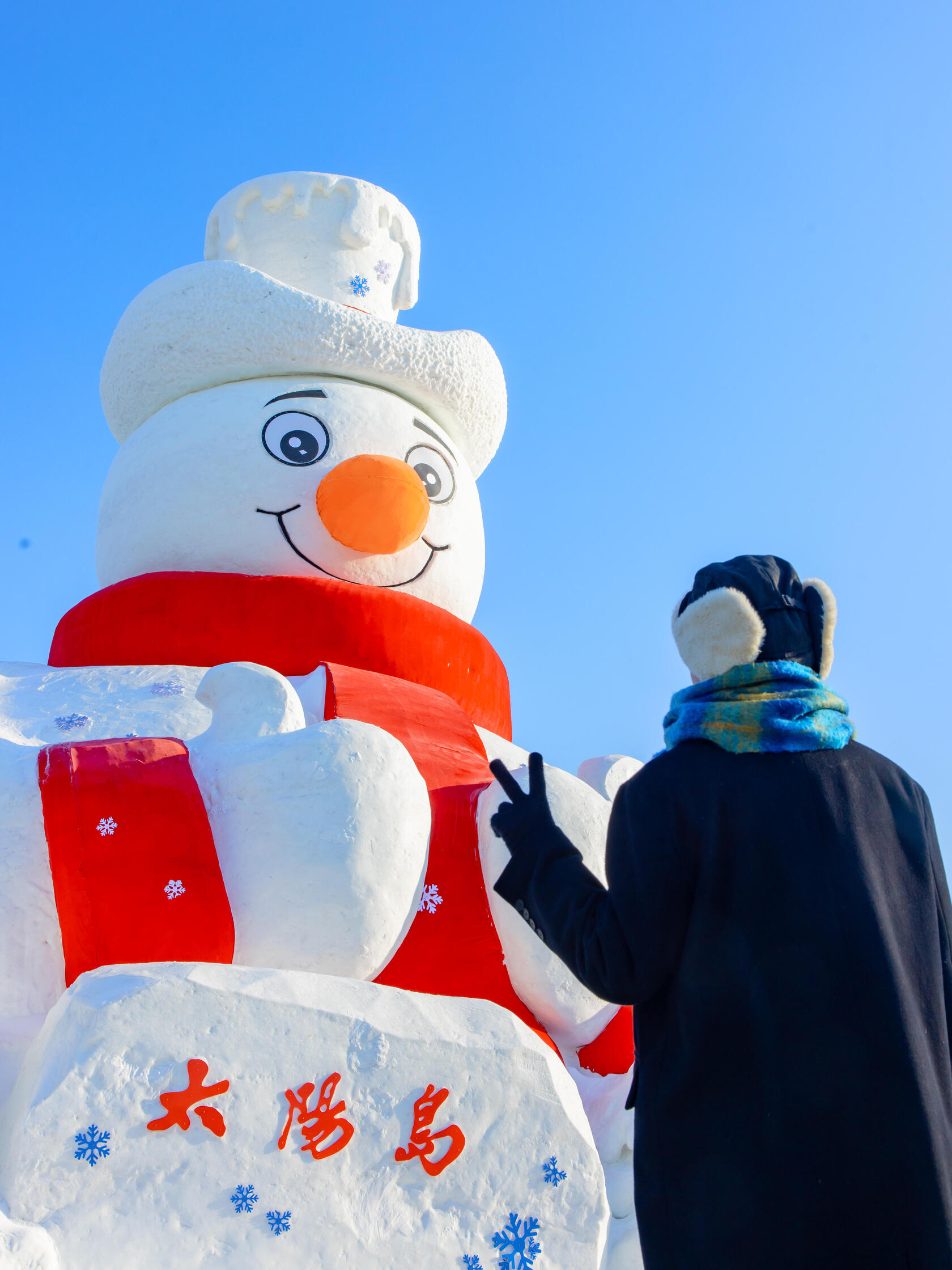
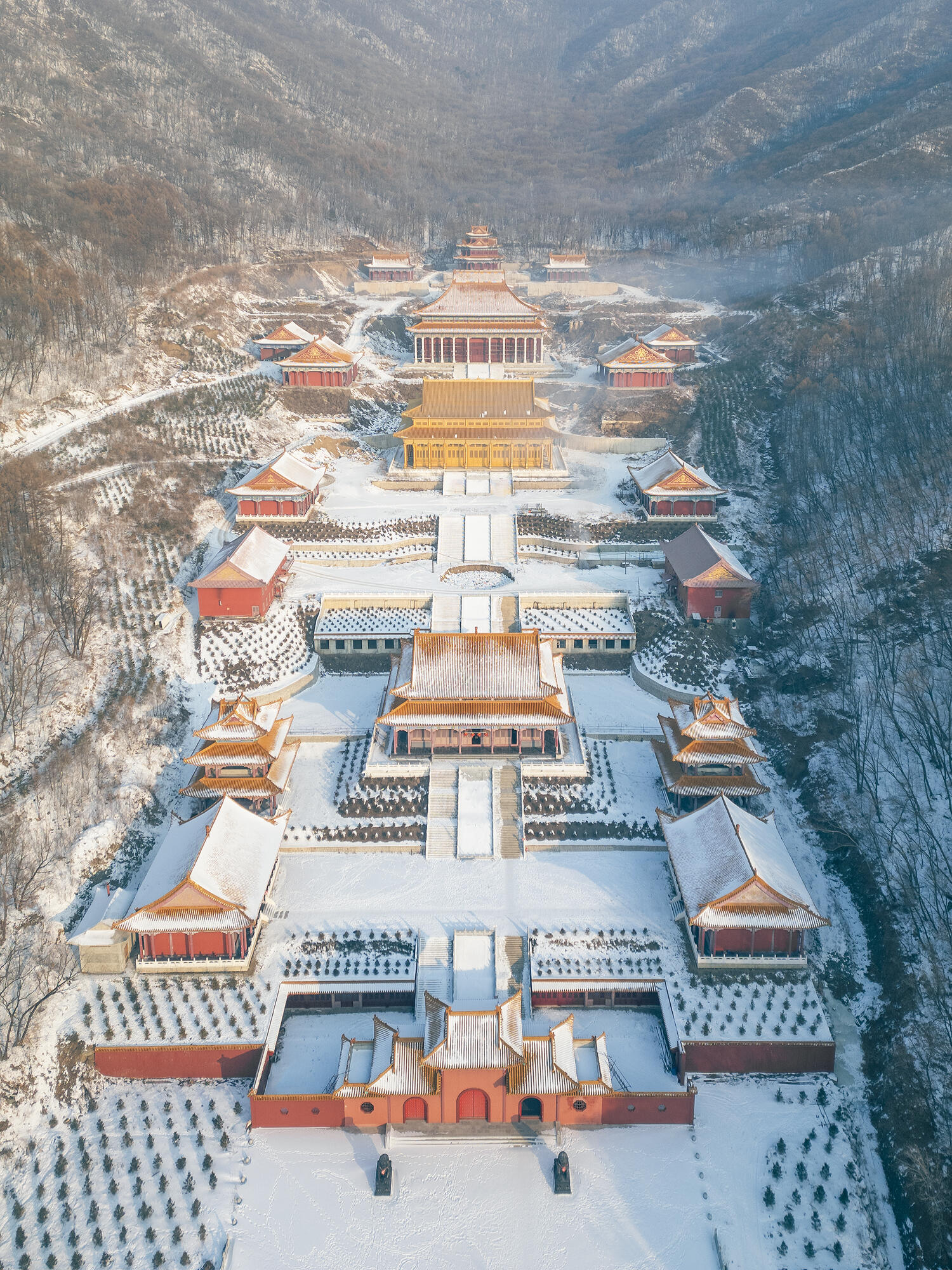
My first evening was dedicated to the Harbin Ice and Snow World. It was as spectacular as the pictures promised, if not more so. Towering castles of ice, illuminated with kaleidoscopic lights, created a fantastical realm. The sheer scale of it was almost unbelievable. I found myself questioning the veracity of such an ephemeral art form – how could something so grand be so fleeting? Yet, its impermanence only amplified its beauty, mirroring the transient nature of life itself. A profound sense of wonder settled within me as I navigated the glittering pathways, each turn revealing a new marvel. Was this the “real” China? Or just a carefully curated spectacle for tourists? Perhaps, it was both, a nuanced blend of tradition and modern spectacle.
Day two was a more somber, yet equally important, exploration. The Unit 731 Museum offered a stark contrast to the previous night’s enchantment. It was a chilling, meticulously documented testament to a dark chapter in human history. The silence within the museum was heavy, broken only by the occasional sigh or hushed whisper. It was a necessary reminder that travel is not just about aesthetic pleasure but also about confronting uncomfortable truths. My perspective on Chinese history, previously shaped by broad strokes, gained a new, painful depth. Later, the Saint Sophia Cathedral, an architectural masterpiece, provided a moment of quiet contemplation. Its onion domes, dusted with fresh snow, seemed to stand as a resilient symbol, enduring through centuries of change. I reflected on how places, like people, carry layers of untold stories, some joyous, some sorrowful, all contributing to their unique essence.
Culinary Delights and Practicalities in Harbin
Eating in Harbin was an adventure in itself. The local cuisine, hearty and warming, was exactly what one needed in the frigid temperatures. Guobaorou (sweet and sour pork) became an instant favorite, its crispy texture and tangy flavor a delightful surprise. And Qiulin Kwass, a fermented bread drink, was surprisingly refreshing. I used Meituan extensively for food delivery and finding local restaurants; it’s incredibly convenient, even if the menus were sometimes a delightful puzzle to decipher. For navigation, Amap proved indispensable, guiding me through the city’s intricate network of streets. It’s truly China’s best mobile map, offering precise directions and real-time traffic updates.
- Accommodation: Stayed near Central Street for easy access to attractions. Prices were reasonable during the off-peak season.
- Transportation: Mostly walked or used ride-hailing apps. Harbin’s subway system is efficient, but walking allows for better observation.
- Pitfall: The cold is no joke. Layering is paramount. My phone battery drained alarmingly fast, a common issue in extreme cold. Carrying a power bank and keeping my phone close to my body became a habit.
Day 3-4: Journey to Yichun and Heihe – Deeper into the Northeast China Winter
Leaving Harbin, I rented a car – a decision that offered both freedom and a touch of trepidation. The roads were generally well-maintained, but the sheer vastness of the landscape was humbling. The journey to Yichun, a city nestled amidst the Xiaoxing’anling mountains, was a visual feast. The forests, though dormant in winter, held a quiet dignity. Snow-laden branches created intricate patterns against the pale sky, inspiring a deep sense of peace. I understood then why Yichun is considered a “treasure city” by those who know it; its natural beauty is profound, especially in the hushed quietude of winter.
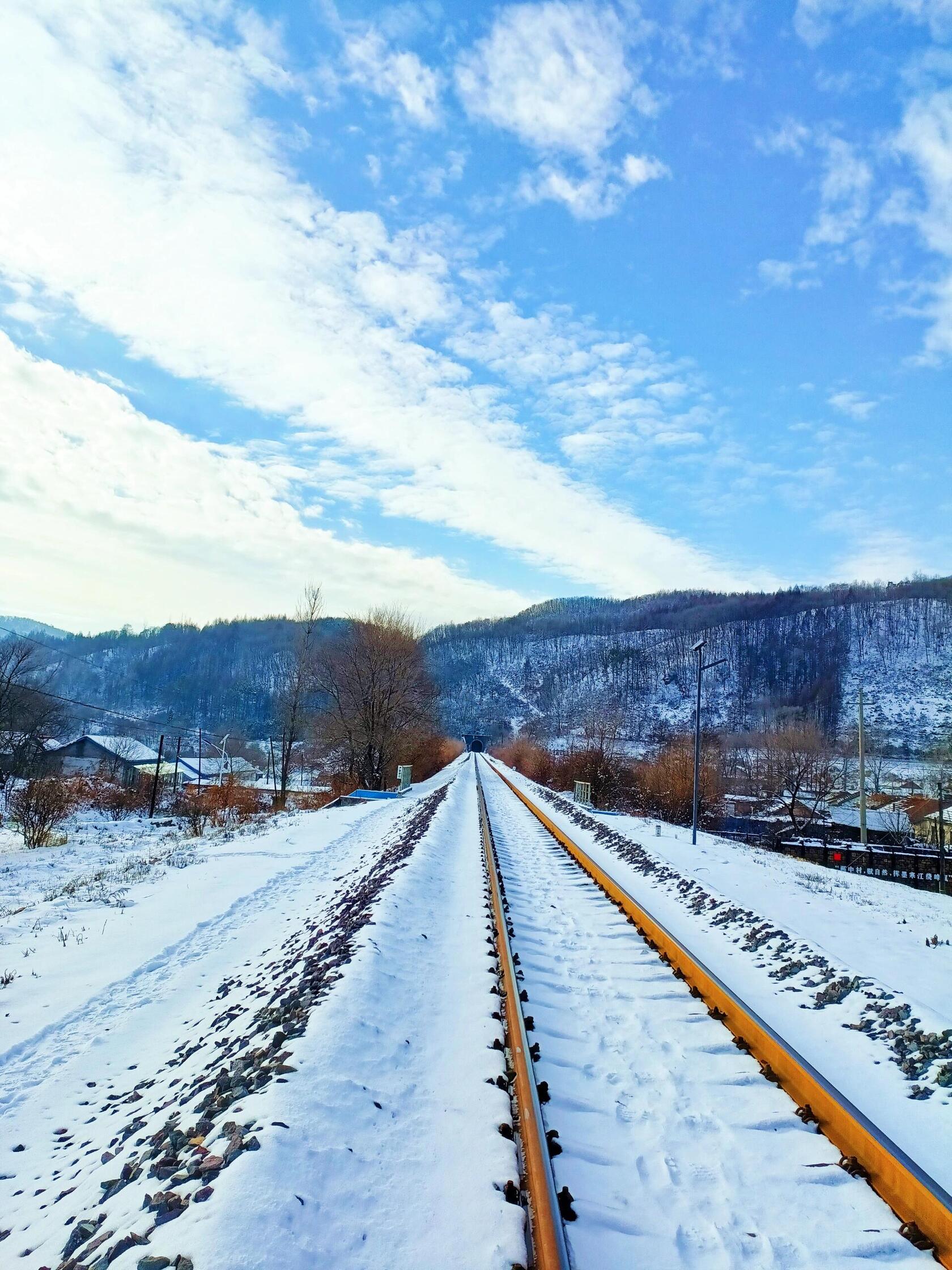
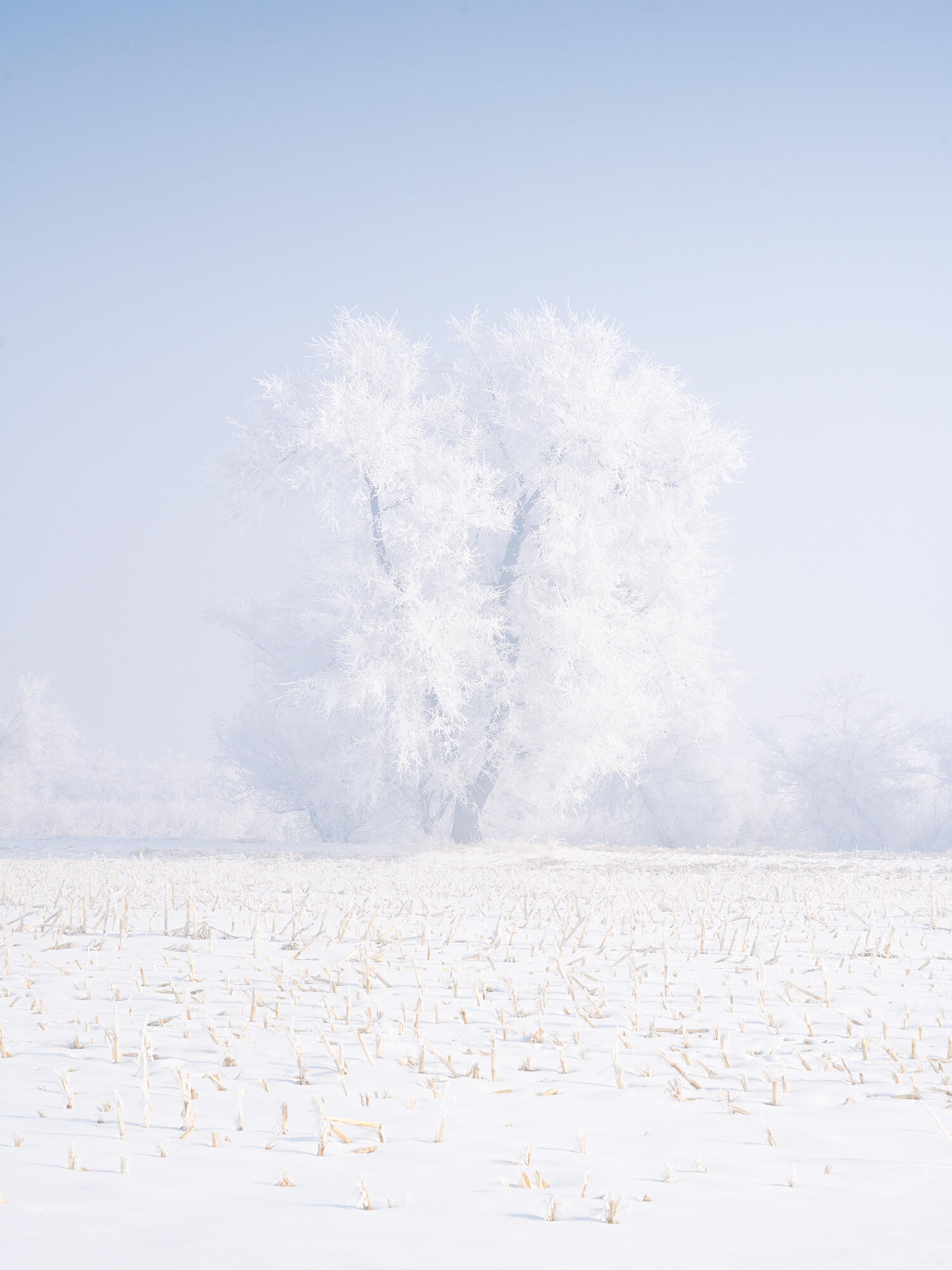
From Yichun, I continued towards Heihe, a city that sits directly across the Amur River from Blagoveshchensk, Russia. The borderland atmosphere was palpable. There was a unique blend of Chinese and Russian influences, particularly evident in the architecture and the goods sold in local shops. The Black River Port was a fascinating sight, with the frozen river serving as a silent boundary. I visited the Aihui History Exhibition Hall, which offered another deep dive into the region’s complex past, particularly its interactions with Russia. It was a poignant reminder of how geopolitical forces shape local identities. The exhibition was a profound, if somewhat sobering, experience, prompting me to contemplate the fluidity of borders and the enduring spirit of communities along them.
Day 5-6: Mohe and Beijicun – The Arctic Frontier of Northeast China Winter
The drive to Mohe, China’s northernmost city, was an epic journey into the true “cold pole.” The landscape transformed into an endless expanse of pristine snow and dense birch forests. The temperature plummeted, truly putting my winter gear to the test. My car’s heater became my best friend, and I found myself chuckling at my own naive assumption that “cold” in China would be comparable to a Western winter. Oh, the confirmation bias of assuming universal standards! This was a whole new level of chill, a profound, penetrating cold that demanded respect.
“To truly understand the essence of a place, one must embrace its extremes.”
Beijicun, or the Arctic Village, was the culmination of this northern trek. Standing at “China’s North Pole,” a profound sense of accomplishment washed over me. It felt like reaching the edge of the world, a truly unique Northeast China winter experience. I sent postcards from the “Northernmost Post Office,” a small, charming building overflowing with warmth and history. The village itself was a picturesque collection of wooden houses, their roofs heavy with snow, chimneys puffing out tendrils of smoke. The famed Mohe Dance Hall, though not the lively scene I’d imagined from its online fame, still held a certain romantic charm. I spent an evening there, sipping warm tea, observing the quiet interactions of locals, and reflecting on the unexpected joys of solitude in such a remote setting. While I didn’t witness the aurora borealis, the clear, star-studded arctic sky was a spectacle in itself, a testament to the immense beauty of the universe.
Surviving the Arctic Cold: Tips for Your Northeast China Winter Adventure
- Clothing: Thermal underwear, thick wool sweaters, a heavy-duty down jacket, and windproof outer layers are non-negotiable. Waterproof snow boots with thick soles are essential. Don’t forget a hat, scarf, gloves (mittens are better), and a face mask.
- Photography: Batteries drain incredibly fast. Keep spare batteries warm in an inner pocket. My camera, an old DSLR, struggled with the cold, sometimes refusing to focus. I often asked myself, “Is this shot worth frostbite, MindfulWanderer?” Most times, the answer was yes.
- Communication: Mobile signal can be spotty in remote areas. Download offline maps and essential apps. A WeChat account is virtually a necessity for everything from payments to communication in China.
Day 7-8: Genhe and Manzhouli – Reindeer and Border Culture in Northeast China Winter
The journey south from Mohe led me to Genhe, another claimant to the title of “China’s Coldest Place.” Here, the highlight was the Aoluguya Reindeer Tribe. It was an enchanting experience to interact with these gentle creatures, living semi-wild with the Evenki people. The quiet respect between the people and the reindeer was palpable, a beautiful example of harmonious coexistence. I spent hours simply observing, feeling a profound connection to this ancient way of life. It struck me how different this was from the bustling urban scenes often depicted in Western media, reinforcing my confirmation bias about seeking out authentic, non-touristy experiences in China. The “cold pole thermometer” in Genhe was a popular photo op, a playful acknowledgment of the extreme temperatures.
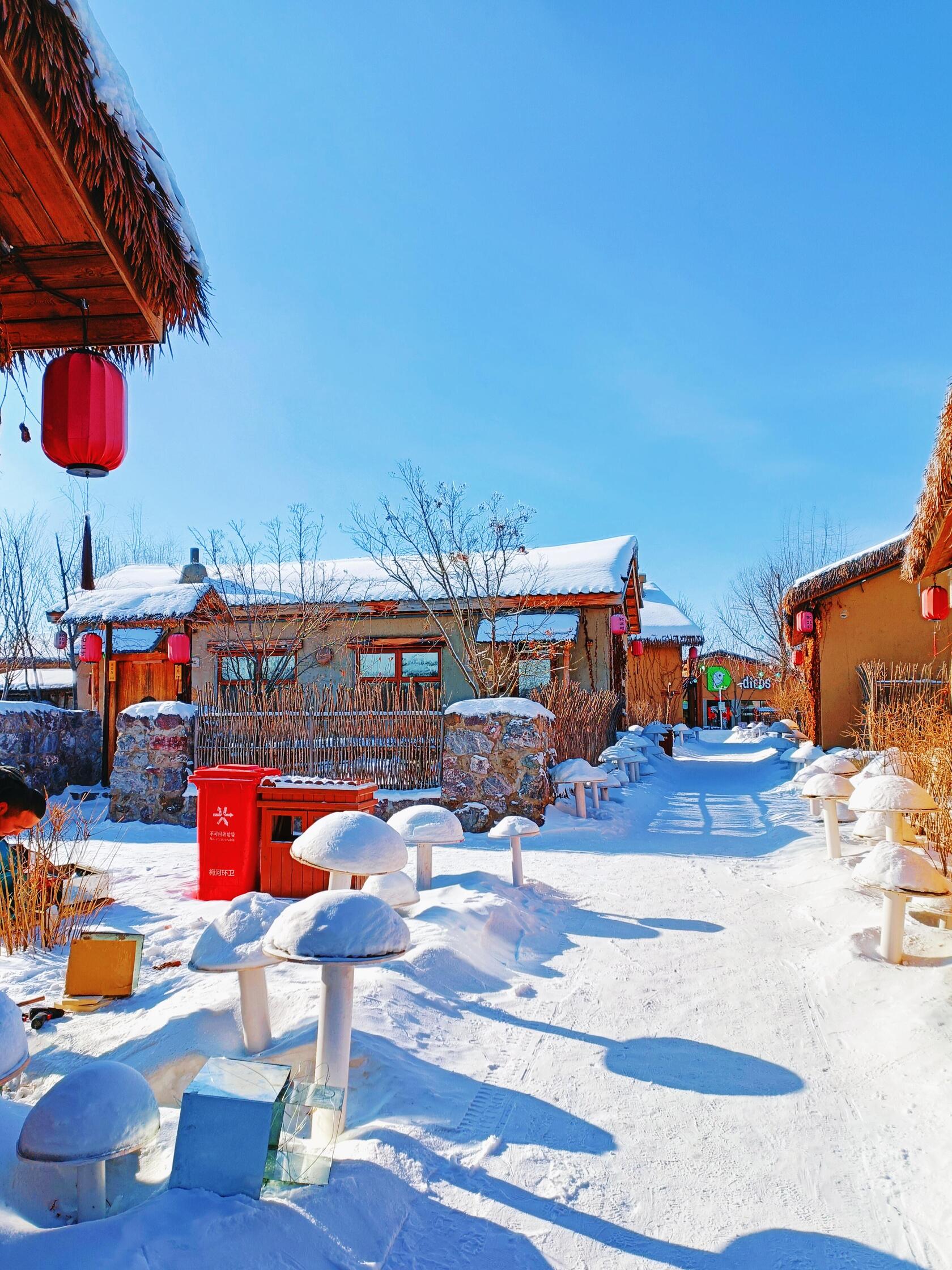
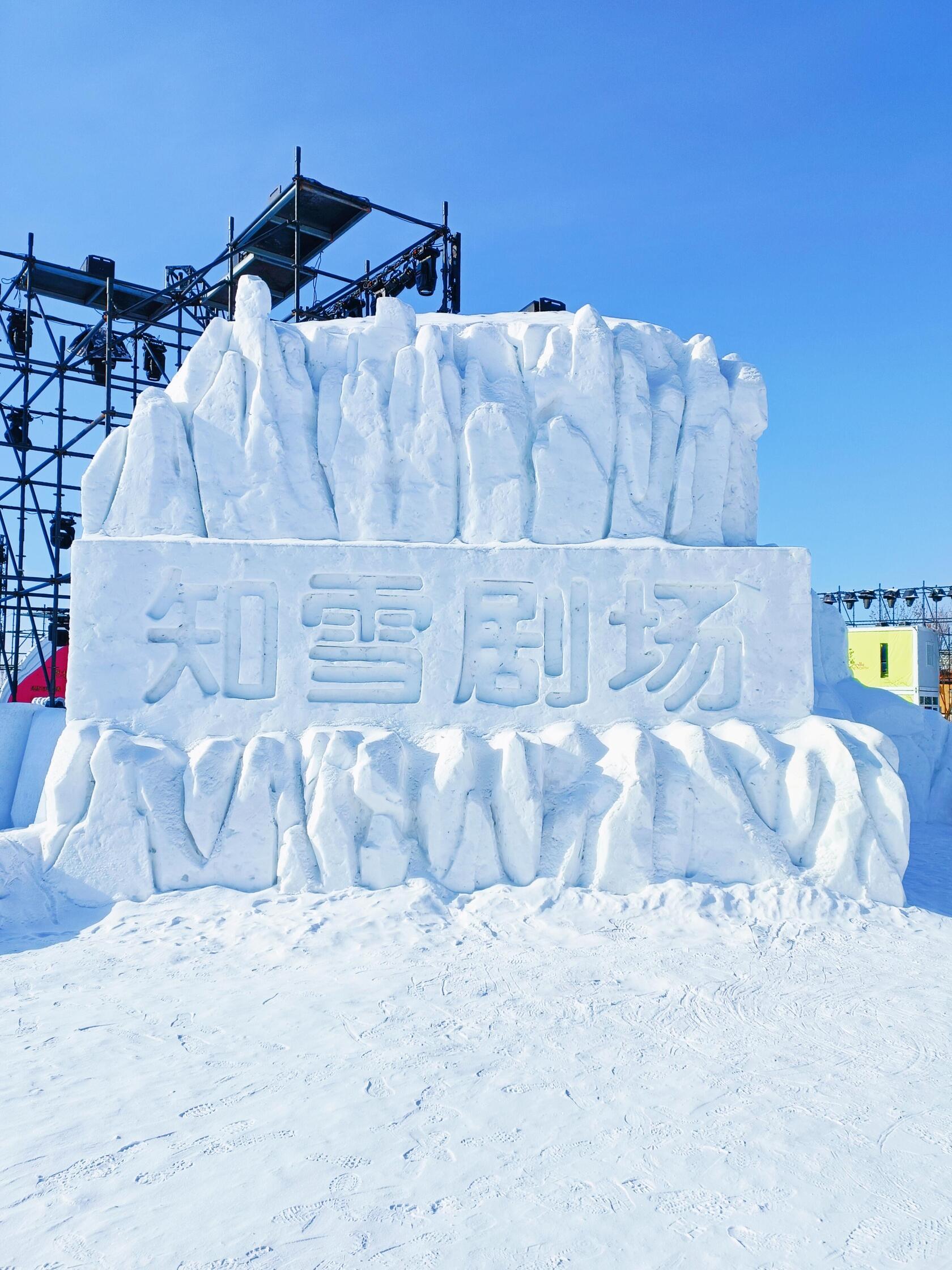
From Genhe, I continued west to Manzhouli, another vibrant border city, this time adjacent to Russia and Mongolia. The architectural style here was even more distinctly Russian, with colorful, ornate buildings lining the streets. The Matryoshka Doll Square was a whimsical, almost surreal sight – giant Russian nesting dolls dotting the landscape. It was a peculiar blend of cultures, a fascinating echo chamber of history and influence. I savored authentic Russian cuisine, including borscht and blini, and indulged in some coffee and milk tea, contemplating the layers of cultural exchange that have shaped this frontier town. The night view of Manzhouli, with its illuminated buildings, was particularly captivating, adding a touch of romance to the frigid air. It made me reflect on how cities, even in the most remote corners, find ways to express their unique identities.
Key Takeaways and Final Thoughts for Your Northeast China Winter Trip
- Embrace the Cold: It’s an integral part of the experience. Invest in good quality winter gear.
- Flexibility is Key: While planning is good, be open to unexpected detours or changes due to weather.
- Historical Depth: Don’t shy away from the museums and historical sites. They offer crucial context.
- Local Cuisine: Be adventurous with food. It’s hearty, delicious, and a cultural experience in itself.
- Connectivity: A local SIM card and apps like Amap and WeChat are game-changers. For train bookings, 12306.cn is the official platform, though booking through third-party apps might be easier for non-Chinese speakers.
- Solo Travel: It’s entirely feasible and incredibly rewarding, offering unparalleled opportunities for introspection.
- Confirmation Bias: Be aware of your own preconceived notions and allow the place to surprise you. The reality of Northeast China winter is often richer and more nuanced than any online narrative.
This Northeast China winter expedition was an absolute triumph for the spirit of a mindful wanderer. It wasn’t just about seeing places; it was about feeling them, understanding them, and allowing them to change me. And for that, I am eternally grateful.
Reflections on a Northeast China Winter Journey: Beyond Expectations
As I prepared for my departure, a profound sense of gratitude and introspection filled me. This 14-day solo travel through Northeast China was far more than just a trip; it was a deep dive into a region that constantly challenged and expanded my perceptions. My initial confirmation bias, expecting only grandeur and spectacle, was gently corrected by moments of quiet authenticity and profound historical reflection. The “echo chamber” of online advice, while helpful for practicalities, couldn’t capture the true essence of the land or the warmth of its people.
The harshness of the Northeast China winter was not a barrier but an invitation to a deeper understanding. It forced me to slow down, to observe more keenly, and to appreciate the subtle nuances of a landscape transformed by snow and ice. From the glittering ice sculptures of Harbin to the serene rime of Jilin, from the ancient tombs of Ji’an to the imperial echoes of Shenyang, each destination offered a unique layer to this complex tapestry.
I learned that China, especially its less-traveled corners, holds a depth of experience that transcends superficial observations. It’s a land of contrasts: ancient history alongside modern development, extreme cold alongside profound warmth, bustling cities alongside vast, silent wilderness. The encounters with locals, though often brief due to language barriers, were always imbued with genuine kindness and curiosity. It taught me the universal language of a shared smile and a respectful gesture.
For any American, European, or Australian contemplating their first trip to China, especially if you’re drawn to unique, off-the-beaten-path experiences, I cannot recommend a Northeast China winter adventure enough. Be prepared for the cold, yes, but also be prepared for a journey that will warm your soul and challenge your preconceived notions. It’s an opportunity for personal growth, for mindful presence, and for connecting with the profound essence of a truly remarkable part of the world. The memories I forged, the lessons I learned, and the quiet moments of serenity I found will remain with me, long after the snow has melted and the journey has ended.
Key Takeaways and Final Thoughts for Your Northeast China Winter Trip
- Embrace the Cold: It’s an integral part of the experience. Invest in good quality winter gear.
- Flexibility is Key: While planning is good, be open to unexpected detours or changes due to weather.
- Historical Depth: Don’t shy away from the museums and historical sites. They offer crucial context.
- Local Cuisine: Be adventurous with food. It’s hearty, delicious, and a cultural experience in itself.
- Connectivity: A local SIM card and apps like Amap and WeChat are game-changers. For train bookings, 12306.cn is the official platform, though booking through third-party apps might be easier for non-Chinese speakers.
- Solo Travel: It’s entirely feasible and incredibly rewarding, offering unparalleled opportunities for introspection.
- Confirmation Bias: Be aware of your own preconceived notions and allow the place to surprise you. The reality of Northeast China winter is often richer and more nuanced than any online narrative.
This Northeast China winter expedition was an absolute triumph for the spirit of a mindful wanderer. It wasn’t just about seeing places; it was about feeling them, understanding them, and allowing them to change me. And for that, I am eternally grateful.
Day 13-14: Shenyang – Imperial Echoes and Modern Vibrancy in Northeast China Winter
My final major stop was Shenyang, the capital of Liaoning Province, a city rich in history and bustling with modern life. The drive from Jilin to Shenyang was long, but offered diverse landscapes, from snow-dusted forests to more urbanized areas. My first immersion into Shenyang’s past was the Mukden Palace, the former imperial palace of the early Qing dynasty. It felt more intimate and “wilder” than Beijing’s Forbidden City, a powerful sense of history emanating from its red walls and green roofs, now softened by a fresh layer of snow. Walking through the courtyards, I could almost hear the echoes of imperial decrees and courtly intrigues. It was a profoundly moving experience, prompting me to contemplate the lives of those who once inhabited these grand halls.
The Zhangshi Shuai Mansion, the former residence of warlord Zhang Zuolin and his son Zhang Xueliang, offered a glimpse into a more turbulent, modern era of Chinese history. The blend of traditional Chinese and Western architectural styles was intriguing, reflecting the transitional period it represented. I learned about Yu Fengzhi, Zhang Xueliang’s wife, and her poignant story, which added another layer of human drama to the historical narrative. These historical sites were not just buildings; they were vessels of stories, some grand, some heartbreaking, all integral to understanding the profound history of Northeast China winter and its people. For a budget-friendly guide to exploring this city, I’d highly recommend checking out Shenyang Budget Travel: A Comprehensive Guide, which provides excellent insights for independent travelers.
I also sought out the Dongsan Sheng Guanyin Hao, the former site of the Northeast Bank, a building that once monopolized the financial system of Northeast China. Its Western-style architecture stood out amidst the more traditional structures, a silent witness to the region’s economic power and subsequent struggles. Learning about its role, particularly during the Japanese occupation, was another sobering but crucial historical lesson. It was a stark reminder of how economic power, like political power, can be seized and reshaped by external forces.
Shenyang’s culinary scene was vibrant. I indulged in local barbecue and grilled meats, a perfect way to warm up after a day of exploration. The Korean-style cuisine, especially the marinated crabs, was a delightful surprise, showcasing the diverse cultural influences present in the region. The city felt alive, a dynamic blend of history and contemporary energy, a fitting conclusion to my extensive Northeast China winter adventure.
Reflections on a Northeast China Winter Journey: Beyond Expectations
As I prepared for my departure, a profound sense of gratitude and introspection filled me. This 14-day solo travel through Northeast China was far more than just a trip; it was a deep dive into a region that constantly challenged and expanded my perceptions. My initial confirmation bias, expecting only grandeur and spectacle, was gently corrected by moments of quiet authenticity and profound historical reflection. The “echo chamber” of online advice, while helpful for practicalities, couldn’t capture the true essence of the land or the warmth of its people.
The harshness of the Northeast China winter was not a barrier but an invitation to a deeper understanding. It forced me to slow down, to observe more keenly, and to appreciate the subtle nuances of a landscape transformed by snow and ice. From the glittering ice sculptures of Harbin to the serene rime of Jilin, from the ancient tombs of Ji’an to the imperial echoes of Shenyang, each destination offered a unique layer to this complex tapestry.
I learned that China, especially its less-traveled corners, holds a depth of experience that transcends superficial observations. It’s a land of contrasts: ancient history alongside modern development, extreme cold alongside profound warmth, bustling cities alongside vast, silent wilderness. The encounters with locals, though often brief due to language barriers, were always imbued with genuine kindness and curiosity. It taught me the universal language of a shared smile and a respectful gesture.
For any American, European, or Australian contemplating their first trip to China, especially if you’re drawn to unique, off-the-beaten-path experiences, I cannot recommend a Northeast China winter adventure enough. Be prepared for the cold, yes, but also be prepared for a journey that will warm your soul and challenge your preconceived notions. It’s an opportunity for personal growth, for mindful presence, and for connecting with the profound essence of a truly remarkable part of the world. The memories I forged, the lessons I learned, and the quiet moments of serenity I found will remain with me, long after the snow has melted and the journey has ended.
Key Takeaways and Final Thoughts for Your Northeast China Winter Trip
- Embrace the Cold: It’s an integral part of the experience. Invest in good quality winter gear.
- Flexibility is Key: While planning is good, be open to unexpected detours or changes due to weather.
- Historical Depth: Don’t shy away from the museums and historical sites. They offer crucial context.
- Local Cuisine: Be adventurous with food. It’s hearty, delicious, and a cultural experience in itself.
- Connectivity: A local SIM card and apps like Amap and WeChat are game-changers. For train bookings, 12306.cn is the official platform, though booking through third-party apps might be easier for non-Chinese speakers.
- Solo Travel: It’s entirely feasible and incredibly rewarding, offering unparalleled opportunities for introspection.
- Confirmation Bias: Be aware of your own preconceived notions and allow the place to surprise you. The reality of Northeast China winter is often richer and more nuanced than any online narrative.
This Northeast China winter expedition was an absolute triumph for the spirit of a mindful wanderer. It wasn’t just about seeing places; it was about feeling them, understanding them, and allowing them to change me. And for that, I am eternally grateful.
Day 11-12: Jilin Province – Rime, Mountains, and Ancient Wonders in Northeast China Winter
My route then veered southeast into Jilin Province, a region often praised for its exceptional winter beauty, sometimes even preferred over the more famous (and crowded) Harbin ice spectacles. This was where my internal echo chamber, filled with whispers of “Jilin’s hidden beauty,” truly resonated. My first stop was Jilin City itself, specifically hoping to witness the legendary rime ice on Rime Island. The conditions for rime are specific – cold temperatures and open water vapor – and my luck held. The trees along the Songhua River were transformed into crystalline sculptures, glittering under the morning sun. It was an ethereal landscape, almost too beautiful to be real, a true winter magic. The wild ducks swimming in the unfrozen parts of the river added a lively contrast to the static, frozen beauty. I felt a profound sense of gratitude for being able to witness such a fleeting natural phenomenon, a true highlight of my Northeast China winter odyssey.
The next day was dedicated to Changbai Mountain, a majestic volcanic range that straddles the border with North Korea. The journey up the mountain was awe-inspiring, with snow-covered forests giving way to a stark, alpine landscape. Tianchi (Heaven Lake), nestled within the crater, was completely frozen, a vast expanse of white. Though the “water monster” legends were far from my mind, the sheer scale and profound silence of the place evoked a sense of ancient power. I was fortunate enough to spot a wild red fox near the thermal springs leading to the waterfall, a fleeting glimpse of wild beauty that felt like a special gift. It was a truly privileged moment, a testament to the untamed spirit of the Northeast China winter wilderness. I was mindful not to approach or feed it, respecting the delicate balance of its natural habitat. The philosophical insight here was the delicate balance between observer and observed, the importance of non-intervention.
A detour to Ji’an, a lesser-known city in Jilin, proved to be an unexpected treasure. It’s home to the ancient capital and tombs of the Goguryeo Kingdom, a UNESCO World Heritage site. Hiring a guide was essential here, as the history is rich and complex. The General’s Tomb, often called the “Oriental Pyramid,” was an imposing structure, prompting reflections on the impermanence of empires and the enduring legacy of human ambition. The Northeast China winter blanketed these ancient ruins, lending them an even more profound sense of history. The Haotaiwang Stele, a massive stone tablet, told tales of kings and conquests. It was a powerful counterpoint to the natural beauty I’d been experiencing, a reminder of the deep historical layers beneath the snow.
Eating “Goguryeo Fire Pot” in Ji’an was a delightful cultural immersion, a hearty and flavorful dish perfect for the cold weather. I also visited the Yalu River border, where I could see directly across to North Korea. The dual railway and highway national gates offered a stark visual of separation and connection. Taking a boat trip on the Yalu River, even in winter, offered a unique perspective on the two nations, with the boatman pointing out landmarks on the DPRK side. It was a moment that transcended typical tourism, sparking deeper thoughts on geopolitics and human connections.
Day 13-14: Shenyang – Imperial Echoes and Modern Vibrancy in Northeast China Winter
My final major stop was Shenyang, the capital of Liaoning Province, a city rich in history and bustling with modern life. The drive from Jilin to Shenyang was long, but offered diverse landscapes, from snow-dusted forests to more urbanized areas. My first immersion into Shenyang’s past was the Mukden Palace, the former imperial palace of the early Qing dynasty. It felt more intimate and “wilder” than Beijing’s Forbidden City, a powerful sense of history emanating from its red walls and green roofs, now softened by a fresh layer of snow. Walking through the courtyards, I could almost hear the echoes of imperial decrees and courtly intrigues. It was a profoundly moving experience, prompting me to contemplate the lives of those who once inhabited these grand halls.
The Zhangshi Shuai Mansion, the former residence of warlord Zhang Zuolin and his son Zhang Xueliang, offered a glimpse into a more turbulent, modern era of Chinese history. The blend of traditional Chinese and Western architectural styles was intriguing, reflecting the transitional period it represented. I learned about Yu Fengzhi, Zhang Xueliang’s wife, and her poignant story, which added another layer of human drama to the historical narrative. These historical sites were not just buildings; they were vessels of stories, some grand, some heartbreaking, all integral to understanding the profound history of Northeast China winter and its people. For a budget-friendly guide to exploring this city, I’d highly recommend checking out Shenyang Budget Travel: A Comprehensive Guide, which provides excellent insights for independent travelers.
I also sought out the Dongsan Sheng Guanyin Hao, the former site of the Northeast Bank, a building that once monopolized the financial system of Northeast China. Its Western-style architecture stood out amidst the more traditional structures, a silent witness to the region’s economic power and subsequent struggles. Learning about its role, particularly during the Japanese occupation, was another sobering but crucial historical lesson. It was a stark reminder of how economic power, like political power, can be seized and reshaped by external forces.
Shenyang’s culinary scene was vibrant. I indulged in local barbecue and grilled meats, a perfect way to warm up after a day of exploration. The Korean-style cuisine, especially the marinated crabs, was a delightful surprise, showcasing the diverse cultural influences present in the region. The city felt alive, a dynamic blend of history and contemporary energy, a fitting conclusion to my extensive Northeast China winter adventure.
Reflections on a Northeast China Winter Journey: Beyond Expectations
As I prepared for my departure, a profound sense of gratitude and introspection filled me. This 14-day solo travel through Northeast China was far more than just a trip; it was a deep dive into a region that constantly challenged and expanded my perceptions. My initial confirmation bias, expecting only grandeur and spectacle, was gently corrected by moments of quiet authenticity and profound historical reflection. The “echo chamber” of online advice, while helpful for practicalities, couldn’t capture the true essence of the land or the warmth of its people.
The harshness of the Northeast China winter was not a barrier but an invitation to a deeper understanding. It forced me to slow down, to observe more keenly, and to appreciate the subtle nuances of a landscape transformed by snow and ice. From the glittering ice sculptures of Harbin to the serene rime of Jilin, from the ancient tombs of Ji’an to the imperial echoes of Shenyang, each destination offered a unique layer to this complex tapestry.
I learned that China, especially its less-traveled corners, holds a depth of experience that transcends superficial observations. It’s a land of contrasts: ancient history alongside modern development, extreme cold alongside profound warmth, bustling cities alongside vast, silent wilderness. The encounters with locals, though often brief due to language barriers, were always imbued with genuine kindness and curiosity. It taught me the universal language of a shared smile and a respectful gesture.
For any American, European, or Australian contemplating their first trip to China, especially if you’re drawn to unique, off-the-beaten-path experiences, I cannot recommend a Northeast China winter adventure enough. Be prepared for the cold, yes, but also be prepared for a journey that will warm your soul and challenge your preconceived notions. It’s an opportunity for personal growth, for mindful presence, and for connecting with the profound essence of a truly remarkable part of the world. The memories I forged, the lessons I learned, and the quiet moments of serenity I found will remain with me, long after the snow has melted and the journey has ended.
Key Takeaways and Final Thoughts for Your Northeast China Winter Trip
- Embrace the Cold: It’s an integral part of the experience. Invest in good quality winter gear.
- Flexibility is Key: While planning is good, be open to unexpected detours or changes due to weather.
- Historical Depth: Don’t shy away from the museums and historical sites. They offer crucial context.
- Local Cuisine: Be adventurous with food. It’s hearty, delicious, and a cultural experience in itself.
- Connectivity: A local SIM card and apps like Amap and WeChat are game-changers. For train bookings, 12306.cn is the official platform, though booking through third-party apps might be easier for non-Chinese speakers.
- Solo Travel: It’s entirely feasible and incredibly rewarding, offering unparalleled opportunities for introspection.
- Confirmation Bias: Be aware of your own preconceived notions and allow the place to surprise you. The reality of Northeast China winter is often richer and more nuanced than any online narrative.
This Northeast China winter expedition was an absolute triumph for the spirit of a mindful wanderer. It wasn’t just about seeing places; it was about feeling them, understanding them, and allowing them to change me. And for that, I am eternally grateful.
Day 9-10: Arxan and Ulagai – Nature’s Masterpiece in Northeast China Winter
The next leg of my journey took me to Arxan National Forest Park, a place of breathtaking natural beauty. In winter, it transforms into a pristine wonderland. The Northeast China winter here paints the landscape with an artist’s touch. I visited the frozen Tianchi Lake, a volcanic crater lake that, even under a thick sheet of ice and snow, exuded a profound sense of mystery. The Non-Freezing River, a geological anomaly, flowed defiantly through the icy landscape, its waters steaming in the sub-zero temperatures. It was a powerful reminder of nature’s resilience and its ability to surprise. I found myself standing by the river for a long time, simply observing the interplay of water, ice, and mist, a scene that unfolded with quiet dignity, revealing layers of untold stories.
The Du鹃 Lake, or Azalea Lake, also offered a serene vista, its frozen surface reflecting the pale winter sky. The park was surprisingly quiet, allowing for genuine moments of solitude and deep connection with nature. This was the authentic, unadulterated beauty I had sought, far from the madding crowds. My initial internal debate about whether to visit Arxan in winter, fearing it might be “too barren,” was completely dispelled. It was, in fact, gloriously stark and beautiful, a testament to the fact that beauty often lies in simplicity and the absence of verdant distractions. The small breakfast buns I had at a local eatery near the park were unexpectedly delicious, a simple pleasure amidst the grand landscapes.
Continuing my journey, I made a brief stop near Ulagai Grassland. While the reference materials suggested Ulagai was best in autumn with its “golden grasses,” I wanted to see it in winter’s embrace. The grasslands, covered in a blanket of snow, were vast and silent, a different kind of beauty. It was a landscape that invited deep contemplation, a canvas of white stretching to the horizon. Though the “Nine Bends” weren’t as visually striking as in other seasons, the sheer scale of the winter grassland offered a unique perspective on the profound emptiness and quietude of nature. It made me reflect on the cyclical nature of life, of dormancy and rebirth, a philosophical insight sparked by the tranquil Northeast China winter scene.
For those interested in exploring more of China’s diverse landscapes, beyond the well-trodden paths, I found some compelling reads. For example, the journey described in A Student’s Affordable Adventure Through Heilongjiang and Harbin offers a different perspective on navigating this northern region on a tighter budget. And if you’re keen on discovering more hidden gems, Discovering Hidden Gems: Lesser-Known Treasures of Liaoning might inspire future explorations in the neighboring province.
Day 11-12: Jilin Province – Rime, Mountains, and Ancient Wonders in Northeast China Winter
My route then veered southeast into Jilin Province, a region often praised for its exceptional winter beauty, sometimes even preferred over the more famous (and crowded) Harbin ice spectacles. This was where my internal echo chamber, filled with whispers of “Jilin’s hidden beauty,” truly resonated. My first stop was Jilin City itself, specifically hoping to witness the legendary rime ice on Rime Island. The conditions for rime are specific – cold temperatures and open water vapor – and my luck held. The trees along the Songhua River were transformed into crystalline sculptures, glittering under the morning sun. It was an ethereal landscape, almost too beautiful to be real, a true winter magic. The wild ducks swimming in the unfrozen parts of the river added a lively contrast to the static, frozen beauty. I felt a profound sense of gratitude for being able to witness such a fleeting natural phenomenon, a true highlight of my Northeast China winter odyssey.
The next day was dedicated to Changbai Mountain, a majestic volcanic range that straddles the border with North Korea. The journey up the mountain was awe-inspiring, with snow-covered forests giving way to a stark, alpine landscape. Tianchi (Heaven Lake), nestled within the crater, was completely frozen, a vast expanse of white. Though the “water monster” legends were far from my mind, the sheer scale and profound silence of the place evoked a sense of ancient power. I was fortunate enough to spot a wild red fox near the thermal springs leading to the waterfall, a fleeting glimpse of wild beauty that felt like a special gift. It was a truly privileged moment, a testament to the untamed spirit of the Northeast China winter wilderness. I was mindful not to approach or feed it, respecting the delicate balance of its natural habitat. The philosophical insight here was the delicate balance between observer and observed, the importance of non-intervention.
A detour to Ji’an, a lesser-known city in Jilin, proved to be an unexpected treasure. It’s home to the ancient capital and tombs of the Goguryeo Kingdom, a UNESCO World Heritage site. Hiring a guide was essential here, as the history is rich and complex. The General’s Tomb, often called the “Oriental Pyramid,” was an imposing structure, prompting reflections on the impermanence of empires and the enduring legacy of human ambition. The Northeast China winter blanketed these ancient ruins, lending them an even more profound sense of history. The Haotaiwang Stele, a massive stone tablet, told tales of kings and conquests. It was a powerful counterpoint to the natural beauty I’d been experiencing, a reminder of the deep historical layers beneath the snow.
Eating “Goguryeo Fire Pot” in Ji’an was a delightful cultural immersion, a hearty and flavorful dish perfect for the cold weather. I also visited the Yalu River border, where I could see directly across to North Korea. The dual railway and highway national gates offered a stark visual of separation and connection. Taking a boat trip on the Yalu River, even in winter, offered a unique perspective on the two nations, with the boatman pointing out landmarks on the DPRK side. It was a moment that transcended typical tourism, sparking deeper thoughts on geopolitics and human connections.
Day 13-14: Shenyang – Imperial Echoes and Modern Vibrancy in Northeast China Winter
My final major stop was Shenyang, the capital of Liaoning Province, a city rich in history and bustling with modern life. The drive from Jilin to Shenyang was long, but offered diverse landscapes, from snow-dusted forests to more urbanized areas. My first immersion into Shenyang’s past was the Mukden Palace, the former imperial palace of the early Qing dynasty. It felt more intimate and “wilder” than Beijing’s Forbidden City, a powerful sense of history emanating from its red walls and green roofs, now softened by a fresh layer of snow. Walking through the courtyards, I could almost hear the echoes of imperial decrees and courtly intrigues. It was a profoundly moving experience, prompting me to contemplate the lives of those who once inhabited these grand halls.
The Zhangshi Shuai Mansion, the former residence of warlord Zhang Zuolin and his son Zhang Xueliang, offered a glimpse into a more turbulent, modern era of Chinese history. The blend of traditional Chinese and Western architectural styles was intriguing, reflecting the transitional period it represented. I learned about Yu Fengzhi, Zhang Xueliang’s wife, and her poignant story, which added another layer of human drama to the historical narrative. These historical sites were not just buildings; they were vessels of stories, some grand, some heartbreaking, all integral to understanding the profound history of Northeast China winter and its people. For a budget-friendly guide to exploring this city, I’d highly recommend checking out Shenyang Budget Travel: A Comprehensive Guide, which provides excellent insights for independent travelers.
I also sought out the Dongsan Sheng Guanyin Hao, the former site of the Northeast Bank, a building that once monopolized the financial system of Northeast China. Its Western-style architecture stood out amidst the more traditional structures, a silent witness to the region’s economic power and subsequent struggles. Learning about its role, particularly during the Japanese occupation, was another sobering but crucial historical lesson. It was a stark reminder of how economic power, like political power, can be seized and reshaped by external forces.
Shenyang’s culinary scene was vibrant. I indulged in local barbecue and grilled meats, a perfect way to warm up after a day of exploration. The Korean-style cuisine, especially the marinated crabs, was a delightful surprise, showcasing the diverse cultural influences present in the region. The city felt alive, a dynamic blend of history and contemporary energy, a fitting conclusion to my extensive Northeast China winter adventure.
Reflections on a Northeast China Winter Journey: Beyond Expectations
As I prepared for my departure, a profound sense of gratitude and introspection filled me. This 14-day solo travel through Northeast China was far more than just a trip; it was a deep dive into a region that constantly challenged and expanded my perceptions. My initial confirmation bias, expecting only grandeur and spectacle, was gently corrected by moments of quiet authenticity and profound historical reflection. The “echo chamber” of online advice, while helpful for practicalities, couldn’t capture the true essence of the land or the warmth of its people.
The harshness of the Northeast China winter was not a barrier but an invitation to a deeper understanding. It forced me to slow down, to observe more keenly, and to appreciate the subtle nuances of a landscape transformed by snow and ice. From the glittering ice sculptures of Harbin to the serene rime of Jilin, from the ancient tombs of Ji’an to the imperial echoes of Shenyang, each destination offered a unique layer to this complex tapestry.
I learned that China, especially its less-traveled corners, holds a depth of experience that transcends superficial observations. It’s a land of contrasts: ancient history alongside modern development, extreme cold alongside profound warmth, bustling cities alongside vast, silent wilderness. The encounters with locals, though often brief due to language barriers, were always imbued with genuine kindness and curiosity. It taught me the universal language of a shared smile and a respectful gesture.
For any American, European, or Australian contemplating their first trip to China, especially if you’re drawn to unique, off-the-beaten-path experiences, I cannot recommend a Northeast China winter adventure enough. Be prepared for the cold, yes, but also be prepared for a journey that will warm your soul and challenge your preconceived notions. It’s an opportunity for personal growth, for mindful presence, and for connecting with the profound essence of a truly remarkable part of the world. The memories I forged, the lessons I learned, and the quiet moments of serenity I found will remain with me, long after the snow has melted and the journey has ended.
Key Takeaways and Final Thoughts for Your Northeast China Winter Trip
- Embrace the Cold: It’s an integral part of the experience. Invest in good quality winter gear.
- Flexibility is Key: While planning is good, be open to unexpected detours or changes due to weather.
- Historical Depth: Don’t shy away from the museums and historical sites. They offer crucial context.
- Local Cuisine: Be adventurous with food. It’s hearty, delicious, and a cultural experience in itself.
- Connectivity: A local SIM card and apps like Amap and WeChat are game-changers. For train bookings, 12306.cn is the official platform, though booking through third-party apps might be easier for non-Chinese speakers.
- Solo Travel: It’s entirely feasible and incredibly rewarding, offering unparalleled opportunities for introspection.
- Confirmation Bias: Be aware of your own preconceived notions and allow the place to surprise you. The reality of Northeast China winter is often richer and more nuanced than any online narrative.
This Northeast China winter expedition was an absolute triumph for the spirit of a mindful wanderer. It wasn’t just about seeing places; it was about feeling them, understanding them, and allowing them to change me. And for that, I am eternally grateful.
Reflections on a Northeast China Winter Journey: Beyond Expectations
As I prepared for my departure, a profound sense of gratitude and introspection filled me. This 14-day solo travel through Northeast China was far more than just a trip; it was a deep dive into a region that constantly challenged and expanded my perceptions. My initial confirmation bias, expecting only grandeur and spectacle, was gently corrected by moments of quiet authenticity and profound historical reflection. The “echo chamber” of online advice, while helpful for practicalities, couldn’t capture the true essence of the land or the warmth of its people.
The harshness of the Northeast China winter was not a barrier but an invitation to a deeper understanding. It forced me to slow down, to observe more keenly, and to appreciate the subtle nuances of a landscape transformed by snow and ice. From the glittering ice sculptures of Harbin to the serene rime of Jilin, from the ancient tombs of Ji’an to the imperial echoes of Shenyang, each destination offered a unique layer to this complex tapestry.
I learned that China, especially its less-traveled corners, holds a depth of experience that transcends superficial observations. It’s a land of contrasts: ancient history alongside modern development, extreme cold alongside profound warmth, bustling cities alongside vast, silent wilderness. The encounters with locals, though often brief due to language barriers, were always imbued with genuine kindness and curiosity. It taught me the universal language of a shared smile and a respectful gesture.
For any American, European, or Australian contemplating their first trip to China, especially if you’re drawn to unique, off-the-beaten-path experiences, I cannot recommend a Northeast China winter adventure enough. Be prepared for the cold, yes, but also be prepared for a journey that will warm your soul and challenge your preconceived notions. It’s an opportunity for personal growth, for mindful presence, and for connecting with the profound essence of a truly remarkable part of the world. The memories I forged, the lessons I learned, and the quiet moments of serenity I found will remain with me, long after the snow has melted and the journey has ended.
Key Takeaways and Final Thoughts for Your Northeast China Winter Trip
- Embrace the Cold: It’s an integral part of the experience. Invest in good quality winter gear.
- Flexibility is Key: While planning is good, be open to unexpected detours or changes due to weather.
- Historical Depth: Don’t shy away from the museums and historical sites. They offer crucial context.
- Local Cuisine: Be adventurous with food. It’s hearty, delicious, and a cultural experience in itself.
- Connectivity: A local SIM card and apps like Amap and WeChat are game-changers. For train bookings, 12306.cn is the official platform, though booking through third-party apps might be easier for non-Chinese speakers.
- Solo Travel: It’s entirely feasible and incredibly rewarding, offering unparalleled opportunities for introspection.
- Confirmation Bias: Be aware of your own preconceived notions and allow the place to surprise you. The reality of Northeast China winter is often richer and more nuanced than any online narrative.
This Northeast China winter expedition was an absolute triumph for the spirit of a mindful wanderer. It wasn’t just about seeing places; it was about feeling them, understanding them, and allowing them to change me. And for that, I am eternally grateful.
Day 9-10: Arxan and Ulagai – Nature’s Masterpiece in Northeast China Winter
The next leg of my journey took me to Arxan National Forest Park, a place of breathtaking natural beauty. In winter, it transforms into a pristine wonderland. The Northeast China winter here paints the landscape with an artist’s touch. I visited the frozen Tianchi Lake, a volcanic crater lake that, even under a thick sheet of ice and snow, exuded a profound sense of mystery. The Non-Freezing River, a geological anomaly, flowed defiantly through the icy landscape, its waters steaming in the sub-zero temperatures. It was a powerful reminder of nature’s resilience and its ability to surprise. I found myself standing by the river for a long time, simply observing the interplay of water, ice, and mist, a scene that unfolded with quiet dignity, revealing layers of untold stories.
The Du鹃 Lake, or Azalea Lake, also offered a serene vista, its frozen surface reflecting the pale winter sky. The park was surprisingly quiet, allowing for genuine moments of solitude and deep connection with nature. This was the authentic, unadulterated beauty I had sought, far from the madding crowds. My initial internal debate about whether to visit Arxan in winter, fearing it might be “too barren,” was completely dispelled. It was, in fact, gloriously stark and beautiful, a testament to the fact that beauty often lies in simplicity and the absence of verdant distractions. The small breakfast buns I had at a local eatery near the park were unexpectedly delicious, a simple pleasure amidst the grand landscapes.
Continuing my journey, I made a brief stop near Ulagai Grassland. While the reference materials suggested Ulagai was best in autumn with its “golden grasses,” I wanted to see it in winter’s embrace. The grasslands, covered in a blanket of snow, were vast and silent, a different kind of beauty. It was a landscape that invited deep contemplation, a canvas of white stretching to the horizon. Though the “Nine Bends” weren’t as visually striking as in other seasons, the sheer scale of the winter grassland offered a unique perspective on the profound emptiness and quietude of nature. It made me reflect on the cyclical nature of life, of dormancy and rebirth, a philosophical insight sparked by the tranquil Northeast China winter scene.
For those interested in exploring more of China’s diverse landscapes, beyond the well-trodden paths, I found some compelling reads. For example, the journey described in A Student’s Affordable Adventure Through Heilongjiang and Harbin offers a different perspective on navigating this northern region on a tighter budget. And if you’re keen on discovering more hidden gems, Discovering Hidden Gems: Lesser-Known Treasures of Liaoning might inspire future explorations in the neighboring province.
Day 11-12: Jilin Province – Rime, Mountains, and Ancient Wonders in Northeast China Winter
My route then veered southeast into Jilin Province, a region often praised for its exceptional winter beauty, sometimes even preferred over the more famous (and crowded) Harbin ice spectacles. This was where my internal echo chamber, filled with whispers of “Jilin’s hidden beauty,” truly resonated. My first stop was Jilin City itself, specifically hoping to witness the legendary rime ice on Rime Island. The conditions for rime are specific – cold temperatures and open water vapor – and my luck held. The trees along the Songhua River were transformed into crystalline sculptures, glittering under the morning sun. It was an ethereal landscape, almost too beautiful to be real, a true winter magic. The wild ducks swimming in the unfrozen parts of the river added a lively contrast to the static, frozen beauty. I felt a profound sense of gratitude for being able to witness such a fleeting natural phenomenon, a true highlight of my Northeast China winter odyssey.
The next day was dedicated to Changbai Mountain, a majestic volcanic range that straddles the border with North Korea. The journey up the mountain was awe-inspiring, with snow-covered forests giving way to a stark, alpine landscape. Tianchi (Heaven Lake), nestled within the crater, was completely frozen, a vast expanse of white. Though the “water monster” legends were far from my mind, the sheer scale and profound silence of the place evoked a sense of ancient power. I was fortunate enough to spot a wild red fox near the thermal springs leading to the waterfall, a fleeting glimpse of wild beauty that felt like a special gift. It was a truly privileged moment, a testament to the untamed spirit of the Northeast China winter wilderness. I was mindful not to approach or feed it, respecting the delicate balance of its natural habitat. The philosophical insight here was the delicate balance between observer and observed, the importance of non-intervention.
A detour to Ji’an, a lesser-known city in Jilin, proved to be an unexpected treasure. It’s home to the ancient capital and tombs of the Goguryeo Kingdom, a UNESCO World Heritage site. Hiring a guide was essential here, as the history is rich and complex. The General’s Tomb, often called the “Oriental Pyramid,” was an imposing structure, prompting reflections on the impermanence of empires and the enduring legacy of human ambition. The Northeast China winter blanketed these ancient ruins, lending them an even more profound sense of history. The Haotaiwang Stele, a massive stone tablet, told tales of kings and conquests. It was a powerful counterpoint to the natural beauty I’d been experiencing, a reminder of the deep historical layers beneath the snow.
Eating “Goguryeo Fire Pot” in Ji’an was a delightful cultural immersion, a hearty and flavorful dish perfect for the cold weather. I also visited the Yalu River border, where I could see directly across to North Korea. The dual railway and highway national gates offered a stark visual of separation and connection. Taking a boat trip on the Yalu River, even in winter, offered a unique perspective on the two nations, with the boatman pointing out landmarks on the DPRK side. It was a moment that transcended typical tourism, sparking deeper thoughts on geopolitics and human connections.
Day 13-14: Shenyang – Imperial Echoes and Modern Vibrancy in Northeast China Winter
My final major stop was Shenyang, the capital of Liaoning Province, a city rich in history and bustling with modern life. The drive from Jilin to Shenyang was long, but offered diverse landscapes, from snow-dusted forests to more urbanized areas. My first immersion into Shenyang’s past was the Mukden Palace, the former imperial palace of the early Qing dynasty. It felt more intimate and “wilder” than Beijing’s Forbidden City, a powerful sense of history emanating from its red walls and green roofs, now softened by a fresh layer of snow. Walking through the courtyards, I could almost hear the echoes of imperial decrees and courtly intrigues. It was a profoundly moving experience, prompting me to contemplate the lives of those who once inhabited these grand halls.
The Zhangshi Shuai Mansion, the former residence of warlord Zhang Zuolin and his son Zhang Xueliang, offered a glimpse into a more turbulent, modern era of Chinese history. The blend of traditional Chinese and Western architectural styles was intriguing, reflecting the transitional period it represented. I learned about Yu Fengzhi, Zhang Xueliang’s wife, and her poignant story, which added another layer of human drama to the historical narrative. These historical sites were not just buildings; they were vessels of stories, some grand, some heartbreaking, all integral to understanding the profound history of Northeast China winter and its people. For a budget-friendly guide to exploring this city, I’d highly recommend checking out Shenyang Budget Travel: A Comprehensive Guide, which provides excellent insights for independent travelers.
I also sought out the Dongsan Sheng Guanyin Hao, the former site of the Northeast Bank, a building that once monopolized the financial system of Northeast China. Its Western-style architecture stood out amidst the more traditional structures, a silent witness to the region’s economic power and subsequent struggles. Learning about its role, particularly during the Japanese occupation, was another sobering but crucial historical lesson. It was a stark reminder of how economic power, like political power, can be seized and reshaped by external forces.
Shenyang’s culinary scene was vibrant. I indulged in local barbecue and grilled meats, a perfect way to warm up after a day of exploration. The Korean-style cuisine, especially the marinated crabs, was a delightful surprise, showcasing the diverse cultural influences present in the region. The city felt alive, a dynamic blend of history and contemporary energy, a fitting conclusion to my extensive Northeast China winter adventure.
Reflections on a Northeast China Winter Journey: Beyond Expectations
As I prepared for my departure, a profound sense of gratitude and introspection filled me. This 14-day solo travel through Northeast China was far more than just a trip; it was a deep dive into a region that constantly challenged and expanded my perceptions. My initial confirmation bias, expecting only grandeur and spectacle, was gently corrected by moments of quiet authenticity and profound historical reflection. The “echo chamber” of online advice, while helpful for practicalities, couldn’t capture the true essence of the land or the warmth of its people.
The harshness of the Northeast China winter was not a barrier but an invitation to a deeper understanding. It forced me to slow down, to observe more keenly, and to appreciate the subtle nuances of a landscape transformed by snow and ice. From the glittering ice sculptures of Harbin to the serene rime of Jilin, from the ancient tombs of Ji’an to the imperial echoes of Shenyang, each destination offered a unique layer to this complex tapestry.
I learned that China, especially its less-traveled corners, holds a depth of experience that transcends superficial observations. It’s a land of contrasts: ancient history alongside modern development, extreme cold alongside profound warmth, bustling cities alongside vast, silent wilderness. The encounters with locals, though often brief due to language barriers, were always imbued with genuine kindness and curiosity. It taught me the universal language of a shared smile and a respectful gesture.
For any American, European, or Australian contemplating their first trip to China, especially if you’re drawn to unique, off-the-beaten-path experiences, I cannot recommend a Northeast China winter adventure enough. Be prepared for the cold, yes, but also be prepared for a journey that will warm your soul and challenge your preconceived notions. It’s an opportunity for personal growth, for mindful presence, and for connecting with the profound essence of a truly remarkable part of the world. The memories I forged, the lessons I learned, and the quiet moments of serenity I found will remain with me, long after the snow has melted and the journey has ended.
Key Takeaways and Final Thoughts for Your Northeast China Winter Trip
- Embrace the Cold: It’s an integral part of the experience. Invest in good quality winter gear.
- Flexibility is Key: While planning is good, be open to unexpected detours or changes due to weather.
- Historical Depth: Don’t shy away from the museums and historical sites. They offer crucial context.
- Local Cuisine: Be adventurous with food. It’s hearty, delicious, and a cultural experience in itself.
- Connectivity: A local SIM card and apps like Amap and WeChat are game-changers. For train bookings, 12306.cn is the official platform, though booking through third-party apps might be easier for non-Chinese speakers.
- Solo Travel: It’s entirely feasible and incredibly rewarding, offering unparalleled opportunities for introspection.
- Confirmation Bias: Be aware of your own preconceived notions and allow the place to surprise you. The reality of Northeast China winter is often richer and more nuanced than any online narrative.
This Northeast China winter expedition was an absolute triumph for the spirit of a mindful wanderer. It wasn’t just about seeing places; it was about feeling them, understanding them, and allowing them to change me. And for that, I am eternally grateful.
Day 13-14: Shenyang – Imperial Echoes and Modern Vibrancy in Northeast China Winter
My final major stop was Shenyang, the capital of Liaoning Province, a city rich in history and bustling with modern life. The drive from Jilin to Shenyang was long, but offered diverse landscapes, from snow-dusted forests to more urbanized areas. My first immersion into Shenyang’s past was the Mukden Palace, the former imperial palace of the early Qing dynasty. It felt more intimate and “wilder” than Beijing’s Forbidden City, a powerful sense of history emanating from its red walls and green roofs, now softened by a fresh layer of snow. Walking through the courtyards, I could almost hear the echoes of imperial decrees and courtly intrigues. It was a profoundly moving experience, prompting me to contemplate the lives of those who once inhabited these grand halls.
The Zhangshi Shuai Mansion, the former residence of warlord Zhang Zuolin and his son Zhang Xueliang, offered a glimpse into a more turbulent, modern era of Chinese history. The blend of traditional Chinese and Western architectural styles was intriguing, reflecting the transitional period it represented. I learned about Yu Fengzhi, Zhang Xueliang’s wife, and her poignant story, which added another layer of human drama to the historical narrative. These historical sites were not just buildings; they were vessels of stories, some grand, some heartbreaking, all integral to understanding the profound history of Northeast China winter and its people. For a budget-friendly guide to exploring this city, I’d highly recommend checking out Shenyang Budget Travel: A Comprehensive Guide, which provides excellent insights for independent travelers.
I also sought out the Dongsan Sheng Guanyin Hao, the former site of the Northeast Bank, a building that once monopolized the financial system of Northeast China. Its Western-style architecture stood out amidst the more traditional structures, a silent witness to the region’s economic power and subsequent struggles. Learning about its role, particularly during the Japanese occupation, was another sobering but crucial historical lesson. It was a stark reminder of how economic power, like political power, can be seized and reshaped by external forces.
Shenyang’s culinary scene was vibrant. I indulged in local barbecue and grilled meats, a perfect way to warm up after a day of exploration. The Korean-style cuisine, especially the marinated crabs, was a delightful surprise, showcasing the diverse cultural influences present in the region. The city felt alive, a dynamic blend of history and contemporary energy, a fitting conclusion to my extensive Northeast China winter adventure.
Reflections on a Northeast China Winter Journey: Beyond Expectations
As I prepared for my departure, a profound sense of gratitude and introspection filled me. This 14-day solo travel through Northeast China was far more than just a trip; it was a deep dive into a region that constantly challenged and expanded my perceptions. My initial confirmation bias, expecting only grandeur and spectacle, was gently corrected by moments of quiet authenticity and profound historical reflection. The “echo chamber” of online advice, while helpful for practicalities, couldn’t capture the true essence of the land or the warmth of its people.
The harshness of the Northeast China winter was not a barrier but an invitation to a deeper understanding. It forced me to slow down, to observe more keenly, and to appreciate the subtle nuances of a landscape transformed by snow and ice. From the glittering ice sculptures of Harbin to the serene rime of Jilin, from the ancient tombs of Ji’an to the imperial echoes of Shenyang, each destination offered a unique layer to this complex tapestry.
I learned that China, especially its less-traveled corners, holds a depth of experience that transcends superficial observations. It’s a land of contrasts: ancient history alongside modern development, extreme cold alongside profound warmth, bustling cities alongside vast, silent wilderness. The encounters with locals, though often brief due to language barriers, were always imbued with genuine kindness and curiosity. It taught me the universal language of a shared smile and a respectful gesture.
For any American, European, or Australian contemplating their first trip to China, especially if you’re drawn to unique, off-the-beaten-path experiences, I cannot recommend a Northeast China winter adventure enough. Be prepared for the cold, yes, but also be prepared for a journey that will warm your soul and challenge your preconceived notions. It’s an opportunity for personal growth, for mindful presence, and for connecting with the profound essence of a truly remarkable part of the world. The memories I forged, the lessons I learned, and the quiet moments of serenity I found will remain with me, long after the snow has melted and the journey has ended.
Key Takeaways and Final Thoughts for Your Northeast China Winter Trip
- Embrace the Cold: It’s an integral part of the experience. Invest in good quality winter gear.
- Flexibility is Key: While planning is good, be open to unexpected detours or changes due to weather.
- Historical Depth: Don’t shy away from the museums and historical sites. They offer crucial context.
- Local Cuisine: Be adventurous with food. It’s hearty, delicious, and a cultural experience in itself.
- Connectivity: A local SIM card and apps like Amap and WeChat are game-changers. For train bookings, 12306.cn is the official platform, though booking through third-party apps might be easier for non-Chinese speakers.
- Solo Travel: It’s entirely feasible and incredibly rewarding, offering unparalleled opportunities for introspection.
- Confirmation Bias: Be aware of your own preconceived notions and allow the place to surprise you. The reality of Northeast China winter is often richer and more nuanced than any online narrative.
This Northeast China winter expedition was an absolute triumph for the spirit of a mindful wanderer. It wasn’t just about seeing places; it was about feeling them, understanding them, and allowing them to change me. And for that, I am eternally grateful.
Day 9-10: Arxan and Ulagai – Nature’s Masterpiece in Northeast China Winter
The next leg of my journey took me to Arxan National Forest Park, a place of breathtaking natural beauty. In winter, it transforms into a pristine wonderland. The Northeast China winter here paints the landscape with an artist’s touch. I visited the frozen Tianchi Lake, a volcanic crater lake that, even under a thick sheet of ice and snow, exuded a profound sense of mystery. The Non-Freezing River, a geological anomaly, flowed defiantly through the icy landscape, its waters steaming in the sub-zero temperatures. It was a powerful reminder of nature’s resilience and its ability to surprise. I found myself standing by the river for a long time, simply observing the interplay of water, ice, and mist, a scene that unfolded with quiet dignity, revealing layers of untold stories.
The Du鹃 Lake, or Azalea Lake, also offered a serene vista, its frozen surface reflecting the pale winter sky. The park was surprisingly quiet, allowing for genuine moments of solitude and deep connection with nature. This was the authentic, unadulterated beauty I had sought, far from the madding crowds. My initial internal debate about whether to visit Arxan in winter, fearing it might be “too barren,” was completely dispelled. It was, in fact, gloriously stark and beautiful, a testament to the fact that beauty often lies in simplicity and the absence of verdant distractions. The small breakfast buns I had at a local eatery near the park were unexpectedly delicious, a simple pleasure amidst the grand landscapes.
Continuing my journey, I made a brief stop near Ulagai Grassland. While the reference materials suggested Ulagai was best in autumn with its “golden grasses,” I wanted to see it in winter’s embrace. The grasslands, covered in a blanket of snow, were vast and silent, a different kind of beauty. It was a landscape that invited deep contemplation, a canvas of white stretching to the horizon. Though the “Nine Bends” weren’t as visually striking as in other seasons, the sheer scale of the winter grassland offered a unique perspective on the profound emptiness and quietude of nature. It made me reflect on the cyclical nature of life, of dormancy and rebirth, a philosophical insight sparked by the tranquil Northeast China winter scene.
For those interested in exploring more of China’s diverse landscapes, beyond the well-trodden paths, I found some compelling reads. For example, the journey described in A Student’s Affordable Adventure Through Heilongjiang and Harbin offers a different perspective on navigating this northern region on a tighter budget. And if you’re keen on discovering more hidden gems, Discovering Hidden Gems: Lesser-Known Treasures of Liaoning might inspire future explorations in the neighboring province.
Day 11-12: Jilin Province – Rime, Mountains, and Ancient Wonders in Northeast China Winter
My route then veered southeast into Jilin Province, a region often praised for its exceptional winter beauty, sometimes even preferred over the more famous (and crowded) Harbin ice spectacles. This was where my internal echo chamber, filled with whispers of “Jilin’s hidden beauty,” truly resonated. My first stop was Jilin City itself, specifically hoping to witness the legendary rime ice on Rime Island. The conditions for rime are specific – cold temperatures and open water vapor – and my luck held. The trees along the Songhua River were transformed into crystalline sculptures, glittering under the morning sun. It was an ethereal landscape, almost too beautiful to be real, a true winter magic. The wild ducks swimming in the unfrozen parts of the river added a lively contrast to the static, frozen beauty. I felt a profound sense of gratitude for being able to witness such a fleeting natural phenomenon, a true highlight of my Northeast China winter odyssey.
The next day was dedicated to Changbai Mountain, a majestic volcanic range that straddles the border with North Korea. The journey up the mountain was awe-inspiring, with snow-covered forests giving way to a stark, alpine landscape. Tianchi (Heaven Lake), nestled within the crater, was completely frozen, a vast expanse of white. Though the “water monster” legends were far from my mind, the sheer scale and profound silence of the place evoked a sense of ancient power. I was fortunate enough to spot a wild red fox near the thermal springs leading to the waterfall, a fleeting glimpse of wild beauty that felt like a special gift. It was a truly privileged moment, a testament to the untamed spirit of the Northeast China winter wilderness. I was mindful not to approach or feed it, respecting the delicate balance of its natural habitat. The philosophical insight here was the delicate balance between observer and observed, the importance of non-intervention.
A detour to Ji’an, a lesser-known city in Jilin, proved to be an unexpected treasure. It’s home to the ancient capital and tombs of the Goguryeo Kingdom, a UNESCO World Heritage site. Hiring a guide was essential here, as the history is rich and complex. The General’s Tomb, often called the “Oriental Pyramid,” was an imposing structure, prompting reflections on the impermanence of empires and the enduring legacy of human ambition. The Northeast China winter blanketed these ancient ruins, lending them an even more profound sense of history. The Haotaiwang Stele, a massive stone tablet, told tales of kings and conquests. It was a powerful counterpoint to the natural beauty I’d been experiencing, a reminder of the deep historical layers beneath the snow.
Eating “Goguryeo Fire Pot” in Ji’an was a delightful cultural immersion, a hearty and flavorful dish perfect for the cold weather. I also visited the Yalu River border, where I could see directly across to North Korea. The dual railway and highway national gates offered a stark visual of separation and connection. Taking a boat trip on the Yalu River, even in winter, offered a unique perspective on the two nations, with the boatman pointing out landmarks on the DPRK side. It was a moment that transcended typical tourism, sparking deeper thoughts on geopolitics and human connections.
Day 13-14: Shenyang – Imperial Echoes and Modern Vibrancy in Northeast China Winter
My final major stop was Shenyang, the capital of Liaoning Province, a city rich in history and bustling with modern life. The drive from Jilin to Shenyang was long, but offered diverse landscapes, from snow-dusted forests to more urbanized areas. My first immersion into Shenyang’s past was the Mukden Palace, the former imperial palace of the early Qing dynasty. It felt more intimate and “wilder” than Beijing’s Forbidden City, a powerful sense of history emanating from its red walls and green roofs, now softened by a fresh layer of snow. Walking through the courtyards, I could almost hear the echoes of imperial decrees and courtly intrigues. It was a profoundly moving experience, prompting me to contemplate the lives of those who once inhabited these grand halls.
The Zhangshi Shuai Mansion, the former residence of warlord Zhang Zuolin and his son Zhang Xueliang, offered a glimpse into a more turbulent, modern era of Chinese history. The blend of traditional Chinese and Western architectural styles was intriguing, reflecting the transitional period it represented. I learned about Yu Fengzhi, Zhang Xueliang’s wife, and her poignant story, which added another layer of human drama to the historical narrative. These historical sites were not just buildings; they were vessels of stories, some grand, some heartbreaking, all integral to understanding the profound history of Northeast China winter and its people. For a budget-friendly guide to exploring this city, I’d highly recommend checking out Shenyang Budget Travel: A Comprehensive Guide, which provides excellent insights for independent travelers.
I also sought out the Dongsan Sheng Guanyin Hao, the former site of the Northeast Bank, a building that once monopolized the financial system of Northeast China. Its Western-style architecture stood out amidst the more traditional structures, a silent witness to the region’s economic power and subsequent struggles. Learning about its role, particularly during the Japanese occupation, was another sobering but crucial historical lesson. It was a stark reminder of how economic power, like political power, can be seized and reshaped by external forces.
Shenyang’s culinary scene was vibrant. I indulged in local barbecue and grilled meats, a perfect way to warm up after a day of exploration. The Korean-style cuisine, especially the marinated crabs, was a delightful surprise, showcasing the diverse cultural influences present in the region. The city felt alive, a dynamic blend of history and contemporary energy, a fitting conclusion to my extensive Northeast China winter adventure.
Reflections on a Northeast China Winter Journey: Beyond Expectations
As I prepared for my departure, a profound sense of gratitude and introspection filled me. This 14-day solo travel through Northeast China was far more than just a trip; it was a deep dive into a region that constantly challenged and expanded my perceptions. My initial confirmation bias, expecting only grandeur and spectacle, was gently corrected by moments of quiet authenticity and profound historical reflection. The “echo chamber” of online advice, while helpful for practicalities, couldn’t capture the true essence of the land or the warmth of its people.
The harshness of the Northeast China winter was not a barrier but an invitation to a deeper understanding. It forced me to slow down, to observe more keenly, and to appreciate the subtle nuances of a landscape transformed by snow and ice. From the glittering ice sculptures of Harbin to the serene rime of Jilin, from the ancient tombs of Ji’an to the imperial echoes of Shenyang, each destination offered a unique layer to this complex tapestry.
I learned that China, especially its less-traveled corners, holds a depth of experience that transcends superficial observations. It’s a land of contrasts: ancient history alongside modern development, extreme cold alongside profound warmth, bustling cities alongside vast, silent wilderness. The encounters with locals, though often brief due to language barriers, were always imbued with genuine kindness and curiosity. It taught me the universal language of a shared smile and a respectful gesture.
For any American, European, or Australian contemplating their first trip to China, especially if you’re drawn to unique, off-the-beaten-path experiences, I cannot recommend a Northeast China winter adventure enough. Be prepared for the cold, yes, but also be prepared for a journey that will warm your soul and challenge your preconceived notions. It’s an opportunity for personal growth, for mindful presence, and for connecting with the profound essence of a truly remarkable part of the world. The memories I forged, the lessons I learned, and the quiet moments of serenity I found will remain with me, long after the snow has melted and the journey has ended.
Key Takeaways and Final Thoughts for Your Northeast China Winter Trip
- Embrace the Cold: It’s an integral part of the experience. Invest in good quality winter gear.
- Flexibility is Key: While planning is good, be open to unexpected detours or changes due to weather.
- Historical Depth: Don’t shy away from the museums and historical sites. They offer crucial context.
- Local Cuisine: Be adventurous with food. It’s hearty, delicious, and a cultural experience in itself.
- Connectivity: A local SIM card and apps like Amap and WeChat are game-changers. For train bookings, 12306.cn is the official platform, though booking through third-party apps might be easier for non-Chinese speakers.
- Solo Travel: It’s entirely feasible and incredibly rewarding, offering unparalleled opportunities for introspection.
- Confirmation Bias: Be aware of your own preconceived notions and allow the place to surprise you. The reality of Northeast China winter is often richer and more nuanced than any online narrative.
This Northeast China winter expedition was an absolute triumph for the spirit of a mindful wanderer. It wasn’t just about seeing places; it was about feeling them, understanding them, and allowing them to change me. And for that, I am eternally grateful.
Day 11-12: Jilin Province – Rime, Mountains, and Ancient Wonders in Northeast China Winter
My route then veered southeast into Jilin Province, a region often praised for its exceptional winter beauty, sometimes even preferred over the more famous (and crowded) Harbin ice spectacles. This was where my internal echo chamber, filled with whispers of “Jilin’s hidden beauty,” truly resonated. My first stop was Jilin City itself, specifically hoping to witness the legendary rime ice on Rime Island. The conditions for rime are specific – cold temperatures and open water vapor – and my luck held. The trees along the Songhua River were transformed into crystalline sculptures, glittering under the morning sun. It was an ethereal landscape, almost too beautiful to be real, a true winter magic. The wild ducks swimming in the unfrozen parts of the river added a lively contrast to the static, frozen beauty. I felt a profound sense of gratitude for being able to witness such a fleeting natural phenomenon, a true highlight of my Northeast China winter odyssey.
The next day was dedicated to Changbai Mountain, a majestic volcanic range that straddles the border with North Korea. The journey up the mountain was awe-inspiring, with snow-covered forests giving way to a stark, alpine landscape. Tianchi (Heaven Lake), nestled within the crater, was completely frozen, a vast expanse of white. Though the “water monster” legends were far from my mind, the sheer scale and profound silence of the place evoked a sense of ancient power. I was fortunate enough to spot a wild red fox near the thermal springs leading to the waterfall, a fleeting glimpse of wild beauty that felt like a special gift. It was a truly privileged moment, a testament to the untamed spirit of the Northeast China winter wilderness. I was mindful not to approach or feed it, respecting the delicate balance of its natural habitat. The philosophical insight here was the delicate balance between observer and observed, the importance of non-intervention.
A detour to Ji’an, a lesser-known city in Jilin, proved to be an unexpected treasure. It’s home to the ancient capital and tombs of the Goguryeo Kingdom, a UNESCO World Heritage site. Hiring a guide was essential here, as the history is rich and complex. The General’s Tomb, often called the “Oriental Pyramid,” was an imposing structure, prompting reflections on the impermanence of empires and the enduring legacy of human ambition. The Northeast China winter blanketed these ancient ruins, lending them an even more profound sense of history. The Haotaiwang Stele, a massive stone tablet, told tales of kings and conquests. It was a powerful counterpoint to the natural beauty I’d been experiencing, a reminder of the deep historical layers beneath the snow.
Eating “Goguryeo Fire Pot” in Ji’an was a delightful cultural immersion, a hearty and flavorful dish perfect for the cold weather. I also visited the Yalu River border, where I could see directly across to North Korea. The dual railway and highway national gates offered a stark visual of separation and connection. Taking a boat trip on the Yalu River, even in winter, offered a unique perspective on the two nations, with the boatman pointing out landmarks on the DPRK side. It was a moment that transcended typical tourism, sparking deeper thoughts on geopolitics and human connections.
Day 13-14: Shenyang – Imperial Echoes and Modern Vibrancy in Northeast China Winter
My final major stop was Shenyang, the capital of Liaoning Province, a city rich in history and bustling with modern life. The drive from Jilin to Shenyang was long, but offered diverse landscapes, from snow-dusted forests to more urbanized areas. My first immersion into Shenyang’s past was the Mukden Palace, the former imperial palace of the early Qing dynasty. It felt more intimate and “wilder” than Beijing’s Forbidden City, a powerful sense of history emanating from its red walls and green roofs, now softened by a fresh layer of snow. Walking through the courtyards, I could almost hear the echoes of imperial decrees and courtly intrigues. It was a profoundly moving experience, prompting me to contemplate the lives of those who once inhabited these grand halls.
The Zhangshi Shuai Mansion, the former residence of warlord Zhang Zuolin and his son Zhang Xueliang, offered a glimpse into a more turbulent, modern era of Chinese history. The blend of traditional Chinese and Western architectural styles was intriguing, reflecting the transitional period it represented. I learned about Yu Fengzhi, Zhang Xueliang’s wife, and her poignant story, which added another layer of human drama to the historical narrative. These historical sites were not just buildings; they were vessels of stories, some grand, some heartbreaking, all integral to understanding the profound history of Northeast China winter and its people. For a budget-friendly guide to exploring this city, I’d highly recommend checking out Shenyang Budget Travel: A Comprehensive Guide, which provides excellent insights for independent travelers.
I also sought out the Dongsan Sheng Guanyin Hao, the former site of the Northeast Bank, a building that once monopolized the financial system of Northeast China. Its Western-style architecture stood out amidst the more traditional structures, a silent witness to the region’s economic power and subsequent struggles. Learning about its role, particularly during the Japanese occupation, was another sobering but crucial historical lesson. It was a stark reminder of how economic power, like political power, can be seized and reshaped by external forces.
Shenyang’s culinary scene was vibrant. I indulged in local barbecue and grilled meats, a perfect way to warm up after a day of exploration. The Korean-style cuisine, especially the marinated crabs, was a delightful surprise, showcasing the diverse cultural influences present in the region. The city felt alive, a dynamic blend of history and contemporary energy, a fitting conclusion to my extensive Northeast China winter adventure.
Reflections on a Northeast China Winter Journey: Beyond Expectations
As I prepared for my departure, a profound sense of gratitude and introspection filled me. This 14-day solo travel through Northeast China was far more than just a trip; it was a deep dive into a region that constantly challenged and expanded my perceptions. My initial confirmation bias, expecting only grandeur and spectacle, was gently corrected by moments of quiet authenticity and profound historical reflection. The “echo chamber” of online advice, while helpful for practicalities, couldn’t capture the true essence of the land or the warmth of its people.
The harshness of the Northeast China winter was not a barrier but an invitation to a deeper understanding. It forced me to slow down, to observe more keenly, and to appreciate the subtle nuances of a landscape transformed by snow and ice. From the glittering ice sculptures of Harbin to the serene rime of Jilin, from the ancient tombs of Ji’an to the imperial echoes of Shenyang, each destination offered a unique layer to this complex tapestry.
I learned that China, especially its less-traveled corners, holds a depth of experience that transcends superficial observations. It’s a land of contrasts: ancient history alongside modern development, extreme cold alongside profound warmth, bustling cities alongside vast, silent wilderness. The encounters with locals, though often brief due to language barriers, were always imbued with genuine kindness and curiosity. It taught me the universal language of a shared smile and a respectful gesture.
For any American, European, or Australian contemplating their first trip to China, especially if you’re drawn to unique, off-the-beaten-path experiences, I cannot recommend a Northeast China winter adventure enough. Be prepared for the cold, yes, but also be prepared for a journey that will warm your soul and challenge your preconceived notions. It’s an opportunity for personal growth, for mindful presence, and for connecting with the profound essence of a truly remarkable part of the world. The memories I forged, the lessons I learned, and the quiet moments of serenity I found will remain with me, long after the snow has melted and the journey has ended.
Key Takeaways and Final Thoughts for Your Northeast China Winter Trip
- Embrace the Cold: It’s an integral part of the experience. Invest in good quality winter gear.
- Flexibility is Key: While planning is good, be open to unexpected detours or changes due to weather.
- Historical Depth: Don’t shy away from the museums and historical sites. They offer crucial context.
- Local Cuisine: Be adventurous with food. It’s hearty, delicious, and a cultural experience in itself.
- Connectivity: A local SIM card and apps like Amap and WeChat are game-changers. For train bookings, 12306.cn is the official platform, though booking through third-party apps might be easier for non-Chinese speakers.
- Solo Travel: It’s entirely feasible and incredibly rewarding, offering unparalleled opportunities for introspection.
- Confirmation Bias: Be aware of your own preconceived notions and allow the place to surprise you. The reality of Northeast China winter is often richer and more nuanced than any online narrative.
This Northeast China winter expedition was an absolute triumph for the spirit of a mindful wanderer. It wasn’t just about seeing places; it was about feeling them, understanding them, and allowing them to change me. And for that, I am eternally grateful.
Day 9-10: Arxan and Ulagai – Nature’s Masterpiece in Northeast China Winter
The next leg of my journey took me to Arxan National Forest Park, a place of breathtaking natural beauty. In winter, it transforms into a pristine wonderland. The Northeast China winter here paints the landscape with an artist’s touch. I visited the frozen Tianchi Lake, a volcanic crater lake that, even under a thick sheet of ice and snow, exuded a profound sense of mystery. The Non-Freezing River, a geological anomaly, flowed defiantly through the icy landscape, its waters steaming in the sub-zero temperatures. It was a powerful reminder of nature’s resilience and its ability to surprise. I found myself standing by the river for a long time, simply observing the interplay of water, ice, and mist, a scene that unfolded with quiet dignity, revealing layers of untold stories.
The Du鹃 Lake, or Azalea Lake, also offered a serene vista, its frozen surface reflecting the pale winter sky. The park was surprisingly quiet, allowing for genuine moments of solitude and deep connection with nature. This was the authentic, unadulterated beauty I had sought, far from the madding crowds. My initial internal debate about whether to visit Arxan in winter, fearing it might be “too barren,” was completely dispelled. It was, in fact, gloriously stark and beautiful, a testament to the fact that beauty often lies in simplicity and the absence of verdant distractions. The small breakfast buns I had at a local eatery near the park were unexpectedly delicious, a simple pleasure amidst the grand landscapes.
Continuing my journey, I made a brief stop near Ulagai Grassland. While the reference materials suggested Ulagai was best in autumn with its “golden grasses,” I wanted to see it in winter’s embrace. The grasslands, covered in a blanket of snow, were vast and silent, a different kind of beauty. It was a landscape that invited deep contemplation, a canvas of white stretching to the horizon. Though the “Nine Bends” weren’t as visually striking as in other seasons, the sheer scale of the winter grassland offered a unique perspective on the profound emptiness and quietude of nature. It made me reflect on the cyclical nature of life, of dormancy and rebirth, a philosophical insight sparked by the tranquil Northeast China winter scene.
For those interested in exploring more of China’s diverse landscapes, beyond the well-trodden paths, I found some compelling reads. For example, the journey described in A Student’s Affordable Adventure Through Heilongjiang and Harbin offers a different perspective on navigating this northern region on a tighter budget. And if you’re keen on discovering more hidden gems, Discovering Hidden Gems: Lesser-Known Treasures of Liaoning might inspire future explorations in the neighboring province.
Day 11-12: Jilin Province – Rime, Mountains, and Ancient Wonders in Northeast China Winter
My route then veered southeast into Jilin Province, a region often praised for its exceptional winter beauty, sometimes even preferred over the more famous (and crowded) Harbin ice spectacles. This was where my internal echo chamber, filled with whispers of “Jilin’s hidden beauty,” truly resonated. My first stop was Jilin City itself, specifically hoping to witness the legendary rime ice on Rime Island. The conditions for rime are specific – cold temperatures and open water vapor – and my luck held. The trees along the Songhua River were transformed into crystalline sculptures, glittering under the morning sun. It was an ethereal landscape, almost too beautiful to be real, a true winter magic. The wild ducks swimming in the unfrozen parts of the river added a lively contrast to the static, frozen beauty. I felt a profound sense of gratitude for being able to witness such a fleeting natural phenomenon, a true highlight of my Northeast China winter odyssey.
The next day was dedicated to Changbai Mountain, a majestic volcanic range that straddles the border with North Korea. The journey up the mountain was awe-inspiring, with snow-covered forests giving way to a stark, alpine landscape. Tianchi (Heaven Lake), nestled within the crater, was completely frozen, a vast expanse of white. Though the “water monster” legends were far from my mind, the sheer scale and profound silence of the place evoked a sense of ancient power. I was fortunate enough to spot a wild red fox near the thermal springs leading to the waterfall, a fleeting glimpse of wild beauty that felt like a special gift. It was a truly privileged moment, a testament to the untamed spirit of the Northeast China winter wilderness. I was mindful not to approach or feed it, respecting the delicate balance of its natural habitat. The philosophical insight here was the delicate balance between observer and observed, the importance of non-intervention.
A detour to Ji’an, a lesser-known city in Jilin, proved to be an unexpected treasure. It’s home to the ancient capital and tombs of the Goguryeo Kingdom, a UNESCO World Heritage site. Hiring a guide was essential here, as the history is rich and complex. The General’s Tomb, often called the “Oriental Pyramid,” was an imposing structure, prompting reflections on the impermanence of empires and the enduring legacy of human ambition. The Northeast China winter blanketed these ancient ruins, lending them an even more profound sense of history. The Haotaiwang Stele, a massive stone tablet, told tales of kings and conquests. It was a powerful counterpoint to the natural beauty I’d been experiencing, a reminder of the deep historical layers beneath the snow.
Eating “Goguryeo Fire Pot” in Ji’an was a delightful cultural immersion, a hearty and flavorful dish perfect for the cold weather. I also visited the Yalu River border, where I could see directly across to North Korea. The dual railway and highway national gates offered a stark visual of separation and connection. Taking a boat trip on the Yalu River, even in winter, offered a unique perspective on the two nations, with the boatman pointing out landmarks on the DPRK side. It was a moment that transcended typical tourism, sparking deeper thoughts on geopolitics and human connections.
Day 13-14: Shenyang – Imperial Echoes and Modern Vibrancy in Northeast China Winter
My final major stop was Shenyang, the capital of Liaoning Province, a city rich in history and bustling with modern life. The drive from Jilin to Shenyang was long, but offered diverse landscapes, from snow-dusted forests to more urbanized areas. My first immersion into Shenyang’s past was the Mukden Palace, the former imperial palace of the early Qing dynasty. It felt more intimate and “wilder” than Beijing’s Forbidden City, a powerful sense of history emanating from its red walls and green roofs, now softened by a fresh layer of snow. Walking through the courtyards, I could almost hear the echoes of imperial decrees and courtly intrigues. It was a profoundly moving experience, prompting me to contemplate the lives of those who once inhabited these grand halls.
The Zhangshi Shuai Mansion, the former residence of warlord Zhang Zuolin and his son Zhang Xueliang, offered a glimpse into a more turbulent, modern era of Chinese history. The blend of traditional Chinese and Western architectural styles was intriguing, reflecting the transitional period it represented. I learned about Yu Fengzhi, Zhang Xueliang’s wife, and her poignant story, which added another layer of human drama to the historical narrative. These historical sites were not just buildings; they were vessels of stories, some grand, some heartbreaking, all integral to understanding the profound history of Northeast China winter and its people. For a budget-friendly guide to exploring this city, I’d highly recommend checking out Shenyang Budget Travel: A Comprehensive Guide, which provides excellent insights for independent travelers.
I also sought out the Dongsan Sheng Guanyin Hao, the former site of the Northeast Bank, a building that once monopolized the financial system of Northeast China. Its Western-style architecture stood out amidst the more traditional structures, a silent witness to the region’s economic power and subsequent struggles. Learning about its role, particularly during the Japanese occupation, was another sobering but crucial historical lesson. It was a stark reminder of how economic power, like political power, can be seized and reshaped by external forces.
Shenyang’s culinary scene was vibrant. I indulged in local barbecue and grilled meats, a perfect way to warm up after a day of exploration. The Korean-style cuisine, especially the marinated crabs, was a delightful surprise, showcasing the diverse cultural influences present in the region. The city felt alive, a dynamic blend of history and contemporary energy, a fitting conclusion to my extensive Northeast China winter adventure.
Reflections on a Northeast China Winter Journey: Beyond Expectations
As I prepared for my departure, a profound sense of gratitude and introspection filled me. This 14-day solo travel through Northeast China was far more than just a trip; it was a deep dive into a region that constantly challenged and expanded my perceptions. My initial confirmation bias, expecting only grandeur and spectacle, was gently corrected by moments of quiet authenticity and profound historical reflection. The “echo chamber” of online advice, while helpful for practicalities, couldn’t capture the true essence of the land or the warmth of its people.
The harshness of the Northeast China winter was not a barrier but an invitation to a deeper understanding. It forced me to slow down, to observe more keenly, and to appreciate the subtle nuances of a landscape transformed by snow and ice. From the glittering ice sculptures of Harbin to the serene rime of Jilin, from the ancient tombs of Ji’an to the imperial echoes of Shenyang, each destination offered a unique layer to this complex tapestry.
I learned that China, especially its less-traveled corners, holds a depth of experience that transcends superficial observations. It’s a land of contrasts: ancient history alongside modern development, extreme cold alongside profound warmth, bustling cities alongside vast, silent wilderness. The encounters with locals, though often brief due to language barriers, were always imbued with genuine kindness and curiosity. It taught me the universal language of a shared smile and a respectful gesture.
For any American, European, or Australian contemplating their first trip to China, especially if you’re drawn to unique, off-the-beaten-path experiences, I cannot recommend a Northeast China winter adventure enough. Be prepared for the cold, yes, but also be prepared for a journey that will warm your soul and challenge your preconceived notions. It’s an opportunity for personal growth, for mindful presence, and for connecting with the profound essence of a truly remarkable part of the world. The memories I forged, the lessons I learned, and the quiet moments of serenity I found will remain with me, long after the snow has melted and the journey has ended.
Key Takeaways and Final Thoughts for Your Northeast China Winter Trip
- Embrace the Cold: It’s an integral part of the experience. Invest in good quality winter gear.
- Flexibility is Key: While planning is good, be open to unexpected detours or changes due to weather.
- Historical Depth: Don’t shy away from the museums and historical sites. They offer crucial context.
- Local Cuisine: Be adventurous with food. It’s hearty, delicious, and a cultural experience in itself.
- Connectivity: A local SIM card and apps like Amap and WeChat are game-changers. For train bookings, 12306.cn is the official platform, though booking through third-party apps might be easier for non-Chinese speakers.
- Solo Travel: It’s entirely feasible and incredibly rewarding, offering unparalleled opportunities for introspection.
- Confirmation Bias: Be aware of your own preconceived notions and allow the place to surprise you. The reality of Northeast China winter is often richer and more nuanced than any online narrative.
This Northeast China winter expedition was an absolute triumph for the spirit of a mindful wanderer. It wasn’t just about seeing places; it was about feeling them, understanding them, and allowing them to change me. And for that, I am eternally grateful.
Reflections on a Northeast China Winter Journey: Beyond Expectations
As I prepared for my departure, a profound sense of gratitude and introspection filled me. This 14-day solo travel through Northeast China was far more than just a trip; it was a deep dive into a region that constantly challenged and expanded my perceptions. My initial confirmation bias, expecting only grandeur and spectacle, was gently corrected by moments of quiet authenticity and profound historical reflection. The “echo chamber” of online advice, while helpful for practicalities, couldn’t capture the true essence of the land or the warmth of its people.
The harshness of the Northeast China winter was not a barrier but an invitation to a deeper understanding. It forced me to slow down, to observe more keenly, and to appreciate the subtle nuances of a landscape transformed by snow and ice. From the glittering ice sculptures of Harbin to the serene rime of Jilin, from the ancient tombs of Ji’an to the imperial echoes of Shenyang, each destination offered a unique layer to this complex tapestry.
I learned that China, especially its less-traveled corners, holds a depth of experience that transcends superficial observations. It’s a land of contrasts: ancient history alongside modern development, extreme cold alongside profound warmth, bustling cities alongside vast, silent wilderness. The encounters with locals, though often brief due to language barriers, were always imbued with genuine kindness and curiosity. It taught me the universal language of a shared smile and a respectful gesture.
For any American, European, or Australian contemplating their first trip to China, especially if you’re drawn to unique, off-the-beaten-path experiences, I cannot recommend a Northeast China winter adventure enough. Be prepared for the cold, yes, but also be prepared for a journey that will warm your soul and challenge your preconceived notions. It’s an opportunity for personal growth, for mindful presence, and for connecting with the profound essence of a truly remarkable part of the world. The memories I forged, the lessons I learned, and the quiet moments of serenity I found will remain with me, long after the snow has melted and the journey has ended.
Key Takeaways and Final Thoughts for Your Northeast China Winter Trip
- Embrace the Cold: It’s an integral part of the experience. Invest in good quality winter gear.
- Flexibility is Key: While planning is good, be open to unexpected detours or changes due to weather.
- Historical Depth: Don’t shy away from the museums and historical sites. They offer crucial context.
- Local Cuisine: Be adventurous with food. It’s hearty, delicious, and a cultural experience in itself.
- Connectivity: A local SIM card and apps like Amap and WeChat are game-changers. For train bookings, 12306.cn is the official platform, though booking through third-party apps might be easier for non-Chinese speakers.
- Solo Travel: It’s entirely feasible and incredibly rewarding, offering unparalleled opportunities for introspection.
- Confirmation Bias: Be aware of your own preconceived notions and allow the place to surprise you. The reality of Northeast China winter is often richer and more nuanced than any online narrative.
This Northeast China winter expedition was an absolute triumph for the spirit of a mindful wanderer. It wasn’t just about seeing places; it was about feeling them, understanding them, and allowing them to change me. And for that, I am eternally grateful.
Day 11-12: Jilin Province – Rime, Mountains, and Ancient Wonders in Northeast China Winter
My route then veered southeast into Jilin Province, a region often praised for its exceptional winter beauty, sometimes even preferred over the more famous (and crowded) Harbin ice spectacles. This was where my internal echo chamber, filled with whispers of “Jilin’s hidden beauty,” truly resonated. My first stop was Jilin City itself, specifically hoping to witness the legendary rime ice on Rime Island. The conditions for rime are specific – cold temperatures and open water vapor – and my luck held. The trees along the Songhua River were transformed into crystalline sculptures, glittering under the morning sun. It was an ethereal landscape, almost too beautiful to be real, a true winter magic. The wild ducks swimming in the unfrozen parts of the river added a lively contrast to the static, frozen beauty. I felt a profound sense of gratitude for being able to witness such a fleeting natural phenomenon, a true highlight of my Northeast China winter odyssey.
The next day was dedicated to Changbai Mountain, a majestic volcanic range that straddles the border with North Korea. The journey up the mountain was awe-inspiring, with snow-covered forests giving way to a stark, alpine landscape. Tianchi (Heaven Lake), nestled within the crater, was completely frozen, a vast expanse of white. Though the “water monster” legends were far from my mind, the sheer scale and profound silence of the place evoked a sense of ancient power. I was fortunate enough to spot a wild red fox near the thermal springs leading to the waterfall, a fleeting glimpse of wild beauty that felt like a special gift. It was a truly privileged moment, a testament to the untamed spirit of the Northeast China winter wilderness. I was mindful not to approach or feed it, respecting the delicate balance of its natural habitat. The philosophical insight here was the delicate balance between observer and observed, the importance of non-intervention.
A detour to Ji’an, a lesser-known city in Jilin, proved to be an unexpected treasure. It’s home to the ancient capital and tombs of the Goguryeo Kingdom, a UNESCO World Heritage site. Hiring a guide was essential here, as the history is rich and complex. The General’s Tomb, often called the “Oriental Pyramid,” was an imposing structure, prompting reflections on the impermanence of empires and the enduring legacy of human ambition. The Northeast China winter blanketed these ancient ruins, lending them an even more profound sense of history. The Haotaiwang Stele, a massive stone tablet, told tales of kings and conquests. It was a powerful counterpoint to the natural beauty I’d been experiencing, a reminder of the deep historical layers beneath the snow.
Eating “Goguryeo Fire Pot” in Ji’an was a delightful cultural immersion, a hearty and flavorful dish perfect for the cold weather. I also visited the Yalu River border, where I could see directly across to North Korea. The dual railway and highway national gates offered a stark visual of separation and connection. Taking a boat trip on the Yalu River, even in winter, offered a unique perspective on the two nations, with the boatman pointing out landmarks on the DPRK side. It was a moment that transcended typical tourism, sparking deeper thoughts on geopolitics and human connections.
Day 13-14: Shenyang – Imperial Echoes and Modern Vibrancy in Northeast China Winter
My final major stop was Shenyang, the capital of Liaoning Province, a city rich in history and bustling with modern life. The drive from Jilin to Shenyang was long, but offered diverse landscapes, from snow-dusted forests to more urbanized areas. My first immersion into Shenyang’s past was the Mukden Palace, the former imperial palace of the early Qing dynasty. It felt more intimate and “wilder” than Beijing’s Forbidden City, a powerful sense of history emanating from its red walls and green roofs, now softened by a fresh layer of snow. Walking through the courtyards, I could almost hear the echoes of imperial decrees and courtly intrigues. It was a profoundly moving experience, prompting me to contemplate the lives of those who once inhabited these grand halls.
The Zhangshi Shuai Mansion, the former residence of warlord Zhang Zuolin and his son Zhang Xueliang, offered a glimpse into a more turbulent, modern era of Chinese history. The blend of traditional Chinese and Western architectural styles was intriguing, reflecting the transitional period it represented. I learned about Yu Fengzhi, Zhang Xueliang’s wife, and her poignant story, which added another layer of human drama to the historical narrative. These historical sites were not just buildings; they were vessels of stories, some grand, some heartbreaking, all integral to understanding the profound history of Northeast China winter and its people. For a budget-friendly guide to exploring this city, I’d highly recommend checking out Shenyang Budget Travel: A Comprehensive Guide, which provides excellent insights for independent travelers.
I also sought out the Dongsan Sheng Guanyin Hao, the former site of the Northeast Bank, a building that once monopolized the financial system of Northeast China. Its Western-style architecture stood out amidst the more traditional structures, a silent witness to the region’s economic power and subsequent struggles. Learning about its role, particularly during the Japanese occupation, was another sobering but crucial historical lesson. It was a stark reminder of how economic power, like political power, can be seized and reshaped by external forces.
Shenyang’s culinary scene was vibrant. I indulged in local barbecue and grilled meats, a perfect way to warm up after a day of exploration. The Korean-style cuisine, especially the marinated crabs, was a delightful surprise, showcasing the diverse cultural influences present in the region. The city felt alive, a dynamic blend of history and contemporary energy, a fitting conclusion to my extensive Northeast China winter adventure.
Reflections on a Northeast China Winter Journey: Beyond Expectations
As I prepared for my departure, a profound sense of gratitude and introspection filled me. This 14-day solo travel through Northeast China was far more than just a trip; it was a deep dive into a region that constantly challenged and expanded my perceptions. My initial confirmation bias, expecting only grandeur and spectacle, was gently corrected by moments of quiet authenticity and profound historical reflection. The “echo chamber” of online advice, while helpful for practicalities, couldn’t capture the true essence of the land or the warmth of its people.
The harshness of the Northeast China winter was not a barrier but an invitation to a deeper understanding. It forced me to slow down, to observe more keenly, and to appreciate the subtle nuances of a landscape transformed by snow and ice. From the glittering ice sculptures of Harbin to the serene rime of Jilin, from the ancient tombs of Ji’an to the imperial echoes of Shenyang, each destination offered a unique layer to this complex tapestry.
I learned that China, especially its less-traveled corners, holds a depth of experience that transcends superficial observations. It’s a land of contrasts: ancient history alongside modern development, extreme cold alongside profound warmth, bustling cities alongside vast, silent wilderness. The encounters with locals, though often brief due to language barriers, were always imbued with genuine kindness and curiosity. It taught me the universal language of a shared smile and a respectful gesture.
For any American, European, or Australian contemplating their first trip to China, especially if you’re drawn to unique, off-the-beaten-path experiences, I cannot recommend a Northeast China winter adventure enough. Be prepared for the cold, yes, but also be prepared for a journey that will warm your soul and challenge your preconceived notions. It’s an opportunity for personal growth, for mindful presence, and for connecting with the profound essence of a truly remarkable part of the world. The memories I forged, the lessons I learned, and the quiet moments of serenity I found will remain with me, long after the snow has melted and the journey has ended.
Key Takeaways and Final Thoughts for Your Northeast China Winter Trip
- Embrace the Cold: It’s an integral part of the experience. Invest in good quality winter gear.
- Flexibility is Key: While planning is good, be open to unexpected detours or changes due to weather.
- Historical Depth: Don’t shy away from the museums and historical sites. They offer crucial context.
- Local Cuisine: Be adventurous with food. It’s hearty, delicious, and a cultural experience in itself.
- Connectivity: A local SIM card and apps like Amap and WeChat are game-changers. For train bookings, 12306.cn is the official platform, though booking through third-party apps might be easier for non-Chinese speakers.
- Solo Travel: It’s entirely feasible and incredibly rewarding, offering unparalleled opportunities for introspection.
- Confirmation Bias: Be aware of your own preconceived notions and allow the place to surprise you. The reality of Northeast China winter is often richer and more nuanced than any online narrative.
This Northeast China winter expedition was an absolute triumph for the spirit of a mindful wanderer. It wasn’t just about seeing places; it was about feeling them, understanding them, and allowing them to change me. And for that, I am eternally grateful.
Day 9-10: Arxan and Ulagai – Nature’s Masterpiece in Northeast China Winter
The next leg of my journey took me to Arxan National Forest Park, a place of breathtaking natural beauty. In winter, it transforms into a pristine wonderland. The Northeast China winter here paints the landscape with an artist’s touch. I visited the frozen Tianchi Lake, a volcanic crater lake that, even under a thick sheet of ice and snow, exuded a profound sense of mystery. The Non-Freezing River, a geological anomaly, flowed defiantly through the icy landscape, its waters steaming in the sub-zero temperatures. It was a powerful reminder of nature’s resilience and its ability to surprise. I found myself standing by the river for a long time, simply observing the interplay of water, ice, and mist, a scene that unfolded with quiet dignity, revealing layers of untold stories.
The Du鹃 Lake, or Azalea Lake, also offered a serene vista, its frozen surface reflecting the pale winter sky. The park was surprisingly quiet, allowing for genuine moments of solitude and deep connection with nature. This was the authentic, unadulterated beauty I had sought, far from the madding crowds. My initial internal debate about whether to visit Arxan in winter, fearing it might be “too barren,” was completely dispelled. It was, in fact, gloriously stark and beautiful, a testament to the fact that beauty often lies in simplicity and the absence of verdant distractions. The small breakfast buns I had at a local eatery near the park were unexpectedly delicious, a simple pleasure amidst the grand landscapes.
Continuing my journey, I made a brief stop near Ulagai Grassland. While the reference materials suggested Ulagai was best in autumn with its “golden grasses,” I wanted to see it in winter’s embrace. The grasslands, covered in a blanket of snow, were vast and silent, a different kind of beauty. It was a landscape that invited deep contemplation, a canvas of white stretching to the horizon. Though the “Nine Bends” weren’t as visually striking as in other seasons, the sheer scale of the winter grassland offered a unique perspective on the profound emptiness and quietude of nature. It made me reflect on the cyclical nature of life, of dormancy and rebirth, a philosophical insight sparked by the tranquil Northeast China winter scene.
For those interested in exploring more of China’s diverse landscapes, beyond the well-trodden paths, I found some compelling reads. For example, the journey described in A Student’s Affordable Adventure Through Heilongjiang and Harbin offers a different perspective on navigating this northern region on a tighter budget. And if you’re keen on discovering more hidden gems, Discovering Hidden Gems: Lesser-Known Treasures of Liaoning might inspire future explorations in the neighboring province.
Day 11-12: Jilin Province – Rime, Mountains, and Ancient Wonders in Northeast China Winter
My route then veered southeast into Jilin Province, a region often praised for its exceptional winter beauty, sometimes even preferred over the more famous (and crowded) Harbin ice spectacles. This was where my internal echo chamber, filled with whispers of “Jilin’s hidden beauty,” truly resonated. My first stop was Jilin City itself, specifically hoping to witness the legendary rime ice on Rime Island. The conditions for rime are specific – cold temperatures and open water vapor – and my luck held. The trees along the Songhua River were transformed into crystalline sculptures, glittering under the morning sun. It was an ethereal landscape, almost too beautiful to be real, a true winter magic. The wild ducks swimming in the unfrozen parts of the river added a lively contrast to the static, frozen beauty. I felt a profound sense of gratitude for being able to witness such a fleeting natural phenomenon, a true highlight of my Northeast China winter odyssey.
The next day was dedicated to Changbai Mountain, a majestic volcanic range that straddles the border with North Korea. The journey up the mountain was awe-inspiring, with snow-covered forests giving way to a stark, alpine landscape. Tianchi (Heaven Lake), nestled within the crater, was completely frozen, a vast expanse of white. Though the “water monster” legends were far from my mind, the sheer scale and profound silence of the place evoked a sense of ancient power. I was fortunate enough to spot a wild red fox near the thermal springs leading to the waterfall, a fleeting glimpse of wild beauty that felt like a special gift. It was a truly privileged moment, a testament to the untamed spirit of the Northeast China winter wilderness. I was mindful not to approach or feed it, respecting the delicate balance of its natural habitat. The philosophical insight here was the delicate balance between observer and observed, the importance of non-intervention.
A detour to Ji’an, a lesser-known city in Jilin, proved to be an unexpected treasure. It’s home to the ancient capital and tombs of the Goguryeo Kingdom, a UNESCO World Heritage site. Hiring a guide was essential here, as the history is rich and complex. The General’s Tomb, often called the “Oriental Pyramid,” was an imposing structure, prompting reflections on the impermanence of empires and the enduring legacy of human ambition. The Northeast China winter blanketed these ancient ruins, lending them an even more profound sense of history. The Haotaiwang Stele, a massive stone tablet, told tales of kings and conquests. It was a powerful counterpoint to the natural beauty I’d been experiencing, a reminder of the deep historical layers beneath the snow.
Eating “Goguryeo Fire Pot” in Ji’an was a delightful cultural immersion, a hearty and flavorful dish perfect for the cold weather. I also visited the Yalu River border, where I could see directly across to North Korea. The dual railway and highway national gates offered a stark visual of separation and connection. Taking a boat trip on the Yalu River, even in winter, offered a unique perspective on the two nations, with the boatman pointing out landmarks on the DPRK side. It was a moment that transcended typical tourism, sparking deeper thoughts on geopolitics and human connections.
Day 13-14: Shenyang – Imperial Echoes and Modern Vibrancy in Northeast China Winter
My final major stop was Shenyang, the capital of Liaoning Province, a city rich in history and bustling with modern life. The drive from Jilin to Shenyang was long, but offered diverse landscapes, from snow-dusted forests to more urbanized areas. My first immersion into Shenyang’s past was the Mukden Palace, the former imperial palace of the early Qing dynasty. It felt more intimate and “wilder” than Beijing’s Forbidden City, a powerful sense of history emanating from its red walls and green roofs, now softened by a fresh layer of snow. Walking through the courtyards, I could almost hear the echoes of imperial decrees and courtly intrigues. It was a profoundly moving experience, prompting me to contemplate the lives of those who once inhabited these grand halls.
The Zhangshi Shuai Mansion, the former residence of warlord Zhang Zuolin and his son Zhang Xueliang, offered a glimpse into a more turbulent, modern era of Chinese history. The blend of traditional Chinese and Western architectural styles was intriguing, reflecting the transitional period it represented. I learned about Yu Fengzhi, Zhang Xueliang’s wife, and her poignant story, which added another layer of human drama to the historical narrative. These historical sites were not just buildings; they were vessels of stories, some grand, some heartbreaking, all integral to understanding the profound history of Northeast China winter and its people. For a budget-friendly guide to exploring this city, I’d highly recommend checking out Shenyang Budget Travel: A Comprehensive Guide, which provides excellent insights for independent travelers.
I also sought out the Dongsan Sheng Guanyin Hao, the former site of the Northeast Bank, a building that once monopolized the financial system of Northeast China. Its Western-style architecture stood out amidst the more traditional structures, a silent witness to the region’s economic power and subsequent struggles. Learning about its role, particularly during the Japanese occupation, was another sobering but crucial historical lesson. It was a stark reminder of how economic power, like political power, can be seized and reshaped by external forces.
Shenyang’s culinary scene was vibrant. I indulged in local barbecue and grilled meats, a perfect way to warm up after a day of exploration. The Korean-style cuisine, especially the marinated crabs, was a delightful surprise, showcasing the diverse cultural influences present in the region. The city felt alive, a dynamic blend of history and contemporary energy, a fitting conclusion to my extensive Northeast China winter adventure.
Reflections on a Northeast China Winter Journey: Beyond Expectations
As I prepared for my departure, a profound sense of gratitude and introspection filled me. This 14-day solo travel through Northeast China was far more than just a trip; it was a deep dive into a region that constantly challenged and expanded my perceptions. My initial confirmation bias, expecting only grandeur and spectacle, was gently corrected by moments of quiet authenticity and profound historical reflection. The “echo chamber” of online advice, while helpful for practicalities, couldn’t capture the true essence of the land or the warmth of its people.
The harshness of the Northeast China winter was not a barrier but an invitation to a deeper understanding. It forced me to slow down, to observe more keenly, and to appreciate the subtle nuances of a landscape transformed by snow and ice. From the glittering ice sculptures of Harbin to the serene rime of Jilin, from the ancient tombs of Ji’an to the imperial echoes of Shenyang, each destination offered a unique layer to this complex tapestry.
I learned that China, especially its less-traveled corners, holds a depth of experience that transcends superficial observations. It’s a land of contrasts: ancient history alongside modern development, extreme cold alongside profound warmth, bustling cities alongside vast, silent wilderness. The encounters with locals, though often brief due to language barriers, were always imbued with genuine kindness and curiosity. It taught me the universal language of a shared smile and a respectful gesture.
For any American, European, or Australian contemplating their first trip to China, especially if you’re drawn to unique, off-the-beaten-path experiences, I cannot recommend a Northeast China winter adventure enough. Be prepared for the cold, yes, but also be prepared for a journey that will warm your soul and challenge your preconceived notions. It’s an opportunity for personal growth, for mindful presence, and for connecting with the profound essence of a truly remarkable part of the world. The memories I forged, the lessons I learned, and the quiet moments of serenity I found will remain with me, long after the snow has melted and the journey has ended.
Key Takeaways and Final Thoughts for Your Northeast China Winter Trip
- Embrace the Cold: It’s an integral part of the experience. Invest in good quality winter gear.
- Flexibility is Key: While planning is good, be open to unexpected detours or changes due to weather.
- Historical Depth: Don’t shy away from the museums and historical sites. They offer crucial context.
- Local Cuisine: Be adventurous with food. It’s hearty, delicious, and a cultural experience in itself.
- Connectivity: A local SIM card and apps like Amap and WeChat are game-changers. For train bookings, 12306.cn is the official platform, though booking through third-party apps might be easier for non-Chinese speakers.
- Solo Travel: It’s entirely feasible and incredibly rewarding, offering unparalleled opportunities for introspection.
- Confirmation Bias: Be aware of your own preconceived notions and allow the place to surprise you. The reality of Northeast China winter is often richer and more nuanced than any online narrative.
This Northeast China winter expedition was an absolute triumph for the spirit of a mindful wanderer. It wasn’t just about seeing places; it was about feeling them, understanding them, and allowing them to change me. And for that, I am eternally grateful.
Day 13-14: Shenyang – Imperial Echoes and Modern Vibrancy in Northeast China Winter
My final major stop was Shenyang, the capital of Liaoning Province, a city rich in history and bustling with modern life. The drive from Jilin to Shenyang was long, but offered diverse landscapes, from snow-dusted forests to more urbanized areas. My first immersion into Shenyang’s past was the Mukden Palace, the former imperial palace of the early Qing dynasty. It felt more intimate and “wilder” than Beijing’s Forbidden City, a powerful sense of history emanating from its red walls and green roofs, now softened by a fresh layer of snow. Walking through the courtyards, I could almost hear the echoes of imperial decrees and courtly intrigues. It was a profoundly moving experience, prompting me to contemplate the lives of those who once inhabited these grand halls.
The Zhangshi Shuai Mansion, the former residence of warlord Zhang Zuolin and his son Zhang Xueliang, offered a glimpse into a more turbulent, modern era of Chinese history. The blend of traditional Chinese and Western architectural styles was intriguing, reflecting the transitional period it represented. I learned about Yu Fengzhi, Zhang Xueliang’s wife, and her poignant story, which added another layer of human drama to the historical narrative. These historical sites were not just buildings; they were vessels of stories, some grand, some heartbreaking, all integral to understanding the profound history of Northeast China winter and its people. For a budget-friendly guide to exploring this city, I’d highly recommend checking out Shenyang Budget Travel: A Comprehensive Guide, which provides excellent insights for independent travelers.
I also sought out the Dongsan Sheng Guanyin Hao, the former site of the Northeast Bank, a building that once monopolized the financial system of Northeast China. Its Western-style architecture stood out amidst the more traditional structures, a silent witness to the region’s economic power and subsequent struggles. Learning about its role, particularly during the Japanese occupation, was another sobering but crucial historical lesson. It was a stark reminder of how economic power, like political power, can be seized and reshaped by external forces.
Shenyang’s culinary scene was vibrant. I indulged in local barbecue and grilled meats, a perfect way to warm up after a day of exploration. The Korean-style cuisine, especially the marinated crabs, was a delightful surprise, showcasing the diverse cultural influences present in the region. The city felt alive, a dynamic blend of history and contemporary energy, a fitting conclusion to my extensive Northeast China winter adventure.
Reflections on a Northeast China Winter Journey: Beyond Expectations
As I prepared for my departure, a profound sense of gratitude and introspection filled me. This 14-day solo travel through Northeast China was far more than just a trip; it was a deep dive into a region that constantly challenged and expanded my perceptions. My initial confirmation bias, expecting only grandeur and spectacle, was gently corrected by moments of quiet authenticity and profound historical reflection. The “echo chamber” of online advice, while helpful for practicalities, couldn’t capture the true essence of the land or the warmth of its people.
The harshness of the Northeast China winter was not a barrier but an invitation to a deeper understanding. It forced me to slow down, to observe more keenly, and to appreciate the subtle nuances of a landscape transformed by snow and ice. From the glittering ice sculptures of Harbin to the serene rime of Jilin, from the ancient tombs of Ji’an to the imperial echoes of Shenyang, each destination offered a unique layer to this complex tapestry.
I learned that China, especially its less-traveled corners, holds a depth of experience that transcends superficial observations. It’s a land of contrasts: ancient history alongside modern development, extreme cold alongside profound warmth, bustling cities alongside vast, silent wilderness. The encounters with locals, though often brief due to language barriers, were always imbued with genuine kindness and curiosity. It taught me the universal language of a shared smile and a respectful gesture.
For any American, European, or Australian contemplating their first trip to China, especially if you’re drawn to unique, off-the-beaten-path experiences, I cannot recommend a Northeast China winter adventure enough. Be prepared for the cold, yes, but also be prepared for a journey that will warm your soul and challenge your preconceived notions. It’s an opportunity for personal growth, for mindful presence, and for connecting with the profound essence of a truly remarkable part of the world. The memories I forged, the lessons I learned, and the quiet moments of serenity I found will remain with me, long after the snow has melted and the journey has ended.
Key Takeaways and Final Thoughts for Your Northeast China Winter Trip
- Embrace the Cold: It’s an integral part of the experience. Invest in good quality winter gear.
- Flexibility is Key: While planning is good, be open to unexpected detours or changes due to weather.
- Historical Depth: Don’t shy away from the museums and historical sites. They offer crucial context.
- Local Cuisine: Be adventurous with food. It’s hearty, delicious, and a cultural experience in itself.
- Connectivity: A local SIM card and apps like Amap and WeChat are game-changers. For train bookings, 12306.cn is the official platform, though booking through third-party apps might be easier for non-Chinese speakers.
- Solo Travel: It’s entirely feasible and incredibly rewarding, offering unparalleled opportunities for introspection.
- Confirmation Bias: Be aware of your own preconceived notions and allow the place to surprise you. The reality of Northeast China winter is often richer and more nuanced than any online narrative.
This Northeast China winter expedition was an absolute triumph for the spirit of a mindful wanderer. It wasn’t just about seeing places; it was about feeling them, understanding them, and allowing them to change me. And for that, I am eternally grateful.
Day 11-12: Jilin Province – Rime, Mountains, and Ancient Wonders in Northeast China Winter
My route then veered southeast into Jilin Province, a region often praised for its exceptional winter beauty, sometimes even preferred over the more famous (and crowded) Harbin ice spectacles. This was where my internal echo chamber, filled with whispers of “Jilin’s hidden beauty,” truly resonated. My first stop was Jilin City itself, specifically hoping to witness the legendary rime ice on Rime Island. The conditions for rime are specific – cold temperatures and open water vapor – and my luck held. The trees along the Songhua River were transformed into crystalline sculptures, glittering under the morning sun. It was an ethereal landscape, almost too beautiful to be real, a true winter magic. The wild ducks swimming in the unfrozen parts of the river added a lively contrast to the static, frozen beauty. I felt a profound sense of gratitude for being able to witness such a fleeting natural phenomenon, a true highlight of my Northeast China winter odyssey.
The next day was dedicated to Changbai Mountain, a majestic volcanic range that straddles the border with North Korea. The journey up the mountain was awe-inspiring, with snow-covered forests giving way to a stark, alpine landscape. Tianchi (Heaven Lake), nestled within the crater, was completely frozen, a vast expanse of white. Though the “water monster” legends were far from my mind, the sheer scale and profound silence of the place evoked a sense of ancient power. I was fortunate enough to spot a wild red fox near the thermal springs leading to the waterfall, a fleeting glimpse of wild beauty that felt like a special gift. It was a truly privileged moment, a testament to the untamed spirit of the Northeast China winter wilderness. I was mindful not to approach or feed it, respecting the delicate balance of its natural habitat. The philosophical insight here was the delicate balance between observer and observed, the importance of non-intervention.
A detour to Ji’an, a lesser-known city in Jilin, proved to be an unexpected treasure. It’s home to the ancient capital and tombs of the Goguryeo Kingdom, a UNESCO World Heritage site. Hiring a guide was essential here, as the history is rich and complex. The General’s Tomb, often called the “Oriental Pyramid,” was an imposing structure, prompting reflections on the impermanence of empires and the enduring legacy of human ambition. The Northeast China winter blanketed these ancient ruins, lending them an even more profound sense of history. The Haotaiwang Stele, a massive stone tablet, told tales of kings and conquests. It was a powerful counterpoint to the natural beauty I’d been experiencing, a reminder of the deep historical layers beneath the snow.
Eating “Goguryeo Fire Pot” in Ji’an was a delightful cultural immersion, a hearty and flavorful dish perfect for the cold weather. I also visited the Yalu River border, where I could see directly across to North Korea. The dual railway and highway national gates offered a stark visual of separation and connection. Taking a boat trip on the Yalu River, even in winter, offered a unique perspective on the two nations, with the boatman pointing out landmarks on the DPRK side. It was a moment that transcended typical tourism, sparking deeper thoughts on geopolitics and human connections.
Day 13-14: Shenyang – Imperial Echoes and Modern Vibrancy in Northeast China Winter
My final major stop was Shenyang, the capital of Liaoning Province, a city rich in history and bustling with modern life. The drive from Jilin to Shenyang was long, but offered diverse landscapes, from snow-dusted forests to more urbanized areas. My first immersion into Shenyang’s past was the Mukden Palace, the former imperial palace of the early Qing dynasty. It felt more intimate and “wilder” than Beijing’s Forbidden City, a powerful sense of history emanating from its red walls and green roofs, now softened by a fresh layer of snow. Walking through the courtyards, I could almost hear the echoes of imperial decrees and courtly intrigues. It was a profoundly moving experience, prompting me to contemplate the lives of those who once inhabited these grand halls.
The Zhangshi Shuai Mansion, the former residence of warlord Zhang Zuolin and his son Zhang Xueliang, offered a glimpse into a more turbulent, modern era of Chinese history. The blend of traditional Chinese and Western architectural styles was intriguing, reflecting the transitional period it represented. I learned about Yu Fengzhi, Zhang Xueliang’s wife, and her poignant story, which added another layer of human drama to the historical narrative. These historical sites were not just buildings; they were vessels of stories, some grand, some heartbreaking, all integral to understanding the profound history of Northeast China winter and its people. For a budget-friendly guide to exploring this city, I’d highly recommend checking out Shenyang Budget Travel: A Comprehensive Guide, which provides excellent insights for independent travelers.
I also sought out the Dongsan Sheng Guanyin Hao, the former site of the Northeast Bank, a building that once monopolized the financial system of Northeast China. Its Western-style architecture stood out amidst the more traditional structures, a silent witness to the region’s economic power and subsequent struggles. Learning about its role, particularly during the Japanese occupation, was another sobering but crucial historical lesson. It was a stark reminder of how economic power, like political power, can be seized and reshaped by external forces.
Shenyang’s culinary scene was vibrant. I indulged in local barbecue and grilled meats, a perfect way to warm up after a day of exploration. The Korean-style cuisine, especially the marinated crabs, was a delightful surprise, showcasing the diverse cultural influences present in the region. The city felt alive, a dynamic blend of history and contemporary energy, a fitting conclusion to my extensive Northeast China winter adventure.
Reflections on a Northeast China Winter Journey: Beyond Expectations
As I prepared for my departure, a profound sense of gratitude and introspection filled me. This 14-day solo travel through Northeast China was far more than just a trip; it was a deep dive into a region that constantly challenged and expanded my perceptions. My initial confirmation bias, expecting only grandeur and spectacle, was gently corrected by moments of quiet authenticity and profound historical reflection. The “echo chamber” of online advice, while helpful for practicalities, couldn’t capture the true essence of the land or the warmth of its people.
The harshness of the Northeast China winter was not a barrier but an invitation to a deeper understanding. It forced me to slow down, to observe more keenly, and to appreciate the subtle nuances of a landscape transformed by snow and ice. From the glittering ice sculptures of Harbin to the serene rime of Jilin, from the ancient tombs of Ji’an to the imperial echoes of Shenyang, each destination offered a unique layer to this complex tapestry.
I learned that China, especially its less-traveled corners, holds a depth of experience that transcends superficial observations. It’s a land of contrasts: ancient history alongside modern development, extreme cold alongside profound warmth, bustling cities alongside vast, silent wilderness. The encounters with locals, though often brief due to language barriers, were always imbued with genuine kindness and curiosity. It taught me the universal language of a shared smile and a respectful gesture.
For any American, European, or Australian contemplating their first trip to China, especially if you’re drawn to unique, off-the-beaten-path experiences, I cannot recommend a Northeast China winter adventure enough. Be prepared for the cold, yes, but also be prepared for a journey that will warm your soul and challenge your preconceived notions. It’s an opportunity for personal growth, for mindful presence, and for connecting with the profound essence of a truly remarkable part of the world. The memories I forged, the lessons I learned, and the quiet moments of serenity I found will remain with me, long after the snow has melted and the journey has ended.
Key Takeaways and Final Thoughts for Your Northeast China Winter Trip
- Embrace the Cold: It’s an integral part of the experience. Invest in good quality winter gear.
- Flexibility is Key: While planning is good, be open to unexpected detours or changes due to weather.
- Historical Depth: Don’t shy away from the museums and historical sites. They offer crucial context.
- Local Cuisine: Be adventurous with food. It’s hearty, delicious, and a cultural experience in itself.
- Connectivity: A local SIM card and apps like Amap and WeChat are game-changers. For train bookings, 12306.cn is the official platform, though booking through third-party apps might be easier for non-Chinese speakers.
- Solo Travel: It’s entirely feasible and incredibly rewarding, offering unparalleled opportunities for introspection.
- Confirmation Bias: Be aware of your own preconceived notions and allow the place to surprise you. The reality of Northeast China winter is often richer and more nuanced than any online narrative.
This Northeast China winter expedition was an absolute triumph for the spirit of a mindful wanderer. It wasn’t just about seeing places; it was about feeling them, understanding them, and allowing them to change me. And for that, I am eternally grateful.
Day 9-10: Arxan and Ulagai – Nature’s Masterpiece in Northeast China Winter
The next leg of my journey took me to Arxan National Forest Park, a place of breathtaking natural beauty. In winter, it transforms into a pristine wonderland. The Northeast China winter here paints the landscape with an artist’s touch. I visited the frozen Tianchi Lake, a volcanic crater lake that, even under a thick sheet of ice and snow, exuded a profound sense of mystery. The Non-Freezing River, a geological anomaly, flowed defiantly through the icy landscape, its waters steaming in the sub-zero temperatures. It was a powerful reminder of nature’s resilience and its ability to surprise. I found myself standing by the river for a long time, simply observing the interplay of water, ice, and mist, a scene that unfolded with quiet dignity, revealing layers of untold stories.
The Du鹃 Lake, or Azalea Lake, also offered a serene vista, its frozen surface reflecting the pale winter sky. The park was surprisingly quiet, allowing for genuine moments of solitude and deep connection with nature. This was the authentic, unadulterated beauty I had sought, far from the madding crowds. My initial internal debate about whether to visit Arxan in winter, fearing it might be “too barren,” was completely dispelled. It was, in fact, gloriously stark and beautiful, a testament to the fact that beauty often lies in simplicity and the absence of verdant distractions. The small breakfast buns I had at a local eatery near the park were unexpectedly delicious, a simple pleasure amidst the grand landscapes.
Continuing my journey, I made a brief stop near Ulagai Grassland. While the reference materials suggested Ulagai was best in autumn with its “golden grasses,” I wanted to see it in winter’s embrace. The grasslands, covered in a blanket of snow, were vast and silent, a different kind of beauty. It was a landscape that invited deep contemplation, a canvas of white stretching to the horizon. Though the “Nine Bends” weren’t as visually striking as in other seasons, the sheer scale of the winter grassland offered a unique perspective on the profound emptiness and quietude of nature. It made me reflect on the cyclical nature of life, of dormancy and rebirth, a philosophical insight sparked by the tranquil Northeast China winter scene.
For those interested in exploring more of China’s diverse landscapes, beyond the well-trodden paths, I found some compelling reads. For example, the journey described in A Student’s Affordable Adventure Through Heilongjiang and Harbin offers a different perspective on navigating this northern region on a tighter budget. And if you’re keen on discovering more hidden gems, Discovering Hidden Gems: Lesser-Known Treasures of Liaoning might inspire future explorations in the neighboring province.
Day 11-12: Jilin Province – Rime, Mountains, and Ancient Wonders in Northeast China Winter
My route then veered southeast into Jilin Province, a region often praised for its exceptional winter beauty, sometimes even preferred over the more famous (and crowded) Harbin ice spectacles. This was where my internal echo chamber, filled with whispers of “Jilin’s hidden beauty,” truly resonated. My first stop was Jilin City itself, specifically hoping to witness the legendary rime ice on Rime Island. The conditions for rime are specific – cold temperatures and open water vapor – and my luck held. The trees along the Songhua River were transformed into crystalline sculptures, glittering under the morning sun. It was an ethereal landscape, almost too beautiful to be real, a true winter magic. The wild ducks swimming in the unfrozen parts of the river added a lively contrast to the static, frozen beauty. I felt a profound sense of gratitude for being able to witness such a fleeting natural phenomenon, a true highlight of my Northeast China winter odyssey.
The next day was dedicated to Changbai Mountain, a majestic volcanic range that straddles the border with North Korea. The journey up the mountain was awe-inspiring, with snow-covered forests giving way to a stark, alpine landscape. Tianchi (Heaven Lake), nestled within the crater, was completely frozen, a vast expanse of white. Though the “water monster” legends were far from my mind, the sheer scale and profound silence of the place evoked a sense of ancient power. I was fortunate enough to spot a wild red fox near the thermal springs leading to the waterfall, a fleeting glimpse of wild beauty that felt like a special gift. It was a truly privileged moment, a testament to the untamed spirit of the Northeast China winter wilderness. I was mindful not to approach or feed it, respecting the delicate balance of its natural habitat. The philosophical insight here was the delicate balance between observer and observed, the importance of non-intervention.
A detour to Ji’an, a lesser-known city in Jilin, proved to be an unexpected treasure. It’s home to the ancient capital and tombs of the Goguryeo Kingdom, a UNESCO World Heritage site. Hiring a guide was essential here, as the history is rich and complex. The General’s Tomb, often called the “Oriental Pyramid,” was an imposing structure, prompting reflections on the impermanence of empires and the enduring legacy of human ambition. The Northeast China winter blanketed these ancient ruins, lending them an even more profound sense of history. The Haotaiwang Stele, a massive stone tablet, told tales of kings and conquests. It was a powerful counterpoint to the natural beauty I’d been experiencing, a reminder of the deep historical layers beneath the snow.
Eating “Goguryeo Fire Pot” in Ji’an was a delightful cultural immersion, a hearty and flavorful dish perfect for the cold weather. I also visited the Yalu River border, where I could see directly across to North Korea. The dual railway and highway national gates offered a stark visual of separation and connection. Taking a boat trip on the Yalu River, even in winter, offered a unique perspective on the two nations, with the boatman pointing out landmarks on the DPRK side. It was a moment that transcended typical tourism, sparking deeper thoughts on geopolitics and human connections.
Day 13-14: Shenyang – Imperial Echoes and Modern Vibrancy in Northeast China Winter
My final major stop was Shenyang, the capital of Liaoning Province, a city rich in history and bustling with modern life. The drive from Jilin to Shenyang was long, but offered diverse landscapes, from snow-dusted forests to more urbanized areas. My first immersion into Shenyang’s past was the Mukden Palace, the former imperial palace of the early Qing dynasty. It felt more intimate and “wilder” than Beijing’s Forbidden City, a powerful sense of history emanating from its red walls and green roofs, now softened by a fresh layer of snow. Walking through the courtyards, I could almost hear the echoes of imperial decrees and courtly intrigues. It was a profoundly moving experience, prompting me to contemplate the lives of those who once inhabited these grand halls.
The Zhangshi Shuai Mansion, the former residence of warlord Zhang Zuolin and his son Zhang Xueliang, offered a glimpse into a more turbulent, modern era of Chinese history. The blend of traditional Chinese and Western architectural styles was intriguing, reflecting the transitional period it represented. I learned about Yu Fengzhi, Zhang Xueliang’s wife, and her poignant story, which added another layer of human drama to the historical narrative. These historical sites were not just buildings; they were vessels of stories, some grand, some heartbreaking, all integral to understanding the profound history of Northeast China winter and its people. For a budget-friendly guide to exploring this city, I’d highly recommend checking out Shenyang Budget Travel: A Comprehensive Guide, which provides excellent insights for independent travelers.
I also sought out the Dongsan Sheng Guanyin Hao, the former site of the Northeast Bank, a building that once monopolized the financial system of Northeast China. Its Western-style architecture stood out amidst the more traditional structures, a silent witness to the region’s economic power and subsequent struggles. Learning about its role, particularly during the Japanese occupation, was another sobering but crucial historical lesson. It was a stark reminder of how economic power, like political power, can be seized and reshaped by external forces.
Shenyang’s culinary scene was vibrant. I indulged in local barbecue and grilled meats, a perfect way to warm up after a day of exploration. The Korean-style cuisine, especially the marinated crabs, was a delightful surprise, showcasing the diverse cultural influences present in the region. The city felt alive, a dynamic blend of history and contemporary energy, a fitting conclusion to my extensive Northeast China winter adventure.
Reflections on a Northeast China Winter Journey: Beyond Expectations
As I prepared for my departure, a profound sense of gratitude and introspection filled me. This 14-day solo travel through Northeast China was far more than just a trip; it was a deep dive into a region that constantly challenged and expanded my perceptions. My initial confirmation bias, expecting only grandeur and spectacle, was gently corrected by moments of quiet authenticity and profound historical reflection. The “echo chamber” of online advice, while helpful for practicalities, couldn’t capture the true essence of the land or the warmth of its people.
The harshness of the Northeast China winter was not a barrier but an invitation to a deeper understanding. It forced me to slow down, to observe more keenly, and to appreciate the subtle nuances of a landscape transformed by snow and ice. From the glittering ice sculptures of Harbin to the serene rime of Jilin, from the ancient tombs of Ji’an to the imperial echoes of Shenyang, each destination offered a unique layer to this complex tapestry.
I learned that China, especially its less-traveled corners, holds a depth of experience that transcends superficial observations. It’s a land of contrasts: ancient history alongside modern development, extreme cold alongside profound warmth, bustling cities alongside vast, silent wilderness. The encounters with locals, though often brief due to language barriers, were always imbued with genuine kindness and curiosity. It taught me the universal language of a shared smile and a respectful gesture.
For any American, European, or Australian contemplating their first trip to China, especially if you’re drawn to unique, off-the-beaten-path experiences, I cannot recommend a Northeast China winter adventure enough. Be prepared for the cold, yes, but also be prepared for a journey that will warm your soul and challenge your preconceived notions. It’s an opportunity for personal growth, for mindful presence, and for connecting with the profound essence of a truly remarkable part of the world. The memories I forged, the lessons I learned, and the quiet moments of serenity I found will remain with me, long after the snow has melted and the journey has ended.
Key Takeaways and Final Thoughts for Your Northeast China Winter Trip
- Embrace the Cold: It’s an integral part of the experience. Invest in good quality winter gear.
- Flexibility is Key: While planning is good, be open to unexpected detours or changes due to weather.
- Historical Depth: Don’t shy away from the museums and historical sites. They offer crucial context.
- Local Cuisine: Be adventurous with food. It’s hearty, delicious, and a cultural experience in itself.
- Connectivity: A local SIM card and apps like Amap and WeChat are game-changers. For train bookings, 12306.cn is the official platform, though booking through third-party apps might be easier for non-Chinese speakers.
- Solo Travel: It’s entirely feasible and incredibly rewarding, offering unparalleled opportunities for introspection.
- Confirmation Bias: Be aware of your own preconceived notions and allow the place to surprise you. The reality of Northeast China winter is often richer and more nuanced than any online narrative.
This Northeast China winter expedition was an absolute triumph for the spirit of a mindful wanderer. It wasn’t just about seeing places; it was about feeling them, understanding them, and allowing them to change me. And for that, I am eternally grateful.
Reflections on a Northeast China Winter Journey: Beyond Expectations
As I prepared for my departure, a profound sense of gratitude and introspection filled me. This 14-day solo travel through Northeast China was far more than just a trip; it was a deep dive into a region that constantly challenged and expanded my perceptions. My initial confirmation bias, expecting only grandeur and spectacle, was gently corrected by moments of quiet authenticity and profound historical reflection. The “echo chamber” of online advice, while helpful for practicalities, couldn’t capture the true essence of the land or the warmth of its people.
The harshness of the Northeast China winter was not a barrier but an invitation to a deeper understanding. It forced me to slow down, to observe more keenly, and to appreciate the subtle nuances of a landscape transformed by snow and ice. From the glittering ice sculptures of Harbin to the serene rime of Jilin, from the ancient tombs of Ji’an to the imperial echoes of Shenyang, each destination offered a unique layer to this complex tapestry.
I learned that China, especially its less-traveled corners, holds a depth of experience that transcends superficial observations. It’s a land of contrasts: ancient history alongside modern development, extreme cold alongside profound warmth, bustling cities alongside vast, silent wilderness. The encounters with locals, though often brief due to language barriers, were always imbued with genuine kindness and curiosity. It taught me the universal language of a shared smile and a respectful gesture.
For any American, European, or Australian contemplating their first trip to China, especially if you’re drawn to unique, off-the-beaten-path experiences, I cannot recommend a Northeast China winter adventure enough. Be prepared for the cold, yes, but also be prepared for a journey that will warm your soul and challenge your preconceived notions. It’s an opportunity for personal growth, for mindful presence, and for connecting with the profound essence of a truly remarkable part of the world. The memories I forged, the lessons I learned, and the quiet moments of serenity I found will remain with me, long after the snow has melted and the journey has ended.
Key Takeaways and Final Thoughts for Your Northeast China Winter Trip
- Embrace the Cold: It’s an integral part of the experience. Invest in good quality winter gear.
- Flexibility is Key: While planning is good, be open to unexpected detours or changes due to weather.
- Historical Depth: Don’t shy away from the museums and historical sites. They offer crucial context.
- Local Cuisine: Be adventurous with food. It’s hearty, delicious, and a cultural experience in itself.
- Connectivity: A local SIM card and apps like Amap and WeChat are game-changers. For train bookings, 12306.cn is the official platform, though booking through third-party apps might be easier for non-Chinese speakers.
- Solo Travel: It’s entirely feasible and incredibly rewarding, offering unparalleled opportunities for introspection.
- Confirmation Bias: Be aware of your own preconceived notions and allow the place to surprise you. The reality of Northeast China winter is often richer and more nuanced than any online narrative.
This Northeast China winter expedition was an absolute triumph for the spirit of a mindful wanderer. It wasn’t just about seeing places; it was about feeling them, understanding them, and allowing them to change me. And for that, I am eternally grateful.
Day 13-14: Shenyang – Imperial Echoes and Modern Vibrancy in Northeast China Winter
My final major stop was Shenyang, the capital of Liaoning Province, a city rich in history and bustling with modern life. The drive from Jilin to Shenyang was long, but offered diverse landscapes, from snow-dusted forests to more urbanized areas. My first immersion into Shenyang’s past was the Mukden Palace, the former imperial palace of the early Qing dynasty. It felt more intimate and “wilder” than Beijing’s Forbidden City, a powerful sense of history emanating from its red walls and green roofs, now softened by a fresh layer of snow. Walking through the courtyards, I could almost hear the echoes of imperial decrees and courtly intrigues. It was a profoundly moving experience, prompting me to contemplate the lives of those who once inhabited these grand halls.
The Zhangshi Shuai Mansion, the former residence of warlord Zhang Zuolin and his son Zhang Xueliang, offered a glimpse into a more turbulent, modern era of Chinese history. The blend of traditional Chinese and Western architectural styles was intriguing, reflecting the transitional period it represented. I learned about Yu Fengzhi, Zhang Xueliang’s wife, and her poignant story, which added another layer of human drama to the historical narrative. These historical sites were not just buildings; they were vessels of stories, some grand, some heartbreaking, all integral to understanding the profound history of Northeast China winter and its people. For a budget-friendly guide to exploring this city, I’d highly recommend checking out Shenyang Budget Travel: A Comprehensive Guide, which provides excellent insights for independent travelers.
I also sought out the Dongsan Sheng Guanyin Hao, the former site of the Northeast Bank, a building that once monopolized the financial system of Northeast China. Its Western-style architecture stood out amidst the more traditional structures, a silent witness to the region’s economic power and subsequent struggles. Learning about its role, particularly during the Japanese occupation, was another sobering but crucial historical lesson. It was a stark reminder of how economic power, like political power, can be seized and reshaped by external forces.
Shenyang’s culinary scene was vibrant. I indulged in local barbecue and grilled meats, a perfect way to warm up after a day of exploration. The Korean-style cuisine, especially the marinated crabs, was a delightful surprise, showcasing the diverse cultural influences present in the region. The city felt alive, a dynamic blend of history and contemporary energy, a fitting conclusion to my extensive Northeast China winter adventure.
Reflections on a Northeast China Winter Journey: Beyond Expectations
As I prepared for my departure, a profound sense of gratitude and introspection filled me. This 14-day solo travel through Northeast China was far more than just a trip; it was a deep dive into a region that constantly challenged and expanded my perceptions. My initial confirmation bias, expecting only grandeur and spectacle, was gently corrected by moments of quiet authenticity and profound historical reflection. The “echo chamber” of online advice, while helpful for practicalities, couldn’t capture the true essence of the land or the warmth of its people.
The harshness of the Northeast China winter was not a barrier but an invitation to a deeper understanding. It forced me to slow down, to observe more keenly, and to appreciate the subtle nuances of a landscape transformed by snow and ice. From the glittering ice sculptures of Harbin to the serene rime of Jilin, from the ancient tombs of Ji’an to the imperial echoes of Shenyang, each destination offered a unique layer to this complex tapestry.
I learned that China, especially its less-traveled corners, holds a depth of experience that transcends superficial observations. It’s a land of contrasts: ancient history alongside modern development, extreme cold alongside profound warmth, bustling cities alongside vast, silent wilderness. The encounters with locals, though often brief due to language barriers, were always imbued with genuine kindness and curiosity. It taught me the universal language of a shared smile and a respectful gesture.
For any American, European, or Australian contemplating their first trip to China, especially if you’re drawn to unique, off-the-beaten-path experiences, I cannot recommend a Northeast China winter adventure enough. Be prepared for the cold, yes, but also be prepared for a journey that will warm your soul and challenge your preconceived notions. It’s an opportunity for personal growth, for mindful presence, and for connecting with the profound essence of a truly remarkable part of the world. The memories I forged, the lessons I learned, and the quiet moments of serenity I found will remain with me, long after the snow has melted and the journey has ended.
Key Takeaways and Final Thoughts for Your Northeast China Winter Trip
- Embrace the Cold: It’s an integral part of the experience. Invest in good quality winter gear.
- Flexibility is Key: While planning is good, be open to unexpected detours or changes due to weather.
- Historical Depth: Don’t shy away from the museums and historical sites. They offer crucial context.
- Local Cuisine: Be adventurous with food. It’s hearty, delicious, and a cultural experience in itself.
- Connectivity: A local SIM card and apps like Amap and WeChat are game-changers. For train bookings, 12306.cn is the official platform, though booking through third-party apps might be easier for non-Chinese speakers.
- Solo Travel: It’s entirely feasible and incredibly rewarding, offering unparalleled opportunities for introspection.
- Confirmation Bias: Be aware of your own preconceived notions and allow the place to surprise you. The reality of Northeast China winter is often richer and more nuanced than any online narrative.
This Northeast China winter expedition was an absolute triumph for the spirit of a mindful wanderer. It wasn’t just about seeing places; it was about feeling them, understanding them, and allowing them to change me. And for that, I am eternally grateful.
Day 11-12: Jilin Province – Rime, Mountains, and Ancient Wonders in Northeast China Winter
My route then veered southeast into Jilin Province, a region often praised for its exceptional winter beauty, sometimes even preferred over the more famous (and crowded) Harbin ice spectacles. This was where my internal echo chamber, filled with whispers of “Jilin’s hidden beauty,” truly resonated. My first stop was Jilin City itself, specifically hoping to witness the legendary rime ice on Rime Island. The conditions for rime are specific – cold temperatures and open water vapor – and my luck held. The trees along the Songhua River were transformed into crystalline sculptures, glittering under the morning sun. It was an ethereal landscape, almost too beautiful to be real, a true winter magic. The wild ducks swimming in the unfrozen parts of the river added a lively contrast to the static, frozen beauty. I felt a profound sense of gratitude for being able to witness such a fleeting natural phenomenon, a true highlight of my Northeast China winter odyssey.
The next day was dedicated to Changbai Mountain, a majestic volcanic range that straddles the border with North Korea. The journey up the mountain was awe-inspiring, with snow-covered forests giving way to a stark, alpine landscape. Tianchi (Heaven Lake), nestled within the crater, was completely frozen, a vast expanse of white. Though the “water monster” legends were far from my mind, the sheer scale and profound silence of the place evoked a sense of ancient power. I was fortunate enough to spot a wild red fox near the thermal springs leading to the waterfall, a fleeting glimpse of wild beauty that felt like a special gift. It was a truly privileged moment, a testament to the untamed spirit of the Northeast China winter wilderness. I was mindful not to approach or feed it, respecting the delicate balance of its natural habitat. The philosophical insight here was the delicate balance between observer and observed, the importance of non-intervention.
A detour to Ji’an, a lesser-known city in Jilin, proved to be an unexpected treasure. It’s home to the ancient capital and tombs of the Goguryeo Kingdom, a UNESCO World Heritage site. Hiring a guide was essential here, as the history is rich and complex. The General’s Tomb, often called the “Oriental Pyramid,” was an imposing structure, prompting reflections on the impermanence of empires and the enduring legacy of human ambition. The Northeast China winter blanketed these ancient ruins, lending them an even more profound sense of history. The Haotaiwang Stele, a massive stone tablet, told tales of kings and conquests. It was a powerful counterpoint to the natural beauty I’d been experiencing, a reminder of the deep historical layers beneath the snow.
Eating “Goguryeo Fire Pot” in Ji’an was a delightful cultural immersion, a hearty and flavorful dish perfect for the cold weather. I also visited the Yalu River border, where I could see directly across to North Korea. The dual railway and highway national gates offered a stark visual of separation and connection. Taking a boat trip on the Yalu River, even in winter, offered a unique perspective on the two nations, with the boatman pointing out landmarks on the DPRK side. It was a moment that transcended typical tourism, sparking deeper thoughts on geopolitics and human connections.
Day 13-14: Shenyang – Imperial Echoes and Modern Vibrancy in Northeast China Winter
My final major stop was Shenyang, the capital of Liaoning Province, a city rich in history and bustling with modern life. The drive from Jilin to Shenyang was long, but offered diverse landscapes, from snow-dusted forests to more urbanized areas. My first immersion into Shenyang’s past was the Mukden Palace, the former imperial palace of the early Qing dynasty. It felt more intimate and “wilder” than Beijing’s Forbidden City, a powerful sense of history emanating from its red walls and green roofs, now softened by a fresh layer of snow. Walking through the courtyards, I could almost hear the echoes of imperial decrees and courtly intrigues. It was a profoundly moving experience, prompting me to contemplate the lives of those who once inhabited these grand halls.
The Zhangshi Shuai Mansion, the former residence of warlord Zhang Zuolin and his son Zhang Xueliang, offered a glimpse into a more turbulent, modern era of Chinese history. The blend of traditional Chinese and Western architectural styles was intriguing, reflecting the transitional period it represented. I learned about Yu Fengzhi, Zhang Xueliang’s wife, and her poignant story, which added another layer of human drama to the historical narrative. These historical sites were not just buildings; they were vessels of stories, some grand, some heartbreaking, all integral to understanding the profound history of Northeast China winter and its people. For a budget-friendly guide to exploring this city, I’d highly recommend checking out Shenyang Budget Travel: A Comprehensive Guide, which provides excellent insights for independent travelers.
I also sought out the Dongsan Sheng Guanyin Hao, the former site of the Northeast Bank, a building that once monopolized the financial system of Northeast China. Its Western-style architecture stood out amidst the more traditional structures, a silent witness to the region’s economic power and subsequent struggles. Learning about its role, particularly during the Japanese occupation, was another sobering but crucial historical lesson. It was a stark reminder of how economic power, like political power, can be seized and reshaped by external forces.
Shenyang’s culinary scene was vibrant. I indulged in local barbecue and grilled meats, a perfect way to warm up after a day of exploration. The Korean-style cuisine, especially the marinated crabs, was a delightful surprise, showcasing the diverse cultural influences present in the region. The city felt alive, a dynamic blend of history and contemporary energy, a fitting conclusion to my extensive Northeast China winter adventure.
Reflections on a Northeast China Winter Journey: Beyond Expectations
As I prepared for my departure, a profound sense of gratitude and introspection filled me. This 14-day solo travel through Northeast China was far more than just a trip; it was a deep dive into a region that constantly challenged and expanded my perceptions. My initial confirmation bias, expecting only grandeur and spectacle, was gently corrected by moments of quiet authenticity and profound historical reflection. The “echo chamber” of online advice, while helpful for practicalities, couldn’t capture the true essence of the land or the warmth of its people.
The harshness of the Northeast China winter was not a barrier but an invitation to a deeper understanding. It forced me to slow down, to observe more keenly, and to appreciate the subtle nuances of a landscape transformed by snow and ice. From the glittering ice sculptures of Harbin to the serene rime of Jilin, from the ancient tombs of Ji’an to the imperial echoes of Shenyang, each destination offered a unique layer to this complex tapestry.
I learned that China, especially its less-traveled corners, holds a depth of experience that transcends superficial observations. It’s a land of contrasts: ancient history alongside modern development, extreme cold alongside profound warmth, bustling cities alongside vast, silent wilderness. The encounters with locals, though often brief due to language barriers, were always imbued with genuine kindness and curiosity. It taught me the universal language of a shared smile and a respectful gesture.
For any American, European, or Australian contemplating their first trip to China, especially if you’re drawn to unique, off-the-beaten-path experiences, I cannot recommend a Northeast China winter adventure enough. Be prepared for the cold, yes, but also be prepared for a journey that will warm your soul and challenge your preconceived notions. It’s an opportunity for personal growth, for mindful presence, and for connecting with the profound essence of a truly remarkable part of the world. The memories I forged, the lessons I learned, and the quiet moments of serenity I found will remain with me, long after the snow has melted and the journey has ended.
Key Takeaways and Final Thoughts for Your Northeast China Winter Trip
- Embrace the Cold: It’s an integral part of the experience. Invest in good quality winter gear.
- Flexibility is Key: While planning is good, be open to unexpected detours or changes due to weather.
- Historical Depth: Don’t shy away from the museums and historical sites. They offer crucial context.
- Local Cuisine: Be adventurous with food. It’s hearty, delicious, and a cultural experience in itself.
- Connectivity: A local SIM card and apps like Amap and WeChat are game-changers. For train bookings, 12306.cn is the official platform, though booking through third-party apps might be easier for non-Chinese speakers.
- Solo Travel: It’s entirely feasible and incredibly rewarding, offering unparalleled opportunities for introspection.
- Confirmation Bias: Be aware of your own preconceived notions and allow the place to surprise you. The reality of Northeast China winter is often richer and more nuanced than any online narrative.
This Northeast China winter expedition was an absolute triumph for the spirit of a mindful wanderer. It wasn’t just about seeing places; it was about feeling them, understanding them, and allowing them to change me. And for that, I am eternally grateful.
Day 9-10: Arxan and Ulagai – Nature’s Masterpiece in Northeast China Winter
The next leg of my journey took me to Arxan National Forest Park, a place of breathtaking natural beauty. In winter, it transforms into a pristine wonderland. The Northeast China winter here paints the landscape with an artist’s touch. I visited the frozen Tianchi Lake, a volcanic crater lake that, even under a thick sheet of ice and snow, exuded a profound sense of mystery. The Non-Freezing River, a geological anomaly, flowed defiantly through the icy landscape, its waters steaming in the sub-zero temperatures. It was a powerful reminder of nature’s resilience and its ability to surprise. I found myself standing by the river for a long time, simply observing the interplay of water, ice, and mist, a scene that unfolded with quiet dignity, revealing layers of untold stories.
The Du鹃 Lake, or Azalea Lake, also offered a serene vista, its frozen surface reflecting the pale winter sky. The park was surprisingly quiet, allowing for genuine moments of solitude and deep connection with nature. This was the authentic, unadulterated beauty I had sought, far from the madding crowds. My initial internal debate about whether to visit Arxan in winter, fearing it might be “too barren,” was completely dispelled. It was, in fact, gloriously stark and beautiful, a testament to the fact that beauty often lies in simplicity and the absence of verdant distractions. The small breakfast buns I had at a local eatery near the park were unexpectedly delicious, a simple pleasure amidst the grand landscapes.
Continuing my journey, I made a brief stop near Ulagai Grassland. While the reference materials suggested Ulagai was best in autumn with its “golden grasses,” I wanted to see it in winter’s embrace. The grasslands, covered in a blanket of snow, were vast and silent, a different kind of beauty. It was a landscape that invited deep contemplation, a canvas of white stretching to the horizon. Though the “Nine Bends” weren’t as visually striking as in other seasons, the sheer scale of the winter grassland offered a unique perspective on the profound emptiness and quietude of nature. It made me reflect on the cyclical nature of life, of dormancy and rebirth, a philosophical insight sparked by the tranquil Northeast China winter scene.
For those interested in exploring more of China’s diverse landscapes, beyond the well-trodden paths, I found some compelling reads. For example, the journey described in A Student’s Affordable Adventure Through Heilongjiang and Harbin offers a different perspective on navigating this northern region on a tighter budget. And if you’re keen on discovering more hidden gems, Discovering Hidden Gems: Lesser-Known Treasures of Liaoning might inspire future explorations in the neighboring province.
Day 11-12: Jilin Province – Rime, Mountains, and Ancient Wonders in Northeast China Winter
My route then veered southeast into Jilin Province, a region often praised for its exceptional winter beauty, sometimes even preferred over the more famous (and crowded) Harbin ice spectacles. This was where my internal echo chamber, filled with whispers of “Jilin’s hidden beauty,” truly resonated. My first stop was Jilin City itself, specifically hoping to witness the legendary rime ice on Rime Island. The conditions for rime are specific – cold temperatures and open water vapor – and my luck held. The trees along the Songhua River were transformed into crystalline sculptures, glittering under the morning sun. It was an ethereal landscape, almost too beautiful to be real, a true winter magic. The wild ducks swimming in the unfrozen parts of the river added a lively contrast to the static, frozen beauty. I felt a profound sense of gratitude for being able to witness such a fleeting natural phenomenon, a true highlight of my Northeast China winter odyssey.
The next day was dedicated to Changbai Mountain, a majestic volcanic range that straddles the border with North Korea. The journey up the mountain was awe-inspiring, with snow-covered forests giving way to a stark, alpine landscape. Tianchi (Heaven Lake), nestled within the crater, was completely frozen, a vast expanse of white. Though the “water monster” legends were far from my mind, the sheer scale and profound silence of the place evoked a sense of ancient power. I was fortunate enough to spot a wild red fox near the thermal springs leading to the waterfall, a fleeting glimpse of wild beauty that felt like a special gift. It was a truly privileged moment, a testament to the untamed spirit of the Northeast China winter wilderness. I was mindful not to approach or feed it, respecting the delicate balance of its natural habitat. The philosophical insight here was the delicate balance between observer and observed, the importance of non-intervention.
A detour to Ji’an, a lesser-known city in Jilin, proved to be an unexpected treasure. It’s home to the ancient capital and tombs of the Goguryeo Kingdom, a UNESCO World Heritage site. Hiring a guide was essential here, as the history is rich and complex. The General’s Tomb, often called the “Oriental Pyramid,” was an imposing structure, prompting reflections on the impermanence of empires and the enduring legacy of human ambition. The Northeast China winter blanketed these ancient ruins, lending them an even more profound sense of history. The Haotaiwang Stele, a massive stone tablet, told tales of kings and conquests. It was a powerful counterpoint to the natural beauty I’d been experiencing, a reminder of the deep historical layers beneath the snow.
Eating “Goguryeo Fire Pot” in Ji’an was a delightful cultural immersion, a hearty and flavorful dish perfect for the cold weather. I also visited the Yalu River border, where I could see directly across to North Korea. The dual railway and highway national gates offered a stark visual of separation and connection. Taking a boat trip on the Yalu River, even in winter, offered a unique perspective on the two nations, with the boatman pointing out landmarks on the DPRK side. It was a moment that transcended typical tourism, sparking deeper thoughts on geopolitics and human connections.
Day 13-14: Shenyang – Imperial Echoes and Modern Vibrancy in Northeast China Winter
My final major stop was Shenyang, the capital of Liaoning Province, a city rich in history and bustling with modern life. The drive from Jilin to Shenyang was long, but offered diverse landscapes, from snow-dusted forests to more urbanized areas. My first immersion into Shenyang’s past was the Mukden Palace, the former imperial palace of the early Qing dynasty. It felt more intimate and “wilder” than Beijing’s Forbidden City, a powerful sense of history emanating from its red walls and green roofs, now softened by a fresh layer of snow. Walking through the courtyards, I could almost hear the echoes of imperial decrees and courtly intrigues. It was a profoundly moving experience, prompting me to contemplate the lives of those who once inhabited these grand halls.
The Zhangshi Shuai Mansion, the former residence of warlord Zhang Zuolin and his son Zhang Xueliang, offered a glimpse into a more turbulent, modern era of Chinese history. The blend of traditional Chinese and Western architectural styles was intriguing, reflecting the transitional period it represented. I learned about Yu Fengzhi, Zhang Xueliang’s wife, and her poignant story, which added another layer of human drama to the historical narrative. These historical sites were not just buildings; they were vessels of stories, some grand, some heartbreaking, all integral to understanding the profound history of Northeast China winter and its people. For a budget-friendly guide to exploring this city, I’d highly recommend checking out Shenyang Budget Travel: A Comprehensive Guide, which provides excellent insights for independent travelers.
I also sought out the Dongsan Sheng Guanyin Hao, the former site of the Northeast Bank, a building that once monopolized the financial system of Northeast China. Its Western-style architecture stood out amidst the more traditional structures, a silent witness to the region’s economic power and subsequent struggles. Learning about its role, particularly during the Japanese occupation, was another sobering but crucial historical lesson. It was a stark reminder of how economic power, like political power, can be seized and reshaped by external forces.
Shenyang’s culinary scene was vibrant. I indulged in local barbecue and grilled meats, a perfect way to warm up after a day of exploration. The Korean-style cuisine, especially the marinated crabs, was a delightful surprise, showcasing the diverse cultural influences present in the region. The city felt alive, a dynamic blend of history and contemporary energy, a fitting conclusion to my extensive Northeast China winter adventure.
Reflections on a Northeast China Winter Journey: Beyond Expectations
As I prepared for my departure, a profound sense of gratitude and introspection filled me. This 14-day solo travel through Northeast China was far more than just a trip; it was a deep dive into a region that constantly challenged and expanded my perceptions. My initial confirmation bias, expecting only grandeur and spectacle, was gently corrected by moments of quiet authenticity and profound historical reflection. The “echo chamber” of online advice, while helpful for practicalities, couldn’t capture the true essence of the land or the warmth of its people.
The harshness of the Northeast China winter was not a barrier but an invitation to a deeper understanding. It forced me to slow down, to observe more keenly, and to appreciate the subtle nuances of a landscape transformed by snow and ice. From the glittering ice sculptures of Harbin to the serene rime of Jilin, from the ancient tombs of Ji’an to the imperial echoes of Shenyang, each destination offered a unique layer to this complex tapestry.
I learned that China, especially its less-traveled corners, holds a depth of experience that transcends superficial observations. It’s a land of contrasts: ancient history alongside modern development, extreme cold alongside profound warmth, bustling cities alongside vast, silent wilderness. The encounters with locals, though often brief due to language barriers, were always imbued with genuine kindness and curiosity. It taught me the universal language of a shared smile and a respectful gesture.
For any American, European, or Australian contemplating their first trip to China, especially if you’re drawn to unique, off-the-beaten-path experiences, I cannot recommend a Northeast China winter adventure enough. Be prepared for the cold, yes, but also be prepared for a journey that will warm your soul and challenge your preconceived notions. It’s an opportunity for personal growth, for mindful presence, and for connecting with the profound essence of a truly remarkable part of the world. The memories I forged, the lessons I learned, and the quiet moments of serenity I found will remain with me, long after the snow has melted and the journey has ended.
Key Takeaways and Final Thoughts for Your Northeast China Winter Trip
- Embrace the Cold: It’s an integral part of the experience. Invest in good quality winter gear.
- Flexibility is Key: While planning is good, be open to unexpected detours or changes due to weather.
- Historical Depth: Don’t shy away from the museums and historical sites. They offer crucial context.
- Local Cuisine: Be adventurous with food. It’s hearty, delicious, and a cultural experience in itself.
- Connectivity: A local SIM card and apps like Amap and WeChat are game-changers. For train bookings, 12306.cn is the official platform, though booking through third-party apps might be easier for non-Chinese speakers.
- Solo Travel: It’s entirely feasible and incredibly rewarding, offering unparalleled opportunities for introspection.
- Confirmation Bias: Be aware of your own preconceived notions and allow the place to surprise you. The reality of Northeast China winter is often richer and more nuanced than any online narrative.
This Northeast China winter expedition was an absolute triumph for the spirit of a mindful wanderer. It wasn’t just about seeing places; it was about feeling them, understanding them, and allowing them to change me. And for that, I am eternally grateful.
Your journey sounds absolutely incredible! I’ve been dreaming of seeing the Harbin Ice Festival for years, but the sheer thought of the cold gives me shivers. You mentioned meticulous planning; could you elaborate a bit on how you prepared for the extreme temperatures? Also, what was your approximate budget for the 14 days, excluding flights? I’m trying to gauge if this is something I can realistically aim for next winter.
Thank you for your kind words! Preparing for the cold is indeed paramount. I invested in high-quality thermal base layers, a thick down jacket designed for arctic conditions, waterproof snow boots, and multiple hats, scarves, and mittens. Layering is truly the key. As for the budget, excluding international flights, I would estimate the total cost for accommodations, local transport (including car rental), food, and attractions to be in the range of $1500-$2000 USD for the 14 days. This allows for comfortable but not extravagant travel, with a focus on authentic experiences.
This itinerary is incredibly detailed and inspiring! I’m particularly intrigued by your decision to rent a car for parts of the journey. I’ve heard mixed things about driving in China, especially in winter. Could you share more about the car rental process, what kind of vehicle you chose, and any specific challenges or pleasant surprises you encountered on the roads? Also, how essential were apps like Meituan and Amap for a non-native speaker?
The car rental was indeed a significant element of the journey, offering a degree of flexibility that train travel sometimes cannot. I rented a standard SUV with good ground clearance, which was beneficial for some of the less-traveled roads, though the main arteries were generally well-maintained and cleared of snow. The process itself requires an international driving permit and a temporary Chinese license, which can be obtained upon arrival with some paperwork. Challenges primarily involved navigating unfamiliar signage and being mindful of other drivers. However, the freedom to stop and observe at will was invaluable. As for Meituan and Amap, they were indispensable. While the language barrier can be a slight hurdle, the visual interfaces and translation functions within WeChat can assist greatly.
Following up on the car rental, the temporary Chinese license sounds a bit daunting. Was it a straightforward process, or did you encounter any significant bureaucratic hurdles? I’m envisioning a lot of paperwork and potential delays, which makes me anxious. My main concern is getting stuck somewhere remote without proper documentation. Your insights on navigating this would be incredibly helpful!
The process for obtaining the temporary Chinese license was surprisingly efficient, though it does require preparation. I submitted my documents (international driving permit, home country license, passport, visa, and a translation) to a local Vehicle Management Bureau upon arrival in Harbin. It took less than a day, and the staff were quite helpful. I would advise arriving with all documents meticulously organized. While bureaucratic, it was not overly burdensome. The roads, particularly between major cities, are well-marked, and having offline maps downloaded provides a robust backup for navigation. My experience was largely positive, and the sense of freedom it offered was well worth the initial effort.
Your writing style is truly captivating, MindfulWanderer. I particularly appreciate your emphasis on introspection and connecting with the “essence” of a place. Beyond the stunning landscapes and historical sites, what were some of the most profound cultural interactions you experienced? Was it challenging to engage with locals outside of major tourist hubs, especially given the language barrier?
Thank you for your thoughtful observation regarding the essence of travel. Indeed, the most profound cultural interactions often occurred in the quietest moments. Sharing a simple meal with a family in a small eatery in Mohe, observing the reverence of the Evenki people for their reindeer in Genhe, or simply sharing a smile with a local vendor in a market in Heihe. While language was a barrier, a universal human connection often transcended words. I found that a genuine smile, a respectful gesture, and a willingness to learn were always met with warmth and curiosity. These interactions, though sometimes brief, left a lasting impression, revealing the genuine kindness that resides within communities.
Your description of the rime ice in Jilin and the frozen Tianchi Lake on Changbai Mountain is absolutely breathtaking. I’m planning a trip next year and these are definite must-sees. Is there a particular time within the winter months that’s best for witnessing these natural phenomena? I’m worried about missing the rime or finding Changbai Mountain inaccessible due to heavy snow. Any advice on timing would be highly appreciated!
The rime ice in Jilin is indeed a magical spectacle, and its appearance is quite dependent on specific weather conditions. Generally, late December to late February offers the best chances, particularly on clear, cold mornings after an evening of open water evaporation from the Songhua River. For Changbai Mountain, the entire winter season (December to March) offers a stunning, snow-laden landscape. While heavy snowfall can occasionally lead to temporary road closures, the main routes are typically well-maintained. Visiting in mid-to-late January, as I did, provided excellent conditions for both, striking a balance between peak winter beauty and manageable accessibility. I recommend checking local weather forecasts diligently closer to your travel dates.
This post has me seriously considering a solo trip to Northeast China! As a female traveler, I’m always mindful of safety and navigating unfamiliar territories. Did you ever feel unsafe or encounter any significant issues during your solo exploration, especially in the more remote areas like Mohe or Arxan? Also, how did you manage moments when language truly became a barrier, beyond what translation apps could cover?
It is wonderful to hear that this narrative resonates with your spirit of adventure! As a solo female traveler, safety is indeed a primary consideration. Throughout my journey in Northeast China, I consistently felt secure. The regions, even the more remote ones, exhibited a general sense of communal safety. Of course, exercising common sense, such as avoiding walking alone late at night in unlit areas and keeping valuables secure, is always prudent. When language became a significant barrier, beyond the capabilities of translation apps, I often relied on visual cues, pointing, and a patient demeanor. In more critical situations, I found that hotel staff or younger locals were often willing to assist with translation using their phones. A pre-written note in Chinese explaining basic needs can also be remarkably helpful. Ultimately, the warmth and helpfulness of the local populace often bridged any communication gaps.